
Many patients who notice their upper teeth overlapping their lower teeth often ask the same important question: do aligners fix overbite? An overbite, also called a deep bite, occurs when the upper front teeth excessively overlap the lower front teeth. While a slight overbite is normal and even healthy, a pronounced overbite can lead to functional and aesthetic problems. Understanding whether clear aligners can solve this issue requires a detailed look at how overbites develop, how aligners work, and what kind of results you can realistically expect.
First, let’s clarify what an overbite actually is. In dental terms, an overbite refers to the vertical overlap of the upper incisors over the lower incisors. Ideally, the upper teeth should overlap the lower teeth by about 2–3 millimeters. When that overlap becomes significantly deeper, it may cause problems such as tooth wear, jaw pain, speech difficulties, and even temporomandibular joint (TMJ) disorders. Patients concerned about these complications frequently search online: do aligners fix overbite effectively? 🦷
Clear aligners are custom-made, transparent trays designed to gradually move teeth into better alignment. Unlike traditional braces, they are removable, nearly invisible, and generally more comfortable. The core mechanism behind aligners is controlled, incremental force. Each set of trays shifts the teeth slightly, and over time, these movements can correct alignment and bite relationships. But the real question remains: do aligners fix overbite in a predictable and stable way?
The answer depends on the severity and cause of the overbite. In many mild to moderate cases, aligners can successfully reposition the teeth and improve the bite. They can intrude (slightly push back) the upper front teeth or extrude (bring forward) the lower teeth, reducing the excessive vertical overlap. Modern aligner systems use advanced digital planning to map each movement step by step. When patients ask, do aligners fix overbite without surgery? the answer is often yes—especially if the issue is dental rather than skeletal.
However, overbites can be either dental or skeletal in origin. A dental overbite occurs when the teeth are misaligned but the jaw bones are proportionate. In these cases, aligners are often highly effective. A skeletal overbite, on the other hand, involves jaw size or positioning discrepancies. Severe skeletal cases may require additional orthodontic tools, attachments, elastics, or even jaw surgery. So while many patients benefit significantly from aligner therapy, the question do aligners fix overbite in every case must be answered with professional evaluation.
Another important factor is patient compliance. Aligners must typically be worn 20–22 hours per day. If patients remove them too often, treatment progress slows or becomes ineffective. When worn consistently under dental supervision, clear aligners can produce excellent bite improvements. According to orthodontic guidelines supported by organizations like the American Dental Association, modern orthodontic systems—including aligners—are capable of addressing many bite irregularities safely and effectively.
From a functional perspective, correcting an overbite can significantly improve oral health. Excessive overlap may cause lower teeth to bite into the roof of the mouth, damage enamel, and increase the risk of gum recession. Many individuals who research do aligners fix overbite are motivated not only by cosmetic concerns but also by discomfort or long-term dental health risks. Aligners can help distribute bite forces more evenly, reducing abnormal pressure on certain teeth.
It is also worth discussing aesthetics. Overbites sometimes give the appearance of shorter lower teeth or a recessed chin. By correcting the vertical relationship between the teeth, aligners can subtly improve facial balance and smile harmony. Patients often ask, do aligners fix overbite and improve appearance at the same time? In many cases, yes—bite correction and cosmetic enhancement go hand in hand. 😊
Technological advancements have dramatically increased the predictability of aligner therapy. Digital scans, 3D simulations, and precision attachments allow orthodontists to plan vertical movements more accurately than ever before. This has made it increasingly common for dental professionals to answer confidently when patients ask, do aligners fix overbite effectively compared to braces? While braces remain the gold standard for extremely complex cases, aligners now successfully treat a wide range of bite problems.
If you are wondering whether aligners can correct your specific overbite, the most important step is a personalized consultation. A comprehensive clinical exam, digital imaging, and bite analysis will determine whether aligners alone are sufficient or if additional treatment is required. If you would like professional guidance, you can reach out via the Redent Klinik Contact Page to discuss your case with an experienced dental team.
In summary, the question do aligners fix overbite does not have a one-size-fits-all answer—but in many mild to moderate cases, the answer is yes. Clear aligners can correct overbite by gradually repositioning teeth, improving both function and aesthetics. The key factors include severity, jaw structure, patient compliance, and professional supervision. With the right diagnosis and treatment plan, aligners can be a highly effective, comfortable, and discreet solution for overbite correction.
1. What Is an Overbite and Why Does It Matter?
Before answering in depth do aligners fix overbite, it is essential to understand what an overbite actually is and why it can become a serious dental concern. An overbite refers to the vertical overlap of the upper front teeth over the lower front teeth. In a healthy bite, the upper teeth slightly overlap the lower teeth by approximately 2–3 millimeters. However, when this overlap becomes excessive, it is classified as a deep overbite.
Many patients who research do aligners fix overbite initially believe the issue is purely cosmetic. While appearance plays a role, an untreated overbite can have long-term functional consequences that extend far beyond aesthetics. 🦷
Types of Overbite: Dental vs. Skeletal
To fully evaluate do aligners fix overbite, we must distinguish between two primary types of overbite: dental and skeletal.
Dental Overbite
A dental overbite occurs when the teeth themselves are misaligned, but the jawbones are proportionate. This is typically caused by tooth positioning issues, crowding, or improper eruption patterns. Dental overbites are generally more responsive to orthodontic treatment, which is why many orthodontists confidently answer yes when asked, do aligners fix overbite in mild to moderate dental cases.
Skeletal Overbite
A skeletal overbite results from differences in jaw growth. For example, the upper jaw may be positioned too far forward, or the lower jaw may be underdeveloped. In these cases, the question do aligners fix overbite becomes more complex. While aligners can improve tooth positioning, severe skeletal discrepancies may require additional orthodontic tools or even surgical correction.
What Causes an Overbite?
Understanding the causes helps clarify when asking do aligners fix overbite is appropriate. Overbites may develop due to:
- Genetics and inherited jaw structure
- Thumb sucking during childhood
- Prolonged pacifier use
- Tongue thrusting habits
- Teeth grinding (bruxism)
- Missing teeth affecting bite balance
When patients notice increasing overlap or discomfort, they often begin researching do aligners fix overbite as a less visible alternative to traditional braces.
Why an Overbite Should Not Be Ignored
An untreated overbite can lead to several oral health complications. This is why the question do aligners fix overbite is not only cosmetic but also medical in nature.
1. Excessive Tooth Wear
When upper teeth excessively overlap lower teeth, abnormal pressure is placed on the enamel. Over time, this can cause significant tooth wear, enamel erosion, and sensitivity.
2. Gum Recession
In severe cases, lower teeth may contact the roof of the mouth, leading to tissue trauma and gum recession. Patients frequently search do aligners fix overbite after experiencing gum discomfort or noticing recession.
3. Jaw Pain and TMJ Issues
A deep overbite can strain the jaw muscles and temporomandibular joint (TMJ). This may result in headaches, clicking sounds, or chronic jaw pain. Functional improvement is often a key motivation behind asking do aligners fix overbite effectively.
4. Speech and Chewing Problems
Severe overbites can interfere with clear speech and proper chewing efficiency. Correcting the bite restores balance and function.
How Severe Is Your Overbite?
Orthodontists measure overbite severity by calculating the percentage of lower tooth coverage. A mild overbite may involve 30–40% overlap, while severe cases may exceed 70–100%. The severity directly influences the answer to do aligners fix overbite.
In mild to moderate cases, aligners often provide excellent correction by gradually intruding upper teeth or encouraging lower tooth eruption. However, in very severe cases, additional mechanics such as elastics or attachments may be required alongside aligners.
Aesthetic Impact of an Overbite
Beyond function, an overbite can influence facial appearance. It may create the illusion of a shorter lower face or a recessed chin profile. Many adults researching do aligners fix overbite are concerned about smile harmony and facial balance. By improving tooth alignment and bite depth, aligners can enhance overall facial aesthetics. 😊
Professional Evaluation Is Essential
Although online searches about do aligners fix overbite provide useful information, a personalized consultation remains critical. Dentists use digital scans, X-rays, and bite analysis to determine the underlying cause and severity. According to guidelines supported by the American Dental Association, proper diagnosis is the foundation of safe and effective orthodontic treatment.
If you are unsure about your bite condition, seeking expert advice is the safest step. You can contact experienced dental professionals through the Redent Klinik Contact Page to receive a tailored assessment.
Why Understanding the Problem Comes First
Ultimately, before confidently answering do aligners fix overbite, we must fully understand the nature of the overbite itself. Not all bite issues are identical, and successful correction depends on proper diagnosis, treatment planning, and patient compliance.
When patients understand the biological and structural basis of their condition, they can make informed decisions about orthodontic treatment. Clear aligners have transformed modern dentistry, and in many cases, the answer to do aligners fix overbite is yes—but only after careful evaluation of the type and severity of the bite problem.
2. How Clear Aligners Work to Correct Bite Issues
After understanding what an overbite is, the next logical question remains: do aligners fix overbite by actually changing the bite mechanics, or do they only straighten visible teeth? To answer this properly, we must explore how clear aligners function on a biological and mechanical level. Clear aligners are not simply cosmetic trays — they are carefully engineered orthodontic devices designed to move teeth in controlled, calculated increments. When patients ask, do aligners fix overbite, they are essentially asking whether this technology can influence vertical tooth positioning and jaw relationships.
Clear aligner systems rely on advanced 3D digital planning. Before treatment begins, your dentist or orthodontist performs a digital scan of your teeth. This scan creates a virtual treatment simulation that maps out every millimeter of movement. This precision planning is one reason many professionals confidently answer yes when asked, do aligners fix overbite in suitable cases? 🦷
The Science Behind Tooth Movement
To fully understand do aligners fix overbite, it’s important to know how teeth move. Teeth are anchored in bone by periodontal ligaments. When consistent, gentle pressure is applied, the bone remodels — breaking down on one side and rebuilding on the other. Clear aligners apply this controlled force over time.
Controlled Pressure and Bone Remodeling
Each aligner tray is slightly different from the previous one. As you switch trays (usually every 1–2 weeks), gradual force shifts the teeth. In cases of deep bite, aligners can:
- Intrude upper front teeth (move them slightly upward)
- Extrude lower teeth (bring them slightly downward)
- Adjust the angulation of incisors
- Improve overall bite balance
This is the mechanical explanation behind why the answer to do aligners fix overbite is often positive in mild and moderate cases.
Attachments and Elastics: Enhancing Effectiveness
Modern aligner treatment is more sophisticated than many people realize. When evaluating do aligners fix overbite, it’s crucial to understand that small tooth-colored attachments are often bonded to specific teeth. These attachments give aligners better grip and allow vertical movements that were once difficult with early aligner systems.
Precision Attachments
Attachments help apply directional forces needed to reduce excessive vertical overlap. This means that when patients ask, do aligners fix overbite effectively?, the answer increasingly depends on these advanced techniques.
Use of Elastics
In some cases, small rubber bands (elastics) are used with aligners to guide jaw positioning. Elastics can help correct bite relationships, especially when overbite is combined with other bite irregularities. So when asking do aligners fix overbite without braces, it’s important to recognize that aligners can incorporate additional tools to enhance correction.
Digital Treatment Planning and Predictability
One of the strongest reasons orthodontists can confidently respond to do aligners fix overbite is digital simulation. Before treatment even begins, patients can see a projected “before and after” outcome. This predictive modeling improves treatment accuracy and patient confidence. 😊
According to professional guidelines supported by the American Dental Association, orthodontic treatments must be carefully planned and monitored to ensure safe tooth movement. Digital aligner systems meet these standards when supervised by qualified professionals.
How Aligners Differ From Traditional Braces
Many patients comparing options ask, do aligners fix overbite as effectively as braces? Traditional braces use brackets and wires to apply continuous force. Aligners, on the other hand, use removable trays. While braces may still be preferred for very severe skeletal cases, modern aligners can address many vertical bite issues successfully.
Advantages of Aligners
- Removable for eating and cleaning
- Nearly invisible appearance
- Smoother comfort compared to brackets
- Digital precision planning
These benefits are why adults frequently research do aligners fix overbite as a discreet orthodontic solution.
Patient Compliance: The Hidden Factor
Even the most advanced system cannot succeed without patient cooperation. Aligners must be worn 20–22 hours daily. If patients remove them too often, treatment progress slows significantly. When compliance is strong, the answer to do aligners fix overbite becomes far more predictable.
Realistic Expectations
It’s important to maintain realistic expectations. Clear aligners can correct many deep bite cases, but extremely severe skeletal overbites may require combined orthodontic and surgical intervention. Therefore, when someone asks, do aligners fix overbite in every situation?, the honest answer is that most mild to moderate cases respond very well, while complex skeletal cases may require additional procedures.
Professional Assessment Is Essential
If you are considering aligner therapy and wondering do aligners fix overbite in your specific case, the safest step is professional evaluation. A full exam, bite analysis, and digital scan will determine suitability. You can schedule a consultation through the Redent Klinik Contact Page for personalized guidance.
In summary, clear aligners work by applying controlled, calculated forces that gradually reposition teeth and improve bite relationships. Through attachments, elastics, and digital precision planning, modern aligner systems have significantly expanded their capabilities. For many patients, the question do aligners fix overbite can be answered with confidence: yes — when the case is properly diagnosed, carefully planned, and consistently followed.
3. Do Aligners Fix Overbite in Mild Cases?
One of the most common questions patients ask during orthodontic consultations is simple yet important: do aligners fix overbite in mild cases? The short answer is often yes — but understanding why requires a closer look at what defines a mild overbite and how clear aligners function in these situations. Mild overbites are typically characterized by a slightly excessive vertical overlap of the upper front teeth over the lower front teeth, usually without severe jaw discrepancies. In these cases, the structural foundation of the jaws is relatively balanced, making tooth repositioning the primary goal.
When patients search online for do aligners fix overbite, many are dealing with exactly this type of mild vertical overlap. These cases are among the most predictable and responsive to aligner therapy. Clear aligners use controlled, incremental pressure to guide teeth into improved alignment. Because mild overbites generally involve dental positioning rather than skeletal imbalance, aligners can effectively reduce excessive overlap by intruding upper incisors or slightly extruding lower incisors. 🦷
What Defines a Mild Overbite?
To properly answer do aligners fix overbite in mild situations, we must define the condition clearly. A mild overbite typically involves:
- 30–50% vertical overlap of lower front teeth
- No severe jaw growth discrepancy
- Minimal facial imbalance
- Little to no TMJ dysfunction
Because the jawbones themselves are proportionate, orthodontic tooth movement alone can often resolve the problem. This is why many orthodontists confidently say yes when asked, do aligners fix overbite in mild cases.
How Aligners Correct Mild Overbite
1. Intrusion of Upper Front Teeth
One key technique involves gently pushing the upper front teeth slightly upward (intrusion). By reducing their vertical prominence, the excessive overlap decreases. This is one of the primary mechanisms behind why do aligners fix overbite is often answered positively for mild cases.
2. Controlled Extrusion of Lower Teeth
In some cases, aligners encourage lower front teeth to move slightly downward into better contact. This adjustment balances the bite relationship. When patients ask do aligners fix overbite effectively without braces, this controlled movement is part of the explanation.
3. Bite Leveling and Arch Coordination
Aligners also improve the overall curvature of the dental arches. By leveling the bite and coordinating upper and lower arches, the vertical relationship naturally improves. This comprehensive movement is why the question do aligners fix overbite is no longer limited to cosmetic straightening — it involves full bite correction.
Advantages of Treating Mild Overbite With Aligners
Mild overbite cases are particularly well-suited for clear aligner therapy due to several benefits:
- Discreet, nearly invisible treatment
- Removable trays for easy oral hygiene
- Comfortable, smooth plastic material
- Shorter treatment time compared to complex cases
Because treatment tends to be straightforward, patients asking do aligners fix overbite in mild situations often experience faster and more predictable results. 😊
Treatment Timeline for Mild Cases
Another frequent concern tied to the question do aligners fix overbite is how long treatment will take. For mild cases, treatment typically ranges between 6 and 12 months, depending on individual factors such as age, bone density, and compliance. Aligners must be worn 20–22 hours daily for optimal results. Consistency significantly impacts how effectively do aligners fix overbite becomes a successful outcome.
Stability and Retention After Treatment
Even when aligners successfully correct a mild overbite, retention is essential. After active treatment, patients wear retainers to maintain results. Without retention, teeth may gradually shift back toward their original position. So while the answer to do aligners fix overbite may be yes, long-term stability depends on proper follow-up care.
When Mild Overbite May Still Need Additional Support
Although aligners are highly effective for mild cases, small attachments or elastics may sometimes be used to enhance vertical control. These additions improve predictability and precision. According to standards supported by the American Dental Association, careful monitoring ensures safe tooth movement and optimal outcomes.
If you are unsure whether your overbite qualifies as mild, a professional consultation is the safest approach. Personalized assessment allows dentists to determine whether aligner therapy alone can solve the problem. You can schedule an evaluation through the Redent Klinik Contact Page for tailored guidance.
Final Verdict for Mild Overbite Cases
So, do aligners fix overbite in mild cases? In the majority of properly diagnosed mild dental overbite situations, the answer is yes. Clear aligners provide controlled, gradual tooth movement that reduces excessive vertical overlap, improves bite balance, and enhances smile aesthetics. When combined with consistent wear and professional supervision, aligners offer a discreet and highly effective solution.
Ultimately, mild overbite cases represent one of the strongest indications for aligner therapy. For patients seeking a comfortable and nearly invisible orthodontic option, the question do aligners fix overbite can often be answered with confidence and reassurance.
4. Can Aligners Correct Severe Overbite Problems?
When patients move beyond mild cases and begin researching more complex bite issues, the question becomes more specific: do aligners fix overbite when the problem is severe? Severe overbite cases involve significant vertical overlap, sometimes covering nearly all of the lower front teeth. In certain situations, the lower teeth may even press into the roof of the mouth. Naturally, this raises concerns about whether clear aligners are powerful enough to correct such a condition.
The honest answer is nuanced. While many people wonder do aligners fix overbite in severe situations, success depends on whether the overbite is primarily dental or skeletal. Severe dental overbites — where teeth positioning is the main issue — can often be improved significantly with advanced aligner systems. However, severe skeletal discrepancies may require additional orthodontic mechanics or surgical intervention.
Understanding Severe Overbite
To properly evaluate do aligners fix overbite in advanced cases, we must define what “severe” means clinically. A severe overbite typically involves:
- Over 70% vertical overlap of lower front teeth
- Lower incisors contacting the gum tissue behind upper teeth
- Noticeable jaw imbalance
- Increased risk of enamel wear and TMJ strain
Patients experiencing jaw discomfort, headaches, or significant enamel erosion often begin asking do aligners fix overbite as a potential solution to relieve symptoms.
When Severe Overbite Is Dental in Origin
Advanced Tooth Movement With Attachments
Modern aligner systems use strategically placed attachments to improve force distribution. These small, tooth-colored shapes allow aligners to grip teeth more effectively. In severe dental overbite cases, attachments help intrude upper incisors and rebalance the bite. This is one reason many orthodontists confidently say yes when asked, do aligners fix overbite in complex dental scenarios.
Use of Elastics for Vertical Control
Elastics may be integrated with aligners to guide jaw positioning and enhance vertical correction. This added force can significantly improve treatment outcomes. So when patients question do aligners fix overbite in advanced cases, they should know that aligner therapy today is far more sophisticated than earlier generations. 🦷
When Severe Overbite Is Skeletal
If jaw structure is the primary cause, the answer to do aligners fix overbite becomes more complex. Skeletal overbites often result from an underdeveloped lower jaw or an excessively forward upper jaw. In growing teenagers, orthodontic appliances can sometimes guide jaw growth. In adults, however, severe skeletal discrepancies may require orthognathic (jaw) surgery combined with orthodontic treatment.
In such cases, aligners alone may not fully resolve the underlying skeletal imbalance. However, aligners can still play a major role before and after surgery to align the teeth properly. Therefore, when asking do aligners fix overbite in skeletal cases, the answer is sometimes partial correction combined with additional treatment.
Treatment Duration for Severe Cases
Another important consideration when evaluating do aligners fix overbite is treatment length. Severe cases typically require longer treatment times, often 18–24 months or more. Because vertical movements are biologically complex, tooth intrusion must be carefully controlled to protect roots and bone health.
According to treatment principles supported by the American Dental Association, safe orthodontic care prioritizes gradual movement and regular monitoring. Severe cases require more frequent evaluations to ensure healthy progress.
Benefits of Using Aligners Even in Severe Cases
- Improved aesthetics during treatment
- Enhanced comfort compared to metal braces
- Digital treatment simulation for realistic expectations
- Better oral hygiene access
For adults particularly concerned about professional appearance, the question do aligners fix overbite often includes lifestyle considerations. Aligners offer discretion while still delivering effective bite correction in many severe dental cases. 😊
Risks and Limitations
It is important to understand limitations. Extremely deep overbites with significant jaw misalignment may not respond fully to aligners alone. In these cases, braces or surgical options may provide more comprehensive correction. Therefore, while the answer to do aligners fix overbite is frequently yes, it is not universal.
Comprehensive Diagnosis Is Essential
A full orthodontic evaluation — including digital scans, X-rays, and bite analysis — determines whether aligners can handle a severe case. If you are unsure about your condition, seeking professional guidance is crucial. You can consult experienced clinicians through the Redent Klinik Contact Page to explore personalized options.
Final Perspective on Severe Overbite Correction
So, do aligners fix overbite when the condition is severe? In many severe dental cases, modern aligner systems can produce remarkable improvement using attachments, elastics, and digital planning. However, severe skeletal discrepancies may require combined orthodontic and surgical treatment.
Ultimately, aligners have dramatically expanded their capabilities in recent years. With proper diagnosis, patient compliance, and professional supervision, even complex cases can achieve significant bite improvement. While not every severe overbite can be corrected with aligners alone, the question do aligners fix overbite increasingly receives a positive answer in appropriately selected cases.
5. Treatment Timeline: How Long Does It Take?
One of the most common follow-up questions after asking do aligners fix overbite is about time: how long will the correction actually take? Patients want realistic expectations before committing to treatment. The timeline for correcting an overbite with clear aligners depends on several factors, including severity, age, bone response, compliance, and whether additional tools like attachments or elastics are required. Understanding the full timeline helps clarify not only do aligners fix overbite, but also how predictable and efficient the process can be. ⏳
Average Treatment Duration
In general, treatment times fall into three broad categories:
- Mild overbite: 6–12 months
- Moderate overbite: 12–18 months
- Severe overbite: 18–24+ months
When patients ask do aligners fix overbite, they often expect a quick cosmetic solution. While aligners are efficient, vertical bite correction requires careful biological adaptation. Teeth move through bone remodeling, which takes time. Rushing this process can risk root damage or instability.
Phase 1: Digital Planning and Preparation
Initial Consultation and Scanning
The journey begins with digital scans and bite analysis. This stage determines whether the answer to do aligners fix overbite applies positively in your specific case. Dentists create a 3D treatment simulation that shows projected movement from start to finish.
Custom Aligner Fabrication
Once the plan is finalized, a series of custom trays is manufactured. Each aligner is slightly adjusted from the previous one. This structured sequencing is what allows orthodontists to confidently explain why do aligners fix overbite is often achievable in properly selected cases.
Phase 2: Active Tooth Movement
During active treatment, patients typically switch aligners every 1–2 weeks. Each tray applies controlled force to gradually reposition teeth and improve the vertical overlap. This is the core stage where the biological answer to do aligners fix overbite becomes visible.
Wearing Time Matters
Aligners must be worn 20–22 hours per day. Inconsistent use slows treatment significantly. Many cases where patients doubt do aligners fix overbite are actually linked to poor compliance rather than treatment limitations.
Monitoring and Adjustments
Regular check-ups every 6–8 weeks allow dentists to monitor progress. Adjustments may include adding elastics or refining trays to enhance vertical control. According to treatment standards supported by the American Dental Association, ongoing supervision ensures safe and predictable movement.
Phase 3: Refinement Stage
Sometimes, after completing the initial series of aligners, small refinements are needed. This stage may add several weeks or months. Patients often ask again during this phase, do aligners fix overbite completely? Refinements fine-tune minor discrepancies to ensure optimal bite alignment and aesthetic harmony. 😊
Phase 4: Retention and Long-Term Stability
Retainers Are Essential
Once the active phase is complete, retainers maintain results. Without retention, teeth can gradually relapse. While do aligners fix overbite may be answered with yes after active treatment, long-term success depends on retention compliance.
How Long Are Retainers Worn?
Typically, retainers are worn full-time for several months and then nightly indefinitely. This stabilizes bone remodeling and prevents vertical relapse.
Factors That Influence Treatment Time
- Severity of vertical overlap
- Age (younger patients often respond faster)
- Bone density
- Use of elastics or attachments
- Consistency of aligner wear
When evaluating do aligners fix overbite, these factors directly impact how long correction will take. No two patients have identical timelines.
Can Treatment Be Accelerated?
Some technologies claim to accelerate orthodontic movement. However, safe biology cannot be rushed excessively. Ethical treatment prioritizes healthy bone adaptation. Patients concerned about duration should focus less on speed and more on predictable, stable correction when asking do aligners fix overbite.
When to Seek Professional Guidance
If you are considering treatment and wondering about your personal timeline, consultation is essential. Every overbite case is unique. You can schedule an evaluation through the Redent Klinik Contact Page to receive a tailored estimate.
Final Thoughts on Treatment Duration
So, do aligners fix overbite within a reasonable timeframe? In most mild and moderate cases, yes — typically within 6 to 18 months. Severe cases may take longer but can still achieve significant improvement with proper planning. The key determinants are accurate diagnosis, consistent aligner wear, and professional monitoring.
Ultimately, aligner therapy is not an overnight solution — it is a structured, biologically guided process. When followed correctly, the answer to do aligners fix overbite becomes not only yes, but predictably and safely so.
6. Benefits of Using Aligners for Overbite Correction
When patients research orthodontic solutions, one of the most common questions they type into search engines is: do aligners fix overbite effectively and comfortably? While previous sections explained how treatment works and how long it takes, this section focuses on the advantages. Understanding the benefits helps patients feel confident when deciding whether aligner therapy is the right path. For many individuals, the answer to do aligners fix overbite is not only about correction — it is also about lifestyle, comfort, aesthetics, and long-term oral health. 😊
Aesthetic Advantages: Nearly Invisible Treatment
One of the biggest reasons adults ask do aligners fix overbite instead of choosing braces is appearance. Clear aligners are transparent and fit snugly over the teeth, making them barely noticeable. For professionals, students, or anyone concerned about social confidence, this discreet design is a major benefit.
Confidence During Treatment
Traditional metal braces can make some patients feel self-conscious. Aligners allow individuals to maintain a natural smile while undergoing bite correction. So when patients ask do aligners fix overbite without affecting daily appearance, the answer is often yes — discreetly and effectively.
Comfort Compared to Traditional Braces
Comfort is another significant advantage. Clear aligners are made from smooth medical-grade plastic. Unlike metal brackets and wires, they do not cause frequent irritation inside the cheeks or lips.
Gradual and Controlled Force
Because aligners apply gentle, incremental pressure, discomfort is usually mild and temporary. This controlled movement is one reason orthodontists confidently respond yes when asked do aligners fix overbite while maintaining patient comfort.
Improved Oral Hygiene
One major concern with traditional braces is difficulty cleaning around brackets and wires. Aligners are removable, which allows patients to brush and floss normally. This significantly reduces the risk of plaque buildup, gum inflammation, and cavities during treatment.
Patients often worry whether do aligners fix overbite while maintaining overall oral health. Because aligners can be removed during meals and cleaning, they promote better hygiene compared to fixed appliances. 🦷
Fewer Dietary Restrictions
Eat What You Love
With braces, sticky or hard foods can damage brackets. Aligners eliminate most dietary restrictions because they are removed while eating. Patients simply take them out, enjoy their meal, brush, and reinsert the trays. This flexibility makes the journey smoother for those asking do aligners fix overbite without disrupting daily life.
Digital Treatment Visualization
Modern aligner systems use 3D digital simulations to show projected results before treatment begins. This visualization builds trust and clarity.
Predictable Outcomes
When patients can see a digital preview, the question do aligners fix overbite becomes more tangible. Seeing projected bite correction increases confidence and motivation to stay consistent throughout treatment.
According to orthodontic principles supported by the American Dental Association, proper planning and supervision are essential for safe results. Digital modeling enhances treatment precision and predictability.
Reduced Emergency Visits
Braces sometimes require urgent visits for broken wires or loose brackets. Aligners typically reduce emergency appointments because there are no metal components to break. For busy individuals evaluating do aligners fix overbite, fewer unexpected interruptions are a meaningful benefit.
Enhanced Lifestyle Flexibility
Special Occasions and Professional Settings
Aligners can be temporarily removed for short events, photos, or presentations. While they should still be worn 20–22 hours daily, this flexibility provides comfort in important social moments. Patients who hesitate about orthodontic treatment often feel reassured when they learn do aligners fix overbite without limiting professional confidence.
Psychological and Emotional Benefits
Correcting an overbite often improves more than physical alignment — it enhances self-esteem. A balanced smile can positively affect communication, relationships, and overall confidence. Many individuals who initially ask do aligners fix overbite report improved self-image once treatment is complete. 😊
Long-Term Functional Benefits
Beyond aesthetics, correcting an overbite helps distribute bite forces evenly. This reduces excessive enamel wear, jaw strain, and gum recession. Patients exploring whether do aligners fix overbite often discover that functional improvements are just as important as cosmetic results.
Professional Guidance Is Key
While aligners offer numerous benefits, successful correction depends on proper diagnosis and monitoring. If you are considering treatment and wondering whether do aligners fix overbite in your specific case, professional evaluation is essential. You can consult experienced clinicians through the Redent Klinik Contact Page for personalized advice.
Final Thoughts on the Benefits
So, do aligners fix overbite while offering lifestyle advantages? In many cases, yes. Aligners provide discreet aesthetics, improved comfort, better oral hygiene, fewer dietary restrictions, and predictable digital planning. When worn consistently and supervised professionally, they combine effectiveness with convenience.
Ultimately, aligner therapy represents a modern, patient-friendly orthodontic solution. For those seeking both functional correction and everyday flexibility, the answer to do aligners fix overbite is increasingly positive — and supported by today’s advanced dental technology.
7. Limitations and When Braces May Be Better
While modern orthodontics has made remarkable progress, it is important to approach the question do aligners fix overbite with honesty and clinical realism. Clear aligners are highly effective in many cases, especially mild to moderate dental overbites. However, they are not a universal solution for every type of bite discrepancy. Understanding the limitations of aligners helps patients make informed decisions and prevents unrealistic expectations. 🦷
When patients repeatedly ask do aligners fix overbite, the correct answer always depends on the complexity of the case. In some situations, traditional braces may provide stronger control and more predictable outcomes.
Severe Skeletal Overbite Cases
Jaw Structure Imbalance
If the overbite is caused primarily by a skeletal discrepancy — such as a significantly underdeveloped lower jaw or a protrusive upper jaw — aligners alone may not fully correct the problem. In these cases, the question do aligners fix overbite must be answered cautiously. While aligners can reposition teeth, they cannot fundamentally reshape adult jawbones without surgical support.
When Surgery Is Required
For adults with severe skeletal deep bites, orthognathic surgery combined with orthodontics may be necessary. Aligners can still play a role before and after surgery, but they are not always sufficient alone. Therefore, in advanced skeletal conditions, the answer to do aligners fix overbite may be partial rather than complete.
Extremely Deep Vertical Overlap
In cases where the upper front teeth completely cover the lower teeth, vertical control becomes more challenging. Although attachments and elastics improve aligner performance, braces sometimes offer more powerful mechanical leverage.
Greater Force Control With Braces
Traditional braces allow orthodontists to use archwires and specific bends that deliver strong, continuous force. This can be advantageous when dealing with extreme vertical discrepancies. So when evaluating do aligners fix overbite in very deep bite cases, braces may occasionally provide superior control.
Complex Multi-Directional Movements
Some overbite cases are combined with severe crowding, crossbite, or jaw misalignment. When multiple corrections are required simultaneously, braces may simplify force coordination.
Precision in Severe Rotations
Teeth that require significant rotation or vertical repositioning may respond more predictably with fixed appliances. In such cases, while do aligners fix overbite might still be technically possible, braces may reduce treatment complexity and duration.
Patient Compliance Challenges
Aligners are removable, which is both an advantage and a limitation. They must be worn 20–22 hours daily. Patients who frequently remove them risk delayed progress or incomplete correction.
Why Compliance Matters
Many instances where people doubt do aligners fix overbite are actually related to inconsistent wear rather than the system’s capability. Braces, being fixed appliances, do not rely on patient discipline in the same way.
Cost Considerations
Some patients also ask do aligners fix overbite while considering financial factors. In certain regions, traditional braces may be slightly more affordable. On average, treatment costs may range:
- Clear Aligners: $3,000 – $8,000 depending on complexity
- Traditional Braces: $2,500 – $7,000 depending on type
Prices vary by country, clinic expertise, and case severity. A detailed consultation is necessary for accurate cost estimation.
Cases Where Braces May Be Recommended
- Severe skeletal jaw discrepancies
- Extremely deep overbite exceeding 100% coverage
- Complex bite combinations requiring strong force control
- Low patient compliance risk
In these situations, orthodontists may recommend braces instead of aligners. According to professional standards supported by the American Dental Association, the chosen treatment must prioritize long-term stability and oral health over aesthetics alone.
Hybrid Treatment Approaches
In some cases, orthodontists combine both methods. A patient may start with braces for major corrections and transition to aligners for refinement. When asking do aligners fix overbite, it is helpful to remember that orthodontics is flexible and customizable.
Why Professional Evaluation Is Essential
Determining whether aligners or braces are better requires clinical examination, digital imaging, and bite analysis. If you are unsure about your condition, consulting a qualified dental professional is the safest step. You can schedule a personalized evaluation through the Redent Klinik Contact Page to explore your options.
Final Perspective on Limitations
So, do aligners fix overbite in every case? No — but they successfully correct many mild to moderate overbites and even some complex dental cases. However, severe skeletal discrepancies, extreme deep bites, or compliance concerns may make braces a more appropriate choice.
Ultimately, the goal is not to choose the trendiest option but the most effective one for long-term oral health. Understanding the limitations of aligners ensures realistic expectations and better outcomes. When carefully diagnosed and supervised, the answer to do aligners fix overbite remains strongly positive for many patients — but professional guidance determines the best path forward.
8. Cost of Aligners for Overbite Treatment
After understanding how treatment works and whether do aligners fix overbite in different scenarios, the next major concern for most patients is cost. Orthodontic treatment is an investment in both health and confidence, so it is completely natural to ask not only do aligners fix overbite, but also how much the solution will cost. The total expense depends on case complexity, treatment duration, geographic location, provider experience, and whether additional tools such as attachments or elastics are required. 💰
Clear aligner treatment for overbite correction is generally priced within a range that reflects customization and technology. Because aligners use digital scans, 3D simulations, and precision manufacturing, they may sometimes be slightly more expensive than traditional braces. However, many patients find the convenience and aesthetic advantages worth the investment when they learn that do aligners fix overbite effectively in their case.
Average Cost Range for Overbite Treatment
Although prices vary by country and clinic, typical cost ranges in the United States are:
- Mild Overbite (6–12 months): $3,000 – $4,500
- Moderate Overbite (12–18 months): $4,000 – $6,500
- Severe Overbite (18–24+ months): $6,000 – $8,500
When patients ask do aligners fix overbite, it is important to understand that more severe cases require longer treatment and therefore higher costs. The complexity of vertical correction directly impacts pricing.
What Factors Influence the Cost?
1. Severity of the Overbite
The deeper the vertical overlap, the more trays and refinements may be needed. Naturally, when evaluating do aligners fix overbite, severe cases often require more intensive planning and monitoring.
2. Length of Treatment
Longer treatment equals more aligners and follow-up visits. Mild cases are typically less expensive because they require fewer trays and shorter supervision.
3. Attachments and Elastics
Advanced cases may require additional attachments or elastics. While these do not drastically change cost, they reflect treatment complexity. When people ask do aligners fix overbite, they often do not realize how much customization may be involved.
4. Geographic Location
Costs vary significantly by region. Urban clinics and highly specialized orthodontists may charge higher fees due to experience and overhead expenses.
Insurance and Payment Plans
Many dental insurance plans offer partial orthodontic coverage, especially for medically necessary bite correction. If an overbite causes functional problems, insurance may contribute a portion of the cost. Patients researching do aligners fix overbite should check their individual coverage policies.
Additionally, most clinics provide flexible payment plans. Monthly installment options make treatment more accessible. This allows patients to pursue correction without paying the full amount upfront.
Are Aligners More Expensive Than Braces?
Traditional braces typically range from $2,500 to $7,000 depending on complexity. Aligners often fall within a similar or slightly higher range. However, the value comparison goes beyond cost alone. When patients compare options, they often ask whether do aligners fix overbite with similar reliability but greater comfort and discretion. In many cases, the lifestyle benefits justify the price difference. 😊
Long-Term Value of Overbite Correction
Correcting an overbite is not purely cosmetic. Untreated deep bites can lead to enamel wear, gum recession, jaw strain, and restorative dental costs later in life. Addressing the issue early may prevent future expenses. So when evaluating do aligners fix overbite, it is helpful to consider long-term oral health savings.
According to guidelines supported by the American Dental Association, proper bite alignment contributes to improved function and overall dental stability. Investing in correction may reduce future complications.
Hidden Costs to Consider
Refinement Trays
Sometimes additional trays are needed for minor adjustments. Many comprehensive treatment plans include refinements, but this should be confirmed during consultation.
Retainers After Treatment
Retention is essential for maintaining results. Retainers may cost an additional $200–$600 depending on type and provider. Even after the answer to do aligners fix overbite becomes yes, retention ensures stability.
Getting an Accurate Estimate
Because every case is unique, the only way to receive an exact quote is through professional evaluation. A digital scan and bite analysis will determine how complex your correction will be. If you are considering treatment and wondering do aligners fix overbite in your specific situation, you can request a consultation through the Redent Klinik Contact Page.
Final Thoughts on Cost
So, how much does it cost when do aligners fix overbite is the chosen solution? Most treatments fall between $3,000 and $8,500 depending on severity and location. While the upfront expense may seem significant, the long-term benefits in comfort, aesthetics, and oral health make it a valuable investment for many patients.
Ultimately, cost should be considered alongside effectiveness, convenience, and professional supervision. When carefully planned and properly monitored, aligner therapy offers a modern, efficient way to correct overbite while fitting into today’s lifestyle needs.
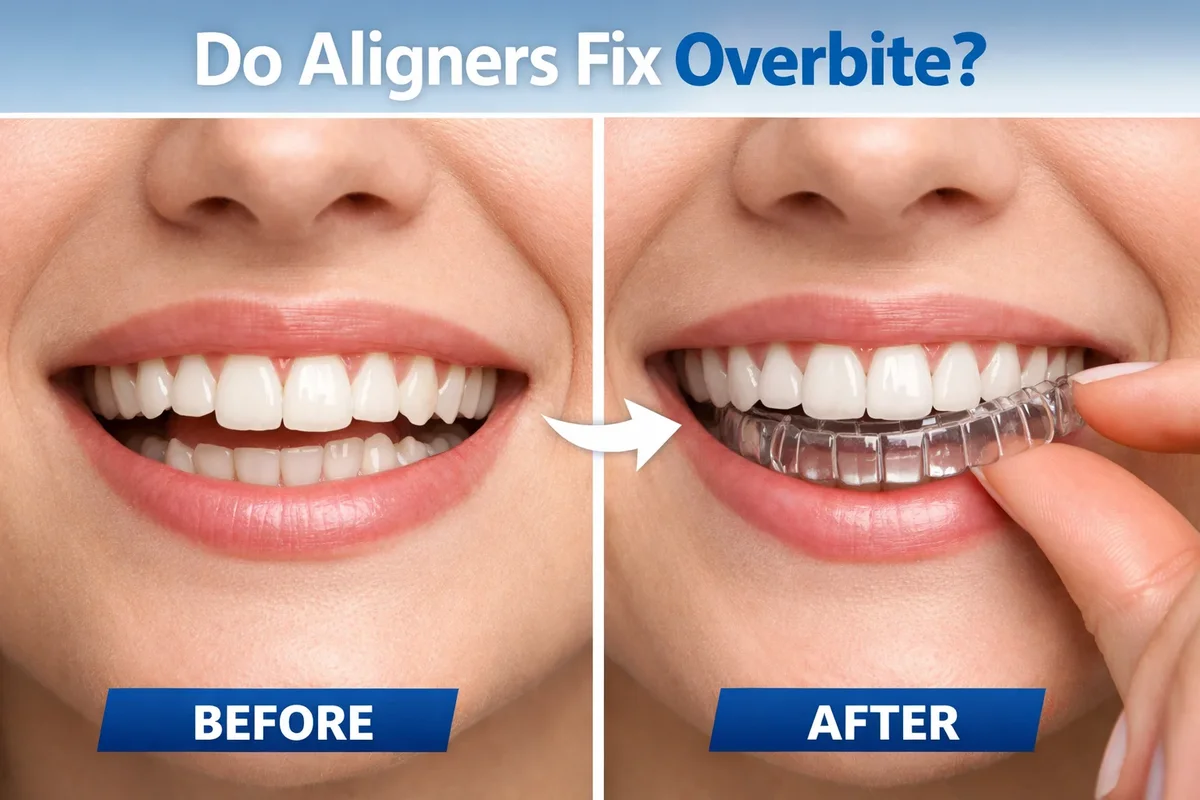
9. How to Know If You’re a Good Candidate for Aligners
After exploring effectiveness, timeline, benefits, limitations, and cost, the final and most personal question remains: do aligners fix overbite in my specific case? While general information is helpful, orthodontic treatment is never one-size-fits-all. Determining whether you are a good candidate for clear aligners requires clinical evaluation, bite analysis, and an understanding of your expectations and lifestyle. 🦷
Many patients repeatedly ask do aligners fix overbite because they want reassurance before scheduling a consultation. The truth is that candidacy depends on multiple medical, structural, and behavioral factors. Let’s break them down clearly and professionally.
Severity of Your Overbite
Mild to Moderate Cases
If your overbite is primarily dental — meaning it is caused by tooth positioning rather than jawbone imbalance — you are likely a strong candidate. In these cases, orthodontists often confidently answer yes when asked do aligners fix overbite. Clear aligners can gradually intrude upper incisors, adjust lower teeth, and rebalance vertical overlap with high predictability.
Severe or Skeletal Cases
If the overbite stems from jaw structure discrepancies, candidacy becomes more complex. While aligners may still be part of treatment, additional orthodontic tools or surgery might be necessary. In such situations, the answer to do aligners fix overbite may involve a combined approach rather than aligners alone.
Your Age and Bone Health
Age plays an important role in orthodontic movement. Younger patients often respond more quickly because bone remodeling occurs more efficiently. However, adults can absolutely benefit from aligners as well. Many adult patients specifically ask do aligners fix overbite because they want a discreet treatment option later in life.
Healthy bone density and good periodontal health are essential. If gum disease or significant bone loss is present, these issues must be treated before beginning aligner therapy.
Your Commitment to Wearing Aligners
Compliance Is Critical
Clear aligners must be worn 20–22 hours per day. Patients who frequently remove them may experience delayed progress or incomplete correction. Inconsistent wear is one of the main reasons some individuals question whether do aligners fix overbite works for them.
Are You Ready for Daily Responsibility?
If you are disciplined and comfortable maintaining consistent wear, aligners are an excellent choice. If you prefer a system that does not rely on personal compliance, braces might be more suitable.
Your Oral Hygiene Habits
Because aligners are removable, they support excellent hygiene — but only if used correctly. Brushing and flossing before reinserting trays is essential. Patients committed to oral care typically achieve better outcomes when exploring do aligners fix overbite as a treatment solution. 😊
Your Expectations and Goals
Aesthetic Goals
If discretion is important to you, aligners offer a nearly invisible correction method. Adults and professionals often prefer them for this reason when considering whether do aligners fix overbite effectively without visible braces.
Functional Goals
If your primary goal is relieving jaw pain, reducing enamel wear, or improving bite efficiency, aligners can often achieve these improvements in suitable cases.
Professional Evaluation: The Deciding Factor
Online research cannot replace a professional orthodontic assessment. Dentists use digital scans, bite measurements, and X-rays to evaluate structural relationships. According to clinical standards supported by the American Dental Association, proper diagnosis ensures safe and predictable orthodontic outcomes.
During consultation, your provider will assess:
- Vertical overlap measurement
- Jaw alignment
- Tooth crowding or spacing
- Gum and bone health
- Temporomandibular joint function
Only after this assessment can a definitive answer to do aligners fix overbite be given for your individual case.
When to Schedule a Consultation
If you notice excessive upper tooth overlap, jaw discomfort, or aesthetic concerns, it is time to seek professional advice. Early evaluation prevents long-term complications. You can schedule a personalized assessment through the Redent Klinik Contact Page to receive expert guidance tailored to your needs.
Final Conclusion: Are You a Candidate?
So, do aligners fix overbite for you? If your case is mild to moderate, your oral health is stable, and you are committed to wearing aligners consistently, you are likely an excellent candidate. Severe skeletal discrepancies may require additional treatment planning, but aligners still play a major role in many modern correction strategies.
Ultimately, candidacy depends on accurate diagnosis, realistic expectations, and professional supervision. When properly selected and carefully monitored, aligner therapy offers a safe, discreet, and highly effective path toward correcting overbite and achieving long-term oral balance. 😊