
Dental implants are widely considered one of the most reliable and long-lasting solutions for replacing missing teeth. They look natural, function like real teeth, and help maintain jawbone structure. However, despite these benefits, there are situations in which a dentist may recommend that a patient do not get dental implants. Understanding these situations is extremely important for making a safe, informed decision about your oral health.
When people search for information about whether they should do not get dental implants, they are often trying to understand the risks, limitations, and alternative treatment options. Dental implants are not always the ideal solution for every patient. Factors such as medical conditions, bone health, gum disease, financial considerations, and personal preferences can influence whether someone should proceed with implant treatment or instead choose a different dental restoration.
According to the American Dental Association, dental implants have a very high success rate when performed on healthy patients with adequate bone and good oral hygiene. Still, this does not mean that every patient automatically qualifies for implant surgery. In some situations, dental professionals may carefully evaluate your oral and general health and recommend that you do not get dental implants until certain conditions are treated or improved.
One of the most common reasons dentists advise patients to do not get dental implants is insufficient jawbone density. Dental implants require strong, healthy bone to anchor the titanium post that replaces the natural tooth root. If the jawbone is too thin or weak, the implant may fail to integrate properly with the bone. This process, called osseointegration, is critical for implant stability. Without it, the implant can become loose or fail completely.
Another important factor is gum health. Patients suffering from advanced periodontal disease may be advised to do not get dental implants until the infection is fully treated. Gum disease can destroy the bone and soft tissue surrounding the implant site, which significantly increases the risk of implant failure. For this reason, dentists usually recommend periodontal therapy before considering implant placement.
Systemic health conditions can also play a role in whether someone should do not get dental implants. For example, uncontrolled diabetes, severe autoimmune disorders, or certain medications that affect bone healing may reduce the success rate of implant procedures. These conditions do not always permanently disqualify a patient, but they may require careful medical evaluation and treatment planning.
Smoking is another factor that can influence implant success. Heavy smokers may be advised to do not get dental implants unless they are willing to reduce or stop smoking during the healing period. Smoking reduces blood flow to the gums, which slows healing and increases the risk of infection around the implant.
Financial considerations may also influence the decision. Dental implants are a long-term investment, but the upfront cost can be higher than other treatments. Some patients decide to do not get dental implants simply because alternative treatments such as bridges or removable dentures better fit their budget or insurance coverage.
For patients who are unsure whether they should proceed with implants, consulting with an experienced dental professional is essential. A comprehensive dental examination, X-rays, and sometimes 3D imaging are typically required to determine whether implants are the best option. If you are considering treatment but have concerns, you can also speak directly with a specialist through the Redent Klinik Contact Page to receive personalized guidance about your situation.
It is also important to understand that choosing to do not get dental implants does not mean you cannot restore your smile effectively. Many alternative treatments are available today, including dental bridges, partial dentures, and advanced prosthetic solutions that provide excellent function and aesthetics.
Ultimately, the decision to do not get dental implants should always be based on professional advice, individual health factors, and personal preferences. While implants are a highly successful treatment for many patients, responsible dental care means recognizing when another approach may provide a safer or more appropriate solution.
In the following sections of this guide, we will explore the most common reasons dentists recommend patients do not get dental implants, including medical conditions, bone loss, gum health issues, and lifestyle factors. Understanding these situations can help you make the best decision for your long-term oral health and overall well-being. 😊
Why Some Patients Decide to Do Not Get Dental Implants
Dental implants are widely recognized as one of the most effective solutions for replacing missing teeth. They provide stability, durability, and a natural appearance that closely mimics real teeth. However, there are several valid reasons why some individuals ultimately decide to do not get dental implants. This decision is not always based on fear or misunderstanding; in many cases, it is the result of careful consultation with dental professionals and a thoughtful evaluation of personal health, lifestyle, and financial circumstances.
Understanding why patients sometimes choose to do not get dental implants can help others make informed decisions about their own dental care. While implants are often the gold standard for tooth replacement, they are not universally suitable for everyone. Dentists evaluate many factors before recommending implant surgery, and some of these factors may lead patients to explore alternative treatments instead.
Medical and Health Considerations
One of the most common reasons people decide to do not get dental implants involves underlying medical conditions. Dental implant placement requires minor oral surgery and a healing period during which the implant integrates with the jawbone. For individuals with certain health issues, this healing process may be slower or less predictable.
Chronic Health Conditions
Conditions such as uncontrolled diabetes, immune disorders, or severe osteoporosis can affect bone healing and increase the risk of complications. Patients with these conditions may be advised by their dentist or physician to do not get dental implants until their medical condition is properly managed.
In addition, some medications used to treat bone diseases, such as bisphosphonates, can influence how bone tissue heals. Because implants depend on strong bone integration, these medications may increase the risk of complications during implant therapy.
Insufficient Bone Density
Another key factor influencing the decision to do not get dental implants is bone loss in the jaw. Dental implants require sufficient bone volume and density to support the titanium implant post. If the jawbone has deteriorated due to long-term tooth loss or periodontal disease, placing an implant may not be possible without additional procedures.
In many cases, dentists may recommend bone grafting before implant placement. However, not all patients want to undergo extra surgical procedures. For this reason, some individuals choose to do not get dental implants and instead opt for alternative restorations such as dental bridges or removable dentures.
Concerns About Surgical Procedures
Although dental implant surgery is generally considered safe and minimally invasive, it is still a surgical procedure. Some patients feel uncomfortable with the idea of oral surgery and therefore decide to do not get dental implants. This hesitation may be related to dental anxiety, previous negative dental experiences, or simply a preference for less invasive treatments.
Modern dentistry offers several non-surgical options that restore missing teeth effectively. For example, traditional dental bridges can replace missing teeth without requiring surgery. Patients who prefer simpler treatments may choose to do not get dental implants and select these alternatives instead.
Financial Considerations
Cost is another factor that may lead patients to do not get dental implants. Dental implants are designed to last many years, often decades, which makes them a valuable long-term investment. However, the upfront cost can be higher than other restorative options.
Typical dental implant costs vary depending on the country, clinic, and complexity of the treatment. A single dental implant in many countries may range approximately between:
Single dental implant (implant + crown): $1,500 – $4,000
Bone graft (if required): $300 – $3,000
Full mouth implant restoration: $15,000 – $30,000+
Because of these costs, some individuals decide to do not get dental implants and instead choose more affordable treatments that still restore function and appearance.
Lifestyle Factors
Certain lifestyle habits may also influence the decision to do not get dental implants. For example, heavy smoking can negatively impact healing and increase the risk of implant failure. Dentists often recommend quitting or significantly reducing smoking before implant surgery.
If a patient is unable or unwilling to change these habits, the dental team may recommend that they temporarily do not get dental implants until their lifestyle changes support proper healing.
Personal Preferences and Expectations
Some patients simply prefer other types of dental restorations. Even if they are good candidates for implant treatment, they may still decide to do not get dental implants because they are satisfied with alternative solutions such as removable dentures or bridges.
Every dental treatment decision should be based on a combination of clinical evaluation and personal comfort. A well-informed patient who understands both the benefits and limitations of treatment options is more likely to be satisfied with the final outcome.
If you are considering tooth replacement but are unsure whether implants are right for you, it is always best to consult an experienced dental professional. A personalized evaluation can help determine whether you should proceed with implants or whether it might be better to do not get dental implants and choose another restorative option. If you would like professional guidance, you can reach out through the Redent Klinik Contact Page for more information about suitable treatments.
Ultimately, deciding whether to proceed with implant therapy or to do not get dental implants is a highly individual decision. By understanding the medical, financial, and lifestyle factors involved, patients can choose the option that best supports their long-term oral health and overall comfort. 😊
Medical Conditions That Mean You Should Do Not Get Dental Implants
Dental implants are one of the most reliable and long-lasting solutions for replacing missing teeth. However, certain medical conditions may lead dental professionals to recommend that patients temporarily or permanently do not get dental implants. While implant treatment is highly successful in healthy individuals, systemic health conditions can influence healing, bone integration, and overall implant stability.
For this reason, dentists always perform a detailed medical evaluation before recommending implant therapy. If underlying health issues increase the risk of complications, your dentist may advise that you do not get dental implants until your condition is stabilized or alternative treatment options are explored.
Chronic Diseases That Affect Healing
One of the most important factors determining whether someone should do not get dental implants is how well their body heals after surgery. Dental implants rely on a biological process called osseointegration, where the titanium implant fuses with the jawbone. This process requires healthy blood circulation and a strong immune response.
Uncontrolled Diabetes
Diabetes is one of the most common health conditions that can complicate dental implant treatment. Patients with well-controlled diabetes can often receive implants successfully. However, when diabetes is poorly managed, healing becomes slower and the risk of infection increases.
In such cases, dentists may recommend that patients do not get dental implants until their blood sugar levels are properly controlled. This precaution helps reduce complications such as implant failure or gum infection.
Autoimmune Disorders
Autoimmune diseases such as rheumatoid arthritis, lupus, and certain immune deficiencies can interfere with the body’s natural healing process. Because the immune system may respond unpredictably, some specialists advise patients to do not get dental implants unless their condition is stable and monitored by a physician.
Patients taking immunosuppressive medications may also experience delayed healing, which can compromise implant success.
Bone Health Disorders
Healthy bone structure is essential for dental implant stability. Some bone-related conditions may lead dentists to recommend that patients do not get dental implants without additional precautions or treatments.
Severe Osteoporosis
Osteoporosis reduces bone density and weakens the structural integrity of the jawbone. Since dental implants require strong bone support, severe osteoporosis may make implant placement less predictable.
Although some patients with osteoporosis can still receive implants successfully, dentists may sometimes recommend that patients do not get dental implants if bone quality is extremely poor or if certain medications are being used.
Bisphosphonate Therapy
Bisphosphonates are medications commonly prescribed for osteoporosis and some cancer-related bone conditions. These drugs can affect how bone tissue heals after surgery.
Patients who are undergoing long-term bisphosphonate therapy may be advised to do not get dental implants due to the risk of a rare but serious condition called osteonecrosis of the jaw.
Cardiovascular and Circulatory Conditions
Heart disease and circulatory disorders can also influence whether patients should do not get dental implants. Implant surgery requires proper blood flow to support healing. If circulation is compromised, the risk of complications increases.
Patients taking blood thinners may also require special precautions before undergoing implant procedures. In some situations, dentists and physicians work together to determine whether the patient should proceed with treatment or temporarily do not get dental implants.
Cancer Treatments and Radiation Therapy
Patients undergoing cancer treatment may face additional challenges when considering dental implants. Radiation therapy to the head or neck can weaken bone tissue and reduce blood supply to the jaw.
In these cases, specialists may recommend that patients do not get dental implants until treatment is completed and the bone has recovered. Radiation can significantly increase the risk of implant failure if placed too soon.
Chemotherapy may also suppress the immune system, making infection more likely during the healing period.
Smoking and Lifestyle-Related Health Risks
Although smoking is not always considered a medical condition, it can significantly impact implant success. Heavy smokers may be advised to do not get dental implants unless they are willing to reduce or stop smoking during the healing process.
Smoking decreases blood circulation in the gums and slows the body’s ability to heal. This increases the likelihood of implant failure and gum inflammation around the implant.
When Medical Clearance Is Required
In many situations, patients are not permanently excluded from implant treatment. Instead, dentists may recommend medical clearance before proceeding. This means working with your physician to ensure that your condition is stable and safe for surgery.
Once the health issue is controlled, patients who were initially advised to do not get dental implants may later become eligible for treatment.
If you are unsure whether your medical history allows implant treatment, consulting with an experienced dental professional is essential. A comprehensive evaluation can determine whether implant therapy is appropriate or whether you should temporarily do not get dental implants and explore other tooth replacement options.
Patients seeking professional guidance about implant eligibility can contact dental specialists directly through the Redent Klinik Contact Page to receive a personalized consultation.
Ultimately, understanding how medical conditions influence implant success helps patients make informed decisions about their oral health. While implants are highly successful for many individuals, responsible dental care means recognizing when it may be safer to do not get dental implants until health conditions are properly managed. 😊
Bone Loss Problems That Make Dentists Advise to Do Not Get Dental Implants
One of the most common reasons dentists recommend that patients do not get dental implants is insufficient jawbone volume or density. Dental implants depend on strong bone support because the titanium implant post must fuse securely with the jawbone through a process known as osseointegration. When the bone structure is weak, thin, or severely reduced, this fusion may not occur properly. As a result, dentists sometimes advise patients to temporarily or permanently do not get dental implants until bone conditions are improved.
Bone health is critical for the long-term success of dental implants. Without enough bone to anchor the implant, the artificial tooth root may loosen, shift, or fail entirely. For this reason, dental professionals carefully analyze jawbone structure using X-rays, CT scans, and digital imaging before recommending implant treatment. If the evaluation shows significant bone loss, the safest recommendation may be to do not get dental implants at that time.
Why Jawbone Loss Happens
Jawbone deterioration can occur for several reasons. When a natural tooth is lost and not replaced quickly, the surrounding bone no longer receives stimulation from chewing forces. Over time, the body begins to reabsorb the bone tissue in that area. This natural process can lead dentists to advise patients to do not get dental implants if the bone volume becomes insufficient.
Tooth Loss and Bone Resorption
After a tooth is extracted or lost, the jawbone begins shrinking in that region. Studies show that as much as 25% of bone volume can disappear within the first year after tooth loss. When this bone reduction becomes severe, dental professionals may recommend patients do not get dental implants without additional procedures such as bone grafting.
Advanced Gum Disease
Periodontal disease is another major cause of bone loss. Chronic infection destroys both gum tissue and the supporting bone around teeth. Patients with severe gum disease may be advised to do not get dental implants until the infection is completely treated and bone stability is restored.
How Dentists Evaluate Bone Before Implant Treatment
Before recommending implant placement, dentists perform a detailed examination of the jawbone structure. Imaging technology such as 3D cone beam CT scans allows dentists to measure bone thickness and density accurately. If these measurements show that the jaw cannot properly support an implant, the dentist may recommend that you do not get dental implants until corrective treatment is performed.
This evaluation also helps determine whether additional procedures like sinus lifts or bone grafting are necessary. Some patients choose these procedures, while others decide to do not get dental implants and instead consider alternative restorative treatments.
Bone Grafting: A Possible Solution
In some situations, bone grafting can rebuild the lost bone structure. Bone grafting involves placing special graft material into the jaw to encourage new bone growth. Once the bone heals and strengthens, implant placement may become possible.
However, bone grafting adds time, cost, and additional surgical procedures to the treatment plan. Because of these factors, some patients decide to do not get dental implants and choose simpler tooth replacement options.
Common bone grafting procedures include:
Minor bone graft: $300 – $800
Major bone graft: $1,000 – $3,000
Sinus lift procedure: $1,500 – $5,000
While these procedures can make implants possible, not all patients want to undergo multiple surgeries. Therefore, some individuals prefer to do not get dental implants and instead explore other restorative options.
Alternative Tooth Replacement Options
If bone loss prevents implant placement, several other dental treatments can restore missing teeth. Patients who decide to do not get dental implants may still achieve excellent function and aesthetics with modern dental solutions.
Dental Bridges
A dental bridge replaces missing teeth by anchoring artificial teeth to adjacent natural teeth. This method does not require bone integration, which is why patients with bone loss sometimes choose this option instead of implants.
Removable Partial Dentures
Removable dentures are another effective alternative. While they may not provide the same stability as implants, they restore chewing ability and improve the appearance of the smile.
Why Professional Consultation Is Essential
Each patient’s bone structure and oral health condition are unique. Only a qualified dental professional can determine whether bone loss truly means you should do not get dental implants or whether advanced procedures can restore the jawbone sufficiently.
If you are concerned about bone loss or have been told you may need additional procedures before implants, seeking expert advice is the best step. Dental professionals can evaluate your condition and explain whether you should proceed with implants or do not get dental implants based on your individual situation.
Patients who want personalized guidance regarding implant eligibility or bone grafting procedures can contact specialists directly through the Redent Klinik Contact Page for professional consultation and treatment planning.
Understanding the relationship between bone health and implant stability is crucial for long-term success. While dental implants are an excellent solution for many people, situations involving severe bone loss may require patients to do not get dental implants until the jawbone is restored or alternative treatments are considered. Making an informed decision ensures both oral health and treatment success in the long term. 😊
Gum Disease Risks: When Experts Suggest You Do Not Get Dental Implants
Healthy gums are one of the most important foundations for successful dental implant treatment. While implants are designed to replace missing tooth roots and provide long-term stability, they depend heavily on the surrounding gum tissue and bone for support. For this reason, dentists often recommend that certain patients do not get dental implants if they are suffering from untreated gum disease.
Gum disease, also known as periodontal disease, is a chronic infection that damages the soft tissue and bone supporting the teeth. When this infection is present, it significantly increases the risk of complications around dental implants. Because of this, dental professionals may advise patients to temporarily do not get dental implants until their gum health is restored.
Understanding the connection between gum health and implants is essential for patients considering tooth replacement options. In many situations, treating gum disease first can improve the chances of implant success later.
What Is Gum Disease and Why It Matters
Gum disease develops when bacteria accumulate along the gumline, forming plaque and tartar that irritate the surrounding tissue. Over time, the infection can spread deeper into the gums and eventually damage the jawbone.
When this condition becomes advanced, dentists may strongly recommend that patients do not get dental implants until the infection is completely controlled. Implant placement in infected tissue can lead to implant failure or severe inflammation.
Early Stage: Gingivitis
Gingivitis is the earliest stage of gum disease. Symptoms typically include redness, swelling, and bleeding gums when brushing or flossing. At this stage, the condition is usually reversible with professional cleaning and improved oral hygiene.
Patients with mild gingivitis may not necessarily be told to do not get dental implants, but dentists will often recommend treating the gum inflammation first before proceeding with implant surgery.
Advanced Stage: Periodontitis
Periodontitis is a more severe form of gum disease that causes irreversible damage to the gums and bone. In this stage, deep pockets form between the teeth and gums, allowing bacteria to spread deeper into the supporting structures.
If a patient has active periodontitis, dental specialists frequently recommend that they do not get dental implants until the infection is fully treated. This is because the bacteria responsible for gum disease can also attack the tissues surrounding dental implants.
Peri-Implantitis: A Major Risk Factor
One of the most serious complications associated with gum disease and implants is a condition called peri-implantitis. This infection occurs around dental implants and can lead to bone loss and implant failure.
Patients with a history of untreated periodontal disease have a significantly higher risk of developing peri-implantitis. Because of this, dentists may recommend that certain individuals do not get dental implants until their gum health is stable.
Maintaining healthy gums is therefore essential for long-term implant success.
Warning Signs of Gum Disease
Before considering implant treatment, patients should watch for signs that may indicate gum disease. These symptoms may suggest that dental professionals will recommend that you do not get dental implants until treatment is completed.
- Persistent bad breath
- Bleeding gums when brushing or flossing
- Swollen or tender gum tissue
- Receding gums
- Loose teeth
- Pus between the teeth and gums
If any of these symptoms are present, a periodontal evaluation is necessary before considering implant surgery.
Treating Gum Disease Before Implant Placement
The good news is that gum disease can often be treated successfully. Many patients who were initially advised to do not get dental implants may later become good candidates once their periodontal condition is controlled.
Professional Deep Cleaning
A common treatment for moderate gum disease is scaling and root planing, also known as deep cleaning. This procedure removes bacteria and tartar from below the gumline.
After successful treatment, dentists reassess the gum condition to determine whether implant placement is safe.
Periodontal Surgery
In more severe cases, surgical procedures may be necessary to restore gum and bone health. These treatments can reduce infection and rebuild damaged tissue.
Only after these treatments are completed might dentists reconsider whether a patient should proceed with implants or continue to do not get dental implants.
Cost of Periodontal Treatment
Treating gum disease may involve several procedures depending on severity:
Professional cleaning: $75 – $200
Scaling and root planing: $500 – $1,500
Periodontal surgery: $1,000 – $3,000
While these treatments may require time and investment, they are essential for protecting long-term oral health.
Consultation and Personalized Care
Every patient’s gum health is different. The best way to determine whether gum disease affects your eligibility for implants is through a professional dental examination.
If you have concerns about periodontal health or implant suitability, experienced dental professionals can provide detailed guidance. Patients seeking advice can reach specialists through the Redent Klinik Contact Page for personalized evaluation and treatment planning.
Ultimately, protecting gum health is essential for successful dental restoration. When gum disease is present, dentists may recommend that patients temporarily do not get dental implants until the infection is fully treated. Addressing gum health first helps ensure long-term stability, better healing, and improved overall oral health outcomes. 😊
Financial Factors That Lead Patients to Do Not Get Dental Implants
While dental implants are widely recognized as one of the most advanced and durable solutions for replacing missing teeth, financial considerations often influence whether patients proceed with this treatment. In many cases, people choose to do not get dental implants simply because the total investment required is higher than other restorative options. Understanding the financial aspects of implant dentistry helps patients make informed decisions about their oral health and long-term budget.
Dental implants are designed to provide long-lasting results, sometimes lasting decades when properly maintained. However, the initial cost can appear significant compared to alternatives like dentures or bridges. Because of this, some patients decide to do not get dental implants and instead pursue treatments that require less upfront financial commitment.
Understanding the Total Cost of Dental Implants
The price of dental implant treatment varies depending on several factors including geographic location, dentist experience, materials used, and whether additional procedures are required. When patients learn the full cost breakdown, some may decide to do not get dental implants until they feel financially comfortable with the investment.
Typical Cost Breakdown
Dental implant treatment typically includes multiple components. The overall cost usually covers the implant post, the abutment that connects the implant to the crown, and the dental crown itself.
Single dental implant (implant post): $1,000 – $2,500
Abutment and crown: $500 – $2,000
Total single implant restoration: $1,500 – $4,500
These numbers are approximate averages and may vary depending on the clinic and country. Because of this financial range, some individuals choose to do not get dental implants and instead look for lower-cost solutions.
Additional Procedures That Increase Implant Costs
In some cases, patients require preparatory procedures before implants can be placed. These treatments may include bone grafting, sinus lifts, or gum treatments. When these procedures are necessary, the total treatment price increases, leading some patients to do not get dental implants and select alternative restorative options.
Common Preparatory Procedures
Bone grafting: $300 – $3,000
Sinus lift procedure: $1,500 – $5,000
Tooth extraction: $75 – $650
3D imaging and diagnostic scans: $100 – $500
When patients see the combined costs of these procedures, they may decide to do not get dental implants until they are financially prepared or until they explore insurance and payment options.
Insurance Coverage Limitations
Another reason patients choose to do not get dental implants involves insurance coverage. Many dental insurance plans either do not cover implant procedures or provide only partial reimbursement. While some plans may cover the crown portion of the restoration, they often exclude the implant surgery itself.
This means patients may need to pay most of the treatment cost out of pocket. When insurance support is limited, some people choose to do not get dental implants and instead opt for treatments that are better covered by their insurance policies.
Comparing Implant Costs With Other Treatments
Patients evaluating their treatment options often compare implants with other restorative solutions. When reviewing the financial differences, some individuals decide to do not get dental implants because alternative options are more affordable in the short term.
Dental Bridges
Traditional dental bridge: $1,000 – $3,000
Bridges can restore missing teeth without surgery and usually cost less initially than implants. However, they may require replacement after several years.
Removable Dentures
Partial dentures: $300 – $1,500
Full dentures: $600 – $3,000
Removable dentures are typically the most affordable option. For patients on a tight budget, choosing to do not get dental implants and instead use dentures may feel like a practical decision.
Long-Term Value Versus Short-Term Cost
Although implants require a larger upfront investment, many dentists emphasize their long-term value. Unlike bridges or dentures, implants can last decades and help preserve jawbone health. However, not every patient is able or willing to make the initial investment, which is why some choose to do not get dental implants despite their long-term benefits.
Patients should carefully weigh the immediate financial impact against the long-term durability and functionality of implants.
Financing Options and Payment Plans
Many modern dental clinics offer financing options or installment plans that allow patients to spread the cost of implant treatment over time. When patients learn about these options, they may reconsider their initial decision to do not get dental implants.
Flexible payment plans, health financing programs, and dental savings plans can make implant treatment more accessible for patients who otherwise would have chosen to do not get dental implants.
Consulting With a Dental Professional
If financial concerns are the primary reason you are considering whether to do not get dental implants, discussing your options with a qualified dental professional can be extremely helpful. Dentists can explain the full treatment plan, estimate costs, and recommend financing solutions that fit your budget.
Patients who want to explore personalized treatment options or payment plans can contact dental specialists through the Redent Klinik Contact Page. A consultation can help determine whether implants are financially realistic or whether it might be better to do not get dental implants and pursue other treatments.
Ultimately, the decision to proceed with implant treatment or do not get dental implants depends on a combination of clinical suitability, personal priorities, and financial readiness. By carefully evaluating the costs, insurance coverage, and long-term benefits, patients can choose the solution that best supports both their oral health and their financial comfort. 😊
Fear of Surgery: Psychological Reasons to Do Not Get Dental Implants
For many patients, the decision to replace missing teeth involves more than just clinical eligibility or financial planning. Psychological comfort also plays a major role. One of the most overlooked but very real reasons some individuals choose to do not get dental implants is the fear of undergoing a surgical dental procedure. Even though dental implant placement is considered a routine and safe treatment, the idea of surgery inside the mouth can create anxiety for many people.
Dental anxiety is extremely common worldwide. Studies suggest that a significant percentage of adults experience some level of fear when visiting a dentist, particularly when procedures involve surgery, drilling, or anesthesia. Because dental implant placement involves inserting a titanium post into the jawbone, patients who are anxious about surgical treatments may decide to do not get dental implants and instead consider alternative solutions that feel psychologically safer.
Understanding Dental Anxiety and Implant Procedures
Dental anxiety can range from mild nervousness to severe dental phobia. When patients imagine dental implant surgery, they often picture discomfort, long procedures, or complicated healing periods. Even though modern implant procedures are typically painless due to local anesthesia and advanced techniques, anxiety may still lead patients to believe it is better to do not get dental implants.
For some individuals, the fear is not necessarily about pain but about losing control during a medical procedure. The thought of surgical instruments, bone drilling, or sutures may cause enough emotional stress that patients prefer to do not get dental implants even if they are clinically good candidates.
Common Psychological Concerns
- Fear of surgical instruments or dental drills
- Concern about pain during or after the procedure
- Anxiety about anesthesia or sedation
- Fear of complications or implant failure
- Past negative dental experiences
These emotional concerns are valid and should always be addressed with compassion and proper patient education.
Misconceptions About Implant Surgery
Another reason people sometimes choose to do not get dental implants is due to misconceptions about the procedure itself. Many patients imagine implant surgery to be extremely invasive or painful, when in reality it is often less uncomfortable than tooth extraction.
Modern dental implant placement typically takes between 30 and 90 minutes for a single implant, depending on complexity. Local anesthesia completely numbs the area, and many patients report feeling only mild pressure during the procedure. Recovery is usually manageable with standard pain relief medication.
Despite these facts, the perception of surgery can still lead some patients to do not get dental implants without fully understanding how comfortable the procedure can be.
Impact of Previous Dental Experiences
Past dental experiences strongly influence how patients view future treatments. Individuals who have previously experienced painful procedures or poor dental care may develop long-lasting anxiety.
As a result, when presented with the option of implant surgery, they may instinctively decide to do not get dental implants. Their decision may not be based on the current procedure itself but rather on emotional memories from earlier dental visits.
Dental Trauma and Patient Trust
Patients who have experienced dental trauma in the past often require extra reassurance and trust-building before considering surgical procedures. Without proper communication and empathy from dental professionals, these individuals may feel more comfortable choosing to do not get dental implants and instead select treatments that seem less invasive.
Modern Solutions for Dental Anxiety
The good news is that modern dentistry offers several techniques designed to help anxious patients feel comfortable during implant procedures. Many people who initially believe they should do not get dental implants later discover that these solutions make the treatment much easier than expected.
Sedation Dentistry
Sedation dentistry is one of the most effective ways to reduce anxiety during dental procedures. Different levels of sedation can help patients relax or even sleep lightly during treatment.
Nitrous oxide (laughing gas): $50 – $150 per session
Oral sedation: $150 – $500
IV sedation: $500 – $1,000+
With sedation dentistry, many patients feel calm and comfortable throughout the implant procedure. This option can help individuals reconsider their decision to do not get dental implants.
Advanced Technology and Minimally Invasive Techniques
Modern dental clinics often use digital planning, guided implant surgery, and minimally invasive tools. These technologies reduce surgical time, improve accuracy, and minimize discomfort. Patients who previously believed they should do not get dental implants may feel more confident when they learn about these advancements.
Alternative Treatments for Patients With Surgical Anxiety
Even with modern comfort techniques, some individuals still prefer to avoid surgical procedures entirely. In these cases, dentists may recommend restorative options that do not require implant placement.
Patients who decide to do not get dental implants may consider treatments such as:
- Dental bridges
- Removable partial dentures
- Full dentures
- Resin-bonded bridges
While these options may not provide the same stability as implants, they can still restore function and improve the appearance of the smile.
Professional Guidance and Patient Comfort
Every patient deserves to feel comfortable and informed before making a dental treatment decision. If fear of surgery is influencing your choice to do not get dental implants, discussing your concerns openly with a dental professional can help clarify the procedure and reduce anxiety.
A qualified dentist can explain each step of the process, review sedation options, and help you determine whether implant treatment is truly the best choice for your situation. Patients seeking expert advice or personalized consultations can reach out through the Redent Klinik Contact Page for professional guidance.
Ultimately, deciding whether to proceed with implant surgery or to do not get dental implants should always be based on a balance of clinical recommendations, emotional comfort, and personal preferences. By understanding the psychological factors involved, patients can make confident and informed decisions about their dental health. 😊
Age and Healing Considerations When You Do Not Get Dental Implants
Age is an important factor when evaluating whether dental implants are the right solution for replacing missing teeth. While implants are suitable for many adults, dentists sometimes recommend that certain patients do not get dental implants due to age-related healing concerns or developmental factors. Age alone does not automatically prevent someone from receiving implants, but it can influence how the body heals and adapts to surgical treatment.
Both very young patients and older adults may face unique challenges when considering dental implant procedures. Understanding these age-related considerations can help patients make informed decisions about whether to proceed with treatment or temporarily do not get dental implants until conditions are more favorable.
Dental Implants and Young Patients
One of the most common reasons dentists recommend that a patient do not get dental implants involves incomplete jawbone development. In younger individuals, the jawbone continues growing throughout adolescence. If an implant is placed before the bone has finished developing, it may not remain properly aligned as the jaw grows.
Because dental implants behave like natural tooth roots and remain fixed in place, they do not adjust to changes in bone structure. For this reason, dentists usually advise younger patients to do not get dental implants until facial growth is complete.
When Is Jaw Growth Complete?
Jaw development typically finishes at different ages depending on the individual. On average:
- Girls: jaw growth often completes around ages 16–18
- Boys: jaw growth may continue until ages 18–21
Before recommending implant placement, dentists often use X-rays or growth assessments to determine whether skeletal development is complete. If growth is still ongoing, the safest recommendation is often to do not get dental implants until the jaw has fully matured.
Temporary Solutions for Younger Patients
Young patients who are advised to do not get dental implants still have several effective temporary treatment options to restore their smile and maintain oral function.
Removable Partial Dentures
Partial dentures are commonly used for adolescents who are missing teeth but must wait until adulthood for implants. These devices are removable and can be adjusted as the jaw continues developing.
Dental Bridges
In some cases, dentists may recommend a bridge to replace missing teeth temporarily. Once jaw growth is complete, patients who initially had to do not get dental implants may reconsider implants as a permanent solution.
Implants in Older Adults
While younger patients may be advised to do not get dental implants due to growth concerns, older adults sometimes face different challenges related to healing capacity. Age itself does not prevent implant success, but certain age-related health factors may influence the decision.
Slower Healing
As people age, the body’s healing processes may slow down. Bone regeneration and tissue recovery can take longer compared to younger individuals. In some cases, dentists may advise patients with compromised healing ability to do not get dental implants unless their overall health supports the procedure.
Age-Related Bone Loss
Older adults are more likely to experience bone loss due to long-term tooth loss, osteoporosis, or gum disease. When bone density becomes too low, dentists may recommend that patients do not get dental implants unless bone grafting or additional treatments are performed.
Health Conditions That Often Appear With Age
Many age-related medical conditions can affect implant success. For example:
- Diabetes
- Heart disease
- Osteoporosis
- Immune system disorders
These conditions do not always prevent implant treatment, but they may lead dental professionals to temporarily recommend that patients do not get dental implants until their health is properly managed.
The Importance of Comprehensive Evaluation
Because every patient is different, dentists conduct detailed evaluations before recommending implant surgery. This includes reviewing medical history, analyzing jawbone structure, and assessing healing ability.
If the evaluation shows that age-related factors could compromise the implant’s stability or healing process, the dentist may advise patients to do not get dental implants at that time.
Alternative Treatments for Patients of All Ages
Patients who decide to do not get dental implants due to age considerations still have many restorative options available. These alternatives can effectively restore function, comfort, and appearance.
Removable Dentures
Dentures are a common solution for replacing multiple missing teeth. They can restore chewing ability and improve the appearance of the smile without requiring surgery.
Dental Bridges
Bridges can replace one or several missing teeth by anchoring artificial teeth to neighboring natural teeth. This method does not rely on bone integration, making it suitable for patients who choose to do not get dental implants.
Consulting With an Experienced Dental Professional
Age-related considerations should always be evaluated by a qualified dental professional who can determine the safest and most effective treatment plan. If you are unsure whether age or healing capacity may affect your eligibility for implants, a professional consultation is the best way to clarify your options.
Patients who would like personalized advice regarding tooth replacement options can contact dental specialists through the Redent Klinik Contact Page. A comprehensive consultation can determine whether you should proceed with implant treatment or temporarily do not get dental implants based on your individual health and circumstances.
Ultimately, dental implants can provide excellent long-term results for many people, but responsible treatment planning requires careful evaluation of age-related healing factors. In certain situations, patients may benefit from choosing to do not get dental implants until conditions are optimal for a safe and successful outcome. 😊
Alternative Treatments When You Do Not Get Dental Implants
Dental implants are often described as the gold standard for replacing missing teeth, but they are not the only solution available. In many situations, patients choose to do not get dental implants because of medical conditions, bone loss, cost considerations, or personal preferences. Fortunately, modern dentistry offers several alternative treatments that can restore both the function and appearance of missing teeth.
If a dentist recommends that you do not get dental implants, it does not mean you must live with gaps in your smile. There are several proven restorative options that can help you eat comfortably, speak clearly, and maintain confidence in your appearance. Understanding these alternatives allows patients to make well-informed decisions about their oral health.
Dental professionals often evaluate multiple factors when determining whether a patient should do not get dental implants. These include bone density, gum health, overall medical condition, lifestyle habits, and budget. When implants are not the best choice, dentists can recommend other treatments that still provide excellent results.
Dental Bridges as a Common Alternative
One of the most widely used alternatives when patients do not get dental implants is a dental bridge. A dental bridge replaces one or more missing teeth by anchoring an artificial tooth to the neighboring natural teeth. These adjacent teeth act as supports, holding the bridge securely in place.
How Dental Bridges Work
A traditional dental bridge consists of three main components: two crowns placed on the teeth beside the gap and a prosthetic tooth that fills the missing space. This method allows patients who do not get dental implants to restore chewing ability without undergoing surgical procedures.
The procedure for placing a bridge is usually completed in two dental visits. During the first appointment, the supporting teeth are prepared and impressions are taken. The custom bridge is then fabricated in a dental laboratory. At the second visit, the dentist permanently places the bridge.
Advantages of Dental Bridges
- No surgical procedure required
- Shorter treatment timeline compared to implants
- Lower initial cost
- Effective restoration of chewing function
Because of these benefits, many individuals choose to do not get dental implants and instead opt for dental bridges as a reliable tooth replacement option.
Removable Partial Dentures
Another practical solution when patients decide to do not get dental implants is a removable partial denture. This dental appliance replaces multiple missing teeth and can be easily removed for cleaning.
How Partial Dentures Work
Partial dentures consist of artificial teeth attached to a gum-colored base. They are often supported by metal clasps that attach to remaining natural teeth. These dentures provide a stable and functional solution for patients who do not get dental implants but still want to restore their smile.
Modern partial dentures are designed to be lightweight, comfortable, and aesthetically pleasing. Many patients appreciate that this treatment does not involve surgery or complex procedures.
Benefits of Partial Dentures
- Affordable compared to implant treatment
- Non-surgical tooth replacement option
- Quick fabrication and fitting
- Suitable for patients with bone loss
Because partial dentures do not require bone integration, they are especially useful for patients who must do not get dental implants due to insufficient jawbone density.
Full Dentures for Extensive Tooth Loss
When a patient is missing all teeth in an arch, full dentures may be recommended if they choose to do not get dental implants. Full dentures replace an entire set of teeth and restore facial appearance and oral function.
Types of Full Dentures
There are two main types of full dentures:
- Conventional dentures – placed after the gums heal following tooth extraction.
- Immediate dentures – inserted immediately after teeth are removed.
These solutions can significantly improve quality of life for patients who do not get dental implants, allowing them to chew, speak, and smile more comfortably.
Resin-Bonded Bridges (Maryland Bridges)
Another option for replacing missing front teeth is a resin-bonded bridge, often called a Maryland bridge. This type of restoration is particularly useful when patients choose to do not get dental implants but still want a fixed, non-removable solution.
How Maryland Bridges Work
Instead of crowns, a Maryland bridge uses metal or ceramic wings that bond to the backs of adjacent teeth. This technique preserves more natural tooth structure compared to traditional bridges.
For patients who do not get dental implants, this minimally invasive approach can provide an attractive and functional replacement for missing teeth.
Cost Comparison of Implant Alternatives
Cost often influences the decision to do not get dental implants. The following approximate ranges illustrate the typical pricing of alternative treatments:
Dental bridge: $1,000 – $3,500
Partial dentures: $300 – $1,500
Full dentures: $600 – $3,000
Maryland bridge: $1,500 – $2,500
These treatments can restore oral function effectively while requiring a lower financial investment than implant therapy.
Choosing the Right Treatment for Your Needs
Every patient has unique dental needs, and the decision to do not get dental implants should always be guided by professional advice. Dentists evaluate oral health, lifestyle factors, and treatment goals before recommending the most suitable restoration.
If you are unsure whether implants or alternative treatments are right for you, consulting with an experienced dental professional can help clarify your options. Personalized consultations allow patients to understand the advantages and limitations of each treatment method.
You can also reach experienced dental professionals through the Redent Klinik Contact Page to receive tailored advice about tooth replacement solutions.
Ultimately, choosing to do not get dental implants does not mean sacrificing oral function or aesthetic results. With modern dental technology, bridges, dentures, and other restorative treatments can provide excellent outcomes for patients who prefer non-implant solutions. By exploring these options with a qualified dentist, you can achieve a healthy, confident smile that fits your individual needs. 😊
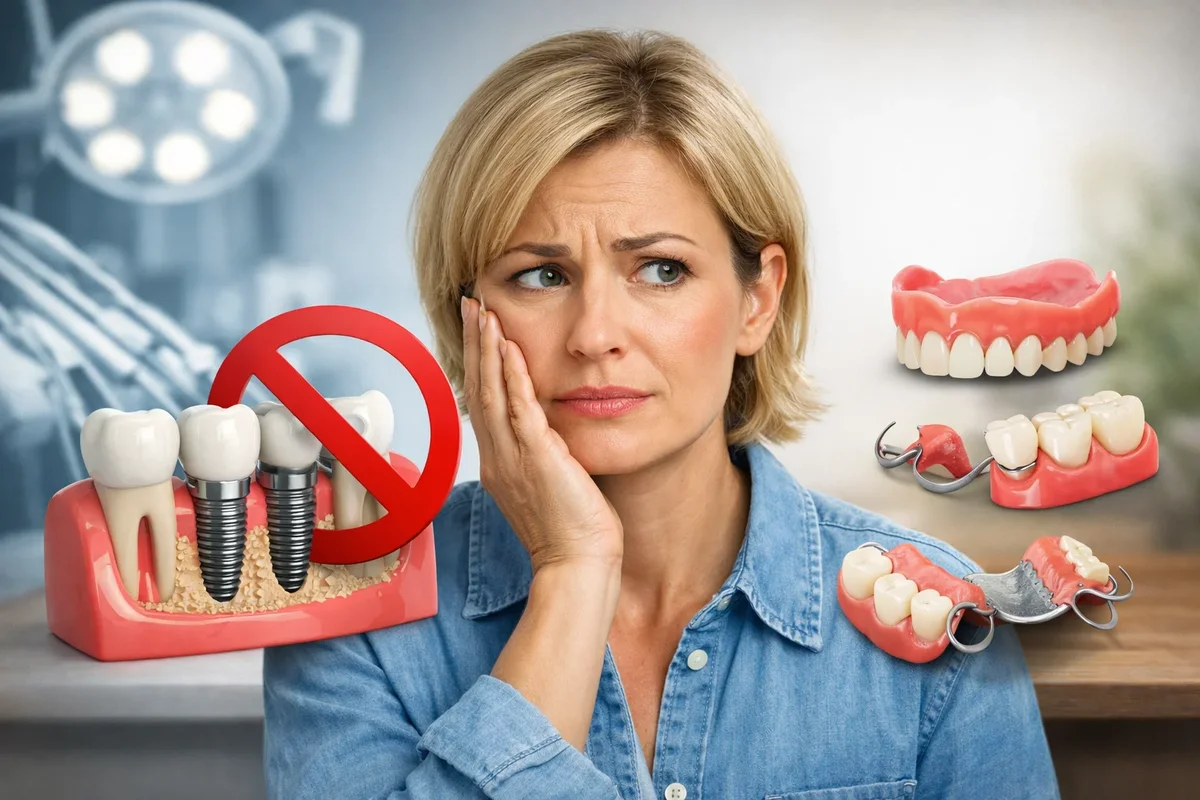
How to Decide Whether to Do Not Get Dental Implants or Choose Another Option
Choosing the right solution for missing teeth is an important decision that affects both oral health and overall quality of life. While dental implants are widely considered one of the most advanced restorative options, there are situations where patients may decide to do not get dental implants and instead explore other treatment alternatives. The key to making the right choice is understanding your personal dental condition, lifestyle factors, and long-term expectations.
Every patient has unique needs, which is why dentists carefully evaluate multiple factors before recommending implant treatment. In some cases, clinical findings, health conditions, or personal preferences may lead to the conclusion that it is better to do not get dental implants. Understanding these factors allows patients to make well-informed decisions that support their long-term oral health.
Evaluating Your Oral Health
The first step in deciding whether to proceed with implant treatment or do not get dental implants is a thorough dental examination. Dentists analyze the condition of your teeth, gums, and jawbone to determine whether implants are suitable.
Bone Density and Jaw Structure
Dental implants require sufficient bone density to support the titanium implant post. If the jawbone is too thin or weak, implant placement may not be successful. In these cases, dentists may recommend bone grafting or advise patients to temporarily do not get dental implants until bone strength is restored.
Advanced imaging technologies such as 3D scans allow dentists to measure bone volume accurately. This detailed evaluation helps determine whether implants are safe or whether patients should do not get dental implants and consider other restorative solutions.
Gum Health Assessment
Healthy gums are essential for implant success. If a patient has untreated periodontal disease, the dentist may recommend periodontal treatment first. In some situations, active infection means the safest choice is to do not get dental implants until gum health is restored.
Considering Your Medical History
Medical history plays a major role when deciding whether to proceed with implants or do not get dental implants. Certain health conditions can affect the healing process and increase the risk of complications.
Systemic Health Conditions
Conditions such as uncontrolled diabetes, severe osteoporosis, immune disorders, or recent radiation therapy may reduce implant success rates. Patients with these conditions may be advised to do not get dental implants unless their health is carefully managed and monitored.
Before implant surgery, dentists often consult with the patient’s physician to ensure that the procedure can be performed safely.
Assessing Lifestyle Factors
Lifestyle habits can also influence the decision to proceed with implant treatment or do not get dental implants. Certain habits may increase the risk of implant complications or reduce healing efficiency.
Smoking and Tobacco Use
Smoking significantly affects blood circulation in the gums, which can slow healing after implant surgery. Heavy smokers may be advised to do not get dental implants unless they are willing to reduce or stop smoking during the healing period.
Oral Hygiene Commitment
Dental implants require consistent oral hygiene and regular dental visits. Patients who are unable to maintain proper cleaning habits may be advised to do not get dental implants because poor hygiene increases the risk of implant infections such as peri-implantitis.
Financial Planning and Budget
Financial considerations also influence whether patients decide to proceed with implant treatment or do not get dental implants. While implants offer long-term durability, the initial cost can be higher than other tooth replacement options.
Patients should carefully review treatment plans, payment options, and insurance coverage before making a final decision.
Single dental implant: $1,500 – $4,500
Dental bridge: $1,000 – $3,500
Partial denture: $300 – $1,500
Full denture: $600 – $3,000
By comparing these costs, patients can determine whether implant treatment fits their financial goals or whether it is better to do not get dental implants and select another restoration.
Understanding Long-Term Maintenance
Dental implants require ongoing maintenance to remain successful. Patients must brush, floss, and attend regular dental check-ups to monitor implant health. Individuals who feel they cannot commit to these responsibilities may decide to do not get dental implants and instead choose simpler restorative solutions.
The Importance of Professional Consultation
Ultimately, the most reliable way to determine whether implants are right for you is through professional dental consultation. Dentists perform detailed examinations, review medical history, and discuss patient preferences before recommending treatment.
If you are uncertain whether implants are the best option or whether you should do not get dental implants, speaking directly with a dental professional can provide clarity. A personalized consultation allows you to explore all available treatments and understand the benefits and risks of each approach.
Patients seeking professional advice about implant treatment or alternative restorations can reach specialists through the Redent Klinik Contact Page. A qualified dental team can guide you through every step of the decision-making process.
Reliable information from trusted sources such as the American Dental Association can also help patients understand modern dental treatments and make confident decisions about their oral health.
Making a Confident and Informed Choice
Deciding whether to proceed with implants or do not get dental implants is a personal decision that should balance medical advice, financial planning, and personal comfort. By evaluating oral health, lifestyle habits, and treatment expectations, patients can select the solution that best fits their individual needs.
Regardless of whether you ultimately choose implants or decide to do not get dental implants, modern dentistry offers many effective ways to restore missing teeth and maintain a healthy, confident smile. Taking the time to explore all options ensures the best possible outcome for your dental health and overall well-being. 😊