
Many patients ask the same important question before visiting the dentist: does medical cover root canals and crowns? Dental procedures such as root canals and crowns are essential treatments that help preserve natural teeth and prevent more serious oral health problems. However, the cost of these procedures can sometimes be significant, which is why understanding insurance coverage is crucial. In this comprehensive guide, we will explain in detail how medical insurance works, when it may apply to dental treatments, and what patients should realistically expect when asking the question: does medical cover root canals and crowns.
To understand whether does medical cover root canals and crowns applies in your case, it is important to first know the difference between medical insurance and dental insurance. In most countries, including the United States and many European healthcare systems, routine dental procedures are typically handled by dental insurance rather than medical insurance. Root canals and crowns are generally classified as dental restorative procedures because they directly treat tooth damage, decay, or infection. As a result, in many situations, the straightforward answer to the question does medical cover root canals and crowns is usually “no,” unless specific medical circumstances are involved.
A root canal procedure is performed when the pulp inside a tooth becomes infected or inflamed. Dentists remove the infected tissue, disinfect the root canals, and seal the tooth to prevent further infection. After a root canal, the tooth often becomes structurally weaker. This is why dentists frequently place a dental crown on top of the treated tooth. The crown restores strength, function, and appearance. Because these treatments focus on tooth repair and oral function, insurance companies typically categorize them under dental care instead of medical care. Therefore, patients frequently research online whether does medical cover root canals and crowns applies to their insurance policy.
That said, there are exceptions where medical insurance might play a role. In rare situations, a medical condition, injury, or accident may require dental reconstruction as part of a broader medical treatment. For example, facial trauma caused by a car accident, sports injury, or jaw fracture may involve multiple procedures, including root canal therapy and crowns. In such cases, the question does medical cover root canals and crowns becomes more complex because medical insurance may cover the treatment if it is considered part of reconstructive care rather than routine dental work.
Another scenario where patients wonder does medical cover root canals and crowns is when dental infections threaten overall health. Severe dental infections can spread to surrounding tissues and, in rare cases, enter the bloodstream. When a dental infection becomes a systemic medical issue, doctors and dentists may coordinate treatment together. In these circumstances, certain medical insurance plans may cover hospital-related procedures, anesthesia, or emergency treatment connected to the dental infection.
Understanding coverage is also important because the cost of treatment can vary depending on the complexity of the case. Below is a general estimate of common dental procedure costs in the United States:
Typical Root Canal and Crown Costs (Approximate):
- Root canal (front tooth): $600 – $1,100
- Root canal (premolar): $700 – $1,300
- Root canal (molar): $1,000 – $1,800
- Dental crown (porcelain or ceramic): $800 – $2,500
Because of these costs, it is understandable why many patients search for the answer to does medical cover root canals and crowns. Dental insurance plans often cover a portion of restorative procedures, typically between 50% and 80% depending on the policy. Medical insurance, however, usually only covers treatment when it is directly related to a medical condition rather than standard dental care.
If you are unsure about your coverage, the best approach is to consult both your dentist and your insurance provider. Dentists often submit pre-treatment estimates to insurance companies so patients can see exactly what portion of the treatment may be covered. If you are considering treatment or need personalized guidance, you can also contact dental professionals directly through the Redent Klinik Contact Page for detailed information about procedures and insurance considerations.
Trusted organizations such as the American Dental Association also provide reliable information about dental procedures, insurance policies, and patient rights. According to dental experts, understanding your coverage before treatment helps avoid unexpected expenses and allows patients to plan their oral healthcare more effectively.
In summary, when patients ask does medical cover root canals and crowns, the most accurate answer is that medical insurance rarely covers routine dental procedures. However, certain medical circumstances, accidents, or complex health conditions may allow medical insurance to participate in coverage. Because every insurance plan is different, verifying the details with your provider and dental clinic is always the safest step.
Ultimately, protecting your oral health should always be a priority. Root canals and crowns are highly effective treatments that save natural teeth and restore normal chewing function. Even if medical insurance does not cover the procedure, dental insurance, payment plans, and consultation with experienced dental clinics can help make treatment accessible and manageable for patients seeking long-term oral health. 😊
What Does Medical Cover Root Canals and Crowns Actually Mean?
Many patients searching online are trying to understand one specific question: does medical cover root canals and crowns? The wording of this question may sound simple, but the real answer involves several layers of healthcare policy, insurance classification, and dental treatment definitions. To fully understand whether does medical cover root canals and crowns applies in your situation, it is necessary to look at how healthcare systems separate medical care from dental care and why these procedures are typically categorized in a particular way.
In general, the phrase does medical cover root canals and crowns refers to whether a standard medical insurance policy — not dental insurance — will pay for these procedures. Root canals and crowns are considered restorative dental treatments. Their primary purpose is to repair damaged teeth, remove infection inside the tooth structure, and restore the tooth’s functionality. Because these treatments focus on oral health rather than broader medical treatment, they are usually classified under dental insurance rather than general medical insurance.
Understanding the Difference Between Medical and Dental Coverage
One of the biggest reasons people ask does medical cover root canals and crowns is that many patients are unsure about the difference between medical and dental insurance policies. While both types of coverage relate to health, they are designed to address different aspects of healthcare.
Medical insurance typically covers services such as:
- Hospital visits
- Surgeries
- Emergency treatment
- Diagnostic testing
- Prescription medications
- Specialist consultations
In contrast, dental insurance is designed specifically for oral healthcare and procedures related to teeth and gums. Dental plans usually cover:
- Routine dental exams and cleanings
- X-rays and diagnostics
- Fillings and cavity treatments
- Root canal therapy
- Dental crowns and restorations
- Periodontal treatments
Because of this distinction, when people ask does medical cover root canals and crowns, the standard answer is that these procedures are generally billed through dental insurance. However, this does not mean medical insurance will never be involved.
Why Root Canals and Crowns Are Usually Classified as Dental Procedures
To understand the answer to the question does medical cover root canals and crowns, it helps to look at how these procedures are performed and why insurance companies categorize them as dental services.
Root Canal Treatment
A root canal is performed when the pulp inside a tooth becomes infected or inflamed. This pulp contains nerves and blood vessels that help nourish the tooth. When bacteria enter the pulp through deep decay, cracks, or trauma, severe pain and infection may develop. Dentists perform a root canal by removing the infected pulp, disinfecting the canals inside the tooth root, and sealing the space to prevent future infection.
Since this treatment focuses entirely on repairing the internal structure of a tooth, insurance providers generally treat it as a dental procedure. As a result, the question does medical cover root canals and crowns often receives a negative answer unless other medical complications are involved.
Dental Crown Placement
After a root canal is completed, dentists frequently recommend placing a crown over the treated tooth. A dental crown acts like a protective cap that restores strength, stability, and appearance. Without a crown, a root canal–treated tooth may become brittle and break over time.
Because crowns restore tooth structure rather than treat a systemic medical condition, insurance providers normally categorize them as restorative dentistry. Therefore, when patients ask does medical cover root canals and crowns, insurance companies typically direct the claim to dental coverage instead of medical coverage.
Situations That Cause Confusion About Coverage
The reason so many people search for does medical cover root canals and crowns is that healthcare coverage sometimes overlaps. In certain complex situations, medical insurance may contribute to dental treatment costs.
For example, coverage may be possible when dental procedures are required due to:
- Serious facial trauma from accidents
- Jaw surgery or reconstructive procedures
- Oral tumors or cyst removal
- Congenital facial abnormalities
- Medical complications requiring hospital-based dental treatment
In these situations, the dental treatment may be considered part of a larger medical procedure. If a root canal or crown is necessary to repair damage caused by trauma or surgery, medical insurance might help cover part of the treatment.
However, even in these cases, patients must carefully verify coverage with their insurance provider. Each policy has its own guidelines about whether does medical cover root canals and crowns applies to a particular medical scenario.
Why Patients Often Research This Question
Another reason the question does medical cover root canals and crowns is so common is the cost associated with these treatments. Root canals and crowns are highly effective procedures that preserve natural teeth, but they can be expensive without insurance.
Typical cost ranges in the United States may include:
- Root canal (front tooth): $600 – $1,100
- Root canal (premolar): $700 – $1,300
- Root canal (molar): $1,000 – $1,800
- Dental crown (ceramic or porcelain): $900 – $2,500
Because of these costs, patients understandably investigate whether does medical cover root canals and crowns could reduce their out-of-pocket expenses. In many cases, dental insurance may cover 50–80% of restorative procedures after deductibles and annual limits.
Where Patients Can Find Reliable Information
If you are unsure about whether does medical cover root canals and crowns applies to your situation, the most reliable approach is to consult both your dentist and your insurance provider. Dental offices frequently perform insurance verification before treatment and can explain what portion of the procedure may be covered.
Patients who need professional guidance can also contact experienced dental clinics directly through the Redent Klinik Contact Page to receive personalized advice about treatment options and insurance considerations.
Additionally, reputable organizations like the American Dental Association offer educational resources that help patients understand dental treatments, insurance terminology, and oral health recommendations.
Ultimately, the question does medical cover root canals and crowns depends on the specific circumstances of the treatment and the details of the insurance policy. While medical insurance rarely covers routine dental procedures, understanding how coverage works can help patients plan treatment more confidently and protect their long-term oral health.
Does Medical Cover Root Canals and Crowns Under Health Insurance?
One of the most common questions patients ask before starting dental treatment is: does medical cover root canals and crowns? Understanding the relationship between health insurance and dental procedures can help patients avoid unexpected expenses and plan treatment with confidence. In most healthcare systems, dental procedures and medical procedures are insured differently, which is why the question does medical cover root canals and crowns requires a detailed explanation.
Generally speaking, root canals and crowns are categorized as dental treatments. Dental insurance plans are designed specifically to cover preventive care, restorative procedures, and certain advanced treatments related to teeth and gums. Medical insurance, on the other hand, focuses primarily on systemic health issues affecting the entire body. Because of this separation, the answer to the question does medical cover root canals and crowns is usually that medical insurance does not cover routine dental procedures. However, there are certain exceptions that every patient should understand.
Why Health Insurance Usually Does Not Cover Dental Treatments
To understand whether does medical cover root canals and crowns applies to your situation, it is important to understand why health insurance and dental insurance exist as separate coverage systems.
Medical insurance policies are designed to cover treatments that affect overall bodily health. These include hospitalizations, surgeries, diagnostic imaging, prescription drugs, and specialist consultations. Dental procedures such as fillings, crowns, and root canals are considered localized treatments affecting teeth rather than systemic medical conditions.
Because of this classification, insurance companies normally direct claims for these procedures to dental insurance plans. This means that when a patient asks does medical cover root canals and crowns, the most common answer from insurers is that these treatments fall under dental benefits.
How Dental Insurance Typically Covers Root Canals and Crowns
Although medical insurance rarely covers these procedures, dental insurance plans are designed specifically for them. Dental coverage often includes three main categories of treatment.
Preventive Dental Care
Preventive care usually includes routine checkups, cleanings, fluoride treatments, and X-rays. Most dental insurance policies cover preventive services at 100%, since preventing oral disease is less expensive than treating advanced dental problems later.
Basic Dental Procedures
Basic procedures typically include treatments such as fillings and simple extractions. Insurance plans often cover around 70–80% of these treatments after the patient pays the deductible.
Major Restorative Procedures
Root canals and crowns are generally categorized as major restorative treatments. Dental insurance commonly covers about 50% of the cost, depending on the policy. Because of this classification, patients researching does medical cover root canals and crowns often discover that dental insurance is the primary source of coverage for these treatments.
Situations Where Medical Insurance Might Contribute
Even though the typical answer to does medical cover root canals and crowns is “no,” there are situations where medical insurance might provide partial coverage. These cases usually involve medical complications or injuries that affect the mouth or jaw.
Medical insurance may help cover treatment when root canals or crowns are part of:
- Treatment following a severe accident or facial trauma
- Reconstruction after jaw surgery
- Treatment of oral tumors or cysts
- Hospital-based dental procedures required due to medical conditions
- Congenital jaw abnormalities that require surgical treatment
In these situations, the dental procedure may be considered medically necessary because it is part of a larger medical treatment plan. When this occurs, the question does medical cover root canals and crowns becomes more complex because medical insurance may pay for part of the procedure.
Medical Necessity vs Dental Necessity
A key factor in determining whether does medical cover root canals and crowns applies to your case is the concept of medical necessity. Insurance companies often require documentation showing that the dental treatment is medically required rather than purely dental in nature.
For example, if a patient suffers facial trauma during a car accident and several teeth are damaged, a root canal and crown may be required as part of reconstructive treatment. In this scenario, medical insurance might cover the procedure because it is connected to trauma treatment rather than routine dental care.
However, if a root canal is required due to tooth decay or infection caused by bacteria, insurers typically classify the treatment as dental. In that case, medical insurance usually does not apply when asking does medical cover root canals and crowns.
Typical Costs Without Insurance
Understanding the costs associated with these procedures helps explain why so many patients ask does medical cover root canals and crowns. Without insurance, the expenses can vary depending on the location of the tooth and the complexity of the procedure.
Average Treatment Costs:
- Root canal (front tooth): $600 – $1,100
- Root canal (premolar): $700 – $1,300
- Root canal (molar): $1,000 – $1,800
- Porcelain crown: $900 – $2,500
Because these costs can be significant, patients often explore every possible insurance option and research whether does medical cover root canals and crowns could help reduce their financial burden.
How to Verify Your Insurance Coverage
The most reliable way to determine whether does medical cover root canals and crowns applies to your situation is to verify your policy directly with your insurance provider. Dentists can also submit a pre-authorization request to insurance companies to confirm what portion of the treatment may be covered.
Patients seeking guidance can also consult dental professionals through the Redent Klinik Contact Page to discuss treatment options, insurance questions, and personalized care recommendations.
Trusted professional organizations like the American Dental Association also provide valuable resources that explain dental insurance policies and patient rights.
Ultimately, while the answer to does medical cover root canals and crowns is usually that medical insurance does not cover routine dental care, certain medical circumstances may allow partial coverage. Understanding the details of your insurance policy and consulting qualified dental professionals will help you make the best decision for both your oral health and financial planning. 😊
When Does Medical Cover Root Canals and Crowns Instead of Dental Insurance?
Many patients researching dental treatment costs eventually ask the important question: does medical cover root canals and crowns? While the typical answer is that dental insurance pays for these procedures, there are certain situations where medical insurance may become involved. Understanding these exceptions is essential because coverage rules can vary significantly depending on the medical condition, the cause of the dental problem, and the insurance provider.
In most cases, dental insurance handles procedures that involve teeth and gums. However, when dental problems arise due to broader medical issues, trauma, or complex surgical procedures, medical insurance may contribute to treatment costs. This is why the question does medical cover root canals and crowns sometimes has a different answer depending on the circumstances.
Situations Where Medical Insurance May Cover Dental Procedures
Although routine dental treatments are rarely covered by medical insurance, there are special cases where insurers may consider root canals or crowns medically necessary. In these situations, the treatment is not simply repairing a tooth but rather addressing a medical condition that affects oral structures or facial health.
Facial Trauma and Accidents
One of the most common situations where patients ask does medical cover root canals and crowns is after an accident or injury. Severe trauma from car accidents, sports injuries, falls, or physical impacts can damage teeth, jawbones, and surrounding tissues. When dental procedures are needed to repair damage caused by trauma, medical insurance may cover part of the treatment.
For example, if a patient suffers facial injuries during a car accident and several teeth are fractured or infected, dentists may need to perform root canal therapy and place crowns to restore the teeth. In these cases, insurance companies may classify the treatment as reconstructive care related to trauma rather than routine dental treatment.
Because the dental procedures are part of trauma treatment, the question does medical cover root canals and crowns may have a positive answer depending on the policy.
Jaw Surgery and Reconstructive Procedures
Another situation where patients investigate does medical cover root canals and crowns involves jaw surgery or reconstructive procedures. Some medical conditions require surgical correction of jaw alignment, facial bone structure, or congenital abnormalities.
These surgeries may include procedures such as:
- Orthognathic surgery to correct jaw misalignment
- Reconstruction after facial fractures
- Treatment for congenital jaw deformities
- Removal of tumors or cysts affecting the jaw
When teeth are affected during these medical procedures, dentists may need to perform root canals or place crowns as part of the recovery process. In these cases, insurance companies sometimes approve medical coverage because the dental treatment supports the overall surgical outcome.
This is one scenario where the question does medical cover root canals and crowns may result in partial medical insurance reimbursement.
Medical Conditions That May Affect Dental Coverage
In certain medical situations, oral health problems are directly connected to broader health conditions. When this occurs, medical insurance may consider dental treatment part of medically necessary care.
Severe Dental Infections Affecting Overall Health
Dental infections sometimes spread beyond the tooth into surrounding tissues, the jawbone, or even the bloodstream. These infections can become serious medical emergencies requiring hospital treatment.
When a severe infection threatens systemic health, doctors and dentists may work together to manage the condition. Hospital-based dental procedures, anesthesia, or emergency treatments may then fall under medical coverage. In such cases, patients may revisit the question does medical cover root canals and crowns, since the dental treatment is linked to a broader medical emergency.
Oral Tumors or Cysts
Some oral tumors or cysts affect the jawbone and surrounding structures. Surgical removal of these growths may damage nearby teeth, making additional dental treatment necessary.
Following tumor removal or cyst surgery, dentists may need to perform root canal therapy or place crowns to restore the affected teeth. Because the dental work is connected to medical surgery, medical insurance may sometimes contribute to the treatment costs.
This situation provides another example where does medical cover root canals and crowns may have a different answer than expected.
Understanding Medical Necessity Requirements
Insurance companies typically require proof that a dental procedure is medically necessary before approving coverage. Medical necessity means the treatment is required to address a health condition that affects the body beyond routine dental care.
To determine whether does medical cover root canals and crowns applies in a specific case, insurers often require:
- Detailed medical documentation
- X-rays or imaging reports
- Letters from physicians or dentists
- Evidence that the procedure is part of medical treatment
Without this documentation, insurance companies are likely to classify the procedure as standard dental care, meaning dental insurance would apply instead of medical insurance.
Cost Considerations and Why Coverage Matters
The financial aspect is another major reason patients search for answers to does medical cover root canals and crowns. These procedures are highly effective at saving natural teeth, but they can be expensive when paid entirely out of pocket.
Typical Treatment Costs in the United States:
- Root canal (front tooth): $600 – $1,100
- Root canal (premolar): $700 – $1,300
- Root canal (molar): $1,000 – $1,800
- Dental crown (porcelain or ceramic): $900 – $2,500
Because of these costs, patients often explore all insurance options before beginning treatment. In certain cases involving trauma or surgery, medical insurance may reduce the financial burden.
Where to Get Professional Advice
If you are unsure whether does medical cover root canals and crowns applies to your situation, the best approach is to consult both your dentist and your insurance provider. Dental offices frequently help patients verify coverage and submit treatment estimates to insurance companies.
Patients who want personalized treatment advice can also reach experienced dental professionals through the Redent Klinik Contact Page. Dental specialists can evaluate your situation, explain treatment options, and help determine which insurance coverage may apply.
For additional information about dental procedures and oral health guidelines, patients can consult trusted resources such as the American Dental Association. This organization provides reliable educational materials that help patients understand dental treatments and insurance policies.
Ultimately, while routine dental procedures are usually covered by dental insurance, certain medical circumstances may change how coverage works. Understanding when does medical cover root canals and crowns may apply allows patients to navigate treatment decisions more confidently and protect both their oral health and financial well-being. 😊
Medical vs Dental Insurance: Who Pays for Root Canals and Crowns?
When patients begin researching treatment options for damaged or infected teeth, one of the most frequent questions they ask is: does medical cover root canals and crowns? Understanding who actually pays for these procedures can be confusing because healthcare systems separate dental coverage from medical coverage. Knowing how these insurance systems work helps patients plan treatment more effectively and avoid unexpected costs.
In most healthcare systems around the world, root canal therapy and dental crowns are classified as dental treatments. Because of this classification, dental insurance plans typically cover these procedures, while medical insurance focuses on broader health conditions affecting the body. This difference is the primary reason why the answer to the question does medical cover root canals and crowns is usually that medical insurance does not cover routine dental procedures.
However, the relationship between dental insurance and medical insurance is not always straightforward. Certain situations may involve both policies, and understanding the distinction is essential for patients seeking coverage for restorative dental treatments.
Understanding the Role of Dental Insurance
Dental insurance is designed specifically to help patients manage the cost of oral healthcare. It usually covers preventive, basic, and major dental procedures. Since root canals and crowns are restorative treatments that repair damaged teeth, they fall into the category of major dental procedures.
For patients asking does medical cover root canals and crowns, dental insurance is usually the primary source of financial support for these procedures.
Preventive Dental Services
Preventive care is the foundation of dental insurance coverage. Most plans cover these services at 100% because they help prevent serious dental problems later.
- Routine dental checkups
- Professional cleanings
- Dental X-rays
- Fluoride treatments
Although preventive services do not answer the question does medical cover root canals and crowns, they play a major role in reducing the likelihood of needing these more complex procedures.
Basic Dental Procedures
Basic procedures include treatments that repair early dental damage. Dental insurance plans typically cover around 70–80% of these treatments.
- Fillings for cavities
- Simple tooth extractions
- Minor periodontal treatments
While these procedures are less complex than root canals or crowns, they help prevent infections that might later lead patients to search for answers to does medical cover root canals and crowns.
Major Restorative Dental Treatments
Root canals and crowns fall under the category of major restorative procedures. Dental insurance plans often cover approximately 50% of the treatment cost after deductibles and waiting periods.
This means dental insurance — not medical insurance — is typically responsible when patients receive these treatments. Because of this, the question does medical cover root canals and crowns usually leads patients to discover that their dental policy provides the relevant coverage.
The Role of Medical Insurance
Medical insurance focuses primarily on overall bodily health rather than individual teeth. Medical policies usually cover services such as:
- Hospital treatment
- Surgical procedures
- Emergency care
- Diagnostic tests
- Specialist consultations
Because root canals and crowns are dental procedures that treat tooth decay or infection, they rarely qualify for medical insurance reimbursement. Therefore, when people ask does medical cover root canals and crowns, the answer is typically that medical insurance does not apply unless special circumstances exist.
Situations Where Both Insurances May Be Involved
Although dental insurance usually pays for root canals and crowns, there are situations where medical insurance may also contribute. These cases generally involve injuries or medical conditions that affect the mouth and surrounding facial structures.
Trauma and Accidents
One situation where patients reconsider the question does medical cover root canals and crowns is after facial trauma. If a patient damages teeth during an accident — such as a car collision or sports injury — medical insurance may help cover part of the reconstruction treatment.
For example, if teeth are fractured due to trauma and require root canal therapy followed by crowns, medical insurance may contribute to the treatment because it is related to injury repair.
Reconstructive Medical Procedures
Medical insurance may also play a role in dental procedures that are part of reconstructive surgery. This may occur in cases such as:
- Jaw reconstruction after injury
- Removal of oral tumors
- Treatment of congenital facial abnormalities
- Corrective jaw surgery
When dental procedures are performed as part of a larger medical treatment, insurance providers may approve partial medical coverage. In these scenarios, the question does medical cover root canals and crowns may have a different answer depending on the policy and documentation provided.
Why Patients Often Confuse Medical and Dental Coverage
The confusion surrounding does medical cover root canals and crowns often occurs because dental health is closely connected to overall health. Severe dental infections can affect surrounding tissues, cause pain, and sometimes spread to other parts of the body.
Because dental problems can impact overall health, many patients assume medical insurance should cover dental treatments. However, insurance companies separate dental care from general medical care for administrative and financial reasons.
Understanding this distinction helps patients avoid misunderstandings when planning treatment.
Typical Costs of Root Canals and Crowns
Patients researching does medical cover root canals and crowns often do so because they want to understand potential treatment costs. These procedures can vary depending on the tooth location and complexity.
Average Costs in the United States:
- Root canal (front tooth): $600 – $1,100
- Root canal (premolar): $700 – $1,300
- Root canal (molar): $1,000 – $1,800
- Dental crown (ceramic or porcelain): $900 – $2,500
Because of these costs, patients frequently investigate insurance options and ask whether does medical cover root canals and crowns might help reduce expenses.
How to Verify Your Coverage
The best way to determine whether does medical cover root canals and crowns applies to your specific situation is to consult both your dentist and your insurance provider. Dental clinics often help patients verify insurance benefits before treatment begins.
If you want professional advice regarding treatment planning and insurance questions, you can contact experienced dental professionals through the Redent Klinik Contact Page.
Patients can also find educational resources about dental treatments and insurance coverage through trusted organizations such as the American Dental Association, which provides reliable oral health guidance.
Ultimately, understanding the difference between dental and medical insurance is the key to answering the question does medical cover root canals and crowns. While dental insurance typically covers these restorative treatments, medical insurance may only apply in special cases involving trauma, surgery, or complex medical conditions. By understanding these distinctions, patients can make informed decisions and protect their long-term oral health. 😊
Situations Where Medical Cover Root Canals and Crowns May Apply
Patients often ask an important financial and medical question before starting dental treatment: does medical cover root canals and crowns? While the most common answer is that dental insurance pays for these procedures, there are specific situations where medical insurance may also apply. Understanding these exceptions helps patients navigate insurance systems more effectively and potentially reduce treatment costs.
Normally, root canals and crowns are categorized as dental procedures because they directly treat tooth damage or infection. However, when dental problems are caused by broader medical conditions or serious injuries, the answer to does medical cover root canals and crowns may change. In these cases, insurance providers may classify dental treatment as medically necessary care.
Below are the most common medical situations where coverage may apply.
Dental Trauma From Accidents or Injuries
One of the clearest scenarios where patients revisit the question does medical cover root canals and crowns involves dental trauma caused by accidents. Car accidents, sports injuries, falls, or physical impacts can severely damage teeth and jaw structures.
If a traumatic injury fractures a tooth or exposes the dental pulp, dentists may perform a root canal to remove infection and preserve the tooth. A crown is often placed afterward to restore strength and prevent the tooth from breaking.
Because the dental damage is the result of trauma, medical insurance may classify the treatment as reconstructive care. In such situations, the answer to does medical cover root canals and crowns may be yes, depending on the insurance policy and documentation provided.
Examples of Trauma-Related Dental Treatment
- Teeth fractured during a car accident
- Sports injuries that crack or break teeth
- Jaw injuries that affect surrounding teeth
- Facial trauma from falls or physical accidents
When these events occur, medical insurance providers sometimes reimburse dental procedures because they are part of emergency trauma treatment rather than routine dental care.
Reconstructive Surgery and Jaw Procedures
Another scenario where patients ask does medical cover root canals and crowns involves reconstructive surgical procedures. Certain medical conditions require jaw surgery or facial reconstruction, which can affect nearby teeth.
Examples of reconstructive medical procedures include:
- Corrective jaw surgery (orthognathic surgery)
- Reconstruction after facial fractures
- Treatment for congenital jaw abnormalities
- Removal of tumors affecting oral structures
During these surgeries, teeth may require additional treatment such as root canal therapy or crowns. Because the dental work is necessary to support the surgical outcome, medical insurance may sometimes provide coverage.
This is one situation where the answer to does medical cover root canals and crowns may differ from typical dental insurance rules.
Severe Dental Infections With Medical Complications
Dental infections are usually treated in a dental office, but in rare cases they can become serious medical conditions. When an untreated infection spreads to surrounding tissues or the bloodstream, it may require hospital care.
In these situations, doctors and dentists may collaborate to treat the infection and prevent further complications. Root canal therapy may be required to remove infected tissue and eliminate the source of the infection.
When treatment occurs in a hospital setting or is necessary to manage a systemic infection, medical insurance may cover part of the procedure. Because of this possibility, patients experiencing severe infections often revisit the question does medical cover root canals and crowns.
Symptoms of Severe Dental Infection
- Severe tooth pain
- Facial swelling
- Fever
- Difficulty swallowing
- Spread of infection into surrounding tissues
If a dental infection becomes a medical emergency, treatment may involve hospital care, intravenous antibiotics, and surgical dental procedures.
Treatment Related to Cancer or Tumor Removal
Another situation where the question does medical cover root canals and crowns may have a different answer involves oral tumors or cancers. Surgical removal of tumors in the mouth or jaw may damage nearby teeth.
Following surgery, dentists may perform restorative treatments to repair affected teeth. Root canals may be necessary if the tooth pulp is damaged, and crowns may restore structural integrity.
Because these dental treatments are part of cancer-related surgery, medical insurance may provide coverage for some procedures.
Hospital-Based Dental Treatment
Some dental procedures must be performed in a hospital environment due to underlying medical conditions. Patients with complex health problems, severe disabilities, or certain systemic diseases may require dental treatment under general anesthesia in a hospital setting.
When dental procedures occur in a hospital and are necessary for patient safety, insurance companies may classify them differently. In these situations, patients often ask again: does medical cover root canals and crowns?
Medical insurance may cover hospital fees, anesthesia costs, or parts of the procedure related to patient safety.
Typical Treatment Costs Without Insurance
The reason many patients research does medical cover root canals and crowns is because the procedures can be expensive without insurance coverage.
Average Treatment Costs (United States):
- Root canal (front tooth): $600 – $1,100
- Root canal (premolar): $700 – $1,300
- Root canal (molar): $1,000 – $1,800
- Dental crown (porcelain/ceramic): $900 – $2,500
Dental insurance often covers about 50% of these costs for major restorative procedures, which can significantly reduce patient expenses.
How to Confirm Insurance Coverage
If you are unsure whether does medical cover root canals and crowns applies in your case, the safest approach is to verify coverage before treatment begins. Dentists often help patients submit treatment estimates and insurance pre-authorizations.
Patients seeking professional advice can contact dental specialists directly through the Redent Klinik Contact Page. Dental professionals can evaluate your condition and help determine the most appropriate treatment plan.
For additional reliable oral health information, patients can consult trusted organizations such as the American Dental Association. Their resources help patients understand dental treatments, insurance policies, and best practices for maintaining oral health.
In summary, while routine dental care is usually covered by dental insurance, certain medical circumstances may allow medical insurance to contribute to treatment costs. Understanding these situations helps patients answer the important question: does medical cover root canals and crowns. Being informed allows patients to plan treatment confidently and protect their long-term oral health. 😊
Typical Costs of Root Canals and Crowns Without Medical Coverage
When patients begin researching restorative dental procedures, one of the first questions they ask is does medical cover root canals and crowns. Understanding the answer is essential because these treatments can involve significant costs if they are not covered by insurance. While dental insurance may cover part of the procedure, medical insurance usually does not apply to routine dental care. This is why many patients researching treatment costs start by asking does medical cover root canals and crowns before scheduling an appointment.
Root canals and crowns are among the most common restorative dental treatments used to save damaged or infected teeth. A root canal removes infected pulp inside the tooth, while a crown restores the structure and strength of the tooth afterward. These treatments are extremely effective for preserving natural teeth, but they can also be expensive without insurance coverage. As a result, patients frequently search online to understand whether does medical cover root canals and crowns might help reduce the financial burden.
Average Cost of Root Canal Treatment
The cost of root canal therapy varies depending on several factors, including the tooth location, the complexity of the infection, and the experience of the dentist performing the procedure. Teeth located toward the back of the mouth typically have multiple root canals, which makes treatment more complex and increases the overall cost.
Estimated Root Canal Costs by Tooth Type
- Front tooth (incisor or canine): $600 – $1,100
- Premolar tooth: $700 – $1,300
- Molar tooth: $1,000 – $1,800
Molars usually cost more because they contain multiple root canals that require careful cleaning and sealing. When patients learn about these costs, they often revisit the question does medical cover root canals and crowns in hopes that medical insurance may help cover the procedure.
Average Cost of Dental Crowns
After a root canal procedure, dentists frequently recommend placing a dental crown on the treated tooth. Root canal therapy removes the infected pulp but also leaves the tooth more fragile. A crown acts as a protective cap that restores strength and function.
The cost of crowns varies depending on the material used, the dental laboratory involved, and the complexity of the restoration.
Typical Crown Price Ranges
- Porcelain crown: $900 – $2,500
- Ceramic crown: $1,000 – $2,500
- Porcelain-fused-to-metal crown: $800 – $2,000
- Zirconia crown: $1,200 – $2,800
High-quality materials such as zirconia or full ceramic crowns are often preferred because they offer excellent durability and natural appearance. However, these advanced materials can increase the overall cost of treatment. Because of these prices, many patients again ask the question does medical cover root canals and crowns before deciding on treatment.
Total Cost of Combined Root Canal and Crown Treatment
In most cases, root canal therapy and crown placement are performed as part of a combined treatment plan. The root canal removes the infection, while the crown restores the tooth’s structure and protects it from future damage.
Without insurance, the combined cost may range between:
- Front tooth treatment: $1,500 – $3,000
- Premolar treatment: $1,700 – $3,500
- Molar treatment: $2,000 – $4,000+
These costs can vary depending on the dental clinic, geographic location, and the complexity of the treatment. As a result, it is very common for patients to research does medical cover root canals and crowns before committing to treatment.
Why These Procedures Are Often Expensive
Several factors contribute to the cost of root canals and crowns. These procedures require advanced dental technology, specialized materials, and skilled professionals. Dentists must carefully remove infection, shape the root canals, seal the tooth, and design a crown that fits perfectly.
Some of the cost factors include:
- Advanced dental equipment and imaging technology
- High-quality crown materials
- Dental laboratory fabrication
- Time and expertise required for complex procedures
- Follow-up visits and adjustments
Because these treatments involve multiple steps and professional expertise, the costs can be higher than simpler dental procedures. This is why patients continue researching whether does medical cover root canals and crowns might reduce their financial responsibility.
How Dental Insurance Helps Reduce Costs
Although the question does medical cover root canals and crowns usually has a negative answer, dental insurance plans often provide partial coverage for these treatments. Most dental policies categorize root canals and crowns as major restorative procedures.
Typical dental insurance coverage includes:
- Preventive services: 100% coverage
- Basic procedures: 70–80% coverage
- Major procedures (root canals and crowns): approximately 50% coverage
This means that dental insurance may significantly reduce treatment costs, even if medical insurance does not apply when asking does medical cover root canals and crowns.
Other Ways to Reduce Treatment Costs
Patients who do not have dental insurance still have several options to manage treatment costs. Many dental clinics offer payment plans or financing options to make restorative procedures more accessible.
Possible cost-saving options include:
- Dental financing programs
- Flexible payment plans
- Dental discount plans
- Dental tourism for lower treatment costs
- Preventive care to avoid advanced procedures
If you are unsure about treatment costs or coverage options, you can consult experienced dental professionals through the Redent Klinik Contact Page. Dental specialists can evaluate your situation and explain available treatment solutions.
For additional guidance about dental procedures and oral health standards, patients can also refer to the American Dental Association, which provides reliable educational resources.
Ultimately, while medical insurance rarely covers routine dental procedures, understanding the costs of treatment helps patients make informed decisions. Even though the answer to does medical cover root canals and crowns is usually no, dental insurance, payment plans, and professional consultation can make these essential procedures more manageable. Protecting natural teeth through timely treatment is always the best investment in long-term oral health. 😊
How to Check If Your Medical Plan Covers Root Canals and Crowns
Before scheduling dental treatment, many patients ask an important financial question: does medical cover root canals and crowns? Understanding how to verify insurance coverage is essential because policies vary significantly depending on the provider, the type of insurance plan, and the reason for the dental procedure. While dental insurance usually pays for root canals and crowns, there are situations where medical insurance may contribute. For this reason, patients frequently investigate does medical cover root canals and crowns before beginning treatment.
Checking your insurance coverage may seem complicated at first, but there are several practical steps you can follow to determine whether does medical cover root canals and crowns applies to your situation. Taking the time to verify benefits can help avoid unexpected costs and ensure that you receive the appropriate treatment for your dental needs.
Review Your Medical Insurance Policy
The first step in answering the question does medical cover root canals and crowns is to carefully review your medical insurance policy documents. Most insurance companies provide a detailed explanation of benefits that outlines what types of treatments are covered and which services are excluded.
Within your policy documents, look for sections related to:
- Oral surgery coverage
- Accident or trauma-related treatment
- Hospital-based dental procedures
- Medically necessary dental treatments
If your policy includes coverage for reconstructive procedures or trauma-related treatment, there may be circumstances where the answer to does medical cover root canals and crowns could be yes.
Understand the Concept of Medical Necessity
Insurance providers typically require proof of medical necessity before approving dental procedures under a medical plan. Medical necessity means that the procedure is required to treat a health condition that affects overall bodily health rather than simply restoring a tooth.
Examples of Medical Necessity
Some scenarios where insurers may consider dental treatment medically necessary include:
- Severe facial trauma from accidents
- Jaw fractures requiring reconstruction
- Tumor removal affecting oral structures
- Congenital facial abnormalities
- Serious infections requiring hospital treatment
When these conditions occur, dentists and physicians may work together to document the treatment plan. In such cases, patients may again explore whether does medical cover root canals and crowns could apply as part of a larger medical treatment.
Contact Your Insurance Provider Directly
One of the most reliable ways to determine whether does medical cover root canals and crowns applies to your case is to contact your insurance provider directly. Insurance representatives can explain the details of your policy and clarify whether your treatment may qualify for coverage.
When speaking with your insurance provider, it is helpful to ask specific questions such as:
- Does my policy cover dental procedures related to trauma?
- Are root canals covered under medically necessary treatment?
- Are crowns covered after reconstructive surgery?
- Is pre-authorization required before treatment?
These questions help clarify the conditions under which does medical cover root canals and crowns might apply.
Request a Pre-Authorization From Your Dentist
Another important step in verifying coverage is requesting a pre-authorization from your dental clinic. Dentists often submit treatment plans and diagnostic images to insurance companies before performing procedures.
Information Included in Pre-Authorization Requests
- X-rays showing the condition of the tooth
- Detailed treatment plan
- Explanation of medical necessity
- Estimated treatment cost
Once the insurance company reviews this information, they may confirm whether any portion of the procedure will be covered. This process helps patients better understand the answer to the question does medical cover root canals and crowns before treatment begins.
Consult Both Medical and Dental Insurance Providers
Many patients have both medical and dental insurance plans. In these situations, coverage may involve coordination between the two policies. While dental insurance typically covers restorative treatments, medical insurance may contribute if the procedure is related to trauma or surgery.
For example, if a patient experiences facial trauma that damages several teeth, medical insurance may cover part of the reconstruction while dental insurance covers the restorative procedures. In such cases, both policies may play a role in answering does medical cover root canals and crowns.
Understand Typical Treatment Costs
Patients researching does medical cover root canals and crowns are often concerned about the financial impact of these procedures. Understanding typical treatment costs helps patients plan accordingly.
Average Treatment Costs in the United States
- Root canal (front tooth): $600 – $1,100
- Root canal (premolar): $700 – $1,300
- Root canal (molar): $1,000 – $1,800
- Dental crown: $900 – $2,500
Because these procedures can be expensive without insurance, verifying coverage before treatment is extremely important.
Seek Professional Dental Advice
If you are unsure about insurance coverage, consulting an experienced dental clinic can help clarify your options. Dental professionals frequently assist patients with insurance verification and treatment planning.
You can contact dental experts through the Redent Klinik Contact Page to receive personalized guidance about treatment options, insurance questions, and oral health care.
Additionally, reputable organizations such as the American Dental Association provide trusted educational resources about dental treatments, patient rights, and insurance coverage.
Ultimately, determining whether does medical cover root canals and crowns applies to your case requires careful review of your insurance policy, consultation with your dentist, and communication with your insurance provider. Taking these steps allows patients to plan treatment confidently and protect their long-term oral health. 😊
Alternative Options If Medical Does Not Cover Root Canals and Crowns
Many patients begin their research by asking an important question: does medical cover root canals and crowns? While understanding insurance coverage is essential, the reality is that medical insurance usually does not pay for routine dental procedures. Because of this, patients often need to explore alternative ways to manage treatment costs. Even when the answer to does medical cover root canals and crowns is no, there are still several practical options that can make these necessary treatments affordable.
Root canals and crowns are critical procedures that help preserve natural teeth and prevent more serious oral health complications. Ignoring treatment due to financial concerns can lead to worsening infections, tooth loss, or more expensive procedures in the future. Therefore, understanding alternative solutions is just as important as asking does medical cover root canals and crowns.
Dental Insurance Plans
The most common alternative to medical insurance coverage is dental insurance. While patients often research does medical cover root canals and crowns, dental insurance is typically the primary source of financial support for these procedures.
Dental insurance policies are specifically designed to cover oral health treatments, including preventive services, basic procedures, and major restorative treatments such as root canals and crowns.
Typical Dental Insurance Coverage
- Preventive care (cleanings and exams): 100% coverage
- Basic procedures (fillings): 70–80% coverage
- Major restorative procedures (root canals and crowns): approximately 50% coverage
Although dental insurance may not cover the entire cost, it can significantly reduce out-of-pocket expenses. Patients researching does medical cover root canals and crowns often discover that dental insurance is the most reliable coverage option.
Dental Payment Plans
Many dental clinics understand that restorative procedures can be expensive and offer payment plans to help patients manage treatment costs. These plans allow patients to divide the total cost into smaller monthly payments rather than paying the entire amount upfront.
Payment plans are especially helpful for patients who discover that the answer to does medical cover root canals and crowns is no. Instead of delaying treatment, patients can proceed with necessary care while spreading the cost over time.
Benefits of Dental Payment Plans
- Affordable monthly payments
- No large upfront expenses
- Flexible financing options
- Immediate access to necessary treatment
Many dental clinics partner with financing companies that specialize in healthcare payments, making treatment accessible to a wider range of patients.
Dental Discount Plans
Another option for patients who find that does medical cover root canals and crowns does not apply is joining a dental discount plan. These programs are different from insurance policies. Instead of paying monthly insurance premiums, patients pay an annual membership fee that provides discounted dental services.
Dental discount plans typically offer reduced prices for many procedures, including:
- Routine exams and cleanings
- Fillings
- Root canals
- Dental crowns
- Other restorative procedures
Although the discounts vary depending on the plan, they can significantly reduce treatment costs. Patients researching does medical cover root canals and crowns may find that dental discount plans provide an affordable alternative.
Dental Schools and Training Clinics
Dental schools are another cost-effective option for patients seeking restorative treatment. Many dental universities operate teaching clinics where dental students perform procedures under the supervision of experienced dentists.
These clinics often offer significantly reduced prices for treatments such as root canals and crowns. For patients who discover that does medical cover root canals and crowns is not applicable to their insurance plan, dental schools can provide high-quality care at a lower cost.
Advantages of Dental School Clinics
- Lower treatment costs
- Supervision by experienced dentists
- Access to modern dental technology
- Opportunity for comprehensive care
Although appointments may take longer than standard dental visits, the financial savings can make treatment more accessible.
Dental Tourism
Some patients explore dental tourism when searching for affordable treatment options. Dental tourism involves traveling to another country where dental procedures are more affordable while still maintaining high standards of care.
For example, many patients travel internationally for procedures such as root canals and crowns because treatment costs can be significantly lower than in some countries.
Even if the answer to does medical cover root canals and crowns is no in their home country, dental tourism may allow patients to receive high-quality treatment at reduced prices.
Preventive Dental Care
Preventive care is one of the most effective ways to avoid expensive dental procedures altogether. Regular dental checkups allow dentists to detect early signs of tooth decay before they develop into serious infections requiring root canal therapy.
Simple preventive steps include:
- Regular dental checkups every six months
- Professional dental cleanings
- Daily brushing and flossing
- Reducing sugary foods and drinks
- Using fluoride toothpaste
Preventive care helps patients avoid severe dental problems that may lead them to ask does medical cover root canals and crowns in the first place.
Professional Consultation and Treatment Planning
If you are unsure about treatment options or financial solutions, consulting a professional dental clinic is always recommended. Dental specialists can evaluate your condition, explain treatment options, and help you understand available insurance or payment solutions.
Patients who want personalized guidance can contact dental professionals through the Redent Klinik Contact Page. Experienced dentists can provide detailed treatment plans and help patients find the most practical solution for their needs.
Additionally, trusted organizations such as the American Dental Association provide valuable educational resources about dental treatments, oral health care, and insurance policies.
In conclusion, even when the answer to does medical cover root canals and crowns is no, patients still have many options to access necessary dental treatment. Dental insurance, payment plans, discount programs, dental schools, and preventive care strategies can all help make these procedures more affordable. Protecting your natural teeth through timely treatment is always the best investment in long-term oral health and overall well-being. 😊
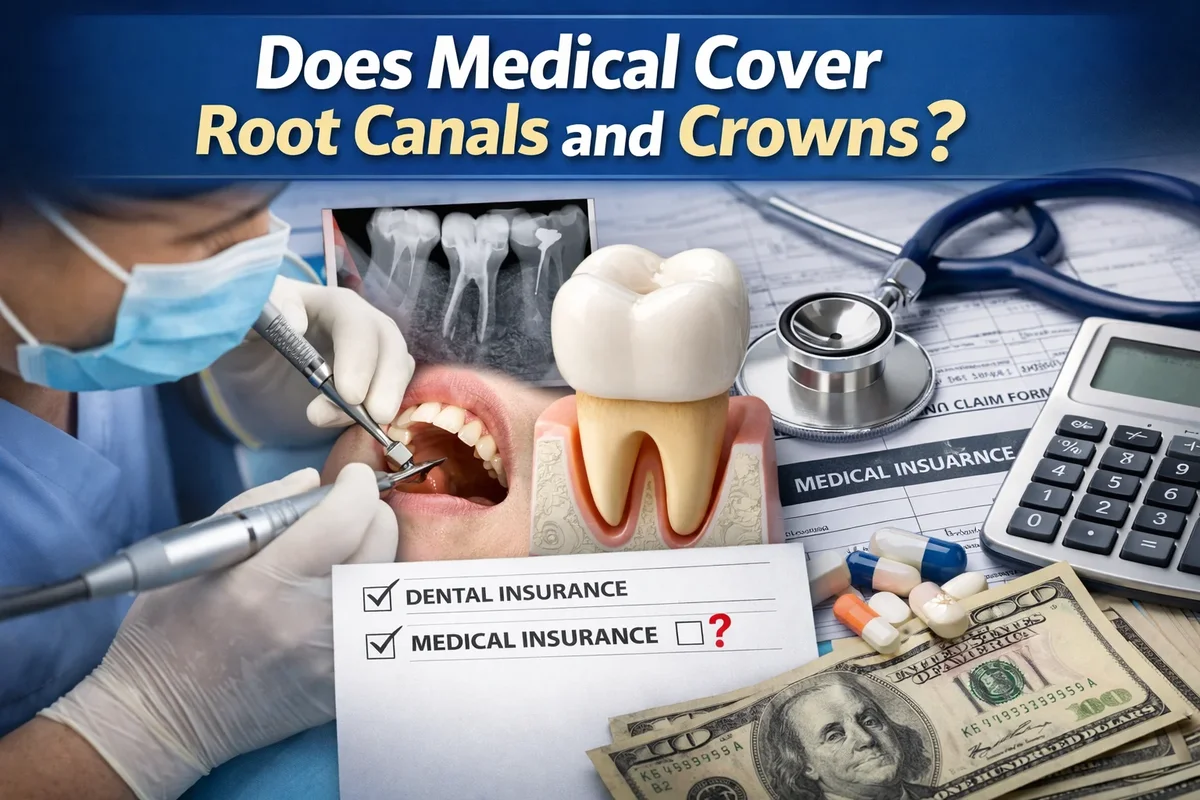
Expert Tips From Dentists About Insurance Coverage for Root Canals and Crowns
Many patients researching dental treatment costs eventually ask the same important question: does medical cover root canals and crowns? Dentists frequently hear this concern during consultations because root canal therapy and crown placement are among the most common restorative dental procedures. Understanding how insurance works, when medical insurance may apply, and how to plan treatment financially can help patients make informed decisions. Dental professionals often provide practical advice to help patients navigate the question does medical cover root canals and crowns and avoid unexpected expenses.
Root canals and crowns are highly effective procedures that save natural teeth and restore chewing function. However, because these treatments can be costly without insurance, patients naturally explore every possible coverage option. Although dental insurance usually covers these procedures, medical insurance coverage is less common. This is why dentists encourage patients to clearly understand the answer to does medical cover root canals and crowns before beginning treatment.
Consult Your Dentist Before Contacting Insurance
One of the most important tips dental professionals give patients is to consult their dentist before contacting their insurance provider. Dentists can evaluate the condition of the tooth and determine whether a root canal and crown are necessary.
During this evaluation, dentists typically perform:
- Dental X-rays
- Oral examinations
- Pulp vitality testing
- Assessment of tooth structure
After diagnosing the condition, the dentist can provide a treatment plan that may help clarify whether the situation involves routine dental care or a more complex medical condition. In certain situations, this information can influence the answer to does medical cover root canals and crowns.
Why Professional Diagnosis Matters
Insurance companies often require clinical documentation before determining coverage eligibility. Dentists provide detailed records that explain why a procedure is necessary. If a dental procedure is related to trauma, infection, or reconstructive surgery, the documentation may affect whether does medical cover root canals and crowns applies to the treatment.
Understand the Difference Between Dental and Medical Insurance
Another key tip from dental professionals is understanding how insurance systems classify treatments. Many patients mistakenly assume that medical insurance automatically covers dental procedures.
In reality, insurance providers usually separate coverage into two categories:
Dental Insurance Coverage
Dental insurance typically covers procedures related directly to oral health, including:
- Preventive care (cleanings and exams)
- Basic procedures (fillings)
- Major restorative treatments (root canals and crowns)
Because root canals and crowns repair damaged teeth, they are normally billed under dental insurance rather than medical insurance.
Medical Insurance Coverage
Medical insurance usually covers treatments affecting overall health, including:
- Hospital procedures
- Surgical treatments
- Emergency trauma care
- Systemic infections
Understanding this distinction helps patients realize why the answer to does medical cover root canals and crowns is typically no unless special circumstances exist.
Ask About Insurance Pre-Authorization
Dentists also recommend requesting a pre-authorization before beginning treatment. Pre-authorization is a process where the dental clinic sends treatment information to the insurance company for review.
This step can clarify whether any part of the treatment may qualify for insurance coverage. If a patient has experienced trauma or requires hospital-based dental care, the insurance company may review the documentation and determine whether does medical cover root canals and crowns applies to the case.
Information Included in Pre-Authorization
- X-rays of the affected tooth
- Clinical diagnosis
- Detailed treatment plan
- Estimated cost of the procedure
Receiving insurance approval before treatment begins can prevent misunderstandings about coverage and reduce financial uncertainty.
Plan Financially for Treatment
Another common recommendation from dentists is to prepare financially for treatment even if insurance coverage is uncertain. Root canals and crowns are essential procedures that preserve natural teeth and prevent further complications.
Patients often research does medical cover root canals and crowns because of the potential costs involved. Understanding typical treatment costs helps patients plan accordingly.
Average Treatment Costs
- Root canal (front tooth): $600 – $1,100
- Root canal (premolar): $700 – $1,300
- Root canal (molar): $1,000 – $1,800
- Dental crown (ceramic or porcelain): $900 – $2,500
Dental insurance may cover approximately 50% of major restorative procedures. Patients who find that does medical cover root canals and crowns does not apply to their insurance plan can still explore payment plans or dental financing options.
Prioritize Early Treatment
Dentists emphasize that delaying treatment can lead to more serious oral health problems. Untreated tooth infections may spread to surrounding tissues and eventually require more complex procedures.
Root canal therapy is designed to eliminate infection while preserving the natural tooth. Placing a crown afterward strengthens the tooth and restores its normal function. Early treatment can prevent tooth loss and avoid more expensive procedures later.
Patients who focus only on the question does medical cover root canals and crowns sometimes postpone treatment, but dental professionals strongly encourage addressing dental problems as soon as possible.
Consult Trusted Dental Professionals
If you are unsure about treatment options or insurance coverage, consulting a qualified dental clinic is always recommended. Dental professionals can evaluate your condition, explain treatment options, and help verify insurance coverage.
You can contact dental specialists through the Redent Klinik Contact Page for personalized consultation and guidance regarding dental procedures and insurance questions.
Patients can also explore reliable educational resources from organizations such as the American Dental Association, which provides expert information about oral health and dental treatments.
In summary, understanding the answer to does medical cover root canals and crowns requires careful review of insurance policies, consultation with dental professionals, and proper treatment planning. While medical insurance rarely covers routine dental procedures, dentists can help patients explore dental insurance options, payment solutions, and preventive strategies to maintain long-term oral health. Taking a proactive approach ensures that patients receive the care they need while managing treatment costs effectively. 😊