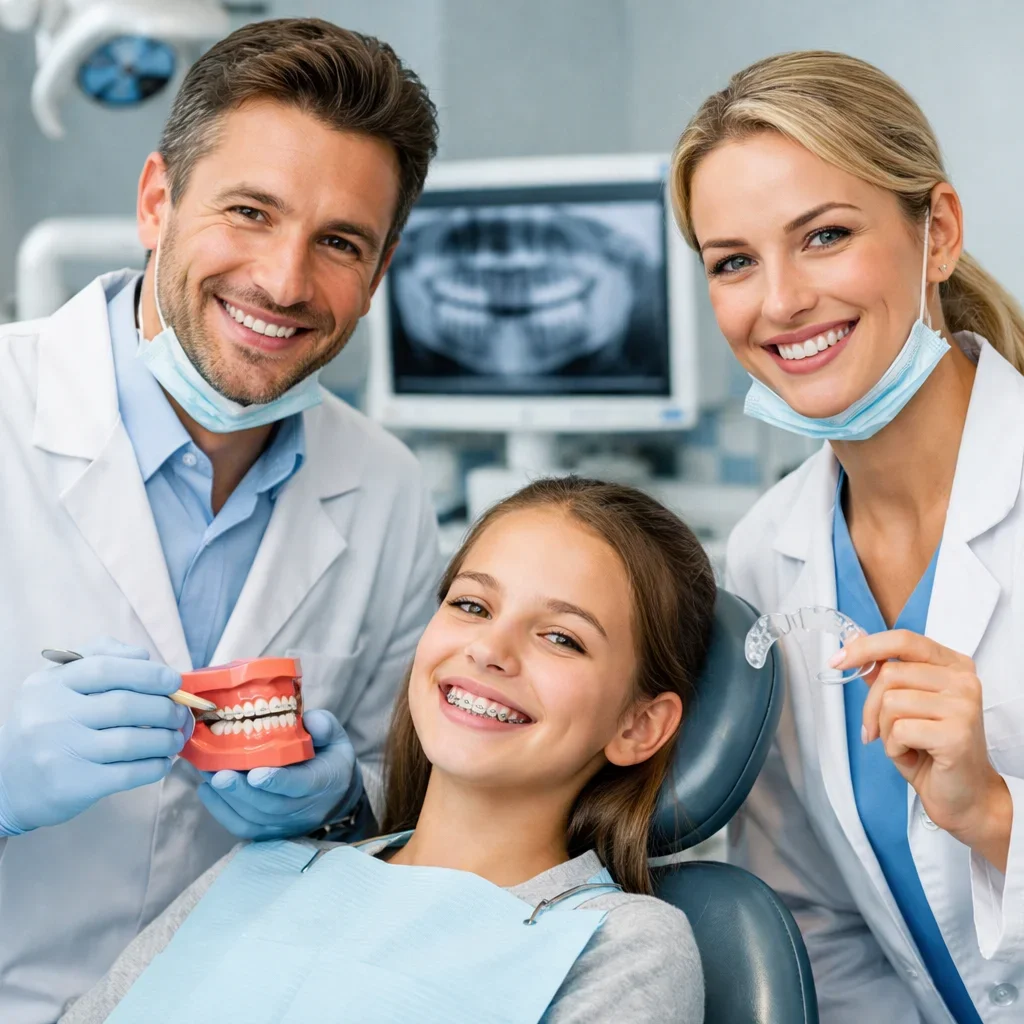
How to Identify Good Orthodontists for the Best Orthodontic Care

good orthodontists

Finding good orthodontists is one of the most important steps you can take when planning orthodontic treatment. Orthodontic care is not only about achieving a beautiful smile; it also plays a major role in improving oral health, bite alignment, and overall confidence. Because orthodontic treatments such as braces, aligners, or retainers often last for months or even years, choosing among good orthodontists can directly affect the quality, comfort, and success of the entire process. 😊

Many people believe that all orthodontists provide the same type of care, but this is not entirely true. The difference between average providers and good orthodontists lies in their education, experience, communication skills, and commitment to modern dental technology. Patients searching online for orthodontic treatment often want to know how to distinguish between different specialists and how to confidently choose the right professional for their needs.

Orthodontics itself is a specialized field of dentistry focused on correcting misaligned teeth and jaw irregularities. Specialists who practice orthodontics complete additional training beyond dental school. According to the American Dental Association, orthodontists undergo advanced education to diagnose and treat bite issues, crowded teeth, overbites, underbites, and spacing problems. This specialized knowledge allows good orthodontists to create personalized treatment plans that improve both aesthetics and oral function.

One of the most important characteristics of good orthodontists is their ability to conduct a thorough evaluation before recommending treatment. A professional orthodontist will carefully examine dental records, take digital scans or X-rays, analyze bite alignment, and discuss long-term goals with the patient. Rather than rushing into treatment, good orthodontists focus on understanding the patient’s needs and explaining every available option in clear, simple language.

Another key factor that separates good orthodontists from others is their use of modern orthodontic technology. Today’s orthodontic treatments have evolved far beyond traditional metal braces. Many clinics now offer clear aligners, ceramic braces, lingual braces, and advanced digital treatment planning tools. When patients consult with good orthodontists, they often benefit from digital imaging, 3D scans, and precise treatment simulations that show how the teeth will gradually move into the desired position.

Communication also plays a major role in identifying good orthodontists. Patients should feel comfortable asking questions about treatment duration, expected results, maintenance, and potential discomfort. The best orthodontists provide honest answers and make sure patients understand each stage of the process. This transparency helps build trust and reduces anxiety, especially for patients undergoing orthodontic treatment for the first time.

In addition to expertise and technology, patient care is another essential trait of good orthodontists. Friendly staff, organized appointments, and clear treatment plans all contribute to a positive experience. Orthodontic treatment usually requires regular visits over a long period, so working with good orthodontists who prioritize patient comfort and communication can make the journey much smoother.

Another important element when evaluating good orthodontists is the availability of consultation and support. Many reputable orthodontic clinics provide initial assessments to help patients understand their treatment needs. During these consultations, patients can learn about different orthodontic solutions and determine whether the clinic’s approach aligns with their expectations.

Patients considering orthodontic treatment abroad or in specialized dental clinics may also want to contact experienced professionals directly. For example, you can reach out through the Redent Klinik Contact Page to discuss orthodontic treatment options and receive guidance tailored to your dental goals.

Ultimately, choosing good orthodontists is about more than simply selecting the closest clinic or the lowest price. The right orthodontist combines education, experience, patient communication, and modern technology to deliver safe and effective treatment. Whether the goal is straighter teeth, improved bite function, or a confident smile, working with good orthodontists significantly increases the likelihood of achieving excellent results.

In the following sections of this guide, we will explore how to evaluate orthodontists more carefully, what qualifications to look for, what treatments are commonly offered, and how patients can confidently find good orthodontists who meet the highest standards of orthodontic care. 🦷

Why Choosing Good Orthodontists Matters for Long-Term Oral Health

Choosing good orthodontists is one of the most important decisions when planning orthodontic treatment. While many people focus mainly on cosmetic results, orthodontic care goes far beyond straightening teeth. Proper orthodontic treatment can improve bite alignment, jaw function, speech, chewing efficiency, and overall oral health. This is why selecting good orthodontists is essential for achieving safe, effective, and long-lasting results. 🦷

Orthodontic treatment often lasts between 12 and 24 months, and sometimes even longer depending on the complexity of the case. During this time, the orthodontist carefully guides tooth movement through gradual adjustments. When patients work with good orthodontists, they benefit from a well-planned treatment strategy that protects the teeth, gums, and jaw joints while delivering predictable outcomes.

The Role of Good Orthodontists in Preventing Dental Problems

Many orthodontic issues are not just aesthetic concerns. Misaligned teeth can lead to serious dental problems over time. Crowded teeth may be difficult to clean properly, increasing the risk of cavities and gum disease. An improper bite can cause uneven tooth wear, jaw strain, headaches, and even temporomandibular joint (TMJ) disorders.

This is where good orthodontists play a critical role. By analyzing dental structures, jaw alignment, and facial balance, they create treatment plans that correct these problems before they worsen. Patients who receive treatment from good orthodontists often experience long-term benefits such as:

  • Improved bite alignment
  • Reduced risk of tooth wear and fractures
  • Easier oral hygiene
  • Lower chance of gum disease
  • Better jaw function and comfort

Instead of focusing only on aesthetics, good orthodontists emphasize both functional and cosmetic improvements, ensuring that patients enjoy healthier smiles for years to come.

How Good Orthodontists Create Personalized Treatment Plans

Every patient has a unique dental structure. Some individuals may have mild spacing issues, while others may suffer from severe bite misalignment. Because of this, orthodontic treatment should never follow a one-size-fits-all approach.

Good orthodontists begin with a detailed examination that may include digital X-rays, photographs, bite analysis, and 3D scans. These diagnostic tools help them evaluate the precise position of each tooth and the relationship between the upper and lower jaws.

After analyzing the data, good orthodontists develop customized treatment plans designed specifically for the patient. These plans may include traditional braces, ceramic braces, clear aligners, or other orthodontic appliances depending on the case.

Because good orthodontists carefully plan each stage of treatment, patients typically experience smoother progress, fewer complications, and more predictable results.

Long-Term Stability Provided by Good Orthodontists

One of the most overlooked aspects of orthodontic treatment is long-term stability. Teeth naturally tend to shift over time, even after treatment is completed. Without proper retention strategies, the results of orthodontic work may gradually relapse.

This is another reason why choosing good orthodontists is crucial. Experienced specialists do not simply focus on straightening teeth—they also develop retention plans that maintain the results for many years.

Retention Planning by Good Orthodontists

Retention appliances, such as removable or fixed retainers, are essential after orthodontic treatment. Good orthodontists explain how and when to use retainers, ensuring that patients understand the importance of maintaining their new smile.

Additionally, good orthodontists schedule follow-up visits to monitor tooth stability and make adjustments if needed. This proactive approach helps protect the investment patients make in their orthodontic care.

The Psychological Benefits of Choosing Good Orthodontists

Orthodontic treatment does more than improve oral health—it can significantly enhance confidence and self-esteem. Many patients feel self-conscious about crooked or misaligned teeth. After treatment with good orthodontists, patients often report feeling more comfortable smiling, speaking, and interacting socially.

A confident smile can influence many aspects of life, including professional opportunities, personal relationships, and overall well-being. By helping patients achieve beautiful and functional smiles, good orthodontists contribute positively to both physical and emotional health.

Why Experience and Expertise Matter

Orthodontic treatment requires precision and expertise. Tooth movement must occur gradually and under controlled conditions to avoid damaging roots, gums, or surrounding bone structures. This is why experience is one of the defining characteristics of good orthodontists.

Specialists with years of experience have treated a wide range of orthodontic cases, allowing them to anticipate potential complications and adjust treatment plans accordingly. When patients choose good orthodontists, they gain access to professionals who understand how to manage complex dental situations safely and effectively.

In summary, selecting good orthodontists is not just about achieving straighter teeth. It is about protecting oral health, ensuring functional bite alignment, maintaining long-term results, and improving overall confidence. Patients who invest time in finding good orthodontists often enjoy healthier smiles, better dental stability, and greater satisfaction with their orthodontic journey. 😊

Top Qualifications and Certifications of Good Orthodontists

When searching for good orthodontists, one of the most important factors to consider is their qualifications and professional certifications. Orthodontic treatment is a highly specialized field within dentistry, and not every dentist has the same level of training in orthodontics. Understanding the educational background, certifications, and professional memberships of good orthodontists can help patients feel confident that they are receiving care from a skilled and knowledgeable specialist. 🦷

Orthodontics involves the correction of dental and facial irregularities, including crowded teeth, spacing issues, overbites, underbites, and jaw alignment problems. Because these treatments require precise planning and controlled tooth movement, good orthodontists must complete advanced training and demonstrate professional competence before practicing independently.

Educational Path of Good Orthodontists

The journey to becoming one of the good orthodontists typically begins with a dental degree. After completing undergraduate studies, future orthodontists attend dental school where they earn either a Doctor of Dental Surgery (DDS) or Doctor of Dental Medicine (DMD) degree. This stage provides a broad foundation in oral health, anatomy, pathology, and general dentistry.

However, graduating from dental school does not automatically make someone an orthodontist. To become one of the good orthodontists, dentists must pursue additional specialized training through orthodontic residency programs. These programs usually last two to three years and focus specifically on orthodontic diagnosis, treatment planning, and appliance management.

During this residency training, orthodontic specialists gain experience in:

  • Advanced orthodontic biomechanics
  • Facial growth and development
  • Jaw alignment and bite correction
  • Orthodontic appliance design
  • Digital orthodontic planning

This additional training is one of the main reasons why good orthodontists are uniquely qualified to manage complex orthodontic problems safely and effectively.

Board Certification and Professional Recognition

Another important indicator of good orthodontists is board certification. Board-certified orthodontists have successfully passed rigorous examinations that evaluate their knowledge, clinical skills, and ability to manage orthodontic cases.

Although board certification may vary by country, many orthodontists pursue certification from recognized professional organizations. These certifications demonstrate commitment to excellence and continuous improvement in orthodontic care.

Professional organizations also help maintain standards in orthodontics. For example, the American Dental Association provides guidelines and ethical standards that dental professionals must follow. Many good orthodontists are affiliated with such organizations to stay updated with the latest research and clinical practices.

Why Professional Memberships Matter

Membership in professional organizations often indicates that orthodontists are committed to ongoing education and professional development. Good orthodontists frequently participate in conferences, workshops, and continuing education programs to stay informed about modern treatment techniques.

Because orthodontic technology evolves rapidly, professionals who continuously update their skills are more likely to provide effective and comfortable treatment options.

Clinical Experience and Case Diversity

Education and certifications are essential, but clinical experience is another key factor that defines good orthodontists. Experienced orthodontists have treated a wide variety of cases, ranging from minor alignment issues to complex bite problems involving jaw irregularities.

When orthodontists treat many different types of cases, they develop a deeper understanding of tooth movement, treatment timing, and potential complications. This experience allows good orthodontists to adapt treatment strategies to each patient’s specific dental structure.

For example, orthodontic treatment may involve different approaches for:

  • Children whose jaws are still developing
  • Teenagers with crowded or misaligned teeth
  • Adults seeking discreet orthodontic solutions

Good orthodontists understand these differences and carefully adjust treatment plans to achieve optimal results for each age group.

Commitment to Ethical Patient Care

Ethics and professionalism are also important characteristics of good orthodontists. Responsible orthodontists prioritize patient health and long-term outcomes rather than recommending unnecessary treatments.

Ethical orthodontic practice includes:

  • Providing honest treatment recommendations
  • Explaining risks and benefits clearly
  • Offering alternative treatment options
  • Respecting patient comfort and preferences

When patients consult good orthodontists, they typically receive clear explanations of their condition and a transparent overview of the treatment process.

Consultation and Communication Skills

Another important quality that distinguishes good orthodontists is their ability to communicate effectively with patients. Orthodontic treatment can involve multiple visits and long-term planning, so patients should feel comfortable discussing their concerns and asking questions.

During consultations, good orthodontists usually provide detailed information about treatment options, expected timelines, and maintenance instructions. Clear communication ensures that patients understand each stage of their orthodontic journey.

If patients wish to learn more about orthodontic consultations or discuss treatment options with experienced professionals, they may reach out through the Redent Klinik Contact Page for guidance and support.

Technology Training and Modern Treatment Skills

Modern orthodontics increasingly relies on digital tools and advanced treatment systems. As a result, good orthodontists must also be skilled in using technologies such as digital scanners, 3D imaging, and computerized treatment planning.

These technologies help orthodontists visualize tooth movement more accurately and predict treatment outcomes before the process even begins. Patients who work with good orthodontists often benefit from more precise and comfortable orthodontic procedures.

In summary, identifying good orthodontists involves evaluating their education, certifications, clinical experience, ethical standards, and communication skills. Orthodontists who meet these qualifications are better equipped to deliver safe, personalized, and successful treatment results that improve both oral health and smile aesthetics. 😊

How Good Orthodontists Use Modern Technology for Better Results

One of the most important qualities that separates good orthodontists from average providers is their ability to integrate modern technology into orthodontic treatment. Over the past two decades, orthodontics has evolved significantly thanks to digital tools, advanced imaging systems, and innovative treatment methods. Patients who choose good orthodontists often benefit from more accurate diagnoses, shorter treatment times, improved comfort, and more predictable outcomes. 😊

Technology in orthodontics is not simply about convenience—it directly impacts the effectiveness of treatment. Advanced systems allow good orthodontists to visualize tooth movement, simulate treatment outcomes, and customize orthodontic appliances specifically for each patient. These innovations make orthodontic treatment safer, more precise, and more comfortable than ever before.

Digital Scanning and 3D Imaging

Traditional orthodontic impressions used thick dental molds that many patients found uncomfortable. Today, good orthodontists frequently use digital scanning technology to capture highly detailed images of the teeth and gums.

Digital scanners create accurate 3D models of a patient’s mouth within minutes. These scans allow good orthodontists to analyze tooth positions, jaw alignment, and bite relationships in exceptional detail.

Benefits of Digital Scanning Technology

When good orthodontists use digital scanning systems, patients experience several advantages:

  • More comfortable impressions without messy materials
  • Highly accurate digital records
  • Better visualization of orthodontic problems
  • Improved treatment planning

These detailed scans help good orthodontists create customized treatment strategies that address each patient’s specific dental structure.

Computerized Treatment Planning

Another important technology used by good orthodontists is computerized treatment planning. Digital orthodontic software allows specialists to simulate tooth movement and predict how teeth will gradually shift during treatment.

By using these advanced planning tools, good orthodontists can show patients a visual preview of their expected results even before treatment begins. This transparency helps patients understand the orthodontic process and feel confident in their treatment plan.

Computer simulations also allow good orthodontists to detect potential challenges early in the planning phase. Adjustments can be made before treatment begins, reducing the likelihood of complications later.

Clear Aligners and Modern Orthodontic Appliances

One of the most visible technological advancements in orthodontics is the development of clear aligner systems. Many patients prefer these removable, transparent trays because they offer a more discreet alternative to traditional braces.

Good orthodontists often offer a variety of modern orthodontic appliances, including:

  • Clear aligners
  • Ceramic braces
  • Lingual braces (placed behind the teeth)
  • Self-ligating braces

These modern options allow good orthodontists to tailor treatment to each patient’s lifestyle and aesthetic preferences. For example, adults who are concerned about appearance may choose clear aligners, while teenagers might benefit from advanced braces systems that require fewer adjustments.

Why Appliance Customization Matters

Customization is a major advantage of modern orthodontics. Rather than using standardized devices, good orthodontists design appliances specifically for each patient’s dental structure.

Customized appliances improve treatment accuracy and can sometimes reduce overall treatment time. When patients work with good orthodontists, they benefit from appliances that fit precisely and function efficiently.

Digital Monitoring and Remote Checkups

Technology has also improved how orthodontists monitor treatment progress. Some good orthodontists use digital monitoring tools that allow patients to submit images of their teeth through smartphone applications.

These tools enable orthodontists to evaluate treatment progress between office visits. If adjustments are needed, good orthodontists can recommend changes quickly, helping maintain treatment momentum.

This type of digital communication is especially helpful for busy patients who cannot frequently visit the clinic. It also allows good orthodontists to provide continuous guidance throughout treatment.

Advanced Diagnostic Imaging

In addition to digital scanning, many good orthodontists rely on advanced imaging technologies such as cone-beam computed tomography (CBCT). This imaging technique provides detailed 3D views of teeth, bone structures, and jaw joints.

With these detailed images, good orthodontists can evaluate complex orthodontic conditions that may not be visible in traditional X-rays. This level of diagnostic accuracy helps ensure safe tooth movement and protects surrounding bone structures.

Organizations like the American Dental Association emphasize the importance of accurate diagnostics and modern dental technologies in improving patient care.

Improved Patient Experience Through Technology

Technology has not only improved treatment results but also enhanced the overall patient experience. When patients visit clinics run by good orthodontists, they often notice streamlined appointment systems, digital records, and faster treatment processes.

Patients considering orthodontic care can learn more about treatment options and consultation opportunities through the Redent Klinik Contact Page, where specialists can provide personalized guidance.

In summary, modern orthodontic technology plays a crucial role in delivering effective and comfortable treatment. From digital scanning and treatment simulations to advanced appliances and remote monitoring, good orthodontists use technology to provide precise, efficient, and patient-centered orthodontic care. Patients who choose good orthodontists are more likely to experience smoother treatments, improved outcomes, and long-lasting smile transformations. 😁

Key Questions to Ask When Searching for Good Orthodontists

Finding good orthodontists requires more than simply searching online or choosing the nearest clinic. Orthodontic treatment is a long-term commitment, and asking the right questions during your consultation can help you evaluate whether a provider truly meets the standards of good orthodontists. The right questions reveal important details about experience, treatment planning, technology, and patient care.

Many patients feel nervous during their first orthodontic consultation and forget to ask important questions. However, good orthodontists encourage open communication and are happy to explain their methods, treatment options, and expectations. By preparing thoughtful questions in advance, patients can better understand the orthodontic process and make confident decisions about their treatment. 😊

Questions About Education and Professional Experience

One of the first steps in evaluating good orthodontists is understanding their professional background. Orthodontics requires specialized training beyond general dentistry, so patients should verify that the orthodontist has completed the necessary education and residency programs.

During a consultation, consider asking the following:

  • Where did you complete your orthodontic training?
  • How many years have you been practicing orthodontics?
  • How many cases similar to mine have you treated?
  • Are you affiliated with professional organizations?

These questions help determine whether the provider has the expertise expected from good orthodontists. Specialists who regularly treat complex cases often have deeper insight into treatment planning and potential complications.

Why Experience Matters

Experience plays a major role in orthodontic success. Even with modern technology, orthodontic treatment requires careful adjustments over time. Good orthodontists develop strong clinical judgment through years of practice, allowing them to identify problems early and modify treatment strategies when necessary.

Patients working with experienced good orthodontists typically experience smoother treatment progress and more predictable results.

Questions About Diagnosis and Treatment Planning

Another essential step in evaluating good orthodontists is understanding how they diagnose orthodontic problems and create treatment plans. Orthodontic care should always begin with a thorough evaluation rather than a quick recommendation.

Important questions include:

  • What orthodontic problems do you see in my case?
  • What treatment options are available for my condition?
  • How long will my treatment take?
  • What results can I realistically expect?

Good orthodontists take time to explain the diagnosis in detail and ensure that patients understand the goals of treatment. They also discuss alternative approaches so that patients can choose the option that best fits their lifestyle and preferences.

Questions About Orthodontic Technology

Modern orthodontic care increasingly relies on advanced digital tools and innovative appliances. Patients who want the best treatment outcomes should ask about the technologies used by good orthodontists.

Examples of helpful questions include:

  • Do you use digital scans instead of traditional impressions?
  • Do you offer clear aligner treatments?
  • How do you monitor treatment progress?
  • What technologies help improve treatment accuracy?

Clinics operated by good orthodontists often incorporate digital imaging, computerized treatment planning, and customized appliances. These tools help improve precision and patient comfort.

Organizations such as the American Dental Association emphasize the importance of modern diagnostic technologies in delivering safe and effective orthodontic care.

Questions About Treatment Duration and Follow-Up Care

Orthodontic treatment typically involves multiple appointments over many months or even years. Because of this, it is important to understand the expected timeline and follow-up procedures provided by good orthodontists.

Patients may ask:

  • How often will I need adjustment appointments?
  • What happens if an orthodontic appliance breaks?
  • Will I need retainers after treatment?
  • How will you ensure long-term stability?

Good orthodontists explain the importance of retention and provide clear instructions for maintaining treatment results after braces or aligners are removed.

Questions About Patient Comfort and Support

Another important factor when choosing among good orthodontists is the level of patient care provided by the clinic. Orthodontic treatment requires ongoing communication between patients and providers.

Helpful questions to ask include:

  • How do you handle orthodontic emergencies?
  • Is your staff available for patient support between appointments?
  • What can I do to minimize discomfort during treatment?

Good orthodontists ensure that patients feel supported throughout their treatment journey. Friendly staff, clear communication, and accessible support systems all contribute to a positive orthodontic experience.

Questions About Consultation and Next Steps

Finally, patients should ask about the next steps after their initial consultation. Good orthodontists typically provide detailed treatment outlines and discuss scheduling, preparation, and expectations.

If you are exploring orthodontic care options or would like to speak with experienced professionals, you can contact specialists through the Redent Klinik Contact Page to receive personalized guidance and consultation.

In conclusion, asking the right questions is one of the best ways to identify good orthodontists. Patients who actively participate in consultations gain a deeper understanding of orthodontic treatment and feel more confident in their decision-making. By evaluating experience, treatment planning, technology, and patient care, individuals can find good orthodontists who deliver high-quality orthodontic care and long-lasting smile results. 😁

Treatment Options Offered by Good Orthodontists

One of the key reasons patients search for good orthodontists is the wide variety of modern treatment options available today. Orthodontic care is no longer limited to traditional metal braces. Advances in dental technology now allow good orthodontists to provide multiple treatment solutions designed to address different dental conditions, lifestyles, and aesthetic preferences. From discreet aligners to advanced braces systems, the best specialists carefully evaluate each patient’s needs and recommend the most appropriate treatment.

Orthodontic treatments are designed to correct problems such as crooked teeth, spacing issues, bite misalignment, and jaw irregularities. When patients consult good orthodontists, they receive a customized treatment plan based on detailed examinations, digital scans, and bite analysis. These personalized plans ensure that each orthodontic appliance works effectively while maintaining comfort throughout the treatment process. 😊

Traditional Metal Braces

Traditional braces remain one of the most reliable orthodontic treatments available. Many good orthodontists still recommend metal braces because they are highly effective for correcting severe alignment problems and complex bite issues.

Modern metal braces are significantly smaller and more comfortable than older designs. They consist of brackets attached to the teeth and connected by wires that gradually guide the teeth into proper alignment. Good orthodontists adjust the wires during periodic visits to ensure that tooth movement occurs safely and progressively.

Advantages of Metal Braces

Patients who choose treatment from good orthodontists may benefit from the following advantages when using traditional braces:

  • Highly effective for complex orthodontic cases
  • Consistent tooth movement
  • Suitable for patients of all ages
  • Durable and reliable treatment option

Although metal braces are visible, many patients appreciate their effectiveness and predictable results when managed by good orthodontists.

Ceramic Braces for Aesthetic Treatment

Ceramic braces offer a more discreet alternative to traditional metal braces. These braces use tooth-colored or transparent brackets that blend with the natural appearance of teeth. Because of their aesthetic appeal, good orthodontists often recommend ceramic braces for teenagers and adults who want less noticeable orthodontic appliances.

Like metal braces, ceramic braces gradually move teeth into the correct position. The main difference is their visual appearance. Many patients prefer ceramic braces because they provide effective treatment while maintaining a more natural smile during the orthodontic process.

Good orthodontists carefully monitor ceramic braces to ensure proper alignment while minimizing potential staining or discoloration.

Clear Aligners and Invisible Orthodontic Solutions

Clear aligners have become one of the most popular orthodontic treatments in recent years. These removable, transparent trays gradually move teeth into alignment through a series of customized aligners.

Good orthodontists often recommend clear aligners for patients who want a nearly invisible treatment option. Because aligners can be removed while eating, brushing, and flossing, they offer greater flexibility compared to traditional braces.

Benefits of Clear Aligners

Patients treated by good orthodontists frequently choose aligners for several reasons:

  • Nearly invisible appearance
  • Removable for eating and cleaning
  • Comfortable smooth design
  • Fewer in-office adjustment visits

However, aligners require patient discipline. To achieve optimal results, good orthodontists instruct patients to wear aligners for approximately 20–22 hours per day.

Lingual Braces: Hidden Orthodontic Treatment

Another advanced option offered by good orthodontists is lingual braces. Unlike traditional braces, lingual braces are attached to the inner surfaces of the teeth, making them virtually invisible from the outside.

This treatment is particularly attractive for adults who want orthodontic correction without visible appliances. Because lingual braces require specialized placement techniques, they are usually offered only by experienced good orthodontists who have training in advanced orthodontic systems.

Early Orthodontic Treatment for Children

Orthodontic care is not limited to teenagers and adults. Many good orthodontists recommend early orthodontic evaluation for children, typically around the age of seven. Early assessment allows orthodontists to identify jaw development problems and guide proper tooth eruption.

Interceptive orthodontic treatment may include appliances designed to expand the jaw or correct bite issues before they become more severe. By providing early intervention, good orthodontists can often reduce the need for more complex treatments later in life.

Retention and Post-Treatment Care

Orthodontic treatment does not end when braces or aligners are removed. Maintaining results is an important part of the orthodontic process. Good orthodontists provide retainers that help keep teeth in their new positions after treatment is completed.

Retainers may be removable or fixed depending on the patient’s needs. Regular follow-up visits ensure that teeth remain stable and that orthodontic results last for many years.

Consultation with Experienced Orthodontists

Patients who are exploring orthodontic treatment options often benefit from speaking directly with experienced specialists. Clinics led by good orthodontists provide consultations that help patients understand available treatments and choose the best approach for their dental needs.

If you are considering orthodontic care and would like professional guidance, you can reach specialists through the Redent Klinik Contact Page to discuss treatment options tailored to your smile goals.

Professional organizations such as the American Dental Association also emphasize the importance of seeking care from trained orthodontic specialists to ensure safe and effective treatment.

In summary, the range of orthodontic treatments available today allows good orthodontists to address a wide variety of dental concerns. From traditional braces to invisible aligners and early childhood treatment, modern orthodontics offers flexible solutions for patients of all ages. When individuals choose good orthodontists, they gain access to personalized treatment plans that improve both oral health and smile aesthetics while delivering reliable long-term results. 😁

Patient Experience: What to Expect from Good Orthodontists

Choosing good orthodontists is not only about clinical expertise and advanced technology. The overall patient experience also plays a crucial role in determining whether orthodontic treatment will be comfortable, efficient, and successful. Orthodontic care usually requires multiple visits over an extended period, which means the quality of communication, support, and service provided by good orthodontists can greatly influence patient satisfaction.

Patients who receive care from good orthodontists typically notice a clear difference in how the treatment process is managed. From the first consultation to the final retention phase, experienced specialists prioritize patient comfort, transparency, and trust. A well-organized orthodontic clinic ensures that every step of the journey is smooth, informative, and reassuring. 😊

The Initial Consultation Experience

The orthodontic journey usually begins with an initial consultation. During this visit, good orthodontists conduct a detailed examination of the patient’s teeth, bite alignment, and overall oral health. This evaluation may include digital scans, photographs, and X-rays to fully understand the patient’s dental condition.

One of the defining characteristics of good orthodontists is their ability to explain findings clearly and patiently. Instead of rushing through the consultation, they take time to discuss treatment options, expected results, and possible alternatives. This transparency helps patients feel confident about the recommended treatment plan.

Key Elements of a Quality Consultation

When meeting with good orthodontists, patients can expect several important elements during the consultation:

  • A comprehensive dental examination
  • Detailed explanation of orthodontic problems
  • Discussion of available treatment options
  • Estimated treatment timeline
  • Clear guidance on next steps

This structured approach ensures that patients understand every aspect of their orthodontic care before beginning treatment.

Comfort and Communication Throughout Treatment

Orthodontic treatment involves gradual adjustments that guide teeth into proper alignment. Because this process can last months or even years, communication between patients and good orthodontists is extremely important.

Experienced orthodontists maintain open communication with their patients. They explain each adjustment, provide instructions for appliance care, and address any concerns that arise during treatment. When patients feel comfortable asking questions, they are more likely to follow treatment guidelines and maintain proper oral hygiene.

Good orthodontists also educate patients about what to expect during each phase of treatment. For example, mild pressure after adjustments is normal as teeth begin to move. By preparing patients for these sensations, good orthodontists help reduce anxiety and ensure a smoother treatment experience.

Professional and Friendly Clinic Environment

The environment of the orthodontic clinic also contributes to the overall patient experience. Clinics operated by good orthodontists typically emphasize professionalism, cleanliness, and organization.

Friendly staff members, efficient appointment scheduling, and clear communication create a welcoming atmosphere. Because orthodontic treatment requires regular visits, patients appreciate clinics that respect their time and maintain a positive environment.

Why Clinic Organization Matters

Well-organized clinics allow good orthodontists to focus fully on patient care rather than administrative complications. Patients benefit from shorter waiting times, well-coordinated appointments, and streamlined treatment processes.

This attention to detail reflects the overall professionalism that patients expect from good orthodontists.

Monitoring Progress and Adjusting Treatment

Throughout the treatment process, good orthodontists regularly monitor progress to ensure that teeth are moving according to the treatment plan. These evaluations allow orthodontists to make small adjustments that keep treatment on track.

During follow-up visits, patients may receive wire adjustments, aligner updates, or appliance modifications. Good orthodontists carefully evaluate how the teeth are responding to treatment and make necessary changes to optimize results.

Regular monitoring also helps prevent complications. By identifying issues early, good orthodontists can adjust treatment strategies and maintain consistent progress.

Support and Guidance Between Appointments

Orthodontic care does not only occur during clinic visits. Patients may occasionally experience minor issues between appointments, such as discomfort from braces or questions about aligner use. Clinics run by good orthodontists typically provide guidance and support even outside scheduled visits.

Patients should feel comfortable contacting the clinic if they encounter problems with their orthodontic appliances. Good orthodontists ensure that patients receive clear instructions for managing minor issues and encourage them to seek help whenever needed.

If you would like to learn more about orthodontic consultations or speak with experienced dental professionals, you can contact specialists through the Redent Klinik Contact Page for personalized assistance.

The Importance of Patient Education

Another hallmark of good orthodontists is their commitment to patient education. Orthodontic treatment requires proper oral hygiene, appliance care, and adherence to specific instructions. When patients understand these responsibilities, they are more likely to achieve optimal results.

Good orthodontists provide clear guidance on brushing techniques, dietary restrictions, and appliance maintenance. These instructions help protect teeth and gums during orthodontic treatment.

Professional dental organizations such as the American Dental Association emphasize the importance of patient education in maintaining long-term oral health and successful orthodontic outcomes.

In summary, the patient experience plays a major role in orthodontic success. From the initial consultation to the final retention phase, good orthodontists focus on communication, comfort, and personalized care. Patients who choose good orthodontists benefit not only from expert treatment but also from a supportive and well-organized orthodontic journey that leads to a healthier and more confident smile. 😁

Common Mistakes People Make When Choosing Orthodontists

Choosing the right orthodontist is a critical step in achieving a healthy and beautiful smile. However, many patients make avoidable mistakes during the selection process. These mistakes can lead to longer treatment times, unsatisfactory results, or unnecessary stress during orthodontic care. Understanding these common pitfalls can help patients identify good orthodontists and make confident decisions about their treatment. 😊

Orthodontic treatment often lasts for many months or even years. Because of this long-term commitment, selecting good orthodontists requires careful research and thoughtful evaluation. Patients who rush the process or rely on incomplete information may unintentionally choose providers who do not meet their expectations.

Choosing Based Only on Price

One of the most common mistakes people make when selecting orthodontic care is focusing solely on cost. While affordability is important, choosing the lowest-priced option does not always guarantee the best results.

Good orthodontists invest heavily in education, advanced equipment, and professional training. These investments help ensure accurate diagnoses, safe treatment, and long-term success. When patients choose providers based only on price, they may overlook the expertise and technology offered by good orthodontists.

Typical Orthodontic Treatment Costs

Orthodontic costs vary depending on treatment type, complexity, and location. The following estimates reflect typical ranges often reported by orthodontic clinics:

  • Traditional metal braces: $3,000 – $7,000
  • Ceramic braces: $4,000 – $8,000
  • Clear aligners: $3,500 – $8,500
  • Lingual braces: $8,000 – $12,000

Although pricing may differ between clinics, good orthodontists focus on providing value through high-quality care rather than offering the lowest price available.

Ignoring Credentials and Professional Qualifications

Another mistake patients often make is failing to verify the orthodontist’s credentials. Orthodontics requires specialized education beyond dental school, yet some patients assume that all dentists provide the same level of orthodontic expertise.

When searching for good orthodontists, patients should always review qualifications, certifications, and professional memberships. Specialists who have completed orthodontic residencies and maintain active professional affiliations are more likely to deliver high-quality care.

Organizations such as the American Dental Association emphasize the importance of professional standards and continuing education in dentistry.

Not Scheduling a Consultation

Some patients choose orthodontists without attending an initial consultation. This can be a major mistake because consultations allow patients to evaluate communication style, professionalism, and treatment planning.

Good orthodontists provide detailed consultations that explain orthodontic problems, treatment options, and expected outcomes. These meetings give patients the opportunity to ask questions and determine whether they feel comfortable with the provider.

During consultations, patients should observe how thoroughly the orthodontist evaluates their dental structure. Good orthodontists usually perform comprehensive examinations before recommending treatment.

Why Consultations Matter

Consultations help patients understand whether the orthodontist’s approach aligns with their expectations. When patients meet with good orthodontists, they typically receive clear explanations, realistic timelines, and personalized treatment recommendations.

This level of transparency helps build trust and allows patients to make informed decisions about their orthodontic care.

Overlooking Technology and Treatment Options

Modern orthodontics offers many treatment solutions, including clear aligners, ceramic braces, and digital monitoring tools. Patients who do not consider available technology may miss opportunities to benefit from more advanced treatments.

Good orthodontists usually incorporate modern technology into their practice. Digital scans, computerized treatment planning, and customized orthodontic appliances improve treatment accuracy and patient comfort.

When evaluating orthodontists, patients should ask about the technologies used during diagnosis and treatment. Clinics led by good orthodontists often invest in innovative systems that enhance treatment outcomes.

Ignoring Patient Reviews and Reputation

Another common mistake is ignoring patient reviews or clinic reputation. Online reviews, testimonials, and referrals from friends or family can provide valuable insights into the quality of orthodontic care.

Patients who research reviews often gain a clearer understanding of how good orthodontists interact with their patients and manage treatment processes.

Positive feedback often highlights qualities such as professionalism, clear communication, and consistent treatment results—all characteristics associated with good orthodontists.

Failing to Consider Long-Term Follow-Up Care

Orthodontic treatment does not end once braces or aligners are removed. Long-term retention and follow-up care are essential to maintaining results. Patients who overlook this aspect may experience relapse if teeth gradually shift back to their original positions.

Good orthodontists provide detailed retention plans that include retainers and follow-up visits. These steps ensure that treatment results remain stable for many years.

Patients should ask orthodontists about retention strategies before beginning treatment. Clinics run by good orthodontists prioritize long-term dental stability and patient education.

Not Communicating Treatment Goals

Sometimes patients hesitate to share their expectations or concerns during consultations. However, open communication is essential for successful orthodontic care.

Good orthodontists encourage patients to discuss their goals, whether they involve cosmetic improvements, bite correction, or improved oral health. By understanding patient priorities, orthodontists can design treatment plans that address both functional and aesthetic needs.

If you are exploring orthodontic treatment options and would like professional guidance, you may reach out through the Redent Klinik Contact Page to receive personalized assistance from dental specialists.

In summary, avoiding common mistakes can greatly improve the orthodontic treatment experience. Patients who carefully evaluate credentials, technology, consultations, and reputation are more likely to find good orthodontists who provide high-quality orthodontic care. By making informed decisions, individuals can achieve long-lasting results and enjoy the benefits of a healthier, more confident smile. 😁

Costs and Payment Options with Good Orthodontists

One of the most common concerns patients have when searching for good orthodontists is the cost of orthodontic treatment. Straightening teeth and correcting bite issues is an investment in both oral health and appearance, and understanding the financial aspects of treatment can help patients plan more confidently. While the exact cost varies depending on the complexity of the case, the treatment method, and the clinic’s location, good orthodontists always aim to provide clear and transparent pricing.

Orthodontic treatment is not just about aesthetics—it also improves bite function, jaw alignment, and long-term dental health. Because of these long-term benefits, many patients consider treatment with good orthodontists to be a valuable investment in their overall well-being. Clinics that prioritize transparency typically explain the full cost structure during the consultation so patients know exactly what to expect. 😊

Average Orthodontic Treatment Costs

The price of orthodontic treatment can vary widely depending on the type of appliances used and the complexity of tooth alignment. When patients consult good orthodontists, they usually receive a customized treatment plan along with an estimated cost breakdown.

Below are typical orthodontic price ranges that many patients encounter internationally:

  • Traditional metal braces: $3,000 – $7,000
  • Ceramic braces: $4,000 – $8,000
  • Clear aligners: $3,500 – $8,500
  • Lingual braces: $8,000 – $12,000

These figures are general estimates and can vary depending on geographic location and treatment complexity. However, good orthodontists typically provide detailed cost explanations before treatment begins so patients understand all financial aspects of their care.

Factors That Influence Orthodontic Pricing

Several factors determine the total cost of orthodontic treatment. When evaluating treatment plans from good orthodontists, patients may notice that pricing is influenced by:

  • The severity of dental misalignment
  • The type of orthodontic appliance used
  • The duration of treatment
  • Advanced diagnostic technology
  • Follow-up visits and retention appliances

Because every patient’s dental structure is different, good orthodontists design individualized treatment plans that reflect the complexity of each case.

Flexible Payment Plans

Many orthodontic clinics understand that treatment costs can be significant, so they offer flexible payment options. Clinics led by good orthodontists often provide installment plans that allow patients to spread payments over several months or years.

These flexible arrangements make orthodontic treatment more accessible and manageable for families. Instead of paying the entire cost upfront, patients can divide the total expense into smaller monthly payments.

In addition, good orthodontists usually explain payment options clearly during the consultation process. Transparent financial discussions help patients feel comfortable and confident when planning their orthodontic care.

Insurance Coverage and Orthodontic Benefits

Dental insurance may cover a portion of orthodontic treatment costs depending on the policy. Some insurance plans include orthodontic benefits for children, while others extend coverage to adult orthodontic care.

When visiting good orthodontists, patients should ask whether the clinic accepts their insurance provider and how claims are processed. Many orthodontic offices assist patients with insurance paperwork to simplify the reimbursement process.

Professional organizations such as the American Dental Association provide helpful guidance about dental insurance policies and treatment coverage, helping patients better understand their benefits.

Value of Investing in Good Orthodontists

Although orthodontic treatment involves financial considerations, choosing the right specialist can greatly influence the final results. Patients who prioritize quality care often find that working with good orthodontists provides better long-term outcomes.

Experienced orthodontists combine clinical expertise, modern technology, and personalized treatment planning. These factors help ensure that tooth movement occurs safely and effectively. When patients choose good orthodontists, they are investing not only in straighter teeth but also in improved oral health and confidence.

In many cases, orthodontic treatment also prevents future dental problems such as uneven tooth wear, jaw discomfort, and difficulty cleaning crowded teeth. By addressing these issues early, good orthodontists help patients avoid costly dental treatments later in life.

Consultation and Financial Planning

Before beginning treatment, most orthodontic clinics offer consultations that include both clinical evaluation and financial discussion. During these visits, good orthodontists explain the recommended treatment plan, expected timeline, and estimated cost.

This consultation process allows patients to ask questions about payment options, insurance coverage, and potential financing plans. Patients who want personalized orthodontic guidance can also reach specialists through the Redent Klinik Contact Page to discuss treatment options and financial planning.

Long-Term Benefits of Orthodontic Investment

Orthodontic treatment is often viewed as an investment in health and self-confidence. Straight teeth are easier to clean, reducing the risk of cavities and gum disease. Correct bite alignment also improves chewing efficiency and prevents excessive tooth wear.

Because of these advantages, many patients feel that choosing good orthodontists is one of the best decisions they can make for their oral health. High-quality orthodontic care leads to lasting improvements in both dental function and smile aesthetics.

In conclusion, understanding the costs and payment options associated with orthodontic treatment helps patients prepare for their orthodontic journey. By working with good orthodontists who provide transparent pricing, flexible payment plans, and personalized treatment recommendations, patients can confidently invest in a healthier and more beautiful smile. 😁

good orthodontists

How to Find Good Orthodontists Near You

Finding good orthodontists near you can feel overwhelming, especially when there are many clinics and specialists offering orthodontic services. Because orthodontic treatment is a long-term process that directly affects both dental health and appearance, choosing the right professional requires careful research and evaluation. Patients who take the time to identify good orthodontists are more likely to receive high-quality care, comfortable treatment, and long-lasting results. 😊

Orthodontic specialists focus on correcting misaligned teeth, bite problems, and jaw irregularities. However, not every orthodontic clinic provides the same level of expertise, technology, and patient care. To ensure the best treatment outcomes, patients should follow a structured approach when searching for good orthodontists in their area.

Start with Online Research

The first step in locating good orthodontists is conducting online research. Most patients begin by searching for orthodontic clinics in their city or region. Modern dental clinics typically maintain websites that provide information about services, orthodontic treatments, and professional qualifications.

When reviewing clinic websites, patients should pay attention to several key factors that indicate good orthodontists:

  • Detailed information about orthodontic services
  • Professional credentials and education
  • Before-and-after treatment examples
  • Modern orthodontic technologies
  • Clear patient communication and educational resources

Clinics that provide transparent information about their services and treatment philosophy are often led by good orthodontists who prioritize patient education and trust.

Read Patient Reviews and Testimonials

Patient reviews are another valuable resource when searching for good orthodontists. Online testimonials often reveal how orthodontists interact with patients, how comfortable the treatment process is, and how satisfied previous patients are with their results.

While reading reviews, patients should look for consistent patterns rather than focusing on individual comments. Reviews that highlight professionalism, clear communication, and successful treatment outcomes are often associated with good orthodontists.

What Positive Reviews Usually Mention

Patients who have received treatment from good orthodontists often mention the following qualities:

  • Friendly and supportive clinic staff
  • Clear explanations of treatment plans
  • Comfortable orthodontic procedures
  • Reliable appointment scheduling
  • Visible improvements in dental alignment

These positive indicators help potential patients feel confident when selecting orthodontic care providers.

Ask for Personal Recommendations

In addition to online research, personal recommendations can be extremely helpful when searching for good orthodontists. Friends, family members, or coworkers who have completed orthodontic treatment may be able to share valuable insights about their experiences.

General dentists can also provide referrals to orthodontic specialists. Because dentists often collaborate with orthodontists, they typically know which professionals are considered good orthodontists in the local dental community.

Recommendations from trusted sources can narrow down the search and help patients identify specialists with strong reputations.

Evaluate Qualifications and Professional Memberships

When narrowing down potential orthodontists, patients should verify the specialist’s education, certifications, and professional affiliations. Good orthodontists typically complete specialized orthodontic training after dental school and maintain memberships in professional organizations.

Professional dental organizations promote ethical standards and continuing education. For example, the American Dental Association provides guidance on dental education, professional conduct, and patient safety.

Orthodontists who maintain professional affiliations demonstrate a commitment to maintaining high standards of care.

Schedule an Initial Consultation

After identifying potential providers, the next step is scheduling consultations. Meeting orthodontists in person allows patients to evaluate their communication style, professionalism, and treatment approach.

During the consultation, good orthodontists usually perform a thorough examination and discuss treatment options in detail. They explain the orthodontic problem, outline possible solutions, and provide realistic expectations for treatment outcomes.

Consultations also allow patients to ask questions about treatment duration, technology used in the clinic, and follow-up care. The willingness of orthodontists to answer questions clearly is often a sign that they are among the good orthodontists committed to patient-centered care.

Questions to Ask During the Consultation

When meeting with potential providers, patients may consider asking:

  • What orthodontic treatments are available for my case?
  • How long will treatment likely take?
  • What technologies do you use for diagnosis and treatment planning?
  • How often will follow-up visits be required?

Good orthodontists provide clear and detailed answers to these questions while ensuring that patients fully understand their treatment options.

Accessibility and Ongoing Support

Accessibility is another factor to consider when selecting orthodontic care. Because orthodontic treatment requires multiple appointments, patients should choose clinics that are conveniently located and easy to reach.

Clinics run by good orthodontists often offer organized scheduling systems and patient support between visits. This level of accessibility ensures that patients receive assistance whenever questions or concerns arise during treatment.

Patients interested in exploring orthodontic consultations or receiving professional advice can reach specialists through the Redent Klinik Contact Page to discuss personalized treatment options.

Trust Your Instincts

Finally, when selecting orthodontic care, patients should trust their instincts. Even if a clinic has excellent reviews and advanced technology, patients should feel comfortable with the orthodontist and the clinic environment.

Good orthodontists create a welcoming atmosphere where patients feel heard, respected, and supported throughout the orthodontic journey. A positive relationship between patient and orthodontist contributes greatly to treatment success.

In conclusion, finding good orthodontists requires a combination of research, recommendations, consultations, and careful evaluation of professional qualifications. By following these steps, patients can confidently choose specialists who provide safe, effective, and patient-centered orthodontic care. Working with good orthodontists ultimately leads to healthier teeth, improved bite function, and a confident smile that lasts for years. 😁

Disclosure: this page may contain affiliate links. We may earn a commission if you use them, at no extra cost to you.