
When it comes to restoring a confident smile and improving oral health, endosteal implants have become one of the most trusted solutions in modern dentistry. But for most patients, the very first question is: What is the endosteal implant cost? Understanding the true expenses involved is essential before committing to treatment. This guide is designed to help you gain full clarity on pricing, hidden fees, influencing factors, and long-term value. 🦷
What Are Endosteal Implants?
Endosteal implants are titanium posts or screws that are surgically placed directly into the jawbone. These implants act as artificial tooth roots and support crowns, bridges, or dentures. They are considered the gold standard in implant dentistry due to their strength, durability, and natural-looking results. Unlike subperiosteal implants (placed on top of the jawbone), endosteal implants are embedded deep into the bone, which ensures stability and long-lasting function.
Why Is the Endosteal Implant Cost an Important Factor?
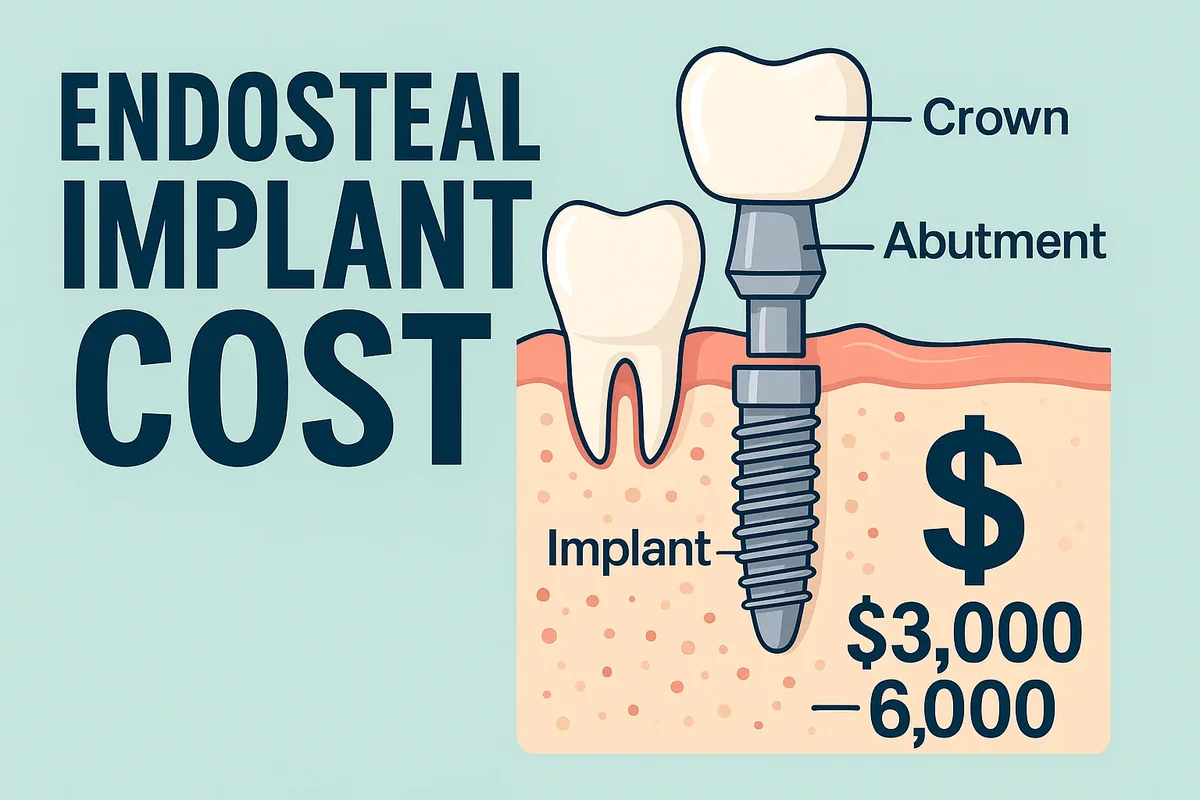
For patients, the cost of treatment often determines whether they move forward with dental implants. Since implants are a permanent investment in both health and appearance, understanding the total endosteal implant cost allows you to plan better financially and avoid surprises. In 2025, the cost varies depending on the country, the clinic, and the complexity of your oral health needs. Typically, a single implant in the United States can range from $3,000 to $6,000, while clinics abroad may offer the same quality procedure at a fraction of the price.
Components of the Endosteal Implant Cost
Many patients assume the quoted price includes everything, but the reality is more complex. The full cost often consists of:
- Consultation and X-rays – Initial diagnosis and 3D scans to assess bone health.
- Surgical procedure – Placement of the titanium implant in the jawbone.
- Healing abutment – Temporary part used while the implant integrates with the bone.
- Final restoration – The crown, bridge, or denture placed on top of the implant.
- Follow-up visits – Post-surgery checkups to ensure proper healing.
Each of these elements can impact the total endosteal implant cost. For example, a patient requiring bone grafting or sinus lifts will face higher fees, since these procedures add surgical complexity and extra material costs.
Average Prices Around the World 🌍
Prices differ dramatically across countries. In the U.S., as noted, the range is generally $3,000–$6,000 per implant. In the U.K., costs average £2,500–£4,000. In Turkey and parts of Eastern Europe, the same treatment can cost between $800 and $1,500, often attracting medical tourists looking for affordable yet high-quality dental care. This global variation makes it crucial to evaluate not only price but also the reputation and expertise of the clinic you choose. For example, if you are considering treatment abroad, you may contact trusted providers such as the Redent Klinik Contact Page to receive personalized pricing and treatment plans.
Why the Cost Varies Between Patients
Not every patient pays the same. Factors such as bone density, oral hygiene, number of implants required, and overall treatment plan influence the final endosteal implant cost. A straightforward single implant in a healthy jawbone will naturally be less expensive compared to a full-mouth reconstruction requiring multiple implants, bone grafts, and advanced prosthetics.
Long-Term Value of Endosteal Implants
Although the initial price tag might seem high, endosteal implants are a lifetime solution when cared for properly. Unlike dentures or bridges, which often need replacement every 5–10 years, implants integrate with the bone and can last for decades. This means that while you might pay more upfront, the long-term endosteal implant cost can actually be lower compared to less permanent alternatives. Over time, implants can also prevent jawbone loss, maintain facial structure, and improve chewing efficiency—benefits that go beyond aesthetics.
Comparisons With Other Implant Types
Some patients may wonder why the cost of endosteal implants is different from alternatives like subperiosteal or zygomatic implants. The reason lies in the surgical complexity, materials used, and the success rate. Endosteal implants generally have the highest success rate, which justifies the pricing. Still, your dentist will determine the most suitable type based on your jaw condition.
Hidden Fees and Transparency
When evaluating treatment options, always ask your dentist for a written breakdown of costs. Transparency is key because hidden fees—such as anesthesia, post-operative medication, or temporary dentures—can inflate the final bill. A trustworthy clinic will provide an all-inclusive package to help you avoid unexpected expenses.
Trusted Resources for Dental Implant Costs
For reliable, evidence-based guidance, patients should refer to organizations like the American Dental Association. Such resources provide trustworthy insights into implant procedures, safety standards, and cost considerations across the United States.
Final Thoughts
Ultimately, the endosteal implant cost should not be viewed only as a price tag but as a long-term investment in your health, confidence, and quality of life. By understanding what is included, comparing international options, and evaluating the value over decades, patients can make informed decisions that balance affordability and effectiveness. 🦷✨
Factors That Influence Endosteal Implant Cost
The final endosteal implant cost is never a fixed figure—it is shaped by many variables that differ from one patient to another. While clinics may advertise a baseline fee, real-world expenses depend on your oral health, the complexity of the procedure, and even where you live. By understanding the key factors that affect pricing, patients can better prepare financially and avoid unexpected surprises during treatment. Let’s explore these cost drivers in detail. 🦷
Geographic Location and Clinic Reputation
One of the most significant influences on endosteal implant cost is the location of the clinic. Dental care in metropolitan areas, such as New York, London, or Paris, is generally more expensive than in smaller towns or developing countries. High rents, staff salaries, and operating expenses increase treatment fees. In contrast, clinics in destinations like Turkey, Hungary, or Mexico can offer the same high-quality implant services at a fraction of the cost due to lower overheads and favorable currency exchange rates.
Reputation also plays a role. A globally recognized dental center with advanced technology and internationally trained specialists may charge more because patients are not just paying for the procedure—they are paying for expertise, safety, and peace of mind. Many international patients choose trusted providers such as Redent Klinik Contact Page to balance affordability with professional standards.
Type of Implant and Materials Used
Not all implants are created equal. The type of material—most commonly titanium or zirconia—directly impacts the endosteal implant cost. Titanium implants are widely used because they integrate seamlessly with bone (osseointegration) and last decades. Zirconia implants, though metal-free and more aesthetic, often cost more due to their advanced manufacturing process and relative novelty in the market.
Single vs. Multiple Implants
A single implant naturally costs less than a full arch or complete mouth restoration. However, some patients may require multiple implants to replace several missing teeth. In these cases, many clinics offer package pricing that reduces the cost per implant. Still, the total bill rises significantly when multiple implants, abutments, and crowns are added.
Complexity of the Procedure
Simple cases where the jawbone is healthy and dense are quicker, easier, and less costly. On the other hand, patients with bone loss or sinus issues may require additional surgeries like bone grafting, ridge expansion, or sinus lifts. Each of these procedures increases both the treatment timeline and the endosteal implant cost. For example, bone grafting can add anywhere from $500 to $2,500 per site, depending on the material and technique used.
Diagnostic Tools and Technology
Modern dental implantology relies on advanced imaging techniques like 3D cone beam CT scans, digital impressions, and computer-guided surgery. While these technologies improve precision and outcomes, they also increase the endosteal implant cost. Clinics that invest in cutting-edge tools often pass part of that expense to patients. However, this investment can significantly reduce surgical risks and ensure a more predictable long-term result, making it worthwhile.
Surgeon’s Expertise and Qualifications
The experience of the oral surgeon or implantologist plays a huge role in determining pricing. A highly skilled surgeon with decades of successful implant placements may charge more than a less experienced practitioner. While this adds to the initial endosteal implant cost, it also increases the likelihood of long-term success and minimizes complications. Patients should view expertise as part of the value equation, not just an added expense.
Laboratory and Restoration Quality
After the implant integrates with the jawbone, a crown, bridge, or denture must be fabricated to complete the restoration. The quality of the dental lab and materials used for these prosthetics (e.g., porcelain, zirconia, or hybrid composites) can raise the overall endosteal implant cost. Premium aesthetic crowns made with layered ceramics may cost more than standard porcelain-fused-to-metal crowns, but they also provide a more natural appearance and longer durability.
Number of Visits and Aftercare
The journey does not end after surgery. Patients need several follow-up appointments to monitor healing, remove stitches, and place the final prosthetic. Each visit contributes to the overall endosteal implant cost. Some clinics include these visits in their package price, while others charge separately. In addition, maintenance appointments over the years are essential to protect your investment.
Insurance and Financial Coverage
Dental insurance coverage varies widely. In many cases, insurance companies classify implants as elective or cosmetic procedures, meaning patients may need to cover most of the expense themselves. However, partial coverage is sometimes available for diagnostics, extractions, or bone grafting, indirectly lowering the total endosteal implant cost. Flexible financing plans offered by clinics also help patients spread out payments instead of paying the full amount upfront.
Hidden Costs and Transparency
Finally, it is crucial to ask for a detailed cost breakdown before treatment begins. Hidden charges like anesthesia, temporary dentures, medication, or emergency follow-ups can inflate the real endosteal implant cost. Ethical clinics always provide transparency to ensure patients understand exactly what they are paying for. Relying on established organizations such as the American Dental Association can also guide patients in recognizing fair practices.
Final Insight 🌟
The endosteal implant cost is influenced by multiple factors—geographic location, surgical complexity, implant materials, and the skill of the dental team. While patients may be tempted to shop based on price alone, considering long-term success, transparency, and overall value is far more important. An implant done right the first time often saves thousands of dollars in future corrections or replacements. By weighing these factors carefully, patients can make informed, confident choices about their oral health investments.
Average Cost of Endosteal Implants in Different Countries
The endosteal implant cost can vary dramatically depending on where you receive treatment. Global differences in healthcare systems, dental technology, professional fees, and even currency values all influence the final price. For patients considering treatment, understanding the average costs in different countries helps with realistic planning and, in some cases, medical tourism. 🌍
United States: High Standards, Higher Prices
In the U.S., dental implant procedures are often at the top of the cost spectrum due to high operating expenses, strict regulations, and advanced clinical standards. The average endosteal implant cost per tooth ranges from $3,000 to $6,000, depending on the city and clinic. This price usually includes the surgical implant, abutment, and crown, but bone grafting or extractions are charged separately. Premium clinics in New York or Los Angeles may exceed these averages because of their reputation and expertise.
Breakdown of U.S. Costs
- Implant placement surgery: $1,500 – $3,000
- Abutment and healing cap: $500 – $1,000
- Crown restoration: $1,000 – $2,000
These figures demonstrate why many patients explore treatment options abroad to lower their endosteal implant cost.
United Kingdom: Balancing NHS and Private Dentistry
In the U.K., implants are rarely covered under the National Health Service (NHS), which means patients must rely on private practices. The average endosteal implant cost is between £2,500 and £4,000 per tooth. London-based clinics tend to be more expensive due to overheads, while regional dental centers may offer more competitive rates. Patients who seek premium zirconia crowns or full-arch reconstructions can expect significantly higher fees.
Turkey: Popular Destination for Dental Tourism
Turkey has become a global hub for affordable and high-quality dental care. The average endosteal implant cost in Turkey is between $800 and $1,500 per implant, making it one of the most cost-effective options in the world. Patients are drawn not only by competitive pricing but also by the modern clinics, English-speaking staff, and internationally trained dentists. Many treatment packages include airport transfers, hotel accommodations, and aftercare support, which adds to the overall value.
If you are considering treatment in Turkey, you may contact trusted providers such as the Redent Klinik Contact Page for a personalized estimate.
Western Europe: Germany, France, and Spain
Countries like Germany, France, and Spain are known for high-quality dental care, but the endosteal implant cost is moderately high. On average, patients can expect to pay €1,800 to €3,500 per implant. Germany is on the higher end due to its advanced healthcare standards, while Spain tends to be more affordable, particularly in clinics that cater to international patients seeking dental tourism opportunities.
Eastern Europe: Affordable Alternatives
Hungary, Poland, and Romania are well-established destinations for dental tourism in Europe. The endosteal implant cost in these countries averages €900 to €1,600 per implant, offering a balance between affordability and professional quality. Many clinics in these regions use the same implant brands and technologies found in Western Europe but operate with significantly lower overhead costs.
Asia: Expanding Market for Dental Care
In countries like India, Thailand, and the Philippines, dental tourism is rapidly growing. The average endosteal implant cost in these regions ranges between $600 and $1,200. Thailand, in particular, has become a hotspot for patients from Australia and neighboring countries seeking quality implants at reduced prices. India offers some of the most competitive rates globally, with clinics that cater specifically to international patients with English-speaking staff and transparent pricing packages.
Australia and New Zealand
In Australia, the average endosteal implant cost is between $3,500 and $5,500 per implant, comparable to U.S. pricing. New Zealand falls within a similar range, although some regional clinics may offer slightly lower fees. The higher costs are largely attributed to strict clinical regulations and limited insurance coverage for implants.
Middle East: Premium Care in Growing Markets
Countries like the United Arab Emirates (UAE) and Saudi Arabia offer advanced dental facilities that attract international patients. The average endosteal implant cost ranges from $2,500 to $4,500. While the fees are not the lowest, patients often choose these destinations for luxury healthcare experiences, modern technology, and highly skilled surgeons.
Comparing Costs: A Global Snapshot
| Country | Average Cost (per implant) |
|---|---|
| United States | $3,000 – $6,000 |
| United Kingdom | £2,500 – £4,000 |
| Turkey | $800 – $1,500 |
| Germany / France | €1,800 – €3,500 |
| Hungary / Poland | €900 – €1,600 |
| India / Thailand | $600 – $1,200 |
| Australia / New Zealand | $3,500 – $5,500 |
| UAE / Saudi Arabia | $2,500 – $4,500 |
Final Thoughts 🌟
The endosteal implant cost differs significantly worldwide, reflecting not just economic conditions but also healthcare infrastructure, expertise, and patient expectations. While countries like the U.S. and U.K. remain expensive, destinations such as Turkey, Hungary, and Thailand provide excellent alternatives for patients seeking affordability without sacrificing quality. Patients should not only compare prices but also evaluate the clinic’s reputation, available technology, and aftercare support. Relying on resources like the American Dental Association can further help patients verify international standards and make informed decisions about their dental health.
Endosteal Implant Cost vs. Subperiosteal and Other Implants
When planning dental implant surgery, patients often compare different types of implants to decide which option offers the best balance between cost, durability, and comfort. The most common choice is endosteal implants, but alternatives such as subperiosteal and zygomatic implants are also available. Understanding how the endosteal implant cost compares with these alternatives helps patients make informed financial and medical decisions. 🦷
Understanding the Types of Dental Implants
Before comparing costs, it’s important to clarify what sets each implant type apart:
- Endosteal implants – Titanium or zirconia posts surgically placed into the jawbone. They are the gold standard due to long-term success rates and stability.
- Subperiosteal implants – Custom-made frameworks positioned on top of the jawbone, beneath the gum tissue. Often used for patients with insufficient bone who cannot undergo grafting.
- Zygomatic implants – Extra-long implants anchored in the cheekbone (zygoma), used for patients with severe upper jawbone loss.
Each implant type carries a unique procedure, level of complexity, and overall expense—factors that ultimately influence the patient’s choice.
Cost Comparison: Endosteal vs. Subperiosteal Implants
The endosteal implant cost is generally more affordable and predictable compared to subperiosteal implants. On average:
- Endosteal implants – $3,000–$6,000 per tooth in the U.S.
- Subperiosteal implants – $4,000–$7,000 due to the need for custom frameworks and specialized techniques.
Subperiosteal implants are more expensive because they require detailed imaging, custom fabrication, and longer surgical time. Additionally, their long-term success rates are lower, meaning patients may face additional costs for revisions or replacements over time.
Why Endosteal Implants Are More Cost-Effective
Although the upfront endosteal implant cost may seem high, they often last decades with proper care. Subperiosteal implants, on the other hand, may need replacement within 10–15 years, effectively doubling or tripling the lifetime cost for patients.
Cost Comparison: Endosteal vs. Zygomatic Implants
Zygomatic implants are typically reserved for patients who cannot receive endosteal implants due to extensive bone loss. Because of their complexity, zygomatic implants are among the most expensive dental solutions:
- Endosteal implants – $3,000–$6,000 each in the U.S.
- Zygomatic implants – $5,000–$9,000 per implant due to surgical difficulty and risk.
The difference arises because zygomatic implant surgery requires advanced skills, general anesthesia, and longer recovery times. Not every clinic offers this service, which also contributes to higher pricing.
Long-Term Value of Endosteal Implants
When assessing implant options, the long-term financial impact must be considered. The endosteal implant cost may appear similar or slightly lower than alternatives at first glance, but the higher success rates and longevity make them far more cost-effective over a lifetime. Subperiosteal and zygomatic implants may initially solve complex bone problems, but they often carry higher risks of complications, which can translate into higher cumulative expenses.
Factors That Make Endosteal Implants the Preferred Choice
- Success rate: Endosteal implants boast success rates above 95%, higher than subperiosteal alternatives.
- Durability: They can last a lifetime, while subperiosteal implants may fail earlier.
- Cost efficiency: Even if the endosteal implant cost is high upfront, fewer revisions are needed long-term.
- Aesthetics: Endosteal implants integrate with the jawbone, offering a natural look and feel.
Global Cost Differences Between Implant Types
The comparison between implant types also varies depending on the country. For example:
- Turkey: Endosteal implants average $800–$1,500, while subperiosteal implants may cost $1,500–$2,500.
- Western Europe: Endosteal implants cost €1,800–€3,500, while subperiosteal procedures reach €3,000–€5,000.
- Asia: Endosteal implants average $600–$1,200, compared to $1,200–$2,000 for subperiosteal.
This global variation demonstrates that while the endosteal implant cost is generally lower, patients must evaluate overall treatment value, not just base prices.
Insurance Coverage Differences
Insurance policies also treat these implants differently. Endosteal implants are more commonly accepted as medically necessary, especially if tooth loss affects chewing and nutrition. Subperiosteal and zygomatic implants, however, may be classified as more “specialized” procedures, limiting coverage and raising the out-of-pocket cost for patients.
Hidden and Long-Term Expenses
When comparing implant types, patients should also consider hidden expenses such as bone grafting, imaging, anesthesia, and follow-up visits. For subperiosteal and zygomatic implants, these extra costs are usually higher. By contrast, many clinics offering endosteal implants, such as Redent Klinik Contact Page, provide package deals that cover most of these expenses, improving transparency and predictability.
Final Insight 🌟
While alternatives like subperiosteal and zygomatic implants serve important roles in dentistry, the endosteal implant cost remains the most balanced option in terms of price, long-term durability, and patient satisfaction. Resources like the American Dental Association can provide further guidance on implant success rates and patient safety. For most individuals with adequate jawbone density, endosteal implants are not only the gold standard clinically but also the smartest financial choice over a lifetime.
Additional Expenses Beyond Endosteal Implant Surgery
When patients first hear about the endosteal implant cost, they often assume it only covers the surgical placement of the implant itself. However, the true financial picture is broader. Beyond the implant, abutment, and crown, there are several additional expenses that must be considered to avoid surprises. Understanding these costs is critical for creating a realistic budget and ensuring a smooth treatment journey. 🦷
Diagnostic Imaging and Consultations
Before surgery, patients undergo consultations and advanced imaging tests such as panoramic X-rays or 3D cone beam CT scans. These diagnostic steps are necessary to evaluate bone density, assess nerve placement, and plan surgery precisely. Depending on the clinic and region, these preliminary services can add anywhere from $150 to $500 to the total endosteal implant cost.
Tooth Extractions Prior to Implant Placement
In many cases, patients need to have damaged or decayed teeth removed before an implant can be placed. Simple extractions cost less, but surgical extractions, particularly those involving impacted teeth, can significantly increase the overall bill. Tooth extraction fees range from $100 to $400 per tooth, which adds up if multiple extractions are required.
Bone Grafting and Sinus Lifts
One of the most significant additional expenses is bone augmentation. If the jawbone lacks the density or volume to hold an implant securely, grafting is necessary. Bone grafting can add between $500 and $2,500 per site to the endosteal implant cost. In the upper jaw, a sinus lift may also be required, with fees averaging $1,500 to $3,000. While these procedures raise costs, they ensure the implant’s stability and long-term success.
Types of Bone Grafts and Their Costs
- Autograft: Bone taken from the patient’s own body; usually more expensive due to surgical complexity.
- Allograft: Donor bone, moderately priced and commonly used.
- Xenograft: Animal bone (commonly bovine), affordable but may not be suitable for all patients.
- Synthetic graft: Man-made materials, cost-effective and increasingly popular.
Each grafting type influences the overall endosteal implant cost, so discussing options with your dentist is essential.
Anesthesia and Sedation Fees
Most endosteal implants are performed under local anesthesia, but some patients opt for sedation or general anesthesia due to anxiety or complex surgical needs. Sedation adds $250 to $1,000 to the procedure, while general anesthesia can raise costs even further. This expense is often overlooked but can significantly affect the final endosteal implant cost.
Temporary Restorations
While the implant heals (a process called osseointegration that can take 3–6 months), patients may need temporary crowns, bridges, or dentures. These provisional solutions allow normal function and aesthetics during healing. Costs for temporary restorations typically range from $200 to $1,000 and are not always included in the standard package.
Medications and Post-Operative Care
Post-surgical medications such as antibiotics, pain relievers, and anti-inflammatory drugs add modest but necessary costs. Patients may also require special oral rinses or dietary supplements to promote healing. Though these are smaller expenses—generally under $200—they are still part of the comprehensive endosteal implant cost.
Follow-Up Appointments and Maintenance
Successful dental implants require multiple follow-up appointments to monitor healing and place the final prosthetic. Some clinics include these visits in the total cost, while others charge separately. Over time, regular checkups and professional cleanings are essential to protect the implant. Annual maintenance may add $100 to $300 per year to the ongoing expenses of owning an implant.
Laboratory and Prosthetic Upgrades
The choice of crown, bridge, or denture material greatly affects long-term costs. Premium materials like zirconia or layered ceramics are more durable and aesthetic but add to the overall endosteal implant cost. Laboratory customization for shade matching, bite alignment, and precision fitting can also raise fees by several hundred dollars.
Hidden or Miscellaneous Fees
Patients should also be aware of smaller but cumulative expenses such as administrative fees, emergency visits, or special cleaning tools (like water flossers and implant-specific brushes). These items may seem minor, but when combined, they can impact the overall endosteal implant cost.
Insurance and Financing Considerations
Most dental insurance policies do not fully cover implants, but partial coverage may apply to extractions, bone grafting, or diagnostic imaging. Additionally, many clinics offer financing options that allow patients to spread payments over months or years, making the total endosteal implant cost more manageable. Trusted clinics such as Redent Klinik Contact Page often provide transparent financing plans to ease the financial burden.
Final Thoughts 🌟
When evaluating the endosteal implant cost, patients should always account for more than just the implant itself. Expenses such as imaging, grafting, anesthesia, temporary restorations, and follow-up visits can easily add thousands of dollars to the final bill. By seeking transparency from clinics and referring to reliable organizations like the American Dental Association, patients can gain a clearer understanding of the complete financial commitment. Being informed ensures not only smoother budgeting but also a better overall implant experience.
Insurance and Financing Options for Endosteal Implant Cost
One of the main concerns patients have about dental implants is affordability. The endosteal implant cost can be a significant investment, often running into thousands of dollars per tooth. Since most individuals cannot cover the full expense upfront, understanding insurance coverage and financing options is critical. With proper planning, patients can manage payments more comfortably while still receiving high-quality care. 💳
Dental Insurance Coverage for Implants
Historically, dental insurance companies classified implants as cosmetic, limiting coverage. However, with growing recognition of their functional and health benefits, more insurance providers are starting to offer partial support for the endosteal implant cost. Still, coverage is rarely comprehensive, and patients need to carefully review their policies.
Typical Coverage Breakdown
- Diagnostics: X-rays and CT scans are often covered at 50–80%.
- Extractions: If a tooth must be removed before an implant, insurance frequently covers part of this procedure.
- Bone grafting: Some plans cover medically necessary grafting but not cosmetic enhancements.
- The implant itself: In most cases, insurance contributes only a portion, typically $1,000–$1,500 per year, leaving patients responsible for the balance.
- Crowns and restorations: May be classified as major services and reimbursed at around 50% depending on annual maximums.
Because annual maximums in dental insurance are often capped at $1,500–$2,000, patients should expect to cover the majority of the endosteal implant cost themselves.
Medical Insurance and Special Cases
In certain circumstances, medical insurance may provide partial coverage if implants are deemed medically necessary—for example, after an accident, jaw surgery, or severe oral disease. Each insurer defines “medical necessity” differently, so patients should request a pre-authorization letter from their dentist and confirm coverage directly with their provider.
Flexible Spending Accounts (FSA) and Health Savings Accounts (HSA)
FSAs and HSAs are tax-advantaged accounts available to many employees in the U.S. They allow patients to set aside pre-tax income to cover eligible medical and dental expenses, including the endosteal implant cost. Using these accounts can save patients 20–30% depending on their tax bracket, making implants more financially manageable.
Financing Plans Through Dental Clinics
Many dental practices partner with financing companies or offer in-house payment plans to help patients spread out costs. These plans typically allow patients to pay monthly installments rather than a lump sum, making high-quality implants accessible to more people.
Common Financing Options
- Third-party financing: Companies like CareCredit provide healthcare credit cards with promotional no-interest periods.
- In-house plans: Some clinics design their own interest-free installment programs.
- Extended payment terms: Longer financing periods (24–60 months) allow smaller monthly payments but may include interest charges.
Reputable clinics, such as Redent Klinik Contact Page, often provide clear financing structures that help patients manage their endosteal implant cost without financial strain.
Dental Discount Plans
Unlike insurance, discount plans involve paying an annual membership fee in exchange for reduced rates on dental services. While they don’t reimburse expenses, they can cut implant procedure costs by 10–40%. This option is useful for patients who do not have dental insurance but still want savings on the overall endosteal implant cost.
Government Assistance and Nonprofit Programs
In some regions, government programs or nonprofit organizations provide assistance for essential dental care. While implants are often excluded, programs for veterans, low-income patients, or those with special medical needs may occasionally cover part of the treatment. Patients should research local initiatives to see if they qualify.
Strategic Ways to Maximize Coverage
- Plan treatment across calendar years: By splitting procedures across two years, patients can utilize two annual maximums from insurance.
- Combine dental and medical coverage: Where applicable, patients can use both dental and medical benefits to reduce out-of-pocket costs.
- Use tax deductions: In certain cases, unreimbursed medical expenses exceeding a percentage of income may be tax-deductible, lowering the effective endosteal implant cost.
Risks of Choosing Low-Cost Financing
Patients should carefully evaluate financing terms. Low monthly payments may seem attractive, but hidden fees or high interest rates can make the total endosteal implant cost much higher over time. Transparency from clinics is vital—patients should always ask for a full financial breakdown before signing agreements.
Final Thoughts 🌟
The endosteal implant cost can be challenging, but a combination of insurance, FSAs/HSAs, discount plans, and financing options makes treatment attainable for many patients. Instead of viewing implants as unaffordable, patients should explore these strategies to ease the financial burden. Trusted resources like the American Dental Association can provide guidance on navigating insurance and financing systems. By leveraging the right tools, patients can invest in dental implants with confidence, securing both their oral health and financial stability.
Long-Term Value: Are Endosteal Implants Worth the Price?
When patients first learn about the endosteal implant cost, the figure may appear intimidating. However, a key question arises: are these implants worth the investment over time? The answer lies in evaluating not just the immediate price but also the long-term benefits, durability, and value compared to other tooth replacement options. In many cases, the return on investment is significant—both financially and in terms of health and quality of life. 🌟
Durability and Longevity
Endosteal implants are designed to last decades, if not a lifetime, when cared for properly. Studies show survival rates of over 95% after 10 years, which makes them far more durable than bridges or dentures. While dentures may need replacement every 5–10 years and bridges may last only 10–15 years, implants can often outlive these alternatives. This longevity offsets the initial endosteal implant cost, saving patients from repeated expenses over time.
Cost of Alternatives Over Time
- Traditional dentures: $1,000–$3,000 but require frequent relining and replacement. Over 20 years, cumulative costs may exceed $10,000.
- Dental bridges: $2,000–$5,000 with a lifespan of 10–15 years, leading to replacement costs over decades.
- Endosteal implants: $3,000–$6,000 each, but typically last a lifetime with proper care.
While the upfront endosteal implant cost is higher, its longevity makes it a financially sound choice over the long term.
Health Benefits That Reduce Future Costs
Implants do more than replace teeth—they preserve jawbone structure by stimulating bone tissue, preventing bone loss that occurs with missing teeth. Dentures and bridges cannot replicate this function, leading to jaw resorption, facial sagging, and potential need for corrective surgeries later. By preserving bone health, implants help patients avoid additional medical and dental costs in the future.
Improved Quality of Life
Quality of life is another factor often overlooked in cost discussions. Endosteal implants provide unmatched stability and comfort, restoring natural chewing ability and speech clarity. Patients no longer need to worry about slipping dentures or dietary restrictions. This confidence and functionality can greatly enhance social interactions, career opportunities, and overall well-being. While difficult to quantify in dollars, these improvements add immense value that justifies the endosteal implant cost.
Reduced Maintenance Expenses
Unlike dentures, which require special adhesives, cleaning solutions, and regular adjustments, implants are maintained just like natural teeth—with brushing, flossing, and routine dental checkups. The lower maintenance burden reduces yearly expenses and simplifies daily life. Over time, these savings further balance the initial endosteal implant cost.
Psychological and Emotional Value
Missing teeth can significantly impact self-esteem and mental health. Patients often feel embarrassed or self-conscious, avoiding smiles and social activities. Restoring a natural smile with implants improves confidence and emotional well-being, benefits that cannot be measured in direct financial terms but greatly enhance the perceived value of the treatment.
Comparisons with Cheaper Alternatives
Some patients initially opt for less expensive solutions such as removable dentures. While the price is lower upfront, discomfort, replacement costs, and limitations in function eventually outweigh the savings. Bridges, though more stable than dentures, require grinding down adjacent healthy teeth, which can create additional problems. When all factors are considered, the endosteal implant cost often proves to be the most efficient option in the long run.
Return on Investment (ROI)
When calculating ROI, patients should look at both financial and lifestyle benefits. The cost may be $4,000 per implant, but if that implant lasts 30 years, the annual cost is about $133—significantly less than the recurring expenses of dentures or bridges. This makes the endosteal implant cost not just a medical expense, but a smart long-term investment in health and quality of life.
Insurance and Financing in Context of Value
Though insurance often provides limited coverage, financing options make implants accessible to more patients. Instead of focusing solely on upfront payment, patients should consider long-term affordability. Reputable clinics, such as Redent Klinik Contact Page, offer structured payment plans that make the investment in implants manageable and more appealing.
Professional Guidance and Safety
Organizations like the American Dental Association emphasize implants as a reliable and proven treatment for tooth replacement. With high success rates and long-term benefits, the clinical consensus supports implants as a worthwhile choice despite higher initial costs.
Final Thoughts 🌟
The endosteal implant cost is not just an expense—it is an investment in health, function, and confidence. When compared to the recurring costs and limitations of dentures and bridges, implants stand out as the superior option. Patients who choose implants enjoy decades of stability, better oral health, and enhanced quality of life, making the cost more than justified in the long run. For those seeking value and durability, endosteal implants remain the gold standard in restorative dentistry.
Tips to Reduce Your Endosteal Implant Cost Safely
For many patients, the endosteal implant cost is the single greatest barrier to receiving treatment. While dental implants are a long-term investment, it’s natural to seek ways to make them more affordable without compromising quality or safety. Fortunately, there are several strategies that can help patients save money while still benefiting from reliable, high-quality implant procedures. Below are proven and safe ways to lower costs while preserving treatment effectiveness. 💡
Compare Multiple Clinics and Providers
Implant costs can vary widely even within the same city. Obtaining quotes from several reputable clinics allows patients to compare treatment plans and spot hidden fees. However, patients should never base their decision on price alone. Instead, focus on clinics with transparent pricing, modern technology, and proven expertise. By comparing providers carefully, patients can find the best balance of affordability and quality for their endosteal implant cost.
What to Look for in a Cost Estimate
- A detailed breakdown of surgical fees, implant components, abutments, and crown costs.
- Information on whether diagnostic scans, anesthesia, and follow-up visits are included.
- Clear disclosure of potential additional fees, such as bone grafting or sinus lifts.
Seek Out Dental Tourism Options
One of the most effective ways to reduce the endosteal implant cost is dental tourism. Countries such as Turkey, Hungary, and Thailand offer world-class implant dentistry at a fraction of U.S. or U.K. prices. For example, implants in Turkey may cost $800–$1,500 compared to $3,000–$6,000 in the U.S. Clinics catering to international patients often provide comprehensive packages that include accommodation, transportation, and aftercare, further increasing value.
If considering treatment abroad, contacting reputable centers like the Redent Klinik Contact Page can help ensure safe and professional care.
Leverage Insurance and Financing Options
Although dental insurance rarely covers the full cost, patients should explore partial coverage for diagnostics, extractions, or crowns. Financing plans also make a huge difference. Clinics frequently partner with third-party lenders or offer in-house installment plans, reducing the upfront burden of the endosteal implant cost.
Smart Financing Tips
- Use health savings accounts (HSAs) or flexible spending accounts (FSAs) to pay with pre-tax dollars.
- Look for promotional financing with zero interest for 12–24 months.
- Avoid high-interest loans that significantly increase the total treatment cost over time.
Consider Dental Schools and Training Programs
Dental schools often provide implants at significantly reduced prices because procedures are performed by students under the supervision of licensed professionals. While treatment may take longer, the quality is closely monitored, and savings can reduce the endosteal implant cost by up to 50%.
Opt for Phased Treatment
Instead of paying for multiple implants all at once, patients can choose a phased approach—replacing one or two teeth at a time. This strategy spreads expenses across several months or years, making the endosteal implant cost more manageable without delaying treatment indefinitely.
Evaluate Material and Restoration Options
While premium zirconia crowns and implants offer excellent aesthetics, titanium and porcelain-fused-to-metal restorations are often more affordable and still highly effective. Discussing material options with your dentist can reduce the overall endosteal implant cost without compromising structural integrity.
Maintain Excellent Oral Health
Good oral hygiene can help reduce additional costs such as bone grafting or periodontal treatments. Patients with healthy gums and bone density are less likely to require expensive preparatory surgeries, which lowers the final endosteal implant cost. Regular brushing, flossing, and professional cleanings are cost-saving habits in the long term.
Beware of Extremely Low Offers
While saving money is important, choosing the cheapest option without evaluating quality can be risky. Low-cost providers may use inferior materials, lack advanced imaging, or skip essential aftercare, leading to implant failure and higher expenses in the future. Always prioritize safety and proven expertise over unusually low prices. Trusted resources such as the American Dental Association emphasize that patients should verify the qualifications of their dentist before undergoing implant treatment.
Plan Ahead Strategically
Patients can maximize savings by planning procedures around insurance benefit schedules or tax years. For example, spreading treatment over two calendar years allows the use of two annual insurance maximums, reducing out-of-pocket expenses. Additionally, patients should check if unreimbursed dental expenses qualify for tax deductions, further offsetting the endosteal implant cost.
Final Thoughts 🌟
Reducing the endosteal implant cost safely is absolutely possible with the right strategies. By comparing clinics, exploring dental tourism, using financing options, and maintaining oral health, patients can significantly lower their expenses without sacrificing quality. However, the focus should always remain on safety, transparency, and long-term success. Affordable implants are only valuable if they provide decades of durability and function—making careful selection of clinic and treatment plan the smartest way to save money.
Patient Experiences and Real-Life Endosteal Implant Costs
While statistics and averages are useful, nothing compares to hearing about real patients’ journeys. Understanding how individuals experience the endosteal implant cost in practical terms can give prospective patients valuable insight into what to expect. From budgeting and financing to long-term satisfaction, patient stories reveal the human side of dental implant treatment. 🦷
Initial Sticker Shock vs. Long-Term Satisfaction
Many patients report feeling overwhelmed when first learning about the endosteal implant cost. A U.S. patient named Sarah, for instance, described her initial hesitation when quoted $4,500 for a single implant in New York. However, after weighing the durability and improved quality of life, she chose to proceed. Five years later, she describes it as “the best investment I’ve ever made in myself.” This sentiment is common—patients often shift from cost-consciousness to gratitude once they experience the life-changing benefits of implants.
International Experiences with Cost Savings
Dental tourism is a recurring theme in real-life experiences. Patients traveling to countries like Turkey or Hungary often highlight not only significant savings but also high-quality outcomes. For example, James, a patient from the U.K., paid £3,800 for a single implant at home but discovered he could receive two implants in Istanbul for the same amount, including travel and hotel. His positive experience demonstrates how seeking care abroad can safely cut the endosteal implant cost in half or more, provided the clinic is reputable.
Those interested in international treatment frequently turn to trusted providers such as the Redent Klinik Contact Page for transparent pricing and support throughout the treatment process.
Managing Costs Through Financing
Not all patients can pay upfront, so financing often plays a role in real-life experiences. Maria, a patient in California, shared how a 24-month interest-free financing plan allowed her to proceed with treatment she otherwise couldn’t afford. For her, spreading the endosteal implant cost into monthly payments of $190 made the procedure accessible without creating financial hardship.
How Patients Choose Financing Options
- Short-term, interest-free plans when cash flow allows higher monthly payments.
- Long-term plans with moderate interest rates for patients needing lower monthly obligations.
- Use of HSAs or FSAs to offset the taxable income burden.
Stories of Additional Costs
Another common theme in patient experiences is unexpected costs. For instance, Ahmed, a patient from Dubai, expected his implant to cost $3,500. However, after discovering he needed a sinus lift, the total bill rose by $2,000. While initially frustrated, he later admitted the transparency of his clinic helped him understand why the additional procedure was necessary. His story underlines the importance of budgeting for possible extra steps that raise the overall endosteal implant cost.
Long-Term Testimonials of Value
Patients consistently report that the functional and psychological benefits outweigh the financial burden. Lisa, who had worn dentures for years before switching to implants, explained: “I spent over $12,000 for four implants, but I would do it again in a heartbeat. I can eat, smile, and live like myself again.” For her, the high upfront endosteal implant cost was justified by decades of comfort and improved quality of life.
Global Comparisons Shared by Patients
On online forums and support groups, patients often compare their costs internationally:
- U.S. patients typically cite averages of $3,000–$6,000 per implant.
- U.K. patients mention £2,500–£4,000, with London being the most expensive.
- Turkish patients highlight $800–$1,500, emphasizing excellent hospitality and clinic quality.
- Hungary and Poland patients report €900–€1,600 with comparable results to Western Europe.
These real-life experiences confirm that while the endosteal implant cost varies globally, patient satisfaction rates remain consistently high when treatments are performed by skilled professionals.
Online Reviews and Community Insights
Online reviews and communities provide a wealth of firsthand accounts. Many patients highlight the importance of aftercare, praising clinics that include follow-up visits in the quoted endosteal implant cost. Others warn against choosing providers based solely on price, noting cases where implant failures led to even higher corrective expenses. These shared lessons guide new patients toward informed, safer decisions.
The Role of Transparency in Patient Experiences
Transparency emerges as a recurring factor in positive patient experiences. Those who felt well-informed about potential additional expenses—such as anesthesia, bone grafting, or temporary restorations—reported higher satisfaction, even when costs exceeded initial estimates. Clinics that provide clear breakdowns upfront build trust and help patients feel their endosteal implant cost is a fair reflection of quality care.
Final Thoughts 🌟
Real-life experiences demonstrate that while the endosteal implant cost is a considerable investment, most patients view it as worthwhile due to long-term benefits in function, aesthetics, and quality of life. Stories of financing, international care, and transparent communication all highlight strategies to manage costs effectively. For reliable guidance, patients can also turn to resources like the American Dental Association, ensuring they make well-informed decisions. Ultimately, the financial commitment is balanced by the priceless value of restored confidence and oral health.
Choosing the Right Clinic for Affordable Endosteal Implants
Selecting the right dental clinic is one of the most important factors in managing your endosteal implant cost without sacrificing safety or quality. Prices for implants can vary dramatically between providers, but lower cost does not always mean lower quality—if you know what to look for. Patients should carefully evaluate clinic reputation, dentist expertise, available technology, and transparency of pricing before making a decision. By doing so, it’s possible to balance affordability with long-term treatment success. 🏥
Evaluating Dentist Qualifications
One of the biggest influences on the endosteal implant cost is the dentist’s training and experience. Dentists who specialize in implantology, oral surgery, or prosthodontics may charge more than general dentists, but their expertise often ensures higher success rates and fewer complications. Always verify:
- Board certifications or professional memberships (e.g., American Dental Association).
- Years of experience specifically with implant procedures.
- Number of implant surgeries performed annually.
Choosing a qualified professional may seem more expensive upfront, but it can prevent costly failures and corrective procedures later—ultimately making the endosteal implant cost more efficient in the long run.
Clinic Reputation and Patient Reviews
Reputation is another essential factor. Online reviews, testimonials, and before-and-after photos reveal much about a clinic’s quality and reliability. Patients who share positive stories about transparent billing and successful results often highlight clinics that provide real value for the price paid. Conversely, negative reviews often involve hidden fees or poor aftercare—issues that can increase the true endosteal implant cost.
Technology and Equipment
Modern technology enhances precision and lowers the risk of implant failure. Clinics using digital imaging, 3D guided surgery, and high-quality implant brands may charge more initially, but this investment improves long-term results. Patients should ask:
- Does the clinic offer 3D cone beam CT scans for precise planning?
- Which implant systems (brands) are used, and what warranties are provided?
- Is guided implant placement offered for greater accuracy?
While technology adds to upfront endosteal implant cost, it often saves patients from repeat surgeries or complications later.
Transparency in Pricing
Transparent pricing is a hallmark of trustworthy clinics. A detailed estimate should include the implant, abutment, crown, surgical fees, anesthesia, imaging, and follow-up visits. Patients should be wary of clinics that only quote the surgical placement fee, as this represents just a fraction of the full endosteal implant cost.
Signs of Transparent Pricing
- Written breakdowns of all possible expenses.
- Disclosure of additional costs for bone grafting, sinus lifts, or extractions.
- Clear information about payment schedules and financing options.
Comparing Local vs. International Clinics
Many patients explore international clinics to reduce costs. For example, implant treatments in Turkey or Hungary often cost 50–70% less than in the U.S. without compromising quality, provided the clinic is reputable. A patient in London may pay £3,000 for one implant locally but find an equivalent treatment abroad for £1,200, including travel expenses. Clinics such as Redent Klinik Contact Page are known for serving international patients with transparent pricing and high success rates.
Aftercare and Maintenance Programs
Long-term follow-up care is critical to protect your investment. Some clinics include follow-up visits and professional cleanings in the treatment package, while others charge separately. Patients who overlook aftercare may end up paying more in the long term, as poor maintenance leads to complications. Choosing a clinic that emphasizes aftercare can reduce hidden costs and extend the life of your implant, lowering the effective endosteal implant cost over decades.
Financing and Payment Flexibility
Another factor in clinic selection is payment flexibility. Clinics that offer financing plans, installment payments, or partnerships with third-party lenders make implants more accessible. Patients should ask if the clinic accepts insurance benefits, HSAs, or FSAs to further reduce out-of-pocket endosteal implant cost.
Warning Signs of Low-Quality Clinics
Not all low prices are trustworthy. Warning signs include lack of clear qualifications, no detailed treatment plan, outdated technology, or refusal to provide patient references. While an unusually cheap quote may look appealing, it could mean compromised materials or inadequate safety standards. Such risks can increase the overall endosteal implant cost if corrective procedures become necessary.
Final Thoughts 🌟
Choosing the right clinic is about more than just price—it’s about value, safety, and long-term results. By considering dentist qualifications, clinic reputation, technology, transparency, and aftercare programs, patients can find affordable options without sacrificing quality. Whether opting for local treatment or international care, making an informed choice ensures the endosteal implant cost delivers maximum benefit and peace of mind. With trusted clinics and reliable guidance from professional bodies like the American Dental Association, patients can feel confident in their decision and enjoy a lifetime of healthy, functional smiles.