
Losing one or more teeth can affect your confidence, oral health, and overall quality of life. Many people search for free dental implants florida because traditional dental implant treatment can be expensive and may not fit every budget. Fortunately, there are several programs, nonprofit organizations, dental schools, charitable clinics, and financial assistance opportunities that may help eligible individuals access affordable or even free implant treatment.
Understanding how free dental implants florida programs work is the first step toward finding the right solution. While completely free dental implants are relatively uncommon, many patients can significantly reduce treatment costs through grants, educational institutions, clinical studies, community health initiatives, and special assistance programs. These opportunities can make advanced tooth replacement options much more accessible for individuals who need them most.
Dental implants are widely considered one of the most effective methods for replacing missing teeth. Unlike removable dentures, implants are surgically placed into the jawbone, creating a stable foundation for crowns, bridges, or dentures. Because of their durability and natural appearance, many people specifically search for free dental implants florida options rather than choosing temporary alternatives.
One reason demand for free dental implants florida resources continues to grow is the increasing awareness of the long-term benefits of implant treatment. Dental implants help preserve jawbone density, support facial structure, improve chewing efficiency, and enhance speech. They can also prevent neighboring teeth from shifting out of position, which may reduce future dental complications.
😊 Many Florida residents are surprised to learn that several pathways may help lower implant costs. Dental schools often provide treatment at reduced fees because procedures are performed by students under close supervision from experienced dental professionals. Some charitable organizations periodically sponsor free dental implants florida events for qualified patients facing financial hardship.
Another potential source of assistance includes nonprofit foundations dedicated to improving oral health access. These organizations may offer grants, referral programs, or partnerships with participating dentists. While eligibility requirements vary, applicants often need to demonstrate financial need, provide medical records, and complete a screening process before receiving support through a free dental implants florida program.
Clinical research studies can also create opportunities for reduced-cost implant treatment. Universities, research centers, and dental institutions occasionally conduct studies involving implant procedures, materials, or techniques. Participants may receive treatment at little or no cost while helping researchers evaluate new approaches to dental care. Some people searching for free dental implants florida opportunities successfully qualify through these programs.
It is important to understand that availability varies across different regions of Florida. Larger metropolitan areas may offer more resources, including charitable dental clinics, educational institutions, and community outreach programs. However, patients from smaller communities can often travel to participate in a free dental implants florida initiative if they meet eligibility criteria.
In addition to financial assistance programs, some dental providers offer substantial discounts, flexible payment plans, or special promotions that can make implant treatment more affordable. While these options may not qualify as completely free dental implants florida services, they can significantly reduce the financial burden associated with tooth replacement.
Patients should also remember that implant treatment often involves multiple stages. Costs may include consultations, diagnostic imaging, tooth extractions, bone grafting procedures, implant placement, abutments, and final restorations. When evaluating any free dental implants florida opportunity, it is essential to understand exactly which services are covered and whether additional expenses may apply.
🦷 A thorough oral examination is usually required before implant treatment begins. Dental professionals evaluate bone quality, gum health, medical history, and overall oral condition to determine whether implants are appropriate. Some applicants seeking free dental implants florida assistance may need preliminary treatments before becoming eligible for implant placement.
Reliable information is critical when researching implant programs. Patients should review resources from trusted organizations such as the American Dental Association to learn about implant procedures, treatment expectations, and oral health recommendations. Understanding the process helps patients make informed decisions and avoid misleading claims.
For individuals considering treatment outside their local area or seeking additional guidance, professional consultations can provide valuable insight into available options. The Redent Klinik Contact Page offers an opportunity to learn more about modern tooth replacement solutions and discuss personalized treatment possibilities with experienced dental professionals.
Ultimately, finding free dental implants florida opportunities requires research, patience, and a clear understanding of eligibility requirements. While not every applicant will receive completely free treatment, many people discover significant savings through grants, dental schools, charitable organizations, community programs, and reduced-cost implant initiatives. By exploring all available resources, patients can improve their chances of obtaining high-quality care and restoring a healthy, confident smile for years to come.
What Are Free Dental Implants Florida Programs?
Many people who have lost one or more teeth begin searching online for free dental implants florida opportunities because traditional implant treatment can be costly. Dental implants are considered one of the most effective and long-lasting tooth replacement solutions available today, but their price can make them difficult for some individuals to afford. As a result, various organizations, educational institutions, charities, and assistance programs have developed resources that may help eligible patients obtain treatment at reduced costs or, in some cases, entirely free.
The term free dental implants florida does not refer to a single statewide program. Instead, it encompasses a range of opportunities that may help qualified individuals receive implant-related services. Depending on the provider, assistance may cover consultations, implant placement, surgical procedures, implant-supported dentures, or portions of the overall treatment plan.
Understanding How These Programs Work
When patients search for free dental implants florida, they often assume there is a government-funded system that automatically pays for implant treatment. In reality, most assistance programs operate through nonprofit organizations, dental schools, charitable foundations, research projects, or community health initiatives.
Each organization has its own eligibility criteria. Some focus on helping low-income families, while others prioritize veterans, seniors, individuals with disabilities, or patients facing severe oral health challenges. Because funding is usually limited, applicants often go through a review process before receiving assistance.
Most free dental implants florida programs require applicants to provide:
- Proof of income
- Identification documents
- Dental records
- Medical history information
- Evidence of financial need
- Treatment recommendations from a dentist
Applicants who meet the program requirements may receive full funding, partial assistance, or access to significantly discounted treatment options.
Why Dental Implants Are So Valuable
The popularity of free dental implants florida searches reflects the significant benefits implants provide compared to other tooth replacement methods. Unlike removable dentures, implants become integrated with the jawbone, creating a stable and durable foundation for replacement teeth.
Benefits include:
- Natural appearance
- Improved chewing ability
- Enhanced speech
- Long-term durability
- Jawbone preservation
- Improved self-confidence
- Better overall oral health
Because implants offer these advantages, many patients actively seek free dental implants florida resources to make treatment more affordable.
Common Sources of Implant Assistance
Dental Schools
Dental schools are among the most widely recognized sources for reduced-cost implant treatment. Students perform procedures under the supervision of experienced dental professionals, allowing patients to receive quality care at lower prices.
Many individuals searching for free dental implants florida discover that dental schools provide substantial savings compared to private practices. Although treatment may take longer due to educational requirements, the financial benefits can be significant.
Charitable Dental Organizations
Several charitable groups throughout Florida organize community outreach events and dental assistance programs. These organizations occasionally provide free or heavily discounted implant treatment for qualifying patients.
Charitable initiatives are an important component of the free dental implants florida landscape because they focus on helping individuals who might otherwise go without necessary dental care.
Clinical Research Studies
Universities and research institutions sometimes conduct studies involving dental implants. Participants may receive treatment at little or no cost in exchange for helping researchers evaluate new techniques, materials, or treatment protocols.
Some patients obtain free dental implants florida treatment through these research opportunities while contributing to advancements in dental science.
Nonprofit Grant Programs
Certain nonprofit organizations offer grants designed to help patients cover major dental expenses. These grants may not always pay for the entire procedure, but they can substantially reduce out-of-pocket costs.
For individuals exploring free dental implants florida opportunities, grant programs can represent an important source of financial support.
What Services Are Usually Included?
One common misconception about free dental implants florida programs is that every aspect of treatment is automatically covered. In reality, coverage varies significantly between providers.
Some programs may include:
- Initial consultation
- Dental examinations
- X-rays and diagnostic imaging
- Implant surgery
- Temporary restorations
- Final crowns or prosthetics
Other programs may only cover a portion of treatment expenses. Patients should carefully review all program details before applying.
Who Benefits Most From These Programs?
Programs offering free dental implants florida assistance are often designed for individuals who face significant barriers to dental care. This may include retirees living on fixed incomes, uninsured patients, veterans, people recovering from accidents, or those with medical conditions affecting oral health.
These programs can be life-changing because missing teeth affect much more than appearance. Tooth loss can influence nutrition, speech, confidence, social interactions, and overall quality of life. Access to affordable implant treatment helps many people regain normal daily function and improve their well-being.
The Importance of Researching Carefully
Because demand for free dental implants florida programs is high, patients should verify the legitimacy of any organization before sharing personal information. Trusted resources such as the American Dental Association can help patients identify credible dental providers and learn more about implant procedures.
Individuals interested in exploring additional treatment options can also seek professional guidance through the Redent Klinik Contact Page to better understand modern tooth replacement solutions and available care pathways.
Ultimately, free dental implants florida programs exist to help qualified patients access treatment that might otherwise be financially out of reach. Whether assistance comes through dental schools, charities, grants, community programs, or research studies, these opportunities provide hope for individuals seeking a healthier smile, improved oral function, and renewed confidence.
Who Qualifies for Free Dental Implants Florida Assistance?
One of the most common questions patients ask after learning about available dental aid programs is whether they qualify for free dental implants florida assistance. While many organizations, charities, dental schools, and community programs offer help with implant treatment costs, eligibility requirements can vary significantly. Understanding who typically qualifies can help applicants focus on the most appropriate opportunities and improve their chances of receiving assistance.
Most free dental implants florida programs are designed to support individuals who face financial barriers to receiving necessary dental care. Because implant treatment often costs thousands of dollars, assistance programs usually prioritize applicants who demonstrate genuine need and meet specific program criteria.
Financial Need Is Often the Primary Requirement
The majority of free dental implants florida programs evaluate an applicant’s financial situation before approving assistance. Organizations typically want to ensure that limited funding reaches those who would otherwise be unable to obtain treatment.
Applicants may be required to provide:
- Recent tax returns
- Proof of income
- Pay stubs
- Government assistance documentation
- Social Security benefit statements
- Unemployment records
Programs offering free dental implants florida assistance often compare household income against federal poverty guidelines or internally established thresholds. Lower-income applicants may receive priority consideration.
Patients With Significant Tooth Loss
Many organizations focus on helping individuals who have experienced substantial tooth loss or severe dental deterioration. Since dental implants are intended to restore missing teeth, applicants typically need a documented clinical need for treatment.
In some free dental implants florida programs, candidates must demonstrate that missing teeth are negatively affecting daily activities such as:
- Eating
- Speaking
- Social interaction
- Employment opportunities
- Overall health and nutrition
The more severe the impact on quality of life, the stronger the application may appear during the review process.
Veterans May Have Additional Opportunities
Special Assistance for Former Service Members
Veterans may have access to resources that are unavailable to the general public. Certain nonprofit organizations and veteran-focused charities specifically support former military personnel who require advanced dental treatment.
Some free dental implants florida opportunities are reserved for veterans who have service-related injuries, disabilities, or financial hardship. Supporting documentation from the Department of Veterans Affairs may be required.
Because veteran-specific programs can vary, applicants should explore both federal and local resources when researching free dental implants florida assistance.
Senior Citizens Often Receive Priority Consideration
Older adults frequently experience tooth loss due to age-related dental conditions, previous extractions, or long-term oral health challenges. Many nonprofit organizations recognize the importance of oral health for seniors and provide targeted support.
Some free dental implants florida initiatives specifically focus on helping retirees living on fixed incomes. These programs understand that implant treatment may otherwise be inaccessible for seniors managing limited financial resources.
Applicants may need to provide proof of age, residency, and financial status when applying for senior-focused assistance.
Individuals With Disabilities
People living with physical or developmental disabilities may face additional challenges when accessing dental care. Certain organizations prioritize these individuals because improved oral health can significantly enhance daily comfort, nutrition, and overall well-being.
Many free dental implants florida programs consider disability status during the application process. Documentation from healthcare providers may be required to verify eligibility.
Some programs also coordinate transportation assistance, caregiver support, or specialized treatment environments for qualifying patients.
Dental School Qualification Requirements
Educational Treatment Programs
Dental schools represent one of the most accessible pathways for individuals searching for free dental implants florida options. While treatment may not always be completely free, costs are often significantly reduced.
Unlike grant-based programs, dental schools may focus more on clinical suitability than financial hardship alone. Applicants are typically evaluated based on:
- Oral health condition
- Bone density
- Medical history
- Treatment complexity
- Educational value of the case
Patients who meet clinical requirements may qualify for reduced-cost treatment through educational programs that support free dental implants florida initiatives.
Clinical Trial Participants
Research studies occasionally offer opportunities for individuals seeking affordable implant treatment. Universities and research institutions conducting implant-related studies often require participants who meet strict eligibility criteria.
Requirements may include:
- Specific age ranges
- Certain oral health conditions
- Non-smoking status
- Good overall health
- Availability for follow-up visits
Some participants receive implant treatment at little or no cost through these programs, making clinical studies another potential source of free dental implants florida assistance.
Applicants Must Usually Be Medically Suitable
Even if an individual qualifies financially, they must still be a suitable candidate for implant treatment. Dental implants require healthy gums, adequate jawbone support, and a stable medical condition.
Before approving treatment through a free dental implants florida program, providers typically perform comprehensive evaluations that may include:
- Dental examinations
- X-rays
- 3D imaging scans
- Medical history reviews
- Periodontal assessments
Certain health conditions do not automatically disqualify patients, but additional planning may be required before implant placement.
Florida Residency Requirements
Many organizations offering free dental implants florida assistance require applicants to be Florida residents. Proof of residency may include a driver’s license, state identification card, utility bill, lease agreement, or similar documentation.
Some county-based programs limit eligibility to residents of specific communities, while statewide organizations may accept applications from throughout Florida.
How to Improve Your Chances of Approval
Competition for free dental implants florida programs can be significant because demand often exceeds available funding. Applicants can improve their chances by submitting complete documentation, responding promptly to requests, and demonstrating both financial need and clinical necessity.
Patients should also apply to multiple programs whenever possible. Combining opportunities from dental schools, nonprofit organizations, community clinics, grants, and research studies may increase the likelihood of receiving assistance.
Trusted resources such as the American Dental Association can provide additional guidance regarding implant treatment and oral health care. Individuals seeking professional consultation about tooth replacement options can also explore the Redent Klinik Contact Page for further information.
Ultimately, qualification for free dental implants florida assistance depends on a combination of financial circumstances, oral health needs, residency requirements, and program-specific criteria. By understanding these factors and preparing a strong application, eligible patients can significantly improve their chances of accessing life-changing dental implant treatment.
Government and State Resources for Dental Implant Support
Many people searching for free dental implants florida assistance assume that government agencies directly provide free implant treatment. While there is no universal federal program that guarantees dental implants for every applicant, several state, local, and government-supported resources may help eligible individuals reduce treatment costs or gain access to essential dental care. Understanding these resources is an important step for anyone exploring free dental implants florida opportunities.
Government-supported dental programs often focus on improving access to oral healthcare for underserved populations. While implants are frequently considered an advanced restorative procedure, certain programs, grants, and community initiatives may provide financial assistance when tooth loss significantly affects a person’s health, nutrition, speech, or ability to function normally.
Understanding Government Dental Assistance Programs
Most government-backed dental programs are designed to provide basic and preventive dental services. However, individuals researching free dental implants florida options should not immediately assume implants are excluded. Some programs may provide referrals, supplemental funding, or access to providers who participate in reduced-cost treatment initiatives.
Government resources may help patients by:
- Providing access to low-cost dental clinics
- Offering referrals to charitable organizations
- Supporting community health centers
- Connecting patients with nonprofit assistance programs
- Helping individuals locate educational dental institutions
- Providing dental coverage in certain qualifying situations
While direct implant funding is limited, these resources can often serve as a gateway to broader free dental implants florida opportunities.
Florida Medicaid and Dental Implant Coverage
Can Medicaid Pay for Dental Implants?
One of the most frequently asked questions regarding free dental implants florida programs involves Medicaid coverage. In Florida, adult Medicaid dental benefits are generally limited and focus primarily on medically necessary dental services.
Routine implant treatment is not commonly covered under standard adult Medicaid benefits. However, exceptions may exist in rare situations where implant treatment is considered medically necessary due to trauma, reconstructive needs, or severe functional impairment.
Patients should contact Medicaid representatives directly to determine current eligibility requirements and available benefits, as coverage policies can change over time.
Children’s Dental Coverage
Children enrolled in government-supported healthcare programs may have access to broader dental benefits than adults. Although implant treatment for children is uncommon due to ongoing jaw development, comprehensive dental evaluations can help identify available treatment options when necessary.
Families researching free dental implants florida assistance should always verify current benefit structures with their healthcare administrators.
Community Health Centers
Florida is home to numerous federally supported community health centers that provide affordable dental care to underserved populations. These centers often operate on a sliding fee scale based on household income.
Although community health centers may not directly offer free dental implants florida treatment, they frequently provide valuable services including:
- Dental examinations
- X-rays
- Tooth extractions
- Preventive care
- Oral health assessments
- Specialist referrals
Many patients begin their journey toward affordable implant treatment through these community-based resources.
County Health Departments and Local Programs
County-Level Assistance Opportunities
Some Florida counties operate local healthcare initiatives designed to help residents access essential dental care. While implant funding is not universally available, county health departments may maintain lists of charitable providers, grant opportunities, and nonprofit organizations involved in free dental implants florida assistance efforts.
Patients should contact their local county health department to learn about available resources in their area. Because community partnerships vary between counties, opportunities may differ significantly from one location to another.
Emergency Dental Assistance Programs
Certain local programs focus on emergency dental care for individuals experiencing pain, infection, or severe oral health complications. Although emergency programs typically prioritize immediate treatment rather than implants, they may connect patients with organizations that support long-term restorative solutions.
For some individuals, these referrals become an important pathway toward obtaining free dental implants florida assistance.
Veterans and Government-Supported Dental Resources
Veterans may qualify for specialized dental benefits through federal programs and veteran-focused organizations. Depending on service history, disability status, and eligibility criteria, certain veterans may receive access to comprehensive dental treatment.
Some veterans who cannot obtain implant treatment directly through federal benefits may still find support through charitable organizations that work alongside government agencies. As a result, veterans frequently explore multiple free dental implants florida resources simultaneously.
Public Universities and State-Supported Dental Schools
State-supported dental schools often play a major role in expanding access to affordable oral healthcare. Many educational institutions provide treatment at reduced costs because services are delivered by students under expert supervision.
For individuals searching for free dental implants florida opportunities, dental schools may offer one of the most realistic and accessible pathways to substantial savings.
Educational programs may include:
- Comprehensive dental examinations
- Implant consultations
- Surgical planning
- Implant placement procedures
- Restorative treatment
- Long-term follow-up care
While treatment may not always be completely free, costs are often significantly lower than those found in traditional private practices.
Government Grants and Special Initiatives
Occasionally, government-supported grants become available through public health initiatives, research projects, or community outreach programs. These opportunities are usually limited and highly competitive, but they can provide meaningful financial support for individuals seeking free dental implants florida treatment.
Applicants should monitor public health announcements, local nonprofit organizations, and community healthcare programs to identify new opportunities as they become available.
How to Maximize Government Resources
Successfully finding free dental implants florida assistance often requires combining multiple resources rather than relying on a single program. Many patients achieve the best results by working with community clinics, applying for grants, exploring dental school options, and seeking referrals through public health organizations.
Helpful preparation steps include:
- Gathering proof of income
- Obtaining dental records
- Preparing medical documentation
- Researching local programs regularly
- Applying to multiple assistance sources
- Following up on submitted applications
Patients can also access trusted oral health information through the American Dental Association. Those interested in learning more about modern tooth replacement solutions and available treatment pathways may also visit the Redent Klinik Contact Page.
Although government agencies rarely provide direct implant funding for every applicant, they remain an important part of the overall free dental implants florida landscape. Through community health centers, Medicaid-related resources, county programs, public universities, veterans’ services, and grant-supported initiatives, many individuals can find valuable assistance that helps make implant treatment significantly more affordable and accessible.
Dental Schools Offering Low-Cost and Free Implant Services
For many individuals searching for free dental implants florida opportunities, dental schools represent one of the most realistic and accessible paths to affordable implant treatment. While completely free treatment is not guaranteed, educational institutions frequently provide substantial discounts compared to private dental practices. These savings can make life-changing implant procedures attainable for patients who might otherwise be unable to afford them.
Dental schools serve a dual purpose. They educate future dental professionals while simultaneously providing care to the community. Because students perform procedures under the close supervision of experienced faculty members, patients often receive high-quality treatment at significantly reduced rates. This educational model has become an important resource for individuals researching free dental implants florida options.
How Dental School Implant Programs Work
Dental schools operate differently from traditional dental offices. Students perform examinations, treatment planning, and many clinical procedures while licensed specialists oversee every stage of care. Supervising faculty members carefully evaluate treatment plans and monitor procedures to maintain safety and quality standards.
Patients seeking free dental implants florida assistance often find that dental schools can reduce costs because the educational environment lowers operating expenses. Although patients may invest more time in appointments, the financial savings can be substantial.
Typical services available through dental schools may include:
- Comprehensive oral examinations
- Diagnostic imaging
- Treatment planning
- Tooth extractions
- Bone grafting procedures
- Dental implant placement
- Implant-supported crowns
- Implant-supported dentures
- Follow-up evaluations
These services can significantly reduce the overall cost associated with implant treatment while helping patients pursue free dental implants florida alternatives.
Why Dental Schools Can Offer Lower Costs
Educational Environment
The primary reason dental schools can offer reduced prices is that treatment serves as part of the educational curriculum. Students gain valuable clinical experience while patients benefit from lower fees.
Although dental school services may not always qualify as completely free dental implants florida treatment, the savings compared to private practices can be considerable. In many cases, patients pay only a fraction of traditional implant costs.
Faculty Supervision
One concern some patients initially have involves receiving treatment from students. However, all implant procedures are supervised by highly trained dental professionals, specialists, and faculty members. These supervisors review diagnoses, treatment plans, and procedural steps before approving care.
As a result, many people exploring free dental implants florida opportunities discover that dental schools maintain rigorous standards of patient safety and clinical quality.
Who Qualifies for Dental School Implant Programs?
Qualification requirements vary between institutions. Unlike some charitable programs, dental schools do not always base eligibility solely on financial need. Instead, candidates are frequently selected according to educational value, clinical suitability, and treatment complexity.
Patients may need:
- Good overall health
- Adequate jawbone structure
- Healthy gum tissue
- Commitment to follow-up appointments
- Availability for longer treatment schedules
Individuals interested in free dental implants florida pathways through educational institutions should contact schools directly to learn about specific admission requirements.
Advantages of Choosing a Dental School
Significant Financial Savings
Cost reduction is one of the biggest advantages associated with dental school treatment. Many patients searching for free dental implants florida programs ultimately discover that educational clinics provide the most practical balance between affordability and quality.
Reduced fees may apply to:
- Consultations
- X-rays
- Implant surgery
- Restorative procedures
- Maintenance visits
Access to Advanced Technology
Many dental schools invest heavily in modern diagnostic and treatment technologies. Patients may benefit from advanced imaging systems, digital treatment planning, and contemporary implant techniques that support successful long-term outcomes.
This access can make educational institutions especially appealing to individuals researching free dental implants florida opportunities.
Comprehensive Care
Because dental schools often include multiple specialties under one roof, patients can receive coordinated care from professionals in implantology, oral surgery, prosthodontics, periodontics, and restorative dentistry.
This integrated approach may simplify treatment while helping patients maximize available free dental implants florida resources.
Potential Drawbacks to Consider
While dental schools offer many benefits, patients should understand potential limitations before pursuing treatment.
Longer Treatment Timelines
Educational clinics typically move more slowly than private practices because every step undergoes careful review and supervision. Appointments may be longer, and treatment schedules can extend over several months.
Individuals seeking immediate solutions may find this challenging, but many patients consider the savings worthwhile when exploring free dental implants florida alternatives.
Limited Appointment Availability
Because demand for affordable care is often high, appointment availability can be limited. Waiting lists may exist for implant consultations and surgical procedures.
Applicants should contact institutions early and remain flexible regarding scheduling opportunities.
Combining Dental Schools With Other Assistance Programs
Some patients successfully combine educational clinic discounts with nonprofit grants, charitable assistance programs, or community funding resources. This strategy can further reduce treatment costs and increase access to care.
When evaluating free dental implants florida opportunities, applicants should not limit themselves to a single source of assistance. Combining resources may create significant financial advantages.
Questions to Ask Before Applying
Before beginning treatment through a dental school, patients should ask:
- What services are included?
- How much will treatment cost?
- Are implant restorations included?
- How long is the expected treatment timeline?
- Are payment plans available?
- What qualifications are required?
Understanding these details helps applicants make informed decisions regarding potential free dental implants florida opportunities.
Finding Reliable Information
Patients should rely on trusted sources when researching educational treatment programs. Organizations such as the American Dental Association provide valuable information regarding implant procedures, oral health standards, and dental care options.
Individuals seeking personalized guidance about modern tooth replacement solutions may also visit the Redent Klinik Contact Page to learn more about available treatment pathways.
Ultimately, dental schools remain one of the most valuable resources for individuals pursuing free dental implants florida opportunities. Through supervised clinical education, reduced treatment fees, advanced technology, and comprehensive care, these institutions help thousands of patients access implant treatment that might otherwise remain financially out of reach. For many applicants, educational clinics provide an effective bridge between quality care and affordability, making them a key component of the broader free dental implants florida landscape.
Nonprofit Organizations That Help With Implant Costs
For many individuals researching free dental implants florida opportunities, nonprofit organizations can be an important source of financial assistance and treatment support. While dental implants are often considered a premium restorative procedure, numerous charitable groups recognize that tooth loss can have serious consequences for a person’s health, nutrition, self-confidence, and overall quality of life. As a result, some nonprofit organizations work to bridge the gap between patients in need and dental care providers willing to offer reduced-cost or donated services.
Unlike traditional insurance programs, nonprofit assistance initiatives are typically mission-driven. Their primary goal is not profit but rather improving access to essential healthcare services. For patients searching for free dental implants florida resources, understanding how these organizations operate can significantly increase the chances of finding meaningful support.
How Nonprofit Dental Assistance Programs Work
Most nonprofit organizations do not directly perform dental implant procedures. Instead, they often collaborate with dentists, oral surgeons, dental schools, community clinics, and volunteer healthcare professionals.
These organizations may assist patients by:
- Providing financial grants
- Offering treatment referrals
- Connecting patients with volunteer dentists
- Organizing charitable dental events
- Coordinating community outreach programs
- Supporting implant treatment funding
Many individuals seeking free dental implants florida assistance discover that nonprofit organizations serve as valuable intermediaries between patients and treatment providers.
Who Nonprofit Organizations Typically Help
Most charitable dental programs prioritize individuals who demonstrate both financial need and a genuine medical or functional necessity for treatment. Because resources are often limited, organizations usually focus on patients whose lives are significantly affected by missing teeth.
Applicants for free dental implants florida assistance through nonprofit organizations may include:
- Low-income families
- Senior citizens
- Veterans
- Individuals with disabilities
- Uninsured patients
- People recovering from accidents or illness
- Victims of domestic violence
- Individuals facing severe oral health challenges
Eligibility requirements vary, but most programs evaluate financial circumstances alongside clinical dental needs.
Dental Grants and Financial Assistance Programs
Understanding Dental Grants
Some nonprofit organizations offer dental grants that may help cover a portion of implant treatment expenses. These grants are designed to reduce financial barriers and improve access to care.
Although grants do not always provide completely free dental implants florida treatment, they can significantly lower out-of-pocket costs. In some situations, grant funding combined with provider discounts may result in very affordable treatment options.
Grant applications often require:
- Proof of income
- Dental evaluations
- Treatment plans
- Residency documentation
- Personal statements explaining need
Carefully preparing these documents can improve the likelihood of receiving assistance through a free dental implants florida support program.
Partial Versus Full Assistance
Patients should understand that nonprofit funding can vary widely. Some organizations may cover diagnostic services or surgical costs, while others contribute toward restorative components such as crowns or implant-supported dentures.
When evaluating free dental implants florida opportunities, applicants should carefully review exactly what expenses are covered before proceeding with treatment.
Volunteer Dental Networks
Many nonprofit organizations maintain networks of volunteer dentists and specialists who donate their time and expertise to help underserved populations.
These professionals may provide:
- Consultations
- Oral surgery
- Implant placement
- Restorative procedures
- Follow-up care
Volunteer networks play a major role within the broader free dental implants florida landscape because they allow patients to access high-quality treatment without bearing the full financial burden.
Community Dental Events
Charitable Oral Health Clinics
Throughout Florida, various charitable organizations sponsor community dental events aimed at helping individuals who lack access to routine dental care. These events often provide examinations, extractions, cleanings, and restorative services.
While complete implant treatment is not always available during these events, participants may receive referrals to providers or organizations involved in free dental implants florida initiatives.
Community outreach events are especially valuable because they help patients establish connections with professionals who can guide them toward additional assistance resources.
Specialized Implant Assistance Campaigns
Occasionally, charitable organizations partner with dental specialists to provide implant-focused assistance programs. These campaigns are typically limited in availability and highly competitive, but they can offer meaningful opportunities for qualifying patients seeking free dental implants florida treatment.
Applicants should monitor local nonprofit organizations, community health announcements, and healthcare outreach initiatives for updates regarding new programs.
Benefits of Working With Nonprofit Organizations
There are several advantages to exploring nonprofit resources when searching for free dental implants florida assistance.
- Access to financial support
- Connections with volunteer providers
- Guidance throughout the application process
- Referrals to additional programs
- Community-based support networks
- Educational resources about oral health
These benefits often extend beyond implant treatment and may help patients maintain better oral health over the long term.
How to Strengthen Your Application
Because many nonprofit programs receive more applications than available funding allows, submitting a strong application is essential.
Helpful steps include:
- Providing complete documentation
- Obtaining professional dental evaluations
- Clearly explaining treatment needs
- Submitting applications before deadlines
- Following up regularly with program administrators
- Applying to multiple organizations simultaneously
Patients pursuing free dental implants florida opportunities often achieve better results when they remain proactive and persistent throughout the application process.
Combining Multiple Sources of Assistance
One effective strategy involves combining nonprofit support with other resources such as dental schools, community clinics, grant programs, and payment assistance options. This approach can dramatically reduce treatment expenses and increase access to care.
Many successful applicants obtain affordable treatment by leveraging several free dental implants florida resources simultaneously rather than relying on a single program.
Finding Reliable Information
Patients should always verify the legitimacy of organizations before sharing personal information or submitting applications. Trusted resources such as the American Dental Association can help individuals learn more about implant procedures and identify reputable dental providers.
Those interested in exploring additional tooth replacement options and professional consultation services may also visit the Redent Klinik Contact Page for further information.
Ultimately, nonprofit organizations remain a critical component of the free dental implants florida ecosystem. Through grants, volunteer networks, community outreach initiatives, charitable campaigns, and patient advocacy programs, these organizations help thousands of individuals move closer to restoring their smiles. For patients facing financial obstacles, nonprofit assistance may provide a valuable pathway toward obtaining high-quality implant treatment that would otherwise be difficult to access.
How to Apply for Free Dental Implants Florida Programs
Finding a legitimate free dental implants florida opportunity is only the first step. The application process itself is often what determines whether an individual ultimately receives assistance. Because many programs operate with limited funding and receive a large number of applications, it is essential to understand how to prepare, what documents are required, and how to improve the chances of approval. Patients who approach the process strategically often have a greater likelihood of accessing valuable implant assistance resources.
Most free dental implants florida programs are designed to help individuals who genuinely need financial support and who meet specific medical and dental requirements. Taking the time to submit a complete and accurate application can make a significant difference in the outcome.
Step 1: Research Available Programs
The first step when pursuing free dental implants florida assistance is identifying programs that match your situation. Not every organization serves the same population. Some focus on seniors, while others prioritize veterans, individuals with disabilities, low-income households, or patients with severe dental conditions.
Potential sources include:
- Dental schools
- Nonprofit organizations
- Community health clinics
- Charitable dental foundations
- Veteran assistance programs
- Clinical research studies
- Grant-funded initiatives
Applying only to programs that align with your eligibility profile can save time and increase the likelihood of success.
Step 2: Gather Required Documentation
Financial Records
Most free dental implants florida programs require proof of financial need. Organizations use this information to ensure that limited resources are directed toward individuals who need assistance most.
Common financial documents include:
- Recent tax returns
- Pay stubs
- Bank statements
- Social Security documentation
- Disability income records
- Government assistance records
Providing complete and organized financial information demonstrates professionalism and helps program administrators process applications more efficiently.
Proof of Residency
Many free dental implants florida programs require applicants to prove that they reside within Florida or within a specific county or service area.
Acceptable documents may include:
- Florida driver’s license
- State identification card
- Utility bills
- Lease agreements
- Mortgage statements
Residency verification helps organizations ensure that resources are distributed according to their funding guidelines.
Step 3: Obtain a Dental Evaluation
Before approving implant assistance, most organizations need evidence that implant treatment is medically appropriate. A professional dental evaluation provides the necessary documentation.
The evaluation may include:
- Comprehensive oral examination
- Dental X-rays
- Treatment recommendations
- Periodontal assessment
- Jawbone evaluation
- Medical history review
Many free dental implants florida programs prioritize applicants whose tooth loss significantly impacts oral function, nutrition, speech, or overall health.
Step 4: Complete the Application Carefully
Avoid Common Mistakes
One of the most common reasons applications are delayed or denied is incomplete information. Every section should be completed accurately and honestly.
Applicants pursuing free dental implants florida opportunities should:
- Answer all questions thoroughly
- Double-check contact information
- Attach all required documents
- Meet submission deadlines
- Follow application instructions carefully
Even small errors can slow down the review process or result in disqualification.
Provide a Personal Statement
Some organizations request a written explanation of why implant treatment is needed. This personal statement allows applicants to describe how missing teeth affect their daily lives.
A strong statement may discuss:
- Difficulty eating
- Speech challenges
- Loss of self-confidence
- Employment concerns
- Health-related complications
- Financial hardship
Personal stories often help reviewers better understand the importance of providing free dental implants florida assistance.
Step 5: Prepare for Interviews or Screenings
Some organizations conduct interviews before approving applications. These discussions help verify eligibility and assess treatment needs.
Applicants may be asked about:
- Medical history
- Financial circumstances
- Dental concerns
- Treatment goals
- Availability for appointments
Being prepared and responsive can improve the chances of moving forward in the free dental implants florida selection process.
Step 6: Apply to Multiple Programs
Many applicants make the mistake of submitting only one application. Because funding is limited, approval rates can vary considerably.
Individuals searching for free dental implants florida opportunities should apply to multiple sources whenever possible. Combining assistance from several programs may ultimately reduce treatment expenses more effectively than relying on a single organization.
Potential strategies include applying simultaneously to:
- Dental schools
- Grant programs
- Charitable foundations
- Community health organizations
- Research studies
Step 7: Follow Up Regularly
Stay Proactive
Application review periods can vary from several weeks to several months. Following up periodically demonstrates continued interest and ensures that no documentation is missing.
When contacting administrators regarding free dental implants florida applications, applicants should remain polite, professional, and patient.
Helpful follow-up questions may include:
- Has my application been received?
- Are additional documents required?
- What is the expected review timeline?
- When will decisions be announced?
What Happens After Approval?
If approved for a free dental implants florida program, patients typically proceed through a structured treatment process. This often includes consultations, imaging, treatment planning, implant placement, healing periods, and final restoration procedures.
Patients should carefully review treatment details to understand which services are covered and whether any out-of-pocket expenses may still apply.
Reliable Resources for Applicants
Patients should always verify information through reputable organizations before submitting personal data. Educational resources from the American Dental Association can help applicants better understand implant procedures and oral health requirements.
Individuals exploring professional tooth replacement options may also find useful information through the Redent Klinik Contact Page.
Successfully applying for free dental implants florida assistance requires preparation, persistence, and attention to detail. By researching appropriate programs, gathering complete documentation, obtaining professional evaluations, and applying to multiple resources, patients can significantly improve their chances of receiving valuable support. Although the process may take time, many individuals ultimately gain access to life-changing implant treatment through these carefully structured assistance programs.
Average Dental Implant Costs in Florida Compared to Assistance Programs
One of the main reasons people search for free dental implants florida opportunities is the high cost of traditional implant treatment. Dental implants are widely regarded as the gold standard for replacing missing teeth because they offer exceptional durability, stability, and aesthetics. However, these advantages often come with a significant financial investment. Understanding average implant costs and comparing them with available assistance programs can help patients make informed decisions about their oral health.
While the exact price of treatment varies depending on individual circumstances, location, and treatment complexity, many Florida residents are surprised to discover how much assistance programs can reduce the overall financial burden. For some qualifying individuals, free dental implants florida resources may substantially lower treatment expenses or even cover certain portions of care entirely.
What Influences Dental Implant Costs?
Dental implant pricing is not determined by a single procedure. Instead, multiple treatment stages contribute to the final cost.
Factors that influence implant expenses include:
- Number of missing teeth
- Jawbone condition
- Need for bone grafting
- Diagnostic imaging requirements
- Type of implant system used
- Surgical complexity
- Final restoration materials
- Provider experience
- Geographic location
Because every patient is unique, treatment estimates can vary significantly even within the same city. This variability explains why many individuals actively pursue free dental implants florida assistance before committing to treatment.
Average Cost of a Single Dental Implant
Typical Price Range
In Florida, a single dental implant often involves several components:
- Initial consultation
- Diagnostic X-rays or 3D scans
- Implant placement surgery
- Abutment placement
- Custom dental crown
Depending on the provider and complexity of treatment, the total cost for a single implant may commonly range between $3,000 and $6,000. Cases requiring additional procedures may exceed these figures.
For patients experiencing financial hardship, these costs frequently motivate the search for free dental implants florida programs and other forms of assistance.
Costs for Multiple Implants
Patients missing several teeth often require multiple implants, implant-supported bridges, or advanced restorative solutions. As treatment complexity increases, expenses generally rise as well.
Typical ranges may include:
- Two implants: $6,000–$12,000+
- Implant-supported bridge: $8,000–$20,000+
- Multiple implant restorations: $10,000–$30,000+
These estimates vary considerably depending on treatment plans and provider fees. Consequently, many patients investigate free dental implants florida opportunities to offset these substantial costs.
Full Mouth Implant Costs
Comprehensive Restoration Solutions
Patients who have lost most or all of their teeth may require full-mouth implant rehabilitation. Procedures such as implant-supported dentures or full-arch restorations can dramatically improve oral function and appearance.
Comprehensive treatment may involve:
- Multiple implants
- Extractions
- Bone grafting
- Temporary restorations
- Final prosthetic appliances
Full-mouth rehabilitation commonly ranges from $20,000 to $60,000 or more, depending on the number of implants and restorative materials used.
Because these costs can be overwhelming, many individuals seek free dental implants florida resources as a potential pathway toward affordable care.
Additional Procedures That Increase Costs
Not every patient has sufficient bone volume or ideal oral conditions for immediate implant placement. Additional treatments may be necessary before implants can be successfully placed.
Bone Grafting
Bone grafting procedures help rebuild jawbone structure when bone loss has occurred. Depending on complexity, grafting may add hundreds or thousands of dollars to treatment costs.
Sinus Augmentation
Patients receiving implants in the upper jaw sometimes require sinus lift procedures to create adequate support for implant placement.
These additional treatments further explain why many patients investigate free dental implants florida programs before beginning care.
How Assistance Programs Reduce Costs
Fortunately, various assistance programs can substantially lower implant-related expenses. While not every program offers completely free treatment, many reduce costs enough to make care financially manageable.
Potential savings may come from:
- Dental school clinics
- Charitable organizations
- Research studies
- Community outreach programs
- Grant assistance initiatives
- Volunteer dental networks
For some patients, combining multiple free dental implants florida resources may create significant overall savings.
Comparing Traditional Costs With Assistance Programs
| Treatment Type | Traditional Cost Range | Potential Reduced-Cost Options |
|---|---|---|
| Single Implant | $3,000–$6,000+ | Dental schools, grants, clinics |
| Multiple Implants | $6,000–$30,000+ | Charitable assistance programs |
| Full Arch Restoration | $20,000–$60,000+ | Educational institutions, nonprofit support |
| Diagnostic Services | $100–$1,000+ | Community clinics and outreach events |
This comparison highlights why many individuals actively search for free dental implants florida opportunities when evaluating treatment options.
Are Cheap Implants Always the Best Choice?
While affordability is important, patients should not choose providers based solely on price. Dental implants require precise planning, surgical expertise, and long-term maintenance.
When evaluating any free dental implants florida opportunity, patients should consider:
- Provider qualifications
- Treatment quality
- Technology used
- Long-term support
- Follow-up care availability
- Program reputation
The goal should be obtaining safe, effective, and lasting treatment rather than simply selecting the lowest-cost option.
Long-Term Value of Dental Implants
Although dental implants often require a significant initial investment, they can provide exceptional long-term value. Unlike some traditional restorations that may require frequent replacement, implants are designed to last many years with proper care.
Benefits include:
- Improved chewing ability
- Enhanced confidence
- Preservation of jawbone structure
- Natural appearance
- Stable oral function
- Reduced need for future dental work
These advantages explain why patients continue seeking free dental implants florida assistance despite the competitive nature of available programs.
Reliable Sources of Information
Patients researching treatment costs should rely on trusted organizations such as the American Dental Association for accurate information regarding implant procedures and oral health recommendations.
Individuals interested in learning more about modern tooth replacement options and personalized treatment planning may also visit the Redent Klinik Contact Page.
Ultimately, understanding average implant costs helps patients appreciate the value of available assistance programs. Whether through dental schools, nonprofit organizations, community initiatives, grants, or research studies, free dental implants florida resources can significantly reduce treatment expenses and make high-quality dental care more accessible. By carefully comparing costs, exploring multiple assistance options, and focusing on long-term treatment quality, patients can make informed decisions that support both their oral health and financial well-being.
Alternatives When Free Dental Implants Florida Are Not Available
Although many people actively search for free dental implants florida opportunities, the reality is that assistance programs often have limited funding, long waiting lists, and strict eligibility requirements. As a result, not every applicant receives approval. Fortunately, this does not mean individuals must abandon their goal of restoring their smile. There are several effective alternatives that can help patients replace missing teeth, improve oral function, and regain confidence when free dental implants florida programs are unavailable.
Understanding all available treatment options allows patients to make informed decisions based on their oral health needs, financial circumstances, and long-term goals. In many cases, combining affordable treatment solutions with financing options can provide a practical pathway toward better dental health.
Why Some Applicants Do Not Qualify
Before exploring alternatives, it is important to understand why some people are unable to access free dental implants florida assistance.
Common reasons include:
- Limited program funding
- Income levels above eligibility limits
- Insufficient jawbone support
- Medical conditions requiring additional treatment
- Long waiting lists
- Restricted geographic eligibility
- High competition among applicants
Even when approval is not granted, numerous alternative tooth replacement solutions remain available.
Traditional Dentures
One of the Most Affordable Options
Traditional removable dentures remain one of the most widely used alternatives when free dental implants florida programs are inaccessible. Dentures replace multiple missing teeth and can restore basic chewing and speaking abilities.
Advantages of dentures include:
- Lower upfront costs
- Widespread availability
- Non-surgical treatment
- Shorter treatment timelines
- Suitable for many patients
However, dentures may not provide the same level of stability as implants. Some patients experience movement while eating or speaking, which is why many continue seeking free dental implants florida opportunities in the future.
Limitations of Traditional Dentures
While dentures can improve appearance and function, they do not stimulate the jawbone like dental implants. Over time, bone loss may occur, potentially affecting denture fit and facial structure.
Patients should discuss both benefits and limitations with their dental provider before making a decision.
Partial Dentures
For individuals missing only a few teeth, partial dentures may offer a practical and affordable solution. These removable appliances attach to existing teeth and help restore appearance and chewing function.
Compared to implant treatment, partial dentures generally require a much lower financial investment. As a result, they are often recommended when free dental implants florida assistance is unavailable.
Benefits include:
- Lower cost
- Non-invasive treatment
- Quick fabrication
- Preservation of remaining teeth
Dental Bridges
Fixed Tooth Replacement
Dental bridges provide another effective alternative to implant treatment. Unlike removable dentures, bridges are fixed restorations supported by adjacent natural teeth or implants.
For patients unable to access free dental implants florida programs, bridges may offer a balance between affordability and stability.
Advantages include:
- Natural appearance
- Improved chewing function
- Fixed placement
- Relatively short treatment time
However, bridge placement often requires modification of neighboring teeth, which may not be ideal in every situation.
Bridge Longevity
With proper care, dental bridges can provide many years of reliable function. Regular dental visits and excellent oral hygiene are essential for maintaining long-term success.
Dental School Treatment Programs
Even when completely free dental implants florida options are unavailable, dental schools may still provide significant cost reductions. Educational clinics frequently offer implant treatment at substantially lower fees than private practices.
Many patients who are not approved for charitable assistance discover that dental schools remain one of the most affordable pathways to implant treatment.
Potential benefits include:
- Reduced treatment costs
- Faculty supervision
- Access to modern technology
- Comprehensive treatment planning
Financing and Payment Plans
Making Implant Treatment More Affordable
Many dental providers offer financing solutions that spread treatment costs across manageable monthly payments. While financing does not create free dental implants florida treatment, it can make implants more accessible for patients who do not qualify for assistance programs.
Common financing options include:
- Monthly payment plans
- Healthcare financing companies
- Credit-based treatment financing
- Flexible provider payment arrangements
Patients should carefully review interest rates and repayment terms before committing to financing agreements.
Clinical Research Studies
Research studies represent another alternative for individuals seeking affordable implant treatment. Universities and research institutions occasionally conduct clinical trials involving implant technologies, surgical techniques, or restorative materials.
Participants may receive reduced-cost care or treatment support that resembles certain free dental implants florida opportunities.
Eligibility requirements vary depending on study objectives and participant criteria.
Community Health Centers
Community dental clinics often provide low-cost services that can help patients begin the process of restoring oral health. While implants may not always be available directly, these facilities can provide:
- Dental examinations
- X-rays
- Extractions
- Preventive care
- Specialist referrals
Many individuals initially connect with implant assistance resources through community clinics while searching for free dental implants florida programs.
Maintaining Oral Health While Waiting for Assistance
Some patients remain on waiting lists for months before receiving updates regarding free dental implants florida applications. During this period, maintaining excellent oral health is extremely important.
Recommended habits include:
- Brushing twice daily
- Flossing regularly
- Attending routine dental checkups
- Avoiding tobacco products
- Following professional recommendations
Good oral health may improve candidacy for future implant treatment opportunities.
Choosing the Best Alternative
The ideal alternative depends on several factors:
- Number of missing teeth
- Budget limitations
- Overall health status
- Jawbone condition
- Personal preferences
- Long-term treatment goals
Patients should consult qualified dental professionals to determine which option best aligns with their needs if free dental implants florida assistance is not immediately available.
Trusted Resources for Guidance
Reliable information remains essential when evaluating treatment alternatives. Educational materials provided by the American Dental Association can help patients better understand restorative options and oral health considerations.
Individuals interested in learning more about modern tooth replacement solutions may also visit the Redent Klinik Contact Page for additional information and professional guidance.
Although not every applicant secures immediate approval for free dental implants florida programs, multiple effective alternatives exist. Traditional dentures, partial dentures, dental bridges, educational clinics, financing options, research studies, and community resources can all play a valuable role in restoring oral function and confidence. By exploring these alternatives carefully and maintaining realistic expectations, patients can continue moving toward a healthier smile even when free implant assistance is not immediately available.
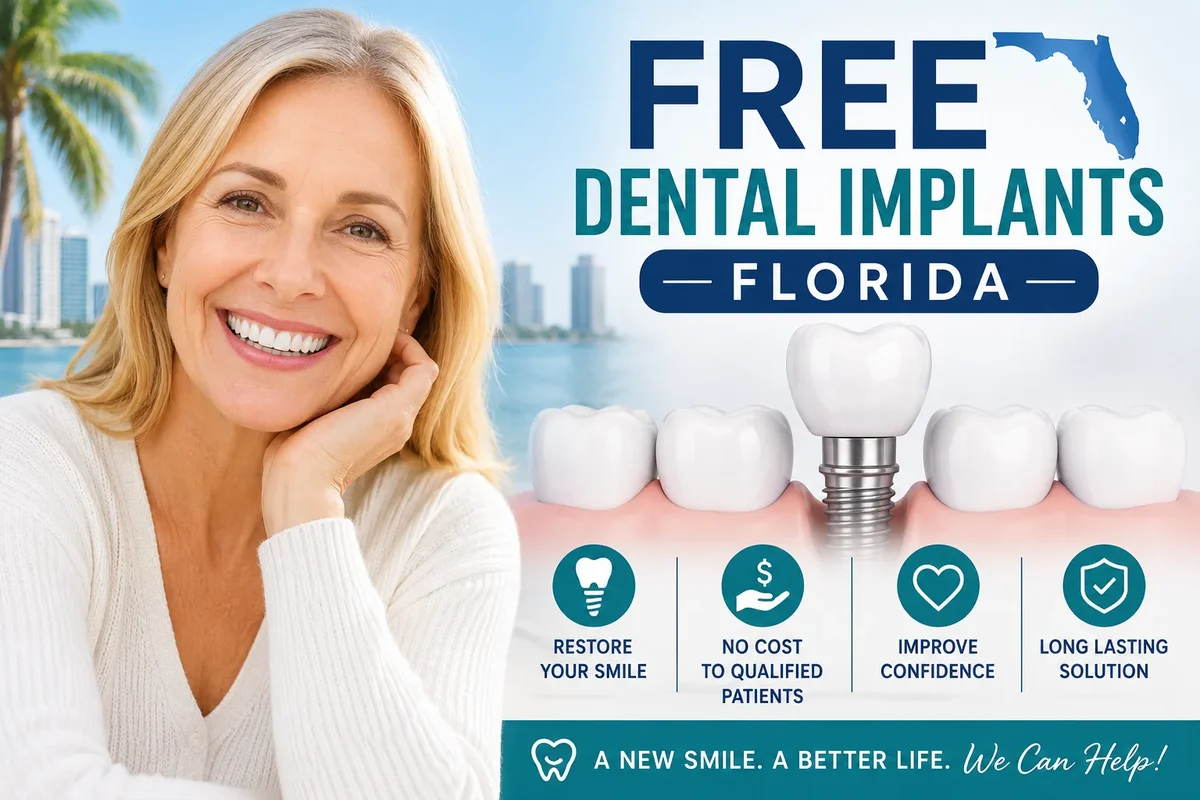
How to Choose the Best Dental Implant Provider in Florida
After exploring available free dental implants florida opportunities, assistance programs, nonprofit resources, dental schools, and alternative treatment options, the final step is selecting the right dental implant provider. Choosing a qualified professional is one of the most important decisions a patient can make because implant treatment is a long-term investment in oral health, appearance, and overall quality of life. Even when receiving support through a free dental implants florida program, patients should carefully evaluate the provider responsible for delivering their care.
Not all implant providers have the same level of experience, technology, training, or treatment philosophy. Understanding what to look for can help patients maximize treatment success and achieve long-lasting results.
Why Provider Selection Matters
Dental implants involve much more than simply replacing a missing tooth. Successful treatment requires comprehensive planning, surgical precision, proper restoration design, and ongoing maintenance.
When participating in a free dental implants florida program or pursuing affordable treatment options, patients should remember that quality remains just as important as cost savings.
A highly qualified provider can help ensure:
- Accurate diagnosis
- Proper treatment planning
- Safe surgical procedures
- Long-term implant stability
- Natural-looking results
- Reduced risk of complications
Choosing the right professional significantly improves the overall treatment experience.
Look for Implant-Specific Experience
Training and Clinical Expertise
One of the first factors to evaluate is the provider’s experience with implant dentistry. Implant placement requires specialized knowledge that extends beyond routine dental care.
Patients researching free dental implants florida opportunities should ask about:
- Years of implant experience
- Advanced implant training
- Continuing education participation
- Number of implants placed annually
- Complex case experience
Providers who focus extensively on implant treatment often possess the skills necessary to manage a wide range of clinical situations.
Specialist Involvement
Some implant cases involve multiple specialists, including oral surgeons, prosthodontists, and periodontists. Coordinated care among specialists can be particularly beneficial for patients with complex treatment needs.
Individuals pursuing free dental implants florida assistance should determine whether specialist collaboration is available through their selected provider or program.
Evaluate Technology and Diagnostic Capabilities
Modern implant dentistry relies heavily on advanced technology to improve precision and treatment outcomes.
Important technologies may include:
- Digital X-rays
- Cone beam CT imaging
- 3D treatment planning software
- Digital impressions
- Guided implant surgery systems
These tools help providers accurately evaluate jawbone anatomy, identify potential complications, and plan implant placement with greater confidence.
Whether receiving care through private treatment or a free dental implants florida program, access to modern technology can contribute to safer and more predictable results.
Review Before-and-After Cases
Visual Evidence of Results
Many experienced implant providers maintain galleries showcasing completed cases. Reviewing these examples can help patients assess treatment quality and aesthetic outcomes.
When evaluating providers associated with free dental implants florida opportunities, consider:
- Natural appearance of restorations
- Complexity of treated cases
- Consistency of results
- Patient satisfaction indicators
Before-and-after examples often provide valuable insight into a provider’s capabilities.
Understand the Complete Treatment Plan
Patients should never choose a provider based solely on advertised pricing or promotional offers. Comprehensive treatment planning is essential for successful implant therapy.
A quality provider should clearly explain:
- Recommended procedures
- Expected timeline
- Healing phases
- Potential risks
- Alternative treatment options
- Long-term maintenance requirements
Individuals utilizing free dental implants florida assistance should fully understand which services are covered and whether any additional expenses may arise.
Ask About Long-Term Follow-Up Care
Maintenance Is Essential
Dental implants require ongoing maintenance and periodic evaluations to ensure long-term success. Patients should confirm that follow-up care is available after treatment completion.
Important questions include:
- How often are maintenance visits recommended?
- What services are included in follow-up care?
- How are complications managed?
- Who provides emergency support if needed?
Reliable long-term care is particularly important when treatment is obtained through a free dental implants florida program.
Consider Patient Reviews and Reputation
Online reviews, testimonials, and patient feedback can provide useful information about a provider’s communication style, professionalism, and treatment quality.
When researching providers connected to free dental implants florida opportunities, patients should look for patterns rather than focusing on isolated reviews.
Positive indicators may include:
- Consistent patient satisfaction
- Clear communication
- Professional staff interactions
- Successful treatment outcomes
- Strong community reputation
Questions to Ask During a Consultation
Consultations provide an excellent opportunity to evaluate whether a provider is the right fit.
Helpful questions include:
- Am I a suitable implant candidate?
- What treatment options are available?
- What risks should I consider?
- How long will treatment take?
- What is the expected success rate?
- How will maintenance be handled?
Patients participating in free dental implants florida programs should also ask detailed questions about program-specific coverage and responsibilities.
Warning Signs to Watch For
Red Flags During Provider Selection
While many dental professionals offer excellent care, patients should remain cautious of unrealistic promises or questionable practices.
Potential warning signs include:
- Guaranteed outcomes without evaluation
- Lack of diagnostic imaging
- Pressure to commit immediately
- Unclear pricing structures
- Limited discussion of risks
- Poor communication
Even when pursuing free dental implants florida assistance, patients should never compromise on treatment quality or safety.
Balancing Cost and Quality
Affordability is understandably important, especially for individuals exploring free dental implants florida opportunities. However, the lowest price does not always represent the best value.
Patients should focus on:
- Provider qualifications
- Technology availability
- Treatment quality
- Patient support
- Long-term outcomes
- Comprehensive care planning
Successful implant treatment often provides benefits that last for many years, making quality a critical consideration.
Reliable Sources for Additional Information
Patients seeking trustworthy information about implant treatment can consult the American Dental Association for educational resources and oral health guidance.
Individuals interested in learning more about modern tooth replacement options and professional consultation services may also visit the Redent Klinik Contact Page.
Ultimately, selecting the best provider is a crucial step in achieving successful implant treatment. Whether care is obtained through private treatment, educational institutions, charitable organizations, or free dental implants florida assistance programs, patients should prioritize experience, technology, communication, treatment planning, and long-term support. By carefully evaluating providers and asking the right questions, individuals can make confident decisions that support both their oral health and overall well-being for years to come.