
🦷 Maintaining a healthy smile is one of the most important aspects of overall well-being, and general and family dentistry plays a central role in helping individuals and families achieve long-term oral health. Whether you are a child visiting a dentist for the first time, an adult seeking preventive care, or a senior managing age-related dental concerns, general and family dentistry provides comprehensive solutions tailored to every stage of life. By focusing on prevention, diagnosis, treatment, and patient education, this branch of dentistry helps people maintain strong teeth, healthy gums, and confident smiles for years to come.
At its core, general and family dentistry encompasses a wide range of services designed to address the everyday oral health needs of patients. These services include routine dental examinations, professional cleanings, digital X-rays, cavity detection, gum disease management, fillings, crowns, tooth extractions, fluoride treatments, and oral health counseling. Unlike specialized dental fields that focus on specific procedures, general and family dentistry acts as the foundation of dental care, ensuring that patients receive regular monitoring and timely treatment before small issues become serious problems.
One of the greatest advantages of general and family dentistry is its ability to serve patients of all ages under one roof. Families often appreciate the convenience of scheduling appointments for parents, teenagers, and young children at the same dental practice. This continuity of care allows dental professionals to track oral health changes over time, understand family dental histories, and provide personalized recommendations that support long-term wellness. As a result, general and family dentistry becomes a trusted healthcare resource that grows alongside the family.
Preventive care is one of the most valuable aspects of general and family dentistry. Regular dental checkups help identify potential issues such as tooth decay, gum disease, enamel erosion, oral infections, and bite problems before they progress. During these visits, dentists perform comprehensive evaluations and offer guidance on brushing techniques, flossing habits, nutrition, and lifestyle choices that impact oral health. Through preventive care, general and family dentistry can significantly reduce the need for more complex and costly procedures in the future.
Many people underestimate the connection between oral health and overall health. Research continues to demonstrate that conditions affecting the mouth can influence the rest of the body. Gum disease, for example, has been associated with heart disease, diabetes, respiratory conditions, and other systemic health concerns. By maintaining regular appointments through general and family dentistry, patients can better protect not only their teeth and gums but also their overall health and quality of life. Healthy oral tissues contribute to better nutrition, clearer speech, improved self-confidence, and enhanced daily comfort.
👨👩👧👦 Children benefit tremendously from early exposure to general and family dentistry. Positive dental experiences during childhood help reduce anxiety and establish healthy habits that can last a lifetime. Dentists monitor tooth development, provide preventive treatments such as fluoride applications and sealants, and educate both children and parents about effective oral hygiene practices. As children grow, general and family dentistry continues to support their changing needs, including orthodontic assessments and guidance on protecting teeth during sports activities.
Adults also rely on general and family dentistry to preserve oral health despite the challenges of busy lifestyles. Daily stress, dietary habits, tobacco use, and aging can all affect dental wellness. Routine visits allow dentists to identify concerns early and recommend appropriate treatments that help maintain natural teeth for as long as possible. Common procedures such as fillings, crowns, and periodontal care are frequently provided within general and family dentistry settings, ensuring that patients receive timely and effective care.
For seniors, general and family dentistry remains essential. Age-related concerns such as dry mouth, tooth wear, gum recession, and tooth loss require professional monitoring and management. Regular dental visits help older adults maintain oral function, comfort, and confidence while reducing the risk of complications that may affect eating, speaking, or social interactions. Through personalized treatment plans, general and family dentistry supports healthy aging and improved quality of life.
Modern dental practices have transformed the patient experience through advanced technology. Digital imaging, intraoral cameras, laser-assisted treatments, and minimally invasive procedures have made general and family dentistry more accurate, efficient, and comfortable than ever before. These innovations allow dentists to diagnose problems earlier, explain treatment options more clearly, and deliver better outcomes with less discomfort.
Another important aspect of general and family dentistry is patient education. Dentists and hygienists work closely with patients to explain the causes of oral health problems and provide practical solutions. Whether discussing cavity prevention, gum health, dietary choices, or oral hygiene techniques, education empowers patients to take an active role in maintaining their smiles. This collaborative approach is a defining feature of general and family dentistry and contributes to long-term success.
Individuals seeking reliable, comprehensive dental care often discover that general and family dentistry offers the ideal balance of prevention, treatment, and ongoing support. By providing continuous care for patients of all ages, addressing a wide range of oral health concerns, and emphasizing preventive strategies, general and family dentistry serves as the cornerstone of lifelong dental wellness. Whether your goal is to prevent future problems, restore damaged teeth, or maintain a healthy smile for years to come, partnering with a trusted provider of general and family dentistry is one of the most effective investments you can make in your overall health and well-being.
Key Services Offered in General and Family Dentistry
🦷 One of the primary reasons patients choose general and family dentistry is the wide range of dental services available under one roof. Rather than visiting multiple specialists for routine oral healthcare needs, individuals and families can receive preventive, restorative, and diagnostic treatments from a trusted dental provider. The goal of general and family dentistry is not only to treat dental problems but also to prevent them before they become more serious and costly. By offering comprehensive care for patients of all ages, general and family dentistry serves as the foundation of lifelong oral health.
Modern general and family dentistry practices focus on creating personalized treatment plans that address each patient’s unique dental needs. From routine cleanings and examinations to restorative procedures and oral health education, these services help patients maintain healthy teeth, gums, and smiles throughout every stage of life.
Preventive Dental Services
Preventive care is the cornerstone of general and family dentistry. Regular preventive treatments help reduce the risk of cavities, gum disease, tooth loss, and other oral health complications. Dentists encourage patients to schedule routine visits every six months so potential problems can be identified and treated early.
Common preventive services offered through general and family dentistry include:
- Comprehensive dental examinations
- Professional teeth cleaning
- Digital dental X-rays
- Oral cancer screenings
- Fluoride treatments
- Dental sealants
- Gum disease evaluations
- Oral hygiene education
During routine checkups, dentists carefully examine teeth, gums, jaw structures, and oral tissues. Early detection allows problems to be addressed before they require extensive treatment. This preventive approach is one of the most important benefits of general and family dentistry.
Professional Dental Cleanings
Even individuals who brush and floss daily can develop plaque and tartar buildup in hard-to-reach areas. Professional cleanings performed within general and family dentistry remove these deposits and help reduce the risk of cavities and periodontal disease.
Dental hygienists use specialized tools to clean around the gumline and between teeth. Patients also receive personalized recommendations for improving their at-home oral hygiene routines. Regular cleanings contribute significantly to long-term oral health and are among the most frequently utilized services in general and family dentistry.
Diagnostic and Digital Imaging Services
Accurate diagnosis is essential for effective dental care. Modern general and family dentistry practices utilize advanced diagnostic technologies to identify issues that may not be visible during a standard visual examination.
Digital imaging services often include:
- Digital X-rays
- Panoramic imaging
- Intraoral cameras
- Diagnostic photography
- Bite analysis
These technologies allow dentists to detect cavities, bone loss, infections, impacted teeth, and structural abnormalities at earlier stages. Early diagnosis improves treatment outcomes and helps patients avoid more invasive procedures in the future.
Benefits of Modern Diagnostic Technology
Modern imaging tools improve both patient safety and treatment accuracy. Digital X-rays expose patients to significantly less radiation compared to traditional film-based systems. Additionally, dentists can immediately review images and explain findings in detail, creating a more transparent patient experience.
Restorative Treatments Available in General and Family Dentistry
While prevention remains a priority, restorative treatments are another important component of general and family dentistry. These procedures repair damaged teeth, restore oral function, and improve overall comfort.
Common restorative services include:
- Tooth-colored fillings
- Dental crowns
- Dental bridges
- Root canal therapy
- Denture services
- Simple tooth extractions
When cavities develop, tooth-colored composite fillings can restore the affected tooth while maintaining a natural appearance. More extensive damage may require crowns, which protect weakened teeth and restore chewing function. Through these restorative procedures, general and family dentistry helps preserve natural teeth whenever possible.
Gum Disease Prevention and Treatment
Healthy gums are essential for maintaining strong teeth. Gum disease remains one of the most common oral health conditions affecting adults worldwide. Fortunately, general and family dentistry provides comprehensive periodontal evaluations and treatment options.
Early-stage gum disease, known as gingivitis, can often be reversed through professional cleanings and improved oral hygiene habits. More advanced periodontal disease may require deep cleaning procedures such as scaling and root planing. By addressing gum health proactively, general and family dentistry helps protect both oral and overall health.
Pediatric Care Within General and Family Dentistry
👨👩👧👦 Children have unique dental needs that evolve as they grow. One major advantage of general and family dentistry is the ability to provide age-appropriate care for young patients in a familiar environment.
Services commonly provided for children include:
- Growth and development monitoring
- Preventive cleanings
- Fluoride treatments
- Dental sealants
- Cavity prevention education
- Early orthodontic assessments
Positive childhood experiences help establish healthy dental habits and reduce dental anxiety later in life. This makes pediatric care a vital component of general and family dentistry.
Patient Education and Oral Health Guidance
Education is an often-overlooked but highly valuable service provided through general and family dentistry. Dentists and hygienists help patients understand how lifestyle choices affect oral health. Topics may include proper brushing techniques, flossing methods, nutritional guidance, tobacco cessation, and cavity prevention strategies.
When patients understand the causes of oral health problems, they are better equipped to make informed decisions that protect their smiles. This educational approach supports the long-term success of general and family dentistry and helps patients become active participants in their own oral healthcare.
Why Comprehensive Dental Services Matter
The greatest strength of general and family dentistry is its comprehensive nature. Patients can receive preventive care, restorative treatment, diagnostic evaluations, pediatric services, and oral health education from a single trusted provider. This continuity promotes stronger patient relationships, more consistent monitoring, and better long-term outcomes.
Whether you need a routine examination, cavity treatment, gum disease management, or ongoing preventive care, general and family dentistry offers the essential services necessary to maintain a healthy smile for life. By combining prevention, early diagnosis, treatment, and education, general and family dentistry remains one of the most valuable healthcare resources available to individuals and families seeking optimal oral health.
How General and Family Dentistry Supports Every Age Group
🦷 One of the most significant advantages of general and family dentistry is its ability to provide comprehensive oral healthcare for patients throughout every stage of life. Unlike dental practices that focus on a specific age group, general and family dentistry offers personalized care for children, teenagers, adults, and seniors. This continuity of care allows dental professionals to understand a patient’s oral health history, monitor long-term changes, and provide treatments that evolve with changing needs. As a result, general and family dentistry becomes an essential part of maintaining lifelong oral health and overall well-being.
Every age group faces unique dental challenges. Children need preventive guidance and monitoring of developing teeth, teenagers may require additional support during orthodontic treatment, adults often focus on maintaining healthy teeth despite busy lifestyles, and seniors frequently face age-related oral health concerns. Through preventive care, education, diagnosis, and treatment, general and family dentistry helps patients navigate these challenges while preserving healthy smiles.
General and Family Dentistry for Infants and Young Children
Early childhood is a critical period for oral health development. Many parents are surprised to learn that dental care should begin as soon as a child’s first tooth appears. Through general and family dentistry, dentists can monitor dental growth, identify developmental concerns, and educate parents about proper oral hygiene practices.
Common services for young children include:
- Infant oral health evaluations
- Preventive dental examinations
- Fluoride applications
- Dental sealants
- Monitoring tooth eruption patterns
- Oral hygiene education for parents
Regular visits to a general and family dentistry practice help children become comfortable with dental care from an early age. Positive experiences reduce dental anxiety and encourage lifelong oral health habits. Additionally, dentists can identify habits such as thumb sucking or prolonged pacifier use that may affect dental development.
Building Healthy Habits Early
One of the most valuable aspects of general and family dentistry for children is education. Dentists teach proper brushing techniques, healthy dietary habits, and cavity prevention strategies that can significantly reduce future oral health problems. These lessons often create a strong foundation for lifelong dental wellness.
Dental Care for School-Age Children and Teenagers
As children grow, their oral health needs become more complex. School-age children and teenagers experience significant dental changes, including the eruption of permanent teeth and the development of bite alignment. During this stage, general and family dentistry plays an important role in monitoring growth and preventing common dental issues.
Services frequently provided include:
- Routine dental examinations
- Professional cleanings
- Cavity detection and treatment
- Orthodontic evaluations
- Sports mouthguard recommendations
- Oral hygiene reinforcement
Teenagers often face unique challenges related to diet, orthodontic appliances, and busy schedules. Regular appointments through general and family dentistry help ensure that developing permanent teeth remain healthy and strong during these important years.
How General and Family Dentistry Benefits Adults
For adults, maintaining oral health becomes increasingly important as lifestyle factors begin to influence dental wellness. Stress, work schedules, dietary habits, tobacco use, and medical conditions can all affect oral health. Through routine care, general and family dentistry helps adults protect their teeth and gums while preventing future complications.
Common adult dental services include:
- Preventive dental cleanings
- Comprehensive oral examinations
- Tooth-colored fillings
- Dental crowns
- Gum disease treatment
- Root canal therapy
- Oral cancer screenings
Many adults postpone dental treatment due to busy schedules. However, consistent visits to a general and family dentistry provider often prevent minor issues from becoming major problems. Early intervention can save time, reduce discomfort, and preserve natural teeth for longer periods.
The Connection Between Oral Health and Overall Health
Adults benefit greatly from understanding the relationship between oral health and systemic health. Research suggests that gum disease may be associated with conditions such as diabetes, cardiovascular disease, and certain respiratory illnesses. Through preventive care and early diagnosis, general and family dentistry helps support overall health in addition to maintaining healthy teeth and gums.
Senior Oral Health and General and Family Dentistry
👴👵 Seniors often face unique oral health concerns that require ongoing monitoring and professional care. Aging can affect the mouth in many ways, including increased tooth wear, gum recession, dry mouth, and a higher risk of tooth loss. Fortunately, general and family dentistry provides tailored solutions that address these age-related challenges.
Senior-focused dental services may include:
- Management of dry mouth symptoms
- Monitoring gum recession
- Denture evaluations and maintenance
- Replacement of damaged restorations
- Oral cancer screenings
- Periodontal care
Regular visits through general and family dentistry help seniors maintain oral function, nutritional health, speech clarity, and self-confidence. Healthy teeth and gums contribute significantly to quality of life and independence as individuals age.
The Advantages of Lifelong Continuity of Care
One reason many families choose general and family dentistry is the continuity of care it provides. Seeing the same dental team over many years offers several benefits. Dentists become familiar with a patient’s dental history, treatment preferences, and risk factors, allowing for more personalized care.
Continuity also improves communication and trust. Patients often feel more comfortable discussing concerns with providers they know well. This strong patient-dentist relationship supports better treatment outcomes and encourages regular attendance at preventive appointments.
Why Families Prefer a Single Dental Provider
Families frequently appreciate the convenience offered by general and family dentistry. Instead of coordinating appointments with multiple dental offices, family members of different ages can often receive care at the same practice. This saves time, simplifies scheduling, and creates a more consistent healthcare experience.
Parents also benefit from receiving oral health guidance that applies to the entire household. Dentists can help families establish effective routines, discuss nutrition, and provide recommendations that support healthy smiles for everyone.
Supporting Oral Health Through Every Life Stage
The strength of general and family dentistry lies in its ability to adapt to changing needs throughout life. From a child’s first dental visit to senior oral healthcare management, general and family dentistry provides preventive care, restorative treatments, patient education, and long-term support. This comprehensive approach helps patients maintain healthy teeth, strong gums, and confident smiles regardless of age.
Ultimately, general and family dentistry serves as a lifelong partner in oral health. By providing personalized care for infants, children, teenagers, adults, and seniors, it ensures that every family member receives the attention and treatment necessary to achieve optimal dental wellness. Through regular visits, preventive strategies, and patient-centered care, general and family dentistry continues to play a vital role in supporting healthy smiles across generations.
Preventive Care: The Foundation of General and Family Dentistry
🦷 Preventive care is widely recognized as the cornerstone of general and family dentistry. While many people associate dental visits with treating problems such as cavities or tooth pain, the primary goal of general and family dentistry is actually to prevent these issues from developing in the first place. Through regular examinations, professional cleanings, patient education, and early intervention, preventive care helps patients maintain healthy teeth and gums while reducing the need for more extensive dental treatments in the future.
The philosophy behind general and family dentistry is simple: preventing dental problems is often easier, less expensive, and more comfortable than treating them after they have progressed. By identifying concerns early and promoting healthy habits, dental professionals help patients protect their smiles throughout every stage of life.
Why Preventive Care Matters
Many oral health conditions develop gradually and may not cause noticeable symptoms in their early stages. Cavities, gum disease, enamel erosion, and even oral cancer can progress silently before becoming painful or difficult to treat. This is why preventive services provided through general and family dentistry are so important.
Routine preventive care helps:
- Reduce the risk of tooth decay
- Prevent gum disease progression
- Detect oral health problems early
- Maintain fresh breath and oral cleanliness
- Preserve natural teeth longer
- Support overall health and wellness
- Lower long-term dental treatment costs
By focusing on prevention, general and family dentistry allows patients to maintain optimal oral health while minimizing future complications.
Routine Dental Examinations
One of the most essential preventive services in general and family dentistry is the routine dental examination. During these appointments, dentists thoroughly evaluate the teeth, gums, jaw structures, and oral tissues to identify potential issues before they worsen.
A comprehensive examination typically includes:
- Visual inspection of teeth and gums
- Cavity detection
- Assessment of existing restorations
- Evaluation of bite alignment
- Screening for gum disease
- Oral cancer examination
- Review of oral hygiene habits
Regular examinations are a fundamental component of general and family dentistry because they provide an opportunity to catch problems early, when treatment is often simpler and more effective.
How Often Should Dental Checkups Occur?
Most dental professionals recommend visiting a general and family dentistry practice every six months for preventive examinations and cleanings. However, patients with a history of gum disease, frequent cavities, or other oral health concerns may benefit from more frequent visits based on individualized recommendations.
Professional Dental Cleanings and Plaque Control
Even individuals who maintain excellent brushing and flossing routines can develop plaque and tartar buildup in hard-to-reach areas. Professional cleanings are therefore an essential aspect of general and family dentistry.
During a professional cleaning, dental hygienists remove plaque, tartar, and surface stains from the teeth. This process helps reduce the risk of cavities and periodontal disease while improving the appearance of the smile.
Benefits of regular cleanings include:
- Reduced cavity risk
- Healthier gums
- Fresher breath
- Removal of hardened tartar deposits
- Improved oral hygiene effectiveness
- Early identification of oral health concerns
These routine services are among the most frequently utilized preventive treatments in general and family dentistry.
Fluoride Treatments and Dental Sealants
Preventive dentistry often includes additional protective measures that strengthen teeth and reduce cavity risk. Two of the most common preventive treatments offered through general and family dentistry are fluoride applications and dental sealants.
Fluoride helps strengthen tooth enamel and makes teeth more resistant to acid attacks from bacteria and dietary sugars. Professional fluoride treatments can be especially beneficial for children, teenagers, and adults who are prone to cavities.
Dental sealants are thin protective coatings applied to the chewing surfaces of molars. These areas contain grooves and pits where food particles and bacteria can accumulate. Sealants help prevent decay by creating a protective barrier over these vulnerable surfaces.
Who Benefits Most from Sealants?
Although sealants are often associated with children, many adults can also benefit from them. Dentists practicing general and family dentistry evaluate each patient’s risk factors and recommend sealants when appropriate.
Patient Education as a Preventive Tool
Education is one of the most powerful preventive services provided through general and family dentistry. While professional care is essential, daily oral hygiene habits play a major role in maintaining healthy teeth and gums.
Dental professionals educate patients about:
- Proper brushing techniques
- Effective flossing methods
- Healthy dietary choices
- Sugar consumption awareness
- Tobacco cessation strategies
- Managing dry mouth
- Preventing sports-related dental injuries
By empowering patients with practical knowledge, general and family dentistry helps individuals take an active role in protecting their oral health.
Preventing Gum Disease Through Early Intervention
Gum disease is one of the most common oral health conditions affecting adults worldwide. Fortunately, preventive strategies used in general and family dentistry can significantly reduce the risk of developing advanced periodontal disease.
Early-stage gum disease, known as gingivitis, often presents with symptoms such as redness, swelling, and bleeding gums. At this stage, the condition is typically reversible through professional cleanings and improved oral hygiene practices. If left untreated, however, it can progress to periodontitis, which may result in bone loss and tooth loss.
Regular periodontal evaluations provided through general and family dentistry allow dentists to identify warning signs early and recommend appropriate interventions.
The Long-Term Benefits of Preventive Care
Preventive care delivers benefits that extend far beyond the dental office. Patients who maintain regular appointments through general and family dentistry often experience fewer dental emergencies, lower treatment costs, and better overall oral health outcomes. Preventive dentistry also contributes to improved self-confidence, easier eating and speaking, and greater quality of life.
Furthermore, maintaining good oral health may positively influence overall health. Research has linked oral inflammation and gum disease to systemic conditions such as diabetes and cardiovascular disease. Through ongoing preventive care, general and family dentistry helps support both oral and general wellness.
Why Prevention Remains the Core of General and Family Dentistry
Ultimately, prevention is what makes general and family dentistry so effective. Rather than waiting for pain or damage to occur, preventive care focuses on preserving healthy teeth, protecting gums, and identifying problems before they become serious. Through routine examinations, professional cleanings, fluoride treatments, sealants, periodontal monitoring, and patient education, general and family dentistry provides the tools necessary for lifelong oral health.
For patients of all ages, preventive care remains the most valuable investment in a healthy smile. By partnering with a trusted provider of general and family dentistry, individuals and families can enjoy stronger teeth, healthier gums, fewer dental complications, and long-term confidence in their oral health.
Common Dental Problems Treated by General and Family Dentistry
🦷 One of the most important roles of general and family dentistry is diagnosing, treating, and managing a wide variety of dental problems that affect patients of all ages. While preventive care helps reduce the likelihood of oral health issues, many individuals will experience dental concerns at some point in their lives. Fortunately, general and family dentistry provides comprehensive solutions designed to restore oral health, relieve discomfort, and prevent complications from worsening.
Whether a patient is dealing with tooth decay, gum disease, tooth sensitivity, damaged teeth, or oral infections, general and family dentistry offers a broad range of treatment options. By identifying problems early and implementing effective interventions, dental professionals help patients maintain healthy smiles and avoid more extensive procedures in the future.
Tooth Decay and Cavities
Tooth decay remains one of the most common conditions treated in general and family dentistry. Cavities develop when bacteria in the mouth produce acids that gradually break down tooth enamel. Poor oral hygiene, frequent consumption of sugary foods, inadequate fluoride exposure, and irregular dental visits can all contribute to cavity formation.
Early-stage cavities may not cause noticeable symptoms, which is why regular examinations are essential. During routine appointments, dentists practicing general and family dentistry can detect small areas of decay before they progress into larger problems.
Common treatments for cavities include:
- Tooth-colored composite fillings
- Fluoride treatments for early enamel damage
- Dental crowns for extensive decay
- Root canal therapy when infection reaches the pulp
Prompt treatment helps preserve natural tooth structure and prevents further deterioration.
Why Early Cavity Treatment Matters
When cavities are identified early through general and family dentistry, treatment is often simpler, faster, and less expensive. Delayed treatment can lead to infection, pain, and potential tooth loss.
Gum Disease and Periodontal Problems
Gum disease is another frequently treated condition within general and family dentistry. It begins when plaque accumulates along the gumline, causing inflammation known as gingivitis. If left untreated, gingivitis can progress to periodontitis, a more serious condition that affects the supporting structures of the teeth.
Symptoms of gum disease may include:
- Red or swollen gums
- Bleeding during brushing or flossing
- Persistent bad breath
- Gum recession
- Loose teeth
- Changes in bite alignment
Through routine periodontal evaluations, general and family dentistry allows dentists to detect gum disease in its earliest stages and implement appropriate treatment plans.
Common periodontal treatments include professional cleanings, scaling and root planing, oral hygiene instruction, and ongoing maintenance care.
Tooth Sensitivity
Many patients seek care through general and family dentistry because of tooth sensitivity. This condition can cause discomfort when consuming hot, cold, sweet, or acidic foods and beverages. Tooth sensitivity may result from enamel wear, gum recession, cavities, cracked teeth, or exposed tooth roots.
Accurate diagnosis is essential because sensitivity can have multiple causes. Dentists evaluate the underlying source of the problem and recommend targeted treatments such as:
- Desensitizing toothpaste
- Fluoride treatments
- Dental bonding
- Gum therapy
- Restorative dental procedures
By addressing the root cause, general and family dentistry helps patients achieve lasting relief and improved comfort.
Cracked, Chipped, and Damaged Teeth
Accidents, sports injuries, teeth grinding, and biting hard objects can all result in damaged teeth. One of the strengths of general and family dentistry is its ability to restore both function and appearance following dental trauma.
Treatment options depend on the severity of the damage and may include:
- Dental bonding
- Composite restorations
- Dental crowns
- Root canal therapy
- Tooth extraction when necessary
Early intervention is critical because untreated cracks can allow bacteria to enter the tooth and cause infection. Routine evaluations provided through general and family dentistry can identify hidden fractures before complications develop.
Protecting Teeth From Future Damage
Dentists often recommend custom night guards for patients who grind their teeth and mouthguards for athletes participating in contact sports. These preventive measures help reduce the risk of future injuries and preserve long-term oral health.
Oral Infections and Dental Abscesses
Dental infections can occur when bacteria enter the inner portion of a tooth or surrounding tissues. Infections often develop as a result of untreated cavities, severe gum disease, trauma, or cracked teeth.
Common symptoms include:
- Persistent tooth pain
- Swelling of the gums or face
- Sensitivity to temperature
- Difficulty chewing
- Bad taste in the mouth
- Fever in severe cases
Prompt treatment through general and family dentistry is essential because untreated infections may spread and lead to serious health complications. Treatment may involve root canal therapy, drainage procedures, antibiotics, or extraction depending on the severity of the infection.
Missing Teeth and Tooth Loss
Tooth loss can affect chewing ability, speech, appearance, and self-confidence. Through general and family dentistry, patients can receive evaluations and treatment recommendations designed to restore function and aesthetics.
Common causes of tooth loss include:
- Advanced gum disease
- Severe tooth decay
- Dental trauma
- Age-related oral health issues
After assessing the patient’s oral health, dentists may recommend crowns, bridges, removable dentures, or referrals for implant consultations. The goal of general and family dentistry is to restore comfort, functionality, and confidence while supporting overall oral health.
Bad Breath and Oral Hygiene Concerns
Persistent bad breath, also known as halitosis, is a common reason patients visit a general and family dentistry practice. While occasional bad breath is normal, chronic halitosis may indicate underlying oral health issues.
Potential causes include:
- Poor oral hygiene
- Gum disease
- Tooth decay
- Dry mouth
- Oral infections
- Certain medical conditions
By identifying the underlying cause, dentists can develop personalized treatment strategies that improve oral freshness and overall health.
The Importance of Early Diagnosis and Treatment
One of the defining characteristics of general and family dentistry is its emphasis on early diagnosis. Many dental conditions become significantly more difficult and expensive to treat when left untreated. Regular checkups allow dental professionals to identify problems before they progress to advanced stages.
Early intervention often means:
- Less invasive treatment
- Reduced treatment costs
- Better preservation of natural teeth
- Improved long-term outcomes
- Lower risk of dental emergencies
This proactive approach is one of the primary reasons why general and family dentistry remains the foundation of oral healthcare.
Comprehensive Care for Common Dental Problems
From cavities and gum disease to infections, tooth sensitivity, and damaged teeth, general and family dentistry provides comprehensive solutions for many of the most common oral health concerns. By combining preventive care, accurate diagnosis, restorative treatments, and patient education, general and family dentistry helps patients maintain healthy, functional smiles throughout their lives.
Regardless of age or dental history, routine visits to a trusted provider of general and family dentistry offer an effective way to identify problems early, receive timely treatment, and protect long-term oral health. Through consistent care and professional guidance, patients can enjoy stronger teeth, healthier gums, and greater confidence in their smiles.
The Role of Routine Dental Checkups in Long-Term Oral Health
🦷 Routine dental checkups are one of the most valuable services provided through general and family dentistry. While many people visit a dentist only when they experience pain or visible dental problems, regular examinations are essential for maintaining healthy teeth and gums throughout life. The primary purpose of general and family dentistry is not only to treat existing conditions but also to identify and prevent oral health problems before they become serious. Through ongoing monitoring, professional cleanings, and personalized guidance, routine dental checkups help patients preserve their smiles and avoid costly or complex treatments in the future.
Many dental diseases develop gradually and often show few symptoms during their early stages. Cavities, gum disease, enamel erosion, oral infections, and even certain oral cancers may progress unnoticed for months or years. This is why general and family dentistry places such a strong emphasis on regular examinations. Early detection significantly improves treatment outcomes and helps patients maintain optimal oral health over the long term.
Why Regular Dental Checkups Are Important
Routine dental visits provide opportunities for comprehensive oral health assessments that go beyond simple visual inspections. Dentists practicing general and family dentistry evaluate teeth, gums, jaw structures, oral tissues, and bite function during each appointment.
Benefits of regular dental checkups include:
- Early detection of tooth decay
- Identification of gum disease
- Professional plaque and tartar removal
- Monitoring of oral health changes
- Screening for oral cancer
- Assessment of existing dental restorations
- Personalized oral hygiene recommendations
These preventive measures are fundamental components of general and family dentistry and contribute directly to long-term oral wellness.
Preventing Small Problems From Becoming Serious
A small cavity discovered during a routine examination can often be treated with a simple filling. If left untreated, however, that same cavity may eventually require a crown, root canal treatment, or even extraction. The preventive focus of general and family dentistry helps patients avoid unnecessary complications by addressing issues before they progress.
What Happens During a Routine Dental Checkup?
A typical appointment within general and family dentistry involves several important steps designed to evaluate oral health thoroughly.
During a routine visit, patients may receive:
- A comprehensive oral examination
- Professional dental cleaning
- Digital X-rays if needed
- Oral cancer screening
- Periodontal assessment
- Evaluation of existing fillings or crowns
- Discussion of oral hygiene habits
Each component serves a specific purpose and helps dentists gather a complete picture of the patient’s oral health status.
Regular monitoring through general and family dentistry allows dental professionals to compare findings over time and identify subtle changes that may otherwise go unnoticed.
Professional Cleanings and Their Long-Term Benefits
Even patients who brush and floss consistently can develop plaque and tartar buildup in areas that are difficult to reach. Professional cleanings performed within general and family dentistry help remove these deposits and reduce the risk of cavities and gum disease.
Professional cleanings provide several benefits:
- Removal of plaque and tartar
- Reduction of gum inflammation
- Improved breath freshness
- Enhanced appearance of teeth
- Lower risk of periodontal disease
- Support for overall oral health
These cleanings are a critical part of preventive care and help patients maintain healthier smiles between appointments.
The Importance of Plaque Control
Plaque is a sticky bacterial film that forms naturally on teeth. If not removed effectively, it can harden into tartar and contribute to tooth decay and gum disease. Through regular cleanings and education, general and family dentistry helps patients manage plaque accumulation and maintain healthier oral environments.
Early Detection of Gum Disease
Gum disease is one of the leading causes of tooth loss among adults. Fortunately, routine examinations within general and family dentistry often detect early signs before irreversible damage occurs.
Warning signs commonly evaluated during checkups include:
- Bleeding gums
- Swelling or redness
- Gum recession
- Persistent bad breath
- Pocket formation around teeth
- Loose teeth
When gum disease is identified early, treatment is generally less invasive and more effective. Preventive intervention can help preserve both gum tissue and supporting bone structures.
Monitoring Oral Health Throughout Different Life Stages
One of the unique strengths of general and family dentistry is its ability to provide ongoing care throughout every stage of life. Oral health needs change as individuals age, and regular checkups help ensure those changing needs are addressed appropriately.
Children benefit from monitoring tooth development and cavity prevention. Teenagers often require evaluations related to orthodontic concerns. Adults may need support for gum health and restorative care, while seniors frequently require management of age-related oral conditions.
By maintaining consistent appointments through general and family dentistry, patients receive personalized care that evolves with their changing oral health needs.
Oral Cancer Screening During Routine Visits
Routine oral cancer screenings represent another important aspect of general and family dentistry. Dentists evaluate oral tissues for unusual lesions, discolorations, lumps, or other abnormalities that may require further investigation.
Early detection dramatically improves treatment outcomes. Many patients are unaware that oral cancer can develop without noticeable symptoms during its earliest stages. Regular screenings help identify concerns before they become advanced.
This preventive service highlights the broader health benefits associated with routine visits to a general and family dentistry provider.
Patient Education and Preventive Guidance
Routine dental appointments also provide valuable opportunities for education. Dentists and hygienists use these visits to discuss oral hygiene practices, dietary habits, and lifestyle factors that influence dental health.
Educational topics often include:
- Proper brushing techniques
- Correct flossing methods
- Sugar consumption management
- Fluoride benefits
- Tobacco cessation support
- Protection against sports injuries
Patient education is a core component of general and family dentistry because informed patients are more likely to maintain healthy habits between appointments.
How Often Should Dental Checkups Be Scheduled?
Most patients benefit from routine dental visits every six months. However, recommendations may vary depending on individual risk factors. Patients with a history of gum disease, frequent cavities, dry mouth, or other oral health concerns may require more frequent evaluations.
Dentists practicing general and family dentistry create customized recall schedules based on each patient’s needs, helping ensure optimal oral health outcomes.
Routine Checkups as a Lifelong Investment
Routine dental checkups are among the most effective tools available for maintaining lifelong oral health. Through comprehensive examinations, professional cleanings, periodontal evaluations, oral cancer screenings, and patient education, general and family dentistry provides the preventive care necessary to keep teeth and gums healthy.
Rather than waiting for symptoms to appear, regular visits allow patients to take a proactive approach to oral healthcare. This preventive strategy helps reduce treatment costs, preserve natural teeth, and improve overall quality of life.
Ultimately, the long-term success of general and family dentistry depends on consistency. Patients who maintain regular appointments often experience fewer dental problems, healthier smiles, and greater confidence in their oral health. By making routine checkups a priority, individuals and families can enjoy the lasting benefits that general and family dentistry offers throughout every stage of life.
Modern Technology Used in General and Family Dentistry
🦷 The field of general and family dentistry has undergone remarkable advancements over the past few decades. Modern technology has transformed the way dentists diagnose, prevent, and treat oral health conditions, making dental care more accurate, efficient, comfortable, and patient-focused than ever before. Today, general and family dentistry incorporates a wide range of innovative tools and digital systems that improve treatment outcomes while enhancing the overall patient experience.
Technology plays an essential role in helping dental professionals identify problems earlier, develop more precise treatment plans, and perform procedures with greater accuracy. From digital imaging and intraoral cameras to laser dentistry and advanced restorative techniques, technological innovations continue to shape the future of general and family dentistry.
The Evolution of Technology in General and Family Dentistry
Traditional dental care relied heavily on manual examinations, film-based X-rays, and conventional impressions. While these methods provided valuable information, they often lacked the speed and precision available through modern systems. Today’s general and family dentistry practices benefit from advanced technologies that allow dentists to gather detailed information, communicate findings more effectively, and provide more comfortable treatment experiences.
Technological advancements have improved nearly every aspect of dental care, including:
- Diagnosis and treatment planning
- Preventive care
- Patient education
- Restorative procedures
- Periodontal therapy
- Record keeping and communication
These improvements contribute to the ongoing success and effectiveness of general and family dentistry.
Digital Dental X-Rays
Digital radiography has become one of the most important technologies used in general and family dentistry. Unlike traditional film-based X-rays, digital systems capture images electronically, allowing dentists to view results almost instantly.
Benefits of digital X-rays include:
- Reduced radiation exposure
- Immediate image availability
- Enhanced image quality
- Improved diagnostic accuracy
- Easy electronic storage and sharing
- Environmentally friendly processes
Digital imaging allows dentists to identify cavities, bone loss, impacted teeth, infections, and other abnormalities at earlier stages. This supports the preventive philosophy that is central to general and family dentistry.
How Digital Imaging Improves Diagnosis
Advanced imaging software enables dentists to enlarge, enhance, and analyze images in detail. This improves diagnostic precision and helps patients better understand their oral health conditions during consultations.
Intraoral Cameras and Patient Education
One of the most effective communication tools in modern general and family dentistry is the intraoral camera. These small handheld devices capture high-resolution images from inside the mouth, allowing patients to see what the dentist sees.
Intraoral cameras help identify:
- Cracks in teeth
- Cavities
- Worn restorations
- Gum inflammation
- Plaque accumulation
- Other oral abnormalities
By visually demonstrating dental conditions, dentists can explain treatment recommendations more effectively. This enhances patient understanding and encourages informed decision-making.
Laser Technology in General and Family Dentistry
Laser dentistry has become increasingly popular in modern general and family dentistry. Dental lasers use focused light energy to perform specific procedures with remarkable precision.
Laser applications may include:
- Gum disease treatment
- Soft tissue reshaping
- Cavity detection
- Bacterial reduction
- Treatment of oral lesions
Compared to some traditional techniques, laser procedures often result in less bleeding, reduced discomfort, and faster healing times. This makes laser technology an attractive option for many patients receiving care through general and family dentistry.
Benefits of Minimally Invasive Treatments
Minimally invasive technologies help preserve healthy tooth structure and surrounding tissues. These approaches align closely with the preventive and conservative principles that guide general and family dentistry.
Digital Record Keeping and Treatment Planning
Electronic health records have significantly improved the efficiency of general and family dentistry. Digital record systems allow dental teams to access patient information quickly and accurately, improving communication and continuity of care.
Advantages of digital record management include:
- Accurate treatment histories
- Improved appointment coordination
- Enhanced patient communication
- Efficient insurance processing
- Secure information storage
Comprehensive digital records support better decision-making and allow dental professionals to monitor oral health changes over time.
Advanced Restorative Materials
Modern restorative dentistry has benefited greatly from advances in dental materials. Today’s general and family dentistry providers can use highly durable, aesthetically pleasing materials that closely mimic the appearance of natural teeth.
Common modern restorative materials include:
- Composite resin fillings
- High-strength ceramic crowns
- Tooth-colored bonding materials
- Advanced dental cements
These materials offer improved durability, enhanced aesthetics, and better long-term performance compared to many older alternatives.
Technology and Preventive Care
Technology also strengthens the preventive focus of general and family dentistry. Advanced diagnostic tools help identify problems before symptoms develop, allowing for earlier intervention and more conservative treatment.
Examples include:
- Digital cavity detection systems
- Periodontal monitoring software
- Advanced oral cancer screening technologies
- Salivary diagnostic testing
These innovations support the goal of preventing disease whenever possible rather than simply treating its consequences.
Improving Patient Comfort Through Technology
Many people experience anxiety when visiting the dentist. Fortunately, modern technology used in general and family dentistry has contributed to more comfortable patient experiences.
Technological improvements help reduce:
- Treatment discomfort
- Procedure times
- Recovery periods
- Diagnostic uncertainty
- Patient anxiety
Digital imaging, minimally invasive procedures, and advanced treatment planning tools allow dentists to provide care more efficiently while improving patient confidence.
Building Trust Through Transparency
Technology helps patients better understand their oral health by providing clear visual evidence of dental conditions. This transparency strengthens communication and fosters trust between patients and providers within general and family dentistry.
The Future of General and Family Dentistry Technology
The future of general and family dentistry is expected to include even more advanced technologies. Artificial intelligence-assisted diagnostics, enhanced digital scanning systems, improved preventive screening tools, and expanded telehealth capabilities are already influencing dental care.
As technology continues to evolve, patients can expect faster diagnoses, more personalized treatment plans, and increasingly comfortable care experiences. These innovations will further strengthen the ability of general and family dentistry to deliver high-quality, patient-centered oral healthcare.
Why Technology Matters in Modern Dental Care
Technology has become an indispensable part of modern general and family dentistry. Through digital imaging, intraoral cameras, laser treatments, electronic records, advanced restorative materials, and enhanced diagnostic systems, dental professionals can provide safer, more efficient, and more accurate care.
Most importantly, these innovations support the primary mission of general and family dentistry: protecting oral health through prevention, early diagnosis, effective treatment, and patient education. By combining professional expertise with modern technology, today’s dental practices are better equipped than ever to help patients achieve healthy smiles that last a lifetime.
How to Choose the Right General and Family Dentistry Practice
🦷 Choosing the right dental provider is one of the most important decisions individuals and families can make for their long-term oral health. Because dental care is an ongoing commitment rather than a one-time service, selecting a trusted general and family dentistry practice can significantly influence the quality of care, patient comfort, treatment outcomes, and overall dental experience. With many dental offices available, understanding what to look for can help patients make informed decisions and establish a lasting relationship with a provider who supports their oral health goals.
A high-quality general and family dentistry practice should offer comprehensive services, personalized care, modern technology, preventive education, and a welcoming environment for patients of all ages. Since oral health needs change throughout life, choosing a practice that can adapt to those needs is essential for maintaining healthy smiles over the long term.
Why Selecting the Right Dental Practice Matters
The relationship between patients and their dental providers often spans many years. During this time, dentists monitor oral health changes, provide preventive care, diagnose emerging issues, and deliver treatment when necessary. A reliable general and family dentistry provider becomes an important healthcare partner who helps guide patients toward better oral health.
Choosing the right practice can provide:
- Consistent long-term care
- Early detection of oral health issues
- Personalized treatment planning
- Improved patient comfort
- Better preventive care outcomes
- Convenient access for family members
- Greater trust and communication
Because oral health is closely connected to overall health, selecting a qualified general and family dentistry provider is an investment in overall well-being.
Evaluate the Range of Services Offered
One of the first factors to consider when choosing a general and family dentistry practice is the scope of services available. Comprehensive care allows patients to receive most routine treatments from a single provider, reducing the need for multiple referrals.
Services commonly offered include:
- Routine examinations
- Professional cleanings
- Digital X-rays
- Fluoride treatments
- Dental fillings
- Crowns and bridges
- Gum disease treatment
- Oral cancer screenings
- Pediatric dental care
- Preventive education
A well-rounded general and family dentistry practice should be capable of addressing the needs of children, teenagers, adults, and seniors.
Comprehensive Care Benefits Families
Families often prefer dental offices that provide care for multiple age groups. Having one trusted general and family dentistry provider simplifies scheduling and ensures continuity of care for every family member.
Assess Qualifications and Professional Experience
Professional credentials play an important role when selecting a general and family dentistry practice. Patients should feel confident that their dentist possesses the education, training, and experience necessary to provide high-quality care.
Factors worth reviewing include:
- Dental education background
- Professional memberships
- Continuing education participation
- Years of clinical experience
- Areas of expertise
Professional organizations often encourage dentists to remain current with advancements in treatment methods, technology, and patient care standards. Staying updated helps strengthen the quality of services offered within general and family dentistry.
Consider Technology and Modern Equipment
Technology plays a major role in modern general and family dentistry. Advanced diagnostic and treatment tools can improve accuracy, efficiency, patient comfort, and clinical outcomes.
When evaluating a dental office, consider whether it utilizes:
- Digital X-rays
- Intraoral cameras
- Electronic health records
- Advanced sterilization systems
- Modern restorative materials
- Contemporary diagnostic equipment
Modern technology often allows dentists to identify issues earlier and explain treatment recommendations more clearly. These benefits contribute to a more positive patient experience within general and family dentistry.
Technology Enhances Patient Confidence
Patients who can see diagnostic images and visual explanations often feel more informed about their oral health. This transparency supports stronger communication and greater trust in treatment recommendations.
Evaluate Communication and Patient Education
Effective communication is a key characteristic of successful general and family dentistry. Patients should feel comfortable asking questions and discussing concerns with their dental team.
A quality dental practice should:
- Explain procedures clearly
- Discuss treatment options openly
- Provide preventive care guidance
- Answer questions thoroughly
- Respect patient preferences
- Encourage informed decision-making
Patient education remains one of the most valuable services offered through general and family dentistry. Understanding oral health conditions helps patients make better choices and maintain healthier habits between visits.
Review Office Environment and Patient Comfort
Dental anxiety affects many individuals, making office atmosphere an important consideration. A welcoming environment can significantly improve the patient experience and encourage regular attendance.
When visiting a general and family dentistry office, patients should consider:
- Cleanliness and organization
- Friendly staff interactions
- Comfortable waiting areas
- Efficient appointment scheduling
- Professionalism of the dental team
- Commitment to patient safety
Practices that prioritize comfort often create more positive experiences for both children and adults.
Location and Appointment Convenience
Convenience plays a practical role when selecting a general and family dentistry provider. Regular preventive visits are easier to maintain when the practice is conveniently located and offers flexible scheduling options.
Important considerations include:
- Office location
- Parking availability
- Appointment availability
- Emergency care access
- Family scheduling options
- Office hours
Convenient access encourages consistent preventive care, which remains one of the most important goals of general and family dentistry.
Read Reviews and Seek Recommendations
Patient reviews and personal recommendations can provide valuable insight into the quality of care offered by a general and family dentistry practice. While every patient’s experience is unique, patterns in feedback often reveal strengths related to communication, professionalism, treatment quality, and patient satisfaction.
Potential patients may benefit from:
- Reading online reviews
- Asking family members for recommendations
- Consulting friends or coworkers
- Reviewing practice websites
- Scheduling an introductory consultation
Gathering information from multiple sources helps patients make informed decisions regarding their dental care.
Building a Long-Term Relationship With Your Dentist
One of the greatest advantages of selecting the right general and family dentistry practice is the opportunity to build a long-term professional relationship. Dentists who know a patient’s history can monitor changes more effectively, provide personalized recommendations, and deliver care that evolves with changing oral health needs.
Long-term continuity supports stronger communication, greater trust, and more consistent preventive care. These factors contribute significantly to improved oral health outcomes over time.
Making an Informed Decision for Lifelong Oral Health
Choosing the right general and family dentistry practice involves evaluating services, qualifications, technology, communication, convenience, and patient experience. A trusted provider can serve as a lifelong partner in maintaining healthy teeth, strong gums, and confident smiles.
By selecting a dental practice that prioritizes prevention, education, modern technology, and personalized care, patients position themselves for long-term success. Ultimately, the best general and family dentistry practice is one that meets individual needs, fosters trust, and supports excellent oral health throughout every stage of life.
Benefits of Having One Dental Home for the Entire Family
🦷 Establishing a single dental home through a trusted general and family dentistry practice offers significant advantages for individuals and families alike. A dental home refers to an ongoing relationship between patients and a dental provider who delivers comprehensive, accessible, and coordinated oral healthcare throughout every stage of life. Rather than visiting different dental offices for children, parents, and older family members, many households choose a general and family dentistry practice that can meet the needs of everyone under one roof.
This approach provides convenience, continuity of care, improved communication, and long-term oral health benefits. As oral health needs evolve over time, having a consistent provider allows dentists to monitor changes, develop personalized treatment strategies, and support preventive care more effectively. These factors make general and family dentistry an ideal solution for families seeking comprehensive dental care.
What Is a Dental Home?
A dental home is more than simply a place where dental treatment is provided. It represents an ongoing partnership between patients and dental professionals who understand each individual’s oral health history, risk factors, and long-term goals.
Within general and family dentistry, a dental home typically includes:
- Routine preventive care
- Comprehensive examinations
- Personalized treatment planning
- Oral health education
- Emergency dental care
- Long-term monitoring and follow-up
By creating a consistent relationship with a dental team, patients receive care that is tailored to their specific needs while benefiting from greater continuity and familiarity.
Why Continuity Matters
When dentists have access to a patient’s complete oral health history, they can identify patterns, monitor changes, and make more informed treatment decisions. This continuity is one of the greatest strengths of general and family dentistry.
Convenience for Busy Families
One of the most obvious advantages of choosing a general and family dentistry practice is convenience. Modern families often balance work responsibilities, school schedules, extracurricular activities, and other commitments. Coordinating appointments at multiple dental offices can be challenging and time-consuming.
Having one dental home allows families to:
- Schedule appointments together
- Reduce travel time
- Simplify healthcare planning
- Maintain consistent dental records
- Receive care from a familiar team
This streamlined approach encourages regular attendance and helps ensure that preventive dental care remains a priority for every family member.
Comprehensive Care Across Every Age Group
A major advantage of general and family dentistry is the ability to provide care for patients throughout every phase of life. From a child’s first dental visit to senior oral healthcare management, family dentists understand the unique needs associated with different age groups.
Age-specific services may include:
- Preventive care for young children
- Growth and development monitoring
- Teen oral health education
- Adult restorative dentistry
- Gum disease management
- Senior oral healthcare support
Because oral health requirements evolve over time, general and family dentistry provides the flexibility necessary to adapt treatment plans as patients age.
Supporting Lifelong Oral Health
Patients who remain with the same dental provider often benefit from consistent preventive strategies and long-term monitoring. This ongoing relationship supports healthier smiles and improved oral health outcomes throughout life.
Improved Communication and Trust
Trust is an essential component of effective healthcare. One reason many people prefer general and family dentistry is the opportunity to build long-term relationships with dental professionals who become familiar with their concerns, preferences, and treatment goals.
Strong communication provides several benefits:
- Greater patient confidence
- More personalized recommendations
- Improved treatment acceptance
- Enhanced patient comfort
- Better understanding of oral health conditions
Patients often feel more comfortable discussing concerns with providers they know and trust. This open communication supports more effective care and better long-term outcomes.
Better Preventive Care and Early Detection
Preventive care remains the foundation of general and family dentistry. Having one dental home helps ensure that routine examinations, professional cleanings, and oral health evaluations occur consistently.
Regular preventive visits allow dentists to:
- Identify cavities early
- Monitor gum health
- Track dental development
- Detect oral cancer warning signs
- Evaluate bite alignment changes
- Assess existing restorations
Because the dental team has a long-term understanding of each patient’s oral health history, subtle changes are often recognized more quickly. This contributes significantly to the effectiveness of general and family dentistry.
Coordinated Family Oral Health Education
Education is another valuable benefit of maintaining a single dental home through general and family dentistry. Dentists can provide guidance that supports the oral health of the entire household rather than focusing on isolated individuals.
Topics commonly discussed include:
- Proper brushing techniques
- Flossing habits
- Nutrition and dental health
- Fluoride benefits
- Sports injury prevention
- Healthy lifestyle choices
When family members receive consistent information and recommendations, it becomes easier to establish healthy habits that benefit everyone.
Reduced Anxiety and Increased Comfort
Dental anxiety affects both children and adults. Establishing a long-term relationship within a general and family dentistry practice can help reduce fear and uncertainty by creating familiarity.
Patients become comfortable with:
- The dental office environment
- The treatment process
- The dental team
- Appointment routines
- Communication expectations
Children, in particular, often benefit from seeing parents and siblings receive care in the same environment. Positive experiences early in life can encourage lifelong participation in preventive dental care.
Creating Positive Dental Experiences
When patients feel comfortable and supported, they are more likely to attend regular appointments and seek treatment promptly when problems arise. This contributes directly to the success of general and family dentistry.
Emergency Care and Ongoing Support
Unexpected dental problems can occur at any age. Whether a patient experiences tooth pain, dental trauma, a broken restoration, or an oral infection, having an established relationship with a general and family dentistry provider can simplify access to care.
Because the dental team already understands the patient’s history, treatment preferences, and medical background, emergency care can often be delivered more efficiently and effectively.
Financial and Organizational Advantages
Maintaining one dental home may also simplify administrative and financial aspects of healthcare. Families often find it easier to manage appointments, treatment plans, insurance information, and dental records when all services are coordinated through a single general and family dentistry practice.
This organization contributes to a more seamless healthcare experience while reducing the complexity associated with multiple providers.
Why a Single Dental Home Supports Long-Term Success
The benefits of choosing one trusted provider of general and family dentistry extend far beyond convenience. Comprehensive care, continuity, improved communication, preventive support, patient education, and personalized treatment planning all contribute to better oral health outcomes.
By establishing a long-term dental home, families gain a reliable healthcare partner dedicated to protecting oral health throughout every stage of life. Through regular preventive care, early diagnosis, modern treatment options, and ongoing support, general and family dentistry helps create healthier smiles, stronger patient relationships, and lasting confidence in oral health for generations to come.
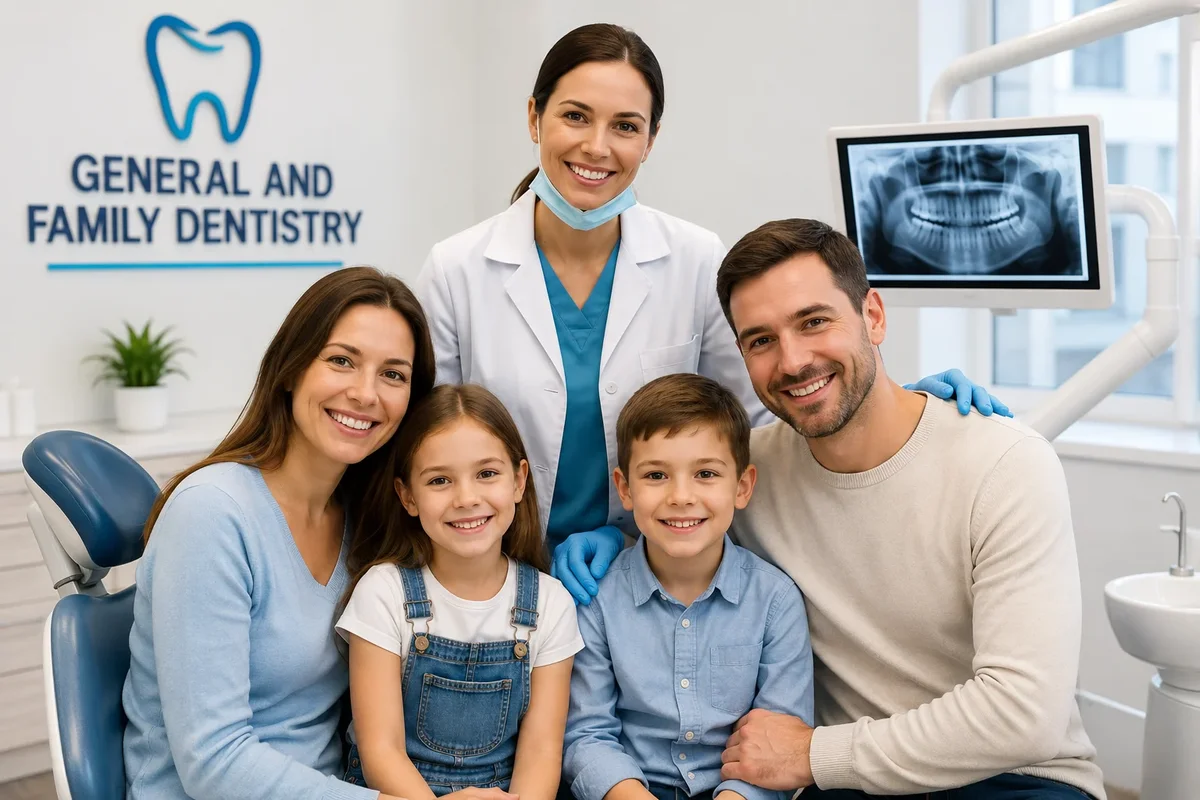
Frequently Asked Questions About General and Family Dentistry
🦷 As patients explore options for maintaining long-term oral health, many questions arise about general and family dentistry. Because this branch of dental care serves individuals of all ages and provides a broad range of preventive, diagnostic, and restorative services, it is often considered the foundation of lifelong oral healthcare. Understanding how general and family dentistry works can help patients make informed decisions, establish healthy habits, and feel more confident about their dental care.
Below are answers to some of the most common questions people ask about general and family dentistry, including how it benefits families, what services are offered, and why regular dental visits remain essential throughout life.
What Is General and Family Dentistry?
General and family dentistry is a branch of dentistry focused on maintaining oral health through prevention, diagnosis, treatment, and patient education. It provides comprehensive care for children, teenagers, adults, and seniors, making it possible for entire families to receive treatment from one dental provider.
Services commonly associated with general and family dentistry include:
- Routine dental examinations
- Professional cleanings
- Digital X-rays
- Fluoride treatments
- Cavity treatment
- Gum disease management
- Dental crowns and fillings
- Oral cancer screenings
- Preventive education
The primary goal of general and family dentistry is to help patients maintain healthy teeth and gums throughout every stage of life.
How Is It Different From Specialized Dentistry?
Specialized dental fields focus on specific areas such as orthodontics, oral surgery, or periodontics. In contrast, general and family dentistry provides broad, comprehensive care that addresses most routine oral healthcare needs while coordinating referrals when specialized treatment becomes necessary.
How Often Should I Visit a General and Family Dentistry Practice?
Most patients benefit from visiting a general and family dentistry provider every six months for preventive examinations and professional cleanings. However, individual recommendations may vary based on oral health status, age, medical history, and risk factors.
Patients with conditions such as gum disease, frequent cavities, or dry mouth may require more frequent visits. Regular appointments allow dentists to monitor oral health changes and identify problems before they become more serious.
Consistent attendance remains one of the most effective ways to maximize the benefits of general and family dentistry.
Why Is Preventive Care So Important?
Preventive care is the foundation of general and family dentistry. Many oral health conditions develop gradually and may not cause noticeable symptoms during their early stages. Routine checkups help identify these issues before they require extensive treatment.
Preventive care helps:
- Reduce cavity risk
- Prevent gum disease
- Preserve natural teeth
- Lower treatment costs
- Support overall health
- Improve long-term oral wellness
By focusing on prevention rather than waiting for problems to develop, general and family dentistry helps patients maintain healthier smiles throughout life.
Can One Dentist Treat My Entire Family?
Yes. One of the greatest advantages of general and family dentistry is its ability to provide care for patients of all ages. Children, teenagers, adults, and seniors can often receive treatment at the same practice.
This approach offers numerous benefits, including:
- Convenient scheduling
- Consistent dental records
- Improved communication
- Personalized long-term care
- Greater familiarity with patient history
Many families appreciate the convenience and continuity that general and family dentistry provides.
Does Family Dental Care Improve Long-Term Outcomes?
Because dentists can monitor oral health over many years, they are often able to identify trends, risk factors, and developing issues earlier. This continuity supports better preventive care and improved treatment planning.
What Dental Problems Can Be Treated?
General and family dentistry addresses many common oral health concerns. Patients frequently seek treatment for:
- Tooth decay
- Cavities
- Gum disease
- Tooth sensitivity
- Broken or chipped teeth
- Oral infections
- Bad breath
- Worn restorations
- Early-stage oral abnormalities
Through routine examinations and diagnostic technologies, general and family dentistry helps identify and manage these conditions before they progress.
How Does General and Family Dentistry Support Overall Health?
Oral health is closely connected to overall health. Research suggests that conditions such as periodontal disease may be associated with systemic health concerns including diabetes, cardiovascular disease, and certain respiratory conditions.
Regular visits to a general and family dentistry provider support:
- Reduced oral inflammation
- Better nutritional health
- Improved speech and chewing function
- Earlier disease detection
- Enhanced quality of life
Maintaining good oral health through general and family dentistry contributes to overall wellness and long-term health management.
What Should I Look for in a Dental Practice?
When selecting a general and family dentistry provider, patients should evaluate several important factors:
- Comprehensive services
- Professional qualifications
- Modern technology
- Patient reviews
- Communication style
- Office environment
- Convenient scheduling
A practice that prioritizes prevention, patient education, comfort, and long-term care is often well-positioned to support excellent oral health outcomes.
How Can Patients Maintain Oral Health Between Visits?
Professional care is important, but daily habits also play a critical role in oral health. Dentists practicing general and family dentistry typically recommend:
- Brushing twice daily with fluoride toothpaste
- Flossing every day
- Limiting sugary foods and beverages
- Maintaining a balanced diet
- Avoiding tobacco products
- Drinking adequate water
- Attending regular dental appointments
Combining professional care with effective home hygiene practices helps maximize the benefits of general and family dentistry.
Are Healthy Habits Really That Important?
Absolutely. Daily oral hygiene practices significantly influence cavity risk, gum health, and overall treatment outcomes. Consistency is essential for maintaining long-term oral wellness.
Where Can Patients Learn More About Oral Health?
Patients seeking additional oral health information can consult trusted resources such as the American Dental Association. Educational materials, preventive recommendations, and oral health guidelines can help individuals make informed decisions about their dental care.
Those interested in scheduling a consultation or discussing treatment options may also visit the Redent Klinik Contact Page for additional information and assistance.
Final Thoughts on General and Family Dentistry
General and family dentistry serves as the foundation of lifelong oral healthcare by providing preventive services, early diagnosis, restorative treatment, patient education, and ongoing support. Whether caring for young children, busy adults, or aging seniors, general and family dentistry offers comprehensive solutions that help maintain healthy smiles throughout every stage of life.
Through routine examinations, professional cleanings, modern technology, and personalized treatment plans, general and family dentistry empowers patients to take control of their oral health. By establishing a trusted relationship with a dental provider and maintaining consistent preventive care, individuals and families can enjoy stronger teeth, healthier gums, improved confidence, and long-term oral wellness for years to come.