
When people search for full mouth dental implants Melbourne, they are usually looking for a complete, reliable, and long-term solution to replace all missing or severely damaged teeth. This comprehensive treatment offers patients the chance to restore their smile, chewing strength, confidence, and oral functionality with an advanced, stable dental implant system. In this detailed guide, you will learn everything about how full mouth reconstruction works, why it is considered one of the most effective modern dental solutions, and what to expect before, during, and after the procedure. 😄
Full mouth dental implants are designed for individuals who have lost most or all of their teeth due to decay, gum disease, trauma, or age. Unlike removable dentures that sit on the gums, this treatment uses multiple titanium implants inserted into the jawbone to permanently support a full arch of prosthetic teeth. This means patients experience superior stability, natural aesthetics, and significantly improved oral function. In Melbourne, thousands of people each year choose this option because it offers one of the closest experiences to having natural teeth again.
The rising popularity of full mouth dental implants Melbourne is also driven by advancements in digital dentistry. Technologies such as 3D imaging, guided surgery, and advanced implant materials allow clinics to create a fully customized smile plan tailored to your facial structure, bone density, and functional needs. Modern clinics also use techniques such as All-on-4, All-on-6, and same-day teeth options, depending on the patient’s oral health condition and treatment goals.
If you’ve been struggling with missing teeth or loose dentures, full mouth reconstruction using implants can dramatically improve your quality of life. Many patients report that after treatment, they can eat their favorite foods again, speak more clearly, and enjoy smiling without worry. 🍏✨ Additionally, implants stimulate the jawbone, preventing bone loss—a major problem for denture users.
Before starting treatment, patients undergo a detailed consultation that includes X-rays, CT scans, bite analysis, and gum health evaluation. These steps help determine gum condition, bone volume, and whether additional procedures such as bone grafting or sinus lifting are needed. While not every patient requires these extra steps, they are common components of comprehensive implant planning.
During your consultation, your dental team will also discuss your lifestyle, goals, health history, and expectations. This ensures your new set of teeth is perfectly tailored not only for aesthetic appeal but also for long-term functional stability. Many Melbourne clinics also follow the guidelines of trusted organizations such as the
American Dental Association to ensure safety, hygiene, and procedural accuracy.
One of the main concerns patients have is whether the procedure is painful. The good news is that full mouth dental implant treatment is performed under local anesthesia, sedation, or general anesthesia depending on clinical needs. Patients often express surprise at how comfortable the process feels and how manageable the recovery period is. Mild swelling, tenderness, or bruising may occur, but these are temporary and easily controlled with proper aftercare.
Treatment duration varies depending on the case. Some patients receive immediate-load implants (teeth in a day), while others may require a healing phase of several months before final teeth are placed. Regardless of the timeline, the long-term benefits make the process worthwhile for those seeking a life-changing oral transformation. In many cases, full mouth implants are more cost-effective over time than repeated denture replacements or chronic dental repairs.
For anyone considering full mouth dental implants Melbourne treatment, choosing the right dental clinic is essential. You’ll want a provider with extensive implant experience, high-quality materials, digital planning technology, and a caring approach to patient comfort. If you wish to connect directly with a clinic for questions or consultations, you may use the
Redent Klinik Contact Page.
Additionally, full mouth implants are known by other terms such as full arch dental implants or complete mouth restoration, which are semantically related to the treatment. These terms represent the same concept: replacing all teeth with a secure, long-lasting implant-supported system. By understanding all aspects of this transformative solution, you can make informed decisions and confidently start your journey toward a renewed smile.
In summary, full mouth dental implants Melbourne treatment is an advanced option for individuals seeking a stable, durable, and natural-feeling solution to full arch tooth loss. Combining digital technology, biocompatible implants, and expert surgical techniques, Melbourne clinics provide patients with life-changing results that restore full oral function and boost overall well-being. 😊 This detailed guide aims to help you understand the complete process and prepare you for the next steps in achieving your ideal smile.
What Are Full Mouth Dental Implants and How Do They Work?
Understanding the fundamentals of full mouth dental implants Melbourne treatment is crucial for anyone considering a long-term, life-changing solution to severe tooth loss. This restorative method uses advanced implant dentistry to replace an entire arch—or both arches—of missing or failing teeth with durable, natural-looking prosthetic teeth supported by titanium implants. This section explains every important detail, including how the system works, the components involved, and why it has become one of the most preferred options in Melbourne for full smile reconstruction.
How Full Mouth Dental Implants Function in the Jawbone
Dental implants are small titanium or zirconia posts placed into the jawbone, serving as artificial tooth roots. When you undergo full mouth dental implants Melbourne treatment, between 4 to 8 implants are inserted per arch depending on your bone density, bite force, and treatment plan. Thanks to their biocompatibility, these implants fuse with the bone through a natural process called osseointegration. This creates a secure foundation for a fixed dental bridge or full arch prosthesis.
Once the implants integrate with your bone, they act just like natural tooth roots. This stability is what makes them superior to dentures, which rely on suction or adhesives. The fusion process also stimulates the jawbone and prevents bone loss—something removable solutions cannot achieve. Over time, implants help preserve face shape and prevent the sunken facial appearance associated with long-term tooth loss.
Main Components of a Full Mouth Implant System
A typical full mouth dental implants Melbourne procedure involves several key components working together to create a natural, functional smile. These include:
1. Titanium or Zirconia Implants
These implants act as replacement tooth roots. Titanium is the most commonly used material due to decades of supportive research and long-term clinical success. Zirconia is a metal-free alternative known for its high biocompatibility and aesthetics.
2. Abutments
Abutments connect the implants to the prosthetic teeth. They ensure the bridge is firmly attached and positioned correctly for an optimal bite.
3. Full Arch Prosthesis
This is the visible part—the full set of artificial teeth. Modern full arch prostheses are crafted using advanced materials like zirconia, high-quality resin, or ceramic composites, offering exceptional strength and natural appearance.
Different Methods Used in Full Mouth Reconstruction
There are several techniques within the field of full mouth implant therapy. Your dentist will choose the right one based on your gum health, bone structure, and aesthetic goals.
All-on-4 Implants
This technique uses four strategically placed implants per arch. Two are inserted at an angle to maximize bone contact, making it an ideal option for patients with limited jawbone density. All-on-4 also reduces the need for bone grafting and often allows for same-day provisional teeth.
All-on-6 or All-on-8 Implants
For patients who require more structural support, using 6 or 8 implants per arch may be recommended. More implants provide enhanced stability, especially for those with high bite pressure or existing bone loss.
Immediate Load Implants (Teeth-in-a-Day)
This method allows patients to receive temporary fixed teeth on the same day implants are placed. It’s a life-changing solution for individuals who want to walk out of the clinic with a new smile immediately.
Why Full Mouth Dental Implants Are More Advanced Than Dentures
Conventional dentures can slip, cause sore spots, affect speech, and limit what you can eat. They also do nothing to prevent bone loss. In contrast, full mouth dental implants Melbourne treatment offers unmatched durability and function. You can enjoy everyday activities—such as eating crunchy foods, speaking confidently, and smiling freely—without fear of movement or discomfort.
Moreover, implants deliver long-term cost efficiency. While dentures must be relined, adjusted, and eventually replaced, implants can last decades with proper oral hygiene. The prosthetic arch also lasts significantly longer than traditional denture materials, which wear down faster due to constant friction.
The Role of Digital Dentistry in Implant Precision
Modern full mouth implant treatments rely heavily on digital tools. Melbourne clinics often use 3D CT scanning, intraoral scanning, and guided surgery software to design each patient’s unique dental plan. These technologies ensure accurate implant placement, improved comfort, and faster recovery.
Digital planning also enhances aesthetic outcomes. Your new teeth can be designed based on your facial structure, smile line, lip support, and jaw movement. This ensures a result that does not only look beautiful but also feels and functions like natural teeth.
Safety and Clinical Reliability of Full Mouth Implants
Full mouth reconstruction is recognized as a highly safe and evidence-based dental procedure. Many Melbourne clinics follow international standards and guidelines from reputable institutions such as the
American Dental Association.
These guidelines ensure that sterilization, surgical protocols, and implant materials meet strict quality benchmarks.
Complications such as infection, implant failure, or bone rejection are rare when proper planning and aftercare are followed. Success rates often exceed 95%, making this one of the most predictable treatments in restorative dentistry.
Connecting With a Professional Implant Clinic
If you are considering full mouth dental implants Melbourne, contacting a clinic experienced in implant dentistry is the best next step. You can easily reach out for consultation or further questions through the
Redent Klinik Contact Page.
In summary, full mouth implants offer a permanent, aesthetic, and highly functional alternative to dentures. By understanding how this system works—from implant placement to final prosthesis—you can feel confident moving forward with one of the most transformative treatments available in modern dentistry.
Benefits of Full Mouth Dental Implants for Long-Term Oral Health
Choosing full mouth dental implants Melbourne treatment offers a wide range of long-term benefits that go far beyond simply restoring your smile. This advanced restorative procedure not only replaces missing teeth but also enhances oral function, supports jawbone health, improves overall appearance, and provides lasting psychological and lifestyle advantages. Below, we explore each benefit in depth, supported by modern research, clinical experience, and the latest advancements in implant technology.
Restoring Full Chewing Power and Oral Functionality
One of the most significant benefits of full mouth dental implants Melbourne is their ability to restore up to 90–95% of natural biting and chewing power. Unlike removable dentures—known for slipping, clicking, and limiting food choices—implant-supported teeth remain firmly anchored. They allow patients to enjoy hard, chewy, and crunchy foods without discomfort or fear of movement. 🍎🥦
This functional improvement not only enhances comfort during meals but also supports digestive health. With strong, stable teeth, food is broken down properly, reducing strain on the stomach and improving nutritional absorption. Patients who previously avoided certain foods often find joy in rediscovering their favorite meals after receiving implants.
Preventing Jawbone Loss and Facial Collapse
When natural teeth are lost, the jawbone begins to shrink due to lack of stimulation. This process—called bone resorption—can lead to a sunken facial appearance, wrinkles around the mouth, and reduced jaw strength. Removable dentures cannot stop bone loss because they rest on top of the gums rather than integrating with the bone.
Full mouth implants, however, act like natural tooth roots. They stimulate the jawbone through chewing and biting forces, maintaining bone density and supporting long-term facial structure. This is one of the biggest long-term oral health benefits and a reason why so many individuals in Melbourne prefer implant-supported full arch restorations.
Improved Speech and Pronunciation
Loose dentures or missing teeth can affect speech clarity, making it difficult to pronounce certain words or sounds. Implant-supported full arch prostheses are firmly attached, which means they won’t shift, drop, or cause slur-like speech. Patients often report noticeable improvement in pronunciation, confidence, and overall communication.
Long-Term Financial Efficiency
While the upfront cost of full mouth dental implants Melbourne may seem higher than dentures or bridges, the long-term value is significantly greater. Traditional dentures require regular adjustments, relines, adhesives, and eventual replacement. These ongoing expenses add up quickly.
In contrast, dental implants can last decades—often a lifetime—with proper oral care. The prosthetic teeth are also durable and designed for long-term function. When you factor in the longevity and reduced maintenance, full mouth implants often become the most cost-effective long-term solution.
Boosting Confidence and Enhancing Quality of Life
A full arch of secure, natural-looking teeth can dramatically improve self-confidence. Patients feel more comfortable smiling, eating in public, and speaking with others. This psychological boost carries into everyday activities such as social gatherings, work interactions, and family events.
For many individuals, implants represent more than a dental solution—they offer a renewed sense of independence and self-esteem. 😊✨
Supporting Overall Oral Health
Traditional dental solutions such as bridges require altering nearby healthy teeth. Dentures trap food and can cause irritation or infections. Full mouth implants, by contrast, do not rely on other teeth for support. They preserve natural structures and reduce the risk of periodontal problems.
Gum Health Benefits
Implants reduce the rubbing, sores, and discomfort associated with loose dentures. Because the prosthesis is securely anchored, pressure on the gums is minimized. This significantly enhances long-term gum comfort and health.
Reduced Risk of Bite Problems
Missing teeth or poorly fitting dentures can shift the bite, causing headaches, TMJ tension, or uneven chewing forces. Full mouth implants maintain proper alignment and support a balanced bite, reducing these risks.
Seamless Aesthetic Improvement
Modern implant-supported prostheses are custom-designed to match facial proportions, smile curve, and natural tooth shapes. Unlike dentures that can look artificial, full arch implant bridges provide exceptional aesthetics. Many Melbourne clinics use digital smile design to preview the final outcome before treatment begins, ensuring a predictable and attractive result.
Enhanced Stability During Daily Activities
Everyday activities like laughing, speaking, and sneezing can cause removable dentures to shift. Implant-supported teeth remain stable at all times, eliminating embarrassing situations and providing complete comfort.
High Success Rate and Clinical Reliability
Thanks to advancements in surgical techniques and biocompatible implant materials, the success rate of full arch implants exceeds 95%. Clinics in Melbourne often follow international clinical protocols established by trusted organizations such as the
American Dental Association.
These standards ensure optimal surgical planning, sterility, and predictable outcomes.
Easy Maintenance and Everyday Care
Although implant-supported full arches feel like natural teeth, they require responsible oral hygiene. Daily brushing, flossing, and routine checkups keep the implants healthy. Many clinics also guide patients on using special brushes or water flossers for enhanced cleanliness.
Professional Support and Consultation
If you’re exploring full mouth dental implants Melbourne treatment, you can easily reach out for guidance or book an appointment through the
Redent Klinik Contact Page.
Their team can help with assessments, imaging, treatment planning, and long-term care instructions.
In summary, full mouth implants offer a long-lasting, stable, and natural-feeling solution that enhances both oral health and overall well-being. From restoring chewing strength and preventing bone loss to boosting confidence and supporting facial aesthetics, this treatment provides exceptional long-term value for anyone seeking a complete smile transformation.
Step-by-Step Full Mouth Implant Procedure in Melbourne
Understanding the complete treatment journey of full mouth dental implants Melbourne can help patients feel fully prepared, confident, and comfortable before beginning their smile transformation. This procedure involves several stages—each carefully planned to ensure long-term stability, aesthetics, and functionality. Below is a detailed, step-by-step explanation of how the full arch implant process works from the first consultation all the way to the final prosthetic placement. 😄
Step 1: Initial Consultation and Comprehensive Examination
The journey begins with an in-depth consultation at a dental clinic specializing in full mouth dental implants Melbourne. During this appointment, the dentist evaluates your oral health, gum condition, bone density, medical history, and smile goals. This stage includes:
• Digital X-Rays and 3D CT Scans
Advanced 3D imaging allows the dentist to visualize bone structure, nerve pathways, and the thickness of the jawbone. This is essential for determining whether implants can be placed immediately or if bone grafting is required.
• Intraoral Examination
The dentist checks for active gum disease, decayed teeth, oral infections, or anatomical factors that may influence your treatment plan.
• Smile & Bite Assessment
A functional evaluation of your bite helps ensure the final prosthetic bridge aligns properly and distributes chewing pressure evenly.
At this stage, patients typically receive a personalized treatment plan outlining the recommended implant technique—such as All-on-4, All-on-6, or full arch zirconia restoration—along with the expected timeline.
Step 2: Treatment Planning Using Digital Dentistry
Once the initial assessment is complete, the implant team uses digital technology to design your new smile with extreme accuracy. Many Melbourne clinics use advanced software for guided implant placement, ensuring precise angulation and depth.
• Virtual Implant Simulation
Your jawbone is mapped digitally, allowing the implant surgeon to simulate implant placement before the actual surgery. This enhances accuracy and reduces surgical risks.
• Smile Design & Aesthetic Preview
Using digital smile design tools, the clinic can show patients what their new teeth will look like in terms of shape, size, and color. This preview helps set realistic expectations and promotes patient involvement.
At this stage, clinics also follow safety and hygiene standards recommended by reputable institutions such as the American Dental Association to ensure all planning and surgical protocols are fully compliant.
Step 3: Preparing for Surgery
Before surgery, the dentist provides pre-operative instructions to ensure the best results. These may include:
- Temporary dietary adjustments
- Medication guidelines
- Stopping smoking (if applicable)
- Using antibacterial mouthwash
Patients are also informed about anesthesia options such as local anesthesia, IV sedation, or general anesthesia—whichever best suits their comfort and medical condition.
Step 4: Implant Placement Surgery
The surgical phase is the core of the full mouth dental implants Melbourne process. This step involves placing 4–8 titanium implants into each jawbone using precise angulation and depth measurements.
• Tooth Extraction (If Needed)
If damaged or failing teeth remain, they are gently removed. In many cases, implants can be inserted immediately afterward (immediate placement).
• Implant Insertion
The surgeon makes small incisions in the gums, drills pilot holes, and anchors each implant securely into the bone. Guided surgery tools significantly reduce error and speed up the procedure.
• Temporary Prosthetic Fitting
In most modern clinics, patients receive a temporary fixed prosthesis on the same day. This means you can leave the clinic with a functional set of teeth while your implants heal.
This stage is surprisingly comfortable for most patients, thanks to anesthesia and minimally invasive techniques.
Step 5: Healing and Osseointegration Period
After implant placement, the next phase is osseointegration, where the implants fuse with the jawbone. This process typically takes 3–6 months, depending on bone density and overall healing capacity.
• What Happens During Healing?
Bone cells gradually grow around the implant’s surface, locking it securely in place. During this period, patients should follow soft-food diets, practice excellent oral hygiene, and attend regular checkups.
• Common Temporary Symptoms
Mild swelling, bruising, or tenderness can occur but usually resolves within a few days. Clinics provide medications and aftercare instructions to minimize discomfort.
Step 6: Creating and Placing the Final Prosthetic Teeth
Once the implants have fused with the jawbone, impressions of the mouth are taken to design the final full arch prosthesis. This prosthesis is stronger, more aesthetic, and more precise than the temporary version.
• Zirconia or Ceramic Prosthetic Creation
The final bridge is crafted using high-quality materials that mimic the translucency and color of natural teeth. Zirconia is especially popular due to its strength and lifelike appearance.
• Final Fitting and Bite Adjustment
The dentist attaches the prosthesis to the healed implants using abutments. Minor bite adjustments are performed to ensure maximum comfort and functional balance.
Step 7: Aftercare, Maintenance, and Long-Term Follow-Up
Once your final teeth are in place, proper maintenance ensures long-term success. Patients are advised to brush daily, use implant-safe flossing tools, and attend routine checkups every 6–12 months.
For any follow-up questions or to begin your journey with full mouth dental implants Melbourne, you may contact a professional clinic directly via the
Redent Klinik Contact Page.
Overall, this step-by-step process highlights how advanced planning, precise surgery, and modern materials come together to deliver a stable, beautiful, functional smile that can last a lifetime.
Who Is the Ideal Candidate for Full Mouth Dental Implants?
Determining who qualifies for full mouth dental implants Melbourne treatment is one of the most important steps in planning a successful full arch restoration. Not everyone with missing or damaged teeth automatically becomes an ideal candidate—specific medical, anatomical, and lifestyle factors must be considered. This detailed section explores all criteria, helping patients understand whether they are suitable and what steps may be needed to prepare for the procedure.
General Candidacy Requirements
Most people suffering from full arch tooth loss, severe dental disease, or chronic denture problems can benefit from full mouth dental implants Melbourne. However, being an “ideal candidate” means having the right oral environment and lifestyle characteristics that promote successful implant integration and long-term function.
• Sufficient Jawbone Density
Implants rely on the jawbone for stability. Patients with adequate bone volume are ideal because the implants can integrate more easily and offer long-term support. For those with bone loss, bone grafting or specific techniques like All-on-4—which maximizes existing bone—may still make the procedure possible.
• Healthy Gums
Gum disease can weaken the bone and tissues surrounding the implants. Patients should be free from active periodontal infections before undergoing full mouth reconstruction. Most clinics treat gum disease prior to implant surgery to ensure a healthier healing environment.
• Good Overall Health
Candidates should not have uncontrolled chronic conditions such as diabetes, severe heart problems, or autoimmune disorders without proper medical management. These may impair healing. With medical clearance, most patients can still safely proceed.
Specific Situations Where Implants Are Highly Beneficial
Certain individuals experience significant improvements in quality of life after receiving full arch implants. These major groups especially benefit from the treatment:
• Denture Wearers Struggling With Instability
Patients who wear removable dentures often face issues like slipping, gum irritation, difficulty eating, and embarrassment during speech. Full mouth implants eliminate these problems by providing a permanently fixed set of teeth.
• Patients With Multiple Failing or Missing Teeth
People suffering from widespread decay, fractures, or gum disease may reach a point where restoring each tooth individually becomes unrealistic. In such cases, full arch implants are more effective and more cost-efficient long term.
• Individuals Experiencing Bone Loss
Advanced implant methods like tilted implants or zygomatic implants allow treatment even for patients who have significant bone resorption. This makes full mouth dental implants Melbourne an accessible option for those previously told they were not candidates.
Lifestyle Factors Influencing Candidacy
Beyond oral and medical conditions, lifestyle habits also play a major role in implant success.
• Non-Smokers or Those Willing to Quit
Smoking restricts blood flow and slows healing, increasing the risk of implant failure. Many clinics require candidates to quit smoking weeks before the procedure and avoid it afterward.
• Commitment to Oral Hygiene
Implants require clean gums and proper plaque control. Ideal candidates must be willing to brush daily, use flossing tools, and schedule regular dental checkups.
• Realistic Expectations
Candidates should understand that while full mouth implants offer transformative results, they require a structured treatment process including healing time, temporary prosthetics, and follow-up visits.
Evaluating Bone and Gum Conditions During Consultation
A comprehensive implant assessment in Melbourne includes a detailed series of diagnostic tests:
- 3D Cone Beam CT scans to evaluate bone thickness and shape
- Periodontal evaluation to assess gum health
- Bite analysis for jaw alignment
- Medical-history screening to identify potential risks
These tests help determine whether additional procedures—such as bone grafting, sinus lifting, or gum treatments—are needed before implants can be placed. Many patients qualify immediately, while others undergo preparatory treatments to become ideal candidates.
Age Considerations
Age alone is not a limiting factor. Adults of all ages, including seniors, can successfully receive full mouth dental implants Melbourne. The primary requirement is healthy bone and gum tissue, not age. Many individuals in their 60s, 70s, and even 80s have successfully completed full arch restorations and regained their quality of life.
Medical Conditions That May Require Additional Precautions
Certain conditions do not automatically disqualify a patient but require closer evaluation:
• Diabetes (Managed)
Patients with controlled diabetes often qualify for implants. The key is maintaining stable blood sugar levels to promote healthy healing.
• Osteoporosis
Depending on medication use, implant planning may require modifications. With proper assessment, many patients with osteoporosis can still proceed safely.
• Autoimmune Disorders
Extra monitoring is needed, but most cases are manageable with a team approach involving both dentist and physician.
Emotional and Functional Factors
Candidates often struggle with confidence issues, difficulty chewing, or avoiding public interactions due to loose dentures or missing teeth. Full arch implants can dramatically improve emotional wellness, social comfort, and daily functioning.
Professional Guidance and Clinic Support
If you are uncertain whether you qualify for full mouth dental implants Melbourne, the best approach is to undergo a professional evaluation. You can reach out for personalized guidance through the
Redent Klinik Contact Page.
Their specialists can help determine candidacy, review medical considerations, and outline a clear path toward full arch restoration.
Overall, ideal candidates are individuals in good general health, with reasonable bone density, a willingness to care for their implants, and a strong desire to restore full oral function. If you meet these criteria or can be prepared through preliminary treatments, full mouth implants may be the perfect long-term solution.
Comparing Full Mouth Dental Implants vs. Dentures in Melbourne
When exploring solutions for severe tooth loss, many patients begin by comparing traditional dentures with full mouth dental implants Melbourne. While both options aim to restore function and appearance, the differences between them are significant. This comprehensive comparison will help you understand which option offers better long-term value, comfort, stability, and overall oral health benefits.
Understanding the Core Difference Between Implants and Dentures
Traditional dentures are removable appliances that rest on the gums. They rely on suction, adhesives, and soft tissue support to stay in place. In contrast, full mouth dental implants Melbourne involve titanium implants placed into the jawbone, creating a permanent foundation for fixed prosthetic teeth. This key distinction impacts daily comfort, chewing function, bone health, aesthetics, and lifestyle convenience.
• Dentures Rest On Gums
Dentures rely on soft tissues, which can cause sore spots, friction, and instability. They may shift or loosen, especially during eating or speaking.
• Implants Act as Artificial Roots
Implants fuse with the jawbone, providing unparalleled stability and strength. This fusion mimics natural tooth roots and supports long-term bone health.
Chewing and Eating Capabilities
One of the biggest differences between dentures and implants is functional chewing ability. Patients with dentures typically regain only 20–30% of natural chewing power, limiting the ability to eat harder foods like steak, apples, or crunchy vegetables.
In contrast, full mouth dental implants Melbourne can restore up to 90–95% of natural biting strength. This allows patients to eat with confidence, enjoy a wider variety of foods, and maintain better nutrition. 🍎🥕
Comfort and Daily Lifestyle Experience
Comfort is one of the most important factors for patients comparing dentures with implants.
• Denture Comfort Issues
Many patients experience gum irritation, slippage, or difficulty speaking. Dentures may need adhesives, which can feel messy or unpleasant.
• Implant Comfort Advantages
Implant-supported arches feel and function like natural teeth. They do not shift, do not cause gum pressure points, and eliminate the psychological fear of dentures loosening at inconvenient moments.
Bone Preservation and Facial Aesthetics
Bone loss is a critical factor often overlooked when choosing between dentures and implants.
• Bone Loss With Dentures
Because dentures do not stimulate the jawbone, resorption begins immediately after tooth loss. Over time, this leads to:
- Sunken cheeks
- Wrinkled mouth area
- Weak jawbone structure
- Difficulty wearing dentures due to changing bone shape
• Bone Preservation With Implants
With full mouth dental implants Melbourne, chewing pressure stimulates the bone just like natural teeth. This prevents bone deterioration and supports long-term facial aesthetics.
Aesthetic Results and Natural Appearance
Modern dentures can look natural, but they may still appear slightly artificial due to acrylic limitations. Over time, they may stain or lose their shape.
Implant-supported full arch restorations—especially those made of zirconia or high-end ceramics—offer the most natural appearance available in restorative dentistry. They are custom-designed to match facial proportions, smile lines, and natural light reflection.
Longevity and Durability
Dentures typically last 5–8 years before needing replacement. Over time, bone loss alters fit, requiring frequent relines or adjustments.
With full mouth dental implants Melbourne, the implants themselves can last decades—often a lifetime. The prosthetic arch, depending on material, may last 10–20 years or more with proper care.
Daily Maintenance and Cleaning
Dentures require daily removal, soaking, brushing, and regular adhesive use if they loosen. Some patients find these routines inconvenient.
Implant-supported full arches function like natural teeth—brushing twice daily and using flossing tools is usually all that is needed. Regular checkups ensure the implants and gums stay healthy.
Speech Clarity and Confidence
Because dentures can slip or rub against the gums, they often affect speech, causing whistling sounds, lisping, or difficulty pronouncing certain words.
Implant-supported teeth remain fixed in place and allow for normal speech patterns. This dramatically boosts confidence in social or professional settings.
Cost Comparison and Long-Term Value
Initially, dentures are less expensive. However, they come with long-term maintenance, replacements, and potential discomfort.
While full mouth dental implants Melbourne require a higher upfront investment, they offer significantly greater long-term value due to:
- Longer lifespan
- Reduced maintenance
- Improved oral health
- Superior comfort and functionality
Additionally, many clinics provide financing plans to help patients manage treatment costs over time.
Which Option Is Better for You?
For patients seeking strong, natural-feeling, stable, and permanent teeth, implants offer unmatched advantages. Dentures may still be appropriate for temporary or budget-limited solutions, but they do not provide the bone preservation, comfort, or confidence that implants deliver.
If you’re unsure whether dentures or full arch implants are right for you, you can discuss your needs directly with a clinic via the
Redent Klinik Contact Page.
This comparison highlights why full mouth dental implants Melbourne are widely considered the superior, long-term solution for complete smile restoration.
Recovery Timeline and Aftercare Tips for Full Mouth Implants
A successful recovery process is essential for ensuring long-term stability and function after receiving full mouth dental implants Melbourne. While the surgical process is highly advanced and minimally invasive in many cases, proper aftercare, nutrition, hygiene, and follow-up routines significantly influence the healing outcome. This comprehensive guide provides a detailed recovery timeline, along with specific aftercare instructions to help patients achieve the best possible results.
Understanding the Full Healing Process
Recovery after full mouth dental implants Melbourne generally occurs in several stages. While many patients feel comfortable within a few days, the complete healing process, including osseointegration, can take several months. Knowing what to expect at each stage helps reduce anxiety and encourages proper self-care.
Stage 1: The First 24–48 Hours
Immediately after surgery, the body begins its natural healing response. During this period, patients should rest and follow all professional guidance.
• Common Sensations
- Mild swelling around the cheeks and jaw
- Slight bleeding from surgical sites
- General fatigue due to anesthesia or sedation
Cold compresses can help reduce swelling, while prescribed medications minimize discomfort. Avoiding physical exertion, smoking, and hot foods is critical during this period.
• Recommended Foods
Soft, cool foods such as smoothies, yogurts, mashed vegetables, and soups (warm, not hot) are ideal.
Stage 2: The First Week After Surgery
By the end of the first week, most patients feel significantly better. Swelling typically decreases, and discomfort becomes minimal.
• Oral Hygiene Routine
Proper cleaning is essential, but must be done gently. The dentist may recommend:
- Rinsing with a warm saltwater solution
- Avoiding vigorous brushing near surgical sites
- Using antibacterial mouthwash if prescribed
Good hygiene prevents infection and supports early healing around the implants.
• Activity Guidelines
Light walking is acceptable, but strenuous exercise should still be avoided to prevent bleeding or pressure on healing tissues.
Stage 3: Weeks 2 to 6 – Early Bone Healing
During this period, the implants begin bonding with the jawbone. This phase is crucial for ensuring long-term stability.
• Diet Adjustments
Patients should continue eating soft foods but can gradually incorporate more texture. Foods to avoid include nuts, crackers, crusty bread, and chewy meats.
• Monitoring for Complications
While rare, symptoms such as persistent pain, pus, prolonged bleeding, or loose implants should be reported immediately.
Stage 4: Months 2 to 6 – Osseointegration
This is the most important biological phase of the full mouth dental implants Melbourne recovery process. Osseointegration is when the jawbone fuses with the titanium implants, creating a stable and permanent foundation.
• What to Expect
- Minimal discomfort
- Routine checkups to monitor progress
- Possible adjustments to temporary teeth
During this time, patients must maintain excellent oral hygiene. Brushing twice daily and using water flossers or interdental brushes helps prevent plaque buildup around implants.
• Diet During Osseointegration
Most normal foods can be reintroduced slowly; however, extremely hard foods should still be avoided. Maintaining a balanced diet supports bone growth and healing.
Stage 5: Final Prosthetic Placement
Once the implants are fully integrated, the final zirconia or ceramic prosthesis is attached. This marks the completion of the full mouth restoration process.
• What Happens at This Stage?
The dentist takes digital scans, fine-tunes bite alignment, and attaches the permanent teeth. These final teeth offer exceptional durability, natural aesthetics, and improved comfort.
After this, patients can resume normal eating habits with confidence, enjoying foods that were previously difficult or impossible to chew.
Essential Aftercare Tips for Long-Term Success
• Maintain Excellent Daily Oral Hygiene
Even though implant-supported prosthetics do not decay, the surrounding gums require regular cleaning. Use:
- Soft-bristle toothbrushes
- Fluoride toothpaste
- Water flossers
- Interdental brushes
• Attend Follow-Up Appointments
Routine checkups every 6–12 months ensure the implants, gums, and prosthetics remain healthy. These appointments allow early detection of inflammation or bite-related issues.
• Avoid Smoking
Smoking reduces blood circulation and increases the risk of implant failure. Patients are strongly encouraged to quit before and after treatment.
• Wear Nightguards If Advised
Patients who grind or clench their teeth may need a custom nightguard to protect the implants from excessive pressure.
Emotional and Lifestyle Adjustments
Many patients feel a boost in confidence and quality of life once they adapt to their new teeth. Smiling becomes more natural, eating feels effortless, and social interactions become more enjoyable.
When to Contact Your Dentist
If you experience unusual pain, swelling, or discomfort during recovery, it’s important to contact your implant specialist. You can reach a professional through the
Redent Klinik Contact Page.
Overall, the recovery process for full mouth dental implants Melbourne is smooth and predictable for most patients. With proper aftercare, healthy habits, and professional follow-up, full mouth implants can last a lifetime while offering exceptional comfort and function.
Common Questions About Full Mouth Dental Implants in Melbourne
When researching full mouth dental implants Melbourne, patients often have many questions about comfort, safety, costs, healing, and long-term expectations. Having clear and accurate answers helps reduce anxiety and supports confident decision-making. This section provides a comprehensive FAQ-style guide that addresses the most commonly asked questions with detailed, patient-friendly explanations.
Are Full Mouth Dental Implants Painful?
The surgical process itself is typically comfortable because modern clinics use local anesthesia, IV sedation, or general anesthesia depending on the patient’s needs. After surgery, mild discomfort, swelling, or bruising may occur, but these symptoms usually subside within a few days.
• Pain Management After Surgery
- Over-the-counter pain relievers or prescribed medication
- Cold compresses during the first 48 hours
- Soft-food diet to avoid pressure on implants
Most patients report that receiving full mouth dental implants Melbourne is far less painful than they expected. Recovery is straightforward when proper aftercare instructions are followed.
How Long Does the Full Treatment Take?
Treatment timelines can vary depending on bone quality, gum health, and whether extra procedures like bone grafting or extractions are needed.
• General Timeline Overview
- Consultation & planning: 1–2 appointments
- Implant placement: Same-day surgery
- Osseointegration: 3–6 months
- Final prosthetic placement: After healing
Some patients qualify for “teeth-in-a-day,” where a temporary prosthesis is placed immediately after surgery. However, final teeth still require a healing period before attachment.
Is Everyone a Candidate for Full Arch Implants?
Most adults who have lost multiple teeth, suffer from severe dental disease, or struggle with dentures can qualify for full mouth dental implants Melbourne. Candidates must have sufficient jawbone, healthy gums, and manageable health conditions.
• Patients Who May Need Extra Procedures
- Bone grafting for severe bone loss
- Sinus lift for upper jawbone height
- Gum treatment for periodontal disease
Even patients with bone loss often qualify thanks to techniques such as All-on-4 or angled implant placement.
How Long Do Full Mouth Implants Last?
With proper care, dental implants can last decades—often a lifetime. The prosthetic teeth attached to them typically last 10–20 years before requiring replacement or polishing.
• Factors That Influence Longevity
- Oral hygiene quality
- Smoking habits
- Routine dental checkups
- Overall health and bone density
Patients who follow dental instructions closely experience the longest-lasting success.
Will My New Teeth Look Natural?
Absolutely. Modern zirconia and ceramic prosthetics are custom-designed using digital smile design technologies to create a natural shape, shade, and translucency. Compared to dentures, implant-supported full arches are far more realistic and stable.
• Aesthetic Customization Includes:
- Tooth shape matching facial proportions
- Color shading to resemble natural enamel
- Digital mock-ups to preview results
This advanced customization is one reason why full mouth dental implants Melbourne treatments are so popular for those seeking natural-looking restorations.
How Much Do Full Mouth Dental Implants Cost?
The total cost varies depending on the number of implants, materials used, surgical needs, and whether procedures like grafting are required. While pricing differs among clinics, implants generally represent a long-term investment due to their durability and stability compared to dentures.
• Price Range Overview (Based on Online Market Research)
Full Mouth Implant Cost Estimates:
• All-on-4 (per arch): $18,000–$30,000
• All-on-6 or All-on-8 (per arch): $22,000–$40,000
• Full reconstruction (upper + lower): $35,000–$70,000
These numbers may vary and should be confirmed during a consultation. Many clinics offer payment plans, making treatment more accessible.
Do Dental Implants Require Special Maintenance?
While implant teeth don’t decay, they still require excellent oral hygiene. Proper care ensures long-term success and prevents gum issues.
• Recommended Maintenance Tools
- Soft toothbrush
- Water flosser
- Antibacterial mouthwash
- Interdental brushes
Routine professional cleanings and checkups every 6–12 months help monitor implant health.
Can Implants Fail?
Implant failure is rare—success rates exceed 95% when treatment is performed by experienced clinicians following international guidelines like those established by the
American Dental Association.
• Common Causes of Failure (Rare)
- Poor hygiene
- Smoking
- Uncontrolled diabetes
- Severe gum disease
Dentists monitor healing carefully to ensure the implants integrate properly.
Will I Be Able to Eat Normally After Recovery?
Yes. Once fully healed, full mouth dental implants Melbourne allow patients to enjoy nearly all foods, including crunchy, chewy, and dense textures. This is one of the greatest advantages compared to dentures.
How Do I Get Started?
If you are considering full arch implants, the best first step is scheduling a consultation with an implant specialist. You can contact a clinic directly through the
Redent Klinik Contact Page.
This FAQ section provides clear, detailed answers to help you better understand how full mouth dental implants Melbourne work and what you can expect throughout the process.
How to Choose the Right Implant Dentist in Melbourne
Selecting the right specialist for full mouth dental implants Melbourne is one of the most important steps in ensuring long-term success, comfort, and aesthetic satisfaction. Full arch implant treatment requires advanced surgical skills, experience with complex cases, and access to modern dental technologies. Choosing the right provider can dramatically influence the outcome of your treatment. This section offers a comprehensive guide to help you make the right decision with confidence.
The Importance of Choosing a Qualified Implant Dentist
Full mouth reconstruction is significantly more complex than placing a single dental implant. It involves analyzing bone structure, designing a stable implant configuration, managing occlusion (bite), and ensuring perfect alignment of the prosthetic arches.
Because of this complexity, not every general dentist has the training or experience necessary for full arch implant procedures. Selecting the right professional ensures safety, precision, and long-term durability. A highly qualified implant dentist minimizes risks, reduces healing time, and improves overall treatment predictability.
Essential Qualifications and Credentials
Before choosing a provider for full mouth dental implants Melbourne, review the following credentials to ensure you’re working with a top-tier specialist:
• Professional Training in Implant Dentistry
Look for dentists who have completed postgraduate training in implantology, oral surgery, or prosthodontics. Some may hold certifications or additional training from internationally recognized organizations such as the
American Dental Association
or other accredited implant academies.
• Experience With Full Arch Restorations
Full mouth implants require significantly more expertise than single-implant cases. Ask how many full arch restorations the dentist completes annually and review their clinical portfolio or before-and-after images.
• Advanced Surgical Knowledge
The ideal implant provider should confidently handle:
- All-on-4, All-on-6, and All-on-8 implant techniques
- Bone grafting and sinus lifting
- Zygomatic or tilted implants for severe bone loss
- Immediate load (same-day) implant systems
A dentist skilled in these procedures can create a more flexible, customized treatment plan.
Technology and Equipment Used in the Clinic
Modern technology plays a crucial role in the planning and execution of full mouth dental implants Melbourne. Clinics equipped with advanced tools ensure more accurate results and a smoother patient experience.
• 3D Cone-Beam CT Scanning
This imaging technology provides precise information about bone density, jaw shape, and nerve positions.
• Digital Smile Design Systems
These tools allow dentists to design and preview the patient’s new smile before surgery, ensuring predictable results.
• Computer-Guided Implant Surgery
Guided techniques increase accuracy, reduce surgical time, and improve long-term success rates.
A clinic using these technologies demonstrates commitment to excellence and improved patient safety.
Evaluating Before-and-After Cases
A dentist’s portfolio can reveal a great deal about their experience and skill. When evaluating before-and-after photos:
- Check for natural tooth shape and gum aesthetics
- Assess symmetry and alignment
- Observe how well the prosthetics integrate with the patient’s face
Ask whether the photos represent real patients treated in the clinic rather than generic examples from manufacturers.
Patient Reviews and Testimonials
Reading reviews from previous patients can give you insights into:
- The comfort of the surgical process
- The friendliness and professionalism of the team
- The quality of the final results
- Post-treatment support and follow-up care
Search for consistent positive feedback about the clinic’s expertise in full mouth dental implants Melbourne.
Consultation Process and Communication Style
A high-quality implant dentist will take time to explain each stage of the process, discuss treatment options, and address patient questions. During your consultation, evaluate:
- The dentist’s willingness to explain treatment details
- Transparency about risks, timelines, and expectations
- Clarity in presenting pricing and financing options
- Use of digital tools for implant simulation
Trust and communication are essential for a smooth full arch restoration journey.
Clinic Hygiene and Safety Standards
Ensure that the clinic maintains high levels of sterilization, infection control, and staff training. Reputable clinics follow strict guidelines similar to those recommended by the
American Dental Association.
Cost Transparency and Financing Options
Because full mouth dental implants Melbourne represent a major investment, transparency is crucial. Request a detailed breakdown of costs, including:
- Consultation and imaging fees
- Surgery and implant placement
- Provisional (temporary) prosthetics
- Final zirconia or ceramic arches
- Any additional restorative or surgical procedures
Many clinics offer staged payments or financing plans, allowing patients to spread costs over time. Choosing a clinic that openly discusses these options reflects professionalism and patient-centered care.
Support After the Procedure
Long-term follow-up is essential for maintaining the health of implants. An excellent provider will schedule regular checkups, offer cleaning guidance, and monitor gum and bone health.
For additional guidance or to reach out to a trusted clinic, you can visit the
Redent Klinik Contact Page.
Choosing the right dentist for full mouth dental implants Melbourne involves evaluating training, experience, technology, patient feedback, communication style, and overall professionalism. With careful selection, you can feel confident moving forward with a provider who will deliver long-lasting, natural-looking results.
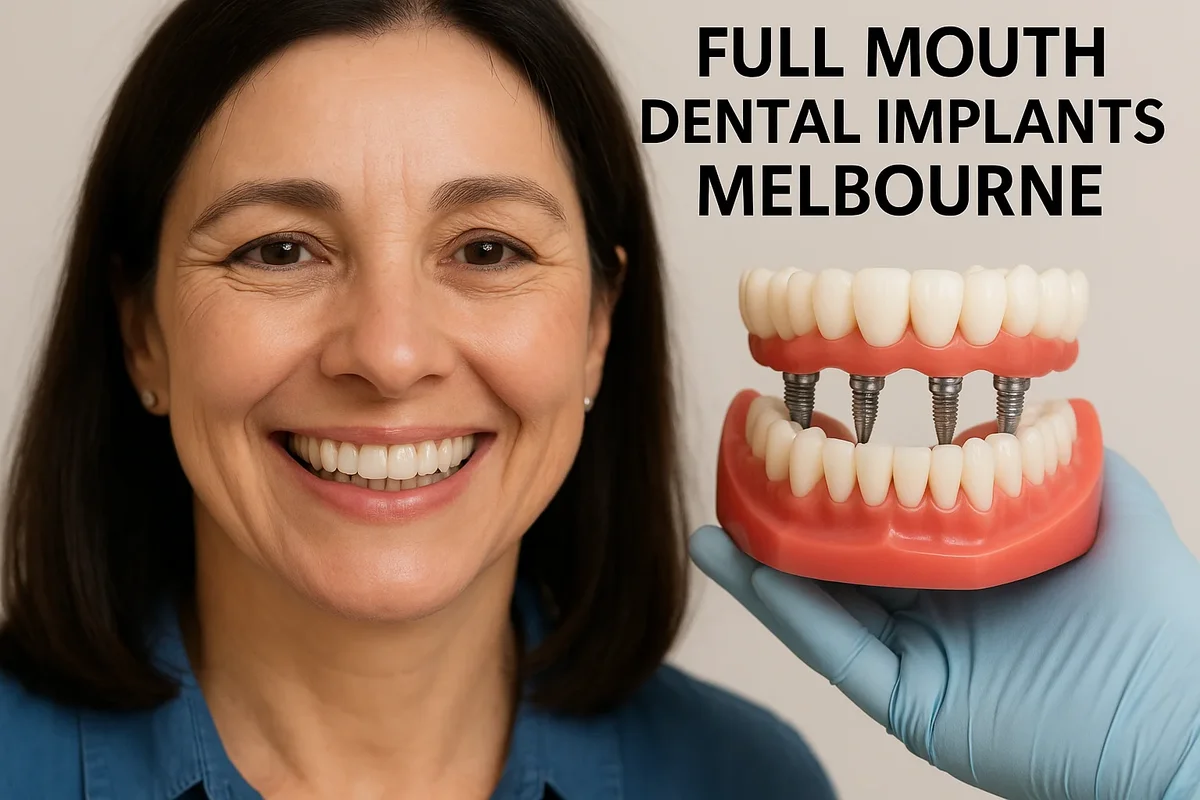
Long-Term Maintenance Tips for Full Mouth Dental Implants
Once you complete your full mouth dental implants Melbourne treatment, maintaining your new smile becomes your next priority. While full arch implant restorations are incredibly durable, they still require proper care to ensure long-term success. Good maintenance helps protect the implants, gums, and prosthetic materials, extending the lifespan of your restored smile. In this detailed guide, you’ll learn essential hygiene techniques, lifestyle recommendations, and expert-backed habits that keep your implants stable, healthy, and beautiful for decades.
Why Long-Term Maintenance Matters
Dental implants can last a lifetime, but only if they receive consistent and proper care. Even though implant-supported teeth do not decay like natural teeth, the surrounding gums and bone must remain healthy for long-term stability. Poor maintenance can lead to conditions such as peri-implantitis—an inflammatory disease that affects the tissues around the implant and can compromise its stability.
By following proper maintenance routines, patients with full mouth dental implants Melbourne can protect their investment, prevent complications, and ensure their restored smile remains functional and aesthetically pleasing.
Daily Oral Hygiene Routine
A strong daily hygiene routine is the foundation of long-term implant success. While full arch prosthetics are easier to maintain than dentures, they still require careful cleaning.
• Brushing Twice Daily
Use a soft-bristled toothbrush and fluoride toothpaste. Brush gently around the gumline, implants, and prosthetic teeth. Electric toothbrushes can enhance cleaning efficiency for implant patients.
• Flossing and Interdental Cleaning
Traditional floss may not always be ideal for full arch implants, but specialized implant floss, floss threaders, or interdental brushes work extremely well. Water flossers (oral irrigators) are also highly effective in removing plaque from hard-to-reach areas underneath the prosthesis.
• Using Antibacterial Mouthwash
An alcohol-free antibacterial rinse supports gum health and helps reduce harmful bacteria around implants.
Professional Maintenance and Dental Visits
Even with excellent at-home care, patients with full mouth dental implants Melbourne must attend regular professional checkups to ensure long-term success.
• Biannual Checkups
Dentists monitor the stability of the implants, assess gum health, and ensure the prosthetic teeth fit correctly. Catching early signs of inflammation or looseness prevents major complications.
• Professional Cleaning
Unlike natural teeth, implant surfaces require special instruments—such as titanium or resin scalers—to avoid scratching the material. Clinics trained in implant maintenance use these tools to safely remove plaque and calculus.
• X-Rays and Imaging
Periodic X-rays help the dentist evaluate bone health around the implants and confirm continued osseointegration.
Dietary Habits for Long-Term Success
After full recovery, patients can enjoy nearly all foods, including harder or crunchy textures. But to protect the prosthetic structure, some foods should still be eaten carefully.
Foods to Enjoy Freely
- Lean meats
- Cooked vegetables
- Rice, pasta, grains
- Baked items without hard crusts
Foods to Approach With Caution
- Hard candies
- Ice cubes
- Sticky caramels
- Very hard nuts
While the prosthetic teeth are designed to be strong, extreme pressure from biting tough foods could damage them over time.
Protecting Your Implants From Teeth Grinding
Teeth grinding, or bruxism, places excessive pressure on the implants and can shorten the lifespan of prosthetic materials.
• Use a Nightguard if Recommended
A custom-made nightguard absorbs grinding forces and prevents damage. It is especially important for patients who grind their teeth unknowingly during sleep.
• Reduce Stress Levels
Stress often contributes to grinding, so relaxation techniques such as yoga, meditation, or breathing exercises can be beneficial.
Avoiding Harmful Habits
Certain habits increase the risk of complications and should be avoided after receiving full mouth dental implants Melbourne.
• Smoking
Smoking reduces blood supply to the gums and increases the risk of implant failure by impairing bone healing. Patients should avoid smoking entirely, especially after implant placement.
• Chewing Non-Food Objects
Some people chew pens, fingernails, or ice without realizing it. These habits can damage the prosthetic arch or place stress on the implants.
• Using Teeth as Tools
Opening packaging or holding objects with your teeth is never recommended. It may weaken or crack the prosthetic structure.
Signs That Require Immediate Attention
Recognizing early warning signs helps protect your implants from serious complications. Contact your dentist if you notice:
- Persistent swelling or pain around implants
- Bleeding that does not improve
- Implant or prosthetic movement
- Bad taste or odor suggesting infection
Early intervention helps prevent peri-implantitis and preserves implant longevity.
Long-Term Aesthetic Care
Full arch prosthetics, especially zirconia, maintain their color extremely well. However, patients can take steps to keep their smile looking pristine:
- Limit staining beverages like coffee or red wine
- Brush after consuming strong-colored foods
- Use whitening toothpaste approved by your dentist
Regular professional maintenance keeps prosthetics polished and stain-free.
Lifetime Commitment to Oral Health
Choosing full mouth dental implants Melbourne means committing to a lifelong oral health routine. Fortunately, implant maintenance is not complicated—just consistent. Patients who adopt healthy daily habits and attend routine checkups enjoy strong, stable, and beautiful smiles for decades.
When to Contact Your Implant Dentist
If you experience unusual discomfort, mobility, or aesthetic changes in your full arch prosthetics, contacting your dentist promptly is essential. You can reach a qualified dental team for guidance via the
Redent Klinik Contact Page.
With proper care, dedication, and professional follow-up, full mouth dental implants Melbourne can deliver lifelong confidence, function, and comfort. These long-term maintenance strategies ensure your smile remains healthy and radiant well into the future.