
If you have been struggling with missing teeth, unstable dentures, difficulty chewing, or a lack of confidence in your smile, full top and bottom dental implants are one of the most transformative solutions available in modern dentistry. This advanced full-arch restoration technique is designed to replace all teeth in both the upper and lower arches using strategically placed dental implants that support beautifully crafted fixed prosthetic teeth. Unlike removable dentures, full-arch implant systems offer a stable, permanent, and natural-looking solution that allows you to eat, speak, and smile with complete confidence. 🌟
In today’s world, millions of adults are searching for long-term, comfortable, and aesthetic alternatives to traditional dentures. Full-arch implant systems—also known as full mouth implants, all-arch restoration, or complete implant-supported bridges—have gained massive popularity due to their strength, functionality, and lasting performance. When patients ask how they can replace every tooth in their mouth with something secure, natural, and durable, full top and bottom dental implants are almost always the gold-standard recommendation.
One of the biggest advantages of this treatment is its ability to mimic the feel and performance of natural teeth. Because the implants fuse with the jawbone through a biological process called osseointegration, they function like real tooth roots, preserving bone structure and preventing the sunken facial appearance that often occurs with long-term denture use. For many patients, this means regaining not only their smile but also their facial shape, oral health, and overall quality of life. This is especially meaningful for individuals who have avoided certain foods for years due to weak, slipping, or painful dentures. 🍏
Another strength of full-arch implant treatment is customization. Every patient’s mouth is different, so the dental team tailors the number of implants, the angulation, and the final prosthetic design according to the patient’s bone density, gum health, bite structure, and aesthetic goals. Whether you want a natural-looking smile, whiter teeth, or a more symmetrical appearance, full top and bottom dental implants can be designed to complement your facial features and personal preferences.
It is also important to highlight the long-term stability these implants provide. Traditional dentures rely on adhesives or suction, which can fail during daily use. Chewing tough foods, speaking confidently, and even laughing freely can become stressful. In contrast, implant-supported full-mouth restorations offer superior stability, allowing you to enjoy harder or stickier foods, speak clearly, and feel secure in social situations. Many patients report feeling like they have their natural teeth back within just a few weeks of receiving their implant-supported prosthetic.
The treatment process for full top and bottom dental implants typically involves a comprehensive consultation, 3D imaging, digital smile design, and a detailed treatment plan. Modern technology such as intraoral scanners and CBCT imaging allows the dentist to create an extremely accurate digital model of your mouth. This enhances precision, minimizes discomfort, and ensures predictable results. Digital planning also enables the creation of temporary teeth, so most patients can leave the clinic with a beautiful smile on the same day of implant placement.
As with any medical or dental procedure, choosing the right professional team is essential. The materials used, the skill of the surgeon, and the accuracy of the implant placement all influence the final outcome. When researching clinics, consider their experience with full-arch restorations, the quality of their implant brands, and their technology. You may also want to schedule a consultation through the
Redent Klinik Contact Page to learn more about treatment options. Additionally, reputable organizations such as the
American Dental Association
provide guidance on safe and effective dental care practices.
Patients often wonder whether the procedure is painful, how long implants last, and what maintenance is required. Fortunately, implant dentistry has evolved significantly, allowing for minimally invasive techniques and improved healing protocols. Most patients experience only mild discomfort for a few days, and with proper oral hygiene, full-arch implants can last decades or even a lifetime. Regular dental checkups, cleanings, and good home care ensure the longevity of your restored smile. 🦷✨
In summary, full top and bottom dental implants offer a life-changing solution for individuals seeking a permanent, stable, and aesthetically pleasing alternative to dentures. They restore full function, enhance facial appearance, prevent bone loss, and provide unmatched confidence. If your goal is to enjoy a natural-looking, strong, and long-lasting smile, full-arch implant restoration is one of the most advanced options you can choose.
What Are Full Mouth Dental Implants and How Do They Restore Your Smile?
Full mouth dental implants represent one of the most advanced and reliable solutions in modern restorative dentistry. When patients suffer from severe tooth loss, gum disease, or old unstable dentures, a full-arch implant solution can completely transform both oral health and facial aesthetics. In this section, we will explore what these restorations are, how they work, and why full top and bottom dental implants have become the preferred option for long-term smile rehabilitation.
Understanding the Full-Arch Implant Concept
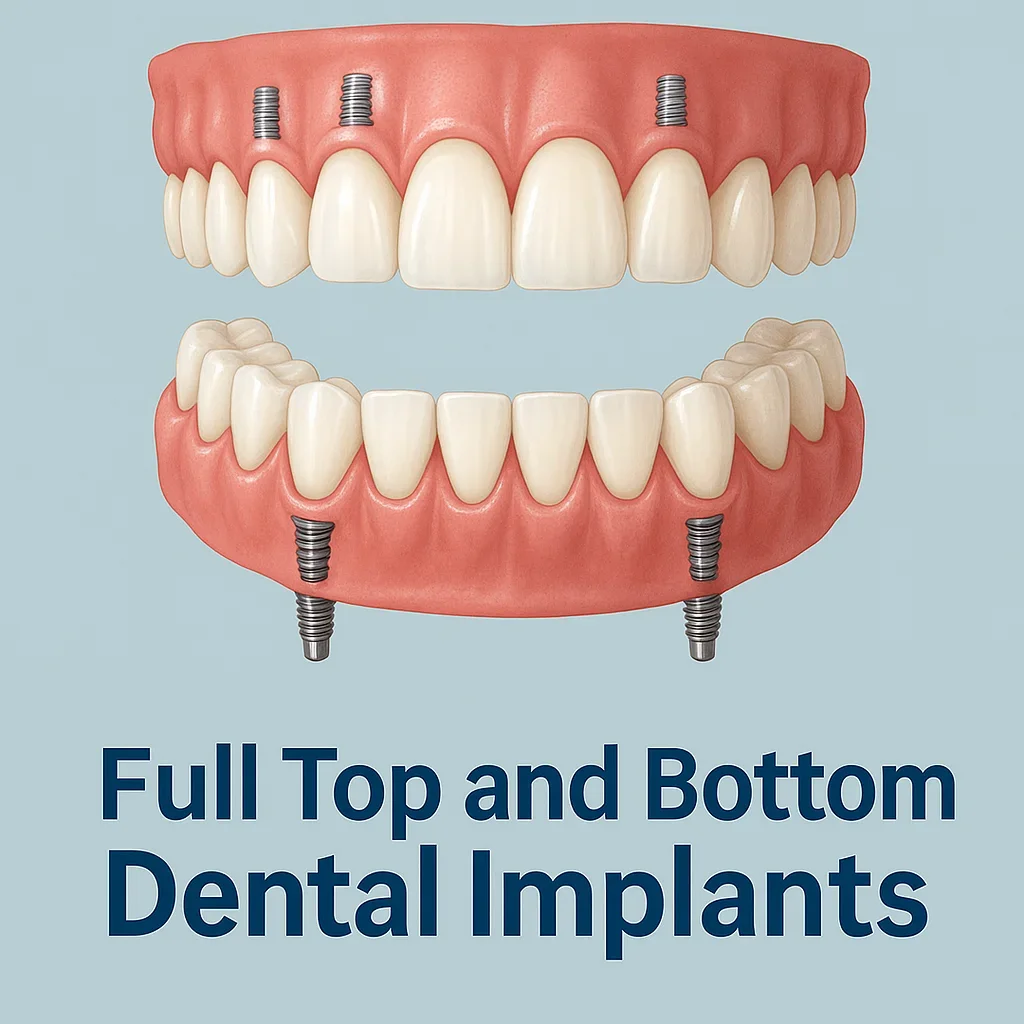
A full mouth implant restoration involves replacing all teeth in the upper and lower arches using strategically placed titanium implants. These implants work as artificial roots that anchor a fixed bridge or prosthetic arch. Compared to traditional partial replacements, full top and bottom dental implants offer complete coverage, meaning that every tooth lost in both arches can be restored with strong, stable, and natural-looking prosthetic teeth. This advanced solution restores chewing ability, improves bite balance, enhances speech clarity, and provides a confident smile with long-lasting comfort.
A key aspect of this treatment is that the implants are integrated directly into the jawbone. This process—known as osseointegration—allows the implants to fuse biologically with the bone, creating a stable foundation similar to real tooth roots. As a result, patients can eat comfortably, smile confidently, and enjoy improved oral health for many years.
How Full-Arch Implants Differ from Dentures
Traditional dentures often slip, cause gum irritation, and require constant adjustment. In contrast, full top and bottom dental implants stay firmly in place, enabling smoother chewing, better digestion, and a more youthful facial profile. Because dentures rest on the gums and rely on suction, patients often experience bone loss over time. Implant-supported systems prevent this by stimulating the jawbone and maintaining its natural density. This makes full-mouth implants not only more comfortable but also significantly healthier for long-term oral stability.
Many patients transitioning from dentures to implants report dramatic improvements in confidence and everyday comfort. Simple activities like laughing, speaking, or eating become easier and more enjoyable. This is why full-mouth implant restorations are often recommended for people seeking permanent, fixed replacements instead of removable prosthetics.
The Components of a Full Mouth Implant System
To understand how this solution restores your smile, it’s helpful to break down the individual components of the system:
1. Titanium Implant Posts
These posts are surgically placed in the jawbone to mimic natural roots. They are biocompatible, meaning they are safe for the body and integrate effectively with bone tissue.
2. Abutments
Abutments connect the implant posts to the final prosthetic. They serve as a supportive interface, ensuring a secure and comfortable fit.
3. Full-Arch Prosthetic Bridge
This bridge contains the artificial teeth that replace missing natural teeth. Modern dental prosthetics are incredibly lifelike, crafted with attention to shade, translucency, and anatomical detail.
Together, these components form a strong and long-lasting system capable of replicating natural teeth in both function and appearance. For people who want a smile that feels authentic, full top and bottom dental implants provide an unmatched level of stability and beauty.
Smile Restoration and Facial Aesthetics
Missing teeth can drastically affect facial structure. When tooth roots are gone, bone loss begins, causing cheeks to look sunken and lips to lose support. This often leads to an aged, tired facial appearance. Full-mouth implants restore lost volume, helping maintain a youthful look and promoting symmetry across the face. Beyond aesthetics, implants also improve oral function, allowing patients to chew properly and maintain balanced nutrition.
Patients often describe the psychological benefits as equally life-changing. A full smile restoration increases confidence, encourages more social interaction, and reduces the anxiety associated with tooth loss or unstable dentures. In many cases, it becomes not only a dental transformation but a full lifestyle improvement.
Why Full-Arch Implants Are a Lifelong Solution
Dentures typically require replacement every 5 to 8 years and may need frequent adjustments due to gum changes and bone shrinkage. However, full top and bottom dental implants are designed to last decades with proper care. The implants fuse with the bone and remain stable even as the body ages. This durability makes implants a wise long-term investment compared to removable alternatives.
Furthermore, implant-supported options require less daily maintenance than conventional dentures. Instead of adhesives and frequent removal, you simply brush and floss as if they were natural teeth. Regular dental checkups ensure the implants remain healthy and stable. Many patients report that full-mouth implants provide a sense of normalcy they haven’t felt in years.
Professional Guidance and Next Steps
For individuals considering this life-changing treatment, the first step is a consultation with an experienced implant specialist. At this stage, 3D imaging, digital scans, and a comprehensive examination determine the ideal placement strategy. If you are exploring your options or want expert guidance, you can request an assessment through the
Redent Klinik Contact Page. Additionally, authoritative organizations such as the
American Dental Association provide valuable educational resources on proper dental care and implant safety.
In summary, full mouth implants offer a complete smile transformation with functional, aesthetic, and long-term health benefits. They bring back the joy of eating, speaking, and smiling freely while supporting facial structure and preventing bone loss. For those seeking a permanent, comfortable, and natural-feeling alternative to dentures, full top and bottom dental implants stand out as one of the most advanced and dependable treatments available today.
Step-by-Step Procedure for Full Mouth Dental Implants in Melbourne
Understanding the detailed process behind full top and bottom dental implants helps patients feel confident, prepared, and informed before beginning treatment. While the idea of restoring the entire smile may seem complex at first, modern implant dentistry has streamlined each stage to ensure predictable, safe, and comfortable results. Below is a comprehensive, step-by-step explanation of how full-arch dental implants are placed in Melbourne clinics using advanced digital imaging, guided surgery, and premium prosthetic design.
Initial Consultation and Comprehensive Assessment
The first step in the full-mouth implant journey begins with a complete dental evaluation. During this appointment, the dentist examines the gums, existing teeth (if any), bite alignment, and general oral health. High-resolution digital scans and panoramic X-rays are taken to analyze bone density and determine the ideal implant placement points.
For patients considering full top and bottom dental implants, this assessment is crucial because bone levels vary greatly among individuals. If the bone is insufficient, bone grafting may be recommended to ensure long-term stability. The dentist will also discuss medical history, habits such as smoking, and any underlying conditions that could impact healing. This stage sets the foundation for a custom treatment plan tailored specifically to the patient’s anatomical structure and cosmetic goals.
3D Imaging and Digital Smile Design
One of the most significant advancements in modern implantology is the use of 3D imaging technologies such as CBCT (Cone Beam Computed Tomography). This imaging technique creates a detailed model of the jawbone, enabling the dentist to plan the exact position, angle, and depth of each implant.
In many Melbourne clinics, digital smile design is also used to simulate the final outcome. This helps patients visualize the expected results, choose their preferred tooth shape and shade, and make informed decisions about their overall smile aesthetics. For those receiving full top and bottom dental implants, digital planning ensures accuracy, comfort, and beautiful long-term results.
Implant Placement and Surgical Procedure
The surgical placement of implants is typically performed under local anesthesia, sedation, or general anesthesia depending on the patient’s comfort level. Guided surgical techniques, based on the 3D model, ensure precision and minimize trauma to the tissues.
Step 1: Removing Failing Teeth (If Necessary)
If the patient still has damaged or decayed teeth that cannot be saved, they are extracted during this stage. Immediate implant placement may follow if the bone quality allows.
Step 2: Placing the Titanium Implants
The titanium posts are carefully inserted into the predetermined sites in the upper and lower jaw. These posts act as artificial tooth roots and will eventually fuse with the bone. For full top and bottom dental implants, an average of four to eight implants per arch may be used depending on the case.
Step 3: Temporary Teeth Placement (Same-Day Option)
Many patients receive temporary prosthetic teeth on the same day of surgery. These temporaries look natural and allow the patient to smile confidently while the implants heal. Although not as strong as the final prosthesis, they provide functionality and aesthetics during the healing period.
Healing Phase and Osseointegration
Osseointegration is the process by which the implant surface bonds with the jawbone. This is one of the most critical steps in implant success because it ensures the stability and strength required for long-term function. Healing typically ranges from three to six months depending on individual bone health.
During this phase, patients with full top and bottom dental implants continue using their temporary prosthesis while avoiding extremely hard or sticky foods. Dentists also schedule periodic visits to monitor healing progress and adjust the temporary teeth if needed.
Final Prosthetic Design and Placement
After successful osseointegration, impressions are taken to design the final prosthetic arches. These final restorations are made from high-strength materials such as zirconia or reinforced acrylic. They are carefully crafted to mimic natural teeth in color, shape, translucency, and bite alignment.
Creating a Natural-Looking Smile
The dentist works closely with the patient to select the appropriate shade, tooth length, and smile style. This customization ensures that the final result blends seamlessly with facial features, offering a naturally beautiful and balanced appearance.
Attaching the Final Bridge
Once the prosthetic is ready, it is securely attached to the implants. This step transforms the smile completely—restoring chewing power, speech clarity, facial support, and everyday confidence.
Post-Procedure Care and Follow-Up Appointments
After the final restoration is placed, proper aftercare is vital. Patients are advised to maintain excellent oral hygiene through brushing, flossing, and using water flossers. Regular checkups ensure the implant system stays healthy and secure. Clinics may also provide personalized aftercare plans for long-term implant maintenance.
Those considering treatment can easily reach out through the
Redent Klinik Contact Page for personalized guidance. Additionally, trusted organizations such as the
American Dental Association
offer valuable information on dental implant care and safety protocols.
In summary, the full-mouth implant procedure involves a series of carefully planned steps that ensure precision, comfort, and long-lasting results. With advanced diagnostics, digital planning, skilled surgical placement, and meticulous prosthetic craftsmanship, full top and bottom dental implants truly offer one of the most predictable and life-enhancing tooth replacement solutions available in modern dentistry.
Full Mouth Dental Implants vs. Traditional Dentures: Key Differences
When choosing between modern implant-based restorations and conventional removable dentures, it’s essential to understand how each option affects function, comfort, oral health, and long-term satisfaction. While traditional dentures have been used for decades as a basic replacement for missing teeth, full top and bottom dental implants offer a significantly more advanced, stable, and natural-feeling alternative. In this section, we explore the major differences between the two solutions, helping you make an informed decision about which treatment best fits your lifestyle, oral health needs, and long-term goals.
Stability and Everyday Function
One of the most noticeable differences between dentures and implants is stability. Traditional dentures rest on the gums and rely on suction or adhesive to stay in place. Even with a good fit, dentures can slip during eating, talking, or laughing, causing embarrassment or discomfort. This instability often forces denture wearers to avoid certain foods—especially crunchy, sticky, or chewy items.
In contrast, full top and bottom dental implants are anchored securely into the jawbone through titanium posts that act like natural tooth roots. This gives them unmatched stability and allows patients to chew, bite, and speak with confidence. Implant-supported bridges do not shift or fall out, and they restore up to 90% of natural chewing power, compared to roughly 20–30% with dentures.
Patients who switch from dentures to implants frequently report immediate improvements in comfort and functionality, especially when enjoying tougher foods like apples, steak, nuts, and crusty bread. This natural chewing efficiency contributes significantly to better nutrition and overall well-being.
Bone Health and Facial Appearance
Traditional dentures do not stimulate the jawbone since they rest on top of the gums. This lack of stimulation causes bone resorption—where the jawbone slowly shrinks over time. Bone loss leads to facial sagging, thinning lips, wrinkles around the mouth, and a prematurely aged appearance. Denture wearers commonly experience ongoing jawbone shrinkage, which requires regular adjustments or new dentures.
On the other hand, full top and bottom dental implants help preserve bone density by providing the stimulation that natural tooth roots once supplied. Titanium implants integrate with the jawbone through osseointegration, preventing bone shrinkage and maintaining the natural structure of the face. This is one reason why implant patients enjoy a more youthful and healthy appearance for years.
Comfort, Fit, and Everyday Confidence
Dentures can cause irritation, mouth sores, and pressure points, especially when they loosen over time. Many patients also struggle with a bulky feeling or excess saliva production when first using dentures. Adhesives may provide temporary relief, but they do not eliminate the underlying discomfort.
Implant-supported full-arch restorations fit securely and naturally in the mouth. They do not cover the palate, allowing better taste sensation and eliminating gag reflex issues. Because full top and bottom dental implants function like natural teeth, they feel more comfortable, reduce oral irritation, and eliminate the worry of teeth shifting out of place. The psychological comfort—especially when speaking in public, smiling in photos, or enjoying social meals—is a major advantage.
Longevity and Durability
Dentures generally last between five and eight years before needing replacement, primarily due to bone loss and wear. They must also be relined or adjusted frequently to maintain a decent fit.
Implants, however, are designed as a long-term or even lifelong solution. With proper care, full top and bottom dental implants can last decades. The titanium implant posts remain stable indefinitely, while the prosthetic bridge can last 10–20 years depending on material quality and maintenance. This makes implants more cost-effective over time, despite the higher initial investment.
Maintenance and Oral Hygiene
Denture Care
Dentures require daily removal, brushing, soaking, and adhesive management. They can accumulate bacteria under the gumline, increasing the risk of infections or unpleasant odors if not cleaned properly.
Implant Care
Implants can be cared for like natural teeth—regular brushing, flossing, and routine checkups. Water flossers and interdental brushes also help maintain excellent hygiene. Because full top and bottom dental implants are fixed in place, patients enjoy a maintenance routine that is simpler, cleaner, and more natural.
Speech and Eating Experience
Traditional dentures can affect speech, causing clicking sounds or difficulty pronouncing certain words. They also reduce bite force significantly, making it difficult to enjoy firmer foods.
Implants eliminate speech issues because they remain fixed in place and mimic natural teeth. Bite force is restored to near-normal levels, allowing patients to enjoy a wide range of foods without hesitation.
Cost Considerations
While full-mouth implants have a higher upfront cost than dentures, the long-term value is undeniable. Dentures require continuous maintenance, replacement, and adhesives, which add up over the years. Implants, by contrast, are a durable investment that reduces long-term expenses.
If you’d like personalized pricing or treatment information, you may connect through the
Redent Klinik Contact Page. Reputable dental organizations such as the
American Dental Association
also offer helpful guidelines for safe implant care.
In conclusion, while dentures offer a simple short-term solution for missing teeth, full top and bottom dental implants provide superior comfort, functionality, appearance, and longevity. For patients seeking a permanent, natural-feeling, and aesthetically pleasing restoration, implants remain the gold standard in modern dentistry.
Best Candidate Criteria for Full Mouth Dental Implants Melbourne
Choosing the right treatment for restoring your smile begins with understanding whether you are an ideal candidate for full top and bottom dental implants. Because full-arch implant treatment involves advanced surgical planning, bone evaluation, and customized restoration, dentists follow specific criteria to determine if a patient is suitable for predictable, long-lasting results. In this detailed section, you will learn the physical, functional, and lifestyle-related factors that make someone a strong candidate for full-mouth implants, as well as considerations that may require additional preparation before treatment.
General Health Requirements
Your overall health plays an essential role in the success of dental implants. Candidates should be in stable physical condition without uncontrolled systemic diseases. Conditions such as diabetes, hypertension, and autoimmune disorders can impact healing, but only when poorly managed. With proper medical supervision and stable health levels, many patients with these conditions can still safely receive full top and bottom dental implants.
Healthy Immune Function
A strong immune system ensures smooth healing following implant placement. Patients who take medications that severely suppress the immune system may require additional evaluation or medical clearance, especially if their healing capacity is reduced.
Non-Smokers or Willing to Reduce Smoking
Smoking impacts blood circulation in the gums and slows implant integration. Although smokers can still receive implants, they are often advised to reduce or stop smoking before the procedure. Many Melbourne clinics strongly encourage quitting to increase long-term success rates.
Bone Density and Jaw Structure
One of the most important criteria for full-arch restorations is sufficient jawbone density. Because the implants need to fuse with the bone, a strong and stable foundation is essential. CBCT scans allow dentists to assess whether the upper and lower arches have enough bone to hold the implants securely.
Even if bone levels are reduced due to long-term tooth loss or denture wear, patients may still qualify for full top and bottom dental implants with the help of bone grafting or sinus lift procedures. Many modern full-arch techniques, such as tilted implants, reduce the need for extensive grafting, making treatment possible for patients who were previously told they were not candidates.
Signs You Have Adequate Bone Support
– Minimal bone shrinkage
– Strong ridge structure
– No severe gum recession
– Healthy sinus floor in the upper arch
When Bone Grafting Is Recommended
Bone grafting becomes necessary when:
– The jawbone is too thin
– Bone height is insufficient
– You experienced trauma or long-term periodontal disease
– Dentures have worn down the ridge over many years
Oral Hygiene Habits and Gum Health
Successful candidates must maintain good oral hygiene. Gum disease (periodontitis) can damage the supporting tissues around implants if left untreated. Before receiving full top and bottom dental implants, dentists ensure the gums are healthy and infection-free. Patients with mild to moderate gum disease may undergo deep cleaning or periodontal therapy as preparation.
Ideal Gum Health Conditions Include:
– No active infection
– No chronic swelling or bleeding
– Stable gum pockets
– Healthy tissue capable of healing
Post-treatment, patients must commit to proper brushing, flossing, and routine checkups, since good oral hygiene is critical to maintaining implant longevity.
Commitment to Post-Surgical Care
Full-mouth implants require a healing period where patients must follow dietary and lifestyle guidelines. Candidates should be willing to:
– Stick to a soft-food diet during early healing
– Attend follow-up appointments
– Avoid smoking or alcohol temporarily
– Protect oral tissues while implants integrate
Those who follow their dentist’s instructions closely experience higher success rates and faster recovery.
Age and Maturity Considerations
Implants are generally recommended for adults whose jawbone has fully developed. While there is no upper age limit, the lower limit is typically around 18–21 years depending on bone maturity. Older adults, including seniors, regularly qualify for full top and bottom dental implants because age alone does not disqualify someone—as long as bone density and general health are sufficient.
Psychological and Lifestyle Readiness
Candidates should understand the commitment involved, including healing time, follow-up care, and maintenance responsibilities. Individuals who value stability, comfort, and long-term oral health are excellent candidates. Those frustrated with denture problems, dietary restrictions, or a lack of confidence in their smile often find full-arch implants life-changing.
Patients who want a permanent, fixed, and natural-looking restoration tend to adjust quickly and appreciate the results immensely. This makes full top and bottom dental implants a preferred option for those seeking a more confident lifestyle.
Consultation and Personalized Assessment
While these general criteria help determine candidacy, the final evaluation must be performed by a qualified implant dentist. Through digital scans, clinical examination, and medical review, your dentist will create a personalized plan tailored to your anatomy, preferences, and long-term goals.
If you want to determine whether you qualify for full-mouth implants, you can schedule an assessment via the
Redent Klinik Contact Page. For professional standards and educational resources, the
American Dental Association
also provides guidance on implant safety and oral health.
In summary, the best candidates for full top and bottom dental implants are individuals with stable health, adequate bone density, healthy gums, and a commitment to proper care. With the right qualifications, patients can enjoy a strong, stable, and natural-looking smile that enhances their quality of life for decades.
Recovery Timeline and Aftercare Tips for Full Arch Implant Patients
Understanding the recovery timeline is essential for anyone considering full top and bottom dental implants. While the procedure offers life-changing benefits, it also requires proper healing, disciplined aftercare, and consistent follow-ups to ensure long-term success. In this section, we break down the complete recovery process—from the first 24 hours to full osseointegration—and provide detailed aftercare instructions that help patients heal comfortably and protect their new smile. With proper care, implant patients enjoy stable, strong, and natural-looking teeth that last for decades.
Immediate Post-Surgery Period: First 24–72 Hours
The first phase of recovery focuses on managing swelling, protecting the surgical site, and ensuring patient comfort. Mild swelling, bruising, or tenderness is normal during this time. Your dentist will likely provide pain-relief medication and anti-inflammatory instructions.
What to Expect in the First Few Days:
– Slight bleeding or oozing from the gums
– Swelling peaking around 48 hours
– Soft-food diet to prevent pressure on new implants
– Avoiding hot, spicy, or hard foods
– Keeping the head elevated to reduce swelling
Patients receiving full top and bottom dental implants often leave the clinic with temporary teeth that look natural but are not meant for heavy chewing. These temporary restorations help protect the implants as they heal beneath the gums.
First Week of Healing
By the end of the first week, swelling gradually decreases. Patients can resume light daily activities, although strenuous exercise should still be avoided. Stitches (if used) may dissolve on their own or be removed during the follow-up visit.
Oral hygiene becomes increasingly important during this stage. Patients are usually instructed to rinse gently with saltwater or a prescribed mouthwash to prevent infections. Those with full top and bottom dental implants must avoid brushing directly over the surgical area, instead using soft motions around the gums to maintain cleanliness without irritation.
Week 2–6: Soft Tissue Healing and Gum Stabilization
As the gums heal, patients begin to feel more comfortable. Eating becomes easier, and sensations like tightness or numbness decrease. However, it is still necessary to follow dietary restrictions because implants have not yet fused with the bone.
Recommended Foods During This Phase:
– Smoothies and protein shakes
– Soft pasta and scrambled eggs
– Soups and blended vegetables
– Mashed potatoes, yogurt, and cottage cheese
– Soft fruits like bananas or ripe avocados
Patients should continue cleaning around their temporary prosthesis with a soft-bristled toothbrush and avoid direct pressure on the implant sites. This stage is essential for preventing early implant movement, which can disrupt osseointegration.
3–6 Months: Osseointegration and Implant Stability
Osseointegration is the biological process where the implants fuse with the jawbone. It is the cornerstone of long-term implant success. During this stage, the bone gradually grows around the titanium implant posts, anchoring them securely in place.
This phase may take anywhere from 10 to 24 weeks depending on the patient’s bone density, age, and healing ability. Although temporary teeth can be used normally for speaking and light chewing, patients should still avoid tough or sticky foods. Overloading the implants too soon may compromise their stability.
Patients receiving full top and bottom dental implants typically have follow-up visits scheduled every few weeks during this period to ensure healing is progressing correctly.
Final Restoration Placement: Designing the Permanent Arch
Once osseointegration is confirmed, the dental team takes impressions or digital scans for the final prosthetic bridge. This permanent restoration is crafted using durable materials such as zirconia, titanium-reinforced acrylic, or ceramic.
Benefits of the Final Bridge:
– Stronger biting force
– Highly aesthetic and lifelike design
– Custom color, shape, and alignment
– Long-lasting durability and stain resistance
The transformation is dramatic—patients often describe feeling as though they have regained their natural teeth. With full top and bottom dental implants, the final prosthesis allows normal eating, speaking, and smiling with complete confidence.
Long-Term Maintenance and Oral Health
Once healed, implants need consistent but simple maintenance. Unlike dentures, they do not require adhesives, special soaking solutions, or frequent refitting.
Essential Long-Term Care Tips:
– Brush twice daily with a soft brush
– Use a water flosser or interdental brush around the implant base
– Schedule professional cleanings every 3–6 months
– Avoid smoking and excessive alcohol intake
– Wear a nightguard if you grind your teeth
Proper maintenance preserves gum health, strengthens implant longevity, and ensures the prosthesis remains clean and functional. Patients who follow their dentist’s instructions experience outstanding long-term outcomes, often keeping their implants for decades.
Red Flags to Watch For During Recovery
While complications are rare, early detection is crucial. Contact your dentist immediately if you experience:
– Persistent swelling beyond two weeks
– Severe or increasing pain
– Mobility in the implants
– Gum infection or unusual discharge
– Fever or systemic discomfort
Ensuring prompt care protects the investment you’ve made in full top and bottom dental implants and prevents potential implant failure.
Professional Care and Support
Every patient’s healing journey is unique. The best way to ensure predictable success is to maintain close communication with your dental team. If you’d like personalized recovery guidance or seek a consultation, you can reach out via the
Redent Klinik Contact Page. For clinical standards and safe practice guidelines, the
American Dental Association
remains a trusted resource.
In conclusion, understanding the recovery timeline and following proper aftercare instructions ensures that full top and bottom dental implants heal successfully and provide reliable, long-term performance. With dedication to hygiene, regular follow-ups, and healthy lifestyle habits, patients can enjoy strong, stable, and beautiful smiles for many years.
Long-Term Benefits of Choosing Full Mouth Dental Implants Melbourne
Patients considering full top and bottom dental implants often focus on the immediate improvements—better chewing, improved appearance, and restored confidence. But one of the greatest strengths of full-arch implant treatment lies in its long-term benefits. Unlike traditional dentures or partial tooth replacements, implant-supported restorations provide decades of stability, preserve facial structure, enhance oral health, and dramatically improve overall quality of life. This section explores these long-term advantages in detail, helping patients understand why full-mouth implants are widely regarded as the most advanced and reliable solution for total smile reconstruction.
Superior Chewing Power and Long-Lasting Function
One of the most transformative long-term benefits of full top and bottom dental implants is the restoration of strong chewing ability. Over time, the ability to eat comfortably and enjoy a full range of foods leads to improved nutrition, digestion, and overall health. With traditional dentures, chewing efficiency may remain between 20–30%, causing patients to avoid tougher foods like nuts, steak, apples, or raw vegetables.
Implant-supported full-arch restorations restore up to 80–90% of natural bite force. This level of function remains stable for decades because the implants integrate into the jawbone and provide continuous strength. Patients frequently report that they can return to eating their favorite foods without fear of dentures slipping or causing discomfort.
Long-Term Functional Benefits Include:
– Ability to enjoy a wide variety of foods
– Improved digestion due to proper chewing
– Better overall diet and nutritional intake
– Stable bite that does not change with age
Preservation of Jawbone Structure
One of the silent dangers of tooth loss is jawbone deterioration. When natural tooth roots are missing, the bone gradually shrinks, leading to facial sagging, thin lips, an aged appearance, and poor denture stability. Dentures accelerate bone loss because they sit directly on the gums and provide no stimulation.
In contrast, full top and bottom dental implants act like artificial tooth roots, stimulating the jawbone and preventing bone resorption. Through the process of osseointegration, implants fuse with the bone, maintaining volume and density even decades after placement. This is one of the most important long-term benefits because it preserves facial structure and promotes healthy oral function.
Bone Preservation Benefits:
– Prevents jawbone shrinkage
– Maintains a youthful facial appearance
– Supports stable long-term function
– Strengthens the foundation for future dental restorations
Stable, Natural-Looking Aesthetics for Decades
Full-mouth implant restorations are custom-designed to resemble natural teeth. Over time, patients appreciate having a smile that does not wear down, discolor rapidly, or shift out of place. Traditional dentures may warp or require frequent relining due to changes in the jawbone, but implant-supported bridges maintain their shape and position.
Patients who choose full top and bottom dental implants enjoy a stable, aesthetic smile that holds its appearance for many years. The materials used—such as zirconia or reinforced acrylic—are highly durable, stain-resistant, and capable of maintaining a natural shine with minimal maintenance.
Long-Term Aesthetic Benefits:
– Permanent shine and natural translucency
– No slipping, clicking, or movement
– No staining from coffee, tea, or wine
– Improved facial support and balance
Improved Speech and Social Confidence
Traditional dentures often lead to difficulty pronouncing certain sounds, clicking noises, and embarrassment during conversations. These challenges persist long-term because dentures cannot match the stability of fixed implants.
With full top and bottom dental implants, speech remains clear and natural for life. Because the prosthesis is anchored to the implants, it does not shift or create unwanted sounds. This stability improves confidence in social interactions, public speaking, and work environments.
Confidence-Boosting Advantages:
– No fear of dentures moving or falling out
– Natural speech patterns restored
– Increased self-esteem in daily interactions
– Stress-free conversations and laughter
Low Maintenance and High Durability
Implant-supported teeth require significantly less maintenance than removable dentures. There is no need for adhesives, soaking solutions, or frequent adjustments. With proper hygiene and professional checkups, the implants themselves can last a lifetime.
The prosthetic bridge may eventually need replacement due to wear, but high-quality materials allow it to last 10–20 years or longer. This makes full top and bottom dental implants a cost-effective choice over the long term, especially when compared to the repeated expenses associated with dentures.
Ease of Maintenance:
– Brush like natural teeth
– Use floss or a water flosser around implant bases
– Routine dental visits every 6 months
– No adhesives or removals required
Enhanced Overall Health and Well-Being
A stable, strong bite contributes to proper digestion, improved sleep quality, controlled eating habits, and better nutrition. Chronic irritation from dentures—such as sores or discomfort—does not occur with implants. Additionally, implants reduce oral bacterial accumulation, lowering the risk of infections or systemic inflammation.
Patients with full top and bottom dental implants often experience improved mental well-being because they no longer worry about dental discomfort, instability, or social embarrassment. The psychological and physical benefits combined lead to a higher quality of life.
Professional Support and Long-Term Care
Full-arch implant patients maintain long-term success through routine dental visits and proper hygiene. A supportive dental team ensures the health of the implants and surrounding gum tissues for years.
For personalized guidance and ongoing support, you can get in touch through the
Redent Klinik Contact Page. For trusted educational resources on implant care, the
American Dental Association
offers professional information on maintaining long-term oral health.
In summary, full top and bottom dental implants offer unmatched long-term advantages—preserved jawbone structure, superior function, natural aesthetics, enhanced confidence, and minimal maintenance. These benefits make full-mouth implants a transformative and reliable solution for patients seeking a permanent, healthy, and beautiful smile for life.
Cost Breakdown and Price Expectations for Full Mouth Implant Treatment
Understanding the cost of full top and bottom dental implants is one of the most important parts of preparing for treatment. Because full-mouth implant procedures involve advanced surgical techniques, digital planning, premium materials, and customized prosthetic design, the investment is higher than traditional dentures or partial restorations. However, these costs reflect the long-term durability, improved oral function, and enhanced quality of life that implants provide. In this section, we break down typical pricing factors, average cost ranges (based on publicly available data), and the elements that influence final treatment fees in a full-mouth implant plan.
Why Full-Mouth Implants Cost More Than Other Options
To fully understand pricing, it helps to recognize that full top and bottom dental implants replace not just individual teeth but an entire arch of missing teeth with a strong, fixed, and aesthetic restoration. The treatment involves multiple stages including imaging, surgery, temporary teeth, and final prosthetics. This level of precision, technology, and craftsmanship places the procedure among the most advanced in restorative dentistry.
Key Cost Influencers Include:
– Number of implants required per arch
– Surgeon’s experience and implant specialization
– Type and brand of implants used (premium brands cost more)
– Digital imaging and surgical guides
– Temporary prosthetic arches
– Final prosthetic materials such as zirconia or high-strength acrylic
– Any additional preparatory procedures such as bone grafting or sinus lifts
Each of these elements contributes to the final price range, and clinics often customize treatment plans to ensure the best possible outcome.
Average Price Ranges Based on Public Data
Although pricing varies between clinics, publicly available figures from dental industry sources and Australian implant providers indicate the following averages for full-mouth implant treatment. These are not clinic-specific values but general cost guidelines to help patients understand the market.
Typical Full-Mouth Implant Costs (Estimated):
• Full upper arch: AUD $20,000 – $35,000
• Full lower arch: AUD $20,000 – $35,000
• Combined full-mouth restoration: AUD $40,000 – $70,000+
(These figures represent common ranges found in implant dentistry across Australia.)
Materials greatly influence cost. Zirconia prosthetics are generally the most durable and natural-looking, but they also fall at the higher end of the price spectrum. Acrylic hybrid bridges offer affordability but may need earlier replacement compared to zirconia.
Implant Materials and Their Impact on Pricing
Choosing the right material for your full-arch prosthetic directly affects cost, durability, and aesthetics. Patients receiving full top and bottom dental implants typically select from two primary material categories.
Zirconia Bridges (Premium Option)
– Superior strength and long-term stability
– Natural tooth translucency
– Highly resistant to staining
– Minimal maintenance
– Higher upfront cost but long lifespan
Acrylic Hybrid Bridges (More Affordable Option)
– Lighter in weight
– Good aesthetics, though not as natural as zirconia
– More budget-friendly
– May require replacement after several years
Your dentist will help you evaluate which material provides the best combination of value, durability, and aesthetic outcome.
Additional Procedures That May Affect Cost
Some patients require additional treatments before implant placement to ensure long-term success. These procedures add to the overall cost but are important for stability and healthy healing.
Common Additional Procedures:
– Bone grafting
– Sinus lift (for upper jaw)
– Tooth extractions
– Gum disease treatment
– Temporary dentures (if needed before surgery)
The need for these procedures depends on the patient’s bone density, oral health, and the presence of damaged or failing teeth before treatment begins.
Financing, Payment Plans, and Insurance Considerations
Many clinics in Australia offer flexible payment plans to make full top and bottom dental implants more accessible. Because insurance rarely covers the full cost of implants, patients often rely on financing options. Some health funds may contribute to parts of the treatment, especially if extractions or preparation procedures are medically necessary.
Payment options may include:
– Monthly installment plans
– Interest-free financing
– Medical loans through third-party providers
– Health fund contributions (varies by provider)
Understanding your financial options before beginning treatment can help you make an informed decision that fits your long-term goals.
Long-Term Value and Cost-Effectiveness
Although full-mouth implants have a higher initial cost, the long-term value they provide surpasses traditional dentures and many other restorative options. Dentures require ongoing adjustments, adhesives, and replacements, which accumulate significant expenses over time. Implants, on the other hand, can last decades with proper care.
Patients with full top and bottom dental implants often spend less overall because they avoid the recurring costs associated with dentures. Additionally, implants preserve bone structure, reduce future dental problems, and deliver superior function and aesthetics—making them a worthwhile investment.
Consultation and Personalized Cost Estimates
Every mouth is unique, and the only way to receive an accurate cost estimate is through a professional consultation. Digital scans, bone assessments, and treatment planning allow the dentist to provide an exact price tailored to your needs.
If you’d like a personalized cost evaluation, reach out through the
Redent Klinik Contact Page. Trusted resources such as the
American Dental Association
also offer insights into safe and informed dental decision-making.
In summary, full top and bottom dental implants represent a significant but worthwhile investment. By understanding the cost factors, material options, and long-term value, patients can make confident decisions about restoring their smile with a durable, stable, and natural-looking full-mouth implant solution.
How to Choose the Right Dental Clinic in Melbourne for Full Mouth Implants
Selecting the right dental clinic is one of the most important decisions you will make when pursuing full top and bottom dental implants. Because full-mouth reconstruction is a complex and long-term procedure, it requires advanced training, extensive experience, cutting-edge technology, and a patient-focused approach. Not all clinics offer the same level of expertise, materials, or surgical precision, so choosing the right provider ultimately determines the quality, durability, and aesthetics of your final smile. This detailed section explains exactly what to look for when choosing a dental clinic in Melbourne, helping you make a safe, informed, and confident decision.
Evaluate Implant Experience and Qualifications
Your first priority should be the dentist’s training and experience in full-arch implant dentistry. Full-mouth restorations require surgical precision, aesthetic expertise, and advanced planning skills. Dentists who specialize in implantology or oral surgery typically have completed additional certifications, fellowships, or advanced implant courses.
Key Qualifications to Look For:
– Formal implantology training or specialization
– Membership in respected dental associations
– Experience with complex full-mouth cases
– Before-and-after galleries displaying real patient results
– Consistent practice in surgical implant placement and restoration
Experienced implant dentists understand bone structure, soft tissue behavior, and prosthetic design. Their expertise ensures that your full top and bottom dental implants are placed at ideal angles and depths for long-term stability.
Check Technology and Digital Planning Capabilities
Dental technology plays a major role in achieving predictable and comfortable implant outcomes. Clinics equipped with modern diagnostic tools can assess bone quality accurately and design a more precise treatment plan.
Essential Technologies Include:
– Cone Beam CT (CBCT) imaging for 3D jawbone analysis
– Digital smile design for aesthetic planning
– Intraoral scanners for accurate impressions
– Computer-guided surgery for enhanced precision
– On-site milling or fabrication technology for faster turnaround
Clinics using outdated or basic equipment may lack the tools needed to fully plan and execute high-level implant procedures. Technology-driven implant centers typically deliver better-fitting prosthetics, higher accuracy, and smoother patient experiences.
Review the Materials and Implant Brands Offered
The quality of the implants and prosthetic materials used in treatment significantly affects the durability, comfort, and long-term success of full top and bottom dental implants. Premium brands offer stronger titanium posts, better integration performance, and long-lasting surface coatings.
Preferred Material Options May Include:
– Medical-grade titanium implants
– Zirconia final bridges for high aesthetics
– Titanium-reinforced acrylic hybrids (more affordable option)
– Strong, stain-resistant ceramic layers
High-quality materials ensure that the final restoration remains functional, visually appealing, and long-lasting. Lower-cost materials may compromise durability and appear less natural over time.
Assess Communication, Treatment Planning, and Transparency
A reliable dental clinic should clearly explain every stage of the treatment—from initial scans to the placement of the final prosthesis. Look for clinics that take time to answer questions, address concerns, and customize the treatment plan to your goals.
Essential Qualities of a Trustworthy Clinic:
– Clear communication and straightforward explanations
– No-pressure consultations
– Transparent pricing and detailed treatment plans
– Patient-centered approach tailored to individual needs
– Willingness to provide second opinions or additional assessments
Trustworthy clinics also outline realistic expectations about healing times, dietary restrictions, and maintenance for patients receiving full top and bottom dental implants.
Examine Patient Reviews, Testimonials, and Reputation
Patient reviews offer real insight into the clinic’s professionalism, results, and overall care quality. Look for feedback related to implant experience, comfort, communication, and post-treatment support.
What to Look for in Reviews:
– Long-term satisfaction from full-mouth implant patients
– Positive comments about the surgeon’s skill and bedside manner
– Evidence of consistent, high-quality results
– Testimonials highlighting minimal discomfort and smooth recovery
You can also ask clinics for reference cases or view their smile gallery to evaluate the precision and aesthetic results of their implant work.
Consider the Clinic’s Aftercare and Long-Term Support
Full-mouth implant treatment does not end with the placement of the final bridge. Long-term follow-up is essential for maintaining implant health, monitoring bone stability, and ensuring long-lasting performance.
High-Quality Clinics Offer:
– Routine check-ups every 6 months
– Professional cleanings by implant-trained hygienists
– Long-term maintenance guidance
– Emergency support if needed
Because full top and bottom dental implants are a lifelong investment, choosing a clinic that provides ongoing care is essential to preserve your restoration.
Evaluate the Clinic’s Environment and Patient Comfort
A professional, organized, and patient-focused environment contributes to a positive experience. High-quality clinics prioritize patient comfort through modern office design, friendly staff, and thoughtful amenities.
Look for clinics that:
– Maintain clean, comfortable treatment rooms
– Offer modern, relaxing waiting areas
– Provide sedation or anxiety-management options
– Demonstrate excellent customer service
Consultation and Personalized Evaluation
The best way to determine whether a clinic is right for you is to schedule an in-person consultation. During this visit, the dental team conducts scans, reviews your oral health, and outlines a customized treatment plan. This is also the ideal time to ask questions about materials, technology, healing timelines, and long-term expectations.
If you’re ready to take the first step toward your new smile, you may request an appointment through the
Redent Klinik Contact Page.
For general dental care guidelines and trusted information, the
American Dental Association
remains an authoritative resource.
In summary, choosing the right clinic for full top and bottom dental implants requires careful evaluation of experience, technology, materials, communication, and reputation. By selecting a skilled and well-equipped implant center, you ensure predictable results, long-term function, and a beautifully restored smile that lasts for decades.
Why Full Mouth Implant Treatment Is Becoming the Preferred Choice Worldwide
In recent years, full top and bottom dental implants have emerged as one of the most sought-after solutions for patients who have experienced extensive tooth loss. This global shift toward full-mouth implant treatment is driven by advancements in technology, improved success rates, better long-term outcomes, and a growing awareness of the limitations of traditional dentures. Around the world, patients are choosing implant-supported full-arch restorations because they want a permanent, stable, and natural-looking solution that enhances both oral health and quality of life. Below, we explore the key reasons behind this rise in popularity and why full-mouth implants are quickly becoming the gold standard in modern dentistry.
Unmatched Long-Term Stability and Function
One of the major reasons full-mouth implants are becoming the preferred option globally is their superior stability and chewing performance. Traditional dentures, while affordable, can shift, loosen, and cause discomfort over time. They also reduce chewing power, making it difficult for patients to enjoy a full and balanced diet.
In contrast, full top and bottom dental implants mimic natural roots by anchoring directly into the jawbone. This biological integration offers stability that does not diminish over time. Patients can enjoy biting and chewing abilities similar to natural teeth, allowing them to eat confidently and without worry.
Functional Advantages Include:
– Nearly natural bite force
– More efficient chewing and digestion
– No need for adhesives or denture glue
– No slipping or clicking during speech
These functional benefits contribute significantly to patient satisfaction and long-term independence.
Enhanced Aesthetic Outcomes and Natural-Looking Smiles
Modern dental materials and digital planning have revolutionized the aesthetic results of implant treatment. Full-mouth implant prosthetics are designed to mimic natural teeth in color, alignment, translucency, and facial support. Zirconia and titanium-reinforced acrylic bridges offer a realistic appearance that remains stable for years.
Patients who choose full top and bottom dental implants often experience dramatic transformations—not only in their smile but in their facial proportions. Because implants preserve bone structure, they help maintain a youthful facial appearance and prevent the sunken look commonly seen with long-term denture wearers.
Aesthetic Benefits at a Glance:
– Custom-designed tooth size and shape
– Long-lasting color stability
– Improved lip and cheek support
– Natural facial symmetry restoration
High Success Rates Driven by Modern Technology
With advancements in 3D imaging, digital smile design, guided surgery, and biocompatible materials, full-mouth implant procedures now have exceptionally high success rates. CBCT scans allow precise analysis of bone structure, while digital planning ensures ideal implant positioning.
These innovations have made full top and bottom dental implants a safer and more predictable solution worldwide. The use of advanced implant systems—such as tapered titanium posts with enhanced surface technology—has also improved osseointegration and long-term durability.
Technologies Enhancing Success Rates:
– CBCT imaging for 3D bone mapping
– Computer-guided surgical templates
– Intraoral scanning for accurate impressions
– Long-lasting biocompatible implant surfaces
As technology continues to advance, the procedure becomes even more efficient, comfortable, and reliable for patients.
Better Oral Health and Bone Preservation
While dentures rest on the gums and do not stimulate the jawbone, implants promote bone health through osseointegration. This prevents bone loss and maintains facial structure long-term. Patients with full top and bottom dental implants therefore enjoy enhanced oral health and reduced risk of future complications.
Bone preservation is a major contributor to the global shift toward implant-based solutions. Patients increasingly choose treatments that offer long-term benefits rather than short-term fixes.
Oral Health Benefits Include:
– Prevention of jawbone shrinkage
– Lower risk of gum irritation or infections
– Better bite alignment
– Long-lasting stability and function
Cost-Effectiveness Over a Lifetime
While the upfront cost of full-mouth implants is higher than dentures, their long-term economic value is considerable. Dentures often require frequent replacements, relining, adhesives, and maintenance costs that accumulate over the years. Implants, by comparison, can last several decades or even a lifetime with proper care.
Patients investing in full top and bottom dental implants often save money long-term while enjoying a vastly improved lifestyle. This cost-benefit balance is one of the top reasons full-mouth implants have become a globally preferred treatment.
Long-Term Financial Advantages:
– Reduced maintenance costs
– Less frequent need for replacements
– Extended lifespan of the final prosthesis
– Preservation of oral health reduces future dental expenses
Higher Quality of Life and Psychological Benefits
Full-mouth implants do more than restore teeth—they restore confidence. Patients enjoy freedom from worrying about dentures moving, falling out, or causing embarrassment during meals or conversations. Social confidence increases, mental well-being improves, and patients report feeling younger and more energized.
For patients with full top and bottom dental implants, everyday activities—such as dining out, laughing, or speaking clearly—become comfortable and natural again. This improvement in daily life contributes to the global rise in full-mouth implant treatments.
Global Access to High-Quality Implant Dentistry
Implant dentistry has expanded significantly across the world. Countries like Australia, the United States, Turkey, South Korea, and parts of Europe have become leading centers for full-mouth implant solutions. With increasing access to experienced specialists and advanced technologies, patients everywhere are choosing implants as a long-term investment in their oral health.
For individualized guidance or to explore treatment options, you can contact professionals through the
Redent Klinik Contact Page.
For trusted dental health information, the
American Dental Association
provides valuable insights on implant safety and care standards.
In summary, full top and bottom dental implants are becoming the preferred choice worldwide due to their long-term functional stability, aesthetic advantages, high success rates, bone preservation benefits, and dramatic improvements in quality of life. As more patients seek permanent and natural-looking solutions, full-mouth implants continue to set the standard in modern restorative dentistry.