
If you are struggling with missing teeth, loose dentures, or advanced tooth loss, g4implants may be the life-changing dental solution you are searching for 🦷✨. This modern implant technique is designed specifically for patients who need a full-arch restoration and want fixed, natural-looking teeth without waiting months or years. In this comprehensive guide, we will explain exactly what g4implants are, how they work, who they are for, and why they have become one of the most popular full-mouth restoration options worldwide.
At its core, g4implants is an advanced implant-based treatment concept that uses four strategically placed dental implants to support a full arch of teeth. Instead of replacing each missing tooth with an individual implant, this system relies on precise angles and load distribution to restore an entire upper or lower jaw with just four implants. This approach allows for excellent stability, reduced surgical complexity, and faster treatment timelines compared to traditional implant methods.
One of the most important reasons patients choose g4implants is immediate functionality. In many cases, patients can receive a fixed temporary prosthesis on the same day as surgery. This means you walk into the clinic with missing or failing teeth and walk out with a functional, confident smile 😁. For people who have struggled with removable dentures or severe tooth decay, this can be an emotional and physical breakthrough.
Another key advantage of g4implants is bone preservation. Tooth loss often leads to jawbone deterioration over time, which can make traditional implant placement difficult. Because g4implants are placed at specific angles that maximize contact with available bone, many patients can avoid bone grafting procedures altogether. This reduces both treatment time and overall complexity while still achieving long-term stability.
From a clinical perspective, g4implants are considered a form of full-arch implant rehabilitation. Dentists often categorize them alongside terms such as full-mouth dental implants or fixed full-arch restorations. These related concepts help strengthen the semantic relevance of g4implants in modern implant dentistry and highlight their role as a comprehensive solution rather than a single-tooth replacement.
The materials used in g4implants are another reason for their success. The implants themselves are typically made from medical-grade titanium, a biocompatible material that integrates naturally with the jawbone through a process known as osseointegration. The prosthetic teeth are designed to look and feel like natural teeth, restoring not only chewing function but also facial aesthetics and speech clarity.
Patients often ask whether g4implants are safe and clinically proven. The answer is yes—when performed by experienced professionals using proper diagnostic planning. Reputable clinics follow internationally accepted dental standards and clinical guidelines, including those promoted by organizations such as the
American Dental Association. Proper case selection, digital imaging, and surgical expertise are essential to achieving predictable and long-lasting results.
Beyond function, g4implants can significantly improve quality of life. Patients report increased confidence, improved nutrition, and better overall oral health. Because the teeth are fixed and non-removable, daily activities like eating, speaking, and smiling feel natural again. There is no need for adhesives, nightly removal, or the discomfort commonly associated with traditional dentures.
If you are considering g4implants, professional consultation is essential. Every patient’s oral anatomy, bone structure, and health history are different. A detailed examination helps determine whether this treatment is suitable for you and allows your dental team to design a personalized plan. If you would like expert guidance or a one-on-one evaluation, you can reach out directly through the
Redent Klinik Contact Page.
In summary, g4implants represent a powerful, modern approach to full-arch dental restoration. By combining advanced surgical techniques, durable materials, and patient-centered design, this treatment offers a reliable alternative to traditional dentures and complex implant systems. Whether your goal is better oral health, improved aesthetics, or renewed self-confidence, g4implants provide a strong foundation for a lasting smile 🌟.
What Are G4 Implants and How Do They Work?
G4implants are an advanced full-arch dental implant solution designed to restore an entire row of missing or failing teeth using only four strategically placed implants. Unlike traditional dental implant treatments that may require six to ten implants per jaw, g4implants focus on efficiency, biomechanical stability, and long-term functionality. This approach is especially beneficial for patients who want a fixed, non-removable set of teeth without undergoing multiple surgeries or lengthy healing periods.
The Core Concept Behind G4 Implants
The fundamental principle of g4implants lies in smart implant positioning. Two implants are usually placed vertically at the front of the jaw, where bone density is naturally higher. The remaining two implants are placed at a calculated angle toward the back of the jaw. This angled placement increases contact with existing bone and allows the implants to support a full arch of teeth securely.
By using angled implants, g4implants often eliminate the need for bone grafting, even in patients with moderate to severe bone loss. This is a major reason why g4implants are considered a faster and less invasive alternative to conventional full-mouth implant procedures. The angled design distributes chewing forces evenly across the jaw, reducing stress on individual implants and improving overall durability.
How G4 Implants Support a Full Arch of Teeth
Once the four implants are placed, they act as anchors for a custom-made full-arch prosthesis. This prosthetic bridge is fixed in place and cannot be removed by the patient. With g4implants, the prosthetic teeth are carefully designed to match natural tooth shape, size, and color, creating both functional and aesthetic harmony.
In many cases, g4implants allow for immediate loading. This means a temporary fixed bridge can be attached on the same day as implant surgery. Patients leave the clinic with a stable smile instead of waiting months with missing teeth or uncomfortable dentures. Over time, the implants integrate with the jawbone, and the temporary bridge is replaced with a permanent, high-strength restoration.
Osseointegration and Long-Term Stability
A critical part of how g4implants work is osseointegration—the biological process where the titanium implant fuses with the jawbone. This integration creates a solid foundation capable of withstanding normal biting and chewing forces. Because g4implants maximize bone contact through angled placement, osseointegration tends to be highly predictable when proper protocols are followed.
The materials used in g4implants play a major role in their success. Titanium implants are biocompatible and widely accepted in modern dentistry. The prosthetic teeth are often made from durable materials such as zirconia or reinforced acrylic, offering strength, aesthetics, and comfort in daily use.
How G4 Implants Differ From Traditional Implant Systems
Traditional implant systems often require one implant per missing tooth or extensive implant placement across the jaw. This can mean longer surgeries, higher costs, and increased healing time. In contrast, g4implants are designed to restore an entire arch efficiently using fewer implants while still maintaining strength and stability.
Another difference is treatment accessibility. Patients who were previously told they were not candidates for implants due to bone loss may still qualify for g4implants. The technique’s ability to utilize available bone makes it a viable solution for a broader range of patients, including those transitioning from dentures to fixed teeth.
Functional and Lifestyle Benefits
From a patient’s perspective, g4implants restore much more than just teeth. They help improve speech clarity, chewing efficiency, and facial structure. Because the teeth are fixed, there is no slipping, clicking, or discomfort commonly associated with removable dentures. This leads to greater confidence in social and professional settings 😊.
Additionally, g4implants support better oral hygiene routines compared to dentures. Patients can brush and clean their teeth much like natural teeth, helping maintain healthy gums and reducing the risk of infection when proper care instructions are followed.
Clinical Planning and Precision in G4 Implants
Successful g4implants treatment relies heavily on precise planning. Dentists use advanced imaging technologies such as 3D CBCT scans to evaluate bone structure, nerve locations, and bite alignment. This digital planning ensures that each implant is placed at the optimal angle and depth for maximum stability and safety.
When performed by experienced professionals following established clinical standards, g4implants offer predictable, long-term outcomes. Organizations like the
American Dental Association emphasize the importance of proper diagnosis, treatment planning, and post-operative care to achieve reliable implant success.
In summary, g4implants work by combining intelligent implant placement, strong biocompatible materials, and advanced prosthetic design to restore full dental arches efficiently. This innovative approach makes g4implants a powerful solution for patients seeking a stable, natural-looking, and long-lasting alternative to traditional dentures or complex implant systems.
Who Is a Good Candidate for G4 Implants?
Understanding who qualifies for g4implants is essential before starting treatment. While g4implants are designed to help a wide range of patients with missing or failing teeth, not everyone has the same clinical needs or health conditions. The good news is that g4implants were specifically developed to expand eligibility, even for patients who were previously told they were not candidates for dental implants.
Patients With Multiple Missing or Failing Teeth
The most common candidates for g4implants are individuals who have lost most or all of their teeth in the upper or lower jaw. This includes patients suffering from advanced gum disease, severe tooth decay, or trauma-related tooth loss. G4implants are particularly effective when many teeth need to be replaced at once, as the system restores an entire arch rather than addressing each tooth individually.
Patients with failing dental work—such as loose crowns, bridges, or root canal–treated teeth with poor prognosis—may also benefit from g4implants. In these cases, removing compromised teeth and transitioning to a full-arch implant solution can provide better long-term stability and oral health outcomes.
Denture Wearers Seeking a Fixed Solution
Many ideal candidates for g4implants are long-term denture wearers. Traditional dentures can cause discomfort, slipping, difficulty eating, and loss of confidence. Over time, dentures may also accelerate bone loss in the jaw. G4implants offer a fixed alternative that eliminates the need for adhesives and daily removal.
Because g4implants are anchored directly into the jawbone, they provide a level of stability that removable dentures cannot match. This makes them especially appealing to patients who want to eat a wider variety of foods, speak clearly, and smile confidently again 😊.
Transitioning From Dentures to G4 Implants
One of the biggest advantages of g4implants is the ability to transition directly from dentures to fixed teeth, often in a single treatment phase. Even patients who have worn dentures for many years and experienced bone loss may still qualify for g4implants due to the angled implant placement technique.
Patients With Bone Loss
Bone loss has traditionally been a major barrier to dental implant treatment. However, g4implants are specifically engineered to work with existing bone, making them suitable for patients with mild to moderate jawbone deterioration. The angled posterior implants engage denser bone areas, often eliminating the need for bone grafting.
This makes g4implants an excellent option for patients who want to avoid additional surgical procedures and extended healing times. By reducing complexity, g4implants allow more people to access full-arch dental restoration safely and efficiently.
General Health Requirements for G4 Implants
While g4implants are versatile, overall health still plays an important role in candidacy. Ideal candidates are generally in good systemic health and able to heal properly after surgery. Conditions such as uncontrolled diabetes, certain autoimmune disorders, or heavy smoking may affect healing and implant success.
That said, having a medical condition does not automatically disqualify someone from g4implants. Many patients with controlled health conditions can still undergo treatment safely with proper planning and medical coordination. A thorough evaluation helps determine whether adjustments or precautions are needed.
Age and Lifestyle Considerations
There is no strict age limit for g4implants. Adult patients of various ages—from middle-aged individuals to seniors—can be excellent candidates. What matters most is bone quality, oral health status, and commitment to post-treatment care.
Lifestyle factors also matter. Patients willing to maintain good oral hygiene, attend follow-up visits, and follow professional care instructions are more likely to achieve long-term success with g4implants. These implants are designed to last for many years, but patient cooperation is essential.
Who May Not Be an Ideal Candidate?
Although g4implants suit many patients, some individuals may need alternative treatments or preparatory care. Severe uncontrolled medical conditions, active oral infections, or extremely limited bone volume may require additional interventions before considering g4implants.
In such cases, dental professionals may recommend preliminary treatments or explore other full-mouth dental implant options that better align with the patient’s clinical situation.
In conclusion, g4implants are suitable for a wide range of patients—from those with extensive tooth loss to denture wearers seeking a permanent solution. With advanced planning and professional evaluation, g4implants provide an accessible, stable, and life-enhancing option for restoring a full smile and improving overall oral function 🌟.
G4 Implants vs Traditional Dental Implants
When patients explore implant-based tooth replacement, one of the most common questions is how g4implants compare to traditional dental implants. While both options are designed to restore missing teeth and improve oral function, they differ significantly in technique, treatment timeline, cost structure, and patient experience. Understanding these differences helps patients make informed decisions based on their needs, expectations, and oral health conditions.
Structural Differences Between G4 Implants and Traditional Implants
Traditional dental implants typically involve placing one implant for each missing tooth or multiple implants to support bridges. For a full-arch restoration, this may require six to ten implants per jaw. In contrast, g4implants use only four strategically placed implants to support an entire arch of teeth. This difference alone changes the complexity and efficiency of treatment.
The unique design of g4implants relies on angled posterior implants that maximize contact with available bone. Traditional implants are usually placed vertically and often require sufficient bone volume. When bone is inadequate, bone grafting is commonly needed with traditional implants, adding time, cost, and surgical steps to the process.
Bone Utilization and Surgical Complexity
One of the biggest advantages of g4implants is their ability to work with existing bone. Because of the angled placement technique, g4implants can often avoid bone grafting altogether. Traditional implants, on the other hand, frequently require grafting when bone loss is present, especially in the posterior jaw.
This makes g4implants less invasive overall and more accessible for patients who have experienced long-term tooth loss. Fewer implants and fewer surgeries mean reduced trauma and a smoother treatment journey.
Treatment Timeline and Healing Process
Traditional dental implants usually follow a staged approach. After implant placement, patients may wait three to six months—or longer—for healing before the final teeth are attached. During this time, patients often rely on temporary dentures or remain without fixed teeth.
With g4implants, immediate loading is often possible. This means patients can receive a fixed temporary prosthesis on the same day as surgery. For many people, this is a major advantage, as g4implants provide immediate function and aesthetics without prolonged waiting periods.
Impact on Daily Life
Because traditional implants may involve long healing phases, daily activities such as eating and speaking can remain challenging for months. G4implants significantly reduce this disruption by restoring function quickly. Patients often report faster emotional and social recovery, as they regain confidence almost immediately 😊.
Cost Structure and Overall Value
At first glance, traditional dental implants may appear more flexible because they allow tooth-by-tooth replacement. However, when restoring a full arch, costs can add up quickly due to the number of implants, bone grafting procedures, and multiple appointments required.
G4implants are typically offered as a comprehensive full-arch solution with a more predictable cost structure. Although the upfront investment may seem significant, g4implants often provide better overall value by reducing surgical steps, treatment time, and long-term maintenance.
Comfort, Stability, and Patient Experience
From a patient perspective, comfort and stability are crucial. Traditional implant-supported bridges can be highly effective, but they depend heavily on the number and placement of implants. G4implants are engineered to distribute biting forces evenly across the jaw, offering excellent stability even with fewer implants.
Patients with g4implants often describe their teeth as feeling more natural and secure compared to removable dentures or partial implant solutions. There is no movement, slipping, or need for adhesives, which significantly enhances daily comfort.
Maintenance and Long-Term Care
Both traditional implants and g4implants require proper oral hygiene and regular dental check-ups. However, maintaining g4implants is often simpler because the prosthetic design allows for easier cleaning routines similar to natural teeth. This supports long-term gum health and implant longevity.
Which Option Is Right for You?
Choosing between g4implants and traditional dental implants depends on multiple factors, including the number of missing teeth, bone condition, treatment goals, and personal preferences. Patients seeking a fast, fixed, full-arch solution often find that g4implants align better with their needs.
Those requiring single-tooth replacement or smaller restorations may still benefit from traditional implants. A professional dental evaluation is essential to determine the most appropriate option for each individual case.
In summary, g4implants stand out as an efficient, patient-friendly alternative to traditional dental implants for full-arch restoration. By reducing surgical complexity, shortening treatment timelines, and delivering stable, natural-looking results, g4implants offer a modern solution for patients seeking a reliable and transformative dental experience 🌟.
The Step-by-Step G4 Implants Treatment Process
The g4implants treatment process is carefully structured to deliver predictable, efficient, and long-lasting results. One of the main reasons patients choose g4implants is the streamlined nature of the procedure, which minimizes delays and reduces the number of surgical interventions compared to traditional implant methods. Understanding each step of the g4implants journey helps patients feel confident, prepared, and informed from the first consultation to the final smile.
Initial Consultation and Comprehensive Assessment
Every g4implants treatment begins with a detailed consultation. During this stage, the dental team evaluates the patient’s oral health, medical history, and expectations. Advanced diagnostic tools such as digital X-rays and 3D CBCT scans are used to assess bone quality, jaw anatomy, and bite alignment. This diagnostic phase is critical because g4implants rely on precise implant positioning for long-term success.
The dentist also discusses treatment goals, explains how g4implants work, and determines whether the patient is a suitable candidate. Any remaining failing teeth are evaluated, and a customized treatment plan is created. This personalized planning ensures that the g4implants procedure is tailored specifically to the patient’s anatomical and functional needs.
Pre-Treatment Preparation
Before the surgical phase of g4implants, certain preparatory steps may be required. If unhealthy or damaged teeth are present, they are typically extracted as part of the treatment plan. In many cases, these extractions are performed on the same day as implant placement, which helps reduce overall treatment time.
Patients receive clear pre-operative instructions, including guidance on medications, nutrition, and oral hygiene. This preparation phase plays an important role in ensuring a smooth g4implants surgery and optimal healing afterward.
Digital Planning and Surgical Precision
Modern g4implants treatments rely heavily on digital planning. Specialized software is used to simulate implant placement, determine optimal angles, and design the temporary prosthesis in advance. This level of precision allows the surgical team to execute the procedure with accuracy and confidence.
Surgical Placement of G4 Implants
The surgical phase is the core of the g4implants process. Under local anesthesia or conscious sedation, four implants are strategically placed into the jawbone. Two implants are positioned vertically at the front of the jaw, while two are placed at an angle in the posterior region. This configuration maximizes bone contact and stability.
Because of the advanced design of g4implants, bone grafting is often unnecessary. The surgery itself is typically completed within a few hours, and patients are closely monitored throughout the procedure to ensure comfort and safety.
Immediate Loading and Temporary Teeth
One of the most distinctive features of g4implants is immediate loading. In many cases, a fixed temporary prosthesis is attached to the implants on the same day as surgery. This allows patients to leave the clinic with functional teeth instead of waiting months for restoration.
These temporary teeth are carefully designed to look natural while protecting the implants during the healing phase. Patients can speak, smile, and eat soft foods comfortably, which greatly enhances the overall experience of g4implants treatment 😊.
Healing and Osseointegration Phase
After surgery, the implants undergo osseointegration, a biological process where the titanium implants fuse with the jawbone. This phase typically lasts several months and is crucial for the long-term stability of g4implants. Patients are given detailed aftercare instructions to support healing and reduce the risk of complications.
Final Prosthetic Restoration
Once healing is complete, the temporary prosthesis is replaced with a permanent full-arch restoration. This final bridge is custom-crafted to provide optimal strength, aesthetics, and comfort. The final prosthesis completes the g4implants journey, delivering a stable, natural-looking smile that functions like real teeth.
In summary, the g4implants treatment process is a carefully planned, step-by-step journey designed to restore full dental arches efficiently and safely. From digital planning to immediate teeth and long-term stability, g4implants offer a modern, patient-focused approach to full-mouth dental restoration 🌟.
Benefits of Choosing G4 Implants for Full-Arch Restoration
Choosing g4implants for full-arch restoration offers a wide range of clinical, functional, and lifestyle benefits. This advanced implant concept was developed to address the limitations of traditional dentures and complex implant systems while providing patients with a stable, long-term solution. For individuals suffering from extensive tooth loss, g4implants are not just a dental procedure—they are a comprehensive upgrade in quality of life.
Immediate Improvement in Function and Appearance
One of the most powerful benefits of g4implants is the ability to restore function and aesthetics almost immediately. In many cases, patients receive fixed temporary teeth on the same day as implant surgery. This means you do not have to spend months without teeth or rely on removable dentures while healing takes place.
With g4implants, patients can smile confidently, speak clearly, and enjoy social interactions without embarrassment. The prosthetic teeth are custom-designed to suit facial features, lip support, and smile line, helping restore a natural and youthful appearance 😊.
Exceptional Stability Compared to Dentures
Traditional dentures rest on the gums and rely on suction or adhesives for retention. This often leads to slipping, discomfort, and limited chewing ability. G4implants, on the other hand, are anchored directly into the jawbone, creating a fixed and immovable foundation.
Because g4implants distribute biting forces evenly across the jaw, patients can eat a wider variety of foods with confidence. Crunchy fruits, vegetables, and protein-rich foods become enjoyable again, supporting better nutrition and overall health.
Enhanced Chewing Efficiency
Studies show that implant-supported restorations significantly improve chewing efficiency compared to dentures. With g4implants, patients regain strong bite force, allowing them to chew more effectively and comfortably. This functional improvement often leads to better digestion and dietary satisfaction.
Bone Preservation and Facial Support
Jawbone loss is a common consequence of missing teeth and long-term denture use. Without stimulation from tooth roots, the bone gradually resorbs, leading to a sunken facial appearance. G4implants help preserve bone by transferring chewing forces directly to the jaw, mimicking natural tooth function.
By preserving bone structure, g4implants help maintain facial contours and prevent premature aging. Patients often notice improved lip support and a more balanced facial profile after treatment.
Reduced Need for Bone Grafting
One of the standout advantages of g4implants is their ability to work with existing bone. Thanks to angled implant placement, many patients can avoid bone grafting procedures altogether. This reduces surgical complexity, shortens treatment time, and lowers overall risk.
For patients who were previously told they were not candidates for implants due to bone loss, g4implants may open the door to fixed teeth without additional surgeries.
Faster Treatment Timeline
By eliminating grafting and enabling immediate loading, g4implants significantly shorten the overall treatment timeline. What might take a year or more with traditional implant methods can often be completed in a matter of months.
Long-Term Durability and Predictability
G4implants are designed for long-term success. When properly planned and maintained, the implants themselves can last decades, and the prosthetic teeth can be refurbished or replaced as needed. This makes g4implants a reliable investment in long-term oral health.
Clinical protocols for g4implants are based on well-established implant principles and supported by modern digital planning technologies. This combination enhances predictability and reduces the likelihood of complications.
Improved Comfort and Daily Convenience
Unlike removable dentures, g4implants do not need to be taken out for cleaning or sleeping. Patients can brush and maintain their teeth similarly to natural teeth, simplifying daily oral hygiene routines.
There are no adhesives, no fear of movement, and no irritation from rubbing against the gums. This level of comfort allows patients to focus on living their lives rather than managing their dental appliances.
Psychological and Emotional Benefits
The impact of g4implants goes beyond physical health. Many patients experience a boost in self-esteem, confidence, and social comfort. Smiling, laughing, and speaking freely without worrying about loose teeth can be emotionally transformative.
In summary, g4implants offer a powerful combination of stability, aesthetics, comfort, and long-term value. For patients seeking a fixed, modern solution to full-arch tooth loss, g4implants deliver benefits that extend well beyond the dental chair 🌟.
Potential Risks and Complications of G4 Implants
While g4implants are considered a highly successful and predictable solution for full-arch restoration, no surgical procedure is entirely without risk. Understanding the potential risks and complications associated with g4implants helps patients make informed decisions and prepares them for proper aftercare. When performed by experienced professionals using appropriate protocols, complications are relatively uncommon, but transparency is essential for realistic expectations.
Surgical Risks Associated With G4 Implants
As with any oral surgery, the placement of g4implants carries standard surgical risks. These may include temporary swelling, bruising, bleeding, and mild discomfort following the procedure. Such effects are usually short-lived and managed effectively with prescribed medications and post-operative instructions.
In rare cases, infection may occur at the implant site. This risk is minimized through sterile surgical techniques, proper antibiotic protocols when indicated, and strict patient compliance with oral hygiene instructions. Patients undergoing g4implants should always report unusual pain, persistent swelling, or signs of infection to their dental provider promptly.
Nerve and Sinus Considerations
Because g4implants involve implant placement in the jawbone, careful planning is required to avoid anatomical structures such as nerves in the lower jaw or sinuses in the upper jaw. Advanced imaging and digital planning significantly reduce these risks. When performed correctly, nerve-related complications are uncommon, but temporary numbness or tingling can occasionally occur.
Implant Integration and Healing Challenges
Successful g4implants depend on proper osseointegration, where the implants fuse with the jawbone. In some cases, one or more implants may fail to integrate fully. This can be influenced by factors such as smoking, uncontrolled diabetes, poor bone quality, or excessive biting forces during the healing phase.
If an implant does not integrate as expected, it may need to be removed and replaced after healing. Fortunately, the design of g4implants allows for contingency planning, and implant replacement can often be performed without compromising the entire restoration.
Risks Related to Immediate Loading
One defining feature of g4implants is immediate loading, where a temporary fixed prosthesis is attached shortly after surgery. While this offers significant benefits, it also requires careful bite control. Excessive pressure on the implants during early healing can increase the risk of implant instability.
To reduce this risk, patients are instructed to follow a soft-food diet during the initial healing phase. Adhering to these guidelines is critical for the long-term success of g4implants.
Temporary Prosthesis Wear and Adjustments
The temporary teeth used during the healing period are designed to protect the implants. However, minor issues such as wear, chipping, or bite discomfort may occur. These issues are usually resolved with simple adjustments and do not indicate failure of the g4implants themselves.
Long-Term Complications and Maintenance Factors
Over the long term, potential complications with g4implants may include peri-implant inflammation, prosthetic wear, or screw loosening. These issues are typically related to oral hygiene habits, bite forces, or lack of regular professional maintenance.
Unlike natural teeth, implants cannot develop cavities, but the surrounding gums and bone can still be affected by inflammation. Maintaining excellent oral hygiene and attending regular follow-up appointments are essential to prevent long-term complications associated with g4implants.
Patient-Related Risk Factors
Certain lifestyle and health factors can increase the risk of complications with g4implants. Smoking is one of the most significant risk factors, as it impairs blood flow and healing capacity. Patients who smoke are often advised to reduce or quit smoking before and after g4implants treatment.
Medical conditions such as uncontrolled diabetes or autoimmune disorders may also affect healing. However, many patients with managed health conditions can still undergo g4implants successfully with appropriate medical coordination.
Importance of Professional Expertise
The likelihood of complications is strongly influenced by the experience of the dental team. Proper diagnosis, digital planning, and surgical skill are critical for minimizing risks associated with g4implants. Choosing a qualified clinic with experience in full-arch implant restoration greatly improves safety and outcomes.
Balancing Risks and Benefits
It is important to view potential risks in context. For most patients, the benefits of g4implants—including stability, improved function, and enhanced quality of life—far outweigh the risks when treatment is properly planned and executed.
In conclusion, while g4implants do carry potential risks and complications, these are generally manageable and uncommon when patients follow professional guidance. With careful planning, skilled execution, and responsible aftercare, g4implants remain a safe and effective solution for full-arch dental restoration 🌟.
How Long Do G4 Implants Last?
One of the most important questions patients ask before starting treatment is how long g4implants actually last. Because g4implants are a significant investment in oral health and quality of life, durability and longevity are key concerns. The reassuring answer is that, when properly planned, placed, and maintained, g4implants are designed to be a long-term—often lifelong—solution for full-arch tooth replacement.
Longevity of the G4 Implants Themselves
The implants used in g4implants are typically made from high-grade medical titanium, a material known for its exceptional strength and biocompatibility. Once osseointegration is complete, the implants fuse securely with the jawbone, creating a foundation that can last for decades.
Clinical data from implant dentistry consistently show that well-integrated implants can remain stable for 20 years or more. In many cases, the implants placed as part of g4implants are intended to last a lifetime, provided there are no significant health or hygiene-related complications.
Role of Osseointegration in Longevity
Osseointegration is the biological process that determines the long-term success of g4implants. During this phase, bone cells grow around and bond with the implant surface. The angled placement technique used in g4implants maximizes bone contact, which enhances stability and reduces the likelihood of implant failure over time.
Lifespan of the Prosthetic Teeth
While the implants themselves are extremely durable, the prosthetic teeth attached to g4implants may have a different lifespan. The final bridge is usually made from materials such as zirconia or reinforced acrylic, both of which are designed to withstand daily chewing forces.
On average, the prosthetic component of g4implants may last between 10 and 20 years, depending on the material used, bite forces, and oral hygiene habits. Over time, normal wear may require refurbishment or replacement of the prosthesis, but this does not mean the implants need to be removed.
Factors That Influence How Long G4 Implants Last
Several factors play a crucial role in determining the lifespan of g4implants. Understanding these factors helps patients actively protect their investment and maintain long-term success.
Oral Hygiene and Daily Care
Good oral hygiene is essential for the longevity of g4implants. Although implants cannot decay like natural teeth, the surrounding gums and bone can still develop inflammation if plaque accumulates. Daily brushing, proper cleaning under the prosthesis, and the use of recommended cleaning tools help prevent peri-implant issues.
Regular Professional Maintenance
Routine dental check-ups are critical for monitoring the condition of g4implants. During follow-up visits, the dental team checks implant stability, evaluates gum health, and ensures that the prosthetic screws and bite alignment remain optimal. Early detection of minor issues can prevent major complications later.
Bite Forces and Parafunctional Habits
Excessive bite forces, such as those caused by teeth grinding or clenching, can affect the longevity of g4implants. Patients with bruxism may be advised to wear a night guard to protect the prosthesis and implants from excessive stress.
Impact of General Health and Lifestyle
Overall health has a direct impact on how long g4implants last. Conditions such as uncontrolled diabetes can affect healing and bone health, potentially increasing the risk of long-term complications. Smoking is another significant factor, as it reduces blood flow and impairs the body’s ability to maintain healthy bone around the implants.
Patients who maintain a healthy lifestyle, manage chronic conditions, and follow professional guidance tend to experience excellent long-term outcomes with g4implants.
What Happens If a Problem Occurs?
One advantage of g4implants is their adaptability. If a prosthetic component wears down or needs replacement, it can often be repaired or replaced without disturbing the implants themselves. Even in rare cases where an implant fails, modern treatment protocols allow for solutions that preserve the overall restoration.
This flexibility contributes to the long-term reliability of g4implants and reassures patients that maintenance issues do not automatically mean starting over.
Long-Term Outlook for G4 Implants
When patients ask how long g4implants last, the most accurate answer is that their longevity depends on partnership—between advanced dental technology and patient responsibility. With proper care, professional maintenance, and healthy habits, g4implants can provide stable, functional, and attractive teeth for many decades.
In summary, g4implants are built for long-term success. The implants themselves are designed to last a lifetime, while the prosthetic teeth can be maintained or updated as needed. For patients seeking a durable, future-proof solution to full-arch tooth loss, g4implants offer lasting confidence and peace of mind 🌟.
Choosing the Right Clinic for G4 Implants Treatment
Choosing the right clinic for g4implants treatment is one of the most critical decisions you will make in your dental journey. While the g4implants technique itself is highly advanced, the final outcome depends heavily on the experience, technology, and clinical standards of the dental provider. A well-chosen clinic can mean the difference between a smooth, successful transformation and avoidable complications.
Why Clinic Selection Matters for G4 Implants
G4implants are not a routine dental procedure. They require advanced surgical skills, precise digital planning, and a multidisciplinary approach that often involves oral surgeons, prosthodontists, and implant specialists working together. Clinics without sufficient experience in full-arch implant rehabilitation may struggle to deliver predictable results.
Because g4implants involve angled implant placement and immediate loading in many cases, even small planning errors can affect long-term stability. This is why selecting a clinic with a proven track record in g4implants treatment is essential for patient safety and satisfaction.
Key Qualifications to Look for in a G4 Implants Clinic
Not all dental clinics are equally equipped to perform g4implants. Patients should carefully evaluate credentials, technology, and treatment philosophy before committing.
Experience With Full-Arch Implant Cases
One of the first questions to ask is how frequently the clinic performs full-arch implant procedures like g4implants. Clinics that regularly treat complex cases are more likely to anticipate challenges and manage them effectively. Experience directly correlates with lower complication rates and better long-term outcomes.
Advanced Diagnostic and Digital Planning Technology
High-quality g4implants treatment relies on advanced imaging such as 3D CBCT scans and digital smile design software. These tools allow precise evaluation of bone structure, nerve positioning, and bite alignment. Clinics that invest in modern technology demonstrate a commitment to accuracy and patient safety.
Transparent Treatment Planning and Communication
A reputable g4implants clinic prioritizes clear communication. Patients should receive a detailed explanation of the procedure, expected outcomes, potential risks, and aftercare requirements. Transparent planning builds trust and helps patients feel confident in their decision.
Avoid clinics that rush consultations or fail to explain alternative treatment options. Ethical providers ensure that g4implants are truly the best solution for your individual needs rather than a one-size-fits-all recommendation.
Importance of Aftercare and Long-Term Support
The success of g4implants does not end when the surgery is complete. Long-term follow-up and maintenance are essential for implant longevity. A reliable clinic offers structured follow-up visits, professional cleaning protocols, and ongoing support.
Emergency Access and Maintenance Services
Patients should also consider what happens if an issue arises after treatment. Clinics experienced in g4implants provide clear guidance for emergencies, prosthetic adjustments, or long-term maintenance needs. This continuity of care is especially important for international patients seeking treatment abroad.
Evaluating Clinic Reputation and Patient Reviews
Patient testimonials, before-and-after cases, and independent reviews provide valuable insight into a clinic’s expertise with g4implants. Consistent positive feedback regarding comfort, results, and professionalism is a strong indicator of quality care.
Look for clinics that openly share real patient cases and outcomes. This transparency reflects confidence in their g4implants results and commitment to ethical practice.
Cost Should Not Be the Only Factor
While affordability is important, choosing a g4implants clinic based solely on price can be risky. Lower costs may reflect compromises in materials, technology, or experience. High-quality implants, skilled professionals, and comprehensive aftercare are essential for long-term success.
A trustworthy clinic presents a balanced approach—offering fair pricing while maintaining high clinical standards. Patients should view g4implants as a long-term health investment rather than a short-term expense.
Making a Confident and Informed Decision
Ultimately, choosing the right clinic for g4implants requires careful research, thoughtful questions, and professional guidance. A qualified clinic will empower you with knowledge, respect your concerns, and guide you through every step of the process.
In conclusion, the success of g4implants is closely tied to the clinic you choose. By prioritizing experience, technology, transparency, and long-term support, you significantly increase the likelihood of achieving a stable, natural-looking, and life-enhancing result. With the right clinic, g4implants can truly be a transformative solution for restoring your smile and confidence 🌟.
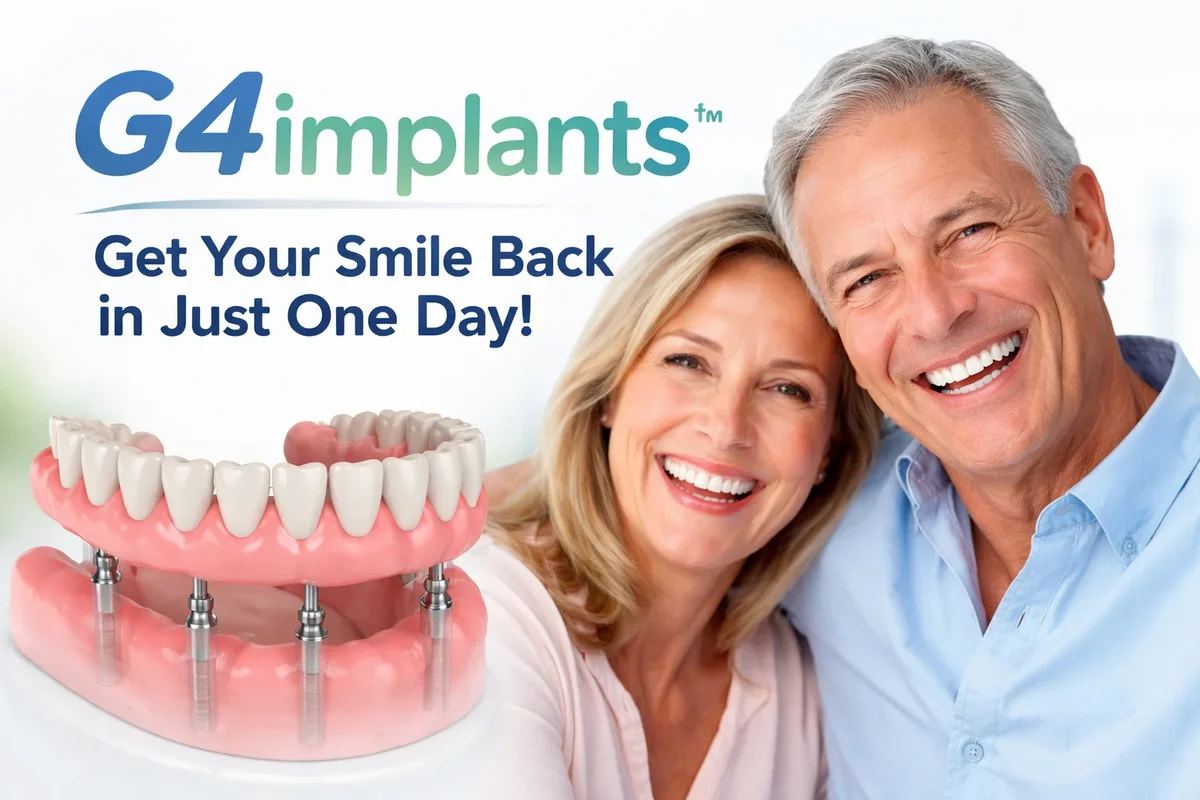
Cost Considerations and Value of G4 Implants Treatment
When evaluating full-arch restoration options, cost is a natural and important concern. G4implants are often perceived as a premium solution, but understanding what the treatment includes—and the long-term value it delivers—helps put the investment into perspective. Rather than focusing only on the initial expense, it is essential to assess g4implants in terms of durability, function, reduced complications, and overall quality of life improvements.
What Is Included in G4 Implants Treatment?
Unlike piecemeal dental procedures, g4implants are typically offered as a comprehensive treatment package. This usually includes diagnostics, digital planning, surgical implant placement, temporary fixed teeth, and the final full-arch prosthesis. Because g4implants are designed as a complete solution, patients benefit from predictable planning and fewer unexpected costs.
Traditional implant approaches may appear less expensive at first glance, but when multiple implants, bone grafting, extended healing periods, and repeated visits are added, the total cost can rise significantly. G4implants consolidate these steps into a streamlined protocol, which often translates into better cost efficiency over time.
Diagnostic and Planning Value
A significant portion of the value of g4implants lies in advanced diagnostics and digital planning. High-resolution imaging, 3D simulations, and prosthetic pre-design ensure precision and reduce the likelihood of complications. This planning phase protects the patient’s investment by improving predictability and long-term success.
Short-Term Cost vs Long-Term Savings
While the initial investment for g4implants may be higher than removable dentures or limited implant solutions, the long-term financial picture often favors g4implants. Dentures typically require frequent relining, replacement, adhesives, and ongoing adjustments. Over years, these recurring expenses can accumulate.
In contrast, g4implants are designed to be stable and durable. With proper care, the implants themselves can last decades, and the prosthetic teeth can be maintained or upgraded without repeating surgery. This long lifespan significantly reduces the need for repeated major dental expenses.
Factors That Influence the Cost of G4 Implants
The cost of g4implants can vary depending on several clinical and logistical factors. Understanding these variables helps patients interpret treatment proposals more accurately.
Bone Condition and Oral Health Status
Although g4implants often eliminate the need for bone grafting, severe oral infections or complex extractions may influence treatment planning. Patients with healthier oral foundations may require fewer preparatory procedures, which can affect overall cost.
Prosthetic Materials Used
The final bridge attached to g4implants can be made from different materials, such as reinforced acrylic or zirconia. Zirconia restorations tend to be more durable and aesthetic, which may influence the overall investment. The choice of material impacts longevity, appearance, and maintenance requirements.
Value Beyond the Price Tag
The true value of g4implants extends far beyond financial considerations. Patients often report significant improvements in comfort, confidence, and daily function. Being able to eat freely, speak clearly, and smile without hesitation has a profound impact on personal and professional life.
From a health perspective, g4implants support better nutrition and help preserve jawbone structure, which can reduce future dental and medical complications. These health benefits contribute to long-term savings by minimizing the need for corrective treatments later in life.
Comparing G4 Implants to Other Tooth Replacement Options
When compared to removable dentures, g4implants offer superior stability, comfort, and function. Dentures may appear more affordable initially, but their limitations often lead patients to seek implant solutions later, resulting in higher cumulative costs.
Compared to traditional full-mouth implant systems, g4implants often provide similar outcomes with fewer implants and reduced surgical complexity. This efficiency is a key reason many patients view g4implants as a high-value option rather than an unnecessary luxury.
Making an Informed Financial Decision
Choosing g4implants should involve a balanced evaluation of cost, benefits, and long-term outcomes. Reputable clinics provide transparent treatment plans and clearly explain what is included in the proposed investment. Patients should feel empowered to ask questions and understand the full scope of care.
In summary, while g4implants represent a significant initial investment, they deliver exceptional long-term value. By combining durability, function, aesthetics, and reduced future dental needs, g4implants offer a cost-effective solution over time. For patients seeking a permanent, high-quality answer to full-arch tooth loss, g4implants stand out as a smart and future-focused choice 🌟.