
If you are researching how to renew teeth implants, you are likely experiencing changes in comfort, function, or appearance after years of implant use. Dental implants are designed to be long-lasting, but they are not always permanent for life. Over time, natural wear, bone changes, or advancements in dental technology can make it necessary to renew teeth implants to restore optimal oral health and confidence 😊. Understanding what renewal involves helps you make informed decisions and avoid complications.
To renew teeth implants does not always mean removing the entire implant system. In many cases, renewal focuses on replacing the visible prosthetic parts such as crowns, bridges, or implant-supported dentures. These components endure daily chewing forces and aesthetic wear, making them the most common elements that require renewal. When patients choose to renew teeth implants at the right time, they can significantly extend the lifespan of the underlying implant post.
One of the main reasons patients renew teeth implants is functional decline. If chewing becomes uncomfortable or unstable, it may signal that the implant crown or abutment has loosened or worn down. Renew teeth implants procedures address these issues by restoring proper bite alignment and comfort. Ignoring early warning signs can lead to unnecessary strain on surrounding teeth and jawbone.
Aesthetic concerns are another major motivation to renew teeth implants. Dental materials used 10–15 years ago may not match today’s standards in color stability or translucency. Modern implant crowns are designed to closely mimic natural enamel, providing a more youthful and realistic appearance. Renewing older implant restorations can dramatically improve your smile without the need for invasive surgery 😁.
From a medical perspective, renewing implants can also help prevent complications such as peri-implantitis. This inflammatory condition affects the tissues around implants and can lead to bone loss if untreated. Dentists often recommend renewing implant components as part of a broader maintenance plan supported by clinical guidelines from organizations like the [American Dental Association](chatgpt://generic-entity?number=0). Proactive care ensures implants continue to function safely and effectively.
Another important aspect of deciding to renew teeth implants is technological advancement. Implant dentistry evolves rapidly, introducing stronger materials, improved surface treatments, and better digital design techniques. When you renew teeth implants using newer technologies, you benefit from increased durability, improved hygiene, and more precise fit. This is especially valuable for patients who received implants many years ago.
Patients often ask whether renewing implants is painful or complex. In most cases, the process is straightforward and minimally invasive. Dentists assess the implant post using imaging techniques and, if it is healthy, simply replace the prosthetic parts. This makes renew teeth implants procedures far less stressful than full implant placement, allowing for faster recovery and minimal discomfort 🦷.
It is also essential to understand that renewing implants is not a one-size-fits-all process. Factors such as oral hygiene habits, smoking, systemic health conditions, and bite forces all influence how often you may need to renew teeth implants. A personalized dental evaluation ensures the renewal plan aligns with your long-term oral health goals.
Choosing the right clinic plays a crucial role in successful outcomes. Experienced dental teams evaluate both function and aesthetics when helping patients renew teeth implants. If you are considering professional guidance or a personalized consultation, you can reach out through the Redent Klinik Contact Page to explore tailored solutions that meet international dental standards.
In summary, to renew teeth implants is a proactive step toward maintaining oral health, comfort, and confidence. Whether driven by functional issues, aesthetic goals, or preventive care, renewal helps protect your investment in dental implants. By acting early and working with qualified professionals, you ensure that your implants continue to serve you reliably for many years to come ✨.
What Does It Mean to Renew Teeth Implants?
When patients hear the phrase renew teeth implants, they often assume it means starting over with a completely new implant surgery. In reality, renewing dental implants usually involves restoring, upgrading, or replacing specific implant components rather than removing the implant post itself. This distinction is critical for understanding both the scope of treatment and the recovery process. To renew teeth implants is often a conservative, highly effective approach that preserves what already works while improving what no longer does 😊.
Dental implants are made up of several parts, each with a different lifespan. The titanium implant post, which integrates with the jawbone, can last decades when properly cared for. However, the visible and functional components—such as the crown, bridge, or abutment—experience daily wear. When dentists recommend that a patient renew teeth implants, they are typically referring to replacing these upper components to restore optimal function and appearance.
Which Parts Are Replaced When You Renew Teeth Implants?
To fully understand the process, it helps to break down the implant structure. Renew teeth implants procedures most often focus on the prosthetic elements rather than the surgically placed post. These components are designed to be replaceable, which is one of the greatest advantages of implant-based dentistry.
Implant Crowns and Bridges
The most commonly renewed component is the implant crown. Over time, crowns may show signs of wear, discoloration, or minor chipping. When you renew teeth implants by replacing the crown, your dentist custom-designs a new restoration that fits the existing implant perfectly. This improves bite comfort, chewing efficiency, and aesthetics without disturbing the jawbone.
Abutments and Connectors
In some cases, dentists may also replace the abutment—the connector between the implant post and the crown. Renew teeth implants at this level can improve stability, correct alignment issues, and reduce the risk of bacterial accumulation. Modern abutments are often designed with better contours to support healthier gums.
Why Renewal Is Different from Full Implant Replacement
Many patients worry that to renew teeth implants means undergoing another surgical procedure. Fortunately, this is rarely the case. Full implant replacement is only necessary if the implant post has failed due to severe bone loss, infection, or trauma. In contrast, renewal focuses on enhancement rather than reconstruction. This makes the decision to renew teeth implants far less intimidating for most patients 😌.
Another key difference is healing time. Renew teeth implants treatments usually require minimal recovery, often allowing patients to resume normal activities the same day. This contrasts sharply with initial implant placement, which involves months of healing and osseointegration.
The Functional Meaning of Renewing Dental Implants
Functionally, to renew teeth implants means restoring proper bite force, balance, and comfort. Over years of use, even high-quality implant restorations can lose their ideal occlusion. This may cause uneven pressure on surrounding teeth or jaw joints. Renew teeth implants procedures recalibrate the bite, helping to protect both natural teeth and implants from excessive stress.
Patients who renew teeth implants often report improved chewing efficiency and reduced jaw fatigue. These benefits extend beyond oral comfort, as proper chewing plays a role in digestion and overall health. In this sense, renewal is not merely cosmetic—it is a functional upgrade.
Aesthetic and Psychological Benefits of Renewal
Aesthetics are another major aspect of what it means to renew teeth implants. Advances in dental ceramics now allow for restorations that are more translucent, natural-looking, and stain-resistant than older materials. Renew teeth implants treatments can dramatically improve smile harmony, especially for patients whose original restorations no longer match their natural teeth.
The psychological impact should not be underestimated. Many patients feel a renewed sense of confidence after choosing to renew teeth implants, especially if they had grown self-conscious about visible wear or discoloration. A refreshed smile often translates into improved self-esteem and social comfort 😄.
When Dentists Typically Recommend Renewal
Dentists usually suggest renewal during routine check-ups when they notice early signs of wear or functional compromise. Renew teeth implants at the right time helps prevent minor issues from developing into major problems. Regular monitoring ensures that renewal is proactive rather than reactive.
In summary, to renew teeth implants means preserving the strong foundation of your existing implant while upgrading the parts that experience natural aging. It is a strategic, patient-friendly approach that enhances durability, comfort, and appearance. Understanding this concept empowers patients to make confident, informed decisions about their long-term oral health ✨.
Signs That Indicate You Need to Renew Teeth Implants
Recognizing the early signs that signal it may be time to renew teeth implants is essential for protecting your oral health and avoiding more complex treatments later on. Dental implants are durable, but the components above the gumline are subject to constant pressure, moisture, and bacterial exposure. When these parts begin to change, your mouth often sends subtle warnings. Paying attention to these signals helps you renew teeth implants at the right moment—before discomfort or damage escalates 😊.
Physical Discomfort and Functional Changes
One of the most common indicators that you should renew teeth implants is a noticeable change in comfort. If an implant-supported tooth feels different when chewing or biting, it may suggest wear in the crown or a loosening of the abutment. While mild sensitivity can occur occasionally, persistent discomfort is not normal and should prompt an evaluation.
Pain When Chewing or Biting
Implants themselves do not contain nerves, so pain often originates from surrounding tissues or mechanical stress. When patients need to renew teeth implants, pain is frequently linked to uneven bite forces or micro-movements in the prosthetic components. Renewing worn parts can rebalance the bite and eliminate pressure points that cause discomfort.
Mobility or Instability
A stable implant should feel just like a natural tooth. If you notice any movement, even slight, it is a strong sign that you may need to renew teeth implants. In many cases, the implant post remains secure, but the crown or abutment has loosened. Addressing this early prevents damage to the implant itself.
Visual and Aesthetic Warning Signs
Changes you can see are just as important as changes you feel. Aesthetic issues often motivate patients to renew teeth implants, especially when the implant is visible in the smile zone.
Discoloration or Wear of the Crown
Over time, implant crowns can lose their original luster or develop stains that do not respond to professional cleaning. Older materials are more prone to discoloration compared to modern ceramics. If your implant crown looks darker or duller than surrounding teeth, it may be time to renew teeth implants for a more natural, refreshed appearance 😁.
Chips, Cracks, or Uneven Edges
Minor chips or cracks may seem purely cosmetic, but they can harbor bacteria and compromise the integrity of the restoration. Renew teeth implants by replacing damaged crowns helps maintain oral hygiene and prevents further deterioration.
Gum and Tissue Changes Around the Implant
The health of the gums around an implant is a crucial indicator of its long-term success. Changes in this area often signal the need to renew teeth implants or adjust implant components.
Redness, Swelling, or Bleeding
Healthy implant gums should appear firm and pink. Persistent redness, swelling, or bleeding may indicate irritation or early inflammation. In some cases, renewing the abutment or crown improves gum contour and makes hygiene easier, reducing inflammation risk.
Receding Gums Around the Implant
Gum recession can expose metal components or create dark shadows near the gumline. When this occurs, dentists may recommend that you renew teeth implants with updated components designed to support better soft tissue integration. This not only improves appearance but also protects the implant from bacterial exposure.
Changes in Bite or Jaw Comfort
Your bite naturally evolves over time due to tooth wear and minor shifting. Implant restorations, however, do not move on their own. This mismatch can create bite imbalances that signal the need to renew teeth implants.
Jaw Tension or Headaches
If you experience jaw fatigue, tension, or frequent headaches, your implant restoration may no longer align properly with your bite. Renew teeth implants procedures often involve adjusting or replacing crowns to restore harmony between implants and natural teeth, relieving strain on the jaw joints.
Professional Evaluation and Diagnostic Signs
Not all warning signs are obvious to patients. During routine check-ups, dentists may detect issues that suggest it is time to renew teeth implants.
X-rays and digital scans can reveal wear patterns, minor gaps, or early bone changes around the implant. When identified early, these findings allow for conservative renewal rather than invasive intervention. Dentists often recommend renewal as a preventive strategy to extend implant longevity.
In summary, the need to renew teeth implants is often signaled by a combination of physical sensations, visual changes, and professional findings. By staying alert to these signs and seeking timely dental advice, you can maintain comfort, aesthetics, and function for many years. Early renewal is not a setback—it is a smart, proactive step toward lasting oral health ✨.
Why Dental Implants May Need Renewal Over Time
Many patients are surprised to learn that even high-quality dental implants may eventually require attention. Choosing to renew teeth implants is not a sign of failure; rather, it reflects the natural aging process of dental materials and the dynamic environment of the mouth. Understanding why renewal becomes necessary over time helps patients set realistic expectations and take proactive steps to protect their oral health 😊.
Natural Wear and Tear on Implant Components
Although the implant post itself is designed to integrate permanently with the jawbone, the parts above the gumline endure constant stress. Chewing, grinding, temperature changes, and daily oral hygiene all contribute to gradual wear. Over the years, these forces can affect crowns, bridges, and abutments, making it necessary to renew teeth implants to maintain proper function.
Chewing Forces and Material Fatigue
Every time you bite or chew, pressure is transferred through the implant restoration. While modern materials are extremely strong, no material is immune to fatigue. Small micro-fractures or surface wear can develop over time. Renew teeth implants by replacing worn restorations helps restore strength and prevents sudden failure during everyday activities.
Teeth Grinding and Clenching
Patients who grind or clench their teeth place additional stress on implant restorations. This habit accelerates wear and increases the likelihood that you will need to renew teeth implants sooner than expected. Dentists often recommend renewal alongside protective solutions such as night guards to reduce future damage.
Changes in the Jawbone and Oral Anatomy
Your mouth is not static; it changes throughout life. Even with implants, subtle shifts in bone density and gum contours can occur. These changes may affect how implant restorations fit and function, prompting the need to renew teeth implants.
Bone Remodeling Over Time
Jawbone naturally remodels in response to stress and aging. While implants help preserve bone, slight changes can still occur. If the surrounding bone structure shifts, the visible restoration may no longer sit perfectly. Renew teeth implants allows dentists to adapt the prosthetic components to the current anatomy, maintaining comfort and stability.
Gum Tissue Changes and Aesthetic Impact
Gums may recede slightly over the years, especially in areas of high bite pressure. This can expose edges of older restorations or create dark shadows near the gumline. Renew teeth implants with updated designs improves gum support and restores a natural appearance 😄.
Advancements in Dental Technology and Materials
One of the most positive reasons to renew teeth implants is technological progress. Implant dentistry has advanced significantly, offering materials and designs that outperform older restorations in durability, hygiene, and aesthetics.
Improved Ceramic and Zirconia Materials
Modern implant crowns are often made from advanced ceramics or zirconia, which offer superior strength and color stability. Patients who received implants many years ago may benefit greatly when they renew teeth implants using these newer materials. The result is a restoration that looks more natural and lasts longer.
Digital Design and Precision Fit
Digital scanning and CAD/CAM technology allow for extremely precise restorations. Renew teeth implants using digital workflows ensures a better fit, reducing plaque accumulation and improving long-term comfort. Older restorations created with traditional methods may not offer the same level of precision.
Biological Factors That Influence Implant Longevity
Individual health factors play a significant role in determining when patients need to renew teeth implants. Conditions such as diabetes, smoking, and certain medications can affect gum and bone health over time.
Oral Hygiene and Maintenance Habits
Even the best implants require consistent care. Inadequate cleaning around implant restorations can lead to inflammation and bacterial buildup. In many cases, dentists recommend that patients renew teeth implants to improve hygiene access and reduce the risk of complications.
Inflammation and Preventive Renewal
Early signs of inflammation around an implant do not always require removal of the implant post. Instead, renewing the prosthetic components can resolve the issue by improving fit and gum health. This preventive approach helps extend the lifespan of the implant system.
Functional and Lifestyle Changes
Over the years, lifestyle changes such as dietary habits or tooth loss elsewhere in the mouth can affect how implants function. As bite dynamics change, implant restorations may no longer distribute forces evenly.
Renew teeth implants in response to these changes helps rebalance the bite and protect both implants and natural teeth. This proactive approach supports long-term oral comfort and reduces the risk of secondary issues such as jaw pain or uneven wear.
In conclusion, there are many valid reasons why patients eventually choose to renew teeth implants. Natural wear, anatomical changes, technological advancements, and individual health factors all contribute to the timing of renewal. Far from being a setback, renewing implant restorations is a strategic step that preserves function, enhances aesthetics, and supports lasting oral health ✨.
The Step-by-Step Process to Renew Teeth Implants
Understanding the clinical process to renew teeth implants helps patients feel confident and prepared before starting treatment. One of the biggest advantages of implant dentistry is that renewal is usually far simpler than the original implant placement. In most cases, the implant post remains fully integrated in the jawbone, and the renewal process focuses on restoring function, comfort, and aesthetics with minimal disruption 😊.
Initial Consultation and Implant Assessment
The first step to renew teeth implants always begins with a comprehensive dental evaluation. During this visit, the dentist carefully examines both the implant and the surrounding tissues. The goal is to determine whether the implant post is healthy and suitable for continued use.
Clinical Examination and Patient Feedback
Your dentist will ask detailed questions about comfort, chewing ability, and any changes you have noticed. Symptoms such as pressure sensitivity or instability often guide the decision to renew teeth implants. A visual inspection helps identify wear, discoloration, or damage to the crown or abutment.
Digital Imaging and Diagnostics
Advanced imaging such as digital X-rays or 3D scans is used to assess the implant post and surrounding bone. This step is critical to confirm that the implant itself is stable. When diagnostics show healthy bone integration, patients can confidently proceed to renew teeth implants without surgical intervention.
Treatment Planning and Customization
Once the implant is deemed healthy, the dentist develops a personalized treatment plan. Renew teeth implants is not a generic procedure; it is tailored to the patient’s bite, smile design, and functional needs.
Selecting the Right Materials
Modern renewal often involves upgrading to advanced materials such as zirconia or high-strength ceramics. These materials are chosen for durability, natural appearance, and compatibility with gum tissue. When patients renew teeth implants using contemporary materials, they benefit from improved longevity and aesthetics.
Bite Analysis and Occlusion Planning
A precise bite analysis ensures that the renewed restoration distributes forces evenly. Improper bite alignment is a common reason older restorations wear out prematurely. Renew teeth implants with proper occlusal planning helps protect both the implant and neighboring teeth from excessive stress.
Removal of the Old Restoration
The next step involves carefully removing the existing crown, bridge, or denture attached to the implant. This process is typically quick and painless, as it does not involve bone or nerves.
Dentists use specialized tools to detach the old restoration without damaging the implant post. This step highlights one of the key benefits of choosing to renew teeth implants rather than replace them entirely—the foundation remains intact.
Placement of the New Implant Restoration
After removal, the dentist prepares the implant for the new restoration. Depending on the case, this may include replacing or adjusting the abutment to ensure optimal fit.
Temporary vs. Permanent Restorations
In some situations, a temporary crown is placed while the final restoration is being fabricated. This allows patients to maintain normal function and appearance during the transition. Once the final crown is ready, the dentist securely places it, completing the renew teeth implants process.
Final Fit and Aesthetic Evaluation
The dentist carefully checks the fit, color, and bite alignment of the new restoration. Small adjustments ensure comfort and a natural look. Patients who renew teeth implants often notice immediate improvements in chewing efficiency and smile aesthetics 😁.
Post-Renewal Instructions and Follow-Up
After the procedure, patients receive detailed aftercare guidance. While recovery is minimal, proper care is essential to protect the renewed components.
Short-Term Care After Renewal
Patients are typically advised to avoid very hard foods for a short period and maintain excellent oral hygiene. Mild sensitivity may occur, but it usually resolves quickly. Renew teeth implants procedures rarely require downtime, allowing patients to return to daily routines almost immediately.
Long-Term Maintenance and Monitoring
Regular dental check-ups play a key role in maintaining renewed implants. Professional cleanings and periodic evaluations help ensure that the new restoration continues to perform optimally. Dentists often emphasize preventive care as the best way to maximize the benefits when you renew teeth implants.
Why the Renewal Process Is Patient-Friendly
Compared to initial implant placement, renewal is significantly less invasive. There is usually no surgery, no lengthy healing period, and minimal discomfort. This makes the decision to renew teeth implants appealing for patients who want effective results without extensive treatment.
In summary, the step-by-step process to renew teeth implants is carefully designed to be efficient, precise, and patient-centered. From thorough diagnostics to customized restorations and follow-up care, each phase focuses on preserving the implant foundation while enhancing function and appearance. When performed by experienced professionals, renewal is a seamless way to extend the life of your dental implants and enjoy long-term oral health ✨.
Who Is a Good Candidate to Renew Teeth Implants?
Deciding to renew teeth implants is a highly individualized choice, and not every patient has the same needs or timing. The good news is that most people with existing dental implants are excellent candidates for renewal, especially when the implant post itself remains healthy. Understanding who benefits most from renewal helps patients make confident, informed decisions about their long-term oral health 😊.
Patients with Stable Implant Posts
The most important factor in determining candidacy is the condition of the implant post. When the titanium post is firmly integrated into the jawbone, patients are usually ideal candidates to renew teeth implants. A stable post means that renewal can focus entirely on upgrading or replacing the prosthetic components without surgical intervention.
Healthy Bone Integration
Candidates who renew teeth implants successfully typically have sufficient bone support around the implant. Even if minor bone changes have occurred over time, as long as the implant remains stable, renewal is often straightforward. Dentists confirm this through imaging and clinical evaluation before proceeding.
No Advanced Infection or Implant Failure
Patients without advanced peri-implant infection are better suited to renew teeth implants rather than replace them. Early inflammation can often be managed through renewal and improved design, whereas advanced implant failure may require more complex treatment.
Patients Experiencing Wear or Functional Decline
Functional issues are a common reason patients become candidates to renew teeth implants. These issues may develop gradually and are not always painful at first.
Difficulty Chewing or Bite Changes
If chewing feels uneven or uncomfortable, it may indicate that the implant crown has worn down or no longer aligns properly with the bite. Patients experiencing these symptoms often benefit significantly when they renew teeth implants, as proper bite alignment restores comfort and efficiency.
Loose or Damaged Restorations
A loose crown or visible damage does not automatically mean implant failure. In many cases, the implant post remains intact, making the patient an excellent candidate to renew teeth implants by simply replacing the damaged components.
Patients Seeking Aesthetic Improvement
Aesthetics play a major role in determining candidacy. Many patients choose to renew teeth implants not because of pain, but because they want a more natural and youthful smile.
Outdated Materials or Color Mismatch
Older implant restorations may appear darker, flatter, or less natural compared to today’s materials. Patients who feel their implant no longer blends with their natural teeth are strong candidates to renew teeth implants using modern ceramics that better mimic enamel 😁.
Gum Recession or Visible Metal Edges
When gums recede slightly, metal components may become visible. Renewal with updated abutments and crowns can dramatically improve appearance and gum support, making these patients ideal candidates to renew teeth implants.
Patients with Good Oral Hygiene Habits
Long-term success after renewal depends heavily on oral hygiene. Patients who maintain consistent brushing, flossing, and regular dental visits are more likely to benefit from renewing implants.
Commitment to Maintenance
Those willing to follow professional care recommendations are excellent candidates to renew teeth implants. Good hygiene reduces the risk of inflammation and ensures that new restorations last as long as possible.
Patients with Controlled Medical Conditions
Many people worry that medical conditions automatically disqualify them from implant-related treatments. In reality, many patients with controlled health conditions can safely renew teeth implants.
Diabetes and Systemic Health Factors
Patients with well-managed diabetes or other chronic conditions are often suitable candidates, provided their condition is stable. Dentists evaluate overall health to ensure that renewing implant components will not pose unnecessary risks.
Non-Smokers or Reduced Smoking Habits
Smoking can affect gum health and healing. Patients who do not smoke—or who have significantly reduced smoking—are more likely to achieve successful outcomes when they renew teeth implants.
Who May Need Additional Evaluation Before Renewal
Not every patient can proceed immediately. Those with significant bone loss, untreated infection, or poor oral hygiene may require preliminary treatment before renewal. However, this does not automatically exclude them; it simply means that renewal must be carefully planned.
In summary, a good candidate to renew teeth implants is someone with a stable implant post, manageable oral and systemic health, and a desire to improve function or aesthetics. Whether motivated by comfort, appearance, or prevention, most implant patients can benefit from renewal when evaluated properly. With professional assessment and personalized planning, renewing dental implants becomes a practical and rewarding step toward lasting oral health ✨.
Renew Teeth Implants vs. Replacing Traditional Dental Work
When patients consider whether to renew teeth implants or replace traditional dental work such as crowns, bridges, or dentures, the decision often comes down to longevity, comfort, and overall value. While both options aim to restore function and aesthetics, they differ significantly in structure, durability, and long-term outcomes. Understanding these differences helps patients choose the most effective path for their oral health 😊.
Structural Differences Between Implants and Traditional Dental Work
Traditional dental restorations rely on natural teeth or gums for support, whereas implants are anchored directly into the jawbone. This fundamental difference explains why the approach to maintenance and renewal varies.
Support and Stability
When you renew teeth implants, the foundation—the implant post—remains securely integrated with the bone. This provides exceptional stability that traditional crowns or bridges cannot match. In contrast, replacing traditional dental work often involves reshaping adjacent natural teeth or adjusting removable appliances, which may compromise surrounding structures over time.
Impact on Adjacent Teeth
Traditional bridges require support from neighboring teeth, which can weaken them over the years. Choosing to renew teeth implants avoids this issue entirely, as implants are self-supporting. This makes renewal a more conservative option that preserves natural tooth structure.
Longevity and Durability Comparison
One of the most compelling reasons patients choose to renew teeth implants instead of replacing traditional restorations is longevity. Implant posts can last decades, while traditional dental work often has a shorter lifespan.
Expected Lifespan of Restorations
Traditional crowns and bridges typically last 7–15 years before needing replacement due to wear, decay at the margins, or structural failure. When patients renew teeth implants, they are often extending a system designed to last far longer. Replacing only the worn components allows for continuous use of the same stable foundation.
Resistance to Decay
Natural teeth supporting traditional restorations remain susceptible to cavities. Implants, however, are not affected by decay. By choosing to renew teeth implants, patients eliminate one of the most common reasons traditional dental work fails.
Functional Performance in Daily Life
Function is a key factor when comparing renewal and replacement options. How a restoration feels during eating, speaking, and daily activities greatly influences patient satisfaction.
Chewing Efficiency and Bite Strength
Implants closely mimic natural tooth roots, allowing for stronger and more balanced chewing forces. Patients who renew teeth implants often experience superior chewing efficiency compared to those using traditional bridges or dentures. Replacing traditional dental work may restore basic function, but it rarely achieves the same level of stability.
Comfort and Confidence
Removable dentures or aging bridges can shift, click, or feel bulky. Renew teeth implants procedures maintain a fixed, secure restoration that feels natural and predictable. This stability boosts confidence in social and professional situations 😄.
Aesthetic Outcomes and Smile Quality
Aesthetics play a major role in modern dentistry. Patients want restorations that look natural and blend seamlessly with their smile.
Natural Appearance Over Time
Older traditional restorations may show dark margins or discoloration near the gumline. When patients renew teeth implants, they can upgrade to modern materials that offer superior color stability and translucency. This often results in a more youthful, natural-looking smile.
Gum Health and Visual Harmony
Implants support healthy gum contours when properly designed. Renew teeth implants treatments can correct aesthetic issues caused by gum recession or outdated designs, while traditional dental work may struggle to maintain gum aesthetics long term.
Maintenance and Long-Term Care
Both implants and traditional dental work require care, but the type and frequency of maintenance differ.
Ease of Cleaning
Implant restorations are often easier to clean than bridges, which can trap food beneath artificial teeth. Renew teeth implants with updated designs can further improve hygiene access, reducing inflammation risk.
Cost-Effectiveness Over Time
While traditional dental work may appear less expensive initially, repeated replacements add up. Renew teeth implants focuses on preserving the durable implant post, making it a cost-effective strategy over the long term. Fewer full replacements mean fewer invasive procedures and less cumulative expense.
Decision-Making: Which Option Is Right for You?
The choice between renewing implants and replacing traditional dental work depends on individual circumstances. Patients with existing implants and healthy bone are often better served by renewal. Those without implants may consider them as a long-term alternative to traditional solutions.
In summary, choosing to renew teeth implants offers distinct advantages over repeatedly replacing traditional dental work. Greater stability, longer lifespan, improved aesthetics, and better overall comfort make renewal a forward-thinking option. By understanding these differences, patients can invest wisely in solutions that support lasting oral health and confidence ✨.
How Long Do Renewed Teeth Implants Last?
One of the most common and important questions patients ask before deciding to renew teeth implants is how long the renewed restorations will last. The answer depends on several factors, including the condition of the implant post, the materials used during renewal, oral hygiene habits, and lifestyle choices. While no dental restoration lasts forever, renewed implant components are designed to provide long-term reliability, comfort, and aesthetics when properly maintained 😊.
Understanding Implant Longevity After Renewal
To understand longevity, it is important to separate the implant system into two parts: the implant post and the prosthetic components. When patients renew teeth implants, the post usually remains in place, while the crown, bridge, or abutment is replaced. Each part has a different expected lifespan.
The Implant Post: A Long-Term Foundation
If the implant post is healthy and well-integrated with the jawbone, it can last several decades and, in many cases, a lifetime. Renew teeth implants does not reset the clock on the implant post; instead, it preserves this strong foundation. Studies consistently show high long-term survival rates for implant posts when patients maintain good oral hygiene and attend regular dental check-ups.
The Renewed Crown or Restoration
The prosthetic components placed during renewal typically last between 10 and 20 years, depending on material choice and usage. When patients renew teeth implants using modern ceramics or zirconia, they often achieve greater durability and color stability compared to older materials. These improvements significantly extend the functional and aesthetic lifespan of the restoration.
Factors That Influence How Long Renewed Implants Last
Several individual and clinical factors determine how long results will last after you renew teeth implants. Understanding these variables helps patients take an active role in protecting their investment.
Oral Hygiene and Daily Care
Consistent oral hygiene is one of the most influential factors. Brushing twice daily, flossing around implant restorations, and using interdental cleaners reduce plaque accumulation. Patients who maintain excellent hygiene tend to enjoy longer-lasting results after they renew teeth implants.
Regular Professional Maintenance
Routine dental visits allow early detection of minor issues such as bite imbalance or gum inflammation. Dentists can make small adjustments that prevent premature wear. Professional cleanings are especially important for patients who renew teeth implants, as they help maintain healthy tissues around the implant.
Lifestyle Habits and Their Impact on Longevity
Everyday habits can significantly influence how long renewed implant restorations remain functional and attractive.
Teeth Grinding and Bite Forces
Patients who grind or clench their teeth place additional stress on implant restorations. Without protection, this can shorten the lifespan of renewed components. Dentists often recommend night guards to patients who renew teeth implants and show signs of grinding, helping protect the restoration from excessive forces.
Dietary Choices
Frequent consumption of very hard foods or habits such as chewing ice can accelerate wear. While renewed implant crowns are strong, moderation helps preserve them. Patients who renew teeth implants and follow dietary guidance typically experience fewer complications.
The Role of Modern Materials and Technology
One of the biggest advantages of renewal today is access to advanced materials and digital technology.
Advanced Ceramics and Zirconia
Modern materials offer superior fracture resistance and long-term color stability. When patients renew teeth implants with these materials, they often achieve restorations that outperform older options in both durability and appearance.
Precision Fit Through Digital Dentistry
Digital impressions and CAD/CAM fabrication create restorations with exceptional precision. A better fit reduces stress on the implant and surrounding tissues, directly contributing to longer-lasting results after you renew teeth implants.
Signs That a Renewed Implant May Need Attention
Even with excellent care, renewed restorations should be monitored. Subtle changes such as bite discomfort or visible wear may indicate that minor adjustments are needed. Early intervention ensures that renewed implants continue to perform optimally.
Dentists often emphasize that longevity is not just about materials—it is about partnership between patient and provider. When patients remain engaged in their care, the benefits of renewal are maximized.
In conclusion, patients who renew teeth implants can expect long-lasting results, often enjoying a decade or more of reliable function and aesthetics from renewed components, while preserving the implant post for many years beyond. With proper hygiene, professional maintenance, and modern materials, renewed implants are a durable, dependable solution that supports long-term oral health and confidence ✨.
Costs, Materials, and Technology Used to Renew Teeth Implants
For many patients, understanding the financial and technical aspects of how to renew teeth implants is just as important as knowing the clinical benefits. Renewal is often far more affordable and efficient than full implant replacement, especially because the implant post is usually preserved. Costs vary depending on materials, technology, and individual needs, but modern implant dentistry offers flexible solutions that balance durability, aesthetics, and long-term value 😊.
What Determines the Cost to Renew Teeth Implants?
The total cost to renew teeth implants is influenced by several interconnected factors. Unlike initial implant placement, renewal focuses on prosthetic components, making it more predictable and often less expensive.
Type of Restoration Being Replaced
The most significant cost factor is whether you are renewing a single implant crown, a bridge, or an implant-supported denture. Renew teeth implants for a single crown is typically the most straightforward option, while renewing larger restorations requires more materials and customization.
Condition of the Existing Implant
If the implant post is healthy, costs remain lower because no surgical intervention is needed. However, if minor adjustments or component replacements are required, this can slightly affect pricing. Patients who renew teeth implants early often avoid additional costs associated with complications.
Average Cost Range for Renewing Implant Restorations
While prices vary by country and clinic, renewal is generally more cost-effective than starting from scratch. Below is a general reference range based on commonly reported international dental fees.
- Implant Crown Renewal: $600 – $1,500
- Abutment Replacement (if needed): $200 – $600
- Implant Bridge Renewal (per unit): $800 – $2,000
These figures are indicative and may vary depending on materials, technology, and geographic location. Many patients choose to renew teeth implants in clinics that offer transparent pricing and modern treatment planning to optimize value.
Materials Used to Renew Teeth Implants
Material selection plays a major role in both cost and performance. Advances in dental materials have significantly improved the outcomes of renewal treatments.
High-Strength Ceramic Crowns
Modern ceramic crowns are widely used when patients renew teeth implants due to their natural appearance and durability. These materials closely mimic the translucency of natural enamel and resist staining over time, making them ideal for visible areas of the smile 😁.
Zirconia Implant Restorations
Zirconia is one of the most advanced materials available today. It offers exceptional strength and biocompatibility, making it suitable for both aesthetic and high-load areas. Patients who renew teeth implants with zirconia often benefit from longer-lasting restorations and excellent gum response.
Abutment Materials
Abutments may be made from titanium or zirconia, depending on functional and aesthetic needs. Renew teeth implants with updated abutment designs can improve gum support and hygiene access, contributing to long-term success.
Technology That Enhances Implant Renewal
Technology has transformed how dentists plan and execute renewal procedures. Modern tools improve precision, comfort, and predictability.
Digital Scanning and Impressions
Digital impressions replace traditional molds, offering greater accuracy and comfort. When dentists renew teeth implants using digital scans, the resulting restorations fit more precisely, reducing stress on the implant and surrounding tissues.
CAD/CAM Design and Manufacturing
Computer-aided design and manufacturing allow for highly customized restorations. CAD/CAM technology ensures that renewed crowns and bridges align perfectly with the patient’s bite. This precision directly impacts how long renewed restorations last after you renew teeth implants.
3D Imaging and Treatment Planning
Advanced imaging helps dentists evaluate implant position, bone health, and bite dynamics. This comprehensive planning minimizes errors and supports optimal outcomes during renewal.
Balancing Cost and Long-Term Value
While cost is an important consideration, patients are encouraged to think in terms of long-term value. Renew teeth implants using high-quality materials and modern technology often reduces the need for future repairs or adjustments.
Choosing cheaper materials or outdated techniques may lower upfront costs but increase the likelihood of premature wear. Investing in quality renewal ensures better function, aesthetics, and longevity.
Why Professional Expertise Matters
The success of renewal depends not only on materials and technology but also on clinical expertise. Skilled dental teams evaluate both mechanical and biological factors when planning to renew teeth implants. This comprehensive approach minimizes risks and maximizes patient satisfaction.
In conclusion, the cost to renew teeth implants reflects a combination of materials, technology, and professional care. With modern ceramics, digital dentistry, and precise planning, renewal offers excellent value and long-term reliability. By understanding these elements, patients can make informed decisions that protect their oral health, comfort, and smile for years to come ✨.
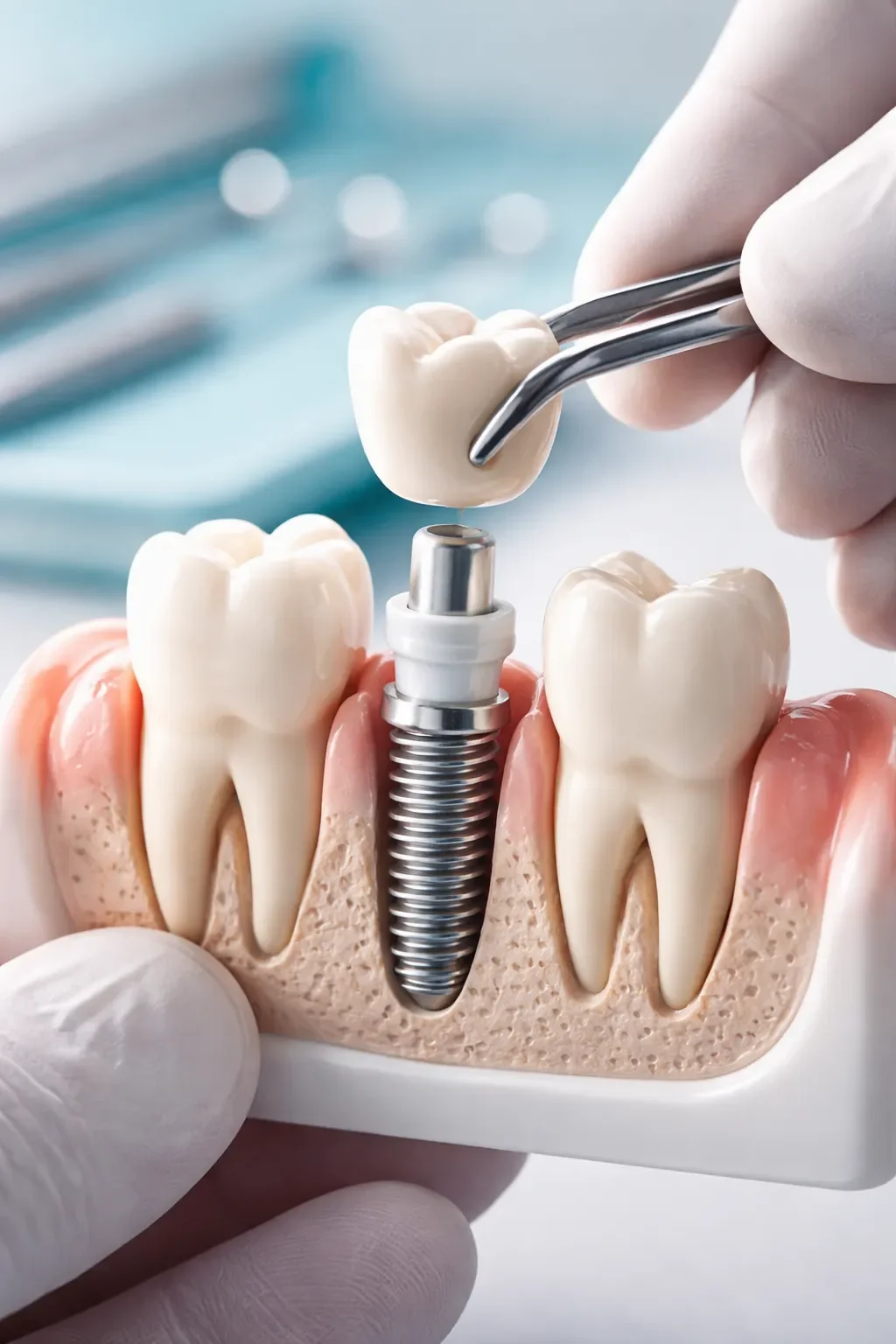
Aftercare Tips to Protect Your Renewed Teeth Implants
Once you renew teeth implants, proper aftercare becomes the single most important factor in ensuring long-term success. Renewal restores function, comfort, and aesthetics, but the longevity of the results depends heavily on how well the renewed components are maintained. Fortunately, aftercare for renewed implants is straightforward and fits easily into daily routines when done consistently 😊.
The First Days After You Renew Teeth Implants
The immediate period after renewal is usually smooth, especially since the procedure rarely involves surgery. However, these first days set the tone for long-term outcomes.
Managing Sensitivity and Comfort
It is normal to experience mild sensitivity or a sense of tightness after you renew teeth implants, particularly as your bite adapts to the new restoration. This typically resolves within a few days. Avoid very hard or sticky foods during this adjustment period to prevent unnecessary stress on the renewed components.
Being Mindful of Your Bite
Pay attention to how your teeth come together when chewing. If something feels uneven or uncomfortable after you renew teeth implants, contact your dentist promptly. Early bite adjustments are simple and help prevent long-term wear or strain.
Daily Oral Hygiene for Renewed Implants
Excellent oral hygiene is essential after renewal. While implants cannot decay like natural teeth, the surrounding gums and bone still require protection.
Brushing Techniques
Brush at least twice a day using a soft-bristled toothbrush. Focus on the gumline around the implant restoration, where plaque tends to accumulate. Patients who renew teeth implants benefit greatly from gentle but thorough brushing that keeps the tissues healthy.
Flossing and Interdental Cleaning
Flossing around implant restorations is crucial. Special implant floss or interdental brushes can help clean areas that standard floss may miss. When you renew teeth implants, your dentist may recommend specific tools to make cleaning easier and more effective.
Professional Maintenance and Follow-Up Care
Even with excellent home care, professional monitoring is essential to protect renewed implants.
Regular Dental Check-Ups
Routine dental visits allow your dentist to evaluate the condition of the renewed restoration and the surrounding tissues. During these visits, bite alignment is checked, and any early signs of wear are addressed. Patients who renew teeth implants and attend regular check-ups enjoy significantly longer-lasting results.
Professional Cleanings
Professional cleanings remove hardened plaque and bacteria that cannot be eliminated at home. Dental hygienists use specialized instruments designed for implants, ensuring that renewed components are cleaned safely and effectively.
Lifestyle Habits That Protect Renewed Implants
Everyday habits play a major role in how long renewed restorations last. Small changes can make a big difference.
Avoiding Harmful Habits
Avoid using your teeth to open packages or bite on very hard objects such as ice. These habits can damage even the strongest restorations. Patients who renew teeth implants and avoid unnecessary stress protect their investment long term.
Managing Teeth Grinding
If you grind or clench your teeth, especially at night, a custom night guard may be recommended. Grinding places excessive force on implant restorations and can shorten their lifespan. Using a night guard after you renew teeth implants significantly reduces this risk.
Dietary Considerations After Renewal
Diet influences both comfort and durability following renewal.
Balanced Eating Habits
A balanced diet supports gum health and bone stability. While renewed implant restorations are strong, moderation with very hard or sticky foods helps preserve their surface and structure.
Hydration and Oral Health
Staying well-hydrated supports saliva production, which plays a key role in controlling oral bacteria. Good hydration indirectly helps protect the tissues around renewed implants.
Recognizing Early Warning Signs
Even with ideal care, it is important to remain alert to changes.
When to Contact Your Dentist
Signs such as persistent discomfort, gum redness, or changes in how the restoration feels should not be ignored. Early intervention ensures that small issues do not compromise the success of your renewed implants.
Long-Term Commitment to Implant Health
Renewal is not the end of the journey—it is a new phase of maintenance. Patients who view renewal as part of an ongoing care plan achieve the best outcomes.
In conclusion, after you renew teeth implants, consistent aftercare is the key to preserving function, aesthetics, and comfort for many years. With proper hygiene, regular professional care, mindful habits, and early attention to changes, renewed implants can remain strong, stable, and natural-looking well into the future ✨.