
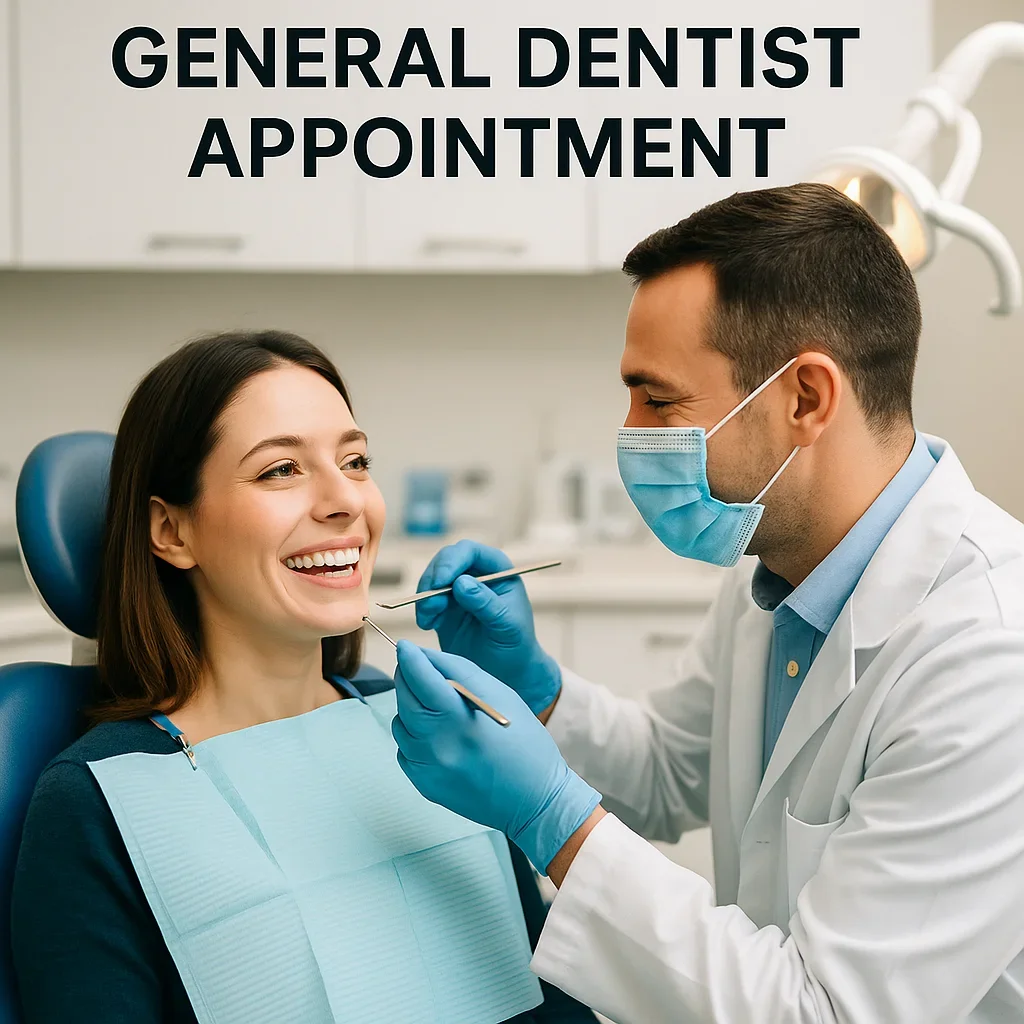
Scheduling a general dentist appointment is one of the most effective ways to maintain lifelong oral health. Whether you’re going in for a routine checkup, a professional cleaning, or to address specific concerns like tooth sensitivity, these visits form the cornerstone of preventive dental care. A general dentist is not just a professional who examines your teeth; they are your long-term partner in keeping your mouth, gums, and jaw in optimal condition. Regular appointments help prevent cavities, identify issues early, and promote overall wellness — since oral health is directly linked to your heart, digestion, and even mental well-being. 🦷
When you book your first general dentist appointment, it typically starts with a detailed review of your medical and dental history. Your dentist will ask about any medications you’re taking, past treatments, and current symptoms. This background allows them to tailor your care and spot potential risks. For instance, conditions like diabetes or hypertension can influence how your gums respond to treatment. Understanding these links ensures your dentist can deliver safe and customized care for your specific needs.
The next step usually involves a comprehensive oral examination. During this stage, the dentist or hygienist uses specialized tools to check for cavities, plaque buildup, gum inflammation, and early signs of disease. In most cases, X-rays are also taken to provide a clear view of areas that can’t be seen by the naked eye — such as between teeth or beneath fillings. These digital X-rays are quick, safe, and essential for detecting hidden problems like impacted teeth, bone loss, or infection. 💡
One of the highlights of any general dentist appointment is the professional cleaning session. Even if you brush and floss daily, plaque and tartar can accumulate in hard-to-reach places. A dental hygienist uses ultrasonic instruments and fine scaling tools to remove these deposits, leaving your teeth smooth and polished. Polishing also helps prevent bacteria from sticking to tooth surfaces, reducing your risk of future decay. Afterward, a fluoride treatment may be applied to strengthen your enamel and protect against cavities for months to come.
Beyond cleaning, your dentist might perform an oral cancer screening — a quick but vital check that involves examining your tongue, throat, cheeks, and jaw for unusual spots or lumps. Early detection is crucial for successful treatment, and many patients are unaware that their general dentist appointment includes this life-saving service. The dentist may also assess your bite and jaw alignment to identify issues that could lead to headaches, TMJ pain, or tooth wear over time.
Patient education is another key aspect of these visits. Your dentist won’t just clean your teeth — they’ll guide you on proper brushing techniques, recommend the right toothbrush and toothpaste, and explain how diet affects oral health. 🍎 For instance, reducing sugar intake and drinking plenty of water can drastically cut down on cavity formation. You may also receive personalized advice on flossing, tongue cleaning, and managing bad breath. This proactive approach helps you maintain results long after your appointment ends.
Most dental professionals recommend having a general dentist appointment every six months. However, the frequency may vary based on your individual needs. Patients with gum disease, braces, or chronic health conditions might need more frequent visits. Think of these checkups as preventive maintenance — just like regular oil changes keep your car running smoothly, consistent dental care keeps your smile strong and problem-free. 🪥
In modern clinics like Redent Klinik Contact Page, you can expect a comfortable, patient-centered experience. From digital imaging to pain-free ultrasonic cleaning tools, every detail is designed to reduce anxiety and maximize results. Many clinics also offer reminders via text or email to ensure you never miss your next visit. And if you’re unsure about what’s included in your first session, you can always ask the staff to explain each step beforehand — transparency builds trust and helps you feel in control of your oral care journey.
Finally, your general dentist appointment may conclude with a personalized treatment plan. This might include recommendations for fillings, whitening, orthodontics, or further diagnostics. The goal is to detect problems early — when they are easiest and least expensive to treat. If you need restorative or cosmetic procedures, your general dentist will either perform them directly or refer you to a specialist for advanced care. Either way, consistent visits ensure you stay ahead of potential problems rather than reacting to them.
For further guidance on dental standards and patient safety, you can consult the American Dental Association, which provides excellent resources on oral health and best practices. By following their guidelines and maintaining regular dental appointments, you can enjoy not only a brighter smile but also improved confidence and long-term wellness. 🌟
In summary, a general dentist appointment is much more than a cleaning — it’s a comprehensive health checkup for your mouth. From early detection and professional cleaning to education and preventive care, these visits ensure your oral health supports your overall well-being. So, don’t wait for pain or discomfort; book your next dental checkup today and take a proactive step toward a healthier, happier you. 😁
Why Regular Dental Checkups Are Essential for Oral Health
Making a habit of scheduling a general dentist appointment every six months is one of the smartest health decisions you can make. Many people assume that brushing and flossing daily is enough to maintain perfect oral hygiene, but in truth, home care can never fully replace professional evaluation and cleaning. Dental checkups allow your dentist to detect small problems before they become big, painful, and expensive issues. By visiting your dentist regularly, you protect not only your teeth and gums but also your overall health — because the mouth is the gateway to the body. 🌍
The Connection Between Oral Health and Overall Wellness
Research has shown a strong link between oral health and general well-being. During your general dentist appointment, your dentist can spot warning signs of systemic conditions such as diabetes, heart disease, or osteoporosis. Gum inflammation, bleeding, or persistent bad breath may indicate underlying health issues that need medical attention. 🩺
For example, bacteria from infected gums can enter the bloodstream and increase inflammation throughout the body. This inflammation can contribute to cardiovascular diseases and even complications during pregnancy. Regular dental checkups ensure early detection of these issues and enable your dentist to coordinate care with your physician. This holistic approach helps prevent serious medical problems while promoting a healthier lifestyle overall.
Preventing Cavities, Gum Disease, and Tooth Loss
One of the primary purposes of a general dentist appointment is prevention. Even with excellent oral hygiene habits, plaque and tartar can accumulate on the teeth and below the gumline. Over time, this buildup leads to cavities, gingivitis, and eventually periodontitis — the leading cause of tooth loss in adults. Once gum disease progresses to this advanced stage, it can only be managed, not reversed.
Regular checkups allow the dentist to perform deep cleanings that remove bacteria-laden tartar and stop gum disease before it spreads. Your dentist will also examine your teeth for weak spots in the enamel or small cavities that may not yet cause pain. Treating these early prevents the need for root canals, crowns, or extractions later. Think of it as maintaining your teeth like you would maintain a house — small repairs now prevent costly reconstruction later. 🏠
Professional Cleaning and Early Detection of Problems
Professional cleaning is an essential component of every general dentist appointment. Dental hygienists use specialized ultrasonic tools to remove tartar and plaque that can’t be reached by brushing or flossing alone. Afterward, polishing and fluoride treatment leave your enamel smooth, bright, and resistant to future bacterial buildup.
In addition to cleaning, your dentist performs diagnostic evaluations to catch potential problems early. X-rays reveal hidden decay, bone loss, and infections that are invisible to the naked eye. Even small issues such as minor cracks in enamel or worn-down fillings can be repaired before they turn into emergencies. By identifying these risks promptly, you avoid discomfort and ensure long-term dental stability.
Early Intervention Saves Time, Money, and Pain
Many people delay their general dentist appointment until they experience discomfort — but that’s often too late. By that point, a cavity or gum infection has usually progressed enough to require advanced treatment. Early intervention through regular visits prevents this cycle. The cost of preventive care is far lower than emergency treatment or restorative procedures. Moreover, it saves you time and spares you the anxiety of undergoing complex dental surgeries.
For example, a small cavity detected early might only need a simple filling, while untreated decay could require a root canal and crown later. A routine cleaning costs a fraction of what it would take to replace a missing tooth. This practical approach emphasizes that prevention is always better — and cheaper — than cure. 💰
Protecting Your Smile Aesthetically
Regular dental checkups also preserve the beauty of your smile. A healthy mouth is not only functional but also visually appealing. During each general dentist appointment, your dentist ensures your teeth remain free from stains, discoloration, or plaque buildup. Clean and polished teeth reflect light better, making your smile appear whiter and more vibrant. 😁
If you’re considering cosmetic procedures like whitening, veneers, or alignment corrections, your dentist will assess your oral health first. Performing these aesthetic enhancements on a healthy foundation ensures better, longer-lasting results. Healthy gums and clean enamel support the structure and color of your teeth, giving you confidence in every social interaction.
Reducing Bad Breath and Improving Confidence
Persistent bad breath, also known as halitosis, often stems from plaque accumulation, gum infections, or cavities. Regular general dentist appointments are crucial for diagnosing and eliminating these root causes. Your dentist cleans out odor-causing bacteria, removes tartar, and provides personalized recommendations such as tongue scrapers or antibacterial mouthwashes. The result is a fresher mouth and renewed confidence when speaking or smiling in public. 🌿
Monitoring Oral Changes Over Time
Every general dentist appointment serves as a milestone in your dental history. Your dentist keeps detailed records, photographs, and X-rays that allow them to monitor subtle changes over time. This ongoing observation helps in detecting slow-developing issues like enamel erosion, shifting bite patterns, or receding gums. These data points also guide personalized recommendations for diet, brushing techniques, and fluoride use based on your individual oral health profile.
Additionally, dentists can identify the effects of lifestyle habits such as smoking, caffeine consumption, or teeth grinding (bruxism). With professional advice, you can modify these habits to protect your teeth and extend the life of your restorations. Long-term monitoring also helps predict and prevent potential complications, ensuring that your dental health evolves positively with age. 🕒
Building a Trust-Based Relationship With Your Dentist
When you maintain consistent general dentist appointments, you develop a trusting relationship with your dental care provider. This trust leads to better communication and more personalized treatment plans. Patients who feel comfortable with their dentist are more likely to ask questions, express concerns, and follow through with professional recommendations. As a result, they experience fewer emergencies and maintain healthier, more attractive smiles over time.
For example, if you experience sensitivity or bleeding gums between visits, your dentist already has your health records and can diagnose the problem more efficiently. This continuity of care enhances both comfort and clinical outcomes. Trust also reduces anxiety — knowing you’re in capable, familiar hands transforms dental care from a chore into a reassuring routine. 💬
In conclusion, regular dental checkups are essential for preserving both your oral and overall health. Each general dentist appointment contributes to preventing disease, improving aesthetics, and boosting confidence. Combine professional care with consistent at-home hygiene, and you’ll enjoy a lifetime of strong teeth, healthy gums, and a radiant smile. If you haven’t booked your next visit yet, don’t wait — take the proactive step toward lasting oral health today. 🦷
How Often Should You Schedule a General Dentist Appointment?
Determining how often to book a general dentist appointment depends on your individual oral health, age, lifestyle, and risk factors. While the standard recommendation is to visit the dentist every six months, some people may benefit from more frequent checkups. Regular appointments play a vital role in preventing oral diseases, maintaining fresh breath, and ensuring early detection of potential problems. Understanding the right frequency for your situation can make the difference between lifelong oral health and costly future dental procedures. 🦷
The Standard Recommendation: Every Six Months
For most adults and children, the general dentist appointment should occur twice per year — approximately every six months. This interval allows dentists to catch early signs of cavities, gum disease, and enamel erosion before they become serious. During these visits, professional cleaning removes plaque and tartar buildup that brushing and flossing alone cannot reach. Even if your teeth feel clean and healthy, hidden problems can develop below the gumline or between teeth, where bacteria thrive undetected. Consistency is key: missing appointments can allow small issues to progress silently into larger complications. ⏰
The six-month guideline was established decades ago and remains widely endorsed by professional organizations like the American Dental Association. The ADA recommends this schedule for the average patient because it balances preventive care with practicality. However, this is not a one-size-fits-all rule. Your personal oral health history and lifestyle choices influence how often you should visit your dentist.
When You May Need More Frequent Visits
Some individuals should schedule a general dentist appointment every three to four months instead of every six. These include patients with gum disease, diabetes, weakened immune systems, or a history of frequent cavities. Smokers, people who consume sugary foods or acidic beverages frequently, and those with orthodontic appliances (like braces) may also need more frequent professional monitoring. 🔁
For example, patients with periodontal disease require close supervision to prevent recurrence. Regular scaling and root planing treatments might be necessary to maintain gum health. Similarly, individuals with diabetes are more prone to gum infections and dry mouth, which increase cavity risk. Visiting your dentist quarterly ensures that developing issues are managed quickly and effectively before they worsen.
Pregnancy and Hormonal Changes
Hormonal fluctuations during pregnancy can affect gum tissues, leading to a condition called “pregnancy gingivitis.” This makes pregnant women more susceptible to bleeding and swelling of the gums. Therefore, dentists often recommend an additional general dentist appointment during pregnancy to ensure oral health stability. Early prevention not only protects the mother but also reduces risks for the baby, as poor oral health has been linked to preterm birth and low birth weight.
Children and Adolescents
For children, routine dental care is essential for ensuring proper tooth development and alignment. A general dentist appointment should begin as early as age one or when the first tooth appears. From that point onward, children should visit the dentist every six months — or more frequently if they have cavities or bite problems. Pediatric dental visits are important for applying fluoride treatments, monitoring tooth eruption, and establishing lifelong oral hygiene habits. 🧒
Teenagers, especially those with braces or retainers, should maintain close follow-ups. Orthodontic adjustments can trap food particles, increasing the risk of decay and gum irritation. Scheduling regular cleanings ensures these appliances don’t interfere with long-term dental health.
Older Adults and Special Considerations
As we age, our dental needs evolve. Older adults often experience receding gums, dry mouth from medications, and worn-down enamel. Regular general dentist appointments become even more critical to monitor these changes and prevent tooth loss. Your dentist may also screen for oral cancer, a condition more common in individuals over 50. Routine checkups allow for early detection and effective management of these age-related conditions, ensuring a healthy, functional smile throughout life. 👴👵
Prosthetics, Implants, and Dentures
If you have dental implants, bridges, or dentures, you still need regular checkups. These prosthetics require periodic evaluation to ensure proper fit and function. A general dentist appointment helps identify wear, fractures, or bacterial buildup under these restorations. Adjustments or re-lining may be necessary over time to maintain comfort and stability. Neglecting these follow-ups can lead to irritation, infection, or damage to the underlying bone.
Balancing Cost and Preventive Value
Some patients hesitate to schedule regular general dentist appointments due to cost concerns. However, preventive care is always more affordable than treatment for advanced conditions. For instance, a routine cleaning costs significantly less than fillings, crowns, or root canals. Additionally, dental insurance often covers preventive visits, making them a cost-effective way to preserve your oral health. Over time, consistent care reduces emergency visits and expensive procedures — saving both money and discomfort. 💰
Personalized Dental Care Plans
Every mouth is unique, and so is every patient’s care plan. During your general dentist appointment, your dentist will assess your oral health risk factors and recommend a schedule suited to your needs. Some may require three-month intervals, while others with excellent hygiene and no history of decay may safely extend to annual visits. A customized care plan ensures that your dental health receives the attention it truly deserves without unnecessary procedures.
Signs You Should Schedule an Extra Visit
While routine appointments are important, certain symptoms demand immediate attention. If you experience persistent tooth pain, bleeding gums, jaw discomfort, or visible swelling, book a general dentist appointment right away. These warning signs may indicate infections, abscesses, or periodontal issues requiring urgent care. Delaying can lead to severe complications, including bone loss or systemic infections. 🚨
Conclusion: Consistency Is the Key to a Healthy Smile
The best dental care strategy is one rooted in consistency. Whether your schedule follows a six-month pattern or a more personalized interval, never underestimate the power of preventive care. Each general dentist appointment is an investment in your long-term health — helping you maintain strong teeth, healthy gums, and a confident smile. To schedule your next visit or learn more about preventive dental care, contact your trusted professionals at Redent Klinik Contact Page and start your journey toward optimal oral wellness today. 🌟
Common Procedures Performed at a General Dentist Appointment
When you arrive for your general dentist appointment, the experience typically involves much more than just a simple cleaning. A general dentist provides a wide range of preventive, diagnostic, and restorative services designed to maintain and improve oral health. From polishing your teeth to performing minor surgeries, general dental procedures are essential for ensuring that your smile stays healthy, functional, and attractive. Understanding these common procedures helps you feel more confident and prepared for what happens during your visit. 🦷
Comprehensive Oral Examination
The foundation of every general dentist appointment begins with a thorough oral examination. This is not just a quick glance at your teeth — your dentist carefully evaluates every aspect of your mouth, including your gums, tongue, cheeks, and jaw alignment. The dentist may also review your bite to detect potential issues like grinding or misalignment that could lead to jaw pain or tooth wear.
Advanced diagnostic tools such as digital X-rays and intraoral cameras help detect problems that may not be visible to the naked eye. These technologies can identify small cavities, cracks, or bone density changes long before they cause discomfort. By comparing these images over time, your dentist can monitor trends and take early action to prevent progression. Early detection is always the best form of protection. 🩺
Oral Cancer Screening
Many patients are unaware that a standard general dentist appointment includes an oral cancer screening. During this quick yet vital check, your dentist examines soft tissues, lips, and throat for abnormal patches, lumps, or sores. Oral cancer, when caught early, has a very high survival rate. The screening is painless, non-invasive, and could be life-saving. Your dentist may use a special light to detect tissue changes not visible under normal lighting, providing an additional layer of safety.
Professional Teeth Cleaning and Polishing
Professional cleaning, known as prophylaxis, is one of the most common and beneficial procedures during a general dentist appointment. Even with excellent brushing and flossing habits, plaque and tartar build up in areas your toothbrush can’t reach. Dental hygienists use ultrasonic instruments and manual tools to remove these deposits. After cleaning, polishing paste smooths the enamel surface, making it harder for bacteria to adhere again. ✨
Some appointments may include a fluoride application to strengthen enamel and provide long-term protection against cavities. This treatment is especially helpful for children and adults prone to decay. The fluoride is applied as a gel, foam, or varnish and left on the teeth for a few minutes to maximize absorption. After this, you’ll leave the clinic with teeth that feel refreshingly smooth and squeaky clean.
Dental Fillings and Restorations
If your dentist identifies cavities during your general dentist appointment, they may recommend fillings to restore the tooth’s structure and prevent further decay. Fillings can be made from composite resin, porcelain, or amalgam, depending on the location and severity of the cavity. Composite fillings are preferred for their natural look and durability. The process involves removing decayed tissue, cleaning the cavity, and sealing it with a tooth-colored material to restore both function and aesthetics.
In more severe cases where decay affects larger portions of the tooth, your dentist may suggest an inlay, onlay, or crown. These restorations protect the tooth from breaking and improve its appearance. Restorative work is an essential part of every general dentist appointment, ensuring that small issues don’t escalate into major dental procedures later on. 🛠️
Periodontal (Gum) Treatment
Healthy gums are the foundation of a healthy smile. During your general dentist appointment, your dentist evaluates your gum health by measuring pocket depths — the space between the teeth and gums. If these spaces are deeper than normal, it may indicate the presence of gum disease (gingivitis or periodontitis). In such cases, a deep cleaning procedure known as scaling and root planing may be recommended.
This treatment involves removing plaque and tartar buildup below the gumline and smoothing the root surfaces to help gums reattach to teeth. Patients with moderate to severe gum disease may need this treatment every few months. Maintaining gum health prevents tooth loss and supports the stability of surrounding bone tissue.
Tooth Extractions and Minor Oral Surgeries
Not all general dentist appointments are limited to preventive care — some involve surgical procedures like extractions. A tooth may need to be removed if it’s severely decayed, fractured beyond repair, or causing crowding issues. Dentists perform extractions under local anesthesia, ensuring a painless experience. Modern techniques and tools make recovery quicker and more comfortable than ever before.
In some cases, your general dentist can also perform minor surgeries like cyst removals or simple wisdom tooth extractions. When specialized care is needed, they will refer you to an oral surgeon. This integrated approach ensures that your treatment remains coordinated and effective across different levels of dental care. ⚕️
Post-Extraction Care
After an extraction, your general dentist appointment includes guidance for proper healing. You’ll receive instructions on managing swelling, preventing infection, and protecting the blood clot that forms in the socket. Following these steps reduces discomfort and ensures smooth recovery. Your dentist may recommend soft foods, gentle rinsing, and over-the-counter pain relief for a few days until healing is complete.
Fluoride Treatments and Sealants
Fluoride and dental sealants are preventive procedures often performed during a general dentist appointment. Fluoride strengthens tooth enamel, while sealants act as protective barriers against decay. Sealants are especially effective for children and teenagers with deep grooves in their molars, where food and bacteria tend to accumulate. The process is simple, painless, and lasts for several years — offering reliable protection against cavities.
Teeth Whitening and Aesthetic Procedures
Although general dentistry focuses on oral health, many dentists offer aesthetic treatments during your general dentist appointment. Teeth whitening is among the most popular options. Professional whitening is safer and more effective than over-the-counter kits, producing visible results in just one session. Your dentist may also discuss minor cosmetic corrections, such as reshaping or bonding, to improve your smile’s symmetry and brightness. 😁
Conclusion: The Full Spectrum of General Dentistry
A general dentist appointment is a comprehensive experience encompassing examination, cleaning, prevention, and treatment. From diagnosing early-stage cavities to performing restorative or cosmetic procedures, your general dentist is equipped to handle a wide range of needs. Each step aims to maintain long-term oral health while enhancing the appearance of your smile. By attending regular appointments and following your dentist’s recommendations, you can prevent future complications and enjoy a lifetime of confidence in your oral health. To book your next visit, reach out to Redent Klinik Contact Page and discover a professional, patient-centered approach to modern dentistry. 🌟
Tips to Prepare for Your First General Dentist Appointment
Preparing for your first general dentist appointment can make a big difference in your comfort, confidence, and overall dental experience. Whether it’s been years since your last visit or you’re stepping into a clinic for the first time, a little preparation goes a long way. Understanding what to expect, organizing essential information, and practicing good pre-appointment habits help you get the most out of your visit. 🦷
Gather Your Medical and Dental History
Before arriving at your general dentist appointment, take time to gather your medical and dental records. Dentists use this information to understand your overall health, identify potential risks, and customize your treatment plan. Prepare a list of medications you’re currently taking, along with any chronic conditions such as diabetes, heart disease, or high blood pressure. These can affect how your dentist approaches your care, especially during treatments involving anesthesia or antibiotics.
If you’ve had prior dental work such as fillings, root canals, implants, or orthodontics, note the details or bring relevant X-rays if available. This saves time and ensures your new dentist has a complete picture of your oral health. Providing accurate background information helps avoid unnecessary procedures and ensures safe, precise dental care. 🩺
Allergies and Sensitivities
During your general dentist appointment, you’ll likely be exposed to materials like latex, fluoride gels, or local anesthetics. Let your dentist know if you have allergies or past reactions to any dental products. Patients with sensitivities to metals, dental cement, or pain medications should inform the staff beforehand so suitable alternatives can be used.
Maintain Good Oral Hygiene Before the Appointment
Even though your dentist will perform a professional cleaning, arriving with clean teeth and fresh breath shows respect for the practitioner and helps them evaluate your oral health more accurately. Brush and floss thoroughly on the day of your general dentist appointment. Avoid eating strong-smelling foods like garlic, onions, or coffee right before your visit. This small step improves your comfort and makes the experience more pleasant for both you and your dentist. 😁
It’s also a good idea to avoid smoking or consuming sugary drinks before your appointment. Smoking can cause temporary stains that make it harder for your dentist to assess your true enamel condition, while sugar intake right before the visit increases bacteria levels in your mouth.
Know What to Expect During the Visit
Feeling anxious about your first general dentist appointment is completely normal. Understanding the process can help ease that anxiety. Typically, your visit will begin with a brief consultation, followed by X-rays, a comprehensive examination, and a cleaning. The dentist will inspect your teeth for cavities, measure gum pockets, and evaluate your bite alignment.
You may also receive preventive treatments like fluoride varnish or dental sealants, depending on your needs. Afterward, your dentist will discuss their findings and suggest a personalized care plan. The entire visit usually lasts 45 to 90 minutes, depending on whether it’s a routine exam or if further treatment is required. 🕒
Ask Questions and Take Notes
Your general dentist appointment is not just a checkup — it’s a chance to learn. Don’t hesitate to ask questions about your oral health, treatment options, or preventive care. Examples include:
- What can I do to improve my brushing technique?
- Are there specific products you recommend for my teeth sensitivity?
- Do I need fluoride treatments or sealants?
- How often should I schedule follow-ups based on my oral condition?
Taking notes helps you remember advice and follow through with better daily habits. Dentists appreciate engaged patients because proactive care leads to better long-term results. 🧾
Plan for Possible X-Rays and Time Management
First-time visits often include a complete set of X-rays to give your dentist a detailed look at your teeth and bone structure. If you’re concerned about radiation exposure, rest assured — modern digital X-rays use very low doses and are completely safe. Still, inform your dentist if you are pregnant or suspect you might be, as they can postpone X-rays or use protective measures.
When booking your general dentist appointment, try to avoid scheduling other urgent tasks immediately before or after. Give yourself enough time for possible treatments, discussions, or paperwork. Being relaxed and unhurried allows you to ask questions and absorb important details without stress. ⏰
Manage Dental Anxiety Effectively
Many people feel nervous about dental visits, especially if they’ve had negative experiences in the past. Before your general dentist appointment, practice relaxation techniques such as deep breathing or meditation. Listening to calming music or podcasts on your way to the clinic can also help. If your anxiety is severe, let your dentist know in advance. Many dental clinics now offer sedation options or special comfort measures to help anxious patients feel at ease. 😌
Establishing trust with your dentist is the best way to overcome fear. By communicating openly, you ensure that your care is personalized to your comfort level. For example, you can agree on a “pause” signal if you ever need a break during treatment.
Bring Payment and Insurance Information
Don’t forget to prepare your payment method or insurance details before your general dentist appointment. Having your insurance card, identification, and payment ready saves time during check-in. If you’re uncertain about coverage, call your dental office in advance to confirm what your plan includes. Many clinics, including Redent Klinik Contact Page, can help verify your benefits and explain payment options before treatment begins.
After the Appointment: Follow Instructions Carefully
Once your general dentist appointment is complete, you may receive recommendations for at-home care or additional procedures. Follow your dentist’s advice precisely — whether it involves using special toothpaste, adjusting your brushing technique, or scheduling another visit. Ignoring these instructions can delay progress and increase the risk of future problems.
If you experience soreness after cleaning or other treatments, use warm salt water rinses or mild pain relievers as advised. Always contact your dentist if you notice unusual swelling, bleeding, or discomfort that lasts longer than expected. Staying proactive ensures smooth recovery and continuous oral health improvement. 🪥
Conclusion: Confidence Through Preparation
Preparing for your first general dentist appointment doesn’t need to be stressful — it’s an empowering step toward a healthier smile. By organizing your records, maintaining hygiene, managing anxiety, and asking questions, you set yourself up for success. Each step you take enhances communication, comfort, and care quality during your visit. Remember, your dentist’s goal is to make you feel safe, informed, and satisfied. Take that first step today and enjoy the confidence of a well-prepared, healthy smile. 🌟
Understanding the Role of a General Dentist vs. Specialist Dentists
When you book a general dentist appointment, you’re seeing the healthcare professional who serves as the first point of contact for all your oral health needs. A general dentist provides preventive, diagnostic, and restorative treatments for patients of all ages. However, not every dental problem requires the same level of expertise, and in certain cases, your general dentist may refer you to a specialist for advanced care. Understanding the difference between a general dentist and specialist dentists helps you know who to see and when — ensuring your oral health receives the most effective, targeted attention. 🦷
The Core Responsibilities of a General Dentist
During a general dentist appointment, your dentist focuses on comprehensive oral care. This includes routine checkups, professional cleaning, cavity detection, fillings, and gum disease prevention. General dentists are trained to diagnose and treat common dental problems early, helping patients avoid costly and painful complications later. They also play a crucial role in educating patients about good oral hygiene practices, nutrition, and preventive care. 🪥
Most general dentists hold either a Doctor of Dental Surgery (DDS) or Doctor of Dental Medicine (DMD) degree. Their training covers all aspects of oral anatomy, dental materials, and patient management. Because of their wide-ranging expertise, they can handle the majority of dental needs in-house — from fillings and crowns to teeth whitening and extractions. If a complex or rare issue arises, they coordinate your referral to the appropriate specialist for further treatment.
Preventive and Restorative Care
A general dentist appointment typically includes preventive procedures such as professional cleanings, fluoride applications, and sealants to protect teeth from decay. Restorative treatments may involve repairing or replacing damaged teeth through fillings, crowns, or bridges. These preventive and restorative services aim to maintain your teeth’s structure and function, minimizing the need for more complex interventions later.
In addition, general dentists are equipped to identify early signs of oral cancer, TMJ (jaw joint) disorders, and bite misalignment. This comprehensive approach makes general dentists the foundation of your oral healthcare system.
When a Specialist Is Needed
While your general dentist appointment covers most dental concerns, certain complex cases require specialized expertise. Dentists who pursue additional education and clinical training become specialists in specific areas of dentistry. Understanding the most common specialties can help you recognize when a referral might be necessary. 🔍
1. Endodontist – Root Canal Specialist
If your tooth’s pulp becomes infected or inflamed, your general dentist may refer you to an endodontist. These specialists focus on root canal treatments — procedures designed to save infected teeth rather than extract them. While many general dentists perform basic root canals, complex or curved root structures may require the precision and advanced tools of an endodontist.
2. Periodontist – Gum and Bone Specialist
During a general dentist appointment, if your dentist detects deep gum pockets or bone loss, they may refer you to a periodontist. Periodontists specialize in treating gum disease (periodontitis) and performing surgical procedures such as gum grafts or dental implant placements. They work to restore and maintain the supporting structures of your teeth.
3. Orthodontist – Teeth Alignment Expert
Orthodontists focus on correcting misaligned teeth and jaws using braces, clear aligners, and other corrective devices. If your dentist notices bite irregularities or crowding during your checkup, they’ll recommend an orthodontic consultation. Straight teeth are not only aesthetically pleasing but also easier to clean and less prone to decay. 😁
4. Oral and Maxillofacial Surgeon
Some general dentist appointments uncover issues that require surgical intervention — for example, impacted wisdom teeth, facial trauma, or cyst removal. In such cases, your general dentist refers you to an oral surgeon. These specialists perform complex surgeries involving the mouth, jaw, and face, often under anesthesia. Their expertise ensures safe and efficient management of procedures beyond the scope of general dentistry.
5. Prosthodontist – Restorative and Cosmetic Specialist
When a patient needs dentures, veneers, crowns, or implants, a prosthodontist may be involved. While general dentists can place crowns and bridges, prosthodontists specialize in designing and fitting complete oral restorations for patients with significant tooth loss or aesthetic concerns. They focus on restoring both function and appearance, providing advanced rehabilitation for complex cases. 💎
6. Pediatric Dentist – Child-Focused Care
Although general dentists treat patients of all ages, a pediatric dentist specializes in children’s oral health from infancy through adolescence. If your child has developmental dental issues, anxiety, or special needs, a referral to a pediatric dentist might be recommended. Their clinics are often designed to create a friendly, playful atmosphere that helps children feel comfortable and cooperative during treatments.
The Collaborative Relationship Between General Dentists and Specialists
One of the greatest strengths of modern dentistry is collaboration. A general dentist appointment often serves as the gateway to specialized care. When your dentist identifies a condition that requires advanced expertise, they coordinate with specialists to ensure continuity of treatment. This teamwork ensures that you receive the best possible care, no matter the complexity of your dental needs. 🤝
Communication between your general dentist and specialist is critical. Detailed records, X-rays, and diagnostic notes are shared to ensure that all providers understand your condition and progress. Once specialized treatment is completed, your general dentist resumes your regular checkups, maintaining long-term monitoring of your oral health.
How to Decide Whom to Visit First
If you’re unsure whether your issue requires a specialist, the safest choice is to begin with a general dentist appointment. Your general dentist can perform a comprehensive evaluation and determine whether your situation warrants a referral. This approach prevents unnecessary specialist visits and ensures you receive the correct diagnosis first. In many cases, general dentists can handle your needs entirely, saving time and expense.
Conclusion: The Foundation of Comprehensive Dental Care
In essence, your general dentist appointment forms the cornerstone of oral health management. General dentists act as coordinators, protectors, and educators — ensuring that your smile remains healthy and strong. When necessary, they connect you with trusted specialists for advanced care, creating a seamless network of support. This cooperative model allows patients to benefit from both broad-based and specialized expertise. 🌟
Whether you’re maintaining your routine cleanings, addressing gum concerns, or seeking cosmetic improvements, your journey always starts with your general dentist. To schedule a professional consultation and experience complete oral care in a patient-centered environment, visit the Redent Klinik Contact Page today.
Dental Anxiety: How to Stay Calm Before Your Appointment 😌
Feeling nervous about your general dentist appointment is completely normal — in fact, dental anxiety affects millions of people around the world. The thought of drills, needles, or simply being in a clinical setting can trigger stress and discomfort for many patients. But the good news is that dentistry today has evolved to become gentler, safer, and more patient-centered than ever before. By understanding what causes anxiety and learning proven relaxation techniques, you can transform your next dental visit into a calm and even positive experience. 🦷
Understanding the Root Causes of Dental Anxiety
Before overcoming fear, it’s important to identify what triggers it. Many people who feel anxious before a general dentist appointment have had negative experiences in the past — such as pain, discomfort, or feeling out of control. Others may fear judgment about their oral health or simply dislike the sound and vibration of dental tools. Some patients associate dental visits with loss of privacy, embarrassment, or helplessness.
Recognizing that these fears are common can be the first step toward managing them. Your dentist’s role is not to judge but to help. Modern dental practices focus on comfort, communication, and pain-free techniques. Understanding this shift can help reframe your perception of what a dental visit really is: a caring partnership between you and your oral health professional.
Modern Advances That Make Dentistry More Comfortable
Thanks to modern technology, a general dentist appointment is far more comfortable today than it was even a decade ago. Digital X-rays minimize radiation exposure, ultrasonic tools clean teeth gently, and new local anesthetics make procedures virtually painless. Many clinics now use ergonomic chairs, soft lighting, and relaxing music to create a spa-like atmosphere. 😌
Moreover, dentists are trained to use behavior management techniques to help anxious patients. They explain each step before starting, allow you to take breaks, and provide signals (like raising your hand) to pause at any time. Sedation options — from mild nitrous oxide (laughing gas) to conscious sedation — are also available for those with severe dental phobia. These improvements allow even the most fearful patients to receive the care they need in peace and comfort.
Pain-Free Dentistry: A Game Changer
One of the most common reasons people avoid a general dentist appointment is fear of pain. However, today’s local anesthetics and numbing gels ensure that procedures are nearly painless. Dentists can now administer anesthesia more precisely and effectively, so you feel comfortable throughout treatment. For more anxious patients, mild sedatives or relaxation aids can help make the visit even smoother. The focus is on patient comfort — not endurance. 🪥
Practical Tips to Reduce Anxiety Before Your Visit
Here are several practical strategies to help you stay calm before and during your general dentist appointment:
- 1. Communicate openly with your dentist: Let them know about your fears before the appointment. Most dentists will adjust their approach accordingly.
- 2. Bring a trusted companion: Having a friend or family member with you can offer reassurance and emotional support.
- 3. Practice relaxation techniques: Deep breathing, meditation, or mindfulness can significantly reduce stress levels.
- 4. Listen to music or podcasts: Many clinics allow patients to use headphones during procedures, helping distract from sounds and sensations.
- 5. Schedule morning appointments: Early visits minimize the buildup of anxiety throughout the day.
- 6. Avoid caffeine or sugar: These can increase heart rate and worsen nervousness.
- 7. Use positive visualization: Picture yourself with a bright, healthy smile after the appointment — this helps replace fear with motivation. 🌟
The Role of the Dentist in Managing Patient Anxiety
During your general dentist appointment, your dentist plays a crucial role in helping you remain calm. Many professionals undergo additional training in patient communication and anxiety management. They know how to read nonverbal cues, slow down procedures, and use encouraging language to help you relax. The best dentists treat patients holistically — not just their teeth but also their emotional well-being. 🤝
Some dental offices even specialize in anxiety-friendly care, offering comfort measures such as weighted blankets, aromatherapy, or TVs mounted above the chair for distraction. These small gestures can dramatically improve patient confidence and comfort.
Establishing Trust With Your Dentist
Building a trusting relationship with your dentist is one of the most powerful ways to overcome fear. When you consistently attend your general dentist appointments, you become familiar with the staff, the environment, and the process. This familiarity reduces uncertainty — one of the biggest sources of anxiety. Over time, routine visits feel less intimidating and more like a normal part of your health maintenance routine.
Don’t hesitate to discuss your concerns openly. A compassionate dentist will listen without judgment, answer your questions, and provide reassurance every step of the way. Trust transforms dental care from a source of fear into a partnership for long-term health.
Specialized Techniques for Severe Dental Phobia
For patients with severe anxiety, certain clinics offer specialized approaches that make a general dentist appointment completely manageable. Sedation dentistry allows patients to remain calm and semi-conscious while undergoing treatment. Nitrous oxide (“laughing gas”) is inhaled through a small mask and produces a sense of calmness without loss of awareness. For longer or more complex procedures, oral sedatives or IV sedation may be used, always under professional supervision.
In addition, cognitive-behavioral therapy (CBT) has proven effective for managing dental phobia. This psychological technique helps patients reframe negative thoughts associated with dental care and build healthier, more positive associations. When combined with modern dental technology, CBT offers a comprehensive solution for overcoming lifelong fears. 🧠
After the Appointment: Building Confidence for Future Visits
Once your general dentist appointment is complete, take a moment to celebrate your progress. Reflecting on a positive experience helps reinforce confidence for future visits. Reward yourself afterward — perhaps with a relaxing walk, your favorite book, or a small treat. By associating dental visits with self-care and success, you gradually retrain your brain to view them positively rather than fearfully.
If you experienced anxiety despite your preparations, note what helped and what didn’t. Discuss this with your dentist so they can tailor the next visit even better to your comfort level. Every visit is a step toward stronger dental health and greater self-assurance.
Conclusion: Transforming Fear Into Empowerment
Dental anxiety doesn’t have to control your health choices. With understanding, communication, and modern care, even the most nervous patients can approach a general dentist appointment with calm and confidence. Remember — your dentist’s mission is to keep you comfortable while protecting your oral health. By taking small, consistent steps and focusing on positive experiences, you can turn dental visits into empowering milestones on your journey to lifelong wellness. To experience compassionate, anxiety-free care, reach out to Redent Klinik Contact Page and take that first, fearless step toward a healthier smile today. 😁
Children’s Dental Visits: What Parents Should Know
Taking your child for a general dentist appointment is one of the most valuable steps you can take for their lifelong oral health. Many parents assume dental care begins only when permanent teeth appear, but early dental visits are crucial for preventing cavities, detecting developmental issues, and teaching children proper hygiene habits. These appointments also help children build trust with their dentist, ensuring that dental care becomes a positive and routine part of their lives. 🧒🦷
When to Schedule the First Dental Visit
The American Dental Association and pediatric experts recommend that a child’s first general dentist appointment occur by their first birthday or within six months after the first tooth erupts. Although this may seem early, it allows the dentist to check for early signs of decay and assess proper tooth eruption. Baby teeth (primary teeth) play an essential role in speech development, chewing, and maintaining space for permanent teeth. Early care ensures these teeth stay healthy and intact until it’s time for them to fall out naturally.
Starting early also helps normalize dental care for your child. The sooner they get used to the sights, sounds, and friendly faces in a dental clinic, the less likely they are to develop dental anxiety later in life. Regular early visits set the foundation for a lifetime of fearless, confident dental health. 🌟
What Happens During a Child’s First General Dentist Appointment
A child’s first general dentist appointment is typically gentle, simple, and focused on comfort. The dentist begins by examining your child’s mouth, gums, and jaw to ensure everything is developing properly. They look for early decay, bite misalignment, and potential habits such as thumb-sucking or prolonged pacifier use that may affect oral health.
Depending on the child’s age, the dentist or hygienist may gently clean the teeth and apply a fluoride varnish to strengthen enamel. Parents are encouraged to stay in the room, allowing the child to feel secure. The dentist also takes time to explain the importance of brushing and flossing in simple, child-friendly language, often turning the visit into an educational experience with fun visuals and demonstrations. 🪥
Behavioral Management and Positive Reinforcement
One of the key aspects of pediatric dental care is using behavior guidance techniques that make children feel comfortable and cooperative. During your child’s general dentist appointment, the dentist might use “tell-show-do” — a communication strategy where they explain each step, show the instruments in a fun way, and then perform the procedure. This builds trust and curiosity instead of fear.
Positive reinforcement, such as praise, stickers, or small rewards, helps create a pleasant association with dental visits. Many pediatric clinics, like those partnered with Redent Klinik Contact Page, design their spaces with colorful décor, cartoons, and games to ensure children feel at ease from the moment they arrive. 🎈
Common Procedures for Children
At a general dentist appointment for children, the most common procedures are preventive rather than restorative. These typically include:
- Fluoride Treatments: Applied as a gel or varnish, fluoride helps remineralize enamel and prevent early cavities.
- Dental Sealants: Thin protective coatings placed on molars to guard against plaque and bacteria buildup in deep grooves.
- Cleanings: Gentle polishing removes food debris and plaque that brushing may miss.
- Orthodontic Assessments: Early evaluation of bite and jaw alignment helps detect crowding or crossbite issues before they worsen.
These preventive steps during a general dentist appointment not only protect teeth but also instill good habits that will last into adulthood. Early prevention always saves time, money, and discomfort in the long run. 💰
How Parents Can Prepare Their Child
Preparation plays a huge role in ensuring your child’s general dentist appointment goes smoothly. Here are some tips for parents:
- Choose a time when your child is well-rested and not hungry, preferably in the morning.
- Avoid using negative words like “pain,” “needle,” or “hurt.” Instead, describe the visit as a fun tooth-check or smile cleaning.
- Read picture books or watch child-friendly videos about visiting the dentist.
- Bring a comfort item such as a favorite toy or blanket for reassurance.
- Stay calm and positive — children easily pick up on parental emotions.
Remember, your attitude sets the tone. If you approach the general dentist appointment with excitement and confidence, your child will likely mirror that enthusiasm. 😄
Healthy At-Home Habits
Between visits, it’s essential to maintain daily oral care routines. Encourage your child to brush twice a day with a pea-sized amount of fluoride toothpaste and to floss once daily (with supervision). Limiting sugary snacks, juices, and sticky candies also helps prevent decay. Make brushing fun with songs, timers, or reward charts to keep your child engaged and motivated.
Recognizing When to See the Dentist Sooner
While most children should visit the dentist every six months, some situations call for an earlier general dentist appointment. If you notice white or brown spots on your child’s teeth, persistent bad breath, swelling, or complaints of tooth pain, contact your dentist right away. Early intervention can prevent cavities from spreading and reduce the need for more invasive treatments.
Children who use orthodontic devices, such as spacers or braces, may also need more frequent visits to monitor progress and prevent gum irritation. Regular checkups ensure that your child’s oral development stays on track through every stage of growth. 🧩
Building a Positive Dental Relationship for Life
One of the main goals of a general dentist appointment during childhood is to establish a lasting relationship built on trust. When children see their dentist regularly, they grow into adults who view dental care as a normal part of self-care — not something to fear or avoid. Consistent early experiences promote confidence, independence, and responsibility for their oral health.
Moreover, parents who model good dental behavior by attending their own checkups and brushing together set an excellent example. Family-based dental routines turn oral care into a shared, positive experience. 🪞
Conclusion: A Healthy Start for a Lifetime of Smiles
Regular general dentist appointments for children are essential investments in their lifelong health. These visits prevent tooth decay, support proper development, and nurture positive dental habits that last into adulthood. By starting early, preparing properly, and choosing a compassionate dental clinic, parents can make every visit a fun and rewarding experience for their child. To find a caring environment that prioritizes your child’s comfort and well-being, reach out to Redent Klinik Contact Page and schedule your little one’s next checkup today. 🌈
How Technology Is Changing the Modern Dental Appointment Experience
The world of dentistry has undergone a remarkable transformation over the past decade, and technology now plays a central role in improving every aspect of a general dentist appointment. From digital imaging and AI-assisted diagnostics to painless treatments and same-day restorations, modern dental technology has made oral care faster, safer, and more comfortable for patients. Whether you’re visiting for a routine checkup or an advanced procedure, today’s dental innovations are designed to enhance precision, reduce anxiety, and deliver superior results. 🦷💻
Digital Dentistry: Precision at Every Step
One of the most revolutionary advances in a general dentist appointment is the shift toward fully digital workflows. Traditional impressions and manual charting have been replaced with high-resolution 3D imaging, CAD/CAM systems, and digital record management. These tools allow dentists to visualize your oral structures in incredible detail and design customized restorations with pinpoint accuracy.
Intraoral scanners, for example, use tiny cameras to create a digital map of your teeth — eliminating the need for messy impression materials that many patients find uncomfortable. The resulting digital model is used to plan treatments and design crowns, veneers, or aligners with a level of precision that manual methods could never achieve. 🖥️
CAD/CAM Systems and Same-Day Crowns
Computer-Aided Design and Computer-Aided Manufacturing (CAD/CAM) technology has completely redefined restorative dentistry. During your general dentist appointment, a dentist can now design, mill, and place a permanent crown in just one visit. The process involves scanning your tooth, designing the restoration on a computer, and fabricating it in-office using a ceramic milling machine. This means no temporary crowns, fewer appointments, and a perfect fit customized to your smile.
Patients love the convenience of same-day restorations, and dentists appreciate the precision and aesthetic quality that CAD/CAM provides. The restorations look natural, feel comfortable, and last for many years — all made possible by cutting-edge technology.
Digital X-Rays and 3D Imaging
Traditional dental X-rays required film processing and exposed patients to higher radiation. Modern general dentist appointments now use digital radiography, which reduces radiation exposure by up to 90% while producing instant, high-definition images. These digital X-rays allow dentists to detect even the smallest signs of decay, bone loss, or infection with exceptional clarity. 📸
Even more advanced is cone beam computed tomography (CBCT), which creates 3D scans of your jaw, teeth, and facial structure. This technology is essential for complex treatments like implant placement or orthodontic planning. It provides a comprehensive view of nerves, sinuses, and bone density, ensuring procedures are performed with maximum safety and precision.
Artificial Intelligence in Dental Diagnostics
AI is making its way into every general dentist appointment, revolutionizing how dentists detect and diagnose oral conditions. AI-powered software can analyze X-rays and photos to identify cavities, bone defects, or early signs of oral cancer — often before they are visible to the human eye. This technology enhances accuracy, reduces human error, and allows for early intervention, saving patients from more invasive treatments later.
Some systems even integrate with electronic dental records to provide predictive analytics, helping dentists anticipate potential issues based on patterns in your oral health data. This combination of AI and clinical expertise ensures highly personalized, proactive care. 🤖
Laser Dentistry: Painless and Precise Treatments
Laser technology has become a game-changer in modern dentistry. During a general dentist appointment, lasers can be used for procedures such as cavity removal, gum reshaping, teeth whitening, and even bacterial disinfection. Unlike traditional drills or scalpels, lasers are quiet, cause minimal bleeding, and promote faster healing. Patients experience significantly less discomfort, making dental visits far less intimidating.
For example, soft-tissue lasers can precisely contour gums for cosmetic improvement, while hard-tissue lasers can remove decay without the need for anesthesia. This not only saves time but also creates a more relaxed, patient-friendly experience. 🌈
Minimally Invasive Treatments with Laser Technology
Minimally invasive dentistry focuses on preserving as much natural tooth structure as possible. Lasers perfectly align with this goal by allowing precise targeting of diseased tissue without harming surrounding areas. A general dentist appointment that includes laser treatments often results in shorter recovery times, minimal swelling, and reduced risk of infection — all while delivering excellent aesthetic outcomes.
3D Printing and Customized Restorations
Another breakthrough changing the landscape of the general dentist appointment is 3D printing. This technology enables dentists to produce crowns, bridges, dentures, and even surgical guides with unmatched customization. Using advanced biocompatible materials, 3D-printed restorations fit more accurately and are produced much faster than traditional lab methods.
For surgical procedures like implant placement, 3D-printed guides ensure precision by directing tools to the exact position and depth required. This reduces operation time and enhances safety — a remarkable advancement that benefits both patients and clinicians. 🦾
Teledentistry: Convenience Beyond the Clinic
Teledentistry is another innovation redefining how patients interact with their dentists. Through secure video consultations and digital records, you can discuss concerns, share X-rays, or receive post-treatment guidance without leaving your home. While it can’t replace an in-person general dentist appointment for hands-on care, teledentistry offers unparalleled convenience for routine follow-ups, second opinions, and preventive counseling.
This technology is especially useful for patients in remote areas, parents managing their children’s schedules, or professionals with limited time. It ensures that quality dental care is accessible, efficient, and personalized. 🌍
Comfort and Anxiety Reduction Technologies
Modern clinics also leverage technology to enhance comfort during every general dentist appointment. Ergonomic dental chairs with memory foam, noise-canceling systems, and aromatherapy diffusers create a soothing environment. Virtual reality headsets and ceiling-mounted entertainment screens allow patients to watch movies or calming visuals during procedures, effectively distracting them from potential stress.
Combined with gentle communication and sedation options, these innovations are making dental care not just tolerable — but truly enjoyable for many patients. 😌
Conclusion: A New Era of Digital Dentistry
The evolution of technology has transformed the general dentist appointment into a high-precision, patient-centered experience. Digital imaging, AI diagnostics, laser treatments, and 3D printing are revolutionizing how dentists deliver care — with more comfort, efficiency, and long-term results. Patients now enjoy quicker treatments, less pain, and better outcomes than ever before. If you’re ready to experience the next generation of dental care, book your appointment at Redent Klinik Contact Page and discover how innovation and compassion come together for the perfect smile. 💎
Maintaining Oral Health Between Dental Visits
Attending your general dentist appointment every six months is crucial — but what you do between those visits is equally important. Your daily habits directly influence how effective your dental treatments will be and how long your smile stays healthy. Oral care doesn’t stop when you leave the clinic; it’s a continuous process that includes proper brushing, flossing, diet, hydration, and awareness of potential problems. 🦷 This section provides a complete roadmap for maintaining optimal oral health between your dental appointments, helping you protect your teeth and gums year-round.
Brushing Techniques That Make a Difference
One of the simplest yet most powerful ways to maintain oral health between general dentist appointments is effective brushing. Dentists recommend brushing at least twice a day, using a soft-bristled toothbrush and fluoride toothpaste. However, technique matters as much as frequency. Hold your toothbrush at a 45-degree angle toward your gum line, and use small, circular motions rather than harsh back-and-forth scrubbing. This ensures plaque removal without damaging your enamel or irritating your gums. 🪥
Electric toothbrushes can further improve your oral hygiene routine. Studies show that they remove up to 20% more plaque than manual brushes, and many models come with timers and pressure sensors that help prevent overbrushing. During your general dentist appointment, your dentist can recommend a suitable brand or brush head type tailored to your needs — for example, a softer head for sensitive gums or an oscillating model for deeper cleaning.
Replacing Your Toothbrush Regularly
Most people forget that toothbrushes lose effectiveness over time. Frayed bristles can’t clean properly and may even harbor bacteria. Dentists advise replacing your toothbrush every three months or sooner if the bristles are visibly worn. After any illness, consider changing your brush to avoid reinfection. This simple habit can make a significant difference in keeping your mouth healthy between visits.
The Importance of Daily Flossing
Flossing is often overlooked, yet it’s vital for removing plaque and food particles between teeth where brushes can’t reach. Skipping this step can lead to gum inflammation, bad breath, and eventually periodontal disease. During a general dentist appointment, many hygienists emphasize the “C-shaped” flossing method: gently curve the floss around each tooth and move it up and down, not side to side, to avoid cutting the gums.
For individuals with braces, bridges, or limited dexterity, alternatives like interdental brushes, water flossers, or floss threaders can make the process easier. The key is consistency — daily flossing keeps bacteria levels low and gums resilient. 🧵
Smart Nutrition for Stronger Teeth
What you eat between general dentist appointments has a major impact on your oral health. Sugary snacks and acidic beverages feed harmful bacteria that produce acids, eroding enamel over time. Instead, prioritize a balanced diet rich in calcium, phosphorus, and vitamin D to strengthen teeth and bones. Dairy products, leafy greens, nuts, and fish are excellent options. 🥦
Hydration also matters — water helps neutralize acid and wash away food particles. Chewing sugar-free gum after meals can stimulate saliva flow, which naturally protects your teeth. If you indulge in sweets or soda occasionally, try to rinse your mouth with water afterward and wait at least 30 minutes before brushing to avoid spreading acid over softened enamel.
Foods to Avoid or Limit
Some foods are particularly damaging to your teeth if consumed frequently. Sticky candies, hard sweets, and acidic drinks like cola or citrus juices cling to teeth and cause enamel erosion. Coffee and tea, while less harmful, can stain teeth over time. Moderation is key, and regular cleanings during your general dentist appointment can help reduce discoloration and tartar buildup.
Recognizing Early Signs of Problems
Even with good habits, it’s essential to monitor your mouth for warning signs that might require an earlier general dentist appointment. Pay attention to symptoms such as bleeding gums, persistent bad breath, sensitivity to hot or cold foods, or tooth pain. These could indicate gum disease, decay, or infections developing beneath the surface.
Small problems caught early can often be resolved quickly and inexpensively. Waiting too long can lead to complex treatments like root canals or extractions. Maintaining awareness and acting promptly ensures your oral health remains stable between regular checkups. 🔍
Nighttime Habits and Oral Protection
Nighttime is a critical period for oral care. Saliva production decreases while you sleep, allowing bacteria to thrive. Brushing before bed removes food particles and plaque that could otherwise harden overnight. If you grind your teeth (a condition known as bruxism), your dentist may recommend wearing a custom night guard. These protective devices, made during your general dentist appointment, prevent enamel wear, cracking, and jaw pain.
For people with dry mouth, keeping a glass of water by the bed and using a fluoride mouth rinse before sleep can help protect enamel. Avoid alcohol-based mouthwashes at night, as they can worsen dryness and irritation. 🌙
Smoking and Oral Health
Smoking and tobacco use significantly increase the risk of gum disease, tooth discoloration, and oral cancer. Between your general dentist appointments, quitting or reducing smoking can drastically improve not only your mouth’s appearance but also your breath and long-term oral health. Your dentist can provide cessation resources or refer you to support programs that help you succeed.
Using Mouthwash Effectively
A therapeutic mouthwash can be a valuable addition to your daily routine. Fluoride mouthwashes strengthen enamel, while antibacterial rinses help control gum inflammation and plaque buildup. However, mouthwash is not a substitute for brushing or flossing — it’s an extra layer of protection. Ask your dentist during your general dentist appointment which formula suits your oral condition best, especially if you have sensitivity or dry mouth.
Consistency Is the Key to Lifelong Dental Health
Consistency, not perfection, is the secret to a healthy smile. By maintaining your oral hygiene habits and scheduling regular general dentist appointments, you create a reliable cycle of prevention and care. The result is fewer cavities, stronger gums, fresher breath, and lower dental costs over time. 😁
Conclusion: Your Daily Habits Make the Difference
In summary, a general dentist appointment every six months is just one part of a broader oral health strategy. What you do every day — from brushing properly and eating smart to managing habits like grinding or smoking — plays a defining role in keeping your smile radiant. Combine daily diligence with professional care for the best possible results. To receive personalized guidance and support tailored to your needs, contact Redent Klinik Contact Page and ensure your teeth stay strong and beautiful between every visit. 🌟