
In today’s digital world, achieving a perfectly aligned smile no longer requires frequent visits to a dental office. Thanks to online aligners for teeth 🦷, people around the globe can now straighten their teeth from the comfort of their homes while maintaining full control of their treatment progress. This comprehensive guide explains everything you need to know about how online aligners work, who they are suitable for, and what makes them such a popular choice among modern dental solutions.
Online aligners for teeth, also called clear aligners or invisible aligners, are transparent plastic trays designed to move your teeth gradually into the correct position. These aligners are custom-made using advanced 3D imaging technology and orthodontic data collected from a dental impression kit you receive by mail. Over time, each new set of aligners applies controlled pressure to specific teeth, guiding them to their ideal position for a straighter, healthier smile. 😁
One of the main reasons patients choose online aligners for teeth is convenience. Traditional braces require multiple appointments for tightening, adjustments, and regular dental checkups. With online aligners, most of the process happens remotely. After submitting your dental impressions, licensed orthodontists or dentists design a personalized treatment plan. You then receive a series of aligners delivered directly to your home, typically changing them every 1–2 weeks. This hands-off approach allows busy professionals and students to improve their smiles without disrupting their schedules.
However, convenience isn’t the only reason for their growing popularity. Online aligners for teeth are often more discreet than metal braces, offering a nearly invisible look that boosts confidence during treatment. They can be easily removed when eating, drinking, or brushing, allowing for better oral hygiene and fewer dietary restrictions. 🍎 This flexibility is especially appreciated by adults who want to maintain a natural appearance during social or professional interactions.
From a technological standpoint, online aligners are an example of how digital dentistry has evolved. Every treatment starts with a virtual 3D simulation of your mouth. This digital model shows how your teeth will shift over time and provides a clear view of the final expected result. Advanced AI-driven design ensures each aligner tray applies optimal force distribution, minimizing discomfort and maximizing precision. Many providers also include mobile apps that let you track progress, upload photos, and receive professional feedback remotely. 📱
It’s important to note that not everyone is an ideal candidate for online aligners. Mild to moderate alignment issues such as crowding, spacing, or small rotations are typically treatable. However, complex orthodontic cases—like severe bite problems—may still require traditional braces or in-office aligner supervision. For this reason, it’s crucial to start your journey by consulting with a licensed dentist or orthodontist. Many reputable providers, including Redent Klinik Contact Page, offer expert guidance to help determine if this treatment is right for you.
Another key advantage of using online aligners for teeth is the cost-effectiveness. Because the process eliminates frequent office visits, overhead costs are reduced, resulting in more affordable treatment plans. While pricing varies between providers, patients can expect to save up to 50% compared to traditional orthodontic care. It’s an excellent option for individuals seeking professional-grade results without the high expense. Still, it’s wise to check if your chosen provider has direct supervision from certified dental professionals and clear post-treatment policies for long-term results.
When comparing different providers, pay close attention to their clinical support, transparency, and credibility. The American Dental Association emphasizes that dental treatments involving tooth movement should always include professional oversight. Aligners designed and monitored by licensed dentists ensure both safety and effectiveness. Unsupervised treatments or non-verified aligner brands may risk improper movement or gum irritation, leading to unwanted complications.
Aside from aesthetic improvements, online aligners for teeth also contribute to better oral health. Properly aligned teeth are easier to clean, reducing the risk of plaque buildup, gum disease, and tooth decay. They also enhance bite alignment, which can prevent jaw discomfort and improve speech clarity. Over time, these benefits collectively support not just a beautiful smile, but also a stronger and healthier oral foundation.
In conclusion, online aligners for teeth offer a revolutionary approach to orthodontic care by combining digital precision, affordability, and convenience. Whether you’re a busy adult, a college student, or someone seeking a discreet way to enhance your smile, these aligners provide an effective path toward a confident, well-aligned smile. As dental technology continues to evolve, at-home aligner systems are expected to become even more accurate, affordable, and accessible to patients worldwide. 🌍
Ready to take the next step? Consult a professional today and explore how online aligners for teeth can help you achieve your dream smile safely and efficiently. Your journey toward straighter teeth begins with one simple decision—embracing the future of orthodontic innovation.
1. What Are Online Aligners for Teeth and How Do They Work?
Before diving into the benefits and process, it’s essential to understand exactly what online aligners for teeth are and how they transform your smile. These are customized, transparent trays made from durable, medical-grade thermoplastic material designed to gradually shift your teeth into proper alignment. The concept is simple yet highly effective — each aligner applies precise, gentle pressure on specific teeth, encouraging movement over time. Unlike traditional metal braces, these aligners are nearly invisible, removable, and comfortable, offering a modern solution for people who value both convenience and aesthetics. 😁
Understanding the Basics of Online Teeth Alignment
Online aligners for teeth represent a new generation of orthodontic care made possible by digital technology. The process begins with an at-home impression kit or a 3D intraoral scan, depending on the provider. Once your dental impressions are sent to the laboratory, a licensed orthodontist or dentist reviews your teeth structure and bite. They create a digital 3D model to plan every step of your alignment process. Using advanced software, they simulate how your teeth will move through each phase, ensuring accuracy and predictability in results. 🦷
After your treatment plan is approved, the company manufactures a series of clear aligner trays. Each set is worn for about one to two weeks, depending on the plan. As you progress through each stage, the aligners guide your teeth incrementally toward the desired position. Typically, a complete treatment can last between 4 to 12 months, depending on the complexity of the case. The best part? Most of the monitoring can be done virtually through photos or video check-ins — meaning fewer office visits and more flexibility.
How Online Aligners Differ from Traditional Braces
Traditional braces rely on metal brackets and wires to exert pressure on the teeth, requiring frequent adjustments by an orthodontist. In contrast, online aligners for teeth use transparent, removable trays that can be managed primarily from home. This digital approach eliminates the inconvenience of monthly visits and the discomfort associated with wire tightening. Moreover, clear aligners are made of BPA-free plastic, ensuring comfort and safety while maintaining aesthetic appeal. You can remove them when eating or brushing, leading to better hygiene and a more enjoyable treatment experience.
While braces are still necessary for complex orthodontic cases, online aligners are ideal for mild to moderate misalignments, including crowding, spacing, and minor bite issues. The main distinction lies in how treatment is supervised — online aligners often involve remote monitoring, while traditional orthodontics require direct in-person care. Yet, reputable providers always ensure that certified dental professionals oversee your case from start to finish, safeguarding both efficiency and safety.
Step-by-Step Process of How Online Aligners Work
Step 1: Initial Assessment and Impression Kit
The journey begins with an online questionnaire or virtual consultation. After confirming eligibility, the company sends an impression kit to your home. You’ll take dental impressions or upload digital scans of your teeth. These records are then analyzed by a dental team that maps your custom treatment plan.
Step 2: 3D Treatment Planning and Simulation
Once the impressions are received, the orthodontic team creates a digital 3D model of your teeth. This virtual plan outlines how your teeth will move over time. You’ll often receive an animation showing the entire process — from your current alignment to the projected final smile. This transparency allows you to preview results before starting. 🌟
Step 3: Fabrication and Delivery of Aligners
After your approval, the lab manufactures your customized series of aligners. Each tray is precision-cut for comfort and made from medical-grade materials to ensure durability. Your aligners arrive at your doorstep with detailed instructions for wear and maintenance. Typically, patients wear each aligner for 20–22 hours daily, switching to a new set every one to two weeks.
Step 4: Remote Monitoring and Progress Tracking
One of the greatest benefits of online aligners for teeth is remote progress tracking. Through secure apps or email updates, you can upload photos of your smile for professional review. Licensed orthodontists monitor your progress, offering guidance or adjustments as needed. This process saves time and ensures your treatment remains on track without frequent office visits. 📲
Step 5: Completion and Retention
After completing your final set of aligners, your teeth should be in their ideal positions. However, maintaining those results requires a retainer. Many online aligner companies offer custom retainers designed to preserve your new smile. Without proper retention, teeth may shift back over time — so it’s crucial to follow post-treatment recommendations.
Who Can Use Online Aligners for Teeth?
These aligners are suitable for adults and teens with mild to moderate orthodontic issues. They can effectively correct spacing, crowding, and small bite irregularities. However, individuals with severe malocclusion or skeletal alignment problems should seek in-office orthodontic treatment. Consulting a qualified dentist is always the safest starting point. For example, you can reach out to professionals through the Redent Klinik Contact Page to determine your eligibility and receive expert advice tailored to your dental condition.
Technology Behind Online Teeth Alignment
Modern aligner systems rely on cutting-edge technologies like AI-assisted treatment design, digital modeling, and 3D printing. These innovations allow for precise tooth movement and minimize human error. Every new tray is engineered to apply gentle force to selected teeth, encouraging movement without pain or irritation. Furthermore, advancements in material science have made aligners thinner, stronger, and more comfortable than ever before. This combination of digital innovation and clinical oversight has made online aligners for teeth a trusted alternative for millions seeking a straighter smile.
Safety and Professional Oversight
Although the process happens remotely, professional supervision remains critical. The American Dental Association recommends that all orthodontic treatments, including remote aligner therapy, be managed under licensed dentist oversight. This ensures each treatment plan is clinically sound and tailored to the patient’s specific needs. Reliable providers follow ADA guidelines and maintain ongoing communication with clients throughout the process.
In summary, online aligners for teeth combine the efficiency of digital technology with the expertise of dental professionals to deliver a modern, affordable, and accessible orthodontic experience. They empower patients to achieve beautifully aligned teeth without the restrictions and inconvenience of traditional braces — truly redefining how we approach dental care in the digital era. 🌍
2. The Step-by-Step Process of Getting Online Aligners
Starting your journey with online aligners for teeth is both exciting and empowering. This modern dental solution eliminates the need for multiple in-person appointments and brings professional orthodontic care directly to your home. Still, the process behind these treatments is highly structured, precise, and supervised by licensed professionals. Let’s explore the complete step-by-step process from your initial consultation to post-treatment maintenance in detail. 🦷
Step 1: Initial Online Consultation and Eligibility Check
The first stage begins with an online consultation where you fill out a simple questionnaire about your dental history, bite alignment, and goals. Providers use this information to assess whether online aligners for teeth are suitable for your specific needs. In some cases, you may be asked to upload photos of your teeth from different angles. AI-assisted tools or licensed dental professionals then review these images to determine if your case qualifies for remote aligner therapy. If your misalignment is severe, you’ll be advised to seek in-office orthodontic treatment for safety reasons.
Step 2: Impression Kit or 3D Scan
Once you’re approved, the company sends an impression kit to your home, or you visit an approved partner clinic for a 3D scan. The impression kit includes trays, putty, gloves, and detailed instructions to capture accurate molds of your teeth. After you take the impressions, you send them back for analysis. In clinics offering digital scans, the 3D scanning device captures an extremely accurate model of your mouth within minutes, eliminating the need for physical impressions. 🧠
Digital Accuracy and Technology
This digital model serves as the foundation for your personalized treatment plan. Advanced software then creates a virtual simulation of how your teeth will move during each phase of the process. You can even preview the expected result before your treatment begins. This transparency helps set realistic expectations and ensures patients feel confident in their decision to use online aligners for teeth.
Step 3: Customized Treatment Plan Development
After your impressions or scans are received, a licensed orthodontist carefully reviews your data. Using 3D modeling and artificial intelligence, they design a sequence of aligner trays that will guide your teeth into perfect alignment. Each tray is slightly different, applying gentle, precise pressure to specific areas. Typically, you’ll receive an animation or 3D preview video showing how your teeth will move step by step. Once you approve the plan, production begins. 🧩
The treatment plan also includes a timeline outlining how long the process will take. For mild cases, it might last around 4–6 months, while moderate cases can extend up to a year. Your dentist or aligner provider monitors your progress remotely, ensuring your teeth are moving as expected. If any deviations occur, the plan can be adjusted using updated digital scans or new aligners.
Step 4: Manufacturing and Delivery of Aligners
After the treatment plan is approved, your aligners are manufactured using high-quality, BPA-free plastic materials. Each tray is laser-cut for comfort and durability. These trays are custom-fitted to your teeth, ensuring maximum precision. The entire set — sometimes 10 to 30 trays depending on the complexity of your case — is delivered to your doorstep in neatly organized packaging. Inside the box, you’ll find instructions, wear-time guidelines, and sometimes a mobile app link for tracking progress. 📦
Fitting and Adaptation
When you start wearing your first set of online aligners for teeth, you may experience mild pressure or tightness for a few days. This is completely normal and indicates that the aligners are actively working. It’s essential to wear them for 20–22 hours per day, removing them only for eating, drinking (except water), and oral hygiene. Within a week, you’ll adapt to the sensation, and your speech will normalize.
Step 5: Monitoring and Virtual Check-Ins
Throughout the treatment, your provider will ask you to submit progress photos via an app or email every few weeks. These updates allow orthodontists to evaluate whether your teeth are shifting according to plan. Some advanced systems use AI-powered comparison tools that automatically detect any irregular movement. If adjustments are needed, new trays can be produced based on updated scans. This virtual follow-up ensures that even though you’re at home, your dental journey remains under professional supervision. 🩺
Step 6: Switching to New Aligners
Every one to two weeks, you’ll switch to the next aligner set in your sequence. Each new tray moves your teeth slightly closer to the final position. Regularly changing aligners keeps your progress consistent and prevents stagnation. It’s also recommended to clean each tray with a mild solution before use to maintain hygiene. Keeping track of your aligner schedule through reminders or mobile notifications ensures you stay on course without delays.
Step 7: Completion and Retainer Phase
After wearing your final set of online aligners for teeth, your smile transformation is almost complete! However, retaining the results is crucial. Most providers supply custom retainers to keep your teeth in place. These retainers are usually worn overnight and help prevent your teeth from shifting back to their old positions. Maintaining this phase is as vital as the treatment itself, as neglecting it may reverse months of progress.
Step 8: Post-Treatment Support and Follow-Up
Many providers offer post-treatment support, including periodic check-ins, new retainer sets, or updated 3D scans to ensure long-term stability. Some even provide lifetime smile guarantees, meaning if your teeth move after treatment, they’ll send new aligners at little or no cost. Additionally, consulting a professional clinic like Redent Klinik Contact Page ensures you receive ongoing professional advice and dental care, even after your online treatment ends.
Step 9: Benefits of a Digitally Controlled Process
Digitally managed systems for online aligners for teeth enhance precision, reduce manual error, and allow for consistent monitoring without frequent in-office visits. Each aligner set is fabricated under strict quality control using 3D printing and laser trimming. This ensures accuracy and comfort. Moreover, it empowers patients to play an active role in their orthodontic progress, creating a seamless experience that blends professional care with convenience.
Step 10: Safety and Professional Oversight
While online treatments are remote, safety is never compromised. Reputable companies follow the ethical standards set by organizations like the American Dental Association, ensuring that only certified professionals manage treatment plans. This guarantees proper tooth movement, gum health, and jaw alignment throughout the process. Unsupervised use or generic aligners can lead to complications such as gum irritation or bite issues, so always ensure your provider includes licensed dental oversight.
In conclusion, the journey of getting online aligners for teeth involves much more than simply ordering trays online. It’s a structured, clinically guided process that combines dental expertise, digital innovation, and patient convenience. From initial consultation to the final retainer phase, every step is designed to ensure that your smile transformation is safe, effective, and long-lasting. 🌟
3. Benefits of Using Online Aligners for Teeth Compared to Braces
Over the past decade, the rise of online aligners for teeth has revolutionized orthodontic care. Once considered a luxury, teeth straightening has now become accessible to almost anyone, anywhere. But how do online aligners actually compare to traditional braces in terms of results, comfort, cost, and overall experience? In this section, we’ll explore the undeniable advantages that make these digital orthodontic solutions the preferred choice for millions seeking straighter smiles. 😁
Convenience and Accessibility
Perhaps the most obvious advantage of online aligners for teeth is convenience. Traditional braces require frequent in-person visits — sometimes every few weeks — for tightening and adjustments. Online aligners eliminate this hassle entirely. Patients can begin treatment after completing a virtual assessment and receiving their customized trays by mail. Monitoring is conducted remotely through photos or mobile app check-ins. This process saves hours of commuting time and allows treatment to fit seamlessly into modern lifestyles. 🕒
Remote Monitoring: Orthodontics from Anywhere
Remote dental technology allows patients to maintain contact with certified professionals without ever visiting a clinic. Many providers offer secure portals where users can upload progress photos, chat with experts, and receive feedback. For busy professionals, travelers, or students, this flexibility makes online aligners for teeth a practical alternative. It also opens access to orthodontic care in regions where dental specialists might not be readily available.
Aesthetics: The Invisible Advantage
One of the reasons clear aligners became so popular is their nearly invisible design. Unlike metal braces that are easily noticeable, online aligners for teeth are transparent, sleek, and discreet. You can smile, talk, and even take photos without anyone noticing your treatment. This aesthetic appeal particularly benefits adults and professionals who may feel self-conscious wearing traditional braces. The clear material used in online aligners enhances confidence throughout the alignment journey. 😎
Boosting Confidence During Treatment
Beyond appearance, the psychological benefits are significant. Studies show that patients using invisible aligners report higher self-esteem and satisfaction compared to those using braces. Because they’re removable, there’s no need to worry about food getting stuck or smiling in public — key factors that make online aligners more socially comfortable. Whether you’re attending a business meeting or a social event, your smile stays natural and confident.
Comfort and Ease of Use
Traditional braces are made of metal wires and brackets that often cause irritation, soreness, or ulcers inside the mouth. In contrast, online aligners for teeth are crafted from smooth, BPA-free thermoplastic material designed for comfort. Each tray is precision-cut to fit your gum line, minimizing friction and discomfort. Because there are no wires or brackets, you won’t need orthodontic wax or emergency visits for broken braces. Patients typically describe aligners as snug but gentle — a sign they’re effectively guiding teeth without unnecessary pain.
Eating and Oral Hygiene Benefits
Unlike braces, aligners are removable, allowing you to eat whatever you like. 🍎 Popcorn, nuts, or sticky foods that are usually off-limits with braces become fair game. More importantly, brushing and flossing are effortless. Simply remove the aligners, clean your teeth as usual, and put them back in. This promotes better oral hygiene and reduces the risk of cavities and gum disease during treatment.
Affordability and Cost Transparency
When comparing expenses, online aligners for teeth often come out ahead. Traditional braces typically cost between $4,000 and $8,000, depending on the case and region. In contrast, online aligner treatment plans generally range from $1,500 to $2,500, with clear, upfront pricing and no hidden fees. The reduced cost comes from eliminating regular office visits, lowering overhead expenses, and streamlining the manufacturing process.
Example Pricing (Estimated Range)
Average cost of traditional braces: $4,000 – $8,000
Average cost of online aligners for teeth: $1,500 – $2,500
Average treatment duration: 6 – 12 months
While these numbers vary by provider, the savings are significant for most patients. Many companies also offer installment plans or financing options, making treatment more accessible without large upfront payments.
Predictability and Technology
Online aligners rely on cutting-edge 3D modeling and artificial intelligence to predict and simulate tooth movements. Before you even begin, you can see a virtual preview of your expected smile. This level of transparency is rarely available with braces, where results become visible only after months of adjustments. With online aligners for teeth, you can monitor progress step by step, often with smartphone apps that track your alignment journey. 📱
Digital Precision for Consistent Results
Each aligner tray is digitally manufactured for exact precision. This reduces human error and ensures that every stage of your treatment follows the predicted plan. Moreover, if any irregular movement occurs, the digital model can be updated, and new trays printed to correct the issue — something impossible with traditional braces without significant rework.
Reduced Dental Appointments and Time Efficiency
Another major benefit of online aligners for teeth is time efficiency. Since aligners are pre-designed for your full treatment duration, you don’t need monthly orthodontic appointments. Most users only need virtual check-ins every few weeks, saving dozens of hours throughout the process. For those with demanding schedules, this is a life-changing convenience.
Oral Health and Hygiene Improvements
Because aligners are removable, brushing and flossing remain easy and effective. This drastically reduces plaque buildup, gum inflammation, and tooth decay risks compared to braces, where cleaning around wires and brackets is challenging. Maintaining good hygiene throughout the process ensures your smile is not only straighter but also healthier. 🌿
Professional Supervision and Safety
Contrary to some misconceptions, most online aligners for teeth programs involve real orthodontists who design and monitor each case remotely. Reputable companies follow the ethical standards set by the American Dental Association, ensuring that treatments are clinically safe and effective. This hybrid model combines digital innovation with professional care — the best of both worlds. For additional in-person consultation, clinics like Redent Klinik Contact Page can provide follow-up assessments to ensure your results remain stable and long-lasting.
Final Thoughts on Aligners vs. Braces
In summary, online aligners for teeth offer unmatched flexibility, aesthetics, and affordability while maintaining professional oversight and medical safety. They provide the same end goal — a beautifully aligned smile — without the restrictions, discomfort, and high costs of traditional braces. For many, this innovation represents the future of orthodontics, where technology and patient empowerment come together to create healthier, more confident smiles worldwide. 🌍
4. Common Myths About Online Aligners You Should Stop Believing
Despite their growing popularity, online aligners for teeth are often misunderstood. Many people still believe outdated myths that prevent them from exploring this innovative, convenient, and affordable orthodontic solution. In reality, digital aligner treatments have evolved significantly thanks to advanced dental technologies, professional oversight, and strict safety standards. In this section, we’ll debunk the most common misconceptions about online aligners and reveal the truth behind them. 🦷
Myth 1: Online Aligners Don’t Involve Real Dentists
One of the biggest misconceptions about online aligners for teeth is that they are completely DIY and unsupervised. This is far from the truth. Reputable online aligner providers always work with licensed orthodontists and dentists who review your case, design your treatment plan, and monitor your progress remotely. Each stage of your tooth movement is guided by expert knowledge and medical-grade technology.
The Truth: Remote Professional Oversight
Most companies providing online aligners for teeth maintain digital platforms where patients submit photos and progress updates. Licensed dental professionals evaluate these reports and adjust treatment if necessary. The American Dental Association supports teleorthodontics as long as qualified professionals supervise the process. Thus, you’re not “doing it alone”; you’re simply leveraging digital tools to communicate more efficiently with your care team. 👨⚕️
Myth 2: Online Aligners Are Less Effective Than Braces
Some people believe that online aligners for teeth can’t deliver results comparable to traditional braces. This assumption is misleading. While braces are still the gold standard for severe misalignments, aligners are equally effective for mild to moderate cases of crowding, spacing, and rotation. The technology behind clear aligners has improved drastically, allowing for precise tooth movement and predictable outcomes.
The Truth: Proven Results with Advanced Technology
Modern aligners use 3D scanning and AI-based modeling to design each tray for optimal movement. Every aligner is created with sub-millimeter precision, ensuring consistent results. Clinical studies have shown that clear aligner systems can correct the same range of dental issues as braces when properly supervised. In fact, many patients achieve results faster because aligners target specific teeth more efficiently. ⏱️
Myth 3: Online Aligners Are Uncomfortable to Wear
Another misconception is that clear aligners cause pain or discomfort similar to braces. In reality, online aligners for teeth are specifically designed for comfort. Made from flexible, BPA-free thermoplastic materials, they fit snugly and apply gentle, consistent pressure. While mild tightness may occur during the first few days of each new set, this is a natural sign that your teeth are moving correctly.
The Truth: Gentle and Adaptable Fit
Because they’re custom-made for your mouth, aligners avoid the painful friction caused by wires and brackets. They don’t irritate gums or cheeks, and users can remove them while eating, brushing, or drinking. With each tray designed to move teeth incrementally, discomfort remains minimal and short-lived. Within a few days, most users adapt fully, forgetting they’re even wearing aligners. 😌
Myth 4: Online Aligners Are Only for Adults
It’s commonly assumed that online aligners for teeth are designed exclusively for adults, but this is not entirely accurate. While adults form the majority of users due to their busy lifestyles and aesthetic concerns, many providers also offer teen programs. These are specifically designed to accommodate growing jaws and changing dentition.
The Truth: Safe and Effective for Teens
Teen aligner systems come with wear-time indicators and additional trays to adjust for new teeth growth. Orthodontic professionals monitor progress remotely and ensure that treatment remains on track. This makes aligners an appealing option for teenagers who prefer a less visible and more comfortable alternative to braces. For parents, the reduced need for frequent orthodontic visits means greater convenience and cost savings. 🧒
Myth 5: You Can’t Get Good Results Without In-Person Visits
Another myth suggests that online orthodontic care is unsafe because there’s no in-office monitoring. While in-person supervision is critical for complex cases, mild to moderate alignments can be effectively managed through virtual check-ins. With today’s high-resolution cameras and AI-based monitoring systems, professionals can accurately track progress remotely.
The Truth: Remote Monitoring Is Highly Accurate
Providers request periodic photo submissions from different angles, allowing orthodontists to evaluate tooth movement and gum health. If any irregularities occur, they can modify treatment or recommend an in-person consultation. Clinics such as Redent Klinik Contact Page can also provide hybrid care, combining remote oversight with occasional in-person evaluations for the best results. 📲
Myth 6: Online Aligners Damage Teeth or Gums
Some people worry that online aligners for teeth might harm dental structures due to their remote nature. However, when used under proper professional guidance, aligners are perfectly safe. Problems typically arise only when individuals purchase unregulated or non-prescribed aligners from unauthorized sources.
The Truth: Safe Materials and Controlled Movement
Medical-grade aligners are made from non-toxic, FDA-approved plastics. They are engineered to move teeth within biologically safe limits, reducing stress on the roots and gums. Licensed dental professionals oversee your progress to ensure tooth movement remains healthy. As long as you follow instructions and maintain good oral hygiene, aligners will not damage your teeth or gums. 🧴
Myth 7: Online Aligners Are Too Expensive
There’s a misconception that advanced treatments like online aligners for teeth must be expensive. However, the opposite is true. These systems eliminate the need for frequent office visits, reducing overhead costs and making orthodontic care more affordable for the average person.
The Truth: Cost-Effective and Transparent Pricing
Most online aligner providers offer clear, upfront pricing, often between $1,500 and $2,500 — much less than traditional braces, which can cost up to $8,000. Flexible payment options and subscription-based retainers further improve affordability, allowing more people to access professional-grade orthodontic treatment without financial strain.
Myth 8: Results from Online Aligners Don’t Last
Many potential users fear that results achieved through aligners will fade over time. However, lasting results depend on proper post-treatment care, not on the aligner type. Like all orthodontic solutions, maintaining your new smile requires wearing retainers and regular dental checkups.
The Truth: Long-Term Retention and Maintenance
After completing treatment with online aligners for teeth, patients are provided with custom retainers. Wearing these retainers as instructed ensures the teeth stay in their corrected positions permanently. Following professional aftercare guidelines guarantees a lasting, stable smile. 🌟
Final Thoughts: Debunking the Myths
The misconceptions about online aligners for teeth often stem from a lack of understanding of how modern teleorthodontics works. These systems are not only safe but also clinically proven to deliver outstanding results under professional supervision. By relying on digital precision, cost efficiency, and comfort, online aligners represent a trustworthy and revolutionary step forward in dental care. With professional oversight from reputable clinics and adherence to global standards such as those upheld by the American Dental Association, patients can confidently embrace this modern orthodontic innovation and achieve the smile they’ve always dreamed of. 😁
5. How to Choose the Right Brand of Online Aligners for Teeth
With so many brands offering online aligners for teeth today, choosing the right one can feel overwhelming. Each provider claims to offer the best results, but differences in clinical supervision, technology, materials, and aftercare can significantly affect your experience and final outcome. Selecting the right brand requires research, careful comparison, and understanding your personal dental needs. This guide explains how to evaluate different aligner companies, what red flags to avoid, and how to make a safe, informed choice. 🦷
Understand Your Dental Needs First
Before comparing brands, you need to determine whether your case is suitable for online aligners for teeth. These systems are best for mild to moderate misalignments such as minor crowding, gaps, or slight rotations. Severe bite issues, jaw discrepancies, or complex orthodontic needs may require in-office braces or hybrid care. A professional consultation is always the best starting point. Many clinics like Redent Klinik Contact Page offer evaluations to help you understand which option will deliver the best results for your smile goals.
Signs You’re a Good Candidate
- Slightly crooked or crowded teeth
- Small gaps or spaces between teeth
- Previous orthodontic relapse (teeth shifting back after braces)
- Good oral hygiene and healthy gums
If you fall into one of these categories, online aligners may be ideal for you — offering flexibility, privacy, and affordability.
Step 1: Check for Licensed Dental Supervision
The most critical factor when selecting a brand of online aligners for teeth is ensuring that the company partners with licensed orthodontists and dentists. Treatment plans designed or monitored by non-professionals can lead to improper tooth movement and potential harm. Always look for providers that clearly list their dental network or display professional certifications.
Red Flag Warning
If a company promises results without any dentist involvement, avoid them immediately. Ethical brands always include supervision, either directly through virtual consultations or via a dedicated dental review team. Aligners without medical oversight are unsafe and often ineffective.
Step 2: Evaluate the Technology and Process
Technology plays a major role in the success of online aligners for teeth. Advanced systems use 3D scanning, AI-driven simulations, and digital treatment tracking. Before committing, review how the provider creates, monitors, and updates your treatment plan. Transparency about the digital modeling process reflects a company’s professionalism and quality standards. 👩💻
Questions to Ask Before Buying
- Does the provider use 3D digital scans or traditional impressions?
- Can I preview a simulation of my results before payment?
- How are progress check-ins managed — through photos, video calls, or an app?
- Are adjustments possible if my teeth don’t move as planned?
Providers who answer these questions clearly and offer digital previews usually operate with advanced technology and stronger quality assurance systems.
Step 3: Compare Costs and Payment Plans
Pricing varies significantly between aligner companies. While some advertise low upfront fees, hidden costs may appear later for retainers or follow-up aligners. On average, online aligners for teeth range between $1,500 and $2,500 for full treatment. It’s important to understand what’s included — such as impression kits, refinements, retainers, and virtual consultations. Transparency and cost predictability are key.
Cost Comparison Example
Standard online aligners: $1,800 (includes retainers and remote monitoring)
Hybrid aligner systems (in-office + online): $2,500 – $3,500
Traditional braces: $4,000 – $8,000
Choose a brand that fits your budget but doesn’t sacrifice safety or support. Financing options and monthly payment plans are available from most reputable providers, making treatment accessible for nearly anyone.
Step 4: Read Verified Reviews and Testimonials
Customer feedback is one of the best ways to measure credibility. Look for reviews on independent platforms and verify before-and-after photos. Real users often share insights into comfort, speed, and customer service quality. If a provider’s website features only perfect reviews, it might be a red flag. Balanced reviews — with both pros and cons — are more trustworthy and indicate transparency. 📢
Where to Find Reliable Reviews
- Independent dental forums
- Google Reviews and Trustpilot
- Reddit or Quora orthodontic discussions
- Professional blogs and dental publications
Step 5: Evaluate Customer Support and Accessibility
Quality customer service is crucial during your aligner journey. Even with the best technology, you might have questions about fit, timing, or cleaning. Reputable online aligners for teeth providers offer responsive customer support via chat, phone, or video consultation. Always check availability hours and response speed. Reliable providers assign personal case managers or dental coordinators who ensure you receive timely updates and professional assistance.
Customer Service Checklist
- Is there a dedicated support team?
- Are dentists available for virtual consultations?
- Does the company provide instructions for emergencies (e.g., lost aligners)?
- Are post-treatment retainers included in support?
Step 6: Look for ADA and Regulatory Compliance
When it comes to dental safety, compliance with professional standards is non-negotiable. Trusted brands align their operations with the recommendations of the American Dental Association and similar organizations in their region. This ensures your online aligners for teeth are made with approved materials, designed ethically, and clinically verified for effectiveness.
Step 7: Consider Post-Treatment Care and Guarantees
Good aligner companies don’t disappear once treatment ends. They provide retainers, progress tracking, and optional lifetime guarantees. Post-treatment support helps maintain your results long term. Make sure your provider offers at least one set of retainers and options for affordable replacements. Without this, your teeth could shift back over time, undoing your investment. 🌟
Post-Treatment Tip
Wearing retainers nightly after completing your online aligners for teeth treatment ensures stability. If you skip this step, minor relapses may occur, requiring refinements later. Many brands include retainer subscriptions to make maintenance effortless and affordable.
Step 8: Beware of Unrealistic Promises
Finally, be cautious of any brand promising instant results or dramatic transformations within a few weeks. Orthodontic treatment is a gradual process based on biological tooth movement, which takes time. Reputable companies will provide realistic timeframes — typically between 4 and 12 months — depending on your condition. Claims of “perfect smiles in 30 days” are misleading and may indicate low-quality or unsupervised operations. 🚫
Conclusion: Making a Safe and Smart Choice
Choosing the right brand of online aligners for teeth is about more than just price or marketing. It’s about trust, safety, and lasting results. Always verify professional oversight, check for transparent pricing, and read authentic reviews. Aligners designed under licensed supervision and manufactured with precision technology will deliver both comfort and confidence. When in doubt, consult a professional clinic such as Redent Klinik Contact Page before committing to any provider. With careful selection and informed decision-making, you can begin your journey to a perfectly aligned, healthy smile — guided by science, not hype. 😁
6. Real Results: Before and After Using Online Aligners
Seeing is believing — and when it comes to online aligners for teeth, real-life transformations speak louder than any advertisement. Thousands of users worldwide have achieved straighter, healthier, and more confident smiles using clear aligner systems designed for home use. This section will explore how these transformations happen, what results you can realistically expect, and how to maintain your new smile once the treatment is complete. 🦷
Understanding What “Before and After” Really Means
When patients view before-and-after photos of online aligners for teeth, they often notice dramatic differences — gaps closed, rotations corrected, and smiles appearing more symmetrical. These results are achieved gradually through a carefully planned treatment process that aligns with biological tooth movement. The “before” phase represents your teeth before treatment, showing misalignments, spacing, or bite irregularities. The “after” phase reflects the final stage, where each tooth has been repositioned to its ideal location according to a 3D treatment plan.
Key Elements That Define a Successful Transformation
- Precision Planning: Every treatment starts with 3D scanning and digital modeling to predict tooth movement accurately.
- Consistent Compliance: Wearing aligners for 20–22 hours a day ensures effective progress.
- Professional Oversight: Remote monitoring by certified orthodontists guarantees safety and accuracy.
- Post-Treatment Care: Using retainers after completion prevents relapse and maintains your results long term.
These four factors combined ensure that your “after” photos reflect not just aesthetic improvement, but also enhanced oral health and function. 😁
Typical Improvements Seen After Treatment
Users who complete a full course of online aligners for teeth often report several positive changes beyond cosmetic alignment. Let’s break down the most common improvements:
1. Straighter Teeth and Improved Symmetry
The most obvious benefit is a more uniform and symmetrical smile. Teeth that were once crooked or rotated are brought into alignment, creating a balanced appearance that boosts confidence.
2. Reduced Gaps and Spacing
Clear aligners are excellent for closing gaps between teeth, particularly in the front area. These spaces not only affect appearance but can also trap food and bacteria, leading to decay. By eliminating them, online aligners for teeth improve both beauty and hygiene.
3. Better Bite Function
While online systems primarily focus on aesthetic corrections, many users experience bite improvements as well. A better bite enhances chewing efficiency and reduces pressure on jaw joints, minimizing discomfort.
4. Enhanced Confidence and Oral Health
Once treatment ends, users frequently report an increase in self-esteem and a renewed motivation to maintain oral hygiene. Straighter teeth are easier to clean, reducing plaque buildup and preventing gum disease. 🌿
Realistic Timeline: When Will You See Results?
Results vary depending on the severity of your misalignment. Most users begin to see visible changes within 4–6 weeks of wearing online aligners for teeth. Full transformations typically take between 4 to 12 months. During this time, each set of aligners gradually shifts specific teeth into place. The consistency of wear directly impacts the speed and success of results.
Factors That Affect Treatment Duration
- Case Complexity: Mild spacing closes faster than complex rotations or bite adjustments.
- Compliance: Wearing aligners fewer than 20 hours daily can delay results.
- Material Quality: High-quality aligners retain optimal pressure, ensuring predictable movement.
- Professional Supervision: Regular virtual check-ins allow early correction of any deviations.
Adhering to these principles guarantees a smooth and efficient alignment process without unnecessary setbacks. 📆
Case Studies: Real Patients, Real Smiles
To understand the real-world impact of online aligners for teeth, it helps to look at examples from actual users. Below are representative case scenarios illustrating the typical before-and-after journey.
Case Study 1: Mild Crowding (6-Month Transformation)
Before: The patient had overlapping lower front teeth and minor crowding on the upper arch.
After: Within six months of consistent wear, the crowding was resolved, and the teeth aligned evenly. The smile appeared broader, and oral hygiene improved due to easier brushing.
Case Study 2: Gap Closure (8-Month Transformation)
Before: Noticeable gaps between the upper front teeth caused aesthetic concerns and speech issues.
After: The treatment closed the gaps completely, improving pronunciation and confidence. Follow-up retainers helped maintain stability and prevent relapse.
Case Study 3: Orthodontic Relapse Correction
Before: The patient had previously worn braces but noticed minor shifting over the years.
After: After just 4 months using online aligners for teeth, the smile was restored to post-braces perfection without additional office visits.
How to Take Accurate Before and After Photos
Documenting your journey helps visualize progress and motivates consistency. Proper photos also help professionals evaluate your case remotely. Follow these guidelines to ensure accuracy:
- Use consistent lighting and angles (front, left, right, upper, and lower views).
- Keep lips retracted slightly to show full teeth alignment.
- Take photos every 2–3 weeks to monitor subtle changes.
- Use a neutral background and natural lighting when possible.
Many providers integrate photo tools within mobile apps, simplifying progress tracking and making your transformation journey interactive. 📸
Post-Treatment Retention: Keeping the “After” Forever
Finishing your last set of online aligners for teeth doesn’t mean the journey is over. To maintain results, it’s crucial to wear retainers as instructed. Teeth naturally have a tendency to shift back — a process known as relapse. Retainers stabilize the new positions by holding them in place until the surrounding bone adapts to the new alignment.
Types of Retainers
- Clear Retainers: Nearly invisible, similar in design to aligners, ideal for daily wear.
- Fixed Retainers: Bonded to the back of teeth, offering permanent support for high-risk cases.
Retainer replacement every 6–12 months ensures hygiene and fit. Some companies offer lifetime retainer plans, providing easy reorder options for continued maintenance.
Professional Guidance for Long-Term Results
Even after achieving the perfect smile, ongoing checkups remain vital. Reputable clinics such as Redent Klinik Contact Page offer aftercare consultations to ensure your teeth remain stable. Combining aligner technology with professional oversight guarantees durable, natural-looking outcomes.
Conclusion: The Real Power of Online Aligners
The “before and after” transformations from online aligners for teeth are a testament to how far modern dentistry has evolved. They deliver not only aesthetic improvement but also enhanced oral health and confidence. By following your plan, maintaining good hygiene, and wearing retainers consistently, your results can last a lifetime. With digital precision and professional support, the smile you’ve always dreamed of is not just possible — it’s within reach. 🌟
7. Professional Supervision and Dental Safety in Online Treatments
As the popularity of online aligners for teeth continues to grow, one crucial factor remains at the core of every successful treatment: professional supervision. While these systems are designed for convenience and at-home comfort, they are far from being “DIY” dental kits. Behind every aligner plan is a network of licensed orthodontists and dentists ensuring that every step is clinically safe, precise, and effective. In this section, we’ll explore how professional oversight works, why it’s indispensable for long-term dental health, and how to identify safe and regulated providers in the online orthodontic space. 🦷
The Importance of Professional Oversight
Orthodontic treatment involves more than simply shifting teeth — it requires understanding jaw function, bite balance, gum health, and bone structure. Online aligners for teeth are effective only when these biological factors are carefully analyzed by trained experts. Licensed dentists and orthodontists evaluate your dental impressions or 3D scans before designing a customized treatment plan. Their role is to ensure that each movement is gradual, biologically safe, and aligned with your overall oral health.
Key Responsibilities of Dental Professionals
- Reviewing and approving your dental impressions or digital scans
- Creating a customized, step-by-step aligner plan
- Monitoring progress through photo submissions or app updates
- Identifying any gum or bite issues that arise during treatment
- Providing post-treatment recommendations and retention plans
Without such oversight, even small alignment errors can lead to bite misalignment, gum recession, or jaw discomfort. Proper supervision ensures that every movement of your teeth is intentional and supported by evidence-based orthodontic science. 📊
Digital Dentistry and Remote Monitoring
Thanks to advances in teledentistry, online aligners for teeth can now be supervised remotely without compromising safety. Providers use secure mobile platforms that allow patients to upload progress photos and videos at scheduled intervals. Using these updates, dental professionals assess tooth movement, gum condition, and aligner fit. If any irregularity is detected, they adjust the treatment plan or provide replacement aligners to correct the issue promptly.
How Remote Monitoring Works
- Patients receive instructions to take standardized photos of their teeth under good lighting.
- Images are uploaded to a secure platform or app for evaluation.
- Licensed orthodontists analyze the photos, checking for alignment accuracy and gum health.
- Feedback or instructions are sent back to the patient for any necessary adjustments.
This process minimizes the need for in-person appointments while maintaining a high level of clinical precision. It ensures your smile progresses safely — even from home. 📱
ADA Guidelines and Patient Safety
The American Dental Association (ADA) has established strict guidelines for teledentistry and remote orthodontic care. According to these standards, any treatment involving tooth movement must be overseen by a licensed dentist or orthodontist. This guarantees that your online aligners for teeth are not just effective but also medically sound. Reputable providers adhere to these standards to protect patient safety and maintain the highest level of professional integrity.
ADA-Supported Safety Measures Include:
- Professional review of all impressions and digital scans
- Detailed patient consent outlining potential risks
- Transparent information on dentist or orthodontist credentials
- Follow-up channels for emergencies or concerns
When choosing an aligner company, make sure it clearly lists its dental team and credentials. If a provider fails to disclose licensed professionals or offers instant aligners without review, it’s a major red flag 🚫 — avoid it to protect your oral health.
Understanding the Risks of Unsupervised Treatments
While technology makes orthodontic care more accessible, it has also opened the door for unregulated and unsafe “mail-order” companies. Using aligners without dental oversight can lead to serious complications, including:
- Improper Tooth Movement: Teeth may shift in the wrong direction, creating bite problems.
- Root Resorption: Excessive or uncontrolled pressure can shorten tooth roots, weakening stability.
- Gum Recession: Poorly fitted aligners can cause gum irritation and long-term damage.
- Jaw Pain or TMJ Issues: Misaligned bites may lead to chronic jaw discomfort or headaches.
These problems occur primarily when there’s no professional oversight. Licensed providers following ADA standards design aligners that respect natural biological limits, ensuring every movement is gentle, predictable, and safe.
The Role of 3D Imaging and AI in Safe Treatment Planning
Modern online aligners for teeth rely on 3D imaging and artificial intelligence to simulate precise tooth movement. However, this technology works best when combined with human expertise. Dentists use these digital models to analyze your bite, tooth angles, and gum support before approving the treatment plan. AI helps visualize different movement possibilities, while clinical experts ensure that those movements are safe and realistic.
Advanced Safety Technology Includes:
- Digital bite simulations showing tooth contact points
- Pressure mapping to avoid overcorrection
- Predictive modeling to prevent root strain
- Automated alerts for irregular tooth movement
This hybrid model — AI-assisted planning plus professional oversight — represents the gold standard in remote orthodontics. It ensures precision, safety, and efficiency without compromising patient well-being.
Hybrid Care: Combining Online and In-Clinic Oversight
Many clinics now offer “hybrid” systems combining online aligners for teeth with periodic in-person assessments. This approach blends the best of both worlds: the convenience of at-home aligner wear and the reliability of face-to-face checkups. Hybrid models are ideal for patients with moderate alignment issues who want the comfort of remote care but the reassurance of occasional physical exams. Clinics like Redent Klinik Contact Page specialize in such comprehensive setups, ensuring each patient enjoys both digital convenience and professional assurance.
Benefits of Hybrid Treatment
- Initial 3D scans performed by trained professionals
- Midpoint progress checkups in person
- Faster corrections for any alignment deviations
- Guaranteed safety and compliance with dental standards
This model appeals to patients who seek the best balance between innovation and traditional orthodontic care. 💡
Maintaining Safety During Treatment
Even with professional monitoring, patient responsibility remains important. Here’s how to maintain safety while using online aligners for teeth:
- Always follow wear-time instructions (20–22 hours daily)
- Clean aligners properly with approved solutions
- Report any discomfort, sharp edges, or unusual movement immediately
- Do not attempt to modify or skip aligner stages without authorization
- Attend all virtual or in-person check-ins on schedule
Following these practices ensures your alignment process remains smooth and risk-free while achieving your desired outcome.
Conclusion: Safety Is Never Optional
In summary, online aligners for teeth can safely deliver stunning, long-term results — but only under the supervision of qualified dental professionals. Remote monitoring, AI technology, and adherence to ADA guidelines make modern aligner treatments just as safe as traditional orthodontics. When you choose a reputable, regulated provider that prioritizes clinical oversight, you gain more than straight teeth — you gain peace of mind. Always prioritize safety, transparency, and professionalism throughout your smile transformation journey. 😁
8. Maintenance and Aftercare for Long-Term Success with Online Aligners
Completing your treatment with online aligners for teeth is a major achievement — but maintaining those perfect results requires commitment and proper aftercare. Once your aligner journey ends, the work isn’t over; it simply transitions to a new phase focused on retention, hygiene, and continued dental monitoring. In this section, we’ll explore the essential steps to preserve your new smile, including retainer use, cleaning routines, oral care best practices, and professional follow-ups. 🌟
Why Aftercare Is Essential
Even after achieving beautifully aligned teeth, your mouth remains dynamic. The gums, bone, and ligaments continue to adapt for several months after your online aligners for teeth treatment ends. Without consistent aftercare, your teeth can gradually shift back to their original positions — a process called relapse. To prevent this, post-treatment maintenance is crucial. Proper aftercare ensures your alignment remains stable, your bite stays comfortable, and your teeth remain healthy and bright.
What Happens If You Skip Aftercare?
- Tooth Relapse: Teeth can begin moving back to their previous positions within weeks.
- Bite Misalignment: Even minor shifts can disrupt your bite balance, causing discomfort.
- Retainer Warping or Loss: Without replacements or proper cleaning, retainers may stop fitting correctly.
- Oral Hygiene Issues: Neglecting cleaning routines can lead to plaque buildup and staining.
Skipping aftercare undoes months of progress and wastes both time and investment. Consistency is the key to preserving your smile’s perfection. 🦷
1. Wearing Retainers Consistently
The most critical step in maintaining your results from online aligners for teeth is wearing retainers as instructed. Retainers hold your teeth in their new positions while your surrounding bone and gums stabilize. Most orthodontists recommend wearing retainers full-time for the first 3–6 months after treatment, then switching to nightly wear indefinitely.
Types of Retainers
- Clear Plastic Retainers: These look and feel similar to aligners but are slightly thicker and more durable. They’re nearly invisible and ideal for nightly use.
- Fixed (Bonded) Retainers: These are thin metal wires attached to the back of your front teeth. They offer permanent support but require meticulous cleaning.
- Hawley Retainers: A traditional option made from acrylic and wire. Though more visible, they’re long-lasting and adjustable.
Each option has pros and cons, but most users of online aligners for teeth prefer clear retainers for their comfort and discretion. It’s important to replace them periodically to maintain proper fit and hygiene. 💤
2. Cleaning and Storing Aligners and Retainers
Proper cleaning prevents bacterial buildup and discoloration of retainers. Even though your active treatment with online aligners for teeth may have ended, the same hygiene standards still apply. Dirty or damaged retainers can cause bad breath, infections, or enamel staining.
Daily Cleaning Routine
- Rinse your retainers with lukewarm water every morning and night.
- Use a soft-bristled toothbrush (separate from your main one) to gently remove debris.
- Soak retainers once a week in a denture-cleaning solution or aligner-safe tablets.
- Never use boiling water or harsh toothpaste, as these can warp the material.
When not in use, store retainers in a ventilated case to prevent odor and bacteria buildup. Avoid wrapping them in tissue or napkins — they’re easy to lose that way! 🧼
3. Maintaining Oral Hygiene Post-Treatment
Keeping your teeth healthy after finishing with online aligners for teeth is essential for long-term success. Straight teeth are easier to clean, but diligence remains necessary. Daily brushing and flossing help prevent cavities, gum disease, and plaque accumulation, especially around retention wires or attachments.
Recommended Oral Hygiene Routine
- Brush twice daily using a fluoride toothpaste.
- Floss carefully to remove food particles between teeth.
- Use an alcohol-free mouthwash for gum protection.
- Consider using a water flosser if you have fixed retainers.
These small habits make a big difference in maintaining the brilliance and health of your newly aligned smile. ✨
4. Regular Dental Checkups
While online aligners for teeth provide the convenience of remote treatment, in-person dental checkups remain vital. Seeing a dentist every six months ensures your alignment remains stable and your oral tissues stay healthy. Dentists can identify early signs of shifting or gum inflammation and recommend preventive measures before issues worsen.
What to Expect During Checkups
- Retainer fit assessment
- Professional cleaning and plaque removal
- Bite and jaw alignment evaluation
- X-rays if necessary to check bone support
For those continuing hybrid care, clinics like Redent Klinik Contact Page provide both follow-up assessments and retainer replacements, ensuring your smile stays perfect for years to come. 🩺
5. Recognizing Early Signs of Relapse
Even with excellent aftercare, some minor shifting is natural over time. Recognizing early warning signs allows for quick correction using refinements or additional aligners. Be alert if you notice:
- Difficulty fitting your retainer properly
- Visible gaps or overlapping reappearing
- New bite discomfort or pressure points
- Changes in your smile’s symmetry
If these occur, contact your aligner provider immediately. Most online aligners for teeth companies offer post-treatment touch-up plans to realign small shifts at minimal cost. Quick action prevents long-term misalignment. ⚠️
6. Diet and Lifestyle Recommendations
After completing online aligners for teeth treatment, your diet should support both your oral and general health. Avoid habits that can stain or damage teeth, like smoking or excessive coffee consumption. Eating crunchy fruits and vegetables promotes natural cleansing and strengthens gums.
Foods That Support Dental Health
- Apples and carrots (natural cleansers)
- Leafy greens rich in calcium and vitamins
- Dairy products that strengthen enamel
- Plenty of water to neutralize acids
Conversely, limit sugary drinks and acidic foods that can erode enamel or discolor your smile. 🥦
7. Retainer Replacement and Long-Term Care
Retainers wear out over time due to daily use and natural material fatigue. For users of online aligners for teeth, most brands recommend replacing retainers every 6–12 months to maintain a secure fit. Some companies even offer retainer subscription programs, ensuring automatic replacements at discounted rates. This simple step guarantees your smile remains flawless for life.
Signs You Need a New Retainer
- Cracks or visible damage
- Loose or tight fit
- Discoloration or persistent odor
- Difficulty inserting or removing properly
Neglecting to replace worn retainers can undo alignment progress and cause unnecessary discomfort. Consistent replacements safeguard your smile investment. 🔄
Conclusion: Protecting Your Perfect Smile
Your journey with online aligners for teeth doesn’t end when treatment stops — it evolves into lifelong care. Through consistent retainer use, diligent hygiene, and professional monitoring, you can maintain a radiant, confident smile for decades. Aftercare isn’t just about keeping teeth straight; it’s about preserving the health, strength, and beauty of your entire mouth. Stay proactive, follow expert advice, and embrace your new smile as a lasting symbol of your dedication to self-care and modern dentistry. 😁
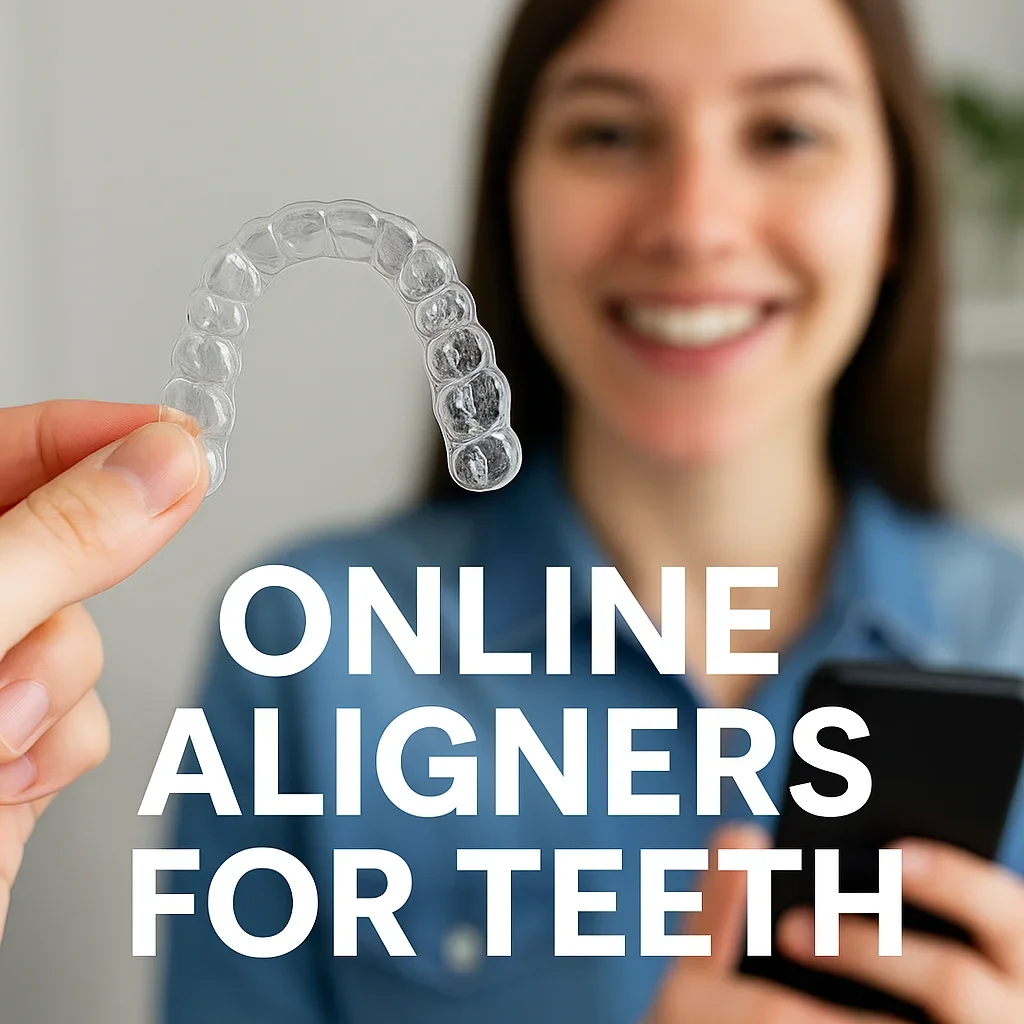
9. The Future of Online Aligners: Innovations and What’s Next
The world of online aligners for teeth is evolving rapidly. As technology, digital dentistry, and artificial intelligence continue to advance, the future of orthodontic care is becoming more accessible, precise, and personalized than ever before. What was once a simple concept — straightening teeth at home — is now transforming into a high-tech ecosystem that merges dental science, telehealth, and smart device integration. In this section, we’ll explore the future trends, technologies, and breakthroughs that will shape the next generation of aligner treatments. 🚀
1. AI-Powered Treatment Planning
Artificial Intelligence (AI) is revolutionizing every stage of the dental alignment process. In the past, orthodontists manually designed treatment plans based on impressions and X-rays. Today, advanced algorithms can analyze hundreds of dental data points to create the most efficient movement paths for each tooth. As AI models continue learning from thousands of successful cases, they’ll become even better at predicting outcomes, minimizing discomfort, and reducing treatment duration for online aligners for teeth.
Key Benefits of AI in Orthodontics
- Predictive Precision: AI models can simulate tooth movement outcomes before treatment begins.
- Personalized Adjustments: Plans adapt automatically to your progress using feedback from monitoring apps.
- Shorter Timelines: Optimized movements reduce treatment duration by 10–20%.
- Improved Accuracy: Less risk of overcorrection or uneven alignment.
With these improvements, patients can look forward to faster and safer smile transformations with more predictable results. 🤖
2. Integration with Smart Devices and Mobile Apps
One of the most exciting advancements in online aligners for teeth is the rise of smart aligner systems that connect directly to mobile apps and wearable devices. These apps use real-time tracking, reminders, and progress visualizations to enhance compliance and motivation. Smart sensors embedded in aligners will soon be able to monitor wear time, pressure points, and temperature, providing valuable feedback for both patients and orthodontists.
What This Means for Patients
- Automatic tracking of aligner wear time
- Push notifications for changing to the next set
- 3D visual updates showing weekly progress
- Direct messaging with dental professionals
By integrating data from smartphones and wearables, treatment becomes more interactive and personalized. Patients will have full control over their smile journey, guided by smart technology and professional support. 📱
3. 3D Printing Revolution
3D printing has already transformed the manufacturing of online aligners for teeth, but its future potential is even greater. The next wave of innovation will make aligners faster to produce, more eco-friendly, and even more comfortable. Clinics and labs are beginning to adopt sustainable printing materials that reduce waste while maintaining medical-grade quality. Additionally, decentralized printing — where local clinics produce aligners on-site — will eliminate long shipping times and allow same-day replacements if an aligner is lost or damaged.
Future Benefits of 3D Printing in Dentistry
- On-demand production of replacement trays
- Customized materials that adapt to individual gum sensitivity
- Reduced carbon footprint and waste
- Enhanced fit accuracy through micro-precision layering
Imagine completing an entire aligner treatment in half the time thanks to real-time 3D printing — that future isn’t far off. 🌿
4. Augmented Reality (AR) and Virtual Consultations
As telehealth expands, AR and VR technologies are enhancing remote orthodontic experiences. With virtual consultations, patients can meet dentists face-to-face online, review digital simulations, and see projected outcomes before committing to treatment. Some companies already use AR filters that let users preview how their teeth will look after using online aligners for teeth — right from their smartphones.
AR-Based Features Coming Soon
- Instant smile previews with real-time adjustment visualization
- Virtual guidance for aligner insertion and removal
- Interactive tutorials for oral hygiene and retainer care
- AI-driven recommendations for next-step treatment options
This technology not only boosts user confidence but also makes orthodontic care more engaging and accessible to people in remote or underserved areas. 🌍
5. Biocompatible and Smart Materials
The materials used in online aligners for teeth are continuously improving. Future aligners will feature smart polymers that adjust to temperature, retain shape memory, and apply controlled pressure for optimal tooth movement. These innovations will reduce discomfort and shorten treatment times while remaining transparent and stain-resistant. Additionally, bioactive coatings may soon prevent bacterial growth, minimizing odor and plaque formation.
Emerging Material Innovations
- Thermo-adaptive plastics that soften for easy insertion
- Anti-microbial surfaces for improved oral hygiene
- Pressure-sensitive polymers that self-adjust over time
- Eco-friendly biodegradable materials
By combining biotechnology with sustainability, the next generation of aligners will be more efficient and environmentally responsible than ever before. 🌱
6. Global Accessibility and Affordability
One of the greatest promises of online aligners for teeth is global accessibility. As teleorthodontic platforms expand, patients in developing regions will gain access to quality dental care previously unavailable locally. Cloud-based dental networks and AI-driven diagnostics allow remote professionals to assist patients anywhere in the world. This democratization of care will make orthodontics both more inclusive and affordable.
Bridging the Accessibility Gap
- Localized production centers for quicker distribution
- Affordable subscription-based payment models
- Global databases improving diagnostic accuracy
- Cross-border professional collaboration via telehealth
This global expansion aligns with the mission of organizations like the American Dental Association — ensuring safe, ethical, and universally accessible dental care. 🌐
7. Personalized DNA-Based Orthodontics
Looking further ahead, researchers are exploring how genetics may shape personalized treatment plans. DNA-based orthodontics could analyze genes related to bone density, tooth movement speed, and gum resilience. By combining genetic insights with digital modeling, online aligners for teeth may soon adapt to each individual’s biological profile, offering hyper-personalized treatment durations and comfort levels.
Potential Benefits of Genetic Integration
- Faster results tailored to biological response
- Lower risk of gum sensitivity and root stress
- Accurate prediction of post-treatment stability
- Customized retainer strategies based on tissue response
This next frontier in precision dentistry represents the ultimate combination of science, technology, and personalized medicine. 🧬
8. Hybrid Clinics and Smart Dental Ecosystems
The future isn’t just digital — it’s hybrid. Clinics such as Redent Klinik Contact Page are leading this transformation by blending in-office expertise with online monitoring systems. Patients can begin treatment remotely and visit a clinic only for major milestones. Meanwhile, smart ecosystems will unify every step — from digital scanning and AI planning to 3D printing and delivery — under one seamless platform.
The Smart Clinic of the Future Will Offer:
- Real-time data sharing between dentist and patient
- Predictive maintenance reminders for retainers
- Instant virtual consultations within one app
- Automated progress reports and cloud-based tracking
These interconnected systems will redefine convenience, making online aligners for teeth the foundation of next-generation oral healthcare. 🦷
Conclusion: The Future Smile Revolution
The future of online aligners for teeth is bright, intelligent, and patient-centered. With the integration of AI, 3D printing, AR, and biocompatible materials, orthodontic care is entering a new era of precision, accessibility, and comfort. As technology continues to evolve, so too will the possibilities for creating the perfect smile — faster, safer, and more sustainably than ever before. The next decade promises not only straighter teeth but also smarter dentistry for all. 😁