
When it comes to restoring confidence and function after tooth loss, good dental implants are the gold standard in modern dentistry. 🦷 They are designed to look, feel, and function just like your natural teeth — offering a long-lasting, stable, and aesthetic solution. But not all implants are created equal. Understanding what makes a dental implant truly good can help you make an informed decision that impacts your smile for decades.
In essence, good dental implants refer to high-quality artificial tooth roots made from biocompatible materials, placed carefully into the jawbone to replace missing teeth. They serve as a foundation for fixed or removable crowns that match your natural teeth in color, shape, and strength. Their success depends not only on the material used but also on precision placement, bone quality, and the expertise of your dentist.
What Defines Good Dental Implants?
The quality of a dental implant is determined by several critical factors. Firstly, the material must be biocompatible, ensuring the implant integrates naturally with your jawbone — a process called osseointegration. Titanium and zirconia are the two most trusted materials in this field. Titanium implants are known for their strength and durability, while zirconia offers a metal-free, highly aesthetic alternative. Good dental implants also feature advanced surface textures that promote bone growth and long-term stability.
Secondly, precision engineering plays a massive role. Reliable brands use computer-guided milling systems to create micro-textured surfaces that mimic the natural root structure. This enhances the bonding between the implant and bone, reducing the risk of failure. In contrast, low-quality implants may lack such surface engineering, leading to poor integration and potential bone loss.
Why Choosing Good Dental Implants Matters
Opting for good dental implants means investing in your oral health and long-term comfort. Inferior implants may initially seem cheaper, but they often result in complications such as infection, mobility, or even total failure. High-quality implants, however, are designed to last 15–25 years — and often much longer with proper care. They preserve jawbone density, prevent facial sagging, and restore chewing ability effectively. 🍎
Moreover, well-made implants reduce inflammation around the gums and maintain your overall oral health. Since the jawbone is constantly stimulated through chewing forces, bone resorption (bone loss) is minimized. This natural stimulation is one reason why patients who choose good dental implants tend to retain a youthful facial structure compared to those using dentures or bridges.
The Role of Technology and Expertise
Modern implantology combines advanced imaging technologies such as 3D cone-beam CT scans with computer-guided surgery. This ensures that the implant is placed in the optimal position, depth, and angle. A skilled implant dentist can analyze bone density and structure, selecting the best type and size of implant for each case. 👩⚕️ A well-trained professional using high-quality components significantly increases the success rate of good dental implants.
For example, clinics like Redent Klinik Contact Page specialize in advanced implant planning and offer digital scanning systems to design personalized treatment plans. These technologies help avoid complications and enhance precision, leading to a smoother recovery and better long-term outcomes.
Maintenance and Longevity of Good Dental Implants
Just like natural teeth, implants require consistent care. Regular brushing, flossing, and professional cleanings help ensure the longevity of your investment. Patients should also avoid smoking and excessive alcohol consumption, as these factors can reduce bone density and healing potential. Studies indicate that over 95% of good dental implants remain functional even after 10 years, especially when maintained under professional supervision.
To further enhance longevity, dentists recommend annual check-ups and the use of interdental brushes to clean around the implant abutments. Any sign of gum irritation or mobility should be reported immediately to prevent peri-implantitis — a condition similar to gum disease that affects the tissue around the implant.
Scientific Backing and Safety Standards
According to the American Dental Association, dental implants made from high-grade titanium alloys or medical-grade zirconia meet strict biocompatibility standards. These materials have been extensively researched for decades, showing minimal risk of allergic reactions or toxicity. Choosing good dental implants that are FDA-approved and ADA-certified ensures your treatment meets global safety and durability benchmarks.
Emotional and Functional Benefits
Beyond aesthetics, implants restore a sense of self-esteem. A confident smile improves social interactions, speech clarity, and overall mental well-being. You can bite into an apple or laugh freely without worrying about dentures slipping. 🌟 The stability and natural appearance of good dental implants make them a life-changing choice for patients of all ages.
Summary
Ultimately, good dental implants are a blend of premium materials, expert craftsmanship, and advanced technology. They restore not just your teeth but your confidence and quality of life. When planned and maintained correctly, they offer a near-permanent solution that feels as natural as your own smile. So, if you’re considering replacing missing teeth, investing in good dental implants from a reputable clinic is one of the smartest choices you can make — for both your oral health and your happiness. 😁
Key Benefits of Choosing Good Dental Implants Over Other Options
When it comes to replacing missing teeth, good dental implants stand out as the most advanced, durable, and natural-looking option available. While dentures and bridges may offer temporary fixes, implants provide a long-term solution that integrates seamlessly with your body. 🦷 This section explores the powerful benefits of choosing high-quality dental implants — from improved oral health and bone preservation to superior comfort and aesthetics. Each advantage demonstrates why patients around the world are increasingly opting for this modern treatment.
1. Superior Aesthetics and Natural Feel
The first and most obvious benefit of good dental implants is their ability to perfectly mimic natural teeth. Each implant is designed to match your existing teeth in shape, size, and color, ensuring that your smile looks completely natural. Unlike traditional dentures, implants don’t move or slip when speaking or eating. The crown (visible part of the implant) is custom-designed to blend flawlessly with your natural teeth, giving you the confidence to smile freely. 😁
Furthermore, implants transmit chewing forces directly into the jawbone — just like real tooth roots. This makes them feel completely natural and prevents that “artificial” sensation often associated with dentures. High-quality implants also preserve the soft tissue contours of your gums, maintaining a youthful and balanced facial appearance.
2. Long-Term Durability and Stability
When cared for properly, good dental implants can last a lifetime. Their titanium or zirconia bases fuse directly with your bone through osseointegration, creating an extremely stable foundation. Unlike bridges that require the grinding down of adjacent teeth, implants stand independently and do not compromise the integrity of surrounding structures. This independence helps preserve the health of nearby natural teeth.
In contrast, dentures may loosen or wear down over time due to bone shrinkage or material fatigue. Good dental implants, on the other hand, remain stable and functionally efficient for decades. According to the American Dental Association, the success rate of well-placed dental implants is above 95%, significantly higher than most other restorative options. That’s why many experts consider them the “gold standard” in tooth replacement.
3. Preservation of Jawbone and Facial Structure
One of the hidden consequences of tooth loss is bone resorption — a natural process where the jawbone begins to deteriorate due to lack of stimulation. Dentures and bridges cannot prevent this bone loss, but good dental implants do. They act as artificial roots that transmit chewing pressure to the bone, stimulating bone regeneration and maintaining volume.
Over time, patients who choose implants retain their natural facial shape, avoiding the “sunken” or aged look that often accompanies missing teeth. This preservation effect extends beyond aesthetics — it supports oral function, keeps bite alignment intact, and prevents neighboring teeth from shifting out of place. 💪
How Bone Health Improves with Implants
After implant placement, bone cells gradually integrate with the implant surface, a process that can take several months but ensures long-term stability. As the bone grows around the implant, it becomes stronger and denser. This not only preserves your jaw structure but also provides a reliable base for future restorations if needed.
4. Enhanced Oral Health and Hygiene
Unlike dental bridges, which require the reduction of healthy adjacent teeth, good dental implants are completely self-supporting. This means that no neighboring teeth need to be altered or capped. As a result, your natural tooth enamel remains intact, and oral hygiene becomes easier to maintain.
Because implants act like natural roots, patients can brush and floss just as they would with their original teeth. There’s no need for special adhesives or removal routines like with dentures. This helps reduce plaque accumulation and the risk of gum disease — a major factor in long-term oral health.
5. Comfort and Convenience
One of the main reasons patients love good dental implants is the comfort they provide. Since they’re permanently fixed to the bone, there’s no movement or irritation of the gums, which is a common issue with dentures. You can eat, speak, and laugh naturally without fear of slipping prosthetics or discomfort.
Maintenance is also simple: standard dental hygiene practices — brushing twice a day, flossing, and regular professional cleanings — are usually sufficient. Plus, implants eliminate the need for messy adhesives, night soaking, or constant adjustments that are often required with dentures. 🚿
6. Improved Functionality and Chewing Power
Chewing efficiency is another area where good dental implants truly excel. They provide up to 90% of the biting force of natural teeth, compared to only 25–40% with dentures. This means you can enjoy crunchy, fibrous foods like apples, nuts, and steak without hesitation. Better chewing leads to better digestion and overall health improvement — an often-overlooked benefit of quality implants.
Scientific Insight on Bite Strength
Studies show that implant-supported teeth transfer pressure evenly to the jawbone, reducing strain on adjacent teeth and preventing premature wear. This biomechanical advantage also helps maintain the natural balance of the oral cavity, contributing to both comfort and durability.
7. Confidence and Psychological Benefits 🌟
Beyond physical advantages, good dental implants profoundly impact emotional well-being. Missing teeth can cause embarrassment, self-consciousness, and even social withdrawal. With implants, patients regain confidence and can interact socially or professionally without hesitation.
Smiling triggers the release of serotonin and dopamine — hormones linked to happiness. So, restoring your smile doesn’t just improve your appearance; it enhances your overall mood and self-esteem. Patients frequently report a renewed sense of youth and vitality after receiving implants.
8. Cost Efficiency Over Time
Although the initial cost of good dental implants may be higher than other restorations, their durability and low maintenance make them more economical in the long term. Unlike dentures or bridges that need frequent replacements or adjustments, implants can last several decades without requiring major repairs.
Below is a general estimate based on current market research (2025):
Average Cost of Good Dental Implants (2025):
– Single Titanium Implant: $1,500 – $2,800 per tooth
– Zirconia Implant: $2,000 – $3,500 per tooth
– Full Arch (All-on-4): $10,000 – $25,000 per jaw
(Source: Verified clinic data and independent dental cost surveys)
When analyzed over a 20-year span, implants often turn out to be the most cost-effective solution, especially since they rarely require replacement. For consultation or a personalized quotation, you can reach out via the Redent Klinik Contact Page.
9. Eco-Friendly and Biocompatible Materials
Modern good dental implants are made from materials that are safe for the body and the environment. Titanium is recyclable and bioinert, while zirconia offers a metal-free solution for patients with sensitivities. These materials are non-toxic, corrosion-resistant, and free from allergens — ensuring safety even for long-term implantation.
Conclusion: A Wise Investment in Oral Health
Choosing good dental implants means investing in lasting beauty, comfort, and function. They outperform traditional prosthetics in every measurable category — from bite strength and bone preservation to aesthetics and psychological well-being. With proper care, regular checkups, and professional support, these implants can serve you for a lifetime, restoring not only your teeth but also your confidence and happiness. 🌿
The Complete Process: How Good Dental Implants Are Placed
Understanding the full process of getting good dental implants is essential for patients who want long-lasting, natural-looking results. Unlike quick cosmetic fixes, dental implants are a carefully planned medical procedure designed to permanently restore function and aesthetics. From initial consultation to final restoration, every step plays a crucial role in ensuring long-term success and patient satisfaction. 🦷
This section provides a detailed, step-by-step breakdown of the dental implant procedure — including preparation, surgery, recovery, and aftercare. You’ll also learn how modern technology, materials, and expertise combine to create the perfect foundation for a beautiful, confident smile.
1. Initial Consultation and Comprehensive Evaluation
The journey toward good dental implants begins with a professional consultation. During this stage, the dentist performs a detailed examination of your oral and medical history. They will assess bone density, gum health, and bite alignment using 3D cone-beam computed tomography (CBCT) scans or panoramic X-rays. These imaging tools allow the dentist to visualize your jawbone in three dimensions, ensuring precise planning and positioning.
If you have underlying conditions such as diabetes, gum disease, or bruxism (teeth grinding), your dentist may recommend stabilizing these first. The success of good dental implants depends on the overall health of your mouth and bone structure. Patients who lack sufficient bone density may require a bone graft before the implant surgery.
Pre-Surgical Planning and Digital Impressions
Before the actual procedure, advanced dental software is used to design a digital surgical guide. This guide acts as a roadmap for implant placement, specifying the exact angle, depth, and position. Digital impressions are taken using intraoral scanners — eliminating the need for messy traditional molds. This stage ensures that the implant crown will fit seamlessly with your bite and neighboring teeth.
2. Preparatory Procedures: Bone Grafting and Sinus Lift (if needed)
In some cases, patients may not have enough jawbone volume to support an implant securely. When this happens, the dentist performs a bone graft — a procedure that adds or regenerates bone tissue in the deficient area. This may involve natural bone from the patient, synthetic materials, or bone from a donor source. The goal is to create a solid foundation where the implant can fuse successfully.
For upper jaw implants near the molars, a sinus lift may be performed to raise the sinus membrane and make room for new bone. Though these preparatory steps add time to the process, they are vital to ensure the longevity of good dental implants.
3. Implant Placement Surgery
Once the jawbone is ready, the implant placement stage begins. This is a minor surgical procedure usually performed under local anesthesia, though sedation can be used for anxious patients. The dentist makes a small incision in the gum tissue to expose the bone. Then, a hole is precisely drilled according to the pre-designed surgical plan. The titanium or zirconia implant post is gently inserted into the bone, acting as an artificial root.
The gum tissue is sutured over the implant or left slightly open, depending on the healing method chosen. In most cases, the entire process takes 1–2 hours per implant. Patients are prescribed antibiotics and pain relievers to ensure a smooth recovery. 🩺
Technology in Modern Implant Surgery
Digital surgical guides and computer-assisted implantology minimize errors during this stage. At advanced clinics like Redent Klinik Contact Page, 3D-guided placement technology ensures precision to the fraction of a millimeter. This reduces the risk of nerve damage, sinus complications, or implant misalignment — all of which can affect long-term outcomes.
4. Healing and Osseointegration Phase
After placement, the implant enters a critical phase known as osseointegration. During this process, the bone cells naturally fuse with the implant surface, creating a stable anchor for the artificial tooth. This healing period typically lasts between 3 to 6 months, depending on bone quality and individual healing capacity.
For good dental implants, the surface design of the implant plays a key role. Modern implants have micro-textured or sandblasted surfaces that accelerate bone growth and enhance bonding strength. Patients are advised to avoid heavy chewing during this time and maintain excellent oral hygiene to prevent infection. Regular follow-up visits are scheduled to monitor progress.
Nutrition and Healing Support
Diet also plays a significant role in recovery. Consuming soft foods rich in calcium, vitamin D, and protein supports bone regeneration. Hydration and avoiding tobacco are equally important since nicotine can interfere with blood flow and healing. 💧
5. Abutment Placement and Gum Shaping
Once the implant has integrated fully, a second minor procedure is performed to attach an abutment — the connector between the implant post and the crown. The gum tissue is reopened, and the abutment is fastened securely. The dentist may place a temporary healing cap to guide gum tissue into a natural contour that will frame the future crown beautifully.
This step is crucial for the aesthetics of good dental implants. Proper gum shaping ensures that the final crown looks natural and blends with surrounding teeth. After about two weeks of healing, impressions are taken for the final restoration.
6. Crown Fabrication and Final Restoration
The final step is the placement of the crown — the visible part of the implant. Crowns are custom-made in dental laboratories using materials such as porcelain, zirconia, or ceramic fused to metal. These materials replicate the translucency and color of natural enamel.
The crown is then attached to the abutment using dental cement or a screw-retained method. For patients who opt for good dental implants, the result is a seamless, functional tooth that feels completely natural and stable. Patients can chew, speak, and smile confidently, knowing their implants are built to last.
Immediate-Load Implants (Same-Day Implants)
In some cases, patients may qualify for same-day implants — also known as “immediate-load” or “teeth-in-a-day.” These involve placing a temporary crown immediately after implant surgery. However, this method is only suitable for patients with strong bone density and healthy gums. For long-term success, traditional multi-stage procedures remain the gold standard for achieving good dental implants.
7. Post-Procedure Care and Maintenance
After the final restoration, maintaining good oral hygiene is vital. Patients should brush twice daily with a soft-bristled toothbrush, floss regularly, and attend professional cleanings at least twice a year. Routine dental visits allow the dentist to check implant stability, gum health, and bone condition.
Following these practices ensures that your good dental implants remain in perfect condition for decades. Failure to maintain proper hygiene can lead to peri-implantitis — a gum infection that threatens implant stability. Fortunately, with proper care, this risk is minimal.
8. Timeframe Summary and Expectations
While the entire implant process can take anywhere from 3 to 9 months, this timeline varies based on individual needs. Some patients require bone grafting or multiple implants, which may extend the duration. However, the result — a strong, beautiful, and fully functional smile — makes the process worthwhile.
Conclusion: The Path to a Perfect Smile
The journey of getting good dental implants involves precision, patience, and professional expertise. From digital planning to final restoration, each phase is designed to ensure comfort, safety, and beauty. By choosing experienced specialists and adhering to post-care recommendations, patients can achieve a lifetime of confident smiles. 🌟
To learn more about customized implant treatment plans or schedule a consultation, visit the Redent Klinik Contact Page today. Your new smile begins with knowledge — and ends with perfection.
Understanding Materials: Titanium vs. Zirconia Dental Implants
When it comes to choosing good dental implants, the material they’re made from plays a vital role in their longevity, strength, and compatibility with your body. Two materials dominate the implant industry — titanium and zirconia. Both have unique advantages, and understanding their differences helps patients make informed decisions that match their needs, lifestyle, and health conditions. 🦷
Let’s take an in-depth look at these two powerhouse materials, exploring their composition, performance, durability, and aesthetics to determine which one might be the best choice for you.
1. Titanium Implants: The Industry Standard
Titanium has been the go-to material for dental implants for more than five decades. Its popularity is due to its excellent biocompatibility and unmatched strength. High-quality titanium implants integrate seamlessly with the jawbone through a process known as osseointegration — where the bone cells attach directly to the implant surface. This strong fusion ensures long-term stability and durability for patients seeking good dental implants.
Key Features of Titanium Dental Implants
- Biocompatibility: Titanium is highly accepted by the body and rarely causes allergic reactions or inflammation.
- Durability: It can withstand tremendous biting pressure and mechanical stress without corroding or fracturing.
- Lightweight yet strong: Titanium is as strong as steel but much lighter, providing comfort and endurance.
- Proven success rate: Clinical studies show titanium implants have a success rate exceeding 95%, making them the most reliable choice for long-term restoration.
Another major advantage of titanium implants is their two-piece design, which allows for flexibility in adjusting angles and connecting different prosthetic components. This makes them ideal for complex cases, such as multiple implants or full-mouth restorations.
Potential Drawbacks of Titanium Implants
Despite their reliability, titanium implants have a few minor disadvantages. Because titanium is metallic, it may slightly darken the gumline in patients with thin or receding gums. Additionally, a small percentage of individuals with metal sensitivities may experience irritation or allergic reactions, although this is extremely rare. For those patients, zirconia implants offer a promising alternative.
2. Zirconia Implants: The Metal-Free Revolution
Zirconia, also known as zirconium dioxide, is a ceramic material that has gained significant popularity over the past two decades. It offers a metal-free, white-colored alternative that’s both aesthetic and biocompatible. For patients looking for holistic and natural-looking restorations, zirconia-based good dental implants provide an outstanding solution.
Advantages of Zirconia Dental Implants
- Superior aesthetics: Zirconia implants are tooth-colored, eliminating any risk of gray shading at the gumline. This makes them ideal for front teeth restorations.
- Hypoallergenic and metal-free: Perfect for patients with metal allergies or those preferring bioceramic materials.
- Strong biocompatibility: Zirconia shows excellent tissue response, minimizing plaque accumulation and gum inflammation.
- Corrosion-resistant: Being non-metallic, zirconia does not oxidize or corrode in the moist oral environment.
These properties make zirconia implants highly appealing to patients seeking natural beauty combined with modern functionality. Many dental clinics, including Redent Klinik Contact Page, offer zirconia implant options for patients who want both aesthetics and durability without metal exposure.
Drawbacks and Limitations
Although zirconia implants are strong, they are typically more brittle than titanium, meaning they can crack under excessive pressure if not placed correctly. Additionally, most zirconia implants come in a one-piece design, limiting flexibility during placement. This can make them less adaptable in cases requiring angulation correction or multi-unit bridges.
3. Comparing Biocompatibility and Osseointegration
Both titanium and zirconia exhibit excellent biocompatibility, but they achieve osseointegration differently. Titanium encourages direct bone-to-metal bonding, while zirconia bonds through a bioceramic interface. Studies show that the bone attachment on zirconia is slightly slower but still strong enough to ensure long-term stability for good dental implants.
Recent advancements, such as sandblasted or acid-etched zirconia surfaces, have improved their osseointegration speed, closing the performance gap between the two materials. However, titanium remains the benchmark for bone fusion, especially in patients with low bone density.
4. Strength and Durability Comparison
When evaluating strength, titanium still holds the upper hand. It can withstand extreme chewing forces and adapt to dynamic jaw movements over many years. Zirconia, while strong, tends to be more rigid, which can lead to microfractures under excessive load if the implant is not perfectly aligned.
Longevity Data from Clinical Research
Long-term clinical studies (10+ years) reveal that good dental implants made from titanium show survival rates of 95–98%. Zirconia implants, being newer, have shown survival rates between 90–95% over shorter observation periods. As research continues, zirconia’s numbers are expected to improve with modern engineering and improved surface treatments.
5. Aesthetic and Functional Outcomes
In visible areas of the mouth, zirconia’s tooth-like color offers an obvious cosmetic advantage. Patients who prioritize natural aesthetics often prefer zirconia, especially in the front region. Titanium implants, while slightly visible under thin gums, perform exceptionally well in molar or back-tooth restorations where appearance is less critical.
In terms of chewing ability, both materials provide excellent functional results. However, titanium’s flexibility allows it to absorb shock better, reducing stress on the jawbone during heavy biting. This resilience is one of the reasons why good dental implants often rely on titanium for complex or full-arch cases.
6. Health and Allergy Considerations
For patients with autoimmune conditions or metal sensitivities, zirconia may be the safer choice. Being completely metal-free, it eliminates any risk of galvanic reactions — a phenomenon where different metals in the mouth cause small electrical currents. This benefit makes zirconia implants increasingly popular among holistic dentists and health-conscious patients.
Titanium, however, remains entirely safe for the vast majority of individuals and is approved by the American Dental Association for long-term use. Its inert nature ensures no toxic leaching or biological disturbance occurs over time.
7. Cost Comparison
Generally, zirconia implants are more expensive due to their manufacturing process and limited production. On average, titanium implants cost between $1,500 and $2,800 per tooth, while zirconia implants range from $2,000 to $3,500 per tooth. The price difference reflects zirconia’s aesthetic benefits and bioceramic purity rather than performance superiority.
However, the true value lies not in upfront cost but in durability and satisfaction. Both materials, when used in good dental implants, provide exceptional long-term results if properly maintained.
8. Which Is Better for You?
Choosing between titanium and zirconia depends on your individual priorities:
- Choose Titanium if you want proven strength, flexibility, and decades of clinical success.
- Choose Zirconia if you prefer a metal-free, natural-looking, and hypoallergenic solution.
Your dentist will evaluate your bone density, gum thickness, bite pattern, and aesthetic goals before recommending the best option. A personalized consultation at a reputable clinic such as Redent Klinik Contact Page can help determine which implant material fits your needs perfectly.
Conclusion: Two Paths to the Same Goal
Both titanium and zirconia are remarkable materials for good dental implants. Titanium remains the most trusted option for durability and clinical reliability, while zirconia leads the way in aesthetics and metal-free biocompatibility. The choice ultimately depends on your health profile and cosmetic expectations. Whichever path you choose, investing in high-quality implants from a trusted professional ensures a smile that is both beautiful and built to last. 🌟
How to Identify a Qualified Implant Dentist 👩⚕️
Selecting the right professional to perform your dental implant surgery is just as important as choosing good dental implants themselves. Even the highest-quality materials can fail if placed by an inexperienced or unqualified practitioner. Implant dentistry is a complex field that combines surgical precision, prosthetic design, and aesthetic skill. Therefore, knowing how to identify a qualified implant dentist ensures your treatment’s success, safety, and longevity. 🦷
This section will guide you through the essential qualifications, skills, and indicators of an excellent implant dentist — as well as red flags to avoid when seeking treatment. By the end, you’ll know exactly what to look for when trusting someone with your smile.
1. Educational Background and Specialized Training
The foundation of any skilled implant dentist lies in proper education and specialized training. A general dental degree (DDS or DMD) provides basic dental knowledge, but implantology requires advanced study beyond that. A qualified implant dentist should have completed postgraduate education in oral surgery, prosthodontics, or periodontology — fields directly connected to implant science.
Professional Certifications to Look For
- Membership in recognized organizations such as the American Dental Association (ADA) or the International Congress of Oral Implantologists (ICOI).
- Completion of accredited implant courses, including surgical residency or implantology diploma programs.
- Continuous education through workshops and advanced implant seminars that keep skills up to date with the latest techniques.
A dentist with this level of academic preparation understands not only how to place good dental implants but also how to manage complex bone and tissue situations safely.
2. Clinical Experience and Case Portfolio
Experience plays a defining role in the success of implant treatments. A dentist who has placed hundreds — or even thousands — of implants will have a deeper understanding of bone density variations, gum conditions, and anatomical challenges than one who is new to the field. Always ask your potential dentist how many implant procedures they have performed and request to see before-and-after photos of real cases.
At reputable clinics such as Redent Klinik Contact Page, experienced implantologists use evidence-based methods and high-end materials to ensure that each implant is tailored perfectly to the patient’s needs. Their case records and digital planning tools provide full transparency and confidence in their skill level.
Questions to Ask Your Implant Dentist
- How many years of experience do you have in implant dentistry?
- What brands of implants do you use, and why?
- Can you show real patient testimonials or case examples?
- What is your implant success rate?
The average success rate for good dental implants placed by qualified dentists should exceed 95%. Anything significantly lower may indicate insufficient experience or poor material selection.
3. Use of Modern Technology and Digital Planning
Modern implant dentistry relies heavily on technology for accuracy and safety. A truly skilled implant dentist uses advanced tools such as 3D cone-beam CT scans, intraoral scanners, and computer-guided surgery systems. These technologies help analyze bone quality, identify vital structures (like nerves and sinuses), and plan the perfect implant position.
Digital surgical guides allow dentists to perform minimally invasive procedures with smaller incisions, faster recovery, and higher precision. Clinics that invest in these systems often deliver superior results — a hallmark of those who provide good dental implants.
Technological Tools That Indicate Expertise
- 3D Imaging (CBCT): Creates a precise model of your jaw and bone structure.
- Intraoral Scanners: Capture detailed digital impressions without messy molds.
- Computer-Guided Surgery: Ensures optimal implant placement and angulation.
- CAD/CAM Design: Used for crafting perfectly fitting crowns and abutments.
A dentist who uses these tools demonstrates both modern expertise and commitment to quality — the key pillars of achieving good dental implants that last a lifetime.
4. Sterilization Standards and Safety Protocols
Safety and hygiene are non-negotiable when it comes to implant surgery. Dental implants involve inserting a foreign material into your bone — so the clinic must follow strict sterilization and infection-control protocols. Always ensure the dentist works in a clean, certified environment and uses single-use surgical tools whenever necessary.
Top clinics maintain ISO or JCI accreditation, ensuring international sterilization standards. Proper disinfection of surfaces, use of surgical drapes, and controlled air filtration systems are signs that your chosen dentist prioritizes your health. 🚑
Red Flags to Avoid
- Clinics that do not explain their sterilization procedures clearly.
- Dentists offering “quick implants” without proper diagnostic imaging.
- Prices that seem too low to be realistic — often a sign of inferior materials or unqualified practitioners.
Remember: cutting costs on dental surgery often leads to complications, pain, and future expenses. It’s always safer to choose professionals who maintain high safety standards for good dental implants.
5. Communication Skills and Patient-Centered Care
A great implant dentist doesn’t just operate well — they also communicate clearly. Good communication ensures that you understand every stage of your treatment, from diagnosis and surgery to aftercare. A professional who takes time to answer questions and discuss expectations transparently shows genuine care for your well-being.
During your initial consultation, observe how the dentist listens to your concerns. Do they explain the risks, benefits, and timeline clearly? Are they open about costs and follow-up care? This patient-first attitude is a defining trait of a trustworthy expert who delivers good dental implants and lasting satisfaction. 💬
6. Access to Comprehensive Aftercare
Even after a successful surgery, aftercare is crucial for healing and long-term results. Qualified implant dentists provide detailed recovery instructions and schedule regular check-ups to monitor the osseointegration process. They also educate patients on proper hygiene, nutrition, and implant maintenance.
Ongoing support is what separates an average experience from a great one. Clinics offering structured aftercare programs — including follow-up imaging and cleaning appointments — demonstrate a commitment to the longevity of your good dental implants.
7. Reputation and Reviews
Reputation speaks volumes about a dentist’s reliability. Online reviews, testimonials, and peer recommendations can help you identify which professionals consistently deliver positive results. Look for verified patient stories with before-and-after images, as well as recognition from dental associations.
It’s also wise to check the dentist’s credentials and disciplinary record through professional licensing boards. Reputable clinics like Redent Klinik Contact Page maintain full transparency and publish authentic patient experiences online.
Conclusion: Expertise Defines Excellence
The success of good dental implants relies heavily on the person performing the procedure. A qualified implant dentist combines scientific knowledge, advanced technology, and human empathy to restore smiles that last a lifetime. By evaluating credentials, experience, technology, and patient care, you can confidently select a professional who will deliver not just beautiful results — but also peace of mind. 🌟
Remember: investing in the right dentist is investing in your future smile. Always choose professionalism, precision, and proven experience over quick, low-cost options — because your oral health deserves the best care possible.
Common Problems with Poor Implants and How to Avoid Them
While good dental implants have an extremely high success rate and can last a lifetime, not every implant procedure ends perfectly. Many patients who opt for low-cost or poorly executed treatments experience complications that can compromise their comfort, oral health, and confidence. Understanding the most common implant-related problems — and learning how to avoid them — is essential for ensuring your investment in a beautiful, lasting smile truly pays off. 🦷
This section explores the potential issues associated with low-quality or improperly placed implants and provides expert strategies to prevent them. By recognizing early warning signs and following proven prevention methods, patients can secure the long-term success that defines good dental implants.
1. Implant Failure and Osseointegration Issues
The most serious complication that can occur with poor-quality implants is implant failure. This happens when the implant fails to fuse properly with the jawbone during the healing stage — a process known as osseointegration. Without this solid connection, the implant remains unstable and may loosen or fall out entirely.
Causes of Implant Failure
- Use of inferior or counterfeit implant materials that lack biocompatibility.
- Poor surgical technique or incorrect angulation during placement.
- Insufficient bone density or untreated gum disease before surgery.
- Smoking, diabetes, or poor oral hygiene during recovery.
Unlike these scenarios, good dental implants are made from premium-grade titanium or zirconia with proven success in fusing naturally to the bone. They are placed using precision-guided systems to ensure accurate alignment and long-term stability.
2. Peri-Implantitis: Infection Around the Implant
Peri-implantitis is a bacterial infection that affects the tissues surrounding an implant, similar to gum disease. It causes inflammation, bone loss, and, in severe cases, complete implant failure. This condition is one of the most common complications of poor implant care and typically arises due to inadequate oral hygiene or unsterile surgical environments.
In contrast, clinics that specialize in good dental implants follow strict sterilization protocols and use advanced surgical tools to minimize bacterial exposure. They also educate patients on proper aftercare to prevent bacterial buildup and inflammation.
How to Prevent Peri-Implantitis
- Brush and floss twice daily using soft-bristled toothbrushes and interdental brushes.
- Avoid smoking and maintain a balanced diet for optimal gum health.
- Schedule regular professional cleanings every 6 months.
- Visit your dentist immediately if swelling, bleeding, or bad breath occurs near the implant.
Good oral hygiene and routine check-ups are the cornerstone of maintaining good dental implants for years to come.
3. Gum Recession and Aesthetic Problems
One of the most visible issues with poorly placed implants is gum recession. This occurs when the gum tissue surrounding the implant begins to shrink or pull back, revealing the metal surface beneath. Not only does this affect appearance, but it can also expose the implant to infection and sensitivity.
Low-quality implants or improper placement can create unnatural pressure on the surrounding tissue, leading to recession. In contrast, good dental implants are placed at the correct depth and angle, ensuring the gum contours remain natural and healthy over time.
Techniques to Preserve Gum Health
- Choosing an implant dentist who uses 3D imaging and digital planning tools.
- Ensuring proper gum grafting or tissue management during surgery.
- Maintaining consistent post-operative care and avoiding harsh brushing.
Additionally, zirconia-based implants can be used for patients with thin gum lines since their white color blends seamlessly and eliminates dark shadows along the gum margin. 🌿
4. Bone Loss Around the Implant
Bone resorption — or gradual bone loss — is another complication associated with poor-quality implants. When the implant does not properly integrate or the load distribution is uneven, the surrounding bone may start to deteriorate over time. This can cause the implant to loosen and affect neighboring teeth.
High-quality good dental implants are engineered to mimic natural tooth roots, transferring biting forces evenly to the bone. This stimulation helps maintain bone density and prevents deterioration. Using biocompatible materials and correct surgical placement further ensures bone health for decades.
Preventing Bone Resorption
- Ensure thorough pre-surgical bone density evaluation using CBCT scans.
- Use bone grafts or sinus lifts if bone volume is insufficient.
- Follow all post-surgical care instructions, including diet and medication.
Regular follow-ups at specialized clinics like Redent Klinik Contact Page help detect early signs of bone loss, allowing for prompt intervention and correction.
5. Mechanical Complications: Loosening or Fractures
Mechanical issues can arise if low-quality screws, abutments, or crowns are used. These components may loosen or even fracture under the constant stress of chewing. This leads to discomfort, instability, and costly repairs.
Good dental implants, on the other hand, use precision-engineered connections that resist loosening and provide a secure fit. Premium implant systems are designed to withstand decades of use while maintaining optimal functionality.
Signs of Mechanical Problems
- Unusual clicking sounds while chewing.
- Slight mobility in the implant or crown.
- Pain or pressure during biting.
If any of these symptoms occur, immediate evaluation by your dentist is essential to prevent further damage.
6. Sinus and Nerve Complications
Improper placement of upper jaw implants can sometimes result in sinus perforation, leading to discomfort or chronic sinus infections. Similarly, lower jaw implants placed too close to the nerve can cause numbness, tingling, or pain. These complications almost always result from a lack of proper planning or imaging.
By contrast, experienced professionals specializing in good dental implants use digital surgical guides and 3D imaging to map anatomical structures accurately. This ensures safe implant placement, avoiding nerve pathways and sinus cavities entirely.
7. Aesthetic Mismatches and Poor Fit
Beyond health issues, poor-quality implants often result in visible color mismatches, misalignment, or unnatural proportions. Low-cost providers may use generic crowns that don’t match the patient’s natural tooth shade or gum line, leading to an artificial appearance.
Clinics that focus on good dental implants use CAD/CAM technology to design customized crowns that perfectly replicate the size, shape, and translucency of real teeth. This ensures a flawless, lifelike result that enhances both beauty and confidence. 😁
8. Financial and Emotional Consequences
Cheap or poorly executed implant treatments often lead to repeated corrections, revisions, and even total replacements — costing patients more in the long run. Additionally, the emotional impact of failed implants can cause anxiety, embarrassment, and loss of trust in dental care.
Investing in good dental implants from the beginning not only saves money but also guarantees lasting peace of mind. As the saying goes, “Do it right once, and you’ll never have to do it again.”
9. How to Ensure Implant Success
To prevent all these complications, patients should follow a few key principles:
- Always select an experienced and certified implant dentist.
- Verify the brand and origin of the implant materials.
- Request 3D imaging and computer-guided planning before surgery.
- Commit to long-term maintenance through regular dental check-ups.
Conclusion: Prevention Is the True Power of Knowledge
Ultimately, most implant problems stem from cutting corners on quality or expertise. By choosing good dental implants and working with a qualified professional, you can completely avoid the pain, cost, and frustration that come with poor treatments. Premium materials, modern technology, and expert hands form the perfect trio for success. Investing in excellence today ensures that your smile remains stable, functional, and beautiful for decades to come. 🌟
Cost and Price Comparison: Are Good Dental Implants Worth It?
When considering tooth replacement options, one of the most common questions patients ask is: “How much do good dental implants cost?” While price is an important factor, understanding what drives those costs — and why investing in quality matters — is even more critical. Dental implants are not just cosmetic; they are a long-term medical solution that restores health, function, and confidence. In this section, we’ll examine the true cost of good dental implants, what influences their pricing, and whether they’re worth the investment in the long run. 💎
1. The Real Value Behind the Price of Good Dental Implants
The cost of dental implants varies depending on several key factors such as the material, brand, technology used, and the dentist’s expertise. However, unlike temporary treatments like dentures or bridges, good dental implants are designed to last for decades — often for life. This makes them a high-value investment rather than an expense.
When you pay for a dental implant, you’re not just paying for a metal screw. The cost includes the consultation, digital imaging, surgical materials, the abutment (connector), and the final crown. It also covers the expertise of a skilled surgeon who ensures your procedure is precise and complication-free. Cheap clinics often skip some of these steps or use low-quality components, resulting in implant failure later on — which ends up costing far more in revisions.
Why High-Quality Implants Cost More
- They use premium-grade titanium or zirconia for durability and biocompatibility.
- They undergo extensive testing and certification by international dental authorities.
- They are placed using advanced 3D-guided systems to ensure perfect alignment.
- They come with manufacturer warranties and long-term safety guarantees.
When all these factors are considered, the price of good dental implants reflects the quality and security you receive for many years to come.
2. Average Prices Around the World
The cost of good dental implants can differ dramatically from one country to another, largely due to labor costs, material sourcing, and regional healthcare pricing standards. Below is a general global price comparison (as of 2025):
Average Cost Per Single Dental Implant (2025)
🇺🇸 United States: $3,000 – $6,000 per tooth
🇬🇧 United Kingdom: £2,000 – £4,500 per tooth
🇩🇪 Germany: €2,000 – €3,800 per tooth
🇹🇷 Turkey: $800 – $1,800 per tooth
🇫🇷 France: €1,800 – €3,000 per tooth
🇨🇦 Canada: CAD $3,000 – $5,000 per tooth
(Source: verified clinic data and international dental tourism reports)
Turkey, in particular, has become a global hub for dental tourism, offering world-class treatment at significantly lower prices without compromising on quality. Clinics like Redent Klinik Contact Page provide internationally accredited services and use the same high-quality implant brands as those found in Europe and the U.S., making them a cost-effective choice for patients worldwide.
3. Breakdown of Implant Procedure Costs
Let’s break down what makes up the total price of good dental implants to understand where your investment goes:
- Initial Consultation & Imaging: $100 – $300 (includes 3D scans and treatment planning)
- Implant Post (Titanium or Zirconia): $500 – $1,500 depending on brand
- Abutment (Connector Piece): $200 – $500
- Dental Crown (Porcelain, Zirconia, or Ceramic): $500 – $2,000
- Surgical Procedure: $1,000 – $2,500 per tooth (depending on complexity)
Additional procedures like bone grafting or sinus lifts, if necessary, can add $400–$1,000 to the total cost. While these numbers might seem significant upfront, the longevity and reliability of good dental implants make them more economical over time compared to dentures that require frequent replacement or maintenance.
4. Comparing Implants with Other Tooth Replacement Options
To fully appreciate the value of good dental implants, it’s helpful to compare them to alternative treatments:
| Treatment Type | Average Lifespan | Maintenance | Average Cost (Per Tooth) |
|---|---|---|---|
| Dentures | 5–8 years | Requires adhesives, nightly cleaning, possible relining | $500 – $1,500 |
| Dental Bridge | 10–15 years | Requires shaving of healthy teeth, periodic replacement | $1,200 – $2,500 |
| Good Dental Implants | 20+ years (often lifetime) | Minimal; same as natural teeth | $1,500 – $3,500 |
As the comparison shows, implants have a higher initial cost but a significantly lower lifetime maintenance expense. They also preserve bone health, prevent gum shrinkage, and restore full chewing ability — benefits that no other option can replicate. 💪
5. Financing and Insurance Options
While dental implants are considered a cosmetic or restorative procedure in many countries, several insurance plans now cover part of the cost due to their health benefits. Additionally, most clinics offer flexible financing plans that allow patients to pay monthly, making good dental implants more accessible.
Some clinics also partner with international financing providers, allowing patients to undergo treatment abroad while managing payments comfortably over time. It’s wise to ask about payment options during your initial consultation to ensure a smooth process.
6. Long-Term Savings and Return on Investment
While the upfront cost of good dental implants may seem high, the long-term benefits far outweigh the expense. Dentures often need replacement every 5–7 years, and bridges may fail due to adjacent tooth damage. Implants, however, can last for life with proper care — eliminating the need for repeated procedures.
Let’s consider an example: A patient spends $2,500 on a single dental implant that lasts 25 years or more. That’s only $100 per year — less than most people spend on coffee monthly. When viewed this way, good dental implants are one of the most cost-efficient healthcare investments a person can make.
Additional Economic Benefits
- Reduced future dental expenses due to preserved bone and gum health.
- Improved digestion and nutrition from better chewing ability.
- Enhanced self-esteem and career confidence leading to indirect economic gain.
7. Hidden Costs of Choosing Cheap Implants
Unfortunately, many patients are tempted by clinics offering dramatically lower prices. These “bargain” implants often use uncertified materials, outdated equipment, or unqualified dentists — leading to complications such as infections, gum recession, or total implant failure. The cost of correcting these problems can easily exceed what you would have paid for good dental implants initially.
Some of the hidden costs include bone reconstruction surgeries, replacement crowns, and extended recovery periods. Therefore, always prioritize quality over price when it comes to dental restoration.
8. Evaluating Cost Versus Quality
When assessing the cost of good dental implants, think in terms of value rather than numbers. A reputable clinic provides transparency, advanced technology, experienced specialists, and long-term aftercare — all of which guarantee successful outcomes. Low-cost alternatives rarely offer these essentials.
Choosing an experienced provider like Redent Klinik Contact Page ensures that every dollar spent translates into comfort, confidence, and lifelong durability. 🌿
Conclusion: Quality Implants Are an Investment in Your Future
In the end, good dental implants are more than just tooth replacements — they are a permanent solution that restores function, beauty, and well-being. Though they require a higher initial investment, their durability, comfort, and health benefits make them the most cost-effective choice over time. When performed by skilled professionals using certified materials, dental implants provide not only a confident smile but also a priceless sense of security. 💫
Before making your decision, compare not just the price but also the value offered. Remember: the cheapest option is rarely the best, but the best option will always be worth every cent when it comes to your smile.
Recovery and Aftercare Tips for Long-Lasting Results 💎
Getting good dental implants is a life-changing experience — but the real success of your treatment depends heavily on how well you care for them afterward. The period following your surgery is crucial for proper healing, osseointegration (fusion between bone and implant), and long-term functionality. With the right aftercare routine and healthy lifestyle choices, your implants can remain strong, stable, and beautiful for decades. 🌿
This section offers a detailed, step-by-step guide on how to recover effectively, maintain excellent oral hygiene, and ensure your good dental implants stay in perfect condition throughout your life.
1. The First 24 Hours After Surgery
The initial day following implant placement is critical for successful healing. During this period, your body begins the natural recovery process — forming blood clots, reducing inflammation, and starting osseointegration. Proper care at this stage can make a big difference in long-term success.
Immediate Post-Surgery Guidelines
- Keep gentle pressure on the surgical area using sterile gauze for the first 1–2 hours.
- Avoid rinsing, spitting, or touching the implant site to prevent clot disruption.
- Apply a cold compress to your cheek in 15-minute intervals to minimize swelling.
- Stay hydrated but avoid using straws — suction can dislodge the clot.
- Rest with your head elevated for the first night to reduce facial swelling.
By adhering to these basic steps, you’re giving your body the best chance to begin proper healing for your good dental implants.
2. Managing Pain and Swelling
It’s normal to experience mild pain, swelling, or bruising after dental implant surgery. These symptoms typically peak within 48–72 hours and then subside. Your dentist will prescribe pain medication or recommend over-the-counter options such as ibuprofen or acetaminophen.
Tips for Effective Pain Management
- Use cold packs during the first 24 hours, followed by warm compresses afterward.
- Stick to soft foods such as yogurt, soup, and mashed potatoes for the first few days.
- Avoid smoking and alcohol, as they delay healing and increase infection risk.
- Rest adequately and avoid strenuous activity for at least three days.
These minor discomforts are temporary. With proper management, most patients resume normal activities within 3–5 days, especially when treated with good dental implants placed by experienced professionals.
3. Oral Hygiene and Cleaning Routine
Cleanliness is one of the most critical factors in preventing infection and ensuring your implants integrate properly. However, during the early healing phase, you’ll need to clean your mouth delicately to avoid disturbing the surgical site.
Proper Cleaning Technique for Implant Areas
- Rinse gently with warm salt water (½ teaspoon of salt per cup) 3–4 times a day after meals.
- Use a soft-bristled toothbrush to clean adjacent teeth and the tongue without touching the implant site directly.
- Avoid alcohol-based mouthwashes for at least a week.
- After one week, begin using a special interdental brush designed for implants.
Long-term maintenance of good dental implants also includes professional cleaning every six months to remove plaque buildup and ensure gum health.
4. Nutrition and Diet After Implant Surgery
Your diet plays an essential role in post-surgical healing. Nutrient-rich foods help strengthen your immune system and support bone regeneration, while hard or sticky foods can harm the healing implant site.
Recommended Foods
- Soft proteins such as eggs, fish, and tofu.
- Vitamin C-rich foods like oranges and kiwis for tissue repair.
- Calcium-rich foods such as yogurt, milk, and spinach to support bone density.
- Plenty of water to stay hydrated and flush out toxins.
Avoid chewing hard items like nuts, ice, or hard candy. Maintaining a balanced diet rich in protein and minerals accelerates healing and supports the strength of your good dental implants.
5. The Importance of Follow-Up Visits
Routine check-ups are vital for long-term implant success. These appointments allow your dentist to monitor healing progress, confirm osseointegration, and detect early signs of complications such as infection or bone loss. Typically, you’ll have follow-ups after:
- 1 week: To check the incision site and remove any sutures.
- 1 month: To evaluate healing and ensure implant stability.
- 3–6 months: To assess bone integration and prepare for final crown placement.
Clinics that specialize in good dental implants, such as Redent Klinik Contact Page, use digital imaging and precision diagnostics during each visit to confirm proper healing and alignment before moving to the final restoration stage.
6. Lifestyle Habits That Affect Healing
Your daily habits significantly influence the success rate of your dental implants. Smoking, excessive alcohol consumption, or poor oral hygiene can dramatically reduce implant longevity. In fact, smokers have up to three times higher risk of implant failure than non-smokers.
Healthy Habits for Implant Longevity
- Quit smoking at least 2–3 weeks before and after surgery.
- Limit alcohol and caffeine, which can interfere with tissue repair.
- Practice mindfulness or stress management to prevent teeth grinding (bruxism).
- Wear a night guard if recommended by your dentist.
These proactive lifestyle changes help ensure your good dental implants remain secure, infection-free, and fully functional.
7. Warning Signs of Implant Complications
Even when following aftercare instructions diligently, it’s important to be aware of warning signs that may indicate a problem. Early detection allows for prompt intervention and saves your implant from potential failure.
Contact Your Dentist If You Notice:
- Persistent bleeding beyond 48 hours.
- Increasing pain or swelling after several days.
- Pus discharge, fever, or bad odor near the implant site.
- Loosening or clicking sensations in the implant.
These symptoms may signal infection, inflammation, or bone loss — all preventable with proper care and timely professional attention.
8. Long-Term Maintenance: Ensuring Decades of Success
Once your implants have fully integrated, your goal shifts from healing to maintenance. Good dental implants should be cleaned and checked just like natural teeth. Follow these lifelong care practices:
- Brush twice daily using fluoride toothpaste and soft brushes.
- Floss with implant-safe floss or water flossers.
- Schedule professional cleanings and exams every six months.
- Avoid using your teeth to open bottles or bite hard objects.
With consistent care and routine professional supervision, it’s not uncommon for patients to enjoy their implants for over 25 years without any complications. 🌟
9. Emotional and Psychological Benefits of Proper Recovery
Healing isn’t just physical — it’s emotional, too. Once patients recover fully, they often report higher confidence, better self-image, and an overall improvement in life satisfaction. Smiling, eating, and speaking comfortably again can dramatically boost mental well-being. ❤️
That’s why investing effort into aftercare is just as important as investing in good dental implants themselves. A confident smile radiates health, success, and positivity — benefits that extend far beyond aesthetics.
Conclusion: Care Today for a Lifetime of Smiles
Recovery and aftercare are the pillars that sustain the success of your good dental implants. By following your dentist’s guidance, maintaining excellent oral hygiene, and attending regular check-ups, you ensure your implants remain healthy, beautiful, and functional for decades. The reward? A radiant smile that feels natural and lasts a lifetime. 🌞
For personalized aftercare and expert follow-up, always consult experienced professionals through trusted clinics like Redent Klinik Contact Page. Proper care transforms your implants from a medical procedure into a lifelong investment in confidence and well-being.
Real Patient Experiences: Stories of Good Dental Implants
Hearing real-life experiences from people who have undergone implant treatment provides reassurance and perspective that no marketing material can match. Testimonials reveal what it’s like to live with good dental implants — from the first consultation to the moment patients smile confidently again. Each journey is unique, but all share one common theme: life-changing transformation. 🌟
In this section, we’ll explore true stories of recovery, discuss emotional and physical outcomes, and uncover why choosing good dental implants over cheaper alternatives makes all the difference. These insights not only help new patients know what to expect, but also highlight how expert care and quality materials can restore more than just a smile — they restore confidence, function, and quality of life.
1. A Journey from Dentures to Freedom: Emily’s Story (USA)
Emily, a 58-year-old teacher from Chicago, had struggled with removable dentures for nearly a decade. “They always felt loose,” she recalls. “Every time I laughed or ate something chewy, I worried they’d move.” Seeking a permanent solution, she decided to invest in good dental implants after a detailed consultation with her dentist.
Her treatment included four titanium implants supporting a fixed bridge. Within months, Emily experienced a complete transformation. “It’s like having my own teeth back,” she says. “I can eat apples, smile without fear, and speak naturally again.”
Emily’s Takeaway
- “Don’t settle for quick fixes. The comfort of good dental implants is worth every penny.”
- “Healing takes time, but once it’s done, it’s freedom you can’t imagine.”
Her story emphasizes the importance of patience, proper aftercare, and selecting a qualified specialist who uses high-quality materials approved by organizations such as the American Dental Association.
2. Regaining Confidence After Tooth Loss: Ahmed’s Story (Turkey)
Ahmed, a 35-year-old engineer from Istanbul, lost two front teeth in a cycling accident. Initially, he felt self-conscious and avoided social gatherings. After researching international clinics, he chose Redent Klinik Contact Page for their reputation in providing good dental implants.
The team at Redent Klinik used digital 3D scanning to design customized zirconia implants that matched his natural teeth perfectly. “I couldn’t believe how real they looked,” Ahmed said. “Even my colleagues couldn’t tell which ones were implants!”
Results After Six Months
- Perfect aesthetic integration with surrounding teeth.
- No discomfort or speech difficulties.
- Increased confidence and better nutrition due to normal eating habits.
Ahmed’s story shows that technological precision, when paired with good dental implants, delivers results indistinguishable from natural teeth — both visually and functionally.
3. Overcoming Dental Anxiety: Laura’s Experience (UK)
Laura, a 42-year-old marketing consultant from London, suffered from severe dental anxiety after years of painful procedures. When her molars deteriorated, she feared undergoing another major dental treatment. However, her dentist introduced her to sedation-assisted implant surgery — a modern technique that made her experience stress-free.
“I barely felt a thing,” Laura said. “The recovery was smooth, and the staff supported me at every step.” Six months later, she proudly shared her glowing smile on social media, crediting her good dental implants for restoring not only her teeth but her confidence in dentistry.
Laura’s Key Insight
- Finding an empathetic dental team is just as important as the technical skill involved.
- Modern sedation and digital planning make implant treatments more comfortable than ever.
Her case highlights how compassionate care and advanced tools redefine patient experience with good dental implants — especially for those with dental phobia.
4. Restoring Functionality After Bone Loss: Marco’s Story (Italy)
Marco, a 60-year-old architect, faced severe jawbone loss due to years of missing teeth. Local dentists advised dentures, but he wanted something more permanent. After researching international specialists, he discovered advanced bone grafting and full-arch implant techniques that made it possible for him to receive good dental implants.
The procedure involved sinus lifting and grafting before placing four implants to support a full-arch bridge. “The difference is unbelievable,” Marco says. “I can chew steak again. My speech improved. I feel 20 years younger.”
Marco’s Long-Term Outcome
- Strong bone integration after 8 months.
- No inflammation or gum irritation.
- Implants functioning perfectly after 5 years with zero complications.
His experience underscores the importance of customized planning and quality materials in achieving long-term success with good dental implants.
5. Life-Changing Aesthetics: Sofia’s Transformation (Germany)
Sofia, a 28-year-old model from Munich, struggled with discolored, uneven teeth caused by an early childhood injury. She opted for zirconia implants to improve aesthetics while maintaining biocompatibility. Her dental team created a personalized smile design using CAD/CAM technology.
“When I looked in the mirror after my final appointment, I cried,” Sofia recalls. “It wasn’t vanity — it was relief. I finally recognized my smile again.”
What Made Sofia’s Implants “Good”
- Premium zirconia implants offering natural translucency.
- 3D smile design for perfect symmetry and alignment.
- Meticulous gum contouring for seamless aesthetics.
Today, Sofia models confidently, proving that good dental implants aren’t just about functionality — they’re about identity and self-expression.
6. A Family’s Shared Experience: The Durans (France)
The Duran family — a father and two adult daughters — all underwent dental implant treatments within two years of each other. “It became our family project,” says Mr. Duran. “We all chose good dental implants after seeing my amazing results.”
Each family member had a different case: one required bone grafting, another needed single-tooth replacement, and the third opted for an All-on-4 system. “We compared notes, shared our recovery experiences, and now we all enjoy the same confident smiles,” says his daughter Clara.
Their collective journey demonstrates how family support and trusted clinics can make the process easier, affordable, and emotionally rewarding. 💖
7. Lessons from Patient Stories
Across these cases, several consistent lessons emerge:
- Always choose clinics with proven track records and qualified implantologists.
- Be patient — the best results take time and proper healing.
- Quality materials and expert placement define good dental implants.
- Follow aftercare guidelines meticulously to ensure lasting success.
8. The Emotional Impact of a Renewed Smile
Beyond chewing and speaking, a smile has deep emotional significance. Many patients report improved mental health, social confidence, and even career advancement after receiving good dental implants. The ability to laugh freely, eat comfortably, and meet people without self-consciousness transforms lives in subtle yet powerful ways.
Psychologists often note that restoring one’s smile improves self-esteem and reduces anxiety — particularly for those who have hidden their teeth for years. A single procedure can therefore reshape both oral health and emotional well-being. 🌼
Conclusion: Real People, Real Results
The stories shared above demonstrate that the impact of good dental implants goes far beyond aesthetics — they restore dignity, comfort, and confidence. From Turkey to the U.S., patients consistently describe the same sense of freedom: being able to live, eat, and smile without limitation.
Whether you are replacing one tooth or a full arch, choosing quality materials and skilled professionals is the surest path to success. Clinics like Redent Klinik Contact Page continue to transform lives every day with expert care and world-class standards. Your smile can be next. ✨
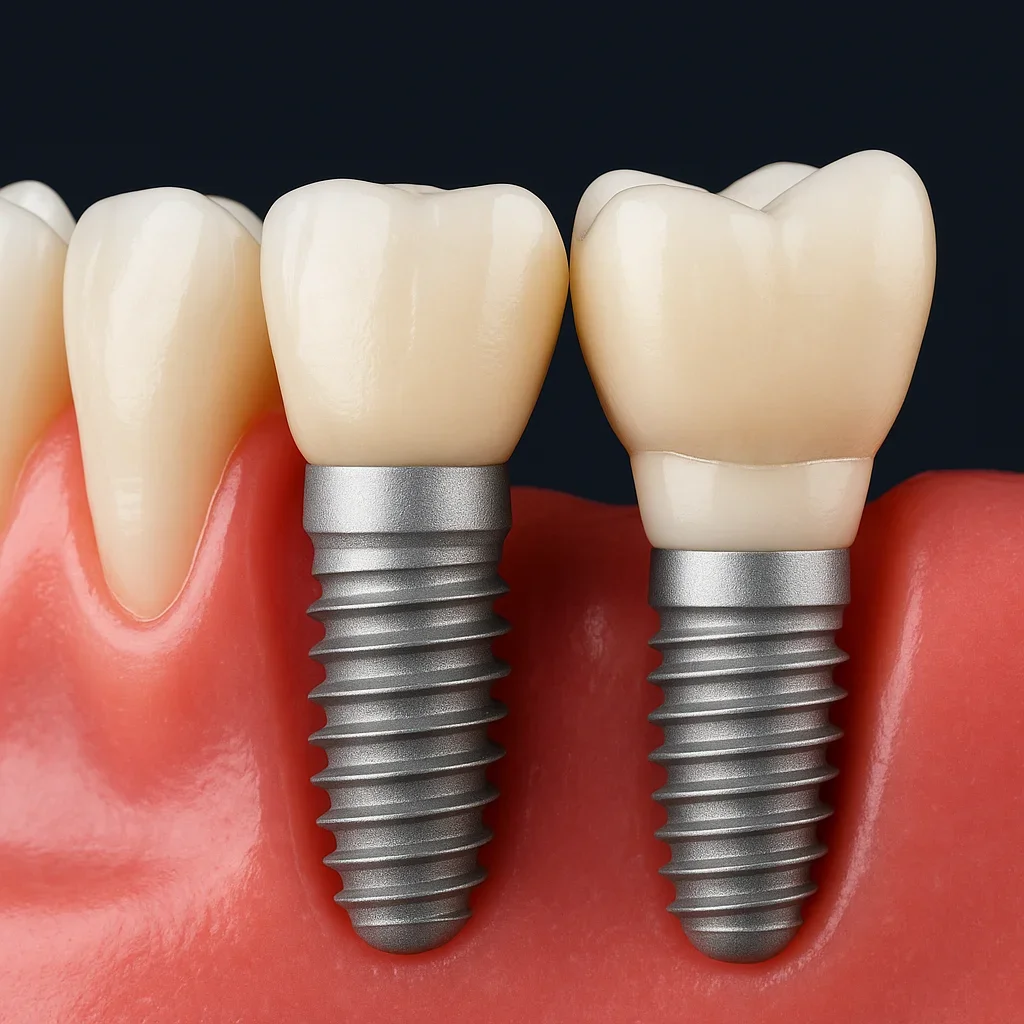
Final Thoughts: Why Quality Implants Mean a Better Smile
As we reach the end of this comprehensive guide, one truth becomes clear: investing in good dental implants is about far more than replacing missing teeth — it’s about restoring health, function, confidence, and quality of life. Dental implants are not a luxury; they are a long-term solution designed to replicate the natural tooth in every way. When planned and executed correctly, they become a permanent part of your smile, blending aesthetics with medical precision. 🌟
This final section explores why quality truly matters — in materials, technology, expertise, and aftercare. You’ll also learn how choosing the right clinic and following the correct maintenance routine ensures your good dental implants continue to perform beautifully for decades.
1. Quality Is the Foundation of Lasting Results
Many dental treatments can enhance your appearance temporarily, but only good dental implants combine durability with natural aesthetics. Quality in this context means biocompatibility, precision engineering, and reliable clinical outcomes. Top-tier implant systems undergo years of scientific testing and meet strict regulatory standards established by international dental organizations.
What Defines a “Good” Implant?
- Biocompatible Materials: Premium titanium or zirconia that safely integrates with bone tissue.
- Precision Manufacturing: Computer-guided fabrication ensuring perfect fit and structural integrity.
- Proven Clinical Studies: Decades of successful outcomes documented in medical literature.
- Aesthetic Design: Natural tooth color and shape replication for seamless blending.
Cheap alternatives often skip these standards, leading to complications like implant loosening, gum irritation, or failure. In contrast, patients who invest in good dental implants enjoy superior comfort, function, and peace of mind.
2. The Science of Longevity
High-quality dental implants are designed to last a lifetime. Their success lies in the process of osseointegration — the biological fusion between the implant and the jawbone. This process ensures stability and prevents bone loss over time. Inferior implants may use low-grade alloys or poor surface coatings, which can disrupt this natural bonding process and shorten the implant’s lifespan.
Why Premium Implants Last Longer
- They feature micro-textured surfaces that promote bone growth.
- They are corrosion-resistant and withstand oral acidity.
- They distribute bite forces evenly, preventing stress fractures.
- They maintain structural integrity even after decades of use.
Scientific studies show that the survival rate of good dental implants placed by qualified professionals exceeds 95% after 10 years — and many last much longer when proper hygiene and maintenance are maintained.
3. Aesthetic Harmony: Beyond Functionality
Quality implants aren’t just functional; they’re designed to enhance beauty. A successful implant should be indistinguishable from your natural teeth — in color, shape, and alignment. Skilled dentists use digital smile design and high-resolution imaging to create restorations that perfectly match your facial proportions and gum contour.
How Good Dental Implants Enhance Aesthetics
- Customized Crowns: Made from porcelain or zirconia to mimic enamel translucency.
- Proper Gum Contouring: Ensures a natural emergence profile and balanced smile line.
- Perfect Alignment: Prevents crowding or gaps and promotes bite harmony.
When aesthetics and functionality combine, good dental implants deliver the confidence to smile, speak, and laugh freely — every single day.
4. The Role of Expert Hands
Even the finest implant materials cannot compensate for lack of experience. Success in implantology depends heavily on the skill and precision of the dental team. An expert implantologist understands bone density variations, nerve pathways, and gum health, ensuring the procedure is both safe and effective.
Reputable clinics such as Redent Klinik Contact Page employ experienced specialists trained in advanced techniques like digital surgical guidance, sinus lifting, and immediate loading — allowing for faster recovery and optimal results with good dental implants.
Questions to Ask Before Choosing a Dentist
- What implant brands and materials do you use?
- How many implant procedures have you successfully completed?
- Do you use 3D digital planning or guided surgery?
- What does your aftercare plan include?
Asking these questions helps ensure you’re receiving treatment from a qualified professional who values safety and precision.
5. Maintenance: Protecting Your Investment
Even the best implants need regular care. Good hygiene practices, professional cleanings, and routine dental visits ensure your implants remain strong and free from infection. Remember that although implants cannot decay like natural teeth, the surrounding gum and bone tissue require attention to stay healthy.
Daily Care Routine
- Brush twice daily using a soft-bristle or electric toothbrush.
- Floss or use interdental brushes designed for implants.
- Rinse with alcohol-free antiseptic mouthwash.
- Schedule professional cleanings every 6 months.
Following these steps significantly extends the lifespan of good dental implants and preserves your overall oral health.
6. Emotional and Lifestyle Benefits
Beyond dental health, good dental implants bring profound psychological benefits. Patients frequently report improved confidence, better social interactions, and a more positive self-image. Being able to eat freely and smile openly has a transformative effect on emotional well-being. 😊
Additionally, implants promote better nutrition because they restore full chewing ability, allowing individuals to enjoy a varied diet rich in fruits, vegetables, and proteins. This contributes to long-term health and vitality.
Emotional Advantages
- Reduced self-consciousness and anxiety in public settings.
- Enhanced social engagement and quality of life.
- Improved pronunciation and speech clarity.
7. The Cost-Benefit Reality
While initial expenses may seem higher, the long-term cost of good dental implants is actually lower than repeated repairs or replacements associated with cheaper alternatives. With proper care, they can last a lifetime, making them one of the most valuable medical investments you can make.
Patients who initially opt for low-cost solutions often return for corrective surgeries, spending more overall. Therefore, viewing dental implants as a lifelong investment in well-being and confidence ensures the best return — both financially and emotionally.
8. Future of Dental Implant Technology
The world of implantology continues to evolve rapidly. Innovations in regenerative medicine, 3D bioprinting, and nanotechnology are improving the quality and predictability of good dental implants. Soon, we may see bioactive implants that promote faster healing and even stimulate bone regeneration naturally.
Emerging Trends
- Smart Implants: Sensors that monitor pressure and bone integration in real time.
- Nanostructured Surfaces: Enhancing tissue bonding at the microscopic level.
- Immediate Function Implants: Allowing patients to receive permanent crowns in one day.
As technology advances, patients can expect even safer, faster, and more aesthetic solutions — making the benefits of good dental implants accessible to more people worldwide.
9. Final Reflection: Quality Equals Confidence
Ultimately, what separates good dental implants from average ones is the unwavering commitment to excellence. Quality materials, expert technique, proper care, and patient education all play an integral role in long-term success. When all these elements come together, the result is not just a restored tooth, but a renewed sense of self.
Think of your smile as your personal signature — unique, expressive, and priceless. Choosing well-crafted implants ensures that your signature remains bright and confident for life. 🌼
Conclusion: The Smile You Deserve
To summarize, good dental implants deliver unmatched strength, beauty, and reliability when placed by skilled professionals using top-quality materials. They protect your jawbone, improve your bite, and enhance your facial aesthetics while providing the freedom to live without restrictions. Whether you’re replacing one tooth or a full arch, prioritizing quality will always yield the best results.
For expert guidance and world-class implant care, consider contacting trusted professionals via Redent Klinik Contact Page. Your journey to a lifelong, confident smile starts with one decision — choosing quality. 🦷💫