
Deciding to sign up for braces can be one of the most transformative choices you’ll ever make for your oral health and overall appearance. A beautifully aligned smile not only boosts your confidence 😄 but also improves dental hygiene, chewing efficiency, and even speech. In today’s world, getting braces is more accessible, comfortable, and customizable than ever before. Whether you’re a teen or an adult, understanding how to sign up for braces the right way ensures you achieve a perfect, lasting result with minimal discomfort and maximum satisfaction.
When you sign up for braces, you begin a journey that’s about much more than aesthetics. Braces correct misalignment (malocclusion), overcrowding, and bite issues such as overbite, underbite, or crossbite. These problems can cause headaches, jaw pain, and even gum disease if left untreated. By choosing orthodontic treatment, you’re investing in your health and self-esteem — and that’s a decision that will pay dividends for a lifetime.
In 2025, orthodontic technology has evolved significantly. Digital scans, AI-based smile simulations, and invisible aligners make the process of signing up for braces smooth and efficient. Patients can preview their final smile before the treatment even starts! Many dental clinics, such as Redent Klinik Contact Page, offer virtual consultations where you can discuss your goals, get personalized recommendations, and estimate costs before committing. This level of convenience has made it easier than ever to sign up for braces online or schedule your first appointment with confidence.
What Happens When You Sign Up for Braces?
After you sign up for braces, your orthodontist begins by conducting a detailed evaluation of your teeth, jaw structure, and bite alignment. Using advanced 3D imaging and digital impressions, the dentist creates a treatment plan tailored to your needs. Depending on your dental condition, you might choose between traditional metal braces, ceramic braces, lingual braces, or clear aligners. Each option has its own advantages, so discussing them with a certified professional ensures you make the best choice.
During your initial consultation, your orthodontist will also explain the estimated treatment duration, typically ranging from 12 to 24 months. Factors like age, bone density, and compliance with care instructions can influence this timeline. Once your treatment plan is approved, the braces or aligners are custom-made, and you officially begin your orthodontic journey! 🎉
The Benefits of Signing Up for Braces
Many people mistakenly believe braces are purely cosmetic. However, the benefits extend far beyond looks. When you sign up for braces, you improve your oral hygiene since aligned teeth are easier to brush and floss. This reduces the risk of cavities, gum inflammation, and plaque buildup. Moreover, correcting jaw alignment can relieve chronic jaw tension and prevent tooth wear caused by uneven biting forces. You’ll also notice improved digestion since properly aligned teeth help you chew food more effectively.
Another major advantage is psychological. Studies show that individuals with straight teeth are often perceived as more confident, approachable, and successful. By taking the step to sign up for braces, you’re enhancing your professional and social image — something that’s especially valuable in both personal and career settings.
Why 2025 Is the Best Time to Sign Up for Braces
With continuous advancements in dental technology, 2025 is arguably the best time to sign up for braces. The latest orthodontic materials are lighter, more discreet, and more efficient. Modern clinics utilize 3D-printed brackets, digital monitoring apps, and even smart aligners that track your progress in real-time. Additionally, the cost of braces has become more affordable thanks to flexible payment plans and dental insurance coverage.
Clinics around the world — including reputable ones accredited by the American Dental Association — are offering transparent pricing, shorter treatment durations, and less invasive procedures. You can even find orthodontic clinics offering online booking systems that let you sign up for braces in minutes. This convenience, combined with modern precision tools, ensures patients experience better results and less discomfort than ever before.
How to Start Your Journey Today
If you’ve been thinking about transforming your smile, now is the time to act. Simply visit your local orthodontic clinic or explore trusted dental centers like Redent Klinik Contact Page to sign up for braces and book your first consultation. You’ll undergo a thorough assessment, receive a custom plan, and begin your treatment with clear expectations and support from a professional team. 🦷
In conclusion, deciding to sign up for braces is not just a dental procedure — it’s an investment in your long-term health, appearance, and confidence. With cutting-edge orthodontic innovations available in 2025, achieving a flawless smile has never been easier, faster, or more comfortable. So don’t wait — your perfect smile is just one decision away!
Why You Should Sign Up for Braces: Top Health and Aesthetic Benefits 😁
When you decide to sign up for braces, you’re doing much more than improving your smile. You’re making a long-term investment in your dental health, confidence, and quality of life. Braces are designed to correct misalignment issues such as crooked teeth, crowding, or bite irregularities — problems that can lead to a range of oral and even systemic health complications if left untreated. In this section, we’ll explore in detail why signing up for braces is one of the smartest decisions you can make for both your appearance and overall well-being.
Health Benefits of Signing Up for Braces
Many people associate braces with straight teeth, but the true benefits go far deeper. When you sign up for braces, you’re actually protecting your teeth from long-term wear, cavities, and gum disease. Misaligned teeth can create tiny gaps and overlaps that are nearly impossible to clean properly, even with brushing and flossing. Over time, these areas accumulate plaque and bacteria, leading to decay or infection. Orthodontic treatment aligns your teeth properly, making oral hygiene more effective and significantly reducing the risk of dental problems.
Additionally, braces help improve your bite function. An uneven bite can cause jaw strain, headaches, and even temporomandibular joint (TMJ) pain. By correcting the alignment, braces distribute chewing forces evenly, preventing excess pressure on specific teeth and muscles. This is one of the main reasons dental experts recommend people of all ages to sign up for braces early — prevention is always better than correction later in life. 🦷
Aesthetic Advantages of Signing Up for Braces
The confidence that comes with a perfect smile is unmatched. People who sign up for braces often report improved self-esteem and comfort in social or professional situations. Straight teeth make you look more polished and healthy, creating a positive first impression wherever you go. This confidence boost isn’t just psychological — studies have shown that individuals with well-aligned smiles are often perceived as more trustworthy and successful, which can even enhance career opportunities.
Modern orthodontic technology has made the process much easier and more discreet. Gone are the days of bulky, metal-heavy braces. Now, patients can choose between ceramic braces, lingual braces (hidden behind the teeth), or clear aligners that are almost invisible. These options allow you to sign up for braces without worrying about appearance or discomfort. Whether you’re a teenager attending school or an adult working in a professional environment, there’s a treatment option designed just for you.
Improved Speech and Digestion
Few realize that teeth alignment plays a crucial role in speech and digestion. When teeth are misaligned, the tongue and lips struggle to form certain sounds properly, leading to minor speech impediments. Correcting this through orthodontic treatment can restore clear and confident speech. Furthermore, aligned teeth allow you to chew food efficiently, aiding digestion and nutrient absorption. These benefits alone make the decision to sign up for braces a life-enhancing one.
Long-Term Dental Preservation
When you sign up for braces, you’re essentially future-proofing your oral health. Straight teeth experience less friction and uneven force, preventing premature enamel wear. This preservation ensures that your natural teeth last longer without the need for restorative treatments like crowns or veneers. In fact, many orthodontists emphasize braces as a preventive measure that can save patients thousands of dollars in dental work over time.
Psychological and Emotional Impact
There’s a powerful emotional connection between your smile and your confidence. Many patients who sign up for braces report increased motivation to take care of themselves, from better oral hygiene to improved overall health habits. A beautiful smile enhances your mood and can even reduce stress by promoting self-acceptance. Knowing that your teeth are aligned gives you the freedom to smile more often — and that simple act can elevate your mental well-being. 😊
Modern Innovations Make Braces More Comfortable
If you’ve been hesitant to sign up for braces because of pain or inconvenience, modern orthodontics has changed the game. New materials such as heat-activated nickel-titanium wires adjust more gently to your teeth, reducing discomfort. Additionally, advanced digital planning tools ensure your braces fit perfectly, minimizing irritation and accelerating results. Clinics certified by the American Dental Association use these innovations to deliver a seamless, efficient experience that makes the treatment process smoother than ever.
Cost and Accessibility Improvements
In 2025, it’s easier and more affordable than ever to sign up for braces. Many clinics now provide flexible payment plans, interest-free installments, and even insurance coverage for orthodontic care. You can begin your journey by booking a consultation through reputable clinics like Redent Klinik Contact Page, where expert orthodontists assess your case and provide a transparent cost breakdown. These options make braces accessible to more people, regardless of age or income level.
Example Braces Cost Range (2025 Estimates)
Traditional Metal Braces: $3,000 – $6,000
Ceramic Braces: $4,000 – $7,500
Lingual Braces: $7,000 – $10,000
Clear Aligners (e.g., Invisalign): $4,000 – $8,000
Final Thoughts
Choosing to sign up for braces is a holistic decision that benefits your health, appearance, and self-esteem. With today’s advancements in orthodontic care, there’s no reason to postpone achieving the smile you’ve always dreamed of. From improved oral hygiene to enhanced confidence, braces provide lifelong rewards that extend well beyond straight teeth. So take the first step — explore your options, schedule a consultation, and sign up for braces today to start your journey toward a healthier, more radiant smile!
How to Sign Up for Braces: Step-by-Step Dental Enrollment Process
Many people are eager to improve their smiles but often feel uncertain about where to begin. Understanding exactly how to sign up for braces eliminates that confusion and helps you take action with confidence. This step-by-step guide explains every stage of the orthodontic enrollment process — from your initial consultation to the day you start treatment — so you know exactly what to expect. Whether you’re a teen or an adult, this comprehensive overview will help you navigate your journey toward a straighter, healthier smile. 😁
Step 1: Research and Choose the Right Orthodontic Clinic
The first and most crucial step when you decide to sign up for braces is selecting a reputable orthodontic clinic. Look for clinics with certified orthodontists, positive patient reviews, and accreditation by trusted organizations such as the American Dental Association. Many clinics also offer free or low-cost initial consultations, which gives you a chance to assess their professionalism and technology before committing.
At this stage, pay attention to how modern the clinic’s technology is. Clinics that use 3D scanners, AI-based treatment planning, or digital X-rays tend to offer more accurate and comfortable experiences. You can also visit Redent Klinik Contact Page to book an evaluation with a professional team experienced in helping patients sign up for braces efficiently and confidently.
Tips for Choosing a Clinic
- Check online reviews and before-after photos.
- Ask about payment plans and insurance options.
- Ensure the orthodontist has relevant credentials and experience.
- Evaluate cleanliness, staff friendliness, and communication.
Step 2: Schedule an Orthodontic Consultation
Once you’ve found the right clinic, it’s time to schedule your first appointment. This initial consultation is where your orthodontic journey truly begins. During this visit, the orthodontist evaluates your dental structure through X-rays, photographs, and digital scans. They’ll assess issues like overcrowding, spacing, and bite alignment. The consultation is also your opportunity to ask questions about treatment options, timelines, and costs before you officially sign up for braces.
Some clinics even offer virtual consultations, allowing you to upload photos and receive feedback from specialists remotely. This modern convenience helps you plan ahead without leaving your home — a perfect solution for busy professionals or parents.
Step 3: Personalized Treatment Planning
After your evaluation, your orthodontist creates a custom treatment plan. This detailed plan outlines the best type of braces for your case, how long the treatment will take, and the expected results. When you sign up for braces, you’ll receive an explanation of different options:
- Traditional Metal Braces: Strong and cost-effective, ideal for complex corrections.
- Ceramic Braces: Tooth-colored and more discreet than metal.
- Lingual Braces: Hidden behind the teeth for aesthetic appeal.
- Clear Aligners: Removable and nearly invisible, popular among adults.
Each type has its pros and cons, and your orthodontist will recommend the one that matches your lifestyle and dental needs. Signing the treatment plan officially means you’ve completed the step to sign up for braces and are ready to begin.
Step 4: Financial Consultation and Payment Options
Before treatment starts, the clinic’s finance team will explain the cost structure. The total price of braces can vary depending on type, duration, and location, but most clinics offer flexible installment options. Some even collaborate with insurance companies to make the process more affordable. This financial transparency helps patients feel comfortable as they sign up for braces, knowing there are no hidden fees.
Example 2025 Cost Estimates:
Metal Braces: $3,000 – $6,000
Ceramic Braces: $4,000 – $7,500
Clear Aligners: $4,000 – $8,000
Lingual Braces: $7,000 – $10,000
Ask about any available promotions, seasonal discounts, or loyalty programs for families. Many clinics even allow you to begin treatment after paying only a small down payment.
Step 5: Preparation Before You Sign Up for Braces
Before the braces are installed, your orthodontist may recommend cleaning, polishing, or minor dental work to ensure your mouth is ready for treatment. Cavities and gum inflammation must be addressed first, as they could complicate orthodontic progress. Once your oral health is optimal, your orthodontist confirms your readiness to officially sign up for braces.
Checklist Before You Begin
- Complete all dental cleanings and fillings.
- Take detailed 3D scans or impressions.
- Review your personalized treatment schedule.
- Finalize your payment plan and sign consent forms.
Step 6: Getting Your Braces Fitted
This is the big day! When you finally sign up for braces, your orthodontist will carefully bond the brackets onto your teeth using a special adhesive and thread the archwire through. This process usually takes between one to two hours. It’s painless, though you may feel slight pressure as the wire begins to apply gentle force to align your teeth.
Afterward, your orthodontist will provide instructions on how to clean your braces, what foods to avoid, and how to handle minor discomfort. Most patients adapt within a few days, and after your first adjustment, you’ll begin to notice gradual movement toward a straighter smile. 🎉
Step 7: Ongoing Adjustments and Checkups
Signing up for braces isn’t a one-time event — it’s an ongoing commitment. You’ll visit your orthodontist every 4–8 weeks for adjustments, where wires are tightened or aligners are updated. These appointments are essential for monitoring progress and ensuring your teeth move efficiently. During each visit, you can also ask questions or share feedback about your comfort level.
Most importantly, keep up with your oral hygiene routine. Brush and floss carefully around brackets or aligners to prevent plaque buildup. Regular dental visits will make your treatment smoother and faster.
Step 8: Completing Treatment and Retention
Once your orthodontist confirms your teeth have reached their ideal positions, it’s time to remove the braces! 🎊 But the process doesn’t end there. After you sign up for braces and complete your treatment, you’ll receive a retainer — a custom device designed to maintain your results. Wearing your retainer as instructed prevents your teeth from shifting back into old positions, ensuring your new smile lasts a lifetime.
Step 9: Enjoy Your New Smile
When you sign up for braces, you’re not just committing to months of treatment; you’re embracing years of confidence. Take pride in your decision and celebrate your progress. Maintain regular dental checkups, follow your orthodontist’s instructions, and enjoy the freedom of smiling without hesitation. 😊
Final Thoughts
Learning how to sign up for braces is the first step toward a healthier, brighter future. From research to retention, every phase of the process is designed with your comfort and results in mind. By choosing a trusted clinic and staying committed to the plan, you’ll achieve a beautiful, lasting smile that enhances both your appearance and self-esteem. Start today — your perfect smile is just an appointment away!
Different Types of Braces You Can Sign Up For in 2025
When you decide to sign up for braces, one of the most important steps is choosing the right type that fits your dental condition, lifestyle, and budget. In 2025, orthodontic technology offers more choices than ever before — from traditional metal braces to cutting-edge clear aligners powered by artificial intelligence. Each option provides distinct benefits, levels of comfort, and aesthetic appeal. Understanding these choices ensures you make the best decision for your unique smile transformation journey. 🦷
1. Traditional Metal Braces
The most common and time-tested choice when people sign up for braces is traditional metal braces. These consist of stainless-steel brackets bonded to your teeth and connected with an archwire. Small elastic bands, called ligatures, hold the wire in place. Over time, the orthodontist tightens the wire to gradually move your teeth into proper alignment.
Metal braces are extremely durable and efficient for correcting even the most complex orthodontic cases, such as severe overcrowding or bite misalignments. Despite being more visible, modern versions are smaller, smoother, and more comfortable than ever. Many younger patients even enjoy personalizing their braces by choosing colorful bands. 🎨
Pros of Metal Braces
- Most effective for severe or complicated dental corrections.
- Generally the most affordable option.
- Fast treatment progress due to strong materials.
- Customization available through colored elastics.
Cons of Metal Braces
- Visible appearance compared to other options.
- Can cause mild irritation initially.
- Requires careful brushing to maintain cleanliness.
2. Ceramic Braces
If aesthetics matter to you when you sign up for braces, ceramic braces might be the ideal choice. These braces work the same way as metal braces but use tooth-colored or transparent ceramic brackets that blend naturally with your teeth. They’re a popular choice for adults and older teens who want effective results without the metallic look.
While ceramic braces are more visually appealing, they can be slightly more fragile and may require a bit more maintenance. It’s important to brush regularly to prevent discoloration of the ceramic material or the ligature bands. Still, many patients find the cosmetic benefits well worth the extra care.
Advantages of Ceramic Braces
- Discreet appearance — less noticeable than metal braces.
- Effective for moderate alignment issues.
- Comfortable and smooth to the touch.
Disadvantages
- Higher cost compared to traditional braces.
- Can stain without proper cleaning.
- May not be ideal for very severe cases.
3. Lingual Braces
Lingual braces are a truly hidden orthodontic solution. When you sign up for braces of this type, the brackets are placed behind your teeth — on the tongue side — making them completely invisible from the outside. This makes them highly appealing for professionals, actors, and individuals in public-facing roles.
However, lingual braces can take longer to get used to since they’re closer to the tongue. Some patients may experience minor speech adjustments or discomfort at first, but these symptoms fade within a few weeks. Lingual braces are custom-designed for each patient, ensuring a precise fit and effective movement of the teeth.
Benefits of Lingual Braces
- Invisible from the outside — perfect for discretion.
- Customized to fit your dental anatomy.
- Just as effective as traditional braces for complex cases.
Challenges
- Can be more expensive due to customization.
- May initially affect speech.
- Harder to clean because of placement.
4. Clear Aligners (Invisible Braces)
One of the most popular modern options when people sign up for braces is the clear aligner system, such as Invisalign or other brands that use similar technology. These consist of a series of removable, transparent trays designed to shift teeth gradually. Each aligner is worn for about two weeks before switching to the next in the series, allowing controlled, step-by-step movement.
Clear aligners are particularly appealing because they are nearly invisible and can be removed for eating, drinking, or brushing. This convenience allows for easier oral hygiene and no dietary restrictions — something traditional braces can’t offer. They are also digitally designed using 3D scanning, which gives you a preview of your expected results before you even begin treatment!
Advantages of Clear Aligners
- Virtually invisible appearance — perfect for adults.
- Removable for eating and cleaning.
- Less discomfort due to smooth plastic material.
- Shorter dental visits and fewer adjustments.
Disadvantages
- Not ideal for extremely complex cases.
- Requires discipline — aligners must be worn 20–22 hours daily.
- Higher upfront cost in some regions.
5. Self-Ligating Braces
Another advanced choice when you sign up for braces is the self-ligating system. These braces use a special clip instead of elastic bands to hold the wire in place. This reduces friction, allows teeth to move more freely, and often shortens the overall treatment time. Patients also report fewer visits to the orthodontist and less discomfort.
Self-ligating braces are available in both metal and ceramic forms, making them versatile for different aesthetic preferences. They’re an excellent choice for people who want efficiency without compromising comfort or results.
Key Benefits
- Faster adjustment appointments.
- Less plaque accumulation due to fewer elastics.
- Reduced treatment time compared to traditional braces.
Comparing All Types of Braces
| Type of Braces | Visibility | Average Cost (USD) | Treatment Duration |
|---|---|---|---|
| Metal Braces | Visible | $3,000 – $6,000 | 18–24 months |
| Ceramic Braces | Semi-transparent | $4,000 – $7,500 | 18–30 months |
| Lingual Braces | Hidden | $7,000 – $10,000 | 24–36 months |
| Clear Aligners | Invisible | $4,000 – $8,000 | 12–18 months |
| Self-Ligating Braces | Low visibility | $4,000 – $7,000 | 12–24 months |
Final Advice: Choosing the Right Type for You
When you sign up for braces, your orthodontist will assess your dental needs, lifestyle, and aesthetic preferences before recommending the best option. If you prefer a discreet look, clear aligners or lingual braces might be ideal. For fast, cost-effective treatment, traditional or self-ligating braces are excellent choices. Always ensure you consult with a certified orthodontist to determine the most effective and comfortable treatment plan for your goals.
To take the first step toward your ideal smile, visit Redent Klinik Contact Page today and discuss which braces option suits you best. No matter which type you choose, the decision to sign up for braces in 2025 guarantees a healthier, more confident smile that lasts a lifetime. 😍
What to Expect After You Sign Up for Braces: The First Appointment Explained
Once you sign up for braces, your journey toward a healthier and straighter smile officially begins! The first appointment after your enrollment is one of the most exciting and important steps in the entire orthodontic process. It sets the foundation for your treatment plan, helps you understand what’s coming next, and ensures your braces or aligners fit perfectly. Knowing what to expect at this stage can help you feel calm, prepared, and confident as you begin your transformation. 😁
Before Your First Appointment
After you sign up for braces, you’ll typically receive an appointment confirmation and a checklist from your orthodontist. This may include instructions such as brushing and flossing before the visit, avoiding certain foods, and bringing any necessary paperwork or medical history. It’s also a good idea to eat a light meal beforehand, as your mouth might feel tender for a few hours after the procedure.
Some clinics, including those accredited by the American Dental Association, also use advanced digital tools that allow you to complete registration and consent forms online. Clinics like Redent Klinik Contact Page offer online scheduling and digital assessments, making the process of signing up for braces more efficient than ever before.
Step 1: A Comprehensive Oral Examination
Your first appointment starts with a detailed oral examination. This involves taking photographs, X-rays, and 3D scans of your teeth, jaws, and bite. The orthodontist uses this data to confirm that your treatment plan matches your dental structure. If you’ve chosen traditional braces, your orthodontist will also check for any fillings or cavities that need attention before applying the brackets.
When you sign up for braces, this step ensures your teeth and gums are healthy enough for the pressure that braces exert. It also helps detect any underlying issues — such as impacted teeth, weak enamel, or gum recession — that could influence the treatment’s success.
Pro Tip:
Wear comfortable clothes and arrive 10–15 minutes early to relax before the procedure. Your orthodontist will take the time to explain every step, so don’t hesitate to ask questions or voice concerns.
Step 2: Cleaning and Preparation
Next, your orthodontic team will thoroughly clean and polish your teeth. This step ensures the brackets bond correctly and securely. If you’re receiving traditional or ceramic braces, the orthodontist applies a conditioning gel to your teeth’s surface. This prepares the enamel for adhesive bonding. The process is painless and usually takes around 10 minutes.
Patients who choose clear aligners will instead have digital impressions taken using a 3D scanner. This eliminates the need for messy molds and allows you to preview your smile simulation before you sign up for braces fully. Seeing your potential results in advance is incredibly motivating and helps set realistic expectations.
Step 3: Application of Brackets and Wires
This is the most exciting part! Once your teeth are ready, your orthodontist will begin applying the brackets to each tooth using a special dental adhesive. The process is meticulous — each bracket must be placed in an exact position to ensure your teeth move in the right direction. Afterward, an archwire is threaded through the brackets, connecting them into one unified system that will guide your teeth into alignment over time.
The process of placing braces usually takes about 90 minutes to two hours. You may feel light pressure but no pain. When you sign up for braces involving clear aligners, this step is replaced with the fitting of your first set of aligner trays. Your orthodontist will ensure they fit snugly and comfortably, making any necessary adjustments.
Adjusting to the Feeling of Braces
It’s completely normal for your mouth to feel different right after the procedure. You may experience mild tightness or tenderness, especially when biting or chewing. This sensation typically fades within a few days as your mouth adjusts to the new appliance. Orthodontists often recommend soft foods — like yogurt, soup, mashed potatoes, or smoothies — during the first few days after you sign up for braces.
Step 4: Instructions and Care Guidance
Once your braces or aligners are in place, your orthodontist will give you a detailed care guide. This includes brushing techniques, flossing methods, and foods to avoid. Proper oral hygiene is crucial during your treatment because food particles can easily get trapped around brackets and wires. Your orthodontist may also provide you with specialized tools like interdental brushes or orthodontic wax for comfort.
For aligner patients, you’ll receive instructions on how long to wear each set (usually 20–22 hours per day) and when to switch to the next one. Following these guidelines precisely ensures your teeth move according to plan and that your decision to sign up for braces pays off beautifully.
Step 5: Follow-Up and Adjustment Appointments
Before you leave, the clinic will schedule your first follow-up appointment — typically 4 to 6 weeks later. During these visits, the orthodontist checks your progress, tightens wires if necessary, or provides new aligners. This step-by-step adjustment is what ensures your teeth move safely and steadily into their correct positions.
When you sign up for braces, you’re committing to regular orthodontic care. These follow-ups are essential for success, as they allow early detection of issues and ensure that your smile develops as planned. Consistency and communication with your orthodontist are key during this phase.
Step 6: Managing Discomfort and Adjusting to Daily Life
It’s common to experience slight soreness or irritation on the inside of your lips or cheeks after your braces are fitted. Orthodontic wax can help by covering sharp edges. Taking mild pain relievers (as recommended by your doctor) can also ease discomfort. Within a week, your mouth will adapt, and the initial tightness will fade.
Eating habits may also need minor adjustments. Avoid sticky, hard, or crunchy foods that could damage your braces. Clear aligner users should remove their trays before meals and clean them before reinserting. Maintaining these habits ensures your journey after you sign up for braces remains smooth and comfortable.
Step 7: Psychological Boost and Long-Term Motivation
Believe it or not, your first appointment after you sign up for braces can be a major confidence booster. You’ve taken a proactive step toward self-improvement — one that not only enhances your appearance but also benefits your oral health. Take photos to track your progress; seeing visible changes over time is incredibly rewarding and motivating!
Final Thoughts
Your first orthodontic appointment after you sign up for braces is a mix of anticipation and transformation. It’s the moment your journey officially begins — and from here, every visit brings you closer to your dream smile. With proper care, communication, and patience, you’ll adapt quickly to life with braces and enjoy watching your teeth align beautifully over the coming months. 🌟
For personalized support or to schedule your consultation, visit Redent Klinik Contact Page and begin your smile journey with confidence. Remember — every beautiful smile begins with a single decision: the decision to sign up for braces.
Braces Cost Breakdown: What You Pay When You Sign Up for Braces
When you decide to sign up for braces, understanding the financial aspect of your orthodontic journey is just as important as knowing what the treatment involves. The cost of braces can vary widely depending on the type, location, and complexity of your case. However, with proper planning and knowledge, you can make an informed decision that fits both your dental goals and your budget. In 2025, orthodontic clinics are offering more transparent pricing structures, flexible payment options, and advanced materials than ever before — making it easier for everyone to achieve a beautiful smile. 💸
1. The Main Factors Affecting the Cost of Braces
Several key factors influence how much you’ll pay when you sign up for braces. While the average treatment cost can range from $3,000 to $10,000, understanding the variables behind these numbers helps you plan effectively.
Key Cost Variables
- Type of Braces: Traditional metal braces are typically the most affordable, while lingual braces and clear aligners tend to cost more.
- Treatment Duration: Longer treatments require more adjustments, checkups, and materials, which can increase costs.
- Case Complexity: Severe misalignments or jaw issues require more intricate planning, often resulting in higher fees.
- Orthodontist Experience: Highly specialized or well-known orthodontists may charge more for their expertise.
- Geographic Location: Urban clinics often have higher operating costs compared to suburban or rural areas.
When you sign up for braces, your orthodontist will provide a detailed cost estimate during your consultation. This will include diagnostics, treatment setup, and post-treatment maintenance costs so there are no financial surprises along the way.
2. Average Cost of Different Types of Braces (2025)
Below is an overview of the approximate costs for each type of braces you can sign up for in 2025. These values are general estimates that can vary depending on your individual treatment plan and the clinic you choose.
| Type of Braces | Average Cost (USD) | Treatment Duration | Best For |
|---|---|---|---|
| Metal Braces | $3,000 – $6,000 | 18 – 24 months | Comprehensive and affordable correction |
| Ceramic Braces | $4,000 – $7,500 | 18 – 30 months | Cosmetic-conscious patients |
| Lingual Braces | $7,000 – $10,000 | 24 – 36 months | Invisible internal treatment |
| Clear Aligners (e.g., Invisalign) | $4,000 – $8,000 | 12 – 18 months | Flexible, removable option |
| Self-Ligating Braces | $4,000 – $7,000 | 12 – 24 months | Comfort and reduced visits |
These prices usually include your consultation, orthodontic appliances, adjustments, and retainers after treatment. However, additional procedures like extractions or X-rays may add to the total cost when you sign up for braces.
3. Payment and Financing Options
Today, most dental clinics offer convenient payment structures to make it easier for patients to sign up for braces without financial stress. Whether you’re a student, parent, or working professional, you’ll likely find a flexible solution that fits your budget.
Common Payment Options
- Monthly Installment Plans: Spread payments across 12–24 months without interest.
- Dental Insurance: Many insurance policies cover up to 50% of orthodontic treatment costs.
- Health Savings Accounts (HSA) / Flexible Spending Accounts (FSA): Use pre-tax dollars to pay for treatment.
- Family Discounts: Clinics often offer reduced rates if multiple family members sign up for braces together.
- Promotional Packages: Clinics like Redent Klinik Contact Page occasionally offer seasonal discounts or free retainers post-treatment.
Before committing, always ask for a written breakdown of all fees and ensure the quoted price includes post-treatment retainers and follow-ups.
4. Hidden Costs to Watch Out For
When you sign up for braces, transparency is key — but some costs can still catch patients off guard. Make sure you’re aware of potential additional expenses:
- Retainer Replacements: Usually $150–$300 if lost or broken.
- Missed Appointment Fees: Some clinics charge for last-minute cancellations.
- Emergency Repairs: Bracket or wire replacement costs can range from $50–$150 per visit.
- Whitening After Braces: Optional but popular, costing around $200–$400.
Knowing these details upfront helps you plan realistically. Reputable clinics, particularly those following American Dental Association guidelines, will explain these details clearly before you sign up for braces.
5. How to Get the Best Value for Your Investment
When comparing clinics, don’t base your decision solely on price. The quality of materials, orthodontist’s experience, and technology used all affect the outcome of your treatment. A clinic that uses 3D imaging, digital planning, and AI-assisted aligners might have slightly higher fees but provide faster, more precise results.
Ask about what’s included in your treatment package — X-rays, retainers, and regular adjustments should ideally be part of the plan when you sign up for braces. Many high-quality clinics also offer free post-treatment follow-ups for up to a year.
6. The True Return on Investment (ROI) of Braces
Think of braces as a lifetime investment in health, function, and self-esteem. Straight teeth are easier to clean, reducing future dental costs associated with cavities, gum disease, and jaw pain. They also improve digestion and speech clarity. Beyond health benefits, braces can boost confidence and even influence professional opportunities, as a great smile often enhances first impressions. 🌟
7. Example Budget Planning for Braces
Here’s an example of how a typical patient might plan their finances when they sign up for braces:
Total Treatment Cost: $5,000
Insurance Coverage: $2,000
Monthly Installments: $125 for 24 months
Retainer Included: Yes (2 sets)
Total Out-of-Pocket Cost: $3,000
This example shows how braces can be both affordable and manageable with the right financial plan.
8. Final Thoughts
Understanding the cost breakdown when you sign up for braces ensures a stress-free and well-prepared journey. By evaluating different brace types, payment options, and potential hidden fees, you can make a financially sound decision that aligns with your dental goals. Don’t be discouraged by initial prices — most clinics offer solutions to make treatment accessible to everyone.
To learn more about personalized pricing and flexible plans, visit Redent Klinik Contact Page and schedule a consultation today. With expert guidance, modern technology, and transparent cost structures, achieving your dream smile through braces has never been easier or more affordable!
Best Age to Sign Up for Braces: Teens vs. Adults Comparison
Many people wonder if there’s a “perfect” time to sign up for braces. While orthodontic treatment can be successful at nearly any age, there are key differences between getting braces as a teenager and as an adult. Each life stage offers unique benefits and considerations — from bone flexibility to lifestyle preferences and treatment speed. In this section, we’ll explore these differences in detail to help you understand the best time for you or your child to begin the journey toward a perfectly aligned smile. 🦷
Understanding Why Timing Matters
When you sign up for braces, the success of your treatment depends largely on your oral development stage. Orthodontic adjustments work by gradually moving teeth through bone, and the density and structure of that bone can differ with age. For teens, bones are still growing, making teeth movement faster and easier. For adults, however, the jawbone is fully developed — requiring a more strategic, often slower process. This doesn’t mean adults can’t achieve great results; it simply means the approach is more personalized and may take longer.
Factors Influenced by Age
- Bone Density: Younger patients have more pliable bones, allowing teeth to move more efficiently.
- Gum Health: Adults may have gum sensitivity or past dental work, requiring careful orthodontic planning.
- Lifestyle Considerations: Teens are more adaptable to wearing visible braces, while adults often prefer discreet options like clear aligners.
- Treatment Duration: Adults’ treatments tend to last a few months longer on average.
Braces for Teenagers: The Ideal Timing
Most orthodontists recommend that children have their first orthodontic evaluation by age seven. However, the optimal time to sign up for braces usually occurs between ages 11 and 15. This period is known as the “golden window” because the permanent teeth have erupted, but the jaw is still growing — making it easier to guide teeth into their correct positions.
Teenagers typically experience faster results since their teeth and jawbones respond more efficiently to orthodontic pressure. Additionally, compliance tends to be high because schools and peer groups normalize wearing braces. Many teens even view braces as a rite of passage and enjoy customizing their look with colored bands or unique aligner cases.
Advantages of Getting Braces as a Teen
- Faster tooth movement due to active bone growth.
- Improved long-term results and stability.
- High social acceptance — braces are common among peers.
- Reduced risk of dental complications later in life.
Potential Challenges for Teens
- Dietary restrictions (no sticky or hard foods).
- Need for consistent hygiene habits to avoid stains.
- Possibility of losing or damaging aligners if not careful.
Braces for Adults: It’s Never Too Late to Improve Your Smile
Adults now represent nearly 30% of orthodontic patients worldwide. Thanks to modern technology, it’s never too late to sign up for braces. Many adults pursue orthodontic treatment to fix long-standing bite issues, improve oral health, or enhance appearance for personal and professional reasons. With options like clear aligners and ceramic braces, adults can straighten their teeth discreetly without disrupting their daily lives.
While adults’ teeth may move more slowly due to denser bone structure, the final results are equally impressive. Orthodontists can even combine braces with other dental treatments such as veneers, implants, or whitening to create a full smile makeover. The process might take a bit longer — usually between 18 and 30 months — but the outcome is well worth the commitment.
Advantages of Braces for Adults
- Increased self-confidence and improved aesthetics.
- Better oral hygiene and reduced risk of gum disease.
- Options for invisible treatment (clear aligners or lingual braces).
- Enhanced bite function and chewing comfort.
Challenges for Adult Patients
- Longer treatment times due to slower tooth movement.
- Higher costs if combining orthodontic and restorative work.
- Need for strict oral hygiene to protect existing restorations.
Teen vs. Adult Braces: Key Comparison
| Factor | Teen Patients | Adult Patients |
|---|---|---|
| Bone Flexibility | High (faster movement) | Lower (requires careful adjustment) |
| Treatment Duration | 12–24 months | 18–30 months |
| Preferred Options | Metal or Ceramic Braces | Clear Aligners or Lingual Braces |
| Social Acceptance | Common among peers | Prefer discreet appearance |
| Average Cost | $3,000 – $6,500 | $4,000 – $8,000 |
How to Decide the Right Time for You
When deciding when to sign up for braces, consult with a qualified orthodontist for a detailed assessment. They’ll evaluate your bone structure, dental history, and aesthetic preferences before recommending the best course of action. Clinics like Redent Klinik Contact Page provide consultations for both teenagers and adults, ensuring each patient receives a personalized treatment plan tailored to their age and goals.
Consider These Questions Before Starting:
- Am I ready to commit to daily cleaning and adjustment visits?
- Do I prefer visible or invisible braces?
- How important is treatment duration versus discretion?
- What’s my available budget, and can I access installment plans?
Tips for Parents and Adult Patients
Parents of teenagers should encourage orthodontic evaluations early to identify problems like crowding, overbites, or spacing issues before they worsen. Early intervention can often reduce treatment time and costs later on. Adults, meanwhile, should focus on maintaining gum health and attending regular checkups once they sign up for braces. Proper dental hygiene and consistent follow-ups make a big difference in treatment success and comfort.
Final Thoughts
There’s no single “best” age to sign up for braces — the right time is when you’re ready to commit to improving your oral health and smile. Teenagers benefit from biological efficiency and shorter treatment times, while adults enjoy advanced, aesthetic solutions that fit their lifestyles. Whether you’re 14 or 40, modern orthodontics ensures that anyone can achieve a straight, confident smile. 🌟
For personalized guidance, contact your orthodontic specialist or reach out through the Redent Klinik Contact Page. The earlier you take action, the sooner you’ll enjoy the life-changing confidence that comes with a perfectly aligned smile — so don’t wait any longer to sign up for braces.
Aftercare Tips Once You Sign Up for Braces: Keep Your Teeth Healthy
Once you sign up for braces, maintaining excellent oral hygiene becomes more important than ever. Orthodontic treatment works best when your teeth and gums stay clean, strong, and free of bacteria. Braces create small spaces where food particles and plaque can accumulate, increasing the risk of tooth decay and gum disease. With the right aftercare habits, you can ensure that your smile not only becomes straighter but also remains healthy and bright throughout your treatment journey. 🌟
1. Establishing a Daily Braces Care Routine
Your daily routine will play a vital role in your success after you sign up for braces. You’ll need to adopt a consistent brushing and flossing regimen to remove plaque buildup and prevent staining around the brackets. Experts recommend brushing your teeth at least three times a day — after breakfast, lunch, and dinner — and flossing once a day using special orthodontic floss or a water flosser.
Brushing Techniques for Braces
- Use a soft-bristled toothbrush or an electric toothbrush with an orthodontic head.
- Hold the brush at a 45-degree angle to clean above and below the brackets.
- Brush gently in circular motions for at least 2 minutes.
- Finish by cleaning your tongue to eliminate bacteria and freshen breath.
If you wear clear aligners after you sign up for braces, brush your teeth before reinserting your trays to prevent food from being trapped underneath. Rinse the aligners with lukewarm water and a gentle cleanser, avoiding hot water that could distort their shape.
2. Flossing and Interdental Cleaning
Flossing with braces can feel tricky at first, but it’s essential for keeping your gums healthy. When you sign up for braces, your orthodontist may provide floss threaders or recommend water flossers to make the process easier. Threaders help guide floss under the archwire, allowing you to clean between teeth effectively. Water flossers use gentle water pressure to remove debris without damaging brackets or wires.
Daily flossing prevents gum inflammation, which can occur when food particles get stuck between teeth and braces. Over time, maintaining this routine will keep your gums strong and responsive to orthodontic adjustments.
3. Eating Habits to Protect Your Braces
Diet plays a major role in how smoothly your orthodontic treatment goes. When you sign up for braces, your orthodontist will give you a list of foods to avoid. Hard, sticky, and chewy foods can damage the brackets, wires, or aligners — leading to costly repairs and delays in your treatment plan.
Foods to Avoid
- Hard foods: popcorn kernels, nuts, ice, hard candies.
- Sticky foods: caramel, chewing gum, taffy, gummy candies.
- Crunchy foods: chips, crusty bread, raw carrots, apples (unless cut into small pieces).
Braces-Friendly Food Options
- Soft fruits like bananas, berries, and melons.
- Cooked vegetables and mashed potatoes.
- Scrambled eggs, pasta, and soups.
- Yogurt and smoothies packed with calcium for strong teeth.
Remember: every time you sign up for braces, your goal is not only to align your teeth but also to maintain a healthy oral environment. Adapting your diet ensures that you won’t face unnecessary treatment interruptions due to damaged braces.
4. Managing Discomfort After Adjustments
Minor discomfort is a normal part of the process after you sign up for braces. Each adjustment appointment or new aligner set may cause temporary soreness as your teeth shift into place. Here’s how to manage it effectively:
- Rinse with warm salt water to soothe irritation and promote healing.
- Use orthodontic wax to prevent bracket friction against your cheeks or lips.
- Eat soft foods like soups, mashed potatoes, or smoothies for the first few days after adjustments.
- Take mild over-the-counter pain relief if recommended by your orthodontist.
These simple remedies ensure that your transition after each adjustment is smooth and comfortable.
5. Regular Dental Checkups During Treatment
When you sign up for braces, it’s crucial not to skip your regular dental cleanings. Orthodontic visits and general dental checkups serve different purposes. Your orthodontist adjusts your braces, while your dentist ensures your teeth and gums stay healthy during treatment. Professional cleanings help remove tartar buildup that toothbrushes can’t reach.
Ideally, you should visit your dentist every six months during your orthodontic treatment — or more often if you have a history of gum disease or cavities. This proactive care helps maintain oral health and keeps your treatment on track.
6. Caring for Your Retainers After Braces
Once your braces are removed, your orthodontist will provide retainers to help maintain your new alignment. After you sign up for braces and complete treatment, retainers are essential in preventing teeth from shifting back to their original positions.
Tips for Retainer Maintenance
- Wear your retainer as directed — typically full-time for the first few months, then nightly.
- Clean it daily using mild soap and water (not toothpaste, which can scratch the surface).
- Keep retainers in a protective case when not in use.
- Avoid exposing them to heat or leaving them near pets (they love to chew on them!).
Failure to wear your retainer consistently could undo months of progress. Think of it as the final step in your commitment to the decision to sign up for braces.
7. Monitoring Oral Health During Treatment
Keeping track of your oral health progress is essential while wearing braces. Some patients find it useful to take monthly photos of their teeth to see gradual changes — a great motivator! If you notice persistent soreness, gum bleeding, or bracket loosening, contact your orthodontist promptly. Reputable clinics like Redent Klinik Contact Page provide ongoing support and can make emergency repairs if needed.
8. Lifestyle Adjustments for Braces Wearers
When you sign up for braces, you may need to make small lifestyle modifications to protect your dental investment. For example, athletes should wear custom mouthguards to prevent injury during sports. Musicians who play wind instruments might take a short adjustment period to adapt, but they can continue playing comfortably with the right technique.
Smokers should consider cutting back or quitting, as nicotine stains can discolor teeth and braces. Similarly, limit sugary drinks like soda or juice that promote plaque buildup. These habits not only preserve the aesthetics of your braces but also improve your overall health.
9. Long-Term Benefits of Proper Aftercare
The care you take after you sign up for braces pays off in more ways than one. Consistent oral hygiene, dietary awareness, and regular follow-ups lead to a smile that lasts a lifetime. Beyond appearance, aligned teeth reduce jaw strain, improve speech, and make daily oral care easier. Maintaining these habits ensures that your investment delivers lasting value and satisfaction. 🪥
Final Thoughts
Aftercare is the cornerstone of every successful orthodontic journey. Once you sign up for braces, your daily efforts in cleaning, protecting, and maintaining your smile determine how beautiful and durable the final results will be. Braces aren’t just about aesthetics — they’re a long-term commitment to oral health and self-confidence. Follow these aftercare tips diligently, and your smile will thank you for years to come. 😁
To get personalized guidance on post-treatment care or schedule a checkup, visit Redent Klinik Contact Page — your trusted partner in maintaining a perfect, healthy smile even after you sign up for braces.
How Long Does It Take After You Sign Up for Braces to See Results?
One of the most common questions people ask when they sign up for braces is: “How long will it take to see results?” The answer depends on several factors, including your dental alignment, the type of braces you choose, your age, and how well you follow your orthodontist’s instructions. On average, visible improvements start appearing within a few months — but full treatment can range from several months to a few years. Let’s explore the stages, timelines, and factors that influence how quickly your dream smile takes shape. ⏱️
1. The Typical Braces Timeline: From Day 1 to Your Final Smile
When you sign up for braces, your orthodontist customizes your treatment plan to address your specific alignment issues. Although every patient is different, most orthodontic journeys follow similar stages:
Stage 1: Adjustment Period (0–4 Weeks)
The first few weeks after getting braces are about adaptation. Your mouth adjusts to the new hardware, and you may feel mild discomfort or tightness as your teeth begin responding to gentle pressure. During this phase, visible changes are minimal, but your braces are already setting the foundation for movement.
Stage 2: Early Alignment (1–3 Months)
Within 8 to 12 weeks of when you sign up for braces, you’ll likely start noticing subtle shifts — teeth that were once crowded or overlapping begin to move into straighter positions. This stage often excites patients, as the first visible improvements boost confidence and motivation to continue proper care.
Stage 3: Major Correction Phase (4–12 Months)
This is the heart of your treatment. The orthodontist regularly adjusts wires or provides new aligners to maintain steady pressure on your teeth. Gaps close, rotations correct, and your bite begins to align properly. For many patients, this phase produces the most visible transformation, proving that your decision to sign up for braces was the right one.
Stage 4: Fine-Tuning and Bite Alignment (12–24 Months)
Once your teeth are mostly straight, your orthodontist focuses on perfecting your bite and jaw alignment. These adjustments may feel smaller but are crucial for long-term comfort and function. Patience pays off — this stage ensures that your smile not only looks great but feels natural and balanced.
Stage 5: Retention Phase (After Braces Removal)
Even after your braces come off, your teeth need time to settle into their new positions. Retainers help maintain your results, preventing teeth from shifting back. Think of retainers as the finishing touch to your journey — they protect the investment you made when you signed up for braces.
2. Factors That Influence Your Treatment Duration
No two orthodontic treatments are the same. Several factors determine how long it takes to achieve your ideal smile once you sign up for braces:
- Severity of Misalignment: Mild crowding may take 6–12 months, while complex cases can require up to 36 months.
- Type of Braces: Self-ligating and clear aligners often deliver faster results than traditional braces due to advanced mechanics.
- Age: Teens usually experience faster tooth movement due to active bone growth; adults may require slightly longer.
- Bone Density: Denser bone structures in adults slow movement, while younger patients’ bones are more responsive.
- Patient Compliance: Following dietary rules, attending appointments, and wearing elastics or aligners as directed can shorten treatment time significantly.
Orthodontic technology has advanced dramatically — modern braces are more efficient, precise, and comfortable. This means that when you sign up for braces today, your overall timeline may be shorter compared to patients a decade ago.
3. How Soon You’ll See Visible Results
Most patients start noticing visible alignment changes within the first 8 to 12 weeks. Crooked teeth begin to line up, gaps start closing, and your smile looks more balanced. However, true bite correction — ensuring your upper and lower teeth fit perfectly together — takes longer and may not be fully noticeable until the later stages of treatment.
When you sign up for braces, remember that orthodontic progress happens gradually but consistently. It’s a process of steady improvement, not overnight transformation. Regular follow-ups and good hygiene practices can make these changes more predictable and efficient.
4. Speeding Up Your Orthodontic Progress
While you can’t rush biology, there are several ways to support faster, smoother results after you sign up for braces:
- Maintain Excellent Oral Hygiene: Healthy gums respond better to orthodontic movement. Brush after meals and floss daily.
- Attend All Adjustment Appointments: Skipping visits delays wire changes and slows progress.
- Follow Dietary Guidelines: Avoid hard and sticky foods that can break brackets or wires, leading to treatment delays.
- Wear Elastics or Aligners Consistently: Compliance ensures optimal movement efficiency.
- Ask About Advanced Options: Devices like Propel or AcceleDent use micro-vibrations to accelerate tooth movement safely.
These small but consistent habits can reduce total treatment time by several months, helping you achieve results faster after you sign up for braces.
5. Realistic Timelines by Treatment Type
The kind of braces you choose when you sign up for braces also affects your timeline. Here’s an overview of average treatment durations:
| Type of Braces | Average Duration | Visible Results |
|---|---|---|
| Traditional Metal Braces | 18–24 months | 3–4 months |
| Ceramic Braces | 20–30 months | 3–5 months |
| Self-Ligating Braces | 12–20 months | 2–3 months |
| Clear Aligners (e.g., Invisalign) | 10–18 months | 6–8 weeks |
| Lingual Braces | 24–36 months | 4–6 months |
Each option has its pros and cons, but with modern orthodontic technology, all can achieve remarkable results when treatment guidelines are followed consistently.
6. Psychological Motivation: Seeing Small Wins Early
It’s easy to feel impatient when waiting for your final results. However, orthodontic progress is gradual — and celebrating small milestones helps you stay motivated. Take progress photos every month after you sign up for braces to track changes. Comparing “before” and “after” images will show that your efforts are paying off, even if the transformation feels slow day-to-day.
Remember, braces are not just about aesthetics — they improve bite function, jaw balance, and long-term oral health. Each stage of progress contributes to a healthier, more confident version of yourself. 🌟
7. The Role of Your Orthodontist
Your orthodontist’s expertise and follow-up care are major factors in determining how long your treatment will take. Reputable clinics, such as Redent Klinik Contact Page, use digital scanning and 3D modeling to plan movements with precision. These technologies help reduce errors and unnecessary delays, ensuring that your treatment stays on schedule.
Following the orthodontist’s recommendations precisely — from wearing elastics to maintaining hygiene — can shorten the total duration of your treatment after you sign up for braces.
8. The Final Stretch: Retainers and Long-Term Stability
After your braces are removed, wearing retainers as directed is critical for maintaining results. Teeth have a natural tendency to shift back over time, especially during the first few months after treatment. Retainers “train” your teeth to stay in their new positions. Failing to wear them could reverse your progress, making your investment in braces less effective.
9. Final Thoughts
Seeing your new smile take shape after you sign up for braces is one of the most rewarding experiences in orthodontics. Although treatment times vary from person to person, consistency and care always yield results. Most patients start noticing visible improvements within the first few months — but achieving a perfect, stable smile can take anywhere from one to three years depending on your individual case.
Patience, discipline, and trust in your orthodontist’s expertise are key. If you’re ready to take the first step toward a straighter, healthier smile, reach out today via the Redent Klinik Contact Page to discuss your personalized timeline and treatment options. The sooner you sign up for braces, the sooner you’ll begin to see the confident smile you’ve always dreamed of. 😁
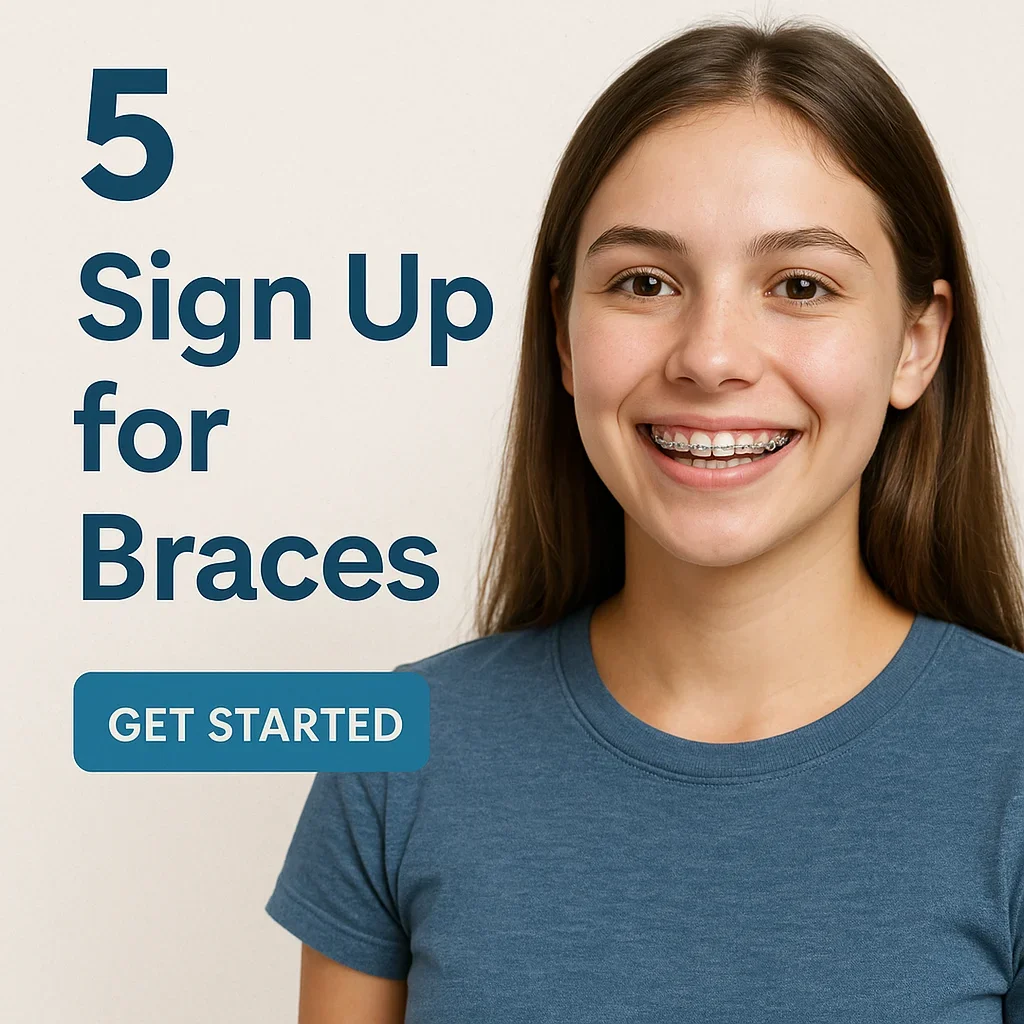
Top Clinics to Sign Up for Braces: How to Choose the Right Orthodontist
Choosing where to sign up for braces is one of the most critical decisions in your orthodontic journey. The clinic and orthodontist you select will directly influence your comfort, treatment success, and final smile results. While many dental clinics offer orthodontic services, not all provide the same level of expertise, technology, or patient care. Knowing how to identify a reputable, patient-focused orthodontic provider will ensure that your investment in braces leads to long-lasting, beautiful results. 😁
1. What Makes a Great Orthodontic Clinic?
When you sign up for braces, you’re committing to a long-term relationship with your orthodontist — typically 1 to 3 years. Therefore, your chosen clinic should excel in professionalism, hygiene, technology, and personalized care. The best orthodontic clinics combine advanced treatment methods with a patient-centered approach, ensuring both efficiency and comfort.
Core Qualities to Look For
- Qualified Orthodontists: Verify that your orthodontist holds specialized certification from a recognized body, such as the American Dental Association or an equivalent national authority.
- Advanced Technology: Modern clinics use 3D scanning, AI-assisted treatment planning, and digital x-rays to minimize discomfort and increase accuracy.
- Transparent Pricing: A trustworthy clinic provides a clear cost breakdown before you sign up for braces, including any additional fees for retainers or checkups.
- Positive Reviews and Testimonials: Look for consistent patient satisfaction regarding professionalism, punctuality, and visible results.
- Clean, Comfortable Environment: A clinic’s cleanliness reflects its standards of care — always tour the facility before committing.
2. Comparing Orthodontic Clinics: Key Evaluation Criteria
Before you sign up for braces, take time to compare a few different orthodontic practices. Don’t rush the process — each clinic’s approach can vary significantly in terms of technology, service quality, and patient interaction.
Evaluation Checklist
- Experience Level: Ask how many years the orthodontist has practiced and how many braces or aligner cases they handle annually.
- Treatment Options: Ensure the clinic offers multiple solutions — such as metal, ceramic, lingual braces, and clear aligners — so you can choose what fits your lifestyle.
- Initial Consultation: Reputable clinics provide detailed consultations with no obligation to proceed immediately.
- Follow-Up Care: Consistent progress monitoring ensures your braces are working efficiently.
- Emergency Services: Check if the clinic offers quick support for broken wires, detached brackets, or retainer issues.
3. The Role of Technology in Modern Orthodontics
Technology has revolutionized how clinics approach orthodontic treatment. When you sign up for braces in a modern practice, you benefit from precision-driven methods that minimize discomfort and maximize results.
Cutting-Edge Innovations to Look For
- 3D Scanning & Digital Impressions: Replace uncomfortable molds with accurate, fast digital scans.
- AI-Powered Treatment Planning: Artificial intelligence helps orthodontists predict tooth movement and simulate your final smile.
- Self-Ligating Brackets: These modern braces reduce friction and may shorten treatment time.
- Remote Monitoring: Some clinics offer app-based photo check-ins, reducing the need for frequent in-person visits.
Choosing a technologically advanced clinic ensures a smoother, faster, and more comfortable experience throughout your treatment.
4. Local vs. International Clinics: Which Should You Choose?
When deciding where to sign up for braces, you may find yourself choosing between a local orthodontic office and an international dental center. Each option has unique benefits depending on your needs and location.
Local Orthodontic Clinics
- Convenient and accessible for regular adjustments.
- Often more affordable due to lower travel costs.
- Ideal for patients requiring frequent follow-ups or minor corrections.
International Dental Clinics
- Often equipped with state-of-the-art facilities and advanced expertise.
- Can combine dental care with medical tourism opportunities.
- May offer cost savings for complex treatments in certain countries (e.g., Turkey, Thailand, Hungary).
If you’re considering orthodontic tourism, reputable centers such as Redent Klinik Contact Page in Turkey provide English-speaking orthodontists, transparent pricing, and internationally accredited standards of care — making them ideal for patients who want premium service at competitive prices.
5. How to Verify a Clinic’s Credentials
Before you sign up for braces, research your clinic thoroughly. Always verify their credentials and ask key questions about their procedures, equipment, and track record.
Verification Steps
- Check if the orthodontist is a certified member of national dental associations (e.g., ADA, EAS, TDA).
- Request before-and-after photos of previous patients (with consent).
- Read independent online reviews and testimonials.
- Ask about the sterilization process and infection control measures.
- Ensure the clinic has a transparent privacy and data protection policy for patient records.
Trustworthy clinics will answer all your questions clearly and willingly — a sign they value transparency and patient confidence.
6. Understanding Payment and Financing Policies
When you sign up for braces, the financial commitment can vary based on your treatment plan. Top orthodontic clinics offer several payment structures, including:
- Interest-Free Installment Plans: Spread your payments over time with no extra cost.
- Insurance Partnerships: Some clinics directly collaborate with insurance companies for partial reimbursements.
- Package Deals: Discounts on full treatment plans that include retainers and aftercare.
- Referral Rewards: Some clinics offer discounts if you refer a family member or friend to sign up for braces.
Before committing, always ask for a written estimate and clarify if retainers, x-rays, and follow-up visits are included in the quoted price.
7. Red Flags: Signs of a Poor Orthodontic Clinic
Not all clinics maintain the same quality standards. Be cautious if you notice any of the following warning signs when preparing to sign up for braces:
- Unwillingness to discuss credentials or treatment details.
- Rushed consultations with limited examination time.
- Outdated or visibly unhygienic equipment.
- Lack of clear documentation or treatment agreement.
- Overly aggressive marketing or hidden costs.
Trust your instincts — if a clinic seems unprofessional or dismissive, it’s better to explore other options before making a commitment.
8. How to Choose the Right Orthodontist for You
Choosing the right orthodontist is about more than just credentials — it’s about comfort and communication. A great orthodontist listens to your concerns, explains every stage of the process, and respects your preferences. Whether you’re getting metal braces, ceramic braces, or aligners, your provider should make you feel confident in your decision to sign up for braces.
Ask Yourself:
- Do I feel comfortable asking questions here?
- Does the orthodontist explain the process clearly?
- Are all costs transparent and reasonable?
- Is the clinic environment clean and welcoming?
The answers to these questions will help guide your decision.
9. Final Thoughts
Finding the right place to sign up for braces is the first step toward achieving a confident, healthy smile. The best orthodontic clinics combine expertise, advanced technology, transparency, and empathy — ensuring that you feel supported every step of the way. Take your time to research, compare options, and consult trusted sources before making a choice.
For world-class orthodontic care, modern equipment, and English-speaking experts, consider contacting Redent Klinik Contact Page. Their patient-centered approach and internationally recognized standards make them one of the leading choices for anyone ready to transform their smile and confidently sign up for braces today. 🌍