
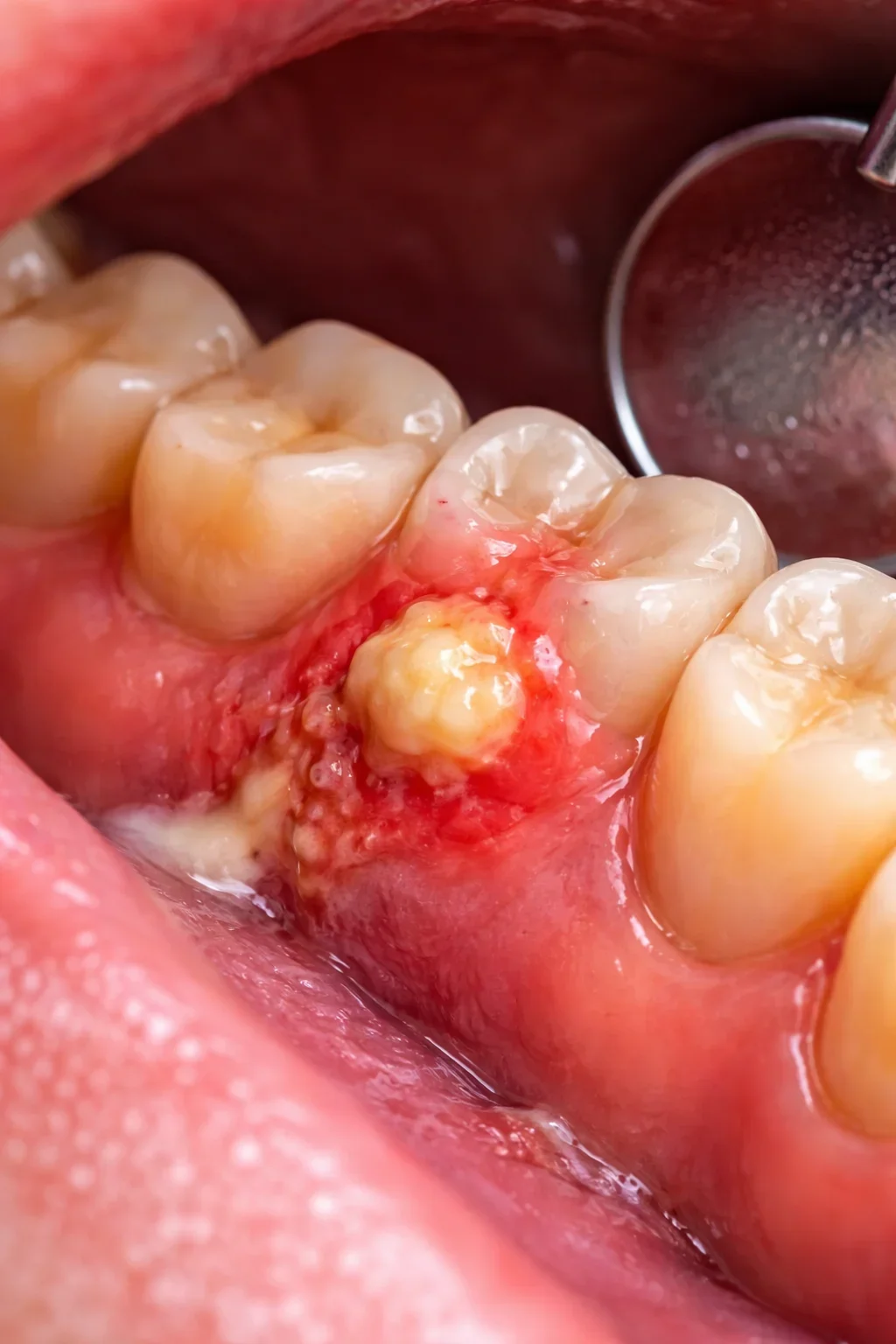
A gum abscess is a painful dental infection that forms in the gum tissue due to bacterial buildup. Although many people casually refer to this condition as gum apsis, the correct medical term is gum abscess. This infection occurs when bacteria enter the gum tissue, usually through periodontal pockets, untreated cavities, gum disease, or dental trauma. When the infection develops, the body attempts to fight the bacteria by sending white blood cells to the area, which leads to a collection of pus. This pus buildup creates the swollen pocket that dentists call a gum abscess.
A gum abscess is not just a minor dental discomfort. It is a serious oral health issue that requires timely treatment to prevent complications. Without proper care, a gum abscess can spread infection to nearby tissues, damage surrounding teeth, and even enter the bloodstream in severe cases. Because of this risk, recognizing the early signs of a gum abscess is essential for protecting both oral and overall health. 😷
When people search for information about gum apsis, they are usually experiencing symptoms such as sudden gum swelling, throbbing pain, or a bad taste in the mouth. These symptoms occur because the infection is trapped in the gum tissue, causing pressure and inflammation. As the infection progresses, the swelling can become more visible and painful. The gum tissue may appear red, shiny, and extremely sensitive to touch.
One important thing to understand is that a gum abscess is different from other dental infections such as a tooth abscess. A tooth abscess forms inside the tooth pulp due to deep decay or trauma, while a gum abscess develops in the gum tissue surrounding the tooth. However, both conditions involve bacterial infection and require professional dental treatment.
There are several reasons why a gum abscess can develop. Poor oral hygiene is one of the most common causes. When plaque and food particles accumulate around the gum line, bacteria multiply rapidly. Over time, this bacterial growth irritates the gums and can lead to infections that eventually form a gum abscess. In addition, people with untreated periodontal disease (gum disease) have a significantly higher risk of developing a gum abscess.
Another frequent trigger of gum abscess formation is food debris trapped between teeth or under the gum tissue. When food particles remain stuck in these areas, bacteria break them down and create an infection. This localized infection can lead to the swelling and pus buildup typical of a gum abscess.
Trauma to the gums can also allow bacteria to enter the tissue. For example, aggressive brushing, dental injuries, or sharp foods can create tiny cuts in the gum tissue. These openings provide an entry point for bacteria, which may eventually cause a gum abscess. Even poorly fitted dental appliances such as braces, dentures, or crowns can sometimes irritate the gums and contribute to infection.
The symptoms of a gum abscess can vary depending on the severity of the infection. However, the most common symptoms include:
- Persistent throbbing pain in the gums
- Swollen or puffy gum tissue
- Redness and inflammation around a specific tooth
- Sensitivity when chewing or biting
- A bad taste in the mouth caused by pus drainage
- Bad breath (halitosis)
- Occasionally fever or swollen lymph nodes
These symptoms often worsen if the infection is left untreated. In some cases, the abscess may rupture on its own, releasing pus and temporarily reducing the pain. However, this does not mean the infection has healed. The bacteria remain in the gum tissue, and the infection can quickly return.
Because a gum abscess involves bacterial infection, professional dental care is usually required to fully eliminate the problem. Dentists typically drain the abscess, clean the infected area, and may prescribe antibiotics if the infection has spread. In some situations, additional treatments such as deep cleaning or periodontal therapy are necessary.
If you believe you might have symptoms related to gum apsis, it is important to contact a dental professional as soon as possible. Early treatment not only relieves pain but also prevents more serious oral health complications. If you are experiencing signs of infection, you can reach out through the Redent Klinik Contact Page to receive professional dental guidance.
In addition, reputable organizations such as the American Dental Association emphasize that untreated dental infections can lead to severe health risks. This is why recognizing and treating a gum abscess early is extremely important.
In summary, a gum abscess is a localized bacterial infection that forms in the gum tissue and produces pus, swelling, and significant discomfort. While it may start as a small irritation, the infection can escalate quickly without treatment. Understanding the causes, symptoms, and treatment options of a gum abscess helps individuals take prompt action and maintain healthier gums in the long term. 🦷
What Is a Gum Abscess and Why It Happens
A gum abscess is a localized bacterial infection that forms inside the gum tissue and leads to the accumulation of pus. Many people searching online for information about gum apsis are actually referring to this condition. The correct dental term is gum abscess, but the search phrase gum apsis often appears when patients are experiencing symptoms such as swelling, pain, and pressure in their gums.
This infection typically develops when bacteria enter the gum tissue through small openings, gum pockets, or damaged tissue. As the infection progresses, the body’s immune system sends white blood cells to the affected area to fight the bacteria. This immune response results in pus formation, which creates a painful swollen pocket known as a gum abscess. 😷
Understanding what a gum abscess is and why it happens is essential for early detection and treatment. When left untreated, the infection associated with gum apsis can spread to nearby teeth, jawbone, or surrounding tissues, causing serious oral health complications.
How a Gum Abscess Forms in the Gums
The formation of a gum abscess usually begins with bacterial accumulation. The mouth naturally contains many types of bacteria, but when oral hygiene is poor, harmful bacteria multiply rapidly. Plaque and food particles trapped between the teeth and gums create an ideal environment for bacterial growth.
Over time, these bacteria irritate the gum tissue and trigger inflammation. The inflammation weakens the natural barrier of the gums, allowing bacteria to penetrate deeper into the tissue. Once bacteria invade the gum layer, the body reacts by sending immune cells to fight the infection. This immune response results in the formation of pus, which leads to swelling and pain typical of a gum abscess.
Many individuals who search for gum apsis are experiencing early symptoms such as tenderness, redness, or localized swelling. At this stage, the infection is usually confined to a small area of gum tissue. However, without treatment, the infection can quickly worsen.
The Role of Pus Formation in Gum Abscess Development
Pus is a thick fluid composed of dead white blood cells, bacteria, and damaged tissue. It forms as part of the body’s defense mechanism against infection. In the case of a gum abscess, the pus accumulates in a pocket within the gum tissue.
This buildup of pus increases pressure in the surrounding tissue, which is why people with gum apsis often feel throbbing pain or a strong sensation of pressure in the gums. In some cases, the abscess may rupture naturally and release the pus. Although this may temporarily relieve discomfort, it does not eliminate the infection entirely.
Common Conditions That Lead to Gum Abscess
Several dental conditions can contribute to the development of a gum abscess. These factors increase the risk of bacterial invasion and infection in the gum tissue.
Poor Oral Hygiene
One of the most common causes of a gum abscess is poor oral hygiene. When brushing and flossing are neglected, plaque accumulates along the gum line. This sticky bacterial film gradually irritates the gums and can eventually cause infection. Individuals searching for gum apsis frequently experience symptoms because plaque buildup has triggered a bacterial infection.
Periodontal Disease
Advanced gum disease, also called periodontitis, significantly increases the risk of developing a gum abscess. Periodontal disease causes the gums to pull away from the teeth, creating deep pockets. These pockets trap bacteria and food debris, allowing infection to develop more easily.
Once bacteria accumulate inside these periodontal pockets, they can form an abscess. This is one of the most frequent reasons dentists diagnose a gum abscess in adults.
Food Particles Stuck in the Gums
Sometimes even individuals with good oral hygiene may develop a gum abscess due to trapped food particles. Hard foods like popcorn kernels, seeds, or meat fibers can become lodged under the gums. When this debris remains stuck, bacteria feed on it and produce infection.
Many cases of gum apsis begin with something as simple as a small piece of food stuck between the teeth and gums.
Dental Trauma or Injury
Injuries to the gums can create tiny openings that allow bacteria to enter the tissue. This may happen due to aggressive brushing, dental accidents, or irritation from dental appliances. Once bacteria enter the injured gum tissue, infection can quickly develop and form a gum abscess.
Who Is Most at Risk for Gum Abscess?
Although anyone can develop a gum abscess, some individuals have a higher risk of experiencing symptoms associated with gum apsis. Risk factors include:
- Poor oral hygiene habits
- Untreated gum disease
- Smoking or tobacco use
- Diabetes or weakened immune system
- Frequent consumption of sugary foods
- Improperly fitted dental restorations
These factors allow bacteria to grow more easily in the mouth and increase the likelihood of infection. Maintaining good oral hygiene and visiting a dentist regularly are key preventive strategies.
Why Early Diagnosis of Gum Abscess Matters
Recognizing the early signs of a gum abscess is extremely important. People who search for gum apsis often do so because they are already experiencing symptoms such as swelling, pain, or a bad taste in the mouth. These warning signs should never be ignored.
Early treatment allows dentists to remove the infection before it spreads to deeper tissues. In many cases, prompt care can prevent complications such as bone loss, tooth mobility, or severe infection.
If you suspect symptoms related to gum apsis, it is important to seek professional dental care quickly. You can contact a dental professional through the Redent Klinik Contact Page to receive expert advice and treatment.
Additionally, organizations like the American Dental Association emphasize that untreated dental infections should always be evaluated by a dentist. Early intervention ensures that infections such as a gum abscess can be treated safely and effectively.
In summary, a gum abscess occurs when bacteria invade the gum tissue and trigger a localized infection filled with pus. Understanding the causes, risk factors, and development of gum apsis helps individuals recognize symptoms early and seek the proper treatment needed to protect their oral health. 🦷
Common Symptoms of a Gum Abscess You Should Recognize Early
A gum abscess is one of the most painful oral infections a person can experience. Many patients who search online for gum apsis are usually trying to understand why their gums suddenly became swollen, painful, or sensitive. Recognizing the early symptoms of a gum abscess is extremely important because early treatment can prevent serious complications and protect the surrounding teeth and tissues.
A gum abscess develops when bacteria infect the gum tissue and create a pocket filled with pus. This infection causes noticeable symptoms that typically worsen over time if left untreated. In many cases, the symptoms of gum apsis appear suddenly and may become severe within a short period. Because of this rapid progression, understanding the warning signs helps patients seek dental care before the infection spreads.
Persistent Gum Pain and Throbbing Sensation
One of the earliest and most common symptoms of a gum abscess is persistent gum pain. This pain often feels sharp, throbbing, or pulsating and may become worse when chewing or touching the affected area. People experiencing gum apsis frequently describe the pain as intense pressure building inside the gum.
The throbbing sensation occurs because pus accumulates inside the infected gum tissue. As the pressure increases, nearby nerves become irritated, leading to discomfort. Unlike mild gum irritation, the pain from a gum abscess usually does not go away on its own and may even radiate to the jaw, ear, or surrounding teeth.
In advanced cases of gum apsis, the pain may become severe enough to interfere with eating, speaking, or sleeping. This is one of the clearest signs that immediate dental evaluation is necessary.
Swollen, Red, and Tender Gums
Another major symptom of a gum abscess is visible swelling in the gum tissue. The affected area may appear puffy, inflamed, and darker red than the surrounding gums. Many patients searching for information about gum apsis first notice this swelling when brushing their teeth or looking in the mirror.
The swelling occurs because the immune system sends white blood cells to fight the infection. These cells accumulate in the infected area along with bacteria and tissue debris, forming pus. This buildup creates the swollen pocket that characterizes a gum abscess.
Localized Gum Bump or Pimple
Sometimes a gum abscess appears as a small bump or pimple-like swelling on the gum surface. Dentists often call this a gum boil. The bump may feel soft to the touch and may release pus if pressure is applied.
When patients experiencing gum apsis notice this small bump, it is usually a sign that the infection has created a drainage point. Although the release of pus may temporarily reduce pressure and pain, the infection itself is still present and requires treatment.
Bad Taste in the Mouth and Persistent Bad Breath
A strong, unpleasant taste in the mouth is another typical symptom of a gum abscess. This occurs when pus from the infected area leaks into the mouth. People who search for gum apsis frequently mention a sudden bitter or metallic taste that does not disappear even after brushing.
This symptom is closely linked with chronic bad breath, also known as halitosis. The bacteria responsible for a gum abscess produce sulfur compounds that create a foul odor. As a result, individuals with gum apsis may experience persistent bad breath that cannot be eliminated with mouthwash or chewing gum.
Sensitivity When Chewing or Biting
A gum abscess can also cause discomfort when chewing food. The infected gum tissue becomes extremely sensitive to pressure, which makes biting painful. Patients with gum apsis may avoid chewing on one side of their mouth because the affected area feels tender or swollen.
This chewing sensitivity occurs because inflammation spreads to the surrounding tissues. The infection may also affect the periodontal ligament, which supports the tooth. When this structure becomes inflamed, even gentle pressure can trigger discomfort.
Tooth Mobility Near the Infection
In more advanced cases, a gum abscess may cause nearby teeth to feel loose or unstable. This happens when the infection damages the supporting bone or gum tissue. Although this symptom is less common in early stages, individuals with untreated gum apsis may notice slight tooth movement.
Loose teeth caused by infection require immediate dental attention because prolonged inflammation can lead to permanent tooth loss.
Fever and Swollen Lymph Nodes
When a gum abscess becomes severe, the infection may trigger systemic symptoms such as fever or swollen lymph nodes in the neck. These symptoms indicate that the body is actively fighting the bacterial infection.
Although fever is not present in every case of gum apsis, it can occur when the infection spreads beyond the gum tissue. Swollen lymph nodes often appear as tender lumps under the jaw or along the neck.
These signs should never be ignored because they may indicate that the infection is spreading through the body. Immediate dental treatment is essential to prevent complications.
Why Early Recognition of Gum Abscess Symptoms Is Critical
Recognizing the symptoms of a gum abscess early can significantly reduce the risk of complications. Many people who search for gum apsis online are already experiencing pain or swelling and may not realize how serious the infection can become.
If untreated, a gum abscess can lead to several serious problems, including:
- Spread of infection to nearby teeth
- Damage to jawbone structures
- Tooth loss
- Severe facial swelling
- Systemic infection in rare cases
Because of these risks, dentists strongly recommend seeking professional care as soon as symptoms appear. If you suspect that you may have a gum abscess or symptoms related to gum apsis, you can reach out through the Redent Klinik Contact Page to receive expert evaluation and treatment.
Trusted dental authorities such as the American Dental Association also emphasize the importance of prompt treatment for dental infections. Early diagnosis allows dentists to drain the abscess, eliminate bacteria, and restore gum health before complications occur.
In summary, the symptoms of a gum abscess often include throbbing pain, swelling, pus formation, bad taste, chewing sensitivity, and sometimes fever. Understanding these warning signs helps individuals recognize the early stages of gum apsis and seek professional dental care before the infection becomes more severe. 🦷
Main Causes of a Gum Abscess and How Infections Develop
A gum abscess develops when bacteria invade the gum tissue and trigger a localized infection filled with pus. Many people who search online for gum apsis are actually trying to understand why this painful condition occurs and what factors allow bacteria to spread inside the gums. Understanding the root causes of a gum abscess is essential because identifying the underlying problem helps dentists choose the most effective treatment.
In most cases, a gum abscess forms due to bacterial buildup in the mouth. The oral cavity naturally contains hundreds of bacterial species. When oral hygiene is maintained, these bacteria remain under control. However, when plaque and food debris accumulate, harmful bacteria multiply rapidly and begin attacking the gum tissue. This process is one of the main triggers behind infections often searched as gum apsis. 😷
Several dental and lifestyle factors can contribute to the development of a gum abscess. These factors weaken the gum tissue, create openings for bacteria, or allow plaque to accumulate near the gums.
Poor Oral Hygiene and Plaque Buildup
The most common cause of a gum abscess is poor oral hygiene. When brushing and flossing are not performed regularly, plaque accumulates along the gum line. Plaque is a sticky bacterial film that forms on teeth and gums after eating.
If plaque is not removed through proper brushing and flossing, it hardens into tartar (dental calculus). Tartar cannot be removed with a toothbrush and provides an ideal surface for bacteria to thrive. Over time, these bacteria irritate the gum tissue and create inflammation.
This inflammation weakens the gums and allows bacteria to penetrate deeper into the tissue. Once bacteria enter the gum layers, the body’s immune system attempts to fight the infection. The result is pus formation and swelling, which leads to the painful condition many people refer to as gum apsis.
Why Plaque Leads to Infection
Plaque contains harmful bacteria that produce toxins. These toxins irritate the gums and cause inflammation known as gingivitis. If gingivitis is not treated, it can progress into more severe infections that eventually result in a gum abscess.
Patients experiencing symptoms associated with gum apsis often have a history of plaque buildup or untreated gum inflammation.
Periodontal Disease (Advanced Gum Disease)
Periodontal disease is another major cause of a gum abscess. This condition occurs when chronic bacterial infection damages the supporting structures of the teeth, including the gums and bone.
When periodontal disease progresses, the gums begin to separate from the teeth, forming deep pockets between the tooth and gum tissue. These pockets become traps for bacteria and food particles. Once bacteria accumulate inside these spaces, infection develops easily.
This infection can lead to the formation of a gum abscess. People searching for gum apsis often experience symptoms because periodontal pockets have allowed bacteria to invade the gum tissue.
Without professional dental cleaning and treatment, periodontal disease can continue to worsen and increase the risk of repeated gum abscess formation.
Food Debris Trapped in the Gums
Sometimes a gum abscess forms due to something as simple as food debris stuck between the teeth or under the gum tissue. Hard or fibrous foods such as popcorn kernels, seeds, or meat fibers can become lodged in tight spaces around the gums.
When these food particles remain trapped, bacteria begin breaking them down. This bacterial activity creates infection in the surrounding gum tissue. In many cases, patients searching for information about gum apsis discover that the infection began with trapped food debris.
Although this may sound minor, even a small piece of food can trigger a bacterial infection that develops into a painful gum abscess.
Dental Trauma or Gum Injury
Injuries to the gums can also allow bacteria to enter the tissue and cause infection. Trauma may occur due to aggressive brushing, dental accidents, or irritation from sharp foods.
For example, brushing too hard with a stiff toothbrush can create small cuts or abrasions in the gum tissue. These openings allow bacteria to penetrate beneath the gum surface. Once bacteria enter the tissue, infection can develop and lead to a gum abscess.
Many cases described online as gum apsis begin after gum injury caused by mechanical irritation.
Dental Appliances That Irritate the Gums
Poorly fitted dental appliances such as braces, dentures, or crowns can sometimes irritate the gums. Continuous irritation creates inflammation and small wounds in the gum tissue.
These irritated areas are more vulnerable to bacterial invasion, which increases the risk of infection and abscess formation.
Weakened Immune System and Health Conditions
Some individuals have a higher risk of developing a gum abscess because their immune system is less effective at fighting infections. Health conditions such as diabetes can weaken the body’s ability to control bacterial growth.
Patients with weakened immune systems may experience infections like gum apsis more frequently because their body cannot respond to bacteria as effectively as healthy individuals.
Other contributing factors include smoking, excessive sugar consumption, and chronic dry mouth. These conditions create an environment where harmful bacteria thrive.
How Dentists Identify the Cause of a Gum Abscess
Determining the underlying cause of a gum abscess is essential for proper treatment. Dentists evaluate several factors when diagnosing infections commonly searched as gum apsis, including:
- Patient oral hygiene habits
- Presence of periodontal disease
- Signs of trapped food or debris
- Dental restorations or appliances
- Medical history and immune health
By identifying the root cause, dentists can eliminate the infection and prevent the abscess from returning.
If you suspect that you may have symptoms related to gum apsis, it is important to seek professional dental care as soon as possible. You can contact a dental specialist through the Redent Klinik Contact Page to receive guidance and treatment.
In addition, trusted organizations like the American Dental Association recommend immediate dental evaluation for infections involving the gums or teeth. Early treatment can prevent complications and restore healthy gum tissue.
In summary, a gum abscess forms when bacteria invade the gum tissue due to poor oral hygiene, periodontal disease, trapped food particles, gum injury, or weakened immune defenses. Understanding these causes helps individuals prevent infections like gum apsis and maintain long-term oral health. 🦷
How Dentists Diagnose a Gum Abscess
When patients search for information about gum apsis, they are often experiencing symptoms such as swelling, pain, or a bad taste in the mouth and want to know how dentists confirm the diagnosis. Identifying a gum abscess is usually straightforward for dental professionals, but the diagnostic process is still important because it helps determine the severity of the infection and the best treatment approach. Proper diagnosis ensures that the infection is treated effectively and that complications related to gum apsis are prevented.
A gum abscess diagnosis typically involves several steps, including a clinical examination, evaluation of symptoms, imaging tests, and sometimes periodontal assessment. Dentists aim to locate the source of infection, determine how deep the infection has spread, and rule out other dental problems that may produce similar symptoms. Understanding how this process works can help patients feel more comfortable when seeking professional care for gum apsis. 🦷
Initial Dental Examination
The first step in diagnosing a gum abscess is a thorough clinical examination. During this evaluation, the dentist carefully inspects the gums, teeth, and surrounding tissues. The dentist looks for visible signs of infection such as swelling, redness, pus discharge, and gum tenderness.
Patients experiencing gum apsis often present with a localized swollen bump on the gum near a specific tooth. This swelling may look similar to a small pimple or boil on the gum surface. Dentists gently press the area to determine whether pus is present, which is a key indicator of a gum abscess.
The dentist will also ask the patient questions about their symptoms. Common questions include:
- When did the pain begin?
- Is the pain constant or does it come and go?
- Does chewing increase the discomfort?
- Have you noticed swelling or pus drainage?
These questions help the dentist determine whether the symptoms are consistent with gum apsis or another oral health condition.
Checking for Periodontal Pockets
One of the most important steps in diagnosing a gum abscess is measuring the depth of the gum pockets around the teeth. Dentists use a special instrument called a periodontal probe to gently measure the space between the tooth and the gum.
Healthy gums usually form shallow pockets around the teeth. However, when gum disease develops, these pockets become deeper. Bacteria can accumulate inside these pockets and eventually cause infection. Many cases of gum apsis occur because periodontal pockets trap bacteria and food particles.
Why Pocket Depth Matters
Deeper periodontal pockets indicate advanced gum disease, which significantly increases the risk of developing a gum abscess. If the dentist detects deep pockets during the examination, this may explain why the infection occurred.
Understanding pocket depth allows the dentist to determine whether gum apsis developed due to periodontal disease or another underlying issue.
Dental X-Rays to Identify Hidden Infections
Dental X-rays are another essential tool in diagnosing a gum abscess. Although swelling and pain may appear on the gum surface, the infection may extend deeper into the supporting structures of the tooth. X-rays allow dentists to see areas that are not visible during a visual examination.
When patients report symptoms associated with gum apsis, dentists often take X-ray images to evaluate the surrounding bone and tooth roots. These images help determine whether the infection has spread into the jawbone or if the tooth root is involved.
X-rays are particularly helpful for distinguishing between a gum abscess and other types of dental infections, such as a tooth abscess. Both conditions may produce similar symptoms, but the location of the infection is different.
Identifying the Source of Infection
Another important goal during diagnosis is identifying the root cause of the infection. Dentists analyze several possible triggers that may have led to gum apsis. These may include:
- Food debris trapped under the gums
- Untreated gum disease
- Poor oral hygiene
- Dental trauma
- Poorly fitted dental appliances
By identifying the cause, dentists can prevent the infection from returning after treatment. For example, if trapped food caused the infection, removing the debris and improving oral hygiene may solve the problem.
Testing Tooth Sensitivity
In some situations, dentists perform additional tests to determine whether the infection is limited to the gum tissue or involves the tooth itself. These tests may include tapping the tooth gently or using cold or heat to test tooth sensitivity.
If the tooth responds normally to these tests, the infection is likely limited to the gum tissue. This confirms the presence of a gum abscess rather than a tooth abscess. Patients who search for gum apsis online often learn during dental evaluation that the infection is localized in the gums rather than inside the tooth.
When Immediate Treatment Is Required
Once the dentist confirms the presence of a gum abscess, treatment should begin as soon as possible. Dental infections can spread quickly if not addressed. Patients experiencing symptoms of gum apsis should not delay seeking professional care.
If you suspect you have a gum infection, contacting a dental clinic promptly is essential. You can reach out through the Redent Klinik Contact Page to schedule a professional evaluation and receive proper treatment.
Professional organizations such as the American Dental Association also emphasize that dental infections should always be evaluated by a dentist. Early diagnosis ensures that infections like gum apsis can be treated effectively before complications occur.
Why Professional Diagnosis Is Important
Although online information can help patients understand their symptoms, only a dental professional can accurately diagnose a gum abscess. Proper diagnosis allows dentists to determine the severity of the infection and select the most effective treatment plan.
Ignoring symptoms associated with gum apsis can lead to serious complications such as spreading infection, bone damage, or tooth loss. Early diagnosis and treatment not only relieve pain but also protect long-term oral health.
In summary, diagnosing a gum abscess involves a combination of clinical examination, periodontal pocket measurements, dental X-rays, and symptom analysis. These diagnostic steps allow dentists to confirm whether the patient is experiencing gum apsis, identify the source of infection, and begin the most appropriate treatment to restore healthy gums. 🦷
Professional Treatment Options for a Gum Abscess
A gum abscess is a serious oral infection that requires professional dental treatment to eliminate the bacteria and prevent complications. Many people searching online for gum apsis are usually experiencing intense gum pain, swelling, or pus discharge and want to know what dentists actually do to treat the problem. While temporary relief methods may reduce symptoms, a gum abscess almost always requires professional care because the infection is caused by bacteria trapped inside the gum tissue.
Dental professionals use several treatment methods depending on the severity of the infection, the location of the abscess, and the underlying cause. The main goal of treatment is to remove the infection, drain the pus, eliminate bacteria, and restore healthy gum tissue. Without proper treatment, infections associated with gum apsis can spread to nearby teeth, jawbone structures, or even the bloodstream in rare cases. 😷
Because of these risks, dentists strongly recommend seeking treatment as soon as symptoms appear.
Drainage of the Gum Abscess
The first and most common treatment for a gum abscess is draining the infected pocket. During this procedure, the dentist carefully opens the abscess to allow the trapped pus to escape. This drainage relieves pressure inside the gum tissue and significantly reduces pain.
For patients experiencing gum apsis, drainage is often the fastest way to reduce swelling and discomfort. The dentist may gently clean the area with sterile solutions to remove bacteria and debris from the infected pocket.
Although this procedure sounds intimidating, it is usually quick and performed using local anesthesia to keep the patient comfortable. Once the pus is drained, the gum tissue can begin healing.
Why Drainage Is Necessary
Pus accumulation is the main cause of pressure and throbbing pain in a gum abscess. If the infection is not drained, bacteria continue multiplying inside the pocket. Drainage removes infected material and reduces the bacterial load.
For many patients researching gum apsis, this step alone provides immediate relief from severe gum pressure.
Deep Cleaning and Periodontal Therapy
If a gum abscess developed due to gum disease, dentists may recommend periodontal treatment after draining the infection. This treatment usually involves a procedure called scaling and root planing.
Scaling removes plaque and tartar from below the gum line, while root planing smooths the tooth roots so bacteria cannot easily attach again. These procedures eliminate the bacterial environment that allowed gum apsis to develop.
Deep cleaning is especially important for patients with periodontal pockets. Without cleaning these pockets, the infection may return even after the abscess is drained.
Antibiotic Treatment
In some cases, dentists prescribe antibiotics to help control the bacterial infection associated with a gum abscess. Antibiotics are especially helpful when:
- The infection has spread beyond the gum tissue
- The patient has fever or swollen lymph nodes
- The immune system is weakened
- Multiple abscesses are present
Patients who search for gum apsis often wonder whether antibiotics alone can cure the infection. While antibiotics help control bacterial growth, they usually cannot completely eliminate a gum abscess without drainage or cleaning. Therefore, antibiotics are typically used alongside other treatments.
Common Antibiotics Used
Dentists may prescribe antibiotics such as amoxicillin, metronidazole, or clindamycin depending on the type of infection. These medications help stop bacterial spread and support healing.
However, antibiotics should always be taken exactly as prescribed by a dental professional to ensure effective treatment of infections like gum apsis.
Removal of Trapped Debris or Foreign Objects
Sometimes a gum abscess develops because food particles or foreign debris become trapped between the teeth or under the gum tissue. Hard foods like popcorn kernels or seeds are common culprits.
In these cases, the dentist carefully removes the trapped object and cleans the surrounding area. Once the debris is removed, the infection causing gum apsis can begin to heal.
This is one reason why dentists examine the gums carefully during diagnosis. Identifying the exact cause prevents the infection from returning later.
Surgical Treatment for Severe Gum Abscess
In more advanced cases, minor gum surgery may be necessary to fully remove infected tissue. Surgical treatment may be recommended when:
- The abscess is very large
- The infection has spread into deeper gum layers
- Periodontal disease has created deep pockets
During this procedure, the dentist or periodontist removes infected tissue and thoroughly cleans the area. This allows healthy gum tissue to regenerate and reduces the risk of recurring gum apsis.
Estimated Treatment Costs
The cost of treating a gum abscess depends on the severity of the infection and the treatment required. Based on general dental estimates, treatment costs may include:
Dental abscess drainage: $100 – $300
Deep cleaning (scaling and root planing): $200 – $400 per quadrant
Antibiotic medication: $10 – $50
Periodontal surgery (if required): $500 – $1500
These prices may vary depending on the clinic location and treatment complexity. Early treatment of gum apsis is usually less expensive than waiting until the infection becomes severe.
When to Seek Immediate Dental Care
Symptoms of a gum abscess should never be ignored. If you notice swelling, persistent gum pain, or pus discharge, professional dental care is essential.
You can contact a dental specialist through the Redent Klinik Contact Page to receive professional evaluation and treatment for infections related to gum apsis.
Trusted organizations such as the American Dental Association also stress that untreated dental infections can lead to serious complications if not addressed promptly.
Recovery After Treatment
After treatment, most patients recover quickly once the infection is removed. Dentists typically recommend maintaining good oral hygiene, avoiding hard foods temporarily, and attending follow-up visits to ensure proper healing.
Patients who previously experienced gum apsis should also focus on preventive care such as regular dental cleanings, proper brushing techniques, and flossing daily.
In summary, professional treatment for a gum abscess may include drainage, deep cleaning, antibiotics, or surgical procedures depending on the severity of the infection. Seeking timely dental care ensures that infections like gum apsis are treated effectively and helps protect long-term oral health. 🦷
Can a Gum Abscess Heal on Its Own?
One of the most common questions people ask when they experience symptoms of a dental infection is whether the condition will disappear without treatment. Many individuals searching online for gum apsis hope that the swelling, pain, or pressure in their gums will eventually resolve on its own. Unfortunately, a gum abscess rarely heals without professional dental care. While symptoms may temporarily improve, the underlying infection usually remains and can worsen over time.
A gum abscess forms when bacteria invade the gum tissue and create a pocket of pus. This infection does not disappear naturally because the bacteria remain trapped in the tissue. Even if the abscess ruptures and drains on its own, the bacteria that caused the infection continue to survive in the gum pocket. For people experiencing gum apsis, this means the infection may return or spread if proper treatment is not provided. 🦷
Understanding why a gum abscess cannot fully heal on its own helps patients recognize the importance of timely dental care.
Why a Gum Abscess Does Not Resolve Naturally
The body’s immune system works continuously to fight infections, including those inside the mouth. When a gum abscess forms, the immune system sends white blood cells to the infected area to destroy the bacteria. This process creates pus, which is made of dead bacteria, immune cells, and tissue debris.
Although the immune system tries to control the infection, it usually cannot eliminate it completely. Bacteria remain protected inside the gum pocket where oxygen levels are low and immune cells cannot reach effectively. This is why infections related to gum apsis often persist without dental treatment.
Without removing the bacteria and draining the abscess, the infection can continue growing inside the gum tissue.
The Temporary Relief After Abscess Drainage
Sometimes a gum abscess ruptures naturally and releases pus into the mouth. When this happens, pressure inside the abscess decreases, and the pain may temporarily improve. People experiencing gum apsis may mistakenly believe that the infection has healed once the swelling reduces.
However, spontaneous drainage does not remove the source of infection. The bacteria remain inside the gum tissue or periodontal pocket. As a result, the abscess often reforms days or weeks later if professional treatment is not performed.
What Happens If a Gum Abscess Is Ignored?
Ignoring a gum abscess can lead to several serious complications. Because the infection originates from bacteria, it can spread to nearby structures in the mouth. Patients who delay treatment after noticing symptoms of gum apsis may experience worsening oral health problems.
Some potential complications include:
- Spread of infection to surrounding gum tissue
- Damage to the supporting bone around the teeth
- Tooth loosening or tooth loss
- Severe facial swelling
- Infection spreading to other parts of the body in rare cases
Dental infections can occasionally spread through the bloodstream if left untreated for long periods. Although this is uncommon, it highlights the importance of early treatment for conditions such as gum apsis.
Signs That the Abscess Is Getting Worse
Patients experiencing a gum abscess should monitor their symptoms closely. Certain warning signs indicate that the infection is worsening and requires immediate dental care.
Increasing Pain and Swelling
If the pain becomes stronger or the swelling continues to grow, it may mean the infection is expanding deeper into the gum tissue. Many individuals searching for gum apsis online report that their discomfort increases over time when treatment is delayed.
Fever or General Illness
Fever, fatigue, or swollen lymph nodes can indicate that the body is reacting to a spreading infection. These symptoms should never be ignored because they may signal that the infection associated with gum apsis is affecting more than just the gums.
When a Gum Abscess May Temporarily Improve
In some situations, the symptoms of a gum abscess may appear to improve without treatment. For example, the abscess may drain naturally or the immune system may reduce the inflammation temporarily.
However, this improvement is usually short-lived. The bacteria that caused the infection remain inside the gum tissue. This means the infection will likely return later unless the underlying cause of gum apsis is addressed by a dentist.
Patients often experience cycles of swelling, drainage, and temporary relief when an abscess is left untreated.
Why Professional Dental Care Is Essential
Professional dental care is the only reliable way to fully treat a gum abscess. Dentists remove the infection by draining the pus, cleaning the infected area, and eliminating bacteria from periodontal pockets or trapped debris.
Patients experiencing symptoms related to gum apsis should contact a dental professional as soon as possible. Early treatment prevents the infection from spreading and helps preserve healthy gum tissue.
If you believe you may have a gum abscess, you can reach a dental professional through the Redent Klinik Contact Page to receive proper diagnosis and treatment.
In addition, trusted dental authorities such as the American Dental Association strongly recommend that dental infections be evaluated by a professional rather than treated at home.
How Early Treatment Improves Recovery
When treated early, a gum abscess usually heals quickly. The infection can be removed before it damages surrounding tissues or bone. Patients who seek treatment promptly after noticing symptoms of gum apsis typically recover faster and experience fewer complications.
Dentists may treat the infection through drainage, deep cleaning, or antibiotics depending on the severity of the condition. Following treatment, maintaining good oral hygiene is essential to prevent the infection from returning.
In summary, a gum abscess almost never heals completely on its own. Although symptoms may temporarily improve, the infection usually remains inside the gum tissue. Anyone experiencing signs of gum apsis should seek professional dental care to eliminate the infection and protect long-term oral health. 🦷
Home Care Tips to Relieve Gum Abscess Pain Safely
When people experience sudden swelling, pressure, or pain in the gums, they often search online for solutions before visiting a dentist. Many individuals looking up gum apsis are trying to find ways to relieve discomfort at home until they can receive professional treatment. While a gum abscess cannot be completely cured without dental care, certain home care strategies can help reduce pain, swelling, and irritation temporarily.
It is important to understand that these home remedies are not a replacement for professional treatment. A gum abscess is a bacterial infection that requires proper dental evaluation and care. However, safe home care methods may help manage symptoms associated with gum apsis until a dentist can drain the infection and remove the bacteria causing the problem. 😷
Below are some of the most commonly recommended home care strategies for temporary relief.
Warm Saltwater Rinses
One of the most effective and widely recommended home remedies for a gum abscess is rinsing with warm saltwater. Saltwater has natural antibacterial properties and can help reduce inflammation in the gums.
For individuals experiencing symptoms related to gum apsis, saltwater rinses may help draw out some of the fluid from the infected area and reduce swelling. The warm water also improves circulation in the gum tissue, which can support the body’s natural healing response.
How to Use a Saltwater Rinse
To prepare a saltwater rinse:
- Dissolve half a teaspoon of salt in a glass of warm water.
- Swish the solution gently in your mouth for about 30 seconds.
- Spit out the water and repeat several times per day.
This method can provide temporary relief for pain caused by gum apsis, especially when performed two to three times daily.
Cold Compress for Swelling and Pain
Another effective way to reduce discomfort from a gum abscess is applying a cold compress to the outside of the cheek near the affected area. Cold temperatures help reduce inflammation and numb the nerves responsible for pain.
Patients dealing with gum apsis may find that a cold compress significantly decreases swelling and throbbing sensations.
How to Apply a Cold Compress
Wrap a bag of ice or a cold pack in a clean cloth and place it against the cheek for about 10–15 minutes at a time. This method can be repeated several times throughout the day to reduce discomfort caused by a gum abscess.
However, ice should never be applied directly to the skin without a protective cloth to prevent irritation.
Over-the-Counter Pain Relief
Over-the-counter pain medications may help reduce discomfort while waiting for dental treatment. Non-prescription medications such as ibuprofen or acetaminophen can help manage the inflammation and pain associated with gum apsis.
These medications work by reducing inflammatory chemicals in the body, which can help decrease swelling around the infected gum tissue.
However, it is important to follow the recommended dosage instructions and avoid using medication for extended periods without consulting a dentist.
Maintaining Good Oral Hygiene
Although brushing around a painful area may feel uncomfortable, maintaining proper oral hygiene is essential when dealing with a gum abscess. Bacteria accumulation can worsen the infection and delay healing.
Patients experiencing symptoms related to gum apsis should continue brushing gently twice a day and flossing carefully to remove plaque and food debris.
Use a Soft-Bristled Toothbrush
A soft-bristled toothbrush is recommended to avoid irritating the swollen gum tissue. Gentle brushing helps remove bacteria without causing additional trauma to the infected area.
Improving oral hygiene is particularly important because bacterial buildup is one of the primary causes of infections like gum apsis.
Avoiding Certain Foods and Drinks
Dietary choices can influence the severity of gum abscess symptoms. Hard, crunchy, or very hot foods can irritate the infected gum tissue and increase discomfort.
People experiencing gum apsis should avoid:
- Hard foods such as nuts or chips
- Extremely hot beverages
- Very sugary foods that promote bacterial growth
- Alcohol and tobacco products
Soft foods such as soups, yogurt, mashed vegetables, and smoothies are often easier to consume while dealing with a gum abscess.
Natural Antibacterial Rinses
Some natural mouth rinses may help reduce bacteria in the mouth. For example, diluted hydrogen peroxide rinses are sometimes recommended to help control bacterial growth.
However, these rinses should only be used occasionally and always diluted with water. Excessive use may irritate the gums. Individuals searching for relief from gum apsis should consult a dental professional before using strong antiseptic rinses regularly.
Why Home Remedies Are Only Temporary
Although these home care methods may relieve discomfort, they cannot fully eliminate a gum abscess. The infection remains inside the gum tissue until the pus is drained and bacteria are removed.
Many patients researching gum apsis online assume that home remedies will cure the infection. Unfortunately, without professional treatment the abscess often returns or worsens.
Delaying treatment can increase the risk of complications such as spreading infection or damage to surrounding teeth.
When to See a Dentist
Anyone experiencing symptoms of a gum abscess should schedule a dental appointment as soon as possible. Signs that require immediate professional care include:
- Persistent swelling in the gums
- Severe pain or throbbing
- Pus drainage from the gums
- Fever or facial swelling
If you suspect symptoms related to gum apsis, you can contact a dental professional through the Redent Klinik Contact Page to receive proper evaluation and treatment.
Trusted dental authorities such as the American Dental Association emphasize that dental infections should always be evaluated by a dentist to prevent complications.
In summary, home care methods such as saltwater rinses, cold compresses, and pain relief medication may temporarily reduce the discomfort caused by a gum abscess. However, these strategies only manage symptoms and cannot cure the infection. Individuals experiencing signs of gum apsis should seek professional dental treatment as soon as possible to restore healthy gum tissue and prevent further complications. 🦷
Possible Complications of an Untreated Gum Abscess
A gum abscess is not just a localized dental infection—it can lead to serious complications if it is ignored or left untreated. Many people who search online for gum apsis initially believe the condition is a minor gum irritation that will eventually disappear. However, because a gum abscess involves bacterial infection and pus accumulation, delaying treatment can allow the infection to spread to surrounding tissues and cause significant damage.
When the infection responsible for gum apsis continues to grow inside the gum tissue, bacteria can move deeper into the structures supporting the teeth. This progression may affect the gums, bone, and even nearby facial tissues. Understanding the potential complications of an untreated gum abscess is essential for recognizing why prompt dental treatment is so important. 😷
Spread of Infection to Nearby Teeth
One of the most common complications of a gum abscess is the spread of infection to nearby teeth. Bacteria contained within the abscess can migrate along the gum line and infect surrounding tissues.
Patients experiencing symptoms associated with gum apsis may initially notice pain in only one area of the gums. However, if the infection spreads, additional teeth may become sensitive or painful. This happens because bacteria move through periodontal pockets and inflamed gum tissue.
If the infection reaches the roots of nearby teeth, it can cause additional dental abscesses or severe inflammation around multiple teeth.
Inflammation of Supporting Tissues
The tissues that hold teeth in place include the periodontal ligament and surrounding gum structures. When infection spreads through these tissues, they become inflamed and weakened.
Patients with untreated gum apsis may notice increasing gum swelling or tenderness in several areas of the mouth rather than just one localized spot.
Damage to the Jawbone
Another serious complication of an untreated gum abscess is bone damage. The jawbone plays a crucial role in supporting and stabilizing teeth. When bacterial infection spreads into the bone tissue, it can cause gradual bone loss.
This bone destruction occurs because the body’s immune system attempts to fight the infection, which leads to inflammatory responses that break down bone tissue. Individuals experiencing chronic gum apsis without treatment may develop progressive bone damage around the affected tooth.
Bone loss weakens the foundation of the teeth and can significantly increase the risk of tooth mobility or tooth loss.
How Bone Loss Affects Dental Stability
As the jawbone deteriorates, the affected tooth may begin to feel loose. This happens because the bone that once supported the tooth structure becomes compromised.
People dealing with long-term symptoms of gum apsis may notice their teeth shifting or becoming unstable due to infection-related bone damage.
Tooth Loss
Tooth loss is another possible consequence of an untreated gum abscess. If infection spreads into the bone and surrounding tissues, the structures supporting the tooth may be permanently damaged.
In severe cases of untreated gum apsis, the dentist may be unable to save the affected tooth because the infection has destroyed too much of the surrounding support. Tooth extraction may then become necessary to prevent further spread of infection.
This outcome can often be avoided when patients seek treatment early, which is why prompt dental care is essential.
Facial Swelling and Soft Tissue Infection
When a gum abscess becomes severe, the infection may spread beyond the gums into the soft tissues of the face or jaw. This can cause noticeable swelling of the cheek, jaw, or neck.
Individuals experiencing worsening gum apsis symptoms may develop facial tenderness, difficulty opening the mouth, or visible swelling near the affected area.
This condition, known as cellulitis, occurs when bacteria invade soft tissues and cause widespread inflammation.
Difficulty Eating or Speaking
Facial swelling caused by severe infection can make everyday activities such as eating, speaking, or swallowing uncomfortable. In extreme cases, swelling may interfere with jaw movement.
These symptoms indicate that the infection related to gum apsis has progressed beyond the gums and requires urgent medical attention.
Systemic Infection (Rare but Serious)
Although rare, untreated dental infections can spread into the bloodstream and affect other parts of the body. This condition is known as bacteremia or systemic infection.
When bacteria from a gum abscess enter the bloodstream, they may travel to vital organs. Patients experiencing severe untreated gum apsis could develop symptoms such as fever, chills, or general illness.
Systemic infection is uncommon but highlights the importance of addressing dental infections quickly.
Chronic Pain and Reduced Quality of Life
Even when severe complications do not occur, untreated gum abscesses can significantly impact daily life. Persistent pain, gum swelling, and sensitivity can interfere with normal activities such as eating or sleeping.
Patients searching for solutions related to gum apsis often report that the discomfort makes it difficult to concentrate, work, or enjoy meals. Chronic dental pain can also increase stress and reduce overall well-being.
Timely treatment not only prevents complications but also restores comfort and quality of life.
Why Early Treatment Prevents Complications
The good news is that most complications associated with a gum abscess can be avoided with early treatment. Dentists can drain the abscess, remove bacteria, and clean the infected area before the infection spreads.
If you notice symptoms related to gum apsis, such as swelling, pain, or pus drainage, it is important to seek dental care immediately.
You can contact a dental professional through the Redent Klinik Contact Page to schedule an evaluation and receive appropriate treatment.
Dental organizations like the American Dental Association also emphasize that untreated dental infections should always be evaluated by a dentist to prevent serious health complications.
In summary, an untreated gum abscess can lead to multiple complications including infection spread, bone damage, tooth loss, facial swelling, and in rare cases systemic infection. Recognizing the symptoms of gum apsis early and seeking prompt dental care helps prevent these risks and protects long-term oral health. 🦷
How to Prevent a Gum Abscess and Maintain Healthy Gums
Preventing a gum abscess is much easier than treating one after it develops. Many people searching online for information about gum apsis are already experiencing pain, swelling, or infection and wish they had taken preventive steps earlier. The good news is that most gum abscess cases can be avoided through proper oral hygiene, healthy lifestyle habits, and regular dental care.
A gum abscess typically develops when bacteria accumulate in the gums and trigger infection. Preventing bacterial buildup is the most effective way to avoid complications associated with gum apsis. By maintaining strong daily oral care habits and visiting a dentist regularly, individuals can significantly reduce their risk of developing this painful condition. 🦷
Understanding how gum infections begin allows patients to take proactive steps to keep their gums healthy and avoid abscess formation.
Maintain Proper Daily Oral Hygiene
The foundation of gum health is consistent and effective oral hygiene. Bacteria naturally exist in the mouth, but when plaque accumulates along the gum line, these bacteria multiply and cause inflammation. Over time, this inflammation can develop into infections such as gum apsis.
Practicing proper oral hygiene every day removes plaque before it hardens into tartar and damages the gum tissue.
Brush Your Teeth Twice Daily
Brushing your teeth at least twice per day is one of the most important preventive steps against gum abscess formation. Use a soft-bristled toothbrush and fluoride toothpaste to gently clean the teeth and gum line.
Patients concerned about gum apsis should focus on brushing along the gum margins where bacteria commonly accumulate. Brushing should last at least two minutes to ensure thorough plaque removal.
Floss Daily to Remove Hidden Bacteria
Flossing is equally important because toothbrush bristles cannot reach the tight spaces between teeth. Food particles and plaque trapped in these areas provide fuel for bacteria that may cause infections like gum apsis.
Daily flossing removes debris from between teeth and prevents bacteria from forming periodontal pockets.
Schedule Regular Dental Checkups
Even with excellent oral hygiene, professional dental care is still necessary to maintain healthy gums. Dentists and dental hygienists have specialized tools that remove hardened plaque and tartar that cannot be eliminated through brushing alone.
Routine dental visits allow professionals to detect early signs of gum inflammation before they progress into infections associated with gum apsis. Dentists typically recommend checkups every six months, although some patients may require more frequent visits depending on their oral health status.
Professional Dental Cleanings
Professional cleanings remove plaque and tartar from below the gum line. This prevents bacterial buildup that could eventually lead to a gum abscess.
Individuals who regularly attend dental cleanings significantly reduce their risk of developing problems such as gum apsis.
Adopt a Balanced, Tooth-Friendly Diet
Nutrition also plays a major role in oral health. Diets high in sugar and processed foods encourage bacterial growth in the mouth. These bacteria produce acids and toxins that irritate the gums and increase the likelihood of infection.
People who want to prevent gum apsis should focus on a balanced diet that supports healthy gums and teeth.
Recommended foods for gum health include:
- Fresh fruits and vegetables
- Dairy products rich in calcium
- Lean proteins such as fish and poultry
- Whole grains
- Foods high in vitamin C to support gum tissue
Limiting sugary snacks and acidic beverages helps prevent bacterial growth and reduces the risk of gum infections.
Avoid Tobacco and Harmful Habits
Tobacco use is one of the leading risk factors for gum disease and dental infections. Smoking weakens the immune system and reduces blood flow to the gums. This makes it easier for bacteria to grow and cause infections such as gum apsis.
Quitting smoking or avoiding tobacco products altogether significantly improves gum health and reduces the likelihood of developing abscesses.
Reduce Alcohol and Sugary Drinks
Excessive alcohol consumption and sugary beverages can also disrupt the natural balance of bacteria in the mouth. These drinks contribute to plaque buildup and gum irritation.
Reducing these beverages supports healthier gums and decreases the risk of infections linked to gum apsis.
Address Dental Problems Early
Minor dental problems can quickly escalate if they are ignored. For example, small gum irritations, trapped food particles, or early gum disease may progress into a gum abscess if left untreated.
Patients experiencing symptoms such as gum tenderness, bleeding, or swelling should seek dental evaluation before the condition develops into gum apsis.
Early treatment prevents bacteria from spreading and protects the surrounding teeth and tissues.
Use Antibacterial Mouthwash
Antibacterial mouth rinses can help reduce bacteria that accumulate along the gum line. Although mouthwash does not replace brushing or flossing, it provides an additional layer of protection against infection.
Patients concerned about preventing gum apsis may benefit from dentist-recommended mouth rinses designed to reduce plaque and support gum health.
Seek Professional Advice When Symptoms Appear
If you notice early signs of infection such as gum swelling, persistent pain, or pus discharge, it is important to contact a dental professional immediately. These symptoms may indicate the beginning stages of a gum abscess.
You can schedule an appointment through the Redent Klinik Contact Page to receive professional dental care and prevent the infection from progressing.
Trusted organizations like the American Dental Association emphasize the importance of preventive dental care in avoiding infections and maintaining long-term oral health.
Building Long-Term Gum Health
Preventing dental infections requires consistency and awareness. By maintaining strong oral hygiene habits, attending regular dental visits, and adopting a healthy lifestyle, individuals can protect their gums from bacterial infections.
Most cases of gum apsis are preventable when patients follow proper preventive strategies. Taking care of your gums today ensures a healthier smile and reduces the risk of painful dental infections in the future.
In summary, preventing a gum abscess involves good oral hygiene, regular dental visits, healthy dietary choices, and avoiding harmful habits like smoking. These steps greatly reduce the risk of infections associated with gum apsis and help maintain strong, healthy gums for years to come. 😊