
Dental implant technology has advanced dramatically over the past two decades, giving patients more treatment options than ever before. Among the most innovative developments are short implants, a modern solution designed for individuals who may not have sufficient bone height for conventional dental implants. In the past, patients with limited jawbone density often required bone grafting or sinus lift procedures before implants could be placed. Today, short implants provide a minimally invasive alternative that allows many people to restore missing teeth without complex preparatory surgeries.
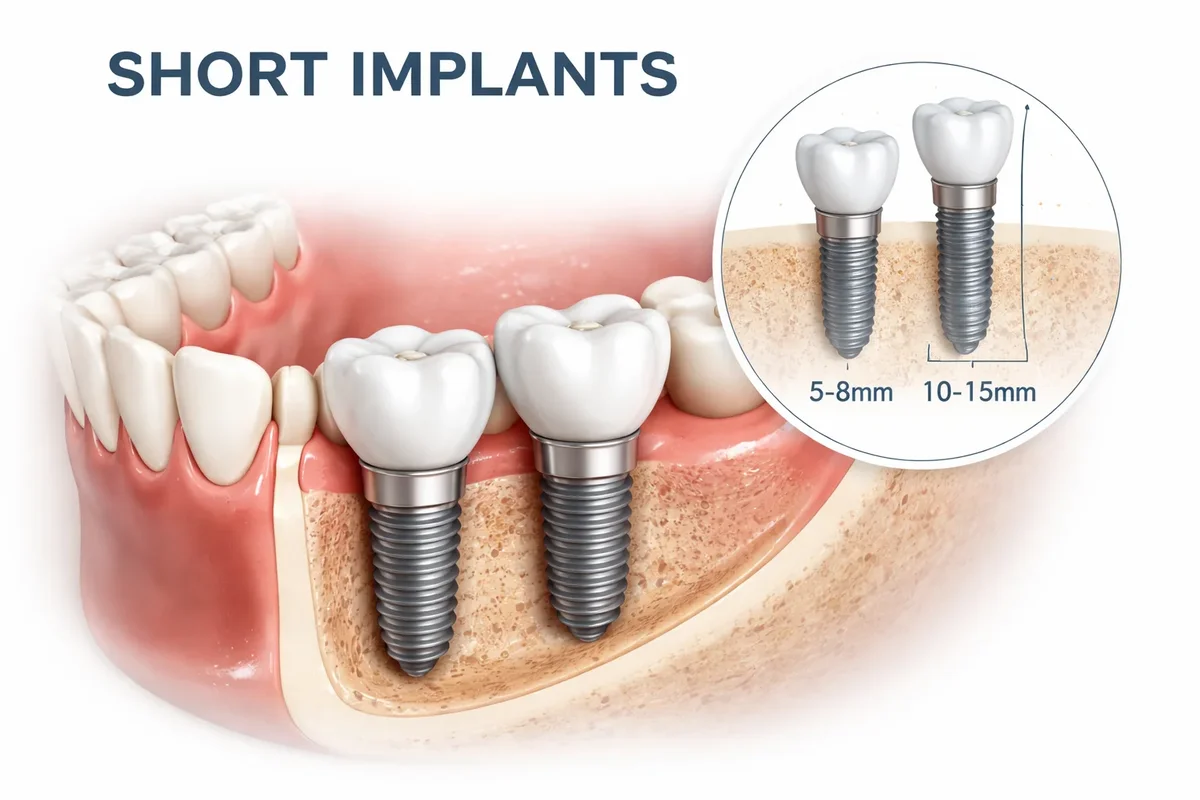
Short implants are dental implants that are significantly shorter in length than traditional implants. Standard dental implants typically measure between 10 and 15 millimeters in length, while short implants are usually between 4 and 8 millimeters long. Despite their smaller size, modern research and clinical advancements have shown that short implants can achieve excellent stability and long-term success when placed correctly by experienced dental professionals.
One of the main reasons short implants have become increasingly popular is their ability to provide a reliable solution for patients with reduced jawbone height. Bone loss can occur for several reasons, including tooth loss, gum disease, aging, or trauma. When bone volume decreases, placing traditional implants can become challenging. In such cases, short implants offer a practical and efficient alternative because they require less vertical bone height while still supporting a dental crown, bridge, or prosthesis.
Another important advantage of short implants is that they often eliminate the need for additional surgical procedures. In conventional implant dentistry, patients with insufficient bone may require bone grafting, sinus augmentation, or ridge expansion. These treatments increase both the treatment time and overall cost. By using short implants, dentists can frequently avoid these procedures, allowing patients to receive their dental restoration faster and with less discomfort.
Modern implant surfaces and design improvements have played a crucial role in the success of short implants. Manufacturers now use advanced surface treatments that enhance osseointegration, the process by which the implant fuses with the jawbone. Through improved surface texture and biological compatibility, short implants can achieve strong bone integration even though their physical length is reduced. This innovation has made them a dependable option in modern implant dentistry.
Patients often wonder whether short implants are as strong as traditional implants. Studies published by reputable dental organizations, including information supported by the
American Dental Association, indicate that the long-term survival rate of properly placed short implants is very high. When treatment planning is performed carefully and the patient maintains good oral hygiene, the performance of short implants can be comparable to longer implants.
From a patient perspective, the treatment process involving short implants is typically simpler and faster. Because these implants are shorter, the surgical placement may involve less trauma to surrounding tissues. In many cases, patients experience reduced swelling, shorter recovery time, and fewer post-operative complications. For individuals who are nervous about oral surgery, the use of short implants can make implant treatment feel more approachable and manageable.
Another factor contributing to the popularity of short implants is their versatility. They can be used in both the upper jaw (maxilla) and the lower jaw (mandible), particularly in areas where anatomical limitations such as the sinus cavity or nerve canal restrict the placement of longer implants. In these situations, short implants provide a safe and efficient solution for restoring missing teeth without compromising important anatomical structures.
Patients considering dental implants should always undergo a comprehensive evaluation. During this assessment, a dentist or implant specialist will examine bone quality, gum health, bite alignment, and overall oral condition. Advanced imaging technologies such as 3D CBCT scans allow professionals to determine whether short implants are the most suitable treatment option. Proper planning ensures the highest possible success rate for short implants and other implant treatments.
If you are exploring tooth replacement options and want to know whether short implants could work for you, a consultation with an experienced implant dentist is essential. Every patient’s oral structure is unique, and professional evaluation helps identify the best approach for long-lasting results. If you would like personalized guidance or wish to schedule an appointment, you can easily reach the clinic through the
Redent Klinik Contact Page.
In summary, short implants represent a remarkable advancement in modern dentistry. They offer a reliable solution for patients with limited bone height, reduce the need for invasive preparatory procedures, and provide a faster pathway to restoring a natural smile. As implant technology continues to evolve, short implants are expected to play an increasingly important role in helping patients regain confidence, comfort, and oral health.
What Are Short Implants and How Do They Work?
In modern implant dentistry, short implants have become an increasingly important solution for patients who want to replace missing teeth but may not have sufficient jawbone height for traditional dental implants. While conventional implants usually require a certain amount of vertical bone to ensure stability, short implants are specifically designed to function effectively even in areas where bone volume is limited. This innovation has significantly expanded treatment possibilities for patients who previously might not have qualified for implant therapy.
The term short implants refers to dental implants that are typically between 4 mm and 8 mm in length. Traditional implants, by comparison, are often 10 mm to 15 mm long. Although short implants are smaller in size, modern engineering, improved surface technologies, and better treatment planning techniques allow them to perform very successfully in clinical settings.
Understanding the Design of Short Implants
The design of short implants plays a crucial role in their effectiveness. Despite being shorter in length, these implants often have a slightly wider diameter to increase surface contact with the surrounding bone. This design helps distribute chewing forces more evenly and provides strong stability once the implant integrates with the bone.
Dental implant manufacturers have also developed advanced surface treatments that improve the biological compatibility of short implants. These surfaces are usually roughened or treated with special coatings that stimulate faster bone attachment. The improved surface structure allows bone cells to grow directly onto the implant, strengthening the bond between the implant and the jawbone.
Key Structural Features of Short Implants
Several structural characteristics help make short implants reliable and durable:
- Wider diameter design: Increases bone contact and improves stability.
- Advanced surface technology: Enhances osseointegration and bone growth.
- Improved thread patterns: Helps anchor the implant securely within the jaw.
- Optimized implant geometry: Distributes bite pressure more efficiently.
These design features allow short implants to perform effectively even though they occupy less vertical bone space than traditional implants.
How Short Implants Function in the Jawbone
The success of short implants depends largely on a biological process known as osseointegration. Osseointegration occurs when the titanium implant integrates directly with the jawbone, creating a stable and permanent foundation for a dental restoration. Titanium is widely used in implant dentistry because it is highly biocompatible and capable of forming a strong bond with bone tissue.
Once short implants are surgically placed into the jawbone, the surrounding bone gradually grows around the implant surface. Over time, this process creates a secure anchor that can support a dental crown, bridge, or even a full-arch restoration. When osseointegration is successful, short implants function just like natural tooth roots by providing support and stability during chewing.
Another advantage of short implants is their ability to preserve existing bone structure. When a tooth is lost, the surrounding bone may begin to shrink due to lack of stimulation. Dental implants, including short implants, help maintain bone health by transmitting chewing forces into the jawbone, which stimulates natural bone remodeling.
Why Short Implants Are Used Instead of Traditional Implants
Dentists often recommend short implants in situations where patients have experienced bone loss in the jaw. Bone loss can occur due to several factors, including long-term tooth loss, periodontal disease, trauma, or natural aging. In such cases, placing longer implants may require bone grafting procedures to increase bone height.
With short implants, these additional procedures may not be necessary. This makes the treatment process faster, less invasive, and more comfortable for the patient. Many patients appreciate that short implants allow them to avoid extensive surgical treatments while still receiving a stable and functional tooth replacement.
In the upper jaw, anatomical structures such as the sinus cavity can limit the placement of longer implants. Similarly, in the lower jaw, the presence of the mandibular nerve may restrict implant length. In these situations, short implants provide a safe and effective alternative because they require less vertical bone height while still delivering excellent results.
Clinical Effectiveness and Modern Research
Scientific research over the past decade has confirmed the reliability of short implants. Many clinical studies have demonstrated survival rates comparable to those of traditional implants when proper case selection and surgical techniques are used. Improvements in implant materials and surface technologies have significantly increased the predictability of short implants.
Dental professionals today use advanced imaging technologies such as 3D cone beam computed tomography (CBCT) to plan implant placement precisely. This technology allows clinicians to analyze bone density, identify important anatomical structures, and determine the best position for short implants. Careful planning helps ensure long-term stability and successful treatment outcomes.
Overall, short implants represent an important advancement in implant dentistry. They allow more patients to benefit from dental implants while reducing the need for invasive procedures. Through thoughtful design, advanced materials, and improved surgical techniques, short implants have become a reliable solution for restoring missing teeth and improving oral function.
Benefits of Short Implants Compared to Traditional Dental Implants
Dental implant technology has evolved significantly over the years, giving patients more treatment options for replacing missing teeth. One of the most impactful developments in this field is the introduction of short implants. These implants have changed the way dentists approach cases involving limited bone height, offering a reliable alternative to traditional implants. For many patients, short implants provide a simpler, faster, and less invasive path toward restoring a healthy smile.
Traditional dental implants usually require sufficient bone height in the jaw to support their longer structure. When patients experience bone loss due to gum disease, tooth loss, trauma, or aging, placing standard implants can become challenging. In these cases, short implants allow dentists to restore missing teeth without requiring extensive surgical procedures. This benefit alone has made short implants an increasingly popular treatment option in modern implant dentistry.
Less Need for Bone Grafting Procedures
One of the most significant advantages of short implants is the reduced need for bone grafting procedures. Bone grafting is often required when the jawbone does not have enough height or density to support traditional implants. While bone grafting can be effective, it adds extra time, cost, and recovery to the treatment process.
With short implants, dentists can often avoid bone grafting altogether. Because short implants are specifically designed to function in areas with limited bone height, they can be placed directly into the available bone structure. This means patients can receive their implant treatment sooner without waiting several months for bone graft healing.
Advantages of Avoiding Bone Grafting
- Shorter treatment timelines
- Reduced surgical complexity
- Lower overall treatment cost
- Less discomfort during recovery
- Faster restoration of chewing function
For many patients, the ability to avoid additional surgeries is one of the most compelling reasons to consider short implants.
Minimally Invasive Surgical Procedure
Another major benefit of short implants is that the surgical procedure is generally less invasive than traditional implant placement. Because the implants are shorter, they require less drilling depth in the jawbone. This typically results in a more conservative surgical approach.
A less invasive procedure often means reduced trauma to surrounding tissues. As a result, patients who receive short implants may experience less swelling, minimal bleeding, and a faster healing period compared to more complex implant surgeries. This makes short implants particularly appealing for individuals who want a smoother recovery process.
In addition, shorter surgical procedures may also reduce the overall stress for patients who feel anxious about dental treatments. Many patients find that the placement of short implants is easier and more comfortable than they initially expected.
Shorter Treatment Time
Time is an important factor for many patients considering dental implants. Traditional implant treatments that involve bone grafting or sinus lift procedures can take several months before the final restoration is placed. In contrast, short implants can often significantly shorten the treatment timeline.
Because short implants do not typically require extensive preparatory procedures, the overall treatment process may be completed more quickly. Once the implants are placed and osseointegration occurs, a dental crown, bridge, or prosthesis can be attached to restore full functionality.
For patients who want to restore their smile and chewing ability as soon as possible, short implants offer a convenient and efficient solution.
Effective Solution for Patients With Bone Loss
Bone loss in the jaw is a common issue among patients who have been missing teeth for an extended period. When teeth are lost, the surrounding bone begins to shrink due to a lack of stimulation. Over time, this bone resorption can make traditional implant placement difficult.
This is where short implants play a crucial role. Their reduced length allows them to be placed in areas where bone height is limited but bone density remains sufficient. By using short implants, dentists can provide stable tooth replacement without needing to rebuild the jawbone structure.
Additionally, once short implants are placed, they help preserve the remaining bone by transmitting chewing forces through the jaw. This stimulation supports bone maintenance and may help prevent further bone loss in the future.
Comparable Success Rates
Some patients initially worry that short implants might not be as strong as traditional implants due to their reduced length. However, modern research has shown that short implants can achieve excellent success rates when placed under appropriate conditions.
Advancements in implant design, surface treatment technology, and surgical planning have made short implants highly reliable. Many studies have demonstrated that the survival rates of short implants are comparable to those of standard implants, especially when they are used in cases with adequate bone density and proper prosthetic planning.
Dentists today rely on advanced diagnostic tools such as digital imaging and 3D scanning to carefully evaluate the jawbone before placing short implants. This detailed planning increases treatment precision and contributes to long-term success.
Improved Patient Comfort and Satisfaction
For many individuals, comfort during and after treatment is a major concern. Because short implants typically require less invasive surgery and fewer additional procedures, patients often report a more comfortable overall experience.
Shorter surgical time, reduced healing periods, and fewer complications all contribute to higher patient satisfaction. Many patients also appreciate that short implants provide a natural-looking and functional tooth replacement solution that restores both confidence and oral health.
Ultimately, short implants represent a valuable advancement in modern dentistry. By offering a minimally invasive solution with reliable outcomes, they allow more patients to benefit from dental implants—even in cases where traditional implant methods may not have been possible.
Who Is a Good Candidate for Short Implants?
Dental implants have become one of the most reliable ways to replace missing teeth, but not every patient initially qualifies for traditional implants. In many cases, people experience bone loss in the jaw that makes it difficult to place standard implants. This is where short implants can provide an excellent alternative. By requiring less vertical bone height, short implants allow many patients to receive dental implants without undergoing complex bone graft procedures.
Understanding whether you are a good candidate for short implants requires a thorough evaluation by a qualified implant dentist. Modern imaging technologies and clinical assessment methods help determine if short implants will provide stable, long-term results for your specific situation. In general, short implants are recommended for patients who meet certain oral health and bone conditions while seeking a less invasive implant treatment.
Patients With Limited Jawbone Height
One of the most common reasons dentists recommend short implants is limited bone height in the jaw. After a tooth is lost, the surrounding bone gradually shrinks over time due to lack of stimulation. This process, known as bone resorption, can significantly reduce the available bone needed for traditional implants.
In such situations, short implants provide a practical solution because they require less vertical bone structure. Rather than performing bone graft surgery to rebuild the jawbone, dentists may place short implants directly into the existing bone. This approach simplifies treatment while still providing a strong foundation for a dental crown or bridge.
Patients who have experienced moderate bone loss in the upper or lower jaw often benefit greatly from short implants, as these implants allow tooth replacement without extensive surgical procedures.
Patients Who Want to Avoid Bone Grafting
Bone grafting is sometimes necessary for traditional implant placement, but not all patients want to undergo additional surgical procedures. Bone grafting involves adding bone material to the jaw to rebuild lost bone structure, which can extend the treatment timeline by several months.
For patients seeking a simpler alternative, short implants may eliminate the need for bone grafting entirely. Because short implants are designed to function in reduced bone height, they allow dentists to restore missing teeth without performing bone augmentation in many cases.
This benefit makes short implants particularly appealing for patients who want faster treatment and fewer surgical interventions.
Reasons Patients Prefer Avoiding Bone Grafts
- Reduced treatment time
- Lower surgical complexity
- Faster healing and recovery
- Less discomfort during the treatment process
- Lower overall treatment costs
Because of these advantages, short implants are often recommended for patients who prefer minimally invasive dental solutions.
Patients With Anatomical Limitations
Certain anatomical structures in the mouth can limit the placement of traditional dental implants. In the upper jaw, the maxillary sinus cavity sits above the back teeth. If the sinus cavity extends downward due to bone loss, placing a long implant may require a sinus lift procedure.
Similarly, in the lower jaw, the mandibular nerve runs through the bone and must be carefully protected during implant surgery. If the available bone height above this nerve is limited, placing longer implants could risk nerve injury.
In both of these situations, short implants offer a safer alternative. Because they require less depth in the jawbone, short implants can often be placed without disturbing nearby anatomical structures. This makes them an excellent option for patients whose anatomy restricts the use of traditional implants.
Patients in Good Overall Oral Health
Although short implants offer advantages for patients with bone limitations, candidates must still meet certain oral health requirements. Healthy gums and good oral hygiene are essential for implant success. Gum disease, infections, or untreated dental problems must typically be addressed before placing short implants.
Additionally, patients must have sufficient bone density to support the implant. While short implants require less bone height, they still rely on strong bone quality to achieve stable integration with the jaw.
During a dental evaluation, the dentist will assess factors such as gum health, bite alignment, and bone density to determine whether short implants are suitable for the patient.
Patients Seeking a Faster Implant Solution
Another group that may benefit from short implants includes patients who want a quicker path to tooth restoration. Because these implants often eliminate the need for bone grafting or sinus lift procedures, treatment timelines can be significantly reduced.
In many cases, short implants allow patients to complete their implant treatment sooner and regain normal chewing ability more quickly. This is particularly helpful for individuals who want to restore their smile and oral function without undergoing prolonged treatment phases.
Patients also appreciate that short implants often involve shorter surgical appointments and a smoother recovery experience.
Comprehensive Evaluation Is Always Necessary
While short implants are suitable for many patients, the final decision must always be made after a professional examination. Dentists typically use advanced imaging tools such as 3D cone-beam computed tomography (CBCT) scans to evaluate the jawbone structure. These scans allow clinicians to measure bone height, bone density, and the position of nearby anatomical structures before placing short implants.
Proper treatment planning ensures that short implants are placed in the most stable and secure position. When the correct conditions are present and the procedure is performed by an experienced implant specialist, short implants can provide excellent long-term results.
Ultimately, short implants expand the possibilities of dental implant treatment by allowing more patients to benefit from modern tooth replacement solutions. By offering a minimally invasive approach with reliable outcomes, short implants help restore both oral function and confidence for individuals who previously may not have been candidates for traditional implants.
The Short Implant Procedure: Step-by-Step Treatment Process
Understanding the treatment process helps patients feel more confident about dental implant therapy. The placement of short implants follows a carefully planned sequence of steps designed to ensure stability, safety, and long-term success. Although short implants are smaller than traditional implants, the surgical planning and clinical precision involved in the procedure remain equally important. Dentists rely on modern imaging technologies, detailed treatment planning, and minimally invasive surgical techniques to ensure that short implants integrate successfully with the jawbone.
The treatment process for short implants usually includes consultation, diagnostic evaluation, surgical placement, healing, and final restoration. Each stage plays a crucial role in achieving a functional and natural-looking tooth replacement.
Initial Consultation and Examination
The journey toward receiving short implants begins with a comprehensive dental consultation. During this appointment, the dentist evaluates the patient’s oral health, medical history, and treatment goals. This assessment helps determine whether short implants are the most appropriate solution for replacing missing teeth.
Dentists typically perform a detailed clinical examination to assess gum health, bone quality, and bite alignment. Digital X-rays or 3D imaging technologies such as cone beam computed tomography (CBCT) scans are commonly used to evaluate bone height and density. These advanced imaging tools allow clinicians to precisely measure the available bone and determine whether short implants can be safely placed without interfering with nearby anatomical structures.
At this stage, the dentist also discusses treatment expectations with the patient. The number of short implants needed, the type of dental restoration, and the estimated treatment timeline are explained clearly so the patient understands each step of the process.
Personalized Treatment Planning
Once the examination is complete, the dentist creates a customized treatment plan tailored to the patient’s specific oral structure. Careful planning is essential because the success of short implants depends on precise placement within the available bone.
Using digital planning software, dentists can simulate the exact position and angle of the short implants before the surgery takes place. This planning ensures that the implants will provide optimal support for the final dental restoration while minimizing stress on the surrounding bone.
During this stage, dentists also determine whether additional procedures are required. In many cases, short implants eliminate the need for bone grafting or sinus lift surgery, which simplifies the treatment plan and shortens the overall treatment timeline.
Key Planning Considerations
- Available bone height and density
- Location of nerves and sinus cavities
- Number of teeth being replaced
- Bite force distribution
- Type of final dental restoration
These factors help ensure that short implants will function effectively and support the final prosthetic restoration for many years.
Surgical Placement of Short Implants
The surgical placement of short implants is typically performed under local anesthesia, although sedation options may be available for patients who feel anxious about dental procedures. The goal of the surgery is to insert the titanium implant into the jawbone in the exact position determined during treatment planning.
The dentist begins by making a small incision in the gum tissue to access the underlying bone. A precise opening is then created in the bone using specialized surgical instruments. Because short implants require less drilling depth than traditional implants, the procedure is often less invasive.
Once the site is prepared, the dentist carefully places the short implants into the jawbone. The implant is positioned securely so that it can integrate with the surrounding bone during the healing phase. After placement, the gum tissue is either closed over the implant or a healing cap is attached to allow the implant to remain exposed while healing begins.
Healing and Osseointegration
Following surgery, the most critical stage in the success of short implants is the healing period known as osseointegration. During this phase, the bone tissue gradually grows around the surface of the implant, forming a strong biological bond. This integration creates a stable foundation that allows short implants to support a dental restoration under normal chewing forces.
The healing process usually takes several weeks to a few months depending on the patient’s bone quality and overall health. Modern implant surfaces are designed to encourage faster bone integration, which helps improve the success rate of short implants.
During the healing period, patients are typically advised to follow specific care instructions to protect the implant site. Maintaining good oral hygiene and avoiding excessive pressure on the area are important for ensuring that short implants integrate successfully with the jawbone.
Placement of the Final Restoration
Once osseointegration is complete, the dentist attaches a connector component called an abutment to the implant. The abutment serves as the link between the implant and the final dental restoration. After the abutment is placed, the dentist takes impressions of the patient’s teeth to create a custom crown, bridge, or prosthetic tooth.
The final restoration is designed to match the color, shape, and size of the surrounding natural teeth. When attached to short implants, the restoration restores both the appearance and functionality of the missing tooth. Patients can chew, speak, and smile with confidence once the restoration is securely in place.
Modern materials used in implant restorations provide excellent durability and aesthetic results. With proper care, restorations supported by short implants can last for many years while maintaining natural-looking results.
Long-Term Maintenance
After treatment is complete, maintaining good oral hygiene is essential for protecting short implants. Regular brushing, flossing, and professional dental cleanings help prevent plaque buildup around the implant site. Dentists also recommend routine check-ups to monitor the health of the gums and surrounding bone.
When patients follow proper care guidelines, short implants can provide long-term stability and comfort. Their ability to restore missing teeth while requiring less invasive procedures makes them an increasingly valuable option in modern implant dentistry.
Overall, the treatment process for short implants is carefully designed to ensure predictable results, minimal discomfort, and successful restoration of oral function. Through modern surgical techniques and advanced treatment planning, short implants continue to help patients achieve healthy, confident smiles.
Success Rates and Long-Term Reliability of Short Implants
One of the most common concerns patients have when considering dental implants is long-term reliability. Because short implants are smaller than traditional implants, many people initially wonder whether they can provide the same durability and stability. Fortunately, modern clinical research has shown that short implants can achieve excellent long-term success rates when they are properly planned and placed by experienced dental professionals.
Over the last decade, advancements in implant design, surface technology, and digital treatment planning have significantly improved the predictability of short implants. Today, these implants are widely used around the world and have demonstrated strong clinical performance in both the upper and lower jaw. When placed in suitable conditions and maintained with good oral hygiene, short implants can function reliably for many years.
Clinical Success Rates of Short Implants
Numerous clinical studies have evaluated the performance of short implants compared with standard-length implants. Research has consistently shown that the survival rates of short implants are very high, often exceeding 90–95% over long observation periods. In many cases, the success rates of short implants are comparable to those of traditional implants.
Several factors contribute to these high success rates. Modern short implants are designed with improved thread patterns and roughened surfaces that increase bone contact and enhance osseointegration. This allows the surrounding bone to integrate more effectively with the implant, providing strong mechanical stability.
Furthermore, digital diagnostic tools allow dentists to carefully analyze the bone structure before placing short implants. Advanced imaging such as CBCT scans enables clinicians to identify the most stable areas of bone and position the implant precisely. This level of planning significantly improves the predictability of short implants treatment outcomes.
Factors That Influence Implant Success
Although short implants have demonstrated excellent reliability, several factors can influence their long-term success. Understanding these factors helps both dentists and patients maximize the lifespan of the implant.
1. Bone Quality and Density
Bone density plays an important role in the stability of short implants. Strong, healthy bone allows the implant to integrate effectively and withstand chewing forces. Patients with adequate bone density generally experience very favorable outcomes with short implants.
2. Proper Implant Placement
The skill and experience of the implant dentist are essential for achieving optimal results. Accurate placement ensures that short implants are positioned in areas where bone support is strongest. Proper angulation and spacing also help distribute chewing forces evenly across the implant structure.
3. Prosthetic Design
The design of the final dental restoration also affects the longevity of short implants. Crowns or bridges attached to the implant must be carefully designed to minimize excessive pressure. Proper bite alignment ensures that short implants function comfortably and efficiently during daily activities such as chewing and speaking.
4. Oral Hygiene and Maintenance
Maintaining good oral hygiene is critical for protecting short implants. Just like natural teeth, implants can be affected by plaque buildup and gum inflammation if oral hygiene is neglected. Regular brushing, flossing, and professional cleanings help ensure the long-term stability of short implants.
How Implant Technology Has Improved Reliability
The reliability of short implants has improved significantly due to technological advancements in implant design. Early implant systems often relied on length alone to provide stability. However, modern implant engineering focuses on maximizing surface contact between the implant and bone.
Many contemporary short implants feature wider diameters, specialized thread patterns, and micro-textured surfaces that increase bone integration. These design improvements help compensate for the shorter implant length while maintaining strong support for the prosthetic restoration.
Additionally, improvements in digital dentistry have enhanced treatment planning. Dentists can now use computer-guided implant placement to ensure optimal positioning of short implants. This level of precision reduces surgical risks and improves long-term stability.
Long-Term Performance of Short Implants
Long-term follow-up studies have shown that short implants can remain functional for many years when properly maintained. In many cases, implants continue to perform successfully for more than a decade. These findings demonstrate that short implants are not simply a temporary solution but a dependable long-term treatment option.
Patients who receive short implants often report significant improvements in their quality of life. Restoring missing teeth improves chewing efficiency, speech clarity, and facial aesthetics. With stable support from short implants, patients can enjoy the comfort and confidence of a natural-looking smile.
Comparing Short Implants to Traditional Implants
While traditional implants remain an excellent treatment option in many cases, short implants offer clear advantages for patients with limited bone height. In the past, these patients often required bone grafts or sinus lift procedures before implants could be placed. Today, short implants allow dentists to restore missing teeth while avoiding complex preparatory surgeries.
Research continues to confirm that when placed under appropriate conditions, short implants perform just as reliably as longer implants. Their ability to simplify treatment while maintaining strong success rates has made them a valuable advancement in implant dentistry.
Ensuring Long-Term Implant Success
To ensure the long-term success of short implants, patients should follow their dentist’s aftercare recommendations carefully. Regular dental checkups allow professionals to monitor the implant and surrounding tissues for any signs of complications. Early detection and preventive care help maintain the health of short implants for many years.
Healthy lifestyle habits also contribute to implant longevity. Avoiding smoking, maintaining a balanced diet, and practicing good oral hygiene all support the stability of short implants. By combining proper dental care with regular professional monitoring, patients can enjoy the long-term benefits of this advanced tooth replacement solution.
Overall, the growing body of clinical evidence confirms that short implants are a reliable and durable treatment option. With modern technology, careful treatment planning, and proper patient care, short implants can provide lasting results that restore both function and confidence.
Short Implants vs Standard Dental Implants: Key Differences
When patients explore dental implant options, one of the most common questions is how short implants compare to traditional or standard dental implants. Both types of implants are designed to replace missing teeth by acting as artificial tooth roots anchored in the jawbone. However, short implants and standard implants differ in several important aspects, including length, placement technique, treatment planning, and clinical indications.
Understanding the differences between short implants and conventional implants can help patients make informed decisions about their dental care. Dentists evaluate many factors—such as bone height, bone density, anatomical structures, and treatment goals—before recommending whether short implants or traditional implants will provide the best long-term outcome.
Difference in Implant Length and Design
The most obvious difference between short implants and standard dental implants is their physical length. Traditional implants are usually between 10 mm and 15 mm long. In contrast, short implants typically range from about 4 mm to 8 mm in length. This shorter design allows short implants to be placed in areas where the jawbone height is limited.
Although short implants are smaller in length, modern implant engineering ensures they still provide strong support. Many short implants are designed with a wider diameter and specialized thread patterns that increase the surface contact with bone. This increased contact area helps distribute chewing forces effectively and contributes to the stability of short implants.
Key Structural Differences
- Short implants: Usually 4–8 mm long
- Standard implants: Typically 10–15 mm long
- Short implants: Often slightly wider in diameter
- Standard implants: Rely more on length for stability
These design differences allow short implants to function successfully even when bone height is limited.
Bone Requirements for Implant Placement
One of the most important distinctions between short implants and traditional implants is the amount of bone required for placement. Standard implants require a sufficient vertical bone height to support their longer structure. If a patient has lost bone due to tooth loss or gum disease, additional procedures such as bone grafting or sinus lift surgery may be necessary before placing standard implants.
In contrast, short implants are specifically designed for areas where bone height is limited. Because short implants require less vertical bone, dentists can often place them without performing bone graft procedures. This significantly simplifies the treatment process for many patients.
For individuals who want to avoid complex surgical procedures, short implants often provide a more convenient and comfortable solution.
Surgical Procedure Differences
The surgical procedure for placing short implants is generally less invasive compared with traditional implant placement in cases requiring bone augmentation. Because short implants require less drilling depth in the jawbone, the surgery may involve less trauma to surrounding tissues.
As a result, patients receiving short implants often experience reduced swelling, minimal bleeding, and a faster recovery period. In contrast, traditional implants placed after bone grafting may involve longer surgical appointments and extended healing phases.
However, it is important to note that the placement of short implants still requires precise surgical technique and careful planning to ensure optimal stability and integration.
Treatment Timeline and Healing Time
Treatment duration is another factor that differentiates short implants from standard implants. When bone grafting is required for traditional implants, patients may need to wait several months for the grafted bone to heal before the implant can be placed.
Because short implants often eliminate the need for bone grafting, the overall treatment timeline can be significantly shorter. Patients may complete their implant treatment more quickly and return to normal chewing function sooner.
The healing period after placement of short implants still involves osseointegration, during which the implant fuses with the surrounding bone. However, the simplified surgical process can make recovery more comfortable for many patients.
Clinical Indications for Each Implant Type
Dentists recommend short implants primarily for patients with reduced jawbone height or anatomical limitations. For example, the upper jaw contains the sinus cavity, and the lower jaw contains important nerve pathways. In these areas, placing longer implants may require additional surgical procedures.
In such cases, short implants provide a safe alternative because they can be placed within the available bone without disturbing nearby structures. This makes short implants particularly valuable for patients who want a minimally invasive treatment option.
Traditional implants, on the other hand, may still be recommended when sufficient bone height is available and the patient’s anatomy allows for longer implant placement. Both implant types can achieve excellent results when selected appropriately.
Success Rates and Long-Term Performance
Historically, there were concerns about whether short implants could perform as reliably as standard implants. However, modern research has demonstrated that short implants can achieve success rates comparable to those of traditional implants when placed in suitable conditions.
Advances in implant surface technology, digital planning, and prosthetic design have significantly improved the long-term reliability of short implants. Many clinical studies show survival rates above 90%, indicating that short implants are a dependable solution for tooth replacement.
Dentists carefully evaluate each patient’s oral health before recommending short implants. When proper treatment planning is followed, both short and traditional implants can provide durable and functional tooth replacements.
Which Option Is Right for You?
Choosing between short implants and standard implants depends on several factors, including bone height, bone density, overall oral health, and the patient’s treatment preferences. A comprehensive dental evaluation helps determine whether short implants will provide the best outcome.
For many patients, short implants offer a less invasive alternative that simplifies the implant process while still delivering excellent results. By reducing the need for additional surgical procedures and shortening treatment timelines, short implants continue to expand the possibilities of modern implant dentistry.
Ultimately, both implant types serve the same goal: restoring missing teeth, improving oral function, and helping patients regain confidence in their smiles. With proper planning and professional care, short implants can provide long-lasting support for natural-looking dental restorations.
Recovery and Aftercare Following Short Implant Surgery
After the placement of short implants, the recovery and aftercare phase plays a crucial role in ensuring long-term success. While the surgical procedure for short implants is often less invasive than traditional implant treatments, proper healing and patient care remain essential. The way patients care for their mouth after surgery can significantly influence how well the implant integrates with the jawbone and how long the restoration lasts.
One of the advantages of short implants is that the recovery period is typically more comfortable compared to more complex implant procedures that require bone grafting. Because short implants require less drilling depth in the jawbone, surrounding tissues usually experience less trauma. This often leads to reduced swelling, minimal discomfort, and a quicker return to daily activities. However, even though the procedure may be simpler, following professional aftercare instructions is essential to protect the newly placed short implants.
What to Expect Immediately After Surgery
Right after the placement of short implants, patients may experience mild swelling, slight bleeding, or tenderness around the surgical site. These symptoms are normal and typically subside within a few days. Dentists usually recommend resting for the remainder of the day after the procedure to allow the body to begin the healing process.
Cold compresses applied to the outside of the cheek can help minimize swelling during the first 24 hours following the placement of short implants. Over-the-counter pain medications or prescriptions provided by the dentist may also help manage temporary discomfort. Most patients report that the discomfort associated with short implants is manageable and significantly less intense than they initially expected.
Common Early Recovery Symptoms
- Mild swelling near the implant area
- Minor bleeding during the first few hours
- Temporary gum sensitivity
- Minor difficulty chewing near the surgical site
These symptoms are generally temporary and resolve as the tissues around the short implants begin to heal.
The Importance of Osseointegration During Healing
One of the most important stages of recovery after placing short implants is the biological process called osseointegration. During this phase, the bone cells grow and attach to the surface of the implant. This creates a strong bond between the implant and the jawbone, allowing short implants to function like natural tooth roots.
The osseointegration process typically takes several weeks to a few months depending on bone quality and overall health. During this time, it is important to avoid excessive pressure on the area where the short implants were placed. Dentists may recommend eating softer foods and avoiding hard or sticky items until the implant has fully integrated with the bone.
Modern implant surfaces have been engineered to accelerate bone attachment, helping short implants integrate more efficiently with the jawbone. With proper care, the healing process allows short implants to become stable foundations for the final dental restoration.
Oral Hygiene After Implant Placement
Maintaining excellent oral hygiene is essential for protecting short implants during the recovery phase. Although implants themselves cannot develop cavities, the surrounding gum tissue can still become inflamed if plaque and bacteria accumulate around the implant site.
Dentists typically recommend gentle brushing with a soft toothbrush around the area of the short implants. Special antimicrobial mouth rinses may also be prescribed to reduce bacteria during the early healing stage. Once healing progresses, patients should gradually return to their normal oral hygiene routine to keep the gums and surrounding tissues healthy.
Recommended Oral Care Routine
- Brush teeth twice daily with a soft-bristle toothbrush
- Use antimicrobial mouthwash if recommended
- Floss carefully around the implant area
- Attend scheduled dental checkups
Consistent oral hygiene practices help ensure the long-term stability of short implants and reduce the risk of complications.
Dietary Recommendations During Recovery
The foods patients eat during recovery can influence the healing process of short implants. Immediately after surgery, soft foods are recommended to avoid placing unnecessary pressure on the implant site. Examples include yogurt, mashed vegetables, smoothies, soups, eggs, and soft grains.
As healing progresses, patients can gradually return to their normal diet. However, it is advisable to avoid extremely hard foods such as nuts, ice, or hard candies during the early stages after placing short implants. These foods can place excessive force on the implant before osseointegration is complete.
Hydration is also important for recovery. Drinking plenty of water supports tissue healing and helps maintain overall oral health during the healing process of short implants.
Regular Follow-Up Appointments
Routine follow-up visits allow dentists to monitor the healing progress of short implants. During these appointments, the dentist evaluates gum health, checks for signs of inflammation, and ensures the implant is integrating properly with the bone.
Professional monitoring helps identify potential issues early so they can be addressed quickly. Dentists may also provide additional guidance on caring for short implants and maintaining long-term implant stability.
Once the healing phase is complete, the dentist attaches the final dental restoration, such as a crown or bridge. At this stage, the short implants function like natural tooth roots, providing strong support for chewing and speaking.
Long-Term Care for Short Implants
Even after full recovery, maintaining healthy habits is essential for preserving short implants. Regular dental visits, professional cleanings, and daily oral hygiene practices help ensure that the gums surrounding the implant remain healthy.
Patients should also avoid habits that could place excessive stress on the implant, such as grinding teeth or chewing extremely hard objects. Dentists may recommend night guards for patients who experience teeth grinding, which helps protect both natural teeth and short implants.
With proper aftercare, short implants can remain stable and functional for many years. Their ability to restore missing teeth with minimal surgical intervention makes them an increasingly popular solution in modern implant dentistry.
Ultimately, recovery from short implants surgery is usually smooth and manageable. By following professional aftercare instructions and maintaining good oral hygiene, patients can ensure that their short implants heal successfully and provide long-lasting support for a healthy and confident smile.
Cost of Short Implants: What Patients Should Expect
One of the most common questions patients ask when considering dental implants is about cost. While dental implants are widely recognized as a long-term investment in oral health, understanding the financial aspects of treatment is an important part of the decision-making process. The cost of short implants can vary depending on several factors, including the complexity of the case, the number of implants required, the materials used for the final restoration, and the geographic location of the dental clinic.
In general, short implants may offer a more cost-effective solution compared to traditional implant treatments that require bone grafting or sinus lift procedures. Because short implants are designed to function effectively in areas with limited bone height, they often eliminate the need for additional surgical interventions. This can significantly reduce the overall treatment cost and shorten the treatment timeline.
Average Cost of Short Implants
The cost of short implants varies across countries and dental clinics, but patients can expect a general price range for the implant procedure itself. These estimates typically include the surgical placement of the implant but may not always include the final crown or restoration.
Typical Price Range for Short Implants
- United States: $3,000 – $5,000 per implant
- United Kingdom: £2,000 – £3,500 per implant
- Western Europe: €2,000 – €4,000 per implant
- Turkey: $600 – $1,500 per implant
These prices illustrate why many patients explore international dental clinics when seeking treatment with short implants. Dental tourism destinations often provide high-quality implant procedures at more affordable rates while maintaining professional standards of care.
It is important to note that the total cost of short implants may include several additional components, such as the abutment and the final dental crown. These elements are necessary to restore the appearance and functionality of the missing tooth.
Factors That Influence the Cost of Short Implants
Several factors can influence the final cost of short implants. Understanding these variables helps patients better estimate their treatment expenses and plan accordingly.
1. Number of Implants Required
The number of missing teeth being replaced has a major impact on the overall treatment cost. A single missing tooth requires one implant and one crown, while multiple missing teeth may require several short implants or a bridge supported by implants.
In full-arch restorations, dentists may place multiple short implants to support a complete dental prosthesis. Although the initial cost is higher, this approach provides a stable and long-lasting solution for patients with extensive tooth loss.
2. Diagnostic Imaging and Treatment Planning
Advanced diagnostic tools are often used before placing short implants. Technologies such as 3D cone beam CT scans allow dentists to evaluate bone structure, identify anatomical limitations, and plan implant placement with precision.
While these imaging technologies add to the overall treatment cost, they greatly improve the accuracy and success rate of short implants. Proper planning ensures that the implant is placed in the most stable position within the jawbone.
3. Implant Material and Brand
Different implant manufacturers produce short implants using varying materials and surface technologies. Premium implant brands often use advanced titanium alloys and specialized surface treatments that enhance bone integration.
Although high-quality implant systems may increase the cost slightly, they often provide improved durability and long-term success for short implants. Many dentists prefer using reputable implant brands to ensure reliable outcomes for their patients.
4. Final Restoration Type
After the placement of short implants, a dental restoration such as a crown, bridge, or denture must be attached to the implant. The material used for this restoration can affect the total treatment cost.
- Porcelain crowns offer natural aesthetics and durability.
- Zirconia restorations provide exceptional strength and appearance.
- Implant-supported bridges replace multiple teeth.
Each restoration type adds to the final cost of short implants, but they also determine the long-term functionality and appearance of the restored teeth.
Why Short Implants May Reduce Overall Treatment Costs
One of the financial advantages of short implants is that they often reduce the need for additional surgical procedures. Traditional implants may require bone grafting or sinus lift surgery when the jawbone height is insufficient. These procedures increase both the complexity and cost of treatment.
Because short implants can be placed in areas with limited bone height, they frequently eliminate the need for these preparatory surgeries. This reduces surgical expenses, shortens treatment time, and minimizes recovery periods for patients.
For many individuals, choosing short implants allows them to restore missing teeth more efficiently while keeping treatment costs manageable.
Insurance Coverage and Financing Options
Dental insurance coverage for short implants varies depending on the insurance provider and the patient’s policy. Some plans may partially cover implant-related procedures, while others may only cover the restoration portion, such as the crown.
Many dental clinics offer flexible payment plans or financing options to help patients manage the cost of short implants. These plans allow patients to spread payments over time, making implant treatment more accessible.
Patients are encouraged to discuss financing options with their dental provider to determine the most convenient payment structure for their treatment with short implants.
Long-Term Value of Short Implants
Although the upfront cost of short implants may seem significant, it is important to consider their long-term value. Unlike removable dentures or temporary tooth replacements, dental implants provide a permanent solution for missing teeth. With proper care and regular dental visits, short implants can last for many years.
Investing in short implants not only restores the ability to chew and speak comfortably but also helps maintain jawbone health. By preventing further bone loss and preserving facial structure, short implants contribute to long-term oral health and overall quality of life.
Ultimately, while the cost of short implants varies depending on individual circumstances, they often provide a cost-effective and durable solution for replacing missing teeth. When combined with modern implant technology and professional dental care, short implants offer patients a reliable way to restore their smile and confidence.
Frequently Asked Questions About Short Implants
Patients who are considering dental implants often have many questions before starting treatment. Because short implants are a relatively newer solution compared with traditional implant designs, it is completely natural for patients to want detailed information before making a decision. Understanding how short implants work, how long they last, and whether they are safe helps patients feel more confident about their treatment options.
Dentists frequently receive similar questions from individuals interested in short implants. The following frequently asked questions address the most common concerns and provide clear, helpful explanations about this innovative dental implant solution.
Are Short Implants as Strong as Traditional Implants?
One of the most common questions patients ask is whether short implants are as strong as standard dental implants. Although short implants are smaller in length, modern implant technology has made them highly reliable. Improvements in implant design, including wider diameters and advanced surface treatments, allow short implants to achieve excellent stability in the jawbone.
Clinical studies have shown that the long-term survival rates of short implants are comparable to those of traditional implants when they are placed under appropriate conditions. Proper treatment planning, accurate surgical placement, and good oral hygiene all contribute to the success of short implants.
How Long Do Short Implants Last?
When properly cared for, short implants can last for many years and often function just as long as traditional implants. Many patients enjoy stable results for 10 to 20 years or even longer. The durability of short implants depends on several factors, including bone quality, oral hygiene habits, and regular dental check-ups.
Because short implants are made from biocompatible titanium, they integrate naturally with the jawbone through a process called osseointegration. Once this bond forms, short implants become a permanent foundation for supporting crowns, bridges, or implant-supported dentures.
Tips for Maximizing Implant Longevity
- Brush and floss daily to maintain healthy gums
- Attend regular dental check-ups and professional cleanings
- Avoid smoking or tobacco products
- Use a night guard if you grind your teeth
- Follow your dentist’s care instructions after surgery
By following these guidelines, patients can significantly increase the lifespan of their short implants.
Is the Procedure Painful?
Many patients are concerned about pain during dental implant surgery. The placement of short implants is typically performed under local anesthesia, which numbs the treatment area and prevents pain during the procedure. Some clinics may also offer sedation options for patients who experience dental anxiety.
Because short implants require less drilling depth than longer implants, the procedure is often less invasive. As a result, patients frequently experience minimal discomfort after surgery. Mild swelling or tenderness may occur for a few days, but these symptoms usually resolve quickly.
Most patients report that the recovery process after receiving short implants is easier than expected and that discomfort is manageable with standard pain relief medications recommended by their dentist.
Who Should Consider Short Implants?
Short implants are especially beneficial for patients who have limited bone height in their jaw. Individuals who have experienced bone loss due to tooth loss, gum disease, or aging may not have enough bone to support traditional implants without bone grafting.
In these cases, short implants provide an alternative solution that allows dentists to restore missing teeth without complex bone reconstruction procedures. Patients who want a minimally invasive treatment option often find that short implants offer a faster and more comfortable path to tooth replacement.
Are Short Implants Safe?
Yes, short implants are considered safe when placed by a qualified and experienced dental professional. Implant dentistry has been studied extensively, and modern research supports the safety and effectiveness of short implants in appropriate clinical situations.
Dentists use advanced diagnostic imaging and digital planning tools to carefully evaluate bone structure before placing short implants. This level of precision helps minimize risks and ensures the implant is positioned in the most stable location within the jawbone.
Additionally, the titanium used in short implants is highly biocompatible, meaning it is well accepted by the body and rarely causes allergic reactions or complications.
Can Short Implants Replace Multiple Teeth?
Yes, short implants can be used to replace multiple missing teeth depending on the treatment plan. In some cases, dentists place several short implants to support a bridge or a full-arch restoration. This approach provides strong support for larger dental prostheses while still taking advantage of the minimally invasive benefits of short implants.
The number of short implants required depends on factors such as bone density, bite forces, and the type of restoration being placed. A detailed dental examination helps determine the most suitable treatment plan for each patient.
What Makes Short Implants Different From Other Implant Options?
The main difference between short implants and standard implants is their length. Traditional implants typically require more vertical bone height, while short implants are designed to function effectively in areas with limited bone structure.
This difference allows short implants to expand the possibilities of implant treatment. Patients who might not have qualified for traditional implants in the past can now benefit from implant-supported tooth replacement thanks to the development of short implants.
Furthermore, modern engineering improvements have enhanced the performance of short implants, ensuring they provide reliable stability and support for dental restorations.
Why Are Short Implants Becoming More Popular?
The growing popularity of short implants is largely due to their ability to simplify dental implant treatment. By reducing the need for bone grafting procedures and minimizing surgical complexity, short implants make implant therapy accessible to a wider range of patients.
Patients also appreciate the shorter treatment timelines and faster recovery associated with short implants. These benefits, combined with strong clinical success rates, have made short implants an increasingly preferred option in modern implant dentistry.
Overall, short implants provide a reliable, safe, and minimally invasive solution for replacing missing teeth. By addressing many of the concerns patients commonly have about dental implants, short implants continue to play an important role in helping people restore both oral function and confidence in their smiles.