
Many people searching for gum disease treatment price want one simple answer: “How much will it cost to treat my gums?” The honest answer is that there is no single price that applies to everyone. The final gum disease treatment price depends on several factors, including the stage of the disease, how many teeth are affected, whether treatment involves deep cleaning or periodontal procedures, your oral health history, and the treatment plan recommended after a professional examination. Understanding these factors helps you make a more informed decision instead of focusing only on the lowest advertised fee.
If your gums bleed while brushing, appear swollen, feel tender, or have started pulling away from your teeth, delaying care may allow the condition to progress. Early treatment is often less complex than treatment required for advanced periodontal disease. This is why learning about gum disease treatment price should go hand in hand with understanding your own dental condition. Rather than comparing prices alone, it is usually more helpful to compare what is actually included in the proposed treatment, the experience of the dental team, the technology being used, and the long-term goals of the care plan.
For many patients, the first appointment includes a clinical examination, periodontal measurements, dental X-rays when necessary, and a discussion about the most appropriate treatment options. After this evaluation, the dentist can explain the expected gum disease treatment price based on your individual needs. Mild gum inflammation may require preventive care and professional cleaning, while moderate or advanced periodontal disease may require scaling and root planing, periodontal maintenance, or other procedures. Since every patient presents with different levels of tissue damage, quoting a universal gum disease treatment price without an examination would not be accurate.
It is also important to understand that the cheapest option is not always the most economical over time. If gum disease continues to progress because treatment is delayed or incomplete, patients may eventually require more extensive procedures to preserve their natural teeth. In some cases, untreated periodontal disease can contribute to tooth mobility and tooth loss, creating additional restorative needs. Looking at the overall value of treatment instead of only the immediate gum disease treatment price often leads to better long-term decisions for both oral health and future dental expenses.
Another factor that influences gum disease treatment price is the complexity of your treatment plan. A patient with localized gum disease affecting only a few teeth will usually have different treatment needs than someone with generalized periodontal disease throughout the mouth. Additional procedures, follow-up appointments, periodontal maintenance visits, and monitoring may also become part of the overall treatment process. These variables explain why responsible dental clinics avoid promising fixed prices before a complete assessment has been performed.
Patients frequently ask whether insurance covers part of the gum disease treatment price. The answer depends on the country, the insurance provider, and the specific policy. Some plans contribute toward preventive periodontal care or medically necessary periodontal treatment, while others may have annual limits or waiting periods. Reviewing your policy before treatment can help you better understand your expected out-of-pocket costs.
When comparing clinics, ask what is included in the quoted gum disease treatment price. Some treatment plans include diagnostic imaging, follow-up evaluations, oral hygiene instruction, or maintenance visits, while others quote only the initial procedure. Understanding exactly what you are paying for allows you to compare treatment recommendations more fairly.
If you are considering treatment abroad, it is equally important to evaluate the qualifications of the dental team, communication throughout the treatment process, follow-up care, and individualized planning. Clinics such as Redent Klinik focus on creating treatment plans after a comprehensive clinical evaluation so patients receive recommendations that match their actual periodontal condition rather than a one-size-fits-all approach. If you would like to arrange a personalized assessment or ask questions about your treatment options, you can visit the Redent Klinik Contact Page.
Reliable oral health information is also available through the American Dental Association, which explains preventive dental care, periodontal health, and the importance of regular dental examinations.
Ultimately, the right way to think about gum disease treatment price is as one part of a broader decision. Your treatment should be appropriate for the severity of your gum disease, designed to preserve your natural teeth whenever possible, and supported by a realistic maintenance plan after the active treatment has been completed. While cost naturally matters, choosing care based on a thorough examination and a personalized treatment plan usually provides a clearer understanding of both the expected investment and the likely long-term benefits.
Next step: If you have persistent bleeding gums, gum recession, bad breath that does not improve with daily cleaning, loose teeth, or discomfort while chewing, schedule a professional periodontal evaluation before making decisions based solely on gum disease treatment price. A personalized examination can identify the most appropriate treatment options and provide a cost estimate tailored to your specific clinical situation.
What Factors Affect Gum Disease Treatment Price the Most?
When comparing treatment options, many people focus on finding the lowest gum disease treatment price. While cost is naturally an important consideration, understanding what influences the final fee helps you make a better long-term decision. There is no universal gum disease treatment price because every patient’s oral health condition is different. Some people require only preventive periodontal care, while others need comprehensive treatment involving multiple appointments and ongoing maintenance. The most accurate estimate is always based on a professional examination, where your dentist evaluates the condition of your gums, supporting bone, and overall oral health before recommending a personalized treatment plan.
The Stage of Gum Disease Has the Biggest Influence
The severity of periodontal disease is usually the single most important factor affecting gum disease treatment price. Early gum inflammation, often called gingivitis, is generally easier to manage than advanced periodontal disease. When inflammation is limited to the gums without significant damage to supporting tissues, treatment may involve professional cleaning combined with improved oral hygiene habits and regular follow-up appointments.
Once gum disease progresses beneath the gumline and begins affecting the tissues that support the teeth, treatment typically becomes more involved. Deep cleaning procedures such as scaling and root planing may be recommended to remove plaque, tartar, and bacteria from below the gums. In more advanced situations, additional periodontal procedures may be considered depending on clinical findings. Because treatment complexity increases as the disease progresses, the overall gum disease treatment price often reflects the amount of professional care required rather than simply the number of appointments.
How Many Teeth Need Treatment?
Another major factor influencing gum disease treatment price is the number of teeth and gum areas involved. A patient with localized periodontal disease affecting only one section of the mouth usually requires a different treatment approach than someone with generalized disease involving every quadrant.
Dental professionals often divide the mouth into four quadrants when planning periodontal treatment. Depending on the examination results, treatment may focus on one quadrant, multiple quadrants, or the entire mouth. The amount of time required, the number of appointments, and the overall complexity naturally influence the final gum disease treatment price.
Diagnostic Procedures May Be Included
Many patients compare prices online without realizing that different clinics include different services within their quoted gum disease treatment price. A comprehensive periodontal assessment may include:
- Clinical examination
- Periodontal pocket measurements
- Dental X-rays when indicated
- Evaluation of bone support
- Bite assessment
- Medical history review
- Personalized treatment planning
Some clinics include these evaluations in the initial consultation, while others list them separately. For this reason, comparing treatment estimates without understanding exactly what is included may lead to misleading conclusions.
Treatment Techniques and Technology
Modern periodontal care can involve different instruments and technologies depending on the patient’s needs. Traditional hand instruments, ultrasonic scaling devices, digital imaging systems, magnification, and advanced diagnostic tools may all contribute to the treatment experience. The use of newer technology does not automatically mean that the gum disease treatment price will be significantly higher, but the equipment, training, and clinical protocols used by the practice can influence overall treatment planning.
Experience of the Dental Team
The qualifications and experience of the treating dentist or periodontist also play a role. A clinic that invests in continuing education, modern equipment, and comprehensive patient evaluations may recommend a more individualized treatment plan rather than applying the same approach to every patient. While expertise alone does not determine gum disease treatment price, it often affects the level of personalized care provided throughout diagnosis, treatment, and maintenance.
Maintenance Is Part of Long-Term Care
Many people assume that gum disease treatment ends after the first procedure. In reality, long-term periodontal maintenance is frequently recommended to help monitor gum health and reduce the risk of future progression. These follow-up visits allow the dental team to assess healing, reinforce oral hygiene techniques, and remove bacterial deposits that regular brushing cannot eliminate.
Because maintenance schedules vary from patient to patient, future appointments may become part of the overall gum disease treatment price over time. Understanding this ongoing commitment helps patients make realistic financial and health decisions instead of focusing only on the initial procedure.
Medical and Lifestyle Factors
Certain health conditions and lifestyle habits may influence treatment planning. Smoking, uncontrolled diabetes, certain medications, dry mouth, immune system conditions, and previous periodontal treatment can all affect how gum disease is managed. These factors may require additional monitoring or modifications to the treatment plan, which can indirectly influence gum disease treatment price. Discussing your medical history openly with your dentist helps ensure that recommendations are appropriate for your overall health.
Choosing Value Instead of Simply Choosing the Lowest Price
When researching gum disease treatment price, it is useful to ask questions beyond the number printed on the estimate. Consider asking:
- What procedures are included?
- Will follow-up appointments be necessary?
- Does the estimate include periodontal measurements and diagnostic imaging?
- Who performs the treatment?
- How will progress be monitored?
- What home care is recommended after treatment?
These questions often provide more meaningful information than comparing prices alone. A personalized treatment plan designed around your specific condition is generally more valuable than selecting care based solely on the lowest advertised gum disease treatment price.
Making an Informed Decision
If you are considering periodontal treatment, choose a clinic that explains your diagnosis, discusses the available treatment options, and provides a transparent estimate based on your clinical findings. At Redent Klinik, treatment recommendations are developed after a comprehensive examination so patients understand both their oral health condition and the factors influencing their individual care plan. If you would like to discuss your situation, you can contact the team through the Redent Klinik Contact Page.
You can also find additional educational information about gum disease prevention and periodontal health through the American Dental Association.
What to check next: Before comparing clinics based only on gum disease treatment price, confirm exactly what the estimate includes, ask whether diagnostic evaluations and follow-up care are part of the treatment plan, and request professional advice if you notice bleeding gums, persistent bad breath, gum recession, loose teeth, or discomfort while chewing. A clinical examination provides the most reliable basis for deciding which treatment approach is appropriate for your individual situation.
Who Needs Treatment and When Should You See a Dentist?
Understanding whether you need periodontal treatment is just as important as researching gum disease treatment price. Many people delay scheduling a dental examination because their symptoms seem mild or because they assume the problem will resolve with better brushing alone. While improving oral hygiene is always beneficial, gum disease often progresses silently. By the time noticeable symptoms appear, professional treatment may already be necessary. Knowing when to seek care can help protect your oral health and may influence the overall gum disease treatment price, since earlier treatment is often less extensive than care required for advanced periodontal disease.
It is important to remember that every patient is different. Some individuals develop gum disease slowly over many years, while others experience faster progression due to underlying health conditions, smoking, genetics, or inadequate plaque control. This is why no dentist can accurately determine your personal gum disease treatment price without first performing a clinical examination. Instead of focusing only on cost, the first step should be identifying whether treatment is actually needed and, if so, what type of periodontal care is appropriate.
Common Signs That You Should Not Ignore
One of the biggest misconceptions about gum disease is that it always causes pain. In reality, many patients experience little or no discomfort during the early stages. Because of this, bleeding gums are often dismissed as something normal after brushing or flossing. Healthy gums generally do not bleed during routine oral hygiene.
Symptoms that may indicate the need for a professional evaluation include:
- Bleeding while brushing or flossing
- Red, swollen, or tender gums
- Persistent bad breath
- Gum recession that makes teeth appear longer
- Sensitivity near the gumline
- Loose or shifting teeth
- Discomfort while chewing
- Pus or discharge around the gums
If one or more of these symptoms persists, arranging a periodontal assessment is generally more beneficial than continuing to search only for gum disease treatment price. An accurate diagnosis helps determine whether preventive care, non-surgical treatment, or more advanced periodontal therapy is appropriate.
Who Has a Higher Risk of Gum Disease?
Although anyone can develop periodontal disease, certain groups have a greater likelihood of needing treatment. Understanding your personal risk factors can help you decide whether an earlier dental visit is appropriate.
People Who Smoke or Use Tobacco
Smoking remains one of the strongest risk factors for periodontal disease. Tobacco use may reduce blood flow to the gums, mask early warning signs such as bleeding, and affect healing after treatment. Smokers may require closer monitoring, making individualized treatment planning particularly important when discussing gum disease treatment price.
Patients With Diabetes
People living with diabetes, especially when blood sugar is not well controlled, may have an increased risk of gum disease. Periodontal inflammation and diabetes can influence each other, making regular dental examinations especially valuable. Your dentist may recommend a tailored maintenance schedule depending on your overall health and periodontal findings.
Adults With Previous Gum Problems
If you have previously received periodontal treatment, your gums should continue to be monitored regularly. Previous treatment does not eliminate the possibility of future gum disease. Periodontal maintenance appointments allow the dental team to identify changes before they become more extensive, which may help reduce the need for more complex care later.
When Should You Schedule an Appointment?
Many patients wonder whether they should wait until symptoms become severe before visiting a dentist. In most situations, waiting is not advisable. A professional examination is recommended if symptoms continue for more than a short period despite consistent brushing and flossing, or if bleeding becomes frequent.
You should also arrange an appointment if you notice that your gums appear to be shrinking, if teeth feel different when biting together, or if persistent bad breath does not improve with routine oral hygiene. These changes do not automatically confirm periodontal disease, but they do justify a comprehensive evaluation before making assumptions based on gum disease treatment price alone.
Why an Early Examination Matters
Many patients hesitate because they worry that treatment will automatically involve surgery or extensive procedures. Fortunately, this is not always the case. An examination simply allows the dentist to assess your condition accurately and explain the available options. In some situations, improving oral hygiene and receiving professional cleaning may be sufficient. In others, scaling and root planing or additional periodontal treatment may be recommended.
Early diagnosis often provides more treatment choices and allows patients to understand the likely course of care before significant damage occurs. Because treatment recommendations depend entirely on your clinical findings, the eventual gum disease treatment price can only be estimated after this evaluation has been completed.
Preparing for Your Consultation
Before your appointment, it is helpful to prepare a list of questions. Consider asking:
- What stage of gum disease do I have?
- Which treatments are recommended?
- What is included in the proposed treatment plan?
- Will I need periodontal maintenance after treatment?
- How can I improve my oral hygiene at home?
- What factors influence my individual gum disease treatment price?
Having these discussions allows you to understand not only the expected costs but also the reasons behind the recommended treatment plan. This approach usually leads to more confident decision-making than comparing advertised prices without clinical context.
Choosing a Clinic That Prioritizes Personalized Care
When evaluating treatment providers, look for a clinic that explains your diagnosis clearly, discusses alternatives, and provides a written treatment plan tailored to your needs. At Redent Klinik, every recommendation begins with a comprehensive examination so that patients receive individualized guidance rather than a standard solution based solely on symptoms. If you would like to arrange a consultation or ask questions about your periodontal health, you can visit the Redent Klinik Contact Page.
For additional educational information about periodontal disease, prevention, and oral health recommendations, you can also visit the American Dental Association.
What to check next: If you notice bleeding gums, persistent bad breath, gum recession, loose teeth, swelling, or discomfort while chewing, schedule a professional periodontal evaluation instead of relying solely on online information about gum disease treatment price. A clinical examination is the most reliable way to determine whether treatment is needed, what options are appropriate, and how your individual treatment plan may influence the overall cost.
How Is Gum Disease Treated Step by Step?
If you are researching gum disease treatment price, it is equally important to understand what the treatment process actually involves. Many patients are surprised to learn that periodontal care is not a single procedure but a sequence of carefully planned steps designed to control infection, protect the supporting tissues around the teeth, and reduce the risk of future progression. The exact approach varies from one patient to another, which is one of the main reasons why gum disease treatment price cannot be accurately determined without a professional examination.
The goal of periodontal treatment is to remove the bacteria and hardened deposits that cause inflammation while helping patients establish oral hygiene habits that support long-term gum health. Some people require only preventive care and monitoring, while others may need multiple treatment sessions followed by regular periodontal maintenance. Understanding each stage allows you to evaluate treatment recommendations based on value rather than focusing only on the advertised gum disease treatment price.
Step 1: Comprehensive Periodontal Examination
Every treatment plan begins with a detailed assessment of your oral health. During this visit, the dentist evaluates the condition of your gums, examines the supporting bone, reviews your medical history, and measures the depth of the spaces between the teeth and gums, commonly called periodontal pockets. Dental X-rays may also be recommended when necessary to assess bone levels and identify areas that cannot be evaluated through a visual examination alone.
This diagnostic stage is essential because it determines whether you have gingivitis, mild periodontitis, moderate periodontitis, or more advanced periodontal disease. Since treatment recommendations depend on these findings, the final gum disease treatment price is based on your individual diagnosis rather than a standard fee.
Step 2: Personalized Treatment Planning
Once the examination has been completed, the dentist develops a treatment plan that matches your specific needs. This discussion usually includes the condition of your gums, the expected objectives of treatment, the procedures being recommended, the anticipated number of appointments, and the factors that influence your estimated gum disease treatment price.
This is also an excellent opportunity to ask questions about alternative approaches, expected recovery, home care recommendations, and whether additional maintenance appointments may be necessary after the active phase of treatment.
Step 3: Professional Cleaning or Scaling and Root Planing
Professional Cleaning for Early Gum Inflammation
If the examination shows that inflammation is limited to the gums without significant attachment loss, a professional dental cleaning may be sufficient. During this appointment, plaque and tartar are removed from above the gumline, helping reduce inflammation and supporting healthier gum tissue when combined with good daily oral hygiene.
Scaling and Root Planing for Periodontal Disease
When bacteria and calculus have accumulated beneath the gums, deeper cleaning procedures known as scaling and root planing are commonly recommended. These treatments remove deposits below the gumline and smooth the tooth root surfaces to make it more difficult for bacteria to reattach.
The number of treatment sessions depends on the extent of the disease and the number of areas requiring care. Because every mouth presents differently, this stage is one of the primary factors affecting gum disease treatment price.
Step 4: Healing and Re-Evaluation
After active treatment, your gums need time to heal. During follow-up visits, the dental team reassesses the periodontal pockets, monitors inflammation, and evaluates how well the tissues have responded. Many patients notice reduced bleeding, less swelling, and improved comfort after following the recommended treatment plan and oral hygiene instructions.
Not every patient heals at the same rate. Smoking, diabetes, oral hygiene habits, and the severity of the original disease can all influence healing. These variables may also affect future treatment planning and the long-term gum disease treatment price if additional care becomes necessary.
Step 5: Additional Periodontal Procedures When Needed
If periodontal pockets remain deep or inflammation persists after non-surgical treatment, your dentist or periodontist may discuss additional procedures. These recommendations depend entirely on your clinical findings and are not required for every patient. The purpose of further treatment is to improve access for cleaning, support periodontal stability, or manage more advanced tissue damage where appropriate.
Because these procedures vary considerably depending on individual needs, they are evaluated separately during treatment planning rather than being included within a single standard gum disease treatment price.
Step 6: Long-Term Periodontal Maintenance
Completing treatment does not mean that periodontal care is permanently finished. Patients who have experienced gum disease often benefit from regular maintenance visits, during which the dentist or hygienist monitors gum health, removes plaque and tartar, reviews oral hygiene techniques, and identifies any early signs of recurrence.
These appointments play an important role in preserving treatment results. Skipping maintenance visits may increase the likelihood of future periodontal problems, potentially leading to additional treatment needs. For this reason, long-term maintenance should be considered when evaluating the overall gum disease treatment price.
How to Prepare for Treatment
Before beginning periodontal therapy, patients may benefit from asking practical questions such as:
- Which stage of gum disease do I have?
- Why is this treatment recommended?
- How many visits are likely to be required?
- What is included in my estimated gum disease treatment price?
- Will I need periodontal maintenance afterward?
- How can I improve healing through better home care?
Having a clear understanding of the treatment process helps you compare recommendations more effectively and reduces uncertainty before treatment begins.
Making a Well-Informed Decision
Choosing periodontal treatment should involve more than comparing prices. Consider whether the clinic performs a comprehensive examination, explains each step clearly, provides individualized treatment planning, and discusses long-term maintenance rather than focusing only on the initial procedure. At Redent Klinik, periodontal care begins with a detailed clinical assessment so patients understand both their diagnosis and the reasoning behind each treatment recommendation. If you would like more information or wish to schedule an evaluation, you can visit the Redent Klinik Contact Page.
You can also learn more about periodontal disease prevention and oral health recommendations from the American Dental Association, which offers educational resources for patients.
What to check next: If you have persistent bleeding gums, gum recession, loose teeth, chronic bad breath, or swelling that does not improve with daily brushing and flossing, arrange a professional periodontal examination. Before making decisions based solely on gum disease treatment price, ask your dentist to explain your diagnosis, the recommended treatment steps, what is included in the treatment plan, and whether ongoing periodontal maintenance is likely to be beneficial for your individual situation.
Risks of Delaying Treatment and Their Financial Impact
When people search for gum disease treatment price, they often compare treatment estimates between clinics before deciding whether to book an appointment. While understanding costs is important, another equally important question is: What could happen if treatment is delayed? Gum disease usually does not improve on its own. In many cases, postponing professional care allows bacteria to continue damaging the tissues that support the teeth. As the disease progresses, treatment may become more complex, potentially affecting both oral health and the overall gum disease treatment price. Although every patient is different, understanding the possible consequences of waiting can help you make a more informed decision.
It is important to remember that not every patient experiences gum disease at the same rate. Some individuals may notice gradual changes over several years, while others develop more rapid progression due to risk factors such as smoking, diabetes, certain medications, or inconsistent oral hygiene. Because of these differences, the final gum disease treatment price cannot be predicted based solely on symptoms or online information. A professional examination remains the only reliable way to determine the current condition of your gums and identify the most appropriate treatment.
Early Gum Disease Is Often Easier to Manage
During the earliest stage of gum disease, inflammation is generally limited to the gum tissue. At this point, many patients experience bleeding while brushing, redness, swelling, or mild tenderness. Since the supporting bone around the teeth may still be healthy, treatment can often focus on professional cleaning, improved oral hygiene, and regular monitoring.
When treatment begins early, the procedures required may be less extensive than those needed after the disease has advanced. This is one reason why seeking an evaluation promptly may influence the eventual gum disease treatment price. Waiting until symptoms become severe may reduce the range of conservative treatment options available.
Progression Can Affect the Supporting Structures of the Teeth
If plaque and bacteria remain beneath the gumline for an extended period, inflammation may begin affecting the tissues and bone that hold the teeth in place. As periodontal pockets deepen, bacteria become more difficult to remove through routine brushing alone. At this stage, professional periodontal treatment is typically necessary to manage the infection and reduce further damage.
As treatment becomes more complex, additional appointments, deeper cleaning procedures, or other periodontal therapies may be recommended. Naturally, these changes may influence the overall gum disease treatment price, since the treatment plan is based on the extent of the disease rather than a fixed fee.
Possible Long-Term Oral Health Consequences
Gum Recession
One common consequence of untreated periodontal disease is gum recession. As the gums pull away from the teeth, root surfaces become exposed, which may increase sensitivity and make oral hygiene more challenging. Gum recession does not always require surgical treatment, but it does indicate that professional evaluation is appropriate.
Tooth Mobility
When periodontal disease affects the supporting bone, some patients begin noticing that certain teeth feel loose or shift slightly during chewing. Tooth mobility does not automatically mean that a tooth cannot be preserved, but it does require timely professional assessment. Earlier intervention may provide more treatment possibilities than waiting until extensive damage has occurred.
Tooth Loss
Advanced periodontal disease remains one of the leading causes of tooth loss in adults. If a tooth cannot be preserved, replacement options such as bridges, dentures, or dental implants may eventually be discussed. These restorative treatments involve separate planning and expenses beyond the original gum disease treatment price, making early periodontal care an important consideration for long-term oral health.
Financial Considerations Beyond the Initial Treatment
Many patients focus exclusively on today’s gum disease treatment price without considering the possible long-term financial implications of delaying care. If periodontal disease progresses significantly, additional treatment may become necessary. While every patient’s situation is unique, future treatment could potentially involve:
- More extensive scaling and root planing
- Additional periodontal monitoring
- Supportive periodontal maintenance
- Treatment for loose teeth
- Replacement of teeth if tooth loss occurs
- Restorative procedures following periodontal stabilization
This does not mean that every patient who delays treatment will require extensive care. However, understanding these possibilities helps place the initial gum disease treatment price into a broader perspective. Rather than viewing treatment as a single expense, it may be more useful to consider how early intervention supports long-term oral health and may reduce the likelihood of more complex treatment in the future.
Why Regular Monitoring Matters
Even after successful periodontal treatment, routine maintenance remains important. Gum disease is a chronic condition for many patients, meaning that ongoing monitoring helps identify early changes before they become more serious. Professional cleanings, periodontal measurements, and reinforcement of oral hygiene techniques all contribute to maintaining healthier gums over time.
Skipping maintenance visits may allow bacterial deposits to accumulate again, increasing the possibility of recurrent inflammation. When evaluating gum disease treatment price, it is therefore worthwhile to ask whether the proposed treatment plan includes recommendations for future maintenance and follow-up care.
Making a Balanced Decision
Choosing periodontal treatment should involve balancing clinical needs, long-term oral health, and financial considerations. Instead of selecting a clinic based solely on the lowest advertised gum disease treatment price, consider whether the dental team performs a comprehensive examination, explains your diagnosis clearly, and develops a personalized treatment plan based on your specific condition.
At Redent Klinik, every periodontal treatment recommendation begins with an individualized assessment. Patients receive information about their diagnosis, available treatment options, expected maintenance requirements, and the factors influencing their personalized treatment plan. If you would like to arrange a consultation or ask questions about your gum health, you can visit the Redent Klinik Contact Page.
For additional educational resources about gum disease prevention and oral health, the American Dental Association provides evidence-based information for patients.
What to check next: If you notice ongoing bleeding while brushing, swollen or receding gums, loose teeth, persistent bad breath, or discomfort that does not improve with routine oral hygiene, arrange a professional periodontal examination rather than delaying care based only on concerns about gum disease treatment price. Ask your dentist to explain the current stage of your gum disease, the available treatment options, the expected maintenance plan, and which factors are likely to influence your individual treatment estimate.
Alternatives and Complementary Options for Managing Gum Disease
When researching gum disease treatment price, many people also ask whether there are alternatives to professional periodontal treatment or whether home remedies can solve the problem. The answer depends largely on the stage of the disease. While good oral hygiene and healthy daily habits are essential for everyone, they are not always enough to remove hardened tartar or bacteria that have accumulated below the gumline. Understanding the difference between preventive care, complementary measures, and professional treatment helps you make a better decision based on your individual oral health rather than relying solely on gum disease treatment price.
It is important to distinguish between gingivitis and periodontitis. Early gum inflammation may improve significantly when plaque is removed professionally and daily brushing and flossing become more effective. However, once periodontal disease has affected the deeper supporting tissues, professional intervention is generally required because tartar attached beneath the gums cannot be removed with a toothbrush or mouthwash alone. For this reason, comparing alternatives should focus on what is clinically appropriate instead of simply searching for the lowest gum disease treatment price.
Can Better Oral Hygiene Replace Professional Treatment?
Improving daily oral hygiene is always one of the most valuable steps a patient can take. Brushing twice a day with proper technique, cleaning between the teeth, and maintaining regular dental check-ups help reduce plaque accumulation and support healthier gums. However, these measures are most effective as prevention or as part of a professionally guided treatment plan.
If hardened calculus has already formed beneath the gumline, home care cannot remove it. In these situations, delaying professional treatment while relying only on improved brushing may allow inflammation to continue. This is why an examination should always come before deciding whether professional periodontal care is necessary or whether preventive care alone is sufficient.
Professional Dental Cleaning as an Early Option
For patients diagnosed with gingivitis rather than periodontitis, a professional dental cleaning may be the primary treatment recommendation. During this procedure, plaque and tartar are removed from the visible tooth surfaces, allowing inflamed gums to recover when combined with consistent oral hygiene at home.
This approach is different from treatment required for deeper periodontal disease. Therefore, the recommended procedure—and ultimately the gum disease treatment price—depends entirely on the findings of the clinical examination rather than on symptoms alone.
Scaling and Root Planing Compared With Home Care
Why Deep Cleaning May Be Necessary
Scaling and root planing is often recommended when bacteria and tartar extend below the gumline. Unlike routine brushing, this treatment is designed to clean root surfaces and reduce bacterial deposits in areas that patients cannot reach themselves. Although many people compare this procedure with home remedies, the two approaches are not substitutes for one another. Home care supports treatment, while professional deep cleaning addresses deposits that cannot be removed through daily brushing.
Supporting Treatment With Better Habits
After professional care, maintaining excellent oral hygiene becomes essential. Brushing, interdental cleaning, appropriate toothpaste, and regular maintenance visits all contribute to protecting the results of treatment. These complementary measures are often more effective when started immediately after periodontal therapy.
Can Mouthwash or Natural Remedies Cure Gum Disease?
Many online articles recommend saltwater rinses, herbal products, essential oils, or antiseptic mouthwashes as alternatives to periodontal treatment. While some products may temporarily reduce bacterial levels or help improve comfort, they should not be viewed as complete replacements for professional care when periodontal disease is present.
For example, antiseptic mouthwashes may be recommended by your dentist in certain situations, but they cannot remove hardened tartar beneath the gums. Similarly, natural remedies may support general oral hygiene but do not eliminate the underlying cause of established periodontal disease. Choosing these methods instead of seeking professional evaluation may ultimately influence both oral health outcomes and the future gum disease treatment price if the disease progresses.
Lifestyle Changes That Support Periodontal Health
Several everyday habits can complement professional treatment and reduce the likelihood of future gum problems. These include:
- Brushing twice daily using proper technique.
- Cleaning between the teeth with floss or interdental brushes.
- Attending regular dental examinations.
- Avoiding tobacco products whenever possible.
- Managing medical conditions such as diabetes under medical supervision.
- Following the maintenance schedule recommended by your dentist.
- Eating a balanced diet that supports overall oral health.
Although these habits do not replace professional periodontal treatment when it is needed, they often improve long-term outcomes and help preserve healthier gums after treatment has been completed.
How to Compare Treatment Options Wisely
Instead of choosing based only on gum disease treatment price, consider asking whether the recommended treatment matches your diagnosis. Useful questions include:
- Is my condition limited to gingivitis or has it progressed to periodontitis?
- Would a professional cleaning be sufficient?
- Do I need scaling and root planing?
- Are additional periodontal procedures recommended?
- What home care should accompany my treatment?
- Does the estimate include follow-up evaluations and periodontal maintenance?
These discussions help you understand why one treatment plan may differ from another even if two clinics advertise different gum disease treatment price estimates.
Choosing Personalized Care Over One-Size-Fits-All Solutions
Every patient’s oral health is unique. A treatment plan that is appropriate for one individual may not be suitable for another with different levels of gum inflammation or bone support. Clinics that begin with a detailed periodontal assessment are generally better positioned to recommend care that reflects your actual clinical needs rather than offering generalized solutions.
At Redent Klinik, periodontal treatment recommendations are based on a comprehensive examination, allowing patients to understand both the condition of their gums and the treatment options available. If you would like to discuss your individual situation or arrange an assessment, you can visit the Redent Klinik Contact Page.
For additional patient education about periodontal disease, preventive care, and oral health recommendations, the American Dental Association offers reliable information that complements professional dental advice.
What to check next: If you have ongoing bleeding gums, gum recession, swelling, persistent bad breath, or loose teeth, do not assume that home remedies alone will resolve the problem. Arrange a professional periodontal examination to determine whether preventive care, professional cleaning, or more advanced treatment is appropriate. Before comparing clinics only by gum disease treatment price, ask what treatment is recommended for your diagnosis, what services are included in the estimate, and whether long-term periodontal maintenance is likely to be part of your care plan.
Payment Options, Insurance, and Financing for Gum Disease Treatment
For many patients, understanding gum disease treatment price is only part of the decision-making process. Equally important is knowing how treatment can be paid for, whether dental insurance may contribute to the costs, and what financing options might be available. Since periodontal care is often customized to each patient’s condition, payment arrangements vary between clinics, countries, and insurance providers. Learning about these financial considerations before treatment begins can help you prepare realistically while focusing on achieving healthy gums rather than delaying necessary care.
One of the most common misconceptions is that every clinic follows the same pricing structure or offers identical payment options. In reality, each practice determines its own fees based on factors such as clinical complexity, diagnostic procedures, technology, professional expertise, and the recommended treatment plan. For this reason, the final gum disease treatment price is usually discussed after a comprehensive examination rather than before one has taken place.
Does Dental Insurance Cover Gum Disease Treatment?
Insurance coverage for periodontal treatment depends on several variables, including your country of residence, the type of insurance policy you hold, annual benefit limits, waiting periods, and the specific procedures being recommended. Some dental insurance plans contribute toward preventive services, periodontal examinations, scaling and root planing, or maintenance visits when they are considered medically necessary. Others may provide only partial reimbursement or require pre-authorization before treatment begins.
Because policies differ significantly, it is always advisable to contact your insurance provider before making financial decisions based solely on an estimated gum disease treatment price. Asking for a written explanation of benefits can help you understand which procedures may qualify for reimbursement and which expenses may remain your responsibility.
Questions to Ask Your Insurance Provider
Before starting treatment, consider asking your insurer the following questions:
- Does my policy include periodontal treatment benefits?
- Are scaling and root planing covered?
- Is a referral or pre-authorization required?
- Are diagnostic X-rays included?
- How much of the treatment cost is reimbursed?
- What is my remaining annual benefit?
- Are periodontal maintenance visits covered after treatment?
These answers provide a clearer picture of your financial responsibilities and help you compare treatment recommendations more accurately than relying only on online estimates of gum disease treatment price.
Flexible Payment Plans
Some dental clinics understand that periodontal treatment represents an important health investment and may offer flexible payment solutions. Depending on the clinic and local regulations, patients may have access to installment plans or financing arrangements that spread payments over time.
Availability and eligibility vary widely, so patients should ask directly whether financing options exist and what terms apply. Understanding these possibilities may make it easier to begin recommended treatment without unnecessary delays, while still maintaining realistic expectations regarding the total gum disease treatment price.
Understanding What Is Included in the Fee
Diagnostic Services
When comparing clinics, ask whether the quoted gum disease treatment price includes diagnostic procedures such as periodontal measurements, dental X-rays, treatment planning, and follow-up evaluations. Some practices present a comprehensive estimate, while others list each service separately.
Treatment Appointments
It is equally important to understand how many treatment visits are anticipated. A treatment estimate covering several appointments may initially appear higher than another quote, yet include considerably more services. Comparing treatment plans based only on a single number may therefore be misleading.
Maintenance Care
Patients who have experienced periodontal disease often benefit from regular periodontal maintenance after active treatment has been completed. Ask whether these maintenance visits are included in the proposed treatment plan or billed separately. Knowing this information provides a more complete understanding of your long-term oral health investment.
Why the Lowest Price Is Not Always the Best Value
While it is natural to compare gum disease treatment price, selecting care solely because it appears less expensive may overlook important differences in diagnosis, treatment planning, and follow-up support. A comprehensive examination, individualized recommendations, and ongoing monitoring all contribute to the quality of periodontal care.
Rather than asking only, “Which clinic is cheapest?” consider questions such as:
- Does the clinic explain my diagnosis clearly?
- Will I receive a personalized treatment plan?
- Are all expected procedures explained in advance?
- What follow-up care is recommended?
- Who performs the treatment?
- How will my gum health be monitored afterward?
These questions often provide more meaningful information than comparing advertised gum disease treatment price figures alone.
Planning Ahead Financially
If periodontal treatment has been recommended, preparing financially can make the process less stressful. Some patients choose to review insurance benefits before scheduling treatment, while others ask their dental clinic for a written estimate outlining each recommended procedure. This transparency allows you to understand how the total treatment plan is structured without expecting guaranteed pricing before the examination has been completed.
Remember that treatment recommendations may change if additional findings emerge during the diagnostic process. For this reason, responsible dental professionals explain that any estimate for gum disease treatment price should be viewed as individualized rather than universal.
Choosing a Clinic That Supports Informed Decisions
Financial discussions should always accompany clear clinical explanations. A reputable clinic will explain why treatment is recommended, what alternatives exist, what services are included in the proposed plan, and how future maintenance may contribute to long-term gum health. At Redent Klinik, periodontal treatment begins with a comprehensive evaluation so patients receive individualized recommendations together with a transparent explanation of the factors influencing their treatment plan. If you would like additional information or wish to arrange a consultation, you can visit the Redent Klinik Contact Page.
You can also learn more about periodontal health, preventive care, and oral health recommendations by visiting the American Dental Association, which provides educational resources for patients and families.
What to check next: Before making a decision based only on gum disease treatment price, review your insurance benefits, ask exactly what procedures are included in the estimate, confirm whether periodontal maintenance visits may be recommended after treatment, and request professional advice if you experience persistent bleeding gums, swelling, gum recession, loose teeth, or ongoing bad breath. A personalized examination remains the most reliable way to receive an accurate treatment recommendation and an individualized cost estimate.
Frequently Asked Questions About Gum Disease Treatment Price
People researching gum disease treatment price often have similar concerns regardless of where they live or which clinic they plan to visit. They want to know how prices are calculated, whether treatment is truly necessary, if insurance can help, and whether delaying care could affect future costs. While no article can replace a professional examination, understanding the answers to these common questions can help you make informed decisions before scheduling a consultation. The following frequently asked questions explain the factors that influence gum disease treatment price while highlighting why personalized treatment planning is essential.
Why Is There No Fixed Gum Disease Treatment Price?
There is no universal gum disease treatment price because periodontal disease varies significantly from one patient to another. Some people have mild gingivitis that responds well to professional cleaning and improved home care, while others require more extensive periodontal therapy because the infection has affected deeper tissues and supporting bone.
During a professional examination, the dentist evaluates the condition of your gums, measures periodontal pockets, reviews diagnostic images when appropriate, and determines which procedures are clinically suitable. Only after this assessment can an individualized treatment estimate be prepared.
Can a Dentist Provide an Accurate Quote Online?
Many clinics receive requests for online estimates based only on photographs or descriptions of symptoms. While these discussions may provide general information, they cannot replace an in-person periodontal examination. Bleeding gums, gum recession, or bad breath may have different underlying causes that require different treatment approaches.
Responsible dental professionals generally avoid promising a specific gum disease treatment price without examining the patient because doing so could result in unrealistic expectations or an inappropriate treatment recommendation.
Is Early Treatment Usually Less Complex?
In many situations, identifying gum disease during its earlier stages allows treatment to begin before significant damage has occurred. Although every patient is different, earlier intervention often involves fewer complex procedures than treatment required after advanced periodontal destruction develops.
This does not mean that every patient will experience identical treatment needs. Instead, it highlights why arranging an examination when symptoms first appear may help preserve more treatment options while providing a clearer understanding of the expected gum disease treatment price.
What Services May Be Included in the Treatment Estimate?
Diagnostic Assessment
Depending on the clinic, your estimate may include services such as:
- Clinical examination
- Periodontal pocket measurements
- Dental X-rays when indicated
- Treatment planning
- Oral hygiene instruction
Active Periodontal Treatment
The treatment portion may include professional cleaning, scaling and root planing, periodontal maintenance recommendations, or other procedures depending on your diagnosis. Since every patient receives individualized care, the total gum disease treatment price reflects the recommended treatment plan rather than a standardized package.
Can Good Oral Hygiene Eliminate the Need for Treatment?
Excellent daily brushing and interdental cleaning are essential for maintaining healthy gums, but they cannot remove hardened tartar beneath the gumline once it has formed. If periodontal disease has already developed, professional treatment is usually required to remove bacterial deposits that cannot be reached with home care alone.
Daily oral hygiene remains one of the most important complementary measures both before and after treatment. It supports healing, helps reduce plaque accumulation, and contributes to maintaining healthier gums over time.
How Often Will Maintenance Visits Be Needed?
Patients who have experienced periodontal disease often benefit from regular maintenance appointments after completing active treatment. The exact interval depends on individual clinical findings, oral hygiene, medical history, and risk factors such as smoking or diabetes.
Maintenance visits allow the dental team to monitor healing, remove plaque and tartar, reinforce oral hygiene techniques, and identify changes before they become more significant. Because these appointments are part of long-term periodontal care, they should be considered when evaluating the overall gum disease treatment price.
How Can I Compare Different Clinics Fairly?
Comparing clinics based only on advertised prices may not provide a complete picture. Instead, consider asking:
- What procedures are included in the estimate?
- Will diagnostic imaging be necessary?
- Who performs the treatment?
- How many appointments are expected?
- Will follow-up evaluations be included?
- What maintenance schedule is recommended?
These questions allow you to compare treatment plans more accurately than focusing only on the initial gum disease treatment price.
Can Lifestyle Habits Affect Future Treatment?
Yes. Smoking, inconsistent oral hygiene, certain medical conditions, and missed maintenance appointments may increase the likelihood of recurrent periodontal problems. Although these factors do not automatically determine treatment outcomes, they may influence future treatment recommendations and the level of ongoing care that is appropriate for your situation.
Maintaining good oral hygiene, attending regular dental examinations, and following professional advice can support healthier gums over the long term.
Where Can You Receive Personalized Guidance?
If you are unsure which treatment is appropriate, arranging a professional consultation is usually the most reliable next step. At Redent Klinik, each periodontal treatment plan begins with a detailed clinical examination so that recommendations reflect your individual oral health rather than generalized assumptions. If you would like additional information or wish to arrange an assessment, you can visit the Redent Klinik Contact Page.
For broader educational information about periodontal disease, oral hygiene, and preventive dental care, patients can also consult the American Dental Association, which provides evidence-based resources for the public.
Final Thoughts on Common Questions
Researching gum disease treatment price is a valuable first step, but it should be combined with an understanding of your own oral health needs. Every patient presents with different levels of gum inflammation, different risk factors, and different treatment goals. A personalized examination remains the most reliable way to determine whether professional treatment is needed, which procedures are appropriate, and how the final treatment estimate is calculated.
What to check next: Before making your decision, ask your dentist which stage of gum disease you have, what procedures are recommended, whether periodontal maintenance is expected after treatment, and exactly what is included in your estimated gum disease treatment price. If you experience persistent bleeding gums, swelling, gum recession, loose teeth, or ongoing bad breath, request a professional periodontal evaluation rather than relying only on online information.
How to Choose the Right Clinic and Your Next Step Toward Healthier Gums
After learning about gum disease treatment price, treatment options, insurance, and long-term care, the final decision often comes down to choosing the right dental clinic. While cost is naturally an important consideration, it should not be the only factor guiding your choice. Periodontal treatment is designed to protect the tissues that support your teeth, and successful care depends on an accurate diagnosis, a personalized treatment plan, clear communication, and appropriate follow-up. Understanding how to evaluate a clinic can help you make a confident decision based on value rather than focusing only on gum disease treatment price.
Every patient has different oral health needs. Two people with similar symptoms may receive different treatment recommendations because their periodontal pocket depths, bone support, medical history, oral hygiene habits, and long-term goals differ. For this reason, responsible dental clinics do not promise a fixed gum disease treatment price before a clinical examination. Instead, they explain the diagnosis, discuss appropriate treatment options, and provide an individualized estimate based on the findings.
Look for a Comprehensive Examination First
A high-quality periodontal consultation should begin with a thorough evaluation rather than an immediate discussion of costs. During the examination, the dental team may assess gum health, measure periodontal pockets, review diagnostic images if needed, evaluate tooth mobility, and discuss your medical history. These steps allow the dentist to identify the stage of gum disease and recommend treatment that is appropriate for your condition.
If a clinic offers a specific gum disease treatment price without asking about your symptoms or examining your gums, remember that such an estimate may not accurately reflect your individual treatment needs.
Questions Worth Asking Before You Begin Treatment
A consultation is an opportunity to understand both your diagnosis and your treatment plan. Consider asking questions such as:
- What stage of gum disease do I have?
- Why is this treatment recommended?
- Are there alternative treatment options?
- How many appointments are expected?
- Does the estimate include diagnostic procedures?
- Will periodontal maintenance be necessary afterward?
- What factors influence my individual gum disease treatment price?
These discussions help you compare clinics based on transparency, clinical reasoning, and patient education rather than price alone.
Evaluate the Quality of Communication
Clear Explanations Build Confidence
A good dental team should explain your diagnosis in language that is easy to understand. Instead of using technical terminology without context, they should help you understand what has caused the inflammation, how the recommended treatment works, and what you can realistically expect during the recovery process.
Personalized Recommendations Matter
No two periodontal treatment plans are identical. Clinics that develop individualized recommendations based on your examination generally provide more meaningful guidance than those relying on standardized packages. Personalized care also helps explain why one patient’s gum disease treatment price may differ from another’s.
Consider Long-Term Care, Not Just the First Appointment
Periodontal treatment does not always end after one visit. Many patients benefit from maintenance appointments designed to monitor healing, reinforce oral hygiene, and identify early signs of recurrent inflammation. Before choosing a clinic, ask how long-term periodontal care will be managed and whether maintenance recommendations are included in the treatment discussion.
Thinking about long-term care instead of focusing only on the initial gum disease treatment price often results in better planning and more realistic expectations.
Review the Treatment Plan Carefully
Before agreeing to treatment, ask for a written plan whenever possible. This document may include recommended procedures, estimated appointments, expected maintenance, and any diagnostic services required before treatment begins. Reviewing the plan carefully gives you time to ask questions and understand exactly what is included in your personalized gum disease treatment price.
It is also reasonable to ask whether changes to the treatment plan could become necessary if additional findings are discovered during the course of care. Transparent communication helps avoid misunderstandings later.
Why Preventive Care Remains Essential
Even after successful periodontal treatment, maintaining healthy gums depends heavily on your daily oral hygiene habits. Brushing twice daily, cleaning between the teeth, attending regular dental examinations, and following professional advice all contribute to reducing the likelihood of future periodontal problems.
Patients sometimes believe that completing treatment permanently eliminates the need for future care. In reality, periodontal health requires ongoing attention. This is why preventive care should always be viewed as an important companion to any discussion about gum disease treatment price.
When Should You Arrange a Consultation?
You should not wait until symptoms become severe before seeking professional advice. Scheduling an examination is generally advisable if you notice:
- Bleeding during brushing or flossing.
- Persistent swollen or tender gums.
- Bad breath that does not improve with oral hygiene.
- Gum recession.
- Loose or shifting teeth.
- Discomfort while chewing.
These signs do not automatically confirm advanced periodontal disease, but they do indicate that a professional assessment is appropriate. Early evaluation allows your dentist to explain whether treatment is needed and how your individual gum disease treatment price will be determined.
Your Next Step Toward Healthier Gums
Choosing a dental clinic should be based on more than convenience or advertised fees. Look for a team that performs comprehensive examinations, explains treatment recommendations clearly, encourages questions, and develops personalized care plans based on your oral health needs. At Redent Klinik, every periodontal consultation begins with a detailed assessment so patients receive individualized recommendations and a clear explanation of the factors influencing their treatment plan. If you would like to discuss your concerns or arrange an evaluation, you can visit the Redent Klinik Contact Page.
For additional educational resources about periodontal disease, oral hygiene, and preventive dental care, the American Dental Association provides reliable patient information that complements professional dental advice.
What to check next: Before choosing a clinic based only on gum disease treatment price, confirm that you will receive a comprehensive examination, ask for a clear explanation of your diagnosis and treatment options, review what is included in the proposed estimate, and seek professional advice promptly if you experience bleeding gums, gum recession, loose teeth, swelling, or persistent bad breath. A personalized evaluation remains the most reliable way to determine the treatment approach that best fits your individual oral health needs.
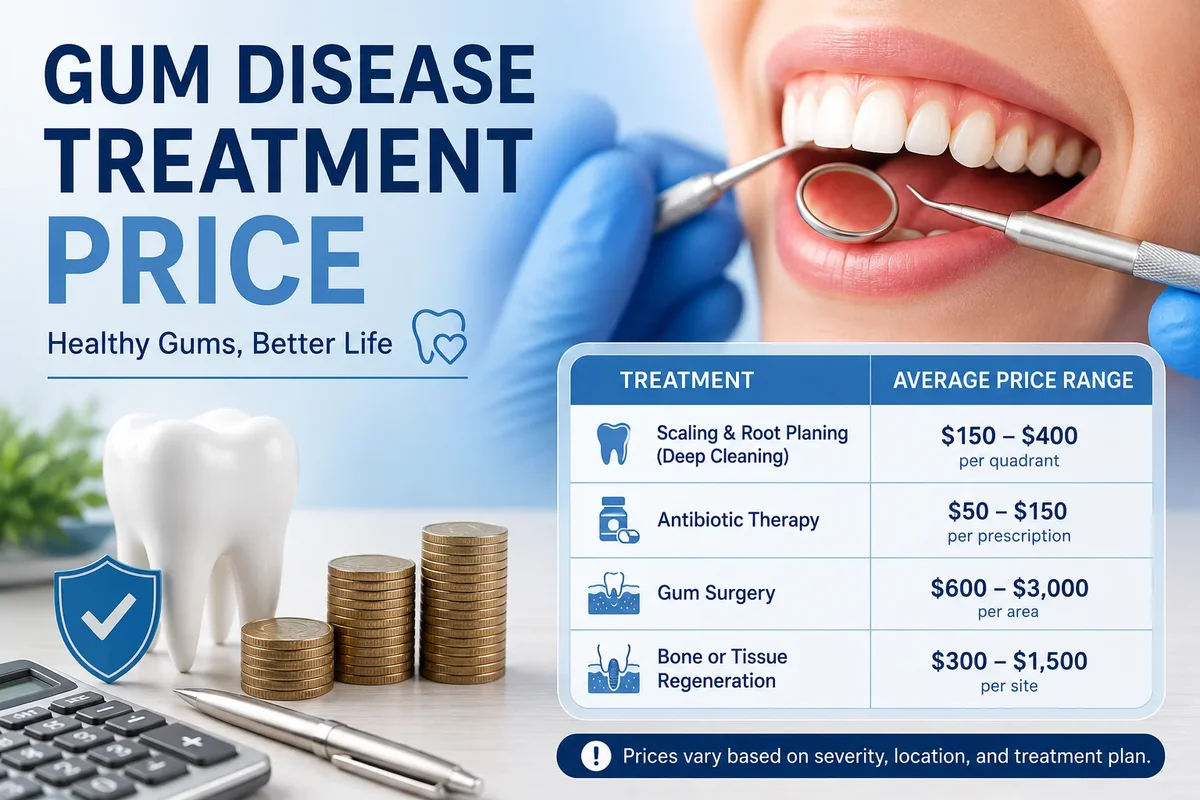
Final Decision Guide: How to Evaluate Gum Disease Treatment Price and Choose the Right Care
By now, you have learned what influences gum disease treatment price, who may need periodontal treatment, how the treatment process works, what alternatives exist, and why delaying care can increase both health risks and future treatment complexity. The final step is bringing all of this information together so you can make a practical and informed decision. While comparing gum disease treatment price is perfectly reasonable, choosing treatment based only on the lowest advertised figure rarely provides the complete picture. A personalized treatment plan supported by an accurate diagnosis is usually the safest way to balance oral health, long-term value, and financial planning.
Every patient’s periodontal condition is unique. Two people with similar symptoms may receive different recommendations because their gum measurements, bone levels, medical history, oral hygiene habits, and treatment goals differ. This is why a responsible dentist explains that the final gum disease treatment price depends on the findings of a professional examination rather than offering guaranteed pricing before assessing your oral health.
Step 1: Focus on Your Diagnosis Before Comparing Prices
The first question should never be, “Which clinic has the lowest gum disease treatment price?” Instead, ask, “What is the condition of my gums?” Without knowing whether you have gingivitis, mild periodontitis, or advanced periodontal disease, it is impossible to determine which treatment is appropriate.
A comprehensive examination generally includes a visual assessment, periodontal pocket measurements, evaluation of gum recession, review of diagnostic imaging when necessary, and discussion of your medical history. These findings provide the foundation for an individualized treatment plan and a realistic estimate of the expected gum disease treatment price.
Step 2: Understand Exactly What the Treatment Plan Includes
When comparing different clinics, avoid looking only at the total number on the estimate. Instead, ask for a clear explanation of the services included. A complete treatment plan may involve:
- Comprehensive periodontal examination.
- Periodontal pocket measurements.
- Dental X-rays if clinically indicated.
- Professional cleaning or scaling and root planing.
- Follow-up evaluations.
- Personalized oral hygiene instruction.
- Recommendations for periodontal maintenance.
Two treatment estimates may appear different simply because one includes additional diagnostic or follow-up services. Understanding these details allows you to compare the true value behind the proposed gum disease treatment price.
Step 3: Think About Long-Term Oral Health
Healthy Habits Continue After Treatment
Professional treatment is only one part of maintaining healthy gums. Daily brushing, cleaning between the teeth, regular dental examinations, and attending recommended maintenance visits all contribute to protecting the results achieved during treatment.
Maintenance Can Protect Your Investment
Patients who have experienced periodontal disease often require ongoing monitoring because gum disease can recur if bacterial plaque is allowed to accumulate again. Following your dentist’s maintenance recommendations may reduce the likelihood of more extensive treatment later. For this reason, long-term care should be considered when evaluating overall gum disease treatment price, not only the initial appointment.
Step 4: Balance Cost With Clinical Quality
It is understandable to compare prices, particularly when planning dental treatment. However, selecting care solely because it appears less expensive may overlook important differences in diagnosis, professional experience, technology, patient education, and follow-up care.
Instead of asking only about gum disease treatment price, consider asking:
- Will I receive a complete periodontal assessment?
- Who performs the treatment?
- What procedures are included?
- Are maintenance visits discussed?
- Will I receive written treatment recommendations?
- How will my progress be monitored?
These questions often provide a more accurate understanding of overall treatment quality than comparing prices alone.
Step 5: Know When Professional Care Is Appropriate
Many people postpone treatment because symptoms seem manageable. However, certain warning signs should encourage you to arrange a periodontal examination rather than relying on home remedies or internet research. Persistent bleeding while brushing, swollen gums, gum recession, loose teeth, chronic bad breath, or discomfort while chewing all justify professional assessment.
These symptoms do not automatically indicate advanced periodontal disease, but they do suggest that a clinical evaluation is appropriate before making assumptions about your individual gum disease treatment price or deciding which treatment option is suitable.
Choosing a Clinic That Supports Informed Decisions
A good periodontal consultation should leave you with a clear understanding of your diagnosis, available treatment options, expected maintenance requirements, and the factors influencing your personalized treatment estimate. Transparency and communication are important indicators of high-quality patient care.
At Redent Klinik, periodontal treatment recommendations begin with a comprehensive examination designed to evaluate your individual oral health needs. Patients receive personalized guidance rather than generalized advice, allowing them to understand both the recommended treatment and the reasons behind it. If you would like to arrange a consultation or ask questions about your periodontal health, you can visit the Redent Klinik Contact Page.
For additional educational information about periodontal disease, preventive care, and maintaining healthy gums, the American Dental Association offers evidence-based resources that complement advice provided by your dental professional.
Key Takeaways Before Making Your Decision
- There is no universal gum disease treatment price; treatment is personalized.
- Early evaluation may provide more conservative treatment options.
- Ask what services are included in every treatment estimate.
- Consider long-term maintenance as part of your overall oral health plan.
- Choose a clinic that explains your diagnosis clearly and provides individualized recommendations.
- Maintain excellent daily oral hygiene to support long-term periodontal health.
Final recommendation: Before deciding based only on gum disease treatment price, arrange a professional periodontal examination to understand your diagnosis, discuss personalized treatment options, and receive an individualized treatment estimate. If you notice bleeding gums, persistent swelling, gum recession, loose teeth, ongoing bad breath, or discomfort while chewing, request professional advice promptly. A personalized evaluation provides the most reliable foundation for choosing appropriate periodontal care and planning your treatment with confidence.
Disclosure: this page may contain affiliate links. We may earn a commission if you use them, at no extra cost to you.