
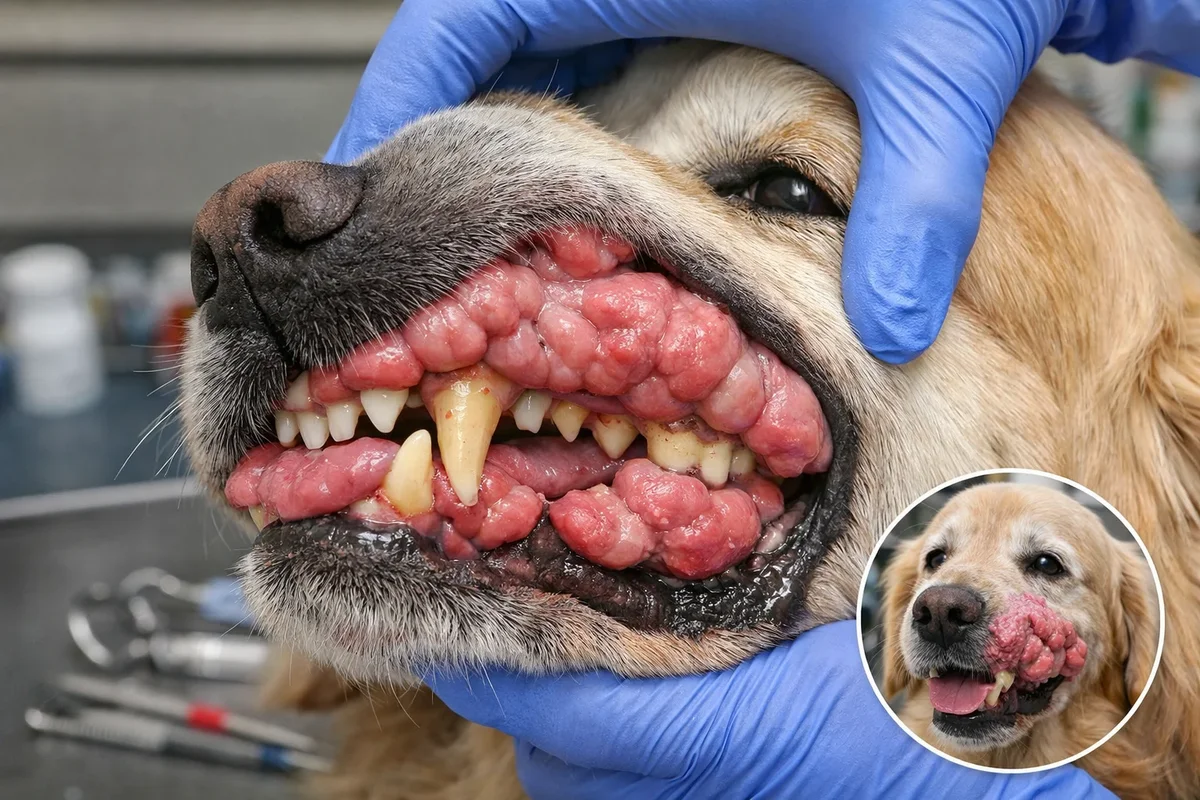
Gum hyperplasia in dogs is a relatively common but often misunderstood oral condition that affects the soft tissues of a dog’s mouth. In simple terms, it refers to an abnormal overgrowth or enlargement of the gum tissue (gingiva) surrounding the teeth. While it may initially appear to be only a cosmetic issue, gum hyperplasia in dogs can significantly impact oral health, comfort, and overall quality of life if left unaddressed 🐶.
From a dental-health perspective, gum hyperplasia in dogs is especially important because excessive gum tissue can trap food debris and bacteria, making proper cleaning difficult. Over time, this environment encourages plaque buildup, bad breath, gum inflammation, and secondary periodontal disease. For pet owners, understanding this condition is the first and most critical step toward early intervention and effective management.
Unlike sudden oral injuries, gum hyperplasia in dogs usually develops gradually. Many owners only notice the problem once the gum tissue begins to cover parts of the teeth or bleed during chewing. Because dogs are experts at hiding discomfort, they may continue eating normally even while experiencing irritation or pain. This makes education and awareness essential for early detection.
Clinically, gum hyperplasia in dogs can vary in severity. In mild cases, the gums may simply look thicker or puffier than normal. In more advanced stages, the overgrown gum tissue may partially or completely cover the tooth crowns. This not only alters the dog’s bite but can also create deep pockets where bacteria thrive. These pockets are difficult to clean, even during professional dental procedures, which is why early recognition is so important.
One common misconception is that gum hyperplasia in dogs is always painful. While discomfort is not always obvious at first, the condition often becomes painful over time, especially when inflammation or infection sets in. Dogs may show subtle signs such as chewing on one side, dropping food, pawing at the mouth, or avoiding hard kibble. These behaviors are easy to overlook unless owners know what to watch for.
From a broader health standpoint, chronic oral inflammation associated with gum hyperplasia in dogs can have systemic effects. Bacteria from the mouth can enter the bloodstream and potentially affect organs such as the heart, liver, and kidneys. This is why modern veterinary dentistry treats gum overgrowth not just as a local issue, but as a condition with whole-body implications 🦷.
It is also important to understand that gum hyperplasia in dogs is not a disease by itself but rather a symptom or response to underlying factors. These factors may include genetics, medication use, chronic plaque accumulation, or hormonal influences. Identifying the root cause allows veterinarians to tailor treatment plans that address both the gum overgrowth and the factors contributing to it.
For dog owners seeking reliable information, it can be helpful to compare veterinary dental principles with human dentistry standards. Organizations such as the American Dental Association emphasize the critical role of gum health in overall well-being. While dogs and humans differ anatomically, the core concept remains the same: healthy gums are essential for healthy teeth and long-term oral function.
In practice, managing gum hyperplasia in dogs often involves a combination of professional veterinary care and consistent home oral hygiene. Severe cases may require surgical intervention to remove excess tissue, while mild cases can sometimes be controlled with improved dental routines and regular check-ups. Early education empowers owners to make informed decisions and seek timely care when changes in their dog’s gums are noticed.
If you are unsure whether your dog’s gum appearance is normal or if you suspect gum hyperplasia in dogs, consulting a dental-focused healthcare provider can offer clarity. While veterinary clinics are the primary point of care for pets, understanding dental health principles can also be valuable. For general dental guidance or professional consultation resources, you may explore the Redent Klinik Contact Page, especially if you are researching comprehensive approaches to oral health.
In summary, gum hyperplasia in dogs is a progressive condition that deserves attention, not neglect. By recognizing early signs, understanding its implications, and prioritizing oral hygiene, dog owners can significantly reduce complications and help their pets maintain a comfortable, healthy life. Awareness today can prevent serious dental problems tomorrow 🐾.
Common Causes of Gum Hyperplasia in Dogs
Understanding the underlying reasons behind gum hyperplasia in dogs is essential for both prevention and effective treatment. Gum overgrowth does not occur randomly; it is usually the body’s response to ongoing irritation, genetic predisposition, or external influences. By identifying the cause early, veterinarians can slow progression and prevent secondary dental problems that often accompany gum hyperplasia in dogs 🐕.
In many cases, multiple factors work together. For example, a genetically predisposed dog that also has poor oral hygiene is far more likely to develop gum hyperplasia in dogs than a dog affected by only one risk factor. Below, we break down the most common and clinically recognized causes in detail.
Genetic and Breed-Related Factors
Genetics play a major role in gum hyperplasia in dogs. Certain breeds are naturally prone to excessive gum tissue growth due to inherited traits affecting gum structure and immune response. In these dogs, the gum tissue reacts more aggressively to even mild plaque accumulation, leading to progressive thickening and enlargement.
This genetic tendency means that gum hyperplasia in dogs can develop even when owners are diligent about brushing and dental checkups. While good oral care can slow progression, it may not fully prevent gum overgrowth in genetically susceptible animals. Recognizing this inherited risk allows for earlier monitoring and more frequent professional cleanings.
Medication-Induced Gum Overgrowth
One of the most well-documented causes of gum hyperplasia in dogs is long-term medication use. Certain drugs can stimulate abnormal gum cell growth as a side effect, especially when used continuously over months or years.
Drugs Commonly Associated with Gum Hyperplasia
Medications that suppress the immune system or alter calcium metabolism are particularly associated with gum hyperplasia in dogs. Some commonly implicated drug categories include:
- Immunosuppressive medications
- Anticonvulsants used for seizure control
- Drugs prescribed for chronic inflammatory conditions
Not every dog taking these medications will develop gum hyperplasia in dogs, but the risk increases with dosage and duration. Regular oral examinations are especially important for dogs on long-term prescriptions.
Poor Oral Hygiene and Plaque Accumulation
Chronic plaque buildup is one of the most preventable yet common contributors to gum hyperplasia in dogs. When plaque is not removed regularly, it hardens into tartar, irritating the gum line. In response, the gums may thicken as a protective mechanism, eventually leading to visible overgrowth.
This form of gum hyperplasia in dogs is often accompanied by redness, bleeding, and bad breath. Unlike genetic causes, hygiene-related gum overgrowth can often be significantly improved with professional cleanings and consistent home care. Unfortunately, many owners underestimate how quickly plaque accumulates in dogs, especially smaller breeds.
Chronic Inflammation and Gingivitis
Long-standing inflammation of the gums, known as gingivitis, is closely linked to gum hyperplasia in dogs. When inflammation persists, the body produces excess connective tissue in an attempt to protect the affected area. Over time, this results in thickened, swollen gums that may partially cover the teeth.
Dogs with untreated gingivitis are at high risk of developing gum hyperplasia in dogs, particularly if inflammation is combined with other factors such as genetics or medication use. This highlights the importance of treating early gum inflammation before it progresses into more complex conditions.
Hormonal and Age-Related Influences
Hormonal changes can also contribute to gum hyperplasia in dogs. Puppies may show temporary gum enlargement during tooth eruption, while older dogs may experience gum changes due to age-related immune shifts. Although age alone does not cause gum hyperplasia in dogs, it can influence how the gums respond to irritation.
Senior dogs, in particular, may have a reduced ability to fight oral bacteria, making them more vulnerable to chronic gum changes. Regular dental evaluations become increasingly important as dogs age.
Underlying Systemic Health Conditions
Certain systemic diseases can indirectly increase the risk of gum hyperplasia in dogs. Conditions that weaken the immune system or affect tissue healing may cause the gums to react abnormally to minor irritants. While gum hyperplasia in dogs is not always the first sign of systemic illness, its presence can sometimes prompt further diagnostic investigation.
In such cases, treating the underlying condition is just as important as addressing the gum overgrowth itself. A holistic approach ensures better long-term outcomes and reduces recurrence.
In conclusion, gum hyperplasia in dogs is rarely caused by a single factor. Genetics, medications, hygiene, inflammation, age, and overall health all play interconnected roles. By understanding these causes in detail, dog owners can take proactive steps to reduce risk, seek early veterinary guidance, and protect their pet’s oral and general health 🦷🐾.
Dog Breeds Most Affected by Gum Hyperplasia
When discussing gum hyperplasia in dogs, breed predisposition is one of the most important and well-established risk factors. While any dog can technically develop this condition, veterinary studies and clinical experience consistently show that certain breeds are far more susceptible due to genetic traits affecting gum tissue growth, immune response, and oral anatomy 🐾.
For dog owners, knowing whether their pet belongs to a high-risk breed can make a significant difference. Early awareness allows for proactive dental monitoring, earlier intervention, and better long-term outcomes when dealing with gum hyperplasia in dogs.
Why Breed Genetics Matter in Gum Hyperplasia
Genetics influence how a dog’s gums respond to everyday stimuli such as plaque, chewing forces, and mild inflammation. In breeds predisposed to gum hyperplasia in dogs, the gingival tissue tends to overreact by producing excess connective tissue. This results in thicker, enlarged gums that may gradually cover the teeth.
Importantly, this genetic tendency exists regardless of diet quality or basic oral care. Even with proper brushing, dogs with strong genetic predisposition may still develop gum hyperplasia in dogs, although good hygiene can slow its progression.
High-Risk Breeds Commonly Affected
Certain dog breeds are consistently overrepresented in cases of gum hyperplasia in dogs. These breeds often share similar skull shapes, gum structures, or immune responses that make them vulnerable to gingival overgrowth.
Breeds with the Highest Documented Risk
- Boxers
- Bulldogs (English and French)
- Doberman Pinschers
- Great Danes
- German Shepherds
Among these, Boxers are especially known for developing severe forms of gum hyperplasia in dogs. In some cases, the gum tissue may grow so extensively that it completely covers the teeth, requiring surgical correction.
Brachycephalic Breeds and Gum Overgrowth
Brachycephalic (short-nosed) breeds deserve special attention when discussing gum hyperplasia in dogs. Their compact jaw structure often results in crowded teeth, which increases plaque retention and gum irritation.
In these dogs, even minor plaque buildup can trigger excessive gum responses. Over time, this combination of anatomy and inflammation creates an ideal environment for gum hyperplasia in dogs to develop and worsen.
Large vs. Small Breeds: Is Size a Factor?
While breed genetics matter more than size alone, large breeds with strong jaw muscles may experience additional gum stress during chewing. This mechanical pressure, combined with genetic predisposition, can accelerate gum hyperplasia in dogs.
Small breeds, on the other hand, often suffer from dental crowding. Crowded teeth trap debris and bacteria, which can indirectly contribute to gum hyperplasia in dogs through chronic inflammation.
Mixed-Breed Dogs and Gum Hyperplasia
Mixed-breed dogs are not immune to gum hyperplasia in dogs. If a mixed-breed dog inherits genetic traits from a high-risk lineage, they may still develop the condition. However, mixed-breed dogs often have slightly lower overall risk due to genetic diversity.
That said, owners should never assume immunity. Regular oral checks are essential for all dogs, regardless of breed.
How Early Breed Risk Manifests
In predisposed breeds, gum hyperplasia in dogs may appear at a younger age than expected. Puppies and young adults may show early gum thickening during tooth eruption, which can later progress into more severe overgrowth.
Early signs include unusually bulky gums, mild bleeding during chewing, or gums that seem to “climb” up the teeth. Recognizing these subtle changes allows for earlier veterinary evaluation and monitoring.
Managing Breed-Related Risk Proactively
While genetics cannot be changed, their impact on gum hyperplasia in dogs can be managed. High-risk breeds benefit from:
- More frequent professional dental cleanings
- Early baseline oral examinations
- Consistent home dental routines
- Prompt treatment of any gum inflammation
Veterinarians often recommend tailored dental care plans for high-risk breeds to reduce complications associated with gum hyperplasia in dogs. These proactive strategies significantly improve comfort and oral health over the dog’s lifetime 🦷.
In summary, breed predisposition is a key factor in gum hyperplasia in dogs. By understanding which breeds are most affected and why, dog owners can take informed, preventative steps. Awareness, early detection, and consistent care remain the most powerful tools in managing this condition effectively.
Early Symptoms and Warning Signs Pet Owners Should Notice
One of the biggest challenges with gum hyperplasia in dogs is that it often develops quietly and progressively. Many dogs do not show obvious pain in the early stages, which can lead owners to overlook subtle warning signs. However, early detection is critical, because identifying gum hyperplasia in dogs at an early phase can prevent serious dental and systemic complications 🐶.
Pet owners who know what to look for are far more likely to seek veterinary care before the condition becomes severe. Below, we explore the earliest symptoms, progressive warning signs, and behavioral changes that commonly accompany gum hyperplasia in dogs.
Subtle Visual Changes in the Gums
The earliest visible sign of gum hyperplasia in dogs is a change in gum appearance. Healthy gums should be pink, firm, and tightly fitted around the teeth. In contrast, early gum hyperplasia in dogs often begins with gums that appear thicker, puffier, or slightly raised.
Owners may notice that the gum line looks uneven or that the gums seem to be slowly creeping up over the tooth surface. At this stage, there may be no redness or bleeding, which is why these changes are often dismissed as normal variation.
Key Visual Indicators to Monitor
- Unusually bulky or swollen gum tissue
- Gums partially covering tooth crowns
- Loss of normal gum contour
These visual clues are often the first outward signs of gum hyperplasia in dogs and should prompt closer monitoring.
Bleeding Gums and Increased Sensitivity
As gum hyperplasia in dogs progresses, the enlarged gum tissue becomes more delicate and prone to irritation. Owners may notice bleeding during chewing, especially when dogs eat hard kibble or chew toys.
This bleeding is not always dramatic. Small blood spots on toys or food bowls may be the only indication. Increased gum sensitivity can also cause dogs to hesitate before chewing or favor one side of the mouth.
Changes in Eating Behavior
Behavioral changes related to eating are common warning signs of gum hyperplasia in dogs. Because dogs instinctively hide pain, these changes are often subtle.
Eating-Related Red Flags
- Chewing more slowly than usual
- Dropping food while eating
- Avoiding dry or hard foods
- Chewing on only one side of the mouth
These behaviors suggest oral discomfort and should never be ignored, especially in breeds prone to gum hyperplasia in dogs.
Persistent Bad Breath (Halitosis)
Chronic bad breath is one of the most common but underestimated signs of gum hyperplasia in dogs. As excess gum tissue traps food particles and bacteria, it creates an ideal environment for bacterial growth.
While occasional bad breath can be normal, persistent or worsening odor often indicates underlying oral disease. In dogs with gum hyperplasia in dogs, halitosis frequently accompanies plaque buildup and early periodontal infection.
Behavioral and Mood Changes
Oral discomfort does not only affect eating—it can also influence a dog’s overall behavior. Dogs suffering from gum hyperplasia in dogs may become less playful, more irritable, or resistant to having their face or mouth touched.
Some dogs may paw at their mouth, rub their face against furniture, or show signs of anxiety when approached near the head. These behaviors are often misinterpreted as behavioral issues rather than indicators of oral pain.
Advanced Warning Signs in Progressive Cases
If gum hyperplasia in dogs is left untreated, symptoms become more pronounced and harder to ignore. Advanced gum overgrowth can lead to visible infection, severe inflammation, and even tooth displacement.
Signs of Advanced Gum Hyperplasia
- Gum tissue completely covering teeth
- Visible pus or discharge from the gums
- Loose or shifting teeth
- Noticeable facial swelling
At this stage, gum hyperplasia in dogs often causes significant pain and requires urgent veterinary intervention.
Why Early Recognition Makes a Difference
The earlier gum hyperplasia in dogs is identified, the easier it is to manage. Mild cases can often be controlled with professional cleanings, improved oral hygiene, and monitoring. Advanced cases, however, may require surgical gum reduction and long-term dental care.
By learning to recognize the early symptoms and warning signs, pet owners play a vital role in protecting their dog’s oral health. Routine mouth checks at home, combined with regular veterinary dental exams, are the most effective strategies for catching gum hyperplasia in dogs before it leads to serious complications 🦷🐾.
How Gum Hyperplasia in Dogs Is Diagnosed by Veterinarians
Accurate diagnosis is a cornerstone of effective management for gum hyperplasia in dogs. Because this condition can resemble other oral disorders—such as gingivitis, periodontal disease, or oral tumors—veterinarians follow a structured diagnostic process to confirm gum hyperplasia in dogs and rule out more serious conditions 🐕⚕️.
Early and precise diagnosis not only determines the appropriate treatment plan but also helps identify underlying causes such as genetics, medication effects, or chronic inflammation. Below is a detailed overview of how veterinarians evaluate and diagnose gum hyperplasia in dogs in a clinical setting.
Initial Clinical Examination of the Oral Cavity
The diagnostic process for gum hyperplasia in dogs begins with a thorough visual and physical examination of the mouth. During this exam, the veterinarian assesses the color, thickness, and contour of the gum tissue, paying close attention to areas where the gums appear enlarged or overgrown.
In mild cases of gum hyperplasia in dogs, this examination may be sufficient to make a preliminary diagnosis. The veterinarian looks for hallmark features such as firm, non-ulcerated gum overgrowth that partially covers the teeth without signs of aggressive tissue destruction.
What Veterinarians Look for Visually
- Uniform thickening of gum tissue
- Gums extending over tooth crowns
- Absence of deep ulceration or abnormal masses
These visual cues help distinguish gum hyperplasia in dogs from infections or malignant growths.
Assessment Under Sedation or Anesthesia
Because dogs may resist detailed oral examinations due to discomfort or anxiety, veterinarians often perform a more comprehensive evaluation under sedation or general anesthesia. This allows for a full-mouth inspection without causing stress or pain.
Under anesthesia, veterinarians can probe the gum pockets, measure gum depth, and assess how extensively gum hyperplasia in dogs has progressed. This step is especially important in moderate to severe cases where overgrown gums may hide underlying tooth or bone damage.
Dental Probing and Periodontal Evaluation
Dental probing is a critical diagnostic tool when evaluating gum hyperplasia in dogs. Using a specialized periodontal probe, the veterinarian measures the depth of the gum pockets around each tooth.
In gum hyperplasia in dogs, pockets may appear deep due to excess tissue rather than true periodontal attachment loss. Differentiating between “false pockets” caused by gum overgrowth and true periodontal disease is essential for choosing the correct treatment approach.
Dental X-Rays (Radiographs)
Dental radiographs provide valuable insight beneath the gum line and are often used to confirm the diagnosis of gum hyperplasia in dogs. X-rays allow veterinarians to evaluate the health of tooth roots and surrounding bone structures.
In cases of gum hyperplasia in dogs, radiographs typically show normal bone levels, helping rule out advanced periodontal disease. If bone loss is present, it may indicate a concurrent condition requiring additional treatment.
Review of Medical History and Medication Use
A detailed medical history is an essential part of diagnosing gum hyperplasia in dogs. Veterinarians will ask about:
- Long-term medication use
- Previous dental procedures
- Breed background
- Onset and progression of symptoms
Certain medications are known to contribute to gum hyperplasia in dogs, and identifying these early can influence both diagnosis and management strategies.
Biopsy and Histopathological Examination
In some cases, especially when the gum tissue appears irregular or unusually firm, a biopsy may be recommended. This involves removing a small sample of gum tissue for microscopic examination.
While gum hyperplasia in dogs is typically benign, biopsy helps rule out oral tumors or inflammatory diseases that may mimic its appearance. Histopathology confirms whether the tissue enlargement is due to non-cancerous connective tissue proliferation.
Differential Diagnosis: What Else It Could Be
Veterinarians must carefully distinguish gum hyperplasia in dogs from other oral conditions. Common differential diagnoses include:
- Severe gingivitis
- Periodontal disease
- Oral neoplasia
- Inflammatory or immune-mediated gum disorders
Accurate diagnosis ensures that dogs with gum hyperplasia in dogs receive appropriate treatment rather than unnecessary or ineffective interventions.
Why Professional Diagnosis Is Essential
Attempting to self-diagnose gum hyperplasia in dogs based solely on appearance can be misleading. Only a trained veterinarian can determine the severity, underlying cause, and best course of action through proper diagnostic methods.
In summary, diagnosing gum hyperplasia in dogs involves a combination of clinical examination, dental probing, imaging, medical history review, and, when necessary, biopsy. This comprehensive approach ensures accurate identification and sets the foundation for effective treatment and long-term oral health 🦷🐾.
Treatment Options for Gum Hyperplasia in Dogs
Treating gum hyperplasia in dogs requires a carefully tailored approach that depends on the severity of the condition, the underlying cause, and the dog’s overall health. There is no single “one-size-fits-all” solution. Instead, veterinarians combine professional dental procedures, medical management, and long-term preventive care to control gum hyperplasia in dogs and prevent recurrence 🐕.
Early-stage gum hyperplasia in dogs may be managed conservatively, while advanced cases often require surgical intervention. Understanding the full range of treatment options helps owners make informed decisions and set realistic expectations.
Professional Dental Cleaning and Plaque Control
For mild cases, the first line of treatment for gum hyperplasia in dogs is a thorough professional dental cleaning. This procedure is performed under general anesthesia to ensure safety and allow complete removal of plaque and tartar from above and below the gum line.
Reducing bacterial irritation is critical, as chronic plaque accumulation can worsen gum hyperplasia in dogs. In some dogs, gum tissue may partially regress once inflammation is controlled, especially if the condition is detected early.
Why Professional Cleaning Is Essential
- Removes hardened tartar that brushing cannot
- Reduces bacterial load beneath the gums
- Slows progression of gum hyperplasia in dogs
Surgical Gingivectomy (Gum Reduction Surgery)
When gum overgrowth is moderate to severe, surgical treatment becomes necessary. A gingivectomy is a procedure in which excess gum tissue is carefully removed to restore normal gum contours and expose the teeth.
Surgical treatment is one of the most effective options for advanced gum hyperplasia in dogs. It immediately improves oral comfort, reduces infection risk, and allows proper cleaning of the teeth going forward.
What to Expect from Gingivectomy
During surgery, the veterinarian reshapes the gums using specialized instruments or laser technology. Modern techniques minimize bleeding and speed up healing. Although gum hyperplasia in dogs can recur, surgical reduction often provides long-lasting relief when combined with proper aftercare.
Laser Therapy for Gum Hyperplasia
Laser-assisted gingival surgery is increasingly used in treating gum hyperplasia in dogs. Dental lasers allow precise removal of excess tissue with minimal trauma, reduced bleeding, and faster recovery times.
This option is particularly beneficial for dogs that require repeated treatments or those with medical conditions that make traditional surgery riskier.
Medication Adjustments and Medical Management
If gum hyperplasia in dogs is linked to long-term medication use, veterinarians may consider adjusting the dosage or switching to alternative drugs when possible. This decision is always made carefully, weighing oral health benefits against the need to control the underlying medical condition.
Anti-inflammatory medications or antimicrobial rinses may also be prescribed to reduce secondary inflammation and infection associated with gum hyperplasia in dogs.
Managing Secondary Periodontal Disease
Many dogs with gum hyperplasia in dogs also develop periodontal disease due to trapped debris beneath the overgrown gums. Treating this secondary condition is a critical part of the overall treatment plan.
This may include deep cleaning, localized antibiotic therapy, or extraction of severely affected teeth. Addressing periodontal disease improves long-term outcomes and reduces recurrence of gum hyperplasia in dogs.
Home Care as Part of Treatment
Professional treatment alone is not enough to control gum hyperplasia in dogs. Consistent home care plays a crucial role in preventing regrowth and maintaining oral health.
Key Home Care Strategies
- Daily or near-daily tooth brushing with dog-safe toothpaste
- Use of veterinary-approved dental diets or chews
- Routine oral inspections at home
Owners who actively participate in daily dental care significantly reduce the severity and recurrence of gum hyperplasia in dogs.
Follow-Up and Long-Term Monitoring
Because gum hyperplasia in dogs has a tendency to recur—especially in genetically predisposed breeds—long-term monitoring is essential. Veterinarians often recommend more frequent dental checkups for affected dogs.
Early detection of regrowth allows for timely intervention before severe overgrowth returns. With consistent monitoring, many dogs maintain good oral health for years after treatment.
In summary, treating gum hyperplasia in dogs involves a combination of professional dental care, surgical intervention when needed, medication management, and diligent home hygiene. When addressed early and managed consistently, dogs with gum hyperplasia in dogs can enjoy comfortable eating, improved oral health, and a better overall quality of life 🦷🐾.
Home Care and Daily Oral Hygiene for Dogs with Gum Overgrowth
Effective long-term management of gum hyperplasia in dogs does not end at the veterinary clinic. While professional treatments are essential, daily home care is the foundation that determines whether gum hyperplasia in dogs remains controlled or returns aggressively. Consistent oral hygiene reduces inflammation, limits bacterial growth, and slows the regrowth of excess gum tissue 🐶🪥.
Many dog owners underestimate how impactful routine home care can be. In reality, dogs receiving proper daily oral hygiene experience fewer complications, reduced discomfort, and better outcomes after professional treatment for gum hyperplasia in dogs.
Why Home Care Is Critical for Gum Hyperplasia
The primary trigger that worsens gum hyperplasia in dogs is chronic irritation from plaque and bacteria. Even after surgical gum reduction or professional cleaning, plaque begins forming again within hours. Without daily intervention, the gums may quickly return to an inflamed state.
Home care breaks this cycle. By controlling plaque on a daily basis, owners dramatically reduce the stimulus that causes gum tissue to thicken and overgrow.
Daily Tooth Brushing: The Gold Standard
Daily brushing is the most effective home-care measure for dogs with gum hyperplasia in dogs. Using a soft-bristled toothbrush and veterinary-approved toothpaste helps remove plaque before it hardens into tartar.
How to Brush Safely and Effectively
- Use only dog-specific toothpaste (never human toothpaste)
- Brush gently along the gum line
- Focus on outer tooth surfaces where plaque accumulates most
- Start slowly to build tolerance
Even brushing three to four times per week can significantly slow the progression of gum hyperplasia in dogs, though daily brushing yields the best results.
Dental Diets and Specialized Chews
Veterinary dental diets and approved dental chews can support home care for gum hyperplasia in dogs. These products are designed to mechanically clean teeth during chewing, reducing plaque accumulation.
However, dental chews should never replace brushing. They work best as a supplement to daily oral hygiene, especially for dogs that resist brushing.
Oral Rinses and Dental Gels
Antimicrobial oral rinses and gels are often recommended as part of a home-care plan for gum hyperplasia in dogs. These products help reduce bacterial populations and soothe inflamed gum tissue.
Some gels can be applied directly to the gums, making them useful for dogs that do not tolerate brushing well. While helpful, they should be viewed as supportive tools rather than primary treatments.
Routine At-Home Oral Inspections
Owners of dogs with gum hyperplasia in dogs should perform regular visual mouth checks. This allows early detection of gum regrowth, redness, or bleeding before problems escalate.
What to Look for During Inspections
- Gums thickening or creeping over teeth
- Bleeding or redness along the gum line
- Unusual odor or discharge
- Changes in chewing behavior
These inspections take only a few minutes and are invaluable for early intervention.
Consistency Over Perfection
One of the most common mistakes owners make when managing gum hyperplasia in dogs is inconsistency. Perfect technique is less important than regular effort. Even brief daily brushing sessions are more effective than infrequent, thorough cleanings.
Establishing a routine—such as brushing at the same time each day—helps dogs adapt and reduces stress associated with oral care.
Working with Your Veterinarian
Home care plans for gum hyperplasia in dogs should always be developed in collaboration with a veterinarian. Dogs with advanced gum overgrowth or recent surgery may require modified routines during healing.
Veterinarians can also recommend specific products tailored to a dog’s breed, size, and severity of gum hyperplasia in dogs, improving both comfort and effectiveness.
Long-Term Benefits of Daily Oral Hygiene
Consistent home care not only manages gum hyperplasia in dogs but also protects overall health. Improved oral hygiene reduces the risk of periodontal disease, tooth loss, and systemic infections linked to chronic oral inflammation.
In summary, daily oral hygiene is the most powerful tool owners have in controlling gum hyperplasia in dogs. Through brushing, supportive dental products, regular inspections, and veterinary guidance, dogs can maintain healthier gums, reduced discomfort, and a significantly improved quality of life 🦷🐾.
Potential Complications If Gum Hyperplasia Is Left Untreated
Failing to address gum hyperplasia in dogs can lead to a wide range of short-term and long-term complications that extend far beyond cosmetic concerns. While early-stage gum overgrowth may seem harmless, untreated gum hyperplasia in dogs often progresses steadily, creating an environment that promotes infection, pain, and systemic health issues 🐶.
Understanding these potential complications helps pet owners recognize why early intervention and consistent management are critical. Below, we explore the most significant risks associated with untreated gum hyperplasia in dogs in detail.
Progression to Periodontal Disease
One of the most common and serious complications of untreated gum hyperplasia in dogs is periodontal disease. Excess gum tissue creates deep pockets where food particles and bacteria accumulate. These pockets are extremely difficult to clean, even with professional dental tools.
Over time, bacteria multiply beneath the gums, leading to inflammation, infection, and destruction of the structures that support the teeth. What begins as gum hyperplasia in dogs can eventually result in advanced periodontal disease if not properly managed.
Consequences of Periodontal Disease
- Chronic pain and discomfort
- Gum recession and infection
- Damage to tooth-supporting bone
Tooth Mobility and Tooth Loss
As periodontal disease advances, the bone surrounding the teeth may begin to deteriorate. In dogs with untreated gum hyperplasia in dogs, this process can be accelerated due to persistent bacterial irritation beneath the gum tissue.
Loose teeth cause pain during chewing and may eventually fall out or require extraction. Tooth loss not only affects eating but can also alter jaw alignment and overall oral function.
Chronic Oral Pain and Reduced Quality of Life
Dogs are highly skilled at masking pain, which means gum hyperplasia in dogs can cause significant discomfort long before owners realize something is wrong. Chronic oral pain affects a dog’s willingness to eat, play, and interact.
Dogs may become withdrawn, irritable, or less active. Over time, untreated pain can contribute to weight loss, behavioral changes, and decreased overall well-being.
Secondary Infections and Abscess Formation
In advanced cases, gum hyperplasia in dogs can lead to localized infections beneath the gum surface. These infections may develop into abscesses—pockets of pus that cause swelling, fever, and severe pain.
Oral abscesses can rupture or spread infection to surrounding tissues, including the jawbone. Treating these infections often requires antibiotics, drainage, and sometimes surgical intervention.
Systemic Health Risks Linked to Oral Bacteria
One of the most concerning complications of untreated gum hyperplasia in dogs is the potential for oral bacteria to enter the bloodstream. This condition, known as bacteremia, allows bacteria from the mouth to travel to other organs.
Studies in veterinary medicine show links between chronic oral infection and damage to vital organs such as the heart, liver, and kidneys. While gum hyperplasia in dogs begins in the mouth, its effects can become systemic if left unmanaged.
Difficulty Eating and Nutritional Deficiencies
As gum hyperplasia in dogs worsens, eating becomes increasingly uncomfortable. Dogs may avoid hard foods, chew inefficiently, or stop eating altogether during painful flare-ups.
Reduced food intake can lead to nutritional deficiencies, weight loss, and weakened immune function. This creates a cycle in which poor health further reduces the body’s ability to manage oral disease.
Increased Complexity and Cost of Treatment
Delaying treatment for gum hyperplasia in dogs often results in more complex and invasive procedures later. What could have been managed with routine dental care may eventually require surgery, tooth extractions, and prolonged recovery.
Advanced treatment is not only more stressful for the dog but also more demanding for owners in terms of time, aftercare, and long-term management.
Emotional Impact on Dogs and Owners
Chronic health issues like untreated gum hyperplasia in dogs can strain the human–animal bond. Owners may feel guilt or frustration when they realize the extent of the condition, while dogs may experience prolonged discomfort.
Early recognition and proactive care help prevent these emotional challenges and support a healthier, happier relationship.
In summary, untreated gum hyperplasia in dogs is far from a minor issue. Its progression can lead to pain, infection, tooth loss, systemic illness, and reduced quality of life. Prompt diagnosis, consistent care, and regular veterinary monitoring are essential to prevent these serious complications and ensure long-term oral and overall health 🦷🐾.
Prevention Tips and Long-Term Outlook for Dogs with Gum Hyperplasia
Preventing gum hyperplasia in dogs is far more effective—and far less stressful—than treating advanced disease. While not every case can be fully prevented due to genetic and medical factors, consistent preventive strategies can dramatically reduce severity, slow progression, and improve long-term outcomes for dogs affected by gum hyperplasia in dogs 🐶.
This section focuses on practical, evidence-based prevention methods and explains what owners can realistically expect over the long term when managing gum hyperplasia in dogs.
Early Prevention Starts with Routine Oral Care
The single most important preventive measure for gum hyperplasia in dogs is consistent oral hygiene starting at a young age. Plaque-induced irritation is one of the strongest accelerators of gum overgrowth, even in genetically predisposed dogs.
By minimizing plaque and inflammation early, owners significantly reduce the biological triggers that cause gum tissue to thicken and expand.
Foundational Preventive Habits
- Daily or near-daily tooth brushing
- Regular professional dental cleanings
- Routine at-home gum inspections
These habits not only help prevent gum hyperplasia in dogs but also protect against broader periodontal disease.
Breed-Specific Prevention Strategies
For breeds known to be at higher risk, prevention must be more proactive. Dogs genetically prone to gum hyperplasia in dogs often benefit from earlier and more frequent dental evaluations, sometimes beginning in puppyhood.
Veterinarians may recommend tailored dental schedules for high-risk breeds, allowing early intervention before gum overgrowth becomes clinically significant.
Medication Awareness and Preventive Monitoring
If a dog is prescribed long-term medications known to influence gum tissue growth, preventive monitoring becomes critical. Owners should be informed about the potential oral side effects and watch closely for early signs of gum hyperplasia in dogs.
In some cases, veterinarians may adjust dosages, rotate medications, or increase oral care recommendations to offset risk.
Dietary Choices That Support Gum Health
While diet alone cannot prevent gum hyperplasia in dogs, it plays a supportive role. Diets designed to reduce plaque accumulation can help limit gum irritation, especially when combined with brushing.
Avoiding sticky, high-carbohydrate treats also reduces bacterial growth that contributes to chronic gum inflammation.
Regular Veterinary Dental Assessments
Routine veterinary dental checkups are essential for long-term prevention. These visits allow professionals to detect subtle changes in gum contour long before severe gum hyperplasia in dogs develops.
Early professional intervention may include enhanced cleaning, targeted anti-inflammatory care, or adjustments to home-care routines.
Long-Term Outlook: What Owners Can Expect
The long-term outlook for dogs with gum hyperplasia in dogs is generally positive when the condition is managed properly. While recurrence is possible—especially in genetically predisposed breeds—most dogs maintain good comfort and function with ongoing care.
Key factors influencing prognosis include:
- Severity at time of diagnosis
- Owner commitment to daily oral care
- Frequency of veterinary monitoring
Living Comfortably with a Chronic Condition
In many cases, gum hyperplasia in dogs is best viewed as a manageable chronic condition rather than a one-time problem. Dogs adapt well when discomfort is controlled and oral health is maintained.
With proper care, dogs continue to eat normally, play comfortably, and enjoy a high quality of life despite a history of gum hyperplasia in dogs.
When Prevention Makes the Biggest Difference
The greatest benefits of prevention occur when gum hyperplasia in dogs is identified early or before it fully develops. Preventive care reduces the likelihood of surgery, tooth loss, systemic infection, and chronic pain.
Owners who invest time in prevention often save their dogs from unnecessary discomfort and themselves from complex treatment decisions later.
In conclusion, prevention and long-term management are the keys to successfully handling gum hyperplasia in dogs. Through consistent oral hygiene, breed-aware monitoring, veterinary collaboration, and realistic expectations, most dogs can live long, comfortable, and healthy lives with minimal impact from this condition 🦷🐾.
When to Seek Professional Help and Final Considerations for Dog Owners
Knowing when to seek professional help is just as important as understanding what gum hyperplasia in dogs is and how it is treated. Many complications associated with gum hyperplasia in dogs arise not because the condition is untreatable, but because intervention happens too late. This final section focuses on decision-making, timing, owner responsibility, and realistic expectations so dog owners can act with confidence and clarity 🐕.
Even well-informed owners may hesitate to consult a veterinarian if symptoms seem mild. However, gum hyperplasia in dogs is a progressive condition, and early professional guidance often prevents unnecessary pain, complex procedures, and long-term health consequences.
Clear Signs That Veterinary Care Is Needed
Some situations require prompt professional evaluation and should never be managed at home alone. Owners should seek veterinary care immediately if gum hyperplasia in dogs is accompanied by visible discomfort or functional problems.
Do Not Delay Veterinary Care If You Notice:
- Gums covering a significant portion of the teeth
- Persistent bleeding or pus from the gums
- Difficulty eating or sudden appetite changes
- Facial swelling or signs of oral infection
These signs often indicate that gum hyperplasia in dogs has progressed beyond a mild stage and requires professional treatment.
Why “Waiting and Watching” Can Be Risky
Because dogs often continue eating despite pain, owners may assume gum hyperplasia in dogs is not serious. Unfortunately, this delay allows bacteria to accumulate under overgrown gum tissue, increasing the risk of infection and tooth loss.
What starts as manageable gum hyperplasia in dogs can quietly evolve into advanced periodontal disease if left unchecked. Early veterinary input prevents this escalation.
Balancing Treatment Decisions with Quality of Life
Some owners worry about anesthesia, surgery, or long-term management when facing gum hyperplasia in dogs. These concerns are understandable, but modern veterinary dentistry prioritizes safety and comfort.
In most cases, treating gum hyperplasia in dogs significantly improves quality of life by eliminating chronic discomfort, reducing infection risk, and restoring normal eating behavior.
Owner Responsibility in Long-Term Outcomes
Veterinary treatment alone cannot guarantee success. The long-term outcome of gum hyperplasia in dogs is heavily influenced by owner involvement. Daily oral care, follow-up visits, and early reporting of changes all play a decisive role.
Dogs whose owners remain actively engaged in prevention and monitoring experience fewer recurrences and less severe progression of gum hyperplasia in dogs.
Financial and Emotional Preparedness
While costs vary depending on severity and treatment type, delaying care for gum hyperplasia in dogs often leads to more complex and expensive interventions later. Preventive care and early treatment are usually more cost-effective and less emotionally taxing.
Being prepared—both financially and emotionally—allows owners to make decisions based on their dog’s best interest rather than urgency.
Partnering with Professionals for the Best Results
Successful management of gum hyperplasia in dogs is a partnership between the veterinarian and the owner. Regular communication ensures treatment plans evolve as the dog ages or as conditions change.
Veterinary professionals can adjust care strategies, recommend new preventive tools, and provide reassurance throughout the dog’s life.
Final Thoughts for Dog Owners
In closing, gum hyperplasia in dogs is a condition that rewards attentiveness, consistency, and early action. While it cannot always be prevented, it can almost always be managed effectively when recognized in time.
By staying informed, monitoring your dog’s oral health, and seeking professional help without delay, you give your dog the best chance at a comfortable, healthy life free from unnecessary oral pain 🦷🐾.