
Hyperplasia of gums in dogs is a relatively common but often misunderstood oral condition that can significantly affect a dog’s quality of life if left untreated 🐶🦷. In simple terms, hyperplasia of gums in dogs refers to an abnormal overgrowth of gum tissue, also known in veterinary dentistry as gingival enlargement or gingival hyperplasia. This excessive tissue growth may partially or completely cover the teeth, creating pockets where food debris and bacteria can accumulate.
Understanding hyperplasia of gums in dogs is important not only for pet owners but also for dental and health professionals who focus on oral health education. Although this condition is most often discussed in veterinary contexts, its underlying mechanisms share similarities with gum overgrowth conditions observed in humans. That is why authoritative resources such as the American Dental Association are often referenced when discussing general principles of gum health and inflammation.
Hyperplasia of gums in dogs does not typically begin as a painful condition. In many cases, it develops slowly over time, which makes it easy for owners to overlook early signs. The gums may initially appear slightly thickened or puffier than normal, especially around the front teeth or molars. As hyperplasia of gums in dogs progresses, the tissue can become firm, fibrous, and sometimes inflamed, depending on the underlying cause and level of bacterial involvement.
One of the most important things to understand about hyperplasia of gums in dogs is that it is not always caused by poor oral hygiene alone. While plaque buildup and chronic inflammation can worsen the condition, there are several contributing factors. Genetics play a significant role, and certain dog breeds are far more susceptible to developing hyperplasia of gums in dogs than others. In addition, long-term use of specific medications, hormonal influences, and chronic irritation of the gum tissue can all contribute to abnormal gum growth.
From a functional standpoint, hyperplasia of gums in dogs can interfere with normal chewing and eating. When gum tissue covers a large portion of the teeth, it creates deep crevices that trap bacteria, increasing the risk of secondary infections. Over time, this can lead to bad breath 😷, bleeding gums, difficulty eating, and even tooth loss. Even though hyperplasia of gums in dogs is considered a benign (non-cancerous) condition, its complications can become serious if ignored.
Another critical aspect of hyperplasia of gums in dogs is its impact on long-term oral health. The excessive gum tissue often makes routine dental cleaning more difficult, both at home and during professional veterinary cleanings. This means plaque and tartar can accumulate faster, creating a vicious cycle that further aggravates the gum overgrowth. Early recognition of hyperplasia of gums in dogs allows for timely intervention and better long-term outcomes.
Pet owners often confuse hyperplasia of gums in dogs with other oral conditions such as periodontal disease or oral tumors. While these conditions can appear similar at first glance, hyperplasia of gums in dogs usually presents as smooth, firm tissue rather than ulcerated or irregular growths. Correct identification is essential, as treatment approaches differ significantly depending on the diagnosis.
Education is a key component in managing hyperplasia of gums in dogs. Regular oral examinations, proper dental hygiene routines, and professional assessments help ensure that gum overgrowth is identified before it becomes severe. If you suspect abnormal gum changes in your dog, seeking professional guidance is crucial. Clinics with a strong focus on oral health can provide valuable direction, and you can always reach out through the Redent Klinik Contact Page for further information and guidance related to oral health awareness.
In summary, hyperplasia of gums in dogs is a progressive oral condition characterized by excessive gum tissue growth that can compromise both dental and overall health 🐾. While it may appear mild in its early stages, hyperplasia of gums in dogs should never be ignored. With early recognition, proper diagnosis, and consistent care, dogs affected by this condition can maintain a comfortable, healthy life with a strong focus on oral well-being.
What Is Hyperplasia of Gums in Dogs?
Hyperplasia of gums in dogs is a benign oral condition characterized by an abnormal and excessive growth of gum tissue around the teeth 🦷🐕. The word “hyperplasia” literally means an increase in the number of cells, and in this context, it refers to the thickening and enlargement of gingival tissue. Hyperplasia of gums in dogs does not occur overnight; instead, it develops gradually and may go unnoticed until the gum tissue becomes visibly enlarged or starts interfering with normal oral function.
To fully understand hyperplasia of gums in dogs, it is helpful to first understand what healthy gums should look like. Normal canine gums are firm, pale pink, and fit snugly around the teeth without covering too much of the tooth surface. In contrast, hyperplasia of gums in dogs causes the gum margin to extend abnormally, sometimes covering large portions of the teeth and forming deep pockets where bacteria can thrive.
The Biological Mechanism Behind Gum Overgrowth
At a cellular level, hyperplasia of gums in dogs occurs when gum cells multiply excessively in response to chronic stimulation. This stimulation may come from plaque accumulation, ongoing inflammation, genetic predisposition, or long-term exposure to certain medications. Unlike cancerous growths, hyperplasia of gums in dogs does not involve uncontrolled or malignant cell behavior. Instead, it is a reactive process in which the gum tissue thickens as a defensive or adaptive response.
However, even though hyperplasia of gums in dogs is non-cancerous, the excess tissue can still create serious oral health challenges. The enlarged gums can trap food particles and bacteria, increasing the risk of secondary infections. Over time, this environment promotes inflammation, bad breath 😬, and discomfort, especially when chewing.
Is Hyperplasia of Gums in Dogs Painful?
In its early stages, hyperplasia of gums in dogs is often painless. Many dogs show no obvious signs of discomfort, which is why owners may not seek veterinary advice right away. As the condition progresses, however, the gums may become inflamed or infected due to bacterial buildup. At this stage, hyperplasia of gums in dogs can cause tenderness, bleeding during chewing, and reluctance to eat harder foods.
Pain is not always constant, but flare-ups may occur when the gum tissue becomes irritated or ulcerated. Dogs may respond by pawing at their mouth, drooling excessively, or favoring one side of the mouth while eating. These behavioral changes are important clues that hyperplasia of gums in dogs has advanced beyond a mild stage.
How Hyperplasia of Gums in Dogs Differs From Normal Gum Swelling
It is important to distinguish hyperplasia of gums in dogs from temporary gum swelling caused by gingivitis or minor irritation. Gingivitis typically presents with red, inflamed gums that may bleed easily, but the gum tissue does not usually grow excessively. In contrast, hyperplasia of gums in dogs results in a firm, fibrous overgrowth that persists even if inflammation temporarily subsides.
Another key difference is reversibility. Mild gum inflammation may improve with better oral hygiene and professional cleaning. Hyperplasia of gums in dogs, once established, rarely resolves completely on its own. While proper dental care can slow its progression, advanced cases often require targeted treatment to remove excess tissue.
Why Early Understanding Matters
Recognizing what hyperplasia of gums in dogs truly is can prevent misdiagnosis and delayed care. Many pet owners assume that gum enlargement is a normal part of aging or simply a cosmetic issue. In reality, untreated hyperplasia of gums in dogs can set the stage for periodontal disease, tooth mobility, and chronic oral infections.
Early awareness empowers owners to take proactive steps, such as improving oral hygiene routines and scheduling professional evaluations. Clinics that emphasize oral health education can help bridge the gap between early signs and effective management. If you have concerns about unusual gum changes, consulting an oral health professional through the Redent Klinik Contact Page can provide clarity and guidance.
In conclusion, hyperplasia of gums in dogs is a progressive condition involving excessive, non-cancerous gum tissue growth that can compromise oral health if left unmanaged. While it may appear harmless at first, hyperplasia of gums in dogs should always be taken seriously. A clear understanding of this condition is the foundation for timely diagnosis, effective treatment, and long-term oral comfort for dogs 🐾.
Main Causes of Hyperplasia of Gums in Dogs
Understanding the underlying causes of hyperplasia of gums in dogs is essential for both prevention and effective management 🐶🦷. This condition rarely has a single cause; instead, hyperplasia of gums in dogs usually develops as a result of multiple contributing factors that interact over time. Identifying these causes helps explain why some dogs are more affected than others and why the condition can progress despite seemingly good oral care.
In most cases, hyperplasia of gums in dogs is a reactive process. The gum tissue responds to ongoing stimulation or irritation by producing more cells than normal. While this response is technically benign, the resulting overgrowth can significantly disrupt oral health and function.
Genetic and Breed-Related Predisposition
One of the strongest contributing factors to hyperplasia of gums in dogs is genetics. Certain breeds are naturally predisposed to developing excessive gum tissue due to inherited traits related to gingival structure and immune response. In these dogs, hyperplasia of gums in dogs may occur even when oral hygiene is well maintained.
Breeds commonly associated with hyperplasia of gums in dogs include Boxers, Bulldogs, Doberman Pinschers, and some Spaniels. In these breeds, the gum tissue tends to be thicker and more reactive, making it more susceptible to overgrowth. Genetic predisposition does not guarantee that hyperplasia of gums in dogs will develop, but it significantly increases the risk.
Chronic Plaque Accumulation and Inflammation
Plaque buildup is another major trigger for hyperplasia of gums in dogs. When plaque is not regularly removed, it hardens into tartar and creates chronic irritation along the gum line. The body responds by increasing cellular activity in the gums, which can eventually lead to hyperplasia of gums in dogs.
This mechanism is closely linked to gingivitis and early periodontal disease. While inflammation alone does not always cause hyperplasia of gums in dogs, long-term untreated inflammation creates an environment where gum overgrowth is far more likely. Over time, the gums become thicker, firmer, and less able to return to their normal shape.
The Vicious Cycle of Plaque and Gum Overgrowth
Once hyperplasia of gums in dogs begins, plaque control becomes even more difficult. The excess gum tissue creates deep pockets that trap food debris and bacteria. This leads to more inflammation, which further stimulates gum growth. Without intervention, hyperplasia of gums in dogs can rapidly progress due to this self-perpetuating cycle 🔁.
Medication-Induced Gum Hyperplasia
Certain medications are well-documented contributors to hyperplasia of gums in dogs. Long-term use of drugs that affect immune response or calcium metabolism can stimulate abnormal gum tissue growth. Medications used to manage chronic conditions such as seizures or autoimmune disorders are sometimes associated with this side effect.
In medication-related cases, hyperplasia of gums in dogs may develop even in the absence of significant plaque buildup. This highlights the importance of regular oral examinations for dogs on long-term medication regimens. Adjusting dosage or exploring alternative treatments may help slow the progression of hyperplasia of gums in dogs, but this must always be done under professional supervision.
Hormonal and Age-Related Factors
Hormonal changes can also influence the development of hyperplasia of gums in dogs. Younger dogs experiencing rapid growth phases and older dogs with altered immune responses may both be at increased risk. Hormones can affect how gum tissue responds to irritation, making hyperplasia of gums in dogs more likely during certain life stages.
Age alone does not directly cause hyperplasia of gums in dogs, but the cumulative effects of plaque exposure, medication use, and immune system changes over time can significantly increase susceptibility. This is why hyperplasia of gums in dogs is more commonly diagnosed in middle-aged to older dogs.
Mechanical Irritation and Oral Trauma
Chronic mechanical irritation is another overlooked cause of hyperplasia of gums in dogs. Misaligned teeth, retained baby teeth, or poorly fitting dental devices can repeatedly rub against the gum tissue. This constant physical stimulation encourages excessive cell production, contributing to hyperplasia of gums in dogs.
Even habitual behaviors such as chewing on hard objects can aggravate gum tissue in susceptible dogs. Over time, repeated micro-trauma can trigger the same reactive processes that lead to gum overgrowth.
In summary, hyperplasia of gums in dogs is a multifactorial condition influenced by genetics, plaque accumulation, medication use, hormonal changes, and mechanical irritation. Understanding these causes is crucial for early detection and prevention 🐾. By addressing risk factors proactively, the progression of hyperplasia of gums in dogs can often be slowed, preserving oral health and overall well-being.
Dog Breeds Most Prone to Gum Hyperplasia
Certain dog breeds are significantly more likely to develop hyperplasia of gums in dogs due to inherited anatomical and genetic factors 🐕🦷. While any dog can experience gum overgrowth under the right conditions, breed-related predisposition plays a major role in how frequently and how severely hyperplasia of gums in dogs occurs. Understanding breed risk helps owners recognize early signs and take preventive action before complications arise.
Breed susceptibility does not mean that oral hygiene is unimportant. In fact, dogs genetically prone to hyperplasia of gums in dogs often require more diligent oral care than others. Genetics sets the stage, but environmental factors such as plaque accumulation and inflammation determine how aggressively the condition progresses.
High-Risk Dog Breeds
Veterinary studies and clinical observations consistently show that certain breeds are overrepresented in cases of hyperplasia of gums in dogs. These breeds tend to have thicker gingival tissue and a more reactive inflammatory response.
- Boxers – One of the most commonly affected breeds, Boxers frequently develop severe hyperplasia of gums in dogs at a relatively young age.
- Bulldogs (English and French) – Their unique jaw structure and crowded teeth increase plaque retention, worsening hyperplasia of gums in dogs.
- Doberman Pinschers – Genetic gum tissue responsiveness makes them prone to fibrous gum overgrowth.
- Great Danes – Large jaw size combined with reactive gingiva increases susceptibility.
- Spaniels – Particularly Cocker Spaniels, who often show early signs of hyperplasia of gums in dogs.
In these breeds, hyperplasia of gums in dogs may develop even when owners provide reasonable dental care. This reinforces the importance of regular professional oral examinations.
Why Brachycephalic Breeds Are More Vulnerable
Brachycephalic breeds, such as Bulldogs and Boxers, are especially prone to hyperplasia of gums in dogs due to their shortened skull structure. This anatomy leads to crowded teeth and abnormal bite alignment, which increases plaque accumulation along the gum line.
Crowded teeth create narrow spaces that are difficult to clean, allowing bacteria to thrive. In response to chronic irritation, the gums begin to thicken and expand. Over time, hyperplasia of gums in dogs becomes more pronounced, often covering significant portions of the teeth 😬.
The Role of Jaw Structure and Tooth Alignment
Malocclusion, or improper alignment of the teeth, is common in high-risk breeds. Teeth that press abnormally against gum tissue cause constant mechanical irritation. This repeated stimulation encourages excessive cellular growth, accelerating hyperplasia of gums in dogs.
When jaw structure and genetics combine, even mild plaque buildup can trigger an exaggerated gum response. This explains why hyperplasia of gums in dogs may appear earlier and progress faster in certain breeds compared to mixed-breed or low-risk dogs.
Moderate-Risk and Low-Risk Breeds
Not all breeds carry the same level of risk. Medium- and long-nosed breeds generally experience hyperplasia of gums in dogs less frequently. However, low risk does not mean no risk. Poor oral hygiene, chronic inflammation, or medication use can still lead to hyperplasia of gums in dogs regardless of breed.
Mixed-breed dogs often fall into the moderate-risk category. Their genetic diversity may reduce susceptibility, but environmental factors still play a major role. Regular dental care remains essential for preventing hyperplasia of gums in dogs in all breeds.
Why Breed Awareness Matters
Recognizing breed predisposition allows dog owners to act proactively rather than reactively. For high-risk breeds, early and frequent dental check-ups can detect hyperplasia of gums in dogs before it interferes with eating or causes secondary infections.
Breed awareness also helps differentiate between normal gum thickness and pathological overgrowth. Owners of susceptible breeds should become familiar with their dog’s normal oral appearance so subtle changes are noticed early 🐾.
In conclusion, hyperplasia of gums in dogs is strongly influenced by breed-related genetic factors. While Boxers, Bulldogs, Dobermans, and similar breeds are most at risk, any dog can develop this condition under the right circumstances. Understanding breed susceptibility empowers owners to prioritize prevention, early detection, and long-term oral health management for their dogs.
Early Symptoms and Warning Signs to Watch For
Recognizing the early symptoms of hyperplasia of gums in dogs is critical for preventing long-term oral complications 🐶🦷. One of the biggest challenges with hyperplasia of gums in dogs is that it often develops slowly and painlessly in its initial stages. Because dogs instinctively hide discomfort, many owners do not notice the condition until gum overgrowth becomes advanced and begins to interfere with daily activities such as eating or chewing.
Early detection of hyperplasia of gums in dogs allows for simpler management strategies and can significantly reduce the need for invasive treatments later. Understanding what to look for empowers owners to take action before the condition progresses.
Subtle Visual Changes in the Gums
The earliest and most reliable sign of hyperplasia of gums in dogs is a visible change in gum appearance. Healthy gums should fit tightly around the teeth and expose most of the tooth surface. In contrast, early hyperplasia of gums in dogs may cause the gum margins to appear thicker, puffier, or slightly raised.
Owners may notice that the gums begin to creep up over the teeth, especially around the molars and front incisors. At this stage, the color of the gums may still appear relatively normal, which makes hyperplasia of gums in dogs easy to overlook during routine observation.
Localized vs. Generalized Gum Overgrowth
In some dogs, hyperplasia of gums in dogs starts in one localized area, such as around a single tooth or group of teeth. In others, it may develop more evenly across the mouth. Localized overgrowth is often mistaken for temporary irritation, delaying proper evaluation.
Whether localized or generalized, any persistent gum thickening lasting more than a few weeks should be considered a potential early sign of hyperplasia of gums in dogs.
Changes in Eating Behavior
As hyperplasia of gums in dogs progresses, subtle behavioral changes often appear. Dogs may begin chewing more slowly, favoring one side of the mouth, or dropping food while eating. These changes occur because the excess gum tissue alters how the teeth meet and how pressure is distributed during chewing.
Some dogs with early hyperplasia of gums in dogs may avoid hard kibble and show a preference for softer foods. While this may seem like a normal preference shift, it can be an important indicator of developing oral discomfort.
Bad Breath and Increased Drooling
Persistent bad breath is another early warning sign commonly associated with hyperplasia of gums in dogs 😷. As gum tissue overgrows, it creates pockets where food particles and bacteria become trapped. This bacterial buildup produces unpleasant odors and contributes to inflammation.
Excessive drooling may also develop as the gums enlarge. While drooling can have many causes, a noticeable increase alongside gum changes should raise suspicion for hyperplasia of gums in dogs.
Bleeding Gums and Mild Inflammation
In the early stages, hyperplasia of gums in dogs does not always cause bleeding. However, mild bleeding may occur during chewing or when the gums are touched. This bleeding is often intermittent and may be dismissed as minor irritation.
Mild redness or inflammation around thickened gum areas can also appear. Although inflammation alone does not define hyperplasia of gums in dogs, its presence alongside gum enlargement suggests that the condition is progressing.
Behavioral and Mood Changes
Dogs experiencing early discomfort from hyperplasia of gums in dogs may exhibit subtle mood changes. These can include irritability, reluctance to play with chew toys, or avoidance of having their mouth touched. Because these signs are nonspecific, they are often attributed to aging or personality changes.
Paying attention to these behavioral shifts is important, especially in breeds known to be prone to hyperplasia of gums in dogs. When combined with visible gum changes, they provide valuable clues for early diagnosis.
Why Early Recognition Is Crucial
The earlier hyperplasia of gums in dogs is identified, the easier it is to manage. Early-stage intervention may involve improved oral hygiene routines, professional cleanings, and close monitoring rather than surgical treatment. Delayed recognition, on the other hand, allows gum overgrowth to worsen and increases the risk of infection and tooth loss.
Regular oral inspections at home and routine professional dental check-ups are the most effective ways to catch hyperplasia of gums in dogs before it becomes severe 🐾. Early awareness not only protects oral health but also improves overall comfort and quality of life for dogs affected by this condition.
How Hyperplasia of Gums in Dogs Is Diagnosed
Accurate diagnosis of hyperplasia of gums in dogs is essential for choosing the correct treatment plan and preventing unnecessary complications 🐶🦷. Because gum enlargement can resemble other oral conditions, a structured diagnostic approach is required to clearly identify hyperplasia of gums in dogs and distinguish it from infections, tumors, or advanced periodontal disease.
Diagnosis is not based on a single observation. Instead, it involves a combination of visual examination, medical history review, and, in some cases, advanced diagnostic tools. Understanding how hyperplasia of gums in dogs is diagnosed helps owners appreciate the importance of professional evaluation rather than relying solely on visual judgment at home.
Comprehensive Oral Examination
The first and most important step in diagnosing hyperplasia of gums in dogs is a thorough oral examination. During this examination, a veterinary or dental professional assesses the size, shape, color, and texture of the gum tissue. In cases of hyperplasia of gums in dogs, the tissue typically appears smooth, firm, and uniformly enlarged rather than irregular or ulcerated.
The examiner also evaluates how much of each tooth is covered by gum tissue. When hyperplasia of gums in dogs is present, the gums often extend abnormally over the tooth crowns, forming deep pockets that trap debris. These findings are key indicators that gum enlargement is due to hyperplasia rather than simple inflammation.
Why Awake Exams Are Sometimes Insufficient
In mild cases, hyperplasia of gums in dogs may be identified during a routine awake examination. However, dogs with moderate to severe gum overgrowth often resist thorough oral inspection due to discomfort or anxiety. In such cases, a complete assessment under light anesthesia may be required.
An anesthetized examination allows for accurate probing of gum pockets, assessment of tooth stability, and identification of hidden areas affected by hyperplasia of gums in dogs. This level of detail is often necessary for proper diagnosis and treatment planning.
Medical and Medication History Review
A detailed medical history is a critical component of diagnosing hyperplasia of gums in dogs. Certain medications are known to contribute to gum overgrowth, and identifying long-term drug use can provide important diagnostic clues.
Professionals will ask about seizure medications, immune-modulating drugs, and other long-term therapies. If hyperplasia of gums in dogs coincides with the start or prolonged use of a specific medication, this connection can help confirm the diagnosis and guide future management decisions.
Differentiating Hyperplasia From Other Oral Conditions
One of the main challenges in diagnosis is distinguishing hyperplasia of gums in dogs from other conditions that cause gum enlargement. Periodontal disease, gingivitis, oral tumors, and abscesses can all produce changes in gum appearance.
Hyperplasia of gums in dogs is typically characterized by uniform, non-painful tissue growth, whereas tumors often appear irregular, ulcerated, or rapidly growing. Periodontal disease usually involves significant inflammation, bone loss, and tooth mobility, which are not primary features of hyperplasia of gums in dogs.
When Biopsy Is Necessary
In cases where the appearance of the gum tissue is atypical, a biopsy may be recommended. A small tissue sample is examined microscopically to confirm that the enlargement is benign hyperplasia rather than a malignant process.
While biopsy is not required for every case, it plays a crucial role when hyperplasia of gums in dogs cannot be confidently diagnosed through visual and clinical assessment alone. This step ensures that serious conditions are not overlooked.
Dental Imaging and Additional Tests
Dental radiographs (X-rays) are often used as part of the diagnostic process for hyperplasia of gums in dogs. Although the condition primarily affects soft tissue, imaging helps evaluate the health of the underlying bone and tooth roots.
Radiographs can reveal whether secondary periodontal disease has developed alongside hyperplasia of gums in dogs. This information is essential for determining prognosis and selecting the most appropriate treatment approach.
The Importance of Early and Accurate Diagnosis
Early diagnosis of hyperplasia of gums in dogs allows for more conservative management and better long-term outcomes. When identified in its early stages, treatment may focus on controlling plaque, monitoring gum changes, and adjusting contributing factors rather than surgical intervention.
Delays in diagnosis increase the risk of infection, discomfort, and tooth loss. For this reason, regular oral examinations and prompt evaluation of any gum changes are vital 🐾. Accurate diagnosis is the foundation for protecting oral health and ensuring comfort in dogs affected by hyperplasia of gums in dogs.
Differences Between Gum Hyperplasia and Periodontal Disease
Understanding the differences between hyperplasia of gums in dogs and periodontal disease is crucial for accurate diagnosis and effective treatment 🐶🦷. These two conditions are often confused because they can appear similar at first glance, yet they have very different causes, progression patterns, and management strategies. Mistaking one for the other can lead to delayed or inappropriate care, potentially worsening a dog’s oral health.
While both conditions affect the gums, hyperplasia of gums in dogs is primarily a tissue overgrowth disorder, whereas periodontal disease is an inflammatory and degenerative condition that affects both the gums and the supporting structures of the teeth. Recognizing these distinctions helps owners and professionals respond appropriately.
Core Definition and Underlying Cause
Hyperplasia of gums in dogs is defined by an excessive, non-cancerous increase in gum tissue volume. This overgrowth occurs due to increased cellular production within the gingiva, often triggered by genetics, medications, or chronic irritation. Importantly, hyperplasia of gums in dogs is not initially caused by infection or bone destruction.
Periodontal disease, on the other hand, begins with bacterial plaque accumulation that triggers inflammation. Over time, this inflammation leads to destruction of the periodontal ligament and alveolar bone. Unlike hyperplasia of gums in dogs, periodontal disease is a progressive condition that directly threatens tooth stability.
Visual and Physical Appearance of the Gums
Visually, hyperplasia of gums in dogs usually presents as smooth, firm, and thickened gum tissue. The gums may appear pale pink and fibrous rather than red and inflamed. In many cases, the gum tissue grows evenly and gradually covers portions of the teeth.
In contrast, periodontal disease typically causes red, swollen, and bleeding gums. The tissue may appear fragile or ulcerated, especially in advanced stages. Bad breath is often more pronounced in periodontal disease due to active bacterial infection.
Texture and Consistency Differences
When gently probed, the gums affected by hyperplasia of gums in dogs feel firm and resilient. This firmness reflects the fibrous nature of the overgrown tissue. Periodontal disease–affected gums, however, are often soft, inflamed, and prone to bleeding.
This difference in texture is one of the key clinical indicators professionals use to distinguish hyperplasia of gums in dogs from inflammatory gum disease.
Impact on Teeth and Supporting Structures
One of the most significant differences lies in how each condition affects the teeth. Hyperplasia of gums in dogs does not directly cause bone loss. The teeth may appear buried under excess gum tissue, but their roots and supporting bone often remain intact, especially in early stages.
Periodontal disease directly damages the structures that hold the teeth in place. As the disease progresses, bone loss occurs, leading to loose teeth and eventual tooth loss. This destructive aspect is not a defining feature of hyperplasia of gums in dogs.
Pain and Discomfort Levels
Pain levels differ significantly between the two conditions. Hyperplasia of gums in dogs is often painless in its early and moderate stages. Discomfort usually arises only when secondary inflammation or infection develops due to trapped debris.
Periodontal disease, however, is frequently painful. Dogs may experience ongoing discomfort, difficulty eating, and sensitivity even in earlier stages. This pain often prompts noticeable behavioral changes sooner than hyperplasia of gums in dogs.
Treatment Approach Differences
Management strategies for hyperplasia of gums in dogs focus on controlling gum overgrowth and preventing secondary complications. This may include enhanced oral hygiene, professional cleanings, and in advanced cases, surgical removal of excess tissue.
Periodontal disease treatment prioritizes eliminating bacterial infection and halting bone loss. This often involves deep dental cleanings, scaling and root planing, antibiotics, and sometimes tooth extraction. These interventions differ fundamentally from those used for hyperplasia of gums in dogs.
Why Correct Differentiation Matters
Misinterpreting hyperplasia of gums in dogs as periodontal disease can lead to unnecessary aggressive treatments, while overlooking periodontal disease as simple gum overgrowth can result in irreversible damage. Accurate differentiation ensures that dogs receive the most appropriate care at the right time 🐾.
In summary, although hyperplasia of gums in dogs and periodontal disease both affect the gums, they differ significantly in cause, appearance, progression, and treatment. Understanding these differences is essential for protecting oral health and maintaining long-term comfort and function in dogs.
Treatment Options for Hyperplasia of Gums in Dogs
Treating hyperplasia of gums in dogs requires a tailored approach that depends on the severity of the condition, the underlying causes, and the dog’s overall oral health 🐶🦷. While mild cases may be managed conservatively, more advanced hyperplasia of gums in dogs often requires professional intervention to restore comfort, function, and long-term oral stability.
The primary goals of treatment are to reduce excessive gum tissue, prevent secondary infections, and minimize recurrence. Understanding available treatment options helps owners make informed decisions and set realistic expectations regarding outcomes.
Conservative Management for Mild Cases
In early or mild hyperplasia of gums in dogs, conservative management may be sufficient. This approach focuses on controlling contributing factors rather than removing gum tissue immediately. Improved oral hygiene is the cornerstone of conservative treatment.
Regular tooth brushing, professional dental cleanings, and plaque control products can significantly slow the progression of hyperplasia of gums in dogs. By reducing chronic irritation and inflammation, the stimulus for excessive gum growth is minimized.
Role of Professional Dental Cleanings
Professional cleanings remove plaque and tartar from areas that cannot be reached through home care alone. For dogs with early hyperplasia of gums in dogs, routine cleanings help maintain a healthier gum environment and reduce bacterial load.
Although cleanings do not reverse established hyperplasia of gums in dogs, they play a critical role in preventing worsening of the condition and delaying the need for surgical intervention.
Medication Review and Adjustment
When hyperplasia of gums in dogs is linked to long-term medication use, treatment may involve reviewing and adjusting the medication regimen. Certain drugs are known to stimulate gum tissue growth, and alternative therapies may reduce this effect.
Any medication changes must be made under professional guidance. Abrupt discontinuation of necessary drugs can be dangerous, so the benefits and risks must be carefully weighed when managing hyperplasia of gums in dogs related to medication use.
Surgical Treatment for Moderate to Severe Cases
When gum overgrowth interferes with eating, causes recurrent infections, or prevents effective oral hygiene, surgical treatment becomes the most effective option. Surgical management of hyperplasia of gums in dogs involves removing excess gum tissue to restore normal tooth exposure.
This procedure, often referred to as gingivectomy or gingivoplasty, is performed under anesthesia. The excess tissue is carefully reshaped to create a healthy gum contour that allows for better cleaning and reduced plaque accumulation.
Benefits of Surgical Intervention
Surgery provides immediate improvement in oral function and comfort. Dogs often experience improved appetite, reduced bad breath, and easier chewing after excess gum tissue is removed. Surgical treatment also allows for more effective long-term plaque control, reducing recurrence risk.
While hyperplasia of gums in dogs can recur after surgery, especially in genetically predisposed breeds, proper post-operative care significantly improves outcomes.
Post-Treatment Care and Recovery
After surgical treatment, careful aftercare is essential for successful healing. Dogs may be placed on a soft-food diet temporarily to minimize irritation. Pain management and, in some cases, antibiotics are prescribed to support recovery.
Owners play a crucial role during this phase. Maintaining oral hygiene, attending follow-up appointments, and monitoring for signs of recurrence help ensure long-term success in managing hyperplasia of gums in dogs.
Long-Term Outlook and Recurrence Prevention
Hyperplasia of gums in dogs is a chronic condition in many cases, especially when genetic factors are involved. Treatment does not always mean permanent resolution, but it can greatly improve quality of life.
With consistent oral care, regular professional monitoring, and timely intervention, dogs with hyperplasia of gums in dogs can enjoy comfortable, functional oral health for many years 🐾. Early treatment and proactive management remain the keys to minimizing complications and recurrence.
Prevention, Oral Care, and Long-Term Management
Preventing and managing hyperplasia of gums in dogs requires a proactive, long-term strategy focused on oral hygiene, routine monitoring, and risk-factor control 🐶🦷. While not all cases can be fully prevented—especially in genetically predisposed breeds—consistent care can significantly slow progression, reduce complications, and improve comfort and quality of life. Owners who understand how hyperplasia of gums in dogs develops are better equipped to protect their dog’s oral health over the years.
Long-term management is particularly important because hyperplasia of gums in dogs tends to be chronic. Even after successful treatment, recurrence is possible. The goal is not only to address current gum overgrowth but also to minimize triggers that stimulate excessive tissue growth.
Daily Oral Hygiene as the Foundation
Daily oral hygiene is the single most effective preventive measure against hyperplasia of gums in dogs. Regular tooth brushing reduces plaque accumulation, which is a major contributor to chronic gum stimulation. Using dog-specific toothbrushes and toothpaste helps remove debris before it can harden into tartar.
For dogs prone to hyperplasia of gums in dogs, brushing should ideally be done once daily or at least several times per week. Consistency matters more than intensity. Gentle, routine cleaning minimizes inflammation and reduces the biological signals that encourage gum overgrowth.
Choosing the Right Oral Care Products
Not all dental products are equally effective. Veterinary-approved dental chews, oral rinses, and gels can complement brushing and help control plaque in hard-to-reach areas. These products are especially helpful for dogs that resist brushing.
However, no product replaces mechanical plaque removal. Even with supplements, neglecting brushing increases the risk of hyperplasia of gums in dogs over time.
Regular Professional Dental Check-Ups
Professional dental examinations are essential for early detection and long-term management of hyperplasia of gums in dogs. Routine check-ups allow professionals to identify subtle gum changes before they become severe. For high-risk breeds, more frequent evaluations may be recommended.
Professional cleanings remove tartar that cannot be eliminated at home and allow for detailed inspection of gum tissue. These visits play a key role in preventing secondary infections that can worsen hyperplasia of gums in dogs.
Monitoring for Early Signs of Recurrence
Dogs that have already been treated for hyperplasia of gums in dogs require ongoing monitoring. Owners should regularly inspect the gums for thickening, tooth coverage, or changes in texture. Catching recurrence early often means simpler and less invasive management.
Behavioral changes—such as reluctance to chew, increased drooling, or bad breath—should never be ignored. These signs may indicate that hyperplasia of gums in dogs is returning or progressing.
Managing Breed and Genetic Risk
For genetically predisposed breeds, prevention focuses on control rather than elimination of risk. Owners should assume that hyperplasia of gums in dogs may develop and plan accordingly with stricter oral care routines and earlier professional involvement.
Understanding breed risk also helps set realistic expectations. Even with excellent care, some dogs may still develop gum overgrowth, but proactive management can keep it mild and manageable.
Medication and Lifestyle Considerations
When medications contribute to hyperplasia of gums in dogs, long-term management may involve regular reassessment of treatment plans. In some cases, alternative medications or dosage adjustments can reduce gum overgrowth without compromising overall health.
Lifestyle factors also matter. Providing appropriate chew toys, avoiding excessively hard objects, and ensuring a balanced diet all contribute to healthier gums and reduced irritation.
Owner Education and Commitment
Successful long-term management of hyperplasia of gums in dogs depends heavily on owner involvement. Education empowers owners to recognize early warning signs and maintain consistent care routines.
Owners who stay informed and proactive often prevent minor gum changes from becoming major health issues. Reliable guidance from oral health–focused professionals can support this process, and further information can always be sought through the Redent Klinik Contact Page.
In conclusion, prevention and long-term management of hyperplasia of gums in dogs rely on daily oral hygiene, regular professional care, early detection, and ongoing commitment 🐾. While the condition may not always be preventable, its impact can be greatly reduced with informed, consistent action. Dogs benefit not only from healthier gums but also from improved comfort, appetite, and overall well-being.
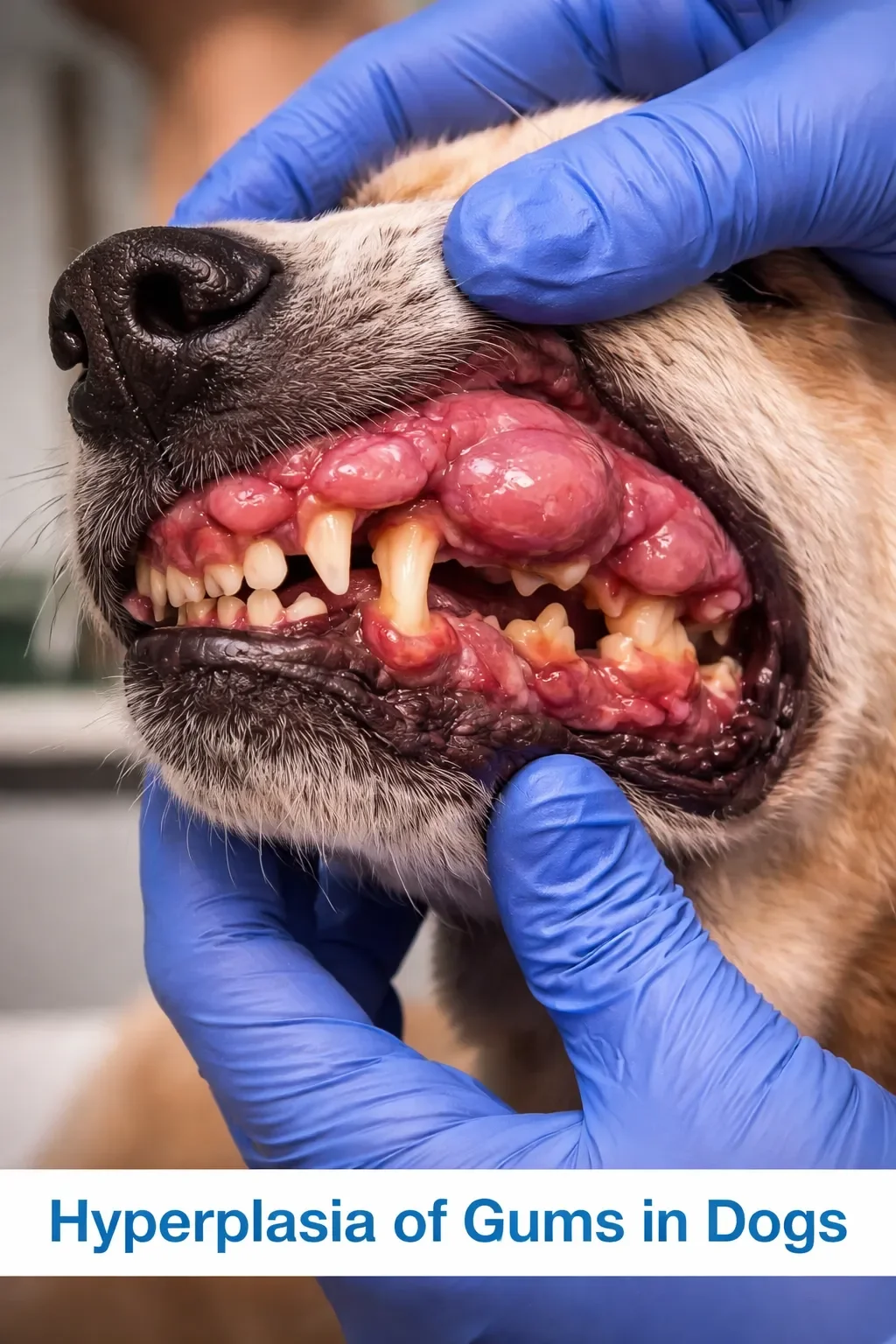
Surgical and Non-Surgical Management Methods
Managing hyperplasia of gums in dogs effectively often requires a combination of non-surgical and surgical approaches, depending on the severity, underlying causes, and the dog’s overall health 🐶🦷. There is no single universal treatment plan, because hyperplasia of gums in dogs presents differently in each case. Some dogs respond well to conservative care, while others require surgical intervention to restore normal oral function and comfort.
Understanding both management pathways helps owners set realistic expectations and make informed decisions. Importantly, surgical and non-surgical methods are not mutually exclusive; in many cases, they work best when combined as part of a long-term management strategy for hyperplasia of gums in dogs.
Non-Surgical Management Methods
Non-surgical management is typically recommended for mild to moderate cases of hyperplasia of gums in dogs, especially when the gum overgrowth does not significantly interfere with eating or oral hygiene. The primary goal of non-surgical care is to reduce inflammation and minimize the stimuli that encourage excessive gum tissue growth.
This approach focuses heavily on plaque control. Regular professional dental cleanings, combined with consistent at-home oral hygiene, help reduce chronic irritation. By lowering bacterial load, the gums receive fewer signals to continue overgrowing, which can slow the progression of hyperplasia of gums in dogs.
Supportive Therapies and Monitoring
Supportive therapies may include antiseptic oral rinses, dental gels, and plaque-control diets. These measures do not eliminate existing hyperplasia of gums in dogs, but they help stabilize the condition and prevent rapid worsening.
Close monitoring is essential. Dogs managed non-surgically should undergo regular oral examinations to ensure that gum overgrowth remains stable. If hyperplasia of gums in dogs progresses despite conservative care, treatment plans should be reassessed promptly.
Surgical Management Methods
Surgical treatment is the most definitive management option for moderate to severe hyperplasia of gums in dogs. When excess gum tissue covers large portions of the teeth, traps debris, or causes recurrent infections, surgery becomes necessary to restore oral health.
The most common surgical procedure is gingivectomy or gingivoplasty. During this procedure, the excess gum tissue is carefully removed and reshaped under anesthesia. The goal is to recreate a healthy gum contour that allows proper tooth exposure and easier plaque removal.
When Surgery Is Strongly Recommended
Surgery is strongly recommended when hyperplasia of gums in dogs interferes with chewing, causes pain, or prevents effective oral hygiene. It is also indicated when non-surgical methods fail to control disease progression.
Although surgery addresses the physical overgrowth, it does not eliminate the underlying predisposition. For this reason, surgery should always be followed by a comprehensive oral care plan to reduce recurrence of hyperplasia of gums in dogs.
Recovery and Post-Surgical Care
Post-operative care plays a critical role in the success of surgical management. After gum surgery, dogs may experience mild discomfort, swelling, or temporary changes in eating behavior. Pain management and anti-inflammatory medications are commonly prescribed to support healing.
A soft-food diet is usually recommended during the initial recovery period to avoid irritating healing tissues. Owners must also monitor the surgical site closely for signs of infection or delayed healing, especially in dogs prone to hyperplasia of gums in dogs.
Long-Term Success and Recurrence Risk
One of the most important considerations in managing hyperplasia of gums in dogs is the risk of recurrence. Even after successful surgery, gum overgrowth may return over time, particularly in genetically predisposed breeds or dogs on long-term medications.
Long-term success depends on ongoing oral hygiene, routine professional evaluations, and early intervention if regrowth is detected. Dogs that receive consistent follow-up care often maintain good oral function for years after treatment.
Choosing the Right Management Strategy
Deciding between surgical and non-surgical management requires a balanced assessment of the dog’s comfort, oral function, and quality of life. Mild hyperplasia of gums in dogs may be safely monitored with conservative care, while advanced cases benefit greatly from surgical correction.
In summary, both surgical and non-surgical management methods play essential roles in treating hyperplasia of gums in dogs 🐾. Conservative care helps control progression, while surgery provides definitive relief in severe cases. When combined with long-term preventive strategies, these approaches allow dogs affected by hyperplasia of gums in dogs to live healthier, more comfortable lives.