
When it comes to achieving lifelong oral health, the role of a healthcare dentist is more vital than most people realize 🦷. These professionals go beyond fixing cavities or performing cosmetic procedures—they serve as the first line of defense for your entire body’s well-being. A qualified healthcare dentist not only restores your smile but also helps prevent diseases that can affect your heart, immune system, and even mental health. In this comprehensive guide, we’ll explore what a healthcare dentist does, how they differ from traditional dental practitioners, and why visiting one regularly could be the best decision you make for your long-term wellness.
Unlike a general dental technician or aesthetic dentist, a healthcare dentist focuses on total oral health management with a medical perspective. They assess how your gums, teeth, and oral tissues interact with your overall systemic health. Research increasingly shows that oral conditions such as gum disease are linked to heart disease, diabetes, and stroke. A healthcare dentist uses this understanding to detect warning signs early and prevent severe complications. In fact, your mouth can often reveal symptoms of diseases before they appear elsewhere in the body—making routine dental visits an essential part of preventive healthcare 🩺.
Another crucial role of the healthcare dentist is patient education. They teach proper brushing and flossing techniques, discuss the impact of nutrition on teeth, and guide you on lifestyle habits that support oral health. For example, a diet high in refined sugars or frequent consumption of acidic beverages can erode enamel and trigger gum inflammation. Through personalized consultations, your healthcare dentist helps you develop daily routines that keep your mouth in optimal condition. This proactive approach can prevent many problems before they require invasive treatments or expensive restorations.
Modern dentistry has evolved tremendously, and today’s healthcare dentist integrates advanced diagnostic tools like digital X-rays, intraoral scanners, and laser cavity detection. These innovations allow for precise assessments with minimal discomfort, while early intervention reduces the need for more complex procedures later on. For instance, a small cavity caught during a routine check-up can be treated quickly and painlessly, avoiding root canal therapy or tooth loss down the road. Similarly, digital imaging enables dentists to monitor subtle changes over time and customize treatment plans for each patient.
Moreover, a healthcare dentist works closely with other medical professionals when necessary. They might coordinate with cardiologists for patients with heart conditions, endocrinologists for those with diabetes, or even mental health specialists when stress-related grinding or jaw tension occurs. This interdisciplinary approach ensures holistic care—addressing both oral and general health concerns simultaneously. Such collaboration highlights how deeply oral wellness is connected to the rest of the body’s functions.
Emotional well-being is another often overlooked area that a healthcare dentist can influence. A healthy smile improves self-esteem and social confidence 😊. Whether you’re attending a job interview, meeting friends, or simply looking in the mirror, oral health plays a major role in your self-image. A compassionate dentist helps reduce dental anxiety by creating a calm, supportive environment and offering gentle treatment techniques. This builds trust between the patient and professional, making each visit more comfortable and stress-free.
Accessibility is also key. A healthcare dentist aims to make care available to everyone, from children to the elderly. Many clinics now offer flexible scheduling, digital consultations, and multilingual support to ensure all patients receive equal attention. If you’re seeking professional dental assistance or wish to book a consultation, you can easily reach out through the Redent Klinik Contact Page. Convenient communication channels like this make it simple to maintain consistency in your dental care routine—an essential step in preserving long-term oral health.
Globally, dental care standards are guided by reputable institutions such as the American Dental Association, which provides evidence-based guidelines to ensure patient safety and best practices. Following these principles, healthcare dentists emphasize preventive measures, ethical treatment, and continuing education. Staying updated with scientific advancements enables them to deliver top-tier care using the latest techniques and technologies.
In summary, the healthcare dentist is much more than someone who treats teeth—they are your dedicated partner in overall health. Their expertise bridges the gap between oral hygiene and systemic wellness, protecting you from both dental and general medical issues. By scheduling regular check-ups, maintaining good daily habits, and choosing a qualified healthcare dentist, you’re investing in a brighter smile, a healthier body, and a happier future 🌟. So don’t wait for pain or discomfort—proactive dental healthcare is the foundation of a truly holistic lifestyle.
What Does a Healthcare Dentist Do and Why It Matters
Many people assume that visiting a dentist only means getting teeth cleaned or cavities filled, but a healthcare dentist performs far more than routine maintenance 🦷. This specialized professional focuses on how oral health influences your body’s overall condition, identifying potential systemic links and preventing complex medical issues before they arise. Understanding what a healthcare dentist truly does—and why their role is so important—can completely change the way you approach dental care.
Understanding the Role of a Healthcare Dentist
A healthcare dentist is a medical professional who views oral care as an essential part of whole-body wellness. Their mission isn’t limited to improving your smile; it extends to protecting your heart, lungs, brain, and immune system from diseases that often start in the mouth. For example, inflammation caused by gum disease (periodontitis) can release harmful bacteria into the bloodstream, potentially increasing the risk of cardiovascular problems or even dementia. By controlling oral infections early, a healthcare dentist helps maintain overall health and vitality 🩺.
One of the most significant contributions of a healthcare dentist is early detection. During an examination, they assess not just your teeth but also your gums, tongue, cheeks, and jaw. These soft tissues can reveal early signs of conditions such as diabetes, anemia, or even oral cancer. Advanced diagnostic technologies—like 3D imaging, fluorescence scanners, and salivary diagnostics—allow these professionals to spot issues long before symptoms become noticeable. This proactive approach underscores how essential their work is to long-term health management.
Beyond Treatment: The Preventive Philosophy
Modern dentistry has shifted from reactive to preventive care, and the healthcare dentist is leading this transformation. Instead of waiting for pain to appear, they emphasize regular check-ups and non-invasive procedures that protect natural teeth. Preventive care includes professional cleanings, fluoride applications, sealants, and personalized home care plans. Each recommendation is based on your oral microbiome, lifestyle habits, and medical background.
Through education, a healthcare dentist empowers patients to take control of their health. They may provide tailored advice on brushing techniques, flossing patterns, or selecting the right toothpaste and mouthwash. They also discuss how stress, diet, and sleep affect your oral condition. For instance, poor nutrition or chronic dehydration can reduce saliva flow, creating an environment where harmful bacteria thrive. By addressing these factors holistically, the healthcare dentist promotes both dental and systemic well-being.
Interdisciplinary Collaboration with Medical Experts
One of the hallmarks of a healthcare dentist is their collaboration with other healthcare providers. Since oral issues can influence or signal diseases in other body systems, dentists often work alongside cardiologists, endocrinologists, and otolaryngologists. This cooperation ensures that each patient receives the most accurate diagnosis and integrated treatment. For instance, if gum inflammation worsens in a diabetic patient, the healthcare dentist can coordinate care with the endocrinologist to stabilize blood sugar levels and improve both oral and systemic outcomes.
Additionally, healthcare dentists play a crucial role in pre-surgical and post-surgical management. Before major operations, such as heart or joint replacement surgery, patients are frequently advised to obtain dental clearance. This is because oral infections could increase postoperative complications. Similarly, during cancer treatment, healthcare dentists monitor oral mucosa to manage side effects like dry mouth or ulcers caused by chemotherapy and radiation. Their comprehensive understanding of both medicine and dentistry allows them to provide truly patient-centered care.
Advanced Diagnostic Tools and Patient-Centered Technology
Technology is revolutionizing the way a healthcare dentist practices. Digital X-rays, intraoral cameras, and 3D scanning systems make it possible to detect micro-fractures, bone loss, and early decay with remarkable accuracy. Computer-aided design (CAD) and computer-aided manufacturing (CAM) tools help create precisely fitted crowns and restorations within a single visit. Even teledentistry is gaining momentum—allowing remote consultations that save time and improve accessibility for patients living in rural areas or those with mobility limitations 💻.
Another modern innovation involves artificial intelligence (AI) in dental diagnostics. AI algorithms assist the healthcare dentist in identifying patterns from radiographs, predicting cavity development, and planning orthodontic corrections. These advancements ensure consistency, precision, and faster treatment decisions—making dental visits less stressful and more efficient for patients.
Patient Comfort and Communication
Many individuals delay dental appointments due to fear or anxiety. A healthcare dentist recognizes this psychological barrier and implements techniques to make patients feel at ease. From gentle anesthetic application and sedation options to soft music and ergonomic dental chairs, everything is designed to enhance comfort. Empathy and communication are equally crucial. A good healthcare dentist explains every procedure in simple terms, encourages questions, and offers reassurance at every step. This trust-based relationship transforms routine visits into positive health experiences 😊.
Community Education and Outreach
Beyond the clinic, healthcare dentists often participate in community outreach programs to raise awareness about oral hygiene. They collaborate with schools, local health departments, and non-profit organizations to provide free screenings and educational seminars. Such initiatives ensure that people from all socioeconomic backgrounds understand the importance of regular dental care and have access to basic services. This social responsibility reflects the ethical commitment that defines a true healthcare dentist.
For anyone seeking professional oral care or needing guidance on treatment options, clinics like Redent Klinik Contact Page offer opportunities to consult with qualified dental experts who follow global standards. Additionally, reputable organizations such as the American Dental Association provide public resources and updates on oral health advancements.
In conclusion, the work of a healthcare dentist extends far beyond cosmetic improvement. They diagnose, prevent, and manage oral diseases with a profound understanding of their impact on general health. Their expertise bridges dentistry and medicine—protecting not only your smile but your entire body. By embracing preventive visits, personalized treatment plans, and open communication, patients can experience long-term wellness and confidence. The healthcare dentist is not just a specialist; they are your lifelong partner in maintaining holistic health 🌿.
Key Benefits of Visiting a Healthcare Dentist Regularly
Regular dental visits might seem like a simple routine, but in reality, they are the cornerstone of overall wellness 🦷. A healthcare dentist plays a critical role in preventing oral diseases, maintaining healthy gums, and identifying early signs of systemic health conditions. By visiting your healthcare dentist on a regular basis, you not only protect your teeth but also safeguard your heart, metabolism, and even mental health. Let’s explore the main advantages of consistent dental care and why these visits are a long-term investment in your well-being.
1. Early Detection of Oral and Systemic Diseases
One of the greatest benefits of visiting a healthcare dentist regularly is early detection. During a routine check-up, your dentist can identify issues that are invisible to the naked eye—such as tiny cavities, gum inflammation, or precancerous lesions. Through digital X-rays, 3D imaging, and oral cancer screenings, these conditions can be caught at an early stage, leading to quicker and less invasive treatment. Early diagnosis not only saves your teeth but also your time, money, and overall health.
Furthermore, research has proven that several systemic diseases, including diabetes and cardiovascular disease, often reveal their first symptoms in the mouth. For instance, persistent gum bleeding could indicate uncontrolled blood sugar levels, while chronic dry mouth may point to autoimmune conditions like Sjögren’s syndrome. By visiting a healthcare dentist, you gain access to an additional layer of medical monitoring that supports your entire body’s wellness 🩺.
2. Prevention of Gum Disease and Tooth Loss
Gum disease, also known as periodontitis, is one of the most common yet preventable causes of tooth loss. A healthcare dentist specializes in identifying and treating the earliest signs of this condition. Through professional cleanings, plaque removal, and targeted treatments, dentists stop bacterial buildup before it leads to bone damage or tooth loosening. Regular scaling and root planing sessions can prevent the progression of gum disease, preserving your natural teeth for decades.
Healthy gums are not only essential for a beautiful smile but also for cardiovascular and metabolic health. Studies have shown a clear link between chronic gum inflammation and increased risks of heart disease, stroke, and insulin resistance. By maintaining consistent visits to your healthcare dentist, you significantly lower these risks and support better systemic health outcomes.
How Often Should You Visit a Healthcare Dentist?
Most professionals recommend visiting your healthcare dentist every six months. However, individuals with specific health risks—such as smokers, pregnant women, or diabetic patients—may need more frequent check-ups. These regular appointments allow your dentist to track changes in your oral health and intervene before issues become severe. It’s not just about cleaning; it’s about comprehensive disease prevention and lifestyle guidance that aligns with your overall health goals.
3. Enhanced Oral Hygiene and Long-Term Savings
One of the most practical advantages of visiting a healthcare dentist regularly is cost efficiency. Preventive care is significantly less expensive than restorative procedures. For example, a routine cleaning may cost a fraction of what a crown or implant procedure would. By detecting small issues before they worsen, you avoid major treatments and painful emergencies later on. Your healthcare dentist becomes a financial ally as much as a medical one 💰.
Moreover, professional cleanings reach areas that brushing and flossing can’t. Specialized instruments remove hardened tartar (calculus) and biofilm from below the gumline, reducing bacteria and inflammation. This not only keeps your mouth fresh and your teeth bright but also minimizes the risk of oral infections that can spread to other parts of the body.
Building Better Home Care Habits
Beyond professional cleaning, a healthcare dentist helps you develop sustainable oral care habits at home. They guide you on proper brushing techniques, flossing frequency, and the best toothpaste for your unique dental needs. They might also recommend using electric toothbrushes or water flossers to enhance effectiveness. Consistent guidance ensures that every patient becomes an active participant in their own oral wellness journey, fostering long-lasting results.
4. Boosted Confidence and Mental Health
Oral health isn’t only about physical well-being—it’s also about how you feel when you smile 😊. A healthcare dentist understands the psychological impact of dental appearance and function. Regular check-ups keep your teeth clean, your breath fresh, and your smile radiant. These improvements enhance self-esteem, social interactions, and even professional opportunities. Studies have shown that people who feel confident about their smiles tend to experience lower stress and higher happiness levels.
In addition, your healthcare dentist can provide cosmetic options such as whitening, alignment correction, or minimally invasive veneers that align with your medical health plan. Unlike purely aesthetic approaches, their focus is on safe, medically sound enhancements that maintain natural structure and integrity.
5. Integration of Technology and Personalized Care
Today’s healthcare dentist leverages advanced technology to deliver precision and comfort. Digital imaging, AI diagnostics, and laser tools minimize discomfort and maximize efficiency. These tools allow your dentist to design tailored treatment plans that consider your genetics, lifestyle, and oral microbiome. Some clinics even offer digital smile design (DSD) simulations, showing you the potential outcome before beginning treatment.
Additionally, many dental clinics—like Redent Klinik Contact Page—incorporate electronic health records to synchronize your dental data with your general physician’s reports. This integration ensures that every aspect of your healthcare journey remains coordinated and transparent.
As a global reference, institutions such as the American Dental Association emphasize the importance of preventive care and regular check-ups in improving patient outcomes. Following these standards, your healthcare dentist helps you achieve not just a healthy mouth, but a healthier life overall 🌿.
Conclusion: A Partnership for Lifelong Health
Regular visits to your healthcare dentist create a foundation for lifelong wellness. These professionals monitor, prevent, and treat conditions that impact both your oral and systemic health. Through a combination of science, technology, and compassion, they ensure your smile remains strong, functional, and confident. Investing time in consistent dental care means investing in your heart, brain, and overall vitality. So, make your next appointment not just a task—but a conscious step toward holistic health and happiness 🌟.
How Preventive Dental Care Shapes Long-Term Health
Preventive dentistry is the foundation of sustainable oral and overall health 🦷. A healthcare dentist doesn’t just treat problems as they occur—they work strategically to stop them before they even begin. This proactive approach reduces the risk of pain, costly procedures, and chronic diseases that may stem from poor oral hygiene. By understanding how preventive care impacts long-term health, patients can take meaningful steps toward a lifetime of wellness and confidence.
The Philosophy Behind Preventive Dental Care
The modern healthcare dentist focuses on early intervention and education. Rather than waiting for decay or infection, the goal is to protect tooth enamel, gums, and bone structure through consistent monitoring and personalized prevention plans. This philosophy aligns with holistic healthcare principles—treating the body as an interconnected system. Oral health isn’t isolated; inflammation in the mouth can influence other organs, including the heart, kidneys, and lungs. Thus, preventive dental care is an integral part of overall medical care 🩺.
By identifying small changes early, a healthcare dentist can intervene with minimally invasive solutions—such as fluoride treatments, scaling, or dietary adjustments—before serious problems develop. This approach not only preserves natural teeth but also strengthens the immune system by reducing chronic inflammation sources. The ultimate goal is long-term stability rather than temporary fixes.
Core Elements of Preventive Dental Care
Preventive dentistry includes multiple steps designed to protect your oral ecosystem. A healthcare dentist typically focuses on:
- Regular Dental Cleanings: Professional cleanings remove hardened plaque (tartar) that brushing and flossing can’t reach. This prevents gum disease and cavities from progressing.
- Comprehensive Examinations: Biannual check-ups allow your dentist to detect cracks, early decay, and soft tissue irregularities through digital imaging and tactile assessment.
- Fluoride Treatments: Strengthening enamel with topical fluoride reduces the risk of cavities and reverses the early stages of decay.
- Dental Sealants: Protective coatings applied to molars help prevent bacteria from settling in hard-to-clean areas.
- Patient Education: A healthcare dentist provides personalized guidance on diet, home hygiene tools, and lifestyle habits affecting oral health.
The Power of Nutrition in Oral Prevention
Nutrition plays a major role in dental health. A healthcare dentist emphasizes that what you eat directly impacts your teeth and gums. Diets high in refined carbohydrates feed harmful bacteria, while nutrient-rich foods such as leafy greens, yogurt, and nuts strengthen enamel and bone. Calcium, phosphorus, and vitamin D are particularly essential for tooth mineralization. Staying hydrated also supports saliva production, which naturally cleanses the mouth and neutralizes acids. Preventive care extends beyond the dental chair—it’s a lifestyle commitment to balanced nutrition and hydration.
Preventive Dentistry and Systemic Health Connections
Oral health is a mirror of systemic health. A healthcare dentist knows that gum inflammation and bacterial imbalance can spread toxins through the bloodstream, triggering or worsening other diseases. Research shows that periodontal disease is linked to heart disease, rheumatoid arthritis, and even Alzheimer’s. The bacteria found in infected gums can enter the circulatory system and contribute to arterial plaque buildup or brain inflammation. Therefore, by maintaining healthy gums and oral hygiene, patients indirectly support cardiovascular and neurological health.
Pregnant women are another group who benefit immensely from preventive dental care. Hormonal changes increase gum sensitivity and the risk of gingivitis. A healthcare dentist can monitor and treat these conditions safely during pregnancy, reducing risks for both mother and baby. Studies suggest that untreated gum disease during pregnancy can lead to premature births and low birth weight. Preventive dental visits during this time are crucial to maternal and fetal health.
Oral Microbiome Balance and Immune Defense
The human mouth hosts billions of bacteria—some beneficial, others harmful. A healthcare dentist understands that maintaining this balance is key to preventing infections. Probiotics, proper hygiene, and anti-inflammatory care support the natural defenses of the mouth. When the microbiome remains stable, the immune system doesn’t need to overreact, lowering systemic inflammation. This is one of the ways preventive dentistry contributes to the body’s immune resilience 🌿.
Technology’s Role in Preventive Dentistry
Technology has redefined how preventive dentistry works. A healthcare dentist may use laser tools for pain-free cleanings, 3D scanners to detect micro-cracks, and AI software to track enamel erosion patterns over time. These digital innovations allow for ultra-precise monitoring and intervention before visible symptoms appear. Furthermore, teledentistry platforms enable remote consultations and digital follow-ups, ensuring continuity of care even when in-person visits aren’t possible. Such advancements not only improve outcomes but also increase accessibility to professional care for patients worldwide 🌍.
Education and Behavioral Change
Prevention isn’t just a set of treatments—it’s a mindset. A healthcare dentist acts as an educator, helping patients replace harmful habits with beneficial ones. For example, they may recommend quitting smoking, reducing alcohol intake, and adopting stress management techniques to prevent bruxism (tooth grinding). By empowering patients to understand their own health, the dentist transforms them from passive recipients into active participants in their oral wellness journey.
Integrating Preventive Care into Daily Life
Daily oral care should be seen as an investment. A healthcare dentist typically advises brushing twice daily for two minutes using fluoride toothpaste, flossing at least once a day, and rinsing with antibacterial mouthwash. Chewing sugar-free gum after meals can also help stimulate saliva and maintain pH balance. These small but consistent actions contribute to a lifetime of strong, healthy teeth.
If you want professional advice tailored to your specific needs, scheduling a consultation via the Redent Klinik Contact Page is a great first step. Such clinics provide expert guidance under global best practices, following standards set by institutions like the American Dental Association.
Conclusion: The Lifelong Impact of Prevention
Preventive dental care is not a luxury—it’s a necessity for overall well-being. A healthcare dentist provides you with the tools, knowledge, and treatments required to maintain optimal health across every stage of life. By taking a proactive approach, you can avoid the discomfort, expenses, and emotional strain that accompany advanced oral diseases. Prevention ensures not only a radiant smile but also a healthier heart, stronger immunity, and longer life expectancy 🌟. In essence, a visit to your healthcare dentist today is an investment in the health and happiness of your future self.
Common Treatments Offered by Modern Healthcare Dentists
Modern dental care has evolved beyond the traditional “drill and fill” approach. Today’s healthcare dentist uses advanced technology and evidence-based techniques to provide a wide range of treatments that not only restore function and aesthetics but also protect long-term health 🦷. From preventive cleanings to full mouth rehabilitation, the modern dental clinic is a hub of precision, comfort, and innovation. Understanding these treatments helps patients make informed decisions about their care and realize the importance of regular professional visits.
Preventive and Diagnostic Services
The foundation of modern dentistry lies in prevention. A healthcare dentist begins by assessing oral health through comprehensive check-ups, X-rays, and digital scans. These diagnostic tools detect issues such as cavities, bone loss, and early gum disease before they progress. Preventive services like fluoride applications, professional cleanings, and sealants are designed to strengthen enamel and reduce the risk of decay.
In addition, many clinics now employ salivary diagnostics—testing saliva for markers that indicate inflammation, infection, or systemic conditions. This innovative approach allows the healthcare dentist to monitor a patient’s risk factors for diseases such as diabetes, cardiovascular issues, and even oral cancer. By focusing on early detection and prevention, the healthcare dentist ensures that patients maintain both oral and general wellness 🩺.
Restorative Dentistry: Repairing and Rebuilding Smiles
Even with the best prevention, damage or decay can sometimes occur. A healthcare dentist offers restorative treatments that repair structure and restore aesthetics. Common procedures include fillings, crowns, inlays, and onlays. Modern materials like composite resin and ceramic not only blend naturally with teeth but are also durable and biocompatible. This means they look great and function well for years.
Dental Fillings and Crowns
For minor cavities, a healthcare dentist uses tooth-colored composite fillings to seal and protect affected areas. For more extensive decay or fractures, crowns are used to reinforce the tooth’s structure. Crowns can be fabricated using computer-aided design and manufacturing (CAD/CAM) systems, allowing same-day placement without messy impressions or multiple visits. This combination of technology and skill provides patients with efficient, long-lasting results.
Bridges, Implants, and Dentures
To replace missing teeth, a healthcare dentist may recommend bridges, dental implants, or dentures. Implants are particularly popular because they mimic the structure of natural teeth, supporting bone density and preventing facial sagging. Made of titanium or zirconia, implants fuse with the jawbone, creating a stable foundation for crowns or bridges. Dentures remain a cost-effective option, especially for patients missing several teeth. Each solution is customized for comfort, function, and appearance, giving patients the freedom to smile confidently again 😊.
Periodontal Therapy: Protecting Gum and Bone Health
Healthy gums are the cornerstone of oral health. A healthcare dentist offers periodontal treatments that target infections and inflammation in the gum tissue. Non-surgical deep cleanings (scaling and root planing) remove plaque and bacteria from below the gumline, while laser-assisted therapies minimize bleeding and discomfort. For advanced cases, surgical procedures like flap surgery or bone grafting help restore tissue and bone lost to disease.
Since gum disease is closely linked to heart conditions and metabolic disorders, maintaining periodontal health has far-reaching benefits. Regular periodontal maintenance, combined with home care and nutrition, ensures a strong foundation for all dental structures.
Regenerative Techniques and Biomaterials
One of the latest breakthroughs in periodontal therapy involves regenerative materials such as growth factors and collagen membranes. A healthcare dentist may use these biocompatible products to stimulate new bone and gum tissue growth. These cutting-edge methods reflect a shift from “repairing damage” to “regenerating health.” The result is stronger support for teeth and a more natural, youthful gum line.
Cosmetic Dentistry: Merging Health with Aesthetics
A confident smile can transform a person’s life. The healthcare dentist combines aesthetic artistry with medical precision to offer cosmetic treatments that are both safe and effective. Popular options include professional teeth whitening, porcelain veneers, and composite bonding. These procedures enhance the appearance of teeth while preserving their structure. Unlike purely cosmetic practitioners, a healthcare dentist ensures that beauty never compromises health or function ✨.
Teeth Alignment and Orthodontics
Misaligned teeth can affect chewing, speech, and even posture. A healthcare dentist offers orthodontic solutions such as clear aligners or traditional braces to correct these issues. Straight teeth are easier to clean, reducing the risk of cavities and gum disease. In some cases, orthodontic adjustments can also relieve jaw pain and improve bite balance, further supporting long-term oral health.
Endodontic and Oral Surgery Services
When decay reaches the tooth’s inner pulp, root canal therapy becomes essential. A healthcare dentist performs this delicate procedure using microscopic precision tools to remove infected tissue and preserve the natural tooth. Modern anesthesia and rotary instrumentation make the process faster and more comfortable than ever before. By saving teeth that would otherwise be lost, the healthcare dentist helps maintain natural function and jaw alignment.
For more complex cases—such as impacted wisdom teeth, cysts, or bone defects—oral surgery may be required. Thanks to advanced imaging and laser-assisted tools, surgical precision has improved dramatically, reducing recovery time and post-operative discomfort. Every step is guided by safety protocols approved by international authorities like the American Dental Association.
Integrative and Holistic Approaches
The modern healthcare dentist looks at patients as whole beings, not just sets of teeth. This integrative philosophy includes managing stress-related habits (like bruxism), providing nutritional advice, and identifying medical conditions that manifest through oral symptoms. For example, chronic mouth ulcers may indicate vitamin deficiencies or autoimmune issues. By recognizing these patterns early, the healthcare dentist collaborates with physicians to ensure full-body balance and wellness 🌿.
Patient Experience and Technology Integration
Cutting-edge clinics like Redent Klinik Contact Page demonstrate how technology can enhance patient comfort. Features such as digital smile simulations, AI-assisted treatment planning, and 3D-printed restorations create highly personalized experiences. Intraoral cameras allow patients to see what the dentist sees, fostering transparency and trust. These advancements transform what used to be an anxious visit into a relaxed and educational experience.
Conclusion: Comprehensive Care for a Lifetime of Smiles
Modern dentistry is no longer reactive—it’s proactive, patient-centered, and holistic. A healthcare dentist combines art, science, and compassion to restore, protect, and enhance oral health. From preventive cleanings to advanced implant surgeries, every treatment serves a larger purpose: to maintain harmony between oral structures and systemic health. By choosing a skilled healthcare dentist, patients ensure not just a brighter smile, but a stronger, healthier future 🌟.
The Role of Technology in Today’s Dental Healthcare
Technology has completely transformed the world of dentistry, making treatments faster, more accurate, and more comfortable than ever before 🦷. A modern healthcare dentist uses cutting-edge digital tools and scientific innovations to improve diagnosis, treatment outcomes, and patient experience. These advancements not only save time but also enhance long-term oral and systemic health. Understanding the technological tools used in modern dental care helps patients appreciate how far the profession has evolved—and how it continues to shape the future of oral healthcare.
Digital Imaging and 3D Diagnostic Tools
One of the most significant technological advancements embraced by the healthcare dentist is digital imaging. Traditional X-rays have been replaced by high-resolution digital radiographs that produce clearer images with up to 90% less radiation exposure. These images can be magnified, color-enhanced, and shared instantly with patients, improving understanding and transparency. Moreover, 3D cone-beam computed tomography (CBCT) scans allow dentists to examine bone density, nerve pathways, and sinus structures in extraordinary detail.
For instance, when planning dental implants, a healthcare dentist uses 3D imaging to determine the exact position, angle, and depth for optimal placement. This minimizes complications and ensures superior results. Similarly, digital panoramic scans enable comprehensive evaluations of both jaws and surrounding tissues, helping dentists detect abnormalities like cysts or tumors at early stages 🩺. The precision of these tools ensures that patients receive the most accurate diagnosis and customized care possible.
Intraoral Cameras: Seeing is Believing
Another innovation that has revolutionized patient care is the intraoral camera. This small, handheld device allows the healthcare dentist to project live images of your teeth and gums onto a screen. Patients can see cracks, plaque buildup, or early decay in real time, making it easier to understand their treatment needs. Transparency fosters trust—and patients who clearly see what’s happening inside their mouths are more likely to follow preventive recommendations diligently.
CAD/CAM Systems and Same-Day Dentistry
Computer-Aided Design and Computer-Aided Manufacturing (CAD/CAM) systems represent one of the greatest time-saving technologies in modern dentistry. In the past, patients often waited days or weeks for crowns or veneers. Now, a healthcare dentist can design, mill, and place a custom ceramic crown in a single appointment. Using 3D scanners, the dentist captures a digital impression—eliminating the need for messy molds—then designs the restoration using advanced software. The crown is milled from a ceramic block right in the office, ensuring perfect fit and aesthetics within hours.
This technology not only enhances efficiency but also guarantees high precision. Because the entire process is controlled digitally, human error is minimized, and the result feels natural and durable. Patients can walk out of the clinic the same day with restored confidence and function—a testament to the seamless integration of art and technology ✨.
Laser Dentistry: Gentle, Precise, and Minimally Invasive
Laser technology has become a game-changer for the healthcare dentist. Dental lasers are now used for cavity detection, gum reshaping, root canal disinfection, and even whitening treatments. They reduce bleeding, eliminate the need for sutures, and shorten recovery time dramatically. In soft tissue procedures—like treating gingivitis or contouring gums—lasers offer pinpoint accuracy and minimize discomfort. For patients who fear drills or scalpels, this technology provides a calm, pain-free experience 🌿.
Lasers also aid in sterilization, effectively killing bacteria without harming healthy tissues. The ability to perform treatments with less anesthesia and faster healing makes laser dentistry one of the most sought-after services in progressive dental care.
Artificial Intelligence and Predictive Analytics
Artificial Intelligence (AI) is rapidly becoming an indispensable assistant to the healthcare dentist. AI algorithms analyze X-rays and CBCT scans, detecting tiny abnormalities that may be missed by the human eye. These systems can predict the progression of cavities, gum disease, or bone resorption with remarkable accuracy. Some platforms even create digital simulations to help dentists visualize orthodontic or cosmetic outcomes before beginning treatment.
AI also streamlines administrative tasks—such as scheduling, charting, and insurance management—allowing the healthcare dentist to spend more time focusing on patient interaction. Moreover, machine learning tools continuously improve by studying large datasets of clinical cases, making them smarter and more precise over time. The integration of AI not only boosts efficiency but also enhances patient safety through data-driven decision-making 💡.
Teledentistry: Expanding Access to Care
Teledentistry is another breakthrough that exemplifies the modern healthcare dentist’s commitment to accessibility. Through secure video consultations, patients can receive advice, follow-up evaluations, and treatment planning from the comfort of their homes. This technology is especially beneficial for elderly individuals, people with disabilities, and those living in remote regions.
During a teledentistry session, a patient can share images or describe symptoms, while the dentist provides real-time feedback and recommendations. This convenience reduces missed appointments, promotes early intervention, and ensures continuity of care. In many countries, teledentistry is now recognized as an official healthcare service, supported by professional organizations such as the American Dental Association.
3D Printing and Regenerative Dentistry
3D printing has introduced an entirely new era in restorative and surgical dentistry. A healthcare dentist can now print dental models, surgical guides, retainers, and even temporary crowns directly in the office. This level of precision reduces turnaround times and enhances patient outcomes. In the field of regenerative dentistry, 3D printing is being used to create biocompatible scaffolds that encourage new bone and tissue growth—paving the way for natural regeneration instead of artificial replacement 🧬.
Digital Smile Design (DSD)
Digital Smile Design is another sophisticated tool used by the healthcare dentist to visualize aesthetic results before beginning treatment. By capturing facial photos, scans, and videos, the software creates a virtual model of the patient’s smile. This allows both dentist and patient to collaboratively plan the ideal outcome. The precision and personalization of DSD ensure that the final result looks beautiful, natural, and harmonized with facial features.
Eco-Friendly and Sustainable Dental Technologies
Modern dental clinics are also embracing sustainability. A healthcare dentist using eco-friendly technologies minimizes waste and environmental impact. Digital recordkeeping reduces paper use, while energy-efficient equipment lowers carbon emissions. Some clinics use biodegradable materials and eco-sterilization systems to ensure patient safety without harming the planet 🌎. This commitment reflects an awareness that healthcare and environmental care go hand in hand.
Conclusion: The Digital Transformation of Oral Health
Technology has redefined what’s possible in dentistry, making care faster, safer, and more personalized. A healthcare dentist who adopts digital innovation not only improves treatment precision but also enhances communication and patient comfort. From AI-powered diagnostics to 3D printing and teledentistry, each advancement brings us closer to a world where oral health is easier to maintain and access is universal. Patients can explore advanced care options or schedule an appointment through the Redent Klinik Contact Page to experience these innovations firsthand. The fusion of technology and compassion is the hallmark of today’s healthcare dentist—and the key to a healthier, brighter future 🌟.
How to Choose the Right Healthcare Dentist for You
Selecting the right healthcare dentist is one of the most important decisions you can make for your long-term oral and overall health 🦷. Beyond technical skills, the ideal dentist combines expertise, empathy, and modern technology to ensure personalized care. Since dentistry plays a vital role in both prevention and treatment, choosing wisely will affect not only your smile but also your confidence, comfort, and well-being. This detailed guide will help you evaluate the key factors and make an informed, confident choice.
Understanding the Difference Between a General Dentist and a Healthcare Dentist
Before beginning your search, it’s crucial to understand what sets a healthcare dentist apart. While general dentists focus primarily on treating visible dental issues—such as cavities, extractions, and cleanings—a healthcare dentist takes a more holistic approach. They evaluate how oral health interacts with overall body systems, considering the relationship between dental conditions and chronic illnesses such as diabetes, heart disease, and even depression. This comprehensive approach ensures that your dental care supports total wellness 🩺.
For example, if a patient suffers from chronic fatigue or recurrent gum inflammation, a healthcare dentist investigates deeper metabolic or autoimmune links rather than just treating symptoms. Their goal is to identify the root cause and design a preventive, medically informed plan that enhances full-body health. This makes them ideal partners for patients who value integrated, science-based healthcare.
Credentials, Training, and Certifications
When selecting a healthcare dentist, credentials are non-negotiable. Look for professionals who hold degrees from accredited dental schools and are members of reputable organizations like the American Dental Association. Membership in such institutions ensures adherence to strict ethical standards, ongoing education, and compliance with the latest global safety protocols. Continuing education is especially important in a field that evolves rapidly with new technologies and research findings.
Additionally, many healthcare dentists pursue certifications in specific areas such as implantology, oral surgery, or aesthetic dentistry. These credentials indicate a deeper specialization and commitment to excellence. Before scheduling an appointment, review the dentist’s website, check reviews, and verify their licensing through national dental boards. Transparency about education and qualifications reflects professionalism and trustworthiness.
Experience and Specialization
Experience is a key factor when choosing the right healthcare dentist. A professional with years of clinical practice has likely handled a diverse range of cases—from preventive care to complex surgical restorations. Ask about their experience with specific procedures you might need, such as dental implants, orthodontics, or periodontal therapy. A seasoned healthcare dentist also stays updated with new methodologies and integrates technology-driven diagnostics like digital X-rays, intraoral scanners, and laser treatments to deliver optimal results.
Evaluating the Dental Clinic Environment
The clinic environment speaks volumes about the dentist’s approach to patient care. A clean, modern, and well-equipped dental office signals a commitment to hygiene, efficiency, and comfort. During your first visit, observe the organization of the waiting area, sterilization zones, and patient interaction protocols. A professional healthcare dentist ensures that infection control standards are strictly followed, using autoclaved instruments and disposable materials where necessary.
Moreover, pay attention to the atmosphere—does the team communicate kindly and clearly? Are they transparent about pricing, treatment options, and procedures? These factors are as crucial as clinical skills because they influence patient comfort and trust. Many top clinics, such as Redent Klinik Contact Page, combine cutting-edge technology with a warm, patient-centered philosophy that helps people feel relaxed and informed throughout their visits.
Technology and Modern Equipment
A hallmark of a top-tier healthcare dentist is their integration of advanced technology. Ask whether the clinic offers digital impressions instead of old-fashioned molds, 3D imaging for implant planning, or laser-based cavity detection systems. Modern tools not only improve precision but also reduce treatment time and discomfort. They enable minimally invasive dentistry, which preserves natural tooth structure and promotes faster healing 🌿. A technologically equipped dentist reflects both competence and a forward-thinking approach to healthcare.
Patient Reviews and Word-of-Mouth Recommendations
Online reviews can offer valuable insight into a healthcare dentist’s quality of care. Look for consistent feedback on punctuality, empathy, cleanliness, and post-treatment support. However, don’t rely solely on online comments—personal recommendations from friends, family, or colleagues are often the most reliable. Patients who have experienced positive results with a specific dentist can provide honest feedback about professionalism, cost transparency, and treatment satisfaction.
It’s also wise to schedule a consultation before committing to any major procedure. This allows you to evaluate the dentist’s communication style, diagnostic thoroughness, and willingness to answer questions. A good healthcare dentist values informed consent and ensures that patients understand every aspect of their treatment plans.
Financial Transparency and Accessibility
Financial clarity is a major factor in building trust. A reputable healthcare dentist provides upfront estimates and discusses all available payment or insurance options. They don’t pressure patients into unnecessary procedures but instead focus on long-term value. Some clinics offer preventive care packages or loyalty programs that help reduce costs while encouraging consistent check-ups. Clear communication about expenses demonstrates ethical practice and respect for the patient’s financial comfort 💰.
Interpersonal Skills and Compassionate Care
Beyond credentials and technology, the emotional connection between patient and healthcare dentist defines the overall experience. The best professionals show genuine empathy, listen actively, and tailor treatments to individual needs. They recognize that every patient’s medical history, pain threshold, and anxiety level are different. Gentle communication and reassurance can turn even the most nervous patient into a confident one.
Some healthcare dentists offer sedation options or relaxation techniques for patients with dental anxiety. Others incorporate holistic approaches—like aromatherapy or mindfulness—to create a stress-free atmosphere. A compassionate dentist transforms the clinical environment into a place of healing and trust 😊.
Long-Term Relationship and Follow-Up Care
Your relationship with a healthcare dentist should be ongoing, not transactional. Regular follow-ups help track oral health changes, adjust preventive strategies, and detect early signs of emerging issues. A dedicated professional maintains detailed digital records, allowing them to identify patterns over time. This continuity of care leads to stronger outcomes and a more personalized healthcare experience. Patients who maintain long-term relationships with their dentist enjoy not only better oral health but also a deeper sense of confidence and security.
Conclusion: Your Smile, Your Health, Your Choice
Choosing the right healthcare dentist is an investment in your entire well-being. The decision should be guided by a mix of qualifications, communication, technology, and genuine care. Take your time to research, visit, and ask questions—your oral health deserves nothing less. Whether you’re seeking preventive care, cosmetic improvement, or advanced treatment, a trusted healthcare dentist will stand by you through every stage of your journey. Prioritize expertise and empathy, and you’ll find not just a dental provider but a lifelong partner in health 🌟.
Understanding Dental Anxiety and Patient Comfort Solutions
Fear of the dentist is one of the most common reasons people avoid essential oral care. Yet, modern dentistry has evolved tremendously to address this issue with compassion, technology, and psychology. A healthcare dentist recognizes that dental anxiety is not merely about pain—it’s about trust, comfort, and emotional safety 🦷. By implementing patient-centered strategies, calming techniques, and advanced technology, today’s dental professionals are transforming the way people experience dental care. This section explores how a healthcare dentist ensures comfort, reduces anxiety, and promotes positive dental experiences for all patients.
The Psychology Behind Dental Anxiety
Dental anxiety can stem from various factors, including past traumatic experiences, fear of needles, loss of control, or embarrassment about oral health. A healthcare dentist understands that these emotions are real and valid. Instead of dismissing them, they approach patients with empathy, patience, and clear communication. The goal is to build trust so that fear doesn’t prevent individuals from receiving essential treatment. In fact, chronic avoidance of dental visits can lead to gum disease, infections, and even heart complications—conditions a healthcare dentist strives to prevent through early intervention 🩺.
Psychological research shows that explaining each step of a procedure helps reduce patient anxiety significantly. Therefore, effective communication becomes one of the most powerful tools a healthcare dentist can use. By describing what’s happening and why, patients regain a sense of control and feel safer throughout the appointment.
Identifying Common Triggers
Before treatment begins, a healthcare dentist usually conducts a short conversation to identify anxiety triggers. Common ones include the sound of dental instruments, fear of pain, or negative childhood memories. Understanding these factors allows the dentist to tailor the environment and treatment approach. For instance, some clinics play calming music, offer noise-canceling headphones, or diffuse lavender essential oil to soothe patients. Others use visual distractions like ceiling TVs or immersive VR headsets. Each of these methods transforms the dental chair into a space of relaxation and reassurance 🌿.
Creating a Comfortable and Safe Environment
Modern clinics are designed to feel welcoming rather than clinical. A healthcare dentist prioritizes aesthetics, ambiance, and ergonomic comfort in every detail—from lighting and seating to scent and sound. Comfortable dental chairs, warm-toned lights, and soft music all contribute to a calm, spa-like atmosphere. This thoughtful environment helps patients feel valued and respected, not rushed or judged.
Hygiene and safety are equally important aspects of comfort. A healthcare dentist adheres to strict sterilization protocols and uses single-use disposable tools whenever possible. Seeing a clean, well-organized clinic reassures patients that their health is in professional hands. Clinics like Redent Klinik Contact Page exemplify how modern facilities combine safety, comfort, and technology to create an exceptional patient experience.
Communication and Transparency
For many people, uncertainty is more stressful than the procedure itself. A healthcare dentist addresses this by maintaining open communication. They explain treatment steps, discuss sensations to expect, and encourage patients to signal discomfort at any time. Some even provide handheld stop devices, giving patients control to pause procedures instantly. This transparency builds confidence and eliminates the feeling of helplessness that often triggers anxiety.
Sedation Dentistry: Science Meets Comfort
In cases of severe anxiety, sedation dentistry offers an effective solution. A healthcare dentist trained in sedation techniques can safely administer options like nitrous oxide (laughing gas), oral sedatives, or intravenous (IV) sedation. Each method is tailored to the patient’s medical history and anxiety level. Nitrous oxide, for example, induces relaxation while keeping the patient conscious and responsive. IV sedation, on the other hand, is ideal for lengthy or complex procedures where deep calmness is needed.
These techniques have revolutionized the dental experience for nervous patients. Modern sedation methods are carefully monitored, ensuring complete safety. Once treatment ends, recovery is quick and comfortable, allowing patients to resume their day with minimal side effects. Through these scientific advancements, the healthcare dentist empowers even the most anxious individuals to prioritize oral care without fear.
Minimally Invasive Technology and Pain Management
Thanks to innovation, the healthcare dentist can now perform many procedures with little to no pain. Laser dentistry replaces scalpels for soft tissue treatments, minimizing bleeding and swelling. Computer-assisted anesthesia systems deliver precise doses without the sharp sting of a traditional needle. Ultrasonic scaling devices gently remove plaque using vibration rather than scraping. These pain-free methods drastically reduce the discomfort traditionally associated with dentistry.
Even post-treatment, modern pain management has advanced. Dentists use anti-inflammatory gels, local analgesics, and non-opioid medications to help patients recover comfortably. The focus has shifted from reactive pain control to proactive comfort design—making the entire experience stress-free and safe.
Behavioral and Cognitive Support for Long-Term Comfort
A healthcare dentist often collaborates with psychologists or behavioral therapists for patients with severe dental phobia. Cognitive Behavioral Therapy (CBT) helps reframe negative associations by gradually exposing patients to dental environments in a controlled, supportive way. Over time, this method rebuilds confidence and reduces avoidance behavior.
Some healthcare dentists also practice mindfulness techniques during treatment. They guide patients in deep breathing, visualization, or grounding exercises to reduce anxiety. The combination of professional care and emotional support transforms the dental visit from a source of fear into a form of self-care 🧘♀️.
Specialized Care for Children and Seniors
Children and elderly patients are particularly sensitive to dental anxiety. A healthcare dentist trained in pediatric or geriatric care employs unique strategies for each age group. For children, playful communication, colorful décor, and gentle explanations foster positive associations. Seniors, on the other hand, benefit from patience, slower pacing, and adjustments for mobility or medical conditions. Both groups receive specialized care that ensures safety, dignity, and comfort.
Building Long-Term Trust and Loyalty
Trust is the cornerstone of dental relationships. A healthcare dentist builds this trust by maintaining consistency in care, remembering patient preferences, and offering personalized attention at every visit. Over time, patients who once feared the dentist begin to view visits as essential, routine parts of their wellness journey. This transformation reduces long-term dental problems and boosts confidence in professional care.
Moreover, trust leads to better communication. When patients feel heard, they are more likely to share their concerns honestly, enabling the dentist to create customized solutions. This partnership transforms fear into empowerment—a shift that enhances both emotional and physical health.
Conclusion: Redefining Dental Comfort for the Modern Age
Dental anxiety no longer needs to stand between patients and healthy smiles. A compassionate healthcare dentist blends psychology, technology, and empathy to ensure every visit is comfortable, safe, and even enjoyable. Through communication, sedation options, and innovative pain-free tools, they redefine what it means to care for oral health. Those seeking a stress-free experience can connect with trusted professionals through the Redent Klinik Contact Page. As dentistry continues to evolve, comfort and care remain at its heart—proving that modern healthcare dentists don’t just treat teeth; they heal fear, restore confidence, and bring peace of mind 🌟.
Insurance, Costs, and Accessibility in Dental Healthcare
When it comes to maintaining a healthy smile, understanding insurance, pricing, and accessibility is just as crucial as choosing the right healthcare dentist 🦷. Many people delay or avoid dental care due to financial concerns or lack of coverage, but in reality, modern dental systems are increasingly designed to make treatment affordable and inclusive. This comprehensive guide explains how dental insurance works, what to expect in terms of costs, and how healthcare dentists strive to make quality oral care available to everyone—regardless of income or background.
The Relationship Between Dental Insurance and Preventive Care
Preventive dentistry is the most cost-effective form of oral healthcare. A healthcare dentist emphasizes regular check-ups, cleanings, and early diagnosis to reduce the need for expensive treatments later on. Most dental insurance plans recognize this value and cover preventive services at 80–100%. This typically includes two cleanings and exams per year, fluoride treatments, and basic X-rays. By attending these appointments consistently, patients not only maintain strong teeth but also save significant costs over time.
In contrast, waiting until pain or infection appears often results in more invasive and costly procedures—like root canals, crowns, or implants. A healthcare dentist helps patients understand that prevention isn’t an expense; it’s an investment in their overall well-being 🩺. Encouraging proactive care is part of every consultation, ensuring patients maximize their insurance benefits while minimizing health risks.
Understanding Insurance Coverage Levels
Dental insurance plans generally follow a “100–80–50” coverage model. This means preventive care (cleanings, exams) is fully covered, basic procedures (fillings, extractions) are covered up to 80%, and major restorative treatments (crowns, dentures, implants) are covered at 50%. However, coverage may vary depending on the provider, country, or specific policy. A healthcare dentist often helps patients review their insurance details, ensuring they understand copayments, annual maximums, and waiting periods. Many clinics even offer insurance coordination services to streamline the process.
Transparent Pricing and Cost Management
Transparency is a key principle of modern dental practice. A trustworthy healthcare dentist provides clear, written estimates before starting any procedure. This includes explaining treatment options, materials used, and potential long-term maintenance costs. For instance, while composite fillings may cost slightly more than amalgam, they offer aesthetic and biocompatible benefits. Similarly, dental implants, though initially expensive, can last a lifetime when properly cared for, making them a wise long-term investment.
To give an example, typical costs can vary depending on region and complexity:
• Professional cleaning: $75–$200
• Filling (per tooth): $120–$250
• Root canal: $700–$1,200
• Crown: $900–$1,500
• Dental implant (per tooth): $2,500–$4,000
While prices fluctuate based on materials and technology, a healthcare dentist focuses on providing value-driven care. The goal isn’t the cheapest treatment—it’s the most effective and durable solution for each patient’s individual needs. Many clinics also offer in-house payment plans or financing options to ease the burden of high-cost procedures 💰.
Payment Plans and Financing Options
To make care more accessible, a healthcare dentist often partners with financial providers to offer flexible installment plans. These arrangements allow patients to spread the cost of major procedures over several months or even years with little or no interest. Some practices also provide membership-based preventive care programs for uninsured patients. These typically include discounted rates for exams, cleanings, and X-rays, ensuring everyone can access essential oral healthcare regardless of insurance status.
In some countries, public healthcare systems or nonprofit dental organizations subsidize treatment for low-income or elderly populations. A healthcare dentist may also participate in community outreach programs or mobile dental units to reach patients in rural or underserved areas. This inclusive approach ensures that oral health remains a universal right, not a privilege 🌍.
Accessibility: Removing Barriers to Quality Dental Care
Accessibility in dental healthcare extends beyond cost. A healthcare dentist ensures that their clinic is inclusive and accommodating to patients with different needs—physical, cultural, or linguistic. Wheelchair-accessible facilities, adjustable dental chairs, and barrier-free entrances make it easier for people with disabilities to receive care. Moreover, many dentists offer multilingual services to help non-native speakers feel comfortable and understood during consultations.
Teledentistry also plays a vital role in improving accessibility. Patients can now consult a healthcare dentist online for assessments, follow-ups, or treatment planning. This is especially helpful for individuals in remote areas, elderly patients, or those with limited mobility. By bridging distance through digital tools, healthcare dentists make oral care more equitable and convenient for everyone 🌐.
Emergency Care and After-Hours Support
Dental emergencies can occur unexpectedly—from a fractured tooth to sudden infection. A responsive healthcare dentist provides emergency contact channels or same-day appointments for urgent cases. This prompt response prevents complications and alleviates pain quickly. Many clinics also maintain after-hours phone support or collaborate with 24-hour emergency centers to ensure continuity of care.
These systems reflect the modern standard of dental healthcare—one centered around patient safety, convenience, and compassion. Access to timely treatment not only reduces discomfort but also prevents long-term health risks associated with untreated dental conditions.
The Role of Technology in Cost Reduction
Technological advancements have helped make dental care more efficient and affordable. A healthcare dentist using digital scanners, CAD/CAM systems, and AI-assisted diagnostics reduces human error and material waste, leading to lower costs for patients. For instance, 3D printing allows clinics to create crowns and aligners in-house, minimizing lab expenses. Additionally, preventive technology like laser detection of cavities avoids expensive restorative procedures later on. By embracing innovation, healthcare dentists enhance both affordability and quality simultaneously 💡.
Global Standards and Ethical Practices
Globally recognized organizations like the American Dental Association set ethical guidelines for transparency, pricing fairness, and accessibility in dental care. A responsible healthcare dentist abides by these standards, ensuring that patients receive honest, evidence-based recommendations. They avoid overprescribing procedures and focus on individualized, medically justified treatment plans. This integrity is what builds long-term trust between patients and practitioners.
Conclusion: Affordable and Accessible Dental Care for Everyone
Financial concerns should never be an obstacle to good oral health. A modern healthcare dentist combines ethical practice, transparency, and flexible payment systems to ensure everyone can receive the care they deserve. Through preventive strategies, technology, and accessible facilities, dental care is becoming more patient-centered and inclusive than ever before. For personalized guidance or to discuss affordable treatment options, patients can reach out via the Redent Klinik Contact Page. Ultimately, dental health isn’t a luxury—it’s a cornerstone of overall wellness and a right that every person should enjoy 🌟.
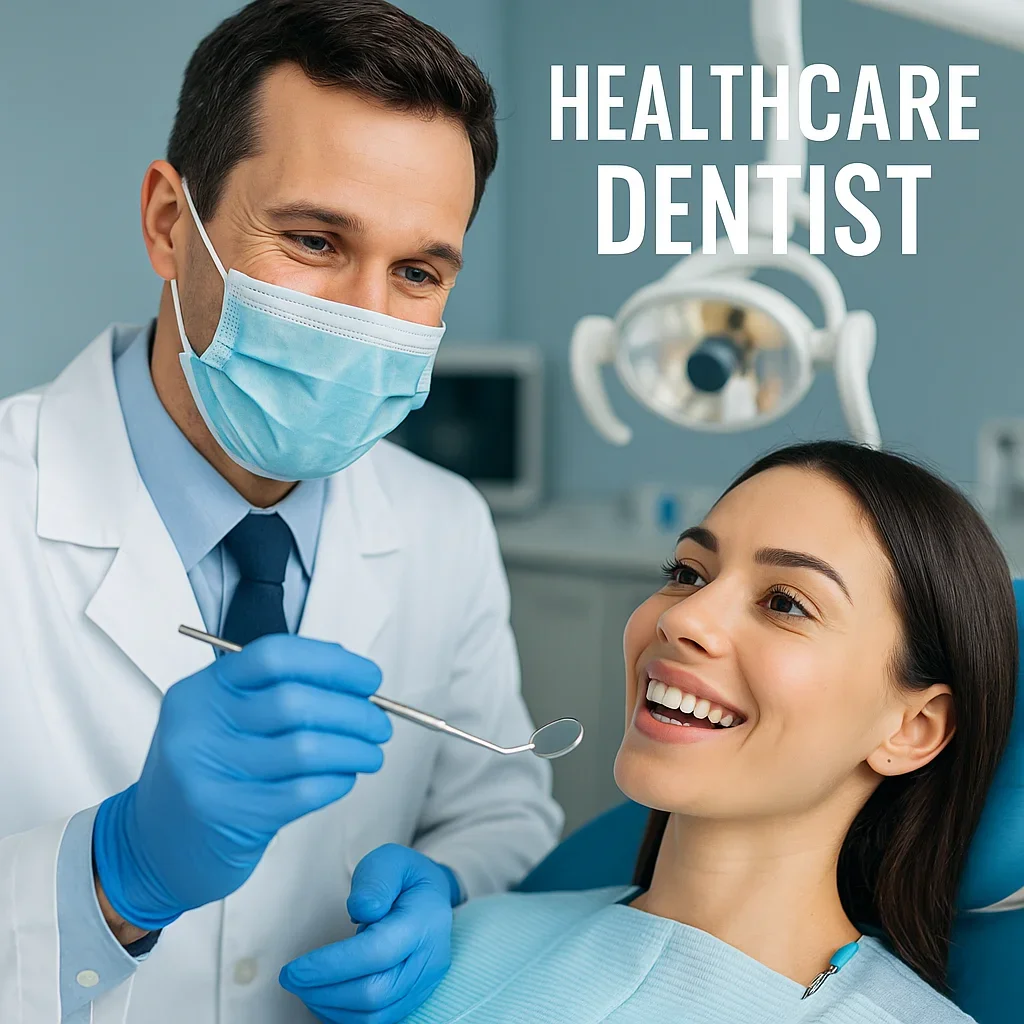
The Future of Dental Healthcare: Innovations and Trends
The field of dentistry is evolving at a remarkable pace, driven by scientific discoveries, digital innovation, and the growing understanding that oral health is integral to overall well-being 🦷. A healthcare dentist today does far more than treat teeth—they are part of a broader movement that merges medicine, technology, and preventive science to redefine patient care. In this section, we’ll explore the groundbreaking trends shaping the future of dental healthcare, from regenerative medicine and robotics to AI-driven diagnostics and personalized treatment planning. These innovations promise not only better outcomes but also more comfort, efficiency, and accessibility for patients worldwide.
Artificial Intelligence and Predictive Dentistry
Artificial Intelligence (AI) has already made a powerful entrance into the world of oral healthcare. A healthcare dentist equipped with AI tools can analyze complex datasets—from radiographs to patient histories—within seconds. Machine learning algorithms detect cavities, bone loss, and structural weaknesses earlier and more accurately than ever before. AI systems even predict future dental problems by analyzing lifestyle patterns, diet, and genetic predispositions 🩺.
This predictive capability allows the healthcare dentist to design preventive plans tailored to each individual’s risk profile. For example, if AI predicts that a patient is likely to develop gum disease due to genetic factors and oral microbiome imbalance, the dentist can recommend customized cleanings, diet adjustments, and microbial therapies long before symptoms appear. In the near future, AI-powered chatbots may even provide 24/7 virtual support—answering patient questions and scheduling check-ups automatically.
AI in Radiology and Diagnosis
Radiographic interpretation is one of the most time-consuming and error-prone areas of dentistry. With AI-assisted diagnostic imaging, a healthcare dentist can now detect minuscule lesions, periapical infections, or early bone loss that traditional X-rays might miss. These digital tools enhance precision and reduce the risk of human oversight, ensuring that no disease goes unnoticed. As AI technology continues to evolve, it will likely become an indispensable co-pilot in every dental clinic.
Regenerative Dentistry and Stem Cell Therapy
Imagine regrowing your natural tooth instead of replacing it with an implant—that’s the goal of regenerative dentistry. A healthcare dentist working in this emerging field uses stem cells, tissue engineering, and biomaterials to repair or regenerate damaged dental tissues. Stem cells extracted from a patient’s own pulp or bone marrow can differentiate into new dentin or periodontal cells, effectively reversing decay or trauma. This revolutionary approach minimizes the need for synthetic restorations and supports true biological healing 🧬.
In the coming years, we can expect healthcare dentists to collaborate closely with biomedical engineers and genetic researchers to develop materials that mimic natural tissue. The concept of “smart biomaterials”—substances that release minerals, growth factors, or antimicrobial agents—will further enhance long-term dental health.
Nanotechnology in Dentistry
Nanotechnology is redefining precision care. Through nano-sized particles and coatings, a healthcare dentist can deliver medications directly to targeted tissues or strengthen enamel at the molecular level. Nanocomposites used in fillings improve durability and aesthetics, while antibacterial nanoparticles help prevent post-treatment infections. Scientists are even developing nanorobots capable of performing microsurgical cleaning or delivering anesthetics painlessly. The integration of such microscopic tools will soon make dental treatments faster, more accurate, and virtually pain-free 🌟.
3D Printing and Personalized Dental Solutions
Three-dimensional printing has already revolutionized prosthetic dentistry. A healthcare dentist can now print crowns, bridges, surgical guides, and even orthodontic aligners on-site with unmatched precision. By combining digital scans with advanced materials, 3D printing shortens turnaround time from weeks to hours. This technology ensures better-fitting restorations and reduces waste, making dental procedures both efficient and sustainable 🌿.
Moreover, the future may bring bio-printed tissues—using patient-derived cells to create living dental components. With bioprinting, the concept of fully natural, regrown teeth might soon become reality. The synergy between 3D printing and regenerative science is expected to reshape restorative dentistry forever.
Smart Materials and Self-Healing Teeth
Innovators are currently developing “smart materials” that respond dynamically to oral environments. A healthcare dentist using these materials can apply sealants or fillings that release fluoride when demineralization is detected. Some experimental compounds even self-repair microcracks using calcium phosphate particles. This next generation of materials will significantly reduce maintenance and prolong the life of restorations, aligning with the goal of sustainable, lifelong oral wellness.
Telehealth and Virtual Dental Clinics
Teledentistry continues to expand the accessibility of care worldwide. Through secure video consultations, a healthcare dentist can assess oral conditions, provide preventive advice, and coordinate follow-up visits remotely. Artificial intelligence integrated into telehealth platforms enables automated charting, digital oral scans, and virtual treatment planning. Patients in remote or underserved regions can now receive the same high-quality care as those in major cities 🌐.
Furthermore, wearable dental sensors—like smart retainers or mouthguards—will soon track oral metrics such as pH balance, saliva flow, and bacterial levels. These devices can alert both patients and dentists to early warning signs, facilitating real-time intervention without in-person visits.
Eco-Friendly Dentistry and Sustainable Practices
As global awareness of environmental issues grows, a healthcare dentist also embraces sustainability. Green dentistry initiatives reduce waste, minimize chemical use, and conserve energy. Digital recordkeeping replaces paper files, and reusable sterilization systems replace disposable plastics. Clinics increasingly adopt energy-efficient lighting, water-saving devices, and biodegradable products to minimize their ecological footprint 🌎.
Eco-friendly dental materials—such as BPA-free composites and bioceramic cements—are also gaining popularity. Sustainability is no longer a marketing trend; it’s an ethical responsibility that aligns healthcare with planetary well-being.
Education and the Future Workforce
The healthcare dentist of the future must adapt to an ever-changing landscape. Dental education now incorporates robotics, data analytics, and holistic health principles. Students learn not only technical skills but also patient psychology, digital literacy, and ethical AI use. This multidisciplinary approach ensures that tomorrow’s dental professionals will be empathetic clinicians as well as technologically adept problem-solvers.
Integrating Oral Health with Whole-Body Medicine
Future dentistry will become inseparable from general medicine. A healthcare dentist will routinely collaborate with physicians, nutritionists, and endocrinologists to manage systemic diseases with oral origins. Saliva diagnostics, for example, are emerging as non-invasive tools for detecting diabetes, cancer, and viral infections. By using biomarkers found in saliva, dentists can identify systemic health conditions earlier than traditional tests—transforming dental clinics into vital screening hubs.
Conclusion: A Smarter, Healthier Future Awaits
The future of dentistry is bright, intelligent, and deeply connected to holistic wellness. A healthcare dentist will soon function as both oral expert and overall health partner, guided by AI, regenerative science, and sustainability. These advancements promise a world where pain-free, personalized, and affordable dental care is accessible to everyone. To experience the most up-to-date care methods, patients can reach out through the Redent Klinik Contact Page. Supported by institutions such as the American Dental Association, the next generation of healthcare dentists is redefining what it means to smile—with confidence, comfort, and total well-being 🌟.