
Are you searching for help getting dental implants but feel overwhelmed by the number of clinics, costs, and procedures out there? You’re not alone — millions of people each year seek guidance to restore their smiles with safe, lasting dental implants. This comprehensive guide will walk you through every aspect of the process, from understanding what dental implants are to finding professional assistance, financing options, and the best recovery practices. 🦷
Dental implants have become one of the most effective and long-term solutions for replacing missing teeth. Unlike dentures or bridges, implants fuse directly with your jawbone, offering a natural look and feel that can last a lifetime with proper care. However, navigating the process requires the right information and expert support. That’s where help getting dental implants becomes crucial — ensuring you make confident, informed decisions about your oral health and smile transformation.
Understanding the Importance of Getting the Right Help
Getting dental implants is not just about inserting a titanium screw into your jaw; it’s a carefully planned medical and cosmetic journey. Professional help getting dental implants ensures you receive a customized treatment plan tailored to your needs, bone density, and aesthetic goals. From choosing the correct implant type to post-surgical care, expert guidance prevents complications and helps you achieve the smile you deserve.
Qualified dental specialists also conduct 3D imaging and CT scans to precisely map out the procedure. This advanced diagnostic stage is critical for determining the implant’s placement angle, ensuring long-term stability and natural appearance. Seeking professional help early can save you time, money, and discomfort in the long run. 🌟
What Makes Dental Implants the Best Tooth Replacement Option?
Many patients exploring help getting dental implants wonder why implants are superior to traditional dentures or bridges. The key lies in their structure: dental implants replace the entire tooth root, not just the visible part. This integration prevents bone loss and preserves facial structure — something dentures cannot do. Additionally, implants provide a firm bite, allowing you to enjoy your favorite foods without fear of slipping or discomfort.
With success rates of over 95%, implants are considered one of modern dentistry’s greatest achievements. However, success depends heavily on selecting the right clinic and maintaining consistent follow-up care. Therefore, understanding the process before starting your treatment journey is essential.
Who Can Benefit from Help Getting Dental Implants?
Anyone missing one or more teeth can benefit from dental implants, but not everyone is an immediate candidate. That’s why professional evaluation is vital. Patients with sufficient bone density and healthy gums generally qualify, while those with chronic conditions like diabetes or osteoporosis may need additional treatment before implant surgery. With the right help, even complex cases can achieve beautiful results through bone grafting or sinus lift procedures.
If you’re uncertain whether you’re a candidate, you can always consult professionals through the Redent Klinik Contact Page for personalized guidance. Our experts specialize in helping international patients find safe, affordable solutions for dental implants abroad.
The Emotional and Lifestyle Impact of Dental Implants
Missing teeth can affect more than just your smile; they can impact your self-esteem, speech, and even nutrition. Patients often describe feeling embarrassed in social situations or avoiding certain foods. Help getting dental implants provides a path to regaining confidence and comfort. Imagine laughing freely, eating comfortably, and smiling in photos again — that’s the life-changing power of dental implants! 😁
Studies from the American Dental Association highlight how dental implants significantly improve quality of life, reducing the psychological burden of tooth loss. These findings reinforce the importance of professional help and emotional support throughout your implant journey.
How to Get Started on Your Dental Implant Journey
Before beginning treatment, schedule a consultation with a licensed implantologist. They will assess your oral health, bone structure, and medical history to create a customized treatment plan. This is the best way to ensure safe and effective results. During your consultation, feel free to ask about implant materials (titanium vs. zirconia), anesthesia options, and recovery expectations.
Patients who take the time to research and get professional help are more likely to enjoy successful, long-lasting results. Whether you’re seeking help getting dental implants domestically or abroad, always verify credentials, read patient testimonials, and request before-and-after photos.
Final Thoughts: Taking the First Step Toward a Better Smile
In summary, finding reliable help getting dental implants is the first step toward transforming not only your smile but also your overall confidence and quality of life. With the right clinic, skilled professionals, and proper aftercare, dental implants can offer a lifetime of benefits. Remember — your smile is an investment in yourself. Take the time to choose wisely, ask questions, and trust experts who prioritize your comfort and safety.
If you’re ready to start, reach out today through the Redent Klinik Contact Page to schedule your consultation. Our dedicated team is here to provide all the help you need in getting dental implants — every step of the way.
Next: Learn why people seek help getting dental implants and what motivates them to take this transformative step.
Why People Seek Help Getting Dental Implants
When people start looking for help getting dental implants, it often stems from a combination of physical discomfort, cosmetic concerns, and the desire for long-term oral health. Tooth loss can occur due to gum disease, trauma, or decay — but the emotional and social effects go far beyond what most people expect. Understanding why people seek this type of help reveals how transformative dental implants can be for one’s confidence, lifestyle, and overall wellbeing. 🦷
The Emotional Reasons Behind Dental Implant Decisions
Many patients seeking help getting dental implants do so because missing teeth make them self-conscious. Smiling, speaking, or eating in public can become stressful. Studies by dental associations show that tooth loss directly impacts mental health and social interactions. People often feel less attractive or avoid social gatherings, which can lead to isolation or reduced self-esteem. Implants restore a sense of normalcy — allowing individuals to laugh, speak, and smile without fear of embarrassment. 😊
In addition, patients who receive implants frequently report improvements in mood and self-confidence. When your teeth look natural again, you feel like yourself again. That psychological transformation is one of the most powerful motivators for seeking professional help getting dental implants.
Health and Functional Motivations
Beyond aesthetics, functional health plays a major role in the decision-making process. Missing teeth cause the jawbone to deteriorate over time, which can alter facial structure and lead to further dental issues. Seeking help getting dental implants is therefore not just about vanity — it’s about preventing long-term oral health complications.
Implants act like natural tooth roots, preserving bone structure and preventing adjacent teeth from shifting. This stabilization supports healthy chewing patterns and improves digestion, as you can once again eat a variety of nutritious foods. In contrast, dentures or bridges often cause sore spots, instability, or speech difficulties — issues that dental implants solve permanently when done correctly.
Jawbone Health and Long-Term Benefits
Every time you chew, your natural teeth stimulate the jawbone. When teeth are missing, this stimulation stops, leading to gradual bone loss. Professional help getting dental implants ensures the replacement acts as an artificial root, maintaining bone density and facial symmetry. The result? A healthier, more youthful appearance and a stronger bite for years to come.
Age and Lifestyle Factors That Influence the Decision
While many assume dental implants are only for older adults, that’s a misconception. People of all ages, from young adults who’ve lost teeth due to accidents to seniors managing long-term tooth loss, seek help getting dental implants. The motivation often depends on lifestyle:
- Active professionals seek implants to maintain a polished appearance and clear speech.
- Parents want to smile confidently in family photos.
- Older adults value the comfort and stability implants provide over removable dentures.
No matter the age, implants provide lasting value. Unlike other dental restorations that may need replacement every few years, implants can last decades with proper care. This longevity makes them an appealing investment in oral health and self-image.
Financial Motivation: Long-Term Value Over Short-Term Savings
Another reason many people seek help getting dental implants is financial wisdom. Although the upfront cost can be higher than alternatives, implants prove more cost-effective in the long run. Dentures and bridges require maintenance, adjustments, and eventual replacement — all of which add up over time. Dental implants, on the other hand, are a one-time investment that can last a lifetime with proper hygiene.
When you compare costs over 15–20 years, implants often turn out cheaper than continually replacing other prosthetics. Plus, they deliver unmatched comfort and confidence, which is priceless for most patients. 💰
Estimated Global Price Range (2025)
Average cost per dental implant:
- 🇺🇸 United States: $3,000 – $6,000 per tooth
- 🇬🇧 United Kingdom: £2,000 – £4,000 per tooth
- 🇹🇷 Turkey: $700 – $1,200 per tooth (including travel packages)
- 🇩🇪 Germany: €2,500 – €4,000 per tooth
These figures show why many patients explore international options, especially Turkey, where clinics such as Redent Klinik specialize in affordable, high-quality implant care for global patients.
Fear, Pain, and the Search for Professional Guidance
For some, the motivation for seeking help getting dental implants is overcoming fear. Dental anxiety is common, particularly among those who have had negative past experiences. However, modern dentistry has made tremendous advancements in sedation and pain management. Clinics offering specialized implant services understand this emotional barrier and focus on creating a calm, painless experience from consultation to recovery.
Knowing that sedation dentistry and advanced local anesthesia can make the process virtually pain-free encourages more people to take that first step toward restoring their smile.
Social Media and Modern Influences
In the digital age, another major factor driving people to seek help getting dental implants is visibility. Social media platforms have amplified the importance of smiles in personal and professional branding. People see influencers, celebrities, and even friends sharing radiant smiles online, which motivates them to invest in their own dental transformation.
Moreover, online reviews and before-and-after photos have made it easier to research trustworthy clinics. With transparent testimonials, potential patients can confidently choose providers that deliver consistent, natural-looking results.
The Role of Dental Education and Awareness
Today’s patients are better informed than ever. With organizations like the American Dental Association promoting awareness of implant benefits, people understand that replacing missing teeth is not just a cosmetic choice but a health necessity. Educational blogs, online resources, and digital consultations contribute to the growing demand for expert help getting dental implants.
Conclusion: The Human Desire to Smile Without Fear
At its core, the reason most people seek help getting dental implants is simple — they want to smile, speak, and live freely again. Dental implants restore more than teeth; they restore identity and self-worth. Whether motivated by appearance, comfort, or health, one thing is certain: finding the right professional help is the first step toward a life-changing transformation.
As you continue reading this guide, you’ll learn how to find the best professionals, understand the entire dental implant process, and prepare for a successful treatment journey. Your smile — and your confidence — are worth it. 🌟
How to Choose the Right Dentist for Dental Implants
Finding the right specialist is one of the most important steps for anyone seeking help getting dental implants. Your dentist’s expertise determines not only the quality of your new smile but also the longevity of your implants. Choosing wisely means ensuring safety, accuracy, and aesthetic perfection. With thousands of clinics worldwide offering implant services, it can be confusing to know which one truly meets professional and international standards. This section provides a clear, detailed roadmap to make that decision with confidence. 🦷
Why Choosing the Right Dentist Matters
The outcome of dental implant surgery depends heavily on the professional performing it. A highly trained implantologist will carefully plan every stage — from bone assessment and 3D imaging to surgical precision and follow-up care. Without proper expertise, even minor mistakes can lead to implant failure, infection, or misalignment. That’s why patients emphasize finding expert help getting dental implants rather than taking risks with inexperienced practitioners.
Dental implants fuse directly with your jawbone through a process called osseointegration. This delicate biological process requires meticulous planning, sterile techniques, and post-surgical supervision. When done correctly, implants can last a lifetime; when done poorly, they can fail within months. Therefore, your dentist’s qualifications, technology, and hygiene standards should be top priorities. 💡
Credentials and Qualifications to Look For
Before committing to any clinic, verify your dentist’s credentials. The ideal professional should have:
- Formal postgraduate education in implantology or oral surgery
- Membership in recognized dental associations such as the American Dental Association or ICOI (International Congress of Oral Implantologists)
- Proven experience with at least 200 successful implant cases
- Access to digital diagnostic equipment like CBCT (Cone Beam Computed Tomography)
When seeking help getting dental implants, always request to see certifications or documentation proving professional training. Many reputable clinics proudly display their licenses and achievements — transparency is a hallmark of trustworthy service.
Evaluating a Dentist’s Experience and Portfolio
Experience speaks volumes in implant dentistry. Don’t hesitate to ask for before-and-after photos of previous patients. Reputable clinics will also share case studies showing complex procedures like full-mouth restorations or bone grafts. A diverse portfolio is a sign that your dentist can handle a range of challenges and customize treatment to your needs.
Moreover, pay attention to how the clinic discusses your case during consultation. A professional offering genuine help getting dental implants will never rush decisions. Instead, they’ll assess your bone density, oral health, and expectations before presenting multiple options tailored to your budget and health status.
Questions to Ask During Consultation
- How many implant procedures have you completed successfully?
- Which implant systems or brands do you use (e.g., Straumann, Nobel Biocare)?
- What type of anesthesia or sedation do you offer?
- How do you manage post-operative care and potential complications?
- What warranty or follow-up services are provided after surgery?
Asking these questions demonstrates that you are proactive and value quality — qualities any good dental team will appreciate. 📝
Technology and Equipment Used in Implant Dentistry
Modern technology has revolutionized dental implant procedures. When you’re looking for help getting dental implants, prioritize clinics that use advanced tools and digital planning systems. High-end clinics typically employ:
- 3D Digital Scanners for precise impressions
- CBCT Scans to evaluate bone structure and nerves
- Guided Surgery Software for accurate implant placement
- Laser Dentistry Tools for faster healing and reduced discomfort
These technologies significantly reduce surgical risks, shorten recovery time, and improve final aesthetics. A clinic that invests in state-of-the-art equipment shows commitment to excellence — something every patient deserves when seeking help getting dental implants.
Hygiene Standards and Safety Protocols
Implant surgery requires a sterile, controlled environment. Always evaluate the clinic’s hygiene standards. Look for visible signs of cleanliness — sterilized instruments, sealed packaging, and use of gloves and masks by all staff members. Many international clinics also comply with ISO and CE certifications, confirming their adherence to global safety standards.
Before your surgery, a professional clinic will provide written consent forms and clearly explain potential risks. If a dentist dismisses your concerns or rushes explanations, it’s a red flag. Ethical professionals prioritize patient safety and education throughout the process.
Signs of a Reliable Dental Clinic
- Transparent treatment plans with no hidden fees
- Comprehensive pre-surgical assessments
- Dedicated post-operative care programs
- Positive verified patient reviews
- Open communication and accessible staff
Reading Reviews and Patient Testimonials
Online reviews are valuable when evaluating where to get help getting dental implants. Genuine testimonials reflect patient satisfaction, professionalism, and reliability. Look for consistent feedback mentioning cleanliness, communication, and follow-up care. Avoid clinics with overly generic or repetitive positive reviews, as these might not be authentic.
You can also check independent platforms like Google Reviews or Trustpilot. Video testimonials on clinic websites provide visual proof of real patient experiences, which is reassuring for those considering major dental work abroad.
Communication and Comfort During the Process
Effective communication between patient and dentist is essential. A professional providing help getting dental implants will take time to explain each phase clearly — from diagnosis to recovery. They should make you feel comfortable enough to ask questions about costs, anesthesia, and expected outcomes.
For international patients, multilingual support is another key factor. Clinics such as Redent Klinik offer English-speaking coordinators who guide you from the first inquiry to post-treatment care, ensuring a smooth, stress-free experience. 🌍
Conclusion: Making the Smart Choice for Your Smile
Ultimately, finding the right specialist for help getting dental implants is about balancing skill, technology, communication, and compassion. The best dentist isn’t just technically skilled — they’re also patient-centered and transparent. Always verify qualifications, evaluate technology, and trust your instincts when selecting a clinic. When you find the right expert, you’ll not only restore your smile but also gain the peace of mind that comes with knowing your oral health is in the best hands possible.
Your smile is a lifelong investment — choose wisely, and you’ll never have to look back. 😁
Costs and Financing Options for Dental Implants
When individuals start looking for help getting dental implants, one of the first concerns that arises is cost. Dental implants are a long-term investment in both oral health and quality of life, but the financial aspect can often seem intimidating. Understanding pricing factors, global variations, and available financing options will help you make informed decisions and find solutions that fit your budget without compromising quality. 🦷
Why the Cost of Dental Implants Varies
The price of dental implants depends on several key factors: the clinic’s location, the materials used, the number of implants required, and the complexity of your specific dental condition. Patients seeking help getting dental implants should remember that implant dentistry is not a one-size-fits-all treatment. Every mouth is unique, and so are the costs.
Implants involve three main components: the titanium post (which replaces the root), the abutment (which connects the post to the crown), and the crown itself. Additional procedures, such as bone grafting or sinus lifts, can increase the total expense. Moreover, clinics in major cities or in countries with high labor costs generally charge more than those in medical tourism destinations like Turkey, where high-quality treatment is more affordable.
Typical Cost Breakdown
- Initial consultation and 3D imaging: $100 – $300
- Implant post (titanium screw): $800 – $1,500 per tooth
- Abutment and crown: $600 – $1,200 per tooth
- Total per implant (on average): $2,000 – $6,000 in the U.S.
For those exploring international options, Turkey, Poland, and Mexico offer significant savings while maintaining world-class quality standards. Clinics like Redent Klinik in Turkey provide all-inclusive implant packages that cover consultation, X-rays, surgery, and accommodation, making help getting dental implants abroad both practical and cost-efficient.
Comparing Global Dental Implant Prices
Average cost per dental implant (2025 global estimates):
- 🇺🇸 United States: $3,500 – $6,000 per tooth
- 🇬🇧 United Kingdom: £2,000 – £4,000 per tooth
- 🇩🇪 Germany: €2,800 – €4,200 per tooth
- 🇹🇷 Turkey: $700 – $1,200 per tooth
- 🇲🇽 Mexico: $900 – $1,600 per tooth
As shown, international dental tourism offers up to 70% savings compared to Western countries. This price difference explains why so many patients now seek help getting dental implants from clinics abroad, especially those accredited by organizations such as the American Dental Association or the European Federation of Periodontology. 🌍
Financing Options and Payment Plans
Even with affordable pricing, implants remain a considerable investment. Fortunately, there are several ways to make payments manageable. Many clinics offering help getting dental implants provide flexible payment plans that allow patients to spread costs over time. Common financing solutions include:
- In-house payment plans: Interest-free monthly installments directly through the clinic.
- Dental financing companies: Services like CareCredit or Proceed Finance offer low-interest loans for dental work.
- Medical credit cards: Designed specifically for healthcare expenses, allowing patients to pay gradually.
- Insurance coverage: Although most insurance policies don’t cover full implant costs, some may pay for related procedures such as extractions or crowns.
Always ask your dental provider for a written estimate and verify whether additional costs—like anesthesia, X-rays, or temporary crowns—are included. Transparent pricing is a sign of a trustworthy clinic offering genuine help getting dental implants.
How to Save Money Without Sacrificing Quality
There are several smart strategies for reducing expenses while maintaining top-tier care:
- Travel abroad: Countries like Turkey offer premium implant systems at a fraction of Western costs.
- Ask about package deals: Full-mouth restorations are often priced at a discounted rate per implant.
- Choose generic implant brands: Some reputable non-premium systems provide equal longevity at lower prices.
- Check university clinics: Dental schools supervised by experts can offer affordable treatment options.
These alternatives allow patients to access professional help getting dental implants even with budget constraints. The key is to balance affordability with safety — never compromise on hygiene, materials, or credentials just to cut costs.
Long-Term Value of Dental Implants
When comparing costs, it’s essential to understand the long-term benefits. Dentures and bridges may appear cheaper initially but require frequent replacements and adjustments. Implants, on the other hand, are designed to last 20 years or more. Over a lifetime, this makes them more economical and less stressful.
In addition to financial savings, implants preserve jawbone health, facial aesthetics, and comfort — advantages that cheaper alternatives can’t match. Therefore, seeking professional help getting dental implants isn’t just about price; it’s about protecting your future oral health and quality of life.
What to Avoid When Considering Cost
Beware of prices that seem too good to be true. Some clinics advertise unrealistically low costs but use inferior materials or unqualified staff. Always confirm what’s included in the quote and ensure the clinic maintains internationally recognized hygiene and sterilization standards. Trusted institutions like Redent Klinik provide written guarantees and transparent pricing for peace of mind. ✅
Conclusion: Making an Informed Financial Decision
In conclusion, getting help getting dental implants involves balancing quality, expertise, and financial planning. The goal isn’t to find the cheapest option — it’s to find the best value for your investment. By researching global costs, exploring financing options, and selecting accredited clinics, you can achieve your dream smile without unnecessary financial strain. Remember, a well-placed dental implant is not just an expense — it’s a lifelong asset to your health, confidence, and happiness. 😁
Preparing for Dental Implant Surgery: What to Expect
Before undergoing dental implant treatment, most patients seeking help getting dental implants want to know exactly what to expect during the preparation phase. Preparation is not just about scheduling the surgery — it’s about creating the perfect conditions for success. A well-prepared patient experiences faster healing, fewer complications, and better long-term results. This section explains in detail how to prepare physically, mentally, and practically for your dental implant procedure. 🦷
Initial Consultation and Diagnostic Evaluation
The first and most important step in preparing for implant surgery is a thorough consultation with a qualified implantologist. During this stage, your dentist will assess your overall oral health, bone density, and gum condition to determine if you are a good candidate for implants. Those seeking help getting dental implants often undergo several diagnostic tests, such as:
- Digital X-rays: to visualize bone structure and detect hidden issues.
- CBCT scans (3D imaging): to precisely map nerves and sinuses for accurate implant placement.
- Comprehensive oral examination: to check for decay, gum disease, or infection that could interfere with healing.
If the dentist identifies bone loss or gum inflammation, these issues must be addressed before implant placement. Treating them early increases the success rate significantly. Clinics that specialize in help getting dental implants will always take this step seriously because skipping it could lead to implant failure later on.
Medical and Dental History Review
Your dentist will review your full medical background, including any chronic conditions such as diabetes, heart disease, or osteoporosis. These can influence healing and may require tailored approaches. It’s essential to disclose all medications, including blood thinners and supplements, since they may need to be adjusted before surgery. Patients with allergies should inform the dental team in advance to prevent any complications related to anesthesia or antibiotics.
Honest communication with your dentist is crucial. Reliable help getting dental implants includes personalized care that considers every medical factor affecting treatment success.
Bone Grafting and Sinus Lift Preparations
Not every patient has enough jawbone density to support implants immediately. In such cases, additional procedures like bone grafting or sinus lifts may be necessary. Bone grafting involves adding natural or synthetic bone material to strengthen the jaw and create a stable foundation for the implant. A sinus lift, on the other hand, raises the sinus floor to make room for upper jaw implants.
These preparatory surgeries extend the treatment timeline but ensure lasting results. If you’re exploring help getting dental implants abroad, many clinics — such as Redent Klinik — offer these procedures as part of comprehensive implant packages, saving both time and money for international patients. 🌍
Healing Time After Preparatory Procedures
After bone grafting or sinus augmentation, a healing period of 3–6 months is typically required. During this time, the grafted bone integrates naturally with your existing bone. Only after successful healing can implant placement begin. Patients are usually provided with temporary dentures or bridges to maintain appearance and function during this stage.
Pre-Surgery Instructions: How to Prepare at Home
Proper home preparation ensures a smoother surgical experience and faster recovery. Before the procedure, follow these essential steps:
- Stop smoking: Tobacco use severely reduces blood flow to the gums, slowing down healing and increasing the risk of implant failure.
- Eat a healthy diet: Focus on nutrient-rich foods high in calcium, vitamin D, and protein to support bone regeneration.
- Get adequate rest: A rested body responds better to anesthesia and recovers faster.
- Plan transportation: Arrange for someone to drive you home after surgery, as you’ll likely be under sedation or local anesthesia.
Professional help getting dental implants includes providing you with a detailed pre-operative checklist. Following it closely reduces anxiety and improves surgical outcomes. 📝
Understanding the Surgical Process
Although every patient’s journey is unique, most dental implant surgeries follow a similar pattern. Here’s what you can expect:
- Anesthesia or Sedation: Depending on your comfort level and the number of implants, your dentist may use local anesthesia, IV sedation, or general anesthesia.
- Incision and Bone Drilling: A small incision is made in the gum to expose the jawbone, where the implant post is placed.
- Implant Placement: The titanium implant is screwed into the bone precisely where the new tooth will be anchored.
- Suturing and Healing: The gum tissue is stitched back, and the healing process (osseointegration) begins. This can take 3–6 months.
For patients seeking help getting dental implants, understanding this process eliminates fear and promotes realistic expectations. Most patients report minimal discomfort, especially when modern laser-assisted or guided-surgery techniques are used.
Post-Surgery Temporary Solutions
While waiting for the implant to fuse with your jawbone, temporary crowns or dentures can be placed for aesthetic and functional purposes. Your dentist will explain how to clean and care for them to avoid infection. Maintaining oral hygiene during this phase is essential for the final implant’s success.
Emotional and Mental Preparation
Getting dental implants is both a physical and emotional journey. Anxiety is normal, especially for patients who haven’t undergone major dental procedures before. The best clinics providing help getting dental implants will take time to explain each step, answer your questions, and provide reassurance. Many also offer mild sedation or relaxation options for patients with dental phobia.
Practicing stress-relief techniques such as deep breathing, meditation, or listening to calming music before surgery can also improve your experience and recovery. Remember, a calm mind leads to a more positive outcome. 😌
Aftercare Planning and Recovery Preparation
Before your surgery date, set up your home for a comfortable recovery. Stock up on soft foods like yogurt, soups, and mashed potatoes. Avoid hard or crunchy foods that could disturb the implant site. Keep a cold compress on hand to manage swelling during the first 48 hours.
Your dentist will provide a list of post-surgical care instructions, including prescribed antibiotics and pain medication. Proper planning ensures you can rest without stress after surgery. Clinics like Redent Klinik go one step further by offering follow-up consultations and remote check-ins, especially for international patients traveling for help getting dental implants.
Conclusion: Preparing Smartly for a Successful Implant Journey
Preparation is the foundation of success. Taking time to understand your treatment plan, maintaining good health habits, and following professional advice will maximize your results. Whether you’re undergoing a single implant or a full-mouth restoration, expert help getting dental implants ensures every step — from initial scans to final placement — is handled with precision and care.
By being proactive and well-informed, you’ll approach your surgery confidently, recover faster, and enjoy your beautiful, functional new smile for years to come. 🌟
Recovery Tips After Getting Dental Implants
The recovery period is one of the most crucial stages for anyone seeking help getting dental implants. Proper aftercare ensures that your implants heal correctly, integrate with the jawbone, and remain strong for decades. While modern implant procedures are minimally invasive, post-surgery care plays a major role in achieving the best possible outcome. This detailed guide explains everything you need to know — from immediate care to long-term maintenance — to make your recovery smooth, comfortable, and successful. 🦷
The First 24 Hours After Surgery
Immediately after dental implant surgery, your body begins the healing process. During this time, gentle care and proper hygiene are essential. Patients receiving help getting dental implants should follow these key instructions:
- Control bleeding: Minor bleeding is normal. Bite gently on a gauze pad for 30–45 minutes to help a blood clot form at the implant site.
- Avoid touching the area: Do not disturb the implant with your tongue or fingers, as this may dislodge the clot or delay healing.
- Rest and avoid physical exertion: Take the rest of the day off to allow your body to recover. Physical activity increases blood pressure and may cause bleeding.
- Apply cold compresses: Ice packs reduce swelling and minimize discomfort. Use them for 10–15 minutes every hour for the first 24 hours.
Following these immediate-care tips ensures a stable environment for healing. Expert help getting dental implants always includes personalized instructions tailored to your surgery’s complexity and your body’s condition.
Managing Pain and Swelling
It’s common to experience mild pain, swelling, and bruising after dental implant surgery. These symptoms peak within 48 hours and gradually subside within a week. Your dentist will prescribe pain relievers or anti-inflammatory medications to help you stay comfortable. Using ice packs and sleeping with your head elevated can also reduce swelling. 😌
For those who seek help getting dental implants abroad, reputable clinics like Redent Klinik provide a complete postoperative kit that includes medication, instructions, and follow-up consultation to ensure smooth recovery even after you return home.
Foods to Eat and Avoid During Recovery
Diet plays an important role in healing. During the first week, stick to soft, nutrient-rich foods that don’t irritate the surgical area. Excellent options include:
- Mashed potatoes, yogurt, and smoothies
- Soups (lukewarm, not hot)
- Scrambled eggs, oatmeal, and blended vegetables
Avoid the following for at least 10–14 days:
- Hard, crunchy, or sticky foods like nuts or candies
- Hot beverages that can dissolve the protective clot
- Alcohol and tobacco, which impair healing
Patients who follow dietary recommendations during recovery are more likely to experience successful osseointegration (fusion between bone and implant). This is why professional help getting dental implants always includes nutritional guidance.
Maintaining Oral Hygiene Without Disturbing Healing
Good oral hygiene is essential to prevent infection and ensure long-term implant success. However, care must be taken to avoid disturbing the surgical site. Here’s how to maintain cleanliness safely:
- Do not brush the implant area for the first 24 hours.
- After 24 hours, gently rinse your mouth with a saltwater solution (½ teaspoon of salt in a glass of warm water) several times a day.
- Resume gentle brushing using a soft-bristled toothbrush, avoiding direct pressure on the implant area.
- Refrain from using mouthwash containing alcohol during the initial recovery period.
Following these steps will prevent infection and promote faster healing. Dental professionals offering help getting dental implants typically provide specialized oral care kits to simplify this process. 🪥
Activity and Lifestyle Adjustments During Recovery
It’s important to limit physical activities for several days after surgery. Strenuous exercise, heavy lifting, or bending can cause pressure at the implant site, leading to bleeding or swelling. Avoid gym workouts, running, or yoga inversions for at least a week. Instead, prioritize rest and hydration.
Patients who smoke should make every effort to quit at least two weeks before and after surgery. Nicotine constricts blood vessels, reducing oxygen flow to the gums and significantly increasing the risk of implant failure. Reliable help getting dental implants includes counseling on how to manage such lifestyle habits to protect your new smile.
Signs of Healthy Healing vs. Warning Signs
While mild discomfort and swelling are normal, you should be aware of potential warning signs that require prompt dental attention:
- Normal healing signs: slight swelling, light bleeding, mild soreness, gradual improvement.
- Warning signs: persistent bleeding, severe pain after 72 hours, pus or foul odor, fever, or implant mobility.
If you experience any of the warning signs above, contact your dentist immediately. Most clinics offering help getting dental implants maintain 24-hour hotlines or emergency care options for their patients.
Follow-Up Appointments and Long-Term Healing
Follow-up visits are crucial to monitor healing progress. During these checkups, your dentist will examine the implant site, remove stitches if necessary, and take X-rays to confirm bone integration. Depending on your individual healing rate, the permanent crown is typically attached 3–6 months after surgery.
These regular evaluations are a key part of ongoing help getting dental implants and ensure that any minor issues are addressed before they become serious complications.
Emotional Wellbeing and Confidence During Recovery
Recovery isn’t just physical — it’s emotional, too. Many patients feel anxious about whether their implant will succeed or how their smile will look afterward. Staying positive and patient is essential. Remember, every day of healing brings you closer to the confident, natural-looking smile you’ve been dreaming of. 💪
Some patients find comfort in connecting with others who have undergone the same journey. Support groups, online forums, or direct contact with your dental team can provide reassurance and motivation throughout recovery.
Tips for Faster Healing and Better Results
To ensure the best outcomes from your help getting dental implants journey, follow these proven tips:
- Maintain a balanced diet rich in vitamins C and D, calcium, and protein.
- Drink plenty of water to keep your mouth hydrated and support tissue regeneration.
- Avoid grinding your teeth — use a mouthguard at night if necessary.
- Attend all scheduled dental appointments for monitoring and maintenance.
Every small effort contributes to long-term implant success and optimal healing.
Conclusion: A Smooth Path to Recovery and a Brighter Smile
Recovering from dental implant surgery requires patience, discipline, and proper guidance. With expert help getting dental implants, you’ll receive personalized aftercare that minimizes discomfort and maximizes success. Whether you’re healing at home or under professional supervision, following these steps ensures that your new smile remains strong, beautiful, and functional for life.
By taking the right precautions, you can enjoy your new teeth with full confidence — smiling, eating, and living freely again. For continued support or personalized recovery advice, reach out to Redent Klinik, where your long-term oral health is always the top priority. 🌟
Common Problems and How to Avoid Dental Implant Failure
Even with advanced technology and expert help getting dental implants, complications can occur if proper care and professional guidance are not followed. While dental implants have a success rate of over 95%, the remaining 5% of failures are often preventable with the right knowledge and maintenance. This section explores the most common issues that can lead to implant failure — and, more importantly, how to avoid them through early awareness, good hygiene, and professional aftercare. 🦷
Understanding the Causes of Dental Implant Failure
Implant failure occurs when the titanium post doesn’t properly integrate with the jawbone or becomes unstable over time. There are two main types of failure: early (occurring within the first few months) and late (after years of use). Both can result from poor surgical planning, inadequate bone support, or neglecting post-surgical care. Patients who seek help getting dental implants from reputable clinics can drastically reduce their risk by following medical advice and maintaining healthy habits.
Common causes of implant failure include:
- Infection (Peri-implantitis): Bacterial buildup around the implant due to poor oral hygiene.
- Insufficient bone density: Weak or thin jawbone unable to support the implant structure.
- Smoking: Nicotine restricts blood flow to the gums, delaying healing and osseointegration.
- Poor placement technique: Improper angling or pressure during surgery can compromise stability.
- Excessive bite force: Grinding teeth or chewing hard foods too soon can loosen the implant.
Recognizing and addressing these issues early is the foundation of proper help getting dental implants and ensuring a long-lasting result. 🧠
Peri-Implantitis: The Hidden Threat to Implants
One of the most common complications associated with dental implants is peri-implantitis — an inflammatory condition affecting the gum and bone surrounding the implant. It’s similar to gum disease and, if untreated, can cause bone loss and eventual implant failure.
Symptoms include redness, swelling, bleeding while brushing, and bad breath. In advanced cases, the implant may feel loose or painful. To avoid this, maintain a rigorous oral hygiene routine. Brushing twice daily, flossing, and using an antibacterial mouth rinse are essential preventive measures.
Professional Cleaning and Monitoring
Even with good home care, professional cleanings every 3–6 months are vital. Dental hygienists use special tools that clean around the implant without damaging it. Clinics that offer help getting dental implants often include scheduled follow-ups and deep-cleaning services in their treatment packages to ensure long-term success.
Bone Loss and Osseointegration Failure
For implants to succeed, the bone must fuse properly with the titanium post in a process called osseointegration. If this fails, the implant becomes unstable and may need to be removed. Common causes include poor bone quality, excessive movement during healing, or infection. Patients who seek early professional help getting dental implants undergo bone density scans to ensure sufficient bone volume before surgery.
How to Prevent Bone Loss
- Follow pre-surgery instructions carefully, including diet and medication guidelines.
- Avoid smoking and alcohol during healing.
- Take prescribed antibiotics as directed to prevent infection.
- Attend all scheduled follow-up appointments to monitor bone health.
In cases where bone density is insufficient, grafting procedures can strengthen the foundation before implant placement. This is a standard step in advanced clinics like Redent Klinik, where professionals specialize in offering comprehensive help getting dental implants for patients with complex needs.
Nerve and Sinus Complications
Improper implant placement can sometimes affect nerves or sinus cavities, particularly in the upper jaw. This can cause discomfort, numbness, or sinus infections. To prevent these issues, clinics use 3D imaging (CBCT scans) for precise planning. Choosing experienced professionals for help getting dental implants ensures implants are positioned safely without affecting surrounding structures.
Signs of Nerve or Sinus Involvement
- Tingling or numbness in the chin, lips, or tongue
- Pressure or discomfort in the sinus area
- Persistent nasal congestion or sinus infections after surgery
If any of these symptoms occur, contact your dentist immediately for evaluation and possible adjustments. Prompt intervention can save the implant and protect your health.
Mechanical Failures and Bite Pressure Issues
Implant crowns, abutments, or screws can sometimes break or loosen due to excessive bite force. This typically happens when a patient clenches or grinds their teeth (bruxism) or when the bite alignment isn’t properly adjusted. Expert help getting dental implants includes analyzing your bite pattern and providing custom mouthguards to prevent stress on the implants.
Regular checkups ensure that your prosthetic components remain secure and aligned. Avoid biting hard foods like ice, nuts, or hard candy, especially during the first months after receiving your implants.
Lifestyle Factors That Influence Implant Longevity
Long-term success depends not only on surgical skill but also on lifestyle choices. Smoking, poor diet, and neglecting dental hygiene are leading contributors to implant failure. Quitting smoking, maintaining a nutrient-rich diet, and keeping routine dental visits are simple yet powerful steps toward lasting implant health.
Professional help getting dental implants often includes nutrition and lifestyle counseling. Clinics such as Redent Klinik guide patients through personalized recovery plans to maximize long-term results. 🌿
Recognizing Early Warning Signs of Trouble
Being attentive to early symptoms can save your implants. Contact your dentist if you experience any of the following:
- Persistent pain or throbbing around the implant site
- Swelling or bleeding that doesn’t improve after a few days
- Loose or shifting implant components
- Unpleasant taste or odor indicating infection
Timely intervention from a professional providing help getting dental implants can often reverse these issues before they progress to failure. Early detection is the key to preservation. 🔍
Professional Maintenance and Regular Checkups
Dental implants, like natural teeth, require consistent care. Schedule follow-up appointments every six months to ensure everything remains healthy and stable. During these visits, your dentist will inspect the implant’s structure, surrounding gums, and bone condition using X-rays or digital scans.
Most clinics offering help getting dental implants provide lifetime maintenance programs that include professional cleaning and implant monitoring. These services protect your investment and guarantee lasting comfort and confidence.
Conclusion: Prevention Is the Best Protection
Dental implant failure is rare, but prevention requires vigilance, care, and guidance from skilled professionals. By choosing experienced specialists, maintaining excellent oral hygiene, and adopting a healthy lifestyle, you can dramatically reduce your risk. Whether you are just starting your journey or have already completed surgery, ongoing help getting dental implants from trusted experts ensures your new smile remains strong, beautiful, and trouble-free for decades to come.
For personalized care and professional support, contact Redent Klinik today — where prevention, precision, and patient comfort are always the top priorities. 🌟
Best Countries to Get Affordable Dental Implants
When people search for help getting dental implants, one of the first questions they ask is, “Where can I get high-quality treatment at an affordable price?” The truth is that dental implant costs vary greatly around the world — not because of differences in quality, but due to varying labor costs, taxes, and healthcare systems. Medical tourism has become a booming industry, especially in countries offering premium dental care at a fraction of the price found in the U.S. or Western Europe. In this section, we’ll explore the best destinations for dental implants, comparing quality, safety, and value so you can make a confident, informed decision. 🌍
Why Dental Tourism Is Growing Rapidly
In recent years, millions of patients have traveled abroad for dental procedures. The primary motivation is financial — but that’s not the only factor. Many clinics in Europe and Asia now combine luxury service, advanced technology, and English-speaking staff to create an experience that’s both affordable and comfortable. Patients seeking help getting dental implants abroad can save up to 70% while receiving world-class treatment.
Top destinations like Turkey, Mexico, Hungary, Thailand, and Poland have developed a global reputation for implant dentistry. Each of these countries offers a unique blend of expertise, tourism appeal, and accessibility. ✈️
Turkey 🇹🇷 – The Global Leader in Affordable Implant Care
Turkey has quickly become the world’s most popular country for dental implants, attracting hundreds of thousands of patients annually. Its combination of advanced clinics, affordable prices, and beautiful tourist destinations makes it ideal for anyone seeking help getting dental implants.
Why Choose Turkey for Dental Implants?
- World-class clinics: Facilities like Redent Klinik use advanced 3D imaging and internationally certified implant systems.
- Affordable pricing: Implants in Turkey typically cost between $700–$1,200 per tooth, compared to $4,000–$6,000 in the U.S.
- All-inclusive packages: Many clinics offer complete travel packages including hotel stays, airport transfers, and guided care.
- Highly skilled specialists: Most dentists receive international training and certifications from European or U.S. institutions.
Additionally, Turkey’s popularity is enhanced by its medical tourism infrastructure. Istanbul, Antalya, and Izmir feature accredited clinics and English-speaking coordinators, ensuring a smooth experience for anyone seeking help getting dental implants abroad.
Mexico 🇲🇽 – A Convenient Option for U.S. and Canadian Patients
For North American patients, Mexico offers exceptional value and proximity. Clinics in cities like Tijuana, Cancun, and Los Algodones (nicknamed “Molar City”) specialize in dental tourism. With short travel times and huge savings, it’s no wonder patients from the U.S. frequently cross the border for treatment.
Advantages of Dental Implants in Mexico
- Up to 70% savings compared to U.S. prices.
- Fast scheduling: Appointments often available within days.
- Modern clinics: Equipped with digital scanners and CAD/CAM systems.
- Highly experienced implantologists: Many trained in the U.S. or Europe.
However, patients seeking help getting dental implants in Mexico should verify clinic certifications and reviews carefully. Look for those accredited by international dental associations or with transparent pricing and aftercare guarantees.
Hungary 🇭🇺 – Europe’s Implant Capital
Hungary, particularly its capital Budapest, is known as the “dental capital of Europe.” Patients from the U.K., France, and Germany travel there for high-quality, affordable implant treatment. The country’s dental tourism industry is highly regulated, ensuring exceptional safety and professional standards.
Reasons to Consider Hungary
- Costs 50–60% less than in Western Europe.
- Dentists with extensive academic training in oral surgery and prosthodontics.
- Clinics equipped with the latest 3D imaging and laser technology.
- Seamless communication in English, German, and French.
Those looking for help getting dental implants in Europe often find Hungary to be a top choice due to its combination of affordability, reliability, and proximity to major European cities. 🏥
Thailand 🇹🇭 – High-Tech Dentistry with a Holiday Experience
Thailand has long been a favorite destination for medical tourism, offering premium healthcare services at competitive prices. Dental clinics in Bangkok, Phuket, and Chiang Mai provide Western-level quality and luxurious patient care.
For travelers seeking help getting dental implants, Thailand combines advanced implantology with the country’s world-renowned hospitality. While slightly more expensive than Turkey or Mexico, the service quality and tourism opportunities are unmatched.
Why Thailand Appeals to Dental Tourists
- Clinics accredited by global organizations such as the JCI (Joint Commission International).
- Packages that include vacation stays, spa treatments, and wellness programs.
- Affordable pricing ranging from $1,200–$2,000 per implant.
Thailand’s dental professionals often complete postgraduate education abroad, ensuring international-level expertise. 🏖️
Poland 🇵🇱 – Affordable Dentistry in the Heart of Europe
Poland has rapidly gained popularity for its advanced dental treatments at lower costs. Cities like Warsaw, Krakow, and Gdansk are home to modern clinics with European Union accreditation and English-speaking staff. Patients from the U.K., Ireland, and Scandinavia frequently travel here for help getting dental implants due to the country’s convenient location and budget-friendly prices.
Benefits of Getting Implants in Poland
- Up to 60% cheaper than Western European clinics.
- Highly regulated standards under EU medical law.
- Excellent public safety and travel accessibility.
- Short travel times and direct flights from major European cities.
Other Emerging Destinations
Countries like Portugal, Romania, and India are also emerging as strong competitors in the global dental tourism market. Each offers cost-effective implant treatments and internationally trained professionals. However, patients should always verify clinic credentials, implant brands, and warranty policies before proceeding.
Important Considerations Before Traveling Abroad for Implants
While the savings are significant, patients seeking help getting dental implants overseas should plan carefully. Here are essential tips:
- Research accreditation: Ensure the clinic is certified by recognized dental boards.
- Check warranty policies: Reliable clinics offer multi-year or lifetime warranties on implants.
- Understand aftercare: Confirm how post-surgery follow-ups will be handled after returning home.
- Review travel logistics: Choose cities with good transportation, English-speaking support, and nearby airports.
Conclusion: Global Access to Affordable Dental Care
Today, the world offers countless opportunities for patients who need help getting dental implants. Whether you choose Turkey’s affordability, Hungary’s expertise, or Thailand’s luxurious approach, you can restore your smile without financial stress. The key is to balance cost with safety — choosing a clinic that combines international standards, transparent pricing, and professional care.
For many international patients, Redent Klinik in Turkey stands out as a trusted destination for comprehensive implant treatment. By providing personalized care and advanced surgical precision, it helps patients from around the world achieve their dream smiles while enjoying the beauty and hospitality of Turkey. ✨
Financing Options and Insurance Coverage for Dental Implants
For many patients searching for help getting dental implants, cost remains one of the biggest barriers. While dental implants are a life-changing investment in oral health, they can also represent a significant financial commitment. Fortunately, numerous financing options, payment plans, and insurance possibilities exist to make treatment more accessible. In this comprehensive guide, you’ll discover how to plan, budget, and manage the cost of dental implants without sacrificing quality or comfort. 💳
Understanding the True Cost of Dental Implants
Before exploring financing options, it’s important to understand what you’re paying for. The total cost of dental implants varies based on several factors, including the number of implants, materials used, and additional procedures such as bone grafting or sinus lifts. Patients seeking help getting dental implants should note that the price per tooth typically includes three main components:
- The implant post: The titanium or zirconia screw placed into the jawbone.
- The abutment: A connector piece that links the implant to the crown.
- The crown: The visible, tooth-like part custom-made for aesthetics and function.
In the United States, the average cost for a single implant ranges between $3,000 and $6,000, while full-mouth restorations can exceed $25,000. By contrast, patients seeking help getting dental implants abroad — for example, at clinics like Redent Klinik in Turkey — can often receive the same quality care for 60–70% less. 🌍
Why Dental Implants Are Worth the Investment
Although implants can seem expensive upfront, they are a permanent and long-term solution. Unlike bridges or dentures, implants don’t decay, slip, or require replacement every few years. When maintained properly, they can last a lifetime, offering natural function and appearance. For patients seeking help getting dental implants, this means fewer future expenses and improved overall health — since implants preserve jawbone structure and prevent facial sagging.
Does Dental Insurance Cover Implants?
Dental insurance coverage for implants varies widely. Some providers classify implants as a cosmetic procedure, while others partially cover them if deemed medically necessary. Understanding your policy is key to getting the most out of your benefits. Here are some details to consider:
1. Standard Dental Insurance Policies
Traditional dental insurance may not fully cover implants but can help reduce associated costs, such as diagnostic X-rays, tooth extractions, or crowns. Contact your insurance provider to confirm whether implant surgery, anesthesia, or restoration components are included.
2. Supplemental or Premium Plans
Many insurance companies now offer premium or supplemental plans specifically designed to include implants. These plans often reimburse 30–50% of treatment costs after meeting a deductible or waiting period. Patients looking for help getting dental implants should explore these options for long-term savings.
3. Medical Insurance for Accidental Tooth Loss
If tooth loss results from an accident or injury, medical insurance may cover implant replacement as part of reconstructive treatment. Always check if your case qualifies under your health insurance terms, as this can significantly reduce costs.
Financing Options: Making Implants More Affordable
Even if insurance coverage is limited, several financing alternatives make implants manageable. Reputable dental clinics offering help getting dental implants typically provide flexible payment plans to accommodate different financial situations.
1. In-House Payment Plans
Many clinics allow patients to split the cost into monthly payments without interest. This can make high-quality care more accessible, especially for multi-implant procedures. Always confirm the terms, such as payment duration and deposit requirements.
2. Medical Credit Cards (e.g., CareCredit, Alphaeon)
Medical credit cards designed for healthcare expenses offer low or zero-interest financing for 6–24 months. They are widely accepted by dental providers and allow patients to start treatment immediately while spreading payments over time.
3. Dental Loans and Personal Financing
Specialized dental loans from financial institutions or online lenders can cover implant costs at competitive interest rates. These loans are ideal for patients seeking help getting dental implants who prefer longer repayment terms with predictable monthly installments.
4. Health Savings Accounts (HSAs) and Flexible Spending Accounts (FSAs)
If you have an employer-sponsored HSA or FSA, you can use pre-tax dollars to pay for dental implants. This reduces your taxable income and helps save hundreds of dollars annually. Always confirm eligibility requirements before making withdrawals.
Government Assistance and Dental Grant Programs
In some countries, government programs or non-profit foundations offer financial help getting dental implants for individuals with medical needs or financial hardship.
- Dental grants and charitable foundations: Organizations like Dental Lifeline Network and Donated Dental Services (DDS) assist qualifying low-income patients in receiving care from volunteer dentists.
- Veteran programs: In the U.S., eligible veterans may qualify for implant coverage through the Department of Veterans Affairs (VA).
- Local university clinics: Dental schools often offer implants at reduced costs, performed by supervised students under expert guidance.
Although these programs may have long waiting lists, they’re valuable resources for patients who urgently need help getting dental implants but face financial limitations. 🏥
Cost Comparison: Local vs. Overseas Treatment
For many patients, traveling abroad offers significant savings — even after factoring in airfare and accommodation. Here’s an approximate breakdown of implant prices around the world:
| Country | Average Cost per Implant (USD) |
|---|---|
| United States | $3,000 – $6,000 |
| United Kingdom | $2,500 – $4,500 |
| Turkey | $700 – $1,200 |
| Mexico | $800 – $1,500 |
| Hungary | $900 – $1,700 |
| Thailand | $1,200 – $2,000 |
Patients who choose international destinations like Turkey often benefit from comprehensive packages that include consultations, implants, accommodation, and airport transfers. Clinics such as Redent Klinik have become leading choices for global travelers seeking reliable help getting dental implants at transparent prices.
Tips for Managing Implant Costs Wisely
- Request detailed quotes: Ensure all costs (surgery, materials, anesthesia, and aftercare) are listed in writing.
- Compare multiple clinics: Don’t choose based solely on price — consider experience, technology, and reviews.
- Plan ahead: Schedule your implant treatment during off-peak travel seasons to save on flights and accommodation if traveling abroad.
- Ask about warranties: Reliable clinics include long-term implant warranties in their pricing structure.
Conclusion: Making Dental Implants Financially Accessible
High-quality dental care doesn’t have to be out of reach. With flexible financing, partial insurance coverage, and affordable international options, patients can find reliable help getting dental implants that fits their budget. Whether you finance through a payment plan, insurance, or overseas treatment, the most important factor is choosing a trusted clinic that prioritizes transparency, safety, and long-term results.
For patients seeking trustworthy and affordable options, Redent Klinik offers personalized plans, transparent pricing, and premium care — ensuring that your journey toward a confident, lasting smile remains stress-free and financially manageable. 💫
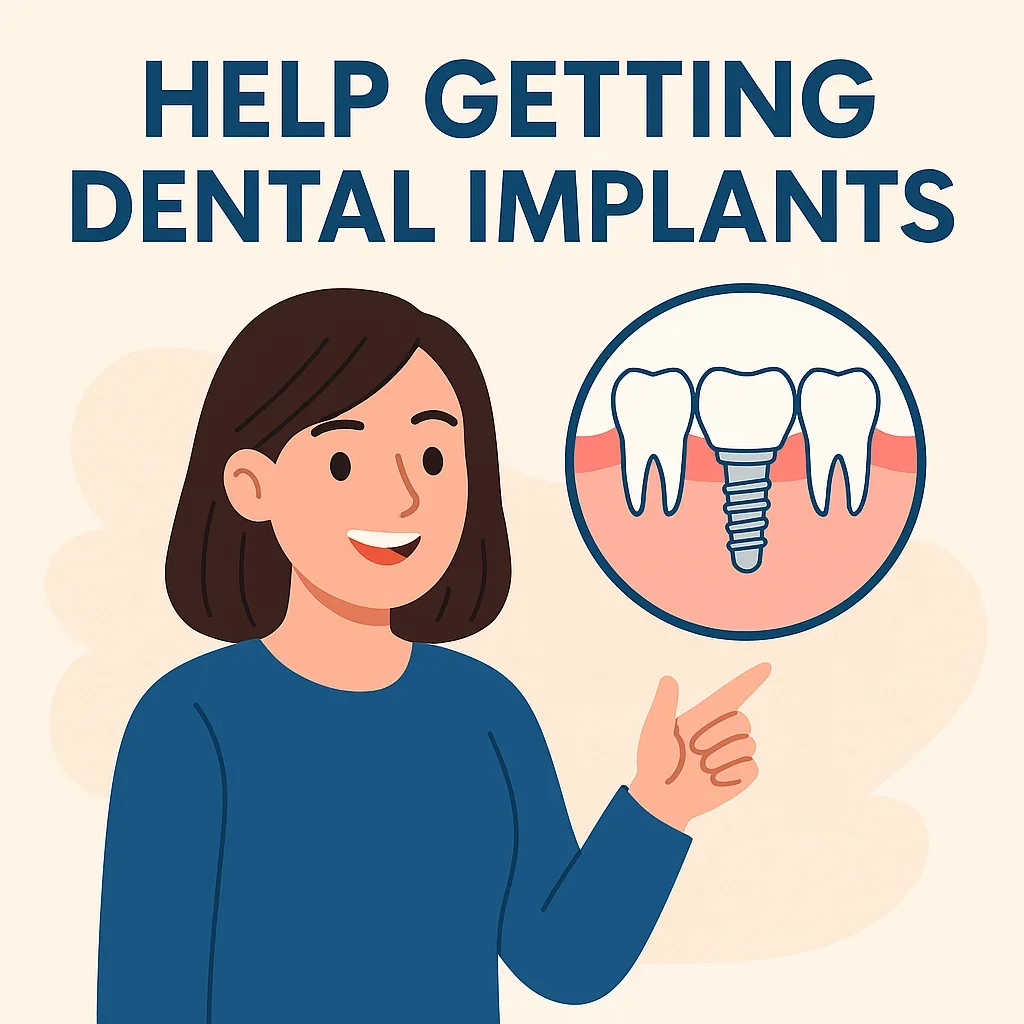
Long-Term Care and Maintenance for Dental Implants
Receiving help getting dental implants is just the beginning of your journey toward a confident and lasting smile. The true success of dental implants depends on how well they are cared for after the procedure. Just like natural teeth, implants require consistent maintenance, regular checkups, and healthy habits to remain strong and functional for decades. This section provides a complete, step-by-step guide on long-term dental implant care — ensuring your investment stays healthy, beautiful, and durable for life. 🦷
Why Maintenance Matters for Dental Implants
Many patients mistakenly believe that once implants are placed, they don’t need much care. However, even though implants don’t decay like natural teeth, the surrounding gums and bone are still vulnerable to inflammation and infection. Proper aftercare prevents complications such as peri-implantitis (gum infection) and implant loosening. Long-term success rates for patients who follow a structured care routine are over 95%, making diligent maintenance a critical part of help getting dental implants.
Think of dental implants as your natural teeth’s replacement roots — they integrate with your jawbone and rely on healthy gums for stability. Neglecting care can shorten their lifespan, but adopting a simple routine keeps them strong for decades.
Daily Oral Hygiene Habits for Implant Longevity
Consistent oral hygiene is the cornerstone of implant success. Brushing, flossing, and professional cleaning prevent bacterial buildup that could compromise the surrounding tissue. Here’s how to care for your implants daily:
- Brush twice daily: Use a soft-bristled toothbrush and non-abrasive toothpaste to protect the gum line.
- Floss gently: Use implant-safe floss or interdental brushes to remove plaque between the implant and adjacent teeth.
- Rinse with antibacterial mouthwash: Choose alcohol-free formulas to prevent irritation.
- Clean under bridges and crowns: If you have multiple implants, use super floss or a water flosser for deeper cleaning.
Following these habits daily will dramatically reduce the risk of infection. Every professional providing help getting dental implants emphasizes this foundation of home care as the key to lifelong success. 🪥
Recommended Oral Care Tools
Modern dental care products can make implant maintenance easier and more effective. Professionals suggest the following:
- Electric toothbrushes: Efficiently remove plaque without excessive pressure.
- Water flossers: Ideal for cleaning around abutments and under bridges.
- Interdental brushes: Help reach tight spaces between implants and natural teeth.
- Titanium-safe cleaning paste: Designed to clean implant surfaces gently without scratching.
Routine Professional Checkups
Even with perfect at-home care, professional cleanings and examinations are essential. Dentists can identify early warning signs of gum inflammation or bone loss. Patients who consistently attend follow-ups benefit from ongoing help getting dental implants — keeping them stable and functional for decades.
What to Expect During a Checkup
Your dentist will typically perform the following during maintenance appointments:
- Check implant stability and bite alignment.
- Assess gum health and measure pocket depth around the implant.
- Perform X-rays to evaluate bone integration.
- Remove any hard calculus buildup using specialized, implant-safe tools.
Professional maintenance visits are usually recommended every 6 months, though high-risk patients (such as smokers or those with diabetes) may require more frequent visits. Regular professional care forms a vital part of ongoing help getting dental implants.
Healthy Lifestyle Choices to Support Implants
Your overall health directly affects the success of your dental implants. Lifestyle choices like smoking, poor diet, or neglecting oral hygiene can accelerate gum problems and implant failure. Here are some vital tips to preserve implant health long-term:
- Quit smoking: Smoking restricts blood flow to the gums, reducing healing and increasing infection risk.
- Eat a balanced diet: Include foods rich in calcium, vitamin D, and protein to maintain bone strength.
- Stay hydrated: A moist mouth helps prevent bacterial growth and promotes gum health.
- Avoid teeth grinding: If you grind your teeth, use a custom night guard to prevent pressure on implants.
These daily habits may seem small but have a huge impact on the long-term results of help getting dental implants. 🌿
Handling Potential Problems Early
Even with good care, issues can sometimes arise. The key is recognizing and addressing them early. Warning signs that require immediate dental attention include:
- Red, swollen, or bleeding gums around the implant
- Discomfort or looseness in the implant area
- Persistent bad taste or odor
- Changes in bite or clicking sensations while chewing
When these symptoms appear, professional intervention can often reverse the problem. Clinics providing help getting dental implants typically offer emergency consultations and laser-assisted cleaning to treat early-stage infections and preserve implant health.
What to Do If an Implant Feels Loose
Never attempt to tighten or adjust an implant at home. A loose feeling may result from gum inflammation or abutment screw movement. Visit your dentist immediately for an evaluation. Early detection ensures easy correction and prevents costly complications.
Implant-Specific Cleaning Techniques
Different types of implants — single, multiple, or full-arch — require specific maintenance techniques. Here’s a breakdown:
Single Implants
Clean them like natural teeth, using gentle circular brushing and flossing around the base of the crown.
Implant-Supported Bridges
Use super floss or a water flosser to reach under the bridge. Avoid pressing too hard on the gums to prevent irritation.
All-on-4 or Full-Arch Implants
These require thorough nightly cleaning using a water flosser and antimicrobial mouth rinse. Regular professional checkups are especially important for long-span implants to ensure balanced pressure distribution.
Long-Term Benefits of Proper Maintenance
With diligent care, dental implants can last 20 years or longer — often a lifetime. Long-term benefits include:
- Preservation of jawbone and facial structure
- Stable and natural chewing function
- Confidence to smile and speak without hesitation
- Minimal future dental expenses
Every patient receiving help getting dental implants should understand that maintenance is an ongoing commitment — but one that delivers unmatched rewards in comfort, aesthetics, and durability.
Partnering with a Reliable Clinic for Lifelong Care
Choosing a trustworthy dental partner ensures continued success after implant placement. Clinics like Redent Klinik offer personalized long-term care plans, routine maintenance appointments, and professional cleaning designed specifically for implant patients. These clinics provide continuous help getting dental implants through every stage — from surgery to lifetime preservation.
Conclusion: Your Smile, Your Lifelong Responsibility
Dental implants are one of the best investments you can make in your oral health. But to keep them strong, healthy, and beautiful for life, consistent care is essential. Brush and floss daily, eat a balanced diet, avoid smoking, and visit your dentist regularly. With these habits — and professional help getting dental implants — your smile will remain radiant and confident for decades to come. 🌟