
Welcome to our detailed guide on what makes a pediatric dental clinic an essential part of every child’s health journey 🦷✨. From the very first tooth to the teenage years, a pediatric dental clinic provides specialized oral care designed specifically for children’s unique needs. Parents often wonder when to start dental visits, what treatments are available for kids, and how these clinics differ from general dentists — this article answers all those questions and more, in an approachable and expert-backed way.
A pediatric dental clinic focuses on preventive, diagnostic, and therapeutic dental care for infants, children, and adolescents. Pediatric dentists are highly trained professionals who not only treat dental problems but also understand child psychology, growth patterns, and behavioral management. Their gentle approach ensures that children feel comfortable and safe during every appointment. In fact, these clinics are designed with colorful decor, child-friendly dental chairs, and even fun distractions like cartoons or toys to create a positive association with oral care 🪥👧👦.
One of the biggest advantages of choosing a pediatric dental clinic is early intervention. Many parents assume that baby teeth don’t require as much attention because they eventually fall out, but this is a common misconception. Primary teeth play a crucial role in guiding permanent teeth into the right position and maintaining healthy speech and chewing habits. Pediatric dentists monitor jaw development, detect early signs of decay, and provide treatments that can prevent long-term issues. Preventive dentistry, including fluoride applications and dental sealants, helps safeguard your child’s smile for years to come.
In addition to prevention, a pediatric dental clinic addresses common conditions such as cavities, early tooth loss, misalignment, and even dental trauma from accidents. With specialized instruments and smaller equipment, treatments are tailored to a child’s comfort level. Many clinics also provide sedation options for anxious patients, ensuring that even complex procedures are completed safely and calmly. This approach not only builds trust but also helps children develop a lifetime of good oral health habits 😄.
Parents also play a vital role in maintaining their children’s dental health. A pediatric dental clinic often provides educational guidance to help parents understand proper brushing techniques, diet choices, and oral hygiene routines. Nutrition is a key aspect of pediatric dental care; limiting sugary snacks and promoting a balanced diet with fruits, vegetables, and calcium-rich foods significantly reduces the risk of decay. Dentists also encourage parents to supervise brushing until children have developed enough dexterity to clean effectively on their own.
Another reason families choose a pediatric dental clinic is the holistic and compassionate environment. The staff is trained to communicate with children in a reassuring tone, making every visit a learning experience rather than a fearful one. Clinics often reward kids for good behavior with stickers or small toys, helping to reinforce positive feelings toward dental visits. This nurturing approach transforms dentistry into a fun, empowering routine instead of a stressful chore.
As part of their commitment to excellence, many clinics follow standards set by the American Dental Association. This ensures that all safety, hygiene, and procedural guidelines meet the highest quality standards. Parents seeking personalized care can also schedule consultations through the Redent Klinik Contact Page to find a trusted pediatric dentist near them.
In recent years, technology has further enhanced how a pediatric dental clinic delivers care. Digital X-rays minimize radiation exposure, laser dentistry reduces discomfort, and modern dental materials allow for durable, natural-looking restorations. These innovations make visits faster, safer, and more enjoyable — something both parents and children appreciate.
Overall, choosing a pediatric dental clinic is one of the best investments in your child’s lifelong health. Regular visits not only prevent cavities and gum disease but also instill confidence in maintaining a beautiful, healthy smile. By starting early, staying consistent, and working with caring professionals, your child can grow up with a strong foundation for oral health that lasts a lifetime. 🌟
So, whether your little one is ready for their first dental visit or you’re looking for a long-term oral health partner, a pediatric dental clinic offers the expertise, compassion, and advanced care every family deserves. Book an appointment today and take the first step toward a brighter, healthier smile for your child! 💖
1. Why Choosing a Pediatric Dental Clinic Matters for Your Child
Every parent wants their child to grow up with a healthy, confident smile 😁. One of the best ways to make that happen is by choosing the right pediatric dental clinic. Unlike general dentistry, pediatric dental care is uniquely tailored to meet the oral health needs of infants, toddlers, children, and teens. These clinics don’t just fix teeth — they build lifelong oral hygiene habits and positive dental experiences that stay with your child well into adulthood.
Understanding the Role of a Pediatric Dentist
At the core of every pediatric dental clinic is a team of highly trained professionals who specialize in treating young patients. Pediatric dentists complete years of additional education focused on child development, oral pathology, and dental behavior management. Their expertise allows them to identify issues early — such as tooth decay, misalignment, or jaw growth problems — and treat them in a gentle, child-friendly manner. This early, preventive approach helps protect both primary and permanent teeth, reducing the need for invasive treatments later on.
What truly sets a pediatric dental clinic apart is its ability to make dental care a comfortable and even enjoyable experience for children. Many kids feel anxious about visiting the dentist, but pediatric clinics are designed to eliminate that fear. Bright, cheerful colors, interactive toys, and friendly staff create a welcoming environment. Some clinics even feature themed rooms and ceiling-mounted screens playing cartoons to distract children during treatments — transforming what could be a stressful event into a fun outing 🦷💫.
Long-Term Benefits of Early Pediatric Dental Visits
One of the key reasons to choose a pediatric dental clinic is the lifelong benefit of early intervention. According to the American Dental Association, children should have their first dental visit by their first birthday or within six months of their first tooth erupting. Early visits help pediatric dentists track oral growth, detect cavities at their earliest stages, and teach parents preventive care methods. Regular checkups every six months form the foundation of proactive dental health.
Moreover, studies show that children who consistently visit a pediatric dental clinic from a young age are less likely to experience dental anxiety, tooth decay, and gum disease in later years. These visits foster trust between the child and dentist, making future treatments much smoother. Parents also gain valuable insights on brushing techniques, fluoride use, and dietary choices that can reduce sugar-related dental problems 🍎🥛.
Key Differences Between Pediatric and General Dental Care
Parents often wonder why they should opt for a pediatric dental clinic instead of a general dentist. The difference lies in specialization. General dentists can treat patients of all ages, but pediatric dentists undergo additional training to manage child-specific conditions and behaviors. They use smaller dental instruments suitable for children’s mouths and employ behavior guidance techniques such as “tell-show-do” — a method where the dentist explains, demonstrates, and then performs the procedure, easing the child’s anxiety.
In a pediatric dental clinic, treatments are often less intimidating thanks to advanced technology and pain-free techniques. For instance, air abrasion tools replace drills in some procedures, and dental sealants protect molars from cavities. These clinics also use sedation dentistry for children who are highly anxious or have special healthcare needs, ensuring a safe and comfortable experience.
Comprehensive Preventive Programs
Prevention is always better than cure, especially when it comes to children’s oral health. A high-quality pediatric dental clinic focuses on preventive care through regular cleanings, fluoride applications, and sealant treatments. The dentist educates both parents and children on the importance of daily brushing and flossing, while also explaining how diet influences oral health. These preventive programs are crucial in minimizing future dental complications.
Parental Involvement in Pediatric Dental Care
Another essential aspect of a pediatric dental clinic is involving parents in every step of the process. Parents receive detailed guidance on how to clean their child’s teeth at different ages, when to expect new teeth to emerge, and how to identify early signs of dental issues. Regular communication between the dentist and family builds trust and ensures personalized care for each child’s unique needs.
Modern Facilities and Child-Centered Design
Most pediatric dental clinics feature modern equipment designed specifically for young patients. Dental chairs are smaller, rooms are decorated with playful themes, and waiting areas often include books, toys, or games to make visits enjoyable. This environment helps children associate dental care with positivity rather than fear — a crucial psychological benefit that influences how they view healthcare for the rest of their lives 🧸.
Where to Find Trusted Pediatric Clinics
Choosing a reliable pediatric dental clinic is easier than ever. Families can check recommendations from reputable organizations like the American Dental Association, or directly contact specialized centers like Redent Klinik Contact Page for professional assistance. Selecting a clinic with certified pediatric dentists ensures that your child receives the best possible care, supported by international health and safety standards.
In conclusion, selecting a dedicated pediatric dental clinic is not just about treating cavities — it’s about nurturing lifelong dental wellness. The benefits of professional pediatric care extend far beyond oral health; they foster self-confidence, discipline, and a proactive attitude toward health in general. By investing in early and specialized care, parents empower their children to enjoy bright, healthy smiles for life 🌟.
2. The Role of Preventive Dentistry in Children’s Oral Health
Prevention is the foundation of lifelong dental health, and no place emphasizes it more effectively than a pediatric dental clinic. Preventive dentistry focuses on stopping oral health issues before they even begin, ensuring that children grow up with strong, healthy teeth and confident smiles 😄. Through regular checkups, education, and specialized treatments, pediatric dental professionals create a proactive plan that helps parents and kids maintain optimal oral hygiene from infancy to adolescence.
Why Preventive Dentistry Starts Early
Many parents mistakenly believe that dental care isn’t essential until permanent teeth appear, but this is far from true. A pediatric dental clinic encourages early visits because baby teeth serve as placeholders for adult teeth, guiding them into proper alignment. Cavities or premature loss of primary teeth can disrupt this natural process, leading to future orthodontic complications. The earlier a child visits a pediatric dentist — ideally by their first birthday — the better the long-term outcomes will be for their oral health.
During these early visits, the dentist performs gentle cleanings, examines jaw growth, and provides fluoride applications to strengthen enamel. These small steps, when started early, can prevent tooth decay — one of the most common chronic childhood diseases. Moreover, a pediatric dental clinic teaches parents essential home care techniques like correct brushing, flossing, and diet management, setting a strong foundation for preventive oral care that lasts a lifetime.
Key Preventive Treatments Offered
Every pediatric dental clinic offers a variety of preventive treatments tailored to children’s needs. These services go beyond basic cleaning and include:
1. Professional Cleanings and Fluoride Treatments
Routine cleanings help remove plaque and tartar that brushing alone can’t reach. In addition, fluoride applications remineralize enamel and protect against cavities. Pediatric dentists carefully control fluoride levels to ensure safety and effectiveness, especially for young patients. Regular fluoride treatments every six months can reduce cavity risk by up to 70% 🦷.
2. Dental Sealants
Sealants are thin, protective coatings applied to the chewing surfaces of molars — the most cavity-prone area in children’s mouths. In a pediatric dental clinic, the application process is fast, painless, and extremely effective. Studies show that sealants can prevent 80% of decay in molars, making them a cornerstone of preventive care.
3. Early Orthodontic Assessment
Even before all permanent teeth erupt, pediatric dentists can identify signs of misalignment or bite problems. An early orthodontic evaluation allows for timely intervention, reducing the need for more extensive treatment later. Many pediatric dental clinics collaborate with orthodontists to create seamless care plans for growing children, ensuring both functional and aesthetic alignment of teeth.
The Importance of Oral Hygiene Education
Education is a powerful component of prevention. In a pediatric dental clinic, dentists and hygienists teach both parents and children the right techniques for daily brushing and flossing. They explain how sugar, acidic drinks, and improper brushing habits lead to decay, using engaging visuals and demonstrations to make learning fun. These educational sessions help children understand their own oral health responsibility from a young age, encouraging consistency and awareness 🪥.
Parents also receive personalized advice on which toothbrushes, pastes, and rinses are best suited for their child’s age and dental condition. The goal is to make oral hygiene a positive daily ritual, not a chore. When kids enjoy taking care of their teeth, prevention becomes second nature.
Diet and Lifestyle: The Hidden Pillars of Prevention
Diet plays a major role in oral health. A pediatric dental clinic emphasizes reducing sugary snacks, sticky candies, and carbonated drinks — all of which promote bacteria and plaque buildup. Instead, dentists recommend nutrient-rich foods such as cheese, yogurt, vegetables, and fruits that strengthen enamel and stimulate saliva production. Hydration is another essential factor; drinking water after meals helps wash away food particles and neutralize acids that cause tooth erosion.
Additionally, lifestyle habits like thumb-sucking or prolonged pacifier use can affect jaw development. Pediatric dentists monitor these behaviors and guide parents on corrective measures before they lead to orthodontic concerns. By addressing these factors early, a pediatric dental clinic ensures that a child’s oral structure develops healthily and symmetrically.
Preventive Dentistry for Special Needs Children
Children with special healthcare needs require extra attention in their oral hygiene routines. A pediatric dental clinic is fully equipped and trained to handle these cases with compassion and expertise. Dentists use adaptive communication techniques, sensory-friendly environments, and individualized preventive plans to meet each child’s unique requirements. This inclusive approach ensures that every child receives equitable, high-quality dental care regardless of their condition 💙.
Frequency and Scheduling of Preventive Visits
Regular dental visits are crucial for prevention. Pediatric dentists recommend scheduling checkups every six months, but children with a higher risk of decay may require quarterly visits. These consistent appointments allow the pediatric dental clinic to monitor changes in tooth growth, evaluate oral hygiene progress, and apply necessary preventive measures like sealants or fluoride touch-ups. The continuity of care also strengthens the child’s comfort and trust in their dentist.
Collaborating with Parents for Long-Term Success
Preventive dentistry works best when parents and dental professionals collaborate. A pediatric dental clinic not only treats but also empowers families to continue care at home. Dentists may provide checklists, digital reminders, or even fun reward charts for kids who maintain daily brushing routines. Parents can further motivate their children by praising their efforts and maintaining consistent dental appointments.
In summary, preventive dentistry at a pediatric dental clinic is about far more than cleaning teeth — it’s about cultivating lifelong health habits. By focusing on education, early detection, and proactive treatments, pediatric dentistry minimizes the risk of oral diseases while promoting confidence and comfort in every child. Regular visits, balanced nutrition, and strong parent-dentist partnerships together form the ultimate recipe for a bright, healthy smile 🌟.
3. Common Dental Issues Treated at a Pediatric Dental Clinic
Every child deserves a bright, healthy smile 😊 — yet dental issues during childhood are surprisingly common. Fortunately, a pediatric dental clinic specializes in identifying, preventing, and treating a wide range of oral problems that affect children of all ages. From early tooth decay to orthodontic concerns, these clinics provide comprehensive care using child-friendly techniques and advanced technology. Understanding the most frequent dental issues can help parents take proactive steps to ensure their children’s oral health stays strong for life.
Early Childhood Caries (Tooth Decay)
The most common problem treated in a pediatric dental clinic is early childhood caries, also known as baby bottle tooth decay. This occurs when frequent exposure to sugary liquids—like milk, formula, or juice—leads to bacteria buildup that erodes the enamel. Cavities may appear as small white or brown spots, often on the upper front teeth, and can cause pain, infection, or even premature tooth loss.
Pediatric dentists tackle this issue through both preventive and restorative approaches. Fluoride treatments strengthen the enamel, while dental sealants protect vulnerable molars. For existing decay, tooth-colored fillings or crowns are used to restore function and aesthetics. Most importantly, a pediatric dental clinic educates parents on proper feeding habits and daily brushing routines to prevent recurrence.
Tooth Eruption and Teething Problems
Teething can be an uncomfortable milestone for infants, often marked by irritability, drooling, and swollen gums. A pediatric dental clinic helps parents navigate this phase by recommending safe teething aids and monitoring the timely eruption of teeth. In some cases, delayed or premature tooth eruption may indicate underlying issues such as nutritional deficiencies or jaw development irregularities. Regular checkups allow dentists to identify these concerns early and guide parents on the best interventions.
When to Seek Professional Advice
If your child experiences prolonged teething pain, fever, or visible swelling, it’s crucial to visit a pediatric dental clinic. Pediatric dentists can rule out infections, prescribe safe remedies, and provide relief for both child and parent. Gentle care and professional monitoring ensure that this natural process occurs smoothly and healthily 🍼.
Dental Trauma and Injuries
Active kids are naturally prone to accidents — falls, sports injuries, or playground mishaps can result in chipped, broken, or even knocked-out teeth. A pediatric dental clinic is fully equipped to manage dental emergencies quickly and effectively. Dentists use advanced imaging tools to assess internal damage and determine whether the tooth can be repaired or needs replacement. In the case of primary teeth, they focus on preventing infection and preserving the alignment of the underlying permanent teeth.
Modern clinics also use laser treatments and minimally invasive methods to reduce discomfort during repairs. The goal is not just to fix the tooth but also to restore the child’s confidence and comfort after the incident. Parents are also advised to keep the clinic’s emergency number handy and know how to handle knocked-out or broken teeth before arrival.
Malocclusion and Bite Irregularities
Misaligned teeth or bite issues, collectively called malocclusion, are common reasons for referrals to a pediatric dental clinic. These problems can result from genetic factors, thumb-sucking, or prolonged pacifier use. Common types include overbite, underbite, crossbite, and open bite. If left untreated, malocclusion can affect chewing, speech, and jaw development.
Early Orthodontic Intervention
Pediatric dentists play a crucial role in identifying alignment issues early. Through digital X-rays and 3D imaging, they monitor jaw growth and tooth spacing. Many pediatric dental clinics collaborate with orthodontists to create interceptive treatment plans that guide proper alignment. Early braces, spacers, or retainers may be used to prevent future complications, saving families both time and money.
Gum Disease in Children
Although commonly associated with adults, gum disease (gingivitis) can affect children too. Poor oral hygiene, plaque buildup, and certain medical conditions contribute to inflammation and bleeding gums. At a pediatric dental clinic, dentists perform gentle cleanings and teach kids proper brushing and flossing techniques to reverse early-stage gum disease. For more advanced cases, specialized periodontal therapy ensures that the gums and supporting structures remain healthy.
Thumb-Sucking and Tongue-Thrusting Habits
Prolonged thumb-sucking or tongue-thrusting can alter a child’s bite and jaw shape. A pediatric dental clinic addresses these habits through behavior modification, counseling, and in some cases, the use of dental appliances that discourage the habit. Dentists help children gradually transition away from these behaviors with positive reinforcement rather than punishment, preserving natural growth patterns and self-esteem 👍.
Enamel Hypoplasia and Developmental Issues
Some children are born with enamel hypoplasia — a condition where enamel is thin or poorly formed, leaving teeth vulnerable to decay and sensitivity. A pediatric dental clinic manages this through protective coatings, fluoride varnishes, and customized oral hygiene plans. Early diagnosis allows for better management and prevents severe deterioration over time.
Speech and Functional Problems Linked to Dental Health
Dental issues can also interfere with speech development and chewing efficiency. For example, missing front teeth or improper alignment may cause lisping or difficulty pronouncing certain sounds. Pediatric dentists often collaborate with speech therapists and orthodontists to address these issues holistically. A pediatric dental clinic ensures that dental health supports both aesthetic and functional aspects of a child’s growth.
Comprehensive Care for Every Stage of Growth
From infancy to the teenage years, a pediatric dental clinic adapts its care approach as a child grows. Infants receive teething guidance, toddlers learn brushing techniques, school-age kids get cavity prevention treatments, and teens benefit from orthodontic monitoring. The continuity of care ensures early detection and treatment of any new dental problem that arises during each developmental stage.
In essence, the wide range of dental issues treated at a pediatric dental clinic showcases its importance in protecting children’s smiles. Whether it’s managing decay, correcting alignment, or handling dental trauma, pediatric dentists combine science, compassion, and skill to provide the best possible outcomes. By maintaining regular visits, parents can ensure that their children’s oral health remains strong, bright, and worry-free throughout childhood and beyond 🌟.
4. What to Expect During Your Child’s First Dental Visit
For many parents, scheduling that very first appointment at a pediatric dental clinic can be both exciting and a little nerve-wracking. Knowing what to expect can help make the experience smooth, reassuring, and even enjoyable for both you and your child 🦷💖. Pediatric dentists understand that a child’s first impression of the dental office shapes their attitude toward oral care for years to come — that’s why every aspect of the visit is carefully designed to make children feel safe, comfortable, and curious rather than anxious.
The Ideal Timing for a First Visit
The American Dental Association and most experts recommend that children visit a pediatric dental clinic by their first birthday or within six months of their first tooth eruption. This early start allows dentists to monitor the development of baby teeth and jaw growth, identify potential problems early, and educate parents on proper oral hygiene habits. Early visits also establish a positive foundation — your child learns that dental care is a normal, friendly part of staying healthy, not something to fear.
Preparing Your Child for the Visit
Before heading to the pediatric dental clinic, it’s helpful to prepare your child by explaining what will happen in simple, positive terms. Avoid using words like “pain,” “needle,” or “drill.” Instead, describe the experience as an opportunity for the dentist to count and polish their teeth. Reading storybooks about dental visits or watching fun educational videos can also help familiarize your child with the process. Many clinics even allow pre-visit tours to help little ones get used to the environment before their appointment day 🧸.
Parent Tips for Reducing Anxiety
Children often mirror their parents’ emotions. Stay calm and upbeat — your confidence will help your child feel secure. Bringing a favorite toy or blanket can also make the visit more comforting. Remember, a pediatric dental clinic is designed with children in mind: bright colors, friendly staff, and playful waiting areas create a welcoming atmosphere from the moment you walk in.
The Welcome and Initial Evaluation
Upon arrival, the dental team will greet your child warmly and give them time to explore the surroundings. Most pediatric dental clinics feature interactive waiting rooms with games, books, or cartoons to keep young patients entertained. Once in the dental chair, the dentist or hygienist will introduce themselves and gently explain what each tool does — often using the “tell-show-do” method. This involves telling the child what will happen, showing the tool on their finger, and then performing the actual step. It’s an excellent way to build trust and eliminate fear 😄.
The first examination is typically quick and noninvasive. The dentist will check your child’s gums, teeth, tongue, and jaw alignment. They may also count the teeth out loud or use a mirror to help your child participate. Depending on the child’s age, the dentist may clean the teeth, apply fluoride, or take X-rays if needed. Each step is done with care and patience, ensuring the child feels in control and informed throughout the process.
Parental Consultation and Education
After the examination, the dentist will discuss the findings with you. They’ll explain your child’s current oral health, developmental milestones, and any areas that may require monitoring. The pediatric dental clinic team will also provide tips for brushing, flossing, and maintaining a tooth-friendly diet. Parents are encouraged to ask questions — whether about pacifier use, thumb-sucking, or how to handle nighttime bottle-feeding.
Nutrition and Habit Guidance
Diet plays a vital role in oral health. The dentist may advise limiting sugary snacks, juices, and carbonated drinks while encouraging water and calcium-rich foods. Habits such as thumb-sucking or prolonged pacifier use are addressed delicately, with strategies for gentle correction before they affect jaw alignment. The goal of a pediatric dental clinic is to work collaboratively with parents to ensure proper development and prevent long-term dental complications.
Modern Diagnostic Tools Used
Today’s pediatric dental clinics utilize child-safe, cutting-edge diagnostic technology to enhance care quality. Digital X-rays emit minimal radiation, while intraoral cameras let both parent and child see detailed images of their teeth on-screen — turning the checkup into an educational experience. Some clinics even use laser cavity detectors that can identify decay before it becomes visible. This precision helps dentists catch problems early and apply preventive measures immediately.
Rewarding a Positive Experience
Most pediatric dental clinics end appointments with small rewards — stickers, balloons, or a “tooth fairy” certificate — to reinforce positive behavior. This small gesture makes a big impact, encouraging children to view dental care as something fun and rewarding. Over time, consistent positive reinforcement reduces fear and builds confidence for future visits 🏅.
Scheduling Follow-Up Visits
Before leaving, your pediatric dentist will suggest a follow-up schedule based on your child’s age and needs, typically every six months. These regular visits allow the pediatric dental clinic to track growth, provide preventive treatments like sealants or fluoride, and address any concerns early. For children with specific dental conditions or orthodontic needs, the dentist may recommend more frequent visits to ensure consistent monitoring and care.
Creating a Lifelong Positive Relationship with Dentistry
The ultimate goal of a pediatric dental clinic is not just to treat teeth, but to cultivate a lifetime of positive dental habits and trust. By making each visit educational and enjoyable, children learn that oral care is part of overall health — just like eating well or exercising. This mindset significantly reduces dental anxiety and leads to better long-term health outcomes. Parents who maintain consistent visits set a powerful example for their children, showing that oral hygiene is a normal, valued part of daily life.
To book your child’s first appointment or ask specific questions, parents can visit the Redent Klinik Contact Page for expert guidance and support. A dedicated pediatric dental clinic like Redent Klinik provides the gentle care, patience, and knowledge needed to make your child’s introduction to dentistry a joyful and confidence-building experience 🌟.
5. Sedation and Anxiety Management for Young Patients
Dental anxiety is common among children — especially during their first few visits. A well-trained pediatric dental clinic knows how to transform that anxiety into trust through a combination of gentle communication, environment design, and when necessary, safe sedation techniques 🧸💤. Sedation dentistry for children is not about “putting them to sleep” but rather creating a calm, pain-free experience that helps them cooperate during procedures while reducing fear and stress. Understanding the different sedation options and anxiety management methods can help parents feel confident about their child’s comfort and safety.
Why Children Experience Dental Anxiety
Many children fear dental visits due to unfamiliar sounds, bright lights, or simply the anticipation of discomfort. A pediatric dental clinic specializes in understanding these fears through behavioral observation and psychological insight. Pediatric dentists are trained to recognize when anxiety stems from a previous bad experience or general nervousness about medical settings. By identifying the root cause, they can personalize the approach for each child, making them feel understood and secure.
Creating a positive emotional environment is the first step. Pediatric clinics are designed to look and feel like friendly spaces, often decorated with colorful walls, playful murals, and cartoon characters. The goal is to replace the sterile, intimidating atmosphere of traditional dental offices with something fun and inviting. The staff’s tone of voice, facial expressions, and choice of words all contribute to minimizing fear. The entire experience is built around empathy and encouragement 😄.
Behavioral Management Techniques
Before considering sedation, a pediatric dental clinic always employs behavioral management techniques. One of the most effective is the “tell-show-do” method — where the dentist explains what will happen, shows the tool, and then performs the procedure. This helps children understand each step and removes the element of surprise. Other strategies include distraction through conversation, playing calming music, or letting children watch cartoons during treatment. Praise and positive reinforcement are used generously to reward cooperation and bravery.
Parental Involvement in Anxiety Control
Parents play a significant role in helping their children feel calm. A pediatric dental clinic may invite parents to sit nearby during the first few visits, especially for toddlers. However, for slightly older children, sometimes having parents step outside helps reduce distraction and builds the child’s confidence in handling the experience independently. Dentists guide parents on what to say before appointments — avoiding negative words like “hurt” or “pain” and focusing instead on “clean,” “shine,” and “healthy.”
Types of Sedation Used in Pediatric Dentistry
When behavior management alone isn’t enough — for example, in lengthy or complex procedures — sedation can help ensure a smooth and stress-free experience. Every pediatric dental clinic prioritizes safety by using scientifically approved sedation techniques under strict monitoring. The type and level of sedation depend on the child’s age, anxiety level, and treatment type.
1. Nitrous Oxide Sedation (Laughing Gas)
Nitrous oxide, commonly known as laughing gas, is the most frequently used form of mild sedation in pediatric dentistry. Delivered through a small mask over the nose, it induces relaxation without putting the child to sleep. It acts quickly, wears off within minutes, and has no lingering side effects. This makes it a favorite for children who need minor dental work but are nervous about instruments or sounds.
2. Oral Sedation
For moderate anxiety, oral sedatives can be prescribed before the appointment. They help the child feel drowsy and calm, but they remain awake and responsive. A pediatric dental clinic carefully calculates dosage based on weight and medical history to ensure full safety. Parents receive detailed pre- and post-care instructions, such as fasting guidelines and monitoring recovery at home.
3. IV and General Anesthesia
In rare cases involving extensive dental procedures, very young children, or special healthcare needs, deeper sedation or general anesthesia may be necessary. These are administered under the supervision of licensed anesthesiologists in a hospital or certified pediatric dental clinic setting. This ensures absolute safety while allowing the dentist to complete treatments efficiently. Recovery is monitored closely, and parents are informed every step of the way.
Monitoring and Safety Protocols
Every pediatric dental clinic follows strict safety standards set by organizations like the American Dental Association. Before administering any sedation, the child’s medical history, allergies, and current medications are reviewed. During the procedure, vital signs — including oxygen levels, heart rate, and blood pressure — are continuously monitored. After the treatment, children are observed until they are fully alert and stable. Safety and comfort remain the top priorities throughout the process.
Non-Sedative Relaxation Techniques
Many children can overcome dental fear without sedation. Techniques like deep breathing exercises, guided imagery, and even aromatherapy can create a calming effect. Some pediatric dental clinics use gentle, rhythmic communication or storytelling to guide children through treatments. Others offer virtual reality headsets or ceiling screens showing cartoons to keep children’s attention away from the procedure. These non-invasive methods work remarkably well for mild to moderate anxiety cases 🧘♀️.
Benefits of Sedation Dentistry
When used appropriately, sedation provides a wide range of benefits. It allows the pediatric dental clinic to complete necessary treatments in fewer sessions, minimizes movement for precision, and prevents traumatic experiences that could lead to lifelong dental fear. Children who experience comfortable, pain-free dental visits tend to maintain positive oral health behaviors as they grow older. Parents also find peace of mind knowing their child is relaxed and cared for in a controlled, professional environment.
Post-Sedation Care and Recovery
After sedation, the dental team provides instructions for at-home recovery. Most children feel sleepy for a few hours but return to normal by the next day. Parents are advised to monitor fluid intake, rest, and avoid hard foods until full alertness returns. The pediatric dental clinic may schedule a follow-up call or visit to ensure everything went smoothly and that the child is comfortable.
Creating a Fear-Free Dental Future
The true success of sedation and anxiety management lies in helping children form positive lifelong associations with dental care. A pediatric dental clinic that practices empathy, communication, and individualized care ensures that even anxious young patients leave smiling — not scared. By combining gentle behavioral guidance, modern sedation methods, and family education, pediatric dentists make dental visits something to look forward to, not avoid. Parents can schedule consultations through the Redent Klinik Contact Page to learn more about safe and effective options for their child’s comfort 🌟.
6. The Importance of Early Orthodontic Evaluation
Early orthodontic evaluation is one of the most valuable services offered by a pediatric dental clinic. It allows dentists to identify potential alignment or jaw development issues long before they become complicated or costly to treat. By evaluating a child’s bite and facial growth during the early stages, pediatric specialists can guide teeth and jaw alignment into proper positions, ensuring functional and aesthetic harmony. Orthodontic care is not just about straightening teeth — it’s about building a strong foundation for long-term oral health, confidence, and facial balance 😁.
Why Timing Matters in Orthodontic Evaluation
The American Dental Association and orthodontic experts recommend that children have their first orthodontic assessment by age seven. This is the time when permanent teeth start to replace baby teeth, allowing the pediatric dental clinic to observe how adult teeth are erupting. Early intervention is essential because jaw growth patterns can be influenced and guided more easily in younger children than in teenagers or adults. By spotting developmental concerns early, dentists can prevent complex problems that might otherwise require surgery or extensive orthodontic treatment later on.
Regular dental visits during early childhood give the pediatric dental clinic the opportunity to monitor tooth eruption and bite development over time. Subtle signs such as crowding, spacing, crossbites, or protrusions can indicate the need for interceptive orthodontic care. Detecting these early helps minimize discomfort, treatment time, and costs in the future.
Common Orthodontic Issues Detected Early
There are several alignment and jaw issues that a pediatric dental clinic can identify through early evaluation. These include:
- Crowding: When there isn’t enough space for permanent teeth to erupt properly, causing overlapping or crooked teeth.
- Overbite and Underbite: When the upper or lower jaw extends too far, affecting facial symmetry and chewing function.
- Crossbite: When the upper teeth sit inside the lower teeth, potentially leading to jaw misalignment and uneven wear.
- Open bite: Often caused by thumb-sucking or tongue-thrusting habits, where front teeth don’t touch when the mouth closes.
- Spacing: Large gaps between teeth that may lead to speech or aesthetic concerns.
When these problems are identified early, the pediatric dental clinic can recommend preventive or interceptive treatments to correct them before they progress. Early guidance can even prevent the need for braces in some cases.
What Happens During an Orthodontic Evaluation
During an orthodontic evaluation, the pediatric dental clinic performs a comprehensive examination of your child’s teeth, jaw, and facial growth. This may include:
- Visual inspection of bite and alignment.
- Digital X-rays to assess tooth position beneath the gums.
- Impressions or 3D scans to create accurate models of the mouth.
- Measurement of jaw growth patterns and tooth spacing.
The pediatric dentist explains the findings clearly to parents and, if necessary, refers the child to an orthodontist for further evaluation. Many modern pediatric dental clinics have orthodontists on staff, ensuring that treatment planning is fully integrated within one facility. This collaborative approach allows seamless communication between pediatric dentists and orthodontic specialists, ensuring the best care possible.
Using Modern Technology for Accurate Diagnosis
Technological advancements have made orthodontic diagnostics faster, safer, and more accurate. Digital imaging and AI-assisted modeling enable a pediatric dental clinic to predict how a child’s teeth and jaw will grow. This predictive ability allows dentists to plan early interventions with remarkable precision, saving years of potential orthodontic work. These digital tools also make the process more engaging for children — they can see 3D visualizations of how their smiles will improve over time! 🦷✨
Benefits of Early Orthodontic Intervention
There are multiple advantages to beginning orthodontic assessments early. A pediatric dental clinic that prioritizes early evaluation helps achieve the following outcomes:
- Guided Jaw Growth: Ensures that upper and lower jaws develop proportionally, avoiding skeletal imbalance.
- Improved Tooth Alignment: Reduces crowding and creates space for permanent teeth to emerge properly.
- Better Facial Aesthetics: Promotes balanced facial structure and an attractive smile.
- Reduced Risk of Trauma: Correcting protruding front teeth minimizes the chance of injury during play or sports.
- Shorter Treatment Duration: Early intervention often reduces the length and complexity of later orthodontic procedures.
Interceptive Orthodontics: The First Step
Interceptive orthodontics refers to early treatments aimed at preventing more severe misalignments. For example, a pediatric dental clinic might recommend using space maintainers when a baby tooth is lost prematurely, ensuring room for permanent teeth to come in properly. Similarly, partial braces or removable appliances may be used to guide teeth into alignment gradually. This gentle, proactive approach is far less invasive than traditional orthodontics applied in later years.
Habit Counseling and Muscle Function Training
Beyond appliances, the pediatric dental clinic also provides habit counseling to correct behaviors like thumb-sucking or tongue-thrusting, which can negatively affect alignment. Dentists may introduce myofunctional therapy — exercises that strengthen oral muscles and promote proper swallowing patterns. These small interventions make a significant difference in preventing long-term orthodontic complications.
Collaboration Between Parents and Dentists
Parental involvement plays an essential role in orthodontic success. The pediatric dental clinic educates parents about recognizing early signs of alignment issues, such as difficulty chewing, mouth breathing, or speech irregularities. Encouraging routine checkups and consistent monitoring allows both parents and dentists to work together in maintaining proper oral development.
Building Confidence Through a Healthy Smile
Correct alignment does more than improve function — it boosts confidence and social well-being. Children who undergo early orthodontic care at a pediatric dental clinic often show improved self-esteem, better speech, and greater willingness to smile. This emotional benefit is just as valuable as the physical improvements. Healthy alignment also supports efficient chewing and better oral hygiene, as straight teeth are easier to clean and less prone to decay or gum disease.
Scheduling an Evaluation
Parents can easily schedule an orthodontic evaluation by visiting the Redent Klinik Contact Page. Expert orthodontists and pediatric dentists collaborate to provide comprehensive care that aligns both health and beauty goals. The clinic follows international guidelines from trusted organizations like the American Dental Association to ensure safe, evidence-based treatment for every child.
In conclusion, early orthodontic evaluation at a pediatric dental clinic sets the stage for a lifetime of healthy smiles. By identifying problems early, guiding growth naturally, and fostering confidence in children, these clinics combine science, precision, and compassion to deliver lasting results. Investing in early evaluation means investing in your child’s oral health, confidence, and happiness for years to come 🌟.
7. How Nutrition and Daily Habits Affect Kids’ Dental Health
Good oral health begins long before the first dental visit — it starts at home, through healthy nutrition and consistent habits. A pediatric dental clinic not only treats teeth but also educates families on how daily routines and food choices shape a child’s dental development. From diet to hygiene, every action contributes to the strength, color, and structure of young teeth. Understanding the connection between what children eat and how they care for their teeth can prevent cavities, gum disease, and even orthodontic issues later in life 🦷🥦.
The Connection Between Diet and Oral Health
A balanced diet plays a crucial role in maintaining strong teeth and gums. Foods rich in vitamins, minerals, and antioxidants support tooth enamel and gum tissue development. At a pediatric dental clinic, dentists emphasize how calcium, phosphorus, and vitamin D contribute to enamel hardness, while vitamin C and antioxidants maintain healthy gums. Conversely, sugary or acidic foods can break down enamel, leading to cavities and sensitivity. Repeated exposure to soda, candy, and processed snacks weakens the natural protective layer of teeth, allowing harmful bacteria to thrive.
Educating children about these connections early helps them make smart choices independently. Instead of framing sweets as “bad,” pediatric dentists teach moderation — for example, enjoying treats during meals rather than between them. This limits sugar exposure time and allows saliva to naturally neutralize acids. A well-informed child who understands why certain foods matter will likely carry those habits into adulthood.
Key Nutrients for Healthy Teeth and Gums
To build strong teeth, a pediatric dental clinic recommends a diet full of essential nutrients:
- Calcium: Found in milk, cheese, yogurt, and leafy greens, it strengthens enamel and jawbones.
- Phosphorus: Present in fish, eggs, and nuts, it helps calcium work effectively.
- Vitamin D: Enhances calcium absorption; sunlight, fortified milk, and fish oils are good sources.
- Vitamin C: Keeps gums healthy and prevents bleeding; citrus fruits, tomatoes, and strawberries are excellent options.
- Water: Encourages saliva flow and rinses away food particles and bacteria naturally.
Children who regularly consume these nutrients show fewer cavities and stronger resistance to oral diseases. The pediatric dental clinic may even offer customized diet charts for children prone to decay or enamel erosion, guiding parents on portion control and meal frequency.
Sugar: The Leading Cause of Tooth Decay
Sugar is one of the primary culprits behind childhood dental issues. When consumed frequently, it feeds harmful oral bacteria that produce acids, eroding enamel and causing cavities. A pediatric dental clinic educates families about the “hidden sugars” found in juices, flavored yogurts, granola bars, and even some baby foods. Parents are encouraged to check labels for ingredients like sucrose, glucose, and fructose, which can be just as damaging as candy.
Healthy Alternatives to Sugary Snacks
Instead of processed sweets, a pediatric dental clinic recommends alternatives such as crunchy fruits (apples, pears), raw vegetables (carrots, celery), and cheese slices — all of which help clean the teeth naturally while stimulating saliva production. Sugar-free gum containing xylitol can also reduce bacteria levels and strengthen enamel. Teaching children to satisfy cravings in healthy ways helps prevent dental decay while supporting overall wellness 🍎.
Hydration and Saliva: Natural Defenses
Saliva is one of the body’s most powerful natural defenses against tooth decay. It helps neutralize acids, wash away food debris, and remineralize enamel. That’s why dentists at a pediatric dental clinic stress the importance of proper hydration. Children who frequently sip water — especially fluoridated water — are less likely to develop cavities. In contrast, frequent consumption of juice or soda throughout the day maintains a sugary, acidic environment in the mouth, promoting bacterial growth. Encouraging kids to drink water between meals instead of sweet beverages can dramatically improve their oral health.
Daily Oral Hygiene Habits
Alongside nutrition, consistent oral hygiene habits are essential. A pediatric dental clinic typically recommends brushing twice daily with fluoride toothpaste and using a soft-bristled brush suitable for the child’s age. Parents should supervise brushing until the child develops adequate coordination (usually around age 7 or 8). Flossing should begin as soon as two teeth touch, removing plaque that brushes can’t reach. Additionally, mouth rinses designed for children can add an extra layer of protection against bacteria and acid buildup.
Establishing Fun and Consistent Routines
Turning oral care into a fun daily activity increases consistency. Many pediatric dental clinics encourage parents to use songs, timers, or reward charts to make brushing more engaging. Some families brush together to demonstrate proper technique and motivation. Positive reinforcement — like praise or stickers — helps create a sense of accomplishment that children associate with dental care 🪥.
Habits That Harm Dental Health
Beyond diet, certain daily habits can negatively affect oral health. Pediatric dentists frequently address thumb-sucking, nail-biting, tongue-thrusting, and prolonged pacifier use, as these can lead to bite problems or misalignment. A pediatric dental clinic offers behavioral strategies, such as positive reinforcement or orthodontic guidance, to help children gradually stop these habits. Similarly, limiting snacking frequency allows saliva to repair enamel naturally between meals, reducing overall cavity risk.
Education and Parental Role
Parents are the first role models for good dental behavior. The pediatric dental clinic collaborates closely with families to teach them how to reinforce healthy routines at home. Simple actions — such as choosing water over soda, offering fresh fruit for dessert, or brushing together — make an enormous difference. Parents who model good dental hygiene inspire their children to follow suit naturally. The clinic may also provide take-home guides or workshops to help families maintain these routines effectively.
Preventive Support from the Dental Team
Nutrition and habits are deeply interconnected with preventive care. During regular checkups, a pediatric dental clinic evaluates dietary impact, plaque buildup, and enamel health. Fluoride treatments and dental sealants are often applied to strengthen vulnerable teeth. The dentist may discuss how eating schedules or food textures affect dental wear and recommend adjustments for optimal results. Preventive care ensures that even with occasional indulgences, a child’s teeth remain strong and cavity-free.
Building a Foundation for Lifelong Health
Healthy nutrition and daily habits go hand in hand with professional care. By combining smart dietary choices, proper hygiene routines, and regular checkups, parents can help their children maintain strong, bright smiles into adulthood. Families seeking personalized nutritional and dental guidance can reach out through the Redent Klinik Contact Page for professional advice and scheduling. Every pediatric dental clinic shares one goal: to empower children and families with the knowledge and tools to achieve lasting oral health and confidence 🌟.
8. Emergency Dental Care for Children: What Parents Should Know
Dental emergencies can happen when least expected — a sudden fall at the playground, a sports injury, or a severe toothache in the middle of the night. In these stressful moments, knowing how to respond quickly and effectively can make all the difference. A pediatric dental clinic is equipped to handle these urgent situations with compassion, expertise, and precision. Understanding the types of dental emergencies, how to react, and when to seek professional help ensures your child receives the right care promptly 🦷🚑.
What Constitutes a Dental Emergency?
Not all dental issues require immediate intervention, but some situations need urgent care to prevent permanent damage or infection. A pediatric dental clinic defines a dental emergency as any condition causing severe pain, uncontrolled bleeding, trauma to the mouth, or sudden swelling. Common examples include:
- Knocked-out (avulsed) teeth
- Fractured or chipped teeth
- Severe toothache or abscess
- Injured gums, tongue, or lips
- Lost fillings, crowns, or spacers
- Swelling in the jaw or face
Even if the problem seems minor, it’s best to contact a pediatric dental clinic for guidance. Children’s teeth are more vulnerable to trauma because their jawbones and gums are still developing. Prompt treatment not only alleviates pain but also preserves long-term dental health.
Immediate Steps Parents Should Take
When a dental emergency strikes, time is critical. Acting calmly and following the correct steps can greatly improve the outcome. Pediatric dentists recommend the following first-aid measures before reaching the clinic:
1. Knocked-Out Tooth (Avulsion)
If a permanent tooth is knocked out, gently rinse it with clean water (do not scrub) and try to place it back in the socket. If this isn’t possible, store it in milk or saline solution and rush to the nearest pediatric dental clinic. The tooth has the highest chance of survival if reimplanted within 30–60 minutes. For baby teeth, do not attempt reimplantation — instead, let the dentist handle it to avoid harming the developing permanent tooth beneath.
2. Fractured or Chipped Tooth
Rinse your child’s mouth with warm water and apply a cold compress to reduce swelling. Try to locate and save the broken piece of the tooth, as it may be reattached by the pediatric dental clinic. Avoid giving your child hard food or sugary drinks until the dentist assesses the damage.
3. Severe Toothache or Abscess
Persistent pain or swelling could indicate an infection. Have your child rinse with warm salt water and gently floss around the affected area to remove trapped food. Do not apply aspirin directly on gums — it can cause burns. Contact a pediatric dental clinic immediately, as untreated abscesses can spread infection to surrounding tissues or even the bloodstream.
4. Soft Tissue Injuries (Gums, Tongue, Lips)
If your child bites their tongue or lip, clean the area gently with water and apply a cold compress to control bleeding. If bleeding doesn’t stop within 10 minutes or the wound is deep, visit a pediatric dental clinic or emergency center for further care.
What to Expect at the Pediatric Dental Clinic During an Emergency
Upon arrival, the dental team will quickly evaluate your child’s condition and take necessary steps to relieve pain and stabilize the situation. A pediatric dental clinic typically uses digital X-rays and visual assessments to determine the extent of damage. Treatment may include:
- Reattaching or restoring a broken tooth
- Applying temporary fillings or crowns
- Prescribing antibiotics or pain relief medication
- Performing drainage procedures for abscesses
- Stabilizing injured teeth or jawbones with splints
The child’s comfort is always the priority. Pediatric dentists are trained to handle emergencies with empathy and patience, explaining each step in language children can understand. They often use sedation or mild anesthesia if needed to ensure a painless, calm experience.
Preventing Dental Emergencies
While some accidents are unavoidable, a pediatric dental clinic encourages families to take preventive measures to reduce risks. These include:
- Wearing mouthguards during sports and physical activities
- Avoiding chewing on hard items like ice, pencils, or popcorn kernels
- Maintaining regular dental checkups to identify weak spots or decay
- Supervising young children during playtime and eating
- Keeping emergency contact information for your pediatric dental clinic easily accessible
Using Mouthguards for Active Kids
Mouthguards are one of the most effective tools to prevent trauma during sports. A pediatric dental clinic can create custom-fitted mouthguards that are comfortable and durable, offering better protection than over-the-counter versions. These guards cushion impacts, protecting both teeth and jaw from fractures or dislocation during high-energy activities ⚽🏀.
Managing Dental Pain at Home Until the Appointment
While waiting to see the dentist, parents can take certain steps to ease discomfort. Over-the-counter pain relievers suitable for children, such as ibuprofen or acetaminophen, may help reduce pain and swelling. Applying a cold compress to the affected side of the face also provides relief. The pediatric dental clinic may advise avoiding hot, cold, or hard foods until professional treatment is received.
Emergency Dental Services for Children with Special Needs
Children with special healthcare needs often require additional attention during emergencies. A specialized pediatric dental clinic provides adapted tools, trained staff, and a calm environment for these situations. Dentists collaborate with pediatricians and caregivers to ensure the safest and most effective approach. Many clinics maintain 24/7 emergency hotlines for immediate guidance to prevent complications in such cases.
Follow-Up Care and Monitoring
After the emergency is resolved, follow-up care is crucial. A pediatric dental clinic will schedule a re-evaluation to check healing, restore aesthetics, and ensure long-term function. In some cases, dental injuries can affect permanent teeth that haven’t yet erupted — ongoing monitoring prevents future alignment or growth issues. The dentist will also provide advice on strengthening enamel and preventing similar incidents.
When to Seek Emergency Hospital Care
In rare cases, such as severe facial trauma, uncontrollable bleeding, or suspected jaw fracture, parents should go directly to a hospital emergency room. The pediatric dental clinic can coordinate with oral surgeons and hospital staff to ensure continuity of care. Always prioritize your child’s safety first, then follow up with dental professionals once the immediate danger has passed.
Peace of Mind Through Preparedness
Knowing how to handle dental emergencies reduces panic and speeds recovery. Parents can prepare by keeping a small dental emergency kit at home — including gauze, saline solution, and the Redent Klinik Contact Page bookmarked for quick access. A trusted pediatric dental clinic offers not only emergency care but also preventive education, ensuring families are always ready for unexpected moments.
Ultimately, every minute counts in a dental emergency. By staying calm, acting quickly, and relying on professional help, parents can protect their child’s smile — and their confidence — for years to come 🌟.
9. Pediatric Dental Technology: Making Treatments Easier and Fun
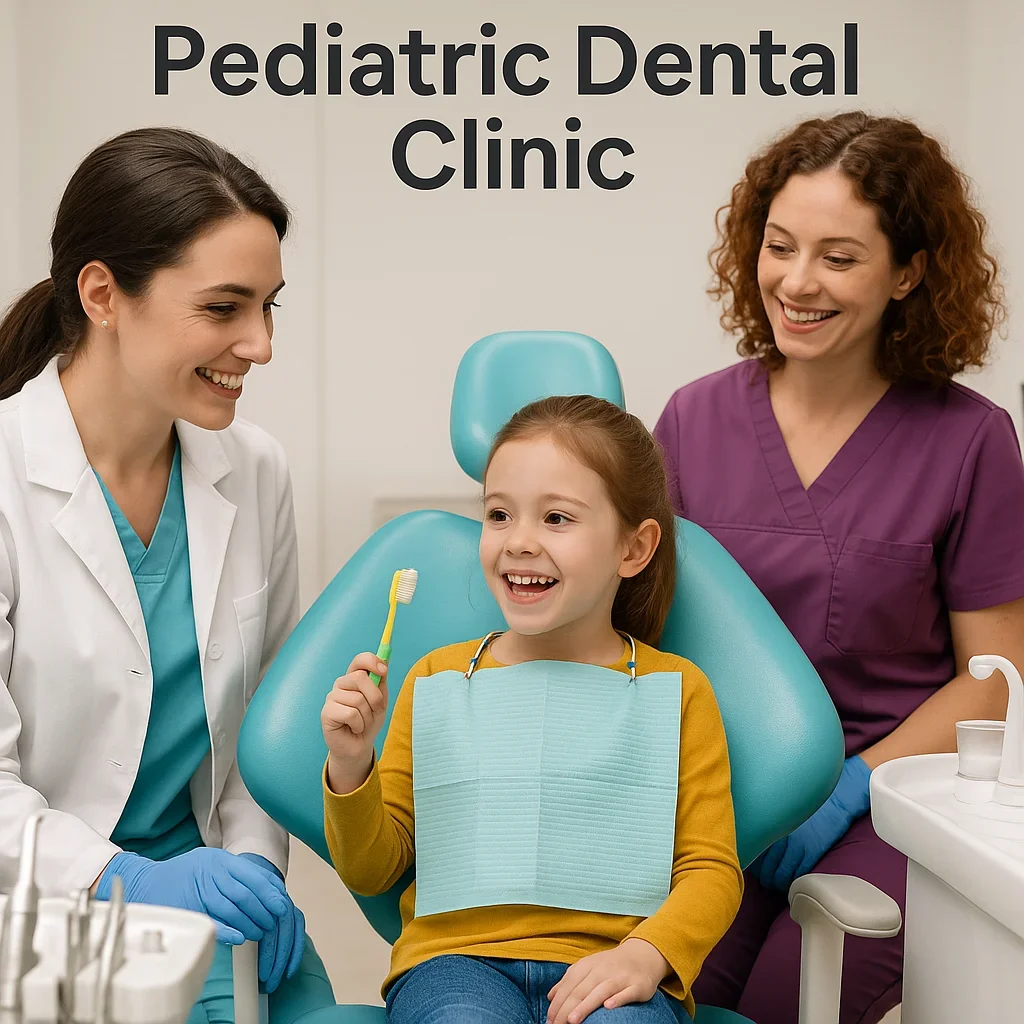
Modern technology has transformed how children experience dental care. Today’s pediatric dental clinic uses advanced tools and innovative methods to make every visit faster, safer, and even enjoyable. What used to be intimidating for kids is now an engaging experience filled with interactive learning, gentle digital treatments, and pain-free solutions. From 3D scanners to laser dentistry, technology allows pediatric dentists to deliver precision care while reducing fear and discomfort 🦷💡.
How Technology Improves Children’s Dental Experience
The primary goal of technology in a pediatric dental clinic is to enhance both comfort and effectiveness. Modern innovations minimize the need for invasive procedures, shorten treatment time, and improve diagnostic accuracy. Digital equipment also helps dentists explain procedures visually, making it easier for children to understand what’s happening. When kids see their teeth on a screen or get to “watch” their own digital scans, they feel involved and empowered — transforming dental visits into positive experiences rather than stressful ones.
Digital X-Rays: Safe and Quick Diagnostics
One of the most significant advancements in pediatric dentistry is the use of digital radiography. Traditional X-rays required film and higher radiation levels, but digital systems used by a pediatric dental clinic reduce exposure by up to 90%. The images are clearer, instant, and easy to store or share electronically. This means quicker diagnoses and less waiting time for children — a big win for busy families. Digital X-rays also enable early detection of cavities, tooth alignment issues, and developing jaw problems long before they become visible or painful.
3D Imaging for Accurate Treatment Planning
Many modern pediatric dental clinics use Cone Beam Computed Tomography (CBCT) to capture 3D images of teeth, jaws, and facial bones. This level of detail helps dentists plan orthodontic treatments, evaluate unerupted teeth, and assess bone development precisely. It’s especially useful for children requiring braces or corrective jaw treatments. The process is painless, non-invasive, and takes only a few seconds — ideal for young patients who have trouble sitting still 🖥️.
Laser Dentistry: Gentle, Needle-Free Treatments
Laser technology has revolutionized many dental procedures. A pediatric dental clinic equipped with soft-tissue and hard-tissue lasers can perform fillings, cavity treatments, and even gum reshaping without drills or anesthesia in many cases. Lasers emit a focused beam of light energy that removes decay or reshapes tissue precisely, minimizing pain, bleeding, and swelling. Children often find laser treatments fascinating because there’s no vibration, loud noise, or sharp sensation — just a quiet light doing the work. This innovation reduces fear and makes dental care genuinely stress-free 🌈.
Benefits of Laser Dentistry for Kids
- Virtually painless and needle-free experience
- Reduced risk of infection and faster healing
- Less bleeding and minimal tissue trauma
- Ideal for cavity preparation, frenectomies, and gum treatments
- Perfect for anxious or very young children
By integrating laser technology, a pediatric dental clinic ensures that even complex treatments are completed comfortably and quickly, helping build lifelong trust in dental care.
Intraoral Cameras: Transparency and Education
Small, pen-sized intraoral cameras allow dentists to show children and parents real-time images of the mouth on a monitor. This technology makes it easier for a pediatric dental clinic to explain diagnoses visually — showing exactly where cavities, plaque buildup, or gum irritation exist. When children see what’s happening in their own mouths, they often become more curious and cooperative. Parents also appreciate the transparency, as they can witness before-and-after results instantly.
Computer-Assisted Anesthesia Delivery (The Wand)
One of the biggest challenges for pediatric dentists is managing fear of needles. The Wand is a computer-controlled anesthesia delivery system that replaces the traditional syringe. A pediatric dental clinic using this device can deliver numbing medication slowly and precisely, reducing discomfort and removing the scary visual of a large needle. The result? Happier, calmer children who are more willing to return for future visits 😌.
Digital Impressions: No More Messy Molds
Gone are the days when kids had to bite into sticky impression material for several minutes. Today’s pediatric dental clinics use digital scanners to capture high-resolution 3D images of teeth and gums within seconds. These scans are more accurate than traditional molds and eliminate the gag reflex that often distresses children. Digital impressions are used for braces, crowns, retainers, and mouthguards, ensuring a perfect fit without discomfort.
Augmented Reality and Virtual Engagement
Some forward-thinking pediatric dental clinics are incorporating virtual reality (VR) and augmented reality (AR) into treatment environments. Children can watch cartoons or explore virtual worlds while dentists perform procedures. This distraction technique reduces anxiety and increases cooperation. AR games may even reward children for sitting still, turning dental visits into interactive adventures. Technology like this demonstrates how dentistry can be both educational and entertaining 🎮.
Artificial Intelligence (AI) in Pediatric Dentistry
AI-driven diagnostic tools are now helping dentists detect cavities, misalignments, and developmental issues earlier than ever before. By analyzing X-rays and photos, AI systems provide highly accurate assessments that complement the dentist’s expertise. A pediatric dental clinic using AI can predict tooth eruption timing, assess orthodontic needs, and personalize treatment plans. This not only enhances accuracy but also boosts efficiency and trust in the care process.
Personalized Preventive Plans Through AI
AI tools help identify risk patterns unique to each child — such as higher susceptibility to decay or gum disease. The pediatric dental clinic can then tailor preventive plans, including fluoride treatments or sealants, based on these insights. This proactive, data-backed approach ensures that each child receives targeted care designed for their individual needs.
Environment Design and Child-Friendly Technology
Beyond equipment, technology also shapes the clinic environment. Many pediatric dental clinics use ambient lighting, soothing sounds, and interactive screens to create a calm atmosphere. Touchscreen games in waiting areas and educational videos in treatment rooms help distract and relax children. Even the chairs are ergonomically designed for smaller bodies, ensuring comfort during longer procedures.
Integration of Tele-Dentistry for Remote Care
Tele-dentistry has become increasingly popular among families with busy schedules or limited access to dental specialists. Through video consultations, a pediatric dental clinic can assess minor issues, provide oral hygiene guidance, and determine if an in-person visit is necessary. This service also helps with post-treatment follow-ups, ensuring consistent care and peace of mind for parents — all from the comfort of home 💻.
Building Trust Through Innovation
Technology doesn’t just make dentistry easier; it builds trust. When children see gentle lasers, digital scanners, or animated 3D tooth models instead of drills and needles, their perception of dental care changes forever. A modern pediatric dental clinic uses these innovations to replace fear with fascination, creating positive associations with oral health for life. Families interested in experiencing cutting-edge pediatric care can schedule a visit through the Redent Klinik Contact Page, where advanced dental technology meets compassionate expertise.
Ultimately, the integration of modern dental technology ensures that every child’s visit is precise, efficient, and enjoyable. By combining innovation, education, and gentle care, a pediatric dental clinic not only treats teeth — it builds confidence, comfort, and a lifetime of healthy smiles 🌟.