
If you are asking yourself how can I get help with dental implants, you are not alone. Tooth loss is far more common than many people realize, and modern dentistry offers highly effective, long-lasting solutions. Dental implants are considered the gold standard for replacing missing teeth because they restore both function and appearance in a way that closely mimics natural teeth. Still, many patients feel overwhelmed at the beginning of the process. Questions about eligibility, cost, treatment steps, and where to start often cause hesitation. This guide is designed to give you clear, reliable, and practical answers so you can move forward with confidence 😊
At its core, understanding how can I get help with dental implants begins with knowing what dental implants are and why they are recommended. A dental implant is a small titanium post that is surgically placed into the jawbone to act as an artificial tooth root. Over time, this post integrates with the bone through a natural process called osseointegration. Once healed, a crown, bridge, or denture is attached to the implant, creating a stable and natural-looking replacement tooth. This structure allows implants to function like real teeth, unlike removable dentures that may shift or feel uncomfortable.
One of the most important reasons people search for how can I get help with dental implants is the desire to eat, speak, and smile without discomfort or embarrassment. Missing teeth can affect chewing efficiency, speech clarity, and facial structure. Over time, bone loss in the jaw may occur, leading to a sunken facial appearance. Dental implants help preserve jawbone density, support facial muscles, and restore confidence. For many patients, implants are not just a cosmetic solution but a significant improvement in overall quality of life 💙
Another key aspect of how can I get help with dental implants is determining whether you are a suitable candidate. Most adults with good general health can receive dental implants. Adequate jawbone density is important, but even patients with bone loss may still qualify through bone grafting procedures. Conditions such as diabetes or gum disease do not automatically disqualify you; they simply require proper management. A professional dental evaluation is essential to assess your oral health, medical history, and treatment goals before moving forward.
Many people also wonder how can I get help with dental implants if they have been missing teeth for a long time. The good news is that dental implants can often be placed years after tooth loss. Advances in dental technology, including 3D imaging and guided implant surgery, allow dentists to plan treatments with high precision. This means that even complex cases can be treated safely and predictably. If you have been living with missing teeth for years, it is absolutely not too late to explore your options 😄
When researching how can I get help with dental implants, it is important to understand the difference between temporary solutions and permanent ones. While bridges and dentures may initially seem more affordable or quicker, they often require replacement or adjustment over time. Dental implants, on the other hand, are designed to last for decades with proper care. This long-term reliability makes them a cost-effective solution in the long run, especially when considering oral health stability and comfort.
Another common concern tied to how can I get help with dental implants is safety. Dental implant procedures are widely recognized as safe and routine when performed by qualified professionals. According to leading dental authorities such as the American Dental Association, dental implants have a very high success rate. Modern anesthesia techniques and minimally invasive procedures help ensure patient comfort throughout the process. Most patients report that implant surgery is far less uncomfortable than they expected.
Understanding how can I get help with dental implants also means knowing what kind of support is available throughout the journey. From your first consultation to post-treatment follow-ups, reputable dental clinics guide you step by step. This includes personalized treatment planning, transparent communication, and aftercare instructions. If you are unsure where to begin, scheduling an initial consultation with a trusted clinic is the best first step. You can easily reach out through the Redent Klinik Contact Page to get professional guidance tailored to your needs.
In summary, asking how can I get help with dental implants is the starting point of a life-changing decision. Dental implants offer a permanent, natural, and highly functional solution for missing teeth. With today’s advanced techniques, experienced dental professionals, and patient-centered care, getting help with dental implants has never been more accessible. Taking the first step may feel intimidating, but with the right information and support, you can restore your smile and oral health with confidence 🌟
Understanding Dental Implants and Who They Are For
Before fully answering the question how can I get help with dental implants, it is essential to understand what dental implants are designed to do and who they are truly meant for. Many people assume dental implants are only for older adults or for those with severe tooth loss, but this is a misconception. Dental implants are a versatile and highly adaptable solution suitable for a wide range of patients, ages, and dental conditions 😊
What Exactly Are Dental Implants?
Dental implants are artificial tooth roots, typically made from biocompatible titanium, that are surgically placed into the jawbone. Once placed, they fuse with the bone and create a strong foundation for replacement teeth such as crowns, bridges, or implant-supported dentures. When patients ask how can I get help with dental implants, they are often looking for a solution that feels natural, looks realistic, and functions just like real teeth. Dental implants meet all of these expectations.
Unlike removable dentures, implants do not shift, click, or require adhesives. They are fixed in place and become a permanent part of your oral structure. This stability is one of the main reasons dentists recommend implants over traditional options.
Who Is an Ideal Candidate for Dental Implants?
Another crucial part of understanding how can I get help with dental implants is knowing whether you are a good candidate. In general, most adults who are missing one or more teeth can benefit from dental implants. Ideal candidates usually have:
- Healthy gums free of advanced periodontal disease
- Sufficient jawbone density or the ability to undergo bone grafting
- Good overall health to support healing
- Commitment to proper oral hygiene
However, even if you do not meet all these criteria initially, it does not mean implants are off the table. Modern dentistry offers solutions such as bone grafts, sinus lifts, and gum treatments that make implants possible for many patients who were once considered unsuitable.
Dental Implants for Younger Adults
Many younger adults also search how can I get help with dental implants after losing teeth due to accidents, sports injuries, or genetic conditions. As long as jaw growth is complete, dental implants can be an excellent long-term solution. For younger patients, implants help prevent bone loss and avoid the need for repeated dental work over a lifetime.
Dental Implants for Older Adults
Age alone is not a limiting factor. In fact, a significant number of people exploring how can I get help with dental implants are seniors who want to improve their comfort and quality of life. Dental implants can dramatically improve chewing ability, speech, and confidence, even in patients in their 70s or 80s. As long as general health conditions are well managed, implants are often a safe and effective choice 💪
Common Dental Problems Implants Can Solve
Understanding how can I get help with dental implants also involves recognizing the dental problems they address. Dental implants are commonly used for:
- Replacing a single missing tooth
- Replacing multiple missing teeth with implant-supported bridges
- Stabilizing loose or uncomfortable dentures
- Preventing jawbone loss after tooth extraction
Patients who struggle with slipping dentures or discomfort while eating often find implants life-changing. Implant-supported dentures provide unmatched stability and comfort compared to traditional removable dentures.
Medical Conditions and Dental Implants
A frequent concern when researching how can I get help with dental implants is whether medical conditions will prevent treatment. Conditions such as diabetes, osteoporosis, or heart disease do not automatically disqualify a patient. What matters most is proper medical management and coordination between your dentist and healthcare provider.
Smoking, however, can negatively impact implant success by slowing healing and increasing the risk of complications. Patients who are serious about getting help with dental implants are often advised to reduce or quit smoking to improve outcomes 🚭
Why Dental Implants Are a Long-Term Solution
When people ask how can I get help with dental implants, they are often looking beyond quick fixes. Dental implants are designed to last decades, sometimes even a lifetime, with proper care. Unlike bridges that rely on neighboring teeth or dentures that may need frequent adjustments, implants stand independently and protect surrounding oral structures.
This long-term reliability makes dental implants suitable for patients who want a stable, low-maintenance solution. Regular brushing, flossing, and dental checkups are usually all that is required to keep implants healthy.
In short, understanding how can I get help with dental implants starts with recognizing that implants are not a one-size-fits-all solution—but they are remarkably adaptable. Whether you are missing one tooth or many, young or older, recently experienced tooth loss or have lived with it for years, dental implants may be the right option for you 🌟
How Can I Get Help With Dental Implants If I’m Missing Multiple Teeth
Many people searching how can I get help with dental implants are not missing just one tooth, but several or even all of their teeth. Multiple tooth loss can significantly affect daily life, from chewing and speaking to facial appearance and self-confidence. The good news is that dental implants are especially powerful in these situations, offering stable, long-term solutions that go far beyond traditional dentures 😊
Why Multiple Missing Teeth Require a Specialized Approach
Understanding how can I get help with dental implants when multiple teeth are missing starts with recognizing that this situation is different from single-tooth replacement. When several teeth are lost, the jawbone begins to shrink more rapidly, facial muscles lose support, and bite alignment can shift. Over time, this may lead to digestive issues, jaw pain, and even premature aging of the face.
Dental implants address these problems at their source. By anchoring directly into the jawbone, implants restore chewing function, maintain bone density, and provide the structural support that natural teeth once offered. This is why implant-based solutions are often recommended for patients missing multiple teeth.
Implant-Supported Bridges for Multiple Tooth Loss
One of the most common answers to how can I get help with dental implants for multiple missing teeth is an implant-supported bridge. Unlike traditional bridges, which rely on neighboring natural teeth for support, implant-supported bridges are anchored by dental implants placed in the jawbone.
Instead of replacing every missing tooth with an individual implant, dentists strategically place implants to support a bridge that spans several teeth. This approach reduces cost, minimizes surgery, and still provides excellent stability and aesthetics. Patients often find implant-supported bridges feel almost identical to natural teeth 😄
Benefits of Implant-Supported Bridges
- Strong and stable chewing function
- No damage to surrounding healthy teeth
- Natural-looking appearance
- Long-lasting durability
For many patients, implant-supported bridges are the perfect balance between effectiveness and efficiency.
Full-Arch Dental Implants for Extensive Tooth Loss
For those missing most or all teeth, the question how can I get help with dental implants often leads to full-arch implant solutions. These treatments use a small number of implants—usually four to six per arch—to support a full set of replacement teeth.
This approach, sometimes known as full-mouth restoration, provides a fixed alternative to removable dentures. The implants act as anchors, holding a complete arch of teeth securely in place. Patients can eat, speak, and smile with confidence, without worrying about slipping or discomfort.
Why Full-Arch Implants Are Life-Changing
People who have worn traditional dentures often describe full-arch implants as transformative. When asking how can I get help with dental implants, many denture wearers are seeking freedom from adhesives, sore gums, and limited food choices. Full-arch implants eliminate these issues by providing unmatched stability and comfort 💙
Jawbone Preservation and Facial Support
A major reason dental professionals emphasize how can I get help with dental implants for multiple missing teeth is bone preservation. When teeth are missing, the jawbone no longer receives stimulation from chewing forces, leading to gradual bone loss.
Dental implants help prevent this process by mimicking natural tooth roots. This stimulation maintains bone density and supports facial structure. Patients often notice improved facial fullness and a more youthful appearance after implant treatment.
What If I’ve Been Missing Teeth for Years?
Many people delay treatment and later wonder how can I get help with dental implants after years of tooth loss. While long-term bone loss may occur, this does not automatically disqualify you. Modern techniques such as bone grafting and advanced imaging allow dentists to rebuild bone and place implants safely.
With proper planning, even complex cases can be successfully treated. This is why a professional consultation is essential—it allows the dentist to evaluate your unique situation and recommend the most effective solution.
Customized Treatment Planning Is Key
No two cases of multiple tooth loss are identical. Answering how can I get help with dental implants requires a personalized approach based on the number of missing teeth, bone condition, overall health, and patient goals. A reputable clinic will create a customized treatment plan that outlines every step, from implant placement to final restoration.
If you are unsure where to begin, reaching out through the Redent Klinik Contact Page can help you take the first step toward a tailored solution.
Long-Term Success and Daily Life With Implants
Patients often worry about daily maintenance when asking how can I get help with dental implants. The good news is that implant-supported solutions are easy to care for. Regular brushing, flossing, and routine dental visits are usually sufficient. Unlike removable dentures, implants do not need to be taken out or soaked.
In conclusion, if you are missing multiple teeth, dental implants offer one of the most reliable, comfortable, and natural solutions available. Understanding how can I get help with dental implants in this context opens the door to restoring function, appearance, and confidence for the long term 🌟
Where to Start When You Need Help With Dental Implants
One of the most common struggles for patients is not deciding whether they want implants, but understanding how can I get help with dental implants from the very beginning. The process can feel confusing if you do not know where to start, who to contact, or what steps come first. This section breaks everything down clearly so you can move forward with confidence instead of uncertainty 😊
The First Step: A Professional Dental Evaluation
If you are asking how can I get help with dental implants, the absolute first step is a comprehensive dental consultation. This is not just a quick checkup—it is a detailed assessment of your oral health, jawbone condition, medical history, and expectations. During this visit, the dentist evaluates whether dental implants are suitable for you and which type of implant solution would be most effective.
Modern clinics often use advanced diagnostic tools such as digital X-rays and 3D CBCT scans. These technologies allow the dentist to see bone density, nerve locations, and sinus anatomy with high precision. This detailed planning is critical to ensure implant safety and long-term success.
Why Self-Diagnosis Is Not Enough
Many people research online and think they already know how can I get help with dental implants, but every mouth is different. Two patients with the same number of missing teeth may require completely different treatment plans. Only a qualified dental professional can determine the safest and most effective approach for your specific case.
Choosing the Right Dental Clinic
Another essential part of understanding how can I get help with dental implants is selecting the right clinic. Not all dental offices offer the same level of experience, technology, or implant expertise. Ideally, you should look for a clinic that:
- Has extensive experience with dental implant procedures
- Uses modern diagnostic and surgical technology
- Offers personalized treatment planning
- Provides clear communication and aftercare support
A reputable clinic will never rush you into treatment. Instead, they will explain every step, answer your questions honestly, and help you feel comfortable with your decision.
Understanding the Initial Treatment Plan
Once you decide where to begin, the next phase of how can I get help with dental implants is receiving a structured treatment plan. This plan typically includes:
- The number of implants needed
- Any preparatory procedures such as extractions or bone grafting
- The timeline from implant placement to final restoration
- Estimated costs and payment options
This roadmap helps you understand exactly what to expect and removes much of the anxiety associated with implant treatment.
Bone Grafting and Preparatory Procedures
Some patients discover during consultation that they need additional procedures before implants can be placed. If you are wondering how can I get help with dental implants when you have bone loss, bone grafting may be recommended. This procedure rebuilds the jawbone and creates a stable foundation for implants. While this may extend the treatment timeline, it significantly improves long-term success rates.
Medical History and Health Considerations
An important but often overlooked aspect of how can I get help with dental implants is your general health. During the initial phase, the dentist will review conditions such as diabetes, heart disease, or immune system issues. This is not to exclude you, but to plan safely.
In many cases, dental implants are still possible with proper medical coordination. Dentists may work closely with your physician to ensure healing and implant integration proceed smoothly.
Financial Planning and Transparency
For many patients, the question how can I get help with dental implants is closely tied to cost concerns. A trustworthy clinic will discuss financial details upfront. While exact prices vary depending on the complexity of the case, location, and materials used, clear communication prevents unpleasant surprises.
Some clinics offer staged treatment plans, allowing implants to be placed gradually. Others provide financing options to make care more accessible. Understanding these options early helps you plan comfortably without unnecessary stress 💡
Getting Started With Confidence
Once you have completed your consultation, reviewed your treatment plan, and addressed financial considerations, you are officially on your way. At this point, how can I get help with dental implants shifts from a question into a clear action plan.
If you are ready to take the first step, reaching out through the Redent Klinik Contact Page can help you connect with professionals who guide you from the very beginning through every stage of treatment.
In summary, knowing where to start is one of the most important parts of how can I get help with dental implants. With the right clinic, proper evaluation, and a personalized plan, the process becomes structured, manageable, and reassuring. The journey may take time, but each step brings you closer to a healthier, more confident smile 🌟
How Can I Get Help With Dental Implants Through Dental Clinics and Specialists
Once you understand the basics and know where to begin, the next major step in answering how can I get help with dental implants is choosing the right dental clinic and working with qualified specialists. Dental implants are not a one-size-fits-all treatment, and their long-term success depends heavily on professional expertise, proper planning, and coordinated care. This section explains how clinics and specialists work together to deliver safe, predictable, and satisfying implant results 😊
The Role of Dental Clinics in Implant Treatment
When patients ask how can I get help with dental implants, they are often surprised to learn how much support a modern dental clinic provides. A reputable clinic does far more than place implants. It manages the entire journey—from diagnosis and planning to surgery, restoration, and long-term maintenance.
Well-equipped clinics offer advanced diagnostic tools such as digital imaging, 3D scans, and computer-guided implant planning. These technologies allow dentists to plan implant placement with extreme accuracy, reducing risks and improving outcomes. Clinics also ensure that every step follows strict hygiene and safety protocols, giving patients peace of mind.
Who Are the Specialists Involved?
Understanding how can I get help with dental implants also means knowing who is responsible for each part of the treatment. Depending on the complexity of your case, several dental professionals may be involved:
- Implantologists or oral surgeons – perform the surgical placement of implants
- Prosthodontists – design and place crowns, bridges, or implant-supported dentures
- Periodontists – manage gum health and bone support
- General dentists – coordinate care and provide ongoing maintenance
This team-based approach ensures that every aspect of your treatment is handled by a professional with the appropriate expertise.
Why Specialist Experience Matters
Many patients searching how can I get help with dental implants focus mainly on cost or convenience, but experience is just as important. Implant placement requires precise knowledge of anatomy, bone biology, and surgical technique. Specialists with extensive implant experience can anticipate challenges, avoid complications, and adapt treatment plans to unique situations.
This expertise is especially critical for complex cases involving bone loss, sinus proximity, or full-arch restorations.
Personalized Treatment Planning in Clinics
One of the biggest advantages of seeking help through established dental clinics is personalized treatment planning. When answering how can I get help with dental implants, dentists do not rely on generic solutions. Instead, they consider factors such as:
- Number and location of missing teeth
- Jawbone quality and volume
- Bite alignment and chewing habits
- Medical history and lifestyle factors
This individualized approach leads to more predictable results and higher patient satisfaction.
Communication and Patient Education
A key part of how can I get help with dental implants through clinics is clear communication. Quality clinics prioritize patient education, ensuring you understand each step of the process. This includes explaining surgical procedures, healing timelines, and aftercare instructions in simple, understandable language.
Patients who feel informed are more relaxed and more likely to follow post-treatment guidelines, which directly impacts implant success 🧠
Aftercare and Long-Term Support
Dental implant treatment does not end when the crown is placed. Clinics play a vital role in long-term success by providing follow-up care and maintenance. If you are asking how can I get help with dental implants beyond surgery, this ongoing support is essential.
Routine checkups allow dentists to monitor implant stability, gum health, and bite alignment. Professional cleanings help prevent peri-implant diseases and ensure implants last for many years.
What Patients Can Expect After Treatment
After completing implant treatment, most patients report improved comfort, confidence, and quality of life. Knowing how can I get help with dental implants through a supportive clinic means you are never left alone after treatment. Guidance, monitoring, and professional care continue long after the procedure is finished 💙
Taking the Next Step With the Right Clinic
Choosing a clinic is one of the most important decisions in the entire implant journey. If you are still wondering how can I get help with dental implants, start by contacting a clinic that values experience, transparency, and patient-centered care.
You can take an informed first step by reaching out through the Redent Klinik Contact Page to connect with professionals who guide you through every stage of dental implant treatment.
In conclusion, understanding how can I get help with dental implants through dental clinics and specialists highlights the importance of expertise, teamwork, and long-term support. With the right professionals by your side, dental implants become a safe, structured, and rewarding solution for restoring your smile 🌟
Financial Options and Insurance Support for Dental Implants
For many patients, the biggest barrier when asking how can I get help with dental implants is financial uncertainty. Dental implants are a long-term investment in oral health, comfort, and confidence, but understanding how to pay for them can feel overwhelming. The good news is that modern dental clinics offer multiple financial pathways, insurance coordination, and flexible options that make implant treatment far more accessible than most people expect 😊
Why Dental Implants Are Priced Differently Than Other Treatments
Before diving into payment options, it helps to understand why cost is part of the discussion around how can I get help with dental implants. Dental implants involve advanced materials, precise surgical procedures, and multiple stages of care. Unlike dentures or bridges, implants are designed to last decades, often a lifetime, with proper care.
The overall cost typically reflects:
- The number of implants required
- Bone grafting or preparatory procedures
- The type of restoration (crown, bridge, or full-arch)
- Technology and materials used
- Professional expertise and follow-up care
When viewed as a long-term solution rather than a temporary fix, many patients find that dental implants offer excellent value over time.
Typical Dental Implant Cost Ranges
Patients researching how can I get help with dental implants often want realistic price expectations. While costs vary by country, clinic, and case complexity, the following general ranges are commonly referenced in clinical practice:
Estimated Cost Ranges (General Reference):
- Single dental implant with crown: $3,000 – $5,000
- Implant-supported bridge: $6,000 – $15,000
- Full-arch implant restoration: $15,000 – $30,000 per arch
These figures are provided for educational purposes only and may differ depending on individual treatment needs and location. A personalized consultation is always necessary for accurate pricing.
Dental Insurance and Implant Coverage
A common question related to how can I get help with dental implants is whether insurance will cover the procedure. While many traditional dental insurance plans do not fully cover implants, partial coverage is increasingly common.
Insurance may contribute to:
- Initial consultations and diagnostics
- Tooth extractions
- Crowns placed on implants
- Bone grafting in certain cases
Some medical insurance plans may also provide coverage if tooth loss is related to trauma or medical conditions. Experienced clinics often assist patients by verifying benefits and submitting claims to maximize coverage.
Why Insurance Should Not Stop You From Exploring Implants
Even if insurance coverage is limited, it does not mean implants are out of reach. Patients who stop their search at insurance restrictions often miss alternative solutions that answer how can I get help with dental implants in a practical way.
Flexible Payment Plans and Financing Options
One of the most effective answers to how can I get help with dental implants is flexible financing. Many dental clinics offer structured payment plans that allow patients to spread costs over time instead of paying everything upfront.
Common financing options include:
- Monthly installment plans
- In-house financing programs
- Third-party healthcare financing providers
These options make dental implants more manageable for patients on a fixed or monthly income, without compromising treatment quality 💳
Staged Treatment as a Financial Strategy
Another smart approach for patients asking how can I get help with dental implants is staged treatment. Instead of completing all procedures at once, treatment can be planned in phases.
For example:
- Initial implant placement may be done first
- Restorations can be completed later
- Additional implants added over time if needed
This strategy allows patients to manage costs gradually while still moving toward a permanent solution.
Long-Term Value vs. Short-Term Savings
When evaluating how can I get help with dental implants, it is important to consider long-term value rather than short-term savings. Cheaper alternatives such as removable dentures often require frequent replacements, adjustments, and repairs. Over time, these ongoing costs may exceed the one-time investment of dental implants.
Implants also help prevent bone loss, reduce future dental complications, and support overall oral health—benefits that are difficult to measure financially but have significant impact on quality of life 💙
Discussing Costs Openly With Your Clinic
A trustworthy dental clinic will always encourage open discussions about finances. If you are wondering how can I get help with dental implants without financial stress, transparency is key. Clinics that explain costs clearly, outline options, and help you plan responsibly are often the best partners for long-term success.
In summary, financial concerns should never stop you from exploring dental implants. With insurance coordination, payment plans, and personalized treatment strategies, there are many practical answers to how can I get help with dental implants. The right clinic will help you find a solution that fits both your dental needs and your budget 🌟
Dental Implant Consultation Process Explained Step by Step
For many patients, the turning point in understanding how can I get help with dental implants is the consultation. This is where questions become clear answers, anxiety turns into a plan, and uncertainty is replaced with confidence. A proper dental implant consultation is not a single appointment—it is a structured, step-by-step process designed to evaluate your needs, protect your health, and ensure long-term success 😊
Step 1: Initial Discussion and Patient Goals
The consultation begins with a detailed conversation. When patients ask how can I get help with dental implants, dentists first want to understand why you are seeking treatment. Are you struggling with chewing? Are dentures uncomfortable? Do you feel self-conscious about your smile?
This discussion helps the dental team align treatment with your personal goals. Some patients want a fully fixed solution, while others prioritize minimal surgery or staged treatment. There is no universal approach—your goals guide the plan.
Step 2: Comprehensive Oral Examination
The next step in answering how can I get help with dental implants is a thorough oral examination. The dentist examines your teeth, gums, bite alignment, and jaw function. Gum health is especially important because healthy gums are essential for implant success.
Signs of gum disease, infections, or untreated cavities are identified at this stage. These issues must be addressed before implants are placed to reduce complications and improve healing outcomes.
Why Gum Health Matters
Patients often underestimate the role of gums when researching how can I get help with dental implants. Healthy gums create a protective seal around implants, reducing the risk of peri-implant infections and long-term failure.
Step 3: Advanced Imaging and Diagnostic Scans
Modern implant consultations rely heavily on technology. One of the most critical steps in how can I get help with dental implants is advanced imaging, such as digital X-rays or 3D CBCT scans.
These scans allow dentists to evaluate:
- Jawbone density and volume
- Nerve pathways
- Sinus location in the upper jaw
- Exact implant placement angles
This level of detail ensures implants are placed safely and accurately, minimizing risks and improving long-term stability.
Step 4: Medical History Review
Another essential part of how can I get help with dental implants is reviewing your medical background. Conditions such as diabetes, heart disease, autoimmune disorders, or medications like blood thinners are carefully evaluated.
This step is not meant to disqualify you, but to customize your treatment safely. In many cases, implant treatment is fully possible with small adjustments to timing, medication, or healing protocols.
Step 5: Personalized Treatment Plan Creation
Once all evaluations are complete, the dentist creates a customized treatment plan. This is where how can I get help with dental implants becomes a clear roadmap rather than a vague idea.
Your plan typically includes:
- Number and location of implants
- Type of restoration (crown, bridge, or full-arch)
- Need for bone grafting or extractions
- Estimated treatment timeline
- Healing phases and follow-up schedule
Everything is explained in detail, giving you a full understanding of what lies ahead.
Transparency Builds Confidence
Patients who feel informed are far more comfortable moving forward. A good consultation answers how can I get help with dental implants honestly, without pressure or rushed decisions.
Step 6: Discussion of Costs and Scheduling
The consultation also includes a clear discussion of financial considerations. Understanding how can I get help with dental implants means knowing the costs, available payment plans, and treatment phases.
Clinics often help patients coordinate insurance benefits or financing options. Scheduling is also discussed, allowing you to plan treatment around work, travel, or personal commitments 🗓️
Step 7: Patient Questions and Decision Time
The final step in the consultation process is time for questions. Patients are encouraged to ask anything—from surgical comfort to long-term maintenance. This is a critical moment in the journey of how can I get help with dental implants.
A reputable clinic never pressures you to decide immediately. Instead, they give you the space and information needed to make a confident, informed choice.
From Consultation to Action
Once the consultation is complete, many patients feel relief rather than fear. What started as a simple question—how can I get help with dental implants—has now become a clear, structured plan.
If you are ready to move from questions to answers, scheduling a consultation through the Redent Klinik Contact Page can be the first step toward restoring your smile.
In summary, the dental implant consultation process is designed to protect your health, clarify your options, and ensure long-term success. Understanding how can I get help with dental implants becomes much easier when each step is explained, personalized, and supported by experienced professionals 🌟
How Can I Get Help With Dental Implants During the Healing and Recovery Phase
For many patients, understanding how can I get help with dental implants does not end with surgery. In fact, the healing and recovery phase is one of the most important parts of the entire implant journey. Proper guidance, realistic expectations, and professional support during this period directly affect implant success, comfort, and long-term results. Knowing what happens after implant placement helps reduce anxiety and ensures a smoother recovery 😊
What Happens Immediately After Implant Surgery?
Right after implant placement, it is normal to experience mild swelling, tenderness, or minor discomfort. Patients asking how can I get help with dental implants often worry about pain, but most describe it as manageable and less intense than expected. Dentists typically prescribe pain relievers or recommend over-the-counter medications to keep you comfortable.
Swelling usually peaks within the first 48–72 hours and then gradually subsides. Ice packs, rest, and following post-operative instructions play a major role in controlling inflammation.
First 24–72 Hours: Critical Care Window
The first few days are crucial when learning how can I get help with dental implants during recovery. Patients are advised to:
- Avoid strenuous physical activity
- Eat soft foods
- Maintain gentle oral hygiene
- Avoid smoking or alcohol
These steps support proper healing and reduce the risk of complications.
The Osseointegration Phase Explained
One of the most important concepts in understanding how can I get help with dental implants is osseointegration. This is the biological process where the implant fuses with the jawbone, creating a stable foundation for the final restoration.
Osseointegration typically takes several weeks to a few months, depending on bone quality, implant location, and individual healing capacity. During this time, the implant remains beneath the gum or is protected by a healing abutment.
Patients are often surprised that this phase is largely symptom-free. Once initial soreness subsides, most people return to normal daily activities without discomfort 😌
Follow-Up Appointments and Monitoring
Regular follow-up visits are a key part of how can I get help with dental implants during recovery. These appointments allow the dentist to:
- Monitor healing progress
- Check gum health around the implant
- Ensure proper integration with the bone
- Adjust temporary restorations if needed
These checkups are preventive, ensuring small issues are addressed early before they become larger concerns.
Diet and Lifestyle During Recovery
Patients frequently ask how can I get help with dental implants while adjusting daily habits. Diet plays an important role in recovery. Soft, nutritious foods such as soups, yogurt, eggs, and smoothies are recommended during early healing.
As healing progresses, firmer foods can gradually be reintroduced. Dentists also emphasize hydration and balanced nutrition to support tissue repair and bone healing.
Smoking and Healing Risks
Smoking is one of the most significant risk factors affecting implant success. Patients serious about how can I get help with dental implants are strongly encouraged to stop or significantly reduce smoking during recovery. Smoking interferes with blood flow and can delay or prevent proper osseointegration.
Emotional Reassurance and Support
Recovery is not only physical—it can be emotional as well. Patients sometimes worry whether everything is healing correctly. Knowing how can I get help with dental implants includes understanding that reassurance is part of professional care.
Quality clinics encourage patients to reach out if they experience unusual pain, swelling, or concerns. This open communication builds trust and confidence throughout recovery 💙
Transition to Final Restoration
Once healing is complete and the implant is fully integrated, the next step in how can I get help with dental implants is placing the final restoration. This may be a crown, bridge, or implant-supported denture.
The dentist carefully designs the restoration to match your natural teeth in color, shape, and function. Bite alignment is checked to ensure even pressure distribution, which protects the implant long term.
Long-Term Care After Healing
Healing does not stop once the crown is placed. Long-term success depends on daily care and routine dental visits. Understanding how can I get help with dental implants means committing to good oral hygiene practices, including brushing, flossing, and professional cleanings.
With proper care, dental implants can last for decades, providing stable function and natural aesthetics.
In conclusion, the healing and recovery phase is a vital part of the implant journey. Knowing how can I get help with dental implants during this time means following professional guidance, attending follow-ups, and caring for your oral health consistently. With the right support, recovery is smooth, predictable, and leads to long-lasting results 🌟
Choosing the Right Clinic to Get Help With Dental Implants
For many patients, the final and most critical step in answering how can I get help with dental implants is choosing the right dental clinic. Even the best implant materials and techniques can fall short if the clinic lacks experience, transparency, or patient-centered care. Selecting the right provider directly influences safety, comfort, long-term success, and overall satisfaction. This section helps you understand exactly what to look for and how to make a confident decision 😊
Why the Clinic Choice Matters So Much
When people search how can I get help with dental implants, they often focus on the procedure itself, but the clinic plays an equally important role. Dental implant treatment is a process that spans months and includes diagnosis, surgery, healing, restoration, and long-term maintenance.
A well-chosen clinic ensures consistency at every stage. From accurate diagnosis to precise implant placement and attentive aftercare, experienced clinics reduce risks and improve outcomes significantly.
Experience and Expertise as Top Priorities
One of the first things to evaluate when deciding how can I get help with dental implants is the clinic’s experience. Dental implants require advanced training and hands-on expertise. Clinics that regularly perform implant procedures are more prepared to handle both routine and complex cases.
You should feel comfortable asking:
- How many implant procedures does the clinic perform annually?
- Do they handle complex cases such as bone loss or full-arch implants?
- Are specialists involved when necessary?
Clinics that welcome these questions and provide clear answers usually have nothing to hide.
Technology and Modern Equipment
Another key indicator when evaluating how can I get help with dental implants is technology. Clinics using digital imaging, 3D scans, and guided implant surgery offer greater precision and predictability. These tools allow dentists to plan implant placement virtually before surgery, reducing complications and improving accuracy.
Transparency and Clear Communication
Trust is essential when choosing where how can I get help with dental implants. A reliable clinic communicates openly about treatment options, timelines, risks, and costs. There should be no pressure, vague answers, or hidden details.
During consultations, pay attention to whether the dental team:
- Explains procedures in understandable language
- Encourages questions
- Provides written treatment plans
- Discusses alternatives honestly
Clear communication builds confidence and reduces anxiety throughout the treatment journey 🧠
Patient Reviews and Real Experiences
One practical way to answer how can I get help with dental implants is to learn from other patients. Online reviews, testimonials, and before-and-after cases offer insight into real experiences.
While no clinic will have perfect reviews, consistent positive feedback about professionalism, comfort, and results is a strong indicator of quality care.
Aftercare and Long-Term Support
Choosing the right clinic for how can I get help with dental implants also means thinking beyond surgery. Long-term success depends on follow-up care, maintenance, and professional monitoring.
A good clinic offers:
- Scheduled follow-up appointments
- Professional implant cleanings
- Ongoing gum and bone health monitoring
- Easy access to the dental team if concerns arise
This ongoing relationship is essential for protecting your investment and oral health 💙
Accessibility and Patient Comfort
Comfort is not only physical but emotional. Clinics that prioritize patient experience understand that people asking how can I get help with dental implants may feel nervous or uncertain. Friendly staff, a calm environment, and respectful communication make a meaningful difference.
Comparing Clinics Without Feeling Overwhelmed
It is completely acceptable—and often wise—to consult more than one clinic before deciding. Comparing opinions helps clarify how can I get help with dental implants in the way that feels right for you.
However, avoid choosing solely based on the lowest price. Implant treatment is a medical procedure, not a commodity. Experience, safety, and long-term results should always outweigh short-term savings.
Taking the Final Step With Confidence
Once you find a clinic that combines experience, transparency, modern technology, and patient-focused care, the question how can I get help with dental implants becomes a confident decision rather than a concern.
If you are ready to move forward, connecting with a trusted clinic through the Redent Klinik Contact Page can help you take that final step with clarity and reassurance.
In conclusion, choosing the right clinic is the foundation of successful implant treatment. By carefully evaluating expertise, communication, technology, and aftercare, you ensure that how can I get help with dental implants is answered with safety, quality, and long-term satisfaction 🌟
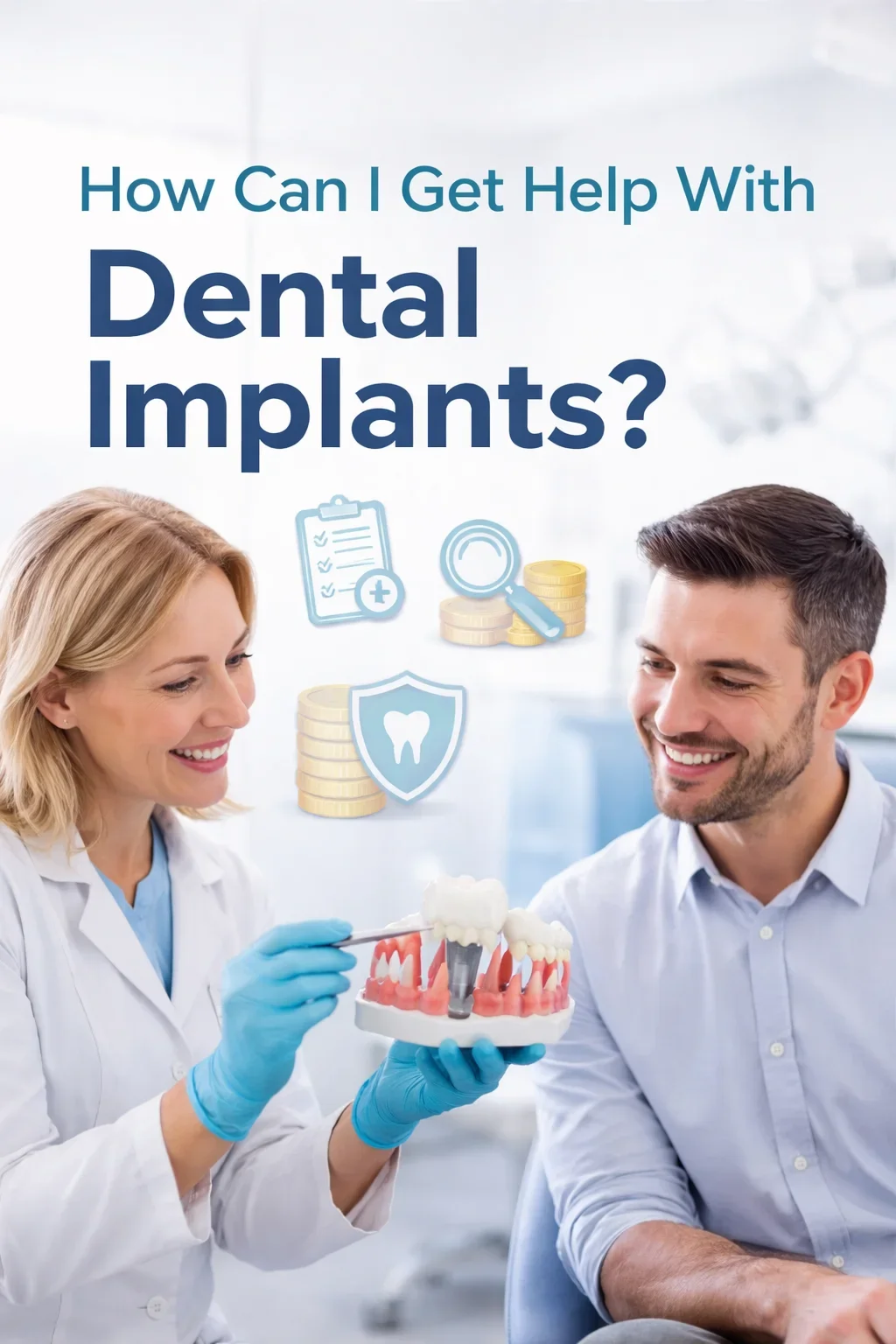
Long-Term Care, Maintenance, and Ongoing Support After Dental Implants
Many people believe that once the implant crown is placed, the journey ends. In reality, understanding how can I get help with dental implants also means knowing how to care for them long term. Dental implants are designed to be a permanent solution, but their success depends on consistent maintenance, professional monitoring, and healthy daily habits. This section explains how long-term care works and how ongoing support protects your investment and oral health 😊
Why Long-Term Care Is Essential for Dental Implants
When patients ask how can I get help with dental implants, they often focus on surgery and recovery, but maintenance is just as important. Although implants cannot decay like natural teeth, the surrounding gums and bone are still vulnerable to infection and inflammation.
Without proper care, conditions such as peri-implant mucositis or peri-implantitis may develop. These are inflammatory conditions affecting the tissue around implants and can lead to bone loss if left untreated. Long-term care dramatically reduces these risks and helps implants last for decades.
Daily Oral Hygiene for Implant Health
One of the most practical answers to how can I get help with dental implants is simple: daily oral hygiene. Caring for implants is similar to caring for natural teeth, but consistency is key.
Patients are generally advised to:
- Brush at least twice daily using a soft-bristled toothbrush
- Use non-abrasive toothpaste to protect implant surfaces
- Floss daily or use interdental brushes around implants
- Rinse with dentist-approved mouthwash if recommended
These habits help keep the gums healthy and prevent bacterial buildup around the implant.
Special Tools for Implant Care
Some patients exploring how can I get help with dental implants benefit from specialized cleaning tools. Water flossers, implant-safe interdental brushes, and professional-grade oral care products can improve hygiene in hard-to-reach areas.
Your dentist can recommend tools tailored to your specific implant design and oral anatomy.
Routine Dental Visits and Professional Monitoring
Regular dental checkups are a cornerstone of how can I get help with dental implants over the long term. These visits allow your dentist to assess implant stability, gum health, and bite alignment.
During professional maintenance appointments, dentists:
- Check for early signs of inflammation or bone loss
- Perform professional implant-safe cleanings
- Evaluate bite forces to prevent overload
- Review oral hygiene techniques
Early detection of minor issues prevents costly or complex interventions later.
Lifestyle Factors That Affect Implant Longevity
Another important aspect of how can I get help with dental implants is lifestyle awareness. Certain habits can influence how long implants last.
Smoking, for example, significantly increases the risk of implant complications by reducing blood flow and slowing healing. Patients committed to long-term success are strongly encouraged to quit or minimize smoking 🚭
Teeth grinding (bruxism) can also place excessive pressure on implants. If this is a concern, your dentist may recommend a custom night guard to protect your implants during sleep.
What to Do If You Notice Changes
Knowing how can I get help with dental implants also means recognizing when to seek professional advice. If you experience gum bleeding, swelling, discomfort, or changes in bite sensation around an implant, contacting your dentist promptly is essential.
Most implant-related issues are manageable when addressed early. Clinics that provide long-term support encourage patients to report concerns without hesitation.
Ongoing Support From Your Dental Clinic
A trusted clinic remains your partner long after treatment is complete. Understanding how can I get help with dental implants includes knowing that professional support does not end with crown placement.
Reputable clinics provide:
- Scheduled maintenance programs
- Long-term monitoring plans
- Easy access to professional advice
- Continued education on implant care
This ongoing relationship helps ensure implants remain healthy and functional for many years 💙
Protecting Your Investment for Life
Dental implants are one of the most durable solutions in modern dentistry, but their longevity depends on teamwork between patient and provider. By committing to proper care, routine visits, and healthy habits, you actively answer how can I get help with dental implants every day.
If you ever need guidance, maintenance, or reassurance, reaching out through the Redent Klinik Contact Page ensures continued professional support.
In conclusion, long-term care is the final piece of the dental implant journey. Understanding how can I get help with dental implants means recognizing that implants are not just placed—they are maintained, protected, and supported over time. With the right habits and professional care, dental implants can provide comfort, confidence, and function for a lifetime 🌟