
Dental implants are one of the most effective and long-lasting solutions for replacing missing teeth. However, one of the most common questions patients ask before starting treatment is: how long does it take for an implant? Understanding the timeline of the dental implant procedure helps patients feel more prepared, reduces anxiety, and allows them to plan their treatment journey more confidently. While every patient’s situation is unique, there is a general timeline that most implant procedures follow.
In simple terms, the total process of dental implant treatment usually takes anywhere from 3 to 9 months. In some cases, it may even take up to a year depending on the patient’s oral health, bone density, and whether additional procedures such as bone grafting are needed. So when patients ask how long does it take for an implant, dentists typically explain that the process occurs in several stages rather than happening in a single appointment.
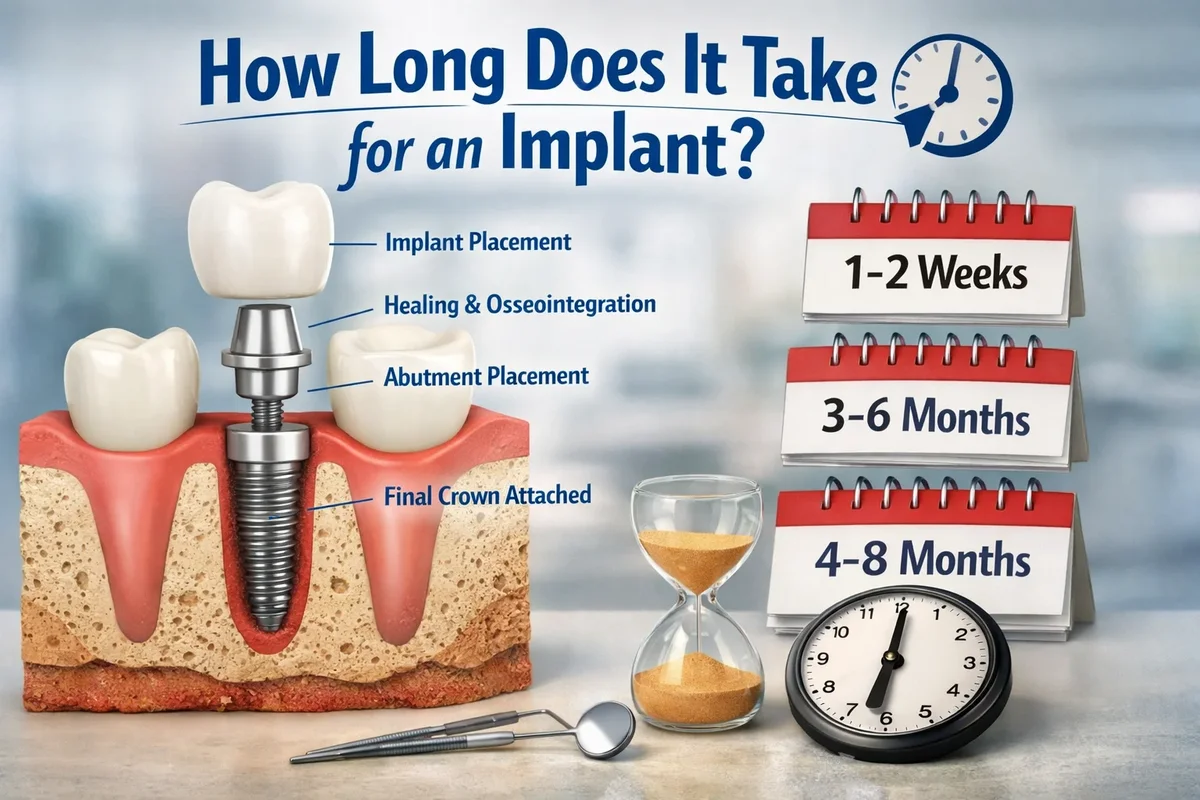
To understand how long does it take for an implant, it is important to know the phases involved in the procedure. The dental implant process typically includes consultation and planning, implant placement surgery, healing and osseointegration, and finally the placement of the dental crown. Each of these stages plays a critical role in ensuring the implant becomes a stable and permanent replacement for the missing tooth.
🦷 Initial Consultation and Treatment Planning
The journey begins with a comprehensive dental evaluation. During this appointment, the dentist will examine your teeth, gums, and jawbone using X-rays or 3D scans. This helps determine whether you are a suitable candidate for implants. Many patients asking how long does it take for an implant are surprised to learn that proper planning is essential for success. This phase may take one or two appointments, but it ensures the implant will integrate correctly with the jawbone.
If the dentist discovers insufficient bone volume, additional treatments such as bone grafting may be recommended. These procedures can add several months to the overall timeline, which is why the answer to how long does it take for an implant can vary between patients.
🦷 The Implant Placement Procedure
The next stage is the surgical placement of the implant post into the jawbone. This procedure is usually performed under local anesthesia and generally takes between 1 and 2 hours depending on the complexity of the case. Although the surgery itself is relatively quick, the healing process afterward is what determines how long does it take for an implant to become fully functional.
After the implant post is inserted, the gum tissue is typically closed over the implant, allowing the bone to begin bonding with the titanium post. This biological process is called osseointegration, and it is one of the most important factors in determining how long does it take for an implant to fully heal.
🦷 The Healing Period
The healing phase usually lasts between 3 and 6 months. During this time, the implant integrates with the surrounding bone, creating a stable foundation similar to a natural tooth root. This stage is critical for long-term success because it ensures the implant can support a crown, bridge, or denture without movement.
Patients often ask repeatedly during this period, how long does it take for an implant to feel normal. In most cases, mild swelling or discomfort lasts only a few days after surgery, but the internal healing continues for several months. Following the dentist’s aftercare instructions, maintaining good oral hygiene, and attending follow-up appointments can help ensure the process progresses smoothly.
🦷 Placement of the Abutment and Crown
Once the implant has successfully fused with the jawbone, the dentist will attach an abutment, which acts as a connector between the implant and the final dental crown. A custom-made crown is then placed on top, restoring both the appearance and function of the missing tooth.
This final step usually requires a few additional weeks for impressions, crown fabrication, and fitting. At this point, the entire treatment timeline answers the original question: how long does it take for an implant. For many patients, the full journey from consultation to final crown ranges between 4 and 8 months.
According to the American Dental Association, dental implants have a success rate of over 95% when properly planned and maintained. This is why dentists emphasize patience during the treatment process. Although patients often want immediate results, allowing sufficient healing time ensures the implant becomes a durable and long-lasting tooth replacement.
💡 If you are considering dental implants and would like a personalized treatment plan, you can contact a professional dental team for guidance. Visit the Redent Klinik Contact Page to schedule a consultation and learn exactly how long does it take for an implant in your specific case.
In conclusion, while many patients hope for an instant solution, understanding how long does it take for an implant reveals why the process is carefully structured. Each phase—from diagnosis to healing—ensures the implant integrates safely with the jawbone and provides a strong, natural-looking replacement tooth that can last for decades. Patience during the treatment process ultimately leads to a healthier smile, improved chewing function, and long-term oral health benefits.
Average Timeline: How Long Does It Take for an Implant from Start to Finish?
One of the most frequently asked questions in implant dentistry is how long does it take for an implant from the first consultation to the final restored tooth. Patients often imagine that a dental implant can be completed in a single appointment, but the reality is that the procedure involves several carefully planned phases designed to ensure safety, stability, and long-term success. Understanding the typical timeline helps patients prepare for the process and appreciate why each stage is important for achieving a strong and natural-looking result.
In general, the full dental implant treatment timeline ranges between 3 and 9 months. However, in some cases it can take longer depending on the patient’s bone condition, oral health, and whether additional treatments such as bone grafting are required. When dentists explain how long does it take for an implant, they emphasize that this timeframe allows the implant to properly integrate with the jawbone and become a durable replacement for a natural tooth root.
The First Stage: Consultation and Treatment Planning
The first step in understanding how long does it take for an implant begins with the consultation phase. During this stage, the dentist evaluates the patient’s oral health, reviews medical history, and performs detailed imaging such as digital X-rays or 3D cone beam scans. These diagnostic tools allow the dentist to examine the density and volume of the jawbone and determine the most suitable implant placement location.
This planning phase typically takes one or two visits over the course of a few days or weeks. Although it may seem like a small part of the overall process, it plays a critical role in determining how long does it take for an implant to succeed. Careful planning reduces surgical risks and increases the likelihood of successful osseointegration, which is the biological bonding between the implant and the bone.
Why Detailed Planning Matters
Many patients are surprised to learn that advanced digital planning technologies are used before implant placement. These technologies allow dentists to simulate the procedure and determine the precise angle and depth for the implant. This preparation ensures that the final crown will align naturally with the surrounding teeth.
Without proper planning, the timeline for how long does it take for an implant could be extended due to complications or adjustments during treatment. A thorough consultation helps minimize delays and ensures the implant procedure progresses smoothly.
The Second Stage: Implant Placement Surgery
The next step in the treatment process is the surgical placement of the implant into the jawbone. This is a minor oral surgery typically performed under local anesthesia. For most patients, the actual procedure takes about 60 to 120 minutes, depending on the number of implants and the complexity of the case.
Although the surgery itself is relatively quick, it does not determine the full answer to the question how long does it take for an implant. The healing period after the surgery is what truly influences the overall timeline. Once the implant is placed, the surrounding bone must gradually fuse with the titanium implant post.
This process is called osseointegration and is essential for ensuring the implant becomes stable enough to support a crown or bridge.
The Third Stage: Healing and Osseointegration
The healing phase is usually the longest stage when determining how long does it take for an implant. During this time, the bone cells slowly grow around the implant surface, anchoring it firmly in place. This biological process usually takes between 3 and 6 months, although some patients may heal faster while others may require additional time.
Several factors influence how quickly osseointegration occurs, including the patient’s bone density, overall health, and oral hygiene habits. Patients who smoke or have uncontrolled systemic conditions such as diabetes may experience slower healing times.
Because of these variables, dentists often explain that the answer to how long does it take for an implant is not identical for every patient. Personalized treatment plans ensure the implant receives adequate time to bond with the bone before moving to the next stage.
What Patients Experience During Healing
During the first few days after implant surgery, mild swelling or discomfort may occur. This is completely normal and usually resolves within a week. Most patients can return to their normal daily activities within 24 to 48 hours after the procedure.
Even though patients feel comfortable quickly, the internal healing process continues for months. This is why dentists carefully monitor the implant during follow-up visits to ensure that the healing process is progressing as expected.
The Final Stage: Abutment and Crown Placement
Once osseointegration is complete, the dentist attaches an abutment to the implant. The abutment acts as a connector that holds the final dental crown in place. After this step, impressions are taken so that a custom crown can be created in a dental laboratory.
The crown fabrication process usually takes 2 to 3 weeks. Once the crown is ready, it is attached to the abutment and adjusted to ensure a comfortable bite and natural appearance. At this stage, patients finally see the full result of their treatment.
This final step answers the question many patients ask throughout their treatment journey: how long does it take for an implant. From the first consultation to the final crown placement, most patients complete the process within several months.
Although the treatment requires patience, dental implants offer long-term benefits that far outweigh the waiting period. A properly placed implant can last decades with proper care, making it one of the most reliable and durable solutions for replacing missing teeth.
Understanding the complete timeline of how long does it take for an implant allows patients to approach the procedure with realistic expectations and confidence. Each stage of the process—from consultation to healing—plays a crucial role in ensuring the implant functions like a natural tooth and restores both oral health and smile aesthetics.
Step-by-Step Dental Implant Procedure and Healing Stages
Understanding the full process of dental implant treatment helps answer the common patient question: how long does it take for an implant. Dental implants are not completed in a single appointment because the treatment involves several carefully structured stages. Each stage supports proper healing and ensures the implant becomes a stable and long-lasting replacement for a missing tooth.
When dentists explain how long does it take for an implant, they typically describe a multi-step procedure that includes diagnosis, surgical placement, healing, and final restoration. These stages allow the implant to integrate with the jawbone through a biological process called osseointegration. Although the surgical placement may only take a short time, the healing phases require patience to achieve the best long-term results.
Let’s explore the dental implant process step by step so patients can fully understand how long does it take for an implant and why each stage is important.
Stage 1: Initial Consultation and Comprehensive Examination
The first step in determining how long does it take for an implant begins with a thorough consultation and diagnostic evaluation. During this appointment, the dentist examines the patient’s teeth, gums, and jawbone health. Modern clinics often use advanced diagnostic tools such as digital X-rays and 3D cone beam CT scans to evaluate bone density and identify the ideal implant placement site.
The dentist will also review the patient’s medical history and discuss factors that may affect treatment, such as gum disease, bone loss, or systemic health conditions. In some cases, patients may require preparatory procedures like tooth extraction or bone grafting before the implant can be placed.
Why This Step Is Important
This diagnostic stage plays a critical role in determining how long does it take for an implant because it helps the dentist develop a customized treatment plan. Proper planning ensures the implant will be positioned correctly and reduces the risk of complications during the surgical phase.
Although this stage may only require one or two visits, it lays the foundation for successful implant treatment.
Stage 2: Tooth Extraction (If Required)
If the missing tooth has not yet been removed, the next stage may involve tooth extraction. In some situations, the implant can be placed immediately after extraction, but in other cases the dentist may recommend waiting several weeks to allow the gum tissue and bone to heal.
This step can affect the timeline when patients ask how long does it take for an implant. Healing after an extraction typically takes between 4 and 8 weeks, depending on the complexity of the extraction and the patient’s healing ability.
In certain situations, immediate implant placement may be possible, which can shorten the treatment timeline.
Stage 3: Implant Placement Surgery
The surgical placement of the implant is the core step in the dental implant procedure. During this appointment, the dentist or oral surgeon inserts a small titanium post into the jawbone. This titanium implant functions as an artificial tooth root and provides a stable base for the future crown.
The procedure is typically performed under local anesthesia and usually takes between 1 and 2 hours. Many patients are surprised that the surgery itself is relatively quick. However, the surgical appointment does not fully answer the question how long does it take for an implant because the most important part of the process occurs during the healing phase afterward.
What Happens During Implant Surgery
The dentist makes a small incision in the gum tissue to expose the bone. A specialized drill creates a precise opening in the jawbone where the implant will be inserted. Once the implant is placed, the gum tissue is either closed over the implant or a healing cap is placed on top.
After surgery, patients may experience mild swelling, sensitivity, or minor discomfort for a few days. These symptoms are normal and typically resolve quickly.
Stage 4: Osseointegration and Bone Healing
The most critical stage when evaluating how long does it take for an implant is the healing phase known as osseointegration. During this period, the jawbone gradually grows around the implant surface and bonds with it. This biological integration ensures that the implant becomes securely anchored in the bone.
Osseointegration typically takes between 3 and 6 months, although this timeframe may vary depending on bone density and overall health. Patients with strong bone structure may heal faster, while those with bone grafts or medical conditions may require additional healing time.
This phase is essential because it determines the long-term stability of the implant.
Stage 5: Abutment Placement
After the implant has successfully integrated with the bone, the dentist performs a minor procedure to attach the abutment. The abutment acts as the connector between the implant and the final crown.
This step is relatively quick and usually requires a short healing period of 1 to 2 weeks. During this time, the gum tissue heals around the abutment and prepares the site for the placement of the permanent crown.
At this stage, patients are closer to the final answer to the question how long does it take for an implant.
Stage 6: Placement of the Final Crown
The final stage of dental implant treatment involves placing the custom-designed dental crown. The dentist takes impressions of the patient’s mouth to ensure the crown fits comfortably and matches the surrounding teeth.
The dental laboratory usually takes 2 to 3 weeks to fabricate the crown. Once it is ready, the dentist securely attaches it to the abutment and checks the patient’s bite to ensure proper alignment.
At this point, the implant procedure is complete and patients finally see the results of their treatment.
Total Treatment Timeline
From the first consultation to the placement of the final crown, the overall timeline often answers the common question: how long does it take for an implant. In most cases, the entire process takes between 4 and 8 months. However, certain cases may be completed faster, while others requiring bone grafting may take closer to a year.
Although the process requires patience, dental implants offer one of the most durable and natural-looking solutions for missing teeth. By understanding the step-by-step procedure and healing stages, patients gain a clearer picture of how long does it take for an implant and why each stage is essential for long-term success.
Osseointegration: The Critical Healing Phase of Dental Implants
One of the most important stages in dental implant treatment is the biological healing process known as osseointegration. When patients ask their dentist how long does it take for an implant, the answer is often closely tied to how long osseointegration takes. This phase is when the jawbone grows around the titanium implant and permanently anchors it in place. Without proper osseointegration, the implant would not have the stability needed to support a crown or bridge.
Understanding osseointegration helps patients better understand how long does it take for an implant and why dentists emphasize patience during treatment. While the implant surgery itself may only take one or two hours, the biological healing that follows typically requires several months. This natural bonding process is what transforms the implant into a strong, functional replacement for a natural tooth root.
What Is Osseointegration?
Osseointegration is a scientific term that describes the direct structural connection between the implant and the surrounding bone tissue. Dental implants are usually made from titanium, a biocompatible metal that integrates well with human bone. When the implant is placed into the jawbone, the body begins a healing process where new bone cells grow and attach to the implant surface.
This process is the main reason dentists carefully explain how long does it take for an implant before treatment begins. Although patients may feel comfortable shortly after surgery, the bone is still actively bonding with the implant underneath the gums.
During osseointegration, microscopic bone structures attach to the implant surface and gradually stabilize it. Over time, the implant becomes firmly embedded in the jawbone, functioning almost like a natural tooth root.
Why Titanium Works So Well
Titanium is widely used in dental implants because it is highly compatible with the human body. Unlike other metals, titanium rarely causes allergic reactions and has excellent integration properties. This allows the bone to grow directly onto the implant surface without rejection.
Because of this compatibility, titanium implants provide long-term stability and are one of the reasons why dental implants have such high success rates. However, even with advanced materials, the healing period still plays a major role in determining how long does it take for an implant.
Typical Healing Timeline During Osseointegration
The osseointegration phase usually lasts between 3 and 6 months. During this time, the implant remains beneath the gum tissue while the bone gradually bonds to its surface. This healing period may seem lengthy, but it is essential for ensuring the implant can withstand everyday chewing forces.
When dentists discuss how long does it take for an implant, they often highlight this stage because it cannot be rushed. Bone cells must naturally grow and attach to the implant surface. Attempting to place the final crown too early could compromise the stability of the implant.
In some cases, modern implant techniques may allow faster healing, especially when patients have strong bone density and excellent oral health. However, for most patients the traditional healing period remains the safest approach.
Early vs Late Implant Loading
Some clinics offer immediate or early loading implants, where the crown is placed sooner than usual. While this approach can shorten the timeline, it is not suitable for every patient. Dentists must carefully evaluate bone quality and implant stability before choosing this option.
For many patients, the traditional healing timeline remains the most predictable way to ensure long-term success. This is another reason why dentists emphasize the biological process when explaining how long does it take for an implant.
Factors That Influence Osseointegration
Although the average healing period is several months, different factors can influence how long does it take for an implant to integrate with the jawbone. These factors include the patient’s health, bone quality, and lifestyle habits.
Here are some of the most important factors that can affect osseointegration:
- Bone Density: Strong jawbone density allows the implant to integrate more quickly and securely.
- Oral Hygiene: Good oral hygiene prevents infection and supports proper healing.
- Smoking: Smoking can slow bone healing and increase the risk of implant failure.
- Overall Health: Conditions such as uncontrolled diabetes may delay healing.
- Implant Location: Implants placed in the lower jaw often heal faster due to denser bone.
These factors explain why the answer to how long does it take for an implant can vary from patient to patient. While some individuals may complete treatment in a few months, others may require additional healing time.
What Patients Experience During Osseointegration
Many patients worry that the healing phase will be uncomfortable, but in reality most of the recovery symptoms occur during the first few days after surgery. Mild swelling or tenderness is normal and typically resolves quickly.
During the following months, patients usually do not feel the implant integrating with the bone. The process occurs gradually and silently beneath the gum tissue. Regular follow-up appointments allow the dentist to monitor healing and confirm that osseointegration is progressing correctly.
Tips for Supporting Healthy Healing
Patients can take several steps to promote faster healing and improve implant success rates:
- Maintain excellent oral hygiene with gentle brushing and flossing.
- Follow all post-surgical instructions from the dentist.
- Avoid smoking and alcohol during the healing phase.
- Attend scheduled follow-up appointments.
- Eat soft foods during the initial recovery period.
Following these guidelines can positively influence how long does it take for an implant to heal and reduce the risk of complications.
Why Osseointegration Determines Implant Success
The reason dentists emphasize osseointegration when discussing how long does it take for an implant is because this stage determines the long-term stability of the implant. Once the bone has fully fused with the implant surface, the artificial tooth root becomes extremely strong and capable of supporting normal chewing forces.
After successful osseointegration, the dentist can safely attach the abutment and the final crown. At this point, the implant functions just like a natural tooth and blends seamlessly with the surrounding teeth.
Although the healing phase requires patience, it is the key to ensuring the implant lasts for many years. Understanding the importance of osseointegration helps patients appreciate why dentists carefully explain how long does it take for an implant and why the healing period should never be rushed.
Ultimately, this stage transforms the implant from a small titanium post into a stable foundation for a healthy, confident smile.
Factors That Influence How Long It Takes for an Implant to Heal
When patients begin researching dental implants, one of the first questions they ask is how long does it take for an implant to fully heal and become functional. While dentists often provide an average treatment timeline, the reality is that the healing period varies from person to person. Several biological, lifestyle, and procedural factors influence the overall duration of implant treatment. Understanding these factors helps patients set realistic expectations and better understand why the answer to how long does it take for an implant is not always the same for everyone.
In most cases, the total dental implant process can take between three and nine months. However, some patients may complete the treatment faster, while others may require additional healing time. The length of time depends on bone health, oral hygiene habits, lifestyle choices, and whether supplementary procedures such as bone grafting are necessary. Each of these elements plays an important role in determining how long does it take for an implant to integrate successfully with the jawbone.
Bone Density and Jawbone Health
One of the most significant factors affecting how long does it take for an implant is the quality and density of the patient’s jawbone. Dental implants rely on a stable bone structure to support the titanium post that replaces the missing tooth root. If the bone is dense and healthy, the implant can integrate more quickly during the osseointegration phase.
Patients who have experienced bone loss due to gum disease, trauma, or long-term tooth loss may require additional procedures to rebuild the bone. In these situations, the timeline for how long does it take for an implant may be extended because the bone must regenerate before the implant can be placed safely.
Why Bone Quality Matters
Bone density determines how well the implant anchors in the jaw. Dense bone allows the implant to remain stable during healing, while weaker bone may require reinforcement through grafting procedures. Dentists evaluate bone quality using 3D imaging technology before determining the treatment timeline.
This careful evaluation ensures that the implant will have the best chance of long-term success, even if it means extending the timeline slightly when answering the question how long does it take for an implant.
Age and Overall Health
Another important factor affecting how long does it take for an implant is the patient’s overall health. Healthy individuals with strong immune systems generally heal faster after surgery. On the other hand, certain medical conditions may slow down the healing process.
Conditions such as uncontrolled diabetes, osteoporosis, and autoimmune disorders can affect bone regeneration and tissue healing. Patients with these conditions may still be candidates for dental implants, but their dentist may monitor healing more closely to ensure the implant integrates properly.
Age alone is not necessarily a barrier to implant treatment. Many older adults successfully receive dental implants. However, the body’s natural healing ability can influence how long does it take for an implant to fully stabilize.
Oral Hygiene Habits
Maintaining good oral hygiene is essential for successful implant healing. Poor oral hygiene can lead to infections around the implant site, which may delay healing or cause complications. Patients who brush and floss regularly, attend dental check-ups, and follow post-surgical instructions often experience smoother recovery.
Proper oral hygiene helps reduce bacteria and inflammation, allowing the implant to integrate with the bone more efficiently. As a result, good dental care habits can positively influence how long does it take for an implant to heal.
Recommended Hygiene Practices
- Brush teeth gently twice a day using a soft-bristled toothbrush
- Use antibacterial mouthwash recommended by the dentist
- Floss carefully around the implant site
- Avoid touching the surgical area during the early healing stage
- Attend follow-up visits for professional monitoring
These simple steps can help patients protect the implant and support healthy healing during the months following surgery.
Lifestyle Factors: Smoking and Diet
Lifestyle choices can significantly influence how long does it take for an implant to heal. Smoking is one of the most common factors associated with delayed implant healing and implant failure. Tobacco restricts blood flow to the gums and slows down bone regeneration, which can interfere with osseointegration.
Patients who smoke are often advised to stop or reduce smoking before and after implant surgery. This improves circulation and allows the body to heal more effectively. By eliminating smoking, patients may shorten the timeline for how long does it take for an implant and increase the likelihood of long-term success.
Diet also plays a role in recovery. A balanced diet rich in vitamins, minerals, and protein supports tissue repair and bone growth. During the early healing stage, dentists usually recommend soft foods such as yogurt, soups, mashed vegetables, and smoothies to avoid pressure on the implant site.
Number of Implants and Complexity of Treatment
The complexity of the treatment plan can also influence how long does it take for an implant. Patients who require a single implant may complete treatment faster than those who need multiple implants or full-mouth restoration.
Procedures such as sinus lifts, bone grafting, or multiple implant placements may add additional healing stages to the treatment timeline. These procedures are sometimes necessary to create a stable foundation for implants, particularly in areas where bone loss has occurred.
Although these additional steps may extend the overall timeline, they significantly improve the long-term success of the implant treatment.
Personalized Treatment Plans
Every patient receives a personalized implant treatment plan based on their oral health condition. Dentists carefully evaluate all relevant factors before providing an estimated timeline. This personalized approach helps patients understand exactly how long does it take for an implant in their specific case.
By addressing individual needs and ensuring optimal healing conditions, dentists can create a treatment plan that balances efficiency with safety.
Why Healing Time Should Not Be Rushed
Patients sometimes hope to complete implant treatment as quickly as possible. However, rushing the healing process can compromise the stability of the implant. Allowing the bone to fully integrate with the implant ensures the restoration will be durable and capable of withstanding daily chewing forces.
When patients understand the factors affecting how long does it take for an implant, they often feel more comfortable with the treatment timeline. Each stage of the process contributes to a stable, long-lasting result.
Ultimately, dental implants are designed to provide decades of function and aesthetics. Taking the necessary time for healing ensures the implant becomes a permanent and reliable replacement for a missing tooth. By considering all the factors that influence recovery, patients gain a clearer understanding of how long does it take for an implant and why patience during the process leads to the best outcome.
Immediate vs Traditional Implants: Which Option Is Faster?
One of the most important questions patients ask before choosing implant treatment is how long does it take for an implant. The answer often depends on the type of implant procedure selected. In modern dentistry, two primary approaches are commonly used: immediate dental implants and traditional dental implants. Each method has its own advantages, healing timeline, and clinical requirements. Understanding the differences between these two techniques helps patients make informed decisions about treatment while gaining a clearer picture of how long does it take for an implant in each case.
Dental technology has advanced significantly over the past decades, allowing dentists to offer faster treatment options in certain situations. However, speed is not always the most important factor. The stability of the implant, bone quality, and long-term success are equally critical. This is why dentists carefully evaluate each patient’s oral condition before determining the best treatment approach.
What Are Traditional Dental Implants?
Traditional dental implants follow a multi-stage process designed to ensure the implant integrates securely with the jawbone. This approach has been used successfully for decades and is considered the gold standard in implant dentistry. When dentists explain how long does it take for an implant using the traditional method, the timeline typically ranges from 4 to 8 months, depending on healing speed and individual patient factors.
The traditional implant procedure usually involves the following steps:
- Initial consultation and diagnostic imaging
- Placement of the titanium implant into the jawbone
- Healing period for osseointegration (3–6 months)
- Placement of the abutment
- Fabrication and placement of the final dental crown
This step-by-step process allows the implant to fully bond with the surrounding bone before it is exposed to chewing pressure. Because the bone has adequate time to grow around the implant surface, the long-term stability is extremely high.
Advantages of Traditional Implants
Traditional implants offer several important benefits that contribute to long-term success. These advantages explain why dentists often recommend this approach when discussing how long does it take for an implant.
- Highly predictable success rates
- Strong bone integration
- Lower risk of implant failure
- Suitable for many complex dental cases
- Long-lasting results that can last decades
Although the treatment requires patience, the traditional implant method provides exceptional durability and stability.
What Are Immediate Dental Implants?
Immediate dental implants are a more modern treatment approach that allows the implant to be placed immediately after tooth extraction. In some cases, a temporary crown may even be placed on the same day. Because of this accelerated process, many patients believe this method significantly shortens the answer to how long does it take for an implant.
However, immediate implants are not suitable for every patient. The dentist must confirm that the patient has adequate bone density and healthy gums before recommending this approach. Without sufficient bone support, placing an implant immediately could compromise stability.
When conditions are ideal, the immediate implant procedure may reduce the overall treatment timeline. Patients may receive a temporary restoration while the implant continues healing underneath the gum tissue.
Benefits of Immediate Implants
Immediate implants can provide several advantages when the patient is a suitable candidate. These benefits include:
- Fewer surgical appointments
- Shorter overall treatment timeline
- Immediate cosmetic improvement
- Reduced bone loss after tooth extraction
- Convenient treatment for patients seeking faster results
Despite these benefits, the healing process still plays a crucial role. Even with immediate placement, the bone must still integrate with the implant over several months. Therefore, when patients ask how long does it take for an implant, dentists often explain that the internal healing period remains similar in many cases.
Comparing Healing Timelines
The main difference between immediate and traditional implants lies in the timing of implant placement rather than the biological healing process. The osseointegration phase typically requires several months regardless of the technique used.
Here is a simplified comparison to help understand how long does it take for an implant with each method:
- Traditional Implant: 4–8 months total treatment timeline
- Immediate Implant: sometimes 3–6 months depending on healing conditions
Although immediate implants may reduce the number of procedures, the body still needs time for bone integration. As a result, the final timeline may not differ dramatically between the two methods.
Which Option Is Better for Patients?
When determining how long does it take for an implant and which technique is best, dentists consider several factors. These include bone density, gum health, location of the missing tooth, and the patient’s overall health. Immediate implants may be ideal for patients with strong bone structure and healthy gums.
Traditional implants may be recommended for patients with more complex dental conditions or when additional procedures such as bone grafting are necessary. Although the treatment may take longer, the success rate remains extremely high.
The Importance of Personalized Evaluation
Every patient’s dental anatomy is unique. For this reason, implant treatment plans must be tailored individually. Dentists use advanced imaging and diagnostic tools to determine whether immediate or traditional implants will provide the most predictable outcome.
By evaluating these factors carefully, dental professionals can provide a realistic estimate of how long does it take for an implant and ensure the chosen treatment method delivers long-term success.
Why Treatment Speed Should Not Be the Only Priority
While many patients naturally want the fastest solution, focusing solely on speed can sometimes lead to complications. The goal of implant dentistry is not just replacing a tooth quickly but ensuring the replacement functions reliably for many years.
Allowing the jawbone enough time to integrate with the implant ensures maximum strength and durability. For this reason, dentists emphasize that understanding how long does it take for an implant requires balancing treatment speed with biological healing.
Ultimately, both immediate and traditional implants can produce excellent results when planned properly. By working closely with a qualified dental professional, patients can determine which approach best fits their needs while gaining a clear understanding of how long does it take for an implant in their individual case.
How Bone Grafting Can Affect Implant Treatment Time
When patients research dental implants, one of the most important questions they ask is how long does it take for an implant. While many implant procedures follow a predictable timeline, certain situations can extend the treatment period. One of the most common reasons for a longer implant timeline is the need for bone grafting. Bone grafting is a procedure used to rebuild or strengthen the jawbone when there is not enough natural bone to support a dental implant.
Understanding the relationship between bone grafting and implant placement helps explain why the answer to how long does it take for an implant varies between patients. In some cases, implants can be placed immediately after tooth extraction. However, when the jawbone has weakened or deteriorated, additional preparation is necessary to create a stable foundation for the implant.
Although bone grafting may extend the treatment timeline, it significantly improves the long-term success of dental implants. The goal is to ensure the implant integrates securely with the bone and functions like a natural tooth root.
Why Bone Loss Happens in the Jaw
Bone loss in the jaw is a common issue for patients who have been missing teeth for an extended period. When a tooth is lost, the jawbone in that area no longer receives stimulation from chewing forces. Over time, this lack of stimulation causes the bone to shrink and weaken.
This natural process can affect how long does it take for an implant because the implant requires sufficient bone volume to remain stable. If the bone is too thin or weak, the dentist may recommend bone grafting before implant placement.
Several factors can contribute to jawbone loss, including:
- Long-term tooth loss
- Advanced gum disease (periodontitis)
- Trauma or injury to the jaw
- Infections affecting the bone
- Natural bone resorption over time
When bone loss occurs, grafting procedures help rebuild the bone structure so the implant can be placed safely and successfully.
How Dentists Detect Bone Loss
Modern dental clinics use advanced imaging technologies such as 3D cone beam CT scans to evaluate bone density and volume. These scans allow dentists to determine whether the jawbone can support an implant or if bone grafting is required.
This evaluation is an essential step when determining how long does it take for an implant, because it helps dentists develop a personalized treatment plan tailored to each patient’s needs.
What Is Bone Grafting?
Bone grafting is a surgical procedure that adds bone material to the jaw in areas where bone density is insufficient. The graft material can come from several sources, including the patient’s own bone, donor bone, synthetic materials, or specially processed biological substitutes.
The graft acts as a scaffold that encourages the body to produce new bone tissue. Over time, the natural bone cells grow and replace the graft material, creating a stronger foundation for implant placement.
This healing process directly influences how long does it take for an implant, because the bone must regenerate before the implant can be inserted.
Types of Bone Grafts Used in Implant Dentistry
Different types of bone grafts may be used depending on the patient’s condition and treatment needs:
- Autograft: Bone taken from the patient’s own body
- Allograft: Donor bone obtained from a tissue bank
- Xenograft: Bone derived from animal sources, usually bovine
- Synthetic grafts: Artificial materials designed to stimulate bone growth
Each type of graft has advantages, and the dentist will recommend the most suitable option based on the patient’s clinical situation.
Healing Timeline After Bone Grafting
Bone grafting adds an additional healing stage before the implant can be placed. After the graft is performed, the jawbone must regenerate and integrate with the graft material. This healing process typically takes between 3 and 6 months, although more complex grafts may require longer recovery periods.
This additional healing stage is why patients who require grafting may notice a longer timeline when asking how long does it take for an implant. However, this extra time greatly improves the stability and long-term success of the implant.
Once the grafted bone has healed and become strong enough, the dentist can proceed with implant placement. After that, the usual osseointegration phase occurs, which may take another few months.
Sinus Lift Procedures and Implant Timing
In the upper jaw, bone grafting may involve a specialized procedure known as a sinus lift. This procedure is often necessary when there is insufficient bone height in the upper molar area due to the position of the sinus cavity.
A sinus lift adds bone beneath the sinus membrane, creating additional space for implant placement. Because this procedure requires healing time, it can affect how long does it take for an implant by extending the treatment timeline.
Typically, patients may wait several months after a sinus lift before the implant can be safely placed.
Can Implants Be Placed at the Same Time as Bone Grafting?
In some cases, dentists can place the implant during the same appointment as the bone graft. This depends on the amount of existing bone and the stability of the implant during placement.
If sufficient primary stability is achieved, simultaneous grafting and implant placement can reduce the overall treatment time. However, this option is not suitable for every patient.
Why Bone Grafting Improves Implant Success
Although bone grafting can extend the timeline when considering how long does it take for an implant, it significantly increases the likelihood of a successful outcome. A strong jawbone provides the support needed for the implant to integrate properly and function like a natural tooth root.
Without adequate bone support, implants may become unstable or fail over time. By rebuilding the bone structure first, dentists ensure that the implant has a solid and reliable foundation.
Understanding the Overall Treatment Timeline
Patients who require bone grafting often worry that the implant process will take too long. However, the additional healing stage is essential for long-term success. When the jawbone is properly restored, the implant can integrate securely and provide a durable solution for missing teeth.
For patients who require grafting, the complete treatment timeline answering how long does it take for an implant may range between 6 and 12 months. Although this process requires patience, the final result is a stable, functional, and natural-looking tooth replacement.
Ultimately, bone grafting is not a setback but a crucial step in creating the ideal conditions for implant success. By strengthening the jawbone before implant placement, dentists ensure that the implant will function reliably for many years to come.
Recovery Tips to Help Your Implant Heal Faster
After dental implant surgery, many patients immediately begin wondering how long does it take for an implant to fully heal. While the biological healing process requires time and cannot be rushed completely, the steps patients take during recovery can significantly influence the healing experience. Proper aftercare helps reduce complications, protects the implant site, and supports the natural process of osseointegration.
Understanding how to care for your mouth after implant surgery is essential for anyone asking how long does it take for an implant to become stable and functional. Good oral hygiene, healthy lifestyle habits, and following your dentist’s instructions can make the recovery process smoother and more predictable. Although healing generally takes several months, taking the right precautions may help your implant integrate more efficiently.
In this section, we will explore the most effective recovery tips that support faster and healthier implant healing.
Follow Your Dentist’s Post-Surgery Instructions Carefully
One of the most important factors influencing how long does it take for an implant is how well patients follow post-operative care instructions. After implant surgery, dentists typically provide a detailed list of recommendations designed to protect the implant site and support proper healing.
These instructions may include guidelines for eating, brushing, rinsing, and managing discomfort during the first few days after surgery. While these recommendations may seem simple, they play a critical role in preventing complications such as infection or excessive pressure on the implant.
Patients who closely follow these instructions often experience smoother recovery and better implant stability.
Typical Post-Surgical Guidelines
- Avoid touching or disturbing the surgical area
- Use prescribed medications exactly as directed
- Apply cold compresses to reduce swelling during the first 24 hours
- Sleep with the head elevated during the first few nights
- Attend follow-up appointments for professional monitoring
Following these simple steps can positively influence how long does it take for an implant to heal and reduce the likelihood of complications.
Maintain Excellent Oral Hygiene
Oral hygiene is one of the most important elements affecting implant success. Bacteria and plaque accumulation around the implant site can lead to infections that delay healing or cause implant failure. For this reason, dentists emphasize proper hygiene when discussing how long does it take for an implant.
Patients should continue brushing their teeth gently twice a day while avoiding direct pressure on the implant area during the early healing phase. Using a soft-bristled toothbrush and antimicrobial mouth rinse can help keep the surgical area clean.
Recommended Cleaning Routine
- Brush teeth twice daily with a soft toothbrush
- Use antibacterial mouthwash recommended by your dentist
- Floss carefully around surrounding teeth
- Avoid aggressive brushing near the implant site during early healing
- Consider using specialized implant care brushes if recommended
Maintaining good hygiene allows the tissues around the implant to heal without bacterial interference, which may help optimize how long does it take for an implant to stabilize.
Eat Soft and Nutritious Foods
Diet plays a significant role in recovery after implant surgery. Immediately after the procedure, patients are advised to consume soft foods that do not require heavy chewing. This prevents unnecessary pressure on the implant site and protects the surrounding tissue during early healing.
Patients often ask how long does it take for an implant before they can return to normal eating habits. In most cases, soft foods are recommended for several days to a week, after which patients can gradually reintroduce regular foods as comfort improves.
Nutritious foods also support tissue repair and bone healing.
Foods That Support Healing
- Yogurt and soft cheeses
- Smoothies and protein shakes
- Mashed vegetables and potatoes
- Scrambled eggs
- Soft soups and broths
- Oatmeal or soft grains
A balanced diet rich in vitamins, minerals, and protein provides the nutrients necessary for bone regeneration and tissue repair, which can positively influence how long does it take for an implant to heal.
Avoid Smoking and Alcohol
Smoking is one of the most significant risk factors for delayed implant healing. Tobacco reduces blood flow to the gums and interferes with bone regeneration, which can significantly prolong how long does it take for an implant to integrate with the jawbone.
Patients who smoke have a higher risk of implant complications and implant failure. Dentists strongly recommend avoiding smoking both before and after implant surgery. Ideally, patients should stop smoking several weeks before the procedure and continue abstaining during the healing phase.
Alcohol can also slow healing by affecting blood clot formation and increasing inflammation. Avoiding alcohol during the early recovery period helps the body focus on repairing tissues and integrating the implant.
Protect the Implant Site from Pressure
Another important factor influencing how long does it take for an implant is avoiding unnecessary pressure on the implant during healing. Chewing directly on the implant site too soon can disrupt the delicate osseointegration process.
Patients should avoid hard or crunchy foods during the early recovery stage and chew on the opposite side of the mouth whenever possible. This precaution helps protect the implant and allows the bone to integrate without stress.
Activities to Avoid During Early Healing
- Chewing hard foods such as nuts or ice
- Using straws immediately after surgery
- Grinding or clenching teeth
- Intense physical activity during the first few days
By minimizing pressure on the implant, patients help create the ideal environment for healing.
Attend Follow-Up Appointments
Regular dental check-ups after implant surgery are essential for monitoring healing progress. During these visits, the dentist evaluates the implant site, checks for signs of infection, and confirms that osseointegration is progressing normally.
These appointments help ensure the implant remains stable and healing occurs according to plan. They also allow dentists to provide personalized advice that may influence how long does it take for an implant in each patient’s case.
Be Patient with the Healing Process
Even with excellent care, the biological healing process still requires time. Most implants require several months for complete osseointegration before the final crown can be placed. While patients may feel comfortable shortly after surgery, the internal bone bonding continues beneath the gum tissue.
Understanding this process helps patients feel more confident when considering how long does it take for an implant. Although waiting several months may seem lengthy, this healing period ensures the implant becomes a strong and reliable replacement for the missing tooth.
By following proper recovery practices and maintaining a healthy lifestyle, patients can support optimal healing and enjoy the long-term benefits of dental implants.
Signs Your Dental Implant Is Healing Properly
After dental implant surgery, many patients naturally begin wondering how long does it take for an implant to heal and whether their recovery is progressing normally. Healing after implant placement involves several biological processes that occur gradually beneath the gums. While some early symptoms are expected, patients often want reassurance that their implant is integrating successfully with the jawbone.
Recognizing the signs of proper healing can help patients feel more confident throughout the recovery process. Understanding these indicators also helps clarify how long does it take for an implant to stabilize and become ready for the final restoration. Although every patient heals at a slightly different pace, there are several common signs that dentists look for when evaluating implant recovery.
Knowing what to expect during healing allows patients to monitor their progress and contact their dentist if any unusual symptoms appear.
Minimal and Gradually Decreasing Discomfort
One of the first signs that healing is progressing properly is the gradual reduction of discomfort after surgery. Mild soreness, swelling, or sensitivity during the first few days is completely normal following implant placement. These symptoms are part of the body’s natural healing response.
However, as the days pass, discomfort should steadily decrease. Patients often notice that swelling subsides within three to five days, and tenderness gradually disappears. This improvement helps reassure patients who are wondering how long does it take for an implant to settle after the initial surgery.
If pain continues to worsen instead of improving, it may indicate a problem that should be evaluated by a dental professional.
Normal Early Healing Symptoms
- Mild swelling around the surgical site
- Minor bruising in the surrounding gum tissue
- Temporary sensitivity when chewing
- Slight bleeding during the first 24 hours
These symptoms usually resolve quickly and are considered normal during early healing.
Healthy Appearance of the Gum Tissue
Another important indicator of proper healing is the condition of the gum tissue surrounding the implant. Healthy gums should appear pink, firm, and free from excessive swelling or discharge. When dentists evaluate implant healing, they carefully examine the gum tissue to determine whether recovery is progressing as expected.
Healthy gum tissue is essential for protecting the implant and supporting long-term success. Patients often ask their dentist how long does it take for an implant to feel completely normal. While the bone integration process takes several months, the gum tissue usually heals within a few weeks.
Signs of Healthy Gum Healing
- Pink and firm gum tissue
- No persistent bleeding around the implant
- Absence of pus or unusual discharge
- No persistent bad taste in the mouth
These signs typically indicate that the soft tissue surrounding the implant is healing well.
Gradual Stabilization of the Implant
One of the most important signs of successful healing is the increasing stability of the implant. During the osseointegration phase, the jawbone slowly bonds with the implant surface. This biological process ensures that the implant becomes securely anchored in the bone.
Because this bonding occurs beneath the gum tissue, patients cannot directly observe it. However, dentists monitor implant stability during follow-up visits. When evaluating how long does it take for an implant to fully integrate, dental professionals often perform gentle tests to confirm that the implant is becoming stable.
A properly healing implant should remain firm and immobile. If the implant feels loose or shifts when pressure is applied, it should be examined immediately by a dentist.
No Signs of Infection
Another crucial factor when assessing how long does it take for an implant to heal is the absence of infection. Infection around the implant, known as peri-implantitis, can interfere with the healing process and compromise implant stability.
Fortunately, infections are relatively uncommon when patients maintain proper oral hygiene and follow post-surgical instructions. Dentists look for several signs that indicate the implant area is healing without infection.
Warning Signs That Should Be Evaluated
- Persistent swelling or redness around the implant
- Severe or increasing pain
- Pus discharge from the gum tissue
- Loose implant sensation
- Fever or general illness
If any of these symptoms occur, patients should contact their dentist promptly for evaluation. Early treatment can prevent complications and protect the implant.
Improved Comfort During Daily Activities
As healing progresses, patients typically experience increased comfort during everyday activities such as speaking, eating, and brushing their teeth. This improvement is another positive indicator that the implant is integrating properly.
Many patients notice that within a week or two, the surgical area feels significantly more comfortable. This progress reassures patients who are asking how long does it take for an implant before it feels like a natural part of their mouth.
While full bone integration takes several months, most patients are able to resume normal routines relatively quickly after surgery.
Positive Progress During Dental Check-Ups
Regular dental appointments are an essential part of the implant healing process. During follow-up visits, the dentist evaluates the implant site using clinical examinations and sometimes imaging tests. These evaluations help confirm that osseointegration is occurring properly.
Dentists monitor several factors during these appointments, including gum health, implant stability, and bone integration. These assessments help provide a clearer answer to the patient’s question: how long does it take for an implant to fully heal.
Why Follow-Up Visits Matter
Follow-up appointments allow dentists to detect potential issues early and provide guidance for maintaining implant health. These visits also ensure that the implant remains on track for the final restoration stage.
When the Implant Feels Like a Natural Tooth
The ultimate sign of successful healing occurs when the implant feels completely natural in the mouth. Once osseointegration is complete and the final crown is placed, the implant functions just like a natural tooth root. Patients can chew, speak, and smile with confidence.
At this stage, the answer to how long does it take for an implant becomes clear. Although the full process may require several months, the result is a strong and durable tooth replacement designed to last for many years.
By understanding the signs of proper healing, patients can monitor their recovery with confidence. Recognizing these indicators helps ensure the implant integrates successfully and provides long-term oral health benefits.
When the Final Crown Is Placed: Completing the Implant Journey
For most patients undergoing dental implant treatment, the final and most rewarding stage is the placement of the permanent dental crown. This is the moment when the implant finally looks and functions like a natural tooth. Many patients who start their implant journey frequently ask their dentist how long does it take for an implant before they can reach this final stage. While the crown placement itself is relatively quick, it only occurs after the implant has fully integrated with the jawbone and the surrounding tissues have healed properly.
The final crown placement is the last step in answering the question how long does it take for an implant. By the time this stage arrives, the implant has already gone through surgery, healing, and osseointegration. These earlier stages are essential because they ensure the implant is strong enough to support the artificial tooth that will be placed on top.
What Is the Dental Implant Crown?
The dental crown is the visible part of the implant restoration. It is the custom-made artificial tooth that sits above the gum line and restores the appearance and function of the missing tooth. Once the implant has successfully fused with the jawbone, the dentist attaches a connector piece called an abutment, and the crown is secured on top of it.
This stage is often the most exciting part of the treatment for patients who have been asking how long does it take for an implant. The crown restores the smile’s natural appearance and allows patients to chew and speak normally again.
Materials Used for Implant Crowns
Dental implant crowns are made from highly durable and aesthetic materials designed to match natural teeth. The most commonly used materials include:
- Porcelain: Highly aesthetic and natural-looking
- Zirconia: Extremely durable and resistant to wear
- Porcelain-fused-to-metal: Strong and long-lasting option
- Ceramic: Popular for front teeth due to natural translucency
The dentist selects the most appropriate material based on the location of the implant, bite pressure, and aesthetic requirements.
The Abutment Placement Procedure
Before the crown can be attached, a small connector called an abutment must be placed on the implant. The abutment acts as the bridge between the implant embedded in the bone and the crown above the gum line.
When patients ask how long does it take for an implant, dentists often explain that the abutment placement usually occurs after the implant has completed the osseointegration process. This process typically takes several months and ensures the implant is stable enough to support the restoration.
The abutment placement procedure is relatively simple. The dentist gently reopens the gum tissue and attaches the abutment to the implant. After this step, the gum tissue may need about 1 to 2 weeks to heal before the final crown can be attached.
Why the Abutment Is Important
The abutment ensures that the crown is securely anchored to the implant. It also helps shape the surrounding gum tissue so that the final restoration looks natural and blends seamlessly with the other teeth.
This stage marks significant progress for patients wondering how long does it take for an implant, because it means the healing phase is nearly complete.
Creating the Custom Dental Crown
Once the abutment is placed and the gums have healed, the dentist takes digital impressions or molds of the patient’s teeth. These impressions are sent to a dental laboratory where technicians design and fabricate the custom crown.
The crown is carefully crafted to match the shape, size, and color of the surrounding teeth. This ensures the implant restoration blends naturally into the patient’s smile.
The fabrication process usually takes 2 to 3 weeks. Although patients are often eager to finish treatment quickly, this careful customization helps guarantee a comfortable fit and natural appearance.
During this stage, patients who have been asking how long does it take for an implant finally approach the completion of their treatment journey.
Final Crown Placement
Once the dental laboratory completes the crown, the patient returns to the dental clinic for the final placement appointment. During this visit, the dentist attaches the crown to the abutment and carefully checks the bite alignment.
This appointment is typically quick and comfortable. Minor adjustments may be made to ensure that the crown fits perfectly and does not interfere with normal chewing. After the crown is secured, the implant restoration is complete.
What Patients Experience After Crown Placement
After the crown is placed, most patients immediately notice the difference in their smile and chewing ability. The implant functions just like a natural tooth root, providing excellent stability and support.
At this point, patients finally see the complete answer to the question how long does it take for an implant. From the initial consultation to the final crown placement, the entire treatment typically takes between 4 and 8 months, depending on individual healing conditions.
Benefits of Completing the Implant Process
Once the final crown is placed, patients enjoy many long-term benefits. Dental implants are widely considered the most effective solution for replacing missing teeth because they restore both function and aesthetics.
Some of the key benefits include:
- Improved chewing efficiency
- Natural-looking smile restoration
- Preservation of jawbone structure
- Enhanced speech clarity
- Long-lasting durability
Unlike traditional dentures or bridges, implants are anchored directly into the jawbone, making them extremely stable.
Long-Term Care for Implant Crowns
After the final crown is placed, maintaining good oral hygiene is essential for protecting the implant. Regular brushing, flossing, and dental check-ups help ensure the implant remains healthy and functional for many years.
Patients who take proper care of their implants can expect them to last decades. This makes the waiting period worthwhile for those wondering how long does it take for an implant to complete the entire process.
Tips for Maintaining Implant Health
- Brush teeth twice daily
- Use floss or interdental brushes around the implant
- Visit the dentist regularly for professional cleaning
- Avoid chewing extremely hard objects
- Maintain a healthy lifestyle and balanced diet
With proper care, the implant crown can remain stable and functional for many years.
The Final Answer to the Implant Timeline
For patients who begin their research asking how long does it take for an implant, reaching the final crown placement is the most satisfying milestone. Although the process requires patience, the result is a permanent and highly functional tooth replacement.
The dental implant journey involves careful planning, surgical precision, and natural healing. Each stage plays a critical role in ensuring the implant becomes a strong foundation for the final restoration. By the time the crown is placed, the implant has fully integrated with the jawbone and is ready to function like a natural tooth.
Ultimately, the completion of the implant process marks the beginning of a healthier smile, improved confidence, and long-term oral health.