
Dental implants are one of the most effective and long-lasting solutions for replacing missing teeth. However, one of the most common questions patients ask before beginning treatment is: how long does it take to do an implant? Understanding the timeline can help patients prepare mentally, physically, and financially for the procedure. While every patient is different, the overall dental implant process follows a structured sequence designed to ensure safety, healing, and long-term success.
In general, when patients ask how long does it take to do an implant, they are often referring to the entire treatment journey—from consultation to final crown placement. The complete process typically takes anywhere from 3 to 6 months, although in some situations it may be completed faster or may take longer depending on bone healing and individual oral health conditions.
Dental implants work by replacing the root of a missing tooth with a titanium post that integrates with the jawbone. This integration process, known as osseointegration, is the primary reason the treatment takes time. If you have ever wondered how long does it take to do an implant, the healing phase after the implant is placed is usually the longest part of the journey.
Initial Consultation and Treatment Planning
The first step when determining how long does it take to do an implant is the consultation stage. During this appointment, the dentist performs a detailed evaluation of your oral health. This may include digital X-rays, 3D scans, and a complete examination of your gums and jawbone.
The purpose of this step is to determine whether the patient has sufficient bone to support an implant and whether additional procedures—such as bone grafting—are necessary. In many clinics, this consultation takes about 30 to 60 minutes. However, planning the treatment and reviewing diagnostic images may take a few additional days.
During this stage, the dentist will also explain the expected treatment timeline so patients clearly understand how long does it take to do an implant for their specific case.
Implant Placement Procedure
The next phase involves surgically placing the dental implant into the jawbone. Patients are often surprised to learn that the surgical procedure itself is relatively quick. In fact, the actual implant placement generally takes between 30 minutes and 2 hours, depending on how many implants are being placed.
For patients asking how long does it take to do an implant, the surgery itself is not the time-consuming part. Modern dental technology allows dentists to place implants efficiently and safely, often using guided surgical systems for precise placement.
During the procedure, local anesthesia is used to ensure the patient feels comfortable and pain-free. In some clinics, sedation options are also available for patients who experience dental anxiety.
The Osseointegration Healing Phase
After the implant is placed, the most important phase begins: healing and bone integration. This stage is what truly determines how long does it take to do an implant. During osseointegration, the titanium implant gradually fuses with the jawbone, creating a stable and durable foundation for the artificial tooth.
This process usually takes between 3 and 4 months for the lower jaw and up to 6 months for the upper jaw, because the bone in the upper jaw tends to be softer. During this period, patients can continue their normal daily routines, although dentists recommend avoiding excessive pressure on the implant area.
The remarkable aspect of this phase is that once osseointegration is complete, the implant becomes almost as strong as a natural tooth root. This is why many patients are willing to wait when they ask how long does it take to do an implant—the long-term durability is worth the patience.
Abutment Placement and Final Crown
Once the implant has fully integrated with the bone, the dentist attaches a small connector piece called an abutment. This component links the implant post to the dental crown. The abutment placement is usually a minor procedure that takes about 30 minutes.
After the abutment is placed, impressions of the mouth are taken to design the final crown. Dental laboratories typically require 1 to 2 weeks to fabricate a custom crown that matches the patient’s natural teeth.
At the final appointment, the crown is attached to the abutment, completing the restoration. At this point, the entire process behind how long does it take to do an implant comes to an end, and the patient can enjoy a fully functional, natural-looking tooth.
Total Timeline Overview
To summarize the full process of how long does it take to do an implant, here is a simplified timeline:
- Consultation and planning: 1–2 weeks
- Implant surgery: 30 minutes to 2 hours
- Healing and osseointegration: 3–6 months
- Abutment placement: about 30 minutes
- Final crown fabrication: 1–2 weeks
Although the surgical step itself is relatively quick, the complete treatment timeline is carefully designed to allow the body to heal properly. According to guidelines from the American Dental Association, proper healing and integration are critical to the long-term success of dental implants.
When Should You Contact a Dentist?
If you are considering dental implants and want personalized information about how long does it take to do an implant, consulting with a qualified dental professional is the best first step. Each patient’s oral health, bone density, and treatment goals can influence the timeline.
If you would like to speak directly with a specialist about your case, you can visit the Redent Klinik Contact Page to schedule an appointment and receive a customized treatment plan.
Ultimately, the answer to how long does it take to do an implant depends on multiple factors, but the result is a permanent, natural-looking solution that restores both confidence and oral health. For most patients, the few months required for treatment lead to decades of comfortable, reliable function—making dental implants one of the most rewarding procedures in modern dentistry. 😊
1. How Long Does It Take to Do an Implant from Start to Finish?
One of the first questions most patients ask before choosing dental implants is how long does it take to do an implant. Understanding the full timeline is important because dental implants are not a single appointment treatment. Instead, they involve several stages designed to ensure the implant integrates safely with the jawbone and functions like a natural tooth. While the surgical procedure itself can be relatively quick, the full journey from consultation to the final crown typically takes several months.
The reason many patients search for answers to how long does it take to do an implant is because they want to know how the treatment fits into their daily life. The good news is that most of the process involves healing time rather than constant dental visits. Patients usually attend only a few appointments throughout the entire treatment timeline.
The Overall Timeline for Dental Implant Treatment
To clearly understand how long does it take to do an implant, it helps to break the treatment into its major stages. Each stage plays an essential role in creating a strong, stable, and long-lasting tooth replacement.
- Initial consultation and examination
- Treatment planning and imaging
- Implant placement surgery
- Healing and osseointegration
- Abutment placement
- Final crown placement
Each of these steps contributes to the final answer when patients ask how long does it take to do an implant. While the implant surgery itself may take only an hour, the healing process is the most time-consuming phase.
Step 1: Consultation and Examination
The first step in determining how long does it take to do an implant begins with a comprehensive dental consultation. During this appointment, the dentist evaluates your oral health, jawbone density, and gum condition. Modern clinics often use 3D imaging technology to assess whether the jawbone is strong enough to support an implant.
This visit typically lasts around 30 to 60 minutes. However, treatment planning and reviewing diagnostic scans may take a few days. The dentist will explain the personalized timeline so you understand exactly how long does it take to do an implant in your specific case.
What Dentists Look for During the Consultation
Several factors influence the total duration of treatment:
- Bone density in the jaw
- Presence of gum disease
- Number of missing teeth
- Need for additional procedures
If the jawbone is healthy and strong, the treatment timeline may be shorter. If additional procedures are needed, the answer to how long does it take to do an implant may extend by a few months.
Step 2: Implant Placement Surgery
The actual implant placement procedure is surprisingly fast. Many patients are relieved to learn that when asking how long does it take to do an implant, the surgery itself usually takes between 30 minutes and 2 hours.
During the procedure, the dentist places a titanium implant into the jawbone to act as an artificial tooth root. Local anesthesia ensures the patient feels comfortable throughout the process. In many cases, patients report that the experience is similar to having a tooth extraction.
Modern digital planning systems allow dentists to place implants with remarkable precision. This technology has significantly improved treatment efficiency and helps answer the common question of how long does it take to do an implant with greater accuracy.
Step 3: Osseointegration – The Critical Healing Phase
The most important factor influencing how long does it take to do an implant is the healing period called osseointegration. During this stage, the titanium implant fuses with the jawbone. This biological process transforms the implant into a stable anchor capable of supporting chewing forces.
Osseointegration usually takes between 3 and 6 months. Lower jaw implants tend to heal faster because the bone is denser. Upper jaw implants may take slightly longer.
Although patients must wait during this period, they can continue most normal activities. Temporary crowns or dentures are often used so patients do not feel self-conscious while waiting for the final restoration.
This healing phase is the primary reason the full answer to how long does it take to do an implant often spans several months.
Step 4: Abutment Placement
Once the implant has fused successfully with the jawbone, the dentist attaches a small connector called an abutment. This component connects the implant to the artificial tooth crown.
This appointment is relatively quick and usually takes around 30 minutes. After the abutment is placed, the gums need a short healing period of about 1–2 weeks. At this stage, patients begin to see the final result taking shape.
Even though this step is short, it plays a key role in determining how long does it take to do an implant because it prepares the implant for the final restoration.
Step 5: Final Crown Placement
The final step in the dental implant journey is attaching the custom crown. Dental impressions are taken and sent to a dental laboratory, where technicians design a crown that perfectly matches the patient’s natural teeth.
The fabrication process usually takes 1 to 2 weeks. Once the crown is ready, it is attached to the abutment, completing the treatment.
At this moment, the question how long does it take to do an implant finally has a complete answer. The patient now has a fully functional tooth replacement that looks, feels, and performs like a natural tooth.
Typical Total Treatment Timeline
When patients ask how long does it take to do an implant, the full timeline typically looks like this:
- Consultation and diagnostics: 1–2 weeks
- Implant surgery: 30 minutes to 2 hours
- Healing and bone integration: 3–6 months
- Abutment healing: 1–2 weeks
- Crown fabrication: 1–2 weeks
Overall, the complete treatment process usually takes between 3 and 6 months. However, some advanced cases may take up to 9 months if bone grafting or additional procedures are required.
If you want a personalized evaluation of how long does it take to do an implant, consulting with an experienced dental professional is essential. You can contact the clinic directly through the Redent Klinik Contact Page to schedule a consultation.
For additional information about dental implant procedures and oral health standards, you can also explore educational resources provided by the American Dental Association.
Ultimately, while many patients initially worry about how long does it take to do an implant, the careful timeline ensures a durable and stable tooth replacement. The few months required for treatment often result in decades of improved chewing ability, speech, and confidence—making dental implants one of the most successful procedures in modern dentistry. 😊
Healing Time After Implant Surgery: What to Expect
When patients research dental implants, one of the most important questions they ask is how long does it take to do an implant. While the surgical placement itself may only take about an hour, the healing process after implant surgery is what largely determines the full treatment timeline. Healing is a critical stage because it allows the implant to integrate securely with the jawbone, creating a stable and long-lasting foundation for the artificial tooth.
Understanding what happens during healing helps patients set realistic expectations about how long does it take to do an implant. Most individuals are surprised to learn that the body needs time to form a biological bond between the implant and the bone. This process is known as osseointegration, and it is the key to the long-term success of dental implants.
Although the waiting period may seem lengthy, it ensures that the implant becomes strong enough to function like a natural tooth root. When people ask dentists how long does it take to do an implant, professionals often explain that patience during the healing phase leads to a more durable and predictable result.
What Happens Immediately After Implant Surgery?
Right after implant placement, the body begins its natural healing response. The surgical site may feel slightly tender for a few days, which is completely normal. During the first 24–48 hours after surgery, patients may experience mild swelling, minor bleeding, and temporary discomfort.
These early symptoms are not related to the total answer to how long does it take to do an implant, but they are part of the initial healing stage. Dentists typically recommend rest, soft foods, and avoiding excessive pressure on the implant area during this period.
Most patients can return to work and normal daily activities within one or two days. This is why many people are surprised that although the surgery is relatively quick, the real factor influencing how long does it take to do an implant is the biological healing process that follows.
Typical Symptoms During the First Week
- Mild swelling around the gums and cheek
- Minor bruising near the surgical site
- Slight discomfort when chewing
- Sensitivity in the surrounding teeth
These symptoms typically improve within a week. Dentists may prescribe pain relievers or antibiotics to support healing and prevent infection.
The Osseointegration Phase
The most significant factor influencing how long does it take to do an implant is the osseointegration stage. During this period, the jawbone gradually grows around the titanium implant, locking it securely in place.
This biological fusion is what makes dental implants different from other tooth replacement options. Instead of resting on the gums like dentures or relying on adjacent teeth like bridges, implants become part of the jawbone itself.
The duration of osseointegration usually ranges between 3 and 6 months. Several factors influence how quickly the bone heals, including the location of the implant and the patient’s overall health.
Lower Jaw vs Upper Jaw Healing
The healing time may vary depending on where the implant is placed:
- Lower jaw implants: usually integrate within 3–4 months
- Upper jaw implants: may take 4–6 months because the bone is softer
These variations explain why dentists cannot always provide an identical answer to how long does it take to do an implant for every patient.
Factors That Influence Healing Speed
Many personal and medical factors can affect the timeline of implant healing. When evaluating how long does it take to do an implant, dentists carefully assess each of these elements before planning the treatment.
Bone Density
Patients with strong and dense jawbone structure tend to heal faster. If bone density is lower, the implant may require additional time to integrate fully.
Oral Hygiene
Maintaining excellent oral hygiene after surgery plays a crucial role in healing. Clean gums and teeth reduce the risk of infection and help support successful integration.
Smoking
Smoking significantly slows the healing process and can increase the risk of implant failure. Dentists strongly recommend avoiding tobacco products during the healing phase if patients want the best outcome.
Overall Health
Medical conditions such as diabetes, immune disorders, or osteoporosis may influence healing time. These factors are carefully evaluated when determining how long does it take to do an implant for each individual.
Temporary Teeth During Healing
Many patients worry about how they will look during the healing phase. Fortunately, dentists often provide temporary solutions such as temporary crowns, bridges, or removable dentures.
These restorations allow patients to smile and speak confidently while waiting for the implant to fully integrate. Although the temporary tooth does not replace the final crown, it helps patients feel comfortable during the period when they are waiting to complete the process of how long does it take to do an implant.
Signs That Healing Is Going Well
Successful implant healing typically shows several positive signs. Patients who understand these indicators can feel reassured during the waiting period.
- Reduced swelling and discomfort after the first week
- Healthy pink gum tissue around the implant
- No persistent pain or infection
- Stable implant without movement
If patients notice unusual pain, swelling, or mobility in the implant, they should contact their dentist immediately. For personalized assistance, patients can reach professionals through the Redent Klinik Contact Page.
Why the Healing Period Is Essential
Some patients initially feel impatient when they learn the full timeline behind how long does it take to do an implant. However, the healing stage is essential to guarantee long-term success. Dental implants can last decades, but only if the implant is given sufficient time to integrate properly with the bone.
According to guidance from the American Dental Association, careful healing and monitoring after implant surgery greatly improve the longevity and stability of the restoration.
Ultimately, while the surgical procedure may be completed in a single visit, the biological healing process determines the full answer to how long does it take to do an implant. Patients who follow their dentist’s recommendations, maintain good oral hygiene, and attend follow-up appointments can expect a strong, natural-looking tooth replacement that lasts for many years. 😊
Factors That Affect How Long It Takes to Do an Implant
When patients ask dentists how long does it take to do an implant, the most accurate answer is: it depends on several important factors. While the surgical procedure itself may take less than an hour, the overall dental implant timeline can vary significantly from one patient to another. The body’s healing response, bone quality, oral health, and additional treatments all influence the final timeline.
Understanding these factors can help patients better predict how long does it take to do an implant in their specific situation. Dental implant treatment is highly personalized, which means no two cases are exactly the same. Some patients complete the entire process in just a few months, while others may require additional preparation before the implant can be placed.
Below are the most important elements that determine how long does it take to do an implant from the first consultation to the final crown placement.
Jawbone Density and Bone Quality
One of the biggest factors influencing how long does it take to do an implant is the quality and density of the jawbone. Dental implants require a strong bone foundation because the implant post must fuse with the bone during a process called osseointegration.
If the bone is dense and healthy, the implant can integrate faster. In these cases, the healing phase may take around 3 to 4 months. However, if the bone is weaker or thinner, the integration process may take longer, sometimes extending the timeline to 5 or 6 months.
Why Bone Density Matters
- Strong bone supports faster implant stabilization
- Weak bone may require longer healing
- Low bone volume may require grafting before implant placement
For this reason, dentists carefully evaluate bone structure when answering the question how long does it take to do an implant. Advanced imaging such as 3D CT scans allows specialists to assess bone quality with great precision.
Need for Bone Grafting
In some patients, bone loss has already occurred due to tooth loss, gum disease, or trauma. When there is not enough bone to support an implant, dentists may recommend a procedure called bone grafting.
Bone grafting adds extra time to the treatment process, which directly impacts how long does it take to do an implant. After the graft is placed, the bone must heal and regenerate before the implant can be inserted.
Typical Bone Graft Healing Timeline
- Minor grafts: 2–3 months healing
- Moderate grafts: 3–4 months healing
- Large grafts or sinus lifts: 6 months healing
Although this additional step may extend the timeline, it significantly improves implant stability and long-term success. Patients often ask dentists how long does it take to do an implant after bone grafting, and the answer usually includes both the graft healing period and the implant integration phase.
Location of the Implant in the Mouth
The position of the implant in the jaw also plays a role in determining how long does it take to do an implant. The upper and lower jaws heal at different speeds due to differences in bone density.
Lower Jaw Implants
The lower jaw typically contains denser bone, which helps implants integrate faster. As a result, patients receiving implants in the lower jaw may complete the treatment in around 3 to 4 months.
Upper Jaw Implants
The upper jaw has softer bone and less density, so implants in this area often require a longer healing period. In these cases, the timeline for how long does it take to do an implant may extend to 4 to 6 months.
Although this difference may seem minor, it highlights why dentists evaluate each implant location individually before estimating the treatment duration.
Overall Health and Lifestyle
A patient’s general health can significantly affect how long does it take to do an implant. The body’s ability to heal and regenerate bone tissue plays a major role in implant success.
Medical Conditions
Certain health conditions can slow the healing process:
- Diabetes
- Autoimmune disorders
- Osteoporosis
- Chronic inflammatory diseases
These conditions do not necessarily prevent implant treatment, but they may extend the timeline for how long does it take to do an implant.
Smoking and Healing
Smoking is one of the most significant lifestyle factors affecting dental implant recovery. Nicotine restricts blood flow and can interfere with bone healing. Patients who smoke often experience slower osseointegration, which means the answer to how long does it take to do an implant may be longer compared to non-smokers.
Dentists strongly recommend stopping smoking before and after implant surgery to improve treatment success.
Number of Implants Being Placed
The number of implants required can also influence how long does it take to do an implant. A single implant procedure is usually faster than full-mouth reconstruction involving multiple implants.
Single Tooth Implant
A single implant replacement often has the shortest timeline and may be completed within 3 to 6 months depending on healing.
Multiple Implants or Full-Arch Restorations
Patients needing multiple implants or full-arch restorations may require additional planning and surgical appointments. However, advanced techniques like All-on-4 can sometimes reduce the treatment time.
These complex cases illustrate why dentists evaluate many variables before providing an estimate for how long does it take to do an implant.
Dentist Experience and Technology
Modern dental technology has significantly improved implant procedures. Digital planning, guided implant surgery, and advanced imaging allow dentists to place implants with exceptional accuracy.
Clinics that use advanced technology may complete procedures more efficiently, which can positively influence how long does it take to do an implant. Experienced implant specialists can also identify potential complications early and plan treatment accordingly.
For patients considering treatment, consulting an experienced implant specialist is essential. If you would like professional advice about your specific case, you can reach out through the Redent Klinik Contact Page.
Why Personalized Evaluation Is Important
Although many patients search online for a simple answer to how long does it take to do an implant, the reality is that every case is unique. Dental professionals evaluate several factors before determining the most accurate timeline.
Organizations such as the American Dental Association emphasize that individualized treatment planning is essential for safe and successful implant therapy.
Ultimately, while the surgical procedure itself may take only a short time, the total timeline for how long does it take to do an implant depends on bone health, healing ability, lifestyle habits, and the complexity of the treatment plan. Patients who follow their dentist’s recommendations and maintain good oral hygiene can expect a successful implant restoration that lasts for decades. 😊
Same-Day Implants vs Traditional Implants: Time Differences
One of the most common questions patients ask when researching dental implants is how long does it take to do an implant. The answer can vary depending on the treatment approach used by the dentist. In modern implant dentistry, there are two primary methods: same-day implants (also called immediate-load implants) and traditional implants. Each method has a different timeline, healing process, and treatment structure.
Understanding the difference between these two options can help patients better understand how long does it take to do an implant in their specific case. While both techniques aim to replace missing teeth with durable and natural-looking restorations, the treatment timelines can vary significantly depending on the patient’s oral health, bone density, and clinical requirements.
What Are Traditional Dental Implants?
Traditional dental implants are the most widely used and well-established method of implant treatment. In this approach, the implant post is surgically placed into the jawbone, and the bone is given time to heal before attaching the final crown.
When patients ask dentists how long does it take to do an implant using the traditional method, the typical timeline ranges from 3 to 6 months. This time allows the implant to integrate fully with the bone through a process called osseointegration.
Stages of the Traditional Implant Timeline
- Initial consultation and treatment planning
- Implant placement surgery
- Healing period for bone integration
- Abutment placement
- Final crown installation
Although this process may seem lengthy, it offers an extremely high success rate. Many dentists recommend the traditional approach when patients ask how long does it take to do an implant because it allows the body enough time to form a strong bond between the implant and the bone.
What Are Same-Day Dental Implants?
Same-day implants are an advanced technique that allows a temporary tooth to be placed immediately after the implant surgery. This method is sometimes referred to as immediate loading. Instead of waiting months for the final restoration, patients leave the dental office with a functional temporary tooth on the same day.
This option is appealing to many people who want a faster solution when asking how long does it take to do an implant. However, not every patient is a suitable candidate for same-day implants.
Requirements for Same-Day Implant Placement
For this treatment to be successful, several conditions must be met:
- Sufficient bone density in the jaw
- Healthy gums with no infection
- No severe grinding or clenching habits
- Good overall oral health
If these criteria are met, dentists may offer same-day implants as a way to shorten the visible treatment timeline for how long does it take to do an implant.
Timeline Comparison: Same-Day vs Traditional Implants
To better understand how long does it take to do an implant under different treatment methods, it helps to compare the timelines side by side.
Traditional Implant Timeline
- Consultation and planning: 1–2 weeks
- Implant surgery: 30–90 minutes
- Osseointegration healing: 3–6 months
- Abutment and crown placement: 1–2 weeks
Total timeline: 3–6 months on average
Same-Day Implant Timeline
- Consultation and planning: 1–2 weeks
- Implant placement with temporary tooth: same day
- Healing and bone integration: 3–4 months
- Final permanent crown placement
Total timeline: temporary tooth immediately, final crown in about 3–4 months
Even though the temporary tooth is placed immediately, the biological healing process still determines how long does it take to do an implant. The implant must still fuse with the bone before the permanent crown is installed.
Advantages of Same-Day Implants
Same-day implants offer several benefits for suitable candidates:
- Immediate aesthetic improvement
- Fewer dental appointments
- Reduced treatment time for temporary restoration
- Faster return of normal appearance
Patients who are concerned about appearance often prefer this method when considering how long does it take to do an implant. Leaving the clinic with a temporary tooth can boost confidence and eliminate the need for removable dentures.
Advantages of Traditional Implants
Despite the popularity of same-day implants, traditional implants remain the most widely recommended approach for many patients. Dentists often prefer this method because it minimizes pressure on the implant during healing.
This conservative approach ensures the implant has time to integrate securely with the bone, which ultimately determines the true answer to how long does it take to do an implant.
Key Benefits of Traditional Implant Treatment
- Higher predictability in complex cases
- Reduced risk of implant failure
- More suitable for patients with lower bone density
- Long-term stability and durability
Many implant specialists believe that the traditional method provides the most reliable answer to how long does it take to do an implant because it prioritizes long-term success rather than speed.
Which Option Is Right for You?
Choosing between same-day implants and traditional implants depends on several clinical factors. Dentists evaluate bone structure, gum health, and bite alignment before recommending the best treatment option.
If you want to receive a personalized evaluation of how long does it take to do an implant in your specific situation, consulting with an experienced dental implant specialist is essential. You can reach professionals directly through the Redent Klinik Contact Page to schedule an appointment.
For additional information about implant procedures and oral health guidelines, patients can also explore resources provided by the American Dental Association.
Ultimately, whether you choose same-day implants or traditional implants, the most important goal is achieving a stable, long-lasting tooth replacement. While patients often focus on how long does it take to do an implant, the real priority should always be the quality and durability of the final result. With proper planning and professional care, dental implants can restore both function and confidence for many years. 😊
Bone Grafting and Its Impact on the Implant Timeline
When patients research dental implants, one of the most frequent questions they ask is how long does it take to do an implant. While many people expect a simple answer, the timeline can change significantly depending on the condition of the jawbone. One of the most important factors that may extend the treatment process is the need for bone grafting. Bone grafting is a common preparatory procedure used when the jawbone is not strong or thick enough to support a dental implant.
Understanding bone grafting is essential when evaluating how long does it take to do an implant because the success of the implant depends on having sufficient bone to anchor the titanium post. Without adequate bone support, the implant may not integrate properly with the jaw. Therefore, dentists often recommend bone grafting to rebuild or strengthen the bone before placing the implant.
Although this additional procedure can extend the timeline, it greatly improves the long-term success rate of dental implants. In many cases, bone grafting allows patients who previously were not candidates for implants to receive treatment successfully.
Why Bone Loss Happens After Tooth Loss
One of the main reasons bone grafting becomes necessary is bone loss after a tooth is missing. The jawbone requires stimulation from natural tooth roots in order to maintain its density. When a tooth is lost, that stimulation disappears, and the bone in that area gradually begins to shrink.
This bone resorption can start within months after tooth loss. Over time, the bone may become too thin or too weak to hold an implant securely. When this occurs, dentists must rebuild the bone before answering the question how long does it take to do an implant for that patient.
Common Causes of Jawbone Loss
- Tooth extraction without replacement
- Advanced gum disease (periodontitis)
- Dental trauma or injury
- Long-term denture use
- Natural aging of the jawbone
These conditions may reduce bone volume, making bone grafting an essential step before implant placement.
What Is Bone Grafting?
Bone grafting is a surgical procedure that adds new bone material to the jaw. This material can come from several different sources and is used to rebuild the missing bone structure. Over time, the graft integrates with the patient’s natural bone and creates a stronger foundation for dental implants.
Because the bone needs time to heal and regenerate, bone grafting directly influences how long does it take to do an implant. The body must first incorporate the graft material before the implant can be safely placed.
Types of Bone Graft Materials
- Autograft: bone taken from the patient’s own body
- Allograft: bone from a human donor source
- Xenograft: bone derived from animal sources
- Synthetic graft: laboratory-created bone substitutes
Each option has unique advantages, and dentists choose the best material depending on the patient’s needs.
How Bone Grafting Affects the Implant Timeline
When bone grafting is required, the answer to how long does it take to do an implant changes because the graft must heal before implant placement. The healing period allows the bone graft to fuse with the surrounding bone and become strong enough to support the implant.
Typical Bone Graft Healing Period
- Minor bone graft: 2–3 months healing
- Moderate graft: 3–4 months healing
- Large graft or sinus lift: up to 6 months healing
After the graft heals, the implant surgery can be performed. Following the implant placement, another healing period called osseointegration occurs, which typically takes an additional 3–6 months. Because of these two healing phases, bone grafting can significantly extend how long does it take to do an implant.
Sinus Lift Procedures and Implant Timing
In the upper jaw, bone loss can occur near the sinus cavity. When implants are needed in this area, dentists may perform a sinus lift. This procedure raises the sinus membrane and places bone graft material underneath it to create additional bone height.
Sinus lifts are particularly common for implants replacing upper molars. Because this procedure requires additional healing time, it may add several months to how long does it take to do an implant.
Typical Sinus Lift Timeline
- Sinus lift surgery
- Healing period: 4–6 months
- Implant placement after healing
- Osseointegration: 3–6 months
Although this may seem like a long process, the result is a stable bone structure capable of supporting implants for decades.
Can Bone Grafting and Implant Placement Be Done Together?
In some cases, dentists may perform bone grafting and implant placement during the same appointment. This approach is possible when the bone loss is minor and there is still enough stability to anchor the implant.
When both procedures are done simultaneously, the timeline for how long does it take to do an implant may not increase significantly. However, this decision depends on the patient’s bone condition and overall oral health.
Success Rates of Bone Grafting
Bone grafting procedures have very high success rates and are widely used in modern implant dentistry. According to information from the American Dental Association, bone grafting is considered a safe and predictable procedure that allows many patients to receive implants who would otherwise not qualify.
Because of its effectiveness, dentists frequently recommend bone grafting when determining how long does it take to do an implant in complex cases.
Why Bone Grafting Is Worth the Extra Time
Although bone grafting can extend the overall treatment timeline, it significantly improves the strength and longevity of dental implants. Patients who invest time in proper preparation often enjoy implants that last decades with minimal complications.
If you are considering dental implants and want to learn more about your specific treatment timeline, you can contact specialists through the Redent Klinik Contact Page for a personalized consultation.
Ultimately, when evaluating how long does it take to do an implant, bone grafting should not be viewed as a setback. Instead, it is an important step that creates the strong foundation needed for a stable, functional, and long-lasting dental implant. With proper planning and healing, the final result is a natural-looking tooth replacement that restores both oral health and confidence. 😊
Recovery Tips to Speed Up Dental Implant Healing
Many patients researching dental implants want to know not only how long does it take to do an implant, but also whether there are ways to help the healing process move smoothly and efficiently. While the biological process of bone integration cannot be rushed, patients can take several steps to support healing and reduce complications. Good post-surgery habits can make a significant difference in recovery comfort and overall treatment success.
The dental implant timeline typically includes several months of healing, but following professional recommendations can help ensure that the process goes as smoothly as possible. When patients understand how to care for their implant site, they often feel more confident while waiting for the final restoration.
In this guide, we will explore practical strategies that help support healing and may positively influence how long does it take to do an implant for many individuals.
Follow Your Dentist’s Post-Surgery Instructions Carefully
The most important factor influencing recovery after implant surgery is following the dentist’s instructions. Immediately after the procedure, your dentist will provide guidelines designed to protect the implant and promote proper healing.
These instructions may include recommendations about medications, oral hygiene, and diet. Patients who follow these guidelines carefully often experience fewer complications, which can positively affect how long does it take to do an implant.
Typical Post-Implant Instructions
- Take prescribed medications as directed
- Avoid touching or disturbing the implant site
- Apply cold compresses to reduce swelling
- Use antibacterial mouth rinses if recommended
- Attend follow-up appointments
These simple steps help protect the surgical site and support the body’s natural healing process.
Maintain Excellent Oral Hygiene
Oral hygiene plays a critical role in implant recovery. Although the implant is made of titanium and cannot decay, the surrounding gum tissue must remain healthy. Infections around the implant can slow healing and affect how long does it take to do an implant.
Patients should brush their teeth gently but thoroughly, avoiding direct pressure on the implant area during the early healing period.
Recommended Oral Hygiene Practices
- Brush twice daily using a soft-bristled toothbrush
- Use non-alcohol antimicrobial mouthwash if recommended
- Clean around the implant site carefully
- Use dental floss or interdental brushes
Good hygiene helps prevent peri-implantitis, a condition that can threaten implant stability and extend the treatment timeline.
Eat Soft and Nutritious Foods
Diet also plays an important role in recovery. Immediately after surgery, dentists recommend eating soft foods that do not place pressure on the implant site. Choosing nutritious foods helps the body repair tissues and regenerate bone.
Patients often wonder whether diet influences how long does it take to do an implant. While diet cannot change the biological process of bone integration, it can help ensure the body heals properly.
Recommended Foods After Implant Surgery
- Yogurt and smoothies
- Mashed potatoes
- Scrambled eggs
- Soup and soft vegetables
- Oatmeal or soft grains
Avoid hard, crunchy, or sticky foods during the early stages of healing, as these can disturb the implant site.
Avoid Smoking and Alcohol
Smoking is one of the biggest risk factors that can negatively affect how long does it take to do an implant. Nicotine reduces blood flow and interferes with the body’s ability to heal properly. Smoking can also increase the risk of implant failure.
Similarly, excessive alcohol consumption may slow the healing process and increase inflammation. For the best outcome, dentists strongly recommend avoiding smoking and limiting alcohol intake during the healing period.
Why Smoking Is Harmful for Implant Healing
- Reduces oxygen supply to tissues
- Slows bone regeneration
- Increases infection risk
- Weakens gum tissue
Patients who avoid tobacco often experience smoother recovery and better long-term implant success.
Protect the Implant from Excess Pressure
During the healing phase, the implant must remain stable so the bone can fuse with it properly. Excess pressure on the implant may disrupt this process and affect how long does it take to do an implant.
Patients should avoid chewing directly on the implant side until the dentist confirms that the implant has fully integrated with the bone.
Activities to Avoid During Early Healing
- Chewing hard foods on the implant side
- Grinding or clenching teeth
- Using the implant area for biting tough foods
- Playing contact sports without protection
Protecting the implant from unnecessary pressure helps maintain stability during osseointegration.
Attend All Follow-Up Appointments
Regular follow-up visits allow dentists to monitor healing and ensure the implant is integrating properly. During these appointments, dentists check for signs of infection, inflammation, or implant movement.
These visits are an important part of managing how long does it take to do an implant because they allow dentists to identify and address any potential issues early.
If you ever experience unusual pain, swelling, or discomfort, contacting your dentist immediately is important. Patients seeking personalized advice can reach dental professionals through the Redent Klinik Contact Page.
Understand That Healing Takes Time
Although many patients want the fastest possible solution, the body requires time to integrate the implant with the bone. The osseointegration process typically takes between 3 and 6 months, depending on the patient’s bone density and overall health.
During this period, the implant becomes securely fused with the jawbone, forming a strong foundation for the final crown. According to the American Dental Association, this biological integration is essential for the long-term success of dental implants.
Ultimately, while patients often focus on how long does it take to do an implant, the real goal is achieving a stable, durable, and natural-looking tooth replacement. By following proper recovery guidelines and maintaining excellent oral health, patients can help ensure a smooth healing process and enjoy the full benefits of their dental implant for many years. 😊
When Can You Eat Normally After Getting an Implant?
One of the most practical concerns patients have after implant surgery is when they can return to their normal diet. While many people focus on the question how long does it take to do an implant, they are equally curious about how soon they can chew comfortably again. Eating normally after implant placement depends on several factors, including the healing stage, the stability of the implant, and how carefully the patient follows post-operative care instructions.
Although the surgical procedure itself may be completed in less than an hour, chewing on the implant too soon can interfere with healing. Therefore, dentists provide detailed dietary guidelines to protect the implant site while the bone integrates with the titanium post. Understanding these stages helps patients manage expectations about how long does it take to do an implant and when normal eating habits can safely resume.
The First 24 Hours After Implant Surgery
The first day after implant surgery is the most sensitive stage of recovery. During this period, the surgical area is still healing, and blood clots are forming to protect the site. Patients should avoid chewing on the implant side and focus on soft, cool foods.
This initial phase is important because disturbing the surgical area too early can delay healing and affect how long does it take to do an implant. Dentists typically recommend eating gentle foods that do not require chewing.
Recommended Foods During the First Day
- Yogurt
- Smoothies
- Applesauce
- Protein shakes
- Cold soups
Patients should avoid hot foods, alcohol, and hard textures that could irritate the surgical site.
Soft Diet During the First Week
After the first 24 hours, the gums begin to heal gradually. However, the implant is still integrating with the bone, which means patients must continue to be careful when eating. During the first week, dentists usually recommend maintaining a soft-food diet.
This stage is important because chewing excessively on the implant can affect the early stages of osseointegration. Protecting the implant site helps maintain stability and supports the biological process behind how long does it take to do an implant.
Examples of Safe Soft Foods
- Mashed potatoes
- Scrambled eggs
- Soft pasta
- Steamed vegetables
- Rice dishes
These foods allow patients to receive proper nutrition while minimizing pressure on the implant area.
Two to Four Weeks After Surgery
As healing progresses, patients can gradually introduce more solid foods into their diet. By the second or third week, most patients feel comfortable eating moderately soft foods, provided they avoid chewing directly on the implant.
This stage often coincides with reduced swelling and improved gum health. However, the bone integration process is still ongoing, meaning patients must remain cautious when considering how long does it take to do an implant before full chewing strength returns.
Foods That May Be Reintroduced
- Soft chicken or fish
- Cooked vegetables
- Pasta and noodles
- Soft breads
- Omelets
Patients should still avoid hard foods such as nuts, chips, or tough meats during this phase.
Eating Normally After Osseointegration
The final stage of implant recovery occurs when the implant fully integrates with the jawbone. This process, called osseointegration, usually takes between 3 and 6 months. Once the dentist confirms that the implant is stable, the permanent crown can be attached.
After the crown placement, patients can generally return to normal eating habits. At this stage, the implant functions much like a natural tooth. For many patients wondering how long does it take to do an implant, this is the moment when the full benefits of the treatment become clear.
Foods You Can Enjoy After Full Healing
- Crunchy fruits and vegetables
- Steak and tougher meats
- Nuts and seeds
- Hard breads
- All regular meals
Once fully healed, dental implants are strong enough to handle normal chewing forces.
Tips for Eating Safely During Implant Recovery
Following safe eating habits during recovery can help protect the implant and support healing. Patients who follow these guidelines often experience fewer complications and may feel more comfortable while waiting for the final restoration.
Helpful Eating Habits
- Chew on the opposite side of the mouth
- Take smaller bites
- Avoid sticky or crunchy foods
- Drink plenty of water
- Maintain a balanced diet rich in vitamins
These habits protect the implant while the bone is still integrating.
When to Contact Your Dentist
If you experience severe pain, swelling, or difficulty chewing after implant surgery, you should contact your dentist immediately. Early intervention can prevent complications and ensure that the healing process remains on track.
Patients who want personalized guidance about their recovery timeline or want to better understand how long does it take to do an implant can schedule a consultation through the Redent Klinik Contact Page.
For additional educational resources on oral health and implant care, patients can explore guidance from the American Dental Association.
Ultimately, while patients often focus on how long does it take to do an implant, the return to normal eating habits is just one milestone in the healing process. By following dietary recommendations and protecting the implant during recovery, patients can help ensure a smooth healing period and enjoy a strong, natural-looking tooth replacement for many years to come. 😊
Signs Your Dental Implant Is Healing Properly
After implant surgery, many patients carefully monitor their recovery and wonder whether the healing process is progressing as expected. While the full answer to how long does it take to do an implant usually involves several months of healing, it is helpful to understand the signs that indicate successful recovery. Dental implants rely on a biological process called osseointegration, during which the implant fuses with the jawbone. Recognizing the positive indicators of this process can help reassure patients that their treatment is progressing normally.
Most patients focus on the timeline when asking how long does it take to do an implant, but healing quality is just as important as the duration. When the implant integrates properly with the bone and the surrounding gums remain healthy, the chances of long-term success increase significantly.
Healthy Gum Tissue Around the Implant
One of the most visible signs that an implant is healing properly is healthy gum tissue around the surgical area. After the first few days of healing, the gums should gradually return to a healthy pink color without excessive swelling or redness.
Patients who are wondering how long does it take to do an implant should remember that gum healing typically occurs much faster than bone integration. While the gums may appear healed within one or two weeks, the deeper bone integration process continues for several months.
What Healthy Implant Gums Look Like
- Light pink or natural gum color
- No persistent swelling
- No bleeding when brushing gently
- Firm gum tissue around the implant site
These signs indicate that the surrounding tissue is adapting well to the implant.
Reduced Pain and Discomfort
Mild discomfort after implant surgery is completely normal, especially during the first few days. However, pain should gradually decrease as the body heals. For most patients, discomfort significantly improves within a week.
As the healing progresses, the absence of persistent pain is a good sign that the implant is integrating successfully. Patients concerned about how long does it take to do an implant should understand that while mild sensitivity may occur occasionally, ongoing severe pain is not typical.
Normal Post-Surgery Symptoms
- Mild swelling for the first 2–3 days
- Minor soreness in the gums
- Slight bruising near the surgical site
These symptoms usually disappear within the first week and are considered part of the natural healing process.
Implant Stability and Lack of Movement
A key indicator of successful healing is implant stability. Once the implant is placed into the jawbone, it should remain firmly anchored in position. Movement or looseness could indicate that the implant is not integrating properly.
Patients asking how long does it take to do an implant should know that the implant gradually becomes more stable over time as bone cells grow around it. During follow-up visits, dentists often test the implant’s stability to confirm successful osseointegration.
Signs of Proper Implant Stability
- No movement when gently tested by the dentist
- Stable feeling while chewing soft foods
- No shifting sensation in the implant area
If the implant feels secure and stable, it is a strong sign that healing is progressing well.
Healthy Bone Integration
The most critical stage of implant healing occurs beneath the surface of the gums. During osseointegration, bone cells attach to the titanium implant and form a solid bond. This process determines the ultimate success of the implant.
The timeline for bone integration is one of the main reasons patients frequently ask how long does it take to do an implant. In most cases, this stage takes between 3 and 6 months, depending on bone density and overall health.
How Dentists Monitor Bone Integration
Dentists typically use several methods to ensure the implant is integrating properly:
- Digital X-rays
- 3D imaging scans
- Clinical stability tests
- Visual examination of the gum tissue
These evaluations help determine whether the implant is ready for the next stage of treatment.
Absence of Infection or Inflammation
Another sign of successful healing is the absence of infection around the implant site. Infections can interfere with the integration process and may extend the timeline for how long does it take to do an implant.
Warning Signs of Possible Infection
- Pus or unusual discharge
- Persistent swelling
- Severe pain that does not improve
- Fever or general discomfort
If any of these symptoms occur, patients should contact their dentist immediately. Early treatment can prevent complications and help keep the healing process on track.
Follow-Up Appointments Confirm Healing
Regular follow-up visits are an essential part of implant recovery. During these appointments, dentists monitor the healing progress and ensure that the implant is integrating properly with the bone.
These visits are also an opportunity for patients to ask questions about how long does it take to do an implant and to receive guidance about the next stages of treatment.
If you want professional advice or wish to schedule a check-up, you can contact dental specialists through the Redent Klinik Contact Page.
Patience Is Key for Implant Success
Many patients become eager to complete the process once the implant surgery is finished. However, patience is essential during the healing period. According to information provided by the American Dental Association, allowing adequate healing time is crucial for ensuring long-term implant stability.
Although people frequently search online for quick answers to how long does it take to do an implant, the true goal is achieving a durable and reliable tooth replacement. By monitoring the signs of proper healing—healthy gums, reduced discomfort, stable implants, and successful bone integration—patients can feel confident that their implant treatment is progressing toward a successful outcome.
Once healing is complete and the final crown is placed, the implant functions just like a natural tooth. With proper care and regular dental check-ups, dental implants can provide decades of comfortable chewing, improved appearance, and restored confidence. 😊
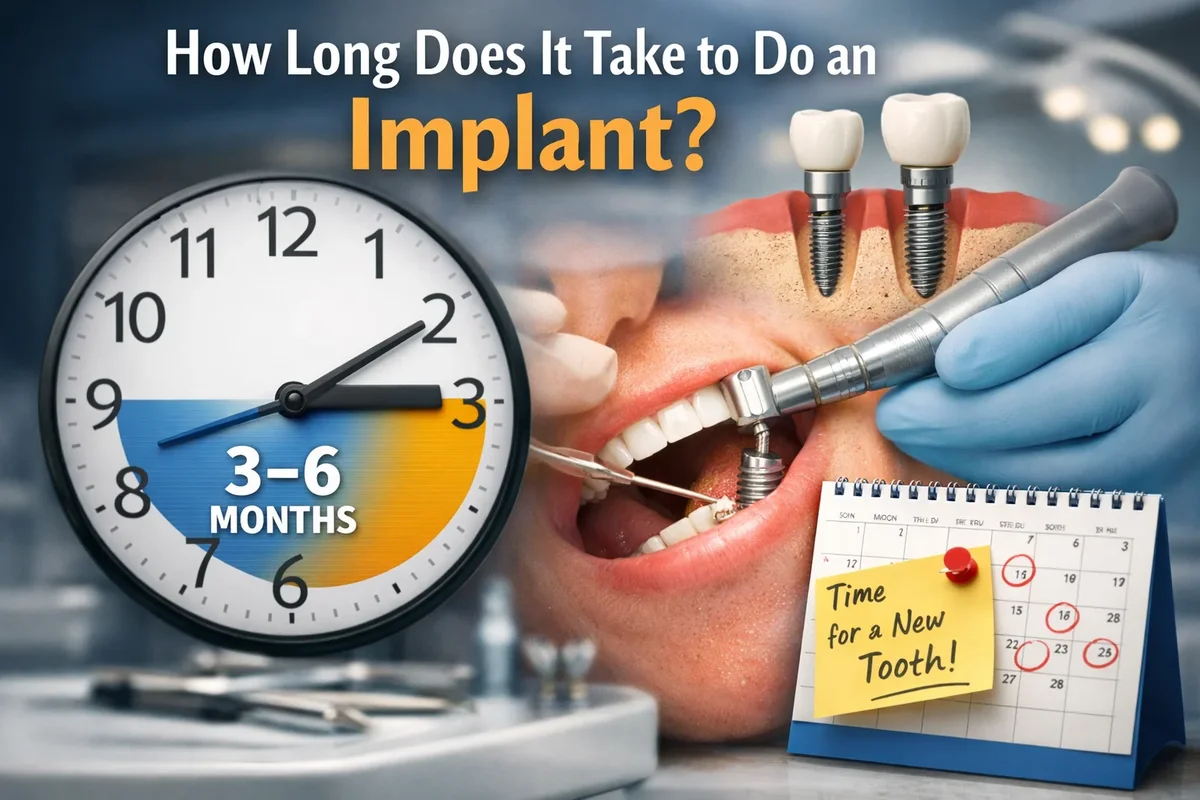
Is the Dental Implant Timeline Worth the Wait?
Many patients researching tooth replacement options eventually ask the same important question: how long does it take to do an implant, and is the time investment really worth it? Dental implants are widely considered the most advanced and reliable method for replacing missing teeth, but they do require patience. Unlike quick cosmetic procedures, implant treatment involves several stages that allow the body to heal properly and create a stable, long-lasting foundation.
Understanding why the process takes time helps patients appreciate the long-term benefits. While some individuals may initially feel concerned when they learn how long does it take to do an implant, most later realize that the extended timeline contributes to the durability and success of the treatment.
Why the Implant Process Takes Time
The primary reason dental implants require several months is the biological process called osseointegration. During this stage, the titanium implant fuses with the jawbone, creating a secure and permanent anchor for the replacement tooth.
This natural process cannot be rushed, and it is a major factor when answering how long does it take to do an implant. Although the implant surgery itself often takes less than an hour, the bone integration stage typically requires several months to complete.
Typical Timeline for Dental Implant Treatment
- Consultation and treatment planning: 1–2 weeks
- Implant placement surgery: 30–90 minutes
- Bone integration (osseointegration): 3–6 months
- Abutment placement and healing: 1–2 weeks
- Final crown placement
This timeline explains why patients often hear different answers when asking how long does it take to do an implant. The healing period is essential for creating a stable and durable restoration.
Long-Term Benefits of Dental Implants
Although the implant process requires patience, the benefits can last for decades. Dental implants are designed to function like natural teeth, allowing patients to chew, speak, and smile confidently.
Many patients who initially questioned how long does it take to do an implant later report that the treatment dramatically improved their quality of life.
Major Advantages of Dental Implants
- Strong and stable tooth replacement
- Natural appearance and feel
- Preservation of jawbone structure
- Improved chewing ability
- Long-lasting durability
Unlike removable dentures or traditional bridges, implants integrate with the jawbone and help prevent bone loss. This structural support is one reason why dentists recommend implants as the most effective long-term solution.
Cost vs Value of Dental Implants
Another factor patients consider when evaluating how long does it take to do an implant is cost. Dental implants may initially seem more expensive than other tooth replacement options, but their durability often makes them more cost-effective over time.
Average Dental Implant Costs
Prices vary depending on location and treatment complexity, but typical estimates include:
- Single dental implant: $3,000 – $5,000
- Implant with crown: $4,000 – $6,500
- Full arch implant restoration: $15,000 – $30,000+
While these figures may seem significant, implants can last 20 years or more with proper care. Many patients who once worried about how long does it take to do an implant later appreciate the long-term reliability and reduced maintenance costs.
Quality of Life Improvements
The impact of dental implants extends far beyond aesthetics. Missing teeth can affect speech, chewing ability, and even self-confidence. By replacing missing teeth with implants, patients regain full oral function and often experience improved comfort in everyday activities.
When people ask dentists how long does it take to do an implant, professionals often emphasize that the final outcome provides benefits that can last decades.
Everyday Improvements After Implant Treatment
- More comfortable eating
- Clearer speech
- Improved smile appearance
- Greater self-confidence
- Better oral health stability
These benefits explain why millions of dental implants are placed worldwide each year.
How to Ensure Long-Term Implant Success
Even after the treatment is complete, proper care is essential for maintaining implant health. Patients who follow good oral hygiene practices and attend regular dental check-ups often enjoy excellent long-term outcomes.
Recommended Implant Care Tips
- Brush and floss daily
- Use a soft-bristled toothbrush
- Attend regular dental check-ups
- Avoid smoking
- Maintain a healthy diet
By following these habits, patients can protect their implants and maximize the value of their treatment.
When to Speak with a Dental Professional
If you are considering dental implants and want personalized information about how long does it take to do an implant, consulting a dental professional is the best step. An experienced implant specialist can evaluate your oral health and provide a treatment plan tailored to your needs.
Patients interested in learning more about implant treatment or scheduling an appointment can visit the Redent Klinik Contact Page.
For additional trusted oral health information, patients can also explore resources provided by the American Dental Association, which offers educational materials about dental implants and other restorative treatments.
Final Thoughts
Although the question how long does it take to do an implant is one of the first things patients ask, the timeline should be viewed as an investment in long-term oral health. The careful planning, surgical precision, and healing period involved in implant treatment all contribute to its exceptional success rate.
Ultimately, the months spent completing the implant process often lead to decades of improved function, comfort, and confidence. For many patients, the answer to how long does it take to do an implant becomes less important once they experience the lasting benefits of a strong, natural-looking smile. 😊