
One of the most common questions patients ask when considering tooth replacement is how much is a molar dental implant. Molars are the large teeth located at the back of the mouth, and they play a critical role in chewing, grinding food, maintaining bite balance, and supporting overall oral health. When a molar is lost due to decay, trauma, gum disease, or extraction, replacing it promptly can help prevent bone loss, shifting teeth, and functional problems.
If you are wondering how much is a molar dental implant, the answer depends on several factors, including the country where treatment is performed, the implant brand, the dentist’s experience, the need for additional procedures, and the type of restoration placed on top of the implant. Understanding these variables can help patients make informed decisions and avoid unexpected costs during treatment.
Before discussing how much is a molar dental implant, it is important to understand what a dental implant actually is. A dental implant is a titanium or zirconia post surgically inserted into the jawbone to replace the root of a missing tooth. After healing and integration with the bone, a custom dental crown is attached to the implant, creating a natural-looking and fully functional replacement tooth.
Many patients searching online for how much is a molar dental implant are surprised to learn that the treatment is often completed in multiple stages. The implant placement surgery is usually followed by a healing period of several months. Once the implant has fused with the jawbone, an abutment and final crown are attached. This process helps create a durable and long-lasting restoration capable of withstanding the heavy forces generated by molars during chewing.
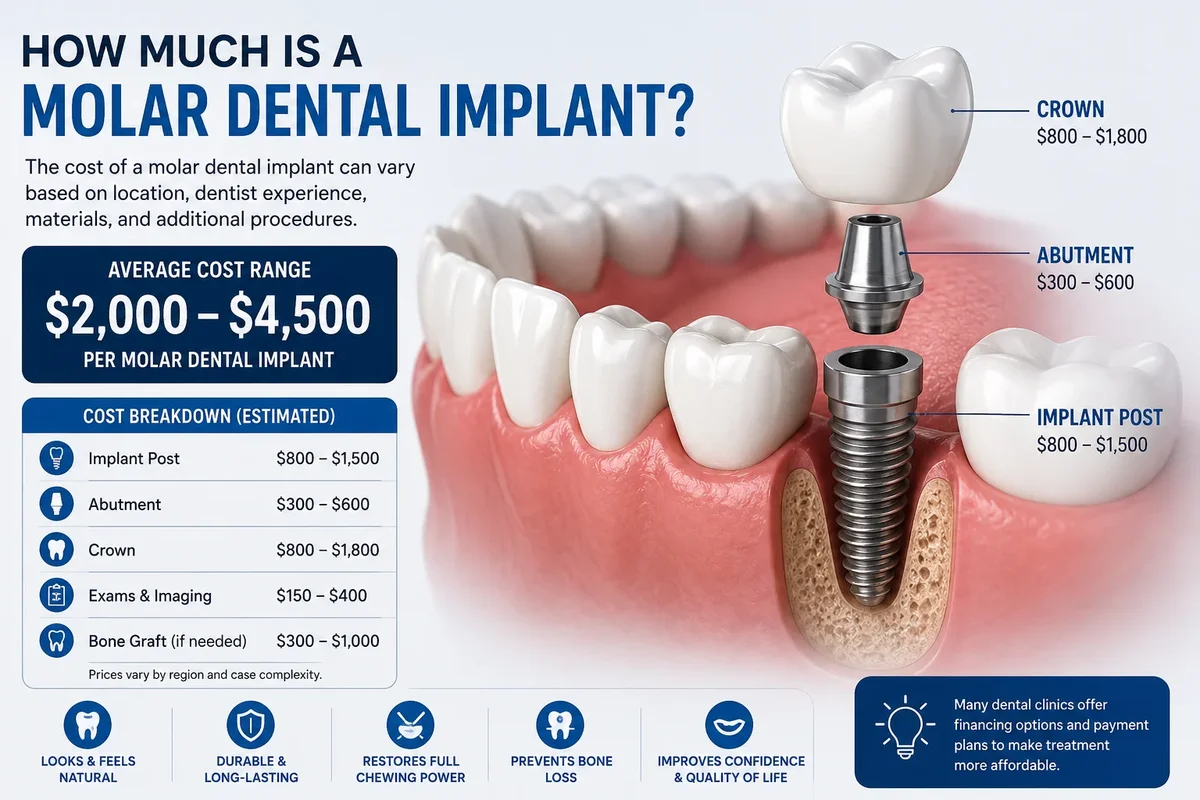
In the United States, patients researching how much is a molar dental implant may find that a complete single molar implant often ranges between $3,000 and $6,500. This estimate may include the implant fixture, abutment, and crown. However, if additional treatments such as bone grafting, sinus augmentation, 3D imaging, or tooth extraction are required, the total cost may increase significantly.
Outside the United States, the answer to how much is a molar dental implant can be very different. Countries with lower treatment costs but high-quality dental care often attract international patients seeking affordable solutions. For example, many patients compare treatment options in Europe, Turkey, and other medical tourism destinations where comprehensive implant treatment can often be completed at substantially lower prices while maintaining international standards of care.
Another important consideration when evaluating how much is a molar dental implant is long-term value. Although implants generally cost more initially than removable dentures or traditional bridges, they often provide superior durability and functionality. A well-maintained implant can last decades and, in many cases, a lifetime. This long-term reliability makes implants a cost-effective investment for many patients.
Patients frequently ask whether insurance will help reduce how much is a molar dental implant. Insurance coverage varies considerably depending on the provider and policy. Some plans contribute toward the crown portion of treatment, while others may partially cover implant surgery. It is always advisable to review policy details carefully before beginning treatment.
When comparing treatment options, patients should not focus exclusively on how much is a molar dental implant. Factors such as dentist experience, implant system quality, sterilization standards, digital planning technology, and long-term success rates are equally important. Choosing treatment solely based on the lowest price can sometimes lead to complications, repairs, or replacement costs later.
Modern implant dentistry has transformed the way missing teeth are replaced. Today’s digital technologies allow clinicians to evaluate bone density, plan implant positioning accurately, and create highly aesthetic restorations. As a result, many people researching how much is a molar dental implant ultimately discover that the procedure offers one of the most predictable and successful tooth replacement solutions available.
There are also several semantic variations that patients use when searching online. Terms such as molar implant cost, single tooth implant price, and cost of replacing a missing molar are closely related to the question how much is a molar dental implant. While wording may vary, the goal remains the same: understanding the financial investment required to restore oral function and appearance.
Choosing the right clinic is an essential step when deciding on treatment. Patients should evaluate credentials, reviews, before-and-after cases, technology used, and communication quality. Clinics that provide transparent pricing and detailed consultations can help patients better understand how much is a molar dental implant and what services are included in the quoted fee.
For individuals seeking personalized guidance, consultation with an experienced implant dentist is highly recommended. Professional assessment allows clinicians to determine bone quality, identify any necessary preparatory procedures, and provide an accurate estimate of how much is a molar dental implant for a specific case. Every patient is unique, and treatment plans should always be customized accordingly.
If you are considering implant treatment and would like expert advice, visit the Redent Klinik Contact Page to schedule a consultation. You can also learn more about oral health and implant dentistry through the American Dental Association.
Ultimately, the question how much is a molar dental implant cannot be answered with a single universal number because treatment needs vary from person to person. However, understanding the factors involved, the benefits of implant therapy, and the long-term value of replacing a missing molar can help patients make confident and informed decisions about their oral health. Investing in a quality dental implant today can provide improved comfort, better chewing efficiency, enhanced aesthetics, and long-lasting confidence for many years to come. 😊
How Much Is a Molar Dental Implant in 2026?
One of the most frequently asked questions among patients considering tooth replacement is how much is a molar dental implant in 2026. Molars are the strongest teeth in the mouth and are responsible for most of the chewing force generated during eating. Because they endure significant pressure every day, replacing a missing molar requires a durable and long-lasting solution. Dental implants have become the gold standard for replacing missing molars due to their strength, stability, and natural appearance.
When evaluating how much is a molar dental implant, patients should understand that there is no universal price. Costs vary depending on the country, clinic, implant brand, dentist experience, diagnostic requirements, and whether additional procedures are necessary. The total investment usually includes several components rather than a single treatment fee.
Average Cost of a Molar Dental Implant
The answer to how much is a molar dental implant depends heavily on location. In the United States, a complete molar implant treatment generally ranges from $3,000 to $6,500 per tooth. In some premium clinics and major metropolitan areas, costs may exceed $7,000 when advanced procedures are included.
Many patients compare international options when researching how much is a molar dental implant. Countries known for dental tourism often provide significant savings while maintaining high treatment standards.
| Country | Average Single Molar Implant Cost |
|---|---|
| United States | $3,000 – $6,500 |
| United Kingdom | $2,800 – $5,500 |
| Canada | $3,000 – $6,000 |
| Australia | $3,000 – $6,500 |
| Turkey | $600 – $1,800 |
| Hungary | $900 – $2,200 |
These figures are estimates and may vary according to individual treatment needs. Therefore, anyone asking how much is a molar dental implant should always seek a personalized consultation.
What Is Included in the Cost?
Understanding what contributes to how much is a molar dental implant helps patients compare quotes more accurately. A complete implant restoration usually consists of multiple components.
Initial Consultation and Examination
The first step often includes a clinical examination, digital scans, and treatment planning. Some clinics include these services within the treatment package, while others charge separately.
3D Imaging and CBCT Scans
Modern implant planning relies on three-dimensional imaging. CBCT scans allow dentists to evaluate bone density and determine ideal implant placement. These scans can influence how much is a molar dental implant because they are an essential diagnostic tool.
Implant Fixture
The implant fixture is the titanium or zirconia post placed into the jawbone. Premium implant systems often carry higher prices due to extensive research, manufacturing quality, and long-term clinical success rates.
Abutment and Crown
The abutment connects the implant to the final crown. The crown is custom-made to match the surrounding teeth. Together, these components represent a significant portion of how much is a molar dental implant.
Why Molar Implants Sometimes Cost More
Patients often notice that molar replacements can be more expensive than some front-tooth restorations. One reason is that molars absorb tremendous chewing forces every day. Dentists may recommend wider implants, stronger materials, or additional bone support to ensure long-term durability.
This is why the answer to how much is a molar dental implant often depends on the location of the missing tooth. Back teeth generally require exceptional strength and stability to withstand years of function.
Additional Costs That May Affect Pricing
Some patients require preparatory procedures before implant placement. These treatments can influence how much is a molar dental implant significantly.
Bone Grafting
When insufficient bone remains after tooth loss, bone grafting may be necessary. Costs typically range from several hundred to several thousand dollars depending on the complexity.
Tooth Extraction
If a damaged molar remains in place, extraction may be required before implant treatment begins. This additional procedure contributes to the overall cost.
Sinus Lift Procedures
Upper molars are often located near the maxillary sinus. In some cases, a sinus lift procedure is necessary to create enough bone volume for implant placement.
Is a Molar Dental Implant Worth the Investment?
Many patients researching how much is a molar dental implant eventually ask whether the procedure is worth the cost. The answer is often yes because implants provide benefits that alternative solutions may not offer.
Unlike removable dentures, implants remain fixed in place. Unlike traditional bridges, implants typically do not require adjacent healthy teeth to be altered. Furthermore, implants help preserve jawbone structure and maintain facial support.
For patients comparing long-term value, the initial cost associated with how much is a molar dental implant may be offset by the longevity of the restoration. With proper care, many implants remain functional for decades.
How Long Does a Molar Implant Last?
Longevity is another important factor when considering how much is a molar dental implant. Numerous clinical studies have demonstrated implant success rates exceeding 95% over many years. Proper oral hygiene, routine dental visits, and avoiding harmful habits such as smoking can contribute significantly to implant lifespan.
Many patients view implants as a long-term investment rather than a short-term expense. While the upfront price may seem substantial, the durability and functionality often justify the cost over time.
Making an Informed Decision
Ultimately, the question how much is a molar dental implant should be considered alongside treatment quality, clinician expertise, materials used, and expected outcomes. The cheapest option is not always the most cost-effective in the long run. Choosing a reputable clinic with experienced implant dentists can help maximize treatment success and patient satisfaction.
If you are considering treatment, obtaining a detailed examination and personalized quote is the best way to determine exactly how much is a molar dental implant for your specific situation. Every patient has unique oral health needs, and customized treatment planning remains essential for achieving predictable and lasting results. 🦷✨
Factors That Influence How Much Is a Molar Dental Implant
When patients begin researching how much is a molar dental implant, they often discover that prices can vary dramatically from one clinic to another. Some treatment estimates may appear surprisingly affordable, while others seem significantly higher. The reason for these differences is that multiple clinical, technical, and geographical factors influence the final cost of treatment.
Understanding the variables that affect how much is a molar dental implant can help patients compare treatment plans more effectively and make informed decisions based on value rather than price alone. A dental implant is not a one-size-fits-all procedure. Every patient has unique oral health conditions, bone quality, aesthetic requirements, and treatment goals that influence the final investment.
Geographic Location and Regional Pricing
One of the biggest factors affecting how much is a molar dental implant is the location where treatment is performed. Dental clinics in major cities generally have higher operating costs than clinics located in smaller towns. Rent, staffing expenses, equipment costs, and local economic conditions all contribute to pricing differences.
For example, a patient comparing how much is a molar dental implant in New York, London, Sydney, or Toronto may find considerably higher prices than in countries that have become popular destinations for dental tourism. This does not necessarily indicate a difference in quality, but it reflects local economic conditions and healthcare structures.
Dentist Experience and Qualifications
The expertise of the dental professional performing the procedure plays a major role in determining how much is a molar dental implant. Implant dentistry requires specialized training, advanced surgical skills, and extensive clinical experience.
Specialized Implant Training
Dentists who have completed advanced implant education and continuing professional development courses often charge more for their services. However, their expertise may contribute to higher success rates and more predictable outcomes.
Years of Clinical Experience
A clinician who has successfully placed thousands of implants over many years may command higher fees than a less experienced provider. Many patients consider this additional investment worthwhile when evaluating how much is a molar dental implant.
Type of Implant System Used
Not all implant brands are identical. Implant manufacturers invest different amounts in research, development, material science, and long-term clinical testing.
Premium implant systems from internationally recognized manufacturers often increase how much is a molar dental implant. These brands typically provide extensive scientific documentation, strong warranty programs, and decades of clinical success data.
While lower-cost implant systems may reduce treatment expenses, patients should carefully discuss quality standards and long-term performance with their dentist before making a decision.
Bone Quality and Quantity
The condition of the jawbone significantly impacts how much is a molar dental implant. Dental implants require sufficient bone support to achieve stability and long-term success.
Adequate Bone Volume
Patients with healthy jawbone density often require fewer preparatory procedures, resulting in lower overall treatment costs.
Bone Loss After Tooth Extraction
When a tooth has been missing for many years, bone loss frequently occurs. In these situations, additional treatments may be necessary before implant placement can proceed safely.
Because of this, the answer to how much is a molar dental implant often depends on how long the tooth has been missing and how much bone remains available.
Need for Additional Procedures
Supplementary treatments can substantially affect how much is a molar dental implant. While some patients can proceed directly to implant placement, others may require preparatory procedures to create a suitable foundation.
Bone Grafting
Bone grafting is one of the most common procedures associated with implant treatment. It helps rebuild areas where bone volume has been lost. Depending on complexity, bone grafting may add several hundred or several thousand dollars to the overall treatment cost.
Sinus Lift Surgery
For upper molars, insufficient bone height near the sinus cavity may require a sinus lift procedure. This specialized surgery can increase how much is a molar dental implant but often makes successful implant placement possible.
Tooth Extraction
If a damaged molar remains in place, extraction may be necessary before implant treatment begins. The complexity of the extraction can influence total costs.
Crown Material Selection
The final restoration placed on top of the implant also affects how much is a molar dental implant. Different crown materials offer varying levels of strength, aesthetics, and longevity.
Porcelain-fused-to-metal crowns are often less expensive than premium zirconia crowns. However, zirconia restorations are increasingly popular because of their durability, biocompatibility, and natural appearance.
When discussing how much is a molar dental implant, patients should always ask which crown material is included in the treatment estimate.
Digital Technology and Treatment Planning
Modern implant dentistry relies heavily on digital technology. Advanced tools improve precision and treatment outcomes but may also influence pricing.
CBCT Imaging
Three-dimensional scans provide detailed views of bone structures, nerves, and anatomical landmarks. These scans improve safety and accuracy during implant placement.
Computer-Guided Surgery
Some clinics utilize guided implant surgery, allowing dentists to position implants with exceptional precision. While this technology may increase how much is a molar dental implant, many patients appreciate the benefits of enhanced predictability.
Laboratory Costs
Custom abutments and crowns are fabricated by dental laboratories. The quality of the laboratory significantly affects both the appearance and function of the final restoration.
High-end laboratories use advanced manufacturing techniques and premium materials, which can influence how much is a molar dental implant. However, superior laboratory work often contributes to better aesthetics and longevity.
Long-Term Value Versus Initial Cost
When evaluating how much is a molar dental implant, focusing solely on the initial price can be misleading. A less expensive treatment option may require repairs, adjustments, or replacement sooner than a premium solution.
Many patients compare a molar implant cost with alternatives such as bridges or removable dentures. Although implants often involve a higher upfront investment, they may provide greater value over time due to their durability, functionality, and ability to preserve jawbone health.
Terms such as single molar implant cost, dental implant price, and cost of replacing a molar tooth are commonly used by patients searching for information related to how much is a molar dental implant. Regardless of the terminology used, the most accurate cost estimate can only be provided after a comprehensive clinical examination.
Ultimately, the answer to how much is a molar dental implant depends on a combination of clinical requirements, treatment complexity, materials used, and provider expertise. By understanding these factors, patients can make informed decisions that prioritize both oral health and long-term value rather than focusing solely on the lowest available price. 🦷💡
Average Molar Dental Implant Costs by Country
One of the first questions patients ask when researching tooth replacement options is how much is a molar dental implant in different parts of the world. The answer can vary dramatically depending on where treatment is performed. Factors such as labor costs, clinic overhead, healthcare regulations, technology investments, and local economic conditions all contribute to pricing differences.
As dental tourism continues to grow, more patients are comparing international treatment options to determine how much is a molar dental implant in various countries. While affordability is important, quality, safety, clinician expertise, and long-term success should also be carefully considered before making a decision.
Why Implant Costs Differ Between Countries
Patients are often surprised to discover that the answer to how much is a molar dental implant can differ by thousands of dollars depending on the country chosen for treatment. This variation is influenced by several factors.
Healthcare and Regulatory Costs
Countries with higher operating expenses and stricter regulatory requirements often have higher treatment fees. Clinics must invest in compliance, staff training, equipment maintenance, and facility standards, all of which influence overall pricing.
Labor and Facility Expenses
The cost of running a dental practice differs significantly around the world. Rent, wages, utilities, insurance, and administrative expenses all affect how much is a molar dental implant in a specific location.
Technology and Equipment
Advanced clinics frequently invest in CBCT scanners, digital smile design software, intraoral scanners, and guided implant surgery systems. These technologies improve treatment outcomes but may increase costs.
United States: Premium Pricing and Advanced Technology
For many patients, the benchmark question is how much is a molar dental implant in the United States. American dental clinics are often equipped with cutting-edge technology and highly trained specialists, but treatment costs tend to be among the highest in the world.
A complete single molar implant commonly ranges from $3,000 to $6,500, although complex cases may exceed this range. The final fee often includes consultation, imaging, implant placement, abutment fabrication, and crown placement.
When evaluating how much is a molar dental implant in the United States, patients should verify exactly which services are included in the quoted fee.
United Kingdom: Similar Costs With Regional Variation
The United Kingdom is another country where implant dentistry is widely available. Patients asking how much is a molar dental implant in the UK can generally expect prices ranging from £2,000 to £4,500 per implant-supported tooth.
Costs are often higher in London and other major metropolitan areas. Regional clinics may offer more competitive pricing while still maintaining excellent standards of care.
Canada and Australia
In Canada and Australia, the answer to how much is a molar dental implant is generally similar to pricing found in the United States. Most patients can expect treatment costs ranging between $3,000 and $6,500 when all components are included.
These countries maintain strong regulatory systems and high-quality dental education standards, contributing to predictable implant outcomes and patient confidence.
Turkey: A Popular Destination for Dental Tourism
Turkey has become one of the most popular destinations for patients researching how much is a molar dental implant. The country offers a combination of modern dental facilities, internationally trained clinicians, and significantly lower treatment costs compared to many Western countries.
In many cases, complete molar implant treatment ranges between $600 and $1,800 depending on the implant system, restoration materials, and treatment complexity.
Patients seeking affordable solutions often compare how much is a molar dental implant in Turkey with prices in their home countries and find substantial savings.
What Makes Turkey Attractive?
- Competitive treatment pricing
- Modern dental technology
- Experienced implant specialists
- Comprehensive treatment packages
- Convenient travel connections
Hungary and Eastern Europe
Hungary has long been recognized as a leading destination for dental tourism in Europe. Patients comparing how much is a molar dental implant often discover prices ranging from approximately $900 to $2,200 depending on treatment specifics.
Other Eastern European countries may offer similar pricing structures while maintaining strong clinical standards and modern facilities.
Average International Cost Comparison
| Country | Estimated Cost Range |
|---|---|
| United States | $3,000 – $6,500 |
| United Kingdom | $2,800 – $5,500 |
| Canada | $3,000 – $6,000 |
| Australia | $3,000 – $6,500 |
| Turkey | $600 – $1,800 |
| Hungary | $900 – $2,200 |
These figures provide a general overview for patients asking how much is a molar dental implant, but individual circumstances may significantly influence final treatment costs.
What Should Be Included in the Quoted Price?
When comparing international treatment options, patients should look beyond the headline price. The answer to how much is a molar dental implant depends not only on the total cost but also on what is included.
Essential Components
- Initial consultation
- Diagnostic imaging
- CBCT scanning
- Implant placement surgery
- Healing abutment
- Final abutment
- Permanent crown
- Follow-up appointments
Some clinics advertise low implant prices that cover only the implant fixture itself. Patients should always request a detailed breakdown before deciding based solely on cost.
Quality Versus Price
While comparing how much is a molar dental implant internationally can reveal substantial savings opportunities, quality should remain a top priority. Successful implant treatment depends on proper diagnosis, surgical precision, material quality, and long-term follow-up care.
Many patients searching for how much is a molar dental implant also use related phrases such as molar implant cost, single tooth implant price, and cost of replacing a missing molar. Regardless of terminology, the goal remains the same: finding a reliable, long-lasting solution that balances affordability and quality.
Ultimately, determining how much is a molar dental implant requires evaluating more than numbers alone. The ideal treatment choice combines experienced clinicians, proven implant systems, modern technology, transparent pricing, and excellent patient care. By comparing countries carefully and understanding what is included in each treatment plan, patients can make informed decisions that provide both value and lasting oral health benefits. 🌍🦷✨
Single Molar Implant vs Dental Bridge Cost Comparison
When patients research how much is a molar dental implant, they often compare dental implants with traditional dental bridges. Both treatment options can replace a missing molar and restore chewing function, but they differ significantly in cost, longevity, maintenance requirements, and impact on long-term oral health.
Understanding the differences between these two solutions is essential for anyone evaluating how much is a molar dental implant and deciding which treatment provides the best value. While dental bridges may initially appear less expensive, implants often offer advantages that can make them a more cost-effective investment over time.
Understanding a Single Molar Dental Implant
A dental implant replaces both the root and crown of a missing tooth. When considering how much is a molar dental implant, patients should recognize that implant treatment involves placing a titanium or zirconia post into the jawbone, allowing it to integrate with the bone before attaching a custom-made crown.
This approach creates a restoration that functions similarly to a natural tooth. Because the implant stimulates the jawbone during chewing, it helps preserve bone volume and maintain oral health.
Main Components of a Molar Implant
- Implant fixture (artificial root)
- Abutment (connector component)
- Custom dental crown
- Diagnostic imaging and treatment planning
Each of these components contributes to how much is a molar dental implant, which explains why implant treatment generally has a higher upfront cost than a bridge.
Understanding a Dental Bridge
A dental bridge replaces a missing tooth by using neighboring teeth as support. Artificial crowns are placed on the adjacent teeth, and a replacement tooth is suspended between them.
Patients comparing how much is a molar dental implant with bridge treatment often notice that bridges typically require a lower initial investment. However, the long-term implications should also be carefully evaluated.
Components of a Traditional Bridge
- Two supporting crowns
- Artificial replacement tooth (pontic)
- Preparation of adjacent teeth
Unlike implants, bridges do not replace the missing tooth root. As a result, the underlying jawbone may gradually shrink over time.
Initial Cost Comparison
One reason patients search for how much is a molar dental implant is because implant treatment generally costs more at the beginning.
| Treatment Option | Typical Cost Range |
|---|---|
| Single Dental Bridge | $1,500 – $4,500 |
| Single Molar Dental Implant | $3,000 – $6,500 |
At first glance, a bridge appears more affordable. However, determining true value requires considering long-term maintenance and replacement costs.
Long-Term Financial Considerations
When evaluating how much is a molar dental implant, it is important to consider how long the restoration is expected to last.
Dental Bridge Lifespan
Most dental bridges last approximately 10 to 15 years when properly maintained. Eventually, replacement may become necessary due to wear, decay beneath supporting crowns, or structural damage.
Dental Implant Lifespan
Many implants remain functional for several decades. In some cases, implants may last a lifetime with appropriate care and maintenance.
This longevity often influences the decision-making process for patients comparing how much is a molar dental implant versus alternative tooth replacement methods.
Impact on Adjacent Teeth
Another major difference involves the effect on neighboring teeth.
Dental Bridge Requirements
To support a bridge, healthy adjacent teeth usually need to be reshaped. This process removes natural tooth structure permanently.
Dental Implant Advantage
A dental implant is independent and does not require modification of surrounding teeth. For many patients evaluating how much is a molar dental implant, preserving healthy teeth is a significant advantage.
Jawbone Preservation
Jawbone health is often overlooked when comparing treatment options.
After tooth loss, the jawbone begins to shrink because it no longer receives stimulation from the tooth root. Dental implants help prevent this process by transmitting chewing forces directly into the bone.
This benefit is one reason many dentists recommend implants despite the higher initial cost associated with how much is a molar dental implant.
Bridge Limitations
Traditional bridges do not stimulate the underlying bone. Over time, bone loss may occur beneath the missing tooth area, potentially affecting appearance and oral health.
Maintenance Requirements
Patients considering how much is a molar dental implant should also understand the maintenance differences between implants and bridges.
Implant Maintenance
Dental implants are cared for similarly to natural teeth through brushing, flossing, and routine dental visits.
Bridge Maintenance
Bridges require specialized cleaning techniques to remove plaque and food debris beneath the replacement tooth. Improper hygiene may increase the risk of complications.
Aesthetic Considerations
Both bridges and implants can provide attractive results. However, implants often deliver a more natural appearance because they emerge directly from the gum tissue, mimicking a natural tooth root.
Patients researching how much is a molar dental implant are frequently pleased to learn that implants can achieve excellent functional and aesthetic outcomes simultaneously.
When a Bridge May Be the Better Option
Although implants offer many advantages, they are not always the ideal solution for every patient.
- Insufficient bone volume
- Medical conditions affecting healing
- Budget limitations
- Need for immediate restoration
In these situations, a bridge may remain a practical treatment alternative.
When an Implant May Be the Better Option
For many patients, the long-term benefits justify the higher initial investment associated with how much is a molar dental implant.
- Preserves jawbone health
- Protects neighboring teeth
- Excellent durability
- Natural appearance and function
- High long-term success rates
Final Evaluation: Which Option Provides Better Value?
Patients comparing how much is a molar dental implant with bridge costs should focus on total lifetime value rather than initial expense alone. While a bridge may cost less initially, replacement costs, maintenance needs, and potential effects on adjacent teeth can increase long-term expenses.
Related search terms such as single tooth replacement cost, molar implant price, and cost of replacing a missing molar all reflect the same concern: finding a reliable and cost-effective solution for tooth loss.
Ultimately, the decision depends on individual circumstances, oral health status, and long-term goals. For many patients, the durability, bone preservation benefits, and independence from neighboring teeth make dental implants an attractive option despite the higher upfront investment. Understanding these factors helps patients accurately evaluate how much is a molar dental implant and determine whether an implant or bridge offers the best overall value for their specific situation. 🦷💰✨
Additional Procedures That Affect How Much Is a Molar Dental Implant
Many patients begin their research by asking how much is a molar dental implant, expecting a simple and straightforward answer. However, one of the most important realities of implant dentistry is that the final cost often depends on whether additional procedures are required before or during treatment. While some patients can proceed directly to implant placement, others need preparatory treatments to ensure the implant has a strong and healthy foundation.
Understanding these additional procedures is essential for anyone trying to determine how much is a molar dental implant. These treatments are not unnecessary extras; rather, they are often critical steps that improve implant stability, long-term success, and overall oral health outcomes.
Why Additional Procedures May Be Necessary
Every patient’s mouth is unique. Factors such as the length of time a tooth has been missing, previous infections, gum disease, trauma, and natural anatomical differences can influence treatment planning.
When evaluating how much is a molar dental implant, dentists first assess the condition of the jawbone, surrounding teeth, gums, and overall oral health. If any deficiencies are identified, additional procedures may be recommended before implant placement.
Common Reasons Additional Procedures Are Required
- Insufficient jawbone volume
- Bone loss after tooth extraction
- Advanced periodontal disease
- Infection at the implant site
- Sinus cavity proximity
- Damaged or non-restorable teeth
- Poor soft tissue support
Each of these factors can directly influence how much is a molar dental implant because they affect treatment complexity and preparation requirements.
Tooth Extraction Before Implant Placement
One of the most common procedures associated with implant treatment is tooth extraction. If a damaged molar remains in the mouth, it must usually be removed before implant placement can occur.
Simple Extractions
When the tooth is intact and easily accessible, extraction is relatively straightforward. In such cases, the impact on how much is a molar dental implant may be modest.
Surgical Extractions
If the tooth is broken, impacted, severely decayed, or fused to surrounding structures, surgical extraction may be necessary. These more complex procedures can increase treatment costs and healing time.
The condition of the existing tooth therefore plays an important role in determining how much is a molar dental implant.
Bone Grafting Procedures
Bone grafting is one of the most significant factors affecting how much is a molar dental implant. Following tooth loss, the jawbone naturally begins to shrink because it no longer receives stimulation from the tooth root.
When insufficient bone remains, placing an implant safely may not be possible without rebuilding the area first.
Minor Bone Grafting
Small defects can often be corrected using localized bone grafting techniques. These procedures generally add a moderate amount to the overall treatment cost.
Major Bone Reconstruction
Extensive bone loss may require larger grafts, specialized materials, or staged surgical procedures. In these situations, the answer to how much is a molar dental implant may increase substantially.
Although bone grafting adds cost, it often creates the stable foundation necessary for long-term implant success.
Sinus Lift Procedures for Upper Molars
Patients missing upper molars frequently require sinus augmentation procedures. The roots of upper molars are located near the maxillary sinus cavity, and bone volume in this area may be limited.
What Is a Sinus Lift?
A sinus lift is a surgical procedure that gently raises the sinus membrane and places bone graft material beneath it. This creates sufficient bone height for implant placement.
How It Affects Implant Cost
Because sinus lift surgery involves additional surgical expertise, materials, and healing time, it can significantly affect how much is a molar dental implant.
However, this procedure often makes implant treatment possible in cases that would otherwise lack adequate bone support.
Guided Bone Regeneration
In some situations, dentists use specialized membranes and grafting materials to encourage new bone growth around an implant site.
This technique, known as guided bone regeneration, may be recommended when defects are present that could compromise implant stability.
Such advanced procedures contribute to how much is a molar dental implant because they require additional materials and clinical expertise.
Periodontal Treatment Before Implant Placement
Healthy gums are essential for successful implant treatment. Patients with active periodontal disease may require treatment before implant surgery can begin.
Scaling and Root Planing
Deep cleaning procedures remove bacteria and infection from beneath the gum line.
Periodontal Surgery
Advanced gum disease may require surgical intervention to restore oral health.
Because untreated periodontal disease can jeopardize implant success, addressing these issues first is an important step when calculating how much is a molar dental implant.
Soft Tissue Grafting
Some patients have insufficient gum tissue surrounding the future implant site. Soft tissue grafting may improve aesthetics, comfort, and long-term implant stability.
Although not always necessary, gum grafting procedures can influence how much is a molar dental implant in cases where additional tissue support is required.
Advanced Diagnostic Procedures
Modern implant treatment relies heavily on precise diagnostics. Advanced imaging technologies can affect treatment costs while significantly improving safety and predictability.
CBCT Scanning
Three-dimensional scans allow dentists to evaluate bone density, anatomical structures, and nerve locations before surgery.
Digital Surgical Planning
Computer-guided planning enables highly accurate implant placement and may improve outcomes in complex cases.
While these technologies contribute to how much is a molar dental implant, many patients appreciate the additional precision they provide.
Temporary Restorations During Healing
Depending on the treatment plan, temporary restorations may be provided during the healing phase. These restorations help maintain appearance and function while the implant integrates with the bone.
The inclusion of temporary prosthetics can affect how much is a molar dental implant, particularly in cases requiring extended healing periods.
Can Additional Procedures Save Money Long-Term?
Some patients initially hesitate when they learn that supplementary treatments will increase how much is a molar dental implant. However, these procedures are often designed to improve long-term treatment success and reduce future complications.
Attempting to place an implant without adequate bone support or healthy gum tissue can increase the risk of implant failure, infection, and costly corrective treatment later.
For this reason, experienced implant dentists prioritize creating optimal conditions before proceeding with implant placement.
Final Thoughts on Additional Treatment Costs
When researching how much is a molar dental implant, patients should understand that the implant itself represents only one part of the overall treatment process. Preparatory procedures such as extractions, bone grafting, sinus lifts, periodontal therapy, and advanced diagnostics may be necessary to ensure successful outcomes.
Related search terms such as single tooth implant cost, molar replacement price, and dental implant treatment expenses often overlook these important preparatory steps. A personalized examination remains the most accurate way to determine total treatment costs.
Ultimately, while additional procedures can increase how much is a molar dental implant, they often provide the foundation needed for a strong, stable, and long-lasting restoration. Investing in proper preparation today can help maximize implant success and protect oral health for many years to come. 🦷🔬✨
Types of Implant Materials and Their Price Differences
One of the most important factors influencing how much is a molar dental implant is the type of material used during treatment. While many patients focus primarily on the overall price, understanding the materials involved can help explain why implant costs vary significantly from one case to another. The implant itself, the abutment, and the final crown can all be manufactured from different materials, each with unique advantages, limitations, and pricing structures.
When researching how much is a molar dental implant, patients often discover that two treatment plans may appear similar at first glance but differ considerably in cost. In many cases, these variations are directly related to material selection. The quality of materials used can affect durability, aesthetics, biocompatibility, and long-term treatment success.
Why Implant Materials Matter
A molar implant is subjected to tremendous chewing forces every day. Unlike front teeth, molars are responsible for grinding food and absorbing heavy bite pressure. For this reason, material selection plays a crucial role in determining both performance and longevity.
The answer to how much is a molar dental implant often depends on whether premium materials are selected or whether more economical alternatives are used. While lower-cost materials may reduce initial expenses, premium materials can sometimes offer superior durability and long-term value.
Titanium Dental Implants
Titanium remains the most widely used material in implant dentistry worldwide. For decades, titanium implants have demonstrated excellent clinical success rates and predictable long-term outcomes.
Advantages of Titanium Implants
- Exceptional strength and durability
- Extensive scientific research support
- Excellent biocompatibility
- High long-term success rates
- Widely available worldwide
Because titanium has been extensively studied, many dentists recommend it when patients ask how much is a molar dental implant and want a proven solution.
Cost Impact of Titanium Implants
Titanium implants are available across a broad range of price points. Premium titanium implant systems manufactured by internationally recognized brands generally cost more than generic alternatives.
The implant brand selected can significantly affect how much is a molar dental implant, even when the material itself remains titanium.
Zirconia Dental Implants
Zirconia implants have gained popularity in recent years as a metal-free alternative. These implants are made from advanced ceramic materials and appeal particularly to patients seeking highly aesthetic restorations or those with concerns about metal components.
Advantages of Zirconia Implants
- Metal-free construction
- Excellent tissue compatibility
- Natural tooth-colored appearance
- Reduced visibility through thin gum tissue
- Highly aesthetic results
Patients comparing how much is a molar dental implant often discover that zirconia systems may carry higher costs due to specialized manufacturing processes and lower market availability.
Potential Limitations
Although zirconia implants offer many advantages, they are generally less widely studied than titanium systems. Some clinicians prefer titanium because of its extensive long-term research record.
Implant Brand Differences
Not all implant systems are created equal. Implant manufacturers invest varying amounts in research, innovation, quality control, and clinical testing.
As a result, the answer to how much is a molar dental implant often depends on which brand is selected.
Premium Implant Brands
Premium manufacturers typically provide:
- Decades of clinical research
- Advanced surface technologies
- Excellent component compatibility
- Extensive warranty programs
- Reliable long-term support
These advantages often contribute to higher treatment costs.
Economy Implant Systems
Some lower-cost implant systems may reduce overall expenses. However, patients should discuss long-term reliability and component availability with their dentist before choosing solely based on price.
Abutment Material Options
The abutment is the connector between the implant and the final crown. Material selection for this component can also influence how much is a molar dental implant.
Titanium Abutments
Titanium abutments are durable, reliable, and commonly used for molar restorations because of their ability to withstand strong chewing forces.
Zirconia Abutments
Zirconia abutments offer enhanced aesthetics, particularly in visible areas of the mouth. However, they often cost more than titanium alternatives.
Although molars are located toward the back of the mouth, some patients still choose zirconia abutments when considering how much is a molar dental implant.
Crown Material Choices
The crown attached to the implant represents another major factor affecting treatment cost.
Porcelain-Fused-to-Metal Crowns
These restorations combine a metal framework with porcelain layering. They are generally more affordable but may not provide the same aesthetic qualities as newer materials.
Full Zirconia Crowns
Zirconia crowns are increasingly popular for molars because they offer exceptional strength and durability. Since molars experience substantial bite pressure, zirconia often represents an excellent long-term solution.
The selection of crown material directly affects how much is a molar dental implant because premium restorations require more advanced manufacturing processes.
Layered Zirconia Crowns
Some restorations combine zirconia strength with additional porcelain layering to improve aesthetics. These crowns may cost more but can provide highly natural-looking results.
Digital Manufacturing Technologies
Modern implant restorations frequently utilize CAD/CAM technology, computer-guided design, and precision milling systems.
These advanced manufacturing methods improve fit and accuracy but can increase how much is a molar dental implant. Many patients consider the additional cost worthwhile because precise restorations often improve comfort and longevity.
Biocompatibility and Long-Term Performance
Material quality plays an important role in long-term implant success. Premium materials are designed to integrate effectively with surrounding tissues and resist wear over time.
When evaluating how much is a molar dental implant, patients should consider not only immediate costs but also the long-term performance of the chosen materials.
Balancing Cost and Value
It can be tempting to choose the least expensive option available when comparing how much is a molar dental implant. However, lower initial costs do not always translate into better long-term value.
High-quality implant systems and restoration materials often provide greater durability, improved aesthetics, and enhanced patient satisfaction. For many individuals, investing in premium materials can reduce future maintenance and replacement costs.
Final Thoughts on Implant Materials
Patients searching for how much is a molar dental implant should understand that material selection is one of the primary reasons treatment costs vary. Titanium implants, zirconia implants, premium implant brands, specialized abutments, and advanced crown materials all contribute to the final price.
Related search terms such as molar implant price, single tooth implant cost, and dental implant material comparison often lead patients to the same conclusion: quality materials are essential for long-term success.
Ultimately, the best choice depends on individual clinical needs, aesthetic goals, budget considerations, and professional recommendations. By understanding how material selection affects how much is a molar dental implant, patients can make informed decisions that balance affordability, performance, and long-term oral health. 🦷⚙️✨
Insurance Coverage and Financing Options for Molar Implants
For many patients, the first concern when considering tooth replacement is not only how much is a molar dental implant but also how they can afford the treatment. Dental implants are widely recognized as one of the most effective and long-lasting solutions for replacing missing molars, yet the upfront cost can seem significant. Fortunately, insurance benefits, financing programs, payment plans, and healthcare lending options can make treatment more accessible.
Understanding insurance coverage and available financing solutions is essential for anyone researching how much is a molar dental implant. By exploring all available resources, patients can often reduce out-of-pocket expenses and spread treatment costs over time.
Why Dental Implants Are Often Viewed as a Major Investment
Many patients searching for how much is a molar dental implant initially focus on the total treatment cost. Unlike routine dental procedures such as fillings or cleanings, implant treatment involves multiple stages, advanced technology, surgical expertise, and custom laboratory work.
A complete molar implant restoration typically includes:
- Initial consultation and examination
- Diagnostic imaging and CBCT scanning
- Implant placement surgery
- Healing and follow-up appointments
- Abutment fabrication
- Custom crown placement
Because of these components, the answer to how much is a molar dental implant can vary significantly depending on individual circumstances and treatment complexity.
Does Dental Insurance Cover Implants?
One of the most common questions patients ask after learning how much is a molar dental implant is whether dental insurance will cover part of the expense.
The answer depends entirely on the specific insurance provider, plan structure, annual maximums, and policy details. Coverage varies considerably from one insurer to another.
Traditional Insurance Plans
Historically, many dental insurance policies excluded implant treatment entirely, considering it an elective procedure. However, this trend has gradually changed in recent years as implants have become a standard treatment option.
Today, some plans contribute toward portions of implant therapy, helping reduce overall expenses related to how much is a molar dental implant.
Modern Implant Coverage
Certain insurance policies now provide partial reimbursement for:
- Dental implant surgery
- Implant-supported crowns
- Diagnostic imaging
- Tooth extraction procedures
- Bone grafting in selected cases
Patients should carefully review policy documents to understand what benefits may apply.
Understanding Annual Maximums
Even when insurance covers implant treatment, annual maximum benefit limits often affect reimbursement amounts.
For example, a policy may cover 50% of eligible implant-related expenses but impose a maximum annual benefit of $1,500 or $2,000. As a result, patients researching how much is a molar dental implant should calculate both coverage percentages and annual limits.
Understanding these details helps create a realistic estimate of actual out-of-pocket expenses.
Medical Insurance and Implant Treatment
In certain situations, medical insurance rather than dental insurance may contribute to treatment costs.
Trauma-Related Tooth Loss
If a molar was lost due to an accident or injury, medical insurance may provide some coverage for related procedures.
Medically Necessary Reconstruction
Patients requiring reconstructive treatment following cancer therapy, severe trauma, or congenital conditions may qualify for medical insurance benefits.
Although these situations are less common, they can influence the final answer to how much is a molar dental implant.
Flexible Spending Accounts (FSA)
Many employers offer Flexible Spending Accounts that allow employees to set aside pre-tax dollars for healthcare expenses.
Dental implant treatment is frequently an eligible expense under FSA programs. Patients considering how much is a molar dental implant may be able to reduce their effective treatment cost through tax savings.
Advantages of FSA Programs
- Pre-tax healthcare funding
- Reduced taxable income
- Improved affordability
- Flexible payment options
Health Savings Accounts (HSA)
Health Savings Accounts offer another valuable resource for managing treatment expenses.
Patients researching how much is a molar dental implant often discover that HSA funds can be used for many implant-related procedures, including surgery, diagnostics, and restorative treatment.
Because contributions are tax-advantaged, HSAs can provide meaningful financial benefits.
Dental Financing Programs
Many dental practices partner with third-party financing providers to help patients manage treatment costs.
Monthly Payment Plans
Instead of paying the entire fee upfront, patients can spread costs across manageable monthly installments.
This approach is particularly appealing for individuals concerned about how much is a molar dental implant but who want to begin treatment promptly.
Interest-Free Promotions
Some financing programs offer promotional periods with no interest if balances are paid within a specified timeframe.
These plans can make implant treatment significantly more accessible for qualified applicants.
In-House Clinic Financing
Certain dental clinics provide internal payment arrangements directly through their practice.
Patients evaluating how much is a molar dental implant should ask whether the clinic offers:
- Interest-free payment plans
- Extended financing options
- Deposit-based scheduling
- Customized payment schedules
These options can reduce financial barriers and improve treatment accessibility.
Dental Tourism and Cost Savings
Some patients choose international treatment options after comparing how much is a molar dental implant in different countries.
Dental tourism destinations often provide lower treatment costs while maintaining modern facilities and experienced clinicians. However, travel expenses, follow-up requirements, and continuity of care should be carefully considered when evaluating total savings.
Comparing Total Value Rather Than Initial Cost
Patients often focus exclusively on how much is a molar dental implant, but long-term value is equally important.
A lower-cost treatment option may not necessarily provide the same level of quality, durability, or support as a more comprehensive treatment plan. Factors such as implant system quality, clinician experience, and long-term success rates should be evaluated alongside price.
Questions to Ask About Financing
Before beginning treatment, patients should ask:
- What insurance benefits apply?
- Are diagnostic procedures covered?
- Is financing available?
- What monthly payment options exist?
- Are there interest-free plans?
- What costs are not included?
These questions help patients better understand how much is a molar dental implant and avoid unexpected expenses.
Final Thoughts on Insurance and Financing
For many individuals, learning how much is a molar dental implant is only the first step. Understanding insurance coverage, financing programs, payment plans, and tax-advantaged healthcare accounts can significantly improve affordability.
Related search terms such as molar implant financing, dental implant payment plans, and single tooth implant insurance coverage all reflect a common goal: making high-quality tooth replacement more accessible.
Ultimately, while dental implants often require a greater initial investment than alternative treatments, flexible financing solutions and available insurance benefits can help many patients achieve long-term oral health without overwhelming financial strain. By carefully exploring all available options, patients can better manage how much is a molar dental implant and move forward confidently with treatment. 💳🦷✨
Benefits of Choosing a Molar Dental Implant for Tooth Replacement
When patients begin researching how much is a molar dental implant, cost is usually the first concern that comes to mind. However, focusing solely on price can sometimes cause people to overlook the many benefits that dental implants provide. A molar implant is not simply a replacement tooth—it is a long-term investment in oral health, chewing function, comfort, appearance, and overall quality of life.
Understanding the advantages of implant treatment can help patients evaluate whether the answer to how much is a molar dental implant represents good value compared with other tooth replacement options. While implants often require a higher initial investment, their long-term benefits frequently outweigh the upfront cost.
Why Replacing a Missing Molar Matters
Molars are the largest and strongest teeth in the mouth. They play a critical role in grinding food, maintaining proper bite alignment, and supporting overall oral function. Losing even a single molar can create a chain reaction of dental problems if left untreated.
Many patients searching how much is a molar dental implant are surprised to learn that untreated tooth loss can lead to:
- Difficulty chewing food properly
- Shifting of neighboring teeth
- Bite imbalance
- Jawbone deterioration
- Increased stress on remaining teeth
- Changes in facial structure
Replacing a missing molar promptly can help prevent these complications and preserve long-term oral health.
Superior Chewing Efficiency
One of the most important benefits of implant treatment is the restoration of normal chewing function.
Patients often ask how much is a molar dental implant because they struggle to eat comfortably after losing a back tooth. Missing molars reduce chewing efficiency and may cause people to avoid certain foods altogether.
Restoring Bite Strength
Because implants integrate directly with the jawbone, they provide excellent stability during chewing. This allows patients to enjoy a wide variety of foods with confidence.
Improved Nutrition
Better chewing function often supports healthier eating habits. Patients can comfortably consume fruits, vegetables, lean proteins, and other nutritious foods that may be difficult to chew when molars are missing.
Preservation of Jawbone Health
One of the unique advantages of dental implants is their ability to help preserve bone tissue.
When patients investigate how much is a molar dental implant, they may not realize that tooth roots play an important role in maintaining jawbone density. Once a tooth is lost, the bone in that area begins to shrink because it no longer receives stimulation from chewing forces.
How Implants Prevent Bone Loss
The implant functions like an artificial tooth root, transmitting chewing forces into the jawbone. This stimulation helps maintain bone volume and reduce the risk of bone resorption.
This benefit is one of the primary reasons many dentists recommend implants despite the higher upfront cost associated with how much is a molar dental implant.
Protection of Adjacent Teeth
Unlike traditional bridges, dental implants do not rely on neighboring teeth for support.
No Need to Alter Healthy Teeth
Bridge treatment often requires reshaping healthy adjacent teeth to accommodate supporting crowns. Dental implants avoid this requirement entirely.
Patients evaluating how much is a molar dental implant frequently view this tooth-preserving advantage as a major benefit.
Reduced Long-Term Stress
Implants help distribute biting forces more naturally throughout the mouth, reducing strain on surrounding teeth.
Natural Appearance and Feel
Many individuals researching how much is a molar dental implant are concerned about aesthetics. Fortunately, modern implant restorations are designed to closely resemble natural teeth.
Customized Crown Design
The crown attached to the implant is fabricated to match the size, shape, and color of surrounding teeth.
Natural Function
Because the implant is anchored directly into the jawbone, many patients report that it feels very similar to a natural tooth.
This combination of aesthetics and functionality contributes significantly to patient satisfaction.
Exceptional Durability
Durability is another major reason patients choose implant treatment.
When asking how much is a molar dental implant, many people compare the long-term lifespan of implants with alternative solutions.
Long-Term Success Rates
Numerous studies report implant success rates exceeding 95% when proper oral hygiene and maintenance are followed.
Potential Lifetime Solution
In many cases, the implant itself can last several decades or even a lifetime. This longevity often helps justify the investment associated with how much is a molar dental implant.
Improved Comfort Compared With Removable Appliances
Unlike removable dentures, implants remain fixed in place and do not shift during speaking or eating.
Patients researching how much is a molar dental implant often appreciate that implants eliminate many of the inconveniences associated with removable prosthetics.
No Adhesives Required
Dental implants do not require adhesives, soaking solutions, or special storage procedures.
Enhanced Confidence
The stability provided by implants often improves confidence during social interactions, meals, and professional activities.
Speech Improvement
Although molars are located toward the back of the mouth, missing teeth can still influence speech patterns in some individuals.
Replacing missing teeth with implants may help restore natural tongue positioning and improve speech clarity.
This is another benefit often overlooked when considering how much is a molar dental implant.
Long-Term Cost Effectiveness
At first glance, some patients view implant treatment as expensive. However, long-term value is an important consideration.
When evaluating how much is a molar dental implant, patients should consider potential replacement costs associated with alternative restorations. Bridges and dentures may require periodic replacement or repair, whereas implants frequently provide decades of reliable service.
Lower Maintenance Costs
Because implants are durable and easy to maintain, long-term ownership costs may be lower than expected.
Reduced Future Dental Expenses
By preserving bone and protecting adjacent teeth, implants may help reduce future restorative needs.
Psychological and Lifestyle Benefits
The impact of a missing tooth extends beyond physical function. Many patients report improvements in self-confidence, social comfort, and overall quality of life after implant treatment.
Patients researching how much is a molar dental implant frequently focus on financial considerations, but emotional well-being and self-esteem are equally important factors.
Who Benefits Most From a Molar Implant?
Dental implants are particularly beneficial for patients who:
- Have lost a single molar
- Want a fixed replacement solution
- Have adequate bone support
- Maintain good oral hygiene
- Prefer preserving neighboring teeth
- Seek long-term durability
Final Thoughts on the Benefits of Molar Implants
When deciding how much is a molar dental implant, patients should look beyond the initial price and evaluate the overall benefits provided by treatment. Dental implants offer exceptional chewing performance, bone preservation, natural aesthetics, long-term durability, and improved quality of life.
Related search phrases such as single molar replacement, molar implant advantages, and cost of replacing a missing molar tooth all lead to the same conclusion: implants are widely regarded as one of the most effective tooth replacement solutions available today.
Ultimately, although the answer to how much is a molar dental implant varies depending on individual circumstances, many patients find that the long-term benefits far outweigh the initial investment. By restoring both function and confidence, a molar dental implant can provide lasting value for many years to come. 🦷✨😊
How to Choose the Right Clinic for a Molar Dental Implant
After researching how much is a molar dental implant, many patients realize that cost is only one part of the decision-making process. Choosing the right dental clinic can have a significant impact on treatment quality, long-term success, comfort, and overall satisfaction. While it may be tempting to focus solely on finding the lowest price, selecting a clinic based on expertise, technology, safety standards, and patient care is often far more important.
A dental implant is a long-term investment in oral health. Therefore, patients asking how much is a molar dental implant should also ask whether the clinic they choose can deliver predictable, safe, and durable results. Understanding what to look for in an implant provider can help ensure a positive treatment experience.
Why Clinic Selection Matters
Dental implant treatment is both a surgical and restorative procedure. Success depends on accurate diagnosis, careful planning, precise implant placement, quality materials, and proper aftercare.
Even if two clinics provide similar answers to how much is a molar dental implant, the quality of treatment may differ considerably. This is why patients should evaluate more than just pricing when comparing options.
Potential Risks of Choosing Solely Based on Price
- Limited diagnostic procedures
- Lower-quality implant systems
- Inexperienced clinicians
- Inadequate follow-up care
- Reduced treatment planning
- Higher risk of complications
Focusing exclusively on cost may lead to unexpected problems that ultimately increase expenses in the future.
Evaluate the Dentist’s Experience
One of the most important factors when deciding where to receive treatment is the clinician’s experience.
Patients researching how much is a molar dental implant should inquire about the dentist’s training, certifications, and implant placement experience.
Questions to Ask
- How many implants have you placed?
- Do you have specialized implant training?
- How long have you been performing implant procedures?
- Can you provide before-and-after examples?
An experienced implant dentist is often better equipped to manage complex situations and minimize risks.
Assess Diagnostic Technology
Modern implant dentistry relies heavily on advanced diagnostic tools. Clinics that invest in contemporary technology can often provide more accurate treatment planning and improved outcomes.
CBCT Imaging
Three-dimensional CBCT scans allow dentists to evaluate bone density, nerve pathways, and anatomical structures with exceptional precision.
Patients comparing how much is a molar dental implant should verify whether advanced imaging is included in the treatment process.
Digital Treatment Planning
Computer-assisted planning helps improve implant positioning accuracy and may contribute to better long-term results.
Review Implant Systems Used
The type of implant system selected can significantly influence treatment quality.
When discussing how much is a molar dental implant, patients should ask which implant brand will be used and whether it is supported by long-term clinical research.
Characteristics of Reputable Implant Systems
- Extensive scientific documentation
- Long-term success studies
- Worldwide availability
- Reliable component compatibility
- Strong manufacturer support
Choosing a proven implant system can contribute to both treatment success and peace of mind.
Examine Before-and-After Cases
Many clinics maintain portfolios of completed implant cases. Reviewing these examples can help patients evaluate the quality of work performed.
Patients concerned about how much is a molar dental implant should remember that visual results and functional outcomes are equally important considerations.
What to Look For
- Natural-looking restorations
- Healthy gum contours
- Consistent aesthetic quality
- Cases similar to your situation
Read Patient Reviews and Testimonials
Online reviews often provide valuable insight into patient experiences.
When evaluating clinics, patients researching how much is a molar dental implant should consider comments related to:
- Treatment quality
- Professionalism
- Communication
- Comfort during treatment
- Follow-up care
- Overall satisfaction
Consistently positive feedback may indicate a reliable and patient-focused practice.
Understand the Full Treatment Plan
Transparency is an important indicator of a trustworthy clinic.
Before deciding where to receive treatment, patients should request a detailed explanation of the proposed plan and associated costs.
Important Questions
- What is included in the quoted price?
- Are additional procedures anticipated?
- How many appointments will be required?
- What is the expected treatment timeline?
- Are follow-up visits included?
These questions help clarify how much is a molar dental implant and reduce the likelihood of unexpected expenses.
Evaluate Sterilization and Safety Standards
Patient safety should always be a priority.
Clinics performing implant procedures should maintain strict infection control protocols and comply with applicable healthcare regulations.
Indicators of Strong Safety Practices
- Modern sterilization equipment
- Single-use surgical materials when appropriate
- Documented infection control procedures
- Well-maintained treatment facilities
Although patients often focus on how much is a molar dental implant, safety standards should never be overlooked.
Consider Communication and Patient Support
Good communication can significantly improve the treatment experience.
A quality implant clinic should be willing to answer questions, explain procedures clearly, and provide realistic expectations regarding outcomes.
Signs of Excellent Patient Care
- Detailed consultations
- Clear treatment explanations
- Transparent pricing
- Responsive communication
- Accessible follow-up support
These qualities often contribute to higher patient satisfaction and confidence.
Dental Tourism Considerations
Some patients explore international options after researching how much is a molar dental implant. Dental tourism can provide substantial cost savings, but careful planning is essential.
Questions for International Patients
- Who provides follow-up care?
- How many visits are required?
- What happens if complications occur?
- Is communication available in your language?
- Are travel costs included in your calculations?
These considerations help ensure a realistic comparison of treatment options.
Balancing Cost and Quality
Many patients initially focus on obtaining the lowest possible quote for how much is a molar dental implant. However, long-term success often depends on factors beyond price alone.
Quality materials, experienced clinicians, advanced diagnostics, comprehensive planning, and attentive patient care all contribute to successful outcomes. A slightly higher investment today may reduce the risk of future complications and additional expenses.
Final Checklist Before Choosing a Clinic
Before committing to treatment, patients should verify:
- Clinician experience and qualifications
- Use of advanced diagnostic technology
- Quality implant systems
- Transparent pricing structure
- Strong patient reviews
- Comprehensive treatment planning
- Reliable follow-up care
Each of these factors can influence treatment success just as much as the answer to how much is a molar dental implant.
Final Thoughts on Selecting the Right Implant Clinic
Choosing a dental clinic is one of the most important decisions patients make during the implant process. While understanding how much is a molar dental implant is certainly important, the quality of care received can have an even greater impact on long-term results.
Related searches such as best implant dentist, molar implant specialist, and dental implant clinic comparison reflect a growing awareness that successful treatment depends on much more than price alone.
Ultimately, the ideal clinic combines experienced professionals, modern technology, transparent communication, proven implant systems, and patient-centered care. By carefully evaluating these factors alongside how much is a molar dental implant, patients can make informed decisions that support both oral health and long-term satisfaction. 🦷🏥✨
Disclosure: this page may contain affiliate links. We may earn a commission if you use them, at no extra cost to you.