
Losing a molar tooth can significantly affect chewing ability, jawbone health, and even facial structure. Because molars play a critical role in grinding food and maintaining proper bite alignment, replacing a missing molar is often recommended by dentists. One of the most reliable solutions is a dental implant. However, one of the first questions patients ask is simple but important: how much is one molar dental implant? Understanding the full cost, the treatment process, and what influences pricing can help patients make informed decisions about their oral health.
When people search for how much is one molar dental implant, they are usually looking for a clear breakdown of the costs involved. A molar dental implant is not a single item but rather a treatment consisting of several components. These components typically include the implant screw placed in the jawbone, an abutment that connects the implant to the restoration, and a crown that replaces the visible tooth. Because multiple procedures and materials are involved, the total price can vary significantly depending on the patient’s dental condition, geographic location, and the dental clinic providing the treatment.
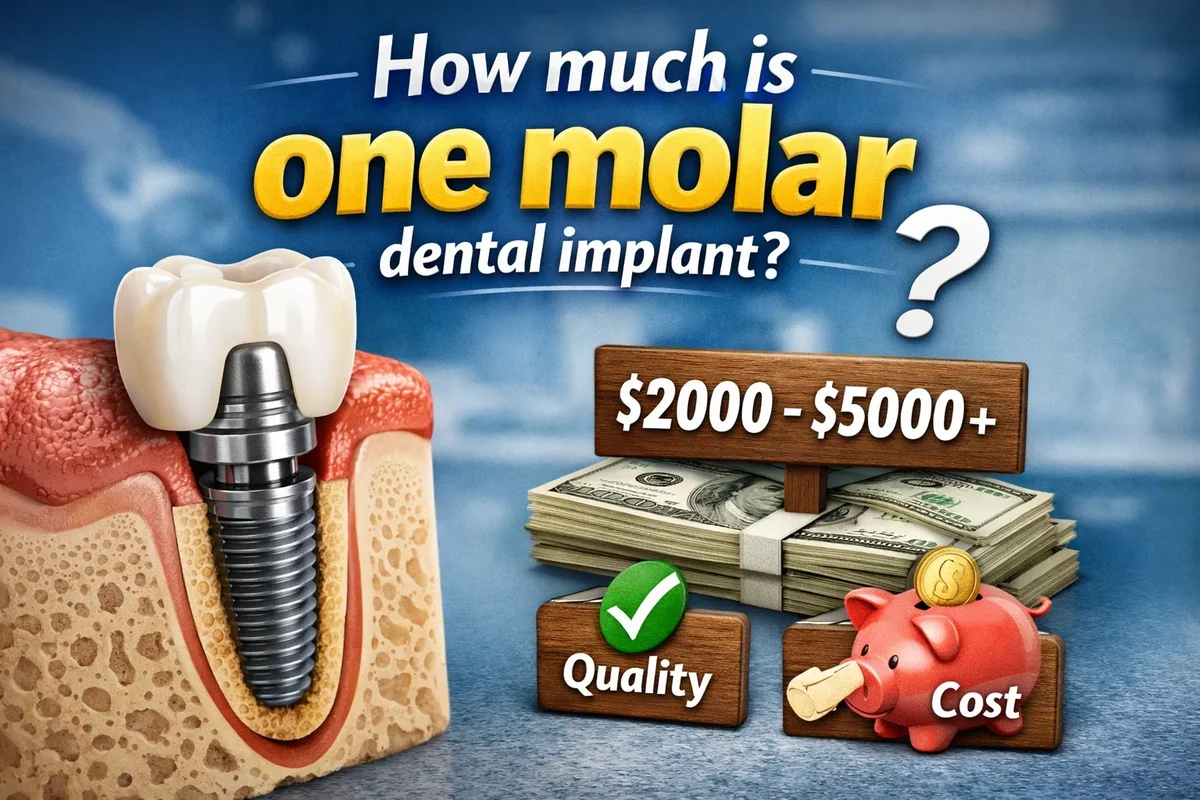
On average, the answer to how much is one molar dental implant depends on several factors, but most patients worldwide can expect a price range between $2,000 and $5,000 for a single molar implant. In some countries, particularly in North America or Western Europe, the total cost may reach $6,000 or more when additional procedures such as bone grafting or sinus lifting are necessary. In other regions known for dental tourism, such as Turkey or parts of Eastern Europe, the cost for one molar implant may be significantly lower while still maintaining high clinical standards.
To understand how much is one molar dental implant, it is also important to consider the expertise of the dentist or oral surgeon performing the procedure. Dental implants require precise surgical placement and careful planning. Experienced implant specialists typically use advanced imaging technologies, such as 3D cone beam CT scans, to evaluate bone density and determine the optimal position for the implant. These diagnostic tools and professional expertise contribute to the overall cost but also increase the success rate of the treatment.
Another key aspect when evaluating how much is one molar dental implant is the quality of the materials used. High-quality implant systems are manufactured from medical-grade titanium or zirconia and are designed to integrate with the jawbone through a process known as osseointegration. Premium implant brands often have decades of clinical research supporting their safety and durability. Because molars endure the highest chewing forces in the mouth, dentists often recommend strong, well-tested implant systems to ensure long-term stability.
Patients researching how much is one molar dental implant should also remember that the initial price often includes several stages of care. These may include consultation, diagnostic imaging, surgical placement of the implant, healing time for bone integration, placement of the abutment, and fabrication of the final crown. Each stage contributes to the total treatment cost, but they also ensure that the implant functions like a natural tooth for many years.
According to information from the American Dental Association, dental implants are considered one of the most predictable and long-lasting methods for replacing missing teeth. With proper oral hygiene and regular dental visits, implants can last decades, making them a valuable long-term investment in oral health. When evaluating how much is one molar dental implant, patients should therefore consider not only the upfront cost but also the longevity and benefits of the treatment.
Many dental clinics also offer personalized treatment planning to help patients better understand how much is one molar dental implant in their specific case. Factors such as bone loss, gum health, bite alignment, and existing dental restorations can influence the final price. A comprehensive consultation allows the dentist to evaluate these factors and provide an accurate treatment plan tailored to the patient’s needs.
For individuals considering treatment, scheduling a consultation with an experienced implant clinic can provide valuable clarity about how much is one molar dental implant. A professional evaluation will determine whether additional procedures such as bone grafting are necessary and whether the patient is a good candidate for implant placement. Patients interested in professional guidance can contact the clinic directly through the Redent Klinik Contact Page to receive detailed information and personalized recommendations.
Ultimately, the question how much is one molar dental implant cannot be answered with a single universal price. Instead, it involves a combination of surgical expertise, diagnostic technology, implant materials, and restorative dentistry. While the investment may seem significant at first, many patients find that replacing a missing molar with a dental implant restores comfort, chewing efficiency, and confidence in their smile. In the following sections, we will explore global price ranges, cost factors, treatment steps, and practical ways to manage the cost of a single molar dental implant.
How Much Is One Molar Dental Implant in 2026? Average Global Prices
One of the most common questions patients ask before replacing a missing tooth is how much is one molar dental implant. In 2026, dental implant technology continues to improve, but pricing still varies significantly across countries, clinics, and treatment complexity. Understanding global price averages can help patients evaluate their options and determine whether the treatment fits their budget while still providing long-term oral health benefits.
A molar dental implant is typically more expensive than replacing a front tooth because molars experience stronger chewing pressure and therefore require durable materials and precise placement. When researching how much is one molar dental implant, patients should remember that the treatment usually includes several components: the titanium implant screw, the abutment connector, and the final dental crown. These parts, along with diagnostic imaging and surgical expertise, all contribute to the total cost.
Average Cost of One Molar Dental Implant Worldwide
The answer to how much is one molar dental implant depends largely on the country where the procedure is performed. Dental care costs vary due to labor expenses, clinic technology, healthcare regulations, and dentist specialization. Below is a general overview of typical price ranges around the world.
- United States: $3,000 – $6,000
- United Kingdom: $2,800 – $5,500
- Canada: $3,000 – $5,500
- Germany: $2,500 – $5,000
- Australia: $3,000 – $6,500
- Turkey: $800 – $2,000
- Eastern Europe: $1,000 – $2,500
- Mexico: $1,200 – $2,500
These numbers provide a general idea of how much is one molar dental implant internationally. However, the final price may vary depending on diagnostic imaging, additional procedures, and the specific implant system used by the clinic.
Why Prices Differ Between Countries
Many patients wonder why the cost of treatment varies so widely when researching how much is one molar dental implant. Several factors influence global price differences.
1. Cost of Dental Labor
Countries with higher labor costs often charge more for dental procedures. For example, clinics in the United States or the United Kingdom must account for higher salaries, insurance expenses, and operational costs. This is why how much is one molar dental implant tends to be higher in these regions compared with countries known for dental tourism.
2. Clinic Technology and Equipment
Modern implant clinics frequently use advanced tools such as digital scanning, cone beam CT imaging, and computer-guided surgery. These technologies improve accuracy and safety but also affect the answer to how much is one molar dental implant. Clinics investing in cutting-edge equipment may charge slightly higher prices due to improved treatment quality.
3. Implant Brand and Materials
Dental implants are produced by various international manufacturers. Premium implant systems from well-known brands often come with extensive clinical research and long-term success rates. Because molars endure strong chewing forces, dentists may recommend high-quality implants for durability. This choice can influence how much is one molar dental implant, as premium systems tend to increase the final cost.
Dental Tourism and Lower Implant Costs
In recent years, dental tourism has become a popular solution for patients searching for affordable answers to how much is one molar dental implant. Countries like Turkey, Hungary, and Mexico offer competitive prices while maintaining international treatment standards.
Patients often travel to these destinations because the overall treatment cost—including flights and accommodation—may still be lower than undergoing the procedure in their home country. For example, someone researching how much is one molar dental implant in the United States may find that the price abroad is significantly lower while still receiving care from experienced implant specialists.
However, when considering dental tourism, patients should always research clinic credentials, dentist experience, and implant brands used. A lower price should never compromise treatment quality.
What Is Usually Included in the Price?
When patients ask how much is one molar dental implant, it is important to understand what the quoted price includes. A complete implant treatment typically consists of several stages.
- Initial dental consultation
- Digital X-rays or 3D CT scans
- Surgical implant placement
- Healing period for osseointegration
- Abutment placement
- Custom dental crown fabrication
- Follow-up visits
Each of these steps contributes to the final cost and helps determine how much is one molar dental implant in a specific clinic. Some clinics advertise implant prices that only include the surgical screw, while others provide complete packages that include the crown and follow-up care.
Is a Higher Price Always Better?
Not necessarily. While researching how much is one molar dental implant, patients should remember that price alone does not determine treatment quality. A successful implant procedure depends on dentist experience, precise surgical planning, and proper post-treatment care.
Organizations such as the American Dental Association emphasize the importance of choosing qualified dental professionals when considering implant treatment. A well-planned implant can function like a natural tooth for decades, making it a valuable long-term investment.
If you are considering replacing a missing molar and want a personalized estimate for how much is one molar dental implant, it is best to consult a professional dental clinic. You can request a consultation and receive detailed treatment information through the Redent Klinik Contact Page. An expert evaluation will determine the most suitable implant solution for your specific dental needs.
In the next section, we will explore the most important factors that influence how much is one molar dental implant, including bone condition, implant materials, surgical complexity, and dentist expertise.
Factors That Affect How Much One Molar Dental Implant Costs
Many patients researching tooth replacement options eventually ask the same question: how much is one molar dental implant? While global averages provide a general idea, the actual price for treatment varies depending on several clinical and logistical factors. Dental implants are not a one-size-fits-all procedure. Every patient has different bone density, gum health, and treatment needs, which means the answer to how much is one molar dental implant can change significantly from one case to another.
Understanding the main cost factors helps patients prepare for treatment and evaluate the value of dental implant therapy. When dentists determine how much is one molar dental implant for a patient, they consider diagnostic requirements, implant materials, surgical complexity, and restorative components. Each element contributes to the total cost while ensuring long-term success of the implant.
Bone Quality and Jawbone Health
The condition of the jawbone is one of the most important factors influencing how much is one molar dental implant. Dental implants must fuse with the jawbone through a biological process called osseointegration. If the bone is strong and dense enough, the implant can be placed directly during a routine surgical procedure.
However, if bone loss has occurred due to tooth extraction, gum disease, or long-term tooth absence, additional procedures may be required. These treatments improve the bone structure so the implant can remain stable under chewing pressure.
Bone Grafting
Bone grafting is commonly recommended when the jawbone is too thin or weak to support an implant. During this procedure, dentists place bone material in the affected area to rebuild the jawbone. Because molars endure strong biting forces, adequate bone density is essential for long-term implant stability.
Bone grafting can add anywhere from $300 to $3,000 to the treatment plan, which directly affects how much is one molar dental implant. The cost depends on the size of the graft and the materials used.
Sinus Lift Procedures
For upper molar implants, a sinus lift may be required if the sinus cavity is too close to the jawbone. This procedure creates additional space and adds bone material so the implant can be safely placed. When a sinus lift is necessary, it increases how much is one molar dental implant because it involves additional surgical expertise and healing time.
Type and Brand of Dental Implant
Another important factor affecting how much is one molar dental implant is the type of implant system used. Dental implants are manufactured by different companies worldwide, and each system has unique materials, design features, and clinical research support.
Most dental implants are made from medical-grade titanium, which integrates well with bone tissue. Some premium implants are made from zirconia, a metal-free ceramic material that offers excellent aesthetics and biocompatibility.
Premium Implant Systems
Well-known implant manufacturers often invest heavily in clinical research and long-term performance studies. Dentists may prefer these systems because they offer predictable results and durable performance. However, premium implants can increase how much is one molar dental implant due to higher manufacturing standards and quality assurance.
Although these implants cost more initially, many dentists believe they offer better long-term outcomes, particularly for molars that must withstand strong chewing pressure.
Diagnostic Imaging and Treatment Planning
Modern dental implant procedures rely heavily on digital diagnostics. Before placing an implant, dentists must analyze bone structure, nerve position, and bite alignment. These evaluations are essential when determining how much is one molar dental implant for each patient.
Advanced imaging technologies include:
- Digital dental X-rays
- 3D Cone Beam CT scans
- Digital intraoral scanning
- Computer-guided implant planning
These diagnostic tools improve surgical precision and reduce complications. However, they also contribute to the total cost and therefore influence how much is one molar dental implant.
Experience of the Dentist or Oral Surgeon
The skill and experience of the dental professional performing the procedure can also affect how much is one molar dental implant. Highly experienced implant specialists often charge more for their services because of their advanced training and successful treatment outcomes.
Implant dentistry requires a combination of surgical skill, prosthetic knowledge, and digital planning. Choosing a qualified implant dentist improves the chances of long-term success and minimizes complications. According to the American Dental Association, selecting a trained professional is one of the most important factors for successful implant therapy.
Dental Crown Material
Another factor that affects how much is one molar dental implant is the material used for the final dental crown. The crown is the visible portion of the tooth and must be strong enough to handle chewing forces.
Common crown materials include:
- Porcelain-fused-to-metal crowns
- Full ceramic zirconia crowns
- All-porcelain crowns
Zirconia crowns are particularly popular for molar implants because they are extremely durable and resistant to wear. However, choosing high-quality crown materials can increase how much is one molar dental implant.
Location of the Dental Clinic
The geographic location of the dental clinic also plays a major role in determining how much is one molar dental implant. Clinics in large metropolitan areas or countries with higher healthcare costs generally charge more than clinics in regions known for dental tourism.
Many patients travel internationally to reduce treatment costs. However, when considering treatment abroad, it is important to verify the clinic’s credentials, dentist experience, and implant systems used.
Patients interested in learning more about their personalized treatment plan and receiving a detailed cost estimate for how much is one molar dental implant can schedule a professional consultation through the Redent Klinik Contact Page. A detailed examination allows dentists to evaluate bone structure, oral health, and treatment options before determining the final cost.
Ultimately, the answer to how much is one molar dental implant depends on multiple clinical and technical factors. While the initial investment may vary, dental implants remain one of the most durable and natural-feeling solutions for replacing missing molars.
What Is Included in the Price of One Molar Dental Implant Treatment?
When patients start researching tooth replacement options, one of the most common questions they ask is how much is one molar dental implant. While many clinics advertise a single price, the reality is that a dental implant treatment includes several stages and multiple components. Understanding what is included in the treatment cost helps patients evaluate whether the quoted price is reasonable and what services they will receive during the entire process.
A single molar implant is not just one procedure. Instead, it is a comprehensive treatment plan involving diagnostic evaluation, surgical placement of the implant, healing time, and the final dental restoration. Because of this multi-stage process, the final answer to how much is one molar dental implant depends on what services are included in the treatment package.
Many reputable clinics offer a complete implant package that covers all necessary procedures. However, some clinics may advertise only the cost of the implant screw itself, which means patients may need to pay additional fees for other treatment stages. Therefore, when evaluating how much is one molar dental implant, it is essential to ask for a detailed breakdown of the included services.
Initial Consultation and Dental Examination
The first step in determining how much is one molar dental implant is a professional dental consultation. During this visit, the dentist evaluates the patient’s oral health, reviews medical history, and examines the condition of the missing tooth area.
This consultation helps determine whether the patient is a suitable candidate for dental implant treatment. The dentist will also assess gum health, bite alignment, and potential bone loss. Although some clinics include consultation in the total implant price, others may charge a separate consultation fee.
Diagnostic Imaging and Digital Scans
Advanced imaging technology is a crucial part of modern implant dentistry. Dentists use diagnostic tools to analyze bone density and determine the safest and most effective placement position for the implant. These diagnostic procedures are essential when calculating how much is one molar dental implant.
Typical diagnostic tools include:
- Digital dental X-rays
- 3D Cone Beam CT scans
- Intraoral digital scans
- Computer-guided surgical planning
These technologies significantly improve the accuracy of implant placement, reducing the risk of complications and increasing long-term success rates.
The Implant Placement Surgery
The surgical placement of the implant is one of the most important stages that influences how much is one molar dental implant. During this procedure, the dentist or oral surgeon inserts a titanium implant post into the jawbone where the missing molar once existed.
The implant acts as an artificial tooth root, providing a stable foundation for the future dental crown. Molars require particularly strong implants because they endure high chewing pressure. For this reason, dentists carefully select implant size and position to ensure maximum stability.
The surgical stage typically includes local anesthesia, sterile surgical tools, and precise placement techniques to ensure the implant integrates properly with the bone.
Healing and Osseointegration Period
After the implant is placed, the body begins a natural process known as osseointegration. During this stage, the jawbone gradually fuses with the titanium implant, creating a strong and stable foundation. This healing period is essential for long-term implant success and plays a role in determining how much is one molar dental implant.
Osseointegration typically takes between 3 to 6 months. During this time, the patient may wear a temporary restoration or simply allow the implant area to heal before the final crown is placed.
The healing phase is included in most implant treatment plans, although follow-up appointments may be billed separately depending on the clinic’s pricing structure.
Abutment Placement
Once the implant has fully integrated with the jawbone, the next step is the placement of the abutment. The abutment is a small connector piece that attaches the dental crown to the implant. This component is essential in completing the implant restoration.
When patients ask how much is one molar dental implant, the cost of the abutment is often included in the overall treatment package. However, in some clinics the abutment may be priced separately.
Custom Dental Crown
The final stage of treatment involves placing a custom-made dental crown on top of the implant. The crown is designed to match the patient’s natural teeth in shape, size, and color. Because molars are responsible for chewing and grinding food, the crown must be strong and durable.
Common materials used for implant crowns include:
- Zirconia crowns
- Porcelain-fused-to-metal crowns
- Full ceramic crowns
The type of crown selected can influence how much is one molar dental implant. Zirconia crowns are often recommended for molars because they are highly durable and resistant to wear.
Follow-Up Visits and Post-Treatment Care
After the crown is placed, patients typically attend follow-up appointments to ensure the implant is functioning properly. These visits allow the dentist to monitor healing and verify that the implant is stable and comfortable.
Post-treatment care is another component included in many implant packages when calculating how much is one molar dental implant. Regular dental checkups and good oral hygiene help ensure the implant remains healthy for many years.
According to the American Dental Association, dental implants can last decades with proper care, making them one of the most reliable solutions for replacing missing teeth.
Understanding Full Treatment Value
Ultimately, understanding what services are included helps patients better evaluate how much is one molar dental implant. A complete implant treatment often includes consultation, imaging, surgical placement, healing time, abutment connection, crown placement, and follow-up visits.
If you want to receive a personalized treatment plan and accurate estimate for how much is one molar dental implant, it is best to consult with an experienced dental clinic. You can request detailed information or schedule an appointment through the Redent Klinik Contact Page.
By understanding exactly what is included in implant treatment costs, patients can make confident decisions about their oral health and choose the most appropriate solution for replacing a missing molar tooth.
Step-by-Step Procedure for a Single Molar Dental Implant
When patients search online for tooth replacement options, one of the first questions they ask is how much is one molar dental implant. While cost is an important factor, understanding the full treatment procedure is equally important. A molar dental implant involves several carefully planned stages that ensure the implant integrates successfully with the jawbone and functions like a natural tooth.
Knowing the complete treatment process helps patients better understand why the answer to how much is one molar dental implant varies between individuals and clinics. Each stage requires professional expertise, diagnostic technology, and high-quality dental materials. Because molars handle the strongest chewing forces in the mouth, implant placement in this area requires careful planning and precise execution.
Below is a step-by-step explanation of the typical procedure for replacing a missing molar with a dental implant.
Initial Consultation and Treatment Planning
The first step in determining how much is one molar dental implant is the consultation appointment. During this visit, the dentist performs a comprehensive examination of the patient’s oral health. This evaluation includes checking gum condition, bone density, and the location of nearby teeth.
The dentist will also review the patient’s medical history to identify any factors that may affect healing or implant success. For example, smoking habits, diabetes, or certain medications may influence treatment planning.
Digital Imaging and 3D Scanning
Modern implant dentistry relies heavily on advanced diagnostic imaging. Dentists use digital X-rays and 3D cone beam CT scans to evaluate the structure of the jawbone. These scans allow the dentist to determine the safest and most stable position for the implant.
Accurate imaging helps clinicians calculate how much is one molar dental implant for a specific patient because it reveals whether additional procedures, such as bone grafting, may be necessary before implant placement.
Preparation of the Implant Site
Once treatment planning is complete, the next step is preparing the implant site. If the missing molar was recently extracted, the dentist may need to allow the area to heal before placing the implant.
In cases where the tooth has been missing for a long time, the jawbone may have shrunk due to bone resorption. When this happens, additional procedures may be required before implant placement.
Bone Grafting (If Needed)
If the jawbone does not have sufficient volume or density, a bone graft may be recommended. Bone grafting strengthens the implant site and improves the stability of the implant.
This procedure may increase the total cost and influence how much is one molar dental implant, but it greatly improves the long-term success of the treatment.
Surgical Placement of the Dental Implant
The surgical stage is one of the most critical steps affecting how much is one molar dental implant. During this procedure, the dentist or oral surgeon inserts a small titanium implant post into the jawbone where the missing molar once existed.
The procedure is typically performed under local anesthesia to ensure patient comfort. Some clinics also offer sedation options for patients who experience dental anxiety.
The implant functions as an artificial tooth root and provides a stable base for the future crown. Because molars experience strong chewing pressure, dentists often select implants specifically designed for high durability.
Healing and Osseointegration
After implant placement, the body begins the natural process of osseointegration. During this stage, the jawbone grows around the implant and securely fuses with it.
This healing period usually lasts between 3 and 6 months. During this time, patients must maintain good oral hygiene and follow their dentist’s instructions to ensure proper healing.
The osseointegration stage is essential for long-term implant stability and is one of the reasons the answer to how much is one molar dental implant includes multiple phases of treatment.
Placement of the Abutment
Once the implant has fully integrated with the jawbone, the dentist attaches an abutment. The abutment is a small connector that links the implant to the final dental crown.
Although it is a relatively small component, the abutment plays a critical role in completing the implant restoration. When calculating how much is one molar dental implant, the cost of the abutment is usually included in the overall treatment package.
Fabrication of the Custom Crown
The final step in the implant procedure is placing a custom-made dental crown on top of the abutment. The crown is designed to match the shape, color, and size of the patient’s natural teeth.
Because molars must withstand strong chewing forces, dentists typically recommend durable materials such as zirconia or porcelain-fused-to-metal crowns. The crown restores full chewing function and allows the patient to eat normally again.
The type of crown selected can influence how much is one molar dental implant, as high-strength materials tend to cost more but offer greater durability.
Follow-Up Care and Implant Maintenance
After the implant and crown are placed, regular dental visits are necessary to monitor the health of the implant. Dentists check the surrounding gum tissue, ensure proper bite alignment, and confirm that the implant remains stable.
Proper oral hygiene and professional dental cleanings help ensure that the implant lasts for many years. According to the American Dental Association, dental implants can last decades when patients maintain good oral care.
Patients who want to learn more about the treatment process or receive a personalized evaluation for how much is one molar dental implant can schedule a consultation through the Redent Klinik Contact Page. A professional assessment helps determine the most suitable treatment plan based on individual dental needs.
Understanding each stage of the implant procedure not only helps patients feel more confident about treatment but also explains why the cost of replacing a missing molar can vary depending on clinical requirements and treatment complexity.
How Long Does a Molar Dental Implant Last?
When patients consider replacing a missing tooth with an implant, they usually focus on two main questions: durability and price. While many people research how much is one molar dental implant, it is equally important to understand how long the implant will last. A molar implant is designed to function like a natural tooth root and, when properly placed and maintained, can last for decades. This long lifespan is one of the reasons why many dentists recommend implants as the most reliable solution for replacing missing molars.
The durability of a dental implant plays a major role when evaluating how much is one molar dental implant. Although the initial cost may seem higher compared with other dental treatments such as bridges or dentures, implants often provide superior longevity and stability. Because molars handle significant chewing pressure every day, dentists choose implant materials and placement techniques that ensure maximum strength and durability.
Average Lifespan of a Molar Dental Implant
On average, a properly placed molar dental implant can last between 20 to 30 years, and in many cases it can last a lifetime. Research shows that the titanium implant post embedded in the jawbone rarely needs replacement. This durability is an important factor when considering how much is one molar dental implant, as the treatment can provide decades of functionality.
While the implant post itself is extremely durable, the dental crown attached to the implant may need replacement after approximately 10 to 15 years due to normal wear and tear. However, replacing the crown is usually simpler and less expensive than replacing the entire implant.
Why Dental Implants Last So Long
Many patients researching how much is one molar dental implant are surprised to learn that implants are among the most durable restorations in modern dentistry. Several factors contribute to their long lifespan.
Osseointegration with the Jawbone
One of the main reasons implants last so long is the process called osseointegration. During healing, the titanium implant post fuses directly with the jawbone. This biological bonding creates a stable foundation that functions similarly to a natural tooth root.
Because of this integration, implants do not rely on neighboring teeth for support, unlike dental bridges. This stability is an important reason why many dentists recommend implants when patients ask how much is one molar dental implant and whether the treatment is worth the investment.
Strong and Biocompatible Materials
Dental implants are typically made from medical-grade titanium, a material known for its strength and compatibility with human bone tissue. Titanium is highly resistant to corrosion and capable of withstanding strong chewing forces, which is especially important for molars.
The durability of these materials contributes to the long lifespan of implants and helps justify how much is one molar dental implant compared with other restorative options.
Factors That Influence Implant Longevity
Although dental implants are designed to last a long time, several factors can influence their lifespan. Patients who are considering how much is one molar dental implant should also understand what affects long-term success.
Oral Hygiene Habits
Maintaining proper oral hygiene is one of the most important factors for implant longevity. Brushing twice daily, flossing regularly, and attending professional dental cleanings help prevent gum disease around the implant.
Even though implants cannot develop cavities, the surrounding gum tissue can still become infected if oral hygiene is neglected.
Regular Dental Checkups
Routine dental visits allow dentists to monitor implant health and detect potential issues early. Regular checkups are an important part of maintaining the value of how much is one molar dental implant because they help protect the long-term success of the treatment.
Smoking and Lifestyle Factors
Smoking can negatively affect the healing process and increase the risk of implant failure. Patients who smoke may experience slower osseointegration and higher complication rates.
For individuals researching how much is one molar dental implant, quitting smoking before and after implant surgery can significantly improve treatment outcomes.
Implant Success Rates
Dental implants have one of the highest success rates in modern dentistry. Clinical studies show success rates of approximately 95% to 98% when implants are placed by experienced professionals and maintained with proper oral care.
This high success rate is one of the reasons why dentists often recommend implants when patients ask how much is one molar dental implant. Compared with other tooth replacement options, implants offer a predictable and stable solution.
Organizations such as the American Dental Association highlight dental implants as a reliable long-term treatment for replacing missing teeth.
Are Implants Worth the Investment?
Considering the long lifespan of dental implants, many patients conclude that the treatment offers excellent long-term value. Although people often begin their research by asking how much is one molar dental implant, the real question should also consider durability, comfort, and quality of life.
Unlike removable dentures, implants remain fixed in the mouth and allow patients to chew, speak, and smile with confidence. They also help preserve jawbone structure and prevent the facial collapse that can occur when teeth are missing.
Patients who want a personalized evaluation and a clear estimate of how much is one molar dental implant can contact a professional dental clinic for consultation. You can request detailed treatment information through the Redent Klinik Contact Page.
Ultimately, the long lifespan of dental implants makes them one of the most reliable and cost-effective solutions for replacing missing molars. With proper care and regular dental visits, a molar implant can provide decades of comfort, stability, and improved oral health.
Dental Implant vs Bridge: Cost Comparison for One Missing Molar
When patients lose a molar tooth, they often compare different treatment options before making a decision. One of the most common comparisons involves dental implants and dental bridges. Many people start their research by asking how much is one molar dental implant, but they also want to know whether an implant is more expensive than a dental bridge and whether the additional investment is worthwhile.
Both treatments are designed to replace missing teeth and restore chewing function. However, they differ significantly in terms of cost, durability, impact on surrounding teeth, and long-term oral health. Understanding these differences can help patients evaluate how much is one molar dental implant in comparison to alternative solutions.
What Is a Dental Bridge?
A dental bridge is a prosthetic restoration used to replace one or more missing teeth. The bridge consists of an artificial tooth supported by crowns placed on the adjacent natural teeth. While bridges have been used for many years, they require modification of the surrounding teeth in order to anchor the restoration.
For patients comparing treatments, the first question often remains how much is one molar dental implant versus how much a bridge costs. Although bridges are usually less expensive initially, they may require replacement more frequently than implants.
Average Cost Comparison
One of the most important factors patients evaluate is cost. Understanding the financial difference between implants and bridges helps answer the question of how much is one molar dental implant relative to other options.
- Single Molar Dental Implant: $2,000 – $5,000+
- Dental Bridge (3-unit bridge): $1,500 – $3,000
At first glance, the bridge appears more affordable. However, when patients analyze long-term value, the comparison becomes more complex. The answer to how much is one molar dental implant often reflects the durability and longevity of the treatment.
Lifespan Comparison
Longevity is one of the most important differences between implants and bridges. When considering how much is one molar dental implant, patients should evaluate how long each treatment option typically lasts.
Dental Implant Lifespan
A well-placed dental implant can last 20 years or more, and many implants remain functional for a lifetime. The titanium implant integrates with the jawbone, creating a stable foundation similar to a natural tooth root.
This long lifespan explains why dentists often recommend implants even though the initial answer to how much is one molar dental implant may seem higher.
Dental Bridge Lifespan
Dental bridges typically last between 10 and 15 years. Over time, the supporting teeth may develop decay or structural issues, which can require replacement of the bridge.
Because bridges may need to be replaced multiple times over a lifetime, the long-term cost may eventually exceed how much is one molar dental implant.
Impact on Neighboring Teeth
Another important difference between implants and bridges involves the health of surrounding teeth. When evaluating how much is one molar dental implant, dentists often emphasize the benefit of preserving natural teeth.
Dental Implant Advantage
Dental implants do not rely on adjacent teeth for support. The implant is placed directly into the jawbone and functions independently. This approach helps protect the neighboring teeth and preserves natural tooth structure.
Bridge Impact on Adjacent Teeth
To place a dental bridge, the dentist must reshape the neighboring teeth so crowns can be placed over them. This procedure permanently alters otherwise healthy teeth, which may weaken them over time.
For many patients researching how much is one molar dental implant, preserving healthy teeth is a major advantage of choosing an implant instead of a bridge.
Jawbone Health and Bone Loss
Another factor influencing the decision between implants and bridges is jawbone preservation. When a tooth is missing, the underlying jawbone begins to shrink because it no longer receives stimulation from chewing forces.
Implants Prevent Bone Loss
Dental implants function like natural tooth roots and stimulate the jawbone during chewing. This stimulation helps maintain bone density and prevents facial changes that may occur after tooth loss.
This benefit adds significant long-term value when evaluating how much is one molar dental implant.
Bridges Do Not Prevent Bone Loss
Dental bridges do not replace the tooth root. As a result, the jawbone underneath the missing tooth may gradually shrink over time. This bone loss can affect facial appearance and complicate future dental treatments.
Which Option Is More Cost-Effective?
Although bridges may initially appear cheaper, many dentists believe implants offer better long-term value. When patients ask how much is one molar dental implant, the answer should be considered alongside the longevity, stability, and health benefits of the treatment.
Dental implants restore chewing function more naturally and help maintain jawbone health. They also eliminate the need to modify healthy neighboring teeth. According to the American Dental Association, dental implants are widely recognized as a reliable and durable option for replacing missing teeth.
Choosing the Right Treatment
Every patient has unique dental needs, and the best treatment option depends on factors such as bone condition, oral health, and personal preferences. While many people begin their research by asking how much is one molar dental implant, a professional consultation can help determine whether an implant or bridge is the most suitable solution.
If you want to receive a personalized treatment plan and detailed explanation of how much is one molar dental implant, you can contact a qualified dental clinic through the Redent Klinik Contact Page. A dentist can evaluate your oral health and recommend the most effective method for restoring your missing molar.
Ultimately, while both bridges and implants can replace a missing molar, dental implants often provide superior durability, improved oral health, and better long-term value for many patients.
Is a Single Molar Implant Worth the Cost?
When people lose a molar tooth, they often begin their research by asking a very practical question: how much is one molar dental implant? While understanding the price is important, the real decision often goes beyond the initial cost. Patients want to know whether the treatment is truly worth the investment in terms of comfort, durability, oral health, and long-term value.
A molar plays a critical role in chewing food and maintaining proper bite alignment. When this tooth is missing, the surrounding teeth may shift, chewing efficiency decreases, and jawbone loss may occur over time. Because of these issues, dentists frequently recommend implants as the most stable and long-lasting solution. Understanding the benefits helps patients evaluate whether how much is one molar dental implant represents good value compared with other treatments.
Long-Term Value Compared to Short-Term Cost
Many patients initially focus only on how much is one molar dental implant. However, dental professionals encourage patients to think about long-term value instead of only the initial price.
Dental implants are designed to last decades and sometimes even a lifetime with proper care. Because of their durability, the long-term cost of implants may actually be lower than alternatives that require replacement or maintenance over time.
Durability and Longevity
A well-placed implant can last more than 20 years and often much longer. This durability plays a major role in the value of how much is one molar dental implant. Unlike bridges or dentures, which may need replacement after several years, implants typically remain stable and functional for decades.
Even if the crown on top of the implant eventually wears down, replacing the crown is usually simpler and less expensive than replacing the entire implant structure.
Improved Chewing and Bite Function
Molars are responsible for grinding and crushing food during chewing. Losing a molar can significantly reduce chewing efficiency and may cause discomfort while eating. This functional issue is one reason dentists often recommend implants.
When evaluating how much is one molar dental implant, it is important to consider the improvement in daily life. Dental implants restore the full chewing ability of the mouth, allowing patients to eat a wide range of foods comfortably.
Because the implant functions like a natural tooth root, the chewing pressure is distributed evenly across the jawbone. This makes implants feel much more natural compared with removable dentures.
Preserving Jawbone Health
One of the most significant benefits of implants is their ability to prevent bone loss. When a tooth is missing, the jawbone in that area begins to shrink because it no longer receives stimulation from chewing forces.
Implants Maintain Bone Density
The titanium implant post acts as an artificial tooth root and stimulates the jawbone whenever the patient chews. This stimulation helps maintain bone density and prevents the gradual bone loss that commonly occurs after tooth extraction.
When considering how much is one molar dental implant, this long-term health benefit is extremely important. Preserving jawbone structure helps maintain facial appearance and supports surrounding teeth.
Preventing Tooth Movement
When a molar is missing, the surrounding teeth may gradually shift into the empty space. This movement can cause bite misalignment and additional dental problems over time.
Replacing the missing tooth with an implant prevents these complications and keeps the surrounding teeth properly aligned.
Comfort and Natural Appearance
Another factor that helps justify how much is one molar dental implant is the comfort and natural appearance of the restoration. Unlike removable dentures, implants remain fixed in the mouth and do not move during speaking or eating.
The crown placed on top of the implant is custom designed to match the shape, color, and size of the surrounding teeth. As a result, most people cannot distinguish an implant crown from a natural tooth.
This natural appearance often improves patients’ confidence and allows them to smile and speak without worrying about their dental restoration.
High Success Rate
Dental implants are widely considered one of the most predictable procedures in modern dentistry. Clinical studies report success rates between 95% and 98% when implants are placed by experienced professionals.
This high success rate is another important factor when evaluating how much is one molar dental implant. The reliability of implant treatment means patients are investing in a solution with a very strong track record.
Organizations such as the American Dental Association recognize dental implants as a safe and effective method for replacing missing teeth.
Quality of Life Improvements
Replacing a missing molar with an implant can significantly improve overall quality of life. Patients often report better chewing ability, improved speech clarity, and greater confidence in social situations.
These improvements are difficult to measure in purely financial terms, but they are important when considering how much is one molar dental implant. Many patients find that the comfort and stability provided by implants make the investment worthwhile.
Professional Consultation Is Essential
The best way to determine whether a dental implant is worth the cost is through a professional evaluation. A dentist can assess bone density, oral health, and bite alignment before recommending the most appropriate treatment.
If you would like a personalized consultation and a detailed explanation of how much is one molar dental implant, you can contact a professional clinic through the Redent Klinik Contact Page. A detailed examination allows the dentist to provide accurate pricing and treatment recommendations based on your individual dental condition.
Ultimately, while the initial cost may seem significant, the durability, health benefits, and improved quality of life often make dental implants one of the most valuable long-term investments in modern dentistry.
How to Choose the Right Clinic for a Molar Dental Implant
Once patients begin researching tooth replacement options, they quickly encounter the question how much is one molar dental implant. While price is an important factor, choosing the right dental clinic is just as critical for achieving a successful and long-lasting result. A dental implant is a surgical procedure that requires careful planning, advanced technology, and experienced professionals. Selecting the right clinic can greatly influence treatment success, comfort, and overall satisfaction.
When evaluating how much is one molar dental implant, patients should avoid focusing only on price. The quality of the clinic, the expertise of the dentist, and the technology used during treatment all play a significant role in ensuring the implant functions properly for many years. Choosing the right provider can make a major difference in the final outcome of the treatment.
Check the Dentist’s Experience and Qualifications
One of the most important factors in selecting a dental clinic is the experience of the implant specialist. Dental implant surgery requires advanced training and precise surgical techniques. Patients researching how much is one molar dental implant should also investigate the dentist’s qualifications and professional background.
Experienced implant dentists typically have additional certifications in oral surgery or implantology. They may also participate in continuing education programs to stay updated on the latest dental implant techniques.
Specialized Training in Implant Dentistry
Not all dentists perform implant procedures regularly. Clinics that specialize in implant dentistry usually have more experience with complex cases, including molar implants that require strong support for chewing forces.
When determining how much is one molar dental implant, it is often worthwhile to choose a dentist with specialized training, as this can improve the long-term success of the implant.
Evaluate Clinic Technology and Equipment
Modern dental implant procedures rely on advanced technology to ensure accuracy and safety. Patients researching how much is one molar dental implant should also ask about the diagnostic and surgical technology available at the clinic.
Digital Imaging and 3D Planning
Many leading implant clinics use advanced diagnostic tools such as cone beam CT scans and digital intraoral scanners. These technologies allow dentists to analyze bone density, identify nerve locations, and plan implant placement with exceptional precision.
Using digital technology can slightly influence how much is one molar dental implant, but it also significantly improves treatment accuracy and reduces surgical risks.
Computer-Guided Implant Surgery
Some clinics offer computer-guided implant surgery, which uses digital planning software to guide the implant placement process. This method improves precision and can reduce healing time.
Although advanced surgical techniques may affect how much is one molar dental implant, many patients find the improved accuracy and safety worthwhile.
Review Before-and-After Cases
Another helpful step in choosing a dental clinic is reviewing previous patient cases. Many clinics display before-and-after photos of dental implant treatments to demonstrate their results.
Seeing real patient outcomes can help you evaluate whether the clinic consistently delivers high-quality results. When researching how much is one molar dental implant, these examples can provide confidence in the clinic’s expertise.
Understand the Implant System Used
Dental implants are produced by various manufacturers, and the quality of the implant system can affect long-term performance. Clinics that use internationally recognized implant brands often provide greater reliability and clinical research support.
When discussing how much is one molar dental implant, patients should ask which implant system the clinic uses and whether it has long-term success studies supporting its performance.
Premium implant systems are designed to integrate with the jawbone effectively and withstand strong chewing forces, which is particularly important for molars.
Read Patient Reviews and Testimonials
Online reviews can provide valuable insight into a clinic’s reputation. Patients researching how much is one molar dental implant should read testimonials from previous patients to learn about their experiences with the clinic.
Reviews often reveal information about the clinic’s professionalism, communication, comfort during treatment, and overall patient satisfaction.
However, it is important to review feedback from multiple sources to obtain a balanced perspective.
Compare Treatment Plans and Pricing Transparency
When evaluating how much is one molar dental implant, patients should request a detailed treatment plan outlining all procedures and associated costs. A transparent clinic will clearly explain what is included in the quoted price.
The treatment plan should specify whether the price includes:
- Consultation and diagnostic imaging
- Implant placement surgery
- Healing period monitoring
- Abutment placement
- Custom dental crown
- Follow-up visits
Understanding the full scope of treatment helps patients accurately compare clinics and determine the true answer to how much is one molar dental implant.
Safety Standards and Sterilization Protocols
Another important factor in choosing a clinic is adherence to strict sterilization and safety protocols. Implant surgery requires a sterile environment to prevent infection and ensure successful healing.
Professional dental organizations, including the American Dental Association, emphasize the importance of maintaining high clinical standards for implant procedures.
Clinics that follow international sterilization guidelines help ensure patient safety and successful treatment outcomes.
Schedule a Professional Consultation
Ultimately, the best way to evaluate a clinic and understand how much is one molar dental implant is by scheduling a professional consultation. During the consultation, the dentist can evaluate bone density, oral health, and treatment complexity.
A personalized consultation allows patients to ask questions, discuss treatment options, and receive an accurate cost estimate tailored to their specific needs.
If you are considering replacing a missing molar with a dental implant and want to learn more about how much is one molar dental implant, you can request a consultation through the Redent Klinik Contact Page. A professional evaluation will help determine the most suitable treatment plan for restoring your smile and chewing function.
Choosing the right clinic ensures that your dental implant procedure is safe, comfortable, and successful, providing long-term oral health benefits and restoring full functionality to your smile.
Ways to Save Money on a Single Molar Dental Implant
For many patients considering tooth replacement, the first question they ask is how much is one molar dental implant. Dental implants are known for their durability and natural function, but the treatment can represent a significant financial investment. Fortunately, there are several practical strategies that can help patients manage costs without sacrificing quality or safety.
Understanding the different ways to reduce expenses can make it easier to plan treatment while still receiving high-quality care. When patients research how much is one molar dental implant, they often discover that careful planning, comparing clinics, and exploring financial options can significantly reduce the overall cost.
Compare Multiple Dental Clinics
One of the most effective ways to manage the cost of treatment is by comparing multiple clinics. Prices for dental implants vary depending on location, technology, and dentist experience. Patients researching how much is one molar dental implant should obtain treatment plans from several clinics to understand the typical price range.
When comparing clinics, it is important to evaluate more than just the price. Consider the clinic’s reputation, the dentist’s experience, and the quality of the implant systems used. Sometimes a slightly higher price reflects better materials or more advanced treatment planning.
Ask for a Detailed Treatment Plan
Requesting a detailed treatment breakdown helps patients understand exactly what is included in the quoted price. Some clinics advertise a low price that only includes the implant screw, while other necessary components such as the abutment and crown are priced separately.
A complete treatment plan ensures that patients fully understand how much is one molar dental implant and prevents unexpected expenses later in the process.
Consider Dental Tourism
Dental tourism has become increasingly popular among patients searching for affordable solutions to how much is one molar dental implant. Many countries offer high-quality implant treatments at significantly lower prices due to reduced operating costs.
Popular dental tourism destinations include Turkey, Hungary, Mexico, and certain parts of Eastern Europe. In these locations, experienced implant specialists provide treatment using internationally recognized implant systems at a fraction of the cost found in countries such as the United States or the United Kingdom.
Evaluate Quality and Credentials
Although dental tourism can reduce the cost of how much is one molar dental implant, patients should carefully research the clinic before traveling. Look for clinics that provide transparent treatment plans, experienced dentists, and internationally approved implant systems.
Verifying patient reviews and before-and-after cases can help ensure that the clinic maintains high treatment standards.
Use Dental Insurance or Health Benefits
Some dental insurance plans partially cover implant procedures, especially if the tooth loss resulted from an accident or medical condition. While not all policies include implant coverage, checking with your insurance provider can help determine whether any part of how much is one molar dental implant can be reimbursed.
Even if the implant itself is not covered, insurance may still help with diagnostic imaging, consultations, or the dental crown portion of the treatment.
Ask About Payment Plans
Many dental clinics understand that implants can be expensive and therefore offer flexible payment options. Payment plans allow patients to divide the cost into manageable monthly installments.
For patients concerned about how much is one molar dental implant, financing options make it easier to receive treatment without paying the entire cost upfront.
Clinic Financing Programs
Some clinics partner with healthcare financing companies to offer low-interest or interest-free payment plans. These programs can significantly reduce the financial burden of implant treatment.
Patients researching how much is one molar dental implant should ask clinics about available financing options during their consultation.
Maintain Good Oral Health Before Treatment
Another way to reduce the cost of implant treatment is by maintaining excellent oral hygiene before the procedure. Gum disease or severe bone loss may require additional treatments such as periodontal therapy or bone grafting.
These procedures can increase how much is one molar dental implant. By addressing oral health issues early and maintaining proper hygiene, patients may avoid additional treatments and keep costs lower.
Choose High-Quality Treatment Instead of the Cheapest Option
While it may be tempting to choose the lowest price available, the cheapest option may not always provide the best long-term results. Dental implants are a surgical procedure that requires skill and precision.
When evaluating how much is one molar dental implant, patients should prioritize clinic expertise, implant quality, and treatment safety rather than selecting the lowest price.
According to the American Dental Association, selecting qualified dental professionals and using proven implant systems greatly improves treatment success and longevity.
Schedule a Professional Consultation
The best way to understand the real cost of treatment is by consulting an experienced implant dentist. A professional evaluation allows the dentist to examine bone density, gum health, and overall oral condition.
This examination provides a personalized estimate for how much is one molar dental implant and identifies whether additional procedures are necessary.
If you would like to receive a personalized cost estimate or discuss treatment options with an experienced dental professional, you can schedule a consultation through the Redent Klinik Contact Page. A comprehensive consultation ensures that you receive accurate pricing and the most suitable treatment plan for your needs.
By exploring these cost-saving strategies and choosing a reputable clinic, patients can make informed decisions about replacing a missing molar while managing the overall cost of dental implant treatment.