
In recent years, invisible orthodontic treatment has transformed the way people think about straightening their teeth. Traditional metal braces were once the only reliable option for correcting misaligned teeth, but advances in dental technology have introduced a far more discreet solution. Today, many patients prefer invisible orthodontic systems because they provide effective results while remaining nearly unnoticeable in daily life. This modern approach allows individuals to improve their smile without the aesthetic concerns often associated with conventional braces.
At its core, invisible orthodontic treatment refers to orthodontic systems designed to straighten teeth using clear or nearly invisible materials. These systems typically include clear aligners made from medical-grade plastic that gently guide teeth into their proper positions over time. Unlike traditional braces, which rely on metal brackets and wires, invisible orthodontic solutions are removable, comfortable, and aesthetically appealing. This combination of comfort and effectiveness has made invisible orthodontic one of the fastest-growing trends in modern dentistry.
One of the biggest reasons people choose invisible orthodontic treatment is confidence. Many adults and teenagers hesitate to begin orthodontic treatment because they worry about the appearance of metal braces. Clear aligners used in invisible orthodontic systems solve this problem by blending naturally with your teeth. Most people will not even notice that you are wearing them, allowing you to continue smiling, speaking, and socializing without feeling self-conscious. 😁
Another major advantage of invisible orthodontic technology is its personalized treatment process. Dentists or orthodontists begin by creating a digital scan of your teeth using advanced 3D imaging technology. This scan helps specialists design a precise treatment plan that gradually moves each tooth into the ideal position. The result is a sequence of customized aligners used throughout the invisible orthodontic treatment process. Each aligner applies gentle pressure, slowly guiding the teeth toward alignment while maintaining comfort.
Patients also appreciate the convenience that comes with invisible orthodontic systems. Unlike fixed braces, aligners can usually be removed during meals or when brushing and flossing. This makes oral hygiene significantly easier to maintain during treatment. Proper dental hygiene is critical during orthodontic care, and invisible orthodontic solutions help reduce the risk of plaque buildup and gum irritation compared to traditional brackets and wires.
From a health perspective, invisible orthodontic treatment does much more than improve aesthetics. Properly aligned teeth can contribute to better oral health by reducing uneven wear, improving bite alignment, and making cleaning easier. According to guidance from the
American Dental Association, orthodontic treatments that correct misalignment can help prevent long-term dental issues such as gum disease, jaw discomfort, and excessive tooth wear. For this reason, invisible orthodontic therapy is often recommended not only for cosmetic improvement but also for overall oral health benefits.
Many people considering orthodontic treatment often wonder whether invisible orthodontic options are suitable for them. In most cases, clear aligners can successfully treat common orthodontic issues such as crowded teeth, spacing problems, mild to moderate bite irregularities, and minor rotations. While complex cases may still require traditional braces, modern invisible orthodontic systems continue to evolve and are now capable of addressing a wider range of dental conditions than ever before.
Another factor driving the popularity of invisible orthodontic treatment is lifestyle compatibility. Because aligners are removable, patients can continue enjoying their favorite foods without restrictions. There is no need to avoid crunchy snacks, sticky sweets, or hard foods that can damage braces. This flexibility makes invisible orthodontic treatment particularly appealing to adults with busy professional and social lives. 🦷
Patients interested in exploring whether invisible orthodontic treatment is the right choice for them should consult a qualified dental professional. During a consultation, the dentist will evaluate your teeth, bite alignment, and oral health to determine the most effective orthodontic approach. If you are considering starting treatment, you can easily reach a specialist through the
Redent Klinik Contact Page to receive personalized guidance and professional advice.
Ultimately, invisible orthodontic treatment represents a significant advancement in modern dentistry. By combining digital planning, clear aligner technology, and personalized care, it allows patients to achieve straighter teeth with minimal disruption to their daily routines. Whether you are looking to improve your smile, boost your confidence, or enhance your oral health, invisible orthodontic solutions offer a modern, comfortable, and effective path toward a healthier and more attractive smile.
As dental technology continues to evolve, the future of orthodontics is becoming increasingly discreet and patient-friendly. For many individuals seeking a confident smile without visible braces, invisible orthodontic treatment is quickly becoming the preferred solution worldwide.
What Is Invisible Orthodontic Treatment?
Invisible orthodontic treatment is a modern dental solution designed to straighten teeth and correct bite problems using clear, discreet orthodontic systems rather than traditional metal braces. Over the past decade, invisible orthodontic technology has rapidly gained popularity because it provides effective orthodontic correction while maintaining a natural appearance. Patients who once avoided orthodontic care due to aesthetic concerns now have the opportunity to improve their smiles without noticeable metal brackets or wires.
At its core, invisible orthodontic treatment focuses on using transparent or nearly invisible materials to gradually move teeth into their ideal alignment. These systems most commonly involve clear aligners made from medical-grade thermoplastic material. The aligners are custom designed for each patient and work through a series of gradual adjustments that gently reposition teeth over time. Because the trays are transparent, invisible orthodontic systems are barely noticeable when worn, making them particularly appealing for adults and teenagers who want discreet orthodontic care. 😊
The Technology Behind Invisible Orthodontic Systems
Modern invisible orthodontic treatments rely on advanced digital technology. Before treatment begins, dentists typically create a highly accurate digital model of the patient’s teeth using 3D scanning technology. This scan replaces traditional dental molds and provides a precise map of the patient’s current dental structure. The digital model allows orthodontists to design a customized treatment plan that predicts how the teeth will move during the invisible orthodontic process.
Using this digital plan, a series of clear aligners is produced. Each aligner in the invisible orthodontic sequence applies gentle, controlled pressure to specific teeth. Patients typically wear each aligner for about one to two weeks before switching to the next set. Over time, these small adjustments gradually guide teeth into the correct position. This gradual process is what makes invisible orthodontic treatment both comfortable and highly precise.
Orthodontists closely monitor the progress of the treatment through regular dental checkups. During these visits, specialists ensure that the invisible orthodontic aligners are working as expected and make adjustments if necessary. This combination of digital planning and professional supervision ensures that patients achieve optimal results.
How Invisible Orthodontic Aligners Are Different from Traditional Braces
One of the most important distinctions between invisible orthodontic systems and traditional braces lies in their structure and patient experience. Traditional braces use metal brackets attached to the teeth and connected by wires that must be tightened periodically. In contrast, invisible orthodontic aligners are smooth, removable trays that fit comfortably over the teeth.
Because invisible orthodontic aligners are removable, patients can take them out when eating, brushing, or flossing. This provides a significant advantage over metal braces, which often trap food particles and make oral hygiene more challenging. Maintaining proper dental hygiene during invisible orthodontic treatment is much easier, which helps reduce the risk of plaque buildup, cavities, and gum inflammation.
Another difference is comfort. Metal braces may cause irritation to the cheeks and gums because of brackets and wires. However, invisible orthodontic aligners are designed with smooth edges and custom-fit materials that reduce irritation. This makes the treatment experience more comfortable for many patients.
Types of Invisible Orthodontic Treatments Available
Several types of invisible orthodontic solutions are available today, each designed to meet different orthodontic needs. The most widely recognized option is clear aligner therapy, which uses removable transparent trays to shift teeth gradually. These aligners are designed through advanced software and customized for each patient’s dental structure.
Another type of invisible orthodontic solution includes ceramic braces. While these braces still attach to the teeth, they use tooth-colored or clear brackets instead of metal ones, making them far less noticeable. Ceramic systems can be beneficial for patients who require more complex orthodontic adjustments but still want a discreet appearance.
Lingual braces also fall under the broader category of invisible orthodontic treatments. Unlike traditional braces, lingual braces are attached to the inner surfaces of the teeth, making them invisible from the front. While not removable like aligners, they provide an effective solution for patients seeking discreet orthodontic correction.
Why Invisible Orthodontic Treatment Is Becoming So Popular
The growing popularity of invisible orthodontic treatment can be attributed to several factors. First, patients increasingly prioritize aesthetic dental solutions. Adults in particular often hesitate to wear traditional braces because they are visible in professional or social settings. Invisible orthodontic systems solve this issue by providing nearly invisible correction.
Second, the comfort and convenience of invisible orthodontic aligners make them highly appealing. Because aligners can be removed, patients enjoy greater flexibility with their diet and daily routine. They can eat their favorite foods without worrying about damaging orthodontic appliances.
Additionally, advances in dental technology have significantly improved the effectiveness of invisible orthodontic systems. Many orthodontic issues that once required metal braces can now be treated successfully using clear aligners or other discreet orthodontic methods.
Health professionals also emphasize the importance of correcting misaligned teeth to improve oral health. According to the
American Dental Association, properly aligned teeth are easier to clean and maintain, reducing the risk of cavities and gum disease. Because of this, invisible orthodontic treatment provides not only cosmetic improvements but also long-term health benefits.
Patients who are interested in starting their invisible orthodontic journey should consult with an experienced dental professional to determine the best treatment option. A personalized consultation allows the dentist to evaluate the patient’s dental structure and recommend a suitable orthodontic approach. If you are considering improving your smile with modern orthodontic care, you can schedule a professional consultation through the
Redent Klinik Contact Page.
Ultimately, invisible orthodontic treatment represents one of the most significant advancements in modern dentistry. By combining digital technology, customized aligners, and patient-friendly treatment methods, it allows individuals to achieve a healthier and more confident smile without the visibility of traditional braces. For patients seeking an effective and discreet orthodontic solution, invisible orthodontic care offers a modern pathway to lasting dental alignment.
How Invisible Orthodontic Aligners Work Step by Step
Understanding how invisible orthodontic treatment works can help patients feel more confident before starting their smile transformation. Unlike traditional braces that use wires and brackets to move teeth, invisible orthodontic systems rely on a sequence of custom-designed clear aligners. These aligners gently apply controlled pressure to specific teeth over time, gradually shifting them into their correct positions. The process is carefully planned using advanced digital technology and monitored by dental professionals to ensure safe and predictable results.
The effectiveness of invisible orthodontic treatment lies in its systematic approach. Each aligner is slightly different from the previous one, designed to move teeth in small increments. By following a carefully structured treatment plan, patients can achieve straighter teeth while maintaining comfort and convenience. Modern invisible orthodontic solutions also incorporate 3D imaging, artificial intelligence, and precision manufacturing to ensure optimal accuracy throughout the treatment journey. 😊
Step 1: Initial Consultation and Smile Assessment
The first step in any invisible orthodontic treatment is a comprehensive dental consultation. During this appointment, a dentist or orthodontist examines the patient’s teeth, bite alignment, and overall oral health. The goal is to determine whether invisible orthodontic treatment is the best option for correcting the patient’s dental concerns.
At this stage, specialists evaluate common orthodontic issues such as crowded teeth, spacing problems, overbite, underbite, and crossbite. In many cases, invisible orthodontic systems can successfully treat mild to moderate alignment problems. For more complex cases, dentists may discuss alternative orthodontic solutions or combine treatments for optimal results.
Patients who want personalized advice about starting invisible orthodontic treatment can easily consult professionals through the Redent Klinik Contact Page. Early evaluation ensures that the treatment plan is tailored to the patient’s specific dental structure.
Step 2: Digital 3D Scanning and Treatment Planning
After confirming that the patient is a suitable candidate, the dentist proceeds with digital scanning. Instead of using traditional dental molds, modern invisible orthodontic systems rely on high-resolution 3D scanners that capture precise images of the patient’s teeth and jaw.
This digital model is then used to create a personalized treatment plan. Specialized orthodontic software simulates the entire invisible orthodontic process, showing how the teeth will gradually move into their ideal alignment. Patients can even preview their expected smile transformation before the treatment begins.
Using this digital simulation, orthodontists design a sequence of aligners specifically for the patient. Each aligner in the invisible orthodontic series is manufactured to apply pressure on targeted teeth while keeping the rest stable. This precision is one of the reasons invisible orthodontic treatment has become such a reliable orthodontic option.
Step 3: Custom Aligner Production
Once the digital treatment plan is finalized, the next step is producing the aligners. Advanced manufacturing techniques create a series of transparent trays using medical-grade plastic materials. These aligners are specifically designed to fit the patient’s teeth perfectly.
Each aligner represents a small stage in the overall invisible orthodontic treatment process. Patients typically receive multiple aligners at once and switch to a new set every one or two weeks. With each change, the teeth gradually move closer to their ideal alignment.
Because invisible orthodontic aligners are transparent and custom-fitted, they are extremely discreet. Most people will not even notice when someone is wearing them, making invisible orthodontic treatment especially popular among working professionals and adults seeking subtle dental correction.
Step 4: Wearing the Aligners Correctly
For invisible orthodontic treatment to work effectively, patients must wear their aligners consistently. Dentists generally recommend wearing aligners for about 20 to 22 hours per day. They should only be removed when eating, drinking beverages other than water, brushing teeth, or flossing.
The aligners gently apply pressure to the teeth, which stimulates the bone remodeling process around them. Over time, this pressure allows the teeth to shift into their new positions. The gradual movement involved in invisible orthodontic treatment ensures that the process remains comfortable and controlled.
Patients often report minimal discomfort during the first few days of wearing a new aligner. This sensation simply indicates that the invisible orthodontic system is actively moving the teeth according to the treatment plan.
Step 5: Regular Progress Checkups
Throughout the invisible orthodontic treatment journey, regular dental checkups are essential. These appointments typically occur every six to eight weeks and allow orthodontists to monitor progress. During these visits, the dentist ensures that the aligners are working as planned and that the teeth are responding correctly to the treatment.
If adjustments are needed, the dentist may update the invisible orthodontic plan or provide additional aligners to achieve optimal results. Continuous monitoring ensures that the treatment remains efficient and effective.
According to guidance from the American Dental Association, professional supervision is crucial for safe orthodontic care. Even though invisible orthodontic aligners are removable and convenient, they must still be managed under professional dental supervision.
Step 6: Completing Treatment and Maintaining Results
When the final aligner has been worn and the teeth have reached their desired alignment, the active phase of invisible orthodontic treatment is complete. However, maintaining the results is just as important as achieving them.
Most patients will need to wear a retainer after completing their invisible orthodontic treatment. Retainers help stabilize the teeth and prevent them from shifting back to their original positions. Dentists typically recommend wearing retainers at night to maintain the new alignment long-term.
By following the treatment plan, attending regular dental appointments, and wearing retainers as recommended, patients can enjoy the lasting benefits of invisible orthodontic care. The result is not only a straighter smile but also improved oral health, easier cleaning, and greater self-confidence.
Ultimately, the step-by-step approach used in invisible orthodontic treatment ensures a precise and predictable outcome. With modern dental technology and personalized orthodontic planning, patients can achieve remarkable smile transformations while maintaining comfort and discretion throughout the process.
Key Benefits of Choosing Invisible Orthodontic Solutions
Choosing invisible orthodontic treatment has become increasingly popular among both adults and teenagers who want to improve their smiles without the noticeable appearance of traditional braces. Modern dentistry has evolved significantly, and invisible orthodontic systems now offer a combination of comfort, aesthetics, and clinical effectiveness. For many patients, these treatments provide a balanced solution that aligns teeth while fitting seamlessly into everyday life. Understanding the benefits of invisible orthodontic care can help patients make informed decisions about their dental health and smile improvement journey.
While traditional braces remain an effective orthodontic option, invisible orthodontic treatments provide several advantages that make them a preferred choice for many individuals. From improved comfort to greater confidence during treatment, the benefits extend far beyond cosmetic improvements. Below, we explore the most important advantages that have made invisible orthodontic solutions a leading innovation in modern orthodontics. 😊
Discreet Appearance and Improved Confidence
One of the most significant advantages of invisible orthodontic treatment is its discreet design. Unlike metal braces that are easily visible when you smile or speak, clear aligners used in invisible orthodontic systems are transparent and fit snugly over the teeth. This means most people will not notice you are undergoing orthodontic treatment.
For adults working in professional environments, appearance can be an important factor when deciding whether to begin orthodontic treatment. Invisible orthodontic solutions allow patients to maintain a natural smile during treatment, helping them feel confident in social interactions, meetings, or public speaking situations. Teenagers also benefit from this subtle approach, as it reduces the self-consciousness sometimes associated with traditional braces.
Because invisible orthodontic aligners are nearly invisible, patients can continue their daily routines with confidence while gradually improving their dental alignment.
Greater Comfort Compared to Traditional Braces
Comfort is another important benefit of invisible orthodontic systems. Traditional braces involve brackets and wires that can sometimes irritate the inside of the cheeks and lips. Adjustments to metal braces may also cause temporary discomfort.
In contrast, invisible orthodontic aligners are made from smooth medical-grade plastic that fits precisely over the teeth. Because there are no sharp edges or protruding wires, patients often experience less irritation during treatment. The gradual pressure applied by invisible orthodontic aligners also helps minimize discomfort as teeth shift slowly into their correct positions.
Many patients report that invisible orthodontic treatment feels more comfortable overall, making it easier to stay committed to wearing the aligners consistently throughout the treatment process.
Removable Aligners for Greater Flexibility
One of the most practical advantages of invisible orthodontic treatment is that the aligners are removable. Unlike traditional braces, which remain fixed to the teeth until the treatment ends, invisible orthodontic aligners can be removed when necessary.
Patients typically remove their aligners when eating, drinking beverages other than water, brushing their teeth, or flossing. This flexibility allows individuals to continue enjoying their favorite foods without worrying about damaging brackets or wires. Sticky or hard foods that are usually restricted with braces can still be enjoyed during invisible orthodontic treatment.
Removability also makes oral hygiene significantly easier. Patients can brush and floss normally without navigating around orthodontic hardware, which helps maintain healthy gums and teeth during invisible orthodontic treatment.
Better Oral Hygiene During Treatment
Maintaining good oral hygiene is essential during any orthodontic procedure. Traditional braces can make brushing and flossing more challenging because food particles may become trapped around brackets and wires.
With invisible orthodontic aligners, patients simply remove the trays before cleaning their teeth. This allows them to brush and floss thoroughly, helping prevent plaque buildup, cavities, and gum disease. As noted by the
American Dental Association, proper oral hygiene during orthodontic treatment is critical for long-term dental health.
Because invisible orthodontic systems support better cleaning habits, many patients experience fewer hygiene-related complications compared to those wearing traditional braces.
Predictable Results Through Advanced Technology
Another major advantage of invisible orthodontic treatment is the advanced technology used to plan and track progress. Modern orthodontic systems utilize digital 3D scanning and treatment simulation software to map out the entire tooth movement process.
Before treatment even begins, patients can often see a preview of their expected results. This digital planning ensures that each aligner used in the invisible orthodontic sequence moves the teeth gradually and precisely. Orthodontists carefully monitor progress throughout the treatment to ensure the teeth follow the planned movement.
This level of predictability gives patients confidence that their invisible orthodontic treatment is progressing effectively and efficiently.
Improved Lifestyle Compatibility
Modern lifestyles are busy, and orthodontic treatments must adapt to daily schedules. One of the reasons invisible orthodontic solutions are so popular is their compatibility with active lifestyles.
Because the aligners are removable and discreet, patients can attend important events, take photos, or participate in sports without worrying about visible braces. Many individuals also find it easier to maintain professional appearances during invisible orthodontic treatment compared to traditional orthodontic appliances.
Patients interested in learning whether invisible orthodontic treatment is suitable for their needs can consult experienced dental professionals through the Redent Klinik Contact Page. A consultation allows dentists to evaluate the patient’s dental condition and recommend the most effective orthodontic solution.
Ultimately, invisible orthodontic treatment combines advanced dental technology with patient-centered design. From enhanced comfort and convenience to improved aesthetics and predictable results, the advantages of invisible orthodontic solutions make them an excellent choice for individuals seeking a modern approach to orthodontic care. By choosing invisible orthodontic treatment, patients can achieve straighter teeth, improved oral health, and greater confidence while maintaining a natural-looking smile throughout the process.
Who Is the Best Candidate for Invisible Orthodontic Treatment?
Not every orthodontic solution is suitable for every patient, which is why understanding who benefits most from invisible orthodontic treatment is an essential step before starting care. Thanks to advances in dental technology, invisible orthodontic systems can now treat a wide variety of orthodontic issues while maintaining a discreet appearance. However, the ideal candidate for invisible orthodontic treatment depends on several factors, including dental alignment problems, oral health status, lifestyle habits, and commitment to wearing aligners consistently.
Many patients today choose invisible orthodontic treatment because it offers a comfortable and subtle way to straighten teeth. Unlike traditional braces, which rely on fixed metal brackets and wires, invisible orthodontic aligners are removable and nearly transparent. This makes them particularly attractive for adults and teenagers who want orthodontic correction without noticeable appliances. Understanding whether you are a good candidate for invisible orthodontic treatment can help ensure successful and predictable results. 😊
Patients with Mild to Moderate Alignment Problems
One of the most common groups of candidates for invisible orthodontic treatment includes patients who have mild to moderate alignment issues. These conditions may include slightly crowded teeth, small gaps between teeth, or minor bite irregularities. In these cases, invisible orthodontic aligners can gradually move the teeth into better positions using controlled pressure applied over time.
Dentists frequently recommend invisible orthodontic treatment for correcting issues such as:
- Crowded teeth
- Spacing between teeth
- Mild overbite or underbite
- Minor crossbite
- Slightly rotated teeth
With careful planning and digital treatment simulation, orthodontists can often achieve impressive results using invisible orthodontic systems. However, more severe orthodontic cases may require additional treatments or traditional braces to achieve optimal results.
Adults Seeking a Discreet Orthodontic Solution
Adults are among the most common candidates for invisible orthodontic treatment. Many adults did not have orthodontic treatment during childhood, while others experienced shifting teeth later in life. Because traditional braces are highly visible, many adults prefer the subtle appearance of invisible orthodontic aligners.
For professionals who regularly interact with clients, speak in meetings, or appear in public, maintaining a natural smile during orthodontic treatment can be very important. Invisible orthodontic systems allow adults to improve their dental alignment while continuing their professional and social activities without feeling self-conscious.
In addition, invisible orthodontic aligners offer greater flexibility than fixed braces. Adults can remove the aligners when eating or attending special events, making the treatment easier to integrate into daily routines.
Responsible Teenagers with Good Compliance
Teenagers can also be excellent candidates for invisible orthodontic treatment, provided they are responsible enough to follow the recommended usage guidelines. Because invisible orthodontic aligners are removable, patients must wear them for approximately 20–22 hours per day to achieve effective results.
Teenagers who are disciplined and committed to wearing their aligners consistently often achieve successful outcomes with invisible orthodontic treatment. Many teens appreciate the fact that invisible orthodontic aligners are less noticeable than braces, which can help boost confidence during social interactions.
Parents considering orthodontic treatment for their children should consult with a qualified dental professional to determine whether invisible orthodontic care is appropriate for their child’s specific dental needs.
Patients with Healthy Teeth and Gums
Another important requirement for invisible orthodontic treatment is good overall oral health. Before beginning treatment, dentists typically evaluate the patient’s teeth and gums to ensure there are no untreated cavities, gum disease, or other dental issues.
Healthy teeth and gums provide a stable foundation for invisible orthodontic treatment. If any dental problems are detected, they must usually be treated before orthodontic care begins. Maintaining excellent oral hygiene throughout the invisible orthodontic process is also essential for achieving successful results.
The American Dental Association emphasizes the importance of maintaining good oral health before and during orthodontic treatment. Patients undergoing invisible orthodontic therapy should brush and floss regularly to prevent plaque buildup and gum inflammation.
Patients Committed to Following Treatment Instructions
One of the most important qualities of a good candidate for invisible orthodontic treatment is commitment. Because aligners are removable, the success of the treatment depends heavily on patient cooperation. Individuals who forget to wear their aligners regularly may experience delayed results or incomplete alignment.
Patients must also follow their dentist’s instructions regarding aligner changes and check-up appointments. Each stage of the invisible orthodontic process builds on the previous one, so consistency is essential for achieving the desired outcome.
Regular monitoring by a dental professional ensures that the invisible orthodontic treatment is progressing according to plan. Patients who stay committed to their aligner schedule typically achieve excellent results.
When Invisible Orthodontic May Not Be the Best Option
Although invisible orthodontic treatment is suitable for many patients, it may not be ideal for every situation. Severe orthodontic problems involving complex jaw alignment or significant tooth rotation may require traditional braces or specialized orthodontic procedures.
In such cases, orthodontists may recommend alternative treatments that provide stronger corrective forces. However, ongoing advancements in dental technology continue to expand the capabilities of invisible orthodontic systems, allowing them to treat increasingly complex cases.
If you are unsure whether you are a candidate for invisible orthodontic treatment, the best step is to schedule a consultation with a qualified dental professional. You can easily request a professional evaluation through the Redent Klinik Contact Page, where specialists can assess your dental structure and recommend the most effective orthodontic solution.
Ultimately, the best candidates for invisible orthodontic treatment are individuals who want to improve their smiles discreetly while maintaining flexibility in their daily routines. With proper dental health, commitment to wearing aligners, and professional supervision, invisible orthodontic care can provide an effective pathway toward a straighter, healthier, and more confident smile.
Invisible Orthodontic vs Traditional Braces: Key Differences
When considering orthodontic treatment, one of the most common questions patients ask is whether they should choose invisible orthodontic systems or traditional braces. Both methods aim to straighten teeth, improve bite alignment, and enhance overall oral health. However, the way these treatments function and the experience they provide for patients can be very different. Understanding the differences between invisible orthodontic solutions and conventional braces helps patients make a confident and informed decision about their orthodontic journey.
Traditional braces have been used in dentistry for decades and are highly effective for correcting even complex orthodontic problems. They rely on metal brackets that are attached to each tooth and connected with wires that apply pressure to move the teeth gradually. In contrast, invisible orthodontic treatment uses clear aligners or discreet orthodontic appliances that are designed to be nearly invisible when worn. While both approaches can achieve excellent results, the patient experience, aesthetics, and convenience differ significantly. 😊
Appearance and Aesthetic Differences
One of the most obvious distinctions between traditional braces and invisible orthodontic systems is appearance. Traditional braces use visible metal brackets and wires that remain attached to the teeth for the duration of treatment. Although modern braces are smaller and more comfortable than older designs, they are still noticeable when smiling or speaking.
By comparison, invisible orthodontic aligners are made from transparent materials that fit closely over the teeth. This allows them to blend naturally with the patient’s smile. In most cases, people will not even notice someone is wearing invisible orthodontic aligners. This makes them particularly popular among adults and professionals who prefer a discreet orthodontic solution.
For individuals who are concerned about aesthetics during treatment, invisible orthodontic options often provide a clear advantage over traditional braces.
Comfort and Daily Experience
Comfort is another important factor when comparing orthodontic treatments. Traditional braces may sometimes cause irritation inside the mouth due to metal brackets and wires rubbing against the cheeks or lips. Adjustments during orthodontic appointments can also temporarily increase discomfort as the teeth begin to shift.
In contrast, invisible orthodontic aligners are typically made from smooth medical-grade plastic that fits precisely around the teeth. Because they lack metal components, they tend to cause less irritation to soft tissues inside the mouth. The gradual pressure applied by invisible orthodontic aligners is also designed to move teeth gently and comfortably over time.
Many patients report that invisible orthodontic treatment provides a more comfortable orthodontic experience overall compared to traditional braces.
Removability and Lifestyle Flexibility
One of the biggest advantages of invisible orthodontic aligners is that they are removable. Patients can take them out when eating, brushing their teeth, or attending important social events. This flexibility allows individuals to maintain their normal lifestyle throughout treatment.
Traditional braces, on the other hand, are fixed appliances that remain attached to the teeth until the treatment is completed. Because of this, patients with braces must avoid certain foods that can damage brackets or wires. Sticky candies, hard foods, and crunchy snacks can potentially break orthodontic components.
With invisible orthodontic treatment, patients simply remove the aligners before meals and replace them afterward. This allows them to enjoy their favorite foods without worrying about damaging orthodontic appliances.
Oral Hygiene and Cleaning Differences
Maintaining good oral hygiene is essential during any orthodontic treatment. Traditional braces can sometimes make brushing and flossing more difficult because food particles may become trapped around brackets and wires. Special cleaning tools are often required to remove plaque effectively.
Because invisible orthodontic aligners are removable, patients can brush and floss their teeth normally. This makes it easier to maintain healthy gums and teeth during treatment. Patients simply remove the aligners before brushing and replace them afterward.
According to the American Dental Association, maintaining proper oral hygiene during orthodontic treatment helps reduce the risk of gum disease and tooth decay. The removable nature of invisible orthodontic aligners often makes it easier for patients to follow recommended oral care routines.
Treatment Duration and Effectiveness
Both traditional braces and invisible orthodontic systems can effectively straighten teeth and improve bite alignment. However, the treatment duration may vary depending on the complexity of the dental issue being corrected.
Traditional braces are sometimes recommended for severe orthodontic problems because they provide stronger mechanical control over tooth movement. Complex cases involving significant jaw alignment issues may benefit from this approach.
However, modern invisible orthodontic technology has improved significantly in recent years. Many orthodontic conditions that once required metal braces can now be treated successfully with clear aligners. For mild to moderate alignment issues, invisible orthodontic treatment often delivers excellent results within a comparable timeframe.
Patients interested in determining whether invisible orthodontic treatment is suitable for their specific dental needs should consult a qualified dental professional. A personalized orthodontic evaluation helps determine the most effective treatment approach for each patient. You can schedule a consultation through the Redent Klinik Contact Page to receive expert guidance tailored to your smile.
Which Option Is Right for You?
Ultimately, choosing between traditional braces and invisible orthodontic treatment depends on several factors, including the severity of dental misalignment, lifestyle preferences, and aesthetic priorities. While traditional braces remain an effective solution for complex orthodontic problems, many patients prefer the convenience and discretion offered by invisible orthodontic systems.
For individuals seeking a modern, comfortable, and nearly invisible method of straightening their teeth, invisible orthodontic treatment often represents the ideal choice. By combining advanced digital planning with patient-friendly design, these systems continue to redefine how orthodontic care is delivered in modern dentistry.
Daily Life With Invisible Orthodontic Aligners
Adapting to life with invisible orthodontic aligners is generally easier than many patients expect. One of the main reasons why invisible orthodontic treatment has become so popular is that it fits naturally into everyday routines. Unlike traditional braces, which can require significant lifestyle adjustments, invisible orthodontic systems are designed to provide flexibility, comfort, and discretion while gradually improving dental alignment.
Most patients find that within the first few days of wearing aligners, the new routine becomes second nature. Because invisible orthodontic aligners are removable, patients can continue enjoying their normal diet, maintain proper oral hygiene, and participate in social or professional activities without noticeable orthodontic appliances. Understanding what daily life looks like with invisible orthodontic aligners can help new patients feel confident and prepared for the treatment journey. 😊
Getting Used to Wearing Invisible Orthodontic Aligners
During the first few days of invisible orthodontic treatment, patients may experience mild pressure on their teeth. This sensation occurs because the aligners are gently applying force to move the teeth into their new positions. The pressure is typically mild and temporary, and it often disappears after the teeth begin adapting to the aligner.
Patients are usually instructed to wear their invisible orthodontic aligners for approximately 20–22 hours per day. Consistency is essential because removing the aligners for extended periods may slow down the treatment progress. The aligners should only be removed when eating, drinking beverages other than water, brushing, or flossing.
After a few days, most individuals report that wearing invisible orthodontic aligners becomes part of their normal daily routine. Because the aligners are custom-designed to fit comfortably over the teeth, they are typically easy to wear throughout the day and night.
Eating and Drinking During Treatment
One of the biggest advantages of invisible orthodontic treatment is the freedom it provides when it comes to food. Traditional braces require patients to avoid sticky, hard, or crunchy foods that could damage brackets and wires. With invisible orthodontic aligners, patients simply remove the aligners before eating.
This means patients can continue enjoying their favorite meals without worrying about damaging orthodontic appliances. After eating, it is recommended to brush your teeth before placing the invisible orthodontic aligners back in your mouth. This helps prevent food particles from becoming trapped between the aligners and the teeth.
When it comes to beverages, water is generally the safest drink to consume while wearing invisible orthodontic aligners. Sugary or colored beverages should be avoided while the aligners are in place because they may stain the aligners or increase the risk of cavities.
Maintaining Proper Oral Hygiene
Maintaining excellent oral hygiene is an important part of any orthodontic treatment. Fortunately, invisible orthodontic systems make dental care easier compared to traditional braces. Because the aligners are removable, patients can brush and floss their teeth normally without navigating around brackets or wires.
Dentists usually recommend brushing your teeth at least twice a day and flossing daily during invisible orthodontic treatment. Cleaning the aligners themselves is also important. Patients should rinse their aligners regularly and gently brush them with a soft toothbrush to remove bacteria and plaque buildup.
The American Dental Association emphasizes the importance of maintaining proper oral hygiene throughout orthodontic care. Clean teeth and aligners help ensure that invisible orthodontic treatment progresses smoothly without complications such as cavities or gum inflammation.
Speaking and Social Interactions
Some patients worry that wearing invisible orthodontic aligners might affect their speech. While a slight adjustment period may occur during the first few days, most individuals quickly adapt to speaking normally with the aligners in place.
Because invisible orthodontic aligners are thin and precisely fitted to the teeth, they usually do not interfere significantly with speech. Practicing speaking or reading aloud during the first few days can help patients adjust more quickly.
From a social perspective, invisible orthodontic treatment offers a major advantage: the aligners are extremely discreet. Many people will not even realize that a patient is undergoing orthodontic treatment. This allows patients to maintain confidence in social settings, work meetings, and photographs.
Traveling and Managing Aligners on the Go
Another benefit of invisible orthodontic treatment is that it is easy to manage while traveling or maintaining a busy lifestyle. Patients simply need to carry their aligner case and maintain their daily routine of wearing and cleaning the aligners.
When traveling, it is helpful to bring a travel-sized toothbrush and toothpaste so that teeth can be cleaned before placing the invisible orthodontic aligners back in the mouth after meals. This simple habit helps maintain good oral hygiene and prevents bacteria buildup.
Patients who are planning extended travel during their invisible orthodontic treatment should inform their dentist in advance. In many cases, the orthodontist can provide several sets of aligners ahead of time so the treatment continues without interruption.
Staying Consistent for Best Results
The success of invisible orthodontic treatment largely depends on patient consistency. Wearing aligners as recommended and switching to new aligners on schedule ensures that teeth move according to the treatment plan.
Regular dental checkups also play an important role in monitoring progress. Dentists evaluate how the teeth are responding to the invisible orthodontic aligners and make adjustments if needed. Patients who follow the treatment plan carefully typically achieve excellent results.
If you are considering starting your own invisible orthodontic treatment journey, scheduling a consultation with an experienced dental professional is the best first step. You can easily request an evaluation through the Redent Klinik Contact Page to receive personalized guidance and expert recommendations.
Ultimately, daily life with invisible orthodontic aligners is designed to be comfortable, convenient, and adaptable to modern lifestyles. With proper care, consistent wear, and professional supervision, patients can achieve a beautifully aligned smile while maintaining their usual routines throughout the treatment process.
How Long Does Invisible Orthodontic Treatment Take?
One of the most common questions patients ask before starting orthodontic care is how long the treatment will take. The duration of invisible orthodontic treatment varies depending on several factors, including the complexity of the dental problem, the patient’s age, and how consistently the aligners are worn. While every patient’s case is unique, most invisible orthodontic treatments generally take between 6 and 24 months to achieve optimal results.
The reason invisible orthodontic treatment timelines vary is that teeth move gradually through controlled biological processes. Aligners apply gentle pressure that stimulates bone remodeling around the teeth, allowing them to shift safely into their correct positions. Because invisible orthodontic aligners move teeth step by step, treatment progresses gradually to ensure both safety and precision.
Modern orthodontic technology has significantly improved treatment planning. With advanced digital scanning and simulation tools, dentists can predict the expected timeline of invisible orthodontic treatment before the first aligner is even worn. This provides patients with a clear understanding of their treatment journey and expected results. 😊
Typical Timeline of Invisible Orthodontic Treatment
Most invisible orthodontic treatments follow a structured timeline designed to move teeth gradually while maintaining comfort. Although individual cases may vary, the general stages of invisible orthodontic treatment usually include consultation, aligner progression, and retention.
For mild alignment problems, invisible orthodontic treatment may take as little as 6–8 months. These cases often involve minor spacing issues or slight crowding. For moderate orthodontic corrections, treatment typically lasts 12–18 months. More complex cases involving multiple alignment issues may take closer to 24 months.
Dentists closely monitor progress during regular checkups to ensure the invisible orthodontic treatment remains on schedule. If necessary, minor adjustments can be made to keep the teeth moving according to the treatment plan.
Factors That Affect Treatment Duration
Several factors can influence how long invisible orthodontic treatment takes. Understanding these variables helps patients set realistic expectations and stay committed throughout the process.
Severity of the Orthodontic Problem
The complexity of the dental issue plays a major role in determining the length of invisible orthodontic treatment. Minor alignment issues such as small gaps or mild crowding require fewer aligners and therefore shorter treatment times.
However, cases involving significant crowding, bite misalignment, or rotated teeth may require more stages of invisible orthodontic aligners to achieve proper correction. These cases naturally take longer because the teeth must be moved gradually and safely.
Patient Compliance With Aligner Wear
Patient cooperation is one of the most important factors affecting the success and duration of invisible orthodontic treatment. Aligners must typically be worn for 20–22 hours per day in order to achieve the planned tooth movements.
If aligners are removed frequently or worn inconsistently, the teeth may not shift according to the treatment plan. This can delay progress and extend the overall invisible orthodontic treatment timeline. Patients who follow their dentist’s instructions carefully usually complete their treatment within the expected timeframe.
Progress Monitoring During Treatment
Throughout the invisible orthodontic treatment process, patients attend periodic dental appointments so that their progress can be evaluated. These checkups typically occur every six to eight weeks. During these visits, dentists examine how the teeth are responding to the aligners and ensure that the treatment is progressing correctly.
If necessary, additional aligners may be provided to refine the results. In some cases, small adjustments known as “refinement stages” may be added near the end of the invisible orthodontic treatment to perfect the alignment of the teeth.
Professional monitoring is essential to ensure safe orthodontic care. According to the
American Dental Association, orthodontic treatments should always be supervised by qualified dental professionals to achieve optimal results and protect long-term oral health.
Speeding Up Invisible Orthodontic Treatment
While teeth must move gradually to avoid damage, there are several ways patients can help keep their invisible orthodontic treatment on schedule. Wearing aligners for the recommended number of hours each day is the most important factor. Patients should also switch to new aligners exactly when instructed by their dentist.
Maintaining excellent oral hygiene and attending scheduled checkups also help ensure the success of invisible orthodontic treatment. Healthy gums and teeth provide the ideal environment for orthodontic movement.
Some dental clinics may also use modern technologies that help optimize orthodontic progress. These innovations allow dentists to monitor tooth movement more accurately and adjust invisible orthodontic treatment plans if necessary.
The Retention Phase After Treatment
After the active phase of invisible orthodontic treatment is complete, patients typically enter a retention phase. During this stage, retainers are worn to maintain the new tooth alignment. Teeth naturally have a tendency to shift back to their original positions if retainers are not used.
Retainers are usually worn at night and help stabilize the results achieved through invisible orthodontic treatment. This phase is crucial for preserving the long-term benefits of orthodontic care.
Patients interested in learning how long their personal invisible orthodontic treatment may take should consult a qualified dental professional. A personalized evaluation allows dentists to analyze the patient’s dental structure and design an accurate treatment plan. If you would like to begin your orthodontic journey, you can schedule a consultation through the Redent Klinik Contact Page.
Ultimately, the duration of invisible orthodontic treatment depends on the individual needs of each patient. With proper planning, consistent aligner wear, and professional supervision, most patients can achieve a beautifully aligned smile within a predictable and manageable timeframe. Modern invisible orthodontic systems continue to provide effective orthodontic correction while allowing patients to maintain comfort, flexibility, and confidence throughout the treatment process.
Invisible Orthodontic Costs and Payment Options
Understanding the financial aspect of invisible orthodontic treatment is an important step for patients considering this modern orthodontic solution. While the benefits of invisible orthodontic systems—such as discreet appearance, improved comfort, and lifestyle flexibility—are well known, many patients want to know how much treatment costs and what payment options are available. The price of invisible orthodontic treatment can vary depending on several factors, including the complexity of the case, the duration of treatment, the dental clinic, and the specific aligner system used.
Although costs can differ from one region to another, invisible orthodontic treatment is generally considered an investment in both dental health and long-term confidence. Straight teeth are easier to clean, reduce the risk of oral health problems, and contribute to a balanced bite. Many patients find that the long-term benefits of invisible orthodontic care outweigh the financial cost, especially when flexible payment options are available. 😊
Average Cost of Invisible Orthodontic Treatment
The average price of invisible orthodontic treatment depends largely on how complex the orthodontic correction is. Mild alignment cases require fewer aligners and therefore cost less, while more complex treatments involving significant tooth movement may require additional aligners and a longer treatment timeline.
In many countries, the typical cost range for invisible orthodontic treatment is as follows:
- Mild correction: $2,500 – $4,000
- Moderate orthodontic treatment: $4,000 – $6,500
- Complex orthodontic correction: $6,500 – $8,500+
These estimates reflect average global pricing and may vary depending on the clinic and technology used. Clinics with advanced digital scanning, customized treatment planning, and experienced orthodontists may charge higher fees for invisible orthodontic treatment because of the specialized expertise and technology involved.
Factors That Influence Invisible Orthodontic Pricing
Several factors influence the total cost of invisible orthodontic treatment. Understanding these factors can help patients evaluate their treatment options more clearly.
Complexity of the Orthodontic Problem
The complexity of a patient’s dental alignment plays a major role in determining the price of invisible orthodontic treatment. Minor spacing or mild crowding requires fewer aligners, which reduces the cost. However, more complex cases involving bite correction or significant tooth rotation require additional aligners and longer treatment time.
Orthodontists carefully analyze digital scans to determine the number of aligners required for each stage of the invisible orthodontic treatment process. This analysis helps establish the final treatment cost.
Length of Treatment
Treatment duration also affects the overall cost of invisible orthodontic care. Shorter treatment plans generally require fewer aligners and fewer monitoring appointments. More complex orthodontic adjustments may take 18–24 months and involve additional follow-up visits, which can increase the total price.
Insurance Coverage for Invisible Orthodontic Treatment
Some dental insurance plans provide partial coverage for orthodontic care, including invisible orthodontic treatment. However, the amount covered varies significantly depending on the insurance provider and the patient’s specific policy.
Many insurance providers classify orthodontic treatment as either medically necessary or cosmetic. In cases where dental misalignment affects oral health, insurance may cover part of the invisible orthodontic treatment cost. Patients should consult their insurance provider or dental clinic to confirm eligibility.
According to the American Dental Association, orthodontic treatment can contribute to improved oral health by correcting bite problems and making teeth easier to clean. This is one reason why some insurance plans offer orthodontic coverage.
Flexible Payment Plans and Financing Options
Many dental clinics understand that orthodontic treatment represents a significant financial investment. For this reason, clinics frequently offer flexible payment plans that allow patients to spread the cost of invisible orthodontic treatment over several months or years.
Common financing options include:
- Monthly payment plans
- Interest-free financing options
- Healthcare credit programs
- Discounts for upfront payments
These financing solutions make invisible orthodontic treatment more accessible for patients who prefer to manage their orthodontic expenses gradually.
Cost vs Long-Term Value
While the upfront cost of invisible orthodontic treatment may seem significant, many patients view it as a long-term investment in their health and self-confidence. Properly aligned teeth are easier to maintain, reducing the risk of cavities, gum disease, and uneven tooth wear. This can help patients avoid more expensive dental treatments in the future.
In addition to health benefits, invisible orthodontic treatment can also improve confidence and quality of life. Many patients report feeling more comfortable smiling, speaking, and interacting socially after their orthodontic treatment is complete.
Consulting a Professional for Accurate Pricing
Because every patient’s dental condition is unique, the most accurate way to determine the cost of invisible orthodontic treatment is through a professional dental consultation. During this appointment, the dentist evaluates the patient’s teeth, bite alignment, and treatment goals.
Using digital scans and orthodontic planning software, specialists can estimate the number of aligners required and provide a precise treatment plan along with a detailed cost breakdown. Patients who want personalized guidance about invisible orthodontic treatment can request a consultation through the Redent Klinik Contact Page.
Ultimately, the cost of invisible orthodontic treatment depends on the individual needs of each patient. With flexible financing options, insurance coverage in some cases, and long-term oral health benefits, invisible orthodontic solutions have become an increasingly accessible and valuable option for patients seeking a straighter and healthier smile.
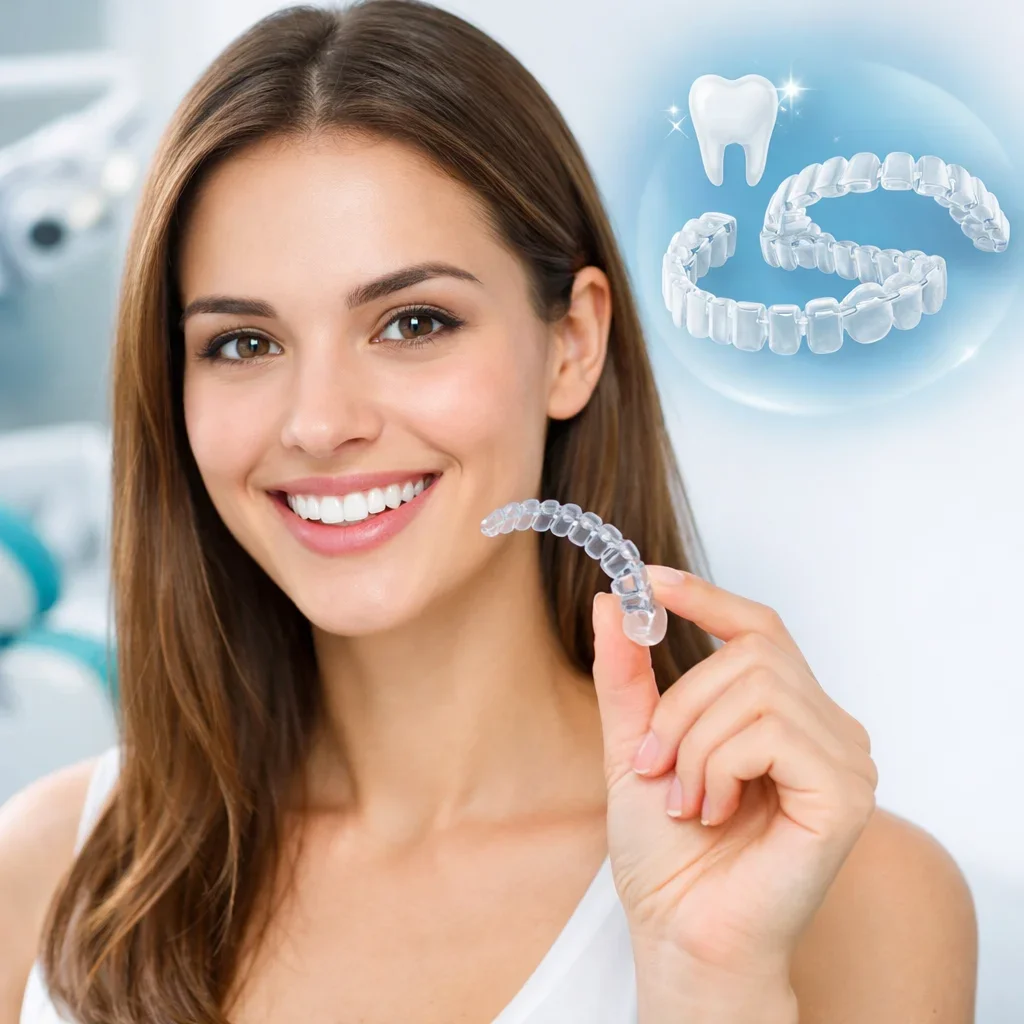
How to Maintain Results After Invisible Orthodontic Treatment
Completing invisible orthodontic treatment is an exciting milestone for many patients. After months of wearing aligners and watching their teeth gradually shift into proper alignment, patients finally achieve the straighter smile they were hoping for. However, finishing the active phase of invisible orthodontic treatment does not mean the orthodontic journey is completely over. Maintaining the results is a crucial step to ensure that the teeth remain in their newly corrected positions for many years to come.
Teeth naturally have a tendency to shift back toward their original positions, a phenomenon known as orthodontic relapse. Because the bone and surrounding tissues need time to stabilize after invisible orthodontic treatment, patients must follow specific post-treatment guidelines to preserve their results. With proper care, consistent retainer use, and regular dental monitoring, the benefits of invisible orthodontic treatment can last a lifetime. 😊
Why Retainers Are Essential After Invisible Orthodontic Treatment
One of the most important steps after completing invisible orthodontic treatment is wearing a retainer. Retainers are custom-made appliances designed to keep the teeth in their new positions while the surrounding bone structure stabilizes. Without a retainer, the teeth may gradually shift back, undoing the results achieved through invisible orthodontic treatment.
Most orthodontists recommend wearing a retainer immediately after the final aligner stage of invisible orthodontic treatment. In many cases, patients are advised to wear retainers full-time for several weeks before transitioning to nighttime use only.
The type of retainer used after invisible orthodontic treatment may vary depending on the patient’s needs. Some patients use removable retainers similar in appearance to clear aligners, while others may receive fixed retainers attached discreetly behind the teeth.
Maintaining Excellent Oral Hygiene
After completing invisible orthodontic treatment, maintaining excellent oral hygiene becomes even more important. Proper brushing and flossing help protect the newly aligned teeth and prevent oral health issues that could compromise orthodontic results.
Dentists generally recommend brushing at least twice per day and flossing daily. Patients who wear removable retainers should also clean them regularly to prevent bacteria buildup. Just like invisible orthodontic aligners, retainers should be rinsed and gently brushed to maintain cleanliness.
According to the American Dental Association, maintaining good oral hygiene helps protect both the teeth and gums after orthodontic treatment. Healthy gums and strong supporting bone structures play a critical role in preserving the results of invisible orthodontic treatment.
Regular Dental Checkups and Monitoring
Even after completing invisible orthodontic treatment, regular dental visits remain important. Dentists can monitor the stability of the teeth and ensure that they remain in their correct positions. Routine dental checkups also allow dentists to identify any early signs of shifting and address them quickly.
Patients who recently finished invisible orthodontic treatment may initially visit their dentist more frequently to ensure that their retainers fit correctly and that the teeth are stabilizing properly. Over time, these visits typically return to standard dental checkup intervals.
Professional monitoring ensures that the long-term benefits of invisible orthodontic treatment remain protected.
Lifestyle Habits That Protect Orthodontic Results
Certain lifestyle habits can also help maintain the results of invisible orthodontic treatment. Patients should avoid behaviors that may place excessive pressure on the teeth, such as biting hard objects, chewing ice, or opening packaging with their teeth.
For individuals who participate in sports, wearing a mouthguard can help protect the teeth from injury and prevent orthodontic relapse. Protecting the teeth from trauma is especially important after completing invisible orthodontic treatment because the teeth may still be stabilizing in their new positions.
Patients who grind their teeth at night may also benefit from wearing a protective night guard. This helps prevent unnecessary pressure on the teeth and protects the results achieved through invisible orthodontic care.
Long-Term Retainer Use
Many orthodontists recommend long-term retainer use after invisible orthodontic treatment. Even years after treatment, teeth may slowly shift if retainers are not worn periodically. Nighttime retainer use helps ensure that the teeth remain aligned over time.
Retainers are typically comfortable and easy to wear, especially for patients who have already completed invisible orthodontic treatment. Because they resemble clear aligners, most patients quickly adapt to wearing them at night.
By following retainer guidelines and attending regular dental appointments, patients can preserve the beautiful smile they achieved through invisible orthodontic treatment.
When to Contact Your Dentist
If patients notice that their retainer no longer fits properly or if their teeth begin to feel slightly misaligned, it is important to contact a dental professional promptly. Early intervention can help prevent significant relapse after invisible orthodontic treatment.
Dentists can evaluate the situation and determine whether a replacement retainer or minor orthodontic adjustment is necessary. Addressing small issues early ensures that the results of invisible orthodontic treatment remain stable and long-lasting.
Patients who need professional advice or wish to schedule a post-treatment evaluation can easily reach a dental specialist through the Redent Klinik Contact Page. Consulting experienced dental professionals ensures that orthodontic results are maintained properly.
Ultimately, maintaining the results of invisible orthodontic treatment requires consistent retainer use, proper oral hygiene, healthy lifestyle habits, and routine dental monitoring. By following these guidelines, patients can enjoy a straight, healthy, and confident smile for many years after completing their invisible orthodontic journey.