
Understanding how to get help with dental implants is one of the most important steps for anyone dealing with missing teeth, discomfort while chewing, or confidence issues related to their smile. Dental implants are not just a cosmetic solution; they are a long-term medical treatment that restores oral function, jawbone health, and overall quality of life. However, many people feel overwhelmed by the process, costs, medical requirements, and the sheer amount of information available. This guide is designed to fully answer the question of how to get help with dental implants in a clear, supportive, and practical way 😊.
When patients search for how to get help with dental implants, they are usually looking for professional guidance, financial clarity, trustworthy clinics, and reassurance that they are making the right decision. Help can come in many forms: expert dental consultations, treatment planning, emotional reassurance, financial options, and even international care solutions. The key is knowing where to start and how to evaluate each option safely.
The first step in learning how to get help with dental implants is understanding that implants are a medical procedure requiring personalized care. No two patients have the same jaw structure, bone density, or health history. A professional evaluation by a qualified dentist or implant specialist is essential. This usually includes digital X-rays, 3D scans, and a full oral health assessment. These diagnostics help determine whether you are a candidate for implants or if preparatory treatments such as bone grafting are needed.
Many people hesitate because they believe dental implants are only for certain age groups or that they require perfect oral health. In reality, adults of many ages can qualify for implants as long as their general health is stable. Conditions such as controlled diabetes or previous tooth loss do not automatically disqualify you. This is why professional guidance is central to how to get help with dental implants. Self-diagnosis or relying solely on online information can lead to unnecessary fear or delays.
Another essential part of how to get help with dental implants is choosing the right dental clinic. A reputable clinic will prioritize transparency, patient education, and individualized treatment plans. They should clearly explain each stage of the implant process, including consultation, implant placement, healing time, and final crown fitting. Clinics that rush decisions or avoid detailed explanations should raise red flags 🚩. A trustworthy provider will also discuss potential risks, success rates, and aftercare requirements honestly.
Patients often feel financial stress when researching how to get help with dental implants. While implants may seem expensive at first, they are often more cost-effective long-term compared to bridges or dentures that require frequent replacement. Many clinics offer flexible payment plans, phased treatments, or financing options. Some patients also explore international dental care, where high-quality treatment can be significantly more affordable while maintaining international standards.
In addition to clinical and financial support, emotional reassurance plays a vital role in how to get help with dental implants. Tooth loss can impact self-esteem, social confidence, and even mental health. A good dental team understands this and provides compassionate care throughout the process. Feeling heard, respected, and informed reduces anxiety and helps patients commit confidently to treatment.
It is also important to rely on authoritative dental resources when educating yourself about implants. Organizations such as the American Dental Association provide evidence-based information about dental implant safety, success rates, and best practices. Using trusted sources helps patients avoid misinformation and unrealistic expectations.
If you are unsure where to begin, reaching out directly to a qualified dental clinic is one of the most effective ways to understand how to get help with dental implants. A professional consultation allows you to ask questions, discuss concerns, and receive a clear roadmap tailored to your needs. You can contact a specialized dental team through the Redent Klinik Contact Page to receive personalized guidance and expert support.
Ultimately, how to get help with dental implants is about taking informed, confident steps toward restoring your oral health. With proper guidance, transparent communication, and professional care, dental implants can be a life-changing solution 🌟. Understanding the process empowers you to move forward with clarity, confidence, and peace of mind.
Understanding Dental Implants and Why Patients Need Help
To fully understand how to get help with dental implants, it is essential to first understand what dental implants are and why so many patients actively seek help during this process. Dental implants are artificial tooth roots, usually made of titanium, that are surgically placed into the jawbone to support crowns, bridges, or full-arch restorations. They are considered the most advanced and long-lasting solution for missing teeth, but they also require careful planning, expertise, and patient commitment.
Many people searching for how to get help with dental implants feel confused because implant treatment is very different from routine dental procedures like fillings or cleanings. It involves surgery, healing periods, and long-term maintenance. This complexity is exactly why professional and structured help is necessary. Patients are not just buying a dental service; they are entering a medical treatment journey that directly affects their oral health, facial structure, and daily comfort.
What Makes Dental Implants Different From Other Tooth Replacements?
One major reason patients need guidance on how to get help with dental implants is that implants function differently from dentures or bridges. Traditional dentures sit on the gums, while bridges rely on neighboring teeth for support. Dental implants, however, integrate directly with the jawbone through a process called osseointegration. This process allows the implant to behave like a natural tooth root, providing unmatched stability and chewing strength 🦷.
Because implants interact with bone and soft tissue, accurate diagnosis and treatment planning are critical. Factors such as bone density, gum health, bite alignment, and overall medical history must be evaluated. Without professional help, patients may not realize that they need preparatory procedures such as bone grafting or sinus lifting. This is a core reason why understanding how to get help with dental implants early on prevents complications later.
Why Patients Often Feel Overwhelmed
Patients frequently feel overwhelmed when researching how to get help with dental implants because of the volume of information online. Success rates, materials, techniques, costs, and recovery timelines vary widely depending on the clinic and the patient’s condition. Without expert interpretation, this information can be confusing or even misleading. Professional dental guidance helps translate complex medical details into clear, actionable steps.
Another challenge is fear. Dental anxiety is common, especially when surgery is involved. Many patients delay treatment because they are unsure about pain, recovery, or risks. Learning how to get help with dental implants from experienced professionals helps reduce fear through education, sedation options, and clear expectations. Knowing what will happen before, during, and after treatment significantly lowers stress levels 😊.
Health-Related Reasons Patients Need Implant Support
Beyond aesthetics, there are important health reasons why patients seek help with dental implants. Missing teeth can lead to bone loss in the jaw, shifting of remaining teeth, bite problems, and even facial sagging over time. These changes can affect speech, digestion, and overall facial appearance. Understanding how to get help with dental implants allows patients to address these issues proactively instead of reacting to worsening conditions later.
Additionally, patients with chronic conditions such as diabetes, osteoporosis, or heart disease often need specialized planning. This does not mean implants are impossible, but it does mean expert coordination is required. Medical history reviews, collaboration with physicians, and tailored surgical approaches are all part of professional implant help.
The Role of Professional Guidance in Implant Success
One of the most critical aspects of how to get help with dental implants is recognizing that implant success depends heavily on professional expertise. Studies consistently show high success rates when implants are placed by trained professionals following proper protocols. Clinics that use advanced imaging, sterile surgical environments, and evidence-based techniques significantly reduce risks such as implant failure or infection.
Professional help also includes long-term aftercare. Implants require proper oral hygiene, regular check-ups, and sometimes lifestyle adjustments. Patients who receive thorough education and follow-up care experience better outcomes and longer-lasting results. This ongoing support is often overlooked but is a vital component of how to get help with dental implants in a sustainable way.
In summary, understanding dental implants goes hand in hand with understanding why help is necessary. From medical evaluations and emotional reassurance to technical expertise and aftercare, learning how to get help with dental implants empowers patients to make informed decisions that protect both their oral health and overall well-being 🌟.
Common Reasons People Seek Help With Dental Implants
When people search for how to get help with dental implants, they are rarely doing so out of simple curiosity. In most cases, there is a clear problem affecting their daily life, comfort, confidence, or health. Understanding these common reasons helps patients realize that their concerns are valid and shared by millions of others worldwide. Dental implants are often sought not as a luxury, but as a practical and medically sound solution to ongoing oral health challenges.
Knowing the reasons why people look for guidance on how to get help with dental implants also makes it easier to identify the right type of support. Some patients need clinical expertise, others need financial guidance, and many need reassurance that implants are the right choice for their situation. Below are the most common motivations that drive people to seek professional implant help.
Tooth Loss Due to Decay, Injury, or Gum Disease
The most common reason people want to understand how to get help with dental implants is tooth loss. Teeth may be lost due to severe decay, advanced gum disease (periodontitis), trauma, or accidents. Missing teeth are not just a cosmetic concern; they can disrupt chewing, speech, and overall oral balance. Over time, gaps in the mouth can cause neighboring teeth to shift, leading to bite problems and further dental complications.
Dental implants offer a stable, long-term replacement that closely mimics natural teeth. Patients who experience discomfort with dentures or dissatisfaction with bridges often turn to implants as a more secure solution. Seeking help ensures the implant is placed correctly and tailored to the individual’s anatomy.
Difficulty Eating and Digestive Problems
Another major reason people search for how to get help with dental implants is difficulty eating. Missing or unstable teeth can make it hard to chew nutritious foods such as fruits, vegetables, and protein-rich meals. This limitation often leads to poor dietary choices, which can negatively affect overall health.
Dental implants restore proper bite force and chewing efficiency, allowing patients to eat comfortably again. Many patients report improved digestion and overall energy levels after implant treatment. Professional help is crucial to ensure implants are positioned correctly to handle natural chewing forces.
Low Self-Confidence and Social Discomfort
Emotional and psychological factors are powerful motivators behind learning how to get help with dental implants. Tooth loss can significantly affect self-esteem, causing people to avoid smiling, speaking openly, or engaging socially. This emotional burden is often underestimated but deeply impactful.
Patients who feel embarrassed about their smile may withdraw from social or professional situations. Dental implants provide a natural-looking solution that restores confidence. Understanding how to get help with dental implants allows patients to take control of their appearance and emotional well-being 😊.
Speech Issues Caused by Missing Teeth
Missing teeth, especially in the front of the mouth, can affect pronunciation and speech clarity. Sounds such as “s,” “f,” and “th” may become difficult to articulate. This can be frustrating and embarrassing, especially in professional or social settings. Seeking help with dental implants can resolve these issues by restoring proper oral structure.
Jawbone Loss and Facial Changes
One lesser-known but critical reason people look into how to get help with dental implants is jawbone loss. When a tooth is missing, the jawbone in that area no longer receives stimulation from chewing. Over time, this leads to bone resorption, which can change facial contours and cause a sunken appearance.
Dental implants are the only tooth replacement option that actively stimulates the jawbone, helping preserve bone density. Patients who delay treatment may require additional procedures such as bone grafting. Professional guidance helps patients address bone loss early and maintain facial structure.
Problems With Dentures or Bridges
Many patients seek how to get help with dental implants after years of frustration with dentures or bridges. Dentures may slip, cause sore spots, or feel unstable, while bridges require grinding down healthy neighboring teeth. These limitations often push patients to look for a more permanent and comfortable solution.
Dental implants eliminate many of these issues by providing independent support directly from the jawbone. Getting professional help ensures that the transition from dentures or bridges to implants is safe, efficient, and comfortable.
Long-Term Cost and Maintenance Concerns
Although dental implants may appear costly upfront, many patients explore how to get help with dental implants because they are tired of repeated dental repairs. Dentures and bridges often require replacement or adjustment over time, adding up financially. Implants, when properly placed and maintained, can last decades.
Professional consultation helps patients understand the long-term value of implants and compare them realistically with other options. This clarity is a major reason people actively seek expert help rather than making decisions based on short-term costs.
In conclusion, people seek how to get help with dental implants for many interconnected reasons: physical discomfort, health concerns, emotional well-being, and long-term stability. Recognizing these motivations helps patients feel confident that seeking professional implant support is not only reasonable but often life-changing 🌟.
How to Get Professional Help With Dental Implants
Learning how to get help with dental implants starts with understanding what “professional help” truly means in the context of implant dentistry. Dental implants are a complex medical treatment that combines surgical skill, prosthetic design, and long-term oral health planning. Because of this, professional help is not optional—it is essential for safety, success, and lasting results. Patients who seek qualified guidance early are far more likely to experience smooth treatment, faster healing, and reliable outcomes.
When people search for how to get help with dental implants, they are often unsure where to begin. Should they see a general dentist, a specialist, or a full-service implant clinic? The answer depends on the individual case, but the core principle remains the same: professional implant care must be comprehensive, transparent, and patient-centered.
Start With a Comprehensive Dental Implant Consultation
The first and most important step in how to get help with dental implants is a professional consultation. This appointment goes far beyond a simple dental check-up. A proper implant consultation includes a full oral examination, digital X-rays, and often 3D imaging such as CBCT scans. These tools allow the dentist to evaluate bone quality, nerve positioning, sinus cavities, and overall oral health.
During this stage, patients receive clear answers about whether they are suitable candidates for implants. If additional procedures such as bone grafting or gum treatment are required, these will be explained in detail. This personalized evaluation is critical because implant treatment is never one-size-fits-all 🦷.
Choosing the Right Dental Professional
Another crucial part of how to get help with dental implants is selecting the right dental professional. Implant treatments may be performed by oral surgeons, periodontists, prosthodontists, or highly trained general dentists. What matters most is experience, training, and a proven track record with implants.
Patients should feel comfortable asking about the dentist’s implant experience, success rates, and the number of cases performed annually. A professional clinic will welcome these questions and provide clear, honest answers. Avoid clinics that rush decisions or avoid discussing potential risks.
Why Multidisciplinary Implant Teams Matter
Many high-quality implant centers use a multidisciplinary approach. This means surgeons, restorative dentists, and support staff work together to plan and execute treatment. This team-based model is especially beneficial for complex cases such as full-mouth restorations or patients with medical conditions. Understanding how to get help with dental implants includes recognizing the value of coordinated care.
Personalized Treatment Planning and Transparency
A key sign of professional help is a detailed treatment plan. Patients learning how to get help with dental implants should expect a clear roadmap outlining each stage of treatment: preparation, implant placement, healing time, and final restoration. Timelines, materials used, and expected outcomes should all be explained in plain language.
Transparency also includes discussing possible complications, recovery expectations, and aftercare requirements. Honest communication builds trust and allows patients to make informed decisions without pressure 😊.
Understanding Surgical and Non-Surgical Support Options
Professional help with dental implants also includes access to supportive services that improve patient comfort and safety. These may include local anesthesia, conscious sedation, or advanced pain management techniques. For anxious patients, sedation options can make a significant difference in their overall experience.
Post-surgical care is equally important. Follow-up appointments, hygiene instructions, and long-term monitoring are all part of professional implant support. Patients who understand how to get help with dental implants know that aftercare is just as important as the surgery itself.
Using Trusted Dental Institutions for Guidance
Reliable information plays a major role in how to get help with dental implants. Patients should rely on authoritative dental organizations for educational support. Institutions such as the American Dental Association provide evidence-based guidance on implant safety, treatment standards, and patient expectations. These resources help patients separate medical facts from marketing claims.
Direct Communication With a Qualified Clinic
One of the most effective ways to get professional help is direct communication with a specialized clinic. Speaking with an experienced dental team allows patients to discuss concerns, review treatment options, and understand costs clearly. Clinics that prioritize patient communication often offer online consultations or detailed pre-visit guidance.
If you are actively exploring how to get help with dental implants, reaching out to a trusted provider through the Redent Klinik Contact Page can be an excellent starting point. Professional guidance at this stage helps prevent mistakes, delays, and unnecessary stress.
In summary, how to get help with dental implants involves more than finding a dentist—it means choosing professional, experienced, and patient-focused care. With the right guidance, dental implants become a safe, predictable, and life-enhancing solution 🌟.
Choosing the Right Dental Clinic for Implant Treatment
One of the most decisive steps in learning how to get help with dental implants is choosing the right dental clinic. Even the most advanced implant materials and techniques can fail if they are not supported by experienced professionals, proper planning, and ethical patient care. For many patients, the clinic they choose determines not only the success of the implants but also their comfort, confidence, and long-term oral health.
Patients researching how to get help with dental implants often compare clinics online, read reviews, and look at before-and-after photos. While these are useful starting points, selecting the right clinic requires deeper evaluation. Implant dentistry is a specialized field, and not all dental clinics offer the same level of expertise, technology, or patient-centered care.
Experience and Specialization in Dental Implants
The first criterion when choosing a clinic is experience. A clinic that regularly performs implant treatments is far better equipped than one that offers implants occasionally. Patients should look for clinics where dental implants are a core service, not an add-on. Experience matters because implant placement requires precision, surgical judgment, and the ability to manage complications if they arise.
When learning how to get help with dental implants, it is reasonable to ask how many implant cases the clinic handles each year, what types of implant systems they use, and whether they manage complex cases such as bone loss or full-mouth restorations. Clinics with extensive implant experience are more likely to deliver predictable, long-lasting results 🦷.
Advanced Technology and Diagnostic Tools
Modern technology plays a critical role in how to get help with dental implants safely. Reputable clinics invest in advanced diagnostic tools such as 3D CBCT imaging, digital impressions, and guided implant surgery systems. These technologies allow for precise planning, accurate implant placement, and reduced surgical risks.
A clinic that relies only on basic X-rays may not provide the same level of diagnostic accuracy. Advanced imaging helps identify bone density issues, nerve positions, and sinus anatomy—factors that directly affect implant success. Choosing a clinic with up-to-date technology demonstrates a commitment to quality and patient safety.
Sterilization and Clinical Standards
Another often-overlooked aspect of how to get help with dental implants is infection control. Implant surgery requires a sterile environment similar to minor surgical procedures. Clinics should follow strict sterilization protocols, use disposable surgical components where appropriate, and adhere to international hygiene standards.
Patients should feel confident that the clinic prioritizes cleanliness and safety. Transparency in clinical protocols is a strong indicator of professionalism.
Clear Communication and Patient Education
Understanding how to get help with dental implants also means choosing a clinic that values communication. A good clinic takes time to explain the procedure, alternatives, risks, and expected outcomes in simple language. Patients should never feel rushed or pressured into treatment.
Clear communication includes providing written treatment plans, visual explanations, and realistic timelines. Clinics that educate their patients empower them to make informed decisions rather than emotional or rushed choices 😊.
Customized Treatment Planning
No two implant patients are the same, which is why personalized treatment planning is essential. Clinics that offer standardized implant packages without thorough evaluation may overlook critical individual factors. Learning how to get help with dental implants involves finding a clinic that designs treatment plans based on your bone structure, health status, and long-term goals.
Customized care improves comfort, healing, and aesthetic outcomes. It also reduces the risk of implant failure by addressing underlying issues before surgery.
Patient Reviews, Reputation, and Trust
While online reviews should not be the sole deciding factor, they provide valuable insight into patient experiences. When researching how to get help with dental implants, look for consistent feedback about professionalism, communication, and post-treatment support. Genuine reviews often mention how patients were treated before, during, and after the procedure.
Reputation is built over time. Clinics that are transparent, ethical, and patient-focused tend to develop strong word-of-mouth recommendations. Trust your instincts—if something feels unclear or uncomfortable, it is okay to seek a second opinion.
Accessibility and Ongoing Support
Dental implants require follow-up care. Choosing a clinic that offers ongoing support, routine check-ups, and easy communication is a crucial part of how to get help with dental implants long-term. Implant success does not end with surgery; maintenance and monitoring are equally important.
If you are considering professional guidance, reaching out through the Redent Klinik Contact Page can help you connect with a clinic that prioritizes patient care, transparency, and long-term results.
In conclusion, choosing the right dental clinic is one of the most impactful decisions in how to get help with dental implants. Experience, technology, communication, and trust all work together to ensure safe treatment and lasting success 🌟.
Financial Assistance Options for Dental Implant Patients
For many people exploring how to get help with dental implants, financial concerns are one of the biggest barriers. Dental implants are a long-term medical investment, and while they offer unmatched durability and function, the upfront cost can feel intimidating. The good news is that there are multiple financial assistance options available, and understanding them clearly is a key part of how to get help with dental implants in a realistic and stress-free way.
Patients who feel stuck often assume implants are simply unaffordable. In reality, many clinics and programs are designed specifically to help patients manage costs responsibly. Financial help does not always mean discounts; it can also mean smart planning, phased treatment, and flexible payment structures that make implants achievable without compromising quality 😊.
Understanding the Real Cost of Dental Implants
Before discussing assistance options, it is important to understand what patients are paying for when learning how to get help with dental implants. Implant treatment typically includes diagnostic imaging, surgical placement, the implant post, the abutment, and the final crown. In some cases, additional procedures such as bone grafting or sinus lifting may be required.
Typical Dental Implant Cost Ranges (per tooth):
- Single dental implant (implant + crown): $2,500 – $5,000
- Bone grafting (if needed): $300 – $1,500
- Full-arch implant solutions: $15,000 – $30,000+
These figures vary by country, clinic, and complexity. Understanding these ranges helps patients realistically plan how to get help with dental implants instead of relying on assumptions or fear-based decisions.
Dental Clinic Payment Plans and Financing
One of the most common ways patients manage costs while learning how to get help with dental implants is through clinic-based payment plans. Many reputable clinics offer installment options that allow patients to spread payments over several months or even years. This approach reduces financial pressure while allowing treatment to proceed without unnecessary delays.
Some clinics partner with third-party medical financing companies that offer low-interest or interest-free payment plans for qualified patients. These programs are especially helpful for patients who want predictable monthly payments instead of a large upfront cost 🦷.
Phased Treatment as a Cost-Control Strategy
Phased treatment is another effective financial strategy within how to get help with dental implants. Instead of completing the entire procedure at once, treatment can be divided into stages. For example, implant placement may be done first, followed by healing, and then the final crown at a later date.
This approach not only supports healing but also allows patients to manage expenses over time. A professional clinic will clearly outline each phase and its associated cost.
Insurance and Partial Coverage Considerations
While many dental insurance plans do not fully cover implants, partial coverage is sometimes available. When researching how to get help with dental implants, patients should review their insurance policies carefully. Some plans may cover diagnostic exams, extractions, or crowns even if the implant itself is excluded.
Medical insurance may also contribute in certain cases, such as tooth loss due to accidents or medical conditions. Clinics experienced in implant care often assist patients with insurance paperwork and pre-authorization to maximize available benefits.
Dental Schools and Teaching Clinics
Another option for patients exploring how to get help with dental implants is treatment at dental schools or teaching hospitals. These institutions often offer reduced fees because procedures are performed by supervised specialists-in-training. While treatment timelines may be longer, the care is typically guided by experienced professionals.
This option can be suitable for patients who prioritize affordability and are comfortable with a structured academic environment.
International Dental Care as a Financial Solution
For some patients, traveling abroad becomes a strategic way to manage costs while maintaining quality. Countries with advanced dental infrastructure and lower operating costs often offer implant treatment at significantly reduced prices. This option is increasingly popular among patients seeking how to get help with dental implants without sacrificing professional standards.
When considering international care, it is essential to choose clinics that meet international hygiene standards, use globally recognized implant brands, and provide transparent communication. Travel planning, accommodation, and follow-up care should all be clearly discussed in advance.
Value Over Price: Long-Term Financial Perspective
One of the most important mindset shifts in how to get help with dental implants is focusing on long-term value rather than upfront price alone. Dentures and bridges often require repairs or replacements, while implants—when properly placed—can last decades.
Patients who invest in quality implant care often save money over time by avoiding repeated dental procedures. Professional guidance helps patients understand this long-term perspective and make financially sound decisions.
In summary, financial concerns should never stop patients from learning how to get help with dental implants. With payment plans, phased treatment, insurance coordination, and international options, implant care is more accessible than many people realize 🌟.
Insurance Coverage and Dental Implant Support Programs
For many patients researching how to get help with dental implants, insurance coverage and formal support programs are often the most confusing aspects of the process. Dental implants sit at the intersection of medical and dental care, which means coverage rules can vary widely depending on the insurance provider, policy type, and even the reason for tooth loss. Understanding how insurance and support programs work is a critical step in learning how to get help with dental implants without unnecessary financial stress.
Many people assume that insurance will not help at all with implant treatment. While it is true that full coverage is uncommon, partial coverage and indirect benefits are often available. Knowing how to identify and use these benefits can significantly reduce out-of-pocket costs 😊.
Why Dental Insurance Coverage for Implants Is Limited
To understand how to get help with dental implants through insurance, it helps to know why coverage is limited in the first place. Dental insurance was traditionally designed around preventive care and basic restorative treatments such as fillings, cleanings, and simple extractions. Dental implants, being a more advanced and long-term solution, are sometimes classified as elective rather than essential.
However, this classification is slowly changing. As implants become the standard of care for tooth replacement, more insurers are beginning to recognize their medical necessity, especially in cases involving trauma, bone loss, or functional impairment.
What Parts of Implant Treatment Insurance May Cover
Even if the implant post itself is not fully covered, insurance often contributes to other parts of the treatment. Patients learning how to get help with dental implants should carefully review their policies for coverage of:
- Initial consultations and diagnostic exams
- Digital X-rays or 3D imaging
- Tooth extractions
- Bone grafting or preparatory procedures
- Implant crowns or prosthetic components
When these components are combined, the total insurance contribution can be meaningful. Experienced clinics often help patients submit pre-treatment estimates so there are no surprises later.
Medical Insurance and Special Circumstances
In certain cases, medical insurance may also play a role in how to get help with dental implants. Tooth loss resulting from accidents, injuries, congenital conditions, or medical treatments (such as cancer therapy) may qualify for medical coverage. This is especially true when implants are necessary to restore basic function such as chewing or speech.
Coordination between dental and medical insurance can be complex, but clinics experienced in implant care often assist patients with documentation and claims.
Dental Implant Discount and Support Programs
Beyond insurance, many patients explore support programs as part of how to get help with dental implants. Some dental clinics offer in-house discount programs for patients without insurance. These programs may include reduced consultation fees, bundled treatment pricing, or loyalty-based discounts.
Non-profit organizations and community health initiatives occasionally provide limited assistance for dental care, including implants, particularly for seniors, veterans, or individuals with disabilities. Availability varies by region, but these programs can be valuable resources for eligible patients.
Employer Benefits and Flexible Spending Accounts
Another often-overlooked strategy in how to get help with dental implants is using employer-sponsored benefits. Flexible Spending Accounts (FSAs) and Health Savings Accounts (HSAs) allow patients to use pre-tax income for eligible medical and dental expenses. Dental implants are commonly considered eligible expenses under these programs.
Using pre-tax funds can effectively reduce the overall cost of treatment. Patients considering implants should check contribution limits and eligible expense rules with their benefits administrator.
The Importance of Pre-Authorization and Documentation
Pre-authorization is a critical step when using insurance to support implant treatment. Clinics that understand how to get help with dental implants properly will submit treatment plans and documentation to insurance providers in advance. This process clarifies what will and will not be covered before treatment begins.
Proper documentation may include diagnostic images, medical necessity statements, and detailed treatment codes. Skipping this step can lead to denied claims and unexpected expenses.
Professional Guidance Makes a Difference
One of the biggest advantages of working with an experienced implant clinic is guidance through the insurance and support process. Clinics that regularly help patients navigate coverage options can identify opportunities for savings that patients may overlook on their own.
Understanding how to get help with dental implants is not just about surgery—it is also about financial navigation, paperwork, and strategic planning. Professional assistance transforms a confusing process into a manageable one 🌟.
In summary, while insurance may not cover every aspect of implant treatment, it often plays a meaningful supporting role. Combined with discount programs, tax-advantaged accounts, and professional guidance, insurance becomes an important tool in how to get help with dental implants responsibly and confidently.
Medical Evaluations Before Getting Dental Implant Help
One of the most critical yet often misunderstood steps in how to get help with dental implants is the medical evaluation process. Dental implants are not just a cosmetic procedure; they are a surgical treatment that interacts with bone, gums, nerves, and the body’s healing systems. Because of this, proper medical and dental evaluations are essential to ensure safety, long-term success, and predictable results. Skipping or minimizing this step can lead to complications that are both costly and avoidable.
Patients searching for how to get help with dental implants are sometimes eager to move directly to treatment, especially if they have been living with missing teeth for a long time. However, a thorough evaluation is what allows professionals to tailor the implant plan to the patient’s unique health profile. This personalized approach is one of the strongest predictors of implant success 😊.
Why Medical Evaluations Are Essential for Dental Implants
Dental implants rely on the body’s ability to heal and integrate the implant into the jawbone, a process known as osseointegration. This healing response is influenced by many medical factors, including blood circulation, immune response, and bone metabolism. Understanding how to get help with dental implants means recognizing that these biological factors must be assessed before surgery.
A comprehensive evaluation reduces the risk of implant failure, infection, delayed healing, or nerve complications. It also helps the dental team anticipate challenges and plan solutions in advance rather than reacting to problems after surgery.
Oral Health and Jawbone Assessment
The first component of evaluation focuses on oral health. Dentists assess gum condition, existing infections, bite alignment, and remaining teeth. Active gum disease or untreated infections must be resolved before implant placement. Patients learning how to get help with dental implants are often surprised to learn that healthy gums are just as important as strong bone.
Jawbone assessment is equally critical. Using 3D imaging such as CBCT scans, dentists evaluate bone height, width, and density. If bone volume is insufficient, procedures like bone grafting may be recommended. This is not a setback—it is a proactive step that increases long-term implant success 🦷.
Bone Density and Implant Stability
Bone density determines how well the implant can anchor into the jaw. Low-density bone does not automatically rule out implants, but it may influence implant size, placement technique, or healing time. Understanding these details is a key part of how to get help with dental implants safely and effectively.
Review of General Medical History
Another essential part of how to get help with dental implants is a full review of general medical history. Conditions such as diabetes, cardiovascular disease, autoimmune disorders, and osteoporosis can affect healing and surgical planning. This does not mean implants are unsafe, but it does mean additional precautions may be necessary.
Medications are also carefully reviewed. Blood thinners, steroids, and certain osteoporosis medications can influence surgical decisions. Dentists may collaborate with the patient’s physician to adjust timing or protocols to ensure safety.
Lifestyle Factors That Affect Implant Success
Lifestyle habits are an important but often overlooked aspect of how to get help with dental implants. Smoking, excessive alcohol use, and poor oral hygiene significantly increase the risk of implant failure. During the evaluation, dentists discuss these factors openly and provide guidance on how to improve outcomes.
For example, smokers may be advised to quit or reduce smoking before and after surgery. Patients who follow these recommendations dramatically improve their chances of long-term implant success.
Customized Risk Assessment and Treatment Planning
After gathering all medical and dental information, the dental team creates a customized risk assessment. This step is central to how to get help with dental implants because it transforms raw data into a clear, personalized treatment plan. Patients learn what to expect, what steps are required, and how risks will be managed.
This transparency builds trust and confidence. Patients who understand their own risk profile are better prepared mentally and physically for treatment.
Clearance and Patient Readiness
Before proceeding, patients receive medical clearance confirming they are ready for implant surgery. This final step ensures that all necessary conditions are optimized. Understanding how to get help with dental implants includes recognizing that readiness is not just physical—it is also about informed consent and realistic expectations.
Patients are encouraged to ask questions, voice concerns, and fully understand recovery timelines and aftercare responsibilities. Feeling informed and prepared reduces anxiety and leads to a smoother treatment experience 🌟.
In conclusion, medical evaluations are the foundation of successful implant treatment. They protect patient health, guide clinical decisions, and significantly improve outcomes. Anyone serious about learning how to get help with dental implants should view this evaluation process not as a delay, but as a vital step toward safe, lasting results.
Emotional and Psychological Support During Implant Treatment
When people research how to get help with dental implants, they often focus on medical procedures, costs, and recovery timelines. However, one of the most overlooked yet crucial aspects of implant treatment is emotional and psychological support. Tooth loss and complex dental procedures can deeply affect a person’s confidence, self-image, and emotional well-being. Understanding how to get help with dental implants means addressing not only physical needs but also mental and emotional challenges.
For many patients, dental implant treatment represents hope for a better quality of life, but it can also bring anxiety, fear, and uncertainty. These emotional responses are completely normal. A comprehensive implant journey should include reassurance, empathy, and clear communication to help patients feel supported every step of the way 😊.
Emotional Impact of Tooth Loss
Tooth loss often carries a heavy emotional burden. People may feel embarrassed about their appearance, avoid smiling, or withdraw from social interactions. These feelings are a common reason why individuals begin searching for how to get help with dental implants. Missing teeth can affect speech, facial structure, and confidence, leading to feelings of aging or loss of identity.
Dental implants offer more than a functional solution; they restore a sense of normalcy. Knowing that a permanent and natural-looking option exists can bring emotional relief, but the decision process itself may still feel overwhelming.
Social and Professional Confidence
Patients often underestimate how much dental appearance influences social and professional interactions. Fear of judgment or embarrassment can affect relationships, job performance, and public speaking. Understanding how to get help with dental implants empowers patients to regain confidence and re-engage socially without fear or hesitation.
Dental Anxiety and Fear of Surgery
Dental anxiety is one of the most common psychological barriers in how to get help with dental implants. The idea of surgery, needles, or post-operative pain can cause intense stress, even in patients who otherwise prioritize their health. Past negative dental experiences often amplify these fears.
Professional implant clinics recognize this anxiety and offer supportive solutions such as detailed explanations, gentle techniques, and sedation options. Clear communication about what to expect before, during, and after surgery significantly reduces fear and builds trust 🦷.
The Importance of Trust and Communication
Trust is the foundation of emotional support in implant treatment. Patients learning how to get help with dental implants should feel comfortable asking questions, expressing fears, and discussing expectations openly. Clinics that prioritize patient communication create a safe environment where emotional concerns are taken seriously.
Feeling rushed or dismissed can increase anxiety, while being heard and understood fosters confidence. A supportive dental team explains procedures in simple language, provides realistic timelines, and checks in regularly with patients throughout the process.
Support Systems: Family, Friends, and Dental Teams
Emotional support does not come only from dental professionals. Family members and close friends play an important role in how to get help with dental implants emotionally. Encouragement, understanding, and practical help during recovery can make a significant difference in the patient’s experience.
Some clinics also provide patient coordinators or counselors who guide patients through the process, answer non-clinical questions, and offer reassurance. This holistic support approach reduces feelings of isolation and uncertainty.
Coping Strategies During the Implant Journey
Patients can actively support their emotional well-being by practicing stress-reduction techniques such as deep breathing, mindfulness, or guided relaxation before appointments. Staying informed, but not overwhelmed, also helps maintain emotional balance. Reliable information from trusted professionals is a key part of how to get help with dental implants without unnecessary stress.
Post-Treatment Emotional Benefits
The emotional benefits after successful implant treatment are often profound. Patients frequently report improved self-esteem, renewed confidence, and a greater willingness to engage socially. These positive outcomes reinforce why emotional support is such a vital component of how to get help with dental implants.
Feeling comfortable eating, speaking, and smiling again restores not just oral function but also emotional freedom. This transformation is one of the most rewarding aspects of implant care 🌟.
Recognizing When Additional Support Is Needed
In some cases, patients may benefit from professional psychological support, especially if dental anxiety or self-esteem issues are severe. Recognizing this need is not a weakness—it is part of a responsible and holistic approach to how to get help with dental implants.
In conclusion, emotional and psychological support is a critical, though often overlooked, element of implant treatment. Addressing fears, building trust, and nurturing confidence help ensure that patients experience not only successful dental outcomes but also genuine improvements in quality of life. Anyone seeking how to get help with dental implants should remember that emotional care matters just as much as clinical expertise.
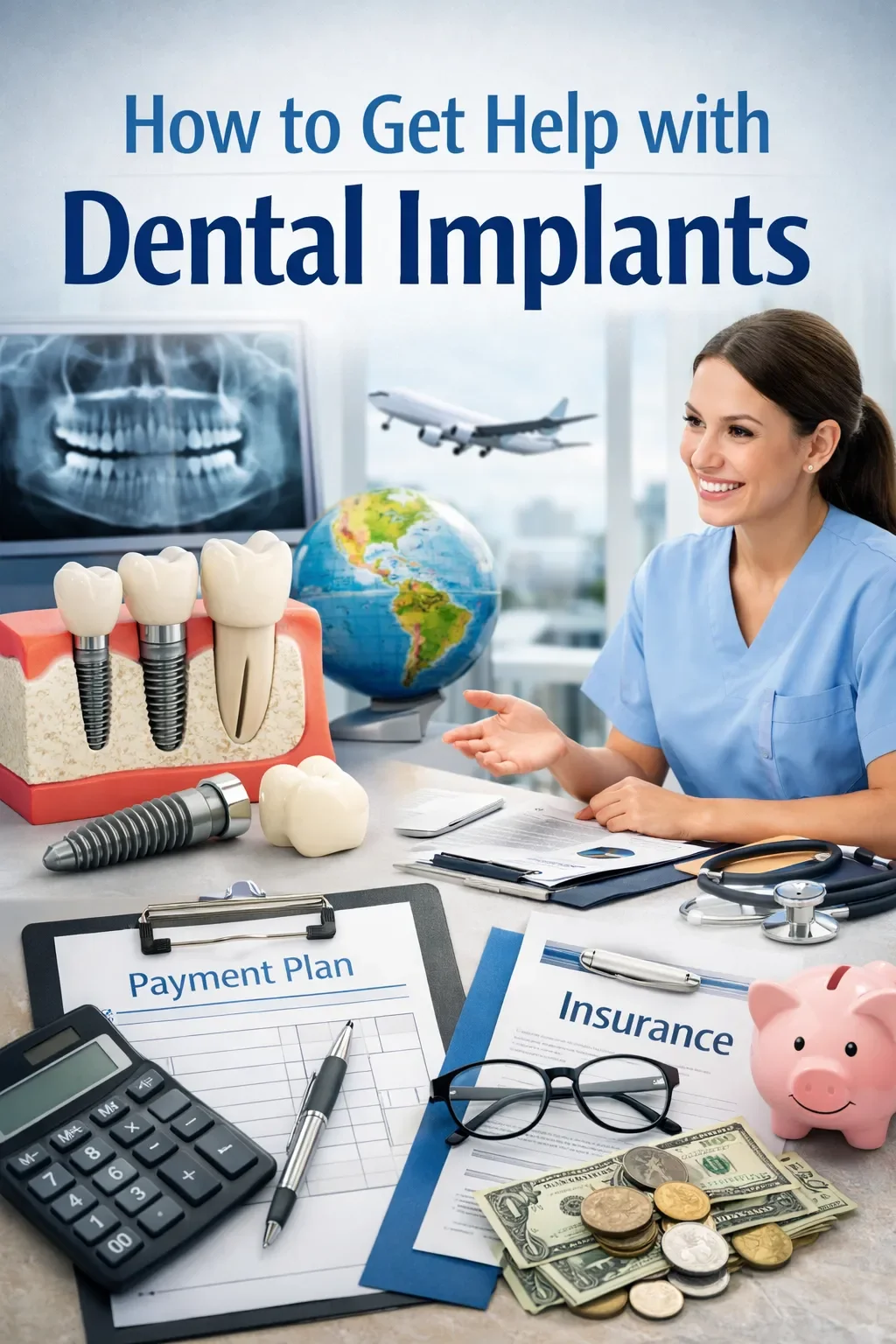
International Solutions: Getting Help With Dental Implants Abroad
For a growing number of patients worldwide, exploring international options has become a practical and effective way to understand how to get help with dental implants. Rising healthcare costs, limited insurance coverage, and long waiting times in some countries have encouraged patients to look beyond their borders for high-quality dental care. Dental tourism is no longer a niche trend; it is a well-established solution for patients seeking expert treatment, modern technology, and significant cost advantages.
When people research how to get help with dental implants abroad, they are often surprised to learn that many international clinics meet or exceed the standards found in their home countries. The key is knowing how to evaluate providers, plan treatment safely, and ensure continuity of care. With the right approach, international implant treatment can be both safe and highly rewarding 😊.
Why Patients Choose Dental Implants Abroad
The most common reason patients look internationally when learning how to get help with dental implants is cost. In many countries, dental implant treatment can cost 50–70% less than in places such as the United States, Canada, or the UK. These savings are not necessarily due to lower quality, but rather differences in operating costs, labor expenses, and healthcare systems.
Beyond affordability, many patients are attracted by shorter waiting times and access to highly specialized implant clinics. Some international centers focus almost exclusively on implant dentistry, performing thousands of cases each year. This high case volume often translates into advanced expertise and refined treatment protocols 🦷.
Quality Standards and International Accreditation
A critical part of how to get help with dental implants abroad is ensuring quality and safety. Reputable international clinics adhere to strict sterilization protocols, use globally recognized implant brands, and follow evidence-based clinical guidelines. Many clinics are accredited by international health organizations or comply with European and international medical standards.
Patients should look for clinics that openly share information about their certifications, implant systems, and clinical experience. Transparency is a strong indicator of professionalism and ethical practice.
Technology and Materials Used Internationally
Modern international implant clinics often use the same—or even more advanced—technology than clinics in high-cost countries. This includes 3D CBCT imaging, digital smile design, guided implant surgery, and CAD/CAM restorations. Understanding how to get help with dental implants includes verifying that these technologies are part of the clinic’s standard workflow.
Planning Your Implant Treatment Abroad
Proper planning is essential when considering international implant care. Patients researching how to get help with dental implants should start with a remote consultation. Many clinics offer online evaluations where patients can submit X-rays, scans, or dental reports for preliminary assessment.
Based on this information, the clinic can propose a treatment plan, timeline, and estimated cost before the patient travels. This level of preparation reduces uncertainty and allows patients to plan travel, accommodation, and recovery time confidently.
Travel, Accommodation, and Treatment Timeline
Another advantage of international clinics is their experience in managing travel logistics. Many offer treatment packages that include airport transfers, accommodation assistance, and dedicated patient coordinators. This support is especially helpful for patients unfamiliar with traveling for medical care.
Dental implant treatment abroad is often completed in stages. For example, implant placement may require a short stay, followed by a healing period, and then a second visit for final restorations. Understanding these timelines is a crucial part of how to get help with dental implants internationally without disrupting personal or professional responsibilities.
Aftercare and Long-Term Follow-Up
A common concern when learning how to get help with dental implants abroad is aftercare. Reputable clinics provide detailed post-treatment instructions and remain available for follow-up communication. Many implant systems are internationally recognized, allowing local dentists to assist with routine check-ups if needed.
Patients should ensure they receive documentation of their implant system, treatment details, and warranty information. This transparency ensures continuity of care regardless of location.
Choosing the Right International Dental Clinic
Selecting the right clinic is the most important decision in international implant care. Patients should evaluate experience, patient reviews, communication quality, and responsiveness. Clinics that prioritize patient education and offer clear explanations help patients feel confident in their decision.
If you are exploring international options and want professional guidance, contacting a trusted provider through the Redent Klinik Contact Page can help you understand your options clearly and safely.
Balancing Cost Savings With Safety and Expertise
While affordability is a major motivator, how to get help with dental implants abroad should never focus on price alone. The true value lies in combining cost savings with professional expertise, modern technology, and ethical care. Patients who prioritize quality alongside affordability often report excellent outcomes and high satisfaction.
In conclusion, international dental implant solutions offer a powerful opportunity for patients seeking expert care at accessible costs. With proper research, professional communication, and careful planning, getting help abroad can be a safe, effective, and life-changing step 🌍. Understanding how to get help with dental implants internationally empowers patients to expand their options and choose what truly works best for their health and future.