
Choosing to renew dental implants is not just a technical dental decision—it is a life-quality decision that directly affects your comfort, confidence, and long-term oral health 😊. Dental implants are designed to be a durable and long-lasting solution for missing teeth, but like any medical treatment, they may require renewal, adjustment, or replacement over time. Understanding what it truly means to renew dental implants is the first and most important step toward maintaining a healthy, functional, and natural-looking smile.
When people search for information about how to renew dental implants, they are usually experiencing concerns such as discomfort, loosening, gum issues, or changes in appearance. Others may have had implants placed many years ago and are now wondering whether newer technologies or materials could offer better results. In all cases, the goal of renewing dental implants is to restore optimal function while protecting the surrounding bone and gum tissue 🦷.
Renewing dental implants does not always mean removing the entire implant system. In many cases, the implant post remains firmly integrated with the jawbone, while only the crown, abutment, or surrounding soft tissue requires intervention. A professional evaluation determines whether a partial renewal or a full implant replacement is needed. This personalized approach is what makes modern implant dentistry so effective.
One of the most common misconceptions is that dental implants last forever without maintenance. While implants are extremely durable, factors such as oral hygiene habits, bite force, bone density changes, gum disease, and even systemic health conditions can influence their longevity. That is why dentists emphasize periodic check-ups and early intervention if signs of wear appear. Acting early to renew dental implants can prevent more complex and costly procedures in the future.
From a functional perspective, renewing dental implants helps restore proper chewing efficiency, speech clarity, and bite alignment. Over time, worn or ill-fitting implant crowns can place uneven stress on the jaw, potentially leading to discomfort or bone loss. By renewing dental implants at the right time, patients protect both their investment and their overall oral structure.
There is also an important aesthetic aspect to renewing dental implants ✨. Dental materials have advanced significantly in recent years, offering more natural translucency, improved color stability, and better gum integration. Patients who renew dental implants often notice an immediate improvement in how their smile looks and feels, especially when older crowns are replaced with modern ceramic solutions.
Emotionally, the decision to renew dental implants can be empowering. Many patients regain confidence in social situations, enjoy eating without hesitation, and smile more freely. These psychological benefits are often underestimated but play a major role in overall well-being. A stable, comfortable implant restores not just teeth, but peace of mind.
It is essential to consult an experienced dental clinic before deciding to renew dental implants. A comprehensive assessment typically includes digital imaging, bone analysis, gum evaluation, and bite examination. Clinics that specialize in implant renewal follow international clinical standards supported by organizations such as the American Dental Association, ensuring safety and long-term success.
If you are experiencing discomfort, aesthetic concerns, or simply want a professional opinion about whether it is time to renew dental implants, early consultation is key. You can easily reach a qualified implant team through the Redent Klinik Contact Page to receive personalized guidance tailored to your oral health needs.
In summary, to renew dental implants means to proactively protect your smile’s function, appearance, and durability. Whether it involves updating a crown, improving gum support, or addressing structural changes, implant renewal is a strategic step toward long-term oral health. With the right planning, expert care, and modern technology, renewing dental implants can feel less like a repair—and more like an upgrade 🚀.
What Does It Mean to Renew Dental Implants?
To truly understand what it means to renew dental implants, it is important to look beyond the idea of a simple replacement and focus on long-term oral health preservation 🦷. Renewing dental implants refers to a set of clinical procedures aimed at restoring the function, stability, aesthetics, and biological health of an existing implant system that has aged, worn down, or developed complications over time. This process is highly personalized and depends on the condition of the implant, surrounding bone, gums, and the prosthetic components.
Many patients assume that once implants are placed, no further intervention will ever be required. In reality, even the most advanced implant systems may eventually need professional attention. Choosing to renew dental implants at the right time helps prevent minor issues from progressing into serious complications, such as bone loss or implant failure.
Renewing vs. Replacing Dental Implants: Not the Same Thing
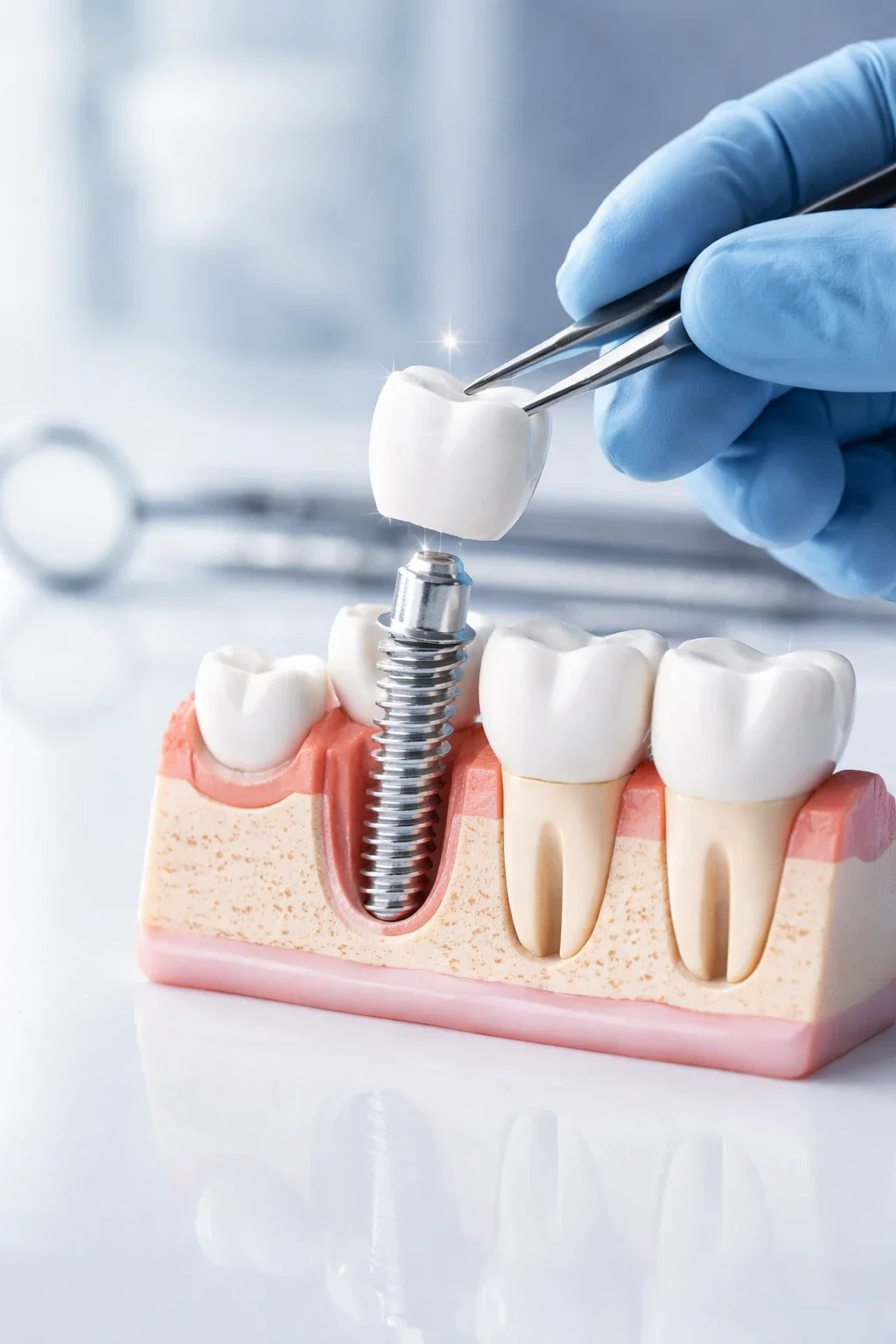
One of the most critical distinctions patients must understand is the difference between renewing and completely replacing dental implants. When you renew dental implants, the original implant post (the titanium screw embedded in the jawbone) is often preserved if it remains stable and well-integrated. The renewal may involve changing the crown, abutment, or addressing gum and bone health around the implant.
Full replacement, on the other hand, involves removing the implant post itself, which is usually only necessary in cases of severe infection, advanced bone loss, or mechanical failure. In most situations, dentists aim to renew dental implants rather than replace them, as this approach is less invasive, more cost-effective, and quicker to recover from.
Components Commonly Involved in Implant Renewal
When patients decide to renew dental implants, the dentist evaluates each component individually. The most commonly renewed elements include:
- Implant Crown: The visible tooth portion may wear down, discolor, or lose its natural appearance over time.
- Abutment: This connector piece may need adjustment or replacement for better fit and hygiene.
- Gum Tissue: Soft tissue may require reshaping or treatment to improve seal and aesthetics.
- Bite Alignment: Renewing dental implants often includes correcting bite forces to prevent future damage.
Each of these steps plays a role in ensuring that renewed dental implants function harmoniously within the mouth.
Why Implant Renewal Is a Preventive Strategy
From a clinical standpoint, choosing to renew dental implants is a preventive strategy rather than a reactive one. Over time, daily chewing forces, grinding habits, and natural changes in jawbone density can affect how an implant functions. If left unaddressed, these changes can compromise both the implant and neighboring teeth.
By renewing dental implants early, dentists can reinforce the implant’s stability, improve oral hygiene access, and ensure that the surrounding tissues remain healthy. This proactive care approach aligns with international best practices promoted by institutions such as the American Dental Association, which emphasizes long-term maintenance for implant success.
Who Typically Needs to Renew Dental Implants?
Patients who most often need to renew dental implants include those who had implants placed 10–20 years ago, individuals with a history of gum disease, or patients whose general health conditions have changed over time. Additionally, people who smoke, grind their teeth, or have undergone significant weight or bone density changes may benefit from implant renewal.
It is also common for patients to renew dental implants purely for aesthetic reasons 😊. Advances in dental materials mean that modern crowns look significantly more natural than older versions. Renewing implants allows patients to benefit from these innovations without starting treatment from scratch.
Clinical Evaluation Before Implant Renewal
Before deciding to renew dental implants, a comprehensive clinical evaluation is essential. This typically includes digital X-rays or 3D imaging, gum health assessment, bite analysis, and a review of the existing implant system. This diagnostic phase ensures that renewal is safe, effective, and tailored to the patient’s needs.
Patients seeking expert guidance on whether they should renew dental implants can schedule a professional consultation through the Redent Klinik Contact Page. Early evaluation not only protects oral health but also helps plan treatment with clarity and confidence.
In essence, to renew dental implants means to extend their lifespan, enhance comfort, and adapt them to the changing conditions of your mouth. It is a strategic, patient-centered approach that prioritizes health, function, and aesthetics over unnecessary replacement. When done correctly, renewing dental implants feels less like fixing a problem and more like investing in the future of your smile ✨.
Common Reasons Why Dental Implants Need Renewal
Understanding the common reasons why patients need to renew dental implants helps remove uncertainty and fear around the process. Dental implants are among the most reliable solutions in modern dentistry, yet they are not immune to time, biology, and mechanical stress. Renewing dental implants is often a proactive step taken to preserve comfort, function, and aesthetics before serious problems arise 🦷.
In most cases, the need to renew dental implants develops gradually. Small changes may go unnoticed at first, but over the years, these changes can affect how well an implant performs. Knowing the underlying causes allows patients to act early and extend the life of their implants.
Natural Wear and Tear Over Time
One of the most common reasons to renew dental implants is simple wear and tear. Although implant posts are made from durable titanium, the visible crown is exposed to daily chewing forces, temperature changes, and acidic foods. Over time, crowns may become worn, chipped, or less aesthetically pleasing.
Renewing dental implants in this situation usually involves replacing the crown while keeping the implant post intact. This restores both function and appearance without invasive surgery, making it one of the most straightforward renewal scenarios 😊.
Changes in Gum and Bone Structure
The jawbone and gums are living tissues that change throughout life. Even after successful implant placement, gradual bone remodeling or gum recession may occur. These changes can expose parts of the implant, create food traps, or affect smile symmetry.
When these biological changes occur, dentists may recommend procedures to renew dental implants by improving gum contour, reinforcing bone support, or adjusting the prosthetic components. Addressing these changes early helps prevent inflammation and protects the implant’s long-term stability.
Peri-Implantitis and Inflammatory Conditions
Peri-implantitis is a gum infection that affects the tissue and bone surrounding a dental implant. It is one of the most serious reasons patients may need to renew dental implants. Symptoms include bleeding gums, swelling, bad taste, and gradual bone loss around the implant.
In mild to moderate cases, renewing dental implants involves deep cleaning, antibacterial treatment, and prosthetic adjustments. Severe cases may require surgical intervention. Early diagnosis is critical, as timely renewal can often save the implant from failure.
Bite Problems and Mechanical Stress
Your bite plays a crucial role in implant longevity. Over time, natural teeth may shift, restorations may wear down, or jaw alignment may change. These factors can place uneven pressure on implants, leading to discomfort or component loosening.
Many patients renew dental implants because their bite has changed. Adjusting the crown shape, height, or alignment redistributes forces evenly, protecting both the implant and surrounding teeth. This type of renewal significantly reduces the risk of fractures or screw loosening.
Outdated Implant Materials or Design
Dental implant technology has evolved rapidly over the past two decades. Patients who received implants many years ago may have older crown materials that lack today’s aesthetic quality or durability. While the implant post may still be functional, the prosthetic design may no longer meet modern standards.
Choosing to renew dental implants allows patients to benefit from advanced ceramics, improved color matching, and better gum integration. This is especially appealing for front teeth, where aesthetics play a major role ✨.
Aesthetic Dissatisfaction and Smile Changes
Sometimes the reason to renew dental implants is purely cosmetic. Changes in facial structure, gum line, or adjacent teeth can make an old implant crown look unnatural. Even if the implant is medically sound, patients may feel unhappy with their smile.
Renewing dental implants for aesthetic reasons can dramatically improve confidence and self-image. Modern smile design techniques ensure that renewed implants blend seamlessly with natural teeth.
General Health and Lifestyle Factors
Systemic health conditions such as diabetes, osteoporosis, or autoimmune disorders can influence implant health over time. Lifestyle habits like smoking or teeth grinding also increase the likelihood of needing to renew dental implants.
In these cases, renewal focuses on adapting the implant system to current health conditions. Dentists may reinforce hygiene protocols, modify prosthetic design, or recommend protective appliances to ensure long-term success.
Professional Monitoring and Early Intervention
Regular dental check-ups play a key role in identifying when it is time to renew dental implants. Dentists use imaging, clinical exams, and bite analysis to detect early warning signs before symptoms worsen.
If you suspect any changes or simply want reassurance, a professional evaluation through the Redent Klinik Contact Page can help determine whether renewal is necessary and what approach is best for your situation.
In conclusion, patients renew dental implants for a variety of reasons—mechanical, biological, aesthetic, and preventive. Recognizing these reasons early empowers patients to protect their oral health and avoid complex treatments later. Renewing dental implants is not a sign of failure; it is a sign of responsible, long-term care that keeps your smile healthy, functional, and beautiful for years to come 🚀.
Signs That Indicate You May Need to Renew Dental Implants
Recognizing the early signs that you may need to renew dental implants is essential for protecting both your oral health and your investment. Dental implants are designed to feel natural and comfortable, so any change—no matter how small—should be taken seriously. Many patients delay seeking care because symptoms start subtly, but early action can make the process of renewing dental implants simpler, less invasive, and more successful 🦷.
Implant-related issues rarely appear overnight. Instead, your body often gives warning signals. Understanding these signs allows you to respond promptly and prevent complications that could otherwise require more extensive treatment.
Persistent Discomfort or Sensitivity Around the Implant
One of the first indicators that it may be time to renew dental implants is ongoing discomfort. While implants themselves do not have nerves, the surrounding gums and bone do. Sensitivity when chewing, pressure pain, or a dull ache around the implant area may suggest inflammation, bite imbalance, or mechanical stress.
Occasional mild discomfort can be normal, but persistent pain is not. When this occurs, renewing dental implants may involve adjusting the crown, treating the surrounding tissue, or correcting bite forces to relieve stress and restore comfort 😊.
Loosening or Movement of the Implant Crown
A healthy dental implant should feel just as stable as a natural tooth. If you notice any movement, clicking, or shifting when eating or speaking, this is a strong sign that intervention is needed. In many cases, the implant post remains secure, but the crown or abutment may have loosened.
This is an ideal scenario to renew dental implants early. Tightening or replacing prosthetic components can restore stability quickly and prevent damage to the implant structure.
Changes in Bite or Chewing Efficiency
Difficulty chewing certain foods or a feeling that your teeth no longer meet properly can indicate bite changes. Over time, natural teeth shift, restorations wear down, and jaw alignment can change. These factors can place uneven pressure on implants.
Renewing dental implants in this context often involves reshaping or replacing the crown to re-establish balanced bite forces, protecting both the implant and adjacent teeth.
Swelling, Redness, or Bleeding of the Gums
Healthy gums around an implant should be pink, firm, and free of bleeding. Swelling, redness, tenderness, or bleeding during brushing may signal inflammation or infection. These symptoms should never be ignored, as they may indicate peri-implant disease.
When detected early, dentists can renew dental implants by treating the infection, improving hygiene access, and stabilizing the surrounding tissues. Early renewal greatly increases the chance of preserving the implant.
Unpleasant Taste or Persistent Bad Breath
A persistent bad taste or chronic bad breath can be a sign of bacterial buildup around an implant. This often occurs when the crown no longer fits perfectly or when gum tissues have receded.
Renewing dental implants by improving the seal between the crown and gums helps eliminate bacterial pockets and restore oral freshness ✨.
Visible Changes in Appearance or Gum Line
Aesthetic changes are another important sign. If the gum line around your implant appears lower, uneven, or discolored, it may affect how natural your smile looks. This is particularly noticeable with front teeth.
Patients often choose to renew dental implants for aesthetic reasons alone. Modern implant crowns and soft tissue techniques can dramatically improve appearance without removing the implant post.
Cracks, Chips, or Wear on the Implant Crown
Over time, implant crowns can develop chips, cracks, or worn surfaces—especially in patients who grind their teeth or chew hard foods frequently. Even small defects can compromise strength and hygiene.
Renewing dental implants by replacing a damaged crown prevents further deterioration and restores full chewing function.
Difficulty Cleaning Around the Implant
If flossing or cleaning around the implant becomes difficult or uncomfortable, this may indicate a design issue or tissue change. Poor accessibility increases the risk of infection.
Renewing dental implants can improve crown shape and contour, making daily hygiene easier and more effective.
When Professional Evaluation Is Essential
Any of these signs warrant a professional dental evaluation. Dentists use clinical exams and imaging to determine whether you need minor adjustments or a more comprehensive approach to renew dental implants.
If you are unsure whether your symptoms are serious, scheduling a consultation through the Redent Klinik Contact Page allows you to receive expert guidance before problems escalate.
In summary, your body and smile provide clear signals when it is time to renew dental implants. Pain, movement, gum changes, and aesthetic concerns are not problems to ignore—they are opportunities to act early. Renewing dental implants at the right moment protects your oral health, preserves comfort, and ensures your smile remains strong and confident for years to come 🚀.
The Step-by-Step Process to Renew Dental Implants
The decision to renew dental implants often raises questions about what the actual process involves. Many patients worry that renewal automatically means surgery or long recovery times. In reality, the process to renew dental implants is usually structured, predictable, and far less invasive than initial implant placement. Understanding each step helps reduce anxiety and allows patients to move forward with confidence 😊.
Renewing dental implants is a customized clinical pathway rather than a one-size-fits-all procedure. The steps involved depend on the condition of the implant post, surrounding bone, gum tissue, and prosthetic components. Below is a detailed look at how dentists typically approach implant renewal.
Step 1: Comprehensive Clinical Assessment
The first and most critical step to renew dental implants is a thorough evaluation. This includes a detailed oral examination, digital X-rays, and often 3D imaging to assess the implant’s integration with the jawbone. The dentist also evaluates gum health, bite alignment, and the condition of the existing crown and abutment.
This diagnostic phase determines whether the implant post is stable and suitable for renewal or whether more extensive intervention is required. In most cases, patients can renew dental implants without removing the implant post, which significantly simplifies treatment.
Patient History and Risk Analysis
During assessment, dentists also review medical history, lifestyle habits, and oral hygiene routines. Conditions such as diabetes, smoking, or teeth grinding can influence how dental implants are renewed. This step ensures the renewal plan is safe and tailored to long-term success.
Step 2: Treatment Planning and Customization
Once evaluation is complete, a personalized plan is created to renew dental implants. This plan outlines which components will be renewed, the materials used, and the expected timeline. Some patients require only a crown replacement, while others may need gum treatment or bite adjustments.
Modern digital dentistry allows dentists to design crowns that precisely match your natural teeth in color, shape, and size. This planning phase ensures that when you renew dental implants, the final result is both functional and aesthetically pleasing ✨.
Step 3: Removal of Worn or Damaged Components
The next step to renew dental implants involves carefully removing outdated or damaged prosthetic parts. This may include the crown or abutment. Because the implant post remains in place, this step is usually quick and painless.
Patients are often surprised by how simple this stage is compared to initial implant surgery. Local anesthesia is typically sufficient, and discomfort is minimal.
Cleaning and Decontamination
Before placing new components, the implant area is thoroughly cleaned and disinfected. This step is essential when renewing dental implants, especially if there has been inflammation or bacterial buildup. Proper decontamination ensures a healthy foundation for the renewed restoration.
Step 4: Soft Tissue or Bone Enhancement (If Needed)
In some cases, renewing dental implants involves improving the surrounding gum or bone. Minor gum reshaping or regenerative procedures may be recommended to enhance stability and appearance.
These treatments are generally less invasive than full grafting procedures and are designed to optimize the long-term success of the renewed implant.
Step 5: Placement of New Crown or Prosthetic
Once the foundation is ready, the new crown or prosthetic component is placed. This is the most rewarding step for many patients, as they immediately see and feel the improvement. Renewing dental implants at this stage restores chewing efficiency, comfort, and natural aesthetics.
The dentist carefully adjusts the bite to ensure even force distribution. This protects the implant and surrounding teeth from excessive stress.
Final Bite and Aesthetic Adjustments
Fine-tuning is essential when you renew dental implants. The dentist checks speech, chewing motion, and smile appearance to ensure everything feels natural. Small adjustments at this stage significantly improve long-term comfort.
Step 6: Aftercare and Long-Term Maintenance
After you renew dental implants, proper aftercare is key to maintaining results. Dentists provide personalized hygiene instructions and may recommend follow-up visits to monitor healing and performance.
Professional guidelines supported by organizations such as the American Dental Association emphasize regular check-ups and good oral hygiene as essential factors in implant longevity.
When to Seek Professional Guidance
If you are considering whether or not to renew dental implants, a professional consultation is the best starting point. Early evaluation prevents minor issues from becoming major problems.
You can schedule an expert assessment through the Redent Klinik Contact Page to receive a clear, personalized plan based on your current implant condition.
In summary, the step-by-step process to renew dental implants is systematic, patient-friendly, and highly effective. From assessment to final placement, each stage is designed to restore comfort, function, and aesthetics while preserving existing implant structures. When handled by experienced professionals, renewing dental implants feels less like corrective treatment and more like a strategic upgrade for your long-term oral health 🚀.
Differences Between Replacing and Renewing Dental Implants
One of the most confusing topics for patients is understanding the real difference between replacing an implant and choosing to renew dental implants. These two concepts are often mistakenly used interchangeably, yet clinically and practically they are very different. Knowing this distinction helps patients make informed decisions, avoid unnecessary procedures, and protect both their oral health and budget 🦷.
In modern implant dentistry, dentists strongly prefer to renew dental implants whenever possible rather than fully replace them. Replacement is considered a last resort, while renewal is a conservative, preservation-focused approach.
What Does Replacing a Dental Implant Involve?
Replacing a dental implant means removing the implant post that is embedded in the jawbone and starting the implant process from the beginning. This is a complex procedure that usually requires surgical removal, healing time, and sometimes bone regeneration.
Implant replacement is typically necessary only in severe cases, such as:
- Advanced peri-implantitis with significant bone loss
- Implant fracture or structural failure
- Failed osseointegration (implant never bonded to bone)
- Severe infection unresponsive to treatment
Because replacement is invasive and time-consuming, dentists aim to avoid it whenever a patient can instead renew dental implants safely and effectively.
What It Means to Renew Dental Implants
When you renew dental implants, the focus is on preserving the existing implant post while improving or restoring the surrounding components. This approach recognizes that in many cases, the implant itself remains stable, but the crown, abutment, bite relationship, or soft tissues need attention.
Renewing dental implants may include:
- Replacing worn or outdated implant crowns
- Adjusting or upgrading the abutment
- Treating inflamed or receding gum tissue
- Correcting bite alignment to reduce stress
- Improving hygiene access and implant seal
This conservative approach allows patients to benefit from modern materials and techniques without undergoing full surgical replacement 😊.
Why Dentists Prefer Renewal Over Replacement
From a biological and mechanical perspective, renewing dental implants is almost always preferable when the implant post is stable. The jawbone adapts to the implant over time, forming a strong bond. Removing a well-integrated implant disrupts this structure and may weaken the bone.
By choosing to renew dental implants, dentists preserve bone volume, reduce trauma, shorten recovery time, and minimize complications. This philosophy aligns with global best practices supported by organizations such as the American Dental Association.
Patient Experience: Renewal vs. Replacement
From the patient’s perspective, the experience is dramatically different. Replacing an implant often involves surgery, swelling, healing periods, and months of treatment. In contrast, when patients renew dental implants, the process is usually faster, more comfortable, and far less disruptive to daily life.
Many renewal procedures can be completed in just a few visits, sometimes without any surgical intervention at all. This makes renewal especially appealing for patients who want minimal downtime and predictable outcomes ✨.
Cost and Time Differences
Another major distinction lies in cost and treatment duration. Implant replacement often includes surgical fees, grafting procedures, temporary restorations, and extended follow-up care. These factors significantly increase overall cost.
When patients renew dental implants, costs are generally lower because existing structures are preserved. Replacing a crown or abutment is far more economical than repeating the entire implant process.
Long-Term Prognosis and Success Rates
When performed at the right time, renewing dental implants offers excellent long-term success. Studies show that maintaining and upgrading implant components extends their lifespan significantly. Renewal also allows dentists to adapt the implant to changes in bite, gum health, and facial structure over time.
Replacement, while sometimes unavoidable, carries higher risks due to reduced bone availability and surgical complexity. This is why early detection and timely renewal are so strongly emphasized.
How Dentists Decide Between Renewal and Replacement
The decision to renew dental implants or replace them is based on a detailed clinical evaluation. Dentists assess implant stability, bone support, infection status, and overall oral health. Advanced imaging plays a key role in making this decision accurately.
If you are unsure which category your situation falls into, a professional consultation is essential. You can receive expert guidance and a clear treatment plan by contacting specialists through the Redent Klinik Contact Page.
In conclusion, the difference between replacing and choosing to renew dental implants is the difference between starting over and preserving what already works. Renewal is conservative, efficient, and patient-friendly, while replacement is reserved for complex cases. Understanding this distinction empowers patients to seek timely care, avoid unnecessary surgery, and maintain a healthy, confident smile for the long term 🚀.
How Long Do Dental Implants Last Before Renewal?
One of the most common questions patients ask is how long dental implants last before they need attention—and when it might be time to renew dental implants. While dental implants are known for their durability and long-term success, they are not entirely maintenance-free. Their lifespan depends on a combination of biological, mechanical, and lifestyle factors. Understanding these variables helps patients set realistic expectations and plan proactive care 🦷.
In general, the implant post (the titanium fixture placed in the jawbone) can last decades, often 20 years or more, and in many cases a lifetime. However, the visible and functional components—such as the crown and abutment—typically experience wear sooner. This is why many patients eventually need to renew dental implants even when the implant post remains stable and healthy.
Average Lifespan of Implant Components
To better understand when to renew dental implants, it is helpful to look at each component separately:
- Implant Post: Often lasts 20–30 years or longer if well-integrated and properly maintained.
- Abutment: May last 10–15 years, depending on bite forces and material quality.
- Implant Crown: Typically lasts 10–15 years before showing signs of wear or aesthetic decline.
This means that while the foundation of your implant may remain intact, renewing dental implants by updating the crown or abutment is a normal and expected part of long-term implant care 😊.
Factors That Influence How Soon You Need to Renew Dental Implants
No two patients are exactly alike, and the timing for renewing dental implants varies widely. Several key factors influence implant longevity:
Oral Hygiene and Maintenance
Consistent oral hygiene plays a major role in how long implants last. Patients who brush, floss, and attend regular dental check-ups significantly extend the lifespan of their implants. Poor hygiene increases the risk of peri-implant inflammation, which may require earlier intervention to renew dental implants.
Bite Force and Teeth Grinding
Patients who clench or grind their teeth place excessive stress on implant components. Over time, this can cause crowns to crack or screws to loosen. In such cases, dentists often recommend renewing dental implants earlier and may suggest protective night guards to prevent future damage.
General Health and Systemic Conditions
Health conditions such as diabetes, osteoporosis, or autoimmune disorders can affect bone stability and healing capacity. While implants can still be successful in these patients, they may require closer monitoring and earlier renewal of prosthetic components.
Technological Advances and Elective Renewal
Not all implant renewal is driven by problems. Many patients choose to renew dental implants simply to benefit from advancements in dental technology. Modern crowns offer superior strength, improved aesthetics, and better gum integration compared to older materials.
For patients who received implants 15–20 years ago, elective renewal can significantly enhance comfort and appearance, even if the existing restoration is still functional ✨.
Warning Signs That Shorten Implant Lifespan
While dental implants are highly resilient, certain warning signs indicate that renewal may be needed sooner than expected. These include recurring gum inflammation, changes in bite, crown mobility, or aesthetic concerns. Ignoring these signs can shorten the overall lifespan of the implant system.
Regular professional evaluations allow dentists to identify these issues early and plan timely renewal rather than full replacement.
Role of Professional Monitoring
Dentists use clinical exams and imaging to track implant health over time. These routine checks are essential for determining the ideal moment to renew dental implants. Early renewal often prevents bone loss and preserves the implant post indefinitely.
Long-Term Outlook With Proper Renewal
When patients renew dental implants at appropriate intervals, the long-term outlook is excellent. Renewed components restore function, improve hygiene access, and adapt the implant to changes in the mouth over time.
Professional organizations such as the American Dental Association emphasize that implant longevity is closely tied to maintenance and timely intervention rather than initial placement alone.
When Should You Get an Expert Opinion?
If your implants are more than 10 years old or you notice any changes in comfort or appearance, it may be time to consider whether you should renew dental implants. A professional evaluation provides clarity and peace of mind.
You can schedule a personalized implant assessment through the Redent Klinik Contact Page to determine how long your implants are likely to last and whether renewal is recommended.
In summary, while dental implants are designed for long-term use, renewal is a natural and often necessary part of their lifecycle. Understanding how long implants last—and when to renew dental implants—empowers patients to protect their oral health, maintain comfort, and enjoy a confident smile for decades to come 🚀.
Risks, Complications, and Success Rates of Implant Renewal
When patients consider whether to renew dental implants, it is natural to have concerns about risks, possible complications, and overall success rates. The good news is that implant renewal is generally a predictable and safe process when performed by experienced professionals. However, like any dental procedure, it is important to understand both the benefits and the potential risks so that expectations are realistic and informed 🦷.
Unlike initial implant placement, renewing dental implants usually involves working with existing, well-integrated structures. This significantly reduces biological risk and shortens recovery time. Still, a clear understanding of possible challenges helps patients actively participate in their own care.
Common Risks Associated With Implant Renewal
The risks involved when you renew dental implants are typically lower than those associated with full implant replacement. Most risks are localized and manageable, especially when detected early.
Soft Tissue Irritation or Inflammation
One potential risk during implant renewal is temporary gum irritation. This may occur when old components are removed or when new crowns are adjusted. In most cases, this inflammation is mild and resolves quickly with proper hygiene and professional care.
Dentists minimize this risk by using precise techniques and ensuring that renewed dental implants fit seamlessly with surrounding tissues.
Temporary Sensitivity or Discomfort
Some patients experience short-term sensitivity or pressure after renewing dental implants. This is usually related to bite adjustments or tissue adaptation rather than implant instability. Symptoms typically resolve within days.
Persistent pain is uncommon and usually indicates an underlying issue that can be addressed promptly.
Potential Complications and How They Are Managed
Although rare, complications can occur if underlying conditions are not properly addressed before renewal. Understanding these scenarios emphasizes the importance of thorough evaluation.
Undiagnosed Peri-Implant Disease
If inflammation or bone loss around the implant is not detected before renewal, it may progress. This is why dentists always assess gum and bone health before deciding to renew dental implants.
When detected early, peri-implant conditions can often be treated successfully, allowing renewal to proceed safely.
Mechanical Complications
Mechanical issues such as screw loosening or crown fracture can occur if bite forces are not evenly distributed. During implant renewal, dentists carefully analyze occlusion to prevent excessive stress on the implant.
Modern materials and improved crown design significantly reduce these risks compared to older restorations ✨.
Success Rates of Renewing Dental Implants
The success rates for procedures to renew dental implants are extremely high. When the implant post remains stable and healthy, renewing prosthetic components has success rates exceeding 95% in most clinical studies.
These high success rates are due to several factors:
- Preservation of existing bone integration
- Advances in crown materials and design
- Improved diagnostic imaging and planning
- Enhanced hygiene and maintenance protocols
Professional organizations such as the American Dental Association consistently highlight maintenance and timely renewal as key contributors to long-term implant success.
Patient-Related Factors That Influence Outcomes
While implant renewal has high overall success, patient-related factors still play an important role. Patients who maintain good oral hygiene, attend regular check-ups, and follow professional recommendations experience the best outcomes.
Lifestyle Habits
Smoking, poor oral hygiene, and untreated teeth grinding can increase the risk of complications. Dentists often address these factors before proceeding to renew dental implants to maximize long-term success.
Systemic Health Considerations
Conditions such as diabetes or immune disorders do not automatically prevent implant renewal, but they require careful management. With proper planning, patients with these conditions can successfully renew dental implants and maintain excellent function.
Why Timing Matters in Reducing Risks
One of the most important factors in reducing risks is timing. Renewing dental implants at the first sign of wear or discomfort prevents minor issues from escalating. Delaying treatment increases the likelihood of complications and may limit renewal options.
Early intervention allows dentists to use conservative techniques that preserve bone and tissue health.
When to Seek Professional Advice
If you are concerned about risks or wondering whether renewal is safe in your specific case, a professional consultation is essential. Personalized evaluation helps clarify risk factors and expected outcomes.
You can receive expert guidance and a detailed risk assessment by scheduling a consultation through the Redent Klinik Contact Page.
In conclusion, the risks associated with choosing to renew dental implants are generally low, while success rates are exceptionally high when treatment is properly planned. Understanding potential complications empowers patients to act early, follow professional advice, and achieve long-lasting, comfortable results. With the right care, renewing dental implants is a safe and effective way to protect your smile for the long term 🚀.
Cost Factors and Treatment Planning for Renewing Dental Implants
One of the most important considerations for patients who plan to renew dental implants is cost. While implant renewal is usually more affordable than full implant replacement, pricing can still vary depending on multiple clinical and personal factors. Understanding what influences the cost—and how proper treatment planning can optimize both results and budget—helps patients make confident, informed decisions 🦷.
It is essential to remember that renewing dental implants is not a single standardized procedure. Each case is unique, and the final cost reflects the complexity of care required to restore long-term function, comfort, and aesthetics.
Main Factors That Influence the Cost to Renew Dental Implants
The cost to renew dental implants depends on several key elements. Dentists evaluate each factor carefully before providing a personalized treatment plan.
Type of Renewal Required
The most significant cost variable is what exactly needs to be renewed. In many cases, only the implant crown needs replacement. This is typically the most affordable renewal option. More complex cases may involve abutment replacement, gum treatment, or bite correction.
Because the implant post often remains intact, patients who renew dental implants avoid the high surgical costs associated with full implant replacement.
Material Selection for the New Crown
The choice of material plays a major role in overall cost. Modern implant crowns are commonly made from high-quality ceramic or zirconia. These materials offer superior durability, natural appearance, and long-term color stability.
While premium materials may increase initial cost, they often reduce the need to renew dental implants again in the near future, making them a cost-effective long-term investment ✨.
Condition of Gum and Bone Tissue
If the surrounding gum and bone tissue are healthy, renewal is typically straightforward and more affordable. However, if there is inflammation, gum recession, or minor bone loss, additional treatments may be required.
These supportive procedures improve implant stability and aesthetics, ensuring that renewed dental implants last as long as possible.
Average Price Ranges for Implant Renewal
While exact prices vary by country, clinic, and materials used, general international price ranges can help set expectations:
- Implant crown replacement: Approximately €400–€1,200
- Abutment replacement: Approximately €200–€600
- Soft tissue or minor gum procedures: Approximately €150–€500
These figures are estimates and can vary based on clinical complexity and geographic location. Compared to full implant replacement—which may cost several thousand euros—renewing dental implants is usually far more economical.
The Importance of Comprehensive Treatment Planning
Effective planning is essential to successfully renew dental implants. A detailed treatment plan ensures that all contributing factors are addressed at once, reducing the likelihood of future complications or repeated procedures.
Dentists begin by identifying the root cause of wear or discomfort. This may include bite analysis, hygiene evaluation, and assessment of lifestyle habits such as teeth grinding. Addressing these factors during renewal helps protect your investment.
Preventing Hidden Future Costs
Choosing the cheapest option is not always the most cost-effective strategy. Poorly planned renewal can lead to repeated repairs or even implant failure. Comprehensive planning ensures that renewed dental implants function harmoniously within the mouth for many years.
Professional standards supported by organizations like the American Dental Association emphasize long-term maintenance and proper planning as essential to implant success.
Insurance and Long-Term Value Considerations
In some regions, dental insurance may partially cover implant crown replacement or related procedures. Coverage varies widely, so patients are encouraged to check their individual policies.
Even without insurance coverage, renewing dental implants is often considered a high-value investment. Restoring chewing function, preventing bone loss, and maintaining a natural smile all contribute to overall health and quality of life.
Why Early Renewal Saves Money
Delaying treatment often increases costs. Minor issues such as crown wear or bite imbalance can escalate into bone loss or implant instability if ignored. Renewing dental implants early prevents these complications and keeps treatment conservative.
Early intervention also allows dentists to preserve existing components rather than replace them, significantly reducing expenses.
Getting a Personalized Cost Estimate
The most accurate way to understand the cost to renew dental implants is through a professional evaluation. Dentists can provide a clear breakdown of required treatments, materials, and timelines.
You can request a personalized assessment and transparent cost plan by contacting specialists through the Redent Klinik Contact Page. This ensures that your treatment aligns with both your clinical needs and financial expectations.
In conclusion, the cost of choosing to renew dental implants depends on multiple clinical and material factors, but it is almost always more affordable than full replacement. With proper planning, high-quality materials, and early intervention, renewing dental implants offers excellent long-term value—protecting not only your smile, but also your overall oral health and peace of mind 🚀.
Choosing the Right Dental Clinic to Renew Dental Implants
Deciding where to renew dental implants is just as important as deciding to undergo the procedure itself. The success, safety, longevity, and aesthetic outcome of implant renewal depend heavily on the expertise of the dental clinic and professionals involved. Because renewing dental implants often involves working with existing structures rather than starting from scratch, precision, experience, and advanced diagnostics are absolutely essential 🦷.
Patients sometimes underestimate this step, assuming that any dental clinic can handle implant renewal. In reality, renewing dental implants requires specialized knowledge in implantology, prosthodontics, and long-term oral health management. Choosing the right clinic protects both your health and your investment.
Why Experience in Implant Renewal Matters
Not all implant cases are the same, and renewal procedures require a different skill set than initial implant placement. A clinic experienced in helping patients renew dental implants understands how to evaluate implant stability, bone integration, soft tissue health, and bite dynamics without unnecessary removal of existing implants.
Experienced clinicians can distinguish between cases that require simple prosthetic renewal and those that need additional supportive treatment. This prevents overtreatment and ensures conservative, patient-centered care 😊.
Specialized Training and Credentials
When selecting a clinic, look for dentists with advanced training in implant dentistry and restorative procedures. Membership in international dental organizations and adherence to globally recognized protocols indicate a commitment to high standards.
Clinics that follow evidence-based guidelines promoted by authorities such as the American Dental Association demonstrate a strong focus on safety, ethics, and long-term outcomes.
Importance of Advanced Diagnostic Technology
Modern diagnostics play a critical role when patients renew dental implants. High-quality clinics use digital X-rays, 3D CBCT imaging, and digital bite analysis to evaluate every aspect of the implant system.
These tools allow dentists to identify hidden issues such as minor bone loss, bite imbalances, or micro-gaps around the implant. Accurate diagnostics ensure that renewal is planned precisely and that no underlying problems are overlooked ✨.
Customized Treatment Planning and Transparency
A reputable clinic will never take a one-size-fits-all approach to renewing dental implants. Instead, they develop a personalized treatment plan that clearly explains:
- Which components need renewal and why
- Expected treatment timeline
- Materials used and their advantages
- Costs and long-term maintenance requirements
Transparency is a key indicator of quality care. Clinics that take time to educate patients empower them to make informed decisions about whether and how to renew dental implants.
Communication and Patient Comfort
Effective communication builds trust. A good clinic listens carefully to patient concerns, explains procedures in clear language, and answers questions honestly. This is especially important for patients who may feel anxious about dental procedures.
When patients feel comfortable and informed, the experience of renewing dental implants becomes far less stressful.
Hygiene Protocols and Long-Term Follow-Up
Renewing dental implants does not end when the new crown is placed. Long-term success depends on ongoing monitoring and maintenance. High-quality clinics emphasize follow-up care, regular check-ups, and professional cleaning protocols.
These clinics view implant renewal as part of a long-term partnership rather than a one-time procedure. This philosophy greatly increases implant lifespan and patient satisfaction.
Patient Reviews and Real-World Results
Patient testimonials and before-and-after cases provide valuable insight into a clinic’s expertise. Reviews from patients who have chosen to renew dental implants can reveal how well the clinic handles complex cases, aesthetics, and post-treatment support.
While no clinic is perfect, consistent positive feedback about implant care, communication, and outcomes is a strong indicator of reliability.
Accessibility and Ongoing Support
Choosing a clinic that is accessible for follow-up visits is another important factor. Implant renewal may require adjustments or monitoring over time, so easy communication and appointment availability matter.
Clinics that offer clear post-treatment support help patients maintain their renewed dental implants effectively for years to come.
Getting Started With the Right Clinic
If you are considering whether or not to renew dental implants, the first step is a professional consultation. This initial visit sets the foundation for successful treatment and long-term oral health.
You can begin your journey with expert evaluation and personalized care by contacting a specialized implant team through the Redent Klinik Contact Page.
In conclusion, choosing the right dental clinic to renew dental implants is a decision that directly impacts your comfort, confidence, and oral health for years to come. Experience, technology, transparency, and patient-centered care are the pillars of successful implant renewal. By selecting a clinic that prioritizes these values, renewing dental implants becomes not just a solution—but a smart, long-term investment in your smile 🚀.