
When researching reliable, safe, and long-lasting tooth restoration options, many international patients quickly discover that hungary dental implants offer one of the best combinations of medical quality, modern technology, and patient-centered care in Europe. Hungary has earned a global reputation as a top destination for oral rehabilitation, thanks to its advanced dentists, internationally accredited clinics, and strong academic background in implantology. This comprehensive guide explains every step of the journey so you can make informed decisions with confidence. 😊
The popularity of hungary dental implants continues to grow because the country blends affordability, precision-based dentistry, and cutting-edge materials. Clinics are well known for European Union hygiene standards, high-level sterilization protocols, and advanced imaging tools such as CBCT scans, digital bite analysis, and guided implant surgery technology. These innovations help ensure accuracy, reduce healing complications, and deliver long-term durability comparable to top Western European dental centers.
Another reason patients choose hungary dental implants is the country’s extremely strong focus on prosthetic design. Implant dentists collaborate with specialized dental laboratories using CAD/CAM systems, zirconia milling, and 3D modeling to create crowns and bridges that look natural, feel comfortable, and function like real teeth. This attention to detail is especially important for full-mouth restorations and All-on-4 style treatments.
Understanding the basics of how implants work will help you better evaluate whether they are the right treatment for you. Dental implants are titanium or zirconia posts placed into the jawbone to act as artificial roots. Over time, they fuse with the bone through osseointegration, creating a solid base for fixed crowns or bridges. Patients who select hungary dental implants often report excellent stability, chewing comfort, and long-term aesthetics. Because Hungary is a competitive medical hub, implantologists frequently pursue international courses, additional certifications, and advanced surgical training—which directly benefits foreign patients seeking reliable care.
Beyond the surgical aspect, Hungary offers comprehensive treatment planning designed to minimize patient stress. Most clinics assign personal coordinators who guide patients from consultation to follow-up visits. These coordinators help with scheduling, airport transfers, hotel partnerships, treatment breakdowns, and translation if needed. This makes the entire journey smooth—especially for patients traveling from the UK, Ireland, France, Germany, or the United States.
Patients interested in hungary dental implants also value the educational approach used by many Hungarian clinicians. Dentists typically begin with a detailed digital assessment, allowing them to create a transparent treatment roadmap. This includes bone quality evaluation, sinus lift forecasts, gum health analysis, implant type selection, and crown material recommendations. Such transparency helps build trust and reduces the fear many people experience when seeking dental procedures abroad.
Another important factor is the country’s commitment to evidence-based dentistry. Hungarian dental professionals often cite guidelines and scientific principles established by organizations such as the American Dental Association, ensuring that patients receive care grounded in internationally accepted standards. This adds a layer of assurance for anyone considering a complex implant journey.
For practical matters—such as scheduling, second opinions, or arranging an online consultation—you can easily get assistance through the Redent Klinik Contact Page. Many patients begin their implant journey with remote evaluations before traveling, which helps them properly plan treatment duration and healing time.
Hungary also stands out due to its welcoming environment for medical travelers. The country’s central European location makes it easy to reach, and cities like Budapest offer a blend of cultural richness, historic architecture, and comfortable accommodation options. Many people combine their implant treatment with light tourism, making the overall experience enjoyable rather than clinical or stressful.
When discussing hungary dental implants, two semantically related concepts frequently appear: European implant dentistry and medical tourism for dental care. These LSI concepts reinforce why Hungary remains one of the world’s leading destinations for predictable, long-lasting implant results. With strong technology, experienced clinicians, and a system that supports international patients from start to finish, Hungary continues to be a premier choice for anyone seeking transformative dental rehabilitation.
Why Hungary Dental Implants Are a Global Patient Magnet
Choosing where to receive implant treatment is a major decision, and millions of patients worldwide have already discovered that hungary dental implants provide an exceptional blend of affordability, medical professionalism, and long-term success. Hungary has developed a distinctive dental tourism ecosystem that attracts visitors from Europe, the Middle East, and North America. In this section, we explore in detail why this country has become a global leader in implant dentistry and what makes its clinics stand out. 😄
World-Class Implant Dentists with International Credentials
A key reason patients trust hungary dental implants lies in the country’s educational foundation. Hungary is home to several top-tier dental universities, including Semmelweis University, which consistently ranks among Europe’s best medical institutions. Dentists specializing in implantology undergo years of surgical training, often combining academic research with hands-on clinical experience. Many also participate in advanced programs and international congresses, staying updated with the latest implant technologies such as digital navigation, bone grafting innovations, and zirconia-based prosthetics. Their global exposure ensures that patients receive treatment that aligns with modern standards, including protocols supported by the American Dental Association.
Because of this rigorous training culture, specialists providing hungary dental implants are known for precision-focused surgical techniques. They regularly handle complex full-mouth restorations, sinus lifts, immediate-load implants, and cases involving significant bone loss—procedures that require high-level expertise. This makes Hungary a particularly attractive option for patients who may have been told elsewhere that implants are not possible without advanced intervention.
Cutting-Edge Technology for Predictable, Long-Term Results
One of the greatest advantages of choosing hungary dental implants is the widespread integration of modern dental technology. Clinics invest heavily in state-of-the-art equipment that enhances accuracy, reduces patient discomfort, and shortens treatment time. Digital Smile Design (DSD), 3D implant planning, CBCT imaging, and surgical guides are commonly used tools in Hungary. These innovations allow clinicians to visualize bone density, plan implant angles, and simulate final outcomes before surgery even begins.
For patients, this means fewer surprises and significantly improved success rates. Digital workflow also ensures that crowns, bridges, and implant-supported dentures are crafted with remarkable precision. High-tech laboratories collaborate closely with clinics, using CAD/CAM milling machines, zirconia sintering ovens, and 3D printers to create restorations that perfectly complement facial structure and natural bite alignment.
Cost Efficiency Without Compromising Quality
Another major factor behind the growing interest in hungary dental implants is affordability. Patients can expect total treatment costs to be significantly lower compared to Western Europe or North America, yet the quality remains exceptionally high. Lower operational expenses, competitive dental markets, and efficient medical tourism systems contribute to this price advantage.
Estimated Price Overview (Online Research Based)
All-on-4 Full Arch: €4,500–€7,000
Zirconia Crown Upgrade: €200–€350 per tooth
These price ranges often attract travelers who want premium dental care without the excessive costs commonly found in places like the UK or the United States. Importantly, lower costs do not imply lower standards. Hungary enforces strict regulations for sterilization, hygiene, and patient safety.
A Seamless Dental Tourism Experience
Hungary’s dental tourism infrastructure is another major contributor to its popularity. Patients seeking hungary dental implants can benefit from streamlined treatment schedules, airport pickups, translation assistance, hotel partnerships, and multilingual staff. Clinics understand the needs of foreign patients and have designed their services to minimize stress, reduce waiting times, and enhance comfort.
Additionally, many clinics offer virtual consultations, allowing patients to receive preliminary assessments before traveling. This helps patients understand expected costs, treatment phases, and healing requirements. Convenient online communication ensures that visitors feel guided and supported throughout their journey.
High Success Rates and Strong Long-Term Outcomes
One of the most compelling reasons people choose hungary dental implants is the country’s consistently high success rate in implant procedures. Clinicians utilize evidence-based surgical protocols and maintain a strong focus on long-term stability. By using premium implant brands such as Straumann, Nobel Biocare, and Neodent, Hungary’s dental centers ensure longevity and compatibility. Semantically related LSI terms like European implant solutions and advanced restorative dentistry also illustrate the country’s commitment to modern techniques and high-end patient care.
Hungary’s biological approach to dentistry, including gum preservation and bone-structure optimization, plays a crucial role in achieving durable outcomes. Many clinics emphasize soft-tissue management, ensuring that implants not only function well but also look natural when integrated with the patient’s smile profile.
A Beautiful Destination That Enhances the Treatment Journey
Beyond clinical excellence, Hungary is also a remarkably pleasant destination for travelers. Budapest, known for its stunning architecture, historic baths, and scenic river views, makes the implant journey enjoyable. Patients often plan short sightseeing tours during healing intervals, turning their treatment trip into a unique experience that blends healthcare with leisure.
For anyone considering hungary dental implants, professional assistance and appointment scheduling are available through the Redent Klinik Contact Page. With top-tier specialists, efficient systems, and a strong culture of patient-centered care, Hungary continues to be one of the world’s most reliable destinations for transformative implant dentistry.
Benefits of Choosing Hungary for Advanced Implant Dentistry
Patients from all over the world increasingly seek hungary dental implants because the country offers a unique mix of medical excellence, affordability, advanced technology, and patient-centered care. Hungary has built a reputation as one of Europe’s leading dental hubs, especially for implantology, full-mouth rehabilitation, and cosmetic dentistry. This section explores in depth why the benefits of receiving implant treatment in Hungary are so significant and why the country continues to be a preferred destination for long-term oral rehabilitation. 🌟
Exceptional Treatment Quality Backed by European Standards
Hungary has strict healthcare regulations that align with European Union standards. This ensures that clinics offering hungary dental implants maintain rigorous sterilization procedures, high-grade materials, and modern surgical protocols. Implantologists are trained in some of Europe’s most competitive dental programs, giving them a strong foundation in both theoretical and clinical aspects of oral surgery.
Clinics often undergo external audits and quality certifications to maintain their international reputation. This includes adherence to recommended guidelines from global authorities such as the American Dental Association. Such standards guarantee that patients benefit from safe, predictable, and consistently high-quality implant procedures.
Advanced Diagnostic Technology for Precise Treatment Planning
One of the greatest advantages of choosing hungary dental implants is the widespread availability of cutting-edge imaging and diagnostic systems. Clinics commonly use Cone Beam Computed Tomography (CBCT), intraoral scanners, digital occlusion mapping, and guided surgery software. These tools allow dentists to plan implant placement with exceptional accuracy.
Key Technologies Used in Hungarian Dental Clinics
- CBCT 3D imaging to assess bone density and nerve pathways
- CAD/CAM milling systems for custom zirconia restorations
- 3D printing for surgical guides
- Digital Smile Design (DSD) for aesthetic planning
Because of these technologies, patients can visualize the predicted outcome before surgery begins. This eliminates uncertainty and enhances satisfaction. Digital workflows also reduce chair time, accelerate healing, and improve the precision of prosthetics placed on implants.
Cost Savings Without Reducing Quality
One of the most well-known benefits of hungary dental implants is cost efficiency. Patients can save 50–70% on treatment compared to Western Europe, the US, or Canada—while still receiving world-class care. This pricing advantage is due to lower labor costs, competitive markets, and efficient dental tourism systems rather than lower quality.
Typical Cost Comparison (Online Research Based)
USA Implant + Crown: $3,000–$5,000
Hungary Implant + Crown: €900–€1,300
These savings allow many patients to undergo complete smile restoration—such as All-on-4 or full-mouth rehabilitation—at a fraction of the cost found elsewhere, making life-changing treatments financially accessible.
Personalized Care and Strong Patient Communication
Patients seeking hungary dental implants frequently praise the personalized approach taken by Hungarian clinics. Dental teams prioritize detailed communication, transparent explanations, and step-by-step guidance. Most clinics employ multilingual staff who assist with travel planning, accommodation, and transport.
This patient-first philosophy ensures that individuals feel comfortable during every stage of their implant journey. Treatment coordinators often remain in contact long before and long after the procedure, creating a bond of trust that makes the experience more supportive and reassuring.
High Success Rates Due to Evidence-Based Methods
Hungary consistently maintains implant success rates of 95–98%, a statistic comparable to elite dental centers worldwide. Clinics use leading implant systems such as Straumann, Nobel Biocare, and Neodent—brands known for long-term reliability. The osseointegration success rate for hungary dental implants is particularly strong due to extensive diagnostic planning and careful surgical execution.
Additionally, dentists focus heavily on preserving gum tissue, optimizing bone conditions, and ensuring that bite forces are evenly distributed across restorations. These factors significantly increase implant lifespan. LSI-related concepts such as European restorative dentistry and implant-supported prosthetic solutions help reinforce the strong clinical foundation seen in Hungarian implant practice.
Efficient Treatment Timelines for International Patients
Many patients choose hungary dental implants because of the country’s efficient scheduling. Clinics are accustomed to treating international visitors, so they structure appointments to minimize travel time and streamline healing phases.
Typical Treatment Timeline
- Day 1–2: Consultation, CBCT, treatment planning
- Day 3–4: Implant placement surgery
- 3–6 months: Healing and osseointegration (can return home)
- Final Visit: Crown/bridge placement
The flexibility of the process allows patients to travel home between phases, making long-term treatment easy to manage.
A Welcoming Tourism Environment That Enhances the Experience
Undergoing hungary dental implants treatment is not only medically rewarding but also culturally enriching. Hungary’s scenic landscapes, thermal baths, historic architecture, and vibrant city life allow patients to enjoy their stay while receiving care. Budapest, in particular, is known for its hospitality, safety, and affordability.
To schedule consultations or receive additional information, patients can contact clinics directly through the Redent Klinik Contact Page. Whether you need a simple replacement implant or a full-mouth reconstruction, Hungary offers a combination of skill, technology, and patient comfort that ranks among the best in Europe.
Step-by-Step Hungary Dental Implants Treatment Process
Understanding the complete journey of receiving hungary dental implants helps patients feel confident, prepared, and fully aware of what to expect before traveling. Hungary is known for its structured, transparent, and patient-centered implant workflow. Clinics follow a meticulous process to ensure the best possible surgical outcomes with minimal stress for international visitors. In this detailed section, you will discover each step of the treatment timeline—starting from your initial online assessment all the way to the placement of your final implant-supported restorations. 🦷✨
Step 1: Online Consultation and Preliminary Assessment
The journey toward receiving hungary dental implants often begins with an online consultation. Patients are asked to send panoramic X-rays, CBCT scans (if available), and details about their dental history. This remote evaluation helps the implant specialist understand bone conditions, gum health, and the overall suitability for implant surgery.
During this stage, the clinic may also estimate costs, outline potential treatment phases, and advise whether bone grafting, sinus lifts, or tooth extractions are required. For many individuals traveling from abroad, this online preparation significantly reduces uncertainty and ensures that they arrive in Hungary already knowing what procedures are likely needed.
Patients can conveniently initiate this first step through the Redent Klinik Contact Page, which allows them to upload records, ask questions, and receive guidance from multilingual coordinators.
Step 2: In-Clinic Consultation and 3D Diagnostic Imaging
Once a patient arrives in Hungary, the first appointment usually takes place within 24 to 48 hours. This session includes a physical examination, CBCT imaging, digital bite analysis, and intraoral scanning. The combination of these technologies allows clinicians to create a precise 3D map of the patient’s oral anatomy.
Diagnostic Tools Used During This Stage
- CBCT scans for bone density measurement
- Digital impressions for prosthetic planning
- Occlusion mapping to assess bite forces
- Photographic documentation for smile design
The advanced diagnostic phase is crucial because it allows for accurate placement of hungary dental implants. Using digital planning software, dentists simulate the ideal position, angulation, and depth of each implant. This ensures maximum stability and longevity.
Step 3: Customized Treatment Plan and Cost Breakdown
After analyzing the diagnostic images, the dentist creates a personalized treatment plan. This document outlines surgical details, implant type selection (titanium or zirconia), prosthetic material recommendations, and total costs. Transparency is one of the hallmarks of clinics providing hungary dental implants, and patients receive a clear breakdown without hidden fees.
At this stage, the patient also receives a timeline for all treatment phases, including surgery, healing, and final restoration visits. Treatment coordinators help arrange schedules so international patients can minimize time away from home or combine their dental trip with light sightseeing.
Step 4: Implant Placement Surgery
The surgical phase is a highly precise and carefully controlled process. Dentists in Hungary frequently use guided surgical templates, which are 3D-printed devices that direct the implant into its ideal position. This technology reduces the risk of error and makes the surgery more comfortable and predictable.
Local anesthesia is typically sufficient, though sedation options are available for anxious patients. To place hungary dental implants, the surgeon creates a small opening in the gum tissue, prepares the bone site, and inserts the titanium or zirconia implant. The procedure may take anywhere from 20 minutes for a single implant to several hours for full-arch reconstructions such as All-on-4.
Additional Surgical Procedures When Needed
- Bone grafting for insufficient bone volume
- Sinus lift surgery for upper-jaw implants
- Tooth extractions with immediate implant placement
- Soft-tissue shaping for improved aesthetics
The precision used in Hungarian clinics minimizes trauma and speeds the healing process. Patients often report less discomfort than expected thanks to refined surgical techniques.
Step 5: Temporary Restorations and Healing Phase
After receiving hungary dental implants, patients enter a period known as osseointegration—where the implant fuses with the natural jawbone. This phase typically lasts 3–6 months, depending on bone quality and individual healing speed.
During this time, temporary crowns, bridges, or dentures may be provided to preserve appearance and functionality. Patients can return to their home country during the healing period, making the process convenient and cost-effective.
Healing Recommendations
- Avoid hard chewing on the implant area
- Maintain excellent oral hygiene
- Use antibacterial mouthwash as advised
- Avoid smoking for optimal implant success
Healing monitoring can be done through follow-up emails, photos, and periodic online consultations.
Step 6: Final Crown or Bridge Placement
Once the implant has fully integrated, patients return to Hungary for the final restoration stage. Using digital CAD/CAM technology, dental technicians design crowns or bridges that perfectly match the patient’s natural teeth.
Final prosthetics for hungary dental implants are typically crafted from zirconia or porcelain-fused materials due to their exceptional durability and aesthetic quality. Adjustments are made to ensure comfortable bite alignment and long-term stability.
Step 7: Aftercare, Maintenance, and Annual Check-Ups
After completing the treatment, the clinic provides a detailed care plan. Long-term success requires regular brushing, flossing, and routine dental visits. Many patients choose to return to Hungary once a year for check-ups, though local evaluations are also possible.
LSI-related terms such as European implant rehabilitation and oral reconstructive solutions frequently describe the high standard of follow-up care offered in Hungary. Combined with the excellent performance of hungary dental implants, this aftercare structure ensures decades of reliable function.
Through every stage of this process, Hungary’s efficient, technology-driven system provides comfort, reliability, and world-class results—making it one of the most trusted destinations for implant dentistry.
Healing Timeline and Aftercare Essentials in Hungary
A successful implant journey does not end with surgery—proper healing and maintenance are essential for long-term success. Patients choosing hungary dental implants benefit from a well-structured aftercare system supported by experienced clinicians, advanced technology, and patient-friendly protocols. Understanding the healing phases, aftercare requirements, and common sensations during recovery helps patients feel more confident and prepared. In this detailed section, we explore every stage of post-implant care to ensure that your implants remain stable, functional, and aesthetically pleasing for decades. 🌿
The First 24–48 Hours: Managing Early Post-Operative Recovery
Immediately after receiving hungary dental implants, the body begins a natural healing process. During the first 24–48 hours, mild swelling, slight bruising, or tenderness are common and completely normal. Hungarian implantologists follow strict surgical protocols that minimize trauma, so patients usually experience much less discomfort than expected.
What to Expect in the First Two Days
- Localized swelling around the implant area
- Slight sensitivity during chewing
- Minimal bleeding in the first few hours
- Mild bruising, especially for multi-implant surgeries
Cold compresses, soft foods, and prescribed medication help control the initial healing symptoms. Hungarian dental teams closely monitor every patient and provide personalized instructions tailored to their specific procedure. Since many international visitors travel shortly after surgery, clinics ensure that all early recovery needs are addressed before departure.
Days 3–14: Gum Stabilization and Initial Tissue Healing
During the second phase of healing, the soft tissues around the implants begin stabilizing. Patients receiving hungary dental implants typically notice that tenderness decreases and normal eating habits gradually return—though it is still recommended to avoid hard or crunchy foods.
Dental specialists emphasize maintaining excellent oral hygiene at this stage. However, brushing directly around the surgical site should be done gently to avoid irritation. Many clinics provide antibacterial mouthwash to reduce the risk of infection and support gum healing.
Recommended Practices for This Stage
- Use a soft-bristle toothbrush
- Rinse with clinic-approved antibacterial solutions
- Avoid alcohol and tobacco, as they slow healing
- Limit intense physical exercise for at least one week
By the end of the 14-day period, sutures—if used—are either removed or naturally dissolve. Patients appreciate that Hungarian clinics maintain digital communication channels for follow-ups, allowing individuals to send photos or ask questions while healing at home.
Weeks 2–8: Bone Integration Begins
As the weeks progress, the osseointegration process begins. This is when the implant fuses with the jawbone, forming a strong biological bond. The success of hungary dental implants is largely dependent on this phase, which is why patients are encouraged to maintain good oral hygiene and avoid overload on the implant area.
Osseointegration is a gradual process and cannot be rushed. Clinics monitor progress through X-rays or CBCT scans when patients return for follow-up visits. Specialists may advise sticking to soft-to-medium foods until stronger bone bonding is confirmed.
Key Indicators of Healthy Osseointegration
- No persistent pain or swelling
- Stable gum tissue around the implant
- No implant movement during gentle biting
- Healthy, pink gum coloration
Patients traveling home during this period can stay in touch with their dentist through online consultations—a common practice in Hungary’s medical tourism system.
Months 3–6: Final Stabilization and Preparation for Restoration
By the 3rd or 4th month, the implant bonds become strong enough to support the final restoration. Clinics providing hungary dental implants typically schedule the prosthetic phase at this point. During your return visit, the dentist will check bone integration, assess gum shape, and take digital impressions for crowns or bridges.
This stage is crucial for ensuring optimal bite alignment and long-term comfort. Hungarian dental laboratories use advanced CAD/CAM technology to design restorations that match the patient’s facial structure and chewing patterns. Zirconia, porcelain, or hybrid composite materials may be selected for durability and aesthetics.
Long-Term Aftercare: Keeping Your Implants Healthy for Life
Once the final restoration is placed, proper long-term aftercare ensures that hungary dental implants remain strong and functional for many years. With the right maintenance, implants can last decades, often for life.
Essential Daily Care Practices
- Brush twice daily using a soft or medium brush
- Use interdental brushes around implant posts
- Floss or use water flossers to clean between crowns
- Rinse with alcohol-free antibacterial solutions
Patients should avoid using teeth to bite hard objects and should manage habits like bruxism with customized night guards. Clinics often suggest wearing protective dental appliances to prevent excessive wear on implant-supported restorations.
Annual Check-Ups and Professional Cleaning
These follow-up visits are crucial. Dentists examine gum attachment, measure bone levels, and check for inflammation or early signs of peri-implantitis. Since many international patients return to Hungary annually, clinics maintain long-term records and provide specialized deep-cleaning services around the implants.
LSI terms such as implant maintenance care and European post-surgical monitoring highlight the comprehensive approach Hungarian dentists take to protect the longevity of implant-supported smiles.
With structured phases, professional oversight, and clear recovery guidelines, the healing journey for hungary dental implants is smooth, predictable, and comfortable—ensuring that your new smile stays strong and beautiful for years to come.
Types of Dental Implants Commonly Used in Hungary
When exploring treatment options for hungary dental implants, understanding the different implant types available is essential. Hungary is known for offering a wide range of world-class implant systems, each designed to meet specific clinical needs—from single tooth replacement to full-arch rehabilitations. Thanks to the country’s advanced dental technology, patients can choose implant solutions tailored to their bone structure, bite pattern, aesthetic expectations, and long-term goals. This section provides an in-depth look at the implant systems widely used in Hungary, along with their benefits, indications, and technological features. 🦷🇭🇺
Premium Titanium Implants: The Gold Standard in Hungary
Titanium implants are the most widely used option in Hungarian clinics due to their long clinical history, superior biocompatibility, and outstanding osseointegration properties. Titanium’s ability to fuse with bone makes it an excellent foundation for permanent restorations, and its durability ensures that hungary dental implants remain stable for decades.
Key Benefits of Titanium Systems
- High long-term success rate (95–98%)
- Excellent load resistance for chewing and biting
- Suitable for nearly all bone types
- Widely supported by research and global dental associations
Hungary uses internationally recognized titanium implant brands such as Straumann, Nobel Biocare, Neodent, and Alpha-Bio. These systems allow customization based on bone density, gum thickness, and restoration type. Many patients choose titanium when seeking a reliable, proven solution with predictable outcomes.
Zirconia Implants: A Metal-Free, Aesthetic Alternative
In recent years, zirconia implants have become increasingly popular in Hungary, especially among patients desiring a fully metal-free approach. Zirconia—often referred to as “white ceramic”—offers exceptional aesthetics and biocompatibility, making it an excellent choice for people with thin gum tissue or metal sensitivities.
Advantages of Zirconia Implants
- Natural tooth-colored appearance
- Highly resistant to plaque accumulation
- Ideal for patients prone to metal allergies
- Strong aesthetic performance in the front (smile) zone
Although zirconia implants may require stricter placement precision, Hungarian clinics excel in advanced imaging and guided surgery techniques—allowing them to place these implants with exceptional accuracy. This makes zirconia an appealing option for patients seeking both function and aesthetics from their hungary dental implants.
All-on-4 and All-on-6 Full-Arch Implant Systems
Many international travelers come to Hungary specifically for full-arch implant solutions such as All-on-4 and All-on-6. These treatment concepts use strategically angled implants to support an entire row of teeth, offering fast results, enhanced stability, and excellent chewing performance.
Why Full-Arch Solutions Are Popular in Hungary
- Ideal for patients with multiple missing teeth
- Immediate temporary teeth possible in many cases
- Reduced need for bone grafting
- More affordable than traditional full-mouth reconstruction
The precision required to place these implants makes Hungary a top destination due to its advanced surgical planning techniques and specialist-trained implantologists. These full-arch systems are often associated with high patient satisfaction and predictable long-term outcomes.
Mini Implants for Specific Clinical Situations
Hungary also offers mini implants—thinner implants used primarily for stabilizing dentures. While not suitable for every patient, mini implants can be an excellent solution for those with limited bone density or patients who prefer a less invasive procedure.
Typical Uses of Mini Implants
- Denture stabilization for improved chewing comfort
- Situations where bone-grafting is not desired
- Temporary anchor points during staged treatments
Clinicians carefully assess whether mini implants are appropriate, ensuring that every patient receives a solution that matches their long-term needs. These implants offer remarkable convenience and comfort for individuals seeking a conservative alternative.
Implant Surface Technologies Used in Hungary
A critical component of successful hungary dental implants is the surface technology used to promote rapid osseointegration. Hungarian clinics stay at the forefront of research-based innovations, offering implants with enhanced surface textures, hydrophilic coatings, and bioactive treatments.
Surface Enhancements Commonly Found
- Sandblasted and acid-etched (SLA) surfaces
- Hydrophilic surfaces that attract blood and speed healing
- Nanotechnology-coated implants
- Porous microstructure to improve bone attachment
These advanced surfaces allow implants to integrate more quickly and securely, which is especially beneficial for patients undergoing immediate-load procedures such as same-day teeth.
Choosing the Right Implant Type for Your Needs
Patients selecting hungary dental implants receive personalized guidance from treatment coordinators and implant specialists who evaluate bone structure, gum health, aesthetic preferences, and lifestyle habits. This ensures that every patient receives an implant system tailored for long-term success.
LSI-related synonyms such as European implant solutions and advanced restorative options reflect Hungary’s role as a global leader in modern implantology. Whether you choose titanium, zirconia, All-on-4, or mini implants, the treatment process is built on precision, quality, and patient comfort.
For patients who wish to begin the implant selection process, consultation requests can be initiated through the Redent Klinik Contact Page, where specialists will help determine the best implant type based on your unique oral health profile.
Comparing Hungary Dental Implants With Other European Countries
When deciding where to receive implant treatment, many patients compare hungary dental implants with options in other European countries. Hungary has earned a powerful reputation in dental tourism thanks to its combination of high expertise, advanced technology, strong safety standards, and cost efficiency. In this comprehensive section, we examine how Hungary compares with leading dental destinations such as the UK, Germany, Switzerland, Spain, and Turkey. By understanding these differences, patients can make an informed and confident decision about their implant journey. 🌍🦷
Cost Differences: Why Hungary Offers Exceptional Value
One of the most significant reasons patients choose hungary dental implants is affordability. Compared to Western Europe, Hungary provides world-class implant surgery at substantially lower costs. Prices are not lower because of reduced quality, but because Hungary maintains efficient operational systems, competitive markets, and reasonable labor costs.
Price Comparison (Online Research Based)
UK: £2,500–£3,500
Germany: €2,500–€3,500
Switzerland: CHF 3,500–CHF 5,000
Spain: €1,800–€2,400
Turkey: €600–€1,000
Although Turkey offers slightly lower prices, Hungary stands out due to stricter EU regulations, stronger standardization, and higher consistency in long-term success rates. Patients appreciate Hungary’s perfect balance of affordability and European-level quality.
Clinical Expertise and Implant Success Rates
Hungary has become one of Europe’s strongest implantology hubs due to its advanced dental education system and internationally trained surgeons. Clinics often use Nobel Biocare, Straumann, and Neodent systems—brands recognized for high reliability. As a result, hungary dental implants consistently achieve success rates of 95–98%.
Comparison of Expertise Across Europe
- UK: High standards but significantly higher costs
- Germany: Excellent technology; more expensive than Hungary
- Spain: Good quality; variable clinic standards
- Switzerland: Elite expertise; highest prices in Europe
- Turkey: Rapidly growing market; quality varies by clinic
Hungary’s stable and well-regulated dental system places it above most countries in terms of consistency and training. Furthermore, many Hungarian implantologists participate in international seminars, ensuring they remain aligned with scientific guidelines set by leading organizations like the American Dental Association.
Technology: Hungary’s Digital Dentistry Advantage
Modern clinics providing hungary dental implants heavily invest in digital technologies such as CBCT, CAD/CAM systems, surgical guides, and 3D facial scanning. These tools allow precise implant placement and highly aesthetic restorations.
How Hungary’s Tech Infrastructure Compares
- Hungary: Full digital workflow in most implant clinics
- UK/Germany: Advanced tech but cost significantly higher
- Spain: Moderate to high digital adoption
- Switzerland: Exceptional technology at extremely high prices
- Turkey: Good tech in premium clinics; varies in smaller centers
Hungary stands out as a country where cutting-edge technology is standard—not reserved for premium clinics only. This contributes greatly to accuracy, faster healing, and long-lasting implant stability.
Patient Experience and Comfort During the Journey
Patients undergoing hungary dental implants consistently highlight how smooth and organized the entire process feels. From airport transfers to multilingual coordinators and transparent treatment plans, Hungary has mastered dental tourism logistics.
Travel and Comfort Comparison
- Hungary: Patient coordinators, full travel support, multilingual staff
- UK/Germany: High quality but limited tourism support
- Spain: Good tourism experience; variable clinic organization
- Switzerland: Comfortable but extremely costly
- Turkey: Strong tourism focus; quality varies by clinic
Hungary offers a perfectly balanced experience that combines world-class dentistry with enjoyable tourism, especially in Budapest’s historical and cultural settings. This makes recovery more pleasant and less stressful.
Regulations, Hygiene, and Safety Standards
A major advantage of choosing hungary dental implants is the stringent regulatory environment. As an EU member state, Hungary follows strict healthcare laws governing sterilization, equipment maintenance, clinical qualifications, and implant material selection.
Regulatory Comparison Across Europe
- Hungary: Strong EU-regulated sterilization & material standards
- Germany: Very strict; highest-quality demands
- UK: Strong regulations but higher costs
- Spain: Good regulations; standards vary by clinic
- Turkey: Rapid improvement; quality varies more widely
Patients benefit from a clean, highly controlled clinical environment, ensuring safe procedures and reliable outcomes. This regulatory consistency makes Hungary one of Europe’s most trusted destinations for modern implant care.
Long-Term Performance and Reliability
The final consideration when comparing hungary dental implants with other countries is long-term performance. Hungary’s combination of advanced diagnostic imaging, precise surgical protocols, and premium implant systems ensures decades of durability.
LSI-related synonyms such as European implant quality and advanced reconstructive dentistry highlight the clinical excellence that contributes to Hungary’s strong reputation. With proper aftercare, implants placed in Hungary frequently last 20 years or more.
For patients considering treatment, detailed consultation support is available through the Redent Klinik Contact Page, making it easy to compare options and receive a personalized analysis.
Overall, Hungary consistently outperforms many European countries by offering the optimal balance of expertise, technology, safety, and affordability—making it one of the best destinations in the world for implant dentistry.
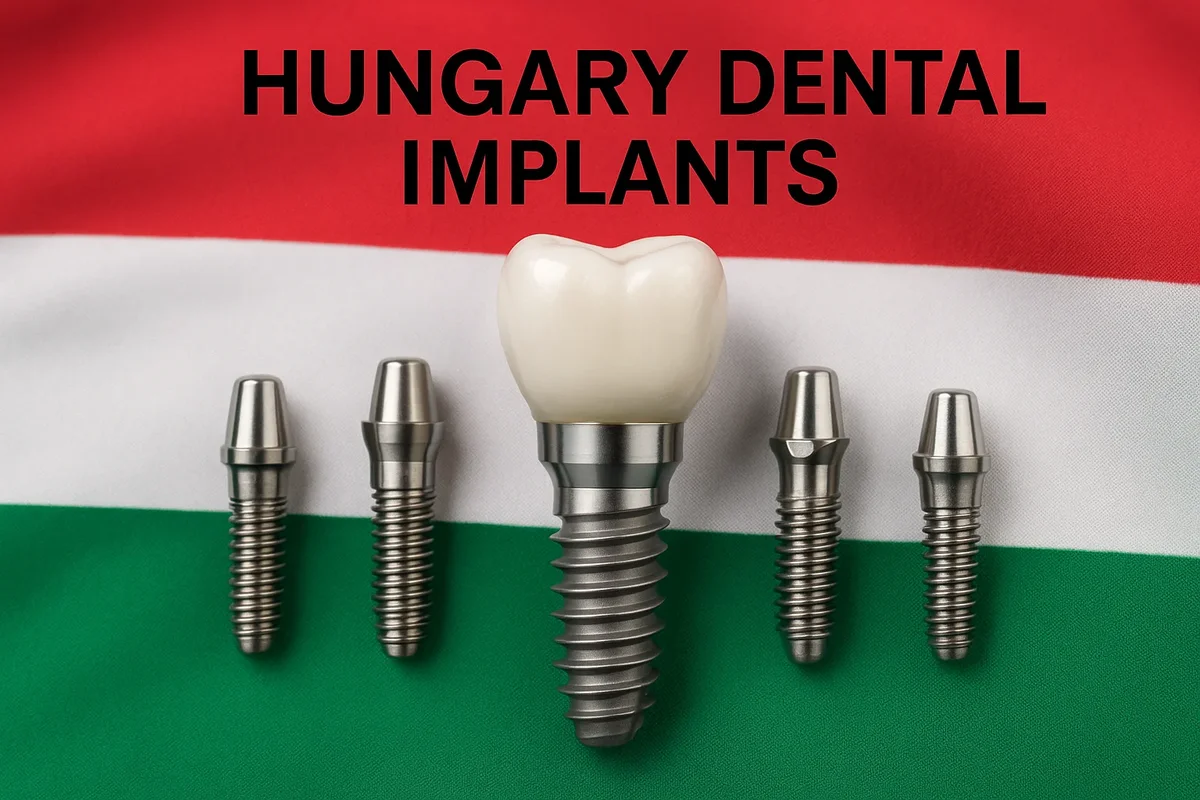
Success Rates and Long-Term Performance of Implants in Hungary
One of the primary reasons why thousands of international patients choose hungary dental implants every year is the consistently outstanding success rate achieved by Hungarian clinics. Implant dentistry in Hungary is supported by decades of academic excellence, highly trained oral surgeons, and state-of-the-art digital tools. These factors combine to create predictable, long-lasting results that rival—or surpass—many other dental tourism destinations in Europe. In this comprehensive section, we explore the scientific foundations, clinical outcomes, technological innovations, and long-term performance that make Hungary one of the world’s most reliable implant centers. 🦷🌟
High Clinical Success Rates Supported by Scientific Evidence
Modern research shows that dental implants worldwide have an average success rate of 94–98% over ten years. However, hungary dental implants consistently achieve success rates at the upper end of this range thanks to advanced diagnostics, strict sterilization standards, and experienced surgeons who specialize in implantology. Many clinics in Hungary report long-term stability rates above 97%, especially when using premium systems like Nobel Biocare, Straumann, and Neodent.
These clinics follow protocols aligned with international guidelines, including standards used by the American Dental Association, ensuring that each step—from planning to final restoration—is executed with scientific precision. Furthermore, Hungarian implantologists continuously participate in international titanium biology research and advanced surgical technique workshops, contributing to the country’s exceptional performance outcomes.
Biomechanical Stability and Long-Term Implant Integration
The long-term success of hungary dental implants is heavily influenced by osseointegration—the process by which the implant fuses with the jawbone. Hungary’s emphasis on high-quality surface technologies significantly enhances this biological reaction, ensuring stronger and faster bone bonding. Nearly all premium implant systems used in Hungary come with sandblasted, acid-etched (SLA) or hydrophilic surfaces designed to accelerate early integration.
Key Factors Enhancing Bone Integration
- High-density titanium or zirconia implant materials
- Nano-textured surfaces that promote rapid healing
- Digital surgical guides for ideal implant angulation
- Minimally invasive flapless surgical techniques
Because these technologies are widely and consistently used, Hungarian clinics achieve excellent biomechanical stability, even in challenging cases such as low bone density or full-arch reconstructions.
Longevity: How Long Hungary Dental Implants Typically Last
When properly placed and maintained, hungary dental implants often last 20 years or more—many patients enjoy them for a lifetime. Implant longevity depends on bone quality, bite forces, oral hygiene, and the type of restoration placed on top. Hungary’s use of premium implant brands plays a crucial role in delivering long-term durability.
Average Lifespan by Implant Type
- Titanium implants: 20–30 years or lifetime with proper care
- Zirconia implants: 15–25 years depending on bite forces
- All-on-4 implants: 10–20 years for prosthetic components; implants often last longer
These estimates are supported by clinical research and real-world patient data from Hungarian implant centers.
Impact of Digital Dentistry on Long-Term Success
Hungary is a European pioneer in digital implant dentistry. Clinics commonly use CBCT scans, intraoral scanners, facial scanning, and computer-guided surgery. This digital workflow dramatically improves accuracy, reducing the risk of implant failure caused by misalignment, insufficient bone support, or nerve proximity.
Digital Tools That Improve Long-Term Outcomes
- 3D implant planning software
- CAD/CAM-milled zirconia crowns
- 3D-printed surgical guides
- Digital bite alignment analysis
This technology-driven approach ensures that hungary dental implants are placed in positions optimized for load distribution, aesthetics, and long-term comfort.
How Aftercare Influences Implant Survival
Even the best implants require proper maintenance. Hungarian clinics provide extensive aftercare guidance to support long-term success. Patients are educated on brushing techniques, flossing patterns, interdental cleaning, and gum health protection. Regular check-ups—whether in Hungary or locally—are essential for monitoring bone levels and ensuring lifelong stability.
LSI terms such as implant longevity and European oral rehabilitation systems further reinforce the connection between Hungary’s specialist care and excellent long-term outcomes. Routine follow-ups and professional cleanings can help prevent complications like peri-implantitis, ensuring that hungary dental implants remain healthy and functional.
Long-Term Patient Satisfaction and Aesthetic Outcomes
Beyond functionality, long-term patient satisfaction is crucial. Hungary’s implant patients consistently report high levels of comfort, chewing efficiency, and natural-looking aesthetics. Crowns and bridges are designed with advanced CAD/CAM technology, providing highly realistic color shading and contouring.
For individuals considering treatment, personalized evaluations and expert guidance are available through the Redent Klinik Contact Page, allowing patients to understand their long-term prognosis before beginning the procedure.
Overall, Hungary’s implant success rates, advanced technologies, surgical expertise, and commitment to long-term oral health make it one of the best destinations globally for reliable, durable, and aesthetically exceptional implant dentistry.
Travel Tips for Patients Visiting Hungary for Dental Implants
Planning a treatment journey abroad can feel overwhelming, but patients who choose hungary dental implants often discover that the experience is smooth, well-organized, and surprisingly enjoyable. Hungary is one of Europe’s top dental tourism destinations, welcoming thousands of international visitors each year for advanced implant procedures. Whether you’re coming for single implants, All-on-4 restorations, or full-mouth rehabilitation, knowing how to prepare will make your journey far easier. In this comprehensive guide, you’ll learn what documents to bring, where to stay, how to navigate Budapest efficiently, and how to make your recovery both comfortable and memorable. 🇭🇺✈️
Preparing for Your Trip: Essential Documents and Health Information
Before traveling for hungary dental implants, it’s crucial to have your documentation ready. The process starts with a digital consultation, during which clinics typically request dental X-rays or a panoramic scan. These images help Hungarian dentists evaluate bone density and prepare your personalized treatment plan.
What You Should Bring
- Passport: Ensure it’s valid for at least six months.
- Dental Records: Any previous implant history, tooth extractions, or orthodontic treatments.
- Medical History: Details on allergies, medications, or systemic conditions (diabetes, hypertension, etc.).
- Travel Health Insurance: Recommended for peace of mind.
Hungary is part of the EU, so citizens from many countries—including the UK, the US, and Canada—do not require a visa for short visits. However, always verify the latest travel regulations before departure.
Choosing Accommodation Near Dental Clinics
Most patients receiving hungary dental implants choose to stay in Budapest, where the majority of top-tier clinics are located. Budapest offers a wide range of accommodation options, from luxury hotels to affordable apartments, ensuring a comfortable stay no matter your budget.
Best Areas to Stay in Budapest
- District V (Belváros): Central, beautiful, and close to many clinics.
- District VI (Terézváros): Ideal for shopping, transport, and restaurants.
- District XIII: Quiet and peaceful—great for recovery after surgery.
Many clinics also offer partner rates with nearby hotels, helping reduce accommodation costs. Staying close to your clinic makes follow-up visits easier and minimizes travel time during your recovery period.
Navigating Budapest: Transport Tips for Dental Travelers
Budapest is known for its efficient and well-connected public transportation system. Patients traveling for hungary dental implants can move around easily using trams, metro lines, or buses. Taxis and rideshare services like Bolt or Főtaxi are also widely available and reasonably priced.
Easy Ways to Get Around
- Metro Line M2 & M3: Serves many dental clinic districts.
- Tram 4–6: Ideal for traveling through central Budapest.
- Airport Shuttle Services: Budget-friendly transfers to city hotels.
The city’s layout is straightforward, and English is widely spoken, making navigation easy even for first-time visitors.
What to Expect During Your Stay: Food, Comfort, and Language
Hungary offers a warm, welcoming environment for dental tourists. While recovering from hungary dental implants, you’ll find plenty of soft food options—soups, tender meats, pastries, and nutrient-rich yogurt bowls. Most restaurants offer English menus, and Budapest’s hospitality sector is familiar with dental tourists who may need special meal accommodations after surgery.
Recovery-Friendly Food Options
- Goulash soups (soft, flavorful, and filling)
- Mashed vegetable dishes
- Soft pastries and desserts
- Protein-rich smoothies and yogurt bowls
With its vibrant café culture and quiet parks, Budapest provides relaxing spaces perfect for a comfortable recovery.
Post-Treatment Stay Duration: How Long Should You Remain in Hungary?
The required duration of stay depends on the treatment you’re receiving. For most hungary dental implants, a two-visit approach is used:
Visit 1: Implant Placement
- Stay 3–5 days for consultation, CBCT scan, surgery, and follow-up.
- The initial healing period begins after you return home.
Visit 2: Final Crown Placement
- Stay 5–7 days for impressions, fitting, and adjustments.
- Aesthetic customization is completed during this visit.
Some clinics offer same-day implants or immediate-load solutions, but these are used selectively based on bone conditions and medical eligibility.
Tourism Opportunities During Recovery
Patients heal best when relaxed—and Budapest offers plenty of gentle sightseeing opportunities suitable for those recovering from hungary dental implants. You won’t need intense walking or strenuous activity; light tourism is more than enough.
Recommended Attractions for Implant Patients
- Fisherman’s Bastion: Easy to reach and offers breathtaking panoramic views.
- Danube River Promenade: Perfect for peaceful evening strolls.
- Thermal Baths: Visit only after surgical healing begins (avoid immediately after surgery).
- St. Stephen’s Basilica: A gentle cultural experience.
Budapest’s atmosphere is calm, elegant, and ideal for restful days between dental appointments.
Emergency Support and Clinic Communication
Hungarian clinics specializing in hungary dental implants are known for their exceptional patient communication. They provide direct WhatsApp support lines, multilingual staff, transparent instructions, and clear documentation for post-surgery care. In rare cases of complications, clinics are responsive and quick to assist.
Patients can also coordinate follow-up check-ups or share post-healing images through online platforms. This ensures continuous support even after returning home.
Those ready to plan their travel and begin their implant journey can reach out through the Redent Klinik Contact Page for personalized travel and treatment coordination.
By preparing well, choosing the right accommodation, understanding local transportation, and enjoying Budapest’s gentle beauty, patients receiving hungary dental implants can transform their medical trip into a healing, memorable, and rewarding experience.
How to Choose the Best Clinic in Hungary for Dental Implants
Selecting the right clinic is one of the most important decisions for patients seeking hungary dental implants. With Hungary being one of Europe’s top destinations for implant dentistry, the number of clinics offering advanced implant solutions has grown rapidly. While this gives patients plenty of options, it also makes the decision more complex. A successful and long-lasting implant treatment depends heavily on choosing a clinic with the right expertise, technology, safety standards, and patient-centered approach. This comprehensive guide explains exactly how to evaluate clinics, what red flags to avoid, and what factors truly matter for long-term implant success. 🦷✨
Why Choosing the Right Clinic Matters So Much
High-quality hungary dental implants require precise planning, expert surgical skill, excellent sterilization protocols, and premium materials. Even though Hungary has strict medical regulations, not every clinic operates at the same level. Choosing wisely ensures:
- Higher long-term implant success rates
- Reduced risk of complications such as infections or implant failure
- A more comfortable and pain-free experience
- Better aesthetic results using advanced CAD/CAM crowns
- Access to lifelong follow-up support and professional communication
Because implants are a lifetime investment, selecting the right clinic directly affects durability, function, and overall health.
Checking Clinic Credentials and Certifications
One of the first steps when evaluating a clinic offering hungary dental implants is to verify its certifications and professional affiliations. Reputable clinics proudly display credentials on their websites, including:
- ISO-certified sterilization protocols
- Membership in global dental associations
- Surgical team certifications in implantology and oral surgery
- University or hospital affiliations
Clinics that follow international guidelines, such as those used by the American Dental Association, demonstrate commitment to clinical excellence and safety.
Evaluating Surgeon Experience and Specialization
Implantology is a highly specialized field. For the best hungary dental implants, choose surgeons with years of implant-focused experience—not general dentists who perform implants occasionally.
Key Experience Indicators
- Number of implants placed annually (500+ is ideal)
- Specialization in oral surgery or prosthodontics
- Advanced training in bone grafting and sinus lifts
- Experience with complex full-arch systems (All-on-4 / All-on-6)
- Ongoing participation in international courses and conferences
Implant surgeons with extensive experience tend to deliver better alignment, faster healing, and long-term reliability.
Technology: The Backbone of Modern Implant Success
The most successful hungary dental implants are placed using cutting-edge digital tools. A top-tier clinic should be equipped with:
- CBCT 3D imaging scanners
- Intraoral scanners for digital impressions
- CAD/CAM milling machines for custom crowns
- 3D-printed surgical guides
- Digital bite alignment systems
Why Technology Matters
Digital workflows improve accuracy, aesthetics, and patient comfort. They reduce surgical risks, shorten healing time, and ensure implants fit perfectly with natural bone anatomy. Using outdated tools may increase the likelihood of complications or implant misplacement.
Material Quality and Implant Brands
Another essential factor when choosing a clinic is the quality of materials used for hungary dental implants. Premium European or American implant brands offer decades of research, long-term proven success, and advanced surface technologies for superior osseointegration.
Trusted Implant Brands Common in Hungary
- Straumann
- Nobel Biocare
- Neodent
- Alpha-Bio
- Megagen
Avoid clinics offering extremely low-priced implant packages using unknown brands with no clinical studies or global support.
Transparency and Communication Standards
Clear communication is essential during the entire implant journey. Leading clinics providing hungary dental implants offer:
- Detailed treatment plans with digital images
- Transparent pricing and no hidden fees
- English-speaking coordinators
- WhatsApp support for quick questions
- Realistic expectations about healing and results
A clinic that listens, explains, and guides patiently demonstrates professionalism and respect for the patient’s safety.
Patient Reviews and Before/After Photos
Authentic patient experiences can reveal crucial information about a clinic. When researching hungary dental implants, look for:
- Google Reviews and Trustpilot ratings
- Video testimonials
- Before/after implant photos
- Case studies showing similar procedures to yours
A clinic with a strong track record of successful transformations provides confidence and proof of expertise.
Clinic Hygiene and Sterilization Standards
Hygiene is non-negotiable in implant dentistry. Top-tier clinics follow strict sterilization protocols, including:
- Separate surgical rooms for implant procedures
- Autoclave sterilization for all instruments
- Disposable surgical accessories
- Regular audits on hygiene compliance
These measures dramatically reduce infection risks and promote better healing for hungary dental implants.
Red Flags to Avoid When Choosing a Clinic
Not all clinics meet the high standards expected in medical tourism. Avoid clinics that:
- Offer “too good to be true” prices
- Use unknown implant brands
- Do not provide a detailed treatment plan
- Skip CBCT scanning
- Rush consultations
- Lack verifiable reviews
These warning signs may indicate poor-quality care or inexperience.
Final Step: Contacting a Verified Clinic
Patients ready to begin their journey can contact a trusted clinic directly through the
Redent Klinik Contact Page. Coordinators provide free consultations, treatment plans, travel assistance, and detailed cost breakdowns.
By carefully evaluating qualifications, technology, communication, hygiene, and patient feedback, anyone seeking hungary dental implants can confidently choose a clinic that ensures safety, comfort, and long-term implant success.