
Maintaining oral health goes far beyond simply brushing your teeth every morning and night 🪥. It involves understanding the essential role of a hygiene dentist—a specialized professional dedicated to preserving the cleanliness, strength, and beauty of your smile. A hygiene dentist focuses on preventive care, educating patients about proper oral routines, and ensuring that every part of your mouth—from teeth to gums—is in optimal condition. This comprehensive guide explores the true importance of visiting a hygiene dentist, how they can transform your oral health, and why regular professional cleanings are crucial for a radiant smile.
When most people think about dental visits, they often imagine treatment for cavities, root canals, or tooth extractions. However, the main goal of a hygiene dentist is prevention. Their job is to stop those issues from developing in the first place 🧠. By providing regular cleanings, evaluating gum health, and detecting early signs of disease, a hygiene dentist can help patients maintain long-term dental wellness. Preventive dentistry saves both time and money by avoiding complex procedures later on.
The services provided by a hygiene dentist typically include scaling and polishing, fluoride treatments, plaque removal, and personalized advice on brushing and flossing techniques. These might seem simple, but when done consistently and professionally, they significantly reduce the risk of cavities, gingivitis, and even systemic health issues linked to oral bacteria. According to research by the American Dental Association, gum disease has been associated with conditions such as diabetes and cardiovascular problems, which highlights how a hygiene dentist doesn’t just protect your teeth— they help protect your entire body.
Another crucial part of a hygiene dentist’s work is patient education. Many individuals don’t know how much their daily habits impact their dental health. A hygiene dentist will teach you the correct brushing angles, the importance of tongue cleaning, and the type of toothpaste suited for your enamel. They may also recommend specific products such as interdental brushes, mouth rinses, or electric toothbrushes that match your needs. This guidance helps bridge the gap between professional dental care and at-home maintenance, ensuring that every patient becomes an active participant in their oral wellness journey.
Visiting a hygiene dentist regularly—ideally every six months—can make a huge difference. During these sessions, hardened plaque (known as tartar) is removed from areas that brushing and flossing can’t reach. If left untreated, tartar can harbor bacteria that lead to gum inflammation or bleeding, known as gingivitis. Over time, this can progress into periodontitis, a serious condition that affects the bone supporting your teeth. By detecting such problems early, a hygiene dentist can implement targeted treatments and stop these conditions before they become severe. 🦷✨
In addition to cleaning, your hygiene dentist will often perform a thorough examination to identify discolorations, early decay, or signs of oral cancer. They use advanced tools and imaging technology to detect even the smallest irregularities, making early intervention possible. The hygiene dentist’s focus on detail and prevention makes them a cornerstone of any successful dental care plan. This approach ensures that patients don’t just have clean teeth—they have the knowledge and confidence to maintain them for life.
Another essential benefit of seeing a hygiene dentist is the boost in self-confidence. Fresh breath, a bright smile, and smooth teeth are more than aesthetic advantages—they’re signs of a healthy body. Many patients report improved self-esteem after a deep cleaning session, as plaque and stains are removed, revealing a natural shine. Moreover, maintaining good hygiene supports your social and professional life, as a healthy smile often creates a lasting positive impression. 😄
In some cases, a hygiene dentist may collaborate with other dental professionals, such as orthodontists or periodontists, to ensure complete oral health. Their reports and observations often guide treatment plans for braces, implants, or restorations. The relationship between the hygiene dentist and the general dentist is symbiotic: while one focuses on maintaining cleanliness and prevention, the other handles diagnosis and treatment. Together, they form the backbone of modern dental care.
Lastly, choosing the right clinic for hygiene-focused care is crucial. If you are seeking expert preventive services in Turkey, you can reach out to Redent Klinik Contact Page for personalized dental hygiene treatments. At such clinics, hygiene dentists employ the latest sterilization techniques, ergonomic tools, and patient-centered communication methods to ensure a safe and comfortable experience.
In conclusion, a hygiene dentist plays an irreplaceable role in maintaining not just your oral health, but your overall well-being. Their preventive care approach, patient education, and professional cleanings form the foundation of a lifetime of healthy smiles. Regular visits empower you to prevent disease, maintain confidence, and enjoy a vibrant, healthy life. So don’t wait for dental issues to appear—book your next appointment with a hygiene dentist and invest in your long-term health today. 🌿
What Is a Hygiene Dentist and Why You Need One
Many people visit a dentist only when they experience pain or discomfort 😣, yet preventive dental care is far more important than most realize. This is where the role of a hygiene dentist becomes vital. A hygiene dentist, sometimes referred to as a dental hygienist or oral hygiene specialist, is a professional trained to maintain and improve your oral health through preventive treatments, patient education, and deep cleaning. Their main goal is to stop dental issues before they even start. By focusing on prevention, they ensure that your teeth, gums, and mouth remain healthy for years to come. 🦷
The Primary Responsibilities of a Hygiene Dentist
A hygiene dentist performs several crucial procedures that form the foundation of preventive dentistry. These include:
- Scaling and polishing: Removing plaque, tartar, and stains that build up over time and cannot be eliminated through regular brushing.
- Fluoride treatments: Strengthening enamel to resist decay and reduce sensitivity.
- Oral health assessments: Evaluating the gums, checking for signs of disease, and identifying problem areas before they escalate.
- Patient education: Teaching effective brushing and flossing techniques tailored to individual needs.
Each of these steps plays a key role in ensuring that patients not only achieve a clean and beautiful smile but also maintain it long-term. The hygiene dentist works closely with general dentists to develop comprehensive care plans that address both preventive and restorative needs.
Why Regular Visits to a Hygiene Dentist Are Essential
Most dental problems develop slowly and silently. Cavities, gum disease, and bad breath (halitosis) often begin as minor issues that go unnoticed until they become serious. Regular visits to a hygiene dentist ensure that any signs of trouble are detected early. Through professional cleanings and oral assessments, a hygiene dentist can remove bacteria and buildup that even the best toothbrushes can’t reach. Regular cleanings help maintain healthy gums, prevent tooth loss, and keep your smile looking naturally bright. ✨
Beyond aesthetics, oral health is directly connected to your overall well-being. Studies from the American Dental Association have found links between poor oral hygiene and conditions such as heart disease, diabetes, and respiratory infections. This means that visiting a hygiene dentist isn’t just about your smile—it’s about protecting your entire body from potential health complications.
Key Differences Between a Hygiene Dentist and a General Dentist
Although their titles sound similar, the roles of a general dentist and a hygiene dentist are quite distinct. A general dentist diagnoses and treats oral diseases—filling cavities, performing extractions, and restoring damaged teeth. A hygiene dentist, on the other hand, focuses on prevention. Their goal is to help you avoid the need for major dental work altogether.
The Preventive Approach of a Hygiene Dentist
Prevention is the cornerstone of what a hygiene dentist does. Instead of waiting for a problem to appear, they act early to protect your oral ecosystem. By cleaning plaque deposits, monitoring gum health, and applying fluoride, a hygiene dentist reduces the risk of future dental decay and periodontal disease. They also use special tools to measure gum pocket depth and detect inflammation early, which is vital for preventing bone loss and tooth instability.
Educational Guidance That Lasts a Lifetime
One of the most valuable aspects of a hygiene dentist’s job is education. Many patients brush incorrectly, miss hidden areas, or use the wrong dental products. A hygiene dentist demonstrates the proper brushing technique, explains how to floss effectively, and may suggest lifestyle adjustments such as reducing sugar intake or quitting smoking 🚭. By adopting these habits, patients can significantly extend the life of their natural teeth.
Benefits of Building a Long-Term Relationship with a Hygiene Dentist
Seeing the same hygiene dentist regularly helps build trust and continuity in your dental care. They keep detailed records of your oral history, track changes over time, and provide personalized recommendations. This consistency ensures that your care is proactive rather than reactive. Moreover, it allows your hygiene dentist to tailor each session to your evolving needs—whether that means managing sensitive teeth, addressing gum issues, or enhancing whitening results.
How Often Should You Visit a Hygiene Dentist?
In general, visiting a hygiene dentist every six months is ideal. However, some patients—especially those with gum disease, orthodontic appliances, or high plaque buildup—may require more frequent visits. Your hygiene dentist will evaluate your oral condition and recommend a customized schedule. Regular cleanings don’t just remove tartar; they also give your dentist the chance to check for hidden issues that may otherwise go undetected until it’s too late.
Hygiene Dentist and Modern Technology
Today’s hygiene dentist relies on cutting-edge technology to ensure precision and comfort. Ultrasonic scalers, digital imaging, and laser-assisted cleaning have made procedures more effective and less invasive than ever before. These innovations not only improve outcomes but also make dental visits quicker and more pleasant for patients. 💡
Finding a Trusted Hygiene Dentist Near You
When choosing a hygiene dentist, experience, communication, and comfort are key factors. It’s important to find a clinic where you feel heard and cared for. If you’re looking for a trusted dental hygiene specialist, you can reach out to Redent Klinik Contact Page for expert guidance and preventive dental care. Their experienced hygiene dentists use evidence-based techniques and patient-friendly tools to deliver exceptional results.
In summary, a hygiene dentist is the guardian of your oral health. Their preventive methods, advanced tools, and educational approach ensure that your smile remains bright, your gums stay strong, and your overall health thrives. By incorporating regular visits to a hygiene dentist into your lifestyle, you’re not just maintaining clean teeth—you’re investing in a healthier, happier future. 🌿
The Science Behind Professional Dental Cleaning
Behind every radiant smile is the expertise of a hygiene dentist who applies science-based techniques to clean and protect your teeth 🧬. Professional dental cleaning is not just a cosmetic procedure—it’s a medical-grade process designed to remove plaque, tartar, and bacteria that accumulate in areas a regular toothbrush can’t reach. Understanding the science behind this essential service helps patients appreciate how much precision and care go into every cleaning session performed by a hygiene dentist. This section explains what happens during professional dental cleaning, why it’s so effective, and how it supports overall health.
Understanding Plaque and Tartar Formation
Every day, millions of bacteria form a thin, sticky film on your teeth known as plaque. When you eat or drink, these bacteria feed on sugars and produce acids that attack your enamel. If plaque isn’t removed through brushing and flossing, it hardens into tartar (calculus) within 48 hours—a substance so tough that only a hygiene dentist can remove it. Tartar buildup along the gumline traps more bacteria, leading to inflammation and gum disease. The science here is simple but critical: preventing tartar formation is the first defense against long-term oral damage.
How a Hygiene Dentist Targets Plaque Biofilm
Biofilm is a complex structure of microorganisms that protects bacteria from traditional cleaning methods. A hygiene dentist uses specialized ultrasonic scalers that emit high-frequency vibrations to break apart these colonies without harming enamel. The combination of ultrasonic technology and water irrigation flushes out bacteria from deep gum pockets, reducing infection risks. This process also enhances oxygen flow in the mouth, which helps eliminate anaerobic bacteria—the ones responsible for bad breath and periodontal disease. 🌬️
The Stages of Professional Cleaning
Professional dental cleaning by a hygiene dentist typically consists of three main stages: scaling, polishing, and fluoride application. Each step is rooted in scientific precision and aims to restore balance to your oral microbiome.
- Scaling: Using manual or ultrasonic instruments, the hygiene dentist removes tartar deposits from above and below the gumline. This step prevents bacteria from triggering gum inflammation.
- Polishing: Once the surfaces are smooth, polishing pastes with micro-abrasives are applied to eliminate surface stains and create a slick finish that resists new plaque buildup.
- Fluoride Application: A fluoride gel or varnish is applied to remineralize enamel, making it stronger and more resistant to acid erosion.
These stages may seem simple, but the physiological effects are profound. Removing bacterial colonies not only preserves your gums and enamel but also reduces the systemic inflammation that can spread through the bloodstream to other organs. This is why maintaining a regular cleaning schedule with your hygiene dentist contributes to better overall health, not just a brighter smile. 🦷
Scientific Tools Used by a Hygiene Dentist
Modern dental hygiene relies on precision tools backed by science. The hygiene dentist uses ultrasonic scalers, air polishers, intraoral cameras, and laser-assisted devices to achieve deep cleaning without discomfort. These technologies allow accurate detection of tartar, decay, and early signs of gum disease. Some clinics also use fluorescence-based detection systems that highlight hidden bacterial colonies invisible to the naked eye.
The Role of Water Irrigation and Air Polishing
During cleaning, water irrigation systems gently wash away dislodged particles, while air polishers use a fine mist of air, water, and sodium bicarbonate powder to remove stains and neutralize acids. This method is less abrasive than traditional polishing and provides smoother tooth surfaces. It’s one of the reasons why patients who regularly visit a hygiene dentist often report feeling fresher and more confident after every appointment. 😄
The Connection Between Dental Cleaning and Gum Health
Healthy gums are the foundation of a healthy mouth. The hygiene dentist closely monitors gum depth using a periodontal probe—a calibrated instrument that measures the space between your tooth and gum tissue. When bacteria invade these pockets, they cause swelling and bleeding, which may develop into periodontitis if untreated. By cleaning deep below the gumline and using antimicrobial rinses, the hygiene dentist reduces bacterial load and encourages gum tissue regeneration. This precise, science-backed care prevents tooth loss and enhances oral resilience.
Benefits Beyond the Mouth: Systemic Health Impact
Scientific research increasingly shows that oral bacteria can enter the bloodstream and influence systemic diseases such as diabetes, cardiovascular disorders, and even Alzheimer’s. Regular cleanings by a hygiene dentist minimize these risks by reducing the bacterial burden. The gums act as a gateway to the rest of the body, so maintaining their integrity through professional hygiene care is crucial for long-term health. Studies published by the American Dental Association confirm that preventive cleanings lower inflammatory markers throughout the body. 🌿
What to Expect After a Professional Cleaning
After your session with a hygiene dentist, your teeth feel smoother, your gums tighter, and your breath fresher. You may experience mild sensitivity for a day or two, which is completely normal as your teeth adjust to the newly exposed enamel surfaces. Your hygiene dentist will usually provide a personalized home-care plan, including recommendations for toothbrush type, toothpaste formulation, and flossing techniques to maintain results between visits.
Choosing a Clinic for Scientific Dental Cleaning
If you’re seeking a professional cleaning guided by the latest scientific methods, consider booking an appointment through the Redent Klinik Contact Page. Their hygiene dentist team combines experience, technology, and gentle care to deliver outstanding preventive treatments that promote lifelong oral health. By understanding the science behind each cleaning, patients can feel confident knowing that their dental health is in expert hands. 💫
In summary, professional dental cleaning is both an art and a science. Every procedure performed by a hygiene dentist is supported by evidence-based research, ensuring that your mouth stays clean, your gums stay strong, and your body stays healthy. The meticulous process of scaling, polishing, and fluoride application creates a clean environment that supports long-term oral harmony and overall wellness. So next time you schedule your visit, remember: you’re not just cleaning your teeth—you’re participating in a scientifically proven ritual of preventive care. 🧪
How Often Should You Visit a Hygiene Dentist
Many people underestimate the importance of regular dental visits, assuming that brushing and flossing at home are enough. However, even with excellent home care, plaque and tartar gradually accumulate in areas your toothbrush can’t reach. That’s why scheduling regular appointments with a hygiene dentist is crucial for maintaining lifelong oral health. 🦷 Visiting a hygiene dentist at appropriate intervals allows for early detection of dental issues, professional removal of plaque, and personalized guidance on how to care for your teeth effectively. But how often should you actually go? Let’s explore this question through scientific reasoning and professional recommendations.
The Standard Recommendation: Every Six Months
The general guideline, endorsed by the American Dental Association, suggests visiting a hygiene dentist every six months. This biannual schedule works well for most people, as plaque buildup and early signs of gum disease can be efficiently managed within that time frame. Regular cleanings prevent tartar hardening, reduce bacteria, and promote a healthy oral microbiome. This six-month cycle is also ideal for spotting subtle changes in gum color, enamel texture, and alignment before they become bigger problems. ✨
Why Six Months Is the Golden Rule
Dental plaque begins forming within hours after cleaning, and if left undisturbed, it calcifies into tartar in just a few days. Once tartar forms, it cannot be removed by brushing alone. Over the next several weeks, tartar continues to spread along the gumline, creating the perfect environment for bacteria. By the six-month mark, this buildup can trigger inflammation and bleeding. That’s why the six-month check-up with your hygiene dentist is scientifically timed—it stops gum disease before it progresses to irreversible stages.
Who Needs More Frequent Visits?
Not everyone’s mouth is the same, and some individuals are more prone to dental problems than others. People with specific risk factors should visit their hygiene dentist every three to four months. These risk factors include:
- Smokers: Nicotine reduces blood flow to the gums, increasing the risk of gum disease and delayed healing.
- Diabetics: Blood sugar fluctuations can heighten the risk of oral infections.
- Pregnant women: Hormonal changes can cause “pregnancy gingivitis,” leading to swollen and bleeding gums.
- Orthodontic patients: Braces and aligners trap more food particles, requiring extra hygiene care.
- Patients with a history of periodontal disease: These individuals need ongoing monitoring to prevent relapse.
For these groups, more frequent visits to a hygiene dentist ensure that potential problems are caught early and treated before causing lasting damage.
What Happens During a Routine Visit?
Each appointment with a hygiene dentist typically begins with a full assessment of your teeth and gums. They use specialized tools to measure gum pocket depth, check for plaque accumulation, and identify early signs of decay. After this examination, professional scaling removes tartar and bacteria from both above and below the gumline. The session concludes with polishing, which smooths the enamel, and a fluoride treatment that reinforces its protective barrier. Your hygiene dentist may also provide personalized advice on brushing angles, flossing frequency, and dietary choices. 🪥
Scientific Rationale for Regular Cleanings
Every visit to a hygiene dentist does more than clean your teeth—it resets your oral environment. The mouth hosts over 700 species of bacteria, some beneficial and others harmful. Regular cleanings prevent harmful bacteria from dominating, maintaining microbial balance. This, in turn, reduces the likelihood of cavities, gum infections, and systemic inflammation. Consistent cleanings also enhance saliva flow, which naturally neutralizes acids and helps remineralize enamel. In short, regular visits are not just cosmetic—they’re biological necessities.
Consequences of Skipping Appointments
Skipping routine visits to a hygiene dentist can have long-term consequences. Plaque hardens, gums recede, and decay progresses silently until pain or sensitivity appear. By the time symptoms show, treatments like deep cleaning or even periodontal therapy may become necessary. More importantly, untreated gum disease has been linked to chronic health issues such as cardiovascular disease and respiratory infections. Regular hygiene appointments, therefore, act as a preventive shield for your whole body’s health. 🌿
Adapting Visit Frequency to Lifestyle and Age
The frequency of visits to a hygiene dentist can also depend on age and lifestyle. Children benefit from visits every six months to develop healthy oral habits early. Teenagers may require more frequent cleanings due to hormonal changes and diet habits, while adults with good hygiene can maintain the standard schedule. Elderly individuals, especially those with medications that reduce saliva production, may need extra visits to combat dry mouth and tooth decay. The key is to consult your hygiene dentist, who can personalize a care plan based on your unique oral condition.
Signs You Should Schedule an Immediate Visit
Regardless of your routine schedule, certain symptoms mean you should see a hygiene dentist right away. These include persistent bad breath, bleeding gums, tooth sensitivity, or visible tartar buildup. Early intervention can prevent minor issues from developing into complex dental conditions. If you experience discomfort while brushing or notice gum recession, it’s better to book a check-up immediately rather than wait for your regular appointment. 🩺
Finding a Reliable Hygiene Dentist Near You
When selecting a dental professional, prioritize clinics that emphasize preventive care and patient education. If you’re searching for expert oral hygiene support, the Redent Klinik Contact Page offers access to highly experienced hygiene dentists. They use modern diagnostic tools and gentle techniques to make every cleaning effective and comfortable.
In summary, regular visits to a hygiene dentist are a cornerstone of lifelong oral health. Whether every six months or more often, these appointments remove harmful buildup, prevent disease, and keep your smile shining. The frequency of your visits should reflect your lifestyle, medical background, and oral condition—but consistency is key. By partnering with a professional hygiene dentist, you take a proactive step toward healthier teeth, gums, and overall well-being. 😁
Common Oral Problems a Hygiene Dentist Can Prevent
Prevention is the foundation of modern dental care, and no one embodies that principle better than a hygiene dentist. By focusing on regular cleaning, monitoring, and patient education, a hygiene dentist can stop most oral diseases before they even start. Many people only visit a dental clinic when they feel pain—but by that time, problems like cavities or gum disease are already advanced. Visiting a hygiene dentist regularly helps prevent these issues and maintain a healthy, confident smile. 🦷
1. Preventing Tooth Decay and Cavities
Tooth decay remains one of the most common dental problems worldwide. It begins when bacteria in the mouth feed on sugars from food and beverages, producing acids that erode the enamel. A hygiene dentist plays a critical role in preventing cavities by performing professional cleanings that remove plaque and tartar—the main culprits behind decay. During your visit, the hygiene dentist also applies fluoride treatments that strengthen enamel and reduce sensitivity.
The Science of Cavity Prevention
Fluoride and remineralization are key to cavity prevention. A hygiene dentist ensures that your teeth receive an optimal fluoride concentration to rebuild weakened enamel. Additionally, polishing removes surface stains that harbor bacteria. Through these scientific methods, early enamel damage can be reversed before a full-blown cavity develops. This means fewer fillings, less pain, and longer-lasting natural teeth. ✨
2. Controlling Gum Disease (Gingivitis and Periodontitis)
Gum disease begins silently with minor inflammation but can progress into a severe condition that threatens tooth stability. A hygiene dentist detects and treats gingivitis before it evolves into periodontitis. Regular scaling and root planing remove plaque deposits below the gumline, where bacteria thrive. This prevents the breakdown of gum tissue and bone structure.
How a Hygiene Dentist Protects Gum Health
During routine visits, the hygiene dentist measures gum pocket depth and looks for bleeding or swelling. If gum disease is detected, they use ultrasonic tools and antimicrobial rinses to eliminate harmful bacteria. They may also suggest at-home care routines such as interdental brushes and mouthwashes. By keeping gums healthy, a hygiene dentist helps maintain your teeth’s natural support system and prevents early tooth loss. 🌿
3. Eliminating Bad Breath (Halitosis)
Persistent bad breath is often a sign of poor oral hygiene or underlying dental issues. A hygiene dentist can identify the root cause—whether it’s bacteria buildup, gum disease, or even tonsil stones. Through professional cleaning, they remove odor-causing bacteria and teach patients how to maintain fresh breath daily. For chronic halitosis, the hygiene dentist may recommend tongue cleaning or specialized antibacterial mouth rinses. 🌬️
4. Preventing Tooth Staining and Discoloration
Regular coffee, tea, and wine consumption can stain enamel over time. A hygiene dentist uses polishing tools and air-abrasive techniques to gently remove these surface stains. Unlike whitening strips or home kits, professional cleaning addresses discoloration without harming the enamel. Patients who see a hygiene dentist regularly enjoy whiter, brighter teeth naturally—without harsh chemicals or abrasion. 😁
5. Managing Tooth Sensitivity
Sensitivity occurs when dentin—the layer beneath the enamel—becomes exposed. This can happen due to aggressive brushing, gum recession, or enamel erosion. A hygiene dentist identifies the cause and applies desensitizing treatments that block pain signals from reaching the nerve. They also provide guidance on gentle brushing techniques and fluoride toothpaste to protect sensitive areas. Through continuous care, tooth sensitivity can be significantly reduced, improving comfort and confidence when eating or drinking.
6. Preventing Plaque and Tartar Buildup
Even with daily brushing, plaque inevitably forms on teeth. When left untreated, it hardens into tartar, which cannot be removed without professional tools. A hygiene dentist uses ultrasonic scalers and manual instruments to eliminate tartar deposits before they damage the gums or enamel. Regular removal ensures smoother tooth surfaces, reducing bacterial adhesion and preventing gum inflammation. This routine process is one of the most powerful preventive actions in oral healthcare.
7. Reducing Risk of Oral Infections
Infections such as abscesses or gum boils can arise when bacteria infiltrate soft tissues. A hygiene dentist lowers this risk by maintaining a clean environment in the mouth. They identify areas prone to infection, such as deep gum pockets, and clean them thoroughly. In addition, they educate patients about signs of early infection, like swelling or tenderness, so prompt treatment can be initiated before complications arise.
The Connection Between Oral and Systemic Health
Recent research has revealed strong connections between oral infections and systemic diseases such as heart disease, diabetes, and respiratory illness. Regular visits to a hygiene dentist reduce bacterial load in the mouth, thereby minimizing systemic inflammation. By preventing oral infections, you’re also protecting your entire body from potential complications. 🧠
8. Avoiding Tooth Loss Through Preventive Care
Tooth loss is not just an aging issue—it’s often the result of untreated gum disease or decay. A hygiene dentist helps preserve natural teeth by maintaining strong gums and clean surfaces. Through early diagnosis and non-invasive procedures, they prevent the progression of diseases that would otherwise require extractions or implants. Maintaining your natural teeth enhances chewing function, aesthetics, and jaw alignment for life.
9. Preventing Oral Cancer through Screening
During each visit, a hygiene dentist performs visual and tactile examinations to detect abnormalities like white patches, sores, or tissue changes. Early detection of oral cancer significantly increases survival rates. These routine screenings, often overlooked by patients, are one of the most life-saving aspects of professional dental care. If any suspicious lesion is found, the hygiene dentist refers you promptly for further evaluation. 🩺
10. Personalized Prevention Plans for Every Patient
Each person’s mouth is unique, and a skilled hygiene dentist tailors preventive strategies based on your needs. They consider diet, age, medical history, and lifestyle habits to create a personalized maintenance plan. Whether it’s a special toothpaste for sensitive teeth, a fluoride rinse for enamel protection, or professional guidance for orthodontic care, their recommendations are designed for sustainable oral health.
For example, if you’re looking for ongoing preventive care, the Redent Klinik Contact Page offers appointments with expert hygiene dentists who specialize in comprehensive oral prevention. By visiting regularly, you gain long-term protection against common dental problems, enjoy a brighter smile, and reduce future dental expenses. 💎
In conclusion, the role of a hygiene dentist goes beyond cleaning teeth—it’s about preventing disease, maintaining aesthetics, and safeguarding overall health. From cavities and gum disease to oral infections and cancer screenings, these professionals serve as your first line of defense. With consistent visits and proper follow-up care, you can enjoy a lifetime of strong, beautiful, and healthy teeth. 🌿
Best Tools and Products Suggested by Dental Hygienists
Keeping your mouth clean and healthy is easier when you use the right tools and products recommended by a hygiene dentist. While daily brushing and flossing are the foundation of good oral care, advancements in dental technology have introduced products that dramatically enhance your routine. A hygiene dentist doesn’t just clean your teeth—they also guide you on which toothbrushes, toothpastes, rinses, and other products best suit your needs. 🦷 In this section, we’ll explore the science-backed tools and products a hygiene dentist recommends for maintaining optimal oral health and preventing disease.
Essential Tools Recommended by a Hygiene Dentist
The average toothbrush and toothpaste combo can only do so much. A hygiene dentist emphasizes the importance of supplementing these basics with modern dental tools designed for deeper, more effective cleaning. Each of these devices serves a unique purpose in your oral hygiene routine, helping you reach areas that regular brushing often misses.
1. Electric Toothbrushes
One of the most valuable recommendations from a hygiene dentist is switching from a manual to an electric toothbrush. Electric toothbrushes use oscillating or sonic vibrations to remove plaque more effectively, especially near the gumline. Research shows that electric models can reduce plaque buildup by over 20% compared to manual brushing. These toothbrushes also include pressure sensors and timers, ensuring you brush for the optimal duration—usually two minutes—without causing gum damage. Popular brands such as Oral-B and Philips Sonicare are often endorsed by professionals worldwide.
2. Interdental Brushes and Floss Picks
A toothbrush cannot clean the narrow spaces between teeth, which is why a hygiene dentist recommends interdental brushes or floss picks. These tools remove trapped food particles and bacterial plaque that cause cavities and bad breath. Interdental brushes come in various sizes to fit between different gaps, while floss picks provide greater control and hygiene than traditional string floss. Used daily, they can significantly reduce your risk of gum inflammation and bleeding. 🪥
3. Tongue Scrapers
The tongue harbors a large number of bacteria that contribute to bad breath and plaque formation. A hygiene dentist encourages the use of tongue scrapers made of stainless steel or copper to gently remove debris from the tongue surface. This simple habit improves breath freshness and reduces bacterial load in the mouth. A clean tongue also enhances taste perception and overall oral cleanliness. 🌬️
4. Water Flossers (Oral Irrigators)
For patients with braces, implants, or gum disease, a water flosser is often a must-have tool recommended by a hygiene dentist. It uses a pulsating stream of water to flush out food particles and bacteria from between teeth and below the gumline. Water flossers are especially helpful for those who find traditional flossing difficult. Clinical studies confirm that water flossers can reduce gingival bleeding and plaque significantly when used alongside brushing. 💧
Recommended Dental Products for Daily Use
In addition to physical tools, a hygiene dentist advises patients on the right oral care products tailored to their individual conditions. These include toothpaste, mouthwash, and specialized gels that target specific dental concerns such as sensitivity, staining, or dry mouth.
1. Toothpaste Options Based on Dental Needs
The choice of toothpaste can greatly affect your oral health. A hygiene dentist often recommends:
- Fluoride toothpaste: Strengthens enamel and prevents decay by remineralizing weakened tooth surfaces.
- Desensitizing toothpaste: Contains potassium nitrate or strontium chloride to reduce sensitivity in exposed dentin areas.
- Whitening toothpaste: Gently removes surface stains using mild abrasives like silica without damaging enamel.
- Natural toothpaste: Made with herbal extracts like neem, clove, or aloe vera, which are soothing for sensitive gums.
Choosing the right formulation depends on your dental history and goals—something a hygiene dentist can help determine through regular consultations.
2. Mouthwashes and Rinses
Mouthwash is more than a breath freshener—it’s an essential antibacterial solution for maintaining a healthy oral microbiome. A hygiene dentist might recommend:
- Antiseptic mouthwash: Contains chlorhexidine or cetylpyridinium chloride to fight gum disease and bacteria.
- Fluoride rinse: Adds an extra layer of protection against cavities, especially for those prone to enamel erosion.
- Alcohol-free rinses: Gentler for those with dry mouth or sensitive tissues, maintaining moisture balance.
Using mouthwash after brushing and flossing enhances bacterial control and leaves your mouth feeling fresh throughout the day. 🌿
Advanced Dental Accessories for Enhanced Care
Modern dental care goes beyond the basics, and a hygiene dentist may introduce patients to innovative accessories that optimize home hygiene. These include smart toothbrushes that sync with mobile apps, UV sanitizers for toothbrush heads, and remineralizing mouth gels that strengthen enamel. Some products even use nanohydroxyapatite—a cutting-edge mineral compound that mimics natural enamel to repair microcracks and improve tooth brightness. 🧪
Eco-Friendly and Sustainable Options
Many patients today seek environmentally conscious dental products. A hygiene dentist supports this shift by recommending biodegradable toothbrushes, refillable toothpaste tablets, and mouthwash concentrates. Bamboo toothbrush handles and compostable floss picks are great eco-friendly alternatives. Sustainable dental care not only benefits your health but also helps preserve the planet for future generations. 🌎
When to Replace Your Dental Tools
Even the best tools lose their effectiveness over time. A hygiene dentist advises replacing your toothbrush every three months—or sooner if the bristles are frayed. Floss picks and interdental brushes should be replaced weekly or when worn out. Water flosser tips and tongue scrapers also require periodic replacement to maintain hygiene and performance. Regular updates ensure that your tools continue to remove bacteria effectively and support your oral wellness goals.
Professional Guidance on Product Selection
Because the dental market is flooded with thousands of products, choosing the right one can be confusing. That’s why consulting a hygiene dentist is the most reliable way to make smart decisions. They base their recommendations on clinical experience, scientific research, and your unique oral profile. Whether you have sensitive gums, braces, or implants, a hygiene dentist tailors a product lineup that ensures maximum protection and comfort.
If you want personalized product recommendations and professional cleaning, you can reach out to the Redent Klinik Contact Page. Their experienced hygiene dentist team offers evidence-based guidance to help patients select effective, safe, and sustainable oral care products.
In summary, the tools and products you use at home form the foundation of lifelong oral health. Under the direction of a hygiene dentist, you can build a customized routine that complements professional cleanings, reduces plaque, prevents gum disease, and enhances the natural beauty of your smile. Investing in high-quality dental tools isn’t just about convenience—it’s about achieving a cleaner, healthier, and more confident smile every day. 😄
Hygiene Dentist vs. General Dentist: What’s the Difference?
While both professionals are crucial to maintaining oral health, there’s a significant difference between a hygiene dentist and a general dentist. Understanding how their roles complement each other helps patients make better decisions about their dental care. In short, a hygiene dentist focuses on prevention, cleaning, and patient education, while a general dentist specializes in diagnosis, treatment, and restoration. Together, they form a powerful team that ensures not just a bright smile, but long-term oral and systemic health. 🦷
The Role of a Hygiene Dentist: Prevention and Maintenance
A hygiene dentist is primarily concerned with maintaining the health of your teeth and gums before problems arise. Their expertise lies in professional cleanings, plaque removal, fluoride application, and educating patients about proper home care routines. They use advanced tools and techniques to remove tartar and bacteria buildup, which are impossible to eliminate with regular brushing alone.
Preventive Care and Early Detection
The hygiene dentist plays a critical role in catching early signs of gum disease, tooth decay, or enamel erosion. They perform detailed periodontal assessments—measuring pocket depth and checking for inflammation—to identify potential issues before they escalate. Through these proactive measures, a hygiene dentist prevents expensive and invasive treatments in the future. 🌿
Focus on Patient Education
One of the hallmarks of a hygiene dentist is their emphasis on education. They take the time to teach you about effective brushing techniques, flossing habits, and lifestyle choices that influence oral health. Whether you struggle with bleeding gums, persistent plaque, or bad breath, a hygiene dentist customizes an at-home care plan designed to improve your results. Their ultimate goal is to empower patients with knowledge and habits that protect their smiles for life. 😁
The Role of a General Dentist: Diagnosis and Treatment
While a hygiene dentist focuses on prevention, a general dentist manages the diagnosis and treatment of dental conditions. This includes procedures like fillings, crowns, root canals, extractions, and restorative treatments. The general dentist intervenes once disease or damage has already occurred, using advanced techniques to restore functionality and aesthetics.
Restorative and Corrective Procedures
When decay penetrates the enamel or a tooth becomes fractured, the general dentist steps in to repair or replace it. They use materials such as composite resin or porcelain to restore teeth to their original form and function. The hygiene dentist ensures these restorations last longer by maintaining cleanliness and advising on proper care routines. The collaboration between both professionals leads to comprehensive, lasting results. 💎
Diagnostic Technology and Specialized Tools
General dentists use digital X-rays, 3D scanners, and diagnostic imaging tools to detect deep-seated dental issues invisible to the naked eye. These technologies allow for early intervention, reducing pain and preventing costly procedures. However, regular cleanings by a hygiene dentist are essential to complement these diagnostics and ensure the long-term success of any treatments performed.
Collaborative Dental Care: A Synergistic Approach
The hygiene dentist and general dentist work hand in hand to deliver full-spectrum care. During a routine visit, the hygiene dentist first performs cleaning and inspection. If they notice potential problems—like cavities, gum recession, or enamel cracks—they refer you to the general dentist for further evaluation. This seamless collaboration ensures that no dental issue goes unnoticed or untreated. 🩺
Sequential Workflow in a Dental Clinic
In most dental practices, your appointment starts with the hygiene dentist. They clean your teeth, assess your oral health, and record any abnormalities. The general dentist then reviews these findings, performs additional diagnostics if needed, and develops a treatment plan. This systematic approach maximizes both preventive and corrective outcomes, guaranteeing optimal oral care for every patient.
Key Differences at a Glance
| Aspect | Hygiene Dentist | General Dentist |
|---|---|---|
| Main Focus | Prevention, cleaning, education | Diagnosis, treatment, restoration |
| Typical Procedures | Scaling, polishing, fluoride, gum health monitoring | Fillings, crowns, root canals, extractions |
| Primary Tools | Ultrasonic scalers, polishers, periodontal probes | X-rays, drills, restorative instruments |
| Visit Frequency | Every 3–6 months | As needed, depending on diagnosis |
| Goal | Prevent dental issues and maintain hygiene | Restore function and treat diseases |
Why You Need Both Professionals
Skipping visits to a hygiene dentist means missing the preventive phase of oral care. Without regular cleanings, tartar accumulates, and gum inflammation develops silently. By the time you see a general dentist, the problem may require complex treatment. On the other hand, neglecting restorative visits after diagnosis means untreated cavities or infections can worsen. Both specialists are essential for a balanced, proactive approach to oral health.
Cost and Time Efficiency through Prevention
Investing in preventive care with a hygiene dentist saves time and money in the long run. A professional cleaning every six months costs far less than a root canal or crown restoration. Moreover, patients who maintain regular visits experience fewer emergencies and report higher satisfaction with their dental health. Prevention isn’t just about savings—it’s about comfort and confidence. 🌿
How to Coordinate Your Dental Visits
Most clinics schedule joint appointments where both a hygiene dentist and a general dentist work together. This streamlined system ensures efficient care and consistent monitoring of your oral health. For example, at Redent Klinik Contact Page, patients receive preventive cleanings, diagnostic exams, and personalized treatment plans in one visit. This holistic model of care guarantees continuity and reduces the stress of managing multiple appointments.
Conclusion: A Unified Path to Oral Wellness
In essence, the difference between a hygiene dentist and a general dentist lies in focus, not importance. The hygiene dentist maintains your oral ecosystem, while the general dentist repairs it when something goes wrong. When these two experts collaborate, patients benefit from preventive strength and restorative precision. By scheduling regular visits to both, you ensure your smile remains healthy, strong, and radiant for life. 🌞
Nutrition Tips from a Hygiene Dentist for Stronger Teeth
What you eat has a direct impact on your oral health—and your hygiene dentist knows this better than anyone. While regular brushing, flossing, and professional cleanings are vital, nutrition is equally important for maintaining strong enamel, healthy gums, and a bright smile. A well-balanced diet supports the natural remineralization of teeth, prevents decay, and reduces gum inflammation. In this section, we’ll explore in detail the foods and nutrients your hygiene dentist recommends to keep your mouth in top condition. 🥦
The Connection Between Diet and Oral Health
Every bite you take influences the environment inside your mouth. The bacteria that cause cavities feed primarily on sugars and refined carbohydrates, producing acids that erode enamel. A hygiene dentist emphasizes limiting these foods and replacing them with nutrient-rich options that strengthen your teeth and gums. This approach isn’t about restrictive dieting—it’s about mindful eating that nurtures both oral and systemic health. 🍎
How Nutrients Affect Your Teeth
Your teeth are living structures that constantly undergo cycles of demineralization and remineralization. Calcium, phosphorus, vitamin D, and fluoride are key players in this process. A hygiene dentist will often recommend incorporating foods rich in these nutrients to protect enamel and maintain gum health. Without them, enamel weakens, leading to sensitivity, cavities, and even tooth loss over time.
Essential Nutrients for Healthy Teeth and Gums
1. Calcium – The Foundation of Strong Teeth
Calcium is the building block of teeth and bones. It helps maintain enamel strength and neutralizes acids in the mouth. A hygiene dentist advises consuming calcium-rich foods such as milk, cheese, yogurt, almonds, and leafy greens. For lactose-intolerant individuals, fortified plant milks and tofu are excellent alternatives. Regular intake supports enamel remineralization and prevents brittleness. 🥛
2. Vitamin D – The Calcium Activator
Without vitamin D, your body can’t properly absorb calcium. A hygiene dentist often refers to it as the “sunshine nutrient” because it enhances the mineralization of teeth and bones. Spending 15 minutes in the sun daily or including foods like salmon, eggs, and fortified cereals ensures adequate levels. Vitamin D deficiency can lead to weak teeth and delayed gum healing.
3. Phosphorus – The Enamel Strengthener
Phosphorus works hand in hand with calcium to rebuild enamel and maintain the structure of your teeth. A hygiene dentist recommends sources such as fish, poultry, beans, and nuts. It’s particularly beneficial for individuals prone to enamel erosion caused by acidic foods and beverages. ⚖️
4. Vitamin C – The Gum Protector
Healthy gums are just as important as strong teeth. Vitamin C is essential for collagen production, which maintains gum integrity and prevents bleeding or swelling. A hygiene dentist suggests eating citrus fruits, strawberries, bell peppers, and broccoli. Regular intake helps repair connective tissues and keeps the gums resilient against bacterial infections. 🍊
5. Fluoride – Nature’s Cavity Fighter
Fluoride is a mineral that helps remineralize enamel and prevent cavities. While many toothpastes contain fluoride, your hygiene dentist also recommends drinking fluoridated water and occasionally using professional fluoride treatments for extra protection. This mineral acts as a shield against acid attacks, especially for individuals with a high sugar intake.
Foods That Promote Oral Health
Besides individual nutrients, certain foods naturally contribute to a cleaner, healthier mouth. A hygiene dentist often groups them into categories that promote saliva flow, reduce bacteria, and maintain enamel strength.
- Crunchy fruits and vegetables: Apples, carrots, and celery stimulate saliva, your body’s natural defense against plaque.
- Dairy products: Yogurt and cheese help neutralize acids and supply essential calcium.
- Green leafy vegetables: Spinach and kale are rich in folic acid and minerals that strengthen gums.
- Green tea: Its antioxidants (catechins) reduce inflammation and fight bacterial growth.
These foods act like natural toothbrushes, cleaning your teeth as you chew while providing essential nutrients for long-term oral wellness. 🌿
Foods and Habits to Avoid
A hygiene dentist warns that certain foods can undermine oral health if consumed excessively. Sticky candies, sodas, and processed snacks feed bacteria that release enamel-eroding acids. Highly acidic drinks like citrus juices and carbonated beverages can weaken tooth enamel over time. Frequent snacking also reduces saliva’s ability to neutralize acids. Instead, it’s better to consume meals in structured intervals and rinse with water afterward to balance your mouth’s pH levels.
The Hidden Dangers of Sugar and Acid
When sugar combines with bacteria, it forms acid that dissolves the minerals in enamel—a process known as demineralization. A hygiene dentist explains that the critical point occurs within minutes after consuming sweets or soft drinks. Constant snacking keeps the mouth in an acidic state, making it difficult for enamel to recover. That’s why moderation, hydration, and post-meal cleaning are crucial for preserving strong, cavity-free teeth. 🧃
Hydration and Saliva: Nature’s Mouthwash
Water plays a major role in oral health. A hygiene dentist encourages drinking plenty of water throughout the day to flush away food particles and maintain adequate saliva flow. Saliva neutralizes acids, delivers minerals to the enamel, and naturally cleans the mouth. Dehydration or a dry mouth increases the risk of plaque buildup and bad breath. Choosing water over sugary drinks is one of the simplest yet most effective habits you can adopt.
Special Diets and Dental Health
Individuals following vegan, keto, or low-carb diets may need special guidance from a hygiene dentist. For example, vegan diets can lack calcium and vitamin D, while low-carb diets may lead to “keto breath” due to changes in oral bacteria. A dental professional can recommend supplements or meal adjustments to balance nutrition and protect oral tissues.
Professional Guidance for a Healthy Smile
Nutrition isn’t a one-size-fits-all approach. Your hygiene dentist can analyze your diet and oral condition to suggest tailored improvements. This may include adding specific foods, recommending remineralizing agents, or scheduling professional fluoride treatments. For comprehensive dietary and preventive dental care, you can reach out to the Redent Klinik Contact Page for expert assistance and personalized advice from skilled hygiene dentists.
In conclusion, your diet is as important as your toothbrush when it comes to dental health. Following the nutrition tips from a hygiene dentist helps strengthen enamel, prevent decay, and maintain healthy gums. By combining professional guidance with smart dietary choices, you can achieve a strong, radiant smile that lasts a lifetime. 🦷🥗
How a Hygiene Dentist Contributes to Overall Health
When most people think of dental visits, they associate them solely with clean teeth or fresh breath. However, a hygiene dentist does far more than that—playing a crucial role in protecting your overall health. Numerous studies show that oral health is deeply connected to systemic health. The bacteria, inflammation, and infections that start in the mouth can affect the heart, lungs, brain, and even reproductive organs. By focusing on prevention, education, and deep cleaning, a hygiene dentist helps maintain not only your smile but also your entire body’s wellness. 🌿
The Oral-Systemic Connection Explained
Your mouth is a gateway to your body, and its condition often mirrors your general health. A hygiene dentist ensures that the oral environment stays balanced, preventing bacteria from entering the bloodstream and causing systemic issues. When gum tissue becomes inflamed due to plaque buildup, bacteria can spread through small blood vessels, triggering immune responses in other organs. This link is known as the oral-systemic connection, and maintaining oral hygiene is one of the most effective ways to support your overall health. 🩺
How Inflammation Affects the Body
Inflammation in the mouth doesn’t remain local—it travels. A hygiene dentist explains that chronic gum inflammation, or periodontitis, increases inflammatory markers like C-reactive protein (CRP), which are associated with cardiovascular diseases. Regular cleanings reduce these markers, decreasing the risk of heart attack or stroke. Similarly, gum infections can worsen diabetic control by elevating blood sugar levels. That’s why the hygiene dentist’s role in managing oral inflammation extends far beyond aesthetics—it’s about life-saving preventive care. ❤️
The Impact of Oral Health on the Heart
Heart disease and poor oral hygiene share a strong connection. The same bacteria responsible for gum disease can enter the bloodstream and attach to arterial walls, forming plaques that narrow blood vessels. This process contributes to atherosclerosis, increasing the risk of heart attacks. A hygiene dentist prevents this cascade by eliminating harmful bacteria and guiding patients on maintaining gum health. Regular professional cleanings significantly lower the risk of cardiovascular complications related to oral bacteria.
Scientific Evidence Behind the Link
According to the American Dental Association, individuals with periodontal disease are twice as likely to develop heart conditions compared to those with healthy gums. This underscores why consistent visits to a hygiene dentist are critical—not just for oral well-being, but for overall cardiovascular health. The simple act of removing tartar and maintaining gum integrity can have far-reaching effects on your circulatory system. 💓
The Relationship Between Oral Health and Diabetes
Diabetes and gum disease have a two-way relationship. Poorly managed blood sugar levels create an environment where bacteria thrive, leading to more severe gum infections. Conversely, untreated gum disease can make blood sugar harder to control. A hygiene dentist helps break this cycle by providing deep cleanings that reduce bacterial load and inflammation. They also educate diabetic patients about proper oral hygiene habits and dietary adjustments to support both gum and glucose health. Regular visits can significantly lower infection risks and improve metabolic stability. 🍎
Oral Health and Respiratory Diseases
The bacteria that accumulate in the mouth can easily travel down the respiratory tract, leading to infections like pneumonia and bronchitis—particularly in older adults. A hygiene dentist prevents this by ensuring that the oral cavity remains clean and free of harmful pathogens. For patients in hospitals or long-term care facilities, professional dental hygiene is essential to reducing respiratory complications. Regular professional cleanings keep the lungs safe by minimizing bacterial migration. 🌬️
Gum Health and Immune System Strength
When your mouth is healthy, your immune system functions more efficiently. A hygiene dentist teaches patients that chronic oral infections constantly activate the immune response, causing fatigue and inflammation elsewhere in the body. By removing bacterial irritants and promoting a balanced oral microbiome, the hygiene dentist indirectly strengthens immunity, helping the body fight off other diseases more effectively.
Oral Health During Pregnancy
Pregnant women experience hormonal changes that increase their susceptibility to gum inflammation, known as pregnancy gingivitis. A hygiene dentist plays an important role in preventing complications such as preterm birth and low birth weight, which have been linked to severe gum disease. Safe cleanings and personalized home-care advice help expecting mothers maintain both oral and overall health throughout pregnancy. 👶
The Psychological Benefits of Good Oral Health
Beyond physical health, seeing a hygiene dentist regularly also improves psychological well-being. Clean, healthy teeth enhance confidence and self-esteem, reducing anxiety in social or professional settings. People who feel good about their smiles are more likely to engage in healthy behaviors and maintain positive mental health. Thus, oral hygiene influences both the body and the mind. 😁
Holistic Health Through Dental Hygiene
Modern dentistry recognizes that oral health and whole-body wellness are inseparable. A hygiene dentist collaborates with physicians, nutritionists, and other specialists to identify early signs of disease. For example, bleeding gums or recurring oral infections can be indicators of systemic problems like diabetes or autoimmune conditions. This integrated approach ensures comprehensive healthcare that starts with your mouth and extends to your entire body. 🧠
Taking Preventive Steps Toward Total Health
To protect your health at every level, consistent visits to a hygiene dentist should be part of your routine. They provide thorough cleanings, early disease detection, and evidence-based guidance on lifestyle habits. If you want expert support that bridges oral care and total wellness, you can schedule an appointment through the Redent Klinik Contact Page. Their dedicated hygiene dentists use modern technology and preventive methods to safeguard both your smile and your systemic health. 🌎
In summary, a hygiene dentist is not just a specialist for your teeth—they are a guardian of your entire body’s health. By maintaining a clean, bacteria-free mouth, you reduce inflammation, strengthen your immune system, and lower the risk of serious conditions like heart disease and diabetes. True wellness begins in the mouth, and your hygiene dentist is your partner in achieving a healthier, longer, and more vibrant life. 🌿
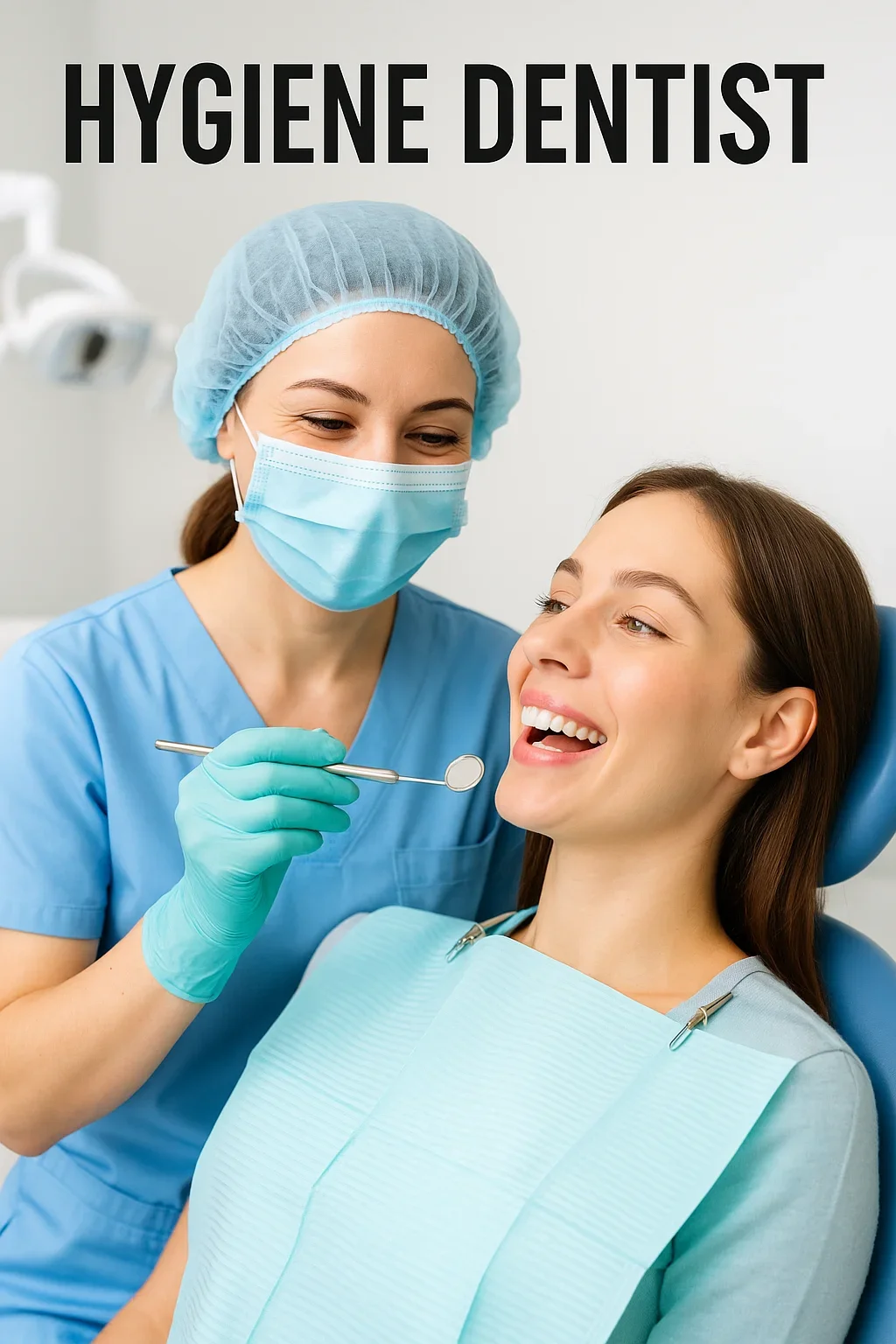
Common Myths About Visiting a Hygiene Dentist
Many people hesitate to visit a hygiene dentist due to common misconceptions or outdated beliefs about dental hygiene. These myths can prevent patients from receiving the essential preventive care they need for long-term oral and overall health. In reality, seeing a hygiene dentist is not just about cleaning your teeth—it’s about maintaining your gums, preventing disease, and ensuring early detection of problems that can affect the entire body. This section will debunk the most widespread myths and explain the truth behind each one so you can feel confident scheduling your next dental hygiene appointment. 🦷✨
Myth 1: A Hygiene Dentist Is the Same as a Regular Dentist
One of the most common misunderstandings is that a hygiene dentist performs the same duties as a general dentist. While their roles complement each other, they serve different purposes. The hygiene dentist specializes in preventive care—removing plaque, tartar, and bacteria while teaching patients effective home-care techniques. The general dentist, on the other hand, handles diagnoses and treatments like fillings, crowns, and root canals. Together, they form a comprehensive dental team. Neglecting either role weakens your oral health strategy.
The Truth:
Skipping visits to a hygiene dentist means missing out on professional cleanings that even the best toothbrush cannot achieve. Preventive visits reduce your risk of cavities, gum disease, and costly future procedures. In contrast, a general dentist’s work often starts where prevention ends. Thus, both are vital for a balanced oral care plan.
Myth 2: Professional Cleanings Damage Tooth Enamel
Some people fear that frequent cleanings by a hygiene dentist can wear down enamel or make teeth more sensitive. This is entirely false. The tools used during professional cleaning—such as ultrasonic scalers and polishing devices—are designed to remove plaque and tartar without harming the enamel. Sensitivity that occasionally follows a deep cleaning comes from exposed dentin due to prior plaque accumulation, not the cleaning itself. 🌿
The Truth:
A hygiene dentist uses gentle, precise methods that protect and preserve your enamel. In fact, regular cleanings help strengthen enamel by allowing fluoride treatments to bond more effectively. Skipping these sessions actually increases the risk of enamel loss due to acid-producing bacteria.
Myth 3: You Only Need to Visit a Hygiene Dentist If You Have Problems
Many people assume that dental visits are only necessary when they feel pain or notice a problem. This belief can be harmful, as oral diseases often develop silently. Gum disease and cavities can progress for months without symptoms. By the time discomfort arises, treatment may be more complex and expensive. A hygiene dentist identifies these issues in their earliest stages, long before they cause noticeable symptoms.
The Truth:
Preventive visits every six months are key to maintaining healthy gums and teeth. A hygiene dentist can spot minor inflammation or plaque accumulation early, allowing for simple, pain-free corrections instead of major interventions later. Prevention is always better—and more affordable—than cure.
Myth 4: Dental Cleanings Are Painful
This myth keeps countless people from scheduling regular visits. In reality, most cleanings performed by a hygiene dentist are completely painless. Modern ultrasonic devices and gentle techniques make the experience comfortable and quick. Patients with sensitive gums can even receive desensitizing gels or numbing agents to ensure relaxation throughout the procedure. 😌
The Truth:
A hygiene dentist tailors each cleaning session to your comfort level. For those with gum sensitivity or dental anxiety, clinics like Redent Klinik Contact Page offer compassionate, patient-focused care that prioritizes comfort and calm. After the session, most patients describe their teeth as feeling smoother and cleaner, with no pain whatsoever.
Myth 5: If I Brush and Floss Daily, I Don’t Need a Hygiene Dentist
Even the most diligent brushing and flossing cannot completely eliminate tartar buildup. Once plaque hardens, it becomes impossible to remove at home. A hygiene dentist uses specialized instruments to remove tartar from below the gumline, where bacteria often thrive. Regular professional cleaning prevents gingivitis and other gum diseases that at-home care can’t fully address. 🪥
The Truth:
Think of your hygiene dentist as the “deep cleaner” of your mouth. Your daily routine maintains surface cleanliness, but professional care targets hidden areas that harbor bacteria. Combining both ensures optimal oral hygiene and long-lasting results.
Myth 6: Dental Visits Are Too Expensive
Some patients avoid professional hygiene care due to perceived costs. However, this is a major misconception. Preventive visits with a hygiene dentist are far more affordable than restorative treatments like root canals, crowns, or implants. Moreover, maintaining oral hygiene reduces the likelihood of future health issues that could become costly medical expenses down the line. 💰
The Truth:
Regular checkups with a hygiene dentist save you money in the long run. Most insurance plans cover preventive care fully or partially, and even without insurance, the cost of cleanings is minimal compared to complex dental procedures. Prevention pays off—in both health and financial terms.
Myth 7: Bleeding Gums Are Normal During Brushing
Some people think it’s normal for gums to bleed occasionally while brushing or flossing. However, bleeding is an early sign of gum inflammation (gingivitis) or poor oral hygiene. A hygiene dentist stresses that consistent bleeding should never be ignored. Addressing it early can prevent the onset of periodontal disease, which may lead to tooth loss if untreated.
The Truth:
A hygiene dentist can identify the cause of bleeding—whether due to plaque buildup, improper brushing technique, or underlying infection—and design a treatment plan to restore gum health. Healthy gums should never bleed when properly cared for. 🌱
Myth 8: Whitening Is the Only Way to Have a Bright Smile
While professional whitening treatments can enhance aesthetics, a hygiene dentist emphasizes that true brightness comes from cleanliness and health. Polishing and scaling remove surface stains naturally, revealing your teeth’s original color. Regular cleanings often deliver a noticeably whiter appearance without chemical bleaching.
The Truth:
Consistent care with a hygiene dentist keeps your enamel strong and naturally radiant. Professional whitening should be a complement—not a substitute—for routine cleanings. A clean, healthy smile always looks better than one that’s just artificially brightened.
Myth 9: Oral Health Doesn’t Affect the Rest of the Body
Another dangerous myth is that dental hygiene has no link to systemic health. Science has shown the opposite: bacteria from the mouth can enter the bloodstream and contribute to heart disease, diabetes, and respiratory infections. A hygiene dentist helps prevent these complications by managing oral bacteria and reducing inflammation.
The Truth:
Visiting a hygiene dentist is an investment in your overall wellness. A healthy mouth supports heart function, metabolic balance, and immune strength. Oral health is inseparable from general health—your smile is often a reflection of what’s happening inside your body. 🩺
Conclusion: Trust the Facts, Not the Myths
Myths about dental hygiene often arise from fear, misinformation, or outdated practices. A hygiene dentist uses science-backed methods and compassionate care to ensure every patient enjoys a safe, comfortable experience. Regular visits prevent disease, promote confidence, and improve your quality of life. By replacing myths with facts and embracing preventive dentistry, you take a major step toward lifelong oral and systemic health. 🌟