
Why Regular Hygienist Appointments Are Essential for Oral Health
Maintaining good oral health in 2025 goes far beyond daily brushing and flossing. While at-home care is the foundation of a healthy smile, scheduling a hygienist appointment ensures professional monitoring and prevention of issues that ordinary routines can miss. Many people mistakenly believe that seeing a dentist once a year is enough, but the hygienist plays a different, equally vital role. A hygienist focuses on preventive care, deep cleaning, and long-term oral health education. Without these regular visits, plaque and tartar can build up, leading to gum disease, cavities, and even tooth loss.
One of the main reasons why hygienist appointments are so important is their ability to address early signs of periodontal disease. Gum disease is a silent condition that often develops without obvious symptoms. During a hygienist appointment, professionals use special instruments to detect, clean, and manage buildup in areas that patients simply cannot reach with a toothbrush. This proactive care helps protect not only the teeth and gums but also the entire body, since poor oral health has been linked to conditions such as heart disease and diabetes.
In addition to disease prevention, hygienists provide tailored advice for patients of all ages. For example, children who attend a hygienist appointment can learn how to brush correctly and build lifelong habits, while adults may receive guidance on whitening treatments, dietary changes, or stopping harmful habits like smoking. These small lifestyle adjustments, when reinforced by a professional, make a big difference in achieving lasting oral health.
Another crucial factor is the professional cleaning itself. Even the most diligent patient will have areas of plaque accumulation. Over time, this plaque hardens into tartar, which cannot be removed by brushing at home. At a hygienist appointment, ultrasonic scalers and polishing tools remove this buildup painlessly, leaving the teeth smooth and more resistant to bacterial growth. The polished finish not only enhances the appearance of the smile but also creates a healthier environment inside the mouth.
Regular hygienist appointments also help with detecting oral cancer early. Many hygienists are trained to notice subtle changes in the tissues of the mouth and gums. During a routine hygienist appointment, they can flag suspicious spots or lesions and recommend further evaluation. This early detection can be lifesaving, as oral cancer is most successfully treated in its early stages.
For patients with braces, implants, or crowns, the role of the hygienist becomes even more critical. Orthodontic appliances create small spaces where plaque accumulates more easily. A hygienist appointment helps maintain the hygiene of these areas, preventing damage to expensive dental work and ensuring long-lasting results. Similarly, patients with implants benefit from professional cleaning around the gum line, which preserves the stability of the implant and prevents peri-implantitis.
It is also worth mentioning the impact on confidence and self-esteem. After a hygienist appointment, many patients report feeling fresher, cleaner, and more confident in their smile. This boost often translates into improved social interactions and self-image, which is especially valuable in today’s professional and social environments. In fact, many patients consider these visits as much a cosmetic investment as a health measure.
The American Dental Association has consistently emphasized the value of preventive dental care, including regular hygiene visits. According to their guidelines, preventive care reduces the need for expensive restorative treatments in the future. You can learn more on the official website of the American Dental Association. By committing to a schedule of regular hygienist appointments, patients not only save money but also protect their overall health.
If you are looking for a trusted clinic to book your next hygienist appointment, Redent Klinik offers professional care tailored to each patient’s needs. Their team of experts ensures that every visit is comfortable, effective, and focused on long-term oral health. You can easily get in touch through the Redent Klinik Contact Page.
In summary, hygienist appointments are essential for preventing gum disease, maintaining dental restorations, and improving quality of life. By prioritizing these regular visits, patients enjoy healthier teeth, fresher breath, and stronger protection against oral and systemic diseases. As we move through 2025, making your next hygienist appointment should be at the top of your health checklist. After all, a healthy smile is not only a sign of good oral hygiene but also a reflection of overall well-being. 🦷✨
Step-by-Step: What to Expect During Your First Hygienist Appointment
If you have never booked a hygienist appointment before, you may feel unsure about what will happen during your first visit. Knowing what to expect can make the process more comfortable and help you prepare mentally for each stage. A typical appointment follows a series of professional steps, each designed to improve oral health and prevent dental problems. By understanding this process, patients can appreciate the importance of these sessions and feel more motivated to attend regularly.
The first stage of a hygienist appointment begins with a short discussion of your medical and dental history. Hygienists need to know about any current health issues, medications, or previous treatments because these can influence oral health. For instance, patients with diabetes may be at higher risk for gum disease, while those taking certain medications may experience dry mouth, which increases the likelihood of cavities. This initial conversation ensures that your treatment plan is safe and tailored to your unique needs.
Next, the hygienist carries out a thorough examination of your mouth, teeth, and gums. This is not a substitute for a dentist’s exam but rather a complementary check that focuses on hygiene-related concerns. During this stage of the hygienist appointment, the professional looks for early signs of gum inflammation, plaque buildup, and tartar deposits. They may also measure gum pockets to assess the health of supporting tissues. This evaluation is essential because gum disease can progress silently without causing pain.
The third step is the cleaning process, which many patients recognize as the highlight of a hygienist appointment. Using specialized tools such as ultrasonic scalers, the hygienist removes hardened tartar (calculus) from areas your toothbrush cannot reach. This process, known as scaling, is crucial for preventing gum disease and maintaining fresh breath. Although some patients worry about discomfort, modern tools and techniques make scaling gentle yet effective.
After scaling comes polishing, another critical part of the hygienist appointment. The hygienist uses a rotating brush and a special polishing paste to smooth the surfaces of your teeth. This not only gives your smile a brighter appearance but also makes it harder for plaque to adhere in the future. Many patients describe this stage as refreshing, as it leaves the mouth feeling exceptionally clean.
Some hygienist appointments may also include fluoride treatment. Fluoride strengthens tooth enamel and reduces the risk of cavities, especially in children and patients with high caries risk. At this stage of the hygienist appointment, the hygienist applies a fluoride gel or varnish to the teeth, which offers long-lasting protection. This preventive measure is particularly valuable in 2025, as sugary diets and fast lifestyles often put additional strain on oral health.
An equally important aspect of a hygienist appointment is personalized education. The hygienist provides practical tips on brushing techniques, flossing methods, and dietary advice. For example, they might show you how to angle your toothbrush to reach tricky areas or recommend interdental brushes for cleaning between teeth. These lessons empower patients to take better care of their oral hygiene at home, which reduces the likelihood of future dental problems.
Towards the end of the hygienist appointment, the hygienist may provide a progress report. If they notice areas where plaque tends to accumulate, they will point these out and suggest improvements. They may also advise how often you should return for follow-up appointments, depending on your individual oral health status. For some people, a six-month interval is sufficient, while others may need quarterly visits.
Finally, the hygienist will answer any questions you may have. Many patients ask about whitening options, managing sensitivity, or caring for dental restorations such as crowns and implants. This part of the hygienist appointment ensures that patients leave with clarity and confidence about their oral health plan. In addition, the hygienist may coordinate with the dentist if further treatment is needed, such as filling a cavity or treating gum disease.
In conclusion, a first hygienist appointment typically includes a medical history review, examination, scaling, polishing, fluoride treatment, education, and personalized advice. Far from being a simple cleaning, this process is a comprehensive preventive service that safeguards oral health and boosts confidence. Patients who understand these steps are more likely to appreciate the value of hygienist visits and make them a regular part of their health routine. In 2025, prioritizing this essential service means fewer dental problems, healthier gums, and a brighter smile for years to come. 😃🪥
Top 10 Benefits of Scheduling a Hygienist Appointment
When considering overall health and wellness, many people underestimate the importance of a hygienist appointment. While brushing and flossing at home are essential, they cannot replace the expert care provided by a dental hygienist. In fact, the benefits of scheduling regular hygienist visits extend far beyond a brighter smile—they contribute to better gum health, fresher breath, disease prevention, and even improved overall well-being. In this section, we will explore ten powerful reasons why booking a hygienist appointment in 2025 should be a priority for everyone.
1. Effective Plaque and Tartar Removal
One of the biggest advantages of a hygienist appointment is the thorough removal of plaque and tartar. Plaque is a sticky film of bacteria that forms daily on teeth, and if not removed, it hardens into tartar. Unfortunately, tartar cannot be eliminated by brushing alone. During a hygienist visit, professional tools are used to clean these deposits effectively, protecting teeth and gums from damage.
2. Gum Disease Prevention
Gum disease is one of the leading causes of tooth loss in adults. A regular hygienist appointment helps identify early warning signs such as gum bleeding, swelling, or recession. Hygienists treat these issues before they progress to advanced periodontitis, preventing expensive and painful treatments in the future. Prevention is always easier than cure, and hygienist visits are the frontline defense against gum disease.
3. Fresher Breath and Oral Confidence
Persistent bad breath is often caused by plaque buildup and bacteria trapped between the teeth. A hygienist appointment eliminates these odor-causing factors, leaving your mouth feeling clean and fresh. This boost in confidence improves both personal and professional interactions, making hygienist visits a worthwhile investment in self-esteem.
4. Early Detection of Oral Cancer
Oral cancer is a serious condition that can be life-threatening if not caught early. Hygienists are trained to spot unusual lesions, sores, or tissue changes during a routine hygienist appointment. Early detection leads to faster diagnosis and more effective treatment, which significantly increases survival rates.
5. Whiter and Brighter Smiles
Over time, teeth can become stained from coffee, tea, wine, or smoking. A hygienist appointment includes polishing that removes surface stains and enhances the natural brightness of your smile. While not a substitute for professional whitening, this treatment makes a noticeable difference in appearance.
6. Stronger Immune Health
There is a proven link between oral health and systemic health. Bacteria from gum disease can enter the bloodstream and contribute to conditions such as heart disease, diabetes, and even Alzheimer’s disease. By attending a hygienist appointment, you reduce the risk of these systemic conditions, supporting your immune system and overall health.
7. Protection for Dental Work
If you have crowns, fillings, braces, or dental implants, maintaining them requires professional care. A hygienist appointment ensures that bacteria and plaque do not compromise expensive dental work. This not only protects your investment but also extends the lifespan of restorative treatments.
8. Personalized Oral Health Advice
Every patient has unique oral health needs. During a hygienist appointment, you receive customized advice about diet, brushing techniques, and flossing methods. For example, patients with crowded teeth may be advised to use interdental brushes, while those with sensitivity may benefit from specific toothpaste recommendations.
9. Boosted Mental Well-Being
A healthy smile is directly linked to emotional well-being. After a hygienist appointment, patients often feel more attractive and confident, which positively impacts mental health. This benefit is especially significant in 2025, as stress and lifestyle factors continue to affect daily life.
10. Cost Savings in the Long Run
Skipping hygienist appointments may save money in the short term, but it often leads to expensive treatments later, such as fillings, root canals, or even tooth replacements. Regular hygienist appointments prevent these costly procedures, making them a smart financial decision for families and individuals alike. The American Dental Association highlights preventive dental care as one of the most effective ways to reduce healthcare costs overall.
To make the most of these benefits, patients should commit to consistent visits. For those searching for reliable and affordable care, Redent Klinik Contact Page provides a convenient way to schedule your next hygienist appointment. Their experienced team ensures every patient receives thorough, professional, and comfortable treatment.
In conclusion, a hygienist appointment offers more than just a cleaning. It supports dental health, protects against disease, enhances confidence, and contributes to overall well-being. By understanding these ten benefits, patients can see why regular visits are essential in 2025 and beyond. Investing in preventive care today means enjoying a healthier smile and a better quality of life tomorrow. 🌟🦷
How Often Should You Book a Hygienist Appointment?
One of the most common questions patients ask is, “How often should I schedule a hygienist appointment?” The answer depends on several factors, including your overall oral health, age, lifestyle, and any existing dental conditions. While many people assume that once a year is enough, dental experts generally recommend visiting the hygienist every 3 to 6 months. This frequency ensures that plaque and tartar do not accumulate and that gum health is consistently monitored.
For healthy adults with no history of gum disease, booking a hygienist appointment twice a year (every six months) is often sufficient. This schedule aligns with preventive dentistry guidelines and helps maintain clean, stain-free teeth. However, for individuals with higher risks—such as smokers, diabetics, or those with a history of periodontal disease—quarterly visits may be necessary. Attending a hygienist every three months allows professionals to address problems early before they escalate into serious conditions.
Children and teenagers also benefit greatly from regular hygienist appointments. Because their eating habits often include sugary snacks and drinks, they are at higher risk for cavities. A hygienist can provide fluoride treatments, apply sealants, and reinforce healthy brushing techniques. In 2025, with the increasing consumption of processed foods, ensuring children receive timely preventive care is more important than ever.
Pregnant women represent another group that requires special attention. Hormonal changes during pregnancy increase the likelihood of gum inflammation, known as pregnancy gingivitis. By scheduling a hygienist appointment at least once per trimester, mothers-to-be can reduce their risk of gum disease and protect both their health and their baby’s well-being. Research suggests that poor gum health during pregnancy may be linked to premature birth or low birth weight, making preventive care essential.
Patients with orthodontic appliances, such as braces or aligners, should also attend more frequent visits. Braces create additional surfaces where plaque builds up, making it harder to maintain proper hygiene at home. A hygienist appointment every three months ensures that these hard-to-reach areas are cleaned thoroughly. For patients using clear aligners, hygienists can provide tailored advice on cleaning trays and preventing odor buildup.
Another important factor in determining how often to schedule a hygienist appointment is your overall health. Studies continue to show strong links between oral health and systemic conditions like diabetes, cardiovascular disease, and even Alzheimer’s disease. Patients with chronic health conditions should maintain closer contact with their hygienist to reduce the risk of oral complications affecting their general health. In such cases, quarterly visits are strongly advised.
For individuals with dental implants, crowns, or bridges, professional cleaning is vital to protect expensive restorations. A hygienist appointment ensures that bacteria and plaque do not compromise these structures. Regular cleanings prolong the life of implants and prevent peri-implantitis, a condition that can lead to implant failure. Investing in preventive hygiene visits ultimately protects the money and effort spent on restorative treatments.
Beyond health benefits, the frequency of visits also depends on personal goals. Many patients choose to book a hygienist appointment before special occasions, such as weddings, job interviews, or public events. These visits boost confidence by leaving the smile fresh, clean, and polished. In a society where appearance plays a major role in professional and social success, maintaining a regular schedule is both practical and empowering.
Dental associations worldwide, including the American Dental Association, emphasize that prevention is always better than cure. Regular hygienist appointments reduce the need for expensive treatments such as fillings, root canals, or extractions. By sticking to a consistent schedule—whether every 3, 4, or 6 months—patients can save money in the long run while preserving their natural teeth for life.
If you’re unsure about how often you should personally attend a hygienist appointment, it’s best to consult a professional clinic. At Redent Klinik, specialists provide personalized advice based on your dental history and lifestyle. To learn more or to schedule your next visit, check the Redent Klinik Contact Page.
In summary, the ideal frequency of a hygienist appointment varies from person to person. Healthy adults may only need visits every six months, while those at higher risk benefit from more frequent care. The key takeaway is that consistency is crucial. By making hygienist visits a regular part of your healthcare routine in 2025, you can prevent disease, maintain a confident smile, and protect your overall health for years to come. 🦷✨
Hygienist Appointment vs Dentist Check-Up: Key Differences
Many patients are unsure whether they should schedule a hygienist appointment or a dentist check-up, and some even assume they are the same. In reality, while both are essential for maintaining oral health, they serve very different purposes. Understanding the differences between these two types of appointments can help you take better control of your dental care routine in 2025.
A hygienist appointment primarily focuses on preventive care and the cleaning of your teeth and gums. Hygienists are trained specialists who concentrate on removing plaque and tartar, polishing teeth, and teaching patients effective oral hygiene practices. They are the first line of defense against gum disease and tooth decay. During these visits, hygienists may also apply fluoride treatments, recommend special tools for home care, and give personalized advice on diet and oral health.
In contrast, a dentist check-up involves diagnosis and treatment planning. Dentists are responsible for detecting cavities, assessing bite alignment, examining dental restorations, and identifying more complex conditions such as oral cancer or jaw issues. While a hygienist appointment prevents problems, a dentist appointment diagnoses and treats them when they occur. These roles complement each other, and both are critical in achieving lifelong dental health.
During a typical hygienist appointment, you can expect scaling to remove hardened tartar, polishing to smooth tooth surfaces, and in some cases, fluoride application. The hygienist’s goal is to maintain a clean and healthy environment in the mouth, which minimizes the risk of gum inflammation and cavities. On the other hand, during a dentist check-up, X-rays may be taken to detect hidden decay or bone issues, and the dentist may suggest fillings, crowns, or other restorative work if needed.
Another key difference is the frequency of visits. Most adults should attend a hygienist appointment every 3 to 6 months, depending on their oral health status, while dentist check-ups are typically recommended every 6 to 12 months. Patients with ongoing conditions, such as periodontal disease, may see their hygienist more frequently but their dentist less often, unless treatment becomes necessary. This division of care makes oral healthcare more efficient and cost-effective.
Patients often ask whether they can skip the hygienist and just see the dentist. The truth is that this approach is risky. Without regular hygienist appointments, plaque and tartar buildup can lead to gum disease. By the time a dentist identifies advanced gum disease, the treatment may involve invasive procedures like scaling and root planing, or even surgery. Preventive care by the hygienist helps avoid these complications altogether.
It is also important to highlight that hygienists provide more time for patient education. During a hygienist appointment, the hygienist may demonstrate proper brushing techniques, show how to use floss or interdental brushes, and give tailored advice based on lifestyle factors such as smoking or diet. Dentists, while knowledgeable, usually have less time to focus on this level of detail because their role involves more complex diagnoses and procedures.
In 2025, dental care is increasingly seen as a team effort. The hygienist and dentist work together to deliver comprehensive care. For example, after a hygienist removes tartar and identifies areas of concern, the dentist may examine those same areas more closely during a check-up. If an issue is discovered, such as a cavity, the dentist steps in to perform treatment. This collaboration ensures patients receive both prevention and cure.
The American Dental Association strongly recommends that patients maintain both regular hygienist visits and dentist check-ups for optimal oral health. Neglecting either can lead to gaps in care, increasing the risk of serious dental problems. By attending both types of appointments, patients achieve a balance of prevention, monitoring, and treatment.
For patients looking to integrate these visits into their health routine, clinics like Redent Klinik provide coordinated care between hygienists and dentists. If you’re unsure which appointment to book first, you can contact the clinic directly through the Redent Klinik Contact Page for professional advice and scheduling options.
In summary, a hygienist appointment focuses on cleaning, education, and prevention, while a dentist check-up emphasizes diagnosis and treatment. Both are essential, and neither should replace the other. Patients who commit to a balanced routine of hygiene care and dental examinations enjoy healthier smiles, fewer complications, and greater peace of mind. Understanding these differences empowers you to make informed decisions about your oral health journey in 2025 and beyond. 🦷✔️
Costs of a Hygienist Appointment in 2025
When planning a hygienist appointment, one of the first questions patients ask is, “How much will it cost?” In 2025, prices vary depending on your location, the complexity of treatment, and whether you are visiting a private clinic or a public healthcare provider. Understanding the financial aspect of dental hygiene visits helps patients budget effectively and see these appointments not as an expense, but as an investment in long-term oral health.
On average, the cost of a standard hygienist appointment in the United States ranges between $80 and $150. This usually includes scaling, polishing, and a general oral health check. In the UK, the price typically falls between £60 and £120, depending on the clinic. European countries such as Germany, France, and Spain have similar ranges, often between €70 and €130. In Turkey, where dental tourism has grown significantly, the price of a hygienist session is considerably lower, averaging between €30 and €60, while still maintaining high standards
Costs of a Hygienist Appointment in 2025
One of the most common concerns patients have before booking a hygienist appointment is cost. In 2025, the price of hygiene treatments varies depending on location, clinic reputation, and the complexity of the cleaning required. However, it is important to understand that these visits are not simply an optional cosmetic service—they are a crucial investment in long-term health. Preventing gum disease, avoiding expensive dental procedures, and maintaining overall well-being make a hygienist appointment one of the most cost-effective healthcare measures you can take.
On average, the cost of a standard hygienist appointment in the United States ranges between $90 and $150. In the United Kingdom, patients can expect to pay between £60 and £100 for a private hygiene session. In Turkey, where dental tourism has grown significantly, the price is considerably lower, with high-quality hygienist treatments starting from €30 to €50. This makes Turkey an attractive option for international patients looking for affordable yet professional care.
It is worth noting that the cost of a hygienist appointment can vary depending on whether you require a basic scale and polish or a more intensive deep cleaning session. Deep cleaning (also called scaling and root planing) may cost $200 to $400 in the U.S., as it involves cleaning beneath the gum line to treat early stages of gum disease. While this may seem expensive, it is significantly cheaper than treating advanced periodontal disease, which can require surgical intervention costing thousands of dollars.
Many dental insurance plans now cover at least part of the cost of a hygienist appointment. Preventive care is increasingly recognized as a way to reduce long-term dental costs, and insurers encourage patients to attend regular visits. If you are unsure whether your insurance covers these sessions, it is advisable to check with your provider before scheduling. Even if full coverage is not available, many clinics offer payment plans or discounts for booking multiple sessions in advance.
When comparing costs, it is important to weigh the long-term benefits of attending a regular hygienist appointment. For example, skipping preventive care may save $100 today, but if gum disease develops, treatment could easily exceed $2,000. Dental implants, which may become necessary if teeth are lost, often cost between $3,000 and $5,000 per tooth. Clearly, investing in prevention is a financially sound decision.
In addition to direct health benefits, hygienist visits often include extra services that add value to the appointment. Many clinics provide fluoride treatments, oral cancer screenings, and personalized education as part of the session. These extras are typically included in the overall cost of a hygienist appointment, making the visit even more beneficial. Considering that these preventive steps can protect against both oral and systemic diseases, the cost is more than justified.
It is also worth considering the global perspective. Dental tourism has made countries like Turkey, Hungary, and Poland popular destinations for patients seeking affordable preventive and restorative care. Travelers often combine a holiday with a professional hygienist appointment, benefiting from lower prices without compromising quality. In fact, many international clinics follow guidelines set by the American Dental Association, ensuring high standards of hygiene and safety.
At clinics like Redent Klinik, patients receive transparent pricing and high-quality care at competitive rates. If you would like more information on booking a hygienist appointment abroad or locally, you can visit the Redent Klinik Contact Page. Their team provides cost estimates in advance, allowing you to plan effectively without hidden fees.
Ultimately, the cost of a hygienist appointment should be viewed as an investment rather than an expense. By preventing disease, preserving natural teeth, and avoiding complex dental procedures, these visits save patients money, time, and discomfort in the long run. In 2025, with healthcare costs rising globally, prioritizing affordable preventive care has never been more important. Making hygienist appointments a regular part of your routine is not only the best decision for your smile but also for your wallet. 💰🦷
How to Prepare for Your Upcoming Hygienist Appointment
Preparation plays an important role in making the most out of your hygienist appointment. While the hygienist will guide you through the process, taking a few steps beforehand ensures a smoother experience, better results, and greater long-term benefits. Patients who prepare adequately often report that their appointments feel more comfortable and productive. In this section, we will explore detailed steps on how to prepare for a hygienist visit in 2025.
The first step is to brush and floss your teeth before arriving. While it may sound obvious, cleaning your teeth before a hygienist appointment helps the hygienist see problem areas more clearly. This does not replace professional cleaning, but it reduces surface debris and allows the hygienist to focus on plaque and tartar buildup that cannot be removed at home. Patients who floss daily will also find that their gums bleed less during scaling, making the procedure more comfortable.
Secondly, it is wise to avoid certain foods and drinks on the day of your hygienist appointment. Strongly colored beverages such as coffee, tea, or red wine can stain teeth and make polishing less effective. Similarly, sugary snacks feed harmful bacteria, which may increase the amount of plaque present. Instead, choose water or sugar-free options before your visit to minimize irritation and staining.
Another key preparation step is to update your medical history. During a hygienist appointment, the hygienist will ask about recent changes to your health, new medications, or ongoing conditions. Certain medications, such as those that reduce saliva production, can increase the risk of decay. Being open and thorough about your medical background ensures that the hygienist can adjust their recommendations accordingly. For example, they might suggest fluoride rinses if you are at higher risk of cavities.
If you experience dental anxiety, it is helpful to prepare mentally before your hygienist appointment. Many patients feel nervous about dental visits, especially if they have not seen a hygienist for a long time. Practicing deep breathing techniques, listening to calming music, or scheduling an appointment at a quiet time of day can make the experience more relaxing. Some clinics also offer gentle numbing gels or sedation options for patients with severe anxiety.
It is also useful to make a list of questions before your hygienist appointment. Patients often wonder about whitening treatments, sensitive teeth, or the best products to use at home. By writing these questions down, you ensure that nothing is forgotten during the session. Hygienists appreciate engaged patients and are happy to provide tailored advice, which improves results between visits.
For patients with braces, implants, or crowns, preparation may involve extra steps. Before a hygienist appointment, brushing around wires, brackets, or prosthetics with an interdental brush can make professional cleaning more effective. Patients with removable aligners should bring them to the appointment so the hygienist can check for cleanliness and proper fit. These small steps ensure that both natural teeth and dental restorations remain in optimal condition.
Hydration also plays a role in preparation. Drinking plenty of water before a hygienist appointment keeps the mouth moist and reduces discomfort during cleaning. A dry mouth can make scaling feel more intense, while well-hydrated gums are less sensitive. For patients taking medications that cause dry mouth, hydration becomes even more critical.
If you are visiting a new clinic for your hygienist appointment, arrive a few minutes early to complete paperwork and discuss any concerns. Being punctual reduces stress and gives the hygienist time to review your dental history carefully. Clinics like Redent Klinik make this process easier by offering online booking and clear communication through their Redent Klinik Contact Page.
Finally, remember that preparation continues even after the hygienist appointment. Following professional advice on brushing techniques, dietary changes, or special mouth rinses ensures lasting results. Patients who prepare thoroughly and follow post-visit recommendations enjoy healthier smiles, fresher breath, and fewer dental complications.
In summary, preparing for a hygienist appointment involves cleaning your teeth beforehand, avoiding staining foods, updating medical history, managing anxiety, writing down questions, and practicing good hydration. These simple steps enhance comfort and maximize the benefits of the session. By taking preparation seriously in 2025, patients can transform a routine appointment into a powerful investment in long-term oral health. 🪥✨
Best Practices After a Hygienist Appointment for Lasting Results
Many patients assume that once a hygienist appointment is finished, their responsibility ends until the next visit. However, the reality is that what you do after your appointment significantly affects the long-term success of the treatment. Professional cleaning lays the foundation for healthier gums and teeth, but daily habits, diet, and oral care routines determine how long those results last. By following best practices after a hygienist session, you can maintain fresh breath, prevent plaque buildup, and ensure stronger protection against oral disease.
The first step after a hygienist appointment is to maintain excellent oral hygiene at home. Your hygienist likely gave you tailored advice on brushing techniques and flossing. It’s crucial to implement these immediately. Use a soft-bristled toothbrush and fluoride toothpaste, brushing at least twice daily for two minutes. For flossing, gently move the floss between teeth and along the gum line to remove debris that brushing cannot reach. Patients who follow these instructions experience longer-lasting benefits between hygiene visits.
Dietary habits also play a major role in post-appointment care. After a hygienist appointment, avoid consuming dark-colored drinks like coffee, tea, or red wine for at least 24 hours, as teeth are more susceptible to staining immediately after polishing. Sugary snacks should also be minimized because bacteria thrive on sugar, which can quickly undo the benefits of your cleaning. Instead, focus on water, crunchy vegetables like carrots or celery, and calcium-rich foods such as yogurt and cheese to strengthen enamel.
For patients who receive fluoride treatment during a hygienist appointment, it is recommended to avoid eating or drinking for at least 30 minutes afterward. This allows the fluoride to fully absorb into the enamel, providing maximum protection against cavities. Following this simple step significantly improves the effectiveness of the treatment and reduces the risk of decay.
Another best practice is to monitor your gums closely in the days following a hygienist appointment. Some mild sensitivity or bleeding may occur, especially if it has been a while since your last cleaning. This is normal and usually subsides within a day or two. However, if bleeding persists for more than a week, or if swelling worsens, you should contact your dental professional immediately. Early attention prevents small problems from becoming serious issues.
Patients with orthodontic appliances, crowns, or implants should take special care after a hygienist appointment. Hygienists often provide specific tools, such as interdental brushes or water flossers, to help maintain hard-to-reach areas. Using these tools daily prevents plaque accumulation around restorations and orthodontic wires. Consistency is key: the more diligently you follow these recommendations, the less likely you are to encounter complications.
Hydration is another factor that should not be overlooked. Drinking plenty of water after a hygienist appointment helps flush away food particles and bacteria, keeping the mouth fresh. Water also supports saliva production, which is the body’s natural defense against cavities. For patients suffering from dry mouth due to medication or medical conditions, this habit is especially beneficial.
It is equally important to schedule your next hygienist appointment before leaving the clinic. Consistency is the foundation of preventive care, and waiting until problems arise often leads to more costly treatments. Most adults benefit from visits every 3 to 6 months, though high-risk patients may require more frequent care. Clinics like Redent Klinik make scheduling simple and transparent through the Redent Klinik Contact Page.
The American Dental Association highlights that patients who follow professional advice after each hygienist appointment are significantly less likely to develop gum disease or tooth decay. This underscores the importance of making small, consistent efforts at home. Brushing, flossing, healthy eating, hydration, and regular check-ins with your dental team are all part of a comprehensive plan for lasting oral health.
In conclusion, the benefits of a hygienist appointment extend well beyond the dental chair. By practicing proper oral hygiene, eating wisely, monitoring gum health, using recommended tools, and staying hydrated, you can maximize the results of each session. Regular follow-up visits combined with these best practices create a powerful shield against dental problems. In 2025, when preventive healthcare is more crucial than ever, these small steps help patients enjoy brighter smiles, fresher breath, and healthier lives. 🌟🦷
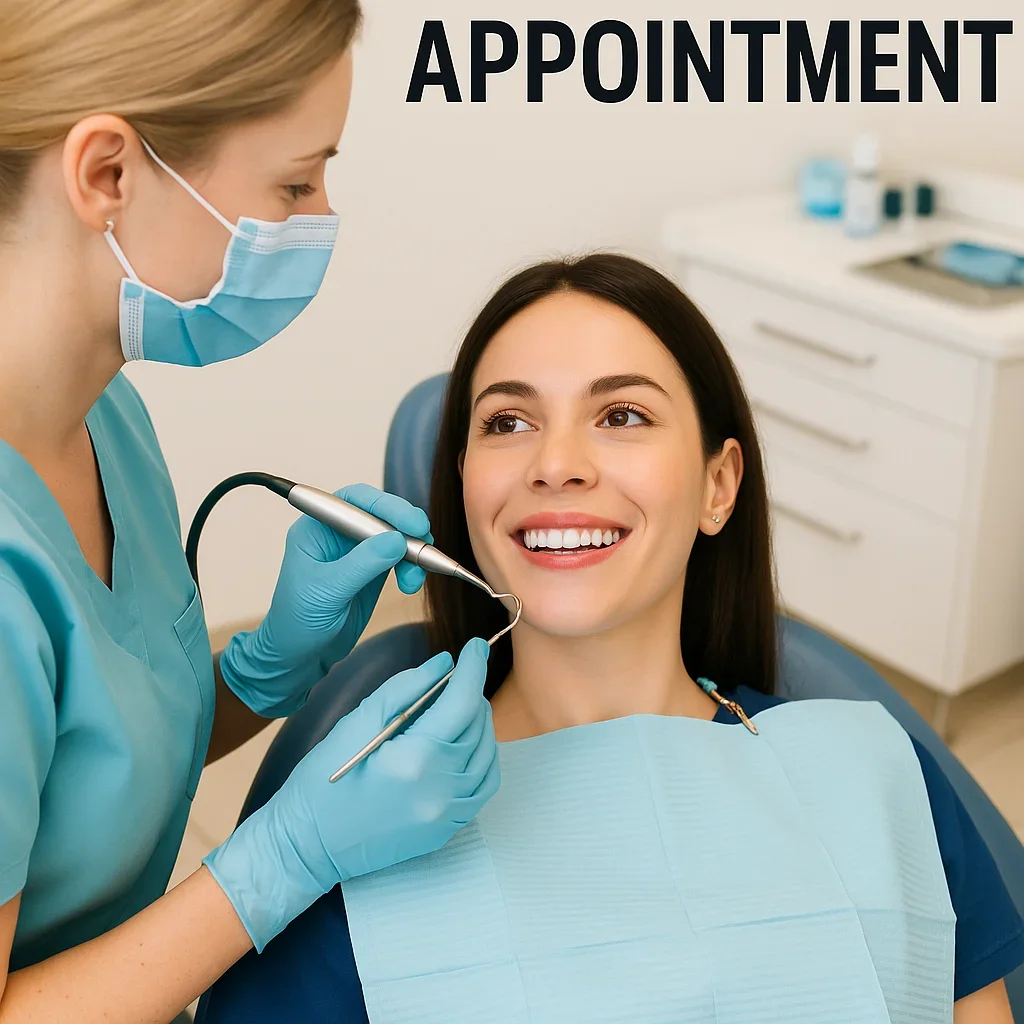
Finding the Right Clinic for Your Hygienist Appointment
Choosing the right clinic for your hygienist appointment is just as important as attending the appointment itself. The quality of care, experience of the staff, and overall environment all play a role in how comfortable and effective your visit will be. In 2025, patients have more options than ever before, but with this comes the challenge of selecting a clinic that offers trusted, professional service. Understanding what to look for helps ensure that each hygienist visit delivers long-term benefits for your oral health.
The first factor to consider when selecting a clinic for a hygienist appointment is the qualifications of the staff. Dental hygienists should be licensed and trained in preventive care, oral health education, and advanced cleaning techniques. In most countries, hygienists undergo several years of specialized training before they are certified. Always check that the clinic employs qualified professionals who follow updated safety and sterilization protocols. This ensures that the care you receive meets the highest standards.
Another important aspect is the range of services provided during a hygienist appointment. While basic scaling and polishing are standard, many modern clinics also offer fluoride applications, stain removal, oral cancer screenings, and customized oral hygiene plans. A clinic that provides these comprehensive services demonstrates its commitment to holistic care. The more thorough the hygienist visit, the better your chances of maintaining strong, healthy teeth between appointments.
Location and accessibility are also significant factors. A conveniently located clinic makes it easier to commit to regular hygienist appointments. Patients who have to travel long distances are more likely to postpone or skip their visits. Consider whether the clinic offers flexible hours, weekend slots, or emergency hygiene sessions. In 2025, many leading clinics also provide online booking systems, reminders, and virtual consultations, which make scheduling even more convenient.
Reputation and patient reviews are excellent indicators of the quality of care. Before booking a hygienist appointment, read online reviews and testimonials. Patients often share valuable insights about the friendliness of staff, cleanliness of the clinic, and overall comfort of the experience. Word-of-mouth recommendations from friends and family can also guide you toward a trustworthy clinic. A high number of positive reviews typically reflects a strong track record of patient satisfaction.
Cost transparency is another important consideration. Reliable clinics provide clear pricing for a hygienist appointment, including any additional services. Hidden fees can create frustration and discourage patients from returning. Reputable dental clinics, such as Redent Klinik, ensure transparent communication about pricing. To learn more or to request a consultation, you can visit the Redent Klinik Contact Page. Knowing the costs upfront helps you plan financially and reinforces trust in the clinic.
Technology and modern equipment are also critical when choosing a clinic for your hygienist appointment. Advanced ultrasonic scalers, air polishing devices, and digital imaging systems enhance the accuracy and comfort of hygiene procedures. Clinics that invest in the latest dental technology demonstrate a commitment to delivering high-quality, efficient care. This not only improves treatment outcomes but also reduces patient discomfort during cleanings.
The relationship between the hygienist and dentist within the clinic should not be overlooked. A strong collaborative approach ensures that findings from a hygienist appointment are shared with the dentist when necessary. If the hygienist detects early signs of gum disease or other issues, the dentist can step in to provide further evaluation and treatment. This teamwork model guarantees that patients receive both preventive and restorative care in a seamless manner.
International guidelines, such as those from the American Dental Association, recommend choosing clinics that adhere to strict hygiene and sterilization standards. This is especially important in 2025, as infection control remains a top priority in healthcare. Ensuring that the clinic follows these standards protects you from risks and provides peace of mind during your hygienist appointment.
In conclusion, finding the right clinic for your hygienist appointment requires careful consideration of qualifications, services, location, reputation, cost transparency, and technology. By choosing a clinic that meets these criteria, you maximize the effectiveness of your hygiene visits and protect your oral health for the long term. With the right professional team and modern facilities, every hygienist appointment becomes an investment in a healthier, brighter smile. 🦷🌍