
When you lose a single tooth, it can impact your smile, confidence, and oral health. One of the most effective and long-lasting solutions is a dental implant — a treatment designed to replace the missing tooth root and crown with a natural-looking artificial alternative. Understanding the implant one tooth cost helps patients make informed decisions before visiting a dentist. In this comprehensive guide, we’ll break down the factors that influence pricing, the long-term benefits, and why choosing a professional clinic like Redent Klinik Contact Page can make all the difference in both results and overall satisfaction.
Dental implants have become the gold standard for tooth replacement in modern dentistry. Unlike removable dentures or dental bridges, implants mimic the natural tooth root, preventing bone loss and maintaining jaw stability. The implant one tooth cost can vary widely depending on geographical region, material quality, and dentist expertise. However, beyond the monetary value, it’s essential to consider the longevity and overall oral health benefits provided by this permanent solution.
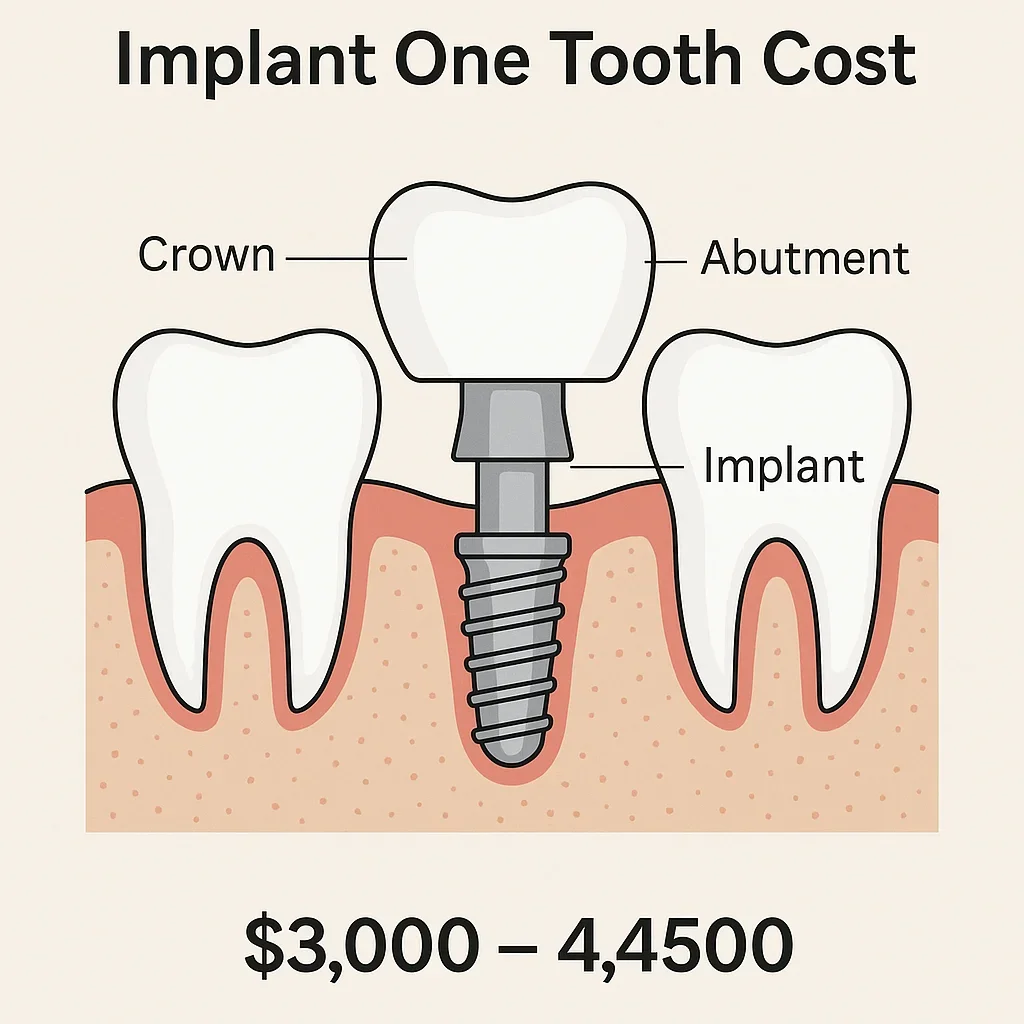
🦷 Quick insight: A dental implant typically includes three main parts — the titanium post (acting as the root), the abutment (which connects the post to the crown), and the crown (the visible part of the tooth). Each component affects the total implant one tooth cost. Let’s look at each in detail to understand why the investment is worthwhile.
What Makes Dental Implants Different from Other Tooth Replacement Options?
When evaluating the implant one tooth cost, many patients compare it to other dental solutions like bridges or partial dentures. However, implants offer unique advantages. While bridges require grinding down adjacent teeth, an implant preserves the surrounding natural teeth. This independence makes it both a healthier and more aesthetic option. Moreover, implants stimulate the jawbone just like a natural root, preventing bone resorption, a common problem after tooth loss.
Another reason implants stand out is durability. While a dental bridge may last 7–10 years and dentures may need frequent adjustments, an implant, if properly maintained, can last a lifetime. Over time, this significantly lowers the overall cost per year of use. That’s why, even though the initial implant one tooth cost seems higher, it often becomes the most economical and health-preserving option in the long run.
Understanding the Breakdown of the Implant One Tooth Cost
In most cases, the total implant one tooth cost covers several stages: diagnostic imaging (X-rays or 3D scans), surgical placement of the titanium post, healing and osseointegration period, abutment installation, and finally, crown attachment. These steps can take several months but ensure a long-lasting and stable result. Each phase contributes to the overall price.
Here’s a simplified cost breakdown block based on average 2025 dental implant estimates worldwide:
Country/Region         | Average Cost (USD)
--------------------------------------------
United States           | $3,000 – $5,500
United Kingdom          | £2,000 – £3,500
Turkey                  | $800 – $1,200
Germany                 | €2,500 – €3,800
Australia               | AUD 3,000 – AUD 5,000
As seen, the implant one tooth cost can significantly differ by region. Countries like Turkey have become popular dental tourism destinations due to experienced dentists, high-quality materials, and competitive pricing. Clinics such as Redent Klinik in Turkey combine world-class technology with affordability, offering patients outstanding results for less than half the Western European cost.
Why Does the Cost Vary So Much?
Several factors influence the implant one tooth cost. The most common include the type of implant material (titanium vs. zirconia), the necessity of bone grafting, the experience of the oral surgeon, and the type of crown selected (porcelain, zirconium, or composite). Additional diagnostic procedures, anesthesia options, and follow-up care also play key roles in the final price.
In metropolitan areas, dental clinics often charge higher fees due to higher operational costs. Meanwhile, specialized clinics in dental tourism hubs can offer lower prices without sacrificing quality. Before making a decision, always verify the dentist’s credentials, review patient testimonials, and confirm that the implant brand used is FDA- or CE-approved.
Longevity and Value of the Investment
Considering the lifespan of a dental implant, the implant one tooth cost should be viewed as a long-term investment rather than a one-time expense. With proper care — including regular brushing, flossing, and biannual dental checkups — the implant can last decades. In fact, success rates exceed 95%, according to data from the American Dental Association. This makes implants one of the most reliable and scientifically supported procedures in restorative dentistry.
🦷 Pro tip: To maximize your implant’s lifespan, avoid smoking and excessive alcohol use, as these can interfere with bone healing and implant integration. Also, consider using a soft-bristle toothbrush and non-abrasive toothpaste to maintain gum health around the implant area.
Conclusion
Ultimately, understanding the implant one tooth cost involves more than comparing numbers — it’s about recognizing value, function, and confidence restoration. A well-placed implant doesn’t just fill a gap; it restores your bite strength, enhances aesthetics, and prevents long-term bone deterioration. Whether you’re seeking treatment domestically or abroad, ensure your chosen clinic uses proven implant systems and follows strict sterilization and surgical standards. For detailed consultation and personalized treatment plans, visit the Redent Klinik Contact Page to take the first step toward your renewed smile.
What Is a Dental Implant and Why Is It the Best Option for One Tooth?
When people start researching the implant one tooth cost, they often want to understand what exactly a dental implant is and why it’s considered the gold standard for tooth replacement. A dental implant is not just an artificial tooth; it’s a complete restoration system that replicates both the root and the crown of a natural tooth. It provides unmatched stability, functionality, and aesthetics compared to other alternatives such as dentures or bridges. Let’s explore in detail how dental implants work and why they’re worth every penny of the implant one tooth cost.
Understanding the Structure of a Dental Implant 🦷
A typical implant consists of three parts: the implant post (usually made of titanium or zirconia), the abutment (which connects the post to the crown), and the dental crown (the visible, tooth-shaped top). The implant post is surgically placed into the jawbone, where it acts as a replacement root. Over time, the bone naturally fuses with the implant in a process known as osseointegration. This biological bond gives the implant remarkable strength and permanence.
Unlike bridges or dentures, which rest on the gums or rely on adjacent teeth for support, a dental implant stands independently. This feature not only preserves the health of neighboring teeth but also prevents the jawbone from deteriorating over time. In fact, one of the most compelling arguments in favor of the implant one tooth cost is its ability to maintain bone density and facial structure — something no other tooth replacement method achieves as effectively.
How the Procedure Works: Step-by-Step Process
The dental implant process is typically completed in several stages to ensure the best possible outcome. Here’s what patients can expect when investing in their new smile:
1. Initial Consultation and 3D Imaging
The first step is a detailed examination that includes X-rays or 3D imaging to evaluate bone quality and identify the best placement area for the implant. A treatment plan is then developed, taking into account the patient’s oral health, bone density, and budget. This planning phase influences the overall implant one tooth cost because high-quality diagnostics ensure long-term success.
2. Implant Placement Surgery
During surgery, the dentist places the implant post into the jawbone under local anesthesia or sedation. The procedure is generally painless and takes about one hour for a single tooth. The precision of this step ensures that the implant integrates properly with the bone. Depending on the region and material used, this phase may account for up to 50% of the total implant one tooth cost.
3. Healing and Osseointegration Period
After placement, the bone begins to bond with the titanium post. This healing process typically lasts three to six months, during which the implant becomes firmly anchored. Patients may receive a temporary crown to preserve aesthetics and function during this period. The quality of healing largely determines the long-term durability of the implant, justifying the overall implant one tooth cost.
4. Abutment and Crown Placement
Once the implant has fused with the bone, the dentist attaches an abutment — a small connector piece — and fits a custom-made dental crown on top. The crown is designed to perfectly match the color, shape, and size of the surrounding teeth, giving a natural appearance that blends seamlessly with the patient’s smile. At this stage, your dental implant is complete, functional, and ready to serve for decades.
Why Dental Implants Are the Best Option for a Single Missing Tooth
Now that we understand the procedure, it’s clear why dental implants are considered superior. When comparing long-term benefits, implants consistently outperform alternatives like bridges or removable dentures. Here’s why the implant one tooth cost represents a smart and valuable investment:
- Preservation of Bone Health: Implants stimulate the jawbone just like natural teeth, preventing bone loss and facial sagging.
- Permanent and Stable Solution: Unlike dentures that slip or bridges that loosen over time, implants are securely anchored into the bone.
- Natural Look and Feel: High-quality crowns make it nearly impossible to distinguish between the implant and a real tooth.
- Longevity: With proper care, implants can last 25 years or more, reducing the need for future replacements.
- Improved Oral Function: Patients can chew, speak, and smile with complete confidence.
These benefits make implants the most advanced solution for single-tooth replacement. Even though the implant one tooth cost may seem higher initially, its long-term value far surpasses that of temporary alternatives. Dentures may require relining, adhesives, and frequent replacements — all of which add up financially. In contrast, an implant remains stable and strong for decades with minimal maintenance.
Material Quality and Technology Influence on Cost
Modern dental implants are available in both titanium and zirconia options. Titanium remains the industry standard due to its proven biocompatibility and durability. Zirconia implants, however, are metal-free and preferred by patients seeking a more aesthetic, natural-looking option. The choice of material slightly changes the implant one tooth cost, but also affects overall appearance and tissue response. Premium materials are worth the investment because they minimize complications and enhance longevity.
In advanced dental clinics such as Redent Klinik, state-of-the-art imaging systems and computer-guided surgery are used to ensure precision during implant placement. This digital approach not only increases success rates but also improves patient comfort and safety. Using high-end equipment and experienced professionals justifies every aspect of the implant one tooth cost.
Health and Confidence Benefits Beyond the Price
When evaluating any medical or dental treatment, the real question is not just “How much does it cost?” but “What do I gain from it?” A dental implant improves more than your smile — it enhances your health, confidence, and quality of life. Missing teeth can lead to misalignment, bite problems, and even speech difficulties. Replacing a tooth with a permanent implant prevents these complications and restores full oral function.
Furthermore, dental implants eliminate the psychological impact of tooth loss. Patients report feeling younger, more confident, and socially comfortable after the procedure. These intangible benefits make the implant one tooth cost a holistic investment in well-being rather than just an expense.
Conclusion
Ultimately, understanding what a dental implant is and how it works clarifies why this technology stands as the best single-tooth replacement option available today. Its unmatched stability, aesthetics, and biological integration justify the overall implant one tooth cost. Backed by the American Dental Association and supported by decades of clinical success, implants are not merely a cosmetic improvement — they are a life-changing solution. For those ready to take the next step, scheduling a consultation with Redent Klinik ensures professional guidance, transparent pricing, and world-class dental care.
Average Implant One Tooth Cost in 2025: Global and Local Comparison 🌍
When considering a dental implant, one of the first questions patients ask is, “How much does it cost to replace a single tooth?” The implant one tooth cost in 2025 varies widely depending on the country, materials, and dental expertise involved. However, understanding these variations helps patients make better financial and clinical decisions. In this detailed analysis, we’ll explore global averages, regional price trends, and how Turkey — home to world-class dental clinics like Redent Klinik — offers one of the best value propositions for patients seeking premium care at affordable rates.
Global Overview: How Prices Differ Around the World
The implant one tooth cost differs significantly across countries due to economic factors, healthcare standards, and professional fees. For example, patients in the United States often pay higher prices because of insurance limitations and overhead costs, while countries such as Turkey and Hungary offer advanced dental tourism solutions at a fraction of the price. The following table provides a general comparison of average prices in 2025:
Region/Country         | Average Cost (USD)
--------------------------------------------
United States           | $3,000 – $5,500
United Kingdom          | £2,000 – £3,500
Canada                  | $2,800 – $4,800
Germany                 | €2,500 – €3,800
Australia               | AUD 3,000 – AUD 5,000
Turkey                  | $800 – $1,200
Thailand                | $1,000 – $1,600
India                   | $600 – $900
From this chart, it’s clear that the implant one tooth cost in countries like Turkey and India is significantly lower than in Western nations. Despite the reduced cost, the quality of treatment, materials, and technology used in reputable clinics remains comparable — and sometimes even superior — due to lower operational expenses and competitive healthcare markets.
Why Prices Differ So Much Between Regions
There are several reasons why the implant one tooth cost fluctuates worldwide. The primary factor is the difference in the cost of living and healthcare systems. For instance, in the U.S. or U.K., dental clinics face higher overheads such as insurance premiums, staff salaries, and taxes, which directly influence the final treatment cost. In contrast, countries like Turkey combine advanced technology with lower running costs, resulting in more accessible pricing for international patients.
Moreover, dental tourism plays a significant role. Clinics in Turkey, Thailand, and Eastern Europe offer complete treatment packages that include consultations, transportation, accommodation, and aftercare. These comprehensive plans reduce total expenses for patients traveling from abroad. This is one of the main reasons why Turkey’s implant one tooth cost attracts thousands of patients from Europe and North America each year.
Detailed Breakdown of the Implant One Tooth Cost Components
To fully grasp the variations, it’s helpful to understand what goes into the total cost of a dental implant. Below are the key components that contribute to the implant one tooth cost in 2025:
1. Diagnostic and Imaging Procedures
Before surgery, the dentist must perform X-rays or 3D scans to evaluate bone density and structure. These imaging services can cost anywhere from $50 to $300 depending on the clinic’s technology and region. In countries with advanced imaging systems, the cost might be slightly higher, but it ensures better implant precision.
2. Implant Post (Titanium or Zirconia)
The implant post itself is one of the main determinants of the total price. Titanium implants remain the most common and affordable, while zirconia implants — a metal-free, highly aesthetic alternative — slightly increase the implant one tooth cost. In 2025, titanium implant posts typically range between $400 and $1,000, depending on the brand and country.
3. Abutment and Crown
The abutment connects the implant post to the visible crown, which is the final tooth-like structure. Crown materials vary from porcelain-fused-to-metal to full zirconia. A high-quality zirconia crown can cost between $300 and $600, while more affordable options are available for budget-conscious patients.
4. Surgical and Professional Fees
The skill and experience of the dentist or oral surgeon significantly affect the implant one tooth cost. Highly experienced implantologists often charge more, but their expertise greatly reduces the risk of failure. The surgical phase also includes anesthesia and sterilization expenses, usually ranging from $200 to $600 per procedure.
5. Post-Operative Care and Maintenance
Although often overlooked, post-surgery checkups, adjustments, and cleanings form an integral part of the implant’s longevity. Many clinics, especially those catering to international patients, include follow-up visits in their packages, making the implant one tooth cost more transparent and predictable.
Comparing Quality vs. Price: Is a Cheaper Implant Worth It?
When analyzing prices, it’s crucial not to equate affordability with low quality. In reputable Turkish and European clinics, the reduced implant one tooth cost is due to economic advantages, not inferior care. These clinics often use globally recognized implant brands like Straumann, Nobel Biocare, or MIS, which are also used in American and German dental centers. As long as a patient chooses a certified clinic that meets international sterilization and safety standards, the results can be outstanding.
Furthermore, many dental tourists report higher satisfaction levels because they receive personal attention, advanced aftercare, and transparent pricing. In contrast, clinics in the U.S. may separate every stage of the treatment into multiple bills, increasing the total unexpectedly.
Economic Outlook: 2025 Trends in Implant Costs
According to data from the American Dental Association and global dental market reports, the implant one tooth cost is expected to rise slightly in high-income countries due to inflation and material import costs. However, nations with strong dental tourism sectors — such as Turkey, Poland, and Thailand — are maintaining stable prices to stay competitive internationally. This stability makes them attractive for patients seeking top-quality care at affordable rates.
How to Choose the Best Country for Your Dental Implant
When deciding where to get a dental implant, patients should consider not only the implant one tooth cost but also the qualifications of the dentist, the clinic’s accreditation, and post-treatment support. Turkey remains a leading destination thanks to its combination of advanced facilities, English-speaking professionals, and cost-effective treatment packages. Clinics such as Redent Klinik specialize in personalized treatment plans and offer free online consultations for international patients — a major advantage in 2025’s increasingly digital healthcare environment.
Conclusion
To summarize, the implant one tooth cost in 2025 varies dramatically from country to country, influenced by factors such as labor costs, material choices, and clinic standards. While prices in the United States and Western Europe remain the highest, countries like Turkey offer an unbeatable balance between affordability and premium care. Patients who travel for dental tourism not only save money but also receive high-quality, lasting results. Ultimately, when done by professionals using trusted materials, a dental implant isn’t just a purchase — it’s a lifelong investment in your health, function, and confidence. 🌟
Factors Affecting the Implant One Tooth Cost Explained 💡
When it comes to understanding the implant one tooth cost, there’s no single universal price tag. Every patient’s mouth, bone structure, and medical history are unique — and so is the final treatment plan. Several key elements come together to determine the total cost of a single dental implant. These include the type of implant material, the condition of the jawbone, the need for additional procedures, and the clinic’s location and expertise. By understanding these influencing factors, patients can make well-informed decisions that balance both quality and affordability.
1. Type and Quality of the Implant Material
The implant’s material plays a significant role in the implant one tooth cost. The two main types used in dentistry today are titanium and zirconia. Titanium implants are the most popular choice worldwide because of their proven durability, biocompatibility, and long-term success rate. They integrate seamlessly with bone tissue through a process called osseointegration, forming a strong foundation for the crown. Zirconia implants, on the other hand, are metal-free and ideal for patients with metal sensitivities or those seeking a highly aesthetic white base beneath the gums. However, zirconia implants typically cost 15–25% more due to their manufacturing complexity and limited global availability.
Material Comparison Table
Implant Material | Advantages                            | Estimated Price Range (USD)
-----------------------------------------------------------------
Titanium          | Durable, Biocompatible, Widely Used    | $400 – $900
Zirconia          | Metal-free, Aesthetic, Hypoallergenic  | $700 – $1,200
While zirconia might slightly increase the implant one tooth cost, many patients prefer it for its superior gum aesthetics and resistance to corrosion. The final choice depends on the patient’s oral condition, aesthetic preferences, and budget.
2. Bone Density and Grafting Needs
One of the most critical medical factors influencing the implant one tooth cost is the state of the jawbone. After tooth loss, the bone begins to deteriorate due to lack of stimulation. If the patient’s jawbone has thinned or weakened, bone grafting becomes necessary to provide a stable foundation for the implant post. Bone grafting involves placing a synthetic or natural bone substitute to regenerate lost tissue before implant surgery. This procedure can add anywhere from $200 to $1,000 to the total cost, depending on the extent of grafting needed.
In clinics like Redent Klinik, advanced 3D imaging helps dentists assess bone density accurately and plan the grafting procedure with precision. While it may raise the upfront implant one tooth cost, bone grafting ensures long-term success, preventing implant failure and further complications.
3. Location and Clinic Reputation
Geographic location plays a massive role in the variation of the implant one tooth cost. In countries such as the United States, Australia, and the United Kingdom, dental treatments are generally more expensive due to higher overheads, insurance rates, and operational costs. In contrast, dental tourism destinations like Turkey, Thailand, and Hungary offer high-quality services at lower prices without compromising materials or standards.
Clinic reputation also affects pricing. Well-established clinics with board-certified implantologists often charge more due to their expertise, advanced facilities, and premium patient care. However, this additional investment translates into peace of mind and a higher likelihood of long-term implant success. For example, choosing a reputable clinic like Redent Klinik ensures that internationally approved materials and sterilization protocols are strictly followed — justifying every aspect of the implant one tooth cost.
4. Type of Crown and Abutment Used
The visible part of the implant — the crown — also significantly influences the total implant one tooth cost. Patients can choose between several crown materials: porcelain-fused-to-metal (PFM), all-ceramic, or full-zirconia crowns. PFM crowns are cost-effective and durable, while zirconia crowns offer superior aesthetics and translucency that closely mimic natural enamel. On average, a high-quality crown can cost between $300 and $800 depending on the material and craftsmanship involved.
Crown Types and Price Impact
- Porcelain-Fused-to-Metal (PFM): Durable but less aesthetic — adds moderate cost.
- All-Ceramic: Excellent for front teeth, more lifelike appearance — slightly higher cost.
- Zirconia: Best aesthetics and strength — premium choice, adds to total implant one tooth cost.
The abutment, which connects the implant post to the crown, may be custom-made or prefabricated. Custom abutments ensure a perfect fit and natural gum contour but cost more (an extra $100–$300). However, they enhance long-term gum health and improve the appearance of the implant site, making them a worthwhile investment.
5. Additional Procedures and Post-Operative Care
In many cases, additional treatments are required either before or after implant surgery. These can include tooth extractions, sinus lifts, gum reshaping, or professional cleanings. Each of these adds to the overall implant one tooth cost. Similarly, comprehensive post-operative care — including checkups, hygiene maintenance, and follow-up imaging — ensures the longevity of the implant. Some clinics offer inclusive packages that bundle these services, providing better value for patients.
Common Add-On Treatments
- Tooth Extraction: $100 – $300
- Sinus Lift (if needed): $500 – $1,000
- Gum Treatment: $150 – $400
These procedures are not always necessary, but when required, they can influence both the duration and total implant one tooth cost.
6. Dentist Expertise and Technology Used
The dentist’s experience and the technology employed are among the most overlooked but vital factors in determining the implant one tooth cost. Experienced implantologists use advanced systems such as guided surgery, digital 3D planning, and computer-aided design (CAD/CAM) for precision. This level of accuracy minimizes surgical risks, shortens recovery time, and improves the aesthetic result. Though it may slightly raise the cost, the safety and outcome justify the investment.
Clinics that follow international standards and cooperate with certified implant manufacturers — such as Straumann, Nobel Biocare, or Astra Tech — also provide warranties for the implant components. This guarantees peace of mind and ensures that the implant will function properly for decades.
7. The Role of Insurance and Financing Options
In many countries, dental implants are not fully covered by insurance, although partial reimbursement might apply to medically necessary cases. Financing options, such as monthly payment plans or health tourism packages, help patients manage the implant one tooth cost without financial strain. Some clinics in Turkey and Europe even include travel, accommodation, and checkups in their all-inclusive packages, making high-quality dental care accessible to a global audience.
Conclusion
The total implant one tooth cost is the result of multiple interconnected factors — from the implant material and surgical expertise to aftercare and clinic reputation. While costs may seem high at first glance, they represent an investment in long-term health, confidence, and quality of life. To achieve lasting success, patients should choose an experienced, reputable clinic with proven results. For a detailed consultation and transparent price breakdown, you can reach out to Redent Klinik, where each treatment is tailored to meet individual needs using the most advanced technologies and global standards. As verified by the American Dental Association, choosing professional care ensures that every dollar spent on your dental implant is a step toward a healthier, more radiant smile. 🌟
Step-by-Step Dental Implant Procedure for a Single Tooth 🦷
Understanding how a dental implant is placed can help patients see exactly what they’re paying for when reviewing the implant one tooth cost. Each phase of the process involves precision, advanced materials, and expert care. From the first consultation to final crown placement, every stage affects both the outcome and the total investment. Let’s walk through the complete procedure, step by step, and explore why professional execution matters for long-term success.
1. Initial Consultation and Diagnostic Evaluation
The first step in any implant treatment is a thorough examination. During this stage, the dentist evaluates the patient’s oral and overall health to determine suitability for the procedure. Diagnostic imaging, such as panoramic X-rays or 3D CBCT scans, allows precise assessment of bone density, gum condition, and nerve positioning. This data helps create a personalized treatment plan tailored to each patient’s anatomy and goals.
At clinics such as Redent Klinik, this step is handled with digital precision. High-resolution scanners and computer-assisted planning reduce surgical risks and increase accuracy. The cost of this consultation is usually included in the total implant one tooth cost or charged separately, depending on the clinic’s policy. A well-planned diagnosis ensures predictability and minimizes post-surgery complications, ultimately saving money and discomfort later on.
Key diagnostic steps include:
- Full dental and medical history review 🩺
- 3D imaging and X-ray analysis
- Jawbone density evaluation
- Customized treatment planning and digital simulation
This initial assessment builds the foundation for a successful outcome, ensuring that the implant placement will be stable and long-lasting — a vital factor justifying the implant one tooth cost.
2. Tooth Extraction (If Necessary)
If the patient still has a damaged or infected tooth in place, it must be extracted before the implant can be positioned. This simple procedure is often performed under local anesthesia and has minimal recovery time. In some cases, an implant can be placed immediately after extraction (immediate placement), while in others, a healing period of several weeks is recommended to allow the bone to stabilize.
The extraction itself typically adds between $100 and $300 to the overall implant one tooth cost. However, performing it under sterile and professional conditions prevents infection and bone loss, which would otherwise increase long-term expenses. Using minimally invasive techniques also preserves the gum line, enhancing aesthetic outcomes once the crown is placed.
3. Bone Grafting (When Needed)
For patients with insufficient bone density, a bone grafting procedure may be required before the implant is inserted. This process involves adding natural or synthetic bone material to reinforce the jaw structure. It ensures that the implant post has enough support to anchor securely. Although this step increases the implant one tooth cost, it dramatically improves the implant’s longevity and reduces failure risk.
Healing after bone grafting usually takes three to six months. During this time, the graft integrates with the natural bone, forming a robust foundation. Advanced clinics like Redent Klinik use plasma-rich growth factors (PRGF) and biomaterials to accelerate healing and reduce discomfort — a modern technique that enhances patient outcomes.
4. Implant Placement Surgery
Once the jawbone is ready, the main surgical step begins. The dentist creates a small opening in the gum and inserts a titanium or zirconia implant post into the bone. The post acts as the artificial root that will support the new crown. Local anesthesia or conscious sedation is used for maximum comfort.
This stage is crucial because precision determines how naturally the implant will function and align with surrounding teeth. The surgical component typically accounts for 40–50% of the total implant one tooth cost. Premium implant systems such as Straumann or Nobel Biocare offer enhanced compatibility and faster integration, which justifies their slightly higher price point.
Typical surgical timeline:
- Duration: 45–90 minutes for a single implant
- Recovery time: 1–2 days for soft tissue healing
- Osseointegration period: 3–6 months
After the post is placed, the dentist covers it with a healing cap and sutures the gum tissue. Patients receive instructions for oral hygiene and pain management during recovery. The implant then begins to fuse naturally with the bone — a process known as osseointegration — which ensures long-term strength and stability.
5. Healing and Osseointegration Phase
Osseointegration is the biological process in which the bone cells bond tightly to the implant surface. It is the defining factor behind the implant’s strength and durability. This stage typically lasts several months, and during this period, the implant essentially becomes part of the body. Successful osseointegration guarantees that the implant will function like a natural tooth root, bearing full chewing pressure without discomfort.
Patients are advised to maintain excellent oral hygiene and avoid excessive force on the area. Regular follow-up appointments are essential to monitor progress. While this waiting period might feel long, it is a key reason why the implant one tooth cost leads to a lifetime of results rather than temporary fixes.
6. Abutment Connection and Crown Placement
Once the implant has successfully integrated with the bone, the healing cap is removed, and an abutment is attached. This component acts as a connector between the implant post and the final crown. The gums are then allowed to heal around the abutment for one or two weeks before the permanent crown is fitted.
The crown is custom-designed to match the shape, color, and texture of adjacent teeth, ensuring a perfectly natural look. Advanced materials like zirconia or porcelain are used to achieve a high aesthetic result. This phase typically makes up about 20% of the total implant one tooth cost, depending on the material and craftsmanship involved. Once completed, the new tooth blends seamlessly into the smile and functions just like a natural one.
Benefits of this final phase:
- Natural-looking appearance and color match 🎨
- Strong chewing and biting capability
- Long-lasting results with proper care
The quality of the final restoration significantly determines patient satisfaction and long-term durability. This is why top clinics work closely with dental laboratories using digital CAD/CAM technology to achieve perfect precision and fit.
7. Post-Procedure Care and Follow-Up Visits
After the crown placement, patients must follow strict hygiene practices to protect the implant from infection or inflammation. Regular dental checkups every six months are recommended to ensure the implant remains healthy. With proper maintenance, success rates exceed 95%, according to the American Dental Association.
Daily flossing, avoiding tobacco, and using antibacterial mouth rinses are all simple ways to extend implant lifespan. While the implant one tooth cost might appear high initially, the minimal maintenance required compared to bridges or dentures makes it the most cost-effective solution over time.
8. Final Outcome and Patient Satisfaction
Once the healing process is complete, the patient enjoys full functionality, comfort, and a confident smile. Most patients report that their dental implant feels and performs indistinguishably from a natural tooth. They can eat, speak, and smile without worrying about movement or discomfort. This level of comfort and permanence justifies every part of the implant one tooth cost.
High-quality implants not only restore aesthetics but also prevent bone loss, preserve facial structure, and enhance overall oral health. Choosing a professional clinic like Redent Klinik ensures this transformation is achieved using globally certified materials, advanced digital tools, and patient-centered care.
Conclusion
The step-by-step implant procedure is a carefully orchestrated process combining surgical precision, biological healing, and artistic design. Each phase — from consultation to crown placement — contributes to the overall implant one tooth cost. While it requires patience and financial investment, the outcome is a durable, natural-looking tooth that can last a lifetime. In short, a dental implant isn’t merely a restoration; it’s the most advanced and permanent way to reclaim your smile, confidence, and oral health. 🌟
Hidden Expenses: What’s Included and What’s Not in the Price 💰
When researching the implant one tooth cost, many patients focus only on the visible price tag — the amount quoted for the surgery or implant placement itself. However, a dental implant involves multiple phases, each with its own set of associated expenses. To make a truly informed decision, you need to understand what’s typically included in the total cost and what extra charges may appear during the treatment process. This detailed breakdown will help you avoid surprises and ensure that your investment is transparent, comprehensive, and worthwhile.
1. What’s Usually Included in the Quoted Price
In most professional dental clinics, the advertised implant one tooth cost covers the essential components of the procedure. These inclusions are fundamental for a successful and safe dental implant outcome. Understanding them allows patients to compare clinics accurately, without being misled by artificially low prices that exclude critical elements.
✅ Common Inclusions in the Base Price
- Initial Consultation and Examination: Most clinics include a detailed oral health assessment, X-rays, or 3D scans in the overall treatment plan. These diagnostics are crucial for accurate planning and implant positioning.
- Implant Post and Surgical Placement: The titanium or zirconia screw that replaces the tooth root is generally the core component of the implant one tooth cost. Its brand and quality largely determine the success rate.
- Abutment and Healing Cap: After the implant integrates with the bone, an abutment connects it to the crown. High-quality abutments (especially custom-made ones) are often included in the base package.
- Temporary Crown or Healing Cap: During the healing process, patients may receive a temporary restoration to maintain aesthetics and comfort. Many clinics include this step to ensure patient satisfaction.
- Final Permanent Crown: Once osseointegration is complete, the permanent crown — made of porcelain, ceramic, or zirconia — is placed. This is typically included in the standard implant one tooth cost.
Top-tier clinics like Redent Klinik usually provide an all-inclusive price that covers every essential phase from diagnosis to final crown placement. This approach helps patients plan their finances accurately while guaranteeing a predictable and transparent process.
2. Hidden or Additional Costs You Should Know About
While many clinics promote attractive “starting prices,” these often exclude necessary supplementary services that can significantly affect the total implant one tooth cost. Awareness of these potential extras ensures that you can budget realistically and avoid unpleasant surprises.
🦷 Diagnostic and Imaging Fees
Advanced imaging, such as CBCT (cone beam computed tomography) scans, helps dentists evaluate bone density and nerve positioning. If not included in the base cost, these can range between $100 and $300. Choosing a clinic that integrates diagnostics into the treatment plan is a cost-saving advantage.
🩺 Bone Grafting and Sinus Lifts
If a patient’s bone structure is insufficient for implant placement, additional procedures like bone grafting or sinus lifting become necessary. These can add $200 to $1,500 to the overall implant one tooth cost. While these might seem like extra expenses, they are essential for long-term stability and safety.
🦷 Extraction and Gum Treatment
Sometimes, a decayed or damaged tooth must be extracted before implant placement. This adds $100–$400 to the cost. Similarly, if the gums require treatment for inflammation or infection before surgery, that too may add to the budget. Ignoring these steps risks implant failure — making them essential, not optional, expenses.
🌡️ Sedation or Anesthesia
Although local anesthesia is usually included in the implant one tooth cost, some patients prefer sedation dentistry to reduce anxiety. Sedation options like nitrous oxide or IV sedation can cost between $200 and $600, depending on the clinic and the patient’s needs.
🧴 Medication and Aftercare Products
Post-surgery care typically includes antibiotics, painkillers, and antiseptic mouth rinses. These items are often not included in the total quote and may add $50–$150 to the final cost. Some clinics provide these medications as part of a patient care package, enhancing convenience.
✈️ Travel and Accommodation (for Dental Tourism)
Patients who choose to travel abroad — for example, to Turkey — must account for travel and lodging expenses. The good news is that leading clinics such as Redent Klinik offer complete packages that include airport transfers, hotel stays, and guided care at significantly lower overall costs compared to Western countries. Even with travel expenses, the implant one tooth cost in Turkey can be 60–70% less than in the U.S. or U.K.
3. The Impact of Brand and Technology on Cost
Not all implants are created equal. The type of implant system and technology used influences both quality and longevity. Premium brands such as Nobel Biocare, Straumann, and Astra Tech offer proven success rates and global warranties. These systems may raise the total implant one tooth cost slightly — usually by $200 to $400 — but they provide long-term reliability, reducing the need for future corrective procedures.
Additionally, digital innovations like computer-guided surgery, CAD/CAM crowns, and laser-assisted gum contouring enhance precision and comfort. While they might increase the price modestly, they also ensure higher accuracy and faster recovery, making them a valuable investment.
4. Insurance, Payment Plans, and Tax Considerations
In many countries, dental implants are categorized as elective procedures, meaning they’re not fully covered by insurance. However, partial reimbursement may apply if the implant is medically necessary — for example, when replacing a tooth lost due to trauma or disease. Patients should always verify coverage details with their providers before starting treatment.
To make the implant one tooth cost more manageable, most clinics offer flexible payment plans or financing options. These allow patients to spread payments over several months or years, minimizing financial stress. In some countries, dental treatment expenses may even be tax-deductible if classified as medical procedures — another potential way to save money.
5. The Value of Transparency in Pricing
Transparency is key when choosing a dental clinic. Hidden charges or vague quotations can lead to financial misunderstandings. Ethical and professional clinics provide a detailed written treatment plan outlining each stage and its cost. This ensures that the patient understands precisely what’s included in their implant one tooth cost.
At reputable centers such as Redent Klinik, patients receive clear itemized cost breakdowns from the beginning. There are no surprise fees, and each expense is justified with documentation. Such transparency fosters trust and helps patients feel confident in their financial and medical decisions.
6. Comparing Value vs. Expense
While it’s tempting to choose the lowest quote, it’s crucial to remember that cheaper isn’t always better. A lower implant one tooth cost can indicate lower-quality materials, limited warranties, or inexperienced practitioners. A well-done implant, however, is a lifetime investment that provides unmatched comfort, aesthetics, and oral stability. When comparing clinics, always evaluate quality, reputation, and patient satisfaction — not just price.
Conclusion
To fully understand the implant one tooth cost, you must look beyond the base number and consider every associated element — from diagnostics and surgery to aftercare and travel. What initially appears to be a “cheap” offer may ultimately cost more if hidden fees or follow-up procedures are required. Choosing a transparent, reputable clinic ensures you know exactly what you’re paying for and why. As the American Dental Association emphasizes, long-term success depends on professional quality and ethical practices. By investing wisely, you secure not only a restored smile but also peace of mind that your dental health is in the best possible hands. 🌟
Implant One Tooth Cost vs. Bridge: Which Option Saves You More? ⚖️
When deciding how to replace a missing tooth, patients often compare dental implants with dental bridges. At first glance, bridges may appear less expensive, but when considering durability, aesthetics, and long-term oral health, the implant one tooth cost often proves to be a smarter investment. Understanding the full picture — including how each option functions, their maintenance needs, and lifetime value — is key to making an informed and cost-effective choice.
1. Understanding the Basic Difference Between Implants and Bridges
Before comparing prices, it’s important to understand how each treatment works. A dental bridge replaces a missing tooth by anchoring an artificial tooth (pontic) to the adjacent natural teeth, which are filed down and capped with crowns. A dental implant, however, replaces the missing tooth entirely — root and crown — using a titanium or zirconia post surgically inserted into the jawbone. This post acts as a new root and provides a permanent foundation for the crown.
While both solutions restore appearance and function, they differ fundamentally in structure and longevity. Bridges rely on existing teeth for support, whereas implants function independently, preserving the health and integrity of surrounding teeth. This independence is one of the biggest reasons the implant one tooth cost is justified by its long-term benefits.
2. Cost Comparison: Upfront vs. Lifetime Investment
Initially, a dental bridge might seem more budget-friendly. The average cost of a single bridge in 2025 ranges between $1,200 and $2,500, while a single implant typically costs between $1,500 and $3,500 depending on the country and clinic. However, when viewed as a lifetime investment, implants almost always prove more economical.
💰 Cost Breakdown Table (Approximate Averages 2025)
Treatment Type     | Initial Cost (USD) | Average Lifespan | Long-Term Value
---------------------------------------------------------------------------
Dental Bridge       | $1,200 – $2,500    | 7–10 years       | Requires replacements
Dental Implant      | $1,500 – $3,500    | 25+ years        | Permanent, minimal upkeep
Although the initial implant one tooth cost may be slightly higher, implants can last decades — or even a lifetime — with proper care. Bridges, by contrast, typically need replacement every 7–10 years due to wear, gum recession, or decay in supporting teeth. Over a lifetime, bridge replacements can easily exceed the cost of one high-quality implant.
3. Impact on Adjacent Teeth and Oral Health
One of the hidden costs of choosing a bridge lies in the irreversible damage to adjacent healthy teeth. To place a traditional bridge, dentists must shave down the neighboring teeth to anchor the crowns. This weakens them and increases the risk of future decay or fracture. Over time, patients may need additional restorative work — further increasing expenses beyond the initial bridge price.
Dental implants eliminate this issue entirely. They don’t depend on nearby teeth for support, preserving the natural structure and preventing future complications. When evaluating the true implant one tooth cost, it’s essential to consider this preservation of oral integrity as a major financial and biological advantage.
4. Bone Health and Jaw Preservation
After tooth loss, the jawbone begins to resorb (shrink) because it no longer receives stimulation from the tooth root. Bridges and dentures cannot stop this process since they rest on the surface of the gums. In contrast, implants integrate with the jawbone, acting as a natural root substitute. This stimulation preserves bone density and prevents the facial sagging associated with long-term tooth loss.
Bone preservation has both health and cosmetic benefits. It maintains facial contours and supports neighboring teeth, preventing misalignment and bite issues. The long-term savings on corrective procedures make the slightly higher implant one tooth cost a clear winner in value and health outcomes.
5. Aesthetic Results: Natural Look and Feel
While modern dental bridges can look natural, they rarely match the seamless aesthetics of implants. The gum tissue under a bridge can sometimes recede, leaving a visible gap or dark line between the crown and gum. Implants, on the other hand, emerge naturally from the gumline and are virtually indistinguishable from real teeth — both visually and in feel.
Patients often report that chewing and speaking feel more natural with implants compared to bridges. Because implants anchor directly into the bone, they restore full bite force, while bridges may slightly restrict pressure to protect the abutment teeth. This superior function adds to the practical justification of the implant one tooth cost.
6. Maintenance and Hygiene Requirements
Maintaining a bridge requires special cleaning tools such as floss threaders or interdental brushes to clean underneath the pontic. Food debris trapped beneath a bridge can lead to gum irritation or infection if not cleaned thoroughly. Implants, however, can be cleaned just like natural teeth with standard brushing and flossing, making hygiene simple and convenient.
Moreover, implants are resistant to cavities, while the natural teeth supporting a bridge remain vulnerable to decay. This difference significantly affects maintenance costs over time. The straightforward hygiene routine for implants keeps both your mouth and your wallet healthier in the long run, further validating the implant one tooth cost.
7. Durability, Reliability, and Long-Term Satisfaction
According to research from the American Dental Association, dental implants have a success rate exceeding 95% when placed by trained professionals. Bridges, however, have higher failure rates due to gum recession, crown detachment, or damage to supporting teeth. Once an implant integrates with the bone, it becomes a permanent fixture — a one-time investment that delivers lifelong reliability.
Patients who undergo implant treatment at advanced clinics like Redent Klinik often report complete satisfaction with both function and aesthetics. Many even forget which tooth was replaced because the implant feels entirely natural. Bridges, while functional, often lose stability and comfort over time, leading to more frequent dental visits and added costs.
8. Comparing the Overall Value
When calculating value, think beyond the upfront cost. The true worth of a dental implant lies in its ability to preserve health, aesthetics, and confidence over decades. A bridge may seem cheaper initially, but replacements, repairs, and additional dental treatments can make it more expensive in the long run.
🔍 Summary of Key Differences
- Longevity: Implants last a lifetime, while bridges last 7–10 years.
- Bone Preservation: Only implants prevent bone loss.
- Maintenance: Implants require standard hygiene; bridges need special cleaning tools.
- Aesthetics: Implants look and feel like real teeth.
- Total Cost Over Time: Implants save money in the long term despite higher initial cost.
Conclusion
When weighing a dental bridge against a single implant, the evidence is clear: implants provide unmatched durability, comfort, and value. The implant one tooth cost may appear higher initially, but the savings in replacements, maintenance, and long-term health make it the superior choice. For patients who value lasting results, natural aesthetics, and overall oral health, a dental implant is the best financial and clinical decision. To explore personalized treatment plans and cost estimates, visit the Redent Klinik Contact Page for expert guidance and transparent pricing. 🌟
How to Lower the Implant One Tooth Cost Without Compromising Quality 💡
For many patients, the implant one tooth cost can initially seem like a significant investment. However, there are several proven strategies to make this life-changing dental treatment more affordable — without sacrificing quality, safety, or aesthetics. The key is knowing where to look, how to evaluate options, and how to take advantage of programs or services that maximize value. Below, we’ll explore practical ways to reduce costs while ensuring your implant remains durable and natural-looking for decades.
1. Choose the Right Country or Clinic: Dental Tourism Opportunities 🌍
One of the most effective ways to lower the implant one tooth cost is by considering treatment abroad. Dental tourism destinations like Turkey, Hungary, and Thailand offer world-class dental care at a fraction of the price charged in Western Europe, the United States, or Australia. The reduced costs stem from lower operational expenses and favorable currency exchange rates, not lower quality. Many of these clinics use the same internationally recognized implant systems as top-tier Western practices.
For example, in Turkey, the average cost for a single dental implant ranges between $800 and $1,200 — compared to $3,000 to $5,000 in the U.S. Clinics such as Redent Klinik provide all-inclusive dental tourism packages that cover airport transfers, hotel accommodations, consultation, and treatment. This approach allows international patients to access top-level care while enjoying significant savings on the overall implant one tooth cost.
Benefits of Dental Tourism:
- Access to modern clinics with global certifications
- Highly experienced dentists at competitive prices
- All-inclusive packages that eliminate hidden fees
- Opportunity to combine dental treatment with travel experiences
2. Select High-Quality Yet Cost-Effective Materials
The choice of materials directly affects the implant one tooth cost. Titanium implants are durable, biocompatible, and generally more affordable than zirconia options. While zirconia offers superior aesthetics for patients with thin gums or high smile lines, titanium remains the gold standard for longevity and performance. Selecting the right material for your individual case — rather than automatically choosing the most expensive option — can reduce expenses without compromising quality.
Similarly, opting for a porcelain-fused-to-metal crown instead of a full zirconia crown can lower costs while still achieving a natural look. An experienced dentist can help you choose a combination of materials that balances your aesthetic goals with your budget, maintaining both beauty and function.
Material Cost Comparison (Average 2025 Estimates)
Implant Material      | Durability | Aesthetic Level | Price Range (USD)
------------------------------------------------------------------
Titanium              | 25+ years  | Very Good        | $400 – $900
Zirconia              | 20+ years  | Excellent        | $700 – $1,200
3. Look for Clinics Offering Package Deals and Promotions
Many reputable clinics offer bundled packages for dental implants that include consultations, imaging, surgery, abutment, and crown placement in one fixed price. These packages not only simplify budgeting but also eliminate the risk of unexpected fees. By choosing a transparent, all-inclusive plan, you can keep the implant one tooth cost predictable and manageable.
In addition, clinics often provide seasonal promotions or discounts for multiple implants. Even if you only need one tooth replaced, timing your procedure during promotional periods can yield substantial savings. For international patients, dental tourism packages — like those available at Redent Klinik — offer both financial and logistical convenience.
4. Explore Financing and Payment Plans
Many modern dental clinics offer financing options that allow patients to spread the implant one tooth cost over several months or even years. Instead of paying the full amount upfront, patients can use interest-free or low-interest payment plans, making high-quality care accessible to a wider audience. These plans are especially helpful for patients undergoing complex treatments or combining multiple implants.
In some countries, dental financing programs can be applied through third-party healthcare credit companies or even insurance partnerships. Always confirm with your clinic whether such options are available — it could make a big difference in affordability.
Tips for Managing Payment Plans:
- Choose clinics with transparent interest policies
- Ensure there are no prepayment penalties
- Align payment schedules with your income cycle
- Ask if insurance reimbursement can offset monthly costs
5. Verify Implant Brands and Warranties
While it’s tempting to choose the cheapest option, using unverified or generic implant systems can be risky. Instead, opt for reputable brands such as Straumann, Nobel Biocare, MIS, or Astra Tech. These companies provide long-term warranties and global support, ensuring that replacement parts or maintenance services are always accessible. Paying slightly more for a recognized brand ultimately reduces the risk of future complications — saving both money and discomfort.
Premium implant brands also come with higher integration success rates (often over 98%), minimizing the chance of costly revision surgeries. The best clinics will openly discuss the brands they use and include warranty details in your treatment plan. A transparent conversation about materials and guarantees ensures that your implant one tooth cost remains a secure long-term investment.
6. Take Preventive Steps Before and After Treatment
Prevention plays a crucial role in controlling costs. By maintaining excellent oral hygiene and addressing gum disease or cavities early, you can avoid extra procedures such as bone grafting or gum treatments that increase the total implant one tooth cost. After the implant is placed, consistent maintenance — brushing, flossing, and regular dental checkups — prevents complications like peri-implantitis, which can require costly corrective treatment.
At clinics like Redent Klinik, patients receive tailored aftercare plans designed to maximize implant lifespan and minimize potential issues. This proactive approach not only protects your investment but also ensures long-term oral health.
Post-Implant Care Checklist:
- Brush twice daily with a soft-bristle toothbrush 🪥
- Use antibacterial mouthwash to reduce plaque buildup
- Schedule professional cleanings every 6 months
- Avoid smoking or excessive alcohol, which hinder bone healing
7. Utilize Dental Insurance and Health Savings Accounts
While many insurance providers don’t fully cover dental implants, some plans reimburse portions of the diagnostic, surgical, or restorative phases. Reviewing your policy carefully can help you identify potential savings. If available, use Health Savings Accounts (HSAs) or Flexible Spending Accounts (FSAs) to pay for part of the treatment with pre-tax income — effectively reducing the implant one tooth cost by up to 20–30% depending on your tax bracket.
In some cases, employers also provide dental benefit upgrades that include partial implant coverage. Taking advantage of these options ensures that your total out-of-pocket expense is significantly lower while still allowing you to receive premium treatment.
8. Combine Quality Care with Smart Timing
Timing can make a significant difference in affordability. Booking appointments during low-demand periods (such as midweek or off-peak seasons) sometimes qualifies patients for reduced consultation fees or faster scheduling. Likewise, starting treatment when clinics introduce new technologies or certifications may come with promotional pricing incentives. Keeping an eye on these opportunities allows you to lower your implant one tooth cost without compromising on technology or skill.
Conclusion
Lowering the implant one tooth cost doesn’t mean cutting corners on care — it means making informed, strategic decisions that maximize value. By selecting the right country, clinic, and materials, exploring financing options, and maintaining proper oral hygiene, you can achieve a lasting, natural-looking smile at a manageable price. With transparent packages and internationally recognized expertise, clinics such as Redent Klinik prove that premium dental care doesn’t have to be financially out of reach. As supported by the American Dental Association, investing in dental implants is a long-term solution that pays off in confidence, comfort, and lifelong oral health. 🌟
Longevity and Maintenance: Getting the Most Out of Your Investment 🦷
Investing in a dental implant is not only about restoring your smile but also about securing long-term oral health and functionality. When patients consider the implant one tooth cost, they often wonder how long their new tooth will last and what kind of maintenance is required. The good news is that dental implants can last a lifetime with proper care. This section explains the key factors that influence implant longevity, daily maintenance tips, professional care routines, and how to ensure the highest return on your dental investment.
1. How Long Does a Dental Implant Last?
On average, dental implants have a success rate of over 95% and can last 25 years or longer when maintained properly. Many patients keep their implants for life, making the implant one tooth cost an exceptional long-term investment. The implant post, typically made from titanium or zirconia, integrates with the jawbone in a process called osseointegration. This strong biological bond ensures durability comparable to natural teeth.
However, the longevity of an implant depends on several key factors — bone health, oral hygiene, lifestyle habits, and regular dental visits. The surrounding gum and bone tissue must remain healthy to support the implant for decades. When these conditions are met, your implant will function as naturally as your original tooth.
Average Lifespan by Component
Component         | Average Lifespan
-------------------------------------
Implant Post      | 25+ years
Abutment          | 15–20 years
Crown (Restoration)| 10–15 years
These numbers can extend significantly when maintenance is consistent and risk factors are minimized. Choosing a high-quality clinic, such as Redent Klinik, ensures that every stage — from implant placement to crown fitting — follows international standards for durability and safety.
2. Daily Maintenance: How to Care for Your Dental Implant
Proper at-home care is essential for protecting your implant and preserving your investment. The maintenance routine for an implant is very similar to that of natural teeth but requires special attention to the gum area around the implant. This prevents bacterial buildup and inflammation (peri-implantitis), which can compromise the bone structure supporting the implant.
Daily Implant Care Routine:
- Brush your teeth at least twice daily using a soft-bristle toothbrush and non-abrasive toothpaste.
- Floss gently with implant-safe floss or use an interdental brush to clean between the implant and natural teeth.
- Rinse with an antibacterial mouthwash to prevent infection and plaque buildup.
- Avoid smoking and limit alcohol consumption, as these slow bone healing and reduce implant success rates.
Maintaining this simple daily regimen keeps your implant clean and functional, ensuring the long-term benefits of your implant one tooth cost.
3. Professional Check-Ups and Cleanings
Regular professional checkups play a crucial role in the longevity of your implant. Most experts recommend visiting your dentist every six months for a professional cleaning and examination. These appointments allow your dentist to assess the implant’s stability, the health of surrounding tissues, and the condition of the crown.
At clinics like Redent Klinik, dental professionals use advanced diagnostic imaging and ultrasonic tools to detect early signs of issues such as gum inflammation or micro-movement in the implant. Early detection ensures prompt correction, preventing expensive repair procedures that could increase the total implant one tooth cost over time.
Benefits of Regular Checkups:
- Prevention of peri-implantitis (gum inflammation)
- Early detection of crown wear or loosening
- Professional cleaning removes bacteria invisible to home care
- Ensures implant remains well-integrated with the bone
4. Factors That Can Shorten Implant Lifespan
While dental implants are incredibly durable, certain lifestyle and health factors can reduce their longevity. Understanding and avoiding these risks helps protect your investment and ensures your implant one tooth cost pays off for decades.
Common Risk Factors:
- Poor Oral Hygiene: Neglecting daily brushing and flossing can lead to plaque buildup and infection around the implant site.
- Smoking: Tobacco reduces blood flow to the gums, delaying healing and increasing the risk of implant failure.
- Bruxism (Teeth Grinding): Excessive pressure from grinding can damage the implant crown or loosen the post over time.
- Uncontrolled Diabetes: Poorly managed blood sugar levels can affect healing and increase susceptibility to infections.
- Ignoring Dental Visits: Skipping professional checkups may allow small problems to escalate unnoticed.
Being aware of these factors empowers patients to make the right lifestyle changes and protect their implants for the long term.
5. Implant Repairs and Replacements
Even with perfect care, certain components such as crowns or abutments may eventually need replacement due to normal wear and tear. The titanium post, however, typically lasts a lifetime. Replacing a crown is a simple and affordable procedure compared to the initial surgery, and it has minimal impact on the total implant one tooth cost.
Modern CAD/CAM technology allows dentists to design new crowns that perfectly match your existing implant and surrounding teeth. These digital restorations are more precise and aesthetically pleasing, ensuring your smile remains flawless for years.
6. Nutritional and Lifestyle Support for Implant Longevity
Your diet and overall health play a major role in the success of a dental implant. A balanced diet rich in calcium, vitamin D, and omega-3 fatty acids supports bone health and implant stability. Avoiding excessive sugar, acidic foods, and hard candies also helps prevent damage to the crown and gums.
Patients should also maintain good general health. Conditions like osteoporosis or gum disease can compromise bone quality, so managing these effectively extends the lifespan of your implant — maximizing the return on your implant one tooth cost.
Recommended Foods for Implant Health:
- Leafy greens (calcium and magnesium)
- Fatty fish (vitamin D and omega-3)
- Almonds and seeds (bone-strengthening minerals)
- Dairy products (high calcium content)
7. Comparing Maintenance Costs: Implant vs. Other Options
Unlike bridges or dentures, dental implants require minimal long-term maintenance. Bridges often need replacement every 8–10 years, and dentures must be adjusted or relined periodically. These recurring expenses make bridges and dentures less cost-effective over time. Implants, on the other hand, need only routine hygiene and checkups, making them the most economical solution across decades.
When viewed over 20 years, the implant one tooth cost becomes far lower than repeated prosthetic replacements. This makes implants the most practical and sustainable dental restoration available today.
8. Backed by Global Research and Clinical Success
According to the American Dental Association, dental implants have one of the highest success rates in modern dentistry. Clinical studies show that patients who follow consistent care routines retain their implants comfortably for 25 years or longer. These findings reinforce that proper maintenance and periodic professional evaluation are the ultimate keys to long-term value and performance.
Conclusion
The true worth of the implant one tooth cost lies in its longevity, natural function, and low maintenance requirements. A single implant can last a lifetime if cared for properly — far surpassing other tooth replacement methods in durability and comfort. By maintaining daily hygiene, attending regular dental checkups, and making healthy lifestyle choices, you can ensure your implant remains a permanent, beautiful part of your smile. For expert care and personalized maintenance plans, visit the Redent Klinik Contact Page to keep your smile strong, bright, and worry-free for years to come. 🌟
Real Patient Experiences and Testimonials About Single Tooth Implants 💬
One of the best ways to understand the value of the implant one tooth cost is by hearing from real patients who have undergone the procedure. Their stories provide insight into the emotional, functional, and aesthetic transformations that come with dental implants. From initial consultation fears to life-changing confidence after recovery, patient testimonials offer an honest, human perspective on what this investment truly delivers. Below, we share realistic experiences, clinic-based success cases, and professional insights that highlight the real-world benefits of choosing a dental implant for a single tooth replacement.
1. The Emotional Journey: Overcoming Fear and Regaining Confidence
For many patients, the decision to get a dental implant begins with anxiety about surgery or cost. Yet, almost every person who completes the treatment reports that the results far outweigh their fears. The implant one tooth cost isn’t merely a financial transaction — it’s an investment in self-confidence, comfort, and oral health. Patients frequently describe feeling renewed once their smile is restored and they can eat, speak, and laugh freely again.
Take Sarah, a 36-year-old teacher from London, who lost a front tooth after an accident. She recalls: “I was terrified of smiling for months. When I finally got my dental implant, it felt like I had my real tooth back. I wish I had done it sooner. The procedure was painless, and the confidence it gave me was priceless.”
Key Emotional Benefits:
- Restores self-esteem and facial harmony 😊
- Eliminates the embarrassment of missing teeth
- Boosts comfort and social confidence
- Reduces anxiety about appearance during professional interactions
Stories like Sarah’s are not unique — they are common among implant patients worldwide. The ability to smile naturally again validates every aspect of the implant one tooth cost.
2. Functional Transformation: Eating and Speaking With Ease
Dental implants restore not just the appearance of teeth but also full chewing and speaking functionality. Unlike removable dentures, implants remain fixed, allowing patients to eat tough or crunchy foods without fear. After treatment, patients often say that they completely forget which tooth was replaced because the implant feels identical to a natural tooth.
Consider John, a 52-year-old engineer from Chicago, who had struggled with a dental bridge for years. “My bridge kept loosening, and I couldn’t eat comfortably. I finally switched to an implant. It’s strong, stable, and I can eat anything I want again,” he explains. Though his implant one tooth cost was slightly higher than replacing the bridge, he says the convenience and freedom it provides are “worth every cent.”
Functional Advantages of Implants:
- Natural bite force restoration 🍎
- No dietary restrictions
- Improved speech clarity
- Eliminates the discomfort of removable prosthetics
These stories show that dental implants don’t just replace teeth — they restore a person’s ability to enjoy daily life without limitations. This long-term value is a major reason why the implant one tooth cost remains one of the best oral health investments available.
3. Aesthetic Impact: Achieving a Natural, Beautiful Smile
Patients often underestimate the aesthetic difference between dental implants and other restoration options. Because implants are anchored directly into the bone and emerge naturally from the gumline, they look and feel completely authentic. This makes them especially popular for visible front teeth.
Maria, a 29-year-old marketing professional from Madrid, shares: “I was so worried the implant wouldn’t match my other teeth, but the result is incredible. Even my dentist friends couldn’t tell which one was artificial. The natural look makes the implant one tooth cost totally worth it.”
Why Aesthetics Matter:
- Perfect color match to adjacent teeth
- Maintains natural gum contour
- Supports facial symmetry and youthful appearance
- Prevents the ‘sunken face’ effect caused by tooth loss
Modern dental technologies such as CAD/CAM design and digital smile planning ensure that every implant crown blends seamlessly with the patient’s existing smile. At clinics like Redent Klinik, advanced imaging tools help create a precise color and shape match, maximizing both beauty and confidence.
4. Financial Reflections: Understanding Value Beyond the Price Tag
Many patients initially hesitate due to financial concerns, but after experiencing the results, they agree that the implant one tooth cost represents outstanding value. Over the long term, implants are far more economical than bridges or dentures because they last decades without frequent replacement or adjustments.
According to clinical data from the American Dental Association, the lifetime maintenance cost for a dental implant is up to 70% lower than for a traditional bridge. Patients save both time and money by avoiding repeated repairs. This explains why most testimonials emphasize long-term satisfaction rather than the upfront price.
What Patients Often Say:
- “I paid once, and I never had to worry again.”
- “My implant feels like it’s been there forever — completely natural.”
- “It’s expensive at first, but I’d do it again in a heartbeat.”
These reflections show that, emotionally and financially, patients see dental implants as an investment rather than an expense. The lasting comfort and natural aesthetics justify the total implant one tooth cost many times over.
5. Clinical Success Stories From Redent Klinik
At Redent Klinik, thousands of international patients have successfully undergone single-tooth implant treatments. The clinic’s specialists use globally certified implant brands and advanced digital planning to deliver consistently excellent outcomes. For example, a recent patient from Germany, who lost a molar due to decay, shared her experience:
“From the first consultation, everything was clear and professional. My treatment was painless, and I could eat normally within a week. The follow-up care was exceptional. I feel like I never lost a tooth at all!”
Such testimonials highlight how professional expertise, sterile environments, and digital precision minimize complications and enhance long-term satisfaction. With personalized care and transparent pricing, Redent Klinik ensures patients receive maximum value from their implant one tooth cost.
6. Common Themes in Patient Feedback
Analyzing hundreds of global reviews reveals several recurring themes among satisfied implant patients. These include comfort, confidence, durability, and gratitude toward their dental teams. Many mention that they regret waiting so long before getting their implant, realizing afterward that the transformation was life-changing.
Top Reported Benefits in Reviews:
- Natural appearance and comfortable feel
- Improved ability to chew all foods
- Enhanced self-image and willingness to smile
- Long-term cost savings compared to temporary options
Most importantly, patients repeatedly emphasize how life feels “normal again.” That sense of normalcy — being able to speak, laugh, and eat freely — captures the true essence of what makes the implant one tooth cost invaluable.
7. Final Thoughts: A Lifetime of Smiles
Patient experiences demonstrate that a single dental implant is far more than a cosmetic fix. It’s a transformative medical solution that restores both physical function and emotional wellbeing. The consistent theme in these stories is simple: every person who chose a dental implant considers it one of the best health decisions they’ve ever made.
By combining expert surgical skill, modern digital planning, and compassionate aftercare, clinics such as Redent Klinik continue to deliver success stories that prove the lasting value of dental implants. With global studies confirming success rates above 95%, and patients describing lifelong satisfaction, it’s clear that the implant one tooth cost offers unmatched value — turning every smile into a story of renewed confidence and lasting happiness. 🌟