
For anyone seeking a straighter, more confident smile without the hassle of traditional metal braces, smile direct aligners have emerged as one of the most popular and convenient options. These clear, custom-made trays promise to align your teeth discreetly, often without frequent in-person dental visits. Designed for comfort, aesthetics, and flexibility, they have revolutionized the orthodontic world, offering a seamless solution for adults and teens who want visible results without the visual distraction of brackets and wires. 😁
So, what exactly makes smile direct aligners so appealing? The answer lies in their simplicity and effectiveness. Using advanced 3D imaging and remote monitoring technology, these aligners gradually shift your teeth into ideal positions over time. Each set is worn for about two weeks before switching to the next, ensuring continuous progress toward your dream smile. Unlike traditional braces, which require monthly adjustments and wire tightening, smile direct aligners can be managed mostly from home, guided by professional dentists and orthodontists through a tele-dentistry platform.
One of the greatest advantages of smile direct aligners is their transparency and removability. You can take them off when eating, drinking, or brushing, maintaining optimal oral hygiene and avoiding the food restrictions associated with metal braces. This makes them particularly appealing for working professionals, students, and anyone who values convenience. Additionally, because they are crafted from BPA-free, medical-grade plastic, they are safe and comfortable for long-term wear. 🌿
In today’s world, where aesthetics and digital convenience matter, smile direct aligners bridge the gap between modern technology and dental health. The process typically begins with an online or in-office 3D scan that maps out the current structure of your teeth. Based on this model, a licensed dental professional designs a personalized treatment plan that predicts how your teeth will move over several months. You then receive all your aligner sets at once, neatly packaged and labeled, so you can start the transformation at your own pace — all from the comfort of your home.
However, it’s essential to understand that while smile direct aligners are effective for mild to moderate alignment issues — such as crowding, spacing, or minor bite corrections — they might not be ideal for more complex orthodontic cases. People with severe misalignment or jaw discrepancies may still require in-person orthodontic supervision or braces. For this reason, a virtual consultation or an in-person scan is crucial to determine if you’re a suitable candidate.
Many patients who choose smile direct aligners report seeing noticeable results within three to six months, though complete treatments often take around six to ten months. The timeline depends on the complexity of your case, your discipline in wearing the aligners for 22 hours daily, and the consistency of switching trays as instructed. The beauty of this system is that progress is easy to track. Most providers offer digital check-ins or mobile apps to upload photos of your smile and receive remote feedback from dental experts. 📱
Beyond aesthetics, the benefits of smile direct aligners extend to oral health. Straight teeth are easier to clean and maintain, reducing the risk of cavities, gum disease, and uneven wear. Proper alignment also improves bite function, helping with speech clarity and chewing efficiency. For many, the treatment is more than a cosmetic fix — it’s an investment in long-term oral wellness and self-confidence. 🌟
When considering smile direct aligners, always ensure that your treatment is supervised by licensed professionals. Reputable providers collaborate with certified dentists and orthodontists who review your progress throughout the process. If you experience discomfort, gum irritation, or fit issues, it’s crucial to seek expert advice. You can reach out directly through the provider’s platform or consult a trusted dental clinic such as Redent Klinik Contact Page for personalized guidance and support.
For scientific and professional insights on clear aligner safety and orthodontic standards, you can refer to the American Dental Association, a trusted authority in dental care and oral health. This ensures that your journey with smile direct aligners is not only effective but also medically sound.
In conclusion, smile direct aligners have transformed the way people approach orthodontic care. By combining modern technology, comfort, and affordability, they make achieving a straight, beautiful smile easier than ever. Whether you’re looking to boost your confidence, correct mild misalignment, or simply improve your oral health, these aligners offer a flexible and reliable solution tailored to today’s fast-paced lifestyle. The clear path to a perfect smile truly begins with smile direct aligners — a modern innovation in dental alignment that empowers you to smile brighter every day. 😄
What Are Smile Direct Aligners and How Do They Work?
Smile direct aligners are a modern, innovative approach to orthodontics that aim to straighten teeth using a series of transparent, removable trays. Unlike traditional braces, which rely on metal brackets and wires, these aligners apply gentle, consistent pressure to gradually shift teeth into the desired position. They have gained massive popularity due to their convenience, aesthetic appeal, and ability to deliver impressive results without regular in-office visits. 🦷✨
Understanding the Concept Behind Smile Direct Aligners
The core idea behind smile direct aligners is simple yet transformative — to use cutting-edge 3D imaging and dental mapping to design custom-fitted trays for each patient. Once a 3D scan or dental impression is taken, specialized software predicts how your teeth will move during treatment. Based on these digital models, a licensed dentist or orthodontist develops a personalized plan that gradually guides your teeth into alignment over time. Each aligner is worn for about two weeks before progressing to the next set, ensuring controlled, predictable tooth movement.
Unlike the traditional approach, which involves metal braces that need manual adjustments, smile direct aligners require minimal in-person intervention. Most treatment plans are monitored remotely, saving time and offering flexibility for busy professionals and students. The process is not just more comfortable but also much less visible, allowing patients to smile confidently throughout their treatment.
The Materials and Design of Smile Direct Aligners
Each aligner is made from BPA-free, medical-grade thermoplastic material — smooth, durable, and designed for maximum comfort. These trays are crafted using high-precision 3D printers to ensure a snug fit that closely follows your gum line. This careful design helps prevent irritation and ensures that the aligners remain nearly invisible while in use. 🌿
Furthermore, the material used in smile direct aligners is strong enough to exert the consistent pressure needed for gradual movement, yet flexible enough for easy insertion and removal. The result is an efficient, safe, and comfortable system that works day and night to realign your teeth while maintaining your daily routine.
The Step-by-Step Working Mechanism
1. Digital Scanning or Impression Kit
The process starts with a digital 3D scan at a partner clinic or with an at-home impression kit. This scan creates a precise virtual model of your teeth and bite alignment. It forms the basis of your personalized treatment plan designed by certified dental professionals.
2. Customized Treatment Plan
Once your scan is analyzed, a licensed orthodontist or dentist creates a digital preview showing how your teeth will move over time with smile direct aligners. You’ll get to visualize your expected results before treatment even begins. This transparency allows patients to feel confident about their investment and anticipated outcome.
3. Aligner Fabrication and Delivery
After you approve the treatment plan, your aligners are manufactured and shipped directly to your home. Each set corresponds to a specific phase in your tooth movement. The packages typically come labeled with week or stage numbers, making it easy to stay organized throughout your journey.
4. Consistent Wear and Monitoring
You’ll wear each set for 20–22 hours per day, removing them only while eating, drinking anything other than water, or brushing your teeth. Remote check-ins are conducted via photos or app submissions, allowing professionals to track your progress and adjust plans if necessary. This convenience is what sets smile direct aligners apart from conventional orthodontic treatments. 📱
The Science Behind Tooth Movement
Tooth movement with smile direct aligners occurs through biomechanical principles that apply gentle force over time. The bone surrounding each tooth responds by remodeling — dissolving on one side and rebuilding on the other. This controlled biological response is safe and scientifically validated. Each new aligner applies slightly different pressure patterns, continuing the process until the teeth reach their ideal alignment.
Effectiveness and Limitations
While smile direct aligners are effective for mild to moderate orthodontic issues such as crowding, spacing, or minor bite misalignments, they may not be suitable for severe cases. Patients with complex bite problems, rotated teeth, or significant jaw misalignment might need more advanced in-person orthodontic care. However, for most adults and teens seeking aesthetic improvement and minor corrections, these aligners deliver excellent outcomes within a few months.
Benefits of Smile Direct Aligners
- 🦷 Discreet Appearance: Virtually invisible, allowing you to smile confidently in public or at work.
- ⌚ Convenient and Flexible: No frequent dental visits are required; treatment is largely remote.
- 🪥 Improved Oral Hygiene: Removable design lets you brush and floss normally.
- 💻 Technology-Driven Monitoring: Digital progress tracking ensures precision and accountability.
- 🌿 Comfortable Fit: Smooth, BPA-free plastic reduces irritation and discomfort.
Professional Supervision and Safety
Every smile direct aligners treatment should be overseen by licensed dental professionals to ensure that movement occurs safely and effectively. Remote monitoring systems allow professionals to detect any anomalies and modify treatment as necessary. For those who prefer in-person guidance or experience discomfort, reaching out to a trusted dental clinic such as Redent Klinik Contact Page ensures expert evaluation and continued care throughout the process.
For authoritative standards in dental safety and aligner usage, consult the American Dental Association, which provides valuable resources and research-backed guidance on orthodontic treatments, including clear aligners.
Conclusion
In summary, smile direct aligners work through a combination of 3D imaging, remote monitoring, and precision engineering to provide a comfortable and effective path to a straighter smile. By embracing this modern orthodontic solution, patients can enjoy flexibility, convenience, and remarkable results without the limitations of traditional braces. The process is a testament to how digital technology continues to enhance oral health care — making beautiful smiles more accessible than ever before. 😄
Smile Direct Aligners vs Traditional Braces: Key Differences
The world of orthodontics has evolved significantly, offering patients multiple ways to achieve a perfectly aligned smile. One of the most notable innovations is smile direct aligners, which provide a clear, convenient alternative to traditional metal braces. Understanding how these two systems differ helps patients make informed decisions about which method best suits their dental and lifestyle needs. 🦷
Overview: Aligners vs Braces
Traditional braces have been the gold standard for decades, using brackets, wires, and elastic bands to move teeth into alignment. They are effective for all levels of complexity, including severe malocclusions and jaw misalignments. On the other hand, smile direct aligners represent a more modern, aesthetic, and flexible approach, primarily designed for mild to moderate cases. While braces require frequent in-office visits and adjustments, aligners can be managed remotely, offering unparalleled convenience for busy individuals. ⏰
Appearance and Aesthetics
One of the most obvious distinctions between smile direct aligners and traditional braces is visibility. Metal braces are conspicuous — the brackets and wires are attached to the front of the teeth, making them hard to miss when you smile or talk. Some opt for ceramic braces to reduce visibility, but even those can stain or reflect light.
In contrast, smile direct aligners are virtually invisible. Crafted from clear, medical-grade plastic, they blend seamlessly with the natural shade of your teeth. This makes them an excellent choice for adults and professionals who prefer a discreet treatment option. You can confidently attend meetings, social events, or photo sessions without anyone noticing you’re wearing aligners. 😁
Comfort and Maintenance
Traditional braces can cause irritation to the lips, cheeks, and gums due to sharp metal edges. Periodic wire tightening may also result in soreness or discomfort. In contrast, smile direct aligners are smooth and custom-fit to your teeth, minimizing irritation. Because they are removable, you can eat, drink, and clean your teeth with ease. There are no dietary restrictions — you can still enjoy your favorite foods, from crunchy apples to chewy snacks, as long as you remove the aligners first.
Hygiene and Cleaning
Maintaining oral hygiene is far simpler with smile direct aligners. You can brush and floss normally, which helps prevent plaque buildup, staining, and gum inflammation. With traditional braces, food particles can easily get trapped around brackets and wires, requiring special cleaning tools like interdental brushes and water flossers. The aligners themselves can be rinsed and brushed gently with a soft toothbrush or aligner cleaner to stay fresh and odor-free.
Treatment Duration and Efficiency
Another major factor to consider is treatment time. The average treatment with traditional braces lasts between 18 months and 3 years, depending on complexity. Meanwhile, smile direct aligners typically complete alignment in 6 to 10 months for mild to moderate cases. Each aligner set is designed to make incremental adjustments, and patients can switch to the next tray every two weeks as instructed by their dentist or orthodontist.
Remote monitoring technology also makes aligners more efficient. Using digital scans and progress photos, patients can receive feedback from professionals without visiting the clinic. This tele-dentistry model saves both time and cost while maintaining consistent results. 🌐
Cost and Accessibility
While prices vary depending on location and provider, smile direct aligners are often more affordable than traditional braces because they reduce the need for in-office appointments and manual adjustments. Braces require regular orthodontic visits, replacement parts, and extended treatment duration — all of which can increase costs. Smile direct aligners, on the other hand, are shipped directly to your home after the initial consultation and scanning, making them a cost-effective and convenient solution for many adults.
Insurance and Financing Options
Many dental insurance plans now cover a portion of clear aligner treatments, including smile direct aligners. Additionally, clinics like Redent Klinik Contact Page often provide financing plans that make orthodontic care more accessible. Patients can choose between full upfront payments or monthly installments, allowing them to align their teeth without financial strain.
Professional Supervision and Customization
With traditional braces, orthodontists manually adjust wires and bands at each appointment to ensure precision. This hands-on approach provides full control over tooth movement, making braces ideal for complex cases. Smile direct aligners, however, use a digital approach. Each aligner set is designed using advanced 3D modeling, and progress is monitored remotely by licensed dental professionals. The aligners are customized based on each patient’s dental structure, ensuring accuracy and safety while minimizing clinic visits.
Effectiveness and Limitations
While both methods are effective in straightening teeth, the suitability of smile direct aligners depends on the patient’s dental condition. Aligners work best for patients with mild crowding, gaps, or minor rotations. Complex orthodontic problems involving bite corrections, significant jaw discrepancies, or rotated molars may still require braces. The key advantage of aligners lies in comfort, aesthetics, and convenience — making them an ideal choice for people who value flexibility and a subtle appearance. 🌟
Aftercare and Retention
After completing treatment, both braces and smile direct aligners require retainers to maintain results. Teeth naturally tend to shift back to their original positions over time. Retainers are typically worn at night to preserve alignment. Smile direct aligners providers often offer post-treatment retainers that look similar to aligners, ensuring a comfortable transition and long-term stability of results.
Trusted Guidance and Dental Standards
Choosing between smile direct aligners and braces should always involve professional consultation. A dentist or orthodontist can evaluate your dental structure, bite alignment, and lifestyle to recommend the most suitable option. For detailed guidance and professional advice, you can consult the American Dental Association, which provides comprehensive research and resources on orthodontic care and safety standards.
Conclusion
In conclusion, smile direct aligners and traditional braces each have unique benefits. While braces remain unmatched for complex corrections, aligners offer a modern, comfortable, and discreet alternative for simpler cases. Their flexibility, shorter treatment duration, and ease of maintenance make them especially appealing in today’s fast-paced world. Whether you prioritize efficiency, appearance, or affordability, understanding these key differences helps you choose the best path toward a confident, radiant smile. 😄
The Step-by-Step Treatment Process with Smile Direct Aligners
The treatment journey with smile direct aligners is designed to be simple, efficient, and patient-friendly. It combines modern 3D technology with professional dental supervision to deliver predictable and comfortable results. Whether you’re managing your treatment from home or through a partner clinic, understanding each stage of the process helps you set realistic expectations and maximize your results. 🦷
Step 1: Initial Assessment and Consultation
Every successful smile direct aligners treatment begins with an initial assessment. Patients either visit a certified partner clinic for an in-person 3D scan or order an at-home impression kit. The 3D scan uses advanced imaging to capture precise details of your teeth and bite structure, while the impression kit allows you to create molds of your teeth from home. These impressions are analyzed by licensed dental professionals who evaluate your oral health, alignment, and gum condition before approving your case for aligner treatment.
During this stage, patients learn whether they’re suitable candidates for smile direct aligners. The treatment works best for mild to moderate misalignments such as crowding, spacing, or minor bite adjustments. If more complex orthodontic issues are detected — such as severe overbites, underbites, or rotated molars — your dental specialist may recommend traditional orthodontic options instead. 🧠
Step 2: Personalized Treatment Plan
Once your dental data is collected, a personalized treatment plan is created using advanced 3D modeling software. This plan visually demonstrates how your teeth will move over time and shows a digital preview of your final smile. One of the greatest benefits of smile direct aligners is transparency — you can see your expected results before you even begin treatment. The plan also estimates the duration of treatment, typically ranging from 6 to 10 months, depending on your case.
Licensed dentists or orthodontists review every case to ensure that the treatment is safe and effective. You’ll receive a virtual overview of your alignment progress along with professional instructions. This ensures that each stage is customized to your unique dental anatomy. 🌟
Step 3: Aligner Fabrication and Delivery
After you approve the treatment plan, the manufacturing process begins. Each set of smile direct aligners is custom-made from BPA-free, medical-grade thermoplastic material. Using precise 3D printing technology, each aligner is crafted to fit your teeth snugly and comfortably. The trays are then labeled and packaged sequentially, representing different stages of your alignment journey.
Patients receive the entire set of aligners at once, allowing them to progress through the stages without multiple in-office visits. The package includes detailed usage instructions, a wear schedule, and sometimes even tools for easy removal or cleaning. Once delivered, your journey toward a new smile truly begins. 🚚
Step 4: Wearing and Maintaining Your Aligners
Daily Routine and Duration
To achieve optimal results, smile direct aligners should be worn for 20–22 hours per day, removing them only when eating, drinking (anything other than water), or brushing. Each set is typically worn for two weeks before switching to the next. Consistency is key — skipping or shortening wear time can delay progress or reduce treatment effectiveness.
Cleaning and Hygiene
Maintaining oral hygiene during your aligner journey is straightforward. You can brush and floss as usual since the trays are removable. Clean your aligners daily using lukewarm water and a soft toothbrush, avoiding hot water that could warp the plastic. Some patients use special aligner cleaning crystals or tablets to keep them odor-free and transparent.
With smile direct aligners, you’ll notice how easily they fit into your daily routine. There are no food restrictions, no emergency dental visits for broken wires, and no visible metal when you smile. This makes them particularly appealing for professionals, students, and anyone seeking a convenient orthodontic solution. 😁
Step 5: Remote Monitoring and Progress Tracking
One of the defining features of smile direct aligners is their remote monitoring system. Instead of frequent in-person appointments, progress is tracked digitally. Patients upload periodic photos of their smile via a secure app or online portal. Dental professionals analyze these images to ensure that teeth are moving as planned. If any issues arise, adjustments can be made remotely or through an in-office visit when necessary.
This tele-dentistry model not only saves time but also reduces costs. It also empowers patients to take an active role in their own treatment journey. Real-time digital updates keep you informed, motivated, and on track. 📱
Step 6: Completing the Treatment
Once the final set of smile direct aligners has been worn and your teeth have reached their ideal position, the treatment is complete. A follow-up assessment ensures that the alignment matches the digital plan. Your provider will typically perform a comparison using “before” and “after” images, allowing you to see the full transformation of your smile.
However, treatment doesn’t end there. Retention is crucial to maintaining results. Without proper aftercare, teeth may gradually shift back to their original positions, undoing months of progress. To prevent this, retainers are recommended immediately after treatment.
Step 7: Retainer Phase and Long-Term Maintenance
Importance of Retainers
Post-treatment retainers play a vital role in keeping your teeth aligned. They look and feel similar to smile direct aligners but are designed for long-term stability rather than movement. Patients typically wear them at night to maintain the new alignment. Providers often recommend replacing retainers every 6 to 12 months to ensure continued effectiveness.
Dental Follow-Ups and Hygiene
Even after completing your treatment, regular dental checkups remain essential. Cleanings and periodic evaluations help ensure that your gums, enamel, and alignment remain healthy. If any shifting or bite changes occur, your dentist can intervene early to correct them.
Clinics such as Redent Klinik Contact Page offer professional post-treatment guidance and support for patients using smile direct aligners. Their dental experts provide thorough assessments to confirm that your smile remains balanced, functional, and radiant. 🌼
Step 8: Professional and Ethical Standards
Throughout every stage of your smile direct aligners journey, the involvement of certified dental professionals ensures that your treatment adheres to safety standards. Aligners should never be used without supervision from qualified experts. For trusted guidelines on orthodontic best practices and patient safety, consult the American Dental Association, which sets comprehensive protocols for dental treatments worldwide.
Conclusion
To sum up, the smile direct aligners treatment process is a seamless combination of digital innovation, professional expertise, and patient empowerment. From the initial scan to the final retainer, each step is designed to be simple, efficient, and results-driven. The remote-first model allows you to achieve a straighter smile without constant office visits, while still benefiting from expert monitoring. With consistent wear, proper hygiene, and follow-up care, you can enjoy a beautifully aligned smile that lasts for years — a true testament to how technology and dentistry are shaping the future of orthodontic care. 😄
Who Is an Ideal Candidate for Smile Direct Aligners?
Not everyone who dreams of a straighter smile is automatically a perfect fit for smile direct aligners. These clear aligners are designed to correct specific orthodontic concerns efficiently and comfortably — but they work best when the candidate’s oral health and alignment needs meet certain criteria. Understanding whether you qualify for this type of treatment can save you time, money, and help ensure you achieve predictable, long-lasting results. 🦷
General Eligibility for Smile Direct Aligners
The ideal candidates for smile direct aligners are adults or teens who have mild to moderate alignment issues. This includes small gaps between teeth, mild crowding, and minor bite irregularities such as slight overbites or underbites. Because these aligners are designed for controlled, gradual movement, they work best in cases that do not require major jaw repositioning or complex orthodontic mechanics.
Age also plays a significant role. Generally, smile direct aligners are most suitable for individuals whose teeth and jawbones have fully developed — typically those over 16 years old. For teenagers, orthodontists may require parental consent and an evaluation of dental maturity before approving treatment. Adults of all ages can benefit from clear aligners, especially those who want to correct their teeth discreetly without metal braces. 😁
Key Dental Conditions Suitable for Smile Direct Aligners
1. Mild Crowding
If your teeth slightly overlap or appear uneven due to limited space in the dental arch, smile direct aligners can gently reposition them. Mild crowding is among the most common reasons patients seek clear aligner therapy. The aligners create space gradually, allowing teeth to align naturally without discomfort.
2. Minor Gaps Between Teeth
Small spaces between teeth, also known as diastemas, are easily corrected with smile direct aligners. The trays apply even pressure on adjacent teeth, bringing them closer together for a balanced, aesthetically pleasing result. Consistent aligner wear ensures that the gaps close evenly and permanently.
3. Mild Bite Issues
For patients with minor overbites, underbites, or crossbites, aligners can help improve occlusion and function. However, if the bite discrepancy involves skeletal misalignment or jaw rotation, traditional braces or orthognathic intervention may be necessary. In these cases, a professional assessment from a dental clinic such as Redent Klinik Contact Page is essential for determining the right solution.
4. Relapse After Braces
Some patients who previously had braces experience mild shifting years later due to not wearing retainers. Smile direct aligners are perfect for correcting this relapse. Since the teeth have already been guided once, clear aligners can easily realign them with shorter treatment time and minimal discomfort. ⏱️
Oral Health Requirements Before Starting Treatment
Good oral health is essential before beginning treatment with smile direct aligners. Candidates must have healthy gums, no active cavities, and a clean periodontal record. Aligners work by applying continuous pressure, so untreated gum disease or tooth decay could worsen under the aligners. Dental professionals will typically recommend completing cleanings, fillings, or periodontal therapy before starting the aligner process.
Healthy Gums and Bone Support
Strong gum and bone health are the foundation of successful orthodontic movement. If a patient has gum recession, bone loss, or periodontal pockets, aligner treatment should be postponed until stabilization. Aligners rely on the bone’s natural remodeling ability to reposition teeth safely.
Stable Dental Work
Patients with crowns, bridges, or dental implants should disclose this during consultation. While smile direct aligners can still be used, certain restorations do not move and must be accounted for in the treatment plan. The aligners can be customized to accommodate fixed dental work, ensuring precise and safe alignment.
Lifestyle Compatibility
Smile direct aligners require commitment and responsibility. Since they are removable, the success of treatment depends largely on patient discipline. Ideal candidates are individuals who can wear the aligners for at least 20–22 hours per day and follow all care instructions carefully. Those who frequently remove their aligners for long periods may experience slower progress or ineffective results.
People with active lifestyles — such as professionals, travelers, or athletes — often find aligners more convenient than braces. You can remove them during meals, workouts, or social events, maintaining comfort and confidence in any setting. 🌍
When Smile Direct Aligners May Not Be Ideal
While smile direct aligners are effective for many people, they are not suitable for everyone. Patients with severe orthodontic issues, jaw discrepancies, or rotated teeth that require root torque may need traditional orthodontic methods. Additionally, individuals with bruxism (teeth grinding) might damage the aligners prematurely unless a protective night guard is used.
Children and individuals who struggle with compliance should also avoid self-managed aligner treatments. The lack of daily discipline can significantly affect outcomes. In such cases, supervised treatments with fixed braces or hybrid orthodontic systems are safer alternatives.
Professional Evaluation and Consultation
Before starting smile direct aligners, a professional consultation is essential. A dentist or orthodontist will examine your teeth, jaw alignment, and gum health to confirm suitability. Advanced clinics often perform 3D scans to simulate results before treatment begins. This helps you visualize your future smile and ensures a medically sound plan.
For an expert evaluation and detailed treatment roadmap, contacting Redent Klinik Contact Page is an excellent first step. Their dental professionals provide comprehensive assessments and aligner-specific recommendations, ensuring your treatment is safe and personalized.
Ethical and Safety Considerations
Patient safety is at the core of any dental procedure. All smile direct aligners treatments should be conducted under the supervision of licensed professionals who follow clinical and ethical standards set by trusted institutions such as the American Dental Association. This ensures accurate diagnosis, safe aligner wear, and reliable results without compromising oral health.
Conclusion
In conclusion, the ideal candidates for smile direct aligners are those with healthy gums, mild misalignment, and a commitment to consistent wear. These aligners offer a convenient and discreet way to improve smiles for adults and teens who want visible results without the hassle of braces. By combining modern technology with professional supervision, smile direct aligners create a path toward a confident, balanced, and naturally beautiful smile — perfectly suited for today’s lifestyle. 😄
Before and After Results: Real Transformations with Smile Direct Aligners
One of the most motivating parts of any orthodontic journey is seeing the transformation unfold. With smile direct aligners, patients around the world are achieving noticeable improvements in their smiles within months — all without the metal wires, brackets, or frequent in-office visits associated with traditional braces. This section explores what to expect before, during, and after treatment, along with real-life examples and expert guidance to ensure your transformation is both safe and successful. 😁
What to Expect Before Starting Treatment
Before beginning your smile direct aligners journey, it’s important to understand the baseline condition of your teeth and what the aligners can realistically achieve. Your dental provider will perform an initial 3D scan or request impressions of your teeth to evaluate factors such as alignment, spacing, and bite relationship. This step not only identifies potential challenges but also helps set realistic goals for the outcome.
Common pre-treatment conditions include mild crowding, gaps, or slightly misaligned teeth that affect symmetry. Patients often take “before” photos or digital scans to document their starting point — these images serve as valuable references for measuring progress and celebrating milestones later on. 🦷
The Gradual Transformation Process
The transformation with smile direct aligners happens gradually, typically over a period of 6 to 10 months. Each aligner tray in your set is slightly different from the previous one, applying gentle pressure to move teeth in small increments. When worn for 20–22 hours daily, this slow and steady movement ensures that the teeth shift safely within the bone structure, allowing time for proper stabilization.
Tracking Weekly Progress
Most users begin to notice visible improvements within the first 4 to 6 weeks of treatment. Teeth start to look more even, small gaps begin to close, and the overall alignment becomes more symmetrical. Digital tracking tools or mobile apps allow patients to upload progress photos, which are reviewed by licensed dental professionals who monitor movement accuracy and ensure everything is on track.
Mid-Treatment Adjustments
By the halfway mark (around 3–5 months), many patients report significant differences in their smile. Some may require refinements, such as extra aligner sets, to fine-tune the last few degrees of movement. Because smile direct aligners operate through remote monitoring, these adjustments can be made without visiting the clinic in person — a huge benefit for patients with busy lifestyles.
Realistic Before and After Scenarios
While every smile is unique, the results of smile direct aligners are consistently impressive when patients adhere to the wear schedule. Here are a few common scenarios that illustrate typical transformations:
- Gapped Teeth: Before treatment, noticeable spaces appear between front teeth. After aligner use, gaps close smoothly, giving a more uniform appearance.
- Crowded Teeth: Overlapping teeth and minor rotations are gently corrected, resulting in a more balanced arch and improved aesthetics.
- Mild Overbite: The front teeth’s forward tilt is reduced, leading to a more harmonious bite and natural smile line.
- Relapse Cases: Former braces patients regain their straight teeth after experiencing shifting caused by not wearing retainers.
These “before and after” results demonstrate how smile direct aligners can enhance both appearance and confidence — often in less than a year. Patients frequently report not only cosmetic improvements but also better oral hygiene due to easier brushing and flossing between properly aligned teeth.
Factors That Influence Final Results
While aligner technology is advanced, outcomes depend heavily on patient behavior and biological factors. Here are the main influences that determine how well your smile direct aligners work:
1. Consistent Wear
The most critical factor is wearing your aligners for at least 20–22 hours daily. Skipping even a few hours regularly can delay or alter tooth movement, requiring additional refinement trays later.
2. Oral Health Maintenance
Healthy gums and teeth respond better to orthodontic movement. Regular brushing, flossing, and dental checkups throughout treatment keep your mouth in optimal condition. It’s also important to clean aligners daily to prevent staining or bacterial buildup.
3. Professional Oversight
Working under the supervision of licensed professionals ensures safety and precision. Reputable clinics like Redent Klinik Contact Page offer expert guidance and remote monitoring services that track your progress and address any issues promptly. This professional involvement is crucial for achieving predictable and safe “after” results.
Patient Experiences and Testimonials
Thousands of patients share their “before and after” photos online, celebrating their renewed confidence. Many describe how smile direct aligners not only improved their smiles but also positively impacted their self-esteem and professional lives. Users appreciate the discreet design, ease of use, and noticeable transformation in a relatively short period. 🌟
One patient, for instance, reported seeing alignment improvements in just 10 weeks after struggling with small gaps for years. Another, who experienced crowding in the lower arch, noted how her smile became smoother and more natural within five months. These real-world examples highlight the power of consistency and patient commitment in achieving outstanding outcomes.
Aftercare: Maintaining Your New Smile
Completing your treatment with smile direct aligners is just the beginning of your lifelong smile journey. Retention is key to preserving your results. After the final aligner stage, you’ll be provided with custom retainers that resemble aligners but are made for long-term wear. Typically, these retainers are worn at night to prevent your teeth from slowly shifting back.
Regular dental visits every six months ensure your results remain stable. Your dentist may also perform post-treatment whitening or polishing to enhance the aesthetic outcome. It’s essential to replace retainers periodically (every 6–12 months) to ensure they remain effective and hygienic. 🪥
Professional and Ethical Standards
For best results, ensure your smile direct aligners journey follows professional guidelines. Reputable providers adhere to clinical protocols defined by trusted institutions such as the American Dental Association. These standards protect patient safety, ensure accurate aligner design, and guarantee that the treatment yields healthy and long-lasting transformations.
Conclusion
In summary, the “before and after” results of smile direct aligners reflect the perfect balance of technology, expertise, and patient commitment. From small aesthetic improvements to complete smile makeovers, these aligners prove that achieving a confident, well-aligned smile doesn’t have to involve discomfort or visible metal. With proper wear, hygiene, and follow-up care, you can enjoy lasting results that enhance not only your appearance but also your overall quality of life. 😄
Common Problems and How to Solve Them During Treatment
Although smile direct aligners are designed to provide a smooth, comfortable, and predictable orthodontic experience, patients may still encounter minor challenges during treatment. These issues are generally easy to address with proper guidance and consistent care. Understanding the most common problems and how to manage them helps ensure your smile transformation continues seamlessly. 🦷
1. Initial Discomfort and Pressure
It’s completely normal to feel mild pressure or tightness when you first start wearing smile direct aligners. This sensation indicates that the aligners are actively moving your teeth into their new positions. For most patients, this discomfort subsides within a few days as the mouth adjusts to the new trays.
How to Manage It
To ease initial discomfort, wear your aligners as much as possible during the adjustment period — removing them too often can actually prolong the soreness. Over-the-counter pain relievers such as ibuprofen or acetaminophen can help alleviate temporary discomfort. Additionally, applying a cold compress to the cheeks for 10–15 minutes can reduce soreness and inflammation. 💊
2. Speech Difficulties
Some patients notice slight changes in their speech patterns, particularly when they first begin using smile direct aligners. You may experience a mild lisp or difficulty pronouncing certain words. This occurs because the aligners slightly alter the space inside your mouth, affecting tongue movement.
How to Adapt Quickly
The best way to overcome speech issues is through practice. Reading aloud or engaging in conversation regularly will help your tongue adapt to the new shape of your mouth. Within a few days, most people find their speech returns to normal. Staying consistent with wear time (20–22 hours per day) also accelerates this adjustment process. 🗣️
3. Aligner Fit Issues
At times, smile direct aligners may feel slightly loose or too tight, particularly when transitioning between stages. This usually happens when teeth move faster or slower than expected. While minor variations are normal, consistently poor fitting could affect treatment progress.
What to Do If Your Aligners Don’t Fit Properly
First, ensure you’re wearing the correct set of aligners in sequence and for the recommended duration. If an aligner doesn’t “snap” into place completely, try using chewies — small cylindrical cushions designed to help aligners seat properly. If the issue persists, contact your provider or reach out to a professional clinic such as Redent Klinik Contact Page for an evaluation. They can assess whether an adjustment or replacement set is needed.
4. Excessive Salivation or Dry Mouth
When first wearing smile direct aligners, your body may produce more saliva as it perceives the trays as foreign objects. This is temporary and typically subsides within a week. On the other hand, some users experience dry mouth because aligners reduce airflow in the mouth.
Tips for Balance
Stay hydrated throughout the day by drinking plenty of water. Avoid sugary or acidic beverages, which can lead to enamel erosion when trapped under aligners. If dry mouth persists, using alcohol-free mouthwash or sugar-free gum can stimulate natural saliva flow. 🌿
5. Minor Soreness or Gum Irritation
Because smile direct aligners fit snugly along the gum line, new users may occasionally experience irritation or tenderness. This is often caused by a slightly sharp edge or improper insertion technique.
Solutions for Gum Comfort
Inspect the edges of your aligners before use. If you notice a rough spot, gently smooth it using a fine nail file or emery board. Always rinse the aligners before reinserting them. If irritation persists, consult a dental professional to ensure the trays are correctly trimmed and fitted. A dental-grade wax can also be applied temporarily for comfort. 🪥
6. Staining and Odor Issues
Aligners can accumulate plaque and develop discoloration if not cleaned properly. Since smile direct aligners are clear, stains can become visible quickly, diminishing their aesthetic appeal. Bacteria buildup can also cause unpleasant odors over time.
How to Keep Aligners Clear and Fresh
Clean your aligners at least twice daily using a soft toothbrush and lukewarm water. Avoid hot water, as it can warp the plastic. Specialized cleaning solutions or aligner crystals are excellent for deep cleansing. Never use toothpaste, as it can be abrasive and cause microscopic scratches that trap bacteria. Store aligners in their protective case whenever not in use to prevent contamination. ✨
7. Delayed Progress or Stalled Movement
In some cases, patients notice that their teeth aren’t moving as expected. This may occur if aligners aren’t worn consistently or if a previous set wasn’t used long enough. Since smile direct aligners rely on continuous pressure, any interruption can slow progress.
Steps to Get Back on Track
Make sure you’re wearing aligners for the full recommended duration each day. If you’ve fallen behind schedule, do not skip aligner sets — wear them sequentially as instructed. Regularly upload progress photos to your provider’s platform or consult a professional for evaluation. Clinics such as Redent Klinik Contact Page can verify your treatment status and suggest adjustments if necessary.
8. Aligner Damage or Cracking
Though rare, smile direct aligners can sometimes crack or warp due to mishandling. Biting down hard on aligners, exposing them to heat, or improper cleaning methods are common causes.
Prevention and Replacement
Always handle your aligners with clean hands and remove them gently using your fingertips, not your nails. Avoid leaving them in hot environments such as cars or near direct sunlight. If a crack develops, contact your provider immediately. Wearing damaged aligners can alter tooth movement or cause gum irritation.
9. Oral Hygiene Challenges
Keeping your teeth clean while using smile direct aligners requires extra diligence. Food particles or sugary residues trapped between teeth and aligners can lead to plaque buildup and cavities if not addressed.
Best Hygiene Practices
Brush and floss after every meal before reinserting your aligners. Rinse both your mouth and the trays thoroughly. If you’re away from home, carry a travel toothbrush or floss picks to maintain oral hygiene. Consistency prevents discoloration and protects enamel from decay. 🧴
10. Psychological and Habitual Adjustments
For some people, wearing smile direct aligners requires a short mental adjustment period. You might feel self-conscious about removing aligners before meals or hesitant about maintaining a strict routine. However, this phase passes quickly as the benefits become visible.
Building a Consistent Routine
Integrate aligner habits into your daily schedule — set reminders to wear or switch trays, keep cleaning supplies nearby, and visualize your “after” smile to stay motivated. Celebrating small milestones, such as completing each aligner stage, helps reinforce discipline and consistency. 🏆
Professional Support and Safety Assurance
If any complication feels unusual or persistent, professional consultation is essential. Clinics like Redent Klinik Contact Page provide ongoing support, ensuring each patient’s smile direct aligners journey remains safe and effective. For general orthodontic health and treatment standards, refer to trusted resources like the American Dental Association, which outlines best practices for aligner maintenance and patient care.
Conclusion
Minor issues with smile direct aligners are normal and manageable. By staying consistent, maintaining proper hygiene, and following professional advice, you can overcome any temporary challenges and continue toward a beautifully aligned smile. Most importantly, remember that patience and daily discipline are the keys to success — your perfect smile is just a few aligner stages away. 😄
Smile Direct Aligners Costs, Financing, and Insurance Options
One of the most common questions people have before starting treatment with smile direct aligners is about cost. Orthodontic treatments can be a significant investment, but the affordability and transparency of clear aligner pricing have made them an appealing option for millions of patients. In this section, we’ll explore the full breakdown of smile direct aligners costs, payment methods, insurance coverage, and financing options — so you can plan your journey to a perfect smile with clarity and confidence. 💳
Understanding the Base Cost of Smile Direct Aligners
The total price of smile direct aligners varies depending on location, the provider, and the complexity of your case. However, one of the biggest advantages of this system is its predictability — most patients pay a fixed amount for the entire treatment rather than per visit, as is common with traditional braces. Generally, the cost for a complete treatment plan ranges between $1,950 and $2,500 USD for the full set of aligners.
Compared to traditional braces, which can cost between $3,000 and $8,000 depending on treatment duration, smile direct aligners represent a more budget-friendly alternative. This affordability stems from the remote monitoring model, which reduces in-person visits, clinic overhead costs, and time spent in the dental chair. 🌟
What’s Included in the Treatment Price
When you purchase a full treatment plan, you typically receive everything needed to complete your alignment journey. A standard smile direct aligners kit includes:
- 🦷 A complete set of custom-made aligners
- 📦 Storage case and travel box
- 🪥 Cleaning tools and instructions
- 📱 Remote monitoring via an app or digital portal
- 👩⚕️ Licensed dental supervision throughout treatment
Some providers may also include free retainers after treatment, while others charge an additional fee (usually around $100–$200) for post-treatment retainers. These retainers are essential to maintaining your results long-term, so it’s wise to factor them into your budget from the start.
Factors That Influence Overall Cost
1. Case Complexity
Patients with mild alignment issues typically require fewer aligners and a shorter treatment duration, making their total cost lower. Those with more complex cases may need additional refinement trays or extended treatment plans, slightly increasing the price. Still, smile direct aligners remain more affordable than traditional orthodontics in most scenarios.
2. Add-On Services or In-Clinic Scans
Some patients choose to start their journey with an in-person 3D scan instead of an at-home impression kit. While the impression kit costs around $59–$99, a professional 3D scan may range from $150–$250 depending on the clinic. These optional services can improve accuracy but do not significantly alter the total treatment cost.
3. Refinement or Replacement Aligners
Occasionally, patients need a few additional aligners toward the end of treatment for fine-tuning results. These refinements are often included free of charge if progress photos confirm the need within the standard timeframe. However, replacing lost or damaged aligners may incur small fees (typically $50–$100 per tray).
Financing Options: Making Treatment Affordable
To make smile direct aligners accessible to more patients, most providers offer flexible payment plans. Instead of paying the full cost upfront, you can opt for monthly installment options that fit your budget. These plans often include low or no-interest financing through partner credit companies or in-house systems.
Common Payment Plans
- One-Time Payment: Pay the full cost upfront (usually at a discounted rate).
- Monthly Installments: Payments range from $80–$120 per month for 24–30 months.
- Down Payment + Financing: Pay an initial deposit (around $250) followed by smaller monthly installments.
Financing approval usually requires a quick credit check. Many providers partner with financing platforms like Affirm or CareCredit to simplify the process. Always confirm the terms and total repayment amount before committing to a financing plan. 💰
Insurance Coverage for Smile Direct Aligners
Good news — many dental insurance providers now recognize smile direct aligners as a legitimate orthodontic treatment. If your dental plan includes orthodontic benefits, it may cover a portion of your aligner cost. Typically, insurance reimburses between $500 and $1,000 of the total expense, depending on your coverage type and provider.
How to Check Your Insurance Benefits
Contact your insurance company directly and ask whether clear aligner therapy is included under your orthodontic benefits. You can also request that your aligner provider verify eligibility on your behalf. Many clinics, including Redent Klinik Contact Page, assist patients with submitting claims and documentation to streamline the reimbursement process.
FSA and HSA Accounts
If you have a Flexible Spending Account (FSA) or Health Savings Account (HSA), you can use those funds to pay for smile direct aligners. These tax-advantaged accounts are designed to cover eligible medical and dental expenses, including orthodontic treatments. Simply use your FSA or HSA card during checkout or submit a claim for reimbursement. 🏦
Additional Expenses to Consider
Although the core cost of smile direct aligners is relatively fixed, there are a few minor additional expenses to keep in mind:
- 🧴 Cleaning products: Specialized aligner cleaners or crystals cost around $25–$30 per pack.
- 🦷 Replacement retainers: New retainers every 6–12 months cost approximately $100–$200 per set.
- 📸 Follow-up scans or refinement impressions: Occasionally required to adjust your treatment plan.
These small ongoing costs are a worthwhile investment for maintaining your oral health and ensuring lasting results. Regular dental checkups are also recommended during and after treatment to monitor overall gum and enamel condition. Clinics like Redent Klinik Contact Page offer post-treatment evaluations to help you maintain your beautiful smile long-term.
Value Comparison: Smile Direct Aligners vs Other Systems
When compared to similar products, smile direct aligners are generally more affordable and accessible. Systems like Invisalign often cost between $3,000 and $6,000 and require in-office orthodontist visits every few weeks. In contrast, Smile Direct’s remote supervision model cuts down on costs while maintaining quality through licensed dental oversight. This makes it an excellent option for patients who want visible results without a heavy financial burden. 📊
Professional Guidance and Transparency
Before making a financial decision, it’s important to receive a full consultation from a qualified provider. A professional clinic such as Redent Klinik Contact Page can help you understand your total cost, available insurance benefits, and financing eligibility. They’ll also ensure that your treatment plan is customized for safety and effectiveness. Additionally, for ethical guidelines and industry standards, refer to the American Dental Association, which regulates orthodontic and dental pricing transparency.
Conclusion
In conclusion, smile direct aligners offer an affordable, transparent, and convenient path to a straighter smile. With flexible payment options, potential insurance support, and FSA/HSA compatibility, this modern orthodontic solution is accessible to more patients than ever. While costs vary slightly by case, most users find the investment well worth the results — a confident, healthy, and radiant smile that lasts for years. 😄
Long-Term Care and Maintenance After Smile Direct Aligners
Completing your journey with smile direct aligners is an exciting achievement — but maintaining your new smile is an equally important part of the process. Proper long-term care ensures that your teeth remain perfectly aligned, healthy, and bright for years to come. Without consistent maintenance, there’s always a risk of teeth gradually shifting back to their original positions. In this section, we’ll explore how to care for your smile after aligner treatment, including the importance of retainers, professional follow-ups, hygiene routines, and dietary adjustments. 🦷✨
Why Post-Treatment Care Is Essential
After completing smile direct aligners treatment, your teeth are in their ideal positions, but the bone and ligaments that support them are still stabilizing. It takes several months for these structures to “lock in” the new alignment. During this period, consistent care and retention play a crucial role in preventing relapse.
Neglecting post-treatment instructions is one of the most common reasons for orthodontic regression. Teeth naturally have a “memory” and may shift slightly back if not properly retained. The good news is that with the right retention and hygiene habits, your new smile can last a lifetime. 😁
Using Retainers After Treatment
1. The Purpose of Retainers
Retainers are custom-fitted devices designed to keep your teeth in their corrected positions after completing smile direct aligners. They work by maintaining gentle pressure on the teeth and surrounding tissues until they fully stabilize in their new alignment.
2. Types of Retainers
There are two main types of retainers:
- Removable Retainers: These resemble aligners and are made of clear thermoplastic material. They’re typically worn at night and can be easily cleaned.
- Fixed Retainers: A thin wire bonded behind the front teeth, offering a permanent solution for those prone to relapse.
Most smile direct aligners patients receive removable retainers, which should be worn nightly for at least 6 months post-treatment, then gradually reduced to 3–4 nights per week. Failure to wear retainers regularly can result in tooth movement, undoing months of progress.
3. Cost and Replacement
Retainers typically cost around $100–$200 per set and should be replaced every 6–12 months to ensure proper fit and hygiene. Over time, daily wear may cause small scratches or loosening. Investing in fresh retainers helps maintain optimal retention and keeps your smile pristine. 💫
Daily Oral Hygiene Routine
After completing your smile direct aligners treatment, maintaining proper oral hygiene becomes easier — but it remains just as important. Straight teeth are less prone to plaque buildup, yet regular cleaning is essential for preventing discoloration, gum disease, and decay.
Recommended Hygiene Practices
- 🪥 Brush at least twice daily using a soft-bristled toothbrush and fluoride toothpaste.
- 🧵 Floss or use interdental brushes to clean between teeth and around retainers.
- 💧 Rinse with an alcohol-free mouthwash to maintain fresh breath and prevent bacteria buildup.
- 🦷 Schedule professional cleanings every six months for deep plaque removal and monitoring.
If you use removable retainers, clean them daily with mild soap and lukewarm water. Avoid toothpaste or boiling water, which can scratch or deform the plastic. Specialized retainer cleaning tablets can also help remove buildup and odors effectively. 🌿
Managing Tooth Sensitivity
After finishing smile direct aligners treatment, some patients experience mild tooth sensitivity as their bite settles. This is normal and typically resolves within a few weeks. Using desensitizing toothpaste and avoiding overly cold or acidic foods can help. If sensitivity persists, your dentist may recommend a fluoride gel or varnish to strengthen enamel and reduce discomfort.
Maintaining Whitening and Aesthetic Appearance
Many patients choose to whiten their teeth after completing smile direct aligners to enhance their newly straightened smiles. Since aligners can cause minor dehydration of enamel, it’s best to wait at least 2–3 weeks post-treatment before starting whitening. Use dentist-approved whitening gels or strips for safe and even results.
Dietary Tips for a Bright Smile
- 🍎 Choose crunchy fruits and vegetables like apples and carrots that naturally clean your teeth.
- ☕ Limit dark beverages such as coffee, tea, and red wine to prevent staining.
- 🚫 Avoid excessive sugar intake to reduce plaque formation and enamel erosion.
For additional protection, rinse your mouth with water after consuming stain-causing foods. Regular dental checkups, such as those offered at Redent Klinik Contact Page, help maintain both color and alignment through professional cleaning and inspection.
Professional Follow-Ups and Monitoring
Why Follow-Up Visits Matter
Even though smile direct aligners treatment involves remote monitoring, periodic in-person checkups after completion ensure long-term stability. Dentists can assess the condition of your retainers, gums, and bite to confirm that no shifting has occurred. Early detection of relapse allows for quick corrective action before the issue becomes noticeable.
Frequency of Appointments
It’s recommended to schedule follow-ups every 6 to 12 months for the first two years after completing aligner therapy. After that, yearly visits are typically sufficient for most patients. During these checkups, your dentist may also polish enamel, adjust retainers, or recommend preventive treatments such as fluoride applications. 🩺
Long-Term Lifestyle Adjustments
Maintaining the results of smile direct aligners extends beyond retainers and cleaning routines — it’s about adopting smile-friendly habits. This includes avoiding teeth grinding, practicing mindful chewing, and protecting your smile from potential trauma. Patients who grind their teeth (bruxism) may need a custom night guard to prevent wear on enamel and retainers.
Additionally, staying hydrated and maintaining a balanced diet rich in calcium and vitamins helps support strong teeth and gums. Avoiding tobacco and excessive alcohol consumption will further preserve the brightness of your smile and reduce oral health risks.
Ethical and Professional Oversight
Following the guidance of certified dental professionals ensures safe and lasting results. Partnering with reputable clinics such as Redent Klinik Contact Page guarantees access to expert advice, reliable retainer replacements, and ongoing support. For further information about ethical dental care and maintenance standards, refer to the American Dental Association, which provides detailed guidelines for orthodontic aftercare and preventive dentistry.
Conclusion
Long-term success with smile direct aligners depends on commitment to retention, hygiene, and professional oversight. Wearing your retainers consistently, maintaining good oral care habits, and scheduling periodic dental checkups will protect your investment for life. With just a few minutes of daily effort, you can ensure that your smile remains straight, radiant, and healthy — a reward that lasts long after the aligners are gone. 😄
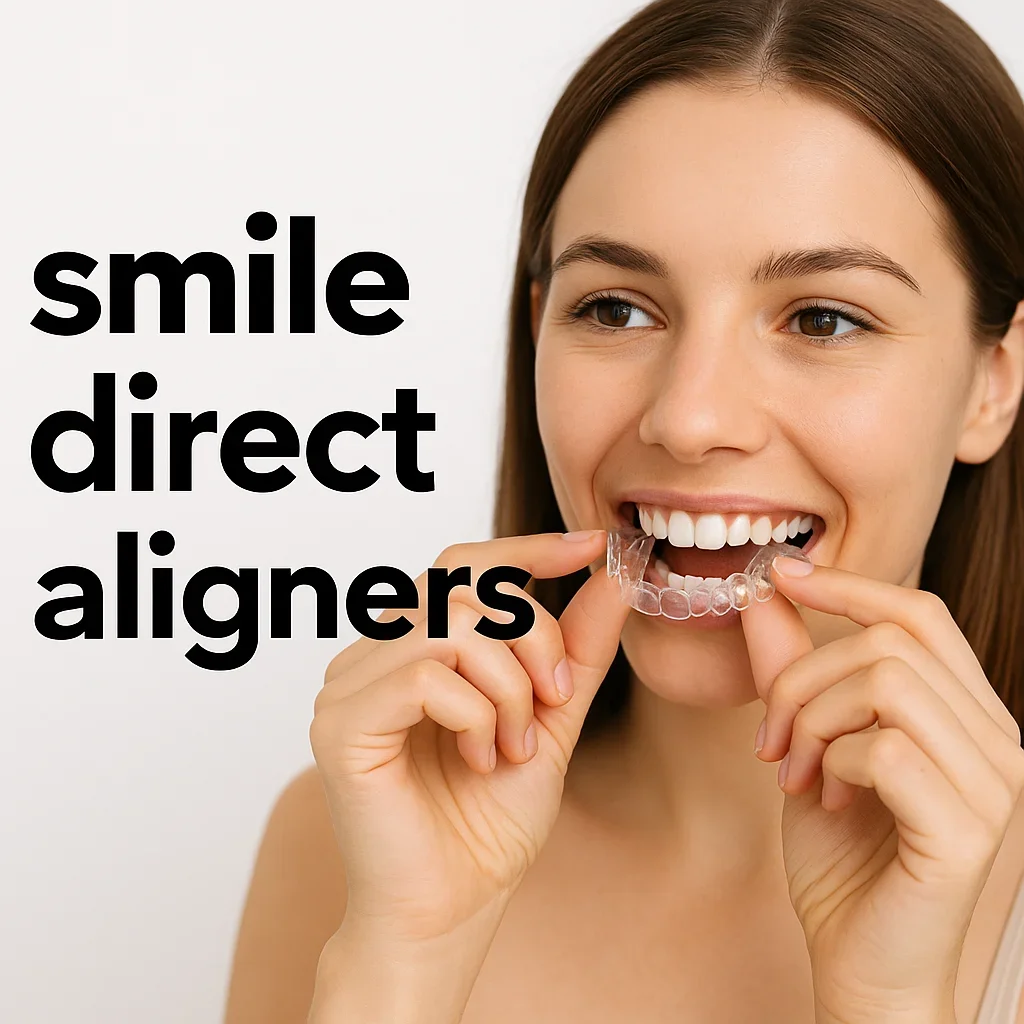
Expert Tips for Getting the Best Results with Smile Direct Aligners
Achieving your dream smile with smile direct aligners depends not only on the quality of the aligners but also on your daily commitment and care throughout the treatment process. These aligners are designed to be efficient and user-friendly, but the best results come when you combine professional guidance with consistent habits. In this section, we’ll explore proven strategies, dentist-approved tips, and practical techniques that help you maximize your results — from the first aligner tray to the final retainer. 😁
1. Commit to Wearing Aligners Consistently
The most crucial factor in the success of your smile direct aligners treatment is consistency. You must wear your aligners for 20–22 hours each day to maintain continuous, gentle pressure on your teeth. Skipping even a few hours regularly can slow progress and affect the final outcome. Aligners should only be removed while eating, drinking (anything other than water), or brushing your teeth.
Practical Routine for Consistency
- 🕒 Set daily reminders on your phone to reinsert aligners after meals.
- 🦷 Keep a travel toothbrush and floss in your bag for quick cleanups.
- 🔔 Use digital progress apps provided by your aligner company to track wear time.
Developing these habits early helps your treatment progress smoothly and keeps you accountable. Patients who strictly follow wear-time instructions often see visible improvements within the first 6–8 weeks.
2. Follow the Prescribed Aligner Schedule
Each set of smile direct aligners is designed to move your teeth a precise distance. Switching to the next tray too soon or too late can impact alignment accuracy. Always follow your treatment plan exactly as prescribed by your provider. Typically, each aligner set is worn for two weeks before progressing to the next one.
Tip from Professionals
Use a calendar or reminder app to track your aligner change dates. When inserting a new set, expect mild pressure — this is a sign the aligners are actively working. If a tray feels unusually tight or loose, consult your supervising dentist or a reliable clinic such as Redent Klinik Contact Page to verify proper progress.
3. Keep Aligners Clean and Hygienic
Clean aligners are essential for both oral health and aesthetics. Because smile direct aligners are transparent, stains or plaque buildup can quickly become noticeable. Regular cleaning prevents odor, discoloration, and bacterial growth that could irritate gums or cause bad breath.
How to Clean Aligners Correctly
- 🧼 Rinse your aligners with lukewarm water each time you remove them.
- 🪥 Use a soft toothbrush with mild soap to gently clean them twice a day.
- ❌ Avoid toothpaste or hot water, as these can scratch or deform the aligners.
- 💎 Use aligner cleaning crystals or tablets weekly for deep sanitation.
Maintaining hygiene not only ensures comfort but also prevents any interference with the clarity of your aligners, keeping your treatment discreet and confident. 🌿
4. Manage Discomfort Wisely
It’s normal to feel mild pressure or tenderness when starting a new set of smile direct aligners. This is a sign your teeth are moving as intended. However, understanding how to manage this discomfort helps you stay on track without losing motivation.
Tips for Relief
- 🧊 Use a cold compress on your cheeks for 10–15 minutes to reduce soreness.
- 💊 Take over-the-counter pain relievers if necessary (as advised by your dentist).
- 🫧 Practice gentle chewing with aligner “chewies” to seat aligners properly and relieve tightness.
After a few days, your mouth adjusts, and the discomfort subsides. If pain persists beyond a week, contact your aligner provider or a professional dental clinic for evaluation.
5. Maintain Excellent Oral Hygiene
During treatment, food debris and bacteria can get trapped between your teeth and aligners. Brushing and flossing after every meal is critical to avoid cavities and gum inflammation. Patients using smile direct aligners often report improved hygiene habits due to their consistent cleaning routines.
Oral Hygiene Checklist
- 🪥 Brush at least twice daily with fluoride toothpaste.
- 🧵 Floss once daily or use a water flosser for added convenience.
- 💧 Rinse your mouth before reinserting aligners.
- 🍃 Use mouthwash free of alcohol to avoid dryness.
These habits not only maintain the effectiveness of smile direct aligners but also ensure a healthier, brighter smile overall. ✨
6. Stick to Your Follow-Up Schedule
Even though most smile direct aligners programs are remotely monitored, periodic follow-ups with dental professionals remain crucial. Regular digital check-ins or in-person visits allow experts to confirm that your teeth are tracking correctly and that no issues are developing.
Why Professional Oversight Matters
Professional guidance ensures your treatment remains safe and effective. Clinics like Redent Klinik Contact Page provide remote progress evaluations and on-site assessments when needed. Additionally, the American Dental Association recommends continuous oversight for all orthodontic treatments to uphold patient safety and long-term success. 🩺
7. Protect Your Aligners from Damage
Handling your smile direct aligners carefully prevents cracks and warping. Always store them in their protective case when not in use — never wrap them in tissues or place them loosely in a bag, as they can easily be lost or damaged.
Care Tips
- 🚫 Avoid exposing aligners to heat sources like hot drinks or sunlight.
- 🖐️ Handle them gently when removing or inserting.
- 📦 Keep backup trays safely stored in case of emergencies.
If a tray cracks or becomes deformed, contact your provider immediately for a replacement to avoid treatment interruptions.
8. Stay Patient and Motivated
Aligner treatments require patience. While smile direct aligners often deliver visible results within weeks, complete transformation takes time. Tracking progress with photos helps maintain motivation, reminding you how far you’ve come. Many users find motivation through online communities where they share updates and experiences with others on the same journey. 🌟
Mindset for Success
Focus on consistency rather than speed. Every small improvement brings you closer to your final goal. Celebrate milestones like completing each aligner set, and reward yourself for staying disciplined. Remember: your smile is a lifelong investment in self-confidence. 💪
9. Maintain Post-Treatment Retention
Once your smile direct aligners journey ends, continue wearing retainers to preserve your results. Teeth have a natural tendency to shift over time, but regular retainer use prevents relapse. Most dentists recommend wearing retainers nightly for the first six months, then gradually reducing to a few nights per week.
Professional Retainer Care
Schedule post-treatment evaluations at a trusted clinic such as Redent Klinik Contact Page to ensure your retainers fit perfectly and remain effective. Follow proper cleaning and storage protocols to prolong their lifespan and maintain hygiene. 🦷
10. Trust Qualified Professionals
Lastly, while smile direct aligners are highly efficient, partnering with experienced dental professionals ensures your treatment remains safe and effective. A trusted provider monitors tooth movement, gum health, and bite alignment to prevent complications and ensure optimal results. Reputable organizations like the American Dental Association offer detailed resources for patients seeking professional, ethical orthodontic care. 👩⚕️
Conclusion
By combining consistent wear, proper hygiene, and professional supervision, you can achieve the best possible outcome with smile direct aligners. These clear aligners are not just about straightening teeth — they represent a convenient, modern, and effective way to enhance your confidence. Follow these expert tips, stay committed to your plan, and enjoy the life-changing results of a healthy, radiant smile that truly lasts. 😄