
When it comes to restoring a beautiful, natural-looking smile, individual dental implants have become the gold standard in modern dentistry. Unlike traditional dentures or bridges, these implants offer a permanent and natural solution for missing teeth, both in function and appearance. They are specifically designed to replace a single tooth with a titanium root and a custom-made crown, resulting in a restoration that looks, feels, and functions just like your original tooth. 😁
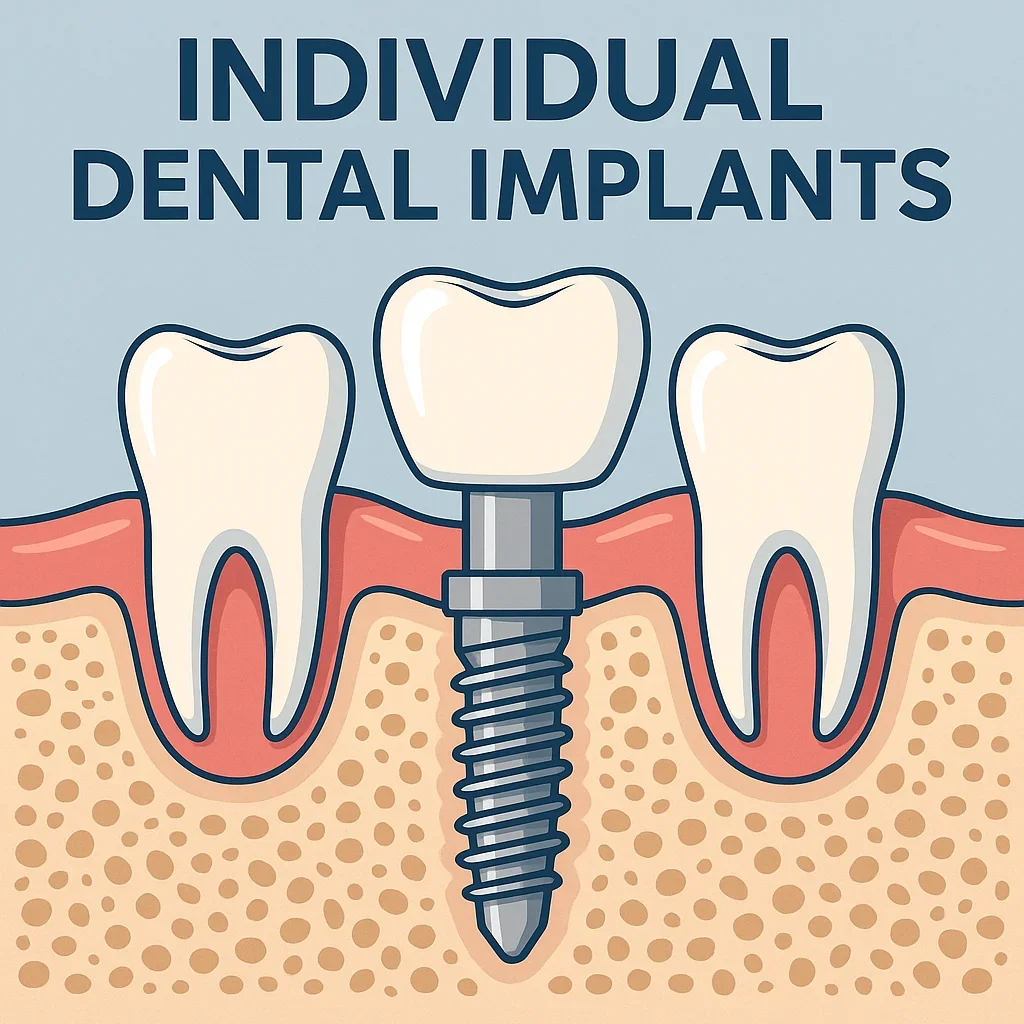
At their core, individual dental implants are composed of three main parts: the titanium post (which acts as the artificial tooth root), the abutment (which connects the implant to the crown), and the dental crown itself (the visible portion of the tooth). This structure provides long-term stability and prevents bone loss in the jaw — a problem commonly associated with missing teeth. The procedure integrates with your natural bone through a process known as osseointegration, creating a strong foundation that mimics the behavior of a real tooth root.
One of the primary advantages of individual dental implants is that they do not rely on adjacent teeth for support. Traditional dental bridges require grinding down neighboring teeth to anchor the prosthetic, which can weaken the surrounding structures over time. In contrast, an implant stands independently, preserving the health and integrity of your other teeth while enhancing overall oral stability. 🦷
Another remarkable benefit of individual dental implants is their natural aesthetic. Dental crowns used in these treatments are crafted from high-quality materials such as zirconia or porcelain, which replicate the translucency and shade of natural enamel. This makes the restoration virtually indistinguishable from your real teeth. As a result, patients can speak, chew, and smile with total confidence — without worrying about movement or discomfort often caused by removable dentures.
Functionality is just as important as aesthetics, and that’s where individual implants truly shine. Because the titanium post fuses directly to your jawbone, it stimulates bone growth and prevents the shrinkage that typically occurs after tooth loss. Over time, this helps maintain your facial structure, keeping your jawline defined and preventing a sunken appearance. Moreover, patients report that eating with implants feels identical to eating with natural teeth, allowing them to enjoy all types of foods — from crunchy apples to juicy steaks — without restrictions. 🍎🥩
In terms of longevity, individual dental implants are an exceptional investment. With proper care and maintenance, they can last decades, often for a lifetime. Routine check-ups, professional cleanings, and good oral hygiene practices play a crucial role in extending their lifespan. It’s also essential to choose a reputable clinic with experienced professionals who specialize in implantology. At Redent Klinik Contact Page, patients receive personalized care, modern technology, and precision planning to ensure optimal implant placement and long-term success.
For those concerned about the safety or approval of implant procedures, it’s reassuring to know that American Dental Association supports dental implants as a highly effective and safe treatment for tooth replacement. This endorsement reflects years of research, clinical studies, and advancements in biocompatible materials that make implants one of the most trusted solutions in modern dentistry.
Choosing individual dental implants is not just a cosmetic decision — it’s an investment in your health and quality of life. Beyond restoring a lost tooth, they contribute to better oral hygiene, improved chewing efficiency, and the prevention of further dental complications. Each implant is designed to integrate seamlessly into your mouth, providing strength, beauty, and confidence for years to come. 🌟
In summary, individual dental implants offer unmatched durability, functionality, and aesthetics compared to any other tooth replacement option. Whether you’ve lost a tooth due to decay, injury, or gum disease, this treatment provides a permanent solution that enhances both your smile and your overall well-being. As dental technology continues to advance, implants are becoming more accessible and comfortable than ever — empowering patients worldwide to smile freely and live fully.
What Are Individual Dental Implants and How Do They Work?
Individual dental implants are advanced, permanent tooth replacement solutions designed to replicate the structure, strength, and appearance of a natural tooth. Unlike removable dentures or traditional bridges, these implants act as artificial tooth roots that integrate directly with your jawbone. They are composed of three essential components: a titanium post that functions as the root, an abutment that connects the post to the crown, and a lifelike ceramic or zirconia crown that serves as the visible part of the tooth. Together, these elements form a seamless, functional, and aesthetically pleasing tooth replacement. 🦷
Understanding the Anatomy of an Individual Dental Implant
Each component of individual dental implants plays a specific role in ensuring durability and natural function:
- Titanium Implant Post: This biocompatible metal integrates with your jawbone through a process called osseointegration, forming a stable foundation that mimics a natural tooth root.
- Abutment: The abutment connects the implant post to the crown and ensures proper alignment and support.
- Crown: Custom-made from high-quality materials like zirconia or porcelain, the crown matches your existing teeth in color, shape, and size for a seamless appearance.
Thanks to this design, individual dental implants function independently of surrounding teeth. They do not rely on adjacent teeth for support, meaning no grinding or reshaping of healthy enamel is required. This preserves your natural teeth while restoring full functionality to your bite. 🌟
The Science Behind Osseointegration
The key to the success of individual dental implants lies in a process called osseointegration. This biological process allows the titanium post to bond with your natural jawbone, creating a stable anchor for the artificial tooth. Once integrated, the implant becomes a permanent part of your oral structure. This fusion not only ensures stability but also stimulates bone growth, preventing bone loss — a common problem after tooth extraction.
Over time, osseointegration strengthens the bond between the bone and implant, allowing the artificial tooth to withstand the same chewing forces as a natural one. Patients often report that eating and speaking feel identical to using their real teeth after recovery. 🍽️
Step-by-Step Functionality of Individual Dental Implants
The working mechanism of individual dental implants can be broken down into several stages:
- Implant Placement: The titanium post is surgically inserted into the jawbone under local anesthesia. Modern guided-surgery techniques ensure precise positioning for optimal support.
- Healing and Integration: Over the next few months, the implant fuses naturally with the bone, providing a strong base for the crown.
- Abutment Attachment: After successful integration, the abutment is placed to connect the implant to the crown.
- Crown Placement: A custom-designed dental crown is fixed atop the abutment, completing the restoration and restoring your smile’s natural look. 😁
Advantages of Functional Design
The design of individual dental implants is what makes them superior to other restorative options. Each implant functions independently, meaning even if multiple teeth are missing, each can be replaced individually without affecting others. This modular design contributes to enhanced oral hygiene — you can brush and floss around each implant just like natural teeth. In contrast, bridges or partial dentures can trap food particles and bacteria, leading to gum irritation or decay in adjacent teeth.
Preserving Jawbone Health and Facial Structure
When a natural tooth is lost, the surrounding bone begins to deteriorate due to lack of stimulation. Over time, this can cause your face to appear sunken and aged. Individual dental implants prevent this by transferring chewing pressure to the bone, just as natural roots do. This stimulation maintains bone density and supports the natural contours of your face, ensuring a youthful appearance.
Longevity and Strength
With proper care, individual dental implants can last a lifetime. The titanium post is resistant to decay and corrosion, while the crown can withstand years of chewing and biting pressure. Regular dental checkups, professional cleaning, and consistent home care are the keys to long-term success.
Comparison with Other Tooth Replacement Options
Compared to bridges or dentures, individual dental implants stand out for their stability and realism:
- Bridges: Require adjacent teeth to be ground down, which can weaken them over time.
- Dentures: May slip or cause discomfort while eating or speaking.
- Implants: Permanent, natural-looking, and maintain bone structure while protecting nearby teeth.
Trusted Standards and Clinical Approval
The success of individual dental implants is supported by extensive research and international standards. According to the American Dental Association, dental implants are one of the safest and most predictable procedures in restorative dentistry. They boast a success rate of over 95%, especially when performed by experienced implantologists using advanced imaging and guided-surgery technology.
Choosing a Qualified Dental Clinic
The outcome of your implant procedure depends heavily on the expertise of your dental team. At Redent Klinik Contact Page, patients benefit from 3D imaging, precise planning, and expert care tailored to individual bone density and facial anatomy. This ensures that every implant is positioned for optimal aesthetics and long-term function. 💎
In conclusion, individual dental implants represent the pinnacle of restorative dentistry — merging science, technology, and artistry to restore not just a tooth but your entire smile’s confidence. By understanding how they work, you can make an informed decision that enhances your oral health, facial appearance, and quality of life for decades to come.
The Main Benefits of Choosing Individual Dental Implants Over Bridges
When it comes to replacing missing teeth, the debate often comes down to individual dental implants versus traditional dental bridges. While both options restore functionality and aesthetics, individual dental implants provide long-term benefits that far surpass bridges in terms of durability, health preservation, comfort, and natural appearance. This section explores in depth why implants have become the superior choice for patients seeking permanent and reliable dental restoration. 😄
Preservation of Natural Teeth
One of the most significant advantages of individual dental implants is that they do not compromise your existing healthy teeth. With a traditional bridge, the dentist must grind down the adjacent teeth to support the artificial one in between. This not only weakens those teeth but can also increase the risk of decay and sensitivity over time. In contrast, implants stand independently and integrate directly with your jawbone, meaning your natural teeth remain untouched and healthy. This approach maintains overall dental integrity and prevents unnecessary damage to the enamel. 🦷
Prevention of Bone Loss and Facial Collapse
After a tooth is lost, the jawbone beneath it begins to deteriorate due to a lack of stimulation from chewing pressure. Over time, this bone resorption can cause a sunken facial appearance and weaken the jaw structure. Individual dental implants act as artificial roots that stimulate the bone, preserving its density and strength. This prevents bone loss and helps maintain your natural facial shape, jawline, and youthful look. Bridges, on the other hand, merely rest on the gum surface and provide no bone stimulation, leading to gradual bone shrinkage beneath the missing tooth area. 💀➡️😃
Superior Longevity and Cost-Effectiveness
Although individual dental implants may initially cost more than bridges, they are far more economical in the long term. Implants are designed to last for decades, even a lifetime, with proper care. Bridges typically need replacement every 10–15 years due to wear or decay in the supporting teeth. With implants, patients avoid repeated treatments and long-term maintenance expenses. This makes implants not just a health-conscious decision but also a smart financial investment in your oral future. 💰
Durability Backed by Science
The titanium posts used in individual dental implants are resistant to corrosion and integrate permanently with the bone through osseointegration. They can handle the same chewing pressure as natural teeth and remain stable under high bite forces. Studies published by the American Dental Association have shown that implants boast success rates exceeding 95%, which is significantly higher than most other dental prosthetic options. This reliability gives patients peace of mind, knowing that their restored teeth will serve them for many years without complications.
Enhanced Comfort and Functionality
Another clear advantage of individual dental implants is the unmatched comfort they provide. Because implants are securely anchored to the bone, they do not shift, click, or irritate the gums — unlike bridges or dentures. Patients often describe eating and speaking with implants as identical to natural teeth. They restore full bite strength, allowing you to enjoy your favorite foods confidently, from crunchy nuts to chewy bread. 🌰🥖
In contrast, bridges may sometimes loosen or trap food particles, leading to gum irritation or unpleasant odors. They rely on the stability of surrounding teeth, and if those teeth deteriorate, the bridge’s integrity can fail. With implants, such issues are eliminated thanks to the independent design of each tooth restoration.
Improved Oral Hygiene and Easy Maintenance
Individual dental implants also make oral hygiene easier compared to bridges. Because each implant stands alone, you can brush and floss around it just like a natural tooth. Bridges, however, are connected across multiple teeth, creating hard-to-reach areas where plaque and bacteria can accumulate. Over time, this can lead to gum inflammation or decay under the bridge. Maintaining implants simply involves regular brushing, flossing, and professional cleanings — no special tools or adhesives required.
Natural Aesthetic Appeal
When it comes to achieving a flawless smile, individual dental implants excel in aesthetics. Each crown is custom-designed to match your natural tooth color, size, and contour. Whether you’re smiling, laughing, or speaking, the result is virtually indistinguishable from your natural teeth. Bridges, on the other hand, can sometimes appear bulky or artificial, especially if gum recession occurs over time, revealing dark metal edges beneath the crowns.
Protection Against Gum Recession
Another subtle yet crucial benefit of individual dental implants is their ability to prevent gum recession. Because they are embedded in the jawbone, implants support the gum tissue naturally and prevent it from collapsing. Bridges, lacking this root-like structure, can lead to gum shrinkage and gaps beneath the prosthetic teeth, compromising both aesthetics and oral hygiene.
Boosted Self-Confidence and Psychological Benefits
The emotional and psychological benefits of individual dental implants are often overlooked but profoundly important. Patients regain not only their ability to eat and speak normally but also their self-esteem. Knowing that your smile is complete and secure allows you to engage socially and professionally without hesitation. Many people report a renewed sense of confidence and overall improvement in quality of life after receiving implants. 🌟
Comparison Summary: Implants vs. Bridges
| Feature | Individual Dental Implants | Dental Bridges |
|---|---|---|
| Longevity | Can last a lifetime | Typically 10–15 years |
| Effect on Adjacent Teeth | No damage to nearby teeth | Requires grinding of healthy teeth |
| Bone Preservation | Prevents bone loss | No bone stimulation |
| Comfort | Feels natural and stable | Can cause discomfort or loosen over time |
| Aesthetic Result | Highly natural appearance | May look less natural with gum recession |
Choosing the Right Provider
For optimal results, it’s essential to choose an experienced implant specialist. Clinics like Redent Klinik Contact Page provide personalized consultations, 3D digital planning, and advanced surgical techniques to ensure the best possible outcome. Each implant is placed with precision to align perfectly with your bite and facial symmetry, guaranteeing long-term comfort and beauty.
In conclusion, individual dental implants outshine bridges in nearly every aspect — from preservation of oral health to aesthetics and longevity. By investing in implants, you’re not just restoring a missing tooth; you’re safeguarding your smile’s foundation, maintaining jaw health, and enhancing overall quality of life for decades to come. 🌿
Step-by-Step Procedure for Getting Individual Dental Implants
Understanding how individual dental implants are placed helps patients feel more confident and informed throughout the treatment process. This section walks you through every step — from the first consultation to the final restoration — so you know exactly what to expect. Each stage is carefully planned and executed to ensure safety, comfort, and long-term success. 🦷✨
1. Initial Consultation and Assessment
The journey to receiving individual dental implants begins with a comprehensive evaluation at your dental clinic. During this consultation, your dentist or implant specialist reviews your medical history, oral health, and lifestyle habits. A thorough examination is performed, which may include digital X-rays, 3D cone-beam CT scans, and impressions of your teeth and gums. These diagnostics allow your dentist to assess the quantity and quality of your jawbone — a crucial factor in determining whether you’re a suitable candidate for dental implants.
At this stage, you’ll discuss your treatment goals, the number of missing teeth, and the desired aesthetic outcome. If you have any underlying oral conditions such as gum disease, decay, or bone loss, your dentist will recommend addressing these before proceeding. For example, if bone density is insufficient, a bone graft may be scheduled prior to implant placement to ensure stability and long-term integration. 🩻
2. Treatment Planning and Digital Design
Once your oral condition is confirmed to be healthy, a detailed treatment plan for your individual dental implants is created. Advanced digital technology plays a central role here. Using 3D imaging and computer-guided software, your dentist plans the exact location, angle, and depth for each implant. This ensures precision and minimizes risks during surgery.
The digital design phase also includes selecting the right type and size of the implant, choosing between materials like titanium or zirconia, and determining the best placement technique. The dentist will also create a timeline that outlines each phase of treatment — from surgery to healing and crown placement. At reputable clinics such as Redent Klinik Contact Page, patients benefit from personalized planning and state-of-the-art imaging that maximizes accuracy and comfort. 🖥️
3. Implant Placement Surgery
The surgical stage is one of the most crucial parts of receiving individual dental implants. It’s typically performed under local anesthesia or sedation to ensure a pain-free experience. The dentist creates a small incision in the gum to expose the jawbone, then drills a precise hole to place the titanium post. This post acts as the artificial root of your new tooth. The gum is then sutured over the implant to protect it during the healing period.
Modern surgical techniques such as flapless surgery and guided implantology reduce discomfort, swelling, and healing time. The entire procedure for a single implant usually takes less than an hour. Patients can often return to normal activities within a few days, though some minor soreness or swelling may occur. 🏥
Bone Grafting and Sinus Lift (If Required)
In some cases, patients require additional procedures before or during implant placement to create sufficient bone support. Bone grafting involves using natural or synthetic bone material to build up weak jaw areas, while a sinus lift may be needed for upper jaw implants near the sinus cavity. These preparatory steps significantly increase the long-term stability of individual dental implants.
4. Healing and Osseointegration Period
After the implant is placed, the healing phase begins. This is when the magic of osseointegration occurs — a biological process in which the titanium post fuses directly with your jawbone. It creates a strong and stable foundation, similar to the natural root of a tooth. Depending on your individual healing capacity and bone quality, this process can take anywhere from 3 to 6 months. 🧬
During this time, it’s essential to follow your dentist’s instructions regarding oral hygiene, diet, and follow-up visits. Avoid chewing hard foods directly on the implant site and maintain a clean mouth to prevent infection. The dentist will monitor healing progress through periodic X-rays and examinations to ensure everything is proceeding smoothly.
5. Abutment Placement
Once osseointegration is complete, the next step involves attaching an abutment — a small connector that joins the implant to the crown. This minor procedure typically requires reopening the gum tissue to expose the implant, after which the abutment is secured. The gum is then allowed to heal around the abutment for a couple of weeks, forming a natural-looking gumline. 🪛
Temporary Crown (Optional)
In some cases, a temporary crown may be placed during the healing stage. This helps maintain aesthetics and function while the final restoration is being crafted. Temporary crowns are particularly useful when replacing front teeth, ensuring that your smile remains complete during the interim period.
6. Final Crown Placement
The final step of the individual dental implants process is the placement of the permanent dental crown. Using digital impressions and shade matching, your dentist will design a crown that blends seamlessly with your surrounding teeth. The crown may be made of porcelain, zirconia, or ceramic — materials known for their durability and lifelike translucency.
Once the crown is attached to the abutment, your new tooth will look and function just like a natural one. You’ll be able to bite, chew, and smile confidently again, without worrying about slippage or discomfort. 🎉
7. Post-Treatment Care and Follow-Up
After your implant is fully restored, proper aftercare is crucial to maintaining its longevity. Regular brushing, flossing, and routine dental checkups will keep your implant healthy. Your dentist may recommend using a soft-bristle toothbrush and low-abrasive toothpaste to protect the gum tissue around the implant. Additionally, avoid smoking and excessive alcohol consumption, as these can slow down healing and affect implant success.
Expected Timeline Summary
| Treatment Stage | Estimated Duration |
|---|---|
| Initial Consultation & Planning | 1–2 weeks |
| Implant Surgery | 1 day |
| Healing & Osseointegration | 3–6 months |
| Abutment & Crown Placement | 2–4 weeks |
8. Why This Process Is Worth It
Though the process of getting individual dental implants requires patience and precision, the results are life-changing. Implants not only restore missing teeth but also preserve bone health, enhance aesthetics, and provide unmatched stability. Unlike removable dentures or bridges, implants become a permanent part of your mouth, delivering a natural feel and appearance that lasts for decades. 🕊️
Choosing a clinic that combines expertise with modern technology — such as Redent Klinik Contact Page — ensures that every step, from diagnosis to final restoration, is handled with excellence. Supported by professional standards outlined by the American Dental Association, implant dentistry continues to set new benchmarks in patient satisfaction and reliability.
In essence, the process of receiving individual dental implants is a meticulous yet highly rewarding journey. Each stage builds upon the last to deliver a smile that not only looks natural but also restores the full function and confidence you deserve — a true investment in your lifelong oral health. 🌟
Who Is a Good Candidate for Individual Dental Implants?
Not everyone is immediately eligible for individual dental implants, but with modern advancements in dental technology, more patients than ever can safely receive them. Understanding who makes an ideal candidate — and how to prepare for the procedure — is key to long-term success. This section explains all the health, anatomical, and lifestyle factors that determine whether implants are right for you, ensuring realistic expectations and safe outcomes. 🦷💫
1. General Requirements for Implant Candidates
The best candidates for individual dental implants share several essential characteristics. First and foremost, they should have good overall health and a stable oral environment. This includes healthy gums, sufficient jawbone density, and a commitment to maintaining proper oral hygiene. Candidates should also be free of active gum disease or untreated tooth decay, as these conditions can compromise implant integration.
Additionally, patients should have fully developed jawbones — meaning dental implants are usually recommended for adults rather than children or teenagers whose bones are still growing. Since the implant process involves osseointegration (the fusion of the implant with the bone), a mature bone structure is crucial for stability and longevity.
2. Jawbone Density and Structure
Having adequate jawbone volume and quality is one of the most important requirements for successful individual dental implants. The titanium post needs a strong foundation to anchor securely. If a patient’s bone has deteriorated due to long-term tooth loss, periodontal disease, or trauma, a bone graft may be necessary before implant placement.
Advanced diagnostic tools like 3D cone-beam computed tomography (CBCT) are used to measure bone density and shape accurately. These digital scans help your dentist determine whether you have enough bone height and width to support the implant. Patients who undergo bone augmentation can still qualify for implants after proper healing, typically three to six months later. 🩻
Sinus Considerations for Upper Jaw Implants
For those receiving individual dental implants in the upper jaw, especially near the back teeth, the position of the sinus cavity is critical. If the sinus floor is too low or bone height is insufficient, a sinus lift procedure may be required. This ensures that the implant post can be placed safely without penetrating the sinus membrane.
3. Gum Health and Soft Tissue Quality
Healthy gums are essential for the long-term stability of individual dental implants. The gums provide a protective seal around the implant, preventing bacteria from entering and causing infection. Patients with active periodontal disease must first undergo treatment before implant surgery. Gingival tissue should also have enough volume to cover the abutment and crown properly, ensuring natural aesthetics.
Smokers or individuals with poor oral hygiene are at higher risk for gum inflammation around implants — a condition known as peri-implantitis. Maintaining excellent oral care habits is critical for preventing such complications and ensuring the implant’s long-term success. 🚿
4. Medical Conditions That May Affect Implant Candidacy
While individual dental implants are suitable for most people, certain medical conditions require additional consideration. Patients with uncontrolled diabetes, autoimmune diseases, or blood clotting disorders may experience delayed healing. Similarly, those undergoing radiation therapy in the head or neck area might face a higher risk of implant failure due to compromised bone health.
However, controlled medical conditions do not automatically disqualify someone from receiving implants. With proper consultation and collaboration between your dentist and physician, most patients can safely undergo treatment. Modern medicine allows for tailored plans that balance both dental and systemic health needs.
5. Lifestyle Factors and Habits
Lifestyle choices can significantly influence the success of individual dental implants. For instance, smoking reduces blood flow to the gums and slows down the healing process. Studies show that smokers have a slightly lower implant success rate than non-smokers. Quitting smoking at least two weeks before and after the procedure greatly improves outcomes.
Excessive alcohol consumption and poor diet can also hinder recovery. A nutrient-rich diet that includes calcium, vitamin D, and protein supports bone regeneration and immune response. Patients who maintain a healthy lifestyle generally experience smoother healing and longer-lasting implant results. 🥦💪
Bruxism (Teeth Grinding) and Implants
Bruxism, or nighttime teeth grinding, can place excessive pressure on implants and natural teeth. While it doesn’t necessarily prevent implant placement, your dentist may recommend a night guard to protect the restoration from undue stress. Managing bruxism early ensures that individual dental implants remain stable and undamaged for many years.
6. Age Considerations
Although there’s no strict upper age limit for receiving individual dental implants, bone health and general fitness are key factors for older adults. Many seniors successfully undergo implant treatments and enjoy improved chewing function and aesthetics. Age itself is not a barrier — rather, overall medical and oral health determine eligibility. Conversely, younger patients should wait until their jawbones are fully developed, usually after age 18, before considering permanent implants.
7. Psychological and Behavioral Readiness
Beyond physical health, mental and emotional readiness plays a role in being a suitable candidate for individual dental implants. The process involves multiple visits and requires patience during the healing phase. A motivated, cooperative attitude ensures better adherence to post-surgical care instructions and follow-up appointments. Patients who understand the commitment involved are far more likely to experience successful, long-term outcomes.
8. The Role of Comprehensive Evaluation
Determining candidacy is not a one-size-fits-all approach. Every patient is unique, and dentists take a holistic view of oral and systemic health before recommending individual dental implants. This includes analyzing bone density, gum condition, bite alignment, and even facial symmetry. Clinics like Redent Klinik Contact Page use digital diagnostics and 3D simulation to customize implant treatment plans with exceptional precision.
Collaboration with Specialists
Sometimes, collaboration between specialists — such as oral surgeons, prosthodontists, and periodontists — is essential for complex cases. This multidisciplinary approach ensures that all aspects of your dental and medical health are considered, leading to higher implant success rates and better aesthetic outcomes. 🏥
9. Evaluating Expectations and Goals
Realistic expectations are fundamental when considering individual dental implants. While they can restore full function and beauty to your smile, the process requires time and commitment. Implants offer a permanent, natural-looking solution, but they’re not an instant fix. Patients who understand the process — and are willing to follow aftercare instructions — achieve the best long-term satisfaction.
10. Professional Guidance and Final Recommendation
If you’re unsure whether you qualify for individual dental implants, the best step is to consult a trusted professional. At American Dental Association-approved clinics, dentists perform thorough evaluations and explain all available options based on your individual circumstances. A detailed consultation at Redent Klinik can help you determine whether you’re an ideal candidate and outline any preparatory steps needed before surgery.
In conclusion, being a good candidate for individual dental implants depends on more than just replacing a missing tooth — it involves evaluating your overall health, bone structure, and lifestyle habits. With professional planning, advanced diagnostics, and personalized care, almost anyone can achieve a strong, beautiful, and permanent smile through implant dentistry. 🌟
Healing and Recovery Timeline After Individual Dental Implant Surgery
The healing process following individual dental implants is a crucial phase that determines the long-term success and stability of the treatment. While dental implant surgery itself is relatively minor, proper recovery and care afterward are vital for achieving a strong bond between the implant and your jawbone. This section provides a detailed overview of what to expect during each stage of recovery — from the first few days post-surgery to complete osseointegration — and offers expert guidance on how to speed up healing safely. 🦷⏳
1. Immediate Post-Surgery Period (First 24–72 Hours)
Right after receiving individual dental implants, your body begins the natural healing process. During the first 24 to 72 hours, it’s normal to experience mild swelling, tenderness, or minor bleeding around the implant site. To minimize discomfort and inflammation, your dentist may recommend using a cold compress on the cheek, taking prescribed anti-inflammatory medications, and resting as much as possible. 🧊
Patients are advised to avoid vigorous rinsing, spitting, or using straws for the first 48 hours, as these actions can disturb the blood clot and slow healing. Soft foods like yogurt, mashed potatoes, and smoothies are ideal during this time. It’s also important to maintain hydration, but alcohol and caffeine should be avoided since they can interfere with recovery.
Oral Hygiene During the First Days
Proper oral care is essential even during the initial recovery period. You can gently brush other areas of your mouth but avoid brushing directly over the surgical site for the first few days. Your dentist may recommend rinsing with a prescribed antimicrobial mouthwash or warm salt water to keep the area clean and prevent infection. 🧴
2. Early Healing Phase (Week 1–2)
After the first few days, most patients with individual dental implants notice a significant reduction in swelling and discomfort. The gum tissue around the implant begins to heal and form a protective seal. Stitches (if used) are usually removed or dissolve on their own within 7–10 days. During this stage, you can gradually return to a normal diet, but it’s best to continue avoiding very hard or sticky foods.
Keeping up with gentle brushing and rinsing remains crucial. Smoking during this period can drastically slow healing and increase the risk of implant failure, so it should be strictly avoided. If pain persists beyond 10 days, consult your dentist to rule out any early complications.
3. Osseointegration Phase (Month 1–6)
This is the most important stage in the success of individual dental implants. Osseointegration is the process through which the titanium post fuses with the jawbone, creating a strong, permanent foundation for the artificial tooth. Although the gums may appear healed after a few weeks, the underlying bone continues to grow and integrate with the implant for several months.
Depending on your individual healing capacity and bone quality, osseointegration can take between 3 to 6 months. During this time, regular checkups are essential so your dentist can monitor progress using X-rays and clinical assessments. You should continue practicing excellent oral hygiene and maintain a nutrient-rich diet to support bone regeneration. Foods high in calcium, vitamin D, and protein — such as dairy products, eggs, and leafy greens — promote faster recovery. 🥛🥬
Signs of Successful Osseointegration
- Stable implant with no movement when touched
- Healthy, pink gum tissue surrounding the implant
- No signs of inflammation, pain, or discharge
- Steady bone density visible on X-ray scans
When osseointegration is complete, your dentist will proceed to the next stage — attaching the abutment and final crown — marking the transition from healing to full restoration.
4. Common Healing Symptoms and Their Management
Most symptoms during recovery from individual dental implants are mild and temporary. However, understanding what’s normal versus what requires attention is key to avoiding complications:
| Symptom | Typical Duration | Recommended Action |
|---|---|---|
| Swelling | 2–5 days | Apply ice packs and keep head elevated. |
| Mild Pain or Discomfort | 3–7 days | Use prescribed painkillers; avoid hard foods. |
| Minor Bleeding | First 48 hours | Apply gentle pressure with gauze if needed. |
| Gum Tenderness | 1–2 weeks | Brush gently; rinse with salt water. |
When to Contact Your Dentist
If you experience severe pain, persistent bleeding, pus discharge, or implant mobility, contact your dentist immediately. These could indicate infection or implant rejection. Timely professional care can resolve most complications without affecting the long-term outcome of individual dental implants.
5. Long-Term Healing and Gum Adaptation
Once the implant and crown are placed, your gums continue to adapt for several weeks. This final stage of healing ensures that the soft tissues form a tight seal around the abutment, protecting the bone and root structure from bacteria. Regular dental checkups every 3–6 months will help your dentist evaluate gum health and make any necessary adjustments.
6. Accelerating the Healing Process
There are several scientifically supported ways to enhance healing after individual dental implants:
- Maintain Proper Nutrition: Focus on calcium-rich foods, vitamins A, C, D, and zinc to support tissue and bone repair.
- Avoid Tobacco: Smoking reduces blood flow and impairs bone integration.
- Stay Hydrated: Adequate water intake keeps tissues moist and aids healing.
- Follow Dentist’s Instructions: Adhering to post-operative care plans ensures smooth recovery.
- Rest Well: The body heals best during adequate sleep and rest periods. 💤
7. Role of Follow-Up Visits
Follow-up visits are not just routine checkups; they’re vital to the success of individual dental implants. Your dentist will assess healing progress, clean the implant area, and confirm bone integration through imaging. If minor issues arise, such as early-stage inflammation, prompt treatment can prevent more serious complications later. Clinics like Redent Klinik Contact Page provide comprehensive follow-up care tailored to each patient’s needs, ensuring that recovery remains on track.
8. Long-Term Success and Maintenance
Even after complete recovery, ongoing care determines how long your individual dental implants will last. Consistent oral hygiene — including brushing twice daily, flossing, and using an antibacterial rinse — helps maintain gum health. Professional cleanings every six months are recommended to remove plaque and monitor bone stability.
The American Dental Association notes that implants can last a lifetime with proper maintenance, highlighting their remarkable longevity compared to other restorations. By following expert advice and maintaining regular dental visits, patients ensure that their implants remain strong, stable, and aesthetically perfect for decades. 🌟
In conclusion, healing after individual dental implants is a gradual but highly rewarding journey. With proper care, patience, and professional support, your new smile will not only look natural but also function flawlessly for years to come — restoring your confidence, health, and quality of life. 💖
How Long Do Individual Dental Implants Last? Durability Explained
One of the biggest questions patients ask before treatment is, “How long do individual dental implants last?” The good news is that when properly placed and cared for, dental implants are one of the longest-lasting restorative solutions in modern dentistry. Their durability can often exceed 25 years — and in many cases, they last a lifetime. This longevity depends on several key factors, including oral hygiene, bone quality, implant material, and lifestyle habits. In this section, we’ll examine in detail what affects the lifespan of implants, how to maintain them, and why they are considered a lifelong investment. 🦷✨
1. The Average Lifespan of Individual Dental Implants
On average, individual dental implants last between 20 to 30 years — and often much longer when maintained correctly. Studies published by the American Dental Association show a success rate of more than 95% over 10 years. This means that implants outperform nearly all other restorative dental treatments in long-term performance. Unlike dentures or bridges that require regular replacement, implants are designed to permanently integrate with your jawbone, making them a stable and reliable part of your natural oral structure. 🌿
2. What Determines the Longevity of Implants?
The lifespan of individual dental implants varies from patient to patient. Several biological and lifestyle factors determine how long they last:
- Bone Quality: Strong, dense bone provides a solid foundation for the implant, enhancing stability and longevity.
- Oral Hygiene: Regular brushing, flossing, and dental cleanings prevent infections that can compromise the implant’s health.
- Gum Health: Healthy gums support implant integration and protect against peri-implantitis (inflammation around the implant).
- Lifestyle Choices: Smoking, excessive alcohol, or poor nutrition can reduce healing ability and shorten implant life.
- Professional Care: Routine dental checkups help detect early warning signs of gum or bone problems.
The Role of the Titanium Post
Most individual dental implants use a titanium post because of its exceptional biocompatibility and resistance to corrosion. Titanium naturally fuses with bone tissue during osseointegration, forming a permanent bond that is nearly impossible to dislodge. This structural stability is the main reason implants can last decades, even under constant pressure from chewing and biting.
3. The Lifespan of Each Component
Individual dental implants consist of three major components — the implant post, abutment, and crown — each with its own expected durability:
- Implant Post: The titanium root can last a lifetime with proper bone integration and oral care.
- Abutment: Typically made from titanium or zirconia, the abutment can last 15–20 years, depending on wear and tear.
- Crown: The visible part of the tooth may need replacement every 10–20 years due to normal wear, though high-quality zirconia crowns often last much longer.
The post is permanent, while the crown may occasionally be replaced to maintain optimal aesthetics and bite function. This flexibility allows patients to refresh their smile without undergoing another surgery. 🪞
4. Common Causes of Implant Failure or Reduced Lifespan
Although rare, implant failure can occur due to improper aftercare or underlying medical conditions. The most frequent issues include:
- Poor Oral Hygiene: Inadequate cleaning can lead to plaque buildup, resulting in peri-implantitis and bone loss.
- Smoking: Nicotine restricts blood flow to the gums, reducing healing and bone integration.
- Bruxism: Teeth grinding exerts excessive force on the implant, potentially loosening the crown or abutment.
- Uncontrolled Diabetes: Slower healing can affect osseointegration and increase infection risk.
- Improper Placement: An inexperienced dentist may position the implant incorrectly, affecting long-term stability.
How to Prevent Complications
Choosing an experienced implant specialist and adhering to a post-operative care plan are the best ways to ensure that individual dental implants last a lifetime. Clinics such as Redent Klinik Contact Page offer advanced digital planning, 3D imaging, and guided surgery to achieve precise implant placement, significantly reducing the risk of complications.
5. Oral Hygiene Practices That Extend Implant Life
Proper maintenance is the foundation of implant longevity. Here are best practices to keep your individual dental implants in top condition:
- Brush at least twice daily with a soft-bristled toothbrush to avoid scratching the implant crown.
- Floss around the implant gently using specialized floss or interdental brushes designed for implants.
- Use an antimicrobial mouth rinse to reduce bacterial buildup around the gumline.
- Schedule professional dental cleanings every six months to maintain oral health.
- Avoid biting hard objects such as ice, pens, or fingernails to prevent crown fractures.
By incorporating these habits, patients can expect their implants to remain functional and beautiful for decades. 💪
6. Regular Dental Checkups and Maintenance Visits
Routine checkups allow dentists to monitor bone levels, gum condition, and crown integrity. Any early signs of inflammation or bone loss can be addressed immediately, preventing complications. During maintenance visits, your dentist may perform professional cleanings and evaluate the tightness of the abutment screw to ensure stability. Following these visits consistently ensures that your individual dental implants continue to perform like natural teeth for many years. 🩺
The Importance of Professional Supervision
Even if your implant feels perfectly fine, hidden issues such as microscopic bone resorption can occur over time. That’s why dentists rely on digital X-rays and cone-beam scans to detect early-stage problems invisible to the naked eye. Early detection allows timely intervention and extends the lifespan of your implant system.
7. Lifestyle Choices That Impact Implant Durability
Healthy living directly contributes to the longevity of individual dental implants. A balanced diet rich in calcium, vitamin D, and omega-3 fatty acids supports bone and gum health. Avoiding smoking and excessive alcohol helps preserve soft tissue integrity. Regular exercise and hydration also improve circulation, helping tissues around the implant stay healthy and resilient.
Patients who protect their oral health through mindful habits typically experience implant success rates exceeding 98%. In contrast, those with poor hygiene or high-risk behaviors may face shorter implant lifespans.
8. Realistic Expectations: What “Lifetime” Means
When we say that individual dental implants last a lifetime, it refers to the titanium post that integrates with your bone. While crowns or abutments may eventually need replacement, the implant root itself can remain intact indefinitely. With technological advancements and continuous dental innovations, modern implants are now stronger and more biocompatible than ever before. 🧬
9. Summary: A Smart Investment in Oral Health
To summarize, the longevity of individual dental implants is unmatched compared to other restorative methods. They preserve jawbone health, prevent shifting of adjacent teeth, and maintain the natural appearance of your smile for decades. With consistent oral care and professional guidance, implants can truly last a lifetime — making them one of the best long-term investments in your overall oral health and confidence. 🌟
For patients seeking expert advice, consultation with professionals at Redent Klinik ensures that every implant is designed, placed, and maintained for lasting success. Their commitment to precision, hygiene, and patient education ensures that your new smile stands the test of time. 🏆
Cost Breakdown and Factors Affecting the Price of Individual Dental Implants
When considering individual dental implants, one of the most common questions patients ask is about the overall cost. While dental implants are known for their exceptional durability and natural appearance, their price varies significantly depending on several clinical and material factors. Understanding what influences the cost helps patients make informed financial decisions and appreciate why implants are such a valuable long-term investment. This section explains the complete cost breakdown, influencing elements, and why implants are worth every penny. 💰🦷
1. Average Price Range of Individual Dental Implants
The cost of individual dental implants can vary depending on geographic location, clinic expertise, and the complexity of the case. On average, in Europe and the United States, a single implant (including the post, abutment, and crown) typically ranges from $1,500 to $6,000. In Turkey and similar destinations known for advanced yet affordable dental care, the same treatment may cost between $500 and $1,200 per implant — while still maintaining international standards of quality. 🇹🇷
It’s important to note that this range covers the complete process — from consultation and imaging to surgery, materials, and restoration. However, additional procedures such as bone grafting, sinus lifts, or extractions can increase the overall cost. A detailed consultation at reputable clinics like Redent Klinik Contact Page ensures transparency, with each stage of the treatment plan clearly explained before starting.
2. Components That Contribute to the Total Cost
Each stage of the individual dental implants process involves specific materials and expertise, which together determine the total price. Below is a breakdown of what’s typically included:
| Component | Estimated Cost Range (USD) | Description |
|---|---|---|
| Initial Consultation & X-rays | $50 – $300 | Includes oral examination, digital X-rays, and treatment planning. |
| 3D CT Scan | $100 – $400 | High-resolution imaging for bone structure and implant placement accuracy. |
| Implant Fixture (Titanium Post) | $600 – $2,000 | The artificial tooth root surgically placed into the jawbone. |
| Abutment | $200 – $600 | Connector piece between the implant and the crown. |
| Crown | $400 – $1,500 | Custom-made visible tooth restoration (porcelain, zirconia, or ceramic). |
| Bone Grafting (if needed) | $300 – $1,200 | Used to strengthen or rebuild the jawbone before implant placement. |
As shown, the total expense of individual dental implants reflects a combination of technology, materials, and professional skill — rather than just a single procedure. 🧾
3. Key Factors That Affect Implant Pricing
Several variables influence the cost of individual dental implants. These include both patient-specific and clinic-related factors:
- Location of the Clinic: Clinics in major metropolitan areas or Western countries typically have higher operating costs, which impact pricing.
- Experience of the Dentist: Specialists with extensive implantology experience may charge more, but their precision reduces complications.
- Type of Implant Material: Premium materials like zirconia or high-grade titanium cost more but offer better aesthetics and biocompatibility.
- Complexity of the Case: Patients needing bone grafts, sinus lifts, or multiple implants can expect higher costs due to additional procedures.
- Laboratory and Technology Fees: Clinics using advanced digital scanning, guided surgery, and CAD/CAM crowns often charge slightly more for superior outcomes.
Influence of Implant Brand and Technology
The brand of implant system chosen also affects price. Renowned systems such as Straumann, Nobel Biocare, or Astra Tech are internationally certified and supported by years of clinical data. While slightly more expensive, these systems ensure precision fit, high survival rates, and global warranty support — making them a worthwhile investment for patients seeking longevity and safety. 🧬
4. Hidden or Additional Costs to Consider
While most clinics offer transparent pricing, it’s wise to ask whether certain services are included in the quote. Some common add-ons include:
- Tooth extraction before implant placement
- Temporary dentures or crowns during healing
- Follow-up visits and post-surgical medications
- Custom abutments for enhanced aesthetics
Clinics like Redent Klinik Contact Page typically provide full-package pricing, ensuring patients understand all costs upfront — with no unexpected fees later on. Transparency in pricing is key to patient satisfaction and trust.
5. Long-Term Cost Benefits Compared to Other Treatments
Although individual dental implants may have a higher initial cost than dentures or bridges, their long-term value makes them more economical. Traditional bridges often need replacement every 10–15 years and can damage adjacent teeth, while dentures may require frequent adjustments. Implants, however, are designed to last for decades, preventing bone loss and minimizing future dental expenses. Over a lifetime, implants often prove to be the most cost-effective solution. 💎
Financial Value Over Time
Let’s compare the estimated lifetime costs:
- Dentures: $1,000–$3,000 initially, plus ongoing adjustments and replacements every 5–10 years.
- Bridges: $2,000–$5,000, often requiring repair or replacement over time.
- Individual Dental Implants: $2,000–$6,000, lasting 25+ years with minimal maintenance.
When viewed over 20–30 years, implants clearly offer superior return on investment — not only in terms of money but also health, confidence, and quality of life. 🌟
6. Financing and Insurance Options
Many dental insurance policies now cover part of the cost of individual dental implants, particularly the diagnostic and restorative stages. Some plans include the crown or abutment but exclude the surgical placement. Clinics often provide financing or installment options to make the procedure more affordable. Patients can also explore medical credit plans or health savings accounts (HSA) to cover expenses.
Discussing payment options during the consultation phase helps ensure a smooth financial experience. At Redent Klinik, flexible payment structures and transparent cost breakdowns allow patients to plan comfortably without compromising on quality or safety.
7. Why Implants Are Worth the Investment
The true value of individual dental implants extends far beyond price. They restore natural appearance, chewing function, and self-confidence — benefits that no other dental restoration can fully replicate. Additionally, implants preserve bone structure and protect surrounding teeth, preventing costly dental issues in the future. When patients factor in aesthetics, comfort, and permanence, the long-term advantages far outweigh the upfront expense.
8. Summary: Smart Planning for a Lifelong Smile
In conclusion, while the initial price of individual dental implants may seem high, their unmatched longevity and health benefits make them a wise investment. Every element — from the titanium post to the expertly crafted crown — contributes to restoring your smile’s strength and beauty for decades. To get a precise cost estimate tailored to your needs, schedule a personalized consultation at Redent Klinik Contact Page, where experts use advanced technology and transparent pricing to deliver exceptional results. Supported by the standards of the American Dental Association, dental implants remain the gold standard for permanent tooth replacement. 💫
Long-Term Care and Maintenance Tips for Individual Dental Implants
Maintaining individual dental implants properly after surgery is essential for ensuring their long-term success, comfort, and appearance. Although implants are designed to last a lifetime, their durability largely depends on daily hygiene, regular checkups, and healthy lifestyle habits. Just like natural teeth, implants require ongoing care to prevent gum disease, infection, and bone loss. This section provides an in-depth guide on long-term maintenance practices, from daily routines to professional care — empowering patients to enjoy their new smiles for decades. 🦷🌿
1. The Importance of Consistent Oral Hygiene
Even though individual dental implants do not decay like natural teeth, the surrounding gum tissue and bone remain vulnerable to infection. Bacteria can accumulate around the base of the implant, leading to peri-implant mucositis (inflammation) or peri-implantitis (bone loss). Therefore, maintaining excellent oral hygiene is the foundation of implant longevity. Patients should brush, floss, and rinse daily using the right techniques and products to keep the implant area clean and bacteria-free. 🪥
Daily Brushing Routine
Use a soft-bristled or electric toothbrush to clean around your implant crown and gumline twice daily. A gentle circular motion effectively removes plaque without damaging the gum tissue. Non-abrasive toothpaste is recommended to prevent scratching the implant’s surface. Fluoride toothpaste can also be used, as it strengthens surrounding natural teeth.
Proper Flossing and Interdental Cleaning
Flossing plays a crucial role in cleaning hard-to-reach areas between implants and neighboring teeth. Specialized implant floss or interdental brushes designed with soft rubber tips are ideal. Threading floss around the implant base gently dislodges debris without irritating the gums. Water flossers (oral irrigators) are also effective for flushing bacteria and food particles away, especially for patients with multiple implants. 💧
2. Routine Dental Checkups and Professional Cleaning
Professional monitoring ensures that individual dental implants remain in excellent condition. Dentists typically recommend follow-up visits every 6 months, though some patients with specific conditions (like diabetes or gum sensitivity) may require more frequent checkups.
During these visits, the dentist performs a thorough examination, including X-rays or 3D imaging, to assess bone stability and detect early signs of inflammation or gum recession. Professional cleaning helps remove hardened plaque (calculus) that regular brushing cannot reach. Early detection of problems allows for quick intervention before serious complications develop. 🩺
3. Managing Gum Health Around Implants
Healthy gums are the protective barrier that keeps individual dental implants stable and infection-free. If gums become inflamed or recede, bacteria can penetrate the implant pocket, leading to bone damage. To preserve gum health:
- Gently massage the gums with a soft toothbrush or rubber tip stimulator to improve circulation.
- Use an antimicrobial mouth rinse prescribed by your dentist to control bacterial growth.
- Avoid harsh alcohol-based mouthwashes that can dry out and irritate gum tissues.
- Maintain a balanced diet rich in vitamins C and D, which support gum and bone regeneration.
At clinics like Redent Klinik Contact Page, personalized aftercare plans include professional cleanings and gum assessments to ensure long-term success of every implant. 🌱
4. Recognizing and Preventing Peri-Implant Diseases
Although rare, infections around individual dental implants can occur if bacteria accumulate in the gum pockets. The two main implant-related diseases are:
- Peri-Implant Mucositis: Early inflammation of the gum tissue around the implant, usually reversible with professional cleaning.
- Peri-Implantitis: Advanced infection leading to bone loss around the implant if untreated.
Symptoms include bleeding during brushing, persistent swelling, or a bad taste in the mouth. If any of these occur, it’s crucial to consult your dentist immediately. Early-stage peri-implant mucositis can be managed through deep cleaning and improved home care, while advanced cases may require laser therapy or surgical intervention. 🧠
Preventive Care Strategies
Preventing these diseases is straightforward when patients maintain consistent oral hygiene and attend regular dental visits. Using antibacterial rinses, avoiding tobacco, and following a healthy diet all reduce the risk of inflammation. According to the American Dental Association, consistent preventive care is the single most effective way to ensure implant success and longevity. ✅
5. Dietary and Lifestyle Habits That Support Implant Longevity
Diet has a direct impact on the health of your gums and bones. For long-lasting individual dental implants, focus on nutrient-rich foods that promote tissue repair and bone density:
- Calcium and Vitamin D: Found in dairy, fish, and leafy greens, these nutrients strengthen bones and improve osseointegration.
- Vitamin C: Supports gum tissue regeneration and collagen production.
- Protein-Rich Foods: Eggs, lean meat, and legumes aid in post-surgical healing and tissue repair.
On the other hand, habits such as smoking, excessive caffeine, and high-sugar diets can accelerate gum recession and bone loss, reducing the lifespan of implants. Quitting smoking and maintaining hydration are key steps toward preserving implant integrity. 🚭💧
6. Protecting Implants from Physical Damage
While individual dental implants are extremely durable, they can still be damaged by excessive force or impact. Avoid using your teeth to open packages or bite hard objects. If you suffer from bruxism (teeth grinding), wearing a night guard is highly recommended to prevent pressure-induced implant wear. Custom mouthguards also protect implants during sports or intense physical activity. 🏈
Recognizing Bruxism Symptoms
Symptoms such as jaw stiffness, morning headaches, or chipped crowns may indicate grinding. Your dentist can design a customized night guard that cushions your implants and prevents stress on the surrounding bone structure.
7. Using Specialized Oral Care Tools
Patients with individual dental implants benefit from modern oral hygiene tools that clean efficiently without damaging the surface. Recommended products include:
- Electric toothbrushes with soft oscillating heads
- Implant-safe interdental brushes
- Low-abrasive toothpaste
- Water flossers for deep cleaning
These tools help maintain both the crown and gum health around implants, reducing the risk of plaque accumulation. Regularly replacing brush heads and flossing tools ensures maximum cleaning efficiency.
8. Long-Term Maintenance Schedule
For optimal results, establish a structured maintenance routine:
- Every 6 Months: Professional cleaning and checkup with your dentist.
- Annually: Full X-ray or 3D imaging to assess bone health and implant stability.
- Daily: Brushing, flossing, and rinsing routine to prevent plaque buildup.
This consistency keeps individual dental implants in top condition and ensures any minor issues are addressed before they escalate. 🗓️
9. Emotional and Psychological Benefits of Proper Care
Beyond the physical advantages, maintaining implants has profound emotional benefits. Patients often report increased self-esteem, confidence, and overall life satisfaction after achieving a healthy smile. Knowing that their individual dental implants will remain strong and beautiful for decades brings peace of mind — reinforcing the importance of long-term care and responsibility. 😁💖
10. Summary: A Lifetime of Healthy Smiles
In summary, the success of individual dental implants extends far beyond the surgical procedure. With diligent hygiene, regular professional care, and healthy lifestyle habits, patients can expect their implants to last a lifetime. Partnering with trusted professionals, such as the experts at Redent Klinik Contact Page, ensures that each implant continues to perform beautifully and comfortably for years. Supported by best practices established by the American Dental Association, this approach guarantees that your radiant smile remains a lasting symbol of both health and confidence. 🌟
Common Problems and Solutions with Individual Dental Implants
Although individual dental implants are known for their reliability and high success rates, some patients may experience complications or discomfort over time. These issues are usually minor and easily resolved when identified early. Understanding potential problems and knowing how to manage or prevent them ensures long-term implant success. This section provides a complete overview of the most frequent implant-related issues, their underlying causes, and effective professional solutions to maintain healthy, beautiful smiles. 🦷⚙️
1. Early Healing Complications
During the first weeks after surgery, some patients may experience mild discomfort, swelling, or bleeding around the implant site. These are natural healing responses, not failures. However, in rare cases, early-stage issues such as infection or poor osseointegration may develop if post-operative care instructions aren’t followed properly. The key to preventing these complications is maintaining meticulous hygiene and avoiding physical strain during the first healing phase. 💧
Typical Early Symptoms
- Redness and tenderness near the surgical area
- Slight bleeding during brushing
- Minor swelling or inflammation
- Discomfort when biting or chewing
Most of these symptoms subside within a week. Persistent pain or bleeding, however, should be evaluated by a dentist immediately to rule out infection. Clinics like Redent Klinik Contact Page provide thorough follow-up consultations to ensure that healing progresses as expected.
2. Infection Around the Implant (Peri-Implantitis)
Peri-implantitis is one of the most common challenges associated with individual dental implants. It occurs when bacteria accumulate around the implant, leading to inflammation of the gums and gradual bone loss. This condition is similar to gum disease (periodontitis) and typically results from poor oral hygiene or smoking. 🦠
Causes and Prevention
- Insufficient daily brushing and flossing
- Excess plaque buildup and gum inflammation
- Smoking and alcohol use that reduce blood circulation
- Pre-existing gum disease before implant placement
To prevent peri-implantitis, patients should follow a consistent cleaning routine and visit their dentist every six months for professional maintenance. Antibacterial rinses, regular debridement, and early detection are the best strategies for managing this condition. The American Dental Association strongly recommends continuous professional supervision for all implant patients to prevent peri-implant complications.
3. Implant Mobility or Loosening
Unlike natural teeth, individual dental implants should never move or shift. Mobility often indicates a failure of osseointegration — the process where the titanium post fuses with the jawbone. This issue can arise if the bone was too soft, if excessive pressure was applied during healing, or due to infection.
Professional Solutions
- Radiographic assessment to evaluate bone attachment
- Bone grafting or regeneration if density is inadequate
- Replacement of the implant with a larger or more suitable design
Modern guided-surgery techniques now allow for extremely precise implant placement, dramatically reducing the risk of mobility. At Redent Klinik, advanced 3D imaging ensures perfect positioning and long-term stability for every implant case.
4. Gum Recession Around the Implant
Over time, the gum tissue around individual dental implants may slightly recede, exposing the abutment or crown edge. This doesn’t necessarily mean implant failure, but it can affect aesthetics and hygiene. Gum recession is usually caused by excessive brushing force, lack of keratinized tissue, or chronic inflammation.
Corrective Measures
- Soft Tissue Grafting: Transplanting gum tissue to rebuild coverage and protect the implant.
- Gentle Brushing Techniques: Using soft-bristle brushes to prevent further gum wear.
- Professional Cleaning: Regular maintenance to eliminate bacteria and stabilize the gumline.
Gum grafting is a straightforward and effective procedure that restores both function and aesthetics, ensuring the implant remains secure and attractive. 🌿
5. Sinus Problems After Upper Jaw Implants
For implants placed in the upper jaw, especially near the molars, the proximity of the sinus cavity can occasionally cause mild discomfort. This occurs if the implant slightly extends into the sinus membrane. Modern sinus lift procedures and precise surgical mapping eliminate nearly all risks, but minor pressure or sinus congestion can occur temporarily.
Preventing and Managing Sinus Issues
Using 3D cone-beam computed tomography (CBCT), dentists can plan the procedure with exact sinus clearance. If sinus irritation occurs, it can be treated with decongestants, antibiotics, or slight adjustment of the implant length. Patients are also advised to avoid blowing their noses forcefully for the first few days after surgery. 🩺
6. Bite Alignment and Occlusal Problems
Improper bite alignment can sometimes occur when the crown of individual dental implants doesn’t perfectly match the patient’s natural occlusion. This can create uneven biting pressure, leading to discomfort, jaw tension, or even premature crown wear.
Professional Adjustments
Your dentist can fine-tune the crown height and alignment to ensure an even bite. Adjusting occlusion early prevents stress on the implant and surrounding teeth. Regular follow-up visits are essential to detect these minor issues before they escalate. ⚙️
7. Nerve Sensitivity or Pain
While rare, improper placement of individual dental implants in the lower jaw may occasionally irritate the inferior alveolar nerve, causing tingling or numbness. This is usually temporary and resolves within weeks as tissues heal. Using digital surgical guides eliminates nearly all risk by mapping nerves and vessels in advance.
Preventive Protocols
Pre-surgical CBCT imaging helps determine safe implant depths. Any persistent numbness or sharp pain should be reported immediately to your dentist for evaluation. In extreme cases, the implant may need repositioning to relieve pressure on the nerve.
8. Mechanical Complications (Screw or Crown Loosening)
Even with perfect placement, mechanical wear can occur over years of use. The abutment screw connecting the crown to the implant may loosen due to heavy biting forces or micro-movements. Patients may notice clicking sounds or a slight wobble in the crown.
Solutions and Prevention
- Regular tightening during professional maintenance visits
- Using high-quality abutment materials resistant to fatigue
- Custom-fitted crowns that distribute bite force evenly
These small adjustments prevent long-term complications and maintain a strong, stable bite. 💪
9. Preventing Problems Through Regular Maintenance
The best way to prevent any of these issues is through consistent oral hygiene and scheduled professional care. Dentists recommend biannual checkups for cleaning and monitoring the bone-implant interface. Clinics like Redent Klinik provide comprehensive maintenance programs, ensuring that individual dental implants remain healthy and beautiful throughout your life. 🧴
10. Conclusion: Proactive Care Equals Permanent Success
While complications may occur, the vast majority of patients experience lifelong success with individual dental implants. Early detection, professional management, and preventive care are key to avoiding major problems. By combining advanced implant technology, skilled dental supervision, and dedicated patient hygiene, the risk of failure becomes minimal. Supported by best practices endorsed by the American Dental Association, modern implants represent the safest, most dependable, and most natural way to restore missing teeth — providing comfort, confidence, and beauty that lasts a lifetime. 🌟