
Many patients considering clear aligner treatment want to know one important thing before starting: what is the invisalign cost with delta dental? Since Invisalign has become one of the most popular orthodontic solutions available today, understanding insurance benefits can help patients make informed financial decisions. Whether you are an adult seeking a more discreet alternative to braces or a parent researching treatment options for your teenager, knowing the details of the invisalign cost with delta dental can significantly impact your treatment planning.
Invisalign uses a series of custom-made, transparent aligners designed to gradually move teeth into their ideal positions. Unlike traditional metal braces, Invisalign aligners are removable, comfortable, and nearly invisible when worn. However, one of the first concerns patients have is affordability. The total invisalign cost with delta dental depends on several factors, including your insurance plan, treatment complexity, provider fees, and geographic location.
Generally, Invisalign treatment in the United States ranges from approximately $3,000 to $8,000 before insurance benefits are applied. Patients often discover that the final invisalign cost with delta dental is substantially lower when their orthodontic benefits contribute toward treatment expenses. Delta Dental is one of the largest dental insurance providers in the United States, and many of its plans include orthodontic coverage that may help reduce out-of-pocket costs.
| Treatment Type | Average Cost Without Insurance | Estimated Cost With Delta Dental Coverage |
|---|---|---|
| Minor Invisalign Case | $3,000 – $4,500 | $1,500 – $3,000 |
| Moderate Invisalign Case | $4,500 – $6,500 | $2,500 – $5,000 |
| Complex Invisalign Case | $6,500 – $8,000+ | $4,000 – $6,500+ |
These figures are estimates because every insurance plan is different. The actual invisalign cost with delta dental depends on your specific policy details. Some Delta Dental plans provide a fixed orthodontic benefit, while others cover a percentage of treatment expenses up to a lifetime maximum. For example, a plan may cover 50% of orthodontic treatment up to a lifetime benefit of $2,000. In this scenario, the overall invisalign cost with delta dental would be significantly reduced.
Another important consideration is whether your dentist or orthodontist is an in-network provider. Patients often receive greater insurance savings when visiting participating Delta Dental providers. Before beginning treatment, it is always recommended to request a pre-treatment estimate. This allows you to understand the expected invisalign cost with delta dental before committing to treatment.
Many patients mistakenly assume that Invisalign is considered a cosmetic treatment and therefore receives no insurance support. While cosmetic procedures such as teeth whitening are often excluded, orthodontic treatment may be covered when it improves oral health, bite function, and tooth alignment. Because of this distinction, the invisalign cost with delta dental may be more affordable than many people initially expect.
In addition to insurance coverage, many dental clinics offer flexible financing plans. Monthly payment options can further reduce the financial burden associated with the invisalign cost with delta dental. Some providers even offer interest-free financing programs that allow patients to spread treatment costs over several months or years.
When evaluating the invisalign cost with delta dental, it is also important to consider the long-term value of treatment. Properly aligned teeth are often easier to clean, reducing the risk of cavities and gum disease. Improved bite alignment may also help minimize abnormal tooth wear and jaw discomfort. Therefore, many patients view Invisalign not only as an aesthetic investment but also as a preventive oral health solution. 😊
Patients researching the invisalign cost with delta dental should also compare benefits among different Delta Dental plans. Employer-sponsored plans, individual policies, and family coverage options may offer varying levels of orthodontic support. Understanding deductibles, waiting periods, annual maximums, and lifetime orthodontic benefits can help you accurately estimate your expected expenses.
If you are considering Invisalign treatment, scheduling a consultation with an experienced dental professional is the best first step. During your consultation, digital scans, clinical examinations, and treatment planning will help determine the complexity of your case. This information allows both the dental office and insurance provider to calculate a more precise invisalign cost with delta dental.
For patients seeking personalized guidance regarding Invisalign treatment options, insurance verification, and financing solutions, you can contact experienced dental professionals through the Redent Klinik Contact Page. Professional consultations help ensure that you receive accurate cost estimates based on your individual needs.
Additionally, patients who wish to learn more about orthodontic treatment standards and oral health recommendations can visit the American Dental Association. Educational resources from trusted organizations can help you make informed decisions about your smile and overall dental health.
Ultimately, understanding the invisalign cost with delta dental requires evaluating insurance coverage, provider participation, treatment complexity, and available financing options. While costs vary from patient to patient, many individuals find that Delta Dental benefits make Invisalign significantly more affordable. By reviewing your policy details and consulting with a qualified provider, you can gain a clear understanding of your expected invisalign cost with delta dental and move forward confidently toward achieving a healthier, straighter smile.
Understanding Invisalign Cost With Delta Dental
For many patients considering clear aligner therapy, one of the first questions is how insurance affects treatment expenses. Understanding the invisalign cost with delta dental is essential because insurance benefits can significantly reduce the amount you pay out of pocket. While Invisalign is often viewed as a premium orthodontic solution, many Delta Dental plans provide orthodontic benefits that help make treatment more affordable.
The exact invisalign cost with delta dental depends on multiple variables, including your specific plan, treatment complexity, age, provider network status, and available lifetime orthodontic benefits. Because every case is unique, patients should understand how these factors work together before beginning treatment.
What Is Invisalign and Why Is It Popular?
Invisalign is an advanced orthodontic treatment that uses a series of custom-made clear aligners to gradually move teeth into their desired positions. Unlike traditional braces, Invisalign aligners are removable and nearly invisible, making them a preferred option for adults and teenagers who want a discreet orthodontic solution.
Many patients are willing to invest in Invisalign because of benefits such as:
- Virtually invisible appearance 😁
- Removable aligners for eating and cleaning
- Improved comfort compared to metal braces
- Fewer emergency dental visits
- Customized digital treatment planning
- Enhanced confidence during treatment
These advantages contribute to treatment demand, but they also lead many patients to research the invisalign cost with delta dental before making a decision.
Why Insurance Matters for Invisalign Costs
Without insurance coverage, Invisalign treatment typically costs between $3,000 and $8,000 depending on case complexity. This range can seem intimidating to many patients. However, the actual invisalign cost with delta dental may be considerably lower when orthodontic benefits are available.
Dental insurance is designed to reduce the financial burden of necessary oral healthcare services. While not all Delta Dental plans cover orthodontics, many plans provide benefits that can help offset Invisalign expenses. Understanding your policy details is the key to accurately estimating the invisalign cost with delta dental.
Common Delta Dental Orthodontic Benefits
Many Delta Dental plans include orthodontic coverage structures such as:
- 50% coverage of eligible orthodontic treatment
- Lifetime orthodontic maximums ranging from $1,000 to $3,500
- Coverage for dependent children
- Limited adult orthodontic benefits on select plans
- Network discounts through participating providers
These benefits directly influence the final invisalign cost with delta dental. For example, a patient receiving a $2,000 orthodontic benefit may save thousands compared to paying the full treatment fee.
How Delta Dental Determines Coverage
One of the most misunderstood aspects of the invisalign cost with delta dental is how insurance companies evaluate orthodontic claims. Coverage is not determined solely by the type of treatment selected. Instead, Delta Dental reviews several factors before approving benefits.
These factors often include:
- Patient age
- Type of Delta Dental policy
- Waiting periods
- Orthodontic necessity
- Provider participation status
- Remaining lifetime benefit balances
Because these variables differ from patient to patient, two individuals may have very different experiences regarding their invisalign cost with delta dental, even if they receive similar treatment.
Average Patient Scenarios
To better understand the invisalign cost with delta dental, consider a few common examples.
Scenario 1: Mild Alignment Issues
A patient requires minor tooth movement costing approximately $4,000. If Delta Dental covers 50% up to a $2,000 lifetime maximum, the patient’s out-of-pocket cost may be around $2,000.
Scenario 2: Moderate Orthodontic Needs
A treatment plan totaling $5,500 may qualify for a $2,500 orthodontic benefit. In this case, the effective invisalign cost with delta dental could decrease to approximately $3,000.
Scenario 3: Complex Orthodontic Treatment
A patient requiring extensive correction may receive a treatment estimate of $7,500. If their plan includes a $3,000 orthodontic maximum, the remaining invisalign cost with delta dental could be approximately $4,500.
Additional Costs Patients Should Consider
Although insurance helps reduce expenses, patients should understand that the total invisalign cost with delta dental may include services beyond the aligners themselves.
Potential additional expenses include:
- Initial consultation fees
- Diagnostic records and digital scans
- X-rays and imaging
- Replacement aligners
- Retainers after treatment
- Long-term retention monitoring
Many providers bundle these services into one treatment fee, while others may bill separately. Understanding what is included allows patients to accurately evaluate the overall invisalign cost with delta dental.
Questions to Ask Before Starting Treatment
Before committing to Invisalign, patients should request a detailed financial consultation. Knowing the answers to a few important questions can prevent unexpected expenses later.
- Does my Delta Dental plan cover Invisalign specifically?
- What is my lifetime orthodontic maximum?
- Are there waiting periods?
- Is my provider in-network?
- Are retainers included in treatment costs?
- What financing options are available?
These questions help create a clearer picture of the anticipated invisalign cost with delta dental and allow patients to budget more effectively.
Long-Term Value Beyond the Initial Cost
While patients naturally focus on the upfront invisalign cost with delta dental, it is equally important to consider the long-term benefits of orthodontic treatment. Straighter teeth can improve oral hygiene, reduce plaque accumulation, decrease gum disease risk, and enhance bite function.
Additionally, many patients report increased self-confidence and improved quality of life after completing Invisalign treatment. These long-term benefits often outweigh the initial investment, particularly when insurance coverage helps reduce expenses.
Ultimately, understanding the invisalign cost with delta dental requires more than simply reviewing a price tag. Patients should carefully examine their insurance benefits, provider network status, treatment complexity, and financing options. By taking a comprehensive approach, individuals can make informed decisions and confidently pursue the healthy, attractive smile they desire.
How Delta Dental Coverage Affects Invisalign Treatment Costs
Understanding how insurance works is one of the most important parts of estimating the invisalign cost with delta dental. While Invisalign is often viewed as a premium orthodontic treatment, many Delta Dental plans can significantly reduce the amount patients pay out of pocket. However, coverage is not identical across all policies. The final invisalign cost with delta dental depends on the type of plan, coverage percentages, annual and lifetime maximums, network participation, and orthodontic eligibility requirements.
Many patients are surprised to learn that their insurance may cover a portion of Invisalign in the same way it covers traditional braces. Since orthodontic treatment can improve oral health, bite function, and long-term dental stability, insurance providers often recognize it as more than a cosmetic procedure. As a result, the invisalign cost with delta dental may be substantially lower than the original treatment estimate provided by the dental office.
Why Delta Dental Coverage Varies Between Plans
One of the biggest misconceptions about orthodontic insurance is that all Delta Dental plans provide the same benefits. In reality, coverage levels vary significantly depending on the specific policy purchased by an employer, family, or individual.
When evaluating the invisalign cost with delta dental, patients should review:
- Orthodontic coverage availability
- Coverage percentage
- Lifetime orthodontic maximums
- Waiting periods
- Age restrictions
- Provider network requirements
- Annual benefit limits
Because of these differences, two patients receiving the exact same Invisalign treatment may experience dramatically different out-of-pocket expenses. This is why verifying benefits before treatment begins is essential for accurately calculating the invisalign cost with delta dental.
Coverage Percentage and Its Impact
Many Delta Dental plans cover a percentage of orthodontic treatment costs rather than paying a fixed dollar amount. The most common coverage level is approximately 50% of eligible orthodontic expenses up to a specified maximum benefit.
Example of Percentage-Based Coverage
Imagine a patient receives an Invisalign treatment estimate of $6,000. If their Delta Dental plan covers 50% of orthodontic expenses up to a lifetime maximum of $2,500, insurance may contribute the full $2,500 benefit. This reduces the effective invisalign cost with delta dental to approximately $3,500.
This example demonstrates why understanding coverage percentages is critical. Even partial insurance support can make Invisalign significantly more accessible for many families.
Lifetime Orthodontic Maximum Benefits
Unlike preventive dental services that may renew annually, orthodontic benefits are often subject to a lifetime maximum. This means Delta Dental establishes a cap on how much it will contribute toward orthodontic treatment throughout the insured person’s lifetime.
Common lifetime maximums include:
- $1,000
- $1,500
- $2,000
- $2,500
- $3,000 or more
The higher the lifetime maximum, the lower the final invisalign cost with delta dental may become. Patients should verify whether any portion of this benefit has already been used for previous orthodontic treatment.
In-Network vs Out-of-Network Providers
Another major factor affecting the invisalign cost with delta dental is whether the provider participates in the Delta Dental network.
Benefits of Choosing an In-Network Provider
In-network dentists and orthodontists have contractual agreements with Delta Dental that often include negotiated treatment fees. These reduced rates can lower the overall treatment cost before insurance benefits are even applied.
Advantages may include:
- Lower treatment fees
- Simplified claims processing
- More predictable cost estimates
- Reduced out-of-pocket expenses
- Direct insurance billing
Because of these benefits, selecting an in-network provider may significantly improve the overall affordability of the invisalign cost with delta dental.
Adult vs Teen Orthodontic Coverage
Coverage eligibility can also influence the invisalign cost with delta dental. Historically, many dental insurance plans focused orthodontic benefits on dependent children and teenagers. However, modern plans increasingly provide orthodontic benefits for adults as well.
Patients should carefully review whether their plan includes:
- Teen Invisalign coverage
- Adult Invisalign benefits
- Family orthodontic benefits
- Age-based coverage limitations
Adult patients who assume they lack orthodontic coverage may be pleasantly surprised to discover that their policy helps reduce the overall invisalign cost with delta dental.
Waiting Periods and Coverage Restrictions
Some Delta Dental plans include waiting periods before orthodontic benefits become available. This means patients may need to maintain coverage for a specified period before treatment qualifies for reimbursement.
Typical waiting periods range from:
- 6 months
- 12 months
- 24 months
Failing to account for waiting periods can create unexpected expenses and affect the anticipated invisalign cost with delta dental. Patients should always verify eligibility dates before beginning treatment.
How Pre-Treatment Estimates Help Patients
One of the best ways to understand the true invisalign cost with delta dental is through a pre-treatment estimate. During this process, the dental office submits proposed treatment information to Delta Dental before treatment begins.
The insurance provider then reviews:
- Patient eligibility
- Coverage percentages
- Remaining benefits
- Orthodontic maximums
- Expected reimbursement amounts
This process provides patients with a detailed estimate of their anticipated financial responsibility and reduces the likelihood of billing surprises.
Additional Ways Coverage Reduces Costs
Beyond direct insurance payments, many providers combine Delta Dental benefits with financing options. This further improves affordability and lowers the immediate financial burden associated with the invisalign cost with delta dental.
Common payment solutions include:
- Monthly payment plans
- Interest-free financing programs
- Health Savings Accounts (HSA)
- Flexible Spending Accounts (FSA)
- Employer healthcare benefits
When used strategically, these financial tools can make Invisalign treatment manageable for a wider range of patients.
Understanding the True Value of Insurance Coverage
When evaluating the invisalign cost with delta dental, patients should focus on more than just the initial treatment fee. Insurance coverage can reduce expenses by thousands of dollars while improving access to advanced orthodontic care. Clear aligner therapy offers benefits such as improved oral hygiene, greater comfort, enhanced aesthetics, and increased confidence throughout treatment.
Ultimately, Delta Dental coverage plays a major role in determining the final invisalign cost with delta dental. By understanding coverage percentages, lifetime maximums, provider networks, waiting periods, and eligibility requirements, patients can make informed financial decisions and maximize their insurance benefits. Careful planning before treatment begins is often the key to achieving a straighter smile while keeping orthodontic expenses under control.
Average Invisalign Cost With Delta Dental in 2026
One of the most common questions patients ask before beginning clear aligner treatment is about the average invisalign cost with delta dental in 2026. While Invisalign remains one of the most advanced orthodontic solutions available today, treatment costs can vary considerably depending on several factors. Understanding current pricing trends, insurance contributions, and treatment categories helps patients develop realistic expectations regarding the final invisalign cost with delta dental.
In 2026, the average Invisalign treatment fee in the United States generally ranges between $3,000 and $8,500 before insurance benefits are applied. However, many Delta Dental policyholders pay substantially less after orthodontic benefits are factored into the treatment plan. The actual invisalign cost with delta dental depends on treatment complexity, provider fees, geographic location, and the specific coverage included in a patient’s insurance policy.
National Average Invisalign Costs in 2026
Recent industry trends indicate that Invisalign treatment pricing remains relatively stable compared to previous years. While some regions have experienced slight increases due to inflation and rising healthcare costs, insurance coverage continues to help offset expenses.
The following estimates represent typical treatment fees before insurance:
| Treatment Complexity | Average Cost Without Insurance |
|---|---|
| Mild Cases | $3,000 – $4,500 |
| Moderate Cases | $4,500 – $6,500 |
| Complex Cases | $6,500 – $8,500+ |
These figures provide a starting point for estimating the invisalign cost with delta dental. Once insurance benefits are applied, many patients experience significant reductions in their total treatment expenses.
Average Invisalign Cost With Delta Dental After Insurance
Because Delta Dental plans often include orthodontic benefits, the final invisalign cost with delta dental is frequently much lower than the original provider estimate. Insurance contributions commonly range from $1,000 to $3,500 depending on the patient’s policy.
The table below demonstrates how insurance may affect costs:
| Original Treatment Fee | Estimated Delta Dental Benefit | Estimated Patient Cost |
|---|---|---|
| $4,000 | $1,500 | $2,500 |
| $5,500 | $2,000 | $3,500 |
| $7,000 | $2,500 | $4,500 |
| $8,500 | $3,000 | $5,500 |
These examples illustrate how the invisalign cost with delta dental may become considerably more affordable when insurance benefits are utilized effectively.
How Treatment Complexity Affects Cost
One of the largest factors influencing the invisalign cost with delta dental is the complexity of the orthodontic case. More complicated tooth movements require additional aligners, longer treatment times, and more frequent monitoring appointments.
Mild Cases
Patients with minor spacing issues, slight crowding, or small alignment concerns often require fewer aligners and shorter treatment periods. These cases generally represent the lowest invisalign cost with delta dental.
Moderate Cases
Moderate orthodontic problems may involve multiple teeth, bite corrections, and longer treatment durations. These patients usually experience mid-range treatment fees before insurance reductions are applied.
Complex Cases
Severe crowding, bite discrepancies, or significant tooth movement often require advanced treatment planning. Consequently, the invisalign cost with delta dental tends to be highest for these cases, even after insurance benefits are applied.
Regional Differences in Invisalign Pricing
Location can significantly influence the invisalign cost with delta dental. Dental practices operating in major metropolitan areas often have higher overhead expenses, which may result in increased treatment fees.
Cities such as:
- New York City
- Los Angeles
- San Francisco
- Boston
- Seattle
typically report higher Invisalign treatment costs than smaller cities or suburban communities. Patients should remember that insurance benefits may help offset some of these regional pricing differences.
Adult Invisalign vs Teen Invisalign Costs
Many families wonder whether age affects the invisalign cost with delta dental. In most cases, treatment pricing is based primarily on case complexity rather than patient age.
However, Invisalign Teen may include additional features such as:
- Eruption compensation for developing teeth
- Compliance indicators
- Extra replacement aligners
These features can sometimes influence treatment pricing, although insurance coverage frequently helps reduce the overall invisalign cost with delta dental.
Additional Expenses Beyond Aligners
When calculating the true invisalign cost with delta dental, patients should understand that treatment may include several additional services beyond the aligners themselves.
Diagnostic Records
Most Invisalign cases require digital scans, photographs, and radiographs. Some providers include these services within the treatment fee, while others charge separately.
Refinement Aligners
After the initial treatment phase, additional aligners may be required to perfect tooth positioning. Depending on the provider’s package, refinement aligners may already be included.
Retainers
Retention is a critical part of orthodontic treatment. Patients typically receive retainers after completing Invisalign therapy to maintain their results. These costs should be considered when evaluating the final invisalign cost with delta dental.
How Financing Changes Affordability
Even after insurance benefits are applied, some patients prefer monthly payment arrangements. Fortunately, many providers offer financing options that make the invisalign cost with delta dental easier to manage.
Popular payment methods include:
- Interest-free installment plans
- Extended financing terms
- Health Savings Accounts (HSA)
- Flexible Spending Accounts (FSA)
- Employer healthcare reimbursement programs
Combining insurance benefits with financing often creates a manageable monthly payment structure for patients pursuing orthodontic treatment.
What Patients Can Expect in 2026
As digital dentistry continues to evolve, Invisalign remains one of the most effective and popular orthodontic treatment options available. While pricing varies based on numerous factors, most patients find that the invisalign cost with delta dental is significantly lower than the initial treatment quote due to orthodontic benefits and provider discounts.
In 2026, patients can generally expect the invisalign cost with delta dental to range between approximately $1,500 and $6,000 after insurance, depending on treatment complexity and plan benefits. The best way to obtain an accurate estimate is through a consultation and insurance verification process with a qualified Invisalign provider.
Ultimately, understanding average pricing helps patients prepare financially and make informed decisions. By evaluating treatment complexity, insurance benefits, regional pricing, and financing opportunities, individuals can develop a realistic understanding of the invisalign cost with delta dental and confidently begin their journey toward a healthier, straighter smile. 😁
Factors That Influence Invisalign Cost With Delta Dental
When researching orthodontic treatment, many patients quickly discover that there is no single answer to the question of what the invisalign cost with delta dental will be. While insurance can significantly reduce expenses, the final amount varies from patient to patient. Several important factors determine the overall invisalign cost with delta dental, including treatment complexity, insurance benefits, provider experience, geographic location, and additional services required throughout treatment.
Understanding these factors allows patients to make informed financial decisions and avoid unexpected costs. By examining each variable individually, you can gain a much clearer picture of your anticipated invisalign cost with delta dental before beginning treatment.
Treatment Complexity Is the Biggest Cost Factor
One of the primary influences on the invisalign cost with delta dental is the complexity of the orthodontic case. Invisalign treatment is highly customized, and the number of aligners required depends on how much tooth movement is necessary.
Minor Orthodontic Corrections
Patients with small gaps, slight crowding, or minor alignment concerns generally require fewer aligners and shorter treatment times. These cases often represent the lowest invisalign cost with delta dental because less clinical work and fewer appointments are needed.
Moderate Alignment Problems
Moderate cases typically involve more significant crowding, spacing issues, or bite adjustments. Additional aligners and longer treatment durations increase the overall treatment fee, which affects the final invisalign cost with delta dental.
Severe Orthodontic Cases
Complex orthodontic problems such as severe crowding, overbites, underbites, crossbites, or major tooth rotations often require extensive treatment planning. Because these cases demand more aligners and ongoing monitoring, they generally result in a higher invisalign cost with delta dental.
Delta Dental Plan Type and Coverage Levels
Not all insurance plans provide the same orthodontic benefits. Your specific Delta Dental policy plays a major role in determining the final invisalign cost with delta dental.
Coverage differences may include:
- Orthodontic benefit eligibility
- Coverage percentages
- Lifetime maximum benefits
- Adult orthodontic coverage
- Dependent coverage limitations
- Waiting periods
For example, one patient may receive a $1,500 orthodontic benefit while another receives $3,000. This difference alone can dramatically affect the overall invisalign cost with delta dental.
Provider Experience and Qualifications
The experience level of the treating dentist or orthodontist can also influence the invisalign cost with delta dental. Providers who have completed hundreds or thousands of Invisalign cases often charge higher fees due to their advanced expertise and proven treatment outcomes.
Why Experience Matters
Experienced Invisalign providers often offer:
- More accurate treatment planning
- Reduced treatment complications
- Better predictability
- Advanced digital scanning technology
- Higher treatment success rates
Although treatment fees may be slightly higher, many patients consider the investment worthwhile because improved clinical outcomes can reduce the risk of prolonged treatment and additional expenses.
Geographic Location and Local Market Conditions
Where you live can significantly affect the invisalign cost with delta dental. Dental practices in large metropolitan areas generally have higher operating costs than clinics located in smaller cities or rural communities.
Factors contributing to regional price differences include:
- Office rent and overhead
- Staff wages
- Local demand for orthodontic services
- Competition among providers
- Cost of living in the area
As a result, the invisalign cost with delta dental in cities such as New York, Los Angeles, or San Francisco may be higher than treatment costs in suburban or rural locations.
Number of Aligners Required
Every Invisalign treatment plan includes a customized series of aligners. The total number required directly affects the invisalign cost with delta dental.
Simple cases may require:
- 10–20 aligners
- Shorter treatment duration
- Fewer office visits
Complex cases may require:
- 30–60+ aligners
- Longer treatment periods
- Additional monitoring appointments
- Refinement phases
The more aligners required, the higher the overall treatment fee and resulting invisalign cost with delta dental.
Treatment Duration
Treatment length is closely related to complexity. Cases requiring extended treatment periods often result in increased provider involvement and monitoring.
Short-Term Treatment
Mild cases may be completed within six to twelve months, helping keep the invisalign cost with delta dental relatively low.
Long-Term Treatment
More advanced cases may require eighteen to twenty-four months or longer. Longer treatment timelines typically involve additional appointments and clinical oversight, which can influence the final cost.
Diagnostic Records and Technology
Modern Invisalign treatment relies heavily on advanced diagnostic tools. These technologies contribute to treatment precision but may also affect the overall invisalign cost with delta dental.
Common diagnostic services include:
- Digital intraoral scanning
- Panoramic radiographs
- Cephalometric imaging
- Clinical photography
- 3D treatment simulations
Many providers include these services within their Invisalign package, while others may charge separately.
Refinement Aligners and Mid-Course Corrections
Some patients require additional aligners after completing their initial series. These refinement aligners help perfect tooth positioning and achieve optimal treatment results.
Whether refinement aligners are included in the original fee can affect the final invisalign cost with delta dental. Patients should clarify this detail during their consultation.
Retainers After Treatment
Retainers play a critical role in preserving Invisalign results after active treatment ends. Without proper retention, teeth may gradually shift back toward their original positions.
Retainer costs may include:
- Initial retainers
- Replacement retainers
- Long-term monitoring visits
These expenses should be considered when evaluating the complete invisalign cost with delta dental.
In-Network Provider Participation
Choosing a Delta Dental participating provider can significantly reduce treatment expenses. In-network providers often agree to negotiated fee schedules that lower overall costs before insurance benefits are applied.
This can lead to:
- Lower treatment fees
- Improved insurance reimbursement
- Reduced out-of-pocket expenses
- Simplified claims processing
As a result, selecting an in-network provider may substantially improve the affordability of the invisalign cost with delta dental.
Understanding the Complete Financial Picture
Ultimately, the invisalign cost with delta dental is determined by a combination of clinical, insurance, and geographic factors. No two patients receive identical treatment plans, which is why costs vary so widely. Treatment complexity, provider expertise, insurance benefits, aligner quantity, treatment duration, and post-treatment retention all contribute to the final expense.
By understanding these variables before beginning treatment, patients can set realistic expectations, maximize insurance benefits, and make informed decisions about their orthodontic care. Taking the time to review all factors influencing the invisalign cost with delta dental helps ensure a smoother financial experience while pursuing a healthier, more confident smile. 😊
Delta Dental PPO vs Delta Dental Premier for Invisalign
When evaluating the invisalign cost with delta dental, one of the most important factors patients often overlook is the type of Delta Dental network associated with their insurance plan. Delta Dental offers several network structures, but the two most common are Delta Dental PPO and Delta Dental Premier. Understanding the differences between these networks can help patients maximize benefits, minimize out-of-pocket expenses, and better estimate their final invisalign cost with delta dental.
Although both networks provide access to dental professionals and orthodontic benefits, they differ in provider participation, negotiated fees, reimbursement structures, and patient costs. Choosing the right provider within your network can significantly influence the overall affordability of Invisalign treatment.
Understanding Delta Dental PPO
Delta Dental PPO (Preferred Provider Organization) is designed to offer patients access to a network of participating providers who agree to reduced treatment fees. These negotiated rates help lower treatment expenses before insurance benefits are even applied.
For patients considering Invisalign, the PPO network can often result in a lower invisalign cost with delta dental because participating providers accept contracted pricing arrangements established by Delta Dental.
Key Features of Delta Dental PPO
- Lower negotiated treatment fees
- Reduced out-of-pocket costs
- Direct insurance billing
- Large provider network
- Predictable treatment pricing
- Simplified claims processing
These advantages make PPO plans highly attractive for patients seeking to reduce the overall invisalign cost with delta dental.
Understanding Delta Dental Premier
Delta Dental Premier is another extensive provider network. Unlike PPO providers, Premier providers may have slightly different fee structures and reimbursement arrangements. While Premier dentists still participate with Delta Dental, their negotiated rates are often higher than PPO contracted fees.
As a result, patients may sometimes experience a slightly higher invisalign cost with delta dental when receiving treatment through a Premier provider compared to a PPO provider.
Key Features of Delta Dental Premier
- Large nationwide provider network
- Greater provider flexibility
- Broad specialist access
- Established reimbursement agreements
- Potentially higher treatment fees
- Expanded provider choice
For some patients, the broader selection of providers available through Premier may outweigh the possibility of slightly increased treatment costs.
How Network Selection Affects Invisalign Costs
The network selected by your provider can directly influence the invisalign cost with delta dental. Because PPO providers generally accept lower negotiated fees, the starting cost of treatment is often lower.
Consider the following example:
| Provider Type | Original Invisalign Fee | Negotiated Fee | Estimated Patient Cost |
|---|---|---|---|
| PPO Provider | $6,500 | $5,800 | $3,300 |
| Premier Provider | $6,500 | $6,200 | $3,700 |
While exact amounts vary by location and policy, this example demonstrates how provider network participation can affect the final invisalign cost with delta dental.
Coverage Levels Remain Similar
An important point for patients to understand is that PPO and Premier plans often provide similar orthodontic coverage percentages. The major difference typically lies in negotiated provider fees rather than benefit percentages.
For example, a plan may cover:
- 50% of orthodontic treatment
- Up to a $2,000 lifetime maximum
- Dependent orthodontic care
- Select adult orthodontic treatment
In both network structures, these benefits may remain unchanged. However, the total invisalign cost with delta dental can still vary because the underlying treatment fees differ between participating providers.
Provider Availability and Geographic Differences
Provider availability also plays a role in determining the invisalign cost with delta dental. In some areas, PPO providers may be more common, while other regions have a stronger concentration of Premier providers.
Patients living in:
- Large metropolitan areas
- Suburban communities
- Rural locations
- High-demand orthodontic markets
may notice differences in provider availability that affect both convenience and treatment costs.
Urban Markets
Cities often offer numerous PPO and Premier providers, giving patients greater flexibility when comparing the invisalign cost with delta dental.
Rural Markets
Patients in smaller communities may have fewer network options, making provider selection even more important when evaluating treatment affordability.
Should You Choose PPO or Premier?
There is no universally correct answer. The ideal choice depends on your priorities, treatment goals, and provider preferences.
Patients focused primarily on minimizing the invisalign cost with delta dental often prefer PPO providers because of the lower negotiated fees. However, some patients may choose a Premier provider because:
- The provider has extensive Invisalign experience
- The office location is more convenient
- Scheduling options are better
- The dentist is already familiar with the patient’s history
- The practice offers advanced technology
In some cases, paying slightly more may be worthwhile if it provides access to a provider with exceptional expertise and patient satisfaction.
Questions to Ask Before Starting Treatment
Before selecting an Invisalign provider, patients should gather detailed information about how network participation affects the invisalign cost with delta dental.
Helpful questions include:
- Are you a PPO or Premier provider?
- What are your negotiated Invisalign fees?
- Can you provide a pre-treatment estimate?
- How much will insurance contribute?
- Are retainers included?
- Do you offer payment plans?
These questions help patients make informed comparisons between providers and avoid unexpected financial surprises.
Additional Financial Advantages of PPO Providers
Beyond lower negotiated treatment fees, PPO providers often streamline the insurance process. Claims are usually submitted electronically, and offices are familiar with Delta Dental reimbursement procedures.
Benefits may include:
- Faster claim approvals
- More accurate estimates
- Simplified paperwork
- Reduced billing confusion
- Improved financial transparency
These advantages contribute to a more predictable invisalign cost with delta dental and a smoother treatment experience.
Making the Best Financial Decision
Ultimately, both Delta Dental PPO and Delta Dental Premier can help reduce the invisalign cost with delta dental. The key difference lies in provider fee structures and network agreements. PPO providers generally offer lower negotiated fees, making them an attractive choice for budget-conscious patients. Premier providers, on the other hand, may offer greater flexibility and access to a wider range of dental professionals.
Patients should compare treatment estimates, verify insurance benefits, and evaluate provider experience before making a final decision. By understanding the differences between PPO and Premier networks, individuals can maximize their insurance benefits, reduce expenses, and achieve a healthier smile while keeping the invisalign cost with delta dental as manageable as possible. 😁
What Invisalign Services Are Typically Covered by Delta Dental?
One of the most important questions patients ask when researching the invisalign cost with delta dental is exactly which services are covered by insurance. While many people understand that orthodontic benefits may help reduce treatment expenses, they are often unsure about what portions of Invisalign therapy qualify for coverage and which costs remain their responsibility.
The answer depends on the specific Delta Dental plan, but many policies provide orthodontic benefits that help lower the overall invisalign cost with delta dental. Understanding what is typically covered can help patients estimate expenses more accurately and avoid unexpected financial surprises during treatment.
Does Delta Dental Cover Invisalign?
In many cases, yes. Numerous Delta Dental plans treat Invisalign similarly to traditional braces when orthodontic benefits are included. This means patients may receive coverage for eligible orthodontic treatment regardless of whether they choose clear aligners or metal braces.
However, coverage is never guaranteed under every policy. The final invisalign cost with delta dental depends on:
- The specific insurance plan
- Orthodontic benefit availability
- Patient eligibility
- Age restrictions
- Lifetime maximum benefits
- Provider network participation
Because coverage varies, patients should always request a pre-treatment insurance verification before beginning Invisalign treatment.
Initial Consultation and Orthodontic Evaluation
The first stage of treatment usually involves a consultation and comprehensive orthodontic examination. During this appointment, the provider evaluates tooth alignment, bite relationships, and overall oral health.
Services Included During Evaluation
- Clinical examination
- Orthodontic assessment
- Treatment planning discussion
- Insurance review
- Cost estimation
Some Delta Dental plans may contribute toward consultation costs, while others may classify them separately. Understanding whether these services are covered helps patients calculate the true invisalign cost with delta dental.
Diagnostic Imaging and Digital Scans
Modern Invisalign treatment relies heavily on advanced diagnostic technology. Before aligners are manufactured, providers collect detailed records that allow precise treatment planning.
Common diagnostic services include:
- Digital intraoral scans
- Panoramic X-rays
- Cephalometric radiographs
- Clinical photographs
- 3D treatment simulations
These diagnostic procedures may be included in the overall Invisalign treatment fee or billed separately. Depending on the plan, some of these services may reduce the final invisalign cost with delta dental through insurance reimbursement.
Coverage for Invisalign Aligners
The aligners themselves represent the largest component of the invisalign cost with delta dental. When orthodontic benefits apply, Delta Dental often contributes toward the overall treatment rather than reimbursing individual aligners separately.
Coverage generally applies to:
- Custom aligner fabrication
- Treatment planning
- Orthodontic monitoring
- Scheduled adjustment visits
- Progress evaluations
This comprehensive approach helps reduce the overall invisalign cost with delta dental while supporting successful treatment outcomes.
Orthodontic Monitoring Appointments
Throughout Invisalign treatment, patients attend periodic appointments to ensure teeth are moving according to plan. These monitoring visits allow providers to assess progress and make adjustments when necessary.
What Monitoring Appointments Typically Include
- Progress evaluations
- Aligner fit assessments
- Treatment tracking
- Clinical examinations
- Patient education
Many Invisalign treatment packages include these visits as part of the overall treatment fee. When orthodontic benefits are available, they indirectly contribute to reducing the invisalign cost with delta dental.
Refinement Aligners and Mid-Treatment Adjustments
Not every patient achieves perfect results after the initial aligner series. In some situations, additional aligners—known as refinements—are necessary to complete treatment objectives.
Refinement aligners may be required for:
- Minor tooth adjustments
- Bite corrections
- Unexpected tooth movement patterns
- Final alignment improvements
Whether refinement aligners are covered depends on the provider’s treatment package and insurance structure. Patients should clarify this point when discussing the anticipated invisalign cost with delta dental.
Retainers After Invisalign Treatment
One frequently overlooked aspect of the invisalign cost with delta dental involves retainers. After active treatment concludes, retainers help maintain tooth positions and prevent relapse.
Types of Retainers
- Clear removable retainers
- Traditional Hawley retainers
- Fixed bonded retainers
Some providers include retainers within their treatment fee, while others charge separately. Delta Dental coverage for retainers varies significantly among plans, making it important to verify benefits in advance.
Services That May Not Be Covered
While many orthodontic services contribute to reducing the invisalign cost with delta dental, certain procedures may not qualify for reimbursement.
Potential exclusions may include:
- Replacement aligners lost by the patient
- Cosmetic-only procedures
- Elective upgrades
- Extended retention programs
- Additional cosmetic enhancements
- Certain adult orthodontic treatments
Coverage exclusions vary widely between plans, making individual verification essential.
Adult Orthodontic Coverage Considerations
Historically, many insurance plans focused primarily on orthodontic benefits for children and teenagers. However, modern dental plans increasingly recognize the value of adult orthodontic treatment.
Patients considering Invisalign as adults should determine whether their plan provides:
- Adult orthodontic benefits
- Lifetime orthodontic maximums
- Coverage percentages
- Network-specific discounts
Adult coverage availability can significantly influence the final invisalign cost with delta dental.
How Pre-Treatment Estimates Clarify Coverage
The most reliable way to understand covered services is through a pre-treatment estimate. During this process, the provider submits treatment details to Delta Dental for review.
The estimate typically outlines:
- Covered services
- Expected insurance contributions
- Patient financial responsibility
- Remaining benefits
- Applicable deductibles
This information gives patients a clear understanding of their expected invisalign cost with delta dental before treatment begins.
Maximizing Your Insurance Benefits
Patients can often reduce the invisalign cost with delta dental by carefully coordinating treatment with available insurance benefits. Choosing in-network providers, reviewing plan details, understanding coverage limitations, and utilizing pre-treatment estimates all contribute to maximizing available benefits.
Ultimately, many components of Invisalign treatment may qualify for insurance support, including evaluations, treatment planning, aligners, monitoring appointments, and certain orthodontic services. While coverage details vary by policy, understanding what is typically covered helps patients better estimate the invisalign cost with delta dental and make confident decisions about their orthodontic care. With proper planning and insurance verification, Invisalign can become a much more affordable path toward a healthier, straighter smile. 😊
Ways to Lower Your Invisalign Cost With Delta Dental
For many patients, affordability is one of the biggest concerns when considering orthodontic treatment. Although Invisalign offers numerous advantages over traditional braces, many people hesitate because of the perceived expense. Fortunately, there are several effective ways to reduce the invisalign cost with delta dental. By understanding insurance benefits, selecting the right provider, and utilizing available financial tools, patients can significantly decrease their out-of-pocket expenses while still receiving high-quality orthodontic care.
The good news is that many individuals pay far less than the original treatment estimate. Through strategic planning and careful use of benefits, the final invisalign cost with delta dental can become much more manageable than expected.
Choose an In-Network Delta Dental Provider
One of the most effective methods for lowering the invisalign cost with delta dental is selecting a provider who participates in the Delta Dental network. In-network providers agree to negotiated fee schedules that often result in lower treatment costs before insurance benefits are even applied.
Benefits of In-Network Providers
- Reduced treatment fees
- Better insurance reimbursement
- Simplified claims processing
- More predictable pricing
- Lower out-of-pocket expenses
Because negotiated fees directly impact the total treatment cost, choosing an in-network provider can substantially reduce the overall invisalign cost with delta dental.
Maximize Your Orthodontic Benefits
Many patients do not fully understand the orthodontic benefits available through their insurance plan. Before beginning treatment, it is essential to review your policy carefully and determine how much coverage is available.
Key details to verify include:
- Coverage percentage
- Lifetime orthodontic maximum
- Waiting periods
- Adult orthodontic eligibility
- Annual limitations
A clear understanding of these benefits helps patients accurately estimate the invisalign cost with delta dental and avoid missing valuable insurance opportunities.
Request a Pre-Treatment Estimate
A pre-treatment estimate is one of the most valuable tools available for financial planning. During this process, the dental office submits proposed treatment information to Delta Dental before treatment begins.
Advantages of a Pre-Treatment Estimate
- Accurate insurance projections
- Clear cost breakdowns
- Reduced financial uncertainty
- Improved budgeting
- Better treatment planning
By reviewing expected insurance contributions in advance, patients gain a realistic picture of their anticipated invisalign cost with delta dental.
Use Flexible Spending Accounts (FSA)
Many employers offer Flexible Spending Accounts that allow employees to set aside pre-tax income for qualified healthcare expenses. Invisalign treatment often qualifies as an eligible expense under FSA guidelines.
Using FSA funds can lower the effective invisalign cost with delta dental because patients pay for treatment with pre-tax dollars rather than after-tax income.
Potential benefits include:
- Tax savings
- Reduced overall treatment expense
- Improved affordability
- Flexible payment options
Utilize Health Savings Accounts (HSA)
Health Savings Accounts offer another excellent strategy for reducing the invisalign cost with delta dental. Similar to FSAs, HSAs allow individuals with eligible health plans to save pre-tax funds for medical and dental expenses.
Many patients use accumulated HSA funds to offset Invisalign costs, reducing the amount they must finance or pay directly from personal savings.
Why HSAs Are Valuable
- Tax-free contributions
- Tax-free withdrawals for qualified expenses
- Long-term healthcare savings
- Rollover benefits year after year
For eligible patients, HSAs can substantially decrease the final invisalign cost with delta dental.
Take Advantage of Payment Plans
Many dental practices understand that orthodontic treatment represents a significant investment. To make care more accessible, providers frequently offer financing and installment programs.
These arrangements allow patients to spread the invisalign cost with delta dental across manageable monthly payments rather than paying the entire amount upfront.
Common Financing Options
- Interest-free payment plans
- Extended monthly installments
- Third-party financing programs
- Customized payment schedules
Financing does not reduce the treatment fee itself, but it can significantly improve affordability and budgeting flexibility.
Compare Multiple Invisalign Providers
Treatment fees can vary considerably between providers. While expertise and experience remain important considerations, obtaining consultations from multiple Invisalign providers can help identify competitive pricing.
When comparing providers, evaluate:
- Total treatment fee
- Included services
- Retainer costs
- Refinement policies
- Insurance acceptance
Comparing options helps patients find the most favorable invisalign cost with delta dental without sacrificing treatment quality.
Ask About Promotional Discounts
Some providers periodically offer promotional pricing on Invisalign treatment. These incentives may be available during certain seasons or through special patient programs.
Examples include:
- New patient discounts
- Family treatment discounts
- Seasonal promotions
- Referral rewards
- Payment-in-full discounts
While promotions vary, they may contribute to lowering the overall invisalign cost with delta dental.
Start Treatment at the Right Time
Strategic timing can also reduce the invisalign cost with delta dental. Patients who begin treatment shortly after insurance benefits renew may maximize available orthodontic coverage and annual dental benefits.
For example, if a policy includes annual benefit allocations in addition to orthodontic coverage, treatment timing may affect reimbursement opportunities.
Avoid Additional Treatment Expenses
Patient compliance plays a major role in treatment efficiency. Following provider instructions helps prevent unnecessary delays and additional costs.
Tips for Avoiding Extra Costs
- Wear aligners as prescribed
- Attend all appointments
- Avoid losing aligners
- Maintain excellent oral hygiene
- Use retainers after treatment
Failure to follow treatment recommendations may result in replacement aligners or extended treatment periods, increasing the final invisalign cost with delta dental.
Understand What Is Included in Your Treatment Fee
Not all Invisalign treatment packages are structured the same way. Some providers include services that others bill separately. Understanding what is included can help patients evaluate the true invisalign cost with delta dental.
Services commonly included may consist of:
- Initial consultation
- Digital scans
- X-rays
- Aligners
- Monitoring visits
- Refinement aligners
- Retainers
Patients should always request a detailed breakdown of fees before committing to treatment.
Combining Strategies for Maximum Savings
The most successful patients often combine multiple cost-saving approaches. Choosing an in-network provider, maximizing insurance benefits, utilizing FSA or HSA funds, requesting financing options, and comparing treatment plans can collectively reduce the invisalign cost with delta dental by thousands of dollars.
Ultimately, Invisalign treatment is often more affordable than many people expect. Through careful planning and strategic use of available resources, patients can significantly lower their invisalign cost with delta dental while enjoying the benefits of a healthier bite, improved oral health, and a more confident smile. By understanding all available savings opportunities, individuals can make informed decisions and achieve excellent orthodontic results without unnecessary financial stress. 😁
Invisalign Cost With Delta Dental vs Traditional Braces
One of the most common questions patients ask when considering orthodontic treatment is whether Invisalign or traditional braces offer better value. While both treatment options are highly effective for correcting alignment problems, their costs, appearance, comfort levels, maintenance requirements, and insurance coverage can differ significantly. Understanding these differences is essential when evaluating the invisalign cost with delta dental and deciding which treatment option best suits your needs.
For many patients, the decision goes beyond price alone. Factors such as lifestyle, treatment convenience, aesthetics, and long-term oral health outcomes also play an important role. Comparing Invisalign and traditional braces side by side provides a clearer picture of how the invisalign cost with delta dental compares to other orthodontic solutions available today.
Understanding Traditional Braces
Traditional braces use metal brackets and wires attached directly to the teeth. Over time, controlled pressure gradually moves teeth into their ideal positions. Braces have been used successfully for decades and remain a reliable treatment option for mild, moderate, and highly complex orthodontic cases.
Traditional braces are often recommended for:
- Severe crowding
- Significant bite problems
- Complex tooth movement
- Advanced orthodontic corrections
- Patients who may struggle with aligner compliance
Although braces remain highly effective, many patients explore the invisalign cost with delta dental because they prefer a more discreet treatment experience.
Understanding Invisalign Treatment
Invisalign utilizes a series of clear, removable aligners that gradually reposition teeth. Unlike traditional braces, Invisalign aligners can be removed for meals, brushing, flossing, and special occasions.
Patients often choose Invisalign because it offers:
- Virtually invisible appearance 😁
- Improved comfort
- Easier oral hygiene
- Fewer dietary restrictions
- Enhanced confidence during treatment
- Modern digital treatment planning
These benefits contribute to Invisalign’s popularity despite the fact that the invisalign cost with delta dental may sometimes be slightly higher than traditional braces.
Comparing Treatment Costs
Cost is often the primary factor patients consider when evaluating orthodontic options. While exact pricing varies, general estimates provide useful guidance.
| Treatment Type | Average Cost Without Insurance | Estimated Cost After Insurance |
|---|---|---|
| Traditional Braces | $3,000 – $7,000 | $1,500 – $5,000 |
| Invisalign | $3,000 – $8,500 | $1,500 – $6,000 |
As shown above, the invisalign cost with delta dental is often comparable to traditional braces after insurance benefits are applied. In many cases, the price difference is smaller than patients initially expect.
How Delta Dental Coverage Applies to Both Options
A major advantage for patients researching the invisalign cost with delta dental is that many orthodontic insurance benefits apply equally to Invisalign and traditional braces.
Common Coverage Features
- Coverage percentages
- Lifetime orthodontic maximums
- Dependent orthodontic benefits
- Select adult orthodontic coverage
- Network provider discounts
Since many plans treat Invisalign similarly to braces, the final invisalign cost with delta dental may be far more competitive than expected.
Appearance and Aesthetic Considerations
One of Invisalign’s most significant advantages is its appearance. Clear aligners are nearly invisible when worn, making them especially popular among adults and professionals.
Advantages of Invisalign Aesthetics
- Discreet treatment
- Professional appearance
- Improved confidence
- Minimal social impact
- Virtually unnoticeable aligners
Many patients believe these aesthetic benefits justify any slight difference in the invisalign cost with delta dental compared to traditional braces.
Comfort Comparison
Comfort is another area where Invisalign often performs exceptionally well. Traditional braces use brackets and wires that may occasionally irritate the cheeks, lips, and gums.
Invisalign aligners are made from smooth plastic materials designed for greater comfort.
Comfort Benefits of Invisalign
- No metal brackets
- No protruding wires
- Reduced soft tissue irritation
- Gradual tooth movement
- Improved daily comfort
Patients frequently cite comfort as a key reason for choosing Invisalign despite considerations regarding the invisalign cost with delta dental.
Oral Hygiene and Maintenance
Maintaining oral hygiene is often easier with Invisalign because aligners are removable.
Patients can:
- Brush normally
- Floss normally
- Remove aligners during meals
- Reduce plaque accumulation
- Maintain healthier gums
Traditional braces require more careful cleaning around brackets and wires, which can increase hygiene challenges during treatment.
For many patients, these oral health advantages make the invisalign cost with delta dental a worthwhile investment.
Treatment Compliance Requirements
One potential disadvantage of Invisalign is the responsibility placed on the patient. Aligners must typically be worn 20 to 22 hours per day to achieve optimal results.
Ideal Invisalign Candidates
- Responsible adults
- Motivated teenagers
- Patients committed to compliance
- Individuals seeking aesthetic treatment
Patients who struggle with compliance may achieve better outcomes with traditional braces, which remain fixed to the teeth throughout treatment.
Treatment Effectiveness for Complex Cases
Both Invisalign and traditional braces can successfully correct many orthodontic issues. However, certain highly complex cases may still be better suited to conventional braces.
Examples include:
- Severe skeletal discrepancies
- Complex bite problems
- Major tooth rotations
- Extensive jaw alignment issues
For most mild to moderate cases, however, Invisalign can produce excellent outcomes while maintaining a competitive invisalign cost with delta dental.
Long-Term Value Comparison
When evaluating orthodontic treatment, patients should consider long-term value rather than focusing exclusively on upfront expenses. Both braces and Invisalign improve oral health, bite function, and smile aesthetics.
However, many patients place additional value on:
- Convenience
- Appearance
- Comfort
- Confidence
- Ease of maintenance
These benefits often make the invisalign cost with delta dental highly attractive, especially when insurance significantly reduces treatment expenses.
Which Option Offers Better Value?
The answer depends on individual priorities. Traditional braces may offer a slightly lower initial fee in some situations, while Invisalign provides advantages in aesthetics, comfort, and convenience. Thanks to orthodontic insurance benefits, the difference between braces and the invisalign cost with delta dental is often smaller than many patients anticipate.
Ultimately, patients should discuss both treatment options with an experienced provider, review their insurance benefits, and evaluate their personal goals. By considering treatment effectiveness, lifestyle preferences, and long-term value, individuals can determine whether traditional braces or the invisalign cost with delta dental represents the better investment for achieving a healthy, confident smile.
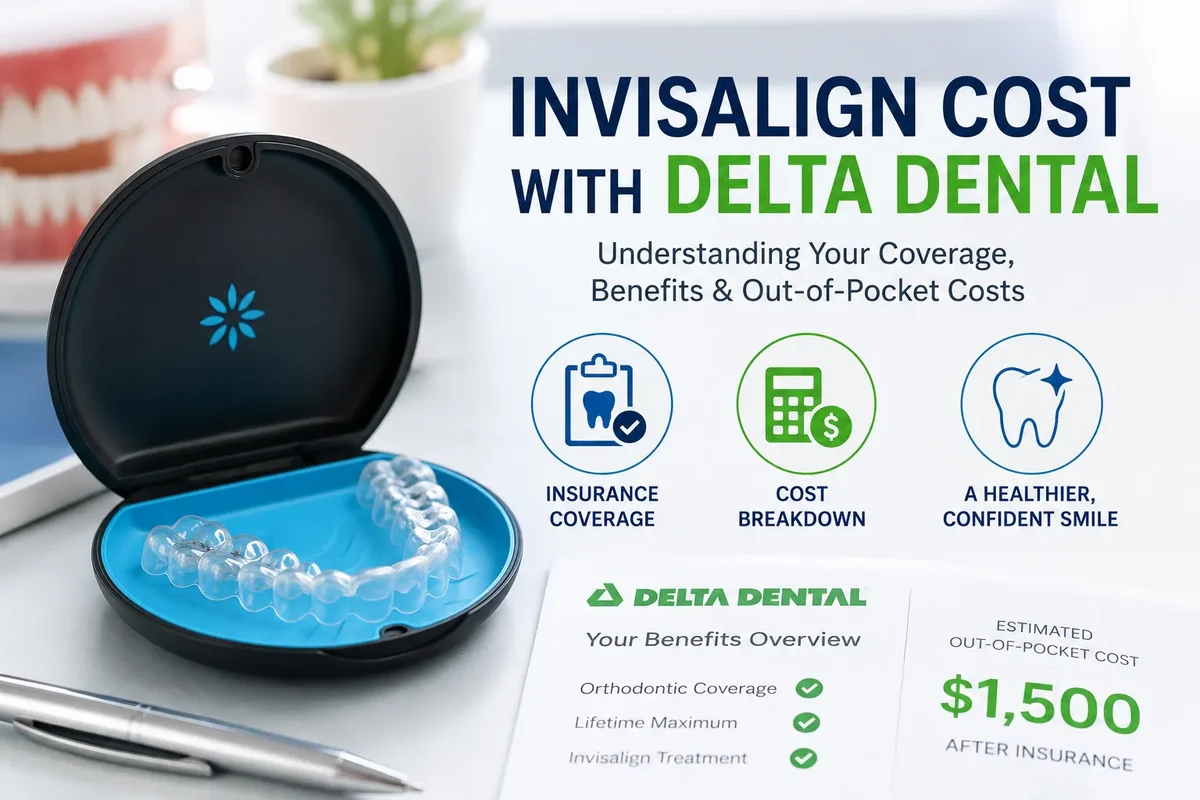
Questions to Ask Your Dentist About Invisalign Coverage
Before starting orthodontic treatment, one of the smartest steps a patient can take is having a detailed conversation with their dentist or orthodontist about insurance benefits. Many people researching the invisalign cost with delta dental focus only on treatment fees, but understanding coverage details can significantly affect the final amount paid out of pocket. Asking the right questions before treatment begins helps eliminate uncertainty, prevents unexpected expenses, and allows patients to maximize their available insurance benefits.
Because every insurance policy is different, there is no universal answer regarding the invisalign cost with delta dental. A thorough consultation with your provider can help clarify exactly how your benefits apply and what financial responsibilities you should expect throughout treatment.
Why Insurance Discussions Are So Important
Many patients assume that their dental office and insurance company automatically coordinate every aspect of coverage. While dental offices often assist with claims and benefit verification, patients ultimately remain responsible for understanding their insurance plan.
Discussing coverage details allows patients to:
- Understand expected costs
- Verify eligibility
- Avoid surprise charges
- Plan monthly budgets
- Maximize insurance benefits
- Compare treatment options
These conversations are essential for accurately estimating the invisalign cost with delta dental.
Does My Delta Dental Plan Cover Invisalign?
This is often the most important question patients can ask. While many Delta Dental plans provide orthodontic benefits, not all policies cover Invisalign specifically.
Important Coverage Details to Clarify
- Is Invisalign covered under my policy?
- Is coverage identical to traditional braces?
- Are there special restrictions for clear aligners?
- Does coverage vary by age?
The answer to these questions directly impacts the final invisalign cost with delta dental and helps determine whether treatment is financially feasible.
What Is My Lifetime Orthodontic Maximum?
Many orthodontic insurance benefits include a lifetime maximum. This represents the highest amount Delta Dental will contribute toward orthodontic treatment during the insured person’s lifetime.
Common lifetime maximums range from:
- $1,000
- $1,500
- $2,000
- $2,500
- $3,000+
Understanding your available maximum is critical because it significantly affects the overall invisalign cost with delta dental.
What Percentage of Treatment Will Insurance Cover?
Many Delta Dental plans cover a percentage of orthodontic expenses rather than paying a fixed amount. The most common orthodontic coverage percentage is approximately 50%, although actual benefits vary by policy.
Patients should ask:
- What percentage is covered?
- Are there limitations?
- Does coverage apply to all treatment phases?
- How are benefits distributed?
These answers help patients develop realistic expectations regarding their anticipated invisalign cost with delta dental.
Am I Eligible for Adult Orthodontic Benefits?
Historically, orthodontic coverage focused primarily on children and teenagers. However, many modern plans now include benefits for adults.
Questions Adult Patients Should Ask
- Does my policy cover adult Invisalign treatment?
- Are there age-related restrictions?
- Are benefits different from dependent coverage?
- Do adult lifetime maximums apply?
Adult eligibility can dramatically influence the final invisalign cost with delta dental, making this an essential discussion point.
Is My Dentist or Orthodontist In-Network?
Provider participation status often affects treatment costs. In-network providers typically accept negotiated fees established by Delta Dental, which may reduce overall expenses.
Patients should ask:
- Are you a Delta Dental PPO provider?
- Do you participate in Delta Dental Premier?
- How does network participation affect pricing?
- Will my insurance reimburse more if I stay in-network?
The answers help clarify how provider selection impacts the invisalign cost with delta dental.
Are Diagnostic Records Included?
Before treatment begins, providers usually collect various diagnostic records that help create a customized treatment plan.
Common Diagnostic Services
- Digital scans
- X-rays
- Clinical photographs
- 3D treatment simulations
- Orthodontic evaluations
Patients should determine whether these services are included in the quoted treatment fee or billed separately. These details contribute to the total invisalign cost with delta dental.
Are Refinement Aligners Included?
Many patients require refinement aligners after completing their initial series. These additional aligners help achieve optimal final results.
Questions to ask include:
- Are refinements included?
- How many refinement phases are covered?
- Will additional aligners increase costs?
- Does insurance contribute toward refinements?
Understanding refinement policies prevents unexpected increases in the invisalign cost with delta dental.
Will Retainers Be Included After Treatment?
Retainers are essential for maintaining orthodontic results after Invisalign treatment is complete. Unfortunately, patients often overlook this aspect of treatment planning.
Important Retainer Questions
- Are retainers included?
- How many retainers are provided?
- Will replacements cost extra?
- Does insurance cover retainers?
These details can influence the long-term invisalign cost with delta dental and should be discussed before treatment begins.
Do You Offer Payment Plans?
Even after insurance benefits are applied, patients may still face significant out-of-pocket expenses. Financing options can make treatment more manageable.
Questions worth asking include:
- Do you offer monthly payment plans?
- Are interest-free options available?
- Do you accept HSA or FSA funds?
- What down payment is required?
Flexible financing solutions often make the invisalign cost with delta dental easier to fit within a household budget.
Can I Receive a Written Cost Breakdown?
A written treatment estimate is one of the most valuable resources a patient can obtain. Detailed documentation helps eliminate confusion and provides a clear understanding of financial obligations.
A comprehensive estimate should include:
- Total treatment fee
- Expected insurance contribution
- Patient responsibility
- Included services
- Potential additional costs
- Payment schedule
Having this information in writing allows patients to accurately evaluate the invisalign cost with delta dental before committing to treatment.
Preparing for a Successful Consultation
The more informed you are during your consultation, the easier it becomes to navigate insurance benefits and treatment planning. Bringing insurance documents, benefit summaries, and a list of prepared questions helps create a productive discussion with your provider.
Ultimately, asking detailed questions about coverage is one of the most effective ways to understand the true invisalign cost with delta dental. From insurance percentages and lifetime maximums to retainers, refinements, and financing options, every detail contributes to the overall financial picture. By gathering complete information before treatment begins, patients can make confident decisions, maximize their insurance benefits, and move forward toward a healthier, straighter smile with fewer financial surprises.