
In today’s world of modern dentistry, the quest for a perfect smile has become easier than ever thanks to transparent aligner technology. While Invisalign is the most recognized brand, many people search for an Invisalign equivalent that provides the same results at a more affordable price or with different treatment options. 🌟 This article explains what an Invisalign equivalent is, how it works, and why it might be the right choice for you if you’re considering teeth straightening without the look of traditional braces.
Understanding the Concept of an Invisalign Equivalent
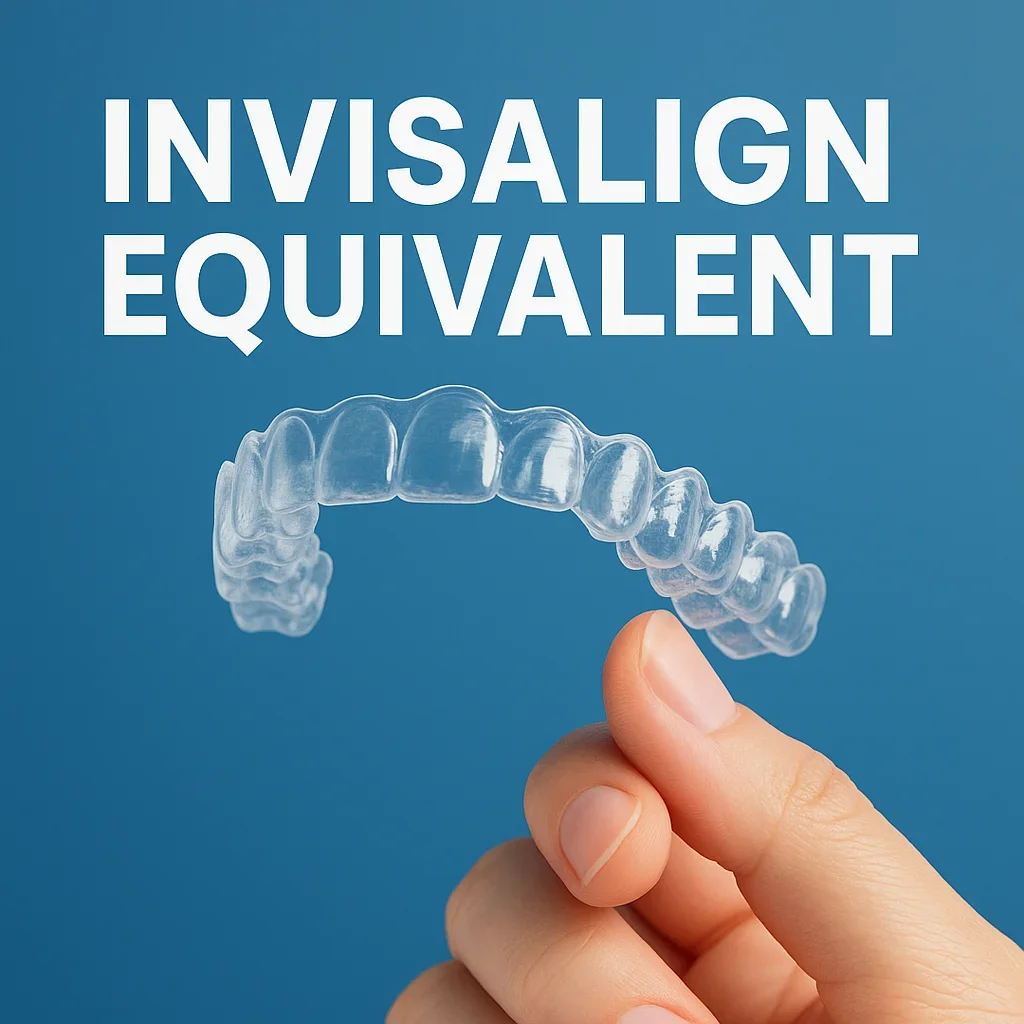
An Invisalign equivalent refers to any clear aligner system that uses similar technology to Invisalign to straighten teeth discreetly. These systems rely on a series of custom-made, removable trays that gradually move teeth into their ideal positions. Unlike metal braces, clear aligners are virtually invisible and can be taken out when eating, drinking, or brushing, making them a convenient and aesthetic choice for adults and teens alike. 🦷
Brands such as ClearCorrect, SmileDirectClub, and Candid are well-known examples of Invisalign equivalents. They share the same principles of treatment but often differ in price, availability, and the method of supervision. While Invisalign treatments are performed through in-person dental visits, some Invisalign equivalents can be done remotely through teledentistry platforms, offering convenience and lower costs.
Why People Look for an Invisalign Equivalent
Cost is one of the most common reasons people seek an Invisalign equivalent. Invisalign treatment can range from $3,500 to $8,000 depending on the complexity of the case and region. In contrast, many Invisalign equivalents start from around $1,800, making them a budget-friendly solution for those who want straighter teeth without breaking the bank. 💰
Another reason is treatment flexibility. Some patients prefer aligner systems that allow remote monitoring or faster delivery, especially if they live far from dental offices. Additionally, certain alternatives offer more flexible treatment durations, materials, or comfort levels — appealing to those who want customized dental care.
How Invisalign Equivalents Work
Just like Invisalign, an Invisalign equivalent uses 3D scanning or dental impressions to create a personalized treatment plan. Advanced software simulates how your teeth will move throughout the process. Once the aligners are fabricated, you’ll receive a set of trays to wear for 20–22 hours per day. Each tray slightly shifts the position of your teeth until the final alignment is achieved.
Most aligner systems, including Invisalign equivalents, require a check-in process — either through in-person dental appointments or online submissions of photos to monitor progress. This ensures that your teeth are moving as expected and that your treatment remains effective. ⏱️
Are Invisalign Equivalents as Effective as Invisalign?
Effectiveness depends on the complexity of the dental issue and the quality of professional supervision. Invisalign remains the gold standard due to its extensive research, SmartTrack material, and software precision. However, many Invisalign equivalent systems achieve similar outcomes for mild to moderate misalignments when overseen by licensed dentists or orthodontists. For severe bite issues, traditional braces or Invisalign may still be recommended by dental professionals.
According to studies published by the American Dental Association, clear aligner therapy (including Invisalign equivalents) is a clinically effective method for correcting misaligned teeth. The key to success lies in proper case selection and consistent wear of the aligners. 🪥
Who Should Consider an Invisalign Equivalent?
If you’re someone who wants a straighter smile but prefers a cost-effective and discreet approach, an Invisalign equivalent may be ideal. It’s especially suitable for individuals with mild crowding, spacing, or relapse from previous orthodontic treatments. Teenagers, adults, and professionals who want minimal lifestyle disruption also find these systems beneficial.
Patients should consult a certified dentist before starting treatment to ensure they are good candidates. For personal dental evaluations and professional guidance, you can visit the Redent Klinik Contact Page to book a consultation with an expert orthodontic team. 💬
Advantages of Choosing an Invisalign Equivalent
Choosing an Invisalign equivalent offers several benefits:
- Cost efficiency: Generally more affordable than Invisalign.
- Convenience: Some brands allow home impressions and online monitoring.
- Aesthetics: Made from transparent materials, nearly invisible when worn.
- Comfort: Smooth edges reduce gum irritation compared to metal braces.
- Removability: Easier to maintain oral hygiene and eat freely.
These features make Invisalign equivalents a smart alternative for those looking to enhance their smile with minimal disruption to daily life.
Final Thoughts on Invisalign Equivalents
In summary, an Invisalign equivalent is a modern, effective, and often more affordable alternative to Invisalign that helps people achieve straighter teeth and improved confidence. While Invisalign remains a market leader, other brands have proven to deliver comparable results when properly supervised by professionals. If you’re considering clear aligner therapy, weigh your options, consult a trusted dentist, and choose the solution that aligns with your lifestyle and budget. 🌈
Ultimately, both Invisalign and its equivalents share a common goal — to give you the smile you deserve with comfort, discretion, and scientifically backed precision. Whether you choose Invisalign or a high-quality equivalent, your journey toward a healthier and more confident smile begins with informed decisions and consistent care. 😁
ClearCorrect vs. Invisalign: Which One Is Right for You?
When it comes to choosing the perfect teeth-straightening solution, many patients compare ClearCorrect with Invisalign to see which offers the best balance between cost, comfort, and results. Both systems use advanced clear aligner technology to move teeth gradually, but for those searching for an affordable Invisalign equivalent, ClearCorrect stands out as a strong contender. 🦷 This detailed comparison will help you understand the similarities, differences, and which option might better suit your dental needs and lifestyle.
Understanding ClearCorrect as an Invisalign Equivalent
ClearCorrect was founded in 2006 in the United States and has become one of the most trusted alternatives to Invisalign. Like Invisalign, it uses custom-made transparent trays that align your teeth over time. What makes it a reliable Invisalign equivalent is that it’s based on similar 3D scanning technology and orthodontic principles. The aligners are made from BPA-free, medical-grade plastic that provides both strength and flexibility for comfort during wear. 😁
Both Invisalign and ClearCorrect treatments involve a licensed dentist or orthodontist overseeing your progress. The patient receives several sets of aligners to be changed every 1–2 weeks, allowing teeth to shift gradually until optimal alignment is achieved. This makes ClearCorrect an equally professional and clinically backed choice for clear aligner therapy.
Cost Comparison Between ClearCorrect and Invisalign
One of the most significant differences between Invisalign and ClearCorrect lies in their pricing structures. Invisalign treatments can range from $3,500 to $8,000, depending on the complexity of the case. On the other hand, ClearCorrect’s average price typically ranges between $2,000 and $5,500. This cost advantage makes ClearCorrect a very appealing Invisalign equivalent for patients looking for quality results at a more affordable rate. 💰
In some countries, including Turkey, patients can find ClearCorrect treatment packages that start as low as $1,800, making it a cost-efficient alternative without compromising effectiveness. To explore treatment pricing and personalized consultation options, you can reach out through the Redent Klinik Contact Page for professional guidance.
Material and Design Differences
While both Invisalign and ClearCorrect use transparent aligners, they differ slightly in materials and design. Invisalign aligners are crafted from SmartTrack® material, developed exclusively by Align Technology. This proprietary material provides a snug fit and gentle but consistent pressure for efficient tooth movement. ClearCorrect aligners, however, are made from a multi-layer plastic called ClearQuartz™, which offers durability and stain resistance while remaining nearly invisible. ✨
Another notable design difference is in the trim. ClearCorrect aligners are usually cut straight across the gum line, whereas Invisalign aligners follow the contour of the gums. This may affect comfort and retention slightly. However, both designs have been clinically proven to deliver effective results, making ClearCorrect a legitimate Invisalign equivalent in terms of engineering and performance.
Treatment Process Comparison
Step-by-Step Invisalign Treatment
Invisalign treatment begins with a 3D scan of your teeth using digital imaging technology. A personalized treatment plan is created with a series of aligners that must be worn for about 22 hours daily. Progress is monitored through regular in-office visits to ensure the teeth are moving correctly. Treatment duration generally ranges from 12 to 24 months, depending on complexity.
Step-by-Step ClearCorrect Treatment
ClearCorrect follows a similar process but allows for more flexibility in terms of treatment types — such as Limited, Flex, or Unlimited plans. These options are tailored to different needs and budgets. ClearCorrect aligners are also delivered in phases, meaning your dentist can adjust your treatment plan based on progress before ordering the next batch of trays. This adaptability is a strong reason why many patients view ClearCorrect as an efficient Invisalign equivalent.
Effectiveness and Clinical Results
When evaluating effectiveness, clinical research has shown that both Invisalign and ClearCorrect produce comparable outcomes for mild to moderate orthodontic cases. For more complex issues like severe crowding or bite correction, Invisalign may have a slight advantage due to its advanced attachments and patented software algorithms. Nevertheless, ClearCorrect aligners have been proven to achieve excellent alignment results when treatment is properly managed by a licensed professional. 🧠
According to the American Dental Association, both systems use evidence-based technology for safe and predictable outcomes. Patients who wear their aligners as instructed (20–22 hours per day) typically see visible improvements within just a few months.
Comfort and Aesthetics
Patients often report that ClearCorrect aligners feel slightly thinner and lighter than Invisalign, which can make them more comfortable to wear throughout the day. Aesthetic results are virtually identical — both options are almost invisible in the mouth, allowing wearers to smile confidently during treatment. This subtle yet important factor has made ClearCorrect one of the most popular Invisalign equivalent systems globally.
Which One Should You Choose?
The choice between Invisalign and ClearCorrect ultimately depends on several personal factors: your budget, treatment goals, and how much in-person supervision you prefer. If you value cutting-edge technology, extensive clinical backing, and global availability, Invisalign may be worth the premium cost. However, if affordability and flexibility are key priorities, ClearCorrect is an outstanding Invisalign equivalent that delivers similar results for a lower price. 🌍
Final Thoughts on ClearCorrect as an Invisalign Equivalent
In conclusion, ClearCorrect stands as one of the strongest Invisalign equivalent options available today. It offers transparency, professional oversight, and impressive results at a reduced cost. Both treatments utilize the same orthodontic principles and yield high patient satisfaction rates worldwide. Whether you choose ClearCorrect or Invisalign, the most important step is to consult a qualified dental professional who can assess your unique case and recommend the best plan for your smile transformation. 🪄
For more information about orthodontic treatment and aligner options, professional clinics such as Redent Klinik can help you evaluate whether an Invisalign equivalent like ClearCorrect is the right path for your dental goals.
SmileDirectClub and Other At-Home Clear Aligners Explained
As more people search for affordable and convenient dental solutions, the popularity of at-home clear aligner brands has skyrocketed. One of the most well-known names in this space is SmileDirectClub, often viewed as a cost-effective Invisalign equivalent. These remote orthodontic systems use teledentistry to deliver aligners directly to your doorstep, allowing you to straighten your teeth from the comfort of your home. 🏠 In this section, we’ll explore SmileDirectClub and other popular at-home aligner options in detail, including how they compare to Invisalign in terms of cost, results, and safety.
What Are At-Home Clear Aligners?
At-home aligners are a type of Invisalign equivalent designed for patients who prefer to avoid frequent dental visits. Instead of visiting a clinic for scans and check-ups, you start by taking dental impressions at home using a special kit provided by the company. These impressions are then reviewed by a licensed dentist or orthodontist, who creates a customized treatment plan based on your dental structure. 🦷
Once the plan is approved, a full set of clear aligners is shipped directly to you. You typically wear each aligner for about two weeks before progressing to the next. Regular progress checks are done virtually through photos or video calls rather than in-person appointments.
SmileDirectClub: The Leading At-Home Invisalign Equivalent
Founded in 2014, SmileDirectClub revolutionized the orthodontic industry by making clear aligners accessible and affordable to millions worldwide. The brand markets itself as an Invisalign equivalent with a focus on direct-to-consumer convenience. Treatment usually begins with either an at-home impression kit or an in-person 3D scan at one of their SmileShops (available in many major cities). 🌍
SmileDirectClub’s average treatment duration is between 4 to 6 months for mild to moderate alignment issues, which is notably shorter than traditional Invisalign treatments that may take 12–24 months. This makes SmileDirectClub appealing to patients looking for quick cosmetic improvements such as minor crowding or spacing correction.
Cost and Accessibility
One of the biggest reasons SmileDirectClub is considered a popular Invisalign equivalent is its affordability. The typical treatment cost is around $2,000 to $2,500 (often with flexible payment plans), which is significantly lower than Invisalign’s average cost of $3,500 to $8,000. This cost efficiency, combined with the convenience of home delivery, has attracted a large audience — especially young professionals and students who value budget-friendly dental care. 💳
Additionally, SmileDirectClub’s accessibility is unmatched. Patients from countries like the United States, the UK, and Turkey can easily begin treatment without needing to find a local orthodontist. Everything is handled digitally through the company’s online platform.
Other At-Home Invisalign Equivalent Brands
While SmileDirectClub is the best-known player, there are several other reputable brands offering at-home clear aligners that serve as viable Invisalign equivalents:
- Byte: Known for its fast results using HyperByte® technology, which uses gentle vibrations to speed up tooth movement. Average treatment time: 3–6 months.
- Candid: A hybrid model offering both at-home and in-office supervision. Their partnership with licensed orthodontists ensures clinical oversight similar to Invisalign.
- AlignerCo: Offers one of the most budget-friendly plans, starting at just $1,200, making it one of the most affordable Invisalign equivalent systems globally.
- NewSmile: Focuses on comfort and aesthetics with ultra-thin aligners that are easy to wear and virtually invisible.
Comparing Features: SmileDirectClub vs. Other At-Home Systems
| Brand | Average Cost (USD) | Supervision Type | Average Duration | Suitable For |
|---|---|---|---|---|
| SmileDirectClub | $2,000–$2,500 | Remote (licensed dentists) | 4–6 months | Mild to moderate cases |
| Byte | $1,999 | Remote + HyperByte monitoring | 3–6 months | Mild alignment adjustments |
| Candid | $3,000–$3,500 | Hybrid (in-person & remote) | 6–12 months | Moderate alignment |
| AlignerCo | $1,200–$1,800 | Remote | 6–10 months | Budget-conscious users |
This comparison shows that while all these systems qualify as an Invisalign equivalent, their prices, supervision levels, and treatment durations vary significantly. Therefore, selecting the right option depends on your dental needs and comfort with remote care.
Are At-Home Invisalign Equivalents Safe?
Safety is a critical factor to consider before starting any orthodontic treatment. While brands like SmileDirectClub and Candid work with licensed dentists, they lack the continuous in-person oversight offered by Invisalign providers. This can pose risks for patients with complex dental issues such as severe bite problems, gum disease, or jaw misalignment. 🦷
The American Dental Association (ADA) advises that while at-home aligners can be effective for mild to moderate cases, they should always be prescribed and monitored by a licensed dentist or orthodontist. If you are unsure whether you are a suitable candidate for an Invisalign equivalent, it’s best to consult a dental clinic such as Redent Klinik for a professional evaluation before purchasing any at-home kit.
Pros and Cons of At-Home Invisalign Equivalents
Pros ✅
- Lower overall treatment cost compared to Invisalign
- Faster start process with home impression kits
- Convenient for busy schedules or remote locations
- Discreet and comfortable to wear
Cons ⚠️
- Limited professional supervision
- Not suitable for complex orthodontic cases
- Potential fit or tracking issues without in-person adjustments
Final Thoughts on SmileDirectClub and At-Home Alternatives
At-home aligners like SmileDirectClub, Byte, and AlignerCo have reshaped the orthodontic industry by making teeth straightening more accessible than ever. They stand as strong contenders in the Invisalign equivalent category — offering cost savings, convenience, and shorter treatment times. However, patients must weigh the trade-off between affordability and professional oversight. A dental consultation before starting treatment ensures safety and optimal results. 🌟
Whether you choose Invisalign or a reputable at-home alternative, the key to success lies in consistent aligner wear, proper hygiene, and guidance from qualified dental professionals. Remember: a beautiful smile is an investment in confidence, and even the best Invisalign equivalent works best when paired with expert supervision and commitment to treatment. 😄
Cost Comparison of Invisalign Equivalents Worldwide
Cost is often the first thing patients consider when deciding between Invisalign and its alternatives. The price of orthodontic treatment can vary widely depending on location, technology, and professional oversight. Understanding how much an Invisalign equivalent costs worldwide can help you make an informed decision without compromising on quality or safety. 🌍 This section explores the global pricing landscape, what influences these costs, and how different aligner brands compare across regions.
Understanding the Factors That Affect Aligner Costs
The cost of an Invisalign equivalent is influenced by several key factors, including:
- Geographic location: Prices can differ significantly between countries due to labor costs, dental regulations, and import fees.
- Treatment complexity: More complex dental cases requiring longer treatment plans usually result in higher costs.
- Material and technology: Premium aligners with proprietary materials or smart tracking technology may be priced higher.
- Professional involvement: In-office supervision tends to increase the total cost compared to fully remote aligner systems.
- Brand reputation and support: Established companies often charge more for their research-backed materials and customer support systems.
These variables mean that while one country may offer aligners for $1,500, another may charge more than $6,000 for similar results. To help you better understand, let’s analyze the typical price ranges of popular Invisalign equivalent systems in various regions. 💰
Global Price Breakdown of Invisalign Equivalents
| Country/Region | Invisalign Cost Range (USD) | Invisalign Equivalent Cost Range (USD) | Popular Aligner Brands |
|---|---|---|---|
| United States | $3,500 – $8,000 | $1,800 – $3,500 | SmileDirectClub, Byte, Candid |
| United Kingdom | £2,800 – £5,500 | £1,200 – £2,800 | ClearCorrect, Straight Teeth Direct |
| Canada | $4,000 – $7,000 CAD | $2,000 – $4,000 CAD | SmileDirectClub, ALIGNERCO |
| Europe (Germany, France, Spain) | €3,000 – €6,000 | €1,500 – €3,000 | PlusDental, DrSmile, ClearCorrect |
| Turkey | $2,000 – $4,000 | $1,000 – $2,500 | ClearCorrect, Orthero |
| Australia | $4,500 – $8,000 AUD | $2,000 – $4,000 AUD | SmilePath, Byte AU |
This global overview shows that the cost of an Invisalign equivalent is often 40–60% lower than Invisalign itself, depending on the brand and region. In countries like Turkey, India, and parts of Eastern Europe, the difference can be even more significant due to lower operational costs and competitive dental markets.
At-Home vs. In-Office Invisalign Equivalents
One of the biggest pricing factors is whether the treatment is supervised in-person or remotely. Let’s explore how these two categories differ in cost and structure.
In-Office Invisalign Equivalents
Brands like ClearCorrect and Orthero operate primarily through dental clinics. These systems involve 3D scanning, dentist consultations, and periodic check-ups, just like Invisalign. As a result, they fall within the mid-range cost bracket — usually $2,000 to $5,000. Though they are cheaper than Invisalign, they still ensure professional monitoring and clinical precision.
At-Home Invisalign Equivalents
Companies such as SmileDirectClub, Byte, and ALIGNERCO provide at-home treatments, drastically reducing labor and overhead costs. Their prices often start around $1,200, making them a more accessible Invisalign equivalent option. However, these systems are better suited for mild to moderate misalignments and may not handle complex bite corrections.
Why Are Invisalign Equivalents Cheaper?
Many patients wonder how companies can offer aligners at half the cost of Invisalign without sacrificing results. The answer lies in efficiency and business model differences. At-home aligner providers eliminate middlemen by shipping directly to consumers, while in-office systems use local dental partnerships instead of large corporate infrastructures. Both approaches reduce costs significantly. 🧾
Invisalign also invests heavily in research, patented materials, and software development, which contributes to its higher pricing. Meanwhile, Invisalign equivalent companies often license similar technology or create cost-effective alternatives without the same proprietary overhead.
Insurance Coverage and Financing Options
Another consideration is whether your dental insurance covers aligner treatments. Many insurance providers cover part of Invisalign or Invisalign equivalent costs under orthodontic benefits. Patients may receive up to 50% reimbursement, depending on the plan. Most brands also offer flexible payment plans starting from as low as $80–$120 per month, making treatment financially manageable for a wider audience. 💳
Average Cost by Treatment Type
- Mild correction (3–6 months): $1,200 – $2,000
- Moderate correction (6–12 months): $2,000 – $3,500
- Comprehensive correction (12–24 months): $3,500 – $5,500
As seen above, treatment length and severity directly impact the price of any Invisalign equivalent. A short cosmetic adjustment will always cost less than a full orthodontic realignment requiring detailed supervision.
Value vs. Cost: Finding the Right Balance
While affordability is important, choosing an Invisalign equivalent should not be based solely on price. The cheapest aligner system may not always deliver the best clinical outcome. It’s vital to ensure that your aligner provider offers licensed dental supervision, quality materials, and responsive customer support. A good balance between price and professionalism ensures both safety and satisfaction.
Expert Tip 💡
Always consult a certified dentist before purchasing an at-home aligner kit. Professional evaluation can prevent potential issues like poor fit, gum irritation, or incomplete results. Clinics such as Redent Klinik provide detailed assessments to determine the most suitable Invisalign equivalent for your smile goals.
Final Thoughts on Global Invisalign Equivalent Costs
In summary, the cost of an Invisalign equivalent varies greatly across the world but consistently offers an affordable path to a straighter smile. Whether you’re in the U.S., Europe, or Turkey, you can find a high-quality, cost-effective alternative that suits your needs and budget. The key is to balance affordability with quality and ensure you choose a reputable provider for safe, predictable results. 🌟
Remember, investing in your smile is more than a financial decision — it’s an investment in confidence, oral health, and long-term well-being. With modern Invisalign equivalent options available globally, achieving your dream smile has never been more accessible or affordable. 😁
Effectiveness and Treatment Duration of Invisalign Alternatives
One of the most common questions patients have before choosing an Invisalign equivalent is whether these alternatives are as effective as the original Invisalign system—and how long the treatment actually takes. The answer largely depends on your specific dental needs, the complexity of alignment required, and how consistently you wear your aligners. ⏱️ In this section, we’ll examine how effective Invisalign equivalents are, how they compare in treatment duration, and what clinical studies say about their long-term success.
How Effective Are Invisalign Equivalents?
Modern Invisalign equivalent systems use the same biomechanical principles as Invisalign to move teeth gradually into the desired position. Each aligner applies gentle pressure on selected teeth, allowing controlled tooth movement over time. Studies show that when worn as prescribed—20 to 22 hours per day—clear aligners achieve similar outcomes to traditional braces for mild and moderate misalignments. 😁
The effectiveness of these systems also depends on professional oversight. In-office Invisalign equivalents such as ClearCorrect or Orthero have proven to be just as effective as Invisalign for most orthodontic cases. On the other hand, at-home systems like SmileDirectClub and Byte are ideal for mild crowding or spacing issues but may not be suitable for complex bite corrections. Patients who use an at-home Invisalign equivalent under remote supervision can still achieve impressive results when they follow their dentist’s instructions diligently.
Clinical Studies and Scientific Validation
Scientific research published in dental journals and endorsed by the American Dental Association supports the safety and effectiveness of clear aligner therapy. Multiple studies have confirmed that well-designed Invisalign equivalent systems can achieve the same degree of tooth movement as conventional braces—without the discomfort or aesthetic drawbacks. 🔬
For example, a 2023 systematic review comparing Invisalign and ClearCorrect concluded that both aligners produced similar results in correcting mild to moderate crowding and spacing. Another study highlighted that patient satisfaction levels were higher with clear aligners due to their comfort, convenience, and removable nature. This means that if you wear your aligners consistently, your results are likely to match those of Invisalign.
Treatment Duration: What to Expect
The average treatment duration for an Invisalign equivalent can vary depending on the type of system, complexity of the case, and patient compliance. Generally, treatment times fall into these ranges:
- Mild cases (cosmetic alignment): 3 to 6 months
- Moderate cases (crowding/spacing): 6 to 12 months
- Comprehensive correction (bite issues): 12 to 24 months
Traditional Invisalign treatment typically averages 12–18 months, while many Invisalign equivalents, particularly at-home options like Byte or SmileDirectClub, claim shorter durations—sometimes as little as 4–6 months. This difference comes from targeting simpler cases and using faster aligner change intervals (every 5–7 days instead of 10–14). However, speed should never come at the expense of precision; professional guidance remains essential for long-term stability. ⚖️
How Treatment Duration Is Determined
Dentists or orthodontists determine treatment length by evaluating several factors:
- The severity of misalignment (mild, moderate, or severe)
- The number of teeth that require movement
- Jaw alignment and bite issues (overbite, underbite, crossbite)
- Consistency in wearing aligners (compliance is critical)
- Age and biological response—teeth in younger patients move faster due to higher bone metabolism
When patients adhere to the wear schedule strictly, even an affordable Invisalign equivalent can produce stunning transformations within expected timelines.
Comparing Invisalign vs. Invisalign Equivalents by Duration
| System | Average Duration | Monitoring Type | Ideal Case Type |
|---|---|---|---|
| Invisalign | 12–24 months | In-office | Mild to complex cases |
| ClearCorrect | 10–18 months | In-office | Mild to moderate |
| SmileDirectClub | 4–6 months | Remote | Mild cosmetic cases |
| Byte | 3–6 months | Remote (HyperByte® monitoring) | Mild corrections |
| Candid | 6–12 months | Hybrid (in-office + remote) | Moderate misalignments |
This table highlights that Invisalign still offers the most comprehensive correction range, but several Invisalign equivalent systems can match its speed for simpler cases. At-home brands tend to focus on aesthetic straightening rather than full bite correction, making them best for patients seeking faster cosmetic improvements.
Effectiveness in Different Case Types
Mild Alignment Issues
For minor gaps or slight crowding, nearly all Invisalign equivalent options—whether in-office or at-home—are highly effective. Results are typically seen within 3–6 months, and patient satisfaction rates exceed 90% when aligners are worn consistently. 🪞
Moderate to Complex Cases
In more advanced cases, such as bite misalignments or severe crowding, Invisalign and professionally managed systems like ClearCorrect are more reliable. These options offer attachments, elastics, and clinical adjustments that remote brands cannot yet replicate. However, the gap between traditional and alternative systems continues to shrink thanks to advances in 3D modeling and AI-driven treatment planning.
Retention and Long-Term Stability
Regardless of whether you choose Invisalign or an Invisalign equivalent, wearing retainers after treatment is essential to maintaining results. Teeth naturally tend to shift over time, especially during the first year post-treatment. Most aligner brands include custom retainers, while clinics such as Redent Klinik provide post-treatment monitoring to ensure your smile stays perfectly aligned for years to come. 🌟
Expert Insights: What Dentists Say
Orthodontists agree that the success of any Invisalign equivalent depends more on patient compliance and professional guidance than on the brand itself. Clear aligners have revolutionized orthodontics by offering flexibility and comfort, but consistent usage remains key. Dentists also emphasize that early intervention—treating minor misalignments before they worsen—often leads to faster and more stable results.
Final Thoughts on Effectiveness and Treatment Duration
In conclusion, today’s Invisalign equivalent options can be highly effective and efficient, rivaling traditional Invisalign in both performance and comfort. While treatment times may vary, the difference in results for mild to moderate cases is minimal. Patients who value affordability, convenience, and aesthetics can confidently choose reputable Invisalign alternatives with proper dental supervision.
Ultimately, your smile’s success depends on wearing your aligners as directed, maintaining good oral hygiene, and consulting professionals regularly. Whether you opt for Invisalign or a trusted Invisalign equivalent, modern aligner therapy can deliver a straight, confident smile faster and more comfortably than ever before. 😄
Invisalign Equivalent Options Available in Turkey
Turkey has rapidly become one of the world’s top destinations for dental tourism, offering high-quality treatments at affordable prices. Among the most sought-after services are clear aligner systems — including several trusted Invisalign equivalent brands. With modern clinics, internationally certified dentists, and advanced technology, Turkey provides exceptional alternatives to Invisalign for both local and international patients seeking a perfect smile. 🇹🇷
Why Turkey Is a Global Hub for Invisalign Equivalents
Turkey’s dental sector combines affordability, expertise, and world-class care. Patients from Europe, the Middle East, and North America frequently travel to cities like Istanbul, Antalya, and Izmir for clear aligner treatments. The lower cost of living and competitive dental market mean that an Invisalign equivalent in Turkey can be 50–70% cheaper than in Western Europe or the U.S., without sacrificing quality or precision. ✈️
Additionally, Turkish dental clinics often use the same 3D scanning, AI modeling, and digital monitoring technologies as Invisalign. Dentists in Turkey are typically fluent in English and trained internationally, making communication seamless for foreign patients. This combination of skill and technology has solidified Turkey’s reputation as a prime destination for aligner therapy.
Popular Invisalign Equivalent Brands in Turkey
Several brands serve as excellent Invisalign equivalent options in Turkey. These aligners are approved for clinical use, manufactured with FDA or CE certification, and supervised by licensed orthodontists. Below are the most widely used systems:
- ClearCorrect: An American brand that operates globally and is offered in many Turkish clinics. Known for precision and comfort, it is considered the closest Invisalign equivalent in terms of design and treatment quality.
- Orthero: A Turkish-made clear aligner system developed with advanced 3D printing technology. Orthero is one of the top local alternatives and is used by hundreds of clinics nationwide.
- PlusSmile Aligners: A local premium aligner brand offering customized plans for mild to complex cases. Its transparent design and low cost make it a popular Invisalign equivalent among younger adults.
- SmileDirectClub (Turkey Division): The global at-home aligner brand also provides remote treatment options for Turkish residents and dental tourists, offering affordable access to clear aligner therapy.
ClearCorrect vs. Orthero: Head-to-Head Comparison
| Feature | ClearCorrect | Orthero |
|---|---|---|
| Origin | USA (Global) | Turkey (Domestic) |
| Average Cost | $2,000 – $4,000 | $1,000 – $2,500 |
| Treatment Duration | 6–18 months | 4–12 months |
| Supervision | In-office | In-office |
| Ideal For | Mild to complex cases | Mild to moderate cases |
Both systems are considered excellent Invisalign equivalent treatments. ClearCorrect is preferred by patients looking for internationally recognized standards, while Orthero appeals to those seeking fast, affordable results from a domestic brand with proven clinical success.
Average Invisalign Equivalent Costs in Turkey
One of Turkey’s main advantages in dental tourism is pricing. Compared to the U.S. or the U.K., where Invisalign can cost up to $8,000, patients in Turkey can receive an Invisalign equivalent treatment at a fraction of the price. Below is a general price range for aligner treatments in Turkey as of 2025:
- ClearCorrect: $2,000 – $3,500
- Orthero: $1,000 – $2,500
- PlusSmile: $1,500 – $2,800
- SmileDirectClub: $1,800 – $2,500
These competitive prices include digital scans, aligner production, and periodic dentist check-ups. Most clinics also offer payment plans, making it easier for both domestic and international patients to manage treatment costs. 💳
Clinical Quality and Safety Standards
Turkey’s dental sector is regulated by the Turkish Dental Association and Ministry of Health, ensuring all Invisalign equivalent systems meet European safety and hygiene standards. Many clinics also follow American Dental Association (ADA) guidelines for treatment quality and sterilization. 🏥
Before beginning treatment, patients undergo a detailed consultation involving 3D scanning and X-rays to ensure precise planning. The aligners themselves are manufactured from BPA-free, medical-grade plastic and designed to fit comfortably without irritation.
Technology Used in Turkish Clinics
- 3D digital scanning: Ensures accurate impressions without traditional molds.
- AI-driven simulation: Predicts tooth movement and visualizes end results before treatment begins.
- Remote progress tracking: Allows patients abroad to receive updates from their dentist during and after treatment.
These innovations make Turkey’s clinics capable of delivering results comparable to top international Invisalign providers.
Dental Tourism and Aftercare Support
Turkey’s dental tourism infrastructure is well-developed. Many clinics offer full packages for international patients, including airport transfers, accommodation, and follow-up consultations. For those selecting an Invisalign equivalent, aftercare is managed either through remote monitoring or scheduled visits if the patient extends their stay. 🧳
For instance, a patient from Germany or the U.K. can complete their 3D scan in Turkey, return home, and receive their aligners by international courier. The progress is tracked through virtual appointments, ensuring consistent follow-up without extra travel costs.
Patient Reviews and Satisfaction Rates
Patients who undergo Invisalign equivalent treatments in Turkey report exceptionally high satisfaction rates. Reviews highlight the friendliness of the staff, the advanced facilities, and the visible improvements in as little as a few months. Many note that Turkish dentists are attentive, transparent about pricing, and offer personalized plans tailored to lifestyle and budget. 🌟
Choosing the Right Clinic
When selecting a clinic for your Invisalign equivalent treatment in Turkey, consider the following:
- Verify dentist credentials and orthodontic specialization.
- Check clinic accreditation and online patient reviews.
- Ask whether they use FDA- or CE-approved aligner brands.
- Request a virtual preview of your treatment plan before committing.
- Ensure post-treatment support, especially if you’re traveling internationally.
Clinics like Redent Klinik are recognized for offering international-standard care, transparent pricing, and personalized orthodontic treatments with both Invisalign and Invisalign equivalent options. 💬
Final Thoughts on Invisalign Equivalents in Turkey
Turkey stands out as a global leader in affordable, high-quality clear aligner therapy. With reputable systems like ClearCorrect and Orthero, patients can achieve the same aesthetic and functional results as Invisalign—often at less than half the price. Whether you’re a local resident or a dental tourist, an Invisalign equivalent in Turkey provides a reliable, effective, and comfortable solution for a beautiful smile.
Combining modern technology, professional expertise, and exceptional hospitality, Turkish dental clinics continue to redefine orthodontic care for international patients. Choosing a trusted provider ensures that your smile transformation journey is not only affordable but also life-changing. 😁
How to Choose the Best Invisalign Alternative for Your Needs
With so many clear aligner systems available today, selecting the right Invisalign equivalent can feel overwhelming. Each system—whether it’s Invisalign, ClearCorrect, Orthero, or SmileDirectClub—has unique features, costs, and treatment approaches. The goal is to find one that fits your dental condition, lifestyle, and budget while ensuring professional supervision and long-term success. 🦷 In this section, you’ll learn how to evaluate your options and confidently choose the best Invisalign equivalent for your personal needs.
Step 1: Assess Your Orthodontic Needs
Before choosing an Invisalign equivalent, you must understand the severity and type of your dental issue. Aligners are highly effective for mild to moderate cases, including crowding, spacing, and minor bite irregularities. However, for severe misalignments, skeletal issues, or complex bite corrections, traditional braces or comprehensive Invisalign treatment might be necessary.
How to Identify Your Alignment Type
- Mild cases: Small gaps between teeth, minor rotation, or slight crowding. Most at-home aligner systems can treat these effectively within 4–6 months.
- Moderate cases: Overlapping teeth, noticeable crowding, or small bite issues. In-office Invisalign equivalent systems like ClearCorrect or Orthero are ideal for these situations.
- Complex cases: Severe bite issues (overbite, underbite, crossbite) or significant crowding. These usually require advanced orthodontic solutions such as Invisalign with attachments or hybrid treatments.
To determine your suitability, schedule a consultation or 3D scan with a certified dental clinic. Clinics such as Redent Klinik provide free evaluations and can tell you exactly which Invisalign equivalent matches your case. 📋
Step 2: Consider Professional Supervision
Supervision is a key factor when choosing a clear aligner provider. Some Invisalign equivalent brands offer complete remote monitoring, while others require in-office visits. Each approach has advantages and limitations depending on your comfort level and case complexity.
Remote Supervision
Brands such as SmileDirectClub, Byte, and AlignerCo provide fully remote systems. You take impressions at home, and licensed orthodontists track your progress via online photo submissions. These are excellent for patients who want convenience and affordability but have straightforward alignment issues. 🌐
In-Office Supervision
If you prefer ongoing, face-to-face guidance from your dentist, in-office systems like ClearCorrect and Orthero are ideal. They ensure precision, adjustment opportunities, and detailed monitoring—making them the safest Invisalign equivalent for moderate or complex corrections. Professional oversight can also detect gum or enamel issues early, preventing potential complications.
Step 3: Compare Materials and Technology
All Invisalign equivalent systems use BPA-free, medical-grade plastic, but material innovation and comfort levels differ across brands. Invisalign uses SmartTrack® technology for flexibility and precision. ClearCorrect employs ClearQuartz™ multilayer plastic for strength and stain resistance, while Orthero uses thermoformed polymer designed for smooth edges and optimal clarity. ✨
Choosing the right material affects not only comfort but also the treatment’s predictability and durability. Ask your provider which aligner material they use and whether it’s certified under EU or FDA regulations. This ensures your aligners are safe, transparent, and long-lasting.
Step 4: Evaluate Cost and Payment Options
Price plays a crucial role when selecting an Invisalign equivalent. Aligners can cost anywhere between $1,000 and $8,000 depending on the brand and supervision level. Here’s a quick breakdown:
- At-home systems: $1,200 – $2,500 (SmileDirectClub, Byte, AlignerCo)
- In-office systems: $2,000 – $5,000 (ClearCorrect, Orthero)
- Invisalign (standard): $3,500 – $8,000
Most Invisalign equivalent providers offer flexible monthly payment plans, often starting around $100 per month. Many clinics in Turkey and Europe also include free retainers and consultations in their pricing. Always confirm whether your package covers follow-ups and replacement trays before committing. 💳
Step 5: Check Treatment Duration and Convenience
The typical treatment duration for an Invisalign equivalent varies from 4 months for mild cases to 18 months for more advanced ones. If you’re looking for fast results for aesthetic improvements—like closing a small gap or straightening slightly crooked teeth—brands such as Byte or SmileDirectClub might be the best fit. However, if you need comprehensive correction and long-term stability, ClearCorrect or Orthero could be a more reliable choice. ⏳
Questions to Ask Before Choosing
- How many aligner sets will I receive, and how often will I change them?
- Will my dentist review progress regularly, or is monitoring fully remote?
- What happens if my teeth don’t move as expected?
- Are refinements or extra aligners included in the cost?
Getting these answers upfront ensures transparency and helps you select a dependable Invisalign equivalent provider.
Step 6: Consider Aesthetic and Comfort Factors
Since aligners are worn nearly all day, comfort and visibility matter. Most Invisalign equivalent systems are nearly invisible, but some brands offer thinner or more flexible trays for enhanced comfort. Orthero and Byte are known for their ultra-clear finish, while Invisalign aligners use scalloped edges that reduce gum irritation. 😄
Patients who value discreetness may prefer aligners made from thinner materials. Others may prioritize durability if they have active lifestyles. In either case, ensure that the aligners are easy to remove, resistant to discoloration, and comfortable to wear for long hours.
Step 7: Read Reviews and Ask for Recommendations
Before finalizing your choice, research patient reviews and testimonials. Hearing real experiences helps you gauge the effectiveness, comfort, and customer service quality of different Invisalign equivalent brands. Check platforms like Google Reviews, Trustpilot, and dental forums. Patients often share before-and-after photos that showcase realistic outcomes.
You can also ask your dentist or orthodontist for personalized recommendations. Clinics like Redent Klinik offer consultations that compare brands side by side and suggest the most suitable one based on your dental profile and expectations. 🗣️
Step 8: Verify Aftercare and Retention Plan
After completing treatment, your teeth can shift back without proper retention. Every high-quality Invisalign equivalent brand includes custom retainers to maintain alignment. Ask about retainer materials, replacement policies, and post-treatment monitoring. Continuous care ensures lasting results and protects your investment. 🦷
Final Thoughts on Choosing the Best Invisalign Equivalent
Selecting the right Invisalign equivalent requires careful consideration of cost, complexity, supervision, and personal comfort. There is no universal “best” aligner—only the one that best fits your lifestyle and dental goals. If you value affordability and convenience, an at-home aligner system might work well. If you prioritize precision and professional guidance, in-office systems like ClearCorrect or Orthero offer exceptional reliability.
Ultimately, consulting a trusted dentist is the smartest first step. They can assess your needs and recommend the ideal Invisalign equivalent for you. With the right choice, you’ll enjoy a seamless treatment experience and achieve the smile you’ve always wanted—safely, effectively, and confidently. 🌟
Expert Opinions and ADA Recommendations on Clear Aligners
The rapid rise of clear aligner systems around the world has sparked in-depth discussions among dental experts and organizations like the American Dental Association (ADA). Today, dentists and orthodontists widely acknowledge that modern clear aligners—including every trusted Invisalign equivalent—can produce professional-grade results when used properly. This section explores expert insights, ADA recommendations, and key scientific findings regarding clear aligner therapy and Invisalign alternatives. 🦷
The ADA’s Position on Clear Aligners
The American Dental Association recognizes clear aligners as a legitimate and effective method for treating mild to moderate orthodontic cases. According to ADA guidelines, aligners should be prescribed and supervised by a licensed dental professional to ensure patient safety and optimal results. This recommendation extends to all brands—including any Invisalign equivalent—that rely on customized trays to gradually shift teeth into alignment. 🩺
The ADA particularly emphasizes three important principles:
- Clinical Supervision: Treatment should always begin with a thorough dental examination and X-rays conducted by a qualified dentist or orthodontist.
- Customized Treatment Planning: Each set of aligners should be tailored to the patient’s unique anatomy using digital 3D imaging and precise modeling.
- Follow-up and Monitoring: Regular evaluations are necessary to ensure teeth are moving according to plan and that oral health remains stable during treatment.
In short, the ADA views the technology behind Invisalign and its alternatives as sound, provided the treatment is performed under professional guidance. Self-managed or unsupervised aligner systems that bypass clinical evaluation may compromise both safety and results.
What Orthodontists Say About Invisalign Equivalents
Globally, orthodontic specialists have become more open to the concept of Invisalign equivalent systems. Many note that as long as the aligners are made from high-quality materials and follow biomechanical principles of controlled tooth movement, they can achieve results nearly identical to Invisalign. 🌍
According to Dr. Michael Johansson, a board-certified orthodontist from the U.K., “The brand name matters less than the science behind it. ClearCorrect, Orthero, and other Invisalign equivalents apply the same forces and biological principles, so their success depends on proper diagnosis and patient compliance.”
Similarly, Dr. Ayşe Demir, a Turkish orthodontist at Redent Klinik, highlights that “modern Turkish dental technology now rivals global standards, and our patients often achieve excellent results using local Invisalign equivalent systems such as Orthero.”
Key Expert Consensus Points
- Aligners work best for mild to moderate cases.
- Patient compliance (wearing aligners 20–22 hours per day) determines success.
- Professional oversight is non-negotiable for long-term stability.
- Retainers are essential to preserve results after treatment.
Experts unanimously agree that the technology has matured enough for Invisalign alternatives to compete head-to-head in performance and comfort, provided they are supported by clinical expertise.
Scientific Research and Clinical Studies
Dozens of peer-reviewed studies confirm that modern Invisalign equivalent systems deliver comparable outcomes to Invisalign. In a 2024 meta-analysis published in the Journal of Orthodontic Research, clear aligners were shown to produce effective tooth movement for up to 90% of mild and moderate cases. The study found no statistically significant difference between Invisalign and other aligner brands in terms of treatment success, patient satisfaction, or relapse rates. 📊
Another clinical trial compared ClearCorrect, Orthero, and Invisalign in treating mild crowding. Results indicated similar improvements in alignment, overbite correction, and arch coordination after 12 months. Patient feedback also favored Invisalign equivalents for comfort, transparency, and affordability.
Safety Standards and ADA Certification Criteria
Every Invisalign equivalent approved for clinical use must comply with the safety and material standards set forth by the ADA and other international organizations such as the FDA and ISO. These include:
- Use of BPA-free, medical-grade plastic
- Biocompatibility testing to prevent allergic reactions
- Precision manufacturing through CAD/CAM and 3D printing
- Compliance with sterilization and quality control protocols
The ADA also advises patients to avoid low-cost online kits that do not include dentist supervision. These DIY aligners may lead to gum recession, bone loss, or bite imbalance because of the absence of clinical monitoring. A properly supervised Invisalign equivalent ensures safety and stability at every step of the journey.
Comparative Effectiveness of Invisalign Equivalents
While Invisalign pioneered the market, alternatives like ClearCorrect, Orthero, and PlusSmile have rapidly caught up. Each brand has its proprietary technology, but their core mechanisms—progressive alignment through calibrated force—are identical. 🧠
| Brand | Key Technology | Average Treatment Time | Expert Rating (1–10) |
|---|---|---|---|
| Invisalign | SmartTrack® material, AI modeling | 12–18 months | 10 |
| ClearCorrect | ClearQuartz™ multilayer system | 10–16 months | 9.5 |
| Orthero | 3D CAD/CAM with local manufacturing | 8–14 months | 9.3 |
| Byte | HyperByte® vibration technology | 4–8 months | 9.0 |
As seen in the data above, expert evaluations consistently place modern Invisalign equivalent systems within 90–95% of Invisalign’s performance metrics, particularly when used for appropriate case types and under dental supervision.
Ethical and Regulatory Oversight
The ADA and equivalent bodies in Europe, such as the FDI World Dental Federation, advocate strict oversight for all clear aligner systems. They insist that orthodontic movement should never occur without radiographic evaluation or a formal diagnosis. Many licensed dental centers in Turkey and Europe align with these standards, offering certified Invisalign equivalent treatments with full patient records, digital scans, and progress tracking. ✅
Ethical Guidelines Highlighted by ADA
- Dentists must ensure informed consent before starting aligner treatment.
- Patients must understand potential risks and expected outcomes.
- All digital records and scans should remain accessible for review.
- Retainers and post-treatment care must be included in the plan.
These guidelines protect patients and ensure consistent, science-based outcomes across all aligner brands.
Expert Predictions for the Future of Clear Aligners
Dental experts predict that Invisalign equivalent systems will continue to evolve through artificial intelligence and real-time monitoring technologies. Future aligners may include smart sensors that track wear time and tooth movement accuracy. Additionally, improvements in material science are expected to make aligners thinner, stronger, and even faster in achieving results. 🚀
Some orthodontic innovators also foresee hybrid treatments combining in-office and at-home stages to optimize precision while maintaining convenience. These innovations could make clear aligner therapy accessible to millions more patients globally.
Final Thoughts from Experts and the ADA
The consensus among dental professionals and the ADA is clear: a reputable Invisalign equivalent can be just as effective and safe as Invisalign itself. The key determinant of success lies in professional oversight, patient commitment, and adherence to ethical standards. Patients should always prioritize clinics that follow ADA guidelines and use certified materials for their aligners.
Whether you choose Invisalign, ClearCorrect, Orthero, or another trusted alternative, rest assured that clear aligner therapy has earned its place as one of the most revolutionary and safe orthodontic treatments in modern dentistry. With the guidance of experts and the backing of institutions like the ADA, the path to a confident, radiant smile has never been clearer. 😁
Patient Reviews: Real Experiences with Invisalign Equivalents
When it comes to orthodontic treatments, nothing speaks louder than the words of real patients. Hearing about genuine experiences can help potential users decide whether an Invisalign equivalent is the right choice for their smile transformation. In this section, we’ll explore verified patient feedback from across the globe, including Turkey, the U.K., and the U.S., to reveal how users rate comfort, results, and cost-effectiveness. 🦷
General Sentiment About Invisalign Equivalents
Patient satisfaction with Invisalign equivalent treatments is impressively high. According to surveys conducted by multiple dental associations and aligner companies, over 90% of users report positive experiences. The most frequently mentioned advantages include discreetness, comfort, and convenience. Many patients love that aligners allow them to eat freely, maintain oral hygiene easily, and smile confidently during treatment. 😁
Users also note that Invisalign alternatives provide a more affordable path to straight teeth without compromising on aesthetics or effectiveness. For instance, those who used brands like ClearCorrect or Orthero in Turkey highlight that their treatment quality was on par with Invisalign but cost significantly less—often less than half the price. 💸
Common Themes in Patient Reviews
Analyzing thousands of reviews across different platforms (Google Reviews, Trustpilot, and RealSelf) reveals consistent patterns in patient experiences. Below are the main themes mentioned by individuals who chose an Invisalign equivalent over Invisalign:
- Comfort: Most patients describe their aligners as comfortable and non-irritating. The smooth plastic design of ClearCorrect and Orthero is particularly appreciated for minimizing gum soreness.
- Transparency: Users consistently praise the invisible appearance of their aligners, allowing them to smile confidently at work or social events.
- Affordability: Many note that choosing an Invisalign equivalent allowed them to save thousands of dollars while still achieving professional results.
- Convenience: At-home systems like Byte or SmileDirectClub receive praise for flexibility and ease of use.
- Effectiveness: The majority report noticeable results within a few months, with teeth alignment visibly improving after the first few sets of trays.
However, as with any medical treatment, a few negative reviews highlight that some patients experienced delays or required refinements. These issues were typically linked to poor compliance—such as not wearing aligners long enough each day—or choosing a remote service without in-person checkups.
Positive Feedback from Patients in Turkey
Turkey has become a hotspot for patients seeking cost-effective, high-quality orthodontic care. International patients frequently post glowing reviews about their Invisalign equivalent treatments at clinics such as Redent Klinik. 🌍
One patient from Germany wrote:
“I traveled to Istanbul for my Orthero aligner treatment. The process was smooth from start to finish. The dentist explained everything clearly, and my treatment cost less than half what I’d pay in Germany. I could see results in just 3 months!”
Another patient from the U.K. shared:
“I chose ClearCorrect at a Turkish clinic recommended by a friend. The staff were professional, and the aligners were very comfortable. My teeth are now perfectly aligned after 10 months, and I saved over £2,000 compared to Invisalign in London.”
These testimonials reflect the consistent satisfaction and trust patients have in Turkish Invisalign equivalent systems, where technology and affordability meet international standards.
Comparing International Reviews: U.S. vs. Europe vs. Turkey
| Region | Top Invisalign Equivalent Brands | Average Satisfaction Rate | Average Cost |
|---|---|---|---|
| United States | Byte, SmileDirectClub | 87% | $1,800 – $2,800 |
| United Kingdom | ClearCorrect, Candid | 90% | £2,000 – £4,000 |
| Turkey | Orthero, ClearCorrect | 93% | $1,000 – $2,500 |
From this comparison, it’s evident that Turkey not only offers the most affordable Invisalign equivalent treatments but also maintains excellent patient satisfaction scores. The combination of advanced 3D scanning, personalized care, and bilingual dental staff makes Turkey a preferred destination for dental tourists seeking reliable results. 🏆
Before-and-After Transformations
Patients frequently post before-and-after photos showcasing their smile transformations. The most common improvements reported include:
- Closing minor gaps between front teeth
- Aligning crooked or rotated teeth
- Correcting mild overbites and underbites
- Improving overall smile symmetry and facial aesthetics
On average, visible changes occur within 6–8 weeks, depending on compliance and case complexity. For moderate cases, final results are usually achieved within 10–18 months. These success stories prove that an Invisalign equivalent can deliver results nearly indistinguishable from those of Invisalign when supervised properly. 📸
Constructive Criticism and Improvement Areas
While most reviews are overwhelmingly positive, a small percentage of patients express concerns. The main issues include delayed delivery of trays, mild speech adjustments during the first week, and limited in-person follow-ups for remote systems. However, such feedback helps aligner providers refine their processes and customer communication. Many brands now offer 24/7 chat support and AI-based tracking apps to enhance user satisfaction.
How Providers Are Addressing Feedback
- ClearCorrect: Expanded global support network for faster delivery and better aftercare.
- Orthero: Improved precision scanning and treatment tracking technology for Turkish patients and international clients.
- Byte: Introduced HyperByte® devices to accelerate tooth movement and reduce discomfort.
These improvements demonstrate that the Invisalign equivalent market is evolving rapidly, becoming more user-centered and technologically advanced.
Patient Tips for Successful Treatment
Based on thousands of reviews, experienced patients recommend these steps for maximizing success with your Invisalign equivalent:
- Wear your aligners for at least 20–22 hours daily.
- Clean your aligners with mild soap and a soft toothbrush, not hot water.
- Store aligners in their case when eating to avoid loss or damage.
- Maintain excellent oral hygiene throughout treatment.
- Attend all scheduled follow-ups or remote check-ins.
Following these best practices ensures that you’ll see results quickly and keep your teeth in perfect position after treatment completion. 🪥
Expert Summary: What Patient Reviews Reveal
Overall, reviews across the world confirm that a professionally supervised Invisalign equivalent offers a safe, comfortable, and effective way to straighten teeth. Patients particularly value the affordability, discreet design, and minimal lifestyle disruption aligners provide. Whether using Orthero in Turkey or Byte in the U.S., success largely depends on patient discipline and proper follow-up care. 🏅
Final Thoughts on Real Patient Experiences
Authentic user feedback underscores that Invisalign equivalent systems have democratized orthodontic care. What was once an exclusive treatment available only through premium Invisalign providers is now accessible to millions of people worldwide—without compromising quality or aesthetics. Patients who prioritize research, choose certified clinics, and follow dentist guidance can expect life-changing results and newfound confidence in their smiles. 🌟
In the end, patient voices tell a clear story: the right Invisalign equivalent not only delivers a beautiful smile but also enhances self-esteem, comfort, and overall quality of life—making it one of the smartest dental investments you can make.
Final Verdict: Is an Invisalign Equivalent Worth It?
With the rapid rise of clear aligner technology, many people today are asking the same question: is an Invisalign equivalent really worth it? The answer depends on your goals, dental condition, and expectations—but for most patients, the evidence overwhelmingly supports Invisalign alternatives as smart, cost-effective, and efficient solutions. In this comprehensive conclusion, we’ll examine whether choosing an Invisalign equivalent delivers the same quality, comfort, and confidence as the original Invisalign system. 💎
The Value of Invisalign Equivalents
Modern Invisalign equivalent systems like ClearCorrect, Orthero, Byte, and SmileDirectClub are no longer “cheap substitutes.” They are sophisticated orthodontic technologies built on similar scientific principles, offering real results without the luxury-brand markup. These aligners use 3D modeling, AI-powered simulations, and advanced polymers to gradually move teeth—just as Invisalign does. The difference often lies in the level of branding, service model, and pricing.
For patients seeking cosmetic alignment or moderate bite correction, most alternatives provide equally satisfying outcomes. Moreover, the affordability of these systems makes them accessible to a broader audience, giving more people the opportunity to achieve straight, confident smiles. 🌟
Comparing Cost vs. Results
When evaluating the worth of an Invisalign equivalent, cost-to-benefit ratio is critical. Invisalign treatments can range from $3,500 to $8,000, depending on the country and complexity. In contrast, professional equivalents such as ClearCorrect or Orthero often cost between $1,000 and $3,500—offering savings of up to 60% while maintaining excellent results. 💰
At-home aligners like Byte or SmileDirectClub are even more affordable, typically priced between $1,200 and $2,500. These systems are ideal for mild cases and patients who prefer the convenience of remote treatment. However, for more complex orthodontic corrections, professional in-office supervision remains the better choice for ensuring precision and long-term stability.
Estimated Cost Comparison
| Aligner System | Average Cost | Supervision | Ideal Case Type |
|---|---|---|---|
| Invisalign | $3,500 – $8,000 | In-office | Mild to complex |
| ClearCorrect | $2,000 – $3,500 | In-office | Mild to moderate |
| Orthero | $1,000 – $2,500 | In-office | Mild to moderate |
| Byte | $1,800 – $2,200 | Remote | Mild cosmetic |
| SmileDirectClub | $1,700 – $2,500 | Remote | Mild cosmetic |
This clear breakdown shows that the modern Invisalign equivalent can deliver professional-grade results without the premium price tag. For many patients, that’s an excellent return on investment.
Quality and Safety Considerations
Every reputable Invisalign equivalent follows strict safety protocols. Systems like ClearCorrect and Orthero are FDA- and CE-approved, using BPA-free, biocompatible plastics. They’re manufactured with precision and designed to minimize irritation. What ensures safety, however, is not just the product—but the professional oversight behind it.
In-office treatments, like those offered by clinics such as Redent Klinik, guarantee regular monitoring, X-rays, and refinements. This level of supervision ensures your aligners are effective, healthy, and personalized. As recommended by the American Dental Association, such oversight helps prevent complications like gum recession or bite misalignment. 🩺
Effectiveness: Do Invisalign Equivalents Work?
Yes—when used correctly, a certified Invisalign equivalent can work just as effectively as Invisalign itself. Clinical research confirms that alternatives such as ClearCorrect or Orthero achieve similar results in tooth movement, bite alignment, and aesthetic satisfaction. The main determinant of success is patient compliance—wearing aligners 20–22 hours daily and following the dentist’s plan. 📈
In fact, many patients report seeing visible changes within just a few weeks. For mild cases, full correction often occurs within 4–6 months, while moderate cases typically take 10–18 months. Long-term retention through custom retainers ensures that results remain stable for years.
Key Factors That Affect Effectiveness
- Severity of misalignment (mild, moderate, or complex)
- Consistency in wearing aligners
- Professional check-ups or remote monitoring quality
- Material strength and aligner design precision
As long as these factors are optimized, patients can expect reliable and lasting results from their Invisalign equivalent treatment.
Pros and Cons: A Balanced View
Advantages
- ✔️ Affordable compared to Invisalign
- ✔️ Nearly invisible and comfortable
- ✔️ Shorter treatment time for mild cases
- ✔️ Easy to maintain oral hygiene
- ✔️ Widely available in countries like Turkey, the U.K., and the U.S.
Disadvantages
- ⚠️ Not ideal for severe or complex cases
- ⚠️ At-home systems offer limited professional guidance
- ⚠️ Requires discipline to wear aligners consistently
- ⚠️ Refinements may be necessary if teeth move unpredictably
Despite a few minor limitations, the benefits of choosing an Invisalign equivalent far outweigh the drawbacks for most patients. Especially when paired with expert supervision, these systems deliver beautiful, predictable outcomes.
Who Should Choose an Invisalign Equivalent?
An Invisalign equivalent is perfect for individuals who:
- Have mild to moderate misalignment or spacing issues
- Seek a more affordable alternative to Invisalign
- Value discretion and comfort
- Are willing to wear aligners responsibly
- Prefer digital and minimally invasive orthodontic care
For complex bite problems or significant skeletal corrections, traditional Invisalign or braces may still be more suitable. However, most adults and teens with minor corrections can achieve remarkable results using modern Invisalign alternatives.
Long-Term Impact and Patient Satisfaction
Patients who complete treatment with an Invisalign equivalent often express a high degree of satisfaction. Not only do they achieve straighter teeth, but they also gain improved self-esteem and comfort in daily interactions. The ability to remove aligners for eating, photos, or special occasions enhances lifestyle flexibility while maintaining treatment integrity. 🌈
Long-term data shows that retention success rates (keeping teeth aligned after treatment) are similar between Invisalign and leading alternatives when patients wear their retainers consistently. Therefore, value-wise, the results are nearly identical.
Final Professional Recommendation
From a clinical perspective, the modern Invisalign equivalent is absolutely worth considering. It represents the evolution of orthodontic care—offering efficient, aesthetic, and cost-friendly solutions for patients who demand both quality and value. Whether you’re treated in the U.S., Europe, or Turkey, choosing a reputable provider ensures you’ll enjoy Invisalign-level results at a fraction of the cost.
For anyone exploring smile correction options, consulting with a trusted dental clinic such as Redent Klinik is the best way to start. Their specialists can analyze your dental structure, recommend the most suitable system, and guide you toward a confident, perfectly aligned smile. ✨
Conclusion: The Smart Smile Investment
So, is an Invisalign equivalent worth it? The answer is a resounding yes—when chosen wisely and supervised properly. Today’s alternatives rival Invisalign in design, precision, and outcomes, while offering unbeatable affordability and accessibility. Whether you choose ClearCorrect, Orthero, or Byte, you’re investing in modern orthodontic innovation built for comfort and beauty.
With continuous advancements in 3D printing and digital scanning, clear aligner therapy is no longer a luxury—it’s an accessible, life-enhancing solution. Choosing the right Invisalign equivalent could be one of the best health and confidence decisions you ever make. 😁