
Orthodontic treatment is not just about achieving a perfect smile—it’s a long-term investment in oral health, confidence, and overall well-being. Yet, one of the first questions patients ask before starting treatment is about orthodontic costs. Understanding how these costs are calculated, what factors influence them, and what options exist to make care affordable can help you make informed decisions in 2025. 💡
In recent years, the field of orthodontics has evolved tremendously. From traditional metal braces to clear aligners and invisible options, the cost structure has become more flexible but also more complex. The total price of orthodontic treatment can vary widely depending on factors such as the type of appliance used, the complexity of the case, and even the geographic location of your dental clinic. For example, in the United States, orthodontic costs can range from $3,000 to $8,000, while in countries like Turkey, they may start as low as $1,200 for comparable treatment quality. This makes dental tourism an appealing option for international patients. 🌍
Before we dive into specific pricing details, it’s important to understand what orthodontic costs actually cover. Most patients assume they’re only paying for the braces or aligners, but in reality, the total fee includes multiple components. These may involve initial diagnostic appointments, X-rays, molds, digital scans, treatment planning, monthly adjustments, retainers, and post-treatment monitoring. When you’re quoted a price, make sure to ask whether it’s an all-inclusive package or if additional fees may apply down the line. Transparency is key when evaluating your orthodontic investment. 🦷
One of the biggest misconceptions about orthodontic costs is that more expensive always means better. While price can reflect the technology used or the orthodontist’s experience, it doesn’t always guarantee superior results. What truly matters is finding a qualified specialist who offers personalized treatment suited to your dental structure and lifestyle. For instance, clear aligners such as Invisalign or Spark may cost more than traditional braces, but for some patients, they provide better comfort, convenience, and aesthetic appeal—making them well worth the price difference.
When you analyze orthodontic costs, it’s also vital to consider the duration of treatment. Most orthodontic cases take anywhere between 12 and 36 months. The longer the treatment, the higher the overall cost tends to be, since you’ll require more follow-up visits and adjustments. However, advanced digital orthodontic systems now allow for faster treatment times with fewer clinic visits. This can help reduce total expenses while still achieving precise results.
In addition to the core treatment price, there are often hidden costs that patients overlook. These can include diagnostic records (like panoramic X-rays), emergency appointments, lost or broken retainers, and post-treatment retainers that need replacement every few years. Some clinics include these services in their packages, while others charge separately. Always review the contract carefully before committing to avoid unpleasant financial surprises later.
From a global perspective, orthodontic costs vary dramatically. In Western countries such as the U.S., the U.K., or Canada, high labor and material costs contribute to elevated treatment fees. In contrast, countries like Turkey, Hungary, or Poland have become leading destinations for affordable orthodontic care without compromising quality. Clinics such as Redent Klinik Contact Page in Istanbul offer international-standard orthodontic treatments at a fraction of the cost seen in Western nations, attracting patients from Europe, the Middle East, and beyond.
It’s also worth noting that orthodontic treatment cost is not just a financial matter—it’s an investment in long-term health. Correcting misaligned teeth improves chewing efficiency, reduces the risk of gum disease, and helps prevent jaw problems. When teeth are properly aligned, maintaining good oral hygiene becomes easier, reducing the likelihood of cavities and plaque buildup. Therefore, evaluating the cost of orthodontics solely in monetary terms can be misleading; the health benefits often outweigh the price tag in the long run. 🦷✨
According to the American Dental Association, the demand for orthodontic treatments among adults has grown significantly, with more people recognizing the connection between smile aesthetics and professional confidence. This surge in popularity has led to the development of more accessible financing options, including monthly installment plans and low-interest dental loans. These flexible options make it possible for more patients to start treatment without the burden of high upfront payments.
As we progress through 2025, technological innovations are expected to continue shaping the landscape of orthodontic care. Artificial intelligence-assisted treatment planning, 3D-printed aligners, and remote monitoring apps are already helping clinics optimize both results and costs. This means patients can expect more predictable outcomes, fewer in-office visits, and potentially lower overall orthodontic costs.
In summary, understanding orthodontic costs means looking beyond just the price tag. It’s about analyzing treatment value, quality, and accessibility. Whether you’re considering braces for your teenager or clear aligners for yourself, taking time to research and compare options will ensure you make a well-informed decision. In the following sections, we’ll explore the key factors affecting prices, cost comparisons between different treatment types, and practical strategies to manage your orthodontic expenses effectively in 2025. 💰
What Affects Orthodontic Costs the Most?
When planning orthodontic treatment, understanding the factors that influence orthodontic costs is essential. Many patients assume that the price is standard everywhere, but in reality, multiple variables determine how much you’ll pay. These factors range from the type of appliance used and the complexity of your dental case to your location and the orthodontist’s expertise. Knowing these influences helps you make cost-effective and smart decisions. 💡
1. Type of Orthodontic Treatment
The most significant factor impacting orthodontic costs is the type of treatment selected. Each method—whether metal braces, ceramic braces, or clear aligners—comes with a different price structure due to material costs and technology.
- Traditional Metal Braces: These are the most common and typically the most affordable option, costing around $3,000–$6,000 in the U.S. They’re durable and effective for all age groups.
- Ceramic Braces: Made of tooth-colored materials for better aesthetics, they can cost between $4,000 and $7,000. They work similarly to metal braces but are more discreet.
- Clear Aligners (Invisalign, Spark, etc.): Known for comfort and invisibility, aligners are priced between $3,500 and $8,000, depending on the number of aligners and brand. While more expensive, their aesthetic appeal makes them highly popular among adults.
Each treatment method has unique advantages, but aligners and ceramic braces generally result in higher orthodontic expenses due to advanced technology and customization requirements.
2. Case Complexity and Treatment Duration
Every orthodontic case is unique. Patients with mild crowding or spacing issues typically need shorter treatment periods, resulting in lower orthodontic costs. However, complex cases involving severe misalignment, bite correction, or jaw discrepancies require longer treatment durations and more specialized interventions, raising the total cost. 🦷
For example, mild cases may be completed within 12 months, while complex orthodontic treatments can last 24–36 months. Since most clinics calculate costs based on the number of visits and duration, a longer treatment equals a higher bill. In addition, patients who require extractions, spacers, or special appliances like palatal expanders may face additional expenses.
3. Geographic Location and Clinic Overheads
Location plays a surprisingly large role in determining orthodontic costs. Clinics in major cities like New York, London, or Paris generally have higher overhead costs—such as rent, staff salaries, and utilities—which are reflected in treatment prices. In contrast, smaller towns or countries with lower living expenses, like Turkey, tend to offer significantly cheaper orthodontic services without sacrificing quality.
For example, a full orthodontic treatment costing $6,000 in the U.S. might cost only $1,800–$2,500 at a reputable international clinic. Many patients choose dental tourism options such as Redent Klinik Contact Page, where they can receive European-quality treatment at an affordable price, combining dental care with travel savings. ✈️
4. Experience and Expertise of the Orthodontist
The skill level and experience of the orthodontist are also major cost determinants. Highly experienced specialists who handle complex cases or use advanced technologies often charge higher fees. This is because their expertise leads to more accurate treatment planning, fewer errors, and faster, more predictable results. Choosing a reputable orthodontist ensures not only safety but also long-term value for your investment.
On the other hand, newer practitioners or general dentists offering orthodontic services may offer lower prices to attract clients. While cost savings might seem appealing, compromising on expertise can result in longer treatments, discomfort, or even corrective re-treatments later, ultimately increasing overall orthodontic costs.
5. Diagnostic and Technological Tools
Modern orthodontics relies heavily on diagnostic tools like 3D imaging, cone-beam computed tomography (CBCT), and digital scanning systems. Clinics that invest in such advanced technologies often charge more. However, these tools enhance accuracy, reduce treatment time, and help patients visualize the final outcome before treatment begins. 📸
For example, AI-powered treatment planning and 3D-printed aligners have become game-changers. Although these may raise initial orthodontic costs, they significantly improve efficiency and patient satisfaction. Over time, these technologies are expected to make orthodontic care more accessible and personalized.
6. Additional Services and Retainers
Beyond the main braces or aligners, most patients need post-treatment retainers to maintain their results. Retainers typically cost between $150 and $500 per set and must be replaced every few years. Some clinics include this in their package, while others charge separately. Similarly, additional services like whitening, polishing, and follow-up visits can also add to your total orthodontic expenses.
7. Insurance Coverage and Payment Options
Insurance coverage can dramatically reduce orthodontic costs. Many dental plans cover a portion of treatment, especially for children under 18. Adult coverage, however, is often limited or requires higher-tier plans. Patients without insurance can explore in-house payment plans or third-party financing options to spread out payments over time.
Financing programs typically allow monthly installments ranging from $100 to $300, making treatment more accessible without the need for full upfront payment. This flexibility is crucial for families or individuals balancing multiple expenses.
Quick Recap: Main Influences on Orthodontic Costs
- Treatment type and technology level
- Severity of dental misalignment
- Duration and number of appointments
- Clinic’s geographic location
- Orthodontist’s expertise
- Diagnostic tools and additional care
- Insurance or financing availability
Ultimately, understanding what drives orthodontic costs helps patients set realistic expectations and avoid unpleasant surprises. By evaluating these elements beforehand, you can balance cost with quality and achieve the healthy, beautiful smile you deserve. 😁 For reliable, cost-effective treatment, consult a certified specialist and review transparent pricing from trusted sources like the American Dental Association or clinics with international reputations.
Average Orthodontic Prices by Treatment Type
When evaluating orthodontic costs, one of the most common questions patients ask is: “How much does each treatment actually cost?” The answer depends on the type of braces or aligners used, the complexity of the case, and regional price variations. Understanding the average prices by treatment type allows patients to plan their budgets effectively and choose the best solution for their dental and financial needs. 💰
1. Metal Braces: The Classic and Reliable Option
Traditional metal braces remain the most popular and time-tested method of orthodontic correction. They use high-quality stainless steel brackets and wires to gradually shift teeth into alignment. Although they are the most visible option, they are also the most cost-effective, making them ideal for patients seeking reliable results on a budget.
In 2025, the average orthodontic costs for metal braces range from $3,000 to $6,000 in the United States. In countries like Turkey, patients can expect to pay between $1,200 and $2,500 for similar quality and results. These differences are mainly due to regional labor costs and currency value, not the quality of materials or treatment outcomes. 🦷
Metal braces are effective for treating moderate to severe alignment issues, making them a versatile and dependable choice. However, patients seeking more discreet alternatives often prefer ceramic or lingual braces despite their higher costs.
2. Ceramic Braces: Aesthetic and Effective
Ceramic braces work similarly to metal braces but use clear or tooth-colored brackets that blend more naturally with the teeth. This aesthetic advantage makes them a popular option for adults and professionals who prefer a less noticeable treatment.
Due to higher material and production costs, ceramic braces tend to be about 15–30% more expensive than metal braces. The average orthodontic costs for ceramic braces range from $4,000 to $7,000 in the U.S., while international clinics may offer them between $1,800 and $3,000. While they are less visible, ceramic brackets are also more fragile and may require extra care to prevent staining or breakage.
3. Lingual Braces: Invisible but Costly
Lingual braces are a high-end solution that attaches to the back of the teeth, making them completely invisible from the front. They are custom-made for each patient and require specialized installation and adjustment techniques, which increases their cost significantly.
In the United States, the average price of lingual braces ranges from $8,000 to $12,000. In Europe or Turkey, similar treatments are typically priced between $3,500 and $6,000. Although lingual braces are the most expensive option, they offer superior aesthetics for patients who prioritize discretion. Their complexity, however, means not every orthodontist offers them, so finding a qualified provider is essential.
4. Clear Aligners (Invisalign and Alternatives)
Clear aligners like Invisalign, Spark, and ClearCorrect have revolutionized modern orthodontics. They use a series of transparent, removable trays to gradually move teeth without wires or brackets. Patients love the comfort, flexibility, and aesthetic appeal of aligners, though these advantages come with higher orthodontic costs.
The average price for clear aligners in 2025 is $3,500 to $8,000 in the United States. However, many international clinics offer high-quality aligner treatments for around $1,500 to $3,000. The total cost depends on how many aligners are needed and the brand used. Minor alignment cases may require only 10–15 trays, while complex ones may need 40 or more, directly affecting cost.
5. Self-Ligating Braces: Faster and More Comfortable
Self-ligating braces, such as Damon Braces, are an advanced version of traditional braces that use sliding mechanisms instead of elastic ties. This technology reduces friction, allows faster adjustments, and shortens treatment duration. Because of their efficiency, they have become increasingly popular among patients who want quicker results with fewer visits.
The typical orthodontic costs for self-ligating braces range between $4,000 and $7,500 in the U.S. and about $1,800 to $3,200 in countries like Turkey. Although slightly pricier than conventional braces, the reduced treatment time and fewer appointments often balance out the extra expense. ⚙️
6. Retainers and Post-Treatment Costs
After completing active orthodontic treatment, patients need retainers to maintain their results. Retainers are typically worn full-time for a few months and then only at night. Costs vary depending on the type—removable plastic retainers average $150–$300 per arch, while permanent fixed retainers cost around $250–$500.
It’s crucial to include these in your total orthodontic costs since neglecting retainers can lead to relapse, requiring expensive re-treatment later. Many clinics include retainers as part of a comprehensive package, so always confirm before starting treatment.
Price Comparison Table (Approximate Averages)
| Treatment Type | Average Cost (U.S.) | Average Cost (Turkey) |
|---|---|---|
| Metal Braces | $3,000 – $6,000 | $1,200 – $2,500 |
| Ceramic Braces | $4,000 – $7,000 | $1,800 – $3,000 |
| Lingual Braces | $8,000 – $12,000 | $3,500 – $6,000 |
| Clear Aligners | $3,500 – $8,000 | $1,500 – $3,000 |
| Self-Ligating Braces | $4,000 – $7,500 | $1,800 – $3,200 |
7. Regional and Global Variations
One of the most interesting aspects of orthodontic costs is how they vary globally. In Western countries, the higher cost of living, labor, and materials results in elevated prices. Meanwhile, countries like Turkey, Hungary, and Mexico have become top destinations for dental tourism due to their lower prices and high-quality standards.
Patients traveling abroad for orthodontic care should always verify credentials, hygiene standards, and aftercare services before choosing a clinic. Trusted institutions such as Redent Klinik Contact Page offer internationally accredited treatments that combine affordability and safety.
8. Factors That Affect Treatment Price Differences
Even within a single country, orthodontic costs can differ based on clinic location, patient age, and the extent of required correction. For instance, treating children might cost less due to easier tooth movement, while adults often require longer treatment times or additional restorative procedures like whitening or veneers afterward.
Moreover, certain clinics offer bundled packages that include consultations, X-rays, retainers, and follow-ups. These packages may appear expensive initially but are often more economical long-term than paying for each service separately.
In conclusion, the average orthodontic costs vary significantly depending on treatment type, region, and complexity. Patients should focus on long-term benefits rather than just upfront prices. The best strategy is to consult a trusted clinic, compare multiple treatment options, and ensure transparency about all potential fees. For verified information, consult reputable sources such as the American Dental Association and consider international experts when planning your orthodontic journey. 🌍✨
Comparing Traditional Braces vs. Clear Aligners
When it comes to achieving a straighter, healthier smile, two of the most popular treatment options are traditional braces and clear aligners. Both are effective, but their orthodontic costs, comfort levels, and aesthetic appeal vary significantly. Understanding the pros and cons of each will help you make an informed decision based on your budget, lifestyle, and dental needs. 🦷
1. Overview: How Each System Works
Traditional braces involve attaching metal or ceramic brackets to the teeth, connected by wires that gradually shift teeth into alignment. Adjustments are made periodically by the orthodontist to control tooth movement. Clear aligners, on the other hand, use a series of custom-made transparent trays that apply gentle pressure to reposition teeth. Patients replace aligners every one to two weeks as their smile evolves. Both systems achieve the same end goal—proper alignment—but they differ in method, comfort, and cost.
2. Cost Comparison: Which Is More Affordable?
The biggest question for most patients is: “Which one is cheaper?” Generally, traditional braces tend to be more affordable than clear aligners. On average, orthodontic costs for metal braces range from $3,000 to $6,000, while clear aligners such as Invisalign or Spark can range from $3,500 to $8,000. The price variation depends on the severity of the case and the number of aligner trays required.
However, in some cases, clinics offer bundled deals or promotions for aligner treatments that make them competitively priced. International clinics, such as Redent Klinik Contact Page, offer high-quality clear aligner treatments starting around $1,500, making them an attractive option for dental tourists. Patients must remember that price shouldn’t be the only deciding factor—treatment success also depends on compliance, case complexity, and the orthodontist’s expertise.
3. Aesthetic Considerations
One of the main advantages of clear aligners is aesthetics. They are virtually invisible, allowing patients to smile confidently throughout treatment. Traditional braces, although now available in tooth-colored ceramic options, are still more visible. For working adults and public-facing professionals, this can be a major factor in choosing clear aligners despite their higher orthodontic costs. 😁
That said, clear aligners require strict discipline—they must be worn 20–22 hours per day and removed only for eating and brushing. Forgetting to wear them regularly can delay treatment and increase costs if additional trays are required.
4. Comfort and Convenience
Comfort is another key difference. Traditional braces can sometimes cause discomfort due to wire tightening or bracket friction, especially after adjustments. Clear aligners, made from smooth BPA-free plastic, are gentler on the gums and cheeks. They also allow patients to eat freely—simply remove them before meals. 🍎
However, aligners may not be suitable for everyone. Severe bite corrections or tooth rotations might still require fixed braces for more controlled movement. In such cases, braces remain the gold standard despite being less comfortable. In short, patients should balance comfort and clinical effectiveness when assessing their treatment plan.
5. Maintenance and Hygiene
Maintaining oral hygiene with traditional braces can be challenging since food particles easily get trapped around brackets and wires. Patients need to use interdental brushes, floss threaders, and specialized cleaning tools. Clear aligners simplify hygiene since they can be removed entirely, allowing normal brushing and flossing.
Nevertheless, aligners require their own cleaning routine. Failing to clean trays properly can lead to odor or bacterial buildup. Using recommended cleaning tablets or brushing aligners gently with mild soap helps prevent this. Good hygiene habits are essential to ensure treatment success and protect your investment in orthodontic costs.
6. Treatment Duration and Results
In terms of treatment time, both methods deliver excellent results, but duration depends on the case. Traditional braces typically take between 18 and 36 months, while clear aligners average around 12 to 24 months for mild to moderate cases. That said, braces might achieve faster results in complex situations that require precise control of tooth movement.
With technological advancements such as 3D digital scans and AI-powered planning, aligner treatment times are improving. Patients also benefit from fewer in-person visits, as many clinics now use virtual check-ins. Over time, these innovations may reduce overall orthodontic costs while maintaining top-tier results.
Quick Comparison Table: Braces vs. Aligners
| Feature | Traditional Braces | Clear Aligners |
|---|---|---|
| Average Cost (U.S.) | $3,000 – $6,000 | $3,500 – $8,000 |
| Appearance | Visible (Metal or Ceramic) | Invisible and Aesthetic |
| Comfort | Some discomfort from brackets | Smooth, comfortable fit |
| Maintenance | Requires careful brushing and flossing | Removable for easy cleaning |
| Treatment Duration | 18 – 36 months | 12 – 24 months (mild cases) |
| Follow-up Visits | Every 4–6 weeks | Every 6–8 weeks or virtual check-ins |
7. Long-Term Value and Durability
When analyzing orthodontic costs, consider long-term value. Traditional braces often require fewer replacements since brackets and wires are durable. Clear aligners, on the other hand, can get lost or damaged, especially if not stored properly. Replacement trays can cost $100–$200 each, which adds to total expenses.
Nevertheless, many patients view aligners as worth the investment due to their comfort, appearance, and flexibility. Ultimately, the right choice depends on your lifestyle. For example, teenagers might prefer braces for consistency, while adults who attend meetings or events often favor aligners for their discretion.
8. Accessibility and Financing Options
Both treatments can be financed through dental payment plans or insurance. Many dental insurance providers cover partial orthodontic costs for braces and sometimes for clear aligners, depending on the plan. Some clinics also offer monthly installment plans, allowing patients to spread payments across 12–24 months. This accessibility helps make high-quality orthodontic care achievable for more people.
9. Expert Insights and Recommendations
According to the American Dental Association, both braces and aligners provide excellent clinical outcomes when performed under professional supervision. The key is proper diagnosis, treatment planning, and patient compliance. Orthodontists emphasize that clear aligners are best for patients committed to wearing them consistently, while braces remain the gold standard for complex corrections.
In summary, while orthodontic costs differ between traditional braces and clear aligners, both options can produce a beautiful, healthy smile when tailored to the patient’s needs. Braces offer reliability and control, while aligners deliver convenience and aesthetics. The best decision is made after consulting a trusted orthodontist who evaluates your dental structure, budget, and goals. Whether you prioritize affordability, comfort, or discretion, the perfect solution for your smile awaits. 🌟
Hidden Expenses: Retainers, Adjustments, and Aftercare
While most people focus on the upfront orthodontic costs of braces or aligners, there are additional expenses that often go unnoticed. These hidden costs can significantly affect the total investment in your orthodontic journey. From retainers and adjustments to follow-up visits and post-treatment care, each stage plays a crucial role in maintaining the results you’ve worked so hard to achieve. Understanding these expenses in advance helps you plan your budget wisely and avoid surprises later on. 💡
1. Retainers: The Silent Guardians of Your Smile
Once your braces or aligner treatment is complete, your orthodontic journey isn’t over yet. Retainers are essential devices that help maintain your newly aligned teeth in their correct position. Without them, teeth can gradually shift back, undoing months or even years of treatment. Retainers come in various types—each with its own price range and lifespan.
Types of Retainers and Their Costs
- Hawley Retainers: Made of acrylic and metal, these durable retainers cost between $150 and $300 per arch. They are adjustable and last several years if cared for properly.
- Essix (Clear) Retainers: Transparent plastic retainers similar to aligners, priced around $100 to $250 each. They’re more aesthetic but less durable and may need replacement every 1–2 years.
- Fixed (Bonded) Retainers: These are thin wires glued to the back of teeth, usually costing $250 to $500 per arch. While they prevent shifting effectively, they require meticulous cleaning to prevent plaque buildup.
Many clinics include one set of retainers in the overall treatment package, but replacements or repairs typically incur extra charges. When calculating your orthodontic costs, always ask if retainers are included to avoid unexpected expenses later. 🦷
2. Adjustment Appointments and Maintenance Visits
Throughout your orthodontic treatment, regular adjustment appointments are necessary to tighten wires, replace bands, or update aligners. These visits are vital for ensuring that your teeth move as planned. Most orthodontic packages include these adjustments, but certain situations—like emergency visits for broken wires or lost aligners—may lead to additional fees.
Each adjustment session can cost between $75 and $150 when billed separately. For patients using clear aligners, receiving additional sets of trays after treatment revisions can increase orthodontic costs by several hundred dollars. Therefore, maintaining your appliances properly and following your orthodontist’s instructions can help minimize extra costs. 🧾
3. Emergency Repairs and Replacements
Brackets and wires sometimes break, and aligners can crack or get lost. These unexpected issues require urgent repairs or replacements. In many cases, orthodontists will fix minor problems for free, but repeated incidents may come with fees ranging from $50 to $200 per repair. Similarly, losing an aligner tray can add $100–$200 to your total bill since a new one must be manufactured.
These seemingly small costs accumulate over time, so being cautious with your appliances not only preserves your smile but also helps manage overall orthodontic costs effectively. Investing in a protective case for aligners or following dietary restrictions with braces can prevent such avoidable expenses.
4. Post-Treatment Follow-Up and Retention Phase
Even after your orthodontic treatment concludes, follow-up visits are essential to monitor your progress and ensure your teeth remain stable. These checkups usually occur every six months for the first year post-treatment. Some clinics include them in the treatment fee, while others charge separately—typically around $100 per visit.
Neglecting the retention phase can lead to relapse, requiring costly retreatment. That’s why orthodontists emphasize long-term maintenance. When you consider total orthodontic costs, retention care should always be included as part of the investment rather than viewed as an optional expense.
5. Whitening, Polishing, and Aesthetic Finishing
After braces are removed, patients often opt for professional whitening or polishing to enhance their new smile. These aesthetic finishing touches can add $150 to $400 to your total cost, depending on the method used. While optional, many patients find this step worthwhile, as braces can sometimes leave minor discoloration or uneven shading.
Clinics such as Redent Klinik Contact Page offer discounted whitening packages as part of post-orthodontic care, allowing patients to complete their smile makeover affordably. 🪞
6. Long-Term Maintenance Costs
Orthodontic care doesn’t end the moment your braces come off or your last aligner is worn. Long-term maintenance includes replacing worn retainers every few years, occasional touch-up aligners, and professional cleanings. Over a decade, these maintenance services can add up to $500–$1,500 in total, depending on your habits and needs.
Practical Tip:
Store your retainers in a safe, dry case, and avoid heat exposure. Never wrap them in tissues—they might accidentally get thrown away! Proper care extends their lifespan and keeps orthodontic costs manageable over time. 🔒
7. Insurance and Financial Planning for Hidden Costs
Insurance policies often cover part of the main treatment but may exclude retainers and aftercare services. Reviewing your policy in detail is crucial. Some premium dental plans reimburse up to 50% of post-treatment expenses, while others offer limited annual coverage caps. For those without insurance, clinics frequently provide payment plans to spread these smaller costs over time.
Establishing a savings plan or using flexible spending accounts (FSAs) or health savings accounts (HSAs) can also help manage these additional orthodontic costs efficiently. Planning ahead ensures you maintain both your smile and financial stability. 💳
8. The Importance of Aftercare in Preserving Results
Skipping aftercare can undo the progress made during orthodontic treatment. Without retainers, teeth naturally drift toward their original position, potentially leading to relapse that requires re-treatment. Investing in proper aftercare protects the value of your initial investment. The small ongoing orthodontic costs for maintenance are minimal compared to the cost of a full re-treatment, which can exceed $4,000.
9. Global Perspective on Aftercare Expenses
Just like primary treatment, aftercare prices vary by region. In the U.S., retainers and follow-up visits tend to be more expensive than in Europe or Turkey. For instance, Turkish clinics often offer lifetime retainer plans that include yearly checkups for a fixed price, making long-term care more affordable. The American Dental Association also recommends regular follow-ups to ensure the stability of orthodontic results and prevent complications like gum recession or enamel wear.
10. Final Thoughts on Hidden Orthodontic Costs
In conclusion, the true cost of orthodontic treatment extends beyond braces or aligners. Retainers, adjustments, repairs, and aftercare represent integral parts of your orthodontic journey. When budgeting, always consider these expenses to get an accurate picture of your total investment. Transparency with your orthodontist and proactive financial planning will ensure a stress-free experience and a smile that lasts a lifetime. 🌟
Understanding and anticipating these hidden orthodontic costs not only protects your wallet but also guarantees lasting dental health. When evaluating treatment quotes, choose clinics that clearly outline every phase—from active treatment to lifelong retention—to avoid surprises and ensure peace of mind.
Orthodontic Costs Around the World: USA vs. Turkey
In an increasingly globalized world, patients are looking beyond their borders for affordable, high-quality dental care. This has made dental tourism a booming industry—especially in orthodontics. Comparing orthodontic costs between countries like the United States and Turkey reveals striking differences in pricing, accessibility, and service models. Understanding these international cost variations can help patients make better financial decisions while ensuring top-notch care. 🌍
1. Overview: Why Orthodontic Prices Differ Globally
The cost of orthodontic treatment is not standardized worldwide. Instead, it depends on a combination of local economic conditions, labor costs, material expenses, and healthcare regulations. In the U.S., high operational overhead, insurance complexities, and strict compliance standards contribute to higher orthodontic costs. In contrast, Turkey’s favorable exchange rate, lower labor expenses, and efficient healthcare infrastructure allow clinics to offer world-class treatments at significantly lower prices.
It’s not that the quality differs—it’s the cost of living and business operations that make treatment more affordable in Turkey. As a result, patients from Europe, the Middle East, and North America frequently travel to Turkish clinics for orthodontic and cosmetic dental procedures, saving thousands while enjoying vacation-like experiences. ✈️
2. Orthodontic Costs in the United States
In the United States, orthodontic treatment is considered both a medical and cosmetic service, which often places it outside the scope of full insurance coverage. On average, orthodontic costs for metal braces range from $3,000 to $6,000, while ceramic braces cost between $4,000 and $7,000. Clear aligner systems like Invisalign can go as high as $8,000, especially in large metropolitan areas such as New York or Los Angeles.
The high pricing structure can be attributed to factors such as:
- High orthodontist salaries and clinic operational costs
- Expensive materials and imported dental equipment
- Complex insurance systems with limited orthodontic coverage
- Marketing and administrative overheads
Moreover, the U.S. healthcare system places a strong emphasis on technological innovation. Clinics often invest in AI-assisted diagnostics, 3D imaging, and digital orthodontic planning—all of which increase orthodontic costs but also enhance treatment precision and comfort. Patients often pay more but benefit from advanced technology and highly regulated safety standards.
3. Orthodontic Costs in Turkey
Turkey, on the other hand, has become one of the world’s leading dental tourism destinations due to its exceptional balance between cost and quality. Patients can expect to pay only 30–40% of U.S. prices for equivalent treatments. For example, metal braces in Turkey cost approximately $1,200 to $2,500, while clear aligners range from $1,500 to $3,000. Ceramic braces average around $1,800 to $3,200, depending on complexity and materials used.
These affordable rates don’t compromise quality. Turkish clinics like Redent Klinik Contact Page adhere to European Union sterilization standards, use FDA-approved materials, and employ orthodontists trained internationally. Most offer personalized treatment packages that include transportation, accommodation assistance, and free post-treatment checkups—making the experience both affordable and convenient. 🦷✨
4. Comparative Cost Analysis: USA vs. Turkey
Let’s take a closer look at a direct price comparison between the two countries to better understand how orthodontic costs differ:
| Treatment Type | Average Cost (USA) | Average Cost (Turkey) |
|---|---|---|
| Metal Braces | $3,000 – $6,000 | $1,200 – $2,500 |
| Ceramic Braces | $4,000 – $7,000 | $1,800 – $3,200 |
| Lingual Braces | $8,000 – $12,000 | $3,500 – $5,000 |
| Clear Aligners (Invisalign, Spark) | $3,500 – $8,000 | $1,500 – $3,000 |
| Retainers (Set of 2) | $400 – $800 | $150 – $300 |
The data highlights that orthodontic treatments in Turkey cost 50–70% less on average than in the United States. This cost advantage has made Turkey a top choice for international patients who want professional care without overpaying.
5. Factors Behind Turkey’s Cost Advantage
Several key factors explain Turkey’s competitive pricing for orthodontics:
- Lower labor costs: Dentists and orthodontic staff earn less compared to their U.S. counterparts, while maintaining high professional standards.
- Favorable exchange rates: The Turkish lira’s lower value against major currencies like the U.S. dollar or euro makes treatments more affordable for foreigners.
- Government incentives: Turkey actively supports medical tourism through tax advantages and international marketing campaigns.
- Lower operational overhead: Clinic rents, utilities, and administrative costs are substantially lower in Turkey.
These economic factors allow Turkish clinics to deliver premium quality orthodontic treatments at reduced orthodontic costs without compromising patient safety or satisfaction.
6. Travel, Accommodation, and Overall Value
When calculating total expenses, patients should also consider travel and accommodation costs. A round-trip flight from the U.S. to Istanbul may cost $700–$1,000, and luxury accommodation near clinics is available for $50–$100 per night. Even after factoring these in, total savings remain substantial—often exceeding $3,000 compared to domestic treatment.
Additionally, many clinics offer “smile travel” packages that include airport pickup, hotel bookings, and guided tourism options. This combination of affordability and hospitality contributes to Turkey’s growing reputation as a hub for global dental tourism. 🌟
7. Patient Experience and Quality of Care
Patients often worry that lower prices mean lower quality—but that’s not the case. Turkish dental clinics are equipped with advanced technologies such as digital X-rays, 3D scanners, and AI-supported treatment planning tools. Orthodontists are internationally certified and often speak English, German, or Arabic, ensuring smooth communication. Many patients report receiving more personalized care in Turkey than in their home countries.
8. Insurance and Payment Differences
Another key difference in orthodontic costs arises from insurance. In the U.S., dental insurance may cover only 25–50% of treatment, leaving patients with large out-of-pocket expenses. In Turkey, most treatments are paid directly by the patient, eliminating insurance bureaucracy. This direct model allows clinics to set transparent, fixed prices with no hidden fees.
Some international insurers even recognize certified Turkish clinics for partial reimbursements, offering further savings. Always check your policy and clinic accreditation before starting treatment abroad.
9. Final Comparison and Long-Term Considerations
While Turkey offers impressive affordability, patients must also consider aftercare logistics. Orthodontic treatment often requires follow-ups, so clinics providing digital monitoring or partnerships with local dentists abroad offer the best value. The American Dental Association recommends verifying that your chosen clinic provides long-term support and official treatment records before traveling.
Conclusion
Ultimately, both the U.S. and Turkey deliver high-quality orthodontic results, but the cost difference is undeniable. For those seeking world-class care without financial strain, Turkey provides unmatched value—combining skilled specialists, modern technology, and affordable orthodontic costs. Whether you choose to stay local or travel abroad, informed decision-making ensures that your investment in a healthy, confident smile pays off for years to come. 🦷💫
How Dental Insurance Impacts Orthodontic Costs
For many patients, dental insurance can be a game-changer when it comes to managing orthodontic costs. Orthodontic treatment—whether it involves braces or clear aligners—can be a significant financial investment. However, with the right insurance coverage, patients can greatly reduce their out-of-pocket expenses. Understanding how insurance plans work, what they cover, and how to maximize your benefits can make orthodontic treatment more affordable and stress-free. 💳
1. Understanding Orthodontic Coverage in Dental Insurance
Not all dental insurance plans include orthodontic coverage. Standard dental plans often focus on preventive and restorative care such as cleanings, fillings, and crowns. Orthodontic coverage is typically an add-on or premium feature. When included, it usually applies to patients under the age of 18, though some premium or employer-sponsored plans now extend partial coverage to adults.
Most insurance plans categorize orthodontics as a separate benefit with a distinct lifetime maximum—typically between $1,000 and $3,000. This limit means that even if the full treatment cost exceeds that amount, the insurer will not pay more than the set maximum during the patient’s lifetime. For instance, if your total orthodontic costs are $5,000 and your insurance covers $2,000, you’ll be responsible for the remaining $3,000.
2. Common Insurance Models and Reimbursement Structures
Insurance providers handle orthodontic benefits differently depending on the plan type. The three most common insurance models are:
- Dental Health Maintenance Organization (DHMO): These plans often have lower monthly premiums but limited orthodontic coverage. Patients must use in-network providers, and treatments outside the network may not be reimbursed.
- Preferred Provider Organization (PPO): PPO plans provide greater flexibility in choosing orthodontists and typically offer moderate to high coverage percentages (around 50%). However, premiums and deductibles are higher than DHMOs.
- Indemnity or Traditional Insurance Plans: These plans reimburse a percentage of treatment costs regardless of the provider chosen, but they usually have higher out-of-pocket expenses before reimbursement applies.
Each plan’s reimbursement structure directly influences overall orthodontic costs, so patients must carefully compare policy details before starting treatment.
3. Orthodontic Costs with and Without Insurance
The difference between insured and uninsured orthodontic treatment can be substantial. Without insurance, average U.S. prices for orthodontics range from $3,000 to $8,000 depending on the treatment type. With insurance, patients may only pay half that amount out-of-pocket.
| Treatment Type | Average Cost Without Insurance | Estimated Cost With Insurance |
|---|---|---|
| Metal Braces | $3,000 – $6,000 | $1,500 – $3,500 |
| Ceramic Braces | $4,000 – $7,000 | $2,000 – $4,000 |
| Clear Aligners (Invisalign) | $3,500 – $8,000 | $1,800 – $5,000 |
Even though insurance doesn’t eliminate costs entirely, it provides a valuable cushion—especially for families with multiple children needing orthodontic care. Planning your treatment timeline to align with coverage renewals can also maximize benefits.
4. Limitations and Waiting Periods
Most dental insurance plans impose waiting periods before orthodontic benefits take effect—often between six months and one year. This rule prevents patients from purchasing a policy solely to cover an upcoming treatment. If you’re planning orthodontic care, it’s wise to enroll early or confirm eligibility with your insurer.
Additionally, certain policies restrict coverage to specific treatments. For instance, they might cover traditional braces but exclude clear aligners like Invisalign. These fine-print details can dramatically influence your total orthodontic costs.
5. Adult Orthodontic Coverage: Myths and Realities
Contrary to popular belief, adults can receive orthodontic coverage too—but with limitations. Some plans include partial reimbursement for adults, especially when orthodontic treatment is medically necessary (e.g., correcting jaw misalignment or severe bite issues). Others, however, classify adult braces as a cosmetic procedure and exclude them from coverage entirely.
As adult orthodontic treatment becomes more common, many employers and insurers are expanding benefits. Always confirm whether your policy includes adult coverage and what percentage of orthodontic costs it covers.
6. Pre-Authorization and Claim Process
Before beginning treatment, most insurers require pre-authorization. This means your orthodontist must submit X-rays, treatment plans, and cost estimates for review. Once approved, the insurer outlines the reimbursement rate and payment schedule. Typically, payments are made incrementally—such as 50% upfront and the rest spread out over the treatment duration.
This structured payment model ensures that both the patient and the provider remain aligned with the insurer’s terms, minimizing billing surprises. Timely communication between your clinic and insurance company is key to ensuring smooth reimbursement of orthodontic costs.
7. Flexible Spending Accounts (FSA) and Health Savings Accounts (HSA)
For patients without full orthodontic coverage, flexible spending accounts (FSA) and health savings accounts (HSA) can provide significant relief. These tax-advantaged accounts allow you to set aside pre-tax income for medical and dental expenses, including orthodontics. This can reduce your taxable income and save up to 30% on treatment costs depending on your tax bracket. 💰
For example, if your orthodontic costs are $5,000 and you pay through an FSA or HSA, you could save roughly $1,000–$1,500 in taxes. Combining these savings with partial insurance coverage creates a strategic approach to affordability.
8. International Considerations: Insurance Abroad
In countries like Turkey, where dental tourism thrives, most clinics operate on a direct payment basis without insurance. However, many international insurers reimburse patients after treatment if they submit proper documentation. Reputable clinics such as Redent Klinik Contact Page provide detailed invoices and clinical reports that meet global insurance standards, allowing patients to claim partial refunds.
When traveling for treatment, always check whether your insurance provider recognizes foreign dental clinics. This ensures you can still benefit from reduced orthodontic costs while receiving care abroad. 🌍
9. How to Maximize Your Insurance Benefits
- Choose an in-network orthodontist to reduce extra charges.
- Understand your plan’s lifetime maximum and use it wisely.
- Coordinate treatment for multiple family members to optimize coverage timing.
- Ask your orthodontist to provide documentation for medical necessity when applicable.
- Use FSAs or HSAs alongside your dental insurance for additional savings.
Final Thoughts
Insurance can significantly lower orthodontic costs, but it requires careful planning and understanding of your benefits. Each policy differs in what it covers, how much it reimburses, and how it defines medical necessity. By reading the fine print, verifying provider networks, and utilizing supplementary savings accounts, patients can enjoy top-quality orthodontic care at a fraction of the full price.
For the most accurate information, always consult your insurer and confirm treatment coverage. Trusted resources like the American Dental Association provide valuable guidance on navigating orthodontic insurance and financial planning for dental health. With the right strategy, you can achieve your dream smile without straining your budget. 😁
Payment Plans and Financing Options for Orthodontic Care
While orthodontic treatment can be life-changing, its price tag may feel overwhelming at first. Fortunately, a wide range of payment plans and financing options are available to make orthodontic costs more manageable. These flexible systems help patients spread payments over time, access affordable interest rates, and align dental care with their financial situation. Understanding these options in detail can transform your orthodontic journey from a financial burden into an achievable investment. 💰
1. Why Flexible Payment Plans Matter
Orthodontic treatment often requires months or years of regular visits, which means costs are not only high but also spread over a long period. Instead of paying a lump sum upfront, payment plans allow patients to pay monthly, aligning expenses with household budgets. This approach has become standard practice in modern dental clinics and is one of the most effective ways to reduce the pressure of large orthodontic costs.
By making care financially accessible, payment plans ensure patients receive treatment on time rather than delaying it for budget reasons. Delays can worsen dental alignment issues, making future treatment more complex and expensive. Hence, a well-structured payment plan is both a financial and health-smart decision. 🦷
2. Types of Payment Plans Offered by Orthodontic Clinics
Dental clinics worldwide, including those in the U.S. and Turkey, offer multiple financing models to accommodate different financial situations. Here are the most common:
- In-House Payment Plans: The clinic itself divides the treatment cost into equal monthly installments, often with no interest if paid within a specific period (usually 12–24 months).
- Third-Party Financing: External companies like CareCredit, LendingPoint, or Health Finance provide loans or credit lines dedicated to healthcare costs. These often come with promotional 0% APR options for short-term repayment.
- Down Payment + Installments: Some clinics request an initial payment (10–30% of total orthodontic costs) followed by monthly payments until completion.
- Subscription-Based Orthodontic Plans: A newer model where patients pay a small monthly fee for both ongoing treatment and post-treatment maintenance services like retainers or checkups.
3. Interest-Free vs. Interest-Bearing Financing
One major distinction among payment options is whether they charge interest. Interest-free plans are the most patient-friendly because the total treatment cost remains unchanged. These are usually offered for shorter repayment periods (up to 24 months). Longer-term plans (36–60 months) might include interest rates ranging from 5% to 15%, depending on the lender’s policy and the patient’s credit score.
When evaluating these options, always calculate the total payment amount over time. Even a low interest rate can add hundreds of dollars to overall orthodontic costs if the term is extended. Some clinics offer discounts for upfront payments, so if you have savings available, paying in full might save 5–10% of total expenses.
4. Financing Options in the United States
In the U.S., patients have access to several reputable financing companies specializing in medical and dental care. The most popular include:
- CareCredit: Offers 0% interest plans for 6, 12, or 18 months if paid in full by the end of the term. Longer plans include modest interest rates.
- LendingClub and LendingPoint: Provide personal loans for dental treatments with fixed monthly payments.
- DentalSave and SmileDirectClub Plans: Combine treatment discounts with easy monthly subscriptions for aligner-based care.
These services make high-quality orthodontic care accessible to families by distributing the total orthodontic costs into affordable monthly segments.
5. Financing in Turkey: A More Affordable Alternative
In Turkey, many clinics already operate at significantly lower price points compared to Western countries. However, financing options still exist for local patients and medical tourists who prefer to pay in installments. Clinics like Redent Klinik Contact Page provide transparent payment schedules and customized plans for international clients. Patients can pre-book their treatment, pay part of the amount before travel, and complete payments over the treatment duration.
Given that Turkish orthodontic costs are 50–70% lower than in the U.S., combining affordability with flexible payments results in significant overall savings. This structure attracts thousands of patients annually for cost-effective dental care without compromising quality or technology.
6. Using Credit Cards for Orthodontic Payments
Many orthodontic clinics accept major credit cards, allowing patients to earn rewards points, cashback, or airline miles. However, unless your credit card offers a 0% promotional APR, this method can lead to high interest accumulation. Paying off balances within the promotional period ensures that orthodontic costs remain under control. Some patients strategically combine low-interest credit cards with FSAs or HSAs to maximize savings and flexibility. 💳
7. Employer and Insurance-Based Payment Support
Some employers provide dental allowances as part of employee benefits, which can cover part of orthodontic treatment. Similarly, if your insurance covers only a portion of orthodontic costs, combining coverage with an in-house payment plan can reduce immediate financial stress.
In corporate dental programs, orthodontists and employers often collaborate to create payroll deduction plans—meaning a small, fixed amount is automatically withdrawn from the employee’s paycheck each month. This system simplifies budgeting and ensures consistent payment without large financial strain.
8. Government and Nonprofit Assistance Programs
In certain regions, government programs and nonprofit organizations help low-income families access orthodontic care. For example:
- Medicaid: In the U.S., Medicaid may cover orthodontic treatment for children if deemed medically necessary.
- Smiles Change Lives (SCL): A nonprofit that subsidizes treatment for children from low-income households.
- Local Health Grants: Some municipalities offer partial funding for dental correction programs.
Though eligibility criteria are strict, these initiatives play a vital role in ensuring that financial limitations do not prevent patients from improving their oral health. They can reduce orthodontic costs dramatically, sometimes covering 50–100% of total treatment expenses.
9. Practical Tips to Manage Orthodontic Costs Efficiently
- Request Written Estimates: Ask your orthodontist for a detailed breakdown of expenses, including retainers, adjustments, and aftercare, to avoid hidden costs.
- Combine Insurance and Payment Plans: Use your insurance benefits to cover part of the cost, then finance the rest with an interest-free clinic plan.
- Take Advantage of Seasonal Discounts: Some clinics offer promotional deals or referral bonuses that can reduce your total bill by up to 20%.
- Negotiate Upfront: Don’t hesitate to discuss your budget with your orthodontist; many are open to tailoring payment terms.
10. The Long-Term View: Why Financing Is Worth It
Orthodontic treatment is not a luxury—it’s an investment in long-term health, confidence, and comfort. While financing spreads payments over time, the benefits last for decades. Straight teeth are easier to clean, reducing risks of cavities and gum disease, and an aligned bite prevents jaw strain and TMJ disorders.
Even with flexible payments, always ensure transparency in all contracts. Reputable clinics clearly outline terms, total payable amounts, and any potential penalties for missed payments. If you’re ever unsure, consult professional organizations like the American Dental Association for guidance on ethical financing practices in dentistry.
Conclusion
Financing options have made orthodontic treatment accessible to millions worldwide. Whether through in-house plans, third-party lenders, or government support, patients now have the freedom to choose high-quality care without financial stress. By exploring the right payment strategy and maintaining responsible budgeting, you can transform orthodontic costs into manageable, predictable monthly investments—bringing you one step closer to the confident smile you deserve. 😁
Tips to Reduce Orthodontic Expenses Without Compromising Quality
High orthodontic costs often discourage people from pursuing treatment, but achieving a beautiful, healthy smile doesn’t have to drain your savings. With careful planning, smart decision-making, and an understanding of how dental pricing works, you can significantly reduce your expenses without sacrificing quality or results. This comprehensive guide explores practical strategies, expert recommendations, and insider tips to help you save money while maintaining the highest standards of care. 🦷💡
1. Compare Multiple Orthodontic Providers
Just like any major purchase, orthodontic treatment prices vary widely from one clinic to another. Getting at least three quotes from different orthodontists allows you to compare not only the overall orthodontic costs but also what’s included in the treatment package. Some clinics might offer “all-inclusive” pricing (covering retainers, follow-ups, and aftercare), while others charge separately for each service.
When comparing prices, pay attention to:
- Experience and qualifications of the orthodontist
- Included services (retainers, consultations, repairs)
- Payment flexibility and insurance compatibility
- Clinic reviews and success stories
Remember: the cheapest option isn’t always the best, but informed comparison helps you find a provider who offers both value and quality. 💬
2. Seek Out Dental Schools and Teaching Hospitals
One of the best-kept secrets for reducing orthodontic costs is getting treated at accredited dental schools. Under the supervision of licensed orthodontists, dental students perform treatments at significantly lower rates—often 30–60% cheaper than private clinics.
For example, a $5,000 treatment at a private practice may cost around $2,000–$3,000 at a dental school clinic. Though appointments may take longer due to educational supervision, the savings are substantial, and the care quality remains excellent. Institutions affiliated with the American Dental Association maintain strict quality standards, ensuring patient safety and comfort. 🏫
3. Choose Simpler Treatment Options When Possible
Not every orthodontic issue requires complex or premium treatments. In some cases, traditional metal braces may deliver results just as effectively as high-end clear aligners, but at a much lower price. Similarly, ceramic braces cost less than lingual braces while offering good aesthetics.
Your orthodontist can help identify the most cost-effective approach to achieve your desired outcome. Prioritizing function and health over luxury or cosmetic options can help control orthodontic costs without affecting treatment success.
Example Comparison:
| Treatment Type | Average Price (USD) | Notes |
|---|---|---|
| Metal Braces | $3,000 – $5,000 | Highly effective and affordable |
| Clear Aligners | $4,000 – $7,000 | More aesthetic but pricier |
| Lingual Braces | $8,000 – $10,000 | Hidden placement but high cost |
4. Take Advantage of Seasonal Offers and Discounts
Many orthodontic clinics run promotional campaigns during specific periods of the year—such as back-to-school seasons, end-of-year holidays, or dental awareness months. These discounts can reduce orthodontic costs by 10–25%. Some clinics also offer referral rewards or family packages, where multiple members receive discounted rates when treated together.
To maximize these savings, subscribe to clinic newsletters or follow their social media pages for updates on promotions. For instance, Redent Klinik Contact Page often provides seasonal deals for international patients seeking affordable dental tourism packages in Turkey. ✈️
5. Explore Dental Tourism for Affordable Treatment
Dental tourism has become an increasingly popular way to cut orthodontic costs while enjoying high-quality care. Countries like Turkey, Hungary, and Thailand offer world-class facilities at a fraction of the cost compared to the United States or the UK.
For example, patients can save up to 70% on treatment costs in Turkey, even after including travel and accommodation expenses. Clinics catering to international patients typically offer all-inclusive packages covering airport transfers, hotel stays, and follow-up visits. This combination of affordability and hospitality provides both financial and emotional value. 🌍
6. Use Tax-Advantaged Accounts (FSA & HSA)
If you’re based in the United States, take advantage of a Flexible Spending Account (FSA) or Health Savings Account (HSA). These accounts allow you to pay for orthodontic treatment using pre-tax dollars, effectively saving 20–30% depending on your income bracket.
For instance, if your orthodontic costs are $5,000 and your marginal tax rate is 25%, you could save $1,250 in taxes by paying through an FSA or HSA. This strategy, combined with a good payment plan, can make orthodontic treatment much more affordable.
7. Maintain Excellent Oral Hygiene During Treatment
Neglecting oral hygiene can increase overall treatment time, leading to additional appointments and added orthodontic costs. Brushing after every meal, using fluoride mouthwash, and attending regular dental cleanings prevent complications like decalcification, gum disease, or wire damage.
Remember: prevention is cheaper than correction. By maintaining consistent oral care, you not only ensure faster results but also avoid unnecessary repair costs. 🪥
8. Negotiate Payment Terms Upfront
Many patients don’t realize that orthodontic prices are often negotiable—especially if you pay upfront or commit to treatment immediately. Some clinics offer discounts of 5–10% for full payments. Others may reduce the price slightly if you decline optional add-ons like extra whitening or premium retainers.
Open communication with your orthodontist builds trust and allows for a customized financial plan that fits your budget. A well-structured discussion early on helps you anticipate the total orthodontic costs without hidden fees later.
9. Consider Retainer Replacement Programs
Retainers are often overlooked but can become a recurring expense if lost or damaged. Instead of paying $200–$500 for each replacement, some clinics offer lifetime retainer programs where you pay a small annual fee to get replacements as needed. This proactive approach helps reduce long-term orthodontic costs and ensures your smile remains perfectly aligned. 🔒
10. Leverage Technology for Cost Efficiency
Digital technology such as 3D imaging and AI-based orthodontic planning reduces errors and minimizes adjustment visits. Fewer appointments mean lower total treatment costs over time. Clinics that embrace these technologies optimize both efficiency and affordability.
For example, clinics partnered with digital orthodontic systems can design precise aligners faster, leading to shorter treatment durations and fewer office visits—effectively reducing orthodontic costs without sacrificing quality or safety.
Conclusion
Reducing orthodontic expenses doesn’t mean compromising quality—it’s about making informed, strategic choices. By comparing providers, exploring dental schools, leveraging tax benefits, and maintaining good oral hygiene, patients can save thousands while receiving world-class care. Resources such as the American Dental Association and trusted clinics like Redent Klinik Contact Page offer valuable guidance on achieving affordable yet excellent results.
Ultimately, smart planning ensures that your orthodontic costs remain manageable, giving you both financial peace of mind and a confident, lasting smile. 😁
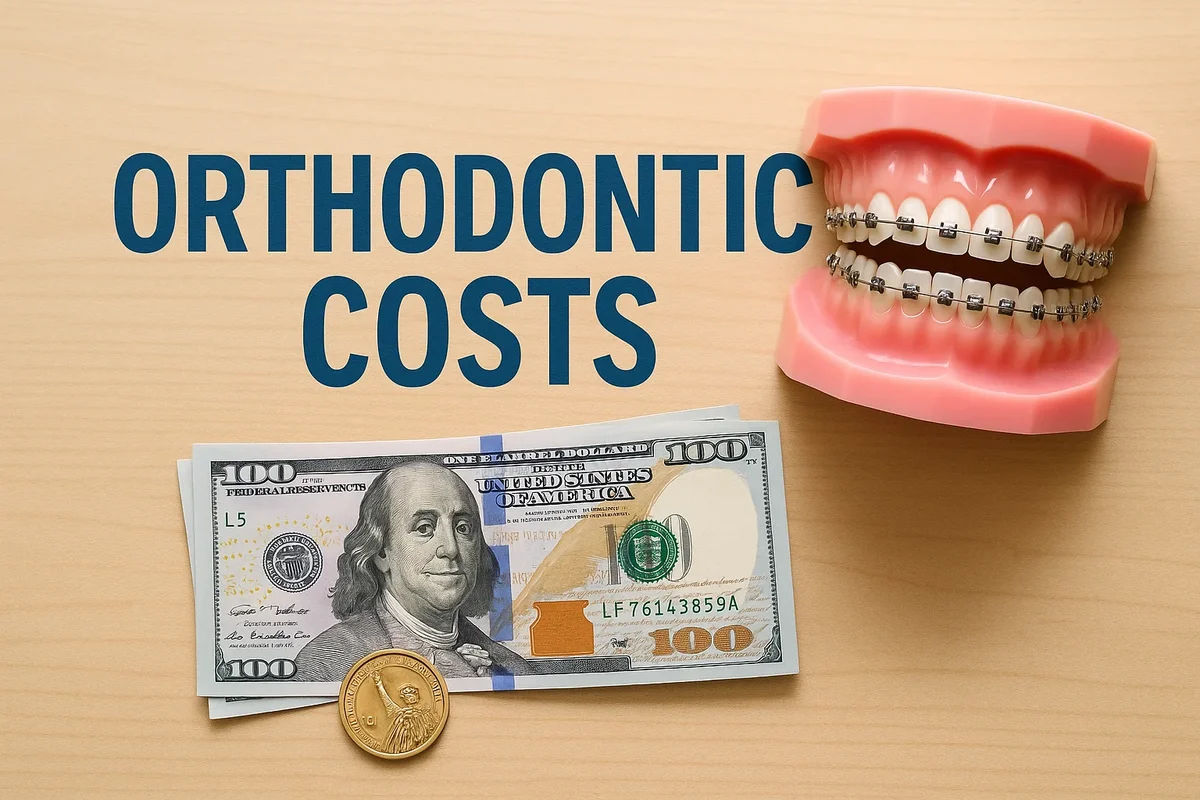
Why Investing in Orthodontic Treatment Is Worth It
When people first see the total orthodontic costs of braces or aligners, they may hesitate to move forward. However, orthodontic treatment is not just a cosmetic enhancement—it’s a long-term investment in health, confidence, and overall quality of life. Straightening your teeth improves functionality, oral hygiene, and even social well-being. In this section, we’ll explore in depth why orthodontic treatment is worth every penny, both financially and medically. 💎
1. Health Benefits That Go Beyond Aesthetics
Orthodontics isn’t only about achieving a beautiful smile; it’s about correcting bite alignment and improving oral health. Misaligned teeth (malocclusion) can lead to a range of dental problems—such as uneven wear, gum inflammation, jaw strain, and difficulty chewing. Correcting these issues through orthodontic care can prevent more expensive dental treatments later in life.
- Prevention of Tooth Decay: Crooked teeth are harder to clean, allowing plaque to accumulate. Orthodontic treatment creates proper spacing, reducing the risk of cavities and gum disease.
- Improved Chewing Function: A properly aligned bite helps distribute chewing forces evenly, reducing pressure on certain teeth and preventing early wear.
- Reduced Jaw Pain: Correcting overbites, underbites, or crossbites alleviates tension in the jaw joint and surrounding muscles, reducing headaches and TMJ-related issues.
By preventing these complications, orthodontic treatment saves patients from future dental bills that could easily exceed initial orthodontic costs. In other words, a one-time investment now can prevent decades of cumulative expenses. 🦷
2. The Psychological and Social Value of a Confident Smile
The emotional impact of orthodontic treatment is often underestimated. Numerous studies show that people with straight, healthy smiles feel more confident, smile more often, and are perceived as more approachable and successful. Confidence directly affects both personal and professional relationships—making the value of treatment go far beyond dollars and cents.
Think of orthodontic costs as an investment in your self-esteem and future opportunities. A confident smile can influence job interviews, dating, and public speaking. Psychologists note that smiling frequently triggers positive emotional responses and lowers stress hormones, leading to a happier, healthier life overall. 🌟
3. Long-Term Financial Savings
Many people focus on the upfront price tag of orthodontic treatment but overlook the long-term financial benefits. Straight teeth are easier to maintain, meaning fewer cavities, crowns, and gum treatments over time. Preventing one major dental issue—like tooth loss due to misalignment—can save thousands of dollars in restorative work later.
Consider this scenario: neglecting orthodontic treatment can lead to chronic jaw pain, worn enamel, and tooth shifting. Corrective treatments such as implants, veneers, or jaw surgery may then become necessary, costing far more than the original orthodontic costs of braces or aligners.
4. Orthodontics and General Health
Your mouth is the gateway to your entire body. Poor oral alignment can impact overall health by contributing to inflammation, difficulty in digestion, and even breathing problems. Misaligned bites sometimes cause snoring or sleep apnea, which can lead to fatigue and heart strain.
Properly aligned teeth help reduce bacteria buildup, lowering risks for gum infections linked to heart disease and diabetes. This makes orthodontics not only a dental improvement but a preventive health measure—adding another layer of justification for the investment.
5. Technological Advances: More Value Than Ever
Modern orthodontic techniques have dramatically improved in efficiency and comfort. Treatments that once took years can now be completed in 12–18 months with advanced materials and digital systems. 3D scanning, AI-driven aligner design, and minimally invasive approaches reduce both treatment time and discomfort—delivering more value per dollar spent on orthodontic costs.
For example, clear aligners have become a favorite among adults due to their discretion and convenience. Lingual braces (placed behind the teeth) also provide invisible correction options. The combination of effectiveness, aesthetics, and speed makes modern orthodontics one of the smartest health investments available. 🚀
6. The Economic Advantage of Dental Tourism
For those concerned about affordability, countries like Turkey offer top-tier orthodontic care at significantly lower prices. Clinics such as Redent Klinik Contact Page provide internationally accredited orthodontists and modern facilities for 50–70% less than U.S. or UK prices. Patients can combine treatment with travel, enjoying a medical vacation while still saving thousands.
This global option makes the return on investment even higher, as you receive expert care at a fraction of the cost without compromising safety or materials. It’s a smart way to control orthodontic costs while ensuring excellent results.
7. Retention and Lifelong Benefits
Orthodontic treatment doesn’t end the day your braces come off. Retainers are crucial for maintaining your results over time. Although they add slightly to the total orthodontic costs, their importance cannot be overstated. Wearing retainers as directed keeps your teeth stable for decades, ensuring that your investment continues to pay off every single day you smile.
Compared to other medical procedures, orthodontic outcomes last for life with minimal maintenance—making it one of the few health treatments that deliver permanent value with proper care. 🔒
8. Emotional and Family Impact
Orthodontic treatment can positively influence family dynamics. Children and teens who undergo braces often develop stronger hygiene habits and self-confidence, while parents gain peace of mind knowing they’ve set their kids up for a lifetime of better oral health. For adults, straightening teeth can reinvigorate self-image and lead to a more active social life.
These emotional and social gains are intangible yet invaluable. Families who prioritize dental care early often save more in the long run and pass down the importance of health-conscious choices to future generations—further amplifying the value of their initial orthodontic costs.
9. Environmental and Sustainable Dentistry Perspective
Advances in eco-friendly materials and digital workflows also contribute to reducing waste in orthodontic production. Digital impressions eliminate disposable molds, and recyclable aligner plastics help minimize the environmental footprint. Patients investing in modern orthodontic care are also supporting a more sustainable future for dentistry. 🌱
Conclusion: The True Return on Investment
When all factors are considered—health improvement, psychological well-being, longevity of results, and prevention of future expenses—orthodontic treatment stands out as one of the best long-term investments you can make. The value extends beyond straight teeth; it enhances confidence, function, and life satisfaction.
Yes, the upfront orthodontic costs may seem significant, but the benefits last a lifetime. With flexible payment plans, international options, and technological advances, orthodontic care has become more accessible than ever. Resources like the American Dental Association can help guide your journey toward safe, affordable, and effective treatment. Ultimately, a confident smile is priceless—because investing in your health always pays the best interest. 😁