
Maintaining a radiant smile is not just about aesthetics — it’s also an essential part of your overall oral health. Teeth cleaning and whitening are two cornerstone procedures that contribute to both the appearance and health of your teeth. While regular cleaning ensures the removal of plaque and bacteria, whitening helps restore the natural brightness that might have been dulled by lifestyle habits, aging, or diet. In this comprehensive guide, you’ll learn everything about the science, process, and long-term benefits of these treatments, helping you make informed decisions for your oral care. 🦷✨
When it comes to oral hygiene, professional teeth cleaning and whitening play different but complementary roles. Teeth cleaning, also known as prophylaxis, is a preventive dental procedure aimed at removing plaque, tartar, and surface stains that cannot be eliminated by regular brushing or flossing. On the other hand, whitening focuses on improving the color of your teeth using bleaching agents like hydrogen peroxide or carbamide peroxide. By combining these two treatments, you can achieve not only a healthier mouth but also a visibly brighter smile that enhances your confidence.
Studies by the American Dental Association highlight that consistent dental cleanings every six months significantly reduce the risk of gum disease, cavities, and even systemic issues such as heart disease. The whitening process, when performed under professional supervision, is completely safe and effective. In fact, dental experts often recommend having your teeth cleaned before whitening, as removing plaque and tartar improves the effectiveness of whitening agents. This ensures that your teeth absorb the whitening gel evenly, leading to smoother, more uniform results.
Daily habits such as drinking coffee, tea, or red wine, as well as smoking, are among the top culprits that cause discoloration over time. Even certain foods, like berries or soy sauce, can gradually stain your enamel. That’s why teeth cleaning and whitening are not luxuries — they are necessary maintenance for anyone who wants to preserve both their dental health and visual appeal. Routine cleanings remove surface stains before they penetrate deeper into the enamel, while whitening helps reverse years of discoloration to reveal your natural brilliance once again.
Beyond cosmetic reasons, regular teeth cleaning plays a critical role in preventing oral diseases. Plaque buildup is not just unsightly — it harbors harmful bacteria that produce acids, eroding tooth enamel and causing cavities. If left untreated, plaque can harden into tartar, which contributes to gum inflammation (gingivitis) and, in advanced cases, periodontitis — a severe infection that can lead to tooth loss. By combining professional cleaning with whitening treatments, you’re taking a proactive step toward long-term oral wellness.
Another often-overlooked benefit of teeth cleaning and whitening is the boost in self-esteem and psychological well-being. A bright smile has been scientifically linked to positive first impressions and increased confidence in social and professional settings. People who undergo whitening often report feeling more motivated to maintain good oral hygiene habits, such as regular brushing, flossing, and dental visits. This cycle of motivation reinforces long-term dental health and aesthetic appeal, proving that these treatments go beyond surface-level improvements.
It’s also important to note that not all whitening methods are created equal. Over-the-counter whitening strips or toothpastes can offer mild results, but they often lack the precision and safety of professional treatments. In contrast, in-office whitening under a dentist’s supervision uses advanced techniques and customized concentrations to ensure optimal brightness without harming enamel or causing sensitivity. When paired with routine cleaning, the outcome is a naturally radiant smile that lasts much longer. For those considering treatment in Turkey, you can easily reach our experts through the Redent Klinik Contact Page for professional consultation and affordable, high-quality dental care.
From a scientific standpoint, teeth cleaning and whitening treatments rely on both mechanical and chemical principles. Cleaning involves scaling and polishing — mechanical actions that remove biofilm and tartar — while whitening uses chemical oxidation to break down colored molecules in the enamel. The combination of these approaches ensures not only a clean and smooth tooth surface but also a luminous shine that enhances the entire face. The process is non-invasive, pain-free, and suitable for individuals of all ages, provided there are no underlying dental issues.
Consistency is key in maintaining the effects of these procedures. After a professional cleaning and whitening session, dentists typically recommend using fluoride toothpaste, avoiding staining foods for at least 48 hours, and maintaining a balanced diet. Drinking water after consuming coffee or wine, for example, can significantly reduce the chance of new stains forming. Similarly, using a straw for colored beverages minimizes contact with the enamel surface, prolonging your whitening results. Regular dental visits — ideally every six months — help monitor progress and maintain both hygiene and brightness.
In conclusion, teeth cleaning and whitening are integral to achieving and preserving a healthy, confident smile. Beyond their aesthetic value, they are preventive health measures that protect against disease and promote overall well-being. Whether you choose in-office treatments or professional-grade home kits, the key lies in consistency, expert guidance, and a commitment to good oral hygiene. With proper care, your bright smile can last for years, reflecting not only beauty but also a deep commitment to your health and happiness. 😁
Why Teeth Cleaning and Whitening Are Essential for Oral Health
When it comes to achieving a beautiful and healthy smile, teeth cleaning and whitening play an essential role not just cosmetically but also in maintaining long-term oral hygiene. Many people associate these treatments with vanity or luxury, yet dental professionals emphasize that their benefits go far beyond aesthetics. Regular cleaning and whitening procedures prevent disease, strengthen enamel, and contribute to overall wellness — from fresher breath to improved confidence. Let’s explore why these treatments are indispensable to a holistic dental care routine. 🦷💎
Understanding the Link Between Oral Health and General Well-Being
Your mouth is the gateway to your body’s overall health. Bacteria and inflammation in the mouth can affect other systems, leading to conditions such as cardiovascular disease, diabetes complications, and even respiratory infections. Regular teeth cleaning and whitening sessions help reduce bacterial load, lower inflammation, and improve oral pH balance. This preventive care supports not only your gums and teeth but your entire body. Clean teeth mean fewer bacteria entering your bloodstream and a stronger immune system — a benefit that extends well beyond a dazzling smile.
How Professional Teeth Cleaning Prevents Gum Disease and Cavities
Even with daily brushing and flossing, microscopic plaque can accumulate in areas that are difficult to reach. Over time, this sticky film hardens into tartar, which cannot be removed with a toothbrush alone. This buildup irritates gums, causes bleeding, and leads to gingivitis — the earliest stage of gum disease. During a professional cleaning, dental hygienists use specialized tools to remove tartar deposits and polish tooth surfaces, creating a smooth environment where plaque struggles to reattach. By scheduling teeth cleaning and whitening treatments every six months, patients can drastically reduce the risk of cavities, bad breath, and periodontal disease.
The Role of Ultrasonic Scaling and Polishing
Ultrasonic scaling involves using high-frequency vibrations to break apart hardened tartar and bacterial colonies from tooth surfaces and gum lines. After scaling, polishing removes micro-stains and smooths enamel. This combination not only cleans your teeth thoroughly but also enhances the whitening process. A clean surface allows whitening gels to work more effectively, resulting in brighter, more uniform outcomes. This is why dental professionals often recommend cleaning before whitening — it’s the foundation of any bright, healthy smile.
How Teeth Whitening Complements Cleaning
While cleaning targets oral health, whitening focuses on appearance. Over time, enamel becomes discolored due to aging, dietary choices, and habits such as smoking. Whitening agents like hydrogen peroxide break down chromogenic compounds that cause stains. When done professionally, whitening safely penetrates enamel without damaging the tooth structure. The result? A natural-looking brilliance that enhances your facial features and boosts your confidence. Combining teeth cleaning and whitening ensures both cleanliness and radiance, creating a smile that looks as healthy as it feels.
The Psychological Benefits of a Whiter Smile
Studies show that people who undergo whitening treatments report higher self-esteem, greater social confidence, and even improved performance in professional settings. A bright smile conveys vitality, approachability, and health. Furthermore, the motivation to maintain that new brightness often leads to improved oral hygiene habits — more consistent brushing, flossing, and dental checkups. This positive feedback loop reinforces both oral and mental health. 😁
Preventing Long-Term Dental Problems
Neglecting routine teeth cleaning and whitening can lead to severe dental issues over time. Plaque and tartar buildup can cause gum recession, root exposure, and even tooth loss. Deep stains may require costly restorative procedures like veneers or crowns if ignored for too long. By investing in preventive care early, patients avoid complex treatments later. Regular cleanings remove harmful bacteria, while whitening boosts confidence and motivation to maintain dental hygiene — a perfect combination for lifelong oral success.
Reducing Tooth Sensitivity Through Regular Maintenance
Contrary to popular belief, whitening does not have to cause tooth sensitivity when performed correctly. In fact, by combining cleaning with whitening, dentists can apply protective agents like fluoride varnishes and desensitizing gels. These not only strengthen enamel but also reduce post-treatment discomfort. Additionally, regular cleaning prevents the accumulation of bacteria that erode enamel — one of the main culprits behind sensitivity. With consistent maintenance, patients can enjoy whiter, stronger teeth without pain or irritation.
The Science Behind Whitening and Cleaning Synergy
The combination of cleaning and whitening is rooted in science. Cleaning removes the physical barriers (plaque and tartar) that block whitening agents from penetrating the enamel. Whitening then chemically oxidizes discoloration molecules to reveal the tooth’s natural shade. When performed together, these treatments deliver exponentially better results. This synergy is why dental professionals strongly recommend completing both in sequence. Patients often notice that their whitening results last significantly longer after a professional cleaning session.
Recommended Frequency and Professional Guidance
For optimal results, dental experts recommend scheduling professional cleanings every six months and whitening treatments once or twice a year, depending on your dietary habits and enamel sensitivity. Between visits, brushing twice daily with fluoride toothpaste and avoiding stain-causing foods can extend results. If you’re considering treatment in Turkey or abroad, consult reputable dental centers like Redent Klinik Contact Page to receive tailored care based on your dental history and goals. Their specialists can evaluate enamel thickness, identify stains’ causes, and select whitening agents best suited for your needs.
Conclusion: A Healthy Mouth and Radiant Smile Go Hand in Hand
In summary, teeth cleaning and whitening are indispensable aspects of modern oral care. Cleaning ensures a disease-free, healthy foundation, while whitening adds aesthetic brilliance. Together, they not only improve your appearance but also protect against serious dental conditions. Beyond the technical advantages, these treatments enhance confidence, promote better hygiene habits, and elevate your overall well-being. Investing in your smile means investing in your health — and that’s something truly worth smiling about. 🌟
The Step-by-Step Process of Professional Teeth Cleaning
Understanding the detailed process of professional teeth cleaning and whitening helps patients feel confident and informed before their dental visit. A clinical cleaning is more than just a quick polish — it’s a systematic, medically guided procedure that removes plaque, tartar, and stains to protect your teeth and gums from disease. Every step is designed to promote optimal oral hygiene and to prepare your mouth for whitening treatments that follow. In this section, we’ll explore how dentists and hygienists perform professional cleanings, the tools they use, and why each stage matters to your overall oral health. 🦷✨
Step 1: Initial Examination and Oral Health Assessment
Before beginning the cleaning procedure, your dental hygienist or dentist performs a thorough examination of your mouth. Using a small mirror, they check your teeth, gums, and tongue for signs of inflammation, plaque buildup, decay, or other issues. This inspection determines the level of cleaning required. If severe tartar or gum problems are detected, additional treatments like scaling and root planing may be recommended. For patients seeking both teeth cleaning and whitening, this step is vital because it identifies any conditions that need to be treated first to ensure safe whitening results.
Why the Assessment Matters
Skipping this evaluation could lead to whitening sensitive or decayed teeth, which can worsen existing problems. Dentists often use this phase to discuss your medical history, daily hygiene habits, and any recent dental sensitivity. A proper diagnosis ensures that your cleaning and whitening plan is tailored to your oral health status. This professional attention to detail prevents complications and maximizes treatment success.
Step 2: Scaling – Removing Plaque and Tartar
The next step involves the removal of plaque and tartar — hardened deposits that form when bacteria mix with saliva and food particles. These substances cannot be eliminated through brushing alone. Dental professionals use ultrasonic scalers and fine hand instruments to gently scrape away these deposits from above and below the gum line. This process may produce a scraping sound, but it’s completely painless and crucial for maintaining gum health. Removing tartar allows whitening agents to work more effectively during later treatments, creating a smoother and more even surface for the whitening gel to adhere to.
Ultrasonic Scalers vs. Manual Tools
Ultrasonic scalers use high-frequency vibrations combined with a water mist to loosen tartar and bacteria. Manual scalers, on the other hand, allow for detailed cleaning in hard-to-reach areas. Dental hygienists often use both methods in tandem for a precise and comfortable experience. Patients who maintain regular appointments for teeth cleaning and whitening often notice that scaling becomes easier and shorter over time, as tartar buildup is minimized.
Step 3: Polishing – Smoothing and Brightening the Surface
After scaling, the next stage is polishing. Using a rotating electric brush and gritty toothpaste-like polishing compound, the dentist smooths the tooth surface to remove minor stains and biofilm residue. This leaves your teeth shiny, smooth, and more resistant to future plaque accumulation. Polishing not only enhances the feel of clean teeth but also optimizes the appearance of your enamel — a perfect preparatory stage for whitening. The smoother your enamel, the better whitening agents can penetrate evenly, giving your smile a uniform glow.
Types of Polishing Pastes and Their Role
Polishing pastes vary in abrasiveness. Fine-grit pastes are typically used for regular cleanings, while medium-grit options help remove more stubborn stains from coffee, tea, or tobacco. Some dentists apply fluoride-infused polish, which strengthens enamel and protects against acid erosion. When paired with teeth cleaning and whitening, these advanced materials provide both protection and brilliance, ensuring the patient leaves the clinic with teeth that not only look brighter but are also healthier.
Step 4: Flossing and Rinsing
Once the visible surfaces are cleaned and polished, professional flossing removes debris and polishing paste from between the teeth. This stage also identifies any bleeding or inflammation points in the gums that might require additional care. After flossing, the dentist provides a fluoride or antibacterial rinse to eliminate remaining bacteria. This cleansing stage supports gum health and enhances the overall freshness of your mouth. In the context of teeth cleaning and whitening, thorough rinsing prevents whitening chemicals from reacting with residual plaque or paste, ensuring better whitening outcomes later on.
Step 5: Fluoride Treatment for Protection
Fluoride is a naturally occurring mineral that strengthens enamel and prevents cavities. After cleaning, a fluoride gel, foam, or varnish is applied to the teeth and left for a few minutes. This final touch acts as a protective barrier against acid and bacteria. For patients undergoing whitening later, fluoride also helps minimize potential sensitivity. Combining teeth cleaning and whitening treatments within the same visit or short interval amplifies both the protective and aesthetic benefits, creating a long-lasting shield for your smile.
Duration and Comfort of the Procedure
A professional cleaning typically takes 30 to 60 minutes, depending on plaque buildup and oral condition. Patients often describe the process as refreshing rather than uncomfortable. Dental professionals ensure comfort using ergonomic tools and gentle suction systems to remove debris and water during treatment. Afterward, patients experience a smooth, polished feeling that makes brushing easier and more effective at home.
Post-Cleaning Recommendations Before Whitening
After cleaning, dentists usually recommend waiting 24 to 48 hours before starting whitening to allow gums to settle. During this period, it’s best to avoid highly pigmented foods like red wine, curry, or coffee. These can easily stain freshly polished enamel. Drinking plenty of water, brushing with fluoride toothpaste, and using a soft-bristle toothbrush can help maintain the results. Once the gums are calm and enamel is prepped, whitening gels or laser-assisted procedures can begin for even, powerful results. For expert care, visit the Redent Klinik Contact Page to schedule professional cleaning and whitening in a safe, clinical environment.
Final Thoughts on Professional Cleaning
The professional cleaning process is far more than a cosmetic ritual — it’s a scientifically grounded preventive therapy that preserves oral health and enhances beauty. Each stage of the procedure — from examination to polishing — serves a distinct medical purpose. When paired with whitening, it transforms dull, stained teeth into a luminous, healthy smile. Consistent teeth cleaning and whitening not only improve aesthetics but also foster better hygiene habits, prevent gum disease, and increase confidence in daily life. Ultimately, a clean mouth is the foundation of a bright, healthy, and truly radiant smile. 😄
What to Expect During a Teeth Whitening Session at the Dentist
For many patients, professional whitening is the most exciting part of the teeth cleaning and whitening process — it’s the moment when years of stains and discoloration are lifted away, revealing a brilliant, confident smile. However, it’s also one of the most misunderstood dental treatments. Some worry about pain or sensitivity, while others don’t know what actually happens during the appointment. In reality, the procedure is safe, efficient, and tailored to your individual needs. In this detailed guide, we’ll walk through each step of a professional whitening session at the dentist, so you know exactly what to expect. 🦷✨
Step 1: Initial Consultation and Color Assessment
The process begins with an initial evaluation by your dentist. Using a shade guide, they’ll determine your current tooth color and discuss the shade you hope to achieve. This personalized assessment ensures that your expectations align with what is safely achievable based on your enamel type and oral health. Before starting, most professionals perform a cleaning or check that your teeth are free from plaque, as whitening gels work best on clean surfaces. Patients who recently underwent teeth cleaning and whitening maintenance often experience faster and more even results.
Discussing Your Whitening Goals
Your dentist will also ask questions about your diet, habits, and any sensitivity issues. Coffee drinkers, smokers, or frequent red wine consumers may require stronger whitening agents or multiple sessions for optimal results. During this discussion, your dentist explains the pros and cons of each method — including in-office laser whitening, gel trays, and LED-assisted treatments — so you can make an informed choice that fits both your lifestyle and budget.
Step 2: Gum and Soft Tissue Protection
Before any whitening gel is applied, your gums and lips must be carefully protected. A rubber barrier or resin coating is placed over the gums, and retractors keep the lips and cheeks away from the whitening area. This ensures that the bleaching agent does not irritate the soft tissues. The dentist also covers any exposed root surfaces or sensitive areas. This stage highlights the safety of professional whitening compared to over-the-counter alternatives, where improper application can cause gum burns or enamel damage. The meticulous preparation in professional teeth cleaning and whitening sessions guarantees both comfort and safety.
The Role of Isolation Gels and Barriers
Isolation gels are light-cured materials that harden instantly to form a shield around your gums. They act as a barrier between the whitening gel and delicate oral tissues. This protection allows dentists to use higher-concentration bleaching products safely, achieving faster and longer-lasting results than store-bought kits.
Step 3: Application of Whitening Gel
Once your gums are protected, the dentist applies a professional-grade whitening gel directly onto your teeth. Most gels contain hydrogen peroxide or carbamide peroxide — active ingredients that release oxygen molecules. These molecules penetrate the enamel and break apart pigmented compounds that cause discoloration. The gel is carefully layered over the teeth to ensure uniform coverage, and each application is timed precisely to prevent overexposure. For enhanced results, a special LED or laser light may be used to activate the gel and accelerate the whitening process. This combination of precision and technology is what makes professional teeth cleaning and whitening far more effective than at-home options.
How Whitening Agents Work on a Molecular Level
When activated, the whitening agents trigger an oxidation process that chemically neutralizes deep-set stains caused by food, drinks, and smoking. This process doesn’t remove enamel but rather clears discoloration trapped within it. The light used in dental offices acts as a catalyst, helping the whitening gel reach full potency quickly, resulting in a visibly brighter shade after just one session.
Step 4: Activation and Monitoring
Depending on the system your dentist uses, the gel may remain on your teeth for 15 to 30 minutes per cycle. During this time, your dentist monitors progress, ensuring even whitening and preventing irritation. Some systems require multiple rounds, especially for patients with stubborn stains or darker enamel. Between cycles, the gel is removed, the teeth are rinsed, and a new layer is applied. Throughout the procedure, you’ll be able to relax comfortably, often with protective eyewear if light activation is used. Professional teeth cleaning and whitening clinics prioritize your comfort while maximizing results, typically brightening teeth by 6 to 8 shades in a single visit.
Step 5: Rinsing and Fluoride Treatment
After the whitening cycles are complete, the dentist removes the gel and thoroughly rinses your mouth. A fluoride or desensitizing treatment is often applied afterward to minimize potential sensitivity and strengthen enamel. Patients are advised to avoid colored foods and beverages for at least 48 hours following the treatment to allow enamel pores to reseal. Dentists also recommend using a soft-bristle toothbrush and non-abrasive toothpaste to preserve the new brightness. When combined with regular teeth cleaning and whitening maintenance, these aftercare steps ensure long-lasting shine and protection against re-staining.
Immediate Results and Aftercare
Right after the session, you’ll notice a significant difference — your teeth will appear several shades lighter. However, results may continue to improve over the next 24 hours as the whitening agent continues to react with residual stains. Some temporary sensitivity to cold or hot drinks may occur, but this typically subsides within a day or two. Your dentist may provide a take-home whitening kit to help maintain the brightness between professional visits.
Step 6: Personalized Aftercare Plan
Every patient receives a customized aftercare plan based on their habits and enamel condition. Dentists may suggest dietary adjustments, such as limiting dark-colored foods like blueberries or soy sauce, and drinking plenty of water after meals. Regular checkups every six months, combined with touch-up whitening once or twice a year, help maintain your ideal shade. To schedule a personalized treatment, you can contact the experts at the Redent Klinik Contact Page for detailed consultation and pricing.
Benefits of Professional Whitening Over DIY Kits
While over-the-counter kits promise convenience, they lack the precision and safety of professional care. Uneven application, low-strength gels, and absence of gum protection can lead to patchy results and sensitivity. In contrast, dental-grade treatments are customized, faster, and supervised by professionals. They not only enhance your smile but also contribute to your oral health by encouraging patients to adopt better hygiene habits. The confidence boost from a whiter smile is often life-changing — influencing social interactions, professional opportunities, and self-perception.
Conclusion: The Professional Whitening Experience
In essence, a professional whitening session is a controlled, science-backed process that ensures safety, effectiveness, and long-term results. From color assessment and gum protection to precise gel application and post-treatment care, every step is designed to enhance both appearance and dental health. When performed after a thorough cleaning, the effects of teeth cleaning and whitening are more pronounced, uniform, and enduring. Whether you’re preparing for a special event or simply want to restore your smile’s natural radiance, professional whitening offers the most efficient and satisfying solution available today. 🌟
Best At-Home Teeth Whitening Methods That Actually Work
While professional whitening delivers the fastest and safest results, many people seek convenient ways to enhance their smiles from home. Fortunately, several scientifically proven at-home treatments can complement professional teeth cleaning and whitening procedures. The key lies in choosing effective, dentist-approved methods and using them correctly. In this detailed guide, we’ll explore the most reliable at-home whitening techniques, explain how they work, and discuss how to maintain your results safely. 🏠✨
Understanding How At-Home Whitening Works
At-home whitening relies on the same active ingredients found in professional systems — typically hydrogen peroxide or carbamide peroxide — but in lower concentrations. These bleaching agents penetrate the enamel to break down pigmented molecules responsible for discoloration. When combined with consistent oral hygiene and regular dental checkups, these methods can produce impressive results over time. However, they must be used properly to avoid enamel erosion or gum irritation. For optimal results, it’s best to use them as part of a combined teeth cleaning and whitening routine recommended by your dentist.
Why Home Whitening Complements Professional Treatments
Professional cleaning removes tartar and surface stains, preparing the teeth for at-home whitening. This allows whitening agents to reach deeper layers of enamel more effectively. Dentists often provide patients with custom trays and professional-grade gels to use at home, ensuring both safety and consistency. Regularly alternating between in-office treatments and home maintenance helps preserve brightness for months or even years.
1. Whitening Toothpaste and Mouthwash
Whitening toothpaste is one of the easiest ways to maintain a bright smile daily. These formulas contain mild abrasives and gentle bleaching agents that remove surface stains caused by coffee, tea, or tobacco. Mouthwashes containing hydrogen peroxide provide additional whitening power while reducing bacteria and preventing plaque buildup. When used consistently after professional teeth cleaning and whitening, they extend the lifespan of your results. Look for products approved by the American Dental Association to ensure they are safe for enamel and gums.
Choosing the Right Product
Not all whitening toothpastes are created equal. Some contain harsh abrasives that can scratch enamel. Opt for toothpaste with silica-based micro-polishers or low concentrations of peroxide for gentle, effective stain removal. For sensitive teeth, choose formulas with potassium nitrate or fluoride to strengthen enamel and reduce discomfort.
2. Whitening Strips and Gels
Whitening strips and gels are among the most popular at-home options due to their simplicity and visible results. Strips are thin, flexible pieces coated with peroxide gel that adhere to your teeth for a specified time, usually 30 minutes daily for 10–14 days. Whitening gels are applied directly using a brush or tray. These products deliver gradual, natural-looking improvements and are particularly effective after professional cleaning. When integrated into a consistent teeth cleaning and whitening schedule, they help maintain brightness between dental visits.
Tips for Safe Application
Always follow manufacturer instructions carefully. Avoid applying strips to dental work like crowns or veneers, as whitening agents only affect natural enamel. To minimize irritation, ensure the gel doesn’t contact gums, and refrain from using whitening products more frequently than recommended. Consistency — not intensity — yields the best results.
3. Custom Whitening Trays from Your Dentist
For superior results, dentists can create personalized whitening trays that fit perfectly over your teeth. These trays are used at home with professional-grade gels, ensuring full coverage and even whitening. They combine the convenience of at-home use with the precision of professional treatment. Custom trays are especially useful for patients who frequently consume staining foods or drinks. By pairing them with professional teeth cleaning and whitening every few months, you can maintain a dazzling smile year-round.
How Custom Trays Differ from Over-the-Counter Kits
Unlike generic trays, custom-fitted ones minimize gel leakage and maximize contact with tooth surfaces. This ensures consistent whitening and reduces the risk of gum irritation. The concentration of peroxide in dentist-dispensed gels is also stronger, meaning results appear faster and last longer.
4. LED Whitening Kits
LED whitening technology has gained popularity for its efficiency. These kits use blue light to accelerate the chemical reaction of whitening gels, providing noticeable results within a few days. The LED light doesn’t whiten teeth by itself; instead, it enhances the action of peroxide molecules. For those who can’t frequently visit a clinic, this is one of the most practical methods to maintain teeth cleaning and whitening results. However, ensure the device is FDA-approved and used as instructed to avoid enamel sensitivity or uneven results.
Combination Use with Whitening Gels
For optimal performance, pair LED kits with carbamide peroxide gels recommended by your dentist. Avoid using non-professional gels found in unverified online stores, as these can contain harmful chemicals or unbalanced peroxide levels that may damage enamel.
5. Natural Whitening Remedies — What Works and What Doesn’t
Some people prefer natural remedies like baking soda, activated charcoal, or coconut oil pulling. While these methods can help remove surface stains, they are not substitutes for professional whitening. Baking soda can gently polish enamel, and oil pulling helps reduce bacteria, but excessive use of abrasive materials like charcoal can cause irreversible enamel damage. For safety, always consult your dentist before trying DIY remedies. Combining mild natural care with scheduled teeth cleaning and whitening provides the best balance between safety and efficacy.
Recommended Natural Techniques
Try brushing with a small amount of baking soda once a week or rinsing with coconut oil for 10–15 minutes daily. These practices can help reduce surface stains naturally. However, avoid acidic ingredients like lemon juice or vinegar — they can erode enamel and cause permanent discoloration.
6. Post-Whitening Maintenance at Home
After achieving your desired brightness, maintaining it requires consistent care. Avoid stain-causing foods and beverages for at least 48 hours after whitening. Drink plenty of water and brush after meals to prevent new stains. Consider using a straw for dark liquids like coffee or cola to minimize enamel exposure. Regular checkups and professional cleanings every six months ensure your smile remains spotless. To maintain your results, visit the Redent Klinik Contact Page to consult with experts about custom home whitening kits and maintenance plans designed for your lifestyle.
Conclusion: Safe and Effective Whitening from Home
At-home whitening can be a powerful extension of professional care when used responsibly. From ADA-approved toothpaste and gels to advanced LED kits, there are numerous ways to achieve visible results safely. The key is to follow a balanced approach — using dentist-guided products and combining them with regular cleanings. When done properly, teeth cleaning and whitening at home can deliver remarkable, long-lasting brightness while preserving your oral health. By integrating these methods into your routine, you can enjoy a confident, glowing smile every day. 😁
Common Mistakes to Avoid When Whitening Your Teeth
Although teeth cleaning and whitening can dramatically enhance your smile, many people unknowingly make mistakes that reduce effectiveness or even harm their teeth. Whitening should be performed with precision, patience, and proper guidance from a dental professional. Misuse of whitening products, neglecting oral hygiene, or falling for online myths can lead to uneven results, tooth sensitivity, and enamel erosion. In this guide, we’ll cover the most common mistakes people make during their whitening journey and provide expert tips to ensure safe, lasting, and beautiful results. 🦷✨
1. Skipping Professional Cleaning Before Whitening
One of the biggest errors people make is whitening over dirty or plaque-covered teeth. Whitening agents cannot penetrate plaque or tartar effectively, meaning the results will be patchy or short-lived. Before beginning any whitening treatment, professional cleaning is essential to remove buildup and create a clean surface. Combining teeth cleaning and whitening ensures the gel or strips work evenly, leading to a more consistent and natural shade. Without this step, stains trapped beneath tartar will remain untouched, no matter how strong the whitening product is.
Why Clean Teeth Respond Better to Whitening
Clean enamel absorbs whitening agents more effectively. Imagine painting a wall covered in dust — the color will never stick properly. Similarly, if plaque or debris coats your teeth, the bleaching gel can’t access the stained surface. Scheduling a cleaning before whitening allows the peroxide to act directly on the enamel for optimal brightness.
2. Overusing Whitening Products
Another common mistake is thinking that more frequent use equals faster results. In reality, overuse can cause severe tooth sensitivity, gum irritation, and enamel damage. Whitening gels and strips are formulated for specific exposure times and should never exceed recommended use. Consistency over weeks, not intensity over days, produces safe, effective results. In fact, dentists often recommend spacing out sessions to allow enamel to rehydrate and remineralize naturally. Overusing products disrupts this balance and can even make teeth appear chalky or translucent.
Understanding Whitening Sensitivity
During whitening, the gel temporarily opens microscopic pores in the enamel, allowing oxygen to break down stains. If used too frequently, these pores stay open, exposing the inner dentin to temperature changes. This results in pain or sharp sensitivity when eating hot or cold foods. Limiting whitening sessions and using fluoride toothpaste afterward helps seal enamel pores and protect teeth.
3. Using Abrasive or Unsafe DIY Remedies
Many people turn to social media trends for quick whitening hacks — baking soda, lemon juice, hydrogen peroxide rinses, or activated charcoal. While some may produce short-term effects, they can permanently harm your enamel. Lemon juice and vinegar are acidic and erode enamel, while charcoal and baking soda are abrasive, scratching the surface of your teeth. Once enamel is damaged, it cannot regenerate. Safe teeth cleaning and whitening should always rely on clinically approved methods under professional supervision, not home experiments.
Safe Alternatives to DIY Solutions
Instead of harsh home remedies, try dentist-recommended whitening toothpaste or mild whitening strips. These contain controlled levels of active ingredients that whiten gently without damaging the enamel. If you prefer natural options, opt for coconut oil pulling or brushing occasionally with a paste of baking soda and water — no acids or abrasives involved.
4. Ignoring Gum Protection During Whitening
When whitening at home, people often apply too much gel, letting it touch their gums. This can lead to irritation, burning, or even peeling. Professional whitening systems include gum barriers for a reason — to protect soft tissue from chemical exposure. If you’re using trays or strips, apply only a small, pea-sized amount of gel per tooth slot. Wipe away excess immediately. This is especially important if you perform both teeth cleaning and whitening regularly since repeated exposure without protection can cause lasting sensitivity around the gum line.
Recognizing Signs of Gum Irritation
Symptoms like redness, swelling, or a stinging sensation indicate chemical contact with the gum tissue. Stop using whitening products and consult your dentist if irritation persists. In most cases, mild irritation heals within 24–48 hours when treated with a soothing mouth rinse or aloe vera gel.
5. Expecting Unrealistic Results
Another common mistake is expecting Hollywood-white teeth after one session. Natural teeth vary in color due to genetics, enamel thickness, and lifestyle habits. Whitening removes stains but cannot change your natural tooth color. Most patients experience whitening of 5 to 8 shades lighter, which is both safe and aesthetically pleasing. Attempting to push beyond that with stronger chemicals or prolonged exposure risks damaging your enamel permanently. The goal of teeth cleaning and whitening should always be achieving a healthy, natural brightness, not artificial whiteness.
Understanding Your Natural Shade Limit
Dentists use shade guides to identify achievable whitening levels. For example, if your enamel’s base color is ivory, you can reach a bright pearl tone, but not pure white. This individualized approach prevents over-bleaching and maintains a realistic, radiant look that matches your complexion.
6. Neglecting Aftercare and Maintenance
Whitening is not a one-time event; it’s a process that requires upkeep. Many people fail to follow post-whitening care, causing stains to return quickly. Avoid dark-colored foods and drinks like coffee, berries, and red wine for at least 48 hours after treatment. Brush and floss daily using fluoride toothpaste, and visit your dentist every six months for professional cleaning. By combining routine maintenance with scheduled teeth cleaning and whitening sessions, you’ll preserve your results for much longer and avoid frequent touch-ups.
Using Maintenance Products Effectively
After whitening, dentists may recommend desensitizing toothpaste, fluoride rinses, or touch-up gels. These help strengthen enamel and maintain brightness. Always follow your dentist’s instructions and avoid switching products too frequently, as this can disrupt your enamel’s protective balance.
7. Choosing Cheap or Unverified Whitening Kits
Online marketplaces are filled with unregulated whitening kits that promise instant results at low prices. Many of these contain unsafe concentrations of hydrogen peroxide or harmful additives. Using them can cause burns, enamel loss, or permanent discoloration. Always choose dentist-approved products or trusted clinics. For safe, high-quality care, visit the Redent Klinik Contact Page to receive expert guidance on effective, medically safe whitening systems tailored to your needs.
Conclusion: Safe Whitening Starts with Knowledge
Achieving a radiant smile requires understanding and avoiding these common pitfalls. Whitening is both a science and an art — it must be approached carefully, with professional supervision and realistic expectations. By combining teeth cleaning and whitening in a consistent routine, using safe products, and following post-treatment care, you can enjoy lasting brightness and strong enamel. Avoid shortcuts and myths; trust in proven, dentist-approved methods to protect your oral health and enhance your confidence. A brighter smile is worth doing right — safely, naturally, and beautifully. 🌟
How Diet Affects the Results of Teeth Cleaning and Whitening
One of the most overlooked factors in maintaining a bright and healthy smile is diet. What you eat and drink daily has a direct impact on both the color and health of your teeth. Even after professional teeth cleaning and whitening, poor dietary habits can quickly reverse the effects of these treatments. Certain foods and beverages are notorious for staining enamel, while others help protect and strengthen it. Understanding the connection between nutrition, enamel composition, and stain formation is essential to preserve your whitening results and ensure long-term oral health. 🍎🦷
The Science Behind Diet and Tooth Color
Your enamel is porous — meaning it absorbs pigments from the foods and drinks you consume. Over time, dark-colored compounds like tannins and chromogens bind to the enamel’s surface, leading to discoloration. During teeth cleaning and whitening treatments, these pigments are removed or broken down. However, if you continue to consume high-staining foods, the color can return quickly. A balanced diet not only maintains your teeth’s whiteness but also supports gum health, enamel density, and saliva production, all of which contribute to a clean and radiant smile.
How Enamel Porosity Affects Whitening
After whitening, the enamel temporarily becomes more permeable due to the oxidation process. This makes teeth more vulnerable to staining for at least 48 hours. During this period, it’s crucial to avoid dark or acidic foods that can penetrate the surface. Think of your enamel as a sponge — freshly whitened teeth will absorb pigments faster until they rehydrate and reseal.
Foods That Support Whiter Teeth
Not all foods are harmful to your teeth. In fact, many can help maintain or even enhance whitening results. Crunchy fruits and vegetables such as apples, celery, and carrots act like natural toothbrushes, scrubbing away surface stains while stimulating saliva flow. Dairy products like cheese and yogurt are rich in calcium and phosphorus, minerals that strengthen enamel and balance mouth pH. High-fiber foods and those with natural abrasiveness gently polish teeth, keeping them bright between teeth cleaning and whitening appointments.
Examples of “Whitening-Friendly” Foods
- Apples, pears, and carrots: Their fibrous texture helps clean plaque and surface stains naturally.
- Cheese and yogurt: Neutralize mouth acidity and fortify enamel through calcium and casein content.
- Strawberries: Contain malic acid, a natural enzyme that helps dissolve surface stains when consumed moderately.
- Leafy greens: Spinach and kale contain minerals that create a protective film on enamel, shielding it from discoloration.
- Water: Helps rinse away food particles and neutralize acids that lead to staining.
Foods and Drinks That Stain Teeth
While some foods protect your enamel, others are major culprits in discoloration. Dark-colored beverages like coffee, tea, red wine, and cola can rapidly undo whitening effects. Similarly, deeply pigmented foods such as berries, tomato sauce, soy sauce, and curry contain chromogens that latch onto enamel and cause yellowing. Acidic foods like citrus fruits and vinegar-based dressings can also erode enamel, making it easier for stains to form. If you regularly undergo teeth cleaning and whitening, it’s wise to limit or modify consumption of these items to maintain your results.
Tips to Reduce Staining from Foods and Drinks
- Drink staining beverages with a straw to minimize contact with enamel.
- Rinse your mouth with water immediately after consuming dark liquids.
- Brush 30 minutes after eating to avoid scrubbing softened enamel.
- Use whitening mouthwash or toothpaste once daily to prevent pigment buildup.
- Alternate dark beverages with plain water to dilute staining compounds.
The Role of pH Balance in Oral Health
The acidity level in your mouth determines how vulnerable your enamel is to damage. Acidic foods and drinks lower pH, softening enamel and promoting discoloration. Saliva naturally helps neutralize acids, but when dietary acid exposure is constant, your enamel cannot fully recover. Incorporating alkaline foods like leafy greens, cucumbers, and almonds helps stabilize your oral pH. Balanced pH not only supports healthier gums but also enhances the longevity of teeth cleaning and whitening results.
Restoring pH After Acidic Meals
If you consume acidic foods or drinks, rinse with water or a baking soda solution afterward. Chewing sugar-free gum with xylitol also stimulates saliva production, helping restore pH balance. These small habits protect your enamel and maintain your teeth’s brightness between professional sessions.
Timing Matters: The First 48 Hours After Whitening
Immediately after whitening, your enamel is in a “porous recovery phase.” During this time, avoid stain-inducing and acidic foods such as coffee, red wine, soy sauce, and citrus fruits. Stick to a “white diet” — foods like chicken, rice, cauliflower, potatoes, and bananas that won’t affect enamel color. Following this guideline ensures that your teeth cleaning and whitening investment lasts as long as possible. Once the enamel rehydrates (usually after 48 hours), you can gradually reintroduce more colorful foods in moderation.
The “White Diet” in Detail
- Protein sources: Chicken, fish, tofu, and eggs.
- Grains: White rice, pasta, and bread without dyes or sauces.
- Vegetables: Cauliflower, zucchini, and mushrooms.
- Beverages: Water, milk, and clear herbal teas.
Vitamins and Minerals That Boost Whitening Results
Nutrition plays a deeper role than most people realize. Vitamins A, C, D, and K2 are vital for gum and enamel health, while minerals like calcium, magnesium, and phosphorus strengthen teeth. A deficiency in these nutrients can make enamel weaker and more susceptible to staining. A well-balanced diet, combined with professional teeth cleaning and whitening care, ensures your teeth stay both bright and strong.
Dietary Supplements and Dental Health
For those unable to get sufficient nutrients from food, supplements can help maintain enamel integrity. Calcium and vitamin D are especially beneficial for enamel remineralization, while vitamin C supports healthy gums. Always consult your dentist before starting any supplement to ensure compatibility with your oral condition.
Conclusion: Nutrition Is the Key to Lasting Brightness
Your diet directly determines how long your whitening results last. Even the best teeth cleaning and whitening treatments can fade if your daily nutrition includes stain-causing or acidic foods. By prioritizing a balanced, enamel-friendly diet rich in water, fiber, and minerals, you can extend your results and keep your smile naturally radiant. For professional advice tailored to your dental health and diet, contact our experts via the Redent Klinik Contact Page. Remember: true whitening success isn’t just about what happens in the dental chair — it’s also about what happens at your dining table. 🥗🌟
Cost Comparison: Professional vs. Home Teeth Whitening Treatments
When considering teeth cleaning and whitening, one of the most common questions patients ask is: “Should I invest in professional treatment or use an at-home option?” The answer depends on your goals, budget, and how quickly you want results. Both professional and at-home whitening have advantages and limitations — from cost differences to longevity, safety, and outcome quality. In this comprehensive guide, we’ll break down every aspect of the cost comparison between these two approaches so you can make an informed decision that fits both your smile goals and your wallet. 💰🦷
Understanding the Value of Professional Whitening
Professional whitening performed by a dentist offers precision, safety, and superior results. While the cost is higher than at-home alternatives, the procedure’s effectiveness and durability justify the investment. In professional settings, dentists use advanced technologies and high-concentration whitening gels that deliver visible improvements in a single session. Moreover, the treatment includes pre-whitening cleaning, gum protection, and customized aftercare advice — ensuring both results and safety. A full teeth cleaning and whitening package not only enhances your smile but also contributes to better oral health through plaque removal and enamel care.
Typical Costs of Professional Whitening
- In-office laser whitening: $300–$1,000 per session, depending on the clinic and location.
- Custom take-home trays from your dentist: $200–$400, including professional-grade gel refills.
- Professional cleaning before whitening: $75–$200, often required to prepare enamel for optimal results.
Professional whitening is typically recommended once or twice a year, with maintenance touch-ups every few months if needed. Though more expensive upfront, its efficiency and safety often make it more cost-effective long-term than buying multiple over-the-counter kits that produce uneven or temporary results.
Advantages of Professional Whitening
The biggest advantage of professional whitening lies in precision and protection. Dentists tailor the concentration of peroxide and exposure time to your unique enamel type. They also ensure the whitening agent doesn’t contact gums or sensitive areas. Moreover, teeth cleaning and whitening in a clinic offers instant, visible brightness — often up to 8 shades lighter in one visit. Patients also receive post-treatment fluoride or desensitizing applications to strengthen enamel and prevent irritation, an option rarely included in at-home kits.
Long-Term Cost Efficiency
Though professional whitening has a higher upfront cost, it saves money in the long run. Over-the-counter kits often require multiple purchases to maintain results, while professional whitening lasts longer and requires fewer reapplications. In addition, patients who maintain proper oral hygiene and avoid stain-causing foods often find that a single session’s results can last up to a year or more.
Cost and Effectiveness of At-Home Whitening
At-home whitening treatments are designed for affordability and convenience. Products such as whitening strips, LED kits, and peroxide gels are widely available and provide gradual results over days or weeks. These options can be beneficial for maintenance between professional treatments but typically deliver less dramatic whitening effects. Many people start with at-home whitening and later opt for professional teeth cleaning and whitening once they understand the limitations of consumer-grade products.
Typical At-Home Whitening Costs
- Whitening strips: $20–$60 per box, usually lasting two weeks.
- LED whitening kits: $50–$200, depending on brand quality and included accessories.
- Whitening toothpaste and mouthwash: $10–$30 monthly for maintenance.
- Custom trays with professional gel (at-home use): $200–$400, available through dentists.
At-home methods are cost-effective for maintaining brightness but usually achieve 2–4 shades of improvement compared to 6–8 shades with professional treatment. Additionally, overuse or improper application can lead to sensitivity or uneven results if not used carefully.
Comparing Longevity of Results
The longevity of whitening results varies depending on the method used and the patient’s lifestyle. Professional whitening typically lasts between 9 and 18 months, while at-home results may fade within 1–3 months without maintenance. Regular dental visits, proper diet, and daily oral care can extend the effects of both treatments. Many patients schedule alternating sessions — professional cleaning and whitening once a year, supported by at-home maintenance kits in between. This hybrid approach balances affordability and performance.
Factors That Affect Duration
- Diet (coffee, wine, berries, and colored sauces stain faster)
- Smoking or vaping habits
- Daily oral hygiene routine
- Fluoride use and enamel thickness
- Frequency of touch-ups
Safety and Supervision: A Hidden Cost Factor
One hidden cost of at-home whitening is the risk of enamel damage or gum irritation caused by misuse. Without dental supervision, users may apply gel unevenly or exceed recommended exposure times. These mistakes can lead to costly corrective treatments later, such as remineralization therapy or even restorative procedures. Professional teeth cleaning and whitening eliminates these risks by ensuring every stage — from enamel inspection to post-treatment care — is monitored by trained specialists. What you pay extra for in the clinic often translates to peace of mind and long-term dental health.
Why Professional Oversight Matters
Dentists not only supervise the whitening process but also identify underlying issues like cavities, gum inflammation, or enamel thinning that could affect the results. Treating these issues beforehand ensures safe and even whitening, avoiding unexpected sensitivity or patchiness. This personalized care isn’t included in over-the-counter solutions, which is why professional whitening is considered the gold standard despite its higher cost.
Cost-to-Benefit Analysis
When comparing costs, it’s important to assess not just price but also effectiveness, safety, and duration. A $500 professional whitening that lasts 12 months is more economical than $60 kits used every two months. Additionally, professional whitening enhances overall oral hygiene since it’s typically paired with a cleaning appointment. This dual benefit supports healthier gums and enamel while maintaining a bright smile. For those on a budget, alternating between in-office sessions and professional take-home trays provides the perfect balance of cost and performance.
Making the Right Choice for You
Your decision depends on your budget, dental health, and desired level of brightness. If you seek quick, lasting results under professional supervision, in-office whitening is the superior choice. However, if you prefer gradual results with lower upfront cost, at-home whitening kits can work well when used responsibly. Combining both strategies — professional teeth cleaning and whitening once or twice a year with careful at-home maintenance — delivers the best of both worlds: cost efficiency and enduring radiance. For personalized consultation and pricing, visit the Redent Klinik Contact Page and speak to our dental experts.
Conclusion: Investing Wisely in Your Smile
Ultimately, whitening your teeth is an investment in confidence, health, and self-image. While professional treatments have higher upfront costs, their safety, effectiveness, and lasting results offer far greater value than short-term home remedies. A bright, healthy smile supported by regular teeth cleaning and whitening is worth the investment — not only for its visual appeal but for the long-term health of your enamel and gums. Choose quality, choose care, and let your smile be the reflection of both health and happiness. 🌟
How to Maintain Long-Lasting Results After Teeth Cleaning and Whitening
Achieving a brighter smile through teeth cleaning and whitening is just the beginning — maintaining those results requires consistent care and smart lifestyle habits. Without proper aftercare, stains and discoloration can return in a matter of weeks, undermining the effort and cost of professional treatment. Thankfully, by following a few scientifically proven strategies, you can keep your smile radiant for months or even years. This section explores the best post-whitening maintenance practices, including oral hygiene routines, dietary choices, professional follow-ups, and lifestyle adjustments. 🌟🪥
Immediate Post-Whitening Care
The first 48 hours after a whitening session are the most critical. During this time, enamel remains slightly porous and more susceptible to staining. Avoid foods and drinks that can discolor teeth — such as coffee, tea, red wine, and tomato sauce. This phase is often referred to as the “white diet” period, emphasizing light-colored and low-acid foods to preserve brightness. Following these guidelines ensures that your teeth cleaning and whitening results set properly, preventing uneven tones or early re-staining.
The White Diet: What to Eat and Avoid
- Eat: Chicken, fish, rice, potatoes, bananas, eggs, and cauliflower.
- Avoid: Coffee, tea, cola, berries, soy sauce, and colored sauces.
- Tip: Drink through a straw to minimize liquid contact with enamel during the initial recovery period.
For best results, avoid smoking, as nicotine quickly penetrates enamel and causes yellowing. Drinking plenty of water during this period also helps flush away residue and maintain oral hydration, promoting saliva production, which naturally protects against stains.
Establishing a Consistent Oral Hygiene Routine
Consistency is the foundation of any long-term whitening success. Brushing and flossing twice a day prevents plaque buildup — one of the leading causes of discoloration. Use a soft-bristled brush and a non-abrasive whitening toothpaste approved by the American Dental Association. These toothpastes contain gentle polishing agents and fluoride, which maintain enamel integrity while removing surface stains.
Fluoride and Whitening Toothpastes
Many people overlook fluoride’s importance after whitening. Fluoride helps remineralize enamel, keeping it strong and resistant to acids and stains. Whitening toothpastes without fluoride may brighten initially but can weaken enamel over time. Balance is key — use a fluoride-based product once daily, and a mild whitening formula at other times.
Professional Maintenance and Regular Check-Ups
Even with excellent home care, periodic professional cleanings are essential. Dental hygienists can remove deep tartar and plaque that regular brushing misses. Most experts recommend professional teeth cleaning and whitening every six months. During these visits, your dentist can assess enamel health, touch up minor discoloration, and apply fluoride or desensitizing gels as needed. These proactive steps ensure your results remain consistent and long-lasting.
Touch-Up Whitening Treatments
Over time, lifestyle factors like diet and age may dull your results. Touch-up treatments, either at home or professionally administered, can restore brightness. For patients with frequent exposure to staining agents (e.g., coffee drinkers or smokers), touch-ups every 3–6 months are ideal. Dentists may recommend take-home trays with lower-concentration gel for safe, gradual maintenance between appointments.
Diet and Lifestyle Adjustments for Longevity
Your daily habits play a crucial role in preserving your results. Dark-colored beverages are among the biggest culprits of re-staining, but completely eliminating them isn’t always realistic. Instead, make small changes — use a straw, rinse with water after drinking, and limit sugary, acidic foods. Incorporate crunchy fruits like apples and pears, which naturally clean tooth surfaces while stimulating saliva flow. Balanced nutrition supports enamel strength, ensuring your teeth cleaning and whitening investment lasts.
Hydration and Saliva Production
Saliva acts as a natural cleanser for your mouth. Dehydration reduces saliva flow, allowing stains to stick more easily. Drink water regularly, chew sugar-free gum with xylitol, and avoid excessive alcohol or caffeine, which can cause dry mouth. These small habits make a big difference in maintaining a healthy, bright smile.
Using Whitening Maintenance Products
Many maintenance products are available to help prolong whitening results, including whitening pens, strips, and mouthwashes. However, they should complement, not replace, professional treatments. For example, whitening pens are great for quick touch-ups before social events, while mouthwashes with mild hydrogen peroxide help maintain a polished look. Choose ADA-approved products and avoid overuse — too much whitening can cause enamel sensitivity or dullness over time.
Recommended Whitening Maintenance Routine
- Use a whitening mouthwash once daily (preferably at night).
- Apply a whitening pen or strip once a week for touch-ups.
- Schedule professional cleaning every 6 months for deep polishing.
- Replace your toothbrush every 3 months to maintain brushing effectiveness.
Protecting Enamel from Everyday Damage
Maintaining brightness isn’t just about color — it’s about preserving enamel. Avoid habits like nail-biting, chewing on hard objects, or brushing too aggressively. These actions can thin enamel, making stains more visible. If you grind your teeth at night, ask your dentist about a custom night guard to prevent enamel wear. Combining mechanical protection with professional teeth cleaning and whitening maximizes your smile’s strength and brilliance.
Dealing with Tooth Sensitivity After Whitening
Some patients experience mild sensitivity after whitening. This is temporary and can be managed by using desensitizing toothpaste or fluoride gel. Avoid extremely hot or cold foods for a few days and consult your dentist if sensitivity persists. Regular enamel care keeps your teeth both comfortable and luminous.
Scheduling Maintenance Appointments
Consistency is key to keeping your smile radiant. Schedule follow-up visits every six months or sooner if you notice fading or discoloration. Professional maintenance can extend whitening results significantly. Clinics like Redent Klinik Contact Page offer customized maintenance plans, combining deep cleaning, fluoride protection, and periodic whitening to sustain brilliance year-round.
Conclusion: Long-Term Care for a Lifetime of Confidence
Keeping your smile bright after teeth cleaning and whitening requires dedication and smart habits. By avoiding stains, maintaining strong enamel, and scheduling regular cleanings, you can enjoy a radiant, healthy smile that lasts. The combination of professional guidance, at-home care, and mindful lifestyle choices ensures your investment continues to shine — both aesthetically and functionally. Remember: whitening is not a one-time event; it’s a lifelong commitment to oral wellness and confidence. 💎
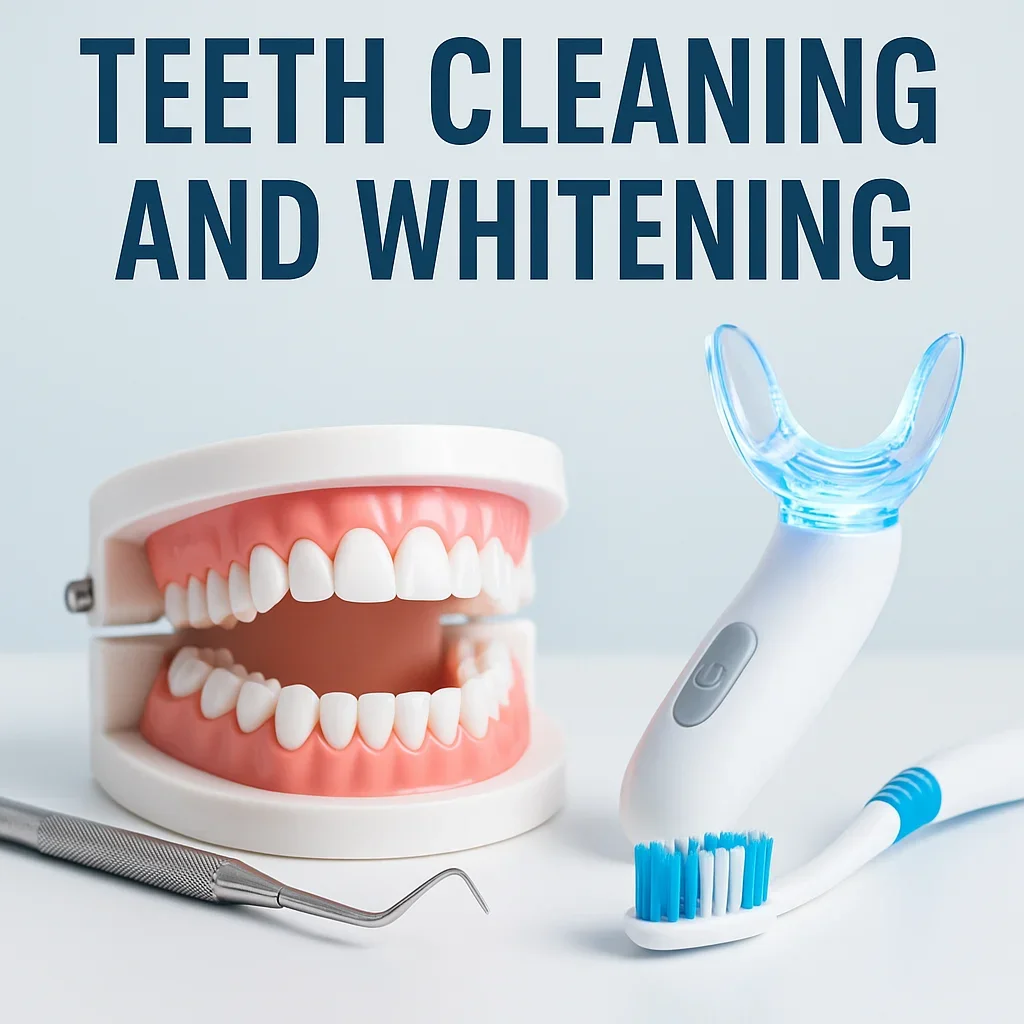
Frequently Asked Questions About Teeth Cleaning and Whitening
Many people are curious about how teeth cleaning and whitening treatments work, how long the results last, and whether they’re safe for everyone. These procedures combine science and aesthetics to create a healthy, beautiful smile — but misconceptions often lead to confusion or hesitation. In this section, we’ll address the most frequently asked questions about dental cleaning and whitening, breaking down each topic with expert insights, real data, and professional recommendations. 🦷💬
Is Teeth Whitening Safe for Everyone?
Yes, when done properly under professional supervision, whitening is both safe and effective. Modern whitening systems use regulated concentrations of hydrogen or carbamide peroxide that are clinically proven to be gentle on enamel. Problems typically arise when people misuse over-the-counter products or attempt unsafe home remedies. Professional teeth cleaning and whitening includes pre-treatment evaluation to ensure that your gums and enamel are healthy enough for whitening. This step prevents unwanted side effects such as irritation, uneven results, or enamel damage.
Who Should Avoid Whitening?
- Pregnant or breastfeeding women (due to lack of long-term safety data).
- Children under 16, since their enamel is still developing.
- People with untreated cavities, gum disease, or exposed roots.
- Patients with dental restorations (e.g., crowns or veneers) that don’t respond to whitening agents.
Always consult your dentist before starting treatment to determine if whitening is right for you. Clinics like Redent Klinik Contact Page perform thorough evaluations to ensure the process is completely safe and tailored to your needs.
How Long Do Whitening Results Last?
The longevity of whitening results depends on your oral care routine, diet, and lifestyle. Professional treatments typically last 9–18 months, while at-home kits last around 2–3 months. Maintaining proper oral hygiene — brushing twice daily, flossing, and using fluoride mouthwash — can extend results significantly. Additionally, regular teeth cleaning and whitening sessions at your dentist ensure stains are removed before they penetrate deeply into enamel. Avoiding dark-colored foods and smoking further enhances longevity.
Tips for Extending Whitening Effects
- Rinse your mouth with water after consuming coffee, tea, or wine.
- Brush with a soft-bristled toothbrush and whitening toothpaste.
- Use a straw for dark beverages to minimize contact with enamel.
- Schedule maintenance whitening every 6–12 months.
Does Whitening Damage Tooth Enamel?
When applied correctly, whitening does not harm enamel. The whitening process works through oxidation — breaking down stain molecules without altering tooth structure. However, excessive or unsupervised use of whitening products can dehydrate enamel temporarily, causing mild sensitivity. Professional teeth cleaning and whitening procedures minimize this risk by using protective gels, fluoride applications, and precise exposure times. Post-whitening fluoride treatment also helps re-mineralize enamel, keeping it strong and healthy.
How to Protect Enamel During Whitening
To ensure enamel safety, always follow your dentist’s recommendations. Avoid over-the-counter whitening strips with unknown peroxide concentrations. Stick to dentist-approved brands and avoid abrasive toothpaste that can wear down enamel over time. Enamel protection should always be the priority over faster results.
What Causes Teeth to Become Discolored?
Discoloration occurs for several reasons — from dietary habits and aging to medication use and genetic factors. Surface stains (extrinsic) are caused by foods and drinks such as coffee, wine, and curry, while deeper stains (intrinsic) result from trauma, excessive fluoride, or certain medications. Professional teeth cleaning and whitening targets both types through a combination of mechanical cleaning (removing surface stains) and chemical whitening (breaking down internal discoloration). Regular care prevents both from recurring.
Common Discoloration Triggers
- Tobacco use (causes yellow-brown stains).
- Dark-colored beverages (coffee, tea, red wine, and cola).
- Aging and enamel thinning.
- Iron or tetracycline-based medications.
- Poor oral hygiene and plaque buildup.
Are Whitening Toothpastes Effective?
Whitening toothpastes can help maintain brightness after professional treatment, but they cannot replace it. These products remove surface stains through mild abrasives or gentle chemical agents but do not penetrate deep discoloration. To maximize benefits, use whitening toothpaste in combination with professional teeth cleaning and whitening. Dentists recommend alternating between whitening and fluoride toothpaste to balance cosmetic and protective effects.
When to Start Using Whitening Toothpaste
Begin using whitening toothpaste 3–5 days after professional whitening to allow enamel to rehydrate. This timing prevents unnecessary sensitivity while maintaining results. Avoid using it more than twice a day to minimize abrasion.
Can I Whiten My Teeth If I Have Fillings or Crowns?
Whitening agents do not affect artificial materials like resin, porcelain, or composite fillings. Therefore, crowns, veneers, and bonding will remain the same color while natural teeth lighten. This may cause uneven shades after treatment. Dentists typically recommend whitening natural teeth first, then replacing or color-matching restorations afterward. During a professional teeth cleaning and whitening consultation, your dentist will plan treatment to ensure a balanced, natural appearance.
How to Manage Mixed Restorations
If you have both natural and restored teeth, communicate this to your dentist. They can apply whitening strategically, adjust exposure times, or schedule new restorations after whitening to achieve uniform color harmony.
What Should I Expect During a Whitening Session?
Professional whitening sessions are quick and comfortable. The process begins with an initial cleaning to remove plaque and tartar. Then, protective barriers are placed over the gums before applying the whitening gel. The gel is activated using LED or laser light for 15–20 minutes per cycle. Most patients undergo 2–3 cycles in one visit. Afterward, a fluoride or desensitizing treatment is applied to minimize sensitivity. Combined with teeth cleaning and whitening, this process leaves your smile visibly brighter — often up to 8 shades lighter — in less than an hour.
Post-Treatment Recommendations
- Avoid colored foods and drinks for 48 hours.
- Brush gently with a soft-bristled brush.
- Use fluoride toothpaste and rinse to strengthen enamel.
- Schedule touch-ups as recommended by your dentist.
How Often Should I Whiten My Teeth?
Most dental professionals recommend whitening no more than twice a year. Over-whitening can cause enamel dehydration or sensitivity. Regular cleanings every six months help maintain brightness naturally, reducing the need for frequent whitening. Combining routine check-ups with professional teeth cleaning and whitening provides balanced results without compromising oral health.
When to Schedule Your Next Whitening
If your teeth start to look dull or stained, book a maintenance appointment rather than restarting at-home treatments immediately. Your dentist can assess whether a simple cleaning or touch-up whitening will achieve the best outcome.
Conclusion: Knowledge Is the Foundation of a Radiant Smile
Understanding the details of teeth cleaning and whitening empowers you to make safe, effective decisions about your oral care. Whether you’re wondering how long results last or which products to trust, professional guidance ensures both beauty and health. With the right aftercare, diet, and dental supervision, you can enjoy a confident, luminous smile for years. For expert consultation or personalized advice, reach out through the Redent Klinik Contact Page — where professional dental care meets lasting brilliance. ✨