
If you are searching for invisalign insurance coverage, the short answer is that many dental insurance plans may provide partial benefits for Invisalign treatment, but the amount of coverage depends on your individual policy, eligibility requirements, annual benefit limits, waiting periods, age restrictions, and your orthodontic diagnosis. In most situations, invisalign insurance coverage works similarly to traditional orthodontic benefits rather than being treated as a completely separate service. Because every insurance provider uses different rules, the best way to understand your potential benefits is to review your policy and have your dental team verify coverage before treatment begins.
For many patients, the biggest question is not simply whether invisalign insurance coverage exists, but whether it will make treatment financially worthwhile. The answer varies from person to person. Some insurance plans contribute toward orthodontic treatment up to a lifetime maximum, while others may only cover treatment for patients below a certain age. There are also plans that exclude orthodontics entirely. Understanding these differences before making a decision can help you avoid unexpected costs and create a treatment plan that fits both your oral health needs and your budget.
Another important point is that invisalign insurance coverage rarely means that treatment becomes completely free. Even when insurance contributes toward the overall cost, patients are often responsible for deductibles, co-payments, or any remaining balance after insurance benefits have been applied. The final amount depends on the complexity of your tooth movement, treatment duration, additional procedures that may be recommended, and the specific details of your insurance contract. A comprehensive dental examination is therefore an essential part of understanding your expected costs.
People often compare Invisalign with conventional braces when reviewing invisalign insurance coverage. Many insurers classify both treatments under orthodontic benefits, meaning that similar coverage rules may apply. However, each insurance company can interpret policy language differently. Some plans specifically mention clear aligners, while others simply refer to orthodontic treatment without naming a particular appliance. Because policies differ, confirming coverage before beginning treatment is always recommended.
Suitability is just as important as insurance. Even if your policy offers excellent invisalign insurance coverage, Invisalign may not be the ideal treatment for every orthodontic condition. Mild to moderate crowding, spacing, and many bite concerns can often be managed successfully with clear aligners, while more complex situations may require additional orthodontic techniques or different treatment options. An experienced dentist or orthodontist can evaluate your oral health, digital scans, bite relationship, and treatment goals before recommending the most appropriate solution.
Timing can also influence your decision. Some insurance plans include waiting periods before orthodontic benefits become available, while others require treatment to begin before a certain age or before policy changes occur. If you anticipate changing employers or insurance providers, reviewing your orthodontic benefits early may help you make a more informed decision. Waiting without understanding your policy could result in losing benefits that were previously available.
Many patients also wonder whether cosmetic concerns affect invisalign insurance coverage. In general, insurance companies are more likely to provide orthodontic benefits when treatment addresses functional dental issues rather than purely cosmetic preferences. Every insurer uses its own criteria, and medical necessity may be evaluated differently depending on your diagnosis and supporting clinical records. Your dentist can prepare the necessary documentation if your insurance company requests additional information before approving benefits.
Choosing a dental clinic that understands insurance verification can simplify the process. Experienced treatment coordinators often communicate directly with insurance providers, explain estimated benefits, and help patients understand what information is currently available before treatment begins. This does not guarantee approval or payment, but it can reduce uncertainty during treatment planning. At Redent Klinik, personalized consultations focus on evaluating oral health, discussing treatment options, and helping patients better understand factors that may influence their invisalign insurance coverage. Every recommendation is based on an individual clinical examination rather than assumptions.
Reliable information is equally important when researching orthodontic treatment online. Professional organizations such as the American Dental Association provide educational resources about oral health, orthodontics, and patient care that can help you better understand your options before making treatment decisions.
If you are considering Invisalign, remember that insurance should be viewed as only one part of the overall decision. Treatment effectiveness, long-term oral health, comfort, lifestyle, expected compliance with wearing aligners, and professional supervision all contribute to a successful outcome. Focusing only on insurance benefits without considering clinical suitability may not lead to the best long-term result.
If you are unsure whether your policy includes invisalign insurance coverage, the most practical next step is to schedule a professional consultation. During your appointment, your dentist can evaluate your teeth, determine whether Invisalign is appropriate for your situation, discuss realistic treatment expectations, and review the insurance information available at that time. If you would like individualized guidance or assistance understanding your treatment options, you can contact the clinic through the Redent Klinik Contact Page. A personalized evaluation provides the most accurate foundation for making an informed treatment decision that balances oral health goals, treatment suitability, and financial considerations.
Does Invisalign Insurance Coverage Really Pay for Treatment?
One of the most common questions patients ask is whether invisalign insurance coverage actually reduces the cost of treatment. The straightforward answer is that it often can, but the amount depends entirely on your dental insurance plan, your orthodontic benefits, and the clinical details of your case. Some insurance policies contribute toward Invisalign in much the same way they contribute toward traditional braces, while others may exclude orthodontic treatment or apply specific restrictions. Understanding how invisalign insurance coverage works before starting treatment helps you make a more informed financial decision and reduces the chance of unexpected expenses later.
How Insurance Companies Usually View Invisalign
Most dental insurers do not simply ask whether you want clear aligners. Instead, they evaluate whether your policy includes orthodontic benefits and whether your proposed treatment meets the requirements outlined in your insurance contract. In many cases, invisalign insurance coverage is considered under the same orthodontic category as conventional braces. That means your plan may contribute a percentage of treatment costs or provide benefits up to a lifetime orthodontic maximum.
However, every insurance company uses its own rules. Two patients receiving nearly identical Invisalign treatment may receive different benefit estimates simply because they have different insurance providers or different policy levels. For this reason, reviewing your individual policy is far more valuable than relying on general information found online.
What Determines Invisalign Insurance Coverage?
Several factors influence whether invisalign insurance coverage is available and how much financial assistance you may receive. These commonly include:
- Whether your insurance includes orthodontic benefits.
- Your annual and lifetime benefit limits.
- Your deductible requirements.
- Your remaining unused insurance benefits.
- Your age if the policy has orthodontic age restrictions.
- Waiting periods before orthodontic treatment becomes eligible.
- The complexity of your orthodontic condition.
- The documentation requested by the insurance company.
Because these variables differ significantly between policies, there is no universal percentage or fixed amount that applies to every patient seeking invisalign insurance coverage.
Does Partial Coverage Still Make Invisalign Worth Considering?
Many people assume treatment is worthwhile only if insurance pays for most of it. In reality, even partial invisalign insurance coverage may substantially reduce your overall out-of-pocket expense. Depending on your plan, insurance benefits can often be combined with flexible payment arrangements offered by the treating clinic, making treatment more manageable without requiring the full cost upfront.
When comparing treatment options, avoid focusing exclusively on the amount paid by insurance. Comfort, appearance, oral hygiene, convenience, treatment goals, and expected results are equally important considerations. Sometimes the option with slightly higher personal costs may still provide advantages that better match your lifestyle.
Remember That Final Costs Vary
No reputable clinic can promise an exact treatment fee before completing a clinical examination. The final cost depends on factors such as tooth alignment, bite correction requirements, treatment duration, additional dental procedures, and the customized treatment plan. Likewise, no clinic can guarantee how much invisalign insurance coverage your insurance provider will approve before verification has been completed.
When Insurance May Not Cover Everything
It is important to understand that even excellent invisalign insurance coverage rarely eliminates every expense associated with treatment. Patients may still be responsible for deductibles, coinsurance, benefit limits, replacement retainers, or services that fall outside the policy’s orthodontic coverage.
For this reason, requesting a written estimate before treatment begins is often helpful. A treatment estimate allows you to compare expected insurance benefits with your anticipated personal contribution and make decisions based on realistic financial expectations rather than assumptions.
Why a Professional Consultation Matters
A dental consultation provides much more than an estimate of insurance benefits. During your appointment, the dentist evaluates whether Invisalign is clinically appropriate for your teeth and bite. Even if your policy offers favorable invisalign insurance coverage, Invisalign may not always represent the best solution for every orthodontic condition.
Digital scans, photographs, X-rays when necessary, and a detailed clinical examination allow your dentist to determine the complexity of treatment before discussing realistic expectations. This approach helps ensure that financial considerations support—not replace—appropriate clinical decision-making.
Clinics experienced in orthodontic treatment often assist patients by reviewing insurance information and helping them understand available benefits. At Redent Klinik, consultations focus on personalized treatment planning while also helping patients better understand the insurance information available for their individual circumstances. Every recommendation is based on clinical findings rather than assumptions about insurance alone.
Should You Delay Treatment While Waiting for Better Insurance?
Some patients postpone orthodontic treatment because they hope future insurance will provide better invisalign insurance coverage. Although this may occasionally be beneficial, delaying treatment is not always the best option. Orthodontic concerns can change over time, and postponing care may allow crowding, bite problems, or oral hygiene challenges to become more complicated.
If you anticipate changing employers or insurance providers, discussing your timeline with your dentist may help you decide whether beginning treatment now or waiting until new benefits become active is more appropriate for your situation.
Making a Well-Informed Decision
The most practical approach is to view invisalign insurance coverage as one factor within a much larger decision. Insurance benefits are valuable, but treatment suitability, expected outcomes, oral health, long-term maintenance, and your personal goals deserve equal consideration. A balanced decision is usually more beneficial than choosing treatment solely because of insurance reimbursement.
Before starting treatment, check whether your insurance policy includes orthodontic benefits, confirm waiting periods or age restrictions, ask for a benefit verification, and request a personalized treatment estimate after your clinical examination. If you are uncertain about your eligibility or whether Invisalign is appropriate for your dental condition, scheduling a professional consultation is the most reliable next step. A dentist can evaluate your oral health, explain realistic treatment options, and help you understand how your individual invisalign insurance coverage may apply before treatment begins.
Understanding Invisalign Insurance Coverage Costs and What Affects Your Benefits
When evaluating invisalign insurance coverage, one of the most important questions is how much your insurance may actually contribute toward treatment costs. While many dental insurance plans include orthodontic benefits, the amount they pay varies significantly between providers and individual policies. Rather than assuming all plans work the same way, it is more useful to understand the specific factors that determine your potential benefits. This allows you to compare treatment options realistically and prepare for any personal expenses before treatment begins.
It is also important to remember that invisalign insurance coverage is only one part of the overall financial picture. Your treatment plan, oral health condition, insurance limits, and payment arrangements all work together to determine your final out-of-pocket cost. A personalized consultation provides far more accurate information than online estimates or average pricing figures.
Why Invisalign Costs Differ Between Patients
No two Invisalign cases are exactly alike. One patient may require only minor tooth movement over several months, while another may need comprehensive bite correction that takes considerably longer. Because Invisalign treatment is customized, insurance companies typically evaluate the approved treatment rather than assigning a fixed payment for every patient.
Several clinical factors may influence the overall treatment cost before invisalign insurance coverage is applied:
- The complexity of tooth alignment.
- The severity of bite problems.
- The estimated treatment duration.
- The number of aligners required.
- Whether attachments or additional orthodontic procedures are needed.
- Retention after treatment is completed.
- Additional dental care required before orthodontic treatment begins.
Because every treatment plan is individualized, dentists generally avoid providing exact pricing until after a complete clinical examination and digital assessment have been performed.
Insurance Factors That Influence Your Benefits
Even when two patients receive similar treatment plans, their invisalign insurance coverage may differ considerably because insurance policies contain different benefit structures. Understanding these differences helps prevent unrealistic expectations.
Annual Maximum Benefits
Many dental insurance plans place limits on how much they pay during a benefit year. If your annual benefits have already been used for other dental procedures, less funding may remain available for orthodontic treatment.
Lifetime Orthodontic Maximums
Some insurance providers establish a lifetime orthodontic benefit rather than renewing orthodontic coverage each year. Once this maximum has been reached, additional orthodontic expenses typically become the patient’s responsibility.
Deductibles and Coinsurance
Your insurance policy may require you to pay a deductible before benefits begin. Afterward, you may still share treatment costs through coinsurance, meaning invisalign insurance coverage often reduces—but does not completely eliminate—your financial responsibility.
Waiting Periods
Certain dental insurance plans require patients to maintain coverage for a specified period before orthodontic benefits become available. Beginning treatment before the waiting period ends may affect available benefits depending on the policy terms.
Age Restrictions
Some orthodontic benefits are designed primarily for children or adolescents, while others also provide coverage for adults. Reviewing your individual policy is essential because age-related eligibility varies considerably between insurance providers.
Should Cost Be Your Only Decision Factor?
Although financial considerations matter, choosing treatment solely because of invisalign insurance coverage may not always lead to the most appropriate outcome. Treatment should first be based on your clinical needs, oral health, and long-term goals.
For example, a patient whose insurance contributes more toward traditional braces should still discuss whether Invisalign offers advantages that better match their daily routine, professional lifestyle, oral hygiene habits, or comfort preferences. Likewise, if Invisalign is clinically appropriate and fits your treatment goals, partial insurance benefits combined with financing options may still make treatment affordable.
Planning Your Budget Before Treatment Begins
Preparing financially before starting orthodontic treatment can reduce unnecessary stress throughout the process. Instead of focusing only on the advertised treatment fee, ask your dental provider for a comprehensive estimate that considers your expected invisalign insurance coverage together with your likely personal contribution.
A treatment estimate may include:
- The estimated treatment fee.
- Your expected insurance contribution based on available information.
- Your estimated remaining balance.
- Available installment or payment options if offered by the clinic.
- Any additional procedures that may be recommended before treatment.
Having this information in advance allows you to compare treatment options with greater confidence and avoid making decisions based solely on assumptions.
Why Insurance Verification Is Worth the Time
Insurance policies often contain detailed wording that patients may find difficult to interpret. Benefit summaries rarely explain every limitation, exclusion, or reimbursement rule. For this reason, many dental clinics assist patients by verifying available benefits before treatment begins.
At Redent Klinik, consultations include an individualized clinical evaluation, and patients can also receive guidance regarding the insurance information available for their treatment planning. While no clinic can guarantee approval or payment from an insurance provider, verifying benefits beforehand helps create a clearer understanding of possible financial responsibilities.
Balancing Cost, Value, and Long-Term Oral Health
When reviewing invisalign insurance coverage, remember that the least expensive option is not automatically the best value. Effective orthodontic treatment aims to improve tooth alignment, bite function, oral hygiene accessibility, and long-term dental health. Choosing an appropriate treatment plan based on professional clinical advice may provide greater long-term benefits than selecting an option based only on insurance reimbursement.
Patients should also consider treatment quality, provider experience, expected compliance with wearing aligners, follow-up care, and retention after treatment. These factors often contribute significantly to successful outcomes and patient satisfaction.
What You Should Check Before Making a Decision
Before committing to treatment, review your insurance policy carefully and confirm whether it includes orthodontic benefits, annual or lifetime maximums, deductibles, waiting periods, and age-related limitations. Ask your dental provider to verify your benefits whenever possible and request a personalized treatment estimate following your clinical examination.
If you are uncertain whether your invisalign insurance coverage is sufficient or whether Invisalign is the most appropriate solution for your orthodontic needs, schedule a professional consultation. A dentist can assess your oral health, explain realistic treatment options, discuss expected costs based on your individual situation, and help you make an informed decision that balances clinical needs with financial considerations.
Who Qualifies for Invisalign Insurance Coverage?
Many people assume that simply having dental insurance automatically means they qualify for invisalign insurance coverage. In reality, eligibility depends on several clinical and insurance-related factors rather than a single rule. Your insurance policy, your oral health condition, your age, and the type of orthodontic benefits included in your plan all influence whether invisalign insurance coverage may be available. Understanding these factors before scheduling treatment can help you make realistic financial and clinical decisions while avoiding unnecessary surprises.
The first step is recognizing that insurance companies evaluate both the policy itself and the proposed treatment. Even if two people have Invisalign treatment for similar alignment concerns, their available invisalign insurance coverage may differ because their employers selected different insurance plans or because they purchased different levels of dental coverage. This is why personalized insurance verification is much more reliable than comparing benefits with friends or reading general information online.
Does Having Dental Insurance Automatically Mean You Qualify?
The simple answer is no. Dental insurance alone does not guarantee invisalign insurance coverage. Many standard dental plans primarily cover preventive and restorative procedures, while orthodontic benefits are offered only through selected plans or optional upgrades. Before assuming Invisalign treatment is included, it is important to confirm whether your policy specifically includes orthodontic benefits.
Some insurance plans may classify Invisalign similarly to traditional braces, while others may contain exclusions or limitations for clear aligner therapy. Because every provider writes its own policy language, reviewing your individual benefits remains the most accurate approach.
Clinical Factors That May Affect Eligibility
Insurance approval is only one part of the process. Your dentist or orthodontist must first determine whether Invisalign is an appropriate treatment for your specific orthodontic condition. Even excellent invisalign insurance coverage does not replace the need for a proper clinical evaluation.
Several clinical considerations influence treatment suitability, including:
- The degree of tooth crowding or spacing.
- Your bite relationship.
- Jaw alignment.
- Overall oral health.
- The condition of your gums and supporting bone.
- Existing restorations such as crowns or bridges.
- Your ability to wear aligners consistently.
If untreated gum disease, significant tooth decay, or other oral health concerns are present, these issues may need to be addressed before Invisalign treatment begins.
Age and Invisalign Insurance Coverage
Coverage for Children and Teenagers
Many insurance providers developed orthodontic benefits primarily for younger patients. As a result, some policies include age limitations that affect invisalign insurance coverage. Teenagers often have broader orthodontic eligibility under certain insurance plans, although this varies by provider.
Coverage for Adults
Adults should not assume they are excluded from orthodontic benefits. Numerous dental insurance policies now include adult orthodontic coverage, while others do not. Because adult coverage varies considerably, reviewing your policy details before beginning treatment is especially important.
Even if your insurance provides limited assistance, treatment may still be worth considering depending on your orthodontic needs, treatment goals, and available payment arrangements.
Medical Necessity Versus Cosmetic Improvement
Patients frequently ask whether invisalign insurance coverage depends on whether treatment is considered cosmetic. While every insurance company has different criteria, orthodontic benefits are often more favorable when treatment addresses functional concerns in addition to improving appearance.
Examples may include:
- Bite irregularities.
- Crowding that affects oral hygiene.
- Spacing that contributes to functional concerns.
- Orthodontic issues that may influence long-term dental health.
Your dentist may prepare clinical documentation, digital scans, photographs, or diagnostic records if additional information is requested by your insurance provider during the approval process.
Your Role in Successful Invisalign Treatment
Qualification for treatment extends beyond insurance approval. Invisalign requires patient commitment because aligners must generally be worn for the recommended number of hours each day. Individuals who frequently remove their aligners or do not follow treatment instructions may experience slower progress or less predictable outcomes.
Before relying on invisalign insurance coverage as the primary reason to begin treatment, honestly consider whether your lifestyle supports successful aligner wear. Patients who travel frequently, have demanding work schedules, or struggle with consistent routines should discuss these factors openly with their dentist during treatment planning.
When Alternative Treatments May Be More Appropriate
Although Invisalign successfully treats many orthodontic cases, it is not always the ideal solution for every patient. Some complex bite corrections or severe alignment problems may respond better to other orthodontic techniques. A professional evaluation helps determine which option offers the most appropriate balance between effectiveness, comfort, treatment duration, and long-term oral health.
Insurance should support this decision rather than determine it. Choosing treatment based solely on available invisalign insurance coverage may not always provide the best clinical outcome.
How a Consultation Helps Clarify Eligibility
During a professional consultation, your dentist evaluates much more than your insurance benefits. Digital scans, photographs, bite analysis, and a comprehensive oral examination help determine whether Invisalign is clinically appropriate. Clinics familiar with orthodontic treatment often assist patients by reviewing available insurance information and explaining how invisalign insurance coverage may apply to their proposed treatment plan.
At Redent Klinik, treatment planning is individualized for every patient. Clinical findings, oral health status, treatment expectations, and insurance information are all considered together before recommendations are made. This personalized approach helps patients understand both the clinical and financial aspects of treatment without making assumptions about insurance approval.
Making the Right Decision for Your Situation
Eligibility for invisalign insurance coverage is only one part of choosing orthodontic treatment. Equally important are your oral health, treatment goals, daily habits, and long-term expectations. A thorough examination provides a clearer picture of whether Invisalign is appropriate and what benefits your insurance may realistically provide.
Before moving forward, check whether your dental insurance includes orthodontic benefits, ask whether age limits or waiting periods apply, and request an insurance verification from your dental provider. If you are unsure whether Invisalign is suitable for your orthodontic condition or whether your policy offers meaningful invisalign insurance coverage, schedule a professional consultation. A dentist can assess your individual needs, explain realistic treatment options, and help you make an informed decision based on both clinical findings and your available insurance benefits.
How the Invisalign Insurance Coverage Process Works from Consultation to Claim
Understanding the complete invisalign insurance coverage process before starting treatment can make the experience much smoother. Many patients believe insurance approval happens automatically once they choose Invisalign, but there are several important steps between the initial consultation and the final insurance payment. Knowing what to expect helps you prepare financially, avoid unnecessary delays, and make informed decisions throughout your orthodontic journey.
Although every insurance provider follows its own procedures, the overall process is generally similar. It begins with determining whether Invisalign is clinically appropriate for your oral health needs and continues with insurance verification, treatment planning, claim submission, and ongoing follow-up. By understanding each stage, you can better appreciate how invisalign insurance coverage fits into the overall treatment process rather than viewing insurance as a separate issue.
Step 1: Schedule a Comprehensive Consultation
The first step is always a professional dental consultation. Before discussing invisalign insurance coverage, your dentist needs to determine whether Invisalign is the right treatment option for your teeth and bite.
During this appointment, the dentist may perform:
- A complete oral examination.
- Digital scans or impressions.
- Photographs of your teeth.
- Bite analysis.
- X-rays when clinically appropriate.
- An evaluation of your gums and overall oral health.
If untreated decay, gum disease, or other dental concerns are present, these conditions may need to be addressed before orthodontic treatment begins. Insurance benefits cannot replace the importance of proper diagnosis and treatment planning.
Step 2: Create an Individualized Treatment Plan
Once Invisalign has been determined to be an appropriate option, your dentist develops a customized treatment plan. This plan estimates the expected tooth movement, projected treatment duration, and the number of aligners likely to be required.
At this stage, the complexity of treatment becomes clearer. Because treatment plans differ from one patient to another, the potential value of invisalign insurance coverage also varies. More comprehensive treatment does not necessarily mean greater insurance reimbursement because coverage depends primarily on your individual insurance policy rather than treatment complexity alone.
Step 3: Verify Invisalign Insurance Coverage
Insurance Verification
After your treatment plan has been prepared, many dental clinics contact your insurance provider to verify available orthodontic benefits. This verification process helps determine whether your policy includes invisalign insurance coverage, whether waiting periods apply, whether age limitations exist, and what benefit limits remain available.
Insurance verification generally provides an estimate rather than a legally binding guarantee. Final claim decisions remain the responsibility of the insurance company according to the terms of your policy.
Reviewing Your Financial Estimate
Following verification, your dental team can usually explain how your estimated insurance benefits may affect your expected treatment costs. This allows you to understand your anticipated personal contribution before treatment begins.
Rather than relying on online estimates, reviewing an individualized financial summary provides a much more accurate picture of your likely expenses.
Step 4: Begin Invisalign Treatment
Once both the clinical treatment plan and financial arrangements have been discussed, Invisalign treatment can begin. Custom aligners are manufactured according to your digital treatment plan, and your dentist provides instructions regarding aligner wear, oral hygiene, eating habits, and follow-up appointments.
Although invisalign insurance coverage helps manage financial planning, treatment success still depends largely on patient cooperation. Wearing aligners consistently, attending scheduled appointments, and following professional instructions remain essential for achieving predictable tooth movement.
Step 5: Insurance Claim Submission
Depending on your insurance plan and clinic procedures, insurance claims may be submitted shortly after treatment begins or according to the payment schedule specified by your insurer. Some insurance companies issue benefits in installments throughout treatment rather than paying the entire approved amount immediately.
Patients should understand that claim processing times vary between insurance providers. Delays do not necessarily indicate claim denial, as insurers may occasionally request additional documentation before completing their review.
Possible Reasons Claims Require Additional Review
Insurance companies sometimes request further information before finalizing invisalign insurance coverage. Additional review may occur if:
- Clinical records require clarification.
- Orthodontic benefits need confirmation.
- Waiting periods must be verified.
- Policy eligibility has recently changed.
- Additional diagnostic documentation is requested.
These requests are a routine part of insurance administration and do not necessarily mean your claim will be denied.
How Your Dental Clinic Can Help
Experienced dental clinics often assist patients throughout the insurance process by helping prepare treatment documentation, verifying available benefits, and answering questions about claim procedures. While no clinic can guarantee insurance approval, professional guidance frequently reduces confusion during treatment planning.
At Redent Klinik, consultations are designed to evaluate each patient’s orthodontic needs individually while also helping patients better understand the insurance information available for their specific treatment plan. Recommendations are always based on clinical findings together with available insurance information rather than assumptions about reimbursement.
Why Good Communication Matters
Patients sometimes hesitate to ask questions about invisalign insurance coverage, assuming insurance terminology is too complicated. In reality, discussing your concerns early can prevent misunderstandings later. Ask your dental provider to explain your estimated benefits, expected personal contribution, payment schedule, and any limitations that may affect your treatment.
Likewise, notify your clinic if your insurance policy changes during treatment. Switching employers, changing insurance companies, or modifying your dental plan may influence future benefits depending on your policy terms.
Making the Process Easier
The Invisalign journey becomes much less stressful when approached step by step. Instead of concentrating only on insurance reimbursement, focus on receiving an accurate diagnosis, a personalized treatment plan, realistic financial information, and clear communication throughout treatment. Viewing invisalign insurance coverage as one component of comprehensive treatment planning helps create more realistic expectations and better long-term satisfaction.
Before beginning Invisalign treatment, check whether your insurance policy includes orthodontic benefits, request a benefit verification, ask how claims will be submitted, and review your expected personal costs. If you are uncertain about the process or whether Invisalign is clinically appropriate for your situation, arrange a professional consultation. A dentist can evaluate your oral health, explain each stage of treatment, clarify how invisalign insurance coverage may apply to your case, and help you make a confident, well-informed decision.
Common Limitations, Waiting Periods, and Risks of Invisalign Insurance Coverage
Although many dental insurance plans offer some level of invisalign insurance coverage, patients should understand that insurance benefits almost always include limitations and conditions. Learning about these restrictions before beginning treatment can help you avoid unexpected expenses, reduce administrative delays, and make more informed decisions about your orthodontic care. Rather than asking only whether your insurance covers Invisalign, it is equally important to understand how, when, and under what circumstances invisalign insurance coverage applies.
Insurance companies design policies differently, meaning there is no universal rule that applies to every patient. One plan may provide orthodontic benefits immediately, while another may require a waiting period or impose age-related restrictions. Understanding these differences early allows you to plan treatment with realistic expectations instead of relying on assumptions or general information found online.
Waiting Periods Can Delay Your Benefits
One of the most common restrictions affecting invisalign insurance coverage is the waiting period. Some dental insurance policies require members to maintain continuous coverage for a specified amount of time before orthodontic benefits become available.
If treatment begins before this waiting period has ended, your insurance provider may not contribute toward treatment costs even though your policy includes orthodontic benefits. Because waiting period rules differ between insurance companies, reviewing your policy before scheduling treatment is always advisable.
If you recently changed employers or purchased a new insurance plan, ask your provider whether any waiting periods remain before orthodontic benefits become active.
Lifetime Maximum Benefit Limits
Unlike preventive dental care that often renews annually, orthodontic benefits are frequently subject to lifetime maximums. This means your insurance provider may contribute only up to a predetermined amount over your lifetime for orthodontic treatment.
Once that maximum has been reached, additional treatment expenses generally become your responsibility. Therefore, understanding your remaining orthodontic benefits is an important part of evaluating your available invisalign insurance coverage.
Age Restrictions
Benefits for Younger Patients
Some insurance policies are designed primarily to support orthodontic treatment for children and teenagers. In these situations, orthodontic benefits may decrease or become unavailable after a certain age.
Adult Orthodontic Benefits
Fortunately, many modern insurance plans now include orthodontic benefits for adults. However, adult invisalign insurance coverage varies considerably between insurance providers. Never assume eligibility based solely on another person’s experience because policies differ significantly.
Annual Deductibles and Coinsurance
Even when your insurance approves treatment, patients frequently remain responsible for part of the total cost. Your policy may include:
- An annual deductible.
- A percentage of treatment costs paid by the patient.
- Maximum annual benefit limits.
- Services excluded from orthodontic benefits.
For this reason, invisalign insurance coverage should generally be viewed as financial assistance rather than complete payment for treatment.
Coverage Does Not Automatically Mean Treatment Is Appropriate
One common misunderstanding is assuming that insurance approval automatically means Invisalign is the best treatment choice. Insurance evaluates policy eligibility, while your dentist evaluates clinical suitability.
Some orthodontic conditions respond very well to Invisalign, while others may benefit from different treatment approaches depending on bite complexity, jaw relationships, or other clinical findings. Choosing treatment based only on available invisalign insurance coverage may not provide the most appropriate long-term outcome.
A comprehensive examination remains the foundation of successful treatment planning regardless of available insurance benefits.
Policy Changes During Treatment
Orthodontic treatment often continues for many months. During that time, patients sometimes change employers, insurance providers, or benefit plans.
Depending on your insurance policy, these changes may influence future orthodontic benefits. If you anticipate changing insurance during treatment, discuss the situation with both your insurance provider and your dental clinic before making any decisions.
Understanding how future policy changes may affect your invisalign insurance coverage can help reduce unexpected financial complications later.
Claim Reviews and Additional Documentation
Insurance companies occasionally request additional clinical information before completing claim reviews. This may include diagnostic records, treatment plans, photographs, or other documentation supporting the proposed orthodontic treatment.
Receiving a request for additional information does not necessarily indicate that your claim will be denied. In many cases, it is simply part of the insurer’s routine review process before confirming invisalign insurance coverage.
How Professional Guidance Can Help
Because insurance policies contain detailed conditions and exclusions, many patients benefit from working with a dental clinic experienced in insurance verification. Professional treatment coordinators can often explain available benefits, review policy information, and help patients better understand how insurance may apply to their proposed treatment.
At Redent Klinik, treatment planning begins with a comprehensive clinical evaluation rather than assumptions about insurance benefits. Patients receive individualized recommendations based on their oral health, orthodontic needs, and available insurance information. This approach supports informed decision-making while recognizing that final insurance determinations always remain the responsibility of the insurance provider.
Balancing Insurance with Long-Term Oral Health
While invisalign insurance coverage is an important financial consideration, it should never be the only factor influencing your decision. Long-term oral health, proper bite function, treatment predictability, patient cooperation, and professional supervision all contribute to successful orthodontic outcomes.
Some patients postpone needed treatment while waiting for different insurance, whereas others choose treatment solely because insurance contributes financially. Neither approach is automatically correct. The most appropriate decision considers both your clinical needs and your financial circumstances together.
What You Should Review Before Starting Treatment
Before beginning Invisalign treatment, carefully review your insurance policy for waiting periods, age limitations, deductibles, annual or lifetime orthodontic maximums, and claim submission requirements. Ask your dental provider whether additional documentation may be required and request an insurance verification whenever possible.
If you are uncertain whether your invisalign insurance coverage applies to your individual situation or whether Invisalign is the most suitable orthodontic option, schedule a professional consultation. A comprehensive examination allows your dentist to evaluate your oral health, explain realistic treatment recommendations, clarify potential insurance limitations, and help you make a well-informed decision based on both clinical findings and your available benefits.
Alternatives If Your Invisalign Insurance Coverage Is Limited or Denied
Discovering that your invisalign insurance coverage is limited—or that your insurance provider does not contribute toward treatment at all—can feel disappointing. However, it does not necessarily mean you need to abandon orthodontic treatment. Many patients successfully improve their smile and oral health by exploring alternative treatment options, payment strategies, or insurance solutions that better match their individual circumstances. The key is to evaluate all available choices rather than making a decision based solely on an initial insurance response.
Every insurance provider has different orthodontic policies, and even when invisalign insurance coverage is unavailable, there may still be practical ways to make treatment financially manageable. A comprehensive consultation can help determine which approach best fits your oral health needs, treatment goals, and budget.
Understand Why Coverage Was Limited
Before searching for alternatives, it is important to understand why your invisalign insurance coverage was reduced or denied. Insurance decisions are often based on policy language rather than the quality or effectiveness of Invisalign treatment.
Common reasons include:
- Your policy does not include orthodontic benefits.
- Your lifetime orthodontic maximum has already been reached.
- A waiting period has not yet been completed.
- Your plan excludes clear aligner treatment.
- Age-related eligibility requirements apply.
- Your insurance coverage changed before treatment began.
Understanding the reason allows you and your dental provider to determine whether another solution may be available.
Consider Other Orthodontic Treatment Options
If your available invisalign insurance coverage is minimal, your dentist may discuss alternative orthodontic treatments that better align with your clinical needs and financial situation.
Traditional Braces
Many insurance companies classify conventional braces under standard orthodontic benefits. Depending on your individual policy, they may receive similar or, in some cases, broader coverage than clear aligners. Traditional braces remain an effective treatment option for a wide range of orthodontic conditions, particularly more complex cases.
Other Clear Aligner Systems
Depending on your diagnosis and your provider’s recommendations, other professionally supervised clear aligner systems may also be appropriate. However, insurance policies vary considerably, and switching aligner brands does not automatically increase invisalign insurance coverage or orthodontic benefits.
The most appropriate treatment should always be determined through clinical evaluation rather than insurance reimbursement alone.
Flexible Payment Arrangements
Even when insurance contributes only partially—or not at all—many dental clinics offer payment arrangements that allow treatment costs to be spread over time. These financing options may reduce the immediate financial burden without affecting the quality of care.
Before selecting a payment plan, ask your dental provider about:
- Available installment options.
- Required deposits.
- Monthly payment schedules.
- Administrative fees, if applicable.
- How insurance benefits are applied during treatment.
Combining partial invisalign insurance coverage with structured payment arrangements may provide a practical solution for many patients.
Health Savings and Flexible Spending Accounts
Depending on your country, employer benefits, or healthcare system, certain tax-advantaged healthcare accounts may help offset orthodontic expenses. Patients who have access to Health Savings Accounts (HSAs), Flexible Spending Accounts (FSAs), or comparable benefit programs may be able to use eligible funds toward portions of their orthodontic treatment.
Eligibility rules differ, so reviewing the requirements of your specific account administrator is recommended before making financial decisions related to invisalign insurance coverage.
Request a Detailed Insurance Review
Insurance policies can be complex, and patients occasionally misunderstand the extent of their available benefits. Before assuming treatment is completely uncovered, ask your dental clinic to verify your orthodontic benefits directly with your insurance provider.
Benefit verification may clarify:
- Remaining orthodontic benefits.
- Applicable deductibles.
- Waiting periods.
- Lifetime maximums.
- Required claim documentation.
This additional review may provide a clearer understanding of your available invisalign insurance coverage and prevent decisions based on incomplete information.
Focus on Long-Term Value Instead of Immediate Cost
It is natural to focus on insurance contributions when comparing orthodontic treatments. However, treatment decisions should also consider long-term oral health, expected treatment effectiveness, patient comfort, appearance, and daily convenience.
Choosing a treatment solely because insurance contributes more may not always provide the most appropriate clinical outcome. Conversely, selecting Invisalign simply because it is aesthetically appealing without confirming suitability may also lead to unrealistic expectations.
The best decision balances clinical needs with financial planning rather than prioritizing one over the other.
How a Personalized Consultation Helps
When invisalign insurance coverage is limited, individualized treatment planning becomes even more valuable. A comprehensive consultation allows your dentist to evaluate your oral health, determine whether Invisalign is the most appropriate option, explain alternative treatments when necessary, and review realistic financial considerations.
At Redent Klinik, consultations are tailored to each patient’s specific needs. Clinical findings, treatment objectives, insurance information, and available financial options are considered together so patients can make informed decisions without unnecessary pressure. This personalized approach supports realistic expectations while recognizing that final insurance determinations remain with the insurance provider.
Making the Right Decision After a Coverage Denial
A denial or limitation of invisalign insurance coverage should not automatically prevent you from exploring orthodontic treatment. In many situations, alternative treatment options, payment arrangements, or different benefit resources may still allow you to proceed with appropriate care. The goal is to understand all available choices before deciding whether to delay, modify, or begin treatment.
Before making your final decision, check the exact reason your insurance benefits were limited, ask whether additional documentation could affect the claim, compare alternative orthodontic treatments with your dentist, and review available financing options if appropriate. If you remain uncertain about whether Invisalign or another orthodontic solution best fits your oral health needs, schedule a professional consultation. A personalized evaluation provides the most reliable foundation for balancing clinical suitability, financial planning, and the practical value of your available invisalign insurance coverage.
Financing Options to Combine with Invisalign Insurance Coverage
Even when invisalign insurance coverage helps reduce treatment costs, many patients still have an out-of-pocket balance to consider. Fortunately, insurance benefits are not the only financial resource available. Combining available insurance with financing options can make orthodontic treatment more manageable while allowing you to begin care when it is clinically appropriate rather than delaying treatment solely because of cost. Understanding the available financing methods before starting treatment allows you to create a realistic financial plan that supports both your oral health and your budget.
Every patient’s financial situation is different. Some individuals receive substantial invisalign insurance coverage, while others have only limited orthodontic benefits or none at all. Because treatment plans are customized, the best financing approach should also be personalized rather than based on a one-size-fits-all solution.
Start with Your Insurance Benefits
Before considering payment options, verify exactly how your invisalign insurance coverage applies to your proposed treatment plan. Your dental provider can often help estimate your available benefits after reviewing your insurance policy and treatment recommendation.
Understanding your insurance contribution first provides a clear starting point for calculating any remaining balance. This prevents unnecessary confusion when comparing financing alternatives later.
Monthly Payment Plans
One of the most common ways to manage orthodontic expenses is through monthly payment arrangements offered by many dental clinics. Instead of paying the full treatment fee at the beginning, eligible patients may be able to divide the remaining balance into scheduled payments.
Payment plans vary between clinics, but they may include:
- An initial deposit.
- Monthly installments.
- Flexible repayment periods.
- Automatic payment options.
When combined with available invisalign insurance coverage, monthly payments may significantly reduce the immediate financial impact of treatment.
Health Savings Accounts and Flexible Spending Accounts
Health Savings Accounts (HSAs)
In some healthcare systems, eligible patients may use Health Savings Account funds toward qualified dental expenses. Depending on applicable regulations and your specific account rules, these funds may help cover portions of orthodontic treatment not paid through invisalign insurance coverage.
Flexible Spending Accounts (FSAs)
Flexible Spending Accounts may also provide another way to pay eligible healthcare expenses using pre-tax funds. Because account rules differ, always verify eligibility with your plan administrator before relying on these resources during treatment planning.
Employer Dental Benefit Programs
Some employers provide enhanced dental benefits beyond standard insurance plans. If your workplace offers optional orthodontic coverage or supplementary dental benefits, reviewing these programs carefully may reveal additional assistance beyond your standard invisalign insurance coverage.
Employees who are approaching open enrollment periods may also wish to compare available dental plans before beginning treatment. Selecting a plan with stronger orthodontic benefits could influence future treatment costs, although delaying treatment should always be discussed with your dentist first.
Personal Budget Planning
Financial planning is an important part of every major healthcare decision. Before beginning Invisalign treatment, consider creating a realistic budget that includes both expected insurance contributions and your anticipated personal expenses.
Your financial planning checklist may include:
- Your estimated insurance contribution.
- Your remaining treatment balance.
- Monthly payment affordability.
- Possible additional dental procedures.
- Emergency financial reserves.
Taking time to review these factors often reduces stress throughout treatment and helps ensure that financial commitments remain manageable.
Avoid Making Decisions Based Only on Price
While finances are important, treatment decisions should never be based exclusively on available invisalign insurance coverage or the lowest monthly payment. Orthodontic treatment is a long-term investment in oral health, and selecting the most appropriate treatment option often provides greater value than simply choosing the least expensive alternative.
Factors such as treatment effectiveness, provider experience, expected treatment duration, patient compliance, and long-term bite stability should all be considered together with financial planning.
Questions to Ask Before Choosing a Financing Option
When reviewing financing choices, consider asking your dental provider the following questions:
- How will my insurance benefits be applied?
- What will my estimated personal contribution be?
- Are installment payments available?
- When are payments due?
- Will additional procedures affect the overall estimate?
- Can my insurance estimate change if my policy changes?
Clear answers to these questions help create realistic expectations while reducing uncertainty throughout treatment.
How Redent Klinik Supports Treatment Planning
Financial planning is most effective when combined with personalized clinical evaluation. At Redent Klinik, consultations focus on understanding each patient’s oral health, treatment objectives, and available insurance information before discussing financial considerations. Rather than recommending a single payment approach for every patient, treatment planning is individualized according to clinical findings and personal circumstances.
This approach helps patients understand how invisalign insurance coverage fits into their complete treatment plan while recognizing that final insurance approvals remain subject to the terms of each individual policy.
Balancing Financial Planning with Oral Health
Many patients postpone orthodontic treatment because they are concerned about cost. While careful financial planning is important, delaying necessary treatment without understanding available financing options may not always be beneficial. Combining insurance benefits with structured payment arrangements can often make treatment more accessible without compromising clinical quality.
Rather than viewing insurance and financing separately, consider them complementary tools that work together to support appropriate orthodontic care.
What You Should Review Before Beginning Treatment
Before making your final decision, verify your available invisalign insurance coverage, request a personalized treatment estimate, compare financing options, and ask your dental provider how insurance benefits will be coordinated with your payment plan. If you are uncertain which financial approach best suits your circumstances or whether Invisalign is the most appropriate treatment for your orthodontic needs, arrange a professional consultation. A comprehensive evaluation allows your dentist to explain realistic treatment recommendations, review available insurance information, discuss practical financing options, and help you make a well-informed decision that balances both oral health goals and financial planning.
Frequently Asked Questions About Invisalign Insurance Coverage
Patients researching invisalign insurance coverage often encounter conflicting information online. Insurance policies vary between providers, employers, and countries, making it difficult to find a single answer that applies to everyone. The following frequently asked questions address many of the concerns patients raise before beginning Invisalign treatment. While these answers provide general guidance, your individual insurance policy and clinical evaluation remain the most reliable sources for making treatment decisions.
Does Dental Insurance Usually Cover Invisalign?
Many dental insurance plans provide some form of invisalign insurance coverage when orthodontic benefits are included in the policy. However, the amount of financial assistance differs significantly. Some plans contribute a percentage of treatment costs, while others provide benefits up to a lifetime orthodontic maximum. Certain policies may not include orthodontic treatment at all. Because every insurance contract is different, benefit verification before treatment is strongly recommended.
Is Invisalign Covered the Same Way as Traditional Braces?
In many cases, insurance providers classify Invisalign within their orthodontic benefits similarly to conventional braces. However, this is not universal. Some policies specifically mention clear aligners, while others apply different reimbursement rules. Your available invisalign insurance coverage depends on your individual policy rather than the general reputation of Invisalign or braces.
Can Adults Receive Invisalign Insurance Coverage?
Yes, many adults receive orthodontic benefits through their dental insurance. However, adult eligibility varies considerably between insurance providers. Some policies include comprehensive adult orthodontic benefits, while others restrict coverage to younger patients. Before beginning treatment, confirm whether your plan offers adult invisalign insurance coverage and whether any age-related limitations apply.
Will Insurance Pay the Entire Cost of Invisalign?
Complete payment by insurance is uncommon. Even when invisalign insurance coverage is available, patients are often responsible for deductibles, coinsurance, benefit limits, or expenses exceeding the policy maximum. The exact amount depends on your insurance benefits and your individualized treatment plan. A personalized financial estimate following your consultation provides the most accurate picture of expected costs.
Can My Insurance Benefits Change During Treatment?
Yes. Insurance coverage may change if you switch employers, choose a different insurance plan, lose eligibility, or modify your policy during treatment. Because Invisalign treatment often extends over many months, informing your dental provider about insurance changes as soon as possible is advisable. Changes to your policy may influence future invisalign insurance coverage depending on your insurer’s terms.
What Happens If My Insurance Claim Is Denied?
A claim denial does not always mean treatment is impossible. Sometimes insurance companies request additional documentation before completing their review. In other cases, policy exclusions or waiting periods may explain the decision. Your dental provider can often help clarify the reason for the denial and discuss alternative treatment or financing options when appropriate. Even without full invisalign insurance coverage, treatment may still be possible depending on your circumstances.
Can I Start Treatment Before Insurance Verification Is Complete?
Although some patients choose to begin treatment immediately, waiting for insurance verification is often beneficial. Verification helps estimate available invisalign insurance coverage, identifies potential limitations, and allows you to plan financially before committing to treatment. It also reduces the likelihood of unexpected expenses after treatment has already started.
Does Clinical Suitability Matter More Than Insurance?
Absolutely. Insurance benefits are valuable, but they should never replace proper diagnosis and treatment planning. A patient with excellent invisalign insurance coverage may still require another orthodontic approach if Invisalign is not clinically appropriate. Conversely, a patient with limited insurance may still benefit significantly from Invisalign if it represents the most suitable treatment for their oral health needs.
How Long Does Insurance Verification Usually Take?
Verification times differ between insurance companies. Some providers respond quickly, while others require additional processing time or supporting documentation. Because processing periods vary, scheduling your consultation early provides additional time for benefit verification before treatment begins. Your dental clinic can often help coordinate this process.
Should I Compare Clinics Based Only on Insurance Acceptance?
No. While insurance participation is important, selecting a provider should also involve evaluating clinical experience, treatment planning, communication, technology, follow-up care, and patient support. The quality of diagnosis and treatment planning often has a greater long-term impact than insurance participation alone. Choosing a clinic solely because of available invisalign insurance coverage may overlook other important aspects of successful orthodontic care.
How Can Redent Klinik Help?
At Redent Klinik, consultations are designed to provide individualized orthodontic evaluations together with guidance regarding available insurance information. Each patient’s oral health, treatment goals, and financial considerations are reviewed as part of a comprehensive treatment planning process. Recommendations are based on clinical findings rather than assumptions about insurance reimbursement, allowing patients to make informed decisions with realistic expectations.
Key Questions to Ask Before Beginning Treatment
Preparing a list of questions before your consultation can help you understand both your treatment and your insurance benefits more clearly. Consider asking:
- Does my policy include orthodontic benefits?
- Is Invisalign specifically covered?
- What deductibles or lifetime maximums apply?
- Are waiting periods still in effect?
- What will my estimated personal contribution be?
- Are payment plans available if insurance does not cover everything?
- Is Invisalign the most suitable treatment for my orthodontic condition?
These discussions often provide far greater value than relying solely on general information available online.
What You Should Check Before Moving Forward
Before beginning treatment, review your dental insurance policy carefully, request an insurance verification, confirm any waiting periods or orthodontic limits, and ask your dentist to explain your individualized treatment plan. If you are uncertain whether your invisalign insurance coverage is sufficient or whether Invisalign is the right orthodontic solution for your oral health needs, arrange a professional consultation. A comprehensive examination allows your dentist to answer your specific questions, explain realistic treatment expectations, review available insurance information, and help you choose the most appropriate path based on both clinical findings and financial considerations.
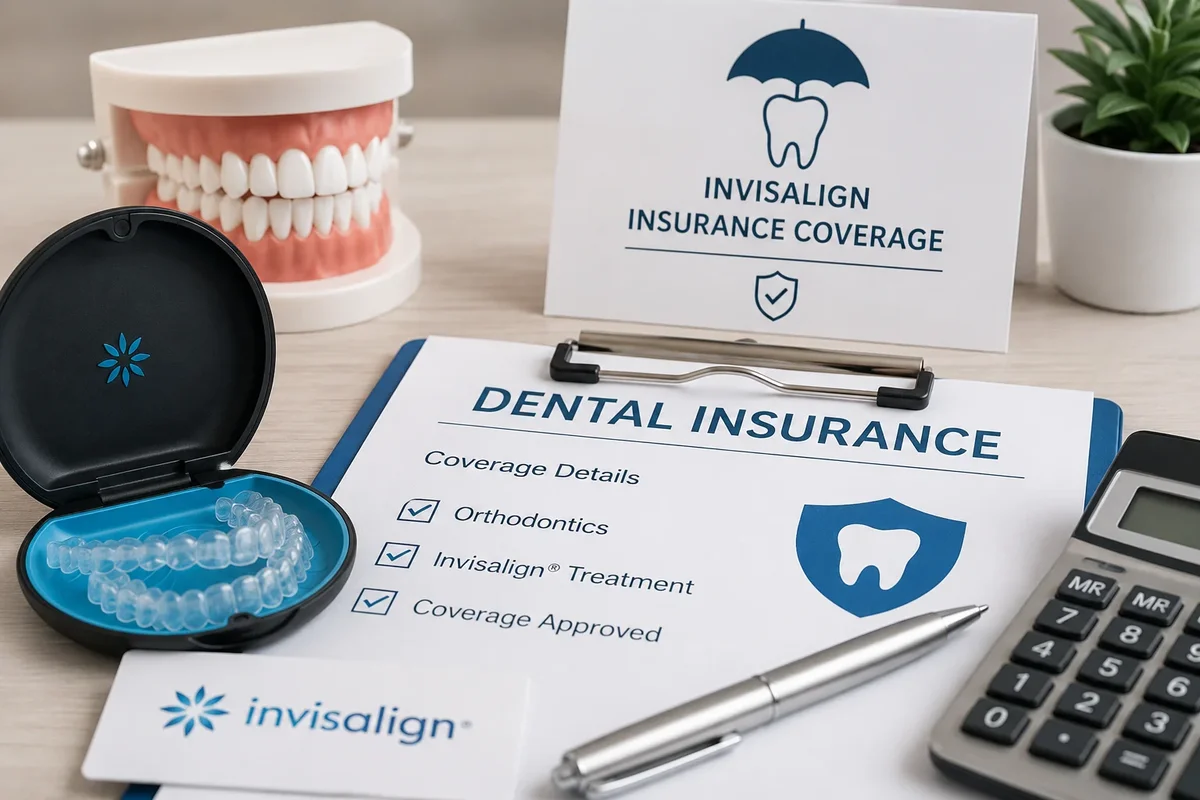
Your Next Step: How to Choose the Right Treatment and Maximize Invisalign Insurance Coverage
After learning about costs, eligibility, limitations, financing options, and frequently asked questions, the final step is deciding how to move forward with confidence. While invisalign insurance coverage can play an important role in reducing treatment costs, the best decision is one that balances your oral health needs, treatment goals, lifestyle, and financial situation. Instead of asking only whether your insurance will contribute, ask whether Invisalign is the most appropriate treatment for your specific condition and whether beginning treatment now is the right choice.
A successful orthodontic journey starts with accurate information rather than assumptions. Every patient’s teeth, bite, insurance policy, and treatment objectives are unique. Because of these differences, the most reliable plan is always based on a personalized clinical evaluation combined with a clear understanding of your available invisalign insurance coverage.
Step 1: Understand Your Oral Health Needs
The first priority should always be determining whether Invisalign is clinically suitable for your orthodontic condition. Insurance benefits are valuable, but they should never replace professional diagnosis and treatment planning.
During a consultation, your dentist evaluates:
- The alignment of your teeth.
- Your bite relationship.
- The health of your gums.
- The condition of supporting bone.
- Existing restorations or previous dental work.
- Your overall oral health.
If additional dental treatment is recommended before Invisalign begins, addressing those concerns first may improve both treatment success and long-term oral health.
Step 2: Verify Invisalign Insurance Coverage Early
One of the most practical decisions you can make is verifying your invisalign insurance coverage before committing to treatment. Early verification helps identify orthodontic benefits, waiting periods, deductibles, lifetime maximums, and possible exclusions.
Having this information available before treatment starts allows you to make financial decisions based on accurate information rather than estimates found online or experiences shared by others.
Step 3: Compare Treatment Options Objectively
Do Not Choose Based Only on Insurance
Although invisalign insurance coverage may influence your financial planning, it should not be the only reason for selecting one orthodontic treatment over another. Traditional braces, Invisalign, or other orthodontic options each have advantages depending on your clinical situation.
Your dentist can explain which treatment is most appropriate after evaluating your teeth, bite, and treatment objectives.
Consider Your Lifestyle
Successful Invisalign treatment depends on wearing aligners consistently as instructed. Patients who are committed to following treatment recommendations often appreciate the removable nature of clear aligners, while others may benefit more from fixed orthodontic appliances depending on their daily habits.
Step 4: Plan Your Budget Realistically
Financial planning should include much more than estimated insurance reimbursement. Even with strong invisalign insurance coverage, there may still be deductibles, coinsurance, or remaining treatment costs to consider.
A realistic financial plan often includes:
- Verified insurance benefits.
- Estimated personal contribution.
- Available payment arrangements.
- Possible additional dental procedures.
- Long-term treatment planning.
Reviewing these factors together provides a more complete understanding of your financial commitment before treatment begins.
Step 5: Choose an Experienced Dental Team
The quality of your orthodontic care depends not only on the aligners themselves but also on diagnosis, treatment planning, monitoring, and communication throughout treatment. An experienced dental team can evaluate your progress, make adjustments when necessary, and help answer questions regarding both treatment and insurance.
At Redent Klinik, every Invisalign consultation is individualized. Clinical findings, patient expectations, treatment suitability, and available insurance information are reviewed together to help patients make informed decisions based on their personal circumstances. Recommendations are never based solely on the amount of available invisalign insurance coverage but instead focus on achieving appropriate long-term oral health outcomes.
Common Mistakes to Avoid
Patients researching orthodontic treatment often make avoidable mistakes that can complicate the decision-making process.
- Beginning treatment without verifying insurance benefits.
- Choosing treatment based only on price.
- Ignoring waiting periods or policy limitations.
- Assuming online estimates apply to every patient.
- Postponing clinically appropriate treatment without discussing alternatives.
- Failing to ask questions during the consultation.
A careful evaluation and open discussion with your dental provider can help avoid these common problems while improving both treatment planning and financial preparation.
Questions Worth Asking During Your Consultation
Before making your final decision, consider discussing the following questions with your dentist:
- Is Invisalign appropriate for my orthodontic condition?
- How may my invisalign insurance coverage apply to my treatment plan?
- What treatment alternatives should I consider?
- What additional dental procedures, if any, are recommended first?
- How long is treatment expected to take?
- What financing options are available if insurance benefits are limited?
These discussions help establish realistic expectations while ensuring that treatment decisions are based on professional clinical advice rather than assumptions.
Looking Beyond Insurance
While invisalign insurance coverage is an important financial consideration, long-term oral health should remain the primary objective. Straighter teeth may improve oral hygiene access, bite function, and overall dental maintenance when treatment is appropriate for your condition. The value of orthodontic treatment extends beyond immediate financial considerations, making individualized treatment planning especially important.
Every patient has unique priorities. Some value aesthetics, others prioritize convenience, while many seek functional improvements or easier oral hygiene. Discussing these goals openly with your dentist allows your treatment plan to reflect your individual expectations as well as your clinical needs.
Your Final Checklist Before Starting Invisalign
Before beginning treatment, verify your invisalign insurance coverage, review your orthodontic benefits, understand any waiting periods or lifetime limits, obtain a personalized treatment estimate, and compare all available treatment options based on clinical suitability rather than insurance reimbursement alone. If you have questions about your oral health, treatment options, or insurance benefits, schedule a professional consultation. A comprehensive examination allows your dentist to determine whether Invisalign is appropriate for your situation, explain realistic treatment expectations, discuss financial planning, and help you move forward with confidence based on personalized clinical recommendations instead of generalized information.
Disclosure: this page may contain affiliate links. We may earn a commission if you use them, at no extra cost to you.