
✨ Invisalign use has become one of the most preferred orthodontic solutions for people who want straighter teeth without the appearance of traditional braces. Modern dental patients often search for comfortable, discreet, and effective treatments, and Invisalign use successfully combines all of these advantages into one advanced system. Whether you are dealing with crowded teeth, gaps, bite problems, or alignment concerns, understanding proper Invisalign use can help you achieve a healthier and more confident smile.
Unlike metal braces that rely on brackets and wires, Invisalign use involves a series of custom-made clear aligners designed specifically for your teeth. These aligners gently move the teeth into their ideal positions over time. Because the trays are transparent, Invisalign use is especially popular among adults and teenagers who want orthodontic treatment without affecting their appearance in social or professional environments.
One of the main reasons patients choose Invisalign use is comfort. Traditional braces can sometimes irritate the cheeks and gums because of metal components. Invisalign use eliminates most of these problems because the aligners are smooth and removable. Patients can comfortably remove the trays while eating, brushing, flossing, or attending special occasions. This flexibility makes Invisalign use much easier to manage in daily life.
Another major benefit of Invisalign use is improved oral hygiene. Maintaining clean teeth with traditional braces can be difficult because food particles often become trapped around brackets and wires. During Invisalign use, patients simply remove the aligners before brushing and flossing. This helps reduce plaque buildup, lowers the risk of gum disease, and supports better long-term dental health.
🦷 Invisalign use is also highly effective for treating many orthodontic issues. Dentists commonly recommend Invisalign use for:
- Crowded teeth
- Spacing issues
- Overbite correction
- Underbite improvement
- Crossbite treatment
- Mild to moderate alignment problems
Although severe orthodontic conditions may sometimes require additional treatments, Invisalign use continues to evolve with advanced technology that allows dentists to handle increasingly complex cases. Many patients are surprised by how precise and predictable Invisalign use can be when supervised by experienced dental professionals.
Patients often ask how Invisalign use works step by step. The process usually begins with a digital consultation where the dentist scans the teeth using advanced 3D imaging systems. These scans help create a customized treatment plan. During Invisalign use, each aligner set is worn for approximately one to two weeks before switching to the next set. Every tray gradually shifts the teeth into better alignment.
For successful Invisalign use, patients typically need to wear aligners for 20–22 hours daily. Consistency is extremely important because irregular wear can delay results. Many dentists explain that disciplined Invisalign use directly affects how quickly and effectively the teeth move. Patients who carefully follow instructions often notice visible improvements within just a few months.
😁 Another advantage of Invisalign use is the predictable treatment planning available through digital simulations. Before treatment even begins, patients can often preview how their smile may look after Invisalign use is completed. This visual motivation helps many people stay committed throughout the treatment process.
Eating habits also become easier during Invisalign use compared to traditional braces. Since aligners are removable, patients can continue enjoying foods such as apples, popcorn, nuts, and crunchy vegetables without worrying about damaging wires or brackets. However, dentists strongly recommend removing aligners before eating or drinking anything except water. Proper Invisalign use includes keeping the trays clean and avoiding beverages that could stain or warp them.
Cleaning aligners is another essential part of Invisalign use. Patients should rinse the trays regularly and clean them gently using approved cleaning products or lukewarm water. Hot water should never be used because it may distort the plastic material. Good hygiene habits during Invisalign use protect both the aligners and overall oral health.
💡 The cost of Invisalign use can vary depending on treatment complexity, treatment duration, geographic location, and the dentist’s experience. In many countries, Invisalign use may range between $3,000 and $8,000. Some dental clinics also offer flexible payment plans that make treatment more affordable for patients seeking cosmetic orthodontic improvements.
Estimated Invisalign Use Cost Range
- Mild cases: $3,000 – $4,500
- Moderate cases: $4,500 – $6,000
- Complex cases: $6,000 – $8,000+
Patients considering Invisalign use should always choose qualified dental professionals who have experience with clear aligner therapy. Professional guidance is essential for monitoring tooth movement and ensuring safe progress. You can also contact experienced dental professionals through the Redent Klinik Contact Page for more information about modern orthodontic solutions.
According to the American Dental Association, maintaining proper oral hygiene and following professional dental recommendations are critical parts of successful orthodontic treatment. This applies strongly to Invisalign use because patient responsibility plays a major role in achieving optimal results.
📅 The average Invisalign use treatment period usually lasts between 6 and 18 months depending on the patient’s needs. Some patients with mild alignment issues complete Invisalign use more quickly, while others with bite correction requirements may need longer treatment plans. After active treatment ends, many dentists recommend wearing retainers to maintain the final results and prevent teeth from shifting back.
Psychologically, Invisalign use often improves self-confidence during treatment because the aligners are almost invisible. Many patients feel more comfortable smiling in public, attending meetings, or taking photos compared to traditional braces. This discreet appearance is one of the biggest reasons Invisalign use remains highly popular among working adults and image-conscious individuals.
In summary, Invisalign use offers a modern, comfortable, and highly aesthetic solution for orthodontic treatment. With proper discipline, professional supervision, and consistent aligner wear, Invisalign use can successfully transform both dental function and smile appearance. Patients who carefully follow their treatment plans often experience improved confidence, healthier teeth, and long-lasting orthodontic results. 😊
How Invisalign Use Improves Everyday Comfort
😊 One of the biggest reasons patients choose Invisalign use is the remarkable level of comfort it offers during orthodontic treatment. Traditional braces often involve metal brackets, wires, and tightening appointments that may create soreness or irritation inside the mouth. Invisalign use provides a modern alternative that focuses on convenience, flexibility, and a smoother daily experience. Patients who want straighter teeth without sacrificing comfort often consider Invisalign use one of the best innovations in cosmetic dentistry.
Unlike conventional orthodontic systems, Invisalign use relies on transparent plastic aligners that are custom-designed for each patient’s mouth. These aligners fit snugly around the teeth and gradually move them into better positions over time. Because there are no sharp brackets or protruding wires, Invisalign use usually causes less irritation to the cheeks, lips, and gums. Many patients report that Invisalign use feels more natural and less invasive than traditional braces.
Why Invisalign Use Feels More Comfortable Than Metal Braces
Comfort is often the deciding factor when patients compare orthodontic treatments. Invisalign use stands out because the aligners are made from smooth medical-grade plastic. This design helps minimize friction and reduces the risk of cuts or painful pressure points inside the mouth.
Smooth Aligner Material
Traditional braces may sometimes create discomfort when wires shift or brackets rub against soft tissue. Invisalign use eliminates most of these problems because the trays are polished and carefully customized. Patients can speak, smile, and perform daily activities more comfortably throughout Invisalign use.
Gentle Tooth Movement
Another reason Invisalign use improves comfort is the gradual nature of tooth movement. Each aligner applies controlled pressure in small stages. Instead of sudden tightening sessions that may occur with braces, Invisalign use allows the teeth to move more progressively. Although mild pressure is normal during tray changes, many patients find Invisalign use easier to tolerate overall.
Daily Flexibility During Invisalign Use
🦷 One major advantage of Invisalign use is the ability to remove the aligners whenever necessary. This flexibility improves comfort not only physically but also psychologically. Patients feel less restricted in their daily lives because Invisalign use adapts to normal routines more effectively.
Eating Without Restrictions
During traditional orthodontic treatment, patients are often told to avoid sticky, hard, or crunchy foods. Invisalign use removes many of these dietary limitations because the trays are taken out before meals. Patients can continue enjoying foods like popcorn, apples, steak, nuts, and crusty bread without worrying about damaging orthodontic hardware.
This freedom makes Invisalign use especially appealing for adults with active lifestyles. Since the aligners are removable, patients can comfortably participate in dinners, business meetings, vacations, and social events while maintaining their orthodontic treatment.
Easy Oral Hygiene Routine
Maintaining oral hygiene becomes significantly easier during Invisalign use. Patients simply remove the aligners before brushing and flossing. This helps reduce plaque accumulation and supports healthier gums throughout treatment. Traditional braces often trap food around brackets and wires, making cleaning more difficult. Invisalign use allows patients to maintain a more natural dental care routine.
Speech Adaptation During Invisalign Use
Some patients initially worry about speech changes when beginning Invisalign use. Mild pronunciation adjustments may occur during the first few days because the tongue adapts to the aligners. However, most patients quickly adjust and speak normally within a short time.
Compared to bulky orthodontic appliances, Invisalign use usually creates fewer speech difficulties. Because the trays are thin and precisely fitted, they interfere less with natural tongue movement. Patients who frequently communicate professionally often appreciate this advantage of Invisalign use.
Comfort During Physical Activities
🏃 Invisalign use is also beneficial for individuals who participate in sports or physical activities. Traditional braces may increase the risk of mouth injuries during contact sports because metal brackets can cut the lips or cheeks after impact. Invisalign use reduces this concern because the aligners are smooth and removable.
Many athletes prefer Invisalign use because they can temporarily remove the trays while wearing mouthguards during games or training sessions. This added flexibility improves both comfort and safety during physical activities.
Psychological Comfort and Confidence
Another important aspect of Invisalign use is emotional comfort. Many patients feel self-conscious about visible metal braces, especially adults working in professional environments. Invisalign use provides a discreet orthodontic solution that is nearly invisible during everyday interactions.
😁 Because the aligners are transparent, patients often feel more confident while smiling, speaking, or taking photos. This psychological comfort can significantly improve the overall orthodontic experience. Many individuals who previously avoided braces choose Invisalign use because it allows them to improve their smile more discreetly.
Confidence in Social Situations
Patients undergoing Invisalign use frequently report feeling less embarrassed during meetings, presentations, dates, or public speaking situations. Since the aligners are difficult to notice, Invisalign use helps patients maintain a more natural appearance throughout treatment.
Managing Mild Discomfort During Invisalign Use
Although Invisalign use is generally comfortable, some temporary pressure may occur when switching to a new aligner set. This sensation is normal and indicates that the teeth are moving correctly. Most discomfort during Invisalign use disappears within a few days.
Patients can reduce temporary soreness by:
- Changing aligners before bedtime
- Using orthodontic chewies
- Drinking cold water
- Following dentist recommendations carefully
- Maintaining consistent wear schedules
Consistent Invisalign use is extremely important because irregular wear may increase discomfort and delay treatment progress.
Long-Term Benefits of Comfortable Invisalign Use
📅 Comfortable orthodontic treatment often leads to better patient compliance. Since Invisalign use fits more naturally into daily life, patients are more likely to follow treatment instructions correctly. Better compliance usually improves overall treatment outcomes.
In addition to cosmetic improvements, Invisalign use may contribute to better oral function, easier cleaning, healthier gums, and improved bite alignment. Many patients experience long-term dental benefits while enjoying a more comfortable treatment process compared to traditional braces.
Patients interested in modern orthodontic treatment options can learn more through the Redent Klinik Contact Page. Professional consultations help determine whether Invisalign use is suitable for specific dental conditions.
The American Dental Association also emphasizes the importance of maintaining excellent oral hygiene and professional supervision during orthodontic treatment. Proper Invisalign use combined with routine dental checkups supports safer and more predictable results.
✨ Overall, Invisalign use improves everyday comfort by combining discreet aesthetics, removable convenience, gentle tooth movement, and simplified oral care. Patients who prioritize flexibility and convenience often find Invisalign use to be one of the most comfortable orthodontic solutions available in modern dentistry.
Best Candidates for Invisalign Use in Modern Dentistry
🦷 Invisalign use has transformed modern orthodontics by offering patients a discreet and comfortable alternative to traditional braces. However, not every orthodontic case is identical, and understanding who benefits most from Invisalign use is extremely important before beginning treatment. Modern dentists carefully evaluate oral health, alignment problems, patient habits, and treatment expectations to determine whether Invisalign use is the ideal solution.
Many people assume Invisalign use is suitable only for cosmetic improvements, but modern clear aligner systems can successfully treat a wide range of orthodontic concerns. Advances in dental technology have made Invisalign use increasingly effective for both teenagers and adults seeking straighter teeth, improved bite function, and better overall oral health.
Adults Seeking a Discreet Orthodontic Solution
😁 Adults are among the most common candidates for Invisalign use because many professionals prefer a nearly invisible orthodontic option. Traditional braces can sometimes affect confidence during meetings, presentations, interviews, or social interactions. Invisalign use allows adults to improve their smiles while maintaining a natural appearance.
Professional Lifestyle Compatibility
One major reason adults prefer Invisalign use is compatibility with busy lifestyles. Since the aligners are removable, adults can attend important business events, public speaking engagements, or social occasions more comfortably. Invisalign use fits smoothly into modern routines without the appearance of metal brackets and wires.
Comfort for Long Working Hours
Adults who work long hours often appreciate the convenience of Invisalign use because the trays are smooth and less irritating than traditional braces. Patients can remove the aligners during meals and maintain easier oral hygiene throughout the workday.
Teenagers Who Can Follow Instructions Carefully
Teenagers are also excellent candidates for Invisalign use when they demonstrate responsibility and discipline. Since aligners must be worn approximately 20–22 hours daily, successful Invisalign use depends heavily on patient cooperation.
Modern teenagers often prefer Invisalign use because the clear aligners are less noticeable at school, during sports activities, and in social settings. Many teens feel more confident smiling and interacting with friends during orthodontic treatment.
Invisalign Use for Active Teenagers
🏃 Invisalign use is especially beneficial for teenagers involved in athletics, music, or extracurricular activities. Traditional braces may interfere with certain instruments or increase the risk of mouth injuries during sports. Invisalign use reduces these challenges because the aligners are removable and more flexible.
Parental Support During Invisalign Use
Parents play an important role in successful Invisalign use for teenagers. Encouraging consistent aligner wear, maintaining dental appointments, and supporting good oral hygiene habits can improve treatment outcomes significantly.
Patients With Mild to Moderate Alignment Problems
Modern dentistry commonly recommends Invisalign use for patients with mild to moderate orthodontic concerns. These conditions often respond very effectively to clear aligner treatment.
Common Dental Issues Treated With Invisalign Use
- Crowded teeth
- Small gaps between teeth
- Mild overbite correction
- Minor underbite cases
- Crossbite improvement
- Relapse after previous braces
Patients experiencing these conditions frequently achieve excellent results through Invisalign use when treatment plans are carefully designed by experienced dental professionals.
Patients Who Previously Had Braces
📅 Many adults who wore braces during childhood later experience tooth shifting because they stopped wearing retainers consistently. Invisalign use is often ideal for correcting these minor relapses without repeating traditional orthodontic treatment.
In such cases, Invisalign use can gradually reposition the teeth and restore alignment more discreetly than metal braces. This makes Invisalign use especially appealing for adults seeking orthodontic touch-ups later in life.
Patients With Healthy Gums and Teeth
Healthy oral conditions are extremely important before starting Invisalign use. Dentists typically examine the gums, teeth, and jaw structure carefully to ensure patients are suitable candidates for clear aligners.
Importance of Gum Health
Patients with untreated gum disease may need periodontal treatment before beginning Invisalign use. Healthy gums provide better support for tooth movement and reduce the risk of complications during orthodontic treatment.
Treating Cavities Before Invisalign Use
Dental decay should also be treated before Invisalign use begins. Since aligners fit tightly around the teeth, untreated cavities may worsen if proper dental care is delayed.
Patients Committed to Consistency
✨ One of the most important factors in successful Invisalign use is patient commitment. Unlike fixed braces, Invisalign aligners can be removed easily. While this flexibility is convenient, it also means patients must remain disciplined.
Successful Invisalign use requires:
- Wearing aligners consistently
- Cleaning trays regularly
- Attending dental checkups
- Switching aligners on schedule
- Following professional instructions carefully
Patients who frequently remove the trays or forget to wear them may experience slower progress and longer treatment times. Responsible habits directly affect Invisalign use success rates.
Patients Seeking Better Oral Hygiene During Orthodontics
Traditional braces can sometimes make oral hygiene difficult because brackets and wires trap food particles. Invisalign use offers an advantage for patients who prioritize dental cleanliness and gum health.
Since the aligners are removable, patients can brush and floss normally during Invisalign use. This often leads to healthier gums, fresher breath, and reduced plaque accumulation throughout orthodontic treatment.
When Invisalign Use May Not Be Ideal
⚠️ Although Invisalign use is highly effective, certain severe orthodontic conditions may require alternative treatments. Complex jaw problems, severe bite abnormalities, or major tooth rotations may sometimes respond better to traditional braces or combined orthodontic approaches.
Patients with poor compliance habits may also struggle with Invisalign use because consistent wear is essential. Dentists carefully evaluate these factors during orthodontic consultations.
How Dentists Determine Invisalign Use Eligibility
Modern dental clinics use advanced digital scanning technology to evaluate candidacy for Invisalign use. During consultations, dentists often create 3D simulations showing potential treatment outcomes. These digital tools help patients better understand whether Invisalign use can meet their orthodontic goals.
Professional assessments usually include:
- Digital mouth scans
- Bite evaluations
- X-rays
- Gum health examinations
- Treatment timeline estimates
Patients interested in exploring Invisalign use can contact specialists through the Redent Klinik Contact Page for professional guidance and personalized orthodontic evaluations.
The American Dental Association also highlights the importance of professional supervision and individualized treatment planning during orthodontic care. Proper Invisalign use under experienced dental supervision helps improve both safety and treatment effectiveness.
🌟 Overall, the best candidates for Invisalign use are responsible patients with healthy teeth and gums who want a discreet, flexible, and modern orthodontic solution. Whether correcting crowding, spacing, or mild bite problems, Invisalign use continues to help millions of patients achieve healthier and more confident smiles with greater comfort and convenience.
Daily Invisalign Use Habits for Faster Results
✨ Successful Invisalign use depends heavily on daily habits and patient consistency. While Invisalign aligners are designed using advanced orthodontic technology, the effectiveness of treatment is strongly influenced by how carefully patients follow their routines. Many people choose Invisalign use because it offers flexibility and comfort compared to traditional braces, but achieving fast and predictable results requires discipline every single day.
Patients who develop healthy routines during Invisalign use often complete treatment more efficiently and experience fewer complications. Proper aligner wear, oral hygiene, cleaning habits, and dietary awareness all contribute to successful tooth movement. Understanding the best daily habits for Invisalign use can help patients maximize their orthodontic progress while maintaining excellent dental health.
Wearing Aligners for the Recommended Time
🦷 One of the most important habits during Invisalign use is wearing the aligners consistently for 20–22 hours each day. This recommendation is essential because the aligners apply continuous gentle pressure that gradually shifts the teeth into proper alignment.
Why Consistent Invisalign Use Matters
When patients remove their aligners too often or forget to wear them for long periods, tooth movement may slow down significantly. Inconsistent Invisalign use can also cause discomfort because the teeth begin shifting back toward their original positions. This may create unnecessary pressure when the aligners are worn again.
Dentists frequently explain that successful Invisalign use depends on consistency rather than force. Teeth move gradually through controlled orthodontic pressure, and interruptions may delay the treatment timeline considerably.
Creating a Daily Wear Routine
Patients can improve Invisalign use consistency by building a simple daily routine. Many people remove their aligners only during meals, brushing, flossing, and short special occasions. Setting reminders on smartphones or using Invisalign tracking applications can help patients maintain proper Invisalign use habits.
Changing Aligners on Schedule
📅 Another critical habit for faster Invisalign use results is switching aligners exactly according to the dentist’s instructions. Most treatment plans require changing trays every one or two weeks depending on the complexity of tooth movement.
Switching aligners too early may affect treatment precision, while delaying aligner changes can slow progress unnecessarily. Proper Invisalign use involves carefully following the treatment timeline designed by the orthodontic professional.
Best Time to Change Aligners
Many dentists recommend switching to new aligners before bedtime. This strategy allows patients to sleep through the initial pressure sensation that sometimes occurs during the first hours of Invisalign use with a new tray set.
Maintaining Excellent Oral Hygiene During Invisalign Use
😁 Good oral hygiene is essential during Invisalign use because the aligners fit tightly around the teeth. If food particles or plaque remain on the teeth, bacteria may become trapped beneath the trays. This increases the risk of cavities, gum irritation, and unpleasant odors.
Brushing After Every Meal
One of the best Invisalign use habits is brushing after every meal before reinserting the aligners. Patients should avoid placing aligners back onto unclean teeth because trapped food debris may contribute to enamel damage and bacterial growth.
Flossing Consistently
Flossing is equally important during Invisalign use. Food particles between the teeth may become trapped under the aligners and increase plaque accumulation. Daily flossing supports healthier gums and cleaner teeth throughout orthodontic treatment.
Cleaning Aligners Properly
🪥 Proper aligner cleaning is a major part of successful Invisalign use. Dirty aligners may develop stains, odors, and bacterial buildup over time. Patients should clean their trays regularly to maintain both hygiene and appearance.
Safe Cleaning Methods
Dentists generally recommend cleaning aligners using lukewarm water and gentle cleaning products specifically designed for Invisalign use. Soft toothbrushes may also help remove buildup from the trays.
Avoiding Hot Water
Hot water should never be used during Invisalign use because excessive heat may warp the plastic aligners. Even slight distortion can affect how the trays fit and reduce treatment accuracy.
Removing Aligners Before Eating or Drinking
🍽️ Another important Invisalign use habit involves removing the aligners before eating or drinking anything except water. Many beverages contain sugar, acids, or pigments that may stain the aligners or increase the risk of tooth decay.
Coffee, tea, soda, wine, and colored beverages can discolor aligners and affect their transparency. Proper Invisalign use includes protecting the trays from staining and maintaining clear aesthetics throughout treatment.
Water Is the Safest Option
Patients should ideally drink only plain water while wearing aligners. Water supports hydration without damaging the trays or affecting Invisalign use progress.
Using Orthodontic Chewies
💡 Orthodontic chewies are small soft devices often recommended during Invisalign use. These chewies help patients seat the aligners more securely against the teeth, improving aligner fit and treatment effectiveness.
Using chewies for several minutes daily may enhance Invisalign use efficiency by ensuring proper tray contact. Better aligner fit often supports more accurate tooth movement.
Attending Regular Dental Checkups
Professional monitoring is extremely important throughout Invisalign use. Routine appointments allow dentists to evaluate tooth movement, monitor oral health, and adjust treatment plans if necessary.
Patients who skip appointments during Invisalign use may risk treatment delays or unnoticed complications. Consistent professional supervision helps maintain predictable orthodontic progress.
Protecting Aligners During Daily Activities
⚠️ Invisalign aligners should always be stored safely whenever removed. Many patients accidentally lose or damage trays by wrapping them in napkins during meals. Using the official storage case supports better Invisalign use habits and protects the aligners from contamination.
Keeping Aligners Away From Pets
Interestingly, pets are commonly attracted to aligners because of saliva scent. Proper Invisalign use includes safely storing trays out of reach of animals to avoid accidental damage.
Healthy Lifestyle Choices During Invisalign Use
🌟 Healthy lifestyle habits can also improve Invisalign use results. Staying hydrated, maintaining balanced nutrition, and avoiding smoking may contribute to healthier gums and more effective orthodontic movement.
Smoking during Invisalign use may stain aligners and negatively affect oral tissues. Patients who maintain healthier habits often experience cleaner trays and improved overall treatment comfort.
Staying Motivated Throughout Invisalign Use
Orthodontic treatment requires patience and commitment. Patients who stay motivated during Invisalign use often achieve better outcomes because they follow instructions more carefully.
Taking progress photos, tracking improvements, and visualizing the final smile can help maintain enthusiasm throughout Invisalign use. Many patients become more committed once they notice visible changes in tooth alignment.
Patients interested in professional orthodontic evaluations can visit the Redent Klinik Contact Page for additional guidance about modern clear aligner treatments.
The American Dental Association also emphasizes the importance of proper oral hygiene and regular dental supervision during orthodontic care. Responsible Invisalign use combined with professional monitoring helps improve treatment safety and long-term results.
😊 Overall, daily habits play a major role in determining the success of Invisalign use. Patients who wear aligners consistently, maintain excellent oral hygiene, clean trays carefully, and follow professional instructions closely often experience faster, smoother, and more satisfying orthodontic results.
Invisalign Use vs Traditional Metal Braces
🦷 Invisalign use and traditional metal braces are two of the most common orthodontic treatment methods available in modern dentistry. Both options are designed to improve tooth alignment, correct bite issues, and create healthier smiles. However, patients often struggle to decide which treatment is better for their lifestyle, comfort preferences, appearance goals, and orthodontic needs. Understanding the differences between Invisalign use and traditional braces can help patients make more confident and informed decisions.
Orthodontic treatment has evolved significantly over the years. While metal braces remain highly effective for complex dental cases, Invisalign use has become increasingly popular because of its discreet appearance, removable design, and improved comfort. Modern patients frequently choose Invisalign use because they want orthodontic treatment that fits more naturally into daily life.
Appearance and Aesthetic Differences
😁 One of the most obvious differences between Invisalign use and traditional braces is appearance. Traditional braces use visible metal brackets and wires attached to the teeth. Invisalign use, on the other hand, relies on nearly invisible clear aligners.
Why Adults Prefer Invisalign Use
Many adults prefer Invisalign use because they want to improve their smiles without drawing attention to orthodontic treatment. In professional settings, business meetings, or social interactions, Invisalign use allows patients to smile more confidently while maintaining a natural appearance.
Teenagers also frequently choose Invisalign use because the aligners are less noticeable at school and in photographs. For patients concerned about aesthetics, Invisalign use often provides a more comfortable emotional experience throughout treatment.
Visibility of Traditional Braces
Traditional braces are much more visible than Invisalign use. Although some patients enjoy colorful bands and decorative options, others feel self-conscious about metal brackets. This visibility is one of the primary reasons Invisalign use continues gaining popularity worldwide.
Comfort Comparison Between Invisalign Use and Braces
✨ Comfort is another major factor when comparing Invisalign use with traditional orthodontic systems. Traditional braces may cause irritation because brackets and wires rub against the lips, cheeks, and gums. Invisalign use eliminates most of these issues because the aligners are smooth and custom-fitted.
Smooth Aligner Design
The plastic trays used during Invisalign use are designed to fit closely around the teeth without sharp edges. Patients usually experience less soft tissue irritation compared to braces. This smoother design often makes Invisalign use easier to tolerate during daily activities.
Orthodontic Pressure Differences
Both Invisalign use and traditional braces apply pressure to move the teeth gradually. However, Invisalign use generally uses gentler staged movements through sequential aligners. Traditional braces may sometimes create stronger pressure after adjustment appointments, leading to temporary soreness.
Eating and Food Restrictions
🍽️ One of the biggest lifestyle advantages of Invisalign use is dietary freedom. Patients remove the aligners before eating, which means they can continue enjoying most foods without restrictions.
Foods Allowed During Invisalign Use
During Invisalign use, patients can eat:
- Popcorn
- Apples
- Steak
- Crunchy vegetables
- Nuts
- Chewy bread
Since the aligners are removable, Invisalign use allows patients to maintain their normal eating habits more comfortably.
Food Restrictions With Metal Braces
Traditional braces often require avoiding hard, sticky, or crunchy foods because these items may damage brackets or bend wires. Patients with braces are commonly told to avoid caramel, gum, popcorn, and hard candies. Invisalign use removes many of these concerns entirely.
Oral Hygiene and Cleaning
🪥 Oral hygiene is much easier during Invisalign use compared to traditional braces. Patients simply remove the aligners before brushing and flossing, allowing normal dental cleaning routines.
Benefits of Easier Cleaning
Proper Invisalign use helps reduce plaque buildup and lowers the risk of gum inflammation because patients can clean their teeth more thoroughly. Traditional braces often trap food particles around brackets and wires, increasing cleaning difficulty.
Challenges With Braces Hygiene
Patients with braces frequently need specialized brushes or flossing tools to clean around orthodontic hardware. Invisalign use simplifies oral care and often improves overall gum health throughout treatment.
Treatment Effectiveness and Complexity
📅 Both Invisalign use and traditional braces are highly effective orthodontic systems, but certain dental problems may respond differently depending on complexity.
Cases Suitable for Invisalign Use
Modern Invisalign use can successfully treat:
- Mild crowding
- Moderate spacing issues
- Minor bite problems
- Relapse after previous orthodontics
- Moderate alignment concerns
Advances in clear aligner technology continue expanding the capabilities of Invisalign use in modern dentistry.
When Traditional Braces May Be Better
Some severe orthodontic cases involving major jaw discrepancies, extreme tooth rotations, or significant bite problems may still benefit more from traditional braces. Metal braces provide continuous fixed pressure and greater control in highly complex situations.
Treatment Discipline and Responsibility
⚠️ Invisalign use requires strong patient discipline because the aligners are removable. Successful Invisalign use depends on wearing the trays approximately 20–22 hours daily.
Importance of Consistency
Patients who frequently remove aligners or forget to wear them may experience slower progress. Invisalign use places more responsibility on the patient compared to braces, which remain fixed to the teeth at all times.
Why Braces Require Less Patient Responsibility
Traditional braces work continuously without depending heavily on patient cooperation. Since braces cannot be removed, tooth movement continues automatically between appointments.
Speech and Social Comfort
🎤 Many patients adapt quickly to Invisalign use because the trays are thin and discreet. Mild speech adjustments may occur initially, but most patients speak normally within several days.
Traditional braces may occasionally affect speech or create discomfort during public speaking situations. Invisalign use is often preferred by professionals, teachers, salespeople, and individuals who communicate frequently.
Emergency Orthodontic Situations
Traditional braces may sometimes create emergency situations such as broken brackets, poking wires, or loose bands. Invisalign use generally reduces these risks because the system does not involve metal hardware.
Although aligners can occasionally crack or become lost, Invisalign use usually involves fewer urgent repair appointments compared to braces.
Cost Comparison Between Invisalign Use and Braces
💰 The cost of Invisalign use and traditional braces can vary depending on treatment complexity and geographic location. In many cases, Invisalign use may cost slightly more because of digital planning technology and custom aligner production.
Average Orthodontic Cost Comparison
- Traditional metal braces: $3,000 – $7,000
- Invisalign use treatment: $3,500 – $8,000
Patients interested in modern orthodontic treatment options can contact specialists through the Redent Klinik Contact Page for personalized consultations and professional evaluations.
The American Dental Association also emphasizes the importance of professional orthodontic supervision and individualized treatment planning to ensure safe and effective results.
Which Option Is Better?
🌟 Choosing between Invisalign use and traditional braces ultimately depends on the patient’s orthodontic needs, lifestyle preferences, treatment goals, and ability to follow instructions. Invisalign use offers superior aesthetics, flexibility, and comfort for many patients, while traditional braces remain highly effective for more complex orthodontic conditions.
Patients seeking a discreet and modern orthodontic experience often prefer Invisalign use because it combines convenience with effective tooth alignment. However, consulting with an experienced dental professional is the best way to determine which orthodontic system will deliver the safest and most predictable long-term results.
Common Mistakes During Invisalign Use and How to Avoid Them
🦷 Invisalign use offers patients a modern, comfortable, and discreet way to straighten teeth, but treatment success depends heavily on patient habits and daily responsibility. Although Invisalign use is simpler and more flexible than traditional braces in many ways, patients can still make mistakes that delay progress, reduce effectiveness, or even damage oral health. Understanding the most common problems during Invisalign use and learning how to avoid them can help patients achieve faster, safer, and more predictable orthodontic results.
Many orthodontic complications during Invisalign use are preventable. Small habits repeated daily can significantly influence treatment outcomes. Patients who carefully follow professional instructions often experience smoother treatment journeys and better final smile alignment.
Not Wearing Aligners Long Enough
⏰ One of the most common mistakes during Invisalign use is failing to wear the aligners for the recommended amount of time. Most orthodontists advise wearing aligners for 20–22 hours per day. Some patients remove the trays too often during meals, social events, or work activities, which slows tooth movement considerably.
Why Consistent Invisalign Use Is Essential
Invisalign use works by applying continuous gentle pressure to the teeth. When aligners are removed too frequently, the teeth may shift back slightly, interrupting treatment progress. Inconsistent Invisalign use may also increase discomfort because the teeth repeatedly move away from and back into alignment.
How to Avoid This Problem
Patients can improve Invisalign use consistency by:
- Setting smartphone reminders
- Tracking aligner wear time using apps
- Removing aligners only during meals
- Creating a structured daily routine
- Changing aligners before bedtime
Disciplined Invisalign use is one of the most important factors influencing treatment speed and success.
Eating or Drinking With Aligners In
🍽️ Another frequent mistake during Invisalign use is eating or drinking while wearing aligners. Many beverages contain sugar, acids, or pigments that may stain the trays or damage the teeth underneath.
Risks of Eating During Invisalign Use
Chewing food with aligners may crack or distort the plastic trays. Additionally, trapped food particles can increase bacterial growth, leading to bad breath, cavities, or gum irritation during Invisalign use.
Beverages That May Cause Problems
Patients should avoid drinking the following while wearing aligners:
- Coffee
- Tea
- Red wine
- Soda
- Fruit juice
- Sports drinks
Plain water is usually the safest beverage during Invisalign use because it does not stain or damage the trays.
Poor Oral Hygiene During Invisalign Use
🪥 Maintaining excellent oral hygiene is extremely important during Invisalign use. Since the aligners fit tightly around the teeth, bacteria and food debris may become trapped if patients fail to clean their teeth properly.
Consequences of Poor Dental Cleaning
Inadequate oral hygiene during Invisalign use may lead to:
- Tooth decay
- Gum inflammation
- Plaque buildup
- Bad breath
- Stained aligners
Patients sometimes underestimate the importance of brushing after meals before reinserting aligners. However, proper Invisalign use requires careful dental hygiene throughout treatment.
How to Maintain Proper Hygiene
Successful Invisalign use hygiene habits include:
- Brushing after every meal
- Flossing daily
- Rinsing aligners regularly
- Using antibacterial mouthwash
- Cleaning trays with approved products
Using Hot Water to Clean Aligners
🔥 Some patients accidentally damage their trays by cleaning them with hot water. This is a serious mistake during Invisalign use because excessive heat may warp the aligners.
Why Heat Damages Aligners
The aligners are made from specialized transparent plastic materials. Hot water can change their shape, affecting how they fit on the teeth. Distorted trays may reduce Invisalign use effectiveness and compromise treatment accuracy.
Safe Cleaning Methods
Patients should clean aligners using lukewarm water and gentle cleaning products specifically designed for Invisalign use. Soft toothbrushes may also help remove plaque and buildup safely.
Skipping Dental Appointments
📅 Regular orthodontic checkups are essential throughout Invisalign use. Some patients mistakenly assume aligners work automatically and neglect professional monitoring appointments.
Why Monitoring Matters
During Invisalign use, dentists evaluate tooth movement, oral health, aligner fit, and overall treatment progress. Skipping appointments may allow problems to go unnoticed for long periods.
Possible Risks of Missed Appointments
Without proper supervision, patients may experience:
- Delayed treatment
- Improper tooth movement
- Bite complications
- Gum problems
- Ill-fitting aligners
Routine appointments help ensure Invisalign use stays on track and produces safe long-term results.
Losing or Damaging Aligners
⚠️ Because Invisalign aligners are removable, they can sometimes become lost or damaged. Many patients accidentally throw away trays by wrapping them in napkins during meals.
How to Protect Aligners
Patients should always store aligners inside their protective cases when not wearing them. Proper storage habits improve Invisalign use organization and reduce accidental loss.
Keeping Aligners Away From Pets
Interestingly, pets are often attracted to aligners because of saliva scent. Dogs especially may chew the trays if they are left unattended. Responsible Invisalign use includes keeping aligners safely stored away from animals.
Switching Aligners Too Early or Too Late
🔄 Another common mistake during Invisalign use is changing trays at incorrect times. Some patients switch aligners too early hoping for faster results, while others delay changes because of forgetfulness.
Why Timing Matters
Each aligner in the Invisalign use sequence is carefully designed to move the teeth gradually. Incorrect timing may interfere with treatment precision and reduce predictability.
Best Strategy for Tray Changes
Following the exact schedule provided by the orthodontist is essential for proper Invisalign use. Many dentists recommend changing trays before bedtime to minimize temporary pressure discomfort.
Ignoring Small Problems During Invisalign Use
💡 Some patients ignore minor discomfort, cracked trays, or unusual tooth movement during Invisalign use instead of contacting their dentist promptly.
When to Contact a Dentist
Patients should seek professional advice if they notice:
- Broken aligners
- Severe pain
- Persistent gum irritation
- Loose teeth beyond normal movement
- Aligners that no longer fit correctly
Quick intervention often prevents larger complications during Invisalign use.
Smoking During Invisalign Use
🚬 Smoking is another habit that negatively affects Invisalign use. Tobacco products may stain aligners, irritate gums, and contribute to poor oral health during treatment.
Patients who smoke heavily may notice yellow or brown discoloration on their aligners, reducing the discreet appearance that makes Invisalign use attractive in the first place.
Psychological Mistakes During Invisalign Use
😅 Some patients become discouraged if results are not immediately visible. Orthodontic treatment requires patience, and Invisalign use works gradually over time.
Staying Motivated
Patients can stay motivated during Invisalign use by:
- Taking progress photos
- Tracking smile improvements
- Following dentist instructions carefully
- Remembering long-term benefits
Maintaining positive habits and realistic expectations often improves overall treatment satisfaction.
Patients seeking professional orthodontic guidance can contact specialists through the Redent Klinik Contact Page for more information about safe and effective Invisalign use.
The American Dental Association also emphasizes the importance of professional supervision, oral hygiene, and patient compliance during orthodontic treatment.
🌟 Overall, avoiding common mistakes during Invisalign use significantly improves treatment comfort, efficiency, and long-term success. Patients who wear aligners consistently, maintain excellent oral hygiene, follow orthodontic schedules, and communicate regularly with dental professionals often achieve healthier smiles and more predictable orthodontic outcomes.
How Long Invisalign Use Typically Takes
🦷 One of the most common questions patients ask before starting orthodontic treatment is how long Invisalign use typically takes. While Invisalign use is known for its comfort, convenience, and discreet appearance, treatment duration varies from patient to patient. The exact timeline depends on several factors including tooth alignment complexity, patient discipline, oral health condition, and consistency in following orthodontic instructions.
Modern dentistry has made Invisalign use more efficient than ever before. Many patients begin noticing visible improvements within the first few months of treatment. However, complete smile transformation requires patience because orthodontic tooth movement occurs gradually and safely over time. Understanding the average treatment process helps patients develop realistic expectations and remain motivated throughout Invisalign use.
Average Invisalign Use Treatment Timeline
📅 For most patients, Invisalign use typically lasts between 6 and 18 months. Mild alignment issues may require shorter treatment periods, while more complex orthodontic cases can take longer.
Mild Orthodontic Cases
Patients with small gaps, minor crowding, or slight tooth shifting after previous braces may complete Invisalign use within approximately 6–9 months. These cases usually involve simpler tooth movements and fewer aligner sets.
Moderate Orthodontic Cases
Moderate alignment concerns such as noticeable crowding, spacing issues, or mild bite problems often require 12–18 months of Invisalign use. Most adult patients fall into this category.
Complex Orthodontic Cases
More severe orthodontic problems involving bite correction or significant crowding may extend Invisalign use beyond 18 months. In certain situations, dentists may combine Invisalign use with additional orthodontic procedures for better results.
Factors That Affect Invisalign Use Duration
✨ Several important factors influence how long Invisalign use will take. Every patient has unique dental anatomy and treatment goals, which means no two orthodontic timelines are exactly the same.
Severity of Alignment Problems
The complexity of tooth movement plays a major role in determining Invisalign use duration. Teeth that require major rotation or bite correction generally move more slowly than mild cosmetic adjustments.
Examples of conditions that may increase Invisalign use treatment time include:
- Severe crowding
- Large spacing issues
- Overbite correction
- Crossbite treatment
- Jaw alignment problems
Patient Compliance
Patient cooperation is one of the most important factors affecting Invisalign use success. Orthodontists usually recommend wearing aligners for 20–22 hours daily. Patients who remove trays too often may experience significant delays.
Consistent Invisalign use allows continuous controlled pressure on the teeth, helping them move according to the treatment plan. Inconsistent wear may interrupt progress and increase overall treatment time.
Why Some Patients Finish Invisalign Use Faster
😁 Certain patients complete Invisalign use more quickly because of strong discipline and favorable orthodontic conditions. Patients with mild alignment issues who follow instructions carefully often see faster improvements.
Healthy Oral Conditions
Healthy gums and teeth support more efficient Invisalign use because the surrounding tissues respond better to orthodontic movement. Patients with excellent oral hygiene may also avoid complications that could delay treatment.
Following Aligner Schedules Correctly
Patients who switch aligners exactly as instructed help maintain treatment momentum. Proper Invisalign use involves following every stage of the orthodontic plan carefully.
How Dentists Monitor Invisalign Use Progress
🪥 Regular dental appointments are essential throughout Invisalign use. Orthodontists monitor tooth movement, evaluate aligner fit, and make adjustments if necessary.
Digital Progress Tracking
Modern dental clinics often use advanced digital technology to track Invisalign use progress. Three-dimensional imaging systems allow orthodontists to compare tooth movement with the original treatment simulation.
Adjustments During Treatment
In some cases, dentists may refine Invisalign use treatment by creating additional aligners called refinement trays. These extra trays help improve final tooth positioning if small adjustments remain necessary.
What Happens During the First Months of Invisalign Use
🌟 The first few months of Invisalign use are often the most exciting because patients begin noticing visible smile changes relatively quickly. Minor alignment improvements may become noticeable within 8–12 weeks.
However, patients should understand that orthodontic movement occurs gradually. Some teeth move faster than others depending on root structure, bone density, and bite pressure.
Initial Pressure Sensation
During early Invisalign use, patients may experience mild pressure when changing to new aligners. This sensation is normal and usually indicates the teeth are responding correctly to treatment.
Speech Adjustment Period
Some individuals experience minor speech adjustments during the first days of Invisalign use. Most patients adapt quickly and speak normally after a short adjustment period.
Can Invisalign Use Be Accelerated?
⚡ Many patients wonder whether Invisalign use can be completed faster. While orthodontic movement must occur safely to protect teeth and gums, certain habits may help improve treatment efficiency.
Best Habits for Faster Invisalign Use Results
- Wearing aligners consistently
- Using orthodontic chewies
- Maintaining excellent oral hygiene
- Attending appointments regularly
- Following dentist instructions carefully
Some dental clinics may also offer orthodontic acceleration technologies that support faster Invisalign use in selected cases.
What Can Delay Invisalign Use?
⚠️ Several common mistakes can increase Invisalign use treatment time significantly.
Frequent Aligner Removal
Patients who frequently remove aligners during the day often experience slower progress because the teeth are not receiving consistent orthodontic pressure.
Lost or Broken Aligners
Losing trays or damaging aligners may interrupt Invisalign use schedules. Replacement aligners may require additional waiting time and temporary treatment delays.
Poor Oral Hygiene
Dental issues such as cavities or gum disease during Invisalign use may require additional treatment before orthodontic progress can continue safely.
Retention After Invisalign Use
🦷 Completing active Invisalign use does not mean orthodontic care ends permanently. After treatment, patients usually receive retainers to maintain tooth alignment and prevent relapse.
Why Retainers Matter
Without retainers, teeth may gradually shift back toward their original positions. Consistent retainer wear helps preserve Invisalign use results long-term.
Long-Term Smile Stability
Patients who follow retention instructions carefully often maintain their improved smiles for many years after Invisalign use ends.
Emotional Expectations During Invisalign Use
😊 Orthodontic treatment requires patience and realistic expectations. Some patients become discouraged if results do not appear immediately, but gradual improvement is a normal part of Invisalign use.
Taking monthly progress photos can help patients visualize positive changes over time. Seeing small improvements often increases motivation and treatment compliance.
Patients interested in personalized orthodontic evaluations can contact professionals through the Redent Klinik Contact Page for additional information about Invisalign use and treatment planning.
The American Dental Association also highlights the importance of professional supervision, patient compliance, and oral hygiene during orthodontic care.
🌈 Overall, Invisalign use treatment time varies depending on individual dental conditions and patient commitment. Most patients complete Invisalign use within 6–18 months, but consistent aligner wear, excellent oral hygiene, and professional monitoring can help ensure faster, safer, and more successful orthodontic outcomes.
Eating, Drinking, and Cleaning During Invisalign Use
🦷 Proper eating, drinking, and cleaning habits are essential for successful Invisalign use. Although Invisalign use offers more flexibility than traditional braces, patients still need to follow important daily care routines to protect both their aligners and oral health. Many orthodontic complications occur because patients underestimate the importance of hygiene and dietary habits during treatment.
One of the biggest advantages of Invisalign use is the ability to remove the aligners while eating and brushing. This flexibility allows patients to maintain more natural routines and enjoy a wider variety of foods compared to traditional braces. However, Invisalign use also requires responsibility because poor cleaning habits or improper eating behaviors can delay treatment and increase the risk of dental problems.
Why Eating Habits Matter During Invisalign Use
🍽️ Eating habits directly affect the success of Invisalign use because the aligners fit tightly around the teeth. Food particles trapped under the trays may contribute to plaque buildup, cavities, gum irritation, and unpleasant odors.
Always Remove Aligners Before Eating
One of the most important Invisalign use rules is removing aligners before every meal or snack. Eating while wearing aligners can crack, stain, or distort the trays. Even soft foods may damage the plastic material over time.
Patients who ignore this guideline during Invisalign use may experience:
- Broken aligners
- Discolored trays
- Bacterial buildup
- Treatment delays
- Increased cavity risk
Removing aligners before meals helps preserve both the appearance and effectiveness of Invisalign use.
Foods That Are Easier During Invisalign Use
Unlike traditional braces, Invisalign use allows patients to continue enjoying foods that are often restricted during metal brace treatment.
Patients can safely eat:
- Popcorn
- Crunchy vegetables
- Nuts
- Chewy bread
- Apples
- Steak
- Hard fruits
This dietary flexibility is one of the biggest reasons many adults and teenagers prefer Invisalign use over traditional orthodontic systems.
Drinking Guidelines During Invisalign Use
🥤 Drinking habits are equally important during Invisalign use. Many beverages contain sugars, acids, or pigments that may damage the teeth or stain the aligners if consumed improperly.
Water Is the Best Choice
Plain water is generally considered the safest beverage during Invisalign use. Water helps maintain hydration without affecting the trays or increasing cavity risk.
Many dentists recommend drinking water frequently during Invisalign use because hydration also supports healthier gums and fresher breath.
Drinks to Avoid While Wearing Aligners
Patients should avoid drinking the following beverages while wearing aligners:
- Coffee
- Tea
- Red wine
- Dark soda
- Energy drinks
- Fruit juice
- Sports beverages
These drinks may stain the aligners, increase bacterial growth, or trap sugar against the teeth during Invisalign use.
Hot Drinks and Invisalign Use
🔥 Hot beverages can be especially problematic during Invisalign use because excessive heat may warp the aligners. Distorted trays may no longer fit correctly, reducing orthodontic accuracy and treatment effectiveness.
Patients should always remove aligners before consuming hot coffee, tea, or soup.
Cleaning Teeth Properly During Invisalign Use
🪥 Excellent oral hygiene is one of the most important parts of successful Invisalign use. Since the trays cover the teeth closely, bacteria and plaque may become trapped if the mouth is not cleaned properly.
Brushing After Every Meal
Dentists strongly recommend brushing after every meal during Invisalign use. Reinserting aligners onto dirty teeth may trap food debris and increase the risk of:
- Cavities
- Bad breath
- Gum inflammation
- Tooth staining
- Plaque accumulation
Patients who maintain excellent brushing habits during Invisalign use often experience healthier gums and cleaner aligners throughout treatment.
Flossing Is Essential
Flossing removes food particles from between the teeth before the aligners are reinserted. Proper flossing habits support healthier gums and reduce bacterial buildup during Invisalign use.
Many orthodontists recommend flossing at least once daily, especially before bedtime.
How to Clean Invisalign Aligners Correctly
✨ Cleaning the aligners themselves is another essential part of Invisalign use. Dirty trays can become cloudy, stained, and unpleasant-smelling if not maintained properly.
Safe Cleaning Methods
Patients should clean aligners using:
- Lukewarm water
- Soft toothbrushes
- Approved Invisalign cleaning crystals
- Gentle antibacterial solutions
Daily aligner cleaning helps maintain the clear appearance that makes Invisalign use attractive for cosmetic orthodontics.
Avoiding Toothpaste Damage
Some abrasive toothpastes may scratch aligners during Invisalign use. Scratched trays can become cloudy and more noticeable. Patients should use gentle cleaning products recommended by their orthodontists.
Never Use Hot Water
🔥 Hot water is one of the most common mistakes during Invisalign use. Heat may warp the aligners permanently, affecting how they fit on the teeth. Even minor distortion can interfere with tooth movement and treatment progress.
Managing Bad Breath During Invisalign Use
😷 Some patients experience temporary bad breath during Invisalign use if oral hygiene routines are inconsistent. Aligners can trap bacteria against the teeth if proper cleaning is neglected.
How to Prevent Odor Problems
Patients can reduce bad breath during Invisalign use by:
- Brushing regularly
- Cleaning aligners daily
- Drinking more water
- Using antibacterial mouthwash
- Avoiding sugary beverages
Fresh oral hygiene habits improve comfort and confidence during Invisalign use.
Travel and Dining Tips During Invisalign Use
✈️ Invisalign use becomes easier when patients prepare properly for travel, restaurants, and social events.
Carry a Portable Cleaning Kit
Many patients carry small Invisalign use travel kits containing:
- Toothbrush
- Toothpaste
- Floss
- Aligner case
- Mouthwash
This preparation helps patients maintain proper Invisalign use habits even outside the home.
Never Wrap Aligners in Napkins
One common mistake during Invisalign use is wrapping aligners in napkins during meals. Many trays are accidentally thrown away this way. Using the official aligner case helps protect the trays safely.
Smoking and Invisalign Use
🚬 Smoking can negatively affect Invisalign use by staining aligners and increasing oral health risks. Tobacco products may discolor the trays and reduce the invisible appearance patients expect from clear aligners.
Smoking during Invisalign use may also contribute to gum irritation, dry mouth, and unpleasant odors.
Long-Term Benefits of Proper Invisalign Use Hygiene
🌟 Patients who maintain excellent hygiene and careful dietary habits during Invisalign use often experience better long-term results. Healthy gums and clean teeth support more predictable orthodontic movement and reduce complication risks.
Proper eating, drinking, and cleaning habits also improve patient comfort and confidence throughout Invisalign use. Consistent oral care helps preserve both dental health and aligner appearance.
Patients interested in learning more about professional orthodontic care can visit the Redent Klinik Contact Page for expert guidance regarding Invisalign use and modern clear aligner treatments.
The American Dental Association also emphasizes the importance of maintaining proper oral hygiene and regular dental supervision during orthodontic treatment.
😊 Overall, successful Invisalign use depends greatly on responsible eating, drinking, and cleaning habits. Patients who protect their aligners, maintain excellent hygiene, and follow professional instructions carefully often enjoy faster treatment progress, healthier teeth, and more attractive orthodontic results.
Invisalign Use Costs and What Affects the Price
💰 One of the most important topics patients research before starting orthodontic treatment is the cost of Invisalign use. While Invisalign use is widely recognized for its comfort, aesthetics, and convenience, pricing can vary significantly depending on several important factors. Patients often want to understand not only the average cost of Invisalign use but also why prices differ between clinics, countries, and treatment plans.
Modern orthodontic treatment is highly personalized, which means Invisalign use pricing depends on each patient’s specific dental needs. Some patients require only minor cosmetic corrections, while others need more complex bite adjustments that involve longer treatment periods and additional aligners. Understanding what influences Invisalign use costs helps patients plan their treatment budgets more effectively and avoid unexpected expenses.
Average Invisalign Use Cost Range
📅 In many countries, Invisalign use typically costs between $3,000 and $8,000. However, treatment complexity and clinic location may increase or decrease the final price considerably.
Estimated Invisalign Use Pricing
- Mild alignment cases: $3,000 – $4,500
- Moderate orthodontic cases: $4,500 – $6,000
- Complex bite correction cases: $6,000 – $8,000+
These estimates may vary depending on the orthodontist’s experience, treatment duration, geographic region, and the number of aligners required during Invisalign use.
Why Invisalign Use Costs More Than Traditional Braces in Some Cases
🦷 Patients sometimes notice that Invisalign use may cost slightly more than traditional metal braces. This difference often relates to advanced digital technology, customized aligner manufacturing, and modern treatment planning systems.
Advanced 3D Technology
One reason Invisalign use can be more expensive is the use of sophisticated digital scanning systems. Orthodontists create detailed three-dimensional models of the patient’s teeth to design personalized aligners with high precision.
These digital simulations allow patients to preview their future smiles before Invisalign use even begins. The technology improves treatment predictability but also contributes to overall treatment costs.
Custom Aligner Manufacturing
Each aligner used during Invisalign use is custom-made specifically for the patient’s mouth. Since multiple trays are created throughout the orthodontic process, manufacturing costs can become significant, especially in complex cases requiring many aligners.
Main Factors That Affect Invisalign Use Pricing
✨ Several major factors influence the final price of Invisalign use. Every orthodontic case is unique, so dentists evaluate many details before determining treatment costs.
Severity of Dental Problems
One of the biggest pricing factors during Invisalign use is treatment complexity. Mild cosmetic adjustments generally cost less because fewer aligners and shorter treatment periods are required.
Cases involving:
- Severe crowding
- Large spacing problems
- Overbite correction
- Crossbite treatment
- Jaw alignment issues
may require longer Invisalign use treatment and additional aligner sets, increasing total costs.
Treatment Duration
Longer Invisalign use treatment plans typically cost more because they involve more appointments, additional monitoring, and extra aligner production. Patients requiring orthodontic care for 18–24 months may pay more than patients with simple 6-month cosmetic corrections.
Orthodontist Experience
The experience level of the dental professional also affects Invisalign use pricing. Highly experienced orthodontists with advanced Invisalign certifications may charge higher fees because of their expertise and successful treatment history.
Many patients willingly invest more in experienced providers because professional skill greatly influences Invisalign use accuracy and final smile quality.
Geographic Location
🌍 Invisalign use costs may vary significantly depending on the country or city where treatment is performed. Orthodontic treatment in major metropolitan areas often costs more because of higher clinic operating expenses.
For example:
- United States: $4,000 – $8,000+
- United Kingdom: £2,500 – £5,500
- Europe: €3,000 – €7,000
- Turkey: often lower than Western countries
Dental tourism has become increasingly popular because some countries offer more affordable Invisalign use while maintaining high treatment quality standards.
Additional Costs During Invisalign Use
⚠️ Some patients focus only on the initial Invisalign use price without considering possible additional expenses.
Retainers After Treatment
After Invisalign use ends, most patients require retainers to maintain their new tooth alignment. Retainers may involve additional fees depending on the clinic and treatment plan.
Replacement Aligners
Lost or damaged aligners during Invisalign use may require replacement trays, which can increase treatment costs. Patients who store aligners carelessly sometimes face avoidable additional expenses.
Refinement Aligners
In certain cases, dentists may recommend extra refinement trays near the end of Invisalign use to perfect final tooth positioning. Some clinics include refinements in the original package price, while others charge separately.
Does Insurance Cover Invisalign Use?
📑 Dental insurance coverage for Invisalign use depends on the patient’s insurance policy and country of residence. Some dental plans partially cover orthodontic treatment, including clear aligners.
Partial Orthodontic Coverage
Insurance companies that provide orthodontic benefits may contribute several thousand dollars toward Invisalign use costs. However, coverage limits and eligibility rules vary widely.
Flexible Payment Plans
Many dental clinics offer financing options that allow patients to divide Invisalign use costs into monthly payments. Payment plans often make treatment more accessible for patients who cannot pay the full amount immediately.
Why Invisalign Use Is Considered a Valuable Investment
😁 Although Invisalign use may appear expensive initially, many patients consider it a worthwhile long-term investment in both oral health and self-confidence.
Improved Smile Confidence
Straighter teeth often improve self-esteem, social confidence, and professional appearance. Many patients feel more comfortable smiling and communicating after Invisalign use treatment.
Better Oral Health
Properly aligned teeth may also support:
- Easier brushing and flossing
- Reduced plaque buildup
- Healthier gums
- Improved bite function
- Less uneven tooth wear
These long-term oral health improvements add significant value to Invisalign use treatment.
How to Choose the Right Invisalign Use Provider
🪥 Patients should avoid selecting orthodontic providers based only on low pricing. Extremely cheap Invisalign use offers may sometimes involve inexperienced providers or limited treatment supervision.
Questions Patients Should Ask
Before starting Invisalign use, patients should ask:
- How many Invisalign cases has the provider completed?
- Are refinements included?
- Are retainers included?
- How often are appointments scheduled?
- What happens if aligners are lost?
Choosing experienced orthodontic professionals often improves Invisalign use safety and final treatment quality.
Ways to Save Money on Invisalign Use
💡 Patients can sometimes reduce Invisalign use costs by:
- Using dental insurance benefits
- Taking advantage of clinic promotions
- Choosing flexible payment plans
- Maintaining aligners carefully to avoid replacements
- Seeking treatment in reputable dental tourism destinations
However, patients should always prioritize treatment quality and professional experience over low pricing alone.
Patients interested in professional consultations can visit the Redent Klinik Contact Page for more information about Invisalign use treatment options and personalized orthodontic evaluations.
The American Dental Association also emphasizes the importance of receiving orthodontic care from qualified dental professionals to ensure safe and effective treatment outcomes.
🌟 Overall, Invisalign use costs depend on multiple factors including treatment complexity, provider experience, geographic location, and treatment duration. Although Invisalign use may require a significant financial investment, many patients consider the improved comfort, aesthetics, oral health, and confidence well worth the cost.
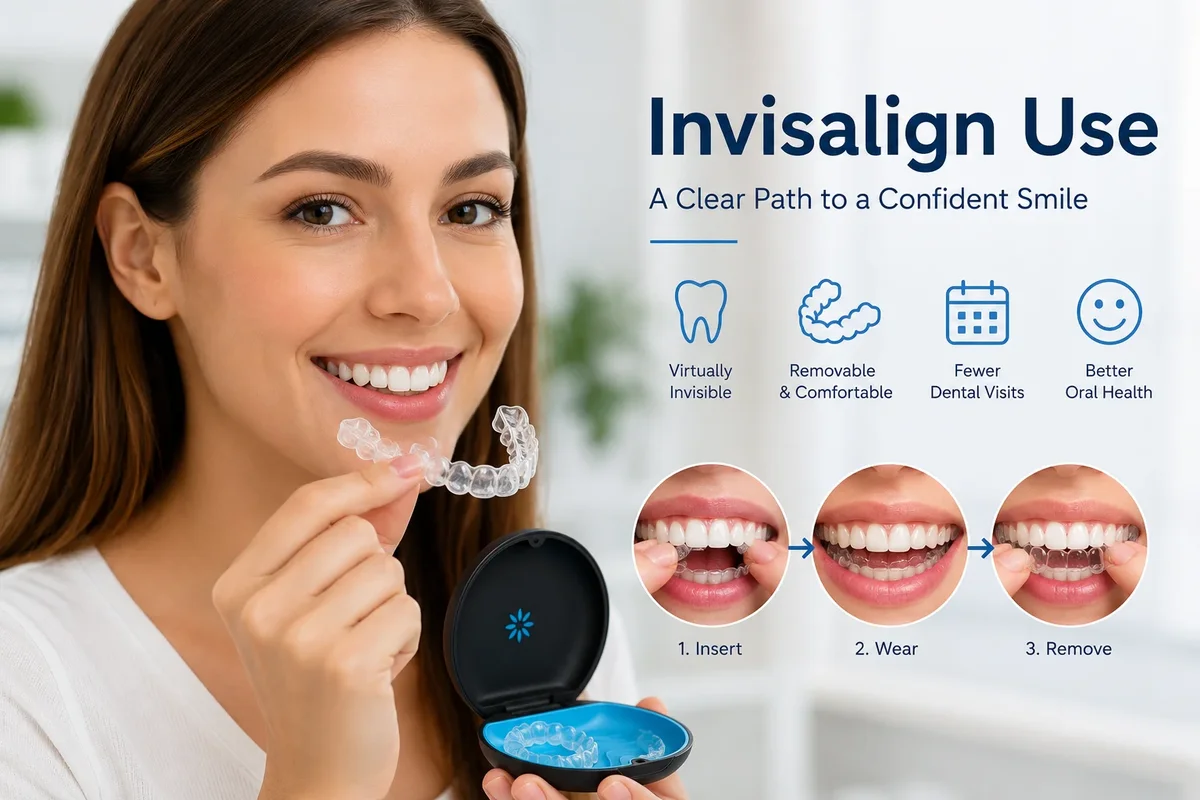
Why Invisalign Use Is Popular Among Adults and Teens
🦷 Invisalign use has become one of the most popular orthodontic treatment options among both adults and teenagers in recent years. The combination of aesthetics, comfort, flexibility, and modern technology has made Invisalign use highly attractive for patients who want straighter teeth without the challenges commonly associated with traditional braces. As more people prioritize both oral health and appearance, Invisalign use continues growing rapidly in popularity across the world.
Unlike traditional metal braces, Invisalign use offers a discreet and convenient orthodontic solution that fits naturally into everyday life. Adults appreciate the professional appearance benefits, while teenagers often enjoy the confidence and flexibility that Invisalign use provides in social and school environments.
Why Adults Prefer Invisalign Use
😁 Adults make up a large percentage of Invisalign use patients because many people delay orthodontic treatment until later in life. Some adults never had braces during childhood, while others experience tooth shifting years after previous orthodontic treatment.
Professional Appearance Advantages
One of the biggest reasons adults choose Invisalign use is the nearly invisible appearance of the aligners. Many professionals work in environments where confidence and appearance are important. Traditional braces may feel uncomfortable in executive meetings, interviews, presentations, or client interactions.
Invisalign use allows adults to improve their smiles discreetly while continuing professional and social activities with minimal attention drawn to orthodontic treatment.
Confidence During Social Interactions
Adults often report feeling more comfortable smiling during Invisalign use because the clear aligners are difficult to notice. Weddings, business dinners, conferences, and photographs become less stressful compared to wearing visible metal braces.
For image-conscious adults, Invisalign use offers emotional comfort in addition to orthodontic correction.
Comfort Benefits That Increase Invisalign Use Popularity
✨ Comfort is another major reason Invisalign use has become highly popular. Traditional braces involve metal brackets and wires that may irritate the lips, cheeks, and gums. Invisalign use eliminates many of these problems because the trays are smooth and custom-designed.
Smooth Plastic Aligners
The aligners used during Invisalign use are made from medical-grade transparent plastic that fits comfortably around the teeth. Most patients experience less soft tissue irritation compared to conventional braces.
Reduced Emergency Visits
Traditional braces sometimes cause emergencies such as broken brackets or poking wires. Invisalign use generally involves fewer urgent orthodontic problems because there are no metal components inside the mouth.
Flexibility and Lifestyle Convenience
📅 Modern lifestyles are busy, and flexibility is one of the strongest advantages of Invisalign use. Patients can remove the aligners when necessary, allowing orthodontic treatment to adapt more naturally to daily routines.
Freedom During Meals
Unlike traditional braces, Invisalign use does not require major food restrictions. Patients simply remove the aligners before eating and continue enjoying most foods normally.
Adults especially appreciate this freedom because business dinners, restaurant outings, and social meals become easier during Invisalign use.
Convenience for Busy Schedules
Many adults have demanding work schedules and family responsibilities. Invisalign use typically requires fewer orthodontic appointments than traditional braces, making treatment more manageable for busy patients.
Why Teenagers Like Invisalign Use
🎓 Teenagers are also increasingly choosing Invisalign use because appearance and confidence are often very important during adolescence. Many teenagers feel self-conscious about visible braces during school years.
Confidence at School
Teenagers often prefer Invisalign use because the aligners are nearly invisible in classrooms, sports activities, and social situations. Many young patients feel more comfortable smiling, speaking, and taking photos during treatment.
Special Events and Activities
Teenagers frequently participate in:
- School dances
- Sports competitions
- Graduation ceremonies
- Music performances
- Photography sessions
Invisalign use allows aligners to be removed temporarily during certain activities when approved by orthodontists, increasing flexibility and convenience.
Sports and Physical Activity Benefits
🏃 Invisalign use is particularly attractive for athletes and active individuals. Traditional braces may increase the risk of cuts or mouth injuries during contact sports.
Safer for Athletes
Since Invisalign use involves smooth removable aligners, many athletes feel safer during training and games. Patients can temporarily remove the trays while wearing sports mouthguards if necessary.
Comfort During Physical Activity
Invisalign use also avoids many of the irritation problems athletes sometimes experience with metal brackets during intense physical movement.
Improved Oral Hygiene During Invisalign Use
🪥 Oral hygiene is much easier during Invisalign use compared to traditional braces. Patients remove the aligners before brushing and flossing, allowing more effective dental cleaning.
Lower Plaque Accumulation
Traditional braces can trap food around brackets and wires, increasing plaque buildup. Invisalign use simplifies oral hygiene routines and often supports healthier gums.
Better Gum Health
Patients who maintain excellent hygiene during Invisalign use may experience reduced risks of gum inflammation and tooth decay throughout orthodontic treatment.
Psychological Benefits of Invisalign Use
😊 Orthodontic treatment can significantly affect self-esteem and emotional comfort. Invisalign use often improves confidence even before treatment is complete because patients feel less embarrassed about wearing orthodontic appliances.
Positive Self-Image
Many adults and teenagers report improved self-image during Invisalign use because the aligners are discreet and aesthetically pleasing.
Reduced Social Anxiety
Patients who previously avoided braces because of appearance concerns may finally pursue orthodontic treatment thanks to Invisalign use.
Technology and Modern Appeal
💡 Invisalign use also appeals to technology-oriented patients who appreciate digital innovation in healthcare.
3D Smile Simulations
Modern Invisalign use often includes advanced digital treatment simulations that allow patients to preview their expected smile results before treatment begins.
Custom Treatment Precision
Every aligner used during Invisalign use is individually customized using precise digital scanning and treatment planning systems. This modern approach increases patient confidence in the orthodontic process.
Parental Preference for Teen Invisalign Use
👨👩👧 Parents also appreciate Invisalign use for teenagers because aligners are removable and often easier to manage than braces in certain situations.
Improved Cleaning Habits
Since teens can brush and floss normally during Invisalign use, parents may feel more comfortable about maintaining their children’s oral hygiene during orthodontic treatment.
Fewer Dietary Restrictions
Teenagers often struggle with food restrictions associated with braces. Invisalign use reduces many of these limitations, making treatment more convenient for families.
Long-Term Benefits Driving Invisalign Use Popularity
🌟 Beyond aesthetics and convenience, Invisalign use also offers long-term oral health benefits. Properly aligned teeth may contribute to:
- Improved bite function
- Easier cleaning
- Reduced uneven tooth wear
- Healthier gums
- Better smile confidence
These long-term advantages continue increasing the popularity of Invisalign use among patients of all ages.
Patients interested in professional orthodontic evaluations can visit the Redent Klinik Contact Page for personalized information about Invisalign use and modern smile correction treatments.
The American Dental Association also emphasizes the importance of professional orthodontic supervision and proper oral hygiene during orthodontic care.
✨ Overall, Invisalign use remains highly popular among adults and teenagers because it combines aesthetics, flexibility, comfort, confidence, and modern dental technology into one effective orthodontic system. Patients seeking a discreet and lifestyle-friendly solution often find Invisalign use to be one of the most attractive options available in modern dentistry.