
As people grow older, maintaining excellent oral health becomes more important than ever. Senior dentistry focuses on the prevention, diagnosis, and treatment of dental conditions that commonly affect older adults. From protecting natural teeth to restoring missing teeth and improving comfort, senior dentistry plays a critical role in helping seniors maintain confidence, nutrition, speech, and overall wellness. 😊
Many older adults experience oral health changes due to aging, medications, medical conditions, or years of wear and tear. This is where senior dentistry becomes essential. Professional dental care designed specifically for aging patients can help reduce discomfort, improve oral function, and prevent serious complications. Whether a patient needs routine cleanings, dentures, dental implants, gum treatment, or preventive oral care, senior dentistry offers personalized solutions that support long-term dental health.
One of the most important goals of senior dentistry is preserving natural teeth for as long as possible. Modern dental care has made it possible for many seniors to keep their teeth well into later life. However, aging can increase the risk of gum disease, tooth decay, enamel erosion, tooth sensitivity, and dry mouth. Senior dentistry addresses these issues early before they become severe or costly to treat.
A healthy mouth is strongly connected to a healthy body. Research shows that oral infections and untreated gum disease may contribute to medical conditions such as heart disease, diabetes complications, respiratory infections, and nutritional deficiencies. Because of this connection, senior dentistry is considered an important part of total healthcare for older adults.
Why Senior Dentistry Matters for Older Adults
Senior dentistry is not only about fixing dental problems. It is also about improving quality of life. Older adults often face challenges with chewing, speaking clearly, or smiling confidently due to missing or damaged teeth. Specialized geriatric dental care helps seniors regain these important daily functions.
For example, seniors with missing teeth may avoid healthy foods because chewing becomes difficult. This can lead to poor nutrition and digestive problems. Through treatments such as dentures, bridges, or dental implants, senior dentistry helps patients enjoy a balanced diet again. Better chewing ability can support stronger physical health and improved energy levels.
Another major benefit of senior dentistry is pain prevention. Untreated cavities, gum infections, or broken teeth can create severe discomfort. Unfortunately, some older adults ignore symptoms until the pain becomes serious. Routine dental visits help identify small problems before they become emergencies.
Common Services Offered in Senior Dentistry
Modern senior dentistry includes a wide range of treatments designed specifically for aging smiles. These services often include:
- Professional dental cleanings 🦷
- Gum disease treatment
- Tooth-colored fillings
- Dental crowns and bridges
- Dentures and partial dentures
- Dental implants
- Oral cancer screenings
- Dry mouth management
- Preventive fluoride treatments
- Tooth extractions when necessary
Each treatment plan in senior dentistry is customized according to the patient’s medical history, oral condition, medications, and personal goals. Older adults often require a gentler and more detailed approach to dental care, which is why choosing an experienced clinic is extremely important.
Dry Mouth and Senior Dentistry
One of the most common concerns addressed in senior dentistry is dry mouth, also known as xerostomia. Many prescription medications used by seniors can reduce saliva production. Saliva plays a critical role in protecting teeth against bacteria and decay. Without enough saliva, seniors become more vulnerable to cavities, infections, and bad breath.
Dentists specializing in senior dentistry may recommend saliva substitutes, hydration tips, fluoride products, or medication adjustments in collaboration with physicians. Early management of dry mouth can significantly improve oral comfort and reduce the risk of dental complications.
Dental Implants in Senior Dentistry
Dental implants have become one of the most advanced solutions in senior dentistry for replacing missing teeth. Unlike removable dentures, implants are fixed into the jawbone and provide strong support for chewing and speaking. Many seniors choose implants because they look natural and help preserve jawbone structure.
The cost of dental implants can vary depending on the number of implants, bone condition, and clinic location. Online estimates often range between:
Estimated Dental Implant Costs:
- Single dental implant: $1,500 – $3,500
- Implant-supported dentures: $7,000 – $20,000
- Full mouth dental implants: $20,000 – $50,000+
Although implants may require a higher investment initially, many patients believe they provide long-term value and improved comfort compared to traditional dentures. Senior dentistry clinics often evaluate bone density and general health before recommending implant treatment.
Preventive Care in Senior Dentistry
Preventive care is one of the most powerful aspects of senior dentistry. Simple daily habits can greatly reduce the risk of serious oral health problems later in life. Seniors should brush at least twice daily using fluoride toothpaste, floss carefully, and attend regular dental examinations every six months.
Dentists may also recommend antibacterial mouth rinses, professional cleanings, and nutritional counseling. Foods rich in calcium, vitamin D, and phosphorus can support stronger teeth and gums. Avoiding smoking and excessive sugar intake is also essential for maintaining oral health.
Regular oral cancer screenings are another important part of senior dentistry. Early detection significantly increases successful treatment outcomes. Dentists carefully examine the tongue, cheeks, gums, and throat for suspicious signs during routine visits.
Choosing the Right Senior Dentistry Clinic
Finding the right provider for senior dentistry is essential for long-term comfort and trust. Older adults should look for clinics that offer compassionate communication, advanced technology, personalized treatment plans, and experience with geriatric patients.
At Redent Klinik Contact Page, patients can learn more about professional dental care options designed to improve oral health and confidence. Trusted dental organizations such as the American Dental Association also provide valuable educational resources about oral care for seniors.
Today, senior dentistry continues to evolve with advanced technology, minimally invasive procedures, and patient-focused care. Whether someone needs preventive care, restorative treatment, or cosmetic improvements, senior dentistry can help older adults maintain healthier smiles and better quality of life for many years. 🌟
What Is Senior Dentistry and Why Is It Important?
Senior dentistry is a specialized area of dental care focused on the oral health needs of older adults. As people age, their teeth, gums, jawbone, and oral tissues naturally change over time. These changes can increase the risk of dental problems such as tooth loss, gum disease, dry mouth, tooth sensitivity, and oral infections. Senior dentistry aims to prevent, diagnose, and treat these conditions while helping older adults maintain healthy, comfortable, and confident smiles for as long as possible. 🦷
Unlike general dental care alone, senior dentistry takes into consideration age-related medical conditions, medications, mobility limitations, and nutritional concerns that may affect oral health. This patient-focused approach allows dentists to create treatment plans that are both safe and effective for seniors. Today, modern senior dentistry combines advanced technology, preventive care, restorative treatments, and cosmetic solutions to improve quality of life for aging patients.
Understanding the Purpose of Senior Dentistry
The main goal of senior dentistry is to help older adults preserve oral function and overall wellness. Oral health becomes increasingly important with age because dental problems can directly impact nutrition, speech, confidence, and even general physical health. Seniors who struggle with missing teeth or oral pain may avoid eating healthy foods, which can lead to poor nutrition and reduced immunity.
Senior dentistry focuses not only on treating problems but also on preventing them before they become severe. Preventive dental visits allow dentists to identify early signs of tooth decay, gum inflammation, oral cancer, and jawbone loss. Early intervention can reduce treatment costs and prevent painful complications later.
Another important aspect of senior dentistry is improving comfort and independence. Many seniors want to maintain their natural teeth and avoid extensive procedures whenever possible. Through professional cleanings, restorative care, and customized oral hygiene recommendations, senior dentistry supports long-term dental stability and healthier aging.
Why Oral Health Changes With Age
As the body ages, oral tissues experience natural wear and tear. Teeth may become weaker after years of chewing and grinding, while gums can recede and expose tooth roots. Saliva production may decrease because of medications commonly used for blood pressure, diabetes, arthritis, or heart disease. These changes make older adults more vulnerable to cavities and infections.
Common Age-Related Oral Health Changes
- Increased tooth sensitivity
- Dry mouth caused by medications
- Higher risk of gum disease
- Jawbone shrinkage after tooth loss
- Difficulty chewing certain foods
- Stained or worn enamel
- Loose or damaged dental restorations
- Changes in taste and oral comfort
Senior dentistry helps manage these issues with specialized treatment plans designed specifically for aging smiles. Dentists may recommend fluoride therapy, antimicrobial rinses, implant-supported restorations, or gum treatments to maintain oral health.
The Connection Between Senior Dentistry and Overall Health
One of the most important reasons why senior dentistry matters is the strong connection between oral health and overall health. Studies show that untreated gum disease may increase inflammation throughout the body. Chronic oral infections have been linked to heart disease, diabetes complications, respiratory infections, and even cognitive decline.
For this reason, regular dental care is considered an essential part of healthy aging. Senior dentistry supports better overall wellness by reducing bacteria and inflammation inside the mouth. A healthy mouth can improve eating habits, communication, self-confidence, and social interaction.
Older adults who receive regular dental care often experience fewer oral infections and improved quality of life. Senior dentistry also helps patients maintain proper chewing ability, which supports better digestion and nutrition.
Preventive Care in Senior Dentistry
Preventive care is one of the foundations of successful senior dentistry. Routine dental visits every six months can help identify problems before they become serious. During these visits, dentists may perform:
- Professional cleanings ✨
- Oral cancer screenings
- Digital X-rays
- Gum disease evaluations
- Fluoride applications
- Denture assessments
- Bite analysis
Preventive senior dentistry also includes patient education. Seniors are often encouraged to use soft-bristled toothbrushes, fluoride toothpaste, interdental cleaners, and alcohol-free mouthwash. Hydration and proper nutrition are also emphasized because they contribute to stronger teeth and healthier gums.
Daily Oral Care Tips for Seniors
Maintaining oral hygiene at home is essential for successful senior dentistry. Seniors should brush twice daily for at least two minutes and floss carefully to remove plaque buildup. Those with arthritis or reduced hand mobility may benefit from electric toothbrushes, which make brushing easier and more effective.
Dentists may also recommend special products for dry mouth relief. Sugar-free gum, saliva substitutes, and fluoride gels are commonly used in senior dentistry to reduce cavity risk and improve comfort.
Restorative Treatments in Senior Dentistry
Senior dentistry includes many restorative procedures that help repair damaged or missing teeth. These treatments improve chewing function, speech clarity, and smile appearance. Common restorative services include crowns, bridges, dentures, and dental implants.
Dental implants have become especially popular in senior dentistry because they provide strong, long-lasting tooth replacement. Implants help preserve jawbone density and create a more stable solution compared to traditional dentures.
Estimated Treatment Costs in Senior Dentistry:
- Professional cleaning: $75 – $250
- Full dentures: $1,000 – $3,000
- Dental crowns: $800 – $2,500
- Single dental implant: $1,500 – $3,500
Treatment costs in senior dentistry can vary depending on the clinic, location, materials, and complexity of care. Many seniors choose long-term preventive care to avoid more expensive treatments later.
Choosing the Right Senior Dentistry Clinic
Selecting an experienced dental clinic is extremely important for aging patients. A professional senior dentistry clinic should provide compassionate care, advanced diagnostic technology, and customized treatment planning. Older adults often benefit from clinics that offer comfortable environments and flexible treatment options.
Patients interested in personalized dental care can visit the Redent Klinik Contact Page to learn more about available treatments and consultation options. Educational resources about oral health and preventive care are also available through the American Dental Association.
Today, senior dentistry continues to evolve with modern techniques that improve patient comfort, reduce recovery times, and support healthier aging. With proper preventive care and regular dental visits, seniors can maintain strong teeth, healthier gums, and confident smiles for many years ahead. 😊
Common Dental Problems Addressed in Senior Dentistry
As people grow older, maintaining oral health becomes increasingly challenging due to natural aging processes, medical conditions, medications, and lifestyle changes. Senior dentistry focuses on identifying, preventing, and treating the most common dental problems experienced by older adults. By addressing these issues early, senior dentistry helps seniors maintain healthier smiles, better nutrition, clearer speech, and improved confidence throughout later life. 😊
Many seniors experience dental complications that can interfere with everyday activities such as eating, speaking, and socializing. Fortunately, modern senior dentistry offers advanced solutions that improve comfort and restore oral function. Understanding these common dental problems is essential for protecting long-term oral health and overall wellness.
Tooth Decay in Older Adults
One of the most common conditions treated in senior dentistry is tooth decay. Cavities can develop at any age, but older adults often face a higher risk because of gum recession, dry mouth, and years of enamel wear. When gums recede, tooth roots become exposed, making them more vulnerable to decay.
Senior dentistry professionals carefully monitor signs of root cavities and weakened enamel during routine examinations. Early-stage tooth decay can often be treated with tooth-colored fillings or fluoride therapies before more extensive treatment becomes necessary.
Why Seniors Have a Higher Risk of Cavities
- Reduced saliva production caused by medications
- Difficulty maintaining proper oral hygiene
- Increased consumption of soft or sugary foods
- Worn dental restorations
- Exposed tooth roots from gum recession
Preventive care in senior dentistry includes regular cleanings, fluoride treatments, and personalized oral hygiene recommendations designed to reduce cavity risk.
Gum Disease and Senior Dentistry
Gum disease, also known as periodontal disease, is another major concern in senior dentistry. This condition develops when plaque and bacteria accumulate around the gumline, leading to inflammation and infection. If untreated, gum disease can damage the tissues and bone supporting the teeth, eventually resulting in tooth loss.
Symptoms of gum disease may include:
- Bleeding gums 🩸
- Persistent bad breath
- Swollen or tender gums
- Loose teeth
- Gum recession
- Pain while chewing
Senior dentistry emphasizes early diagnosis and treatment because advanced gum disease can negatively affect overall health. Research suggests that periodontal disease may be linked to heart disease, diabetes complications, respiratory infections, and systemic inflammation.
Treatment options in senior dentistry may include deep cleanings, scaling and root planing, antibacterial therapy, or gum surgery in severe cases. Regular dental visits are essential for controlling periodontal disease before it progresses.
Dry Mouth and Oral Discomfort
Dry mouth, medically known as xerostomia, is extremely common in senior dentistry patients. Many medications prescribed for blood pressure, anxiety, arthritis, and heart conditions reduce saliva production. Since saliva helps neutralize acids and protect against bacteria, dry mouth increases the risk of cavities, infections, and oral discomfort.
Symptoms of Dry Mouth
- Burning sensation in the mouth
- Difficulty swallowing
- Cracked lips
- Bad breath
- Sticky saliva
- Taste changes
Senior dentistry professionals often recommend saliva substitutes, hydration strategies, fluoride gels, and sugar-free gum to improve moisture levels inside the mouth. Managing dry mouth is essential for preserving oral health and reducing infection risks.
Tooth Loss and Missing Teeth
Tooth loss is one of the most significant issues addressed in senior dentistry. Missing teeth can affect chewing ability, speech clarity, jawbone strength, and facial appearance. Seniors who lose teeth often experience reduced confidence and difficulty eating nutritious foods.
Fortunately, modern senior dentistry offers several tooth replacement options:
- Full dentures
- Partial dentures
- Dental bridges
- Dental implants
Dental implants have become especially popular in senior dentistry because they provide long-lasting stability and preserve jawbone density. Implant-supported dentures can significantly improve chewing function and comfort compared to traditional removable dentures.
Estimated Costs for Tooth Replacement:
- Partial dentures: $700 – $2,000
- Complete dentures: $1,000 – $3,000
- Dental bridges: $2,000 – $5,000
- Single dental implant: $1,500 – $3,500
Senior dentistry clinics evaluate bone condition, oral health, and medical history before recommending the most suitable replacement option.
Tooth Sensitivity and Enamel Wear
Years of chewing, brushing, and acid exposure can gradually wear down tooth enamel. In senior dentistry, tooth sensitivity is a frequent complaint among older adults. Patients may experience pain when consuming hot, cold, sweet, or acidic foods.
Enamel erosion and gum recession often expose the inner tooth structure called dentin, which contains microscopic nerve pathways. Senior dentistry treatments for sensitivity may include fluoride varnishes, desensitizing toothpaste, bonding materials, or crowns.
Protecting weakened teeth is important because severe enamel loss can increase the likelihood of fractures and decay.
Oral Cancer Screenings in Senior Dentistry
Oral cancer risk increases with age, making screenings an essential part of senior dentistry. Dentists carefully examine the tongue, cheeks, throat, gums, and lips for suspicious lesions or tissue changes during regular checkups.
Early detection significantly improves treatment outcomes. Common warning signs may include:
- Persistent mouth sores
- Difficulty swallowing
- White or red patches
- Unexplained bleeding
- Lumps inside the mouth
Senior dentistry encourages routine screenings because oral cancer may develop silently during its early stages.
Preventive Strategies in Senior Dentistry
Preventive care remains one of the most effective ways to reduce dental complications in older adults. Senior dentistry emphasizes daily oral hygiene, regular examinations, proper nutrition, and healthy habits.
Recommended Preventive Habits
- Brush twice daily with fluoride toothpaste
- Floss carefully every day
- Visit the dentist every six months
- Drink plenty of water 💧
- Avoid smoking and tobacco products
- Limit sugary snacks and beverages
Patients seeking personalized oral healthcare guidance can visit the Redent Klinik Contact Page for professional consultation options. Seniors can also learn more about preventive oral health through the American Dental Association.
Today, senior dentistry provides advanced treatments that help older adults preserve healthier smiles and maintain greater comfort throughout aging. Through early diagnosis, preventive care, and customized treatment planning, senior dentistry continues to improve oral health outcomes and quality of life for seniors around the world. 🌟
How Senior Dentistry Supports Better Overall Health
Many people think oral health only affects the teeth and gums, but the reality is far more important. Senior dentistry plays a major role in supporting total body health, especially for older adults. As people age, maintaining healthy teeth and gums becomes essential not only for comfort and appearance but also for preventing serious medical complications. Modern senior dentistry focuses on the strong connection between oral health and overall wellness, helping seniors maintain healthier lives and greater independence. 😊
Research continues to show that poor oral health can negatively affect multiple systems throughout the body. Untreated gum disease, chronic infections, missing teeth, and oral inflammation may contribute to conditions such as heart disease, diabetes complications, respiratory infections, and nutritional deficiencies. Because of these risks, senior dentistry is considered a critical part of preventive healthcare for aging adults.
The Link Between Oral Health and Systemic Health
The mouth is closely connected to the rest of the body. Harmful bacteria from gum infections can enter the bloodstream and trigger inflammation in other organs. In senior dentistry, dentists carefully monitor signs of oral disease because even mild infections may become more serious in older adults with weakened immune systems or chronic health conditions.
For example, periodontal disease is one of the most common conditions treated in senior dentistry. This infection affects the gums and supporting bone around the teeth. If left untreated, gum disease can increase inflammation levels throughout the body, potentially worsening cardiovascular problems and diabetes management.
Health Conditions Linked to Poor Oral Health
- Heart disease ❤️
- Stroke risk
- Diabetes complications
- Respiratory infections
- Poor nutrition
- Osteoporosis-related bone loss
- Reduced immune function
- Cognitive decline concerns
Senior dentistry helps reduce these risks by controlling oral bacteria and maintaining healthier gums and teeth through preventive and restorative care.
Senior Dentistry and Nutrition
Nutrition is another major area where senior dentistry supports overall health. Many older adults experience difficulty chewing due to missing teeth, loose dentures, gum pain, or tooth sensitivity. As a result, they may avoid nutritious foods such as fruits, vegetables, nuts, and lean proteins.
Poor chewing ability can lead to vitamin deficiencies, digestive issues, and weight loss. Senior dentistry helps restore proper chewing function through treatments like crowns, bridges, dentures, and dental implants. With healthier teeth and improved oral comfort, seniors can enjoy a more balanced and nutritious diet.
Foods That Support Oral and Overall Health
- Leafy green vegetables 🥦
- Dairy products rich in calcium
- Fish containing vitamin D
- Crunchy fruits like apples
- Protein-rich eggs and lean meats
- Water for hydration and saliva support
Senior dentistry professionals often encourage seniors to reduce sugary snacks and acidic beverages because they increase the risk of cavities and enamel erosion.
How Senior Dentistry Improves Mental and Emotional Well-Being
Oral health can strongly influence emotional health and social confidence. Missing teeth, bad breath, or damaged smiles may cause embarrassment and reduce self-esteem. Some seniors avoid social gatherings or smiling because they feel uncomfortable about their appearance.
Senior dentistry helps restore confidence by improving smile aesthetics and oral comfort. Treatments such as dentures, implants, veneers, or crowns can dramatically improve appearance and speech clarity. Many seniors report feeling younger, more confident, and more socially active after receiving proper dental treatment.
Good oral health also supports clearer communication. Missing teeth or unstable dentures may make speaking difficult, leading to frustration and isolation. Senior dentistry addresses these concerns with customized restorative solutions designed to improve speech and comfort.
Preventing Infections Through Senior Dentistry
Infections inside the mouth can become dangerous for older adults, especially those with weakened immune systems or chronic illnesses. Senior dentistry helps prevent bacterial infections that may spread throughout the body.
For example, untreated abscesses or severe gum disease can allow bacteria to enter the bloodstream. This can create complications for seniors with heart disease, diabetes, or respiratory conditions. Routine cleanings and examinations in senior dentistry help identify these problems before they become emergencies.
Warning Signs That Require Immediate Dental Attention
- Persistent tooth pain
- Bleeding gums
- Loose teeth
- Swelling inside the mouth
- Pus near the gums
- Difficulty chewing or swallowing
- Chronic dry mouth
Senior dentistry emphasizes early intervention because prompt treatment can prevent serious infections and reduce medical risks.
The Role of Senior Dentistry in Managing Dry Mouth
Dry mouth is extremely common among older adults due to medications and certain health conditions. Saliva is essential because it protects teeth, neutralizes acids, and controls bacteria. Without enough saliva, seniors become more vulnerable to tooth decay and oral infections.
Senior dentistry professionals provide specialized strategies for managing dry mouth, including fluoride therapy, hydration guidance, saliva substitutes, and oral moisturizers. Addressing dry mouth early can significantly improve comfort and reduce dental complications.
Restorative Treatments That Improve Daily Life
Modern senior dentistry offers many restorative procedures that improve both oral function and overall health. Treatments such as dental implants, crowns, and implant-supported dentures can restore chewing strength and facial support.
Dental implants are especially beneficial because they help preserve jawbone density after tooth loss. Bone preservation is important for maintaining facial structure and preventing premature aging of the mouth and jaw area.
Estimated Restorative Treatment Costs:
- Dental cleaning: $75 – $250
- Dental crowns: $800 – $2,500
- Implant-supported dentures: $7,000 – $20,000
- Single dental implant: $1,500 – $3,500
Senior dentistry clinics carefully evaluate overall health, medications, and bone condition before recommending restorative treatments for aging patients.
Routine Checkups in Senior Dentistry
Routine dental visits remain one of the most effective ways to protect overall health. During appointments, senior dentistry professionals may perform:
- Professional cleanings ✨
- Oral cancer screenings
- Gum disease evaluations
- Digital imaging
- Denture assessments
- Bite and jaw evaluations
These preventive visits help identify health concerns early and support healthier aging.
Patients interested in personalized oral healthcare can visit the Redent Klinik Contact Page for consultation and treatment information. Additional educational resources about oral health and aging are available through the American Dental Association.
Today, senior dentistry continues to play a vital role in improving the physical, emotional, and social well-being of older adults. Through preventive care, restorative treatments, and personalized dental support, senior dentistry helps seniors maintain healthier smiles and healthier lives for many years to come. 🌟
Best Preventive Care Tips in Senior Dentistry for Older Adults
Preventive care is one of the most important parts of maintaining long-term oral health in older age. Senior dentistry focuses heavily on prevention because stopping dental problems before they become severe is far easier, less expensive, and more comfortable for aging patients. As people grow older, teeth and gums naturally become more vulnerable to wear, decay, gum disease, dry mouth, and tooth loss. Through proper preventive care, senior dentistry helps older adults maintain stronger teeth, healthier gums, and a better quality of life. 😊
Many seniors believe tooth loss and dental discomfort are unavoidable parts of aging. However, modern senior dentistry proves that healthy smiles can be preserved well into later life with consistent care and early treatment. Preventive strategies not only reduce dental problems but also support better nutrition, clearer speech, stronger confidence, and improved overall health.
Why Preventive Care Is Essential in Senior Dentistry
Preventive care is especially important because older adults often face additional oral health risks caused by medications, chronic illnesses, reduced saliva production, and physical limitations. Senior dentistry aims to identify small issues before they become major complications requiring complex treatment.
Routine dental examinations allow dentists to detect:
- Early tooth decay
- Gum inflammation
- Loose dental restorations
- Dry mouth symptoms
- Oral infections
- Jawbone changes
- Signs of oral cancer
Through regular checkups, senior dentistry helps reduce pain, preserve natural teeth, and prevent emergencies that may negatively affect overall health.
Daily Brushing Techniques in Senior Dentistry
Proper brushing remains one of the most effective preventive habits in senior dentistry. Seniors should brush at least twice daily using fluoride toothpaste and a soft-bristled toothbrush. Brushing removes plaque bacteria that can lead to cavities and gum disease.
Many older adults experience gum recession, making tooth roots more exposed and sensitive. Gentle brushing techniques are important because aggressive brushing may worsen gum damage and enamel wear.
Recommended Brushing Tips for Seniors
- Brush for at least two minutes ⏰
- Use fluoride toothpaste
- Choose a soft-bristled toothbrush
- Replace toothbrushes every three months
- Clean the tongue to reduce bacteria
- Consider electric toothbrushes for easier handling
Electric toothbrushes are especially helpful in senior dentistry for patients with arthritis or limited hand mobility because they improve plaque removal while requiring less manual effort.
Flossing and Interdental Cleaning
Flossing is another essential preventive step in senior dentistry. Plaque often accumulates between teeth where toothbrush bristles cannot reach. Without flossing, bacteria can irritate the gums and increase the risk of periodontal disease.
Some seniors find traditional floss difficult to use because of reduced dexterity. Fortunately, senior dentistry recommends alternative tools such as:
- Floss holders
- Water flossers 💧
- Interdental brushes
- Soft picks
Using these tools daily can significantly improve gum health and reduce bacterial buildup.
The Importance of Regular Dental Visits
Routine dental appointments are one of the foundations of successful senior dentistry. Most seniors should visit the dentist every six months for professional cleanings and examinations. Patients with gum disease or chronic oral conditions may require more frequent visits.
Professional cleanings remove hardened plaque and tartar that cannot be eliminated through home care alone. During these visits, senior dentistry professionals also evaluate:
- Gum health
- Bite alignment
- Existing crowns or fillings
- Denture condition
- Signs of oral cancer
- Jawbone changes
Early detection through routine visits can prevent serious infections and reduce future treatment costs.
Estimated Preventive Care Costs
Average Preventive Dentistry Costs:
- Dental cleaning: $75 – $250
- Comprehensive dental exam: $50 – $200
- Digital X-rays: $100 – $300
- Fluoride treatment: $20 – $50
Investing in preventive senior dentistry often helps patients avoid expensive restorative procedures later.
Managing Dry Mouth in Senior Dentistry
Dry mouth is extremely common among older adults because many medications reduce saliva production. Saliva is essential for neutralizing acids, washing away bacteria, and protecting teeth from decay.
Without enough saliva, seniors become more vulnerable to cavities, gum disease, and oral discomfort. Senior dentistry professionals frequently provide guidance for controlling dry mouth symptoms.
Helpful Dry Mouth Prevention Tips
- Drink water frequently 💦
- Avoid alcohol-based mouthwash
- Use sugar-free gum
- Limit caffeine intake
- Use saliva substitutes if recommended
- Apply fluoride products regularly
Managing dry mouth is a key component of preventive senior dentistry because it significantly lowers cavity risk and improves comfort.
Nutrition and Preventive Senior Dentistry
Diet plays a major role in oral health. Senior dentistry encourages balanced nutrition to strengthen teeth and gums while supporting overall wellness. Nutrient deficiencies may weaken oral tissues and increase susceptibility to infection.
Healthy foods recommended in senior dentistry often include:
- Dairy products rich in calcium
- Leafy green vegetables 🥬
- Fish containing vitamin D
- Fresh fruits and vegetables
- Protein-rich foods
- Foods low in added sugar
Seniors should also limit sugary beverages and sticky snacks because they increase bacterial activity and tooth decay risk.
Preventing Gum Disease in Senior Dentistry
Gum disease is one of the leading causes of tooth loss in older adults. Preventive senior dentistry focuses heavily on gum health because periodontal disease may affect overall health and increase systemic inflammation.
Signs of gum disease may include:
- Bleeding gums
- Persistent bad breath
- Swollen gums
- Loose teeth
- Receding gums
Daily oral hygiene, routine cleanings, and professional periodontal evaluations are essential for controlling gum disease and preserving natural teeth.
Oral Cancer Screenings in Senior Dentistry
Oral cancer risk increases with age, making screenings an important part of preventive senior dentistry. Dentists examine the tongue, lips, cheeks, gums, and throat for abnormal tissue changes during routine visits.
Early diagnosis greatly improves treatment outcomes. Seniors who smoke or consume alcohol regularly may face higher oral cancer risks and should attend regular screenings.
Building Long-Term Oral Health Habits
Consistency is one of the most valuable aspects of successful senior dentistry. Small daily habits can prevent serious complications later in life. Seniors who prioritize preventive care often maintain healthier smiles, stronger chewing ability, and better confidence as they age.
Patients interested in personalized preventive dental care can visit the Redent Klinik Contact Page for consultation information and treatment options. Additional oral health guidance is also available through the American Dental Association.
Today, preventive senior dentistry continues to help older adults protect their smiles, reduce oral health risks, and enjoy healthier aging. With proper daily care, professional support, and routine examinations, seniors can preserve comfortable and confident smiles for many years ahead. 🌟
Tooth Replacement Options in Senior Dentistry Explained
Tooth loss is one of the most common challenges faced by older adults, and it can significantly affect oral health, confidence, nutrition, and daily comfort. Senior dentistry focuses on restoring missing teeth with modern treatment solutions that improve both function and appearance. Today, advanced tooth replacement methods in senior dentistry help seniors enjoy stronger chewing ability, clearer speech, healthier jawbones, and more natural-looking smiles. 😊
Many people believe losing teeth is simply a normal part of aging, but this is not entirely true. While age-related changes may increase the risk of tooth loss, proper preventive care and early treatment can help preserve natural teeth for many years. However, when teeth are lost because of decay, gum disease, injury, or medical conditions, senior dentistry offers several effective replacement options.
Choosing the right treatment depends on many factors, including oral health, jawbone condition, budget, comfort preferences, and overall medical history. Senior dentistry specialists carefully evaluate each patient to recommend the safest and most effective solution for long-term oral health.
Why Replacing Missing Teeth Is Important
Missing teeth affect more than appearance alone. Gaps in the mouth can create serious oral and physical health problems over time. Senior dentistry emphasizes timely tooth replacement because untreated tooth loss may lead to:
- Difficulty chewing food 🍎
- Poor nutrition
- Speech problems
- Jawbone shrinkage
- Facial sagging
- Shifting of remaining teeth
- Reduced self-confidence
- Increased risk of gum disease
By restoring missing teeth, senior dentistry helps patients maintain healthier oral function and better overall well-being.
Traditional Dentures in Senior Dentistry
Dentures remain one of the most widely used tooth replacement options in senior dentistry. Full dentures replace all teeth in the upper or lower jaw, while partial dentures replace only several missing teeth.
Modern dentures are far more comfortable and natural-looking than older designs. Advances in dental materials allow senior dentistry clinics to create dentures that fit better and improve chewing performance.
Benefits of Dentures
- Affordable compared to implants
- Non-surgical solution
- Improves facial appearance
- Restores chewing ability
- Customizable for comfort
Despite these advantages, some seniors experience denture movement or discomfort over time because the jawbone naturally shrinks after tooth loss. Senior dentistry often recommends regular denture adjustments to maintain proper fit.
Estimated Denture Costs
Average Denture Costs:
- Partial dentures: $700 – $2,000
- Complete dentures: $1,000 – $3,000
- Premium dentures: $4,000 – $8,000
Senior dentistry providers usually customize treatment plans according to the patient’s oral anatomy and comfort needs.
Dental Bridges in Senior Dentistry
Dental bridges are another common restorative solution in senior dentistry. Bridges replace one or several missing teeth by attaching artificial teeth to neighboring natural teeth or implants.
Bridges can restore smile appearance and chewing function while preventing nearby teeth from shifting. They are often recommended for seniors who still have strong surrounding teeth that can support the restoration.
Advantages of Dental Bridges
- Natural-looking appearance 😁
- Fixed and stable restoration
- Improved speech clarity
- Faster treatment process compared to implants
- Restores bite balance
Senior dentistry professionals carefully assess gum health and supporting teeth before recommending bridge treatment.
Dental Implants in Senior Dentistry
Dental implants are considered one of the most advanced and long-lasting solutions in modern senior dentistry. Implants are titanium posts surgically placed into the jawbone to replace missing tooth roots. Once healed, crowns, bridges, or dentures can be attached to the implants.
Many seniors prefer implants because they feel more natural and provide greater stability than removable dentures. Senior dentistry clinics often recommend implants for patients who want improved chewing power and long-term durability.
Benefits of Dental Implants
- Preserve jawbone density
- Prevent facial collapse
- Provide excellent chewing strength
- Do not shift while speaking or eating
- Long-lasting with proper care
- Natural appearance and comfort
Unlike dentures, implants stimulate the jawbone during chewing, which helps reduce bone loss after tooth extraction. This is one reason why dental implants are highly valued in senior dentistry.
Estimated Dental Implant Costs
Average Implant Costs:
- Single implant: $1,500 – $3,500
- Implant-supported bridge: $3,000 – $10,000
- Implant-supported dentures: $7,000 – $20,000
- Full-mouth implants: $20,000 – $50,000+
While implants may initially cost more than dentures, many patients choose them because of their stability, comfort, and longevity.
Implant-Supported Dentures in Senior Dentistry
Implant-supported dentures combine the affordability of dentures with the stability of dental implants. This option is increasingly popular in senior dentistry because it reduces denture movement and improves chewing efficiency.
These dentures are securely attached to implants placed inside the jawbone. Seniors who struggle with loose traditional dentures often experience dramatic improvements in comfort and confidence after implant-supported treatment.
Who Is a Candidate for Implant-Supported Dentures?
Candidates for implant-supported dentures in senior dentistry usually need:
- Sufficient jawbone density
- Healthy gum tissues
- Good overall health
- Commitment to oral hygiene
Senior dentistry specialists may recommend bone grafting procedures if significant bone loss has already occurred.
Factors That Influence Tooth Replacement Decisions
Every patient has unique needs, which is why senior dentistry treatment plans are highly personalized. Dentists consider many factors before recommending a tooth replacement solution:
- Number of missing teeth
- Bone density levels
- Medical conditions
- Medication use
- Budget preferences
- Lifestyle and comfort goals
- Oral hygiene habits
Senior dentistry aims to balance function, comfort, appearance, and long-term oral health when selecting restorative treatments.
Caring for Tooth Replacements in Senior Dentistry
Proper maintenance is essential for protecting restorations and supporting oral health. Senior dentistry encourages seniors to:
- Brush twice daily 🪥
- Use non-abrasive toothpaste
- Clean dentures carefully
- Attend regular dental checkups
- Avoid smoking
- Maintain balanced nutrition
Routine professional care helps extend the lifespan of restorations and prevents complications such as gum disease or implant infections.
Patients interested in personalized restorative treatment options can visit the Redent Klinik Contact Page for consultation details and treatment guidance. Additional educational resources regarding oral rehabilitation and aging are available through the American Dental Association.
Today, senior dentistry provides more tooth replacement solutions than ever before. Whether seniors choose dentures, bridges, implants, or implant-supported restorations, modern senior dentistry helps restore comfort, confidence, and healthier smiles for aging adults around the world. 🌟
Dental Implants and Dentures in Senior Dentistry
Modern senior dentistry has transformed the way older adults restore missing teeth and regain oral function. Among the most popular treatment options in senior dentistry are dental implants and dentures. Both solutions are designed to replace missing teeth, improve chewing ability, support speech clarity, and restore confidence. However, each treatment has unique advantages, limitations, costs, and long-term considerations that seniors should fully understand before making a decision. 😊
Tooth loss is a common issue among aging adults, often caused by gum disease, severe decay, trauma, or years of dental wear. Missing teeth can negatively impact nutrition, appearance, and emotional well-being. Senior dentistry focuses on offering personalized restorative solutions that improve both oral health and quality of life.
Choosing between implants and dentures depends on several factors including jawbone health, medical conditions, lifestyle preferences, comfort expectations, and financial considerations. Senior dentistry specialists evaluate each patient individually to recommend the most suitable approach.
Understanding Traditional Dentures in Senior Dentistry
Dentures have been used for decades in senior dentistry and remain one of the most common tooth replacement solutions for older adults. Dentures are removable appliances designed to replace missing teeth and surrounding tissues.
There are two primary types of dentures used in senior dentistry:
- Complete dentures for full tooth loss
- Partial dentures for replacing several missing teeth
Modern dentures are much more advanced than older versions. Improved materials and digital design technology now allow senior dentistry clinics to create dentures that look more natural and feel more comfortable.
Advantages of Dentures
- More affordable than implants 💰
- Non-surgical treatment option
- Restores smile appearance
- Improves chewing function
- Faster treatment process
- Suitable for patients with bone loss
Dentures can significantly improve confidence and facial appearance by supporting the lips and cheeks after tooth loss.
Challenges Associated With Dentures
Although dentures remain valuable in senior dentistry, they may present certain challenges for some patients. Over time, jawbone shrinkage can cause dentures to loosen and move during speaking or eating.
Common denture-related concerns include:
- Difficulty chewing certain foods
- Denture slipping
- Gum irritation
- Sore spots
- Reduced bite strength
- Need for periodic adjustments
Senior dentistry professionals often recommend regular denture maintenance appointments to improve fit and comfort.
Dental Implants in Senior Dentistry
Dental implants have become one of the most advanced restorative treatments in modern senior dentistry. Implants are titanium posts surgically placed into the jawbone to replace missing tooth roots. After healing, crowns, bridges, or dentures can be attached securely to the implants.
Unlike removable dentures, implants become integrated with the jawbone, creating exceptional stability and long-term durability. Many seniors choose implants because they provide a more natural feeling and stronger chewing ability.
Benefits of Dental Implants
- Natural appearance and comfort 😁
- Excellent chewing strength
- Prevents jawbone shrinkage
- Does not move during eating or speaking
- Long-lasting solution
- Improves confidence and speech clarity
One of the most important advantages of implants in senior dentistry is bone preservation. When teeth are lost, the jawbone gradually deteriorates because it no longer receives stimulation from chewing. Implants help maintain bone density and facial structure.
Potential Limitations of Dental Implants
While implants offer many advantages, not every patient is automatically a candidate. Senior dentistry specialists evaluate medical history, bone density, gum health, and healing ability before recommending implant treatment.
Potential considerations may include:
- Higher initial cost
- Surgical procedure required
- Longer healing time
- Bone grafting may be necessary
- Smoking may reduce implant success
Despite these factors, many seniors successfully receive implants and experience major improvements in oral function and quality of life.
Implant-Supported Dentures in Senior Dentistry
Implant-supported dentures combine the benefits of both traditional dentures and dental implants. In senior dentistry, this option is increasingly popular because it offers greater stability than removable dentures while remaining more affordable than full-mouth implant reconstruction.
Implant-supported dentures are secured to implants placed inside the jawbone. This prevents slipping and improves chewing efficiency.
Advantages of Implant-Supported Dentures
- Improved denture stability
- Greater chewing comfort 🍎
- Reduced gum irritation
- Less movement while speaking
- Improved confidence
- Better jawbone preservation
Many senior dentistry patients who previously struggled with loose dentures report dramatic improvements after switching to implant-supported solutions.
Cost Comparison in Senior Dentistry
Financial planning is an important part of restorative care. Treatment costs in senior dentistry vary depending on the complexity of care, materials used, clinic location, and number of missing teeth.
Estimated Costs for Restorative Treatments:
- Partial dentures: $700 – $2,000
- Complete dentures: $1,000 – $3,000
- Premium dentures: $4,000 – $8,000
- Single dental implant: $1,500 – $3,500
- Implant-supported dentures: $7,000 – $20,000
- Full-mouth implants: $20,000 – $50,000+
Although implants generally cost more initially, many patients view them as a long-term investment because of their durability and stability.
How Senior Dentistry Determines the Best Option
Every patient has unique oral health needs. Senior dentistry specialists carefully evaluate several factors before recommending dentures or implants:
- Bone density levels
- Number of missing teeth
- Medical conditions
- Medication use
- Budget considerations
- Lifestyle preferences
- Oral hygiene habits
Patients with severe bone loss or certain health conditions may initially be better suited for dentures, while others may benefit greatly from implant treatment.
Caring for Implants and Dentures
Proper maintenance is essential for long-term success in senior dentistry. Dentures should be cleaned daily to prevent bacteria buildup and irritation. Dental implants require regular brushing, flossing, and professional cleanings to maintain gum health and prevent peri-implant disease.
Important Oral Care Tips
- Brush twice daily 🪥
- Use non-abrasive toothpaste
- Clean dentures every night
- Attend routine dental visits
- Avoid smoking
- Maintain balanced nutrition
Routine checkups help senior dentistry professionals monitor restorations and identify problems early before complications develop.
Patients seeking advanced restorative solutions can visit the Redent Klinik Contact Page to explore personalized treatment options. Additional educational information about tooth replacement and oral health is also available through the American Dental Association.
Today, senior dentistry offers more restorative possibilities than ever before. Whether patients choose dentures, implants, or implant-supported solutions, modern senior dentistry helps older adults regain comfort, confidence, stronger chewing ability, and healthier smiles for many years ahead. 🌟
How Dry Mouth Affects Oral Health in Senior Dentistry
Dry mouth is one of the most common oral health concerns affecting older adults, and it plays a major role in modern senior dentistry. Also known medically as xerostomia, dry mouth occurs when the salivary glands do not produce enough saliva to keep the mouth properly hydrated. Although many people consider dry mouth a minor inconvenience, it can actually create serious oral health complications if left untreated. Senior dentistry focuses heavily on identifying and managing dry mouth because saliva is essential for protecting teeth, gums, and oral tissues. 😊
As people age, they often take medications for chronic conditions such as high blood pressure, diabetes, arthritis, anxiety, and heart disease. Many of these medications reduce saliva production, increasing the risk of cavities, gum disease, oral infections, and chewing difficulties. Senior dentistry professionals understand the strong relationship between dry mouth and overall oral health, which is why prevention and treatment are extremely important.
Why Saliva Is Important in Senior Dentistry
Saliva performs several critical functions inside the mouth. In senior dentistry, maintaining healthy saliva flow is essential because saliva helps:
- Neutralize harmful acids
- Wash away bacteria and food particles
- Protect enamel from decay
- Support digestion 🍎
- Lubricate oral tissues
- Reduce fungal infections
- Improve speaking and swallowing
Without enough saliva, harmful bacteria can multiply rapidly, increasing the risk of dental disease. Senior dentistry emphasizes early management of dry mouth to reduce these risks and improve daily comfort.
Common Causes of Dry Mouth in Older Adults
There are many reasons why dry mouth develops in aging adults. In senior dentistry, medication use is considered the leading cause of xerostomia. Hundreds of prescription and over-the-counter medications list dry mouth as a side effect.
Medications Frequently Associated With Dry Mouth
- Blood pressure medications
- Antidepressants
- Pain relievers
- Antihistamines
- Diabetes medications
- Parkinson’s disease treatments
- Anxiety medications
In addition to medications, senior dentistry specialists also recognize other contributing factors such as:
- Dehydration 💧
- Smoking and tobacco use
- Cancer treatments
- Autoimmune diseases
- Stress and anxiety
- Poor nutrition
- Mouth breathing during sleep
Identifying the underlying cause is an important step in developing an effective treatment plan.
Symptoms of Dry Mouth in Senior Dentistry
Dry mouth symptoms may vary from mild discomfort to severe oral complications. Some seniors may not immediately recognize the signs, which is why routine dental evaluations are essential in senior dentistry.
Common Symptoms of Xerostomia
- Sticky or dry feeling in the mouth
- Difficulty swallowing
- Cracked lips
- Burning sensation on the tongue
- Frequent thirst
- Bad breath 😷
- Taste changes
- Difficulty wearing dentures
- Sore throat or hoarseness
Senior dentistry professionals carefully examine the oral tissues and saliva flow during routine appointments to detect early signs of xerostomia.
How Dry Mouth Increases the Risk of Cavities
One of the biggest concerns in senior dentistry is the relationship between dry mouth and tooth decay. Saliva normally protects teeth by neutralizing acids produced by bacteria. Without enough saliva, acids remain on the teeth longer, increasing the risk of cavities.
Root cavities are especially common among seniors with dry mouth. As gums recede naturally with age, tooth roots become exposed and more vulnerable to decay. Senior dentistry focuses on preventive treatments that strengthen enamel and protect sensitive root surfaces.
Preventive Treatments Used in Senior Dentistry
- Fluoride varnishes
- Prescription fluoride toothpaste
- Antibacterial rinses
- Professional cleanings ✨
- Saliva substitutes
- Custom fluoride trays
These preventive approaches help reduce cavity risk and support long-term oral health.
Dry Mouth and Denture Problems
Dry mouth can also create major difficulties for denture wearers. Saliva helps dentures remain comfortable and stable against the gums. Without proper moisture, dentures may rub against tissues and cause soreness or irritation.
In senior dentistry, patients with xerostomia often report:
- Denture slipping
- Difficulty chewing
- Painful gum irritation
- Trouble speaking clearly
- Increased oral infections
Senior dentistry professionals may recommend implant-supported dentures or specially designed adhesives to improve comfort and stability for patients with chronic dry mouth.
Managing Dry Mouth Through Lifestyle Changes
Simple lifestyle adjustments can significantly improve oral comfort and saliva production. Senior dentistry encourages seniors to adopt healthy habits that naturally support moisture levels in the mouth.
Helpful Lifestyle Tips
- Drink water frequently 💦
- Avoid alcohol and tobacco
- Use sugar-free chewing gum
- Reduce caffeine intake
- Limit sugary snacks
- Use a humidifier at night
- Breathe through the nose when possible
Hydration is especially important because dehydration can worsen dry mouth symptoms and increase bacterial growth inside the mouth.
Professional Dry Mouth Treatments in Senior Dentistry
When lifestyle changes alone are not enough, senior dentistry may recommend professional treatments designed to improve saliva flow and protect oral tissues.
Treatment options may include:
- Prescription saliva stimulants
- Fluoride therapies
- Oral moisturizers
- Antifungal medications
- Customized oral care products
Senior dentistry specialists often work together with physicians to review medications and determine whether alternative prescriptions may reduce dry mouth symptoms.
The Importance of Routine Dental Visits
Regular dental checkups are extremely important for patients experiencing dry mouth. Senior dentistry appointments allow dentists to monitor oral health closely and identify problems early before serious damage occurs.
During these visits, dentists may perform:
- Professional cleanings
- Cavity screenings
- Gum evaluations
- Oral cancer screenings
- Denture assessments
- Saliva flow evaluations
Routine care helps reduce the long-term effects of xerostomia and protects the teeth from extensive decay.
Estimated Dry Mouth Management Costs
Estimated Treatment Costs:
- Dental cleaning: $75 – $250
- Fluoride treatment: $20 – $50
- Prescription saliva products: $10 – $100
- Custom fluoride trays: $150 – $400
Preventive treatment in senior dentistry is often far less expensive than repairing extensive decay caused by untreated dry mouth.
Patients experiencing persistent dry mouth symptoms can visit the Redent Klinik Contact Page to explore professional treatment options and oral care solutions. Additional educational resources regarding xerostomia and oral health are also available through the American Dental Association.
Today, senior dentistry continues to provide advanced solutions for managing dry mouth and protecting oral health in aging adults. Through preventive care, professional guidance, and personalized treatment plans, senior dentistry helps seniors maintain healthier smiles, greater comfort, and improved quality of life for many years ahead. 🌟
Nutrition and Lifestyle Habits for Successful Senior Dentistry
Healthy nutrition and positive daily habits play a major role in maintaining strong teeth and gums throughout aging. Senior dentistry not only focuses on dental treatments but also emphasizes lifestyle choices that support long-term oral health and overall wellness. As people grow older, the body experiences natural changes that can affect oral tissues, bone density, saliva production, and immune function. Through proper nutrition and healthy routines, senior dentistry helps older adults protect their smiles, reduce disease risks, and improve quality of life. 😊
Many oral health problems commonly treated in senior dentistry, such as gum disease, tooth decay, dry mouth, and tooth loss, are strongly influenced by diet and lifestyle habits. Seniors who maintain balanced nutrition and consistent oral hygiene often experience fewer dental complications and require less invasive treatment over time.
Why Nutrition Matters in Senior Dentistry
The mouth is directly affected by the nutrients the body receives. Teeth, gums, jawbone, and oral tissues all rely on vitamins and minerals to stay healthy and resistant to infection. Senior dentistry encourages older adults to consume nutrient-rich foods that strengthen enamel, support gum tissues, and maintain bone density.
Poor nutrition may weaken the immune system and increase susceptibility to oral infections. Seniors with missing teeth or uncomfortable dentures may avoid healthy foods because chewing becomes difficult. This can create a cycle of poor nutrition and worsening oral health.
Essential Nutrients in Senior Dentistry
- Calcium for strong teeth and bones 🦴
- Vitamin D for calcium absorption
- Vitamin C for healthy gums
- Protein for tissue repair
- Phosphorus for enamel protection
- Water for saliva production 💧
Senior dentistry professionals often recommend nutritional counseling as part of comprehensive oral healthcare for aging adults.
Best Foods for Oral Health in Senior Dentistry
Certain foods provide important benefits for oral health and support healthier aging. Senior dentistry encourages seniors to choose foods that strengthen teeth, reduce inflammation, and stimulate saliva production.
Recommended Foods for Seniors
- Dairy products such as yogurt and cheese
- Leafy green vegetables 🥬
- Crunchy fruits like apples and pears
- Fish rich in omega-3 fatty acids
- Lean proteins including eggs and chicken
- Nuts and seeds for minerals
- Whole grains for balanced nutrition
Crunchy fruits and vegetables may also help naturally clean the teeth and stimulate saliva flow, which is especially beneficial in senior dentistry for patients experiencing dry mouth.
Foods and Habits That Harm Oral Health
While healthy foods strengthen oral tissues, certain habits and dietary choices can increase the risk of dental disease. Senior dentistry encourages seniors to limit foods and beverages that contribute to cavities, enamel erosion, and gum inflammation.
Foods and Habits to Limit
- Sugary snacks 🍬
- Carbonated soft drinks
- Sticky candies
- Excessive alcohol consumption
- Smoking and tobacco use 🚭
- Frequent acidic beverages
- Late-night snacking without brushing
Smoking is particularly harmful in senior dentistry because it increases the risk of gum disease, tooth loss, oral cancer, delayed healing, and implant failure. Tobacco products also reduce blood flow to the gums, making infections more difficult to control.
Hydration and Saliva Production in Senior Dentistry
Hydration is essential for maintaining oral health, especially for older adults. Many seniors experience dry mouth because of medications or chronic medical conditions. Saliva plays an important protective role by washing away bacteria and neutralizing acids.
Senior dentistry strongly encourages proper hydration to reduce cavity risk and improve oral comfort.
Hydration Tips for Seniors
- Drink water regularly throughout the day 💦
- Limit caffeine intake
- Avoid excessive alcohol consumption
- Use sugar-free gum to stimulate saliva
- Consume water-rich fruits and vegetables
Managing dry mouth is a key preventive strategy in senior dentistry because insufficient saliva significantly increases the likelihood of tooth decay and gum irritation.
The Importance of Oral Hygiene Habits
Nutrition alone is not enough to maintain oral health. Daily oral hygiene habits are one of the foundations of successful senior dentistry. Seniors should brush and floss consistently to remove plaque bacteria and prevent gum disease.
Daily Oral Care Recommendations
- Brush twice daily using fluoride toothpaste 🪥
- Floss carefully every day
- Clean dentures properly
- Use alcohol-free mouthwash
- Replace toothbrushes regularly
- Attend routine dental checkups
Electric toothbrushes are often recommended in senior dentistry for patients with arthritis or reduced hand mobility because they improve plaque removal while requiring less effort.
How Exercise Supports Senior Dentistry
Physical activity may also contribute to better oral health. Exercise improves circulation, supports immune function, and reduces inflammation throughout the body. These benefits can positively affect gum health and healing ability.
Senior dentistry recognizes that overall wellness habits often influence oral health outcomes. Seniors who maintain active lifestyles may experience:
- Improved immune function
- Better blood circulation
- Reduced inflammation
- Lower risk of chronic disease
- Healthier gum tissues
Simple activities such as walking, stretching, or low-impact exercises can support healthier aging and improve overall well-being.
The Role of Routine Dental Visits
Professional dental care remains essential even for seniors with excellent oral hygiene habits. Senior dentistry appointments allow dentists to monitor oral health and identify early signs of disease before complications become severe.
Routine visits may include:
- Professional cleanings ✨
- Gum disease evaluations
- Oral cancer screenings
- Digital X-rays
- Denture assessments
- Nutritional counseling
Regular checkups help maintain healthier teeth and gums while reducing the need for extensive restorative treatment.
Estimated Preventive Care Costs
Estimated Preventive Care Costs:
- Dental exam: $50 – $200
- Professional cleaning: $75 – $250
- Fluoride treatment: $20 – $50
- Periodontal maintenance: $150 – $400
Preventive care in senior dentistry is often much more affordable than treating advanced gum disease or extensive tooth loss later.
Building Long-Term Healthy Habits
Consistency is one of the most important principles in senior dentistry. Small daily habits practiced consistently over time can greatly improve oral health outcomes. Seniors who maintain proper nutrition, hydration, oral hygiene, and routine dental visits often enjoy stronger teeth and healthier smiles throughout aging.
Patients seeking personalized oral healthcare guidance can visit the Redent Klinik Contact Page for consultation and treatment information. Additional educational resources about healthy oral habits and preventive care are available through the American Dental Association.
Today, senior dentistry continues to emphasize the powerful connection between lifestyle habits and oral health. Through balanced nutrition, proper hydration, healthy daily routines, and preventive care, senior dentistry helps older adults maintain comfortable, confident, and healthier smiles for many years ahead. 🌟
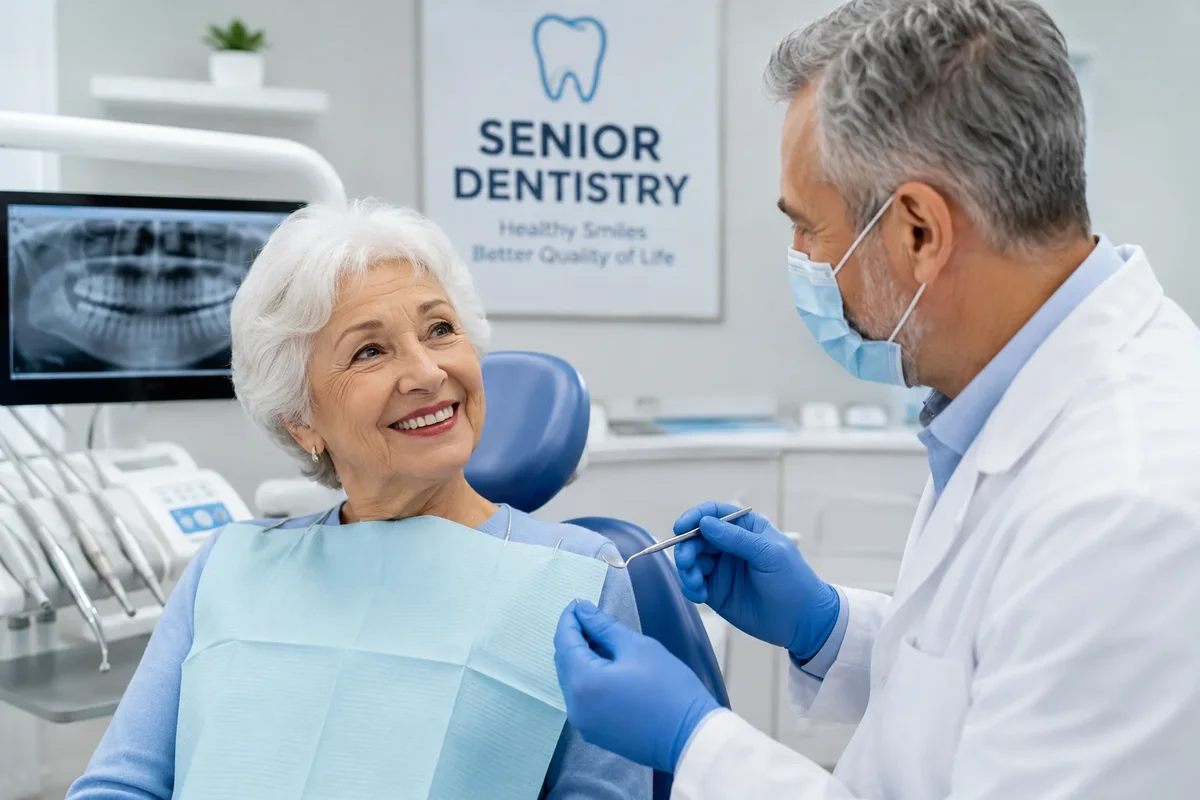
Choosing the Right Clinic for Professional Senior Dentistry
Choosing the right dental clinic is one of the most important decisions older adults can make for their oral and overall health. Senior dentistry requires a specialized approach because aging patients often experience unique dental challenges such as gum disease, dry mouth, tooth loss, medical complications, and reduced mobility. A professional clinic that understands the complexities of senior dentistry can provide safer, more comfortable, and more effective care for long-term oral health. 😊
Not every dental clinic offers the same level of expertise in treating older adults. Senior dentistry focuses on creating personalized treatment plans based on each patient’s medical history, medications, oral condition, and comfort needs. Selecting an experienced clinic helps seniors maintain healthier smiles, reduce complications, and improve quality of life.
Why Specialized Senior Dentistry Matters
As people age, dental care becomes more complex. Many seniors live with chronic health conditions such as diabetes, heart disease, osteoporosis, or arthritis, all of which can affect oral health and dental treatment planning. Senior dentistry professionals understand how these conditions influence healing, infection risk, medication interactions, and treatment safety.
A clinic specializing in senior dentistry is better prepared to:
- Manage age-related oral conditions
- Create customized treatment plans
- Provide gentle dental care 🦷
- Monitor medication side effects
- Address mobility limitations
- Support long-term preventive care
This personalized approach allows seniors to receive safer and more comfortable treatment while reducing unnecessary stress and complications.
Qualities of a Good Senior Dentistry Clinic
When choosing a provider, seniors should look for clinics that prioritize communication, compassion, advanced technology, and preventive care. A quality senior dentistry clinic understands that older adults may have different physical, emotional, and financial concerns compared to younger patients.
Important Features to Look For
- Experience treating older adults
- Modern dental technology
- Comfortable and accessible facilities ♿
- Clear communication and patient education
- Personalized treatment planning
- Emergency dental support
- Preventive and restorative services
Senior dentistry clinics should also provide enough appointment time to fully discuss treatment options, medical conditions, and oral health concerns.
The Importance of Accessibility in Senior Dentistry
Accessibility is a major factor when selecting a clinic for senior dentistry. Many older adults may experience mobility limitations, arthritis, balance concerns, or transportation difficulties. A senior-friendly dental clinic should provide easy access and comfortable facilities.
Accessibility Features That Matter
- Wheelchair accessibility
- Elevator access if needed
- Comfortable seating areas
- Easy parking 🚗
- Minimal waiting times
- Supportive staff assistance
Comfort and convenience can significantly reduce dental anxiety and encourage seniors to attend regular appointments.
Technology and Modern Senior Dentistry
Modern technology has greatly improved the quality of care available in senior dentistry. Advanced diagnostic tools and digital treatment methods allow dentists to detect problems earlier and perform procedures more comfortably.
Technology Commonly Used in Senior Dentistry
- Digital X-rays
- 3D imaging systems
- Laser dentistry ✨
- Digital impressions
- Computer-guided implant planning
- Intraoral cameras
These technologies often reduce treatment times, improve accuracy, and increase patient comfort during procedures.
Communication and Patient Education
Effective communication is one of the most valuable aspects of successful senior dentistry. Older adults should feel comfortable asking questions and discussing concerns openly with their dentist.
A good senior dentistry clinic explains:
- Treatment options clearly
- Expected recovery times
- Estimated costs
- Oral hygiene instructions
- Preventive care recommendations
Education empowers patients to make informed decisions about their oral health and helps them maintain better habits at home.
Preventive Care Focus in Senior Dentistry
Preventive care should always be a priority when choosing a senior dentistry clinic. Regular checkups and professional cleanings help identify small problems before they become severe or painful.
Preventive senior dentistry services may include:
- Professional cleanings
- Fluoride treatments
- Oral cancer screenings
- Gum disease evaluations
- Denture assessments
- Dry mouth management 💧
Clinics that focus strongly on prevention often help seniors reduce long-term treatment costs and maintain healthier natural teeth.
Restorative Services in Senior Dentistry
Many older adults eventually require restorative dental care because of missing teeth, worn restorations, or gum disease. A professional senior dentistry clinic should offer a wide range of restorative solutions designed specifically for aging patients.
Common Restorative Treatments
- Dental implants
- Implant-supported dentures
- Traditional dentures
- Dental bridges
- Tooth-colored fillings
- Crowns and veneers
Comprehensive restorative care helps seniors regain chewing strength, improve speech clarity, and restore smile confidence.
Understanding Treatment Costs in Senior Dentistry
Cost transparency is another important factor when selecting a dental clinic. Professional senior dentistry clinics should clearly explain treatment fees and available payment options before procedures begin.
Estimated Common Treatment Costs:
- Dental cleaning: $75 – $250
- Complete dentures: $1,000 – $3,000
- Dental crowns: $800 – $2,500
- Single dental implant: $1,500 – $3,500
- Implant-supported dentures: $7,000 – $20,000
While pricing may vary depending on the clinic and complexity of care, preventive senior dentistry often helps patients avoid more expensive procedures later.
The Importance of Long-Term Relationships in Senior Dentistry
Building a long-term relationship with a trusted dentist is extremely valuable for aging adults. Consistency allows the dental team to better understand the patient’s medical history, oral health patterns, and treatment preferences.
Senior dentistry works best when patients attend routine appointments and maintain open communication with their dental providers. Long-term care helps ensure early diagnosis, better prevention, and improved treatment outcomes.
Questions to Ask Before Choosing a Clinic
- Does the clinic specialize in senior dentistry?
- Are emergency services available?
- What technologies are used?
- How are treatment plans personalized?
- What payment options are available?
- How often are follow-up appointments recommended?
These questions can help seniors feel more confident when selecting a dental provider.
Patients seeking personalized care and advanced treatment options can visit the Redent Klinik Contact Page to learn more about professional oral healthcare services. Additional educational information about oral health and aging is available through the American Dental Association.
Today, senior dentistry continues to improve the lives of older adults through preventive care, advanced restorative treatments, compassionate communication, and patient-centered support. Choosing the right clinic for senior dentistry can help seniors maintain healthier smiles, stronger confidence, and greater comfort for many years ahead. 🌟