
Invisalign virtual treatment has completely transformed the way patients begin and manage orthodontic care in today’s digital world 😊. Many people who want straighter teeth often avoid traditional braces because of visible metal brackets, uncomfortable appointments, or busy schedules. Thanks to invisalign virtual systems, patients can now experience a more flexible and modern orthodontic process while still receiving professional dental supervision. This innovative approach combines clear aligner technology with remote monitoring, digital scans, and online communication tools to make treatment easier and more convenient.
One of the biggest advantages of invisalign virtual treatment is convenience. Instead of visiting the clinic for every minor adjustment, patients can communicate with their dentist or orthodontist remotely. Through invisalign virtual checkups, dental professionals can monitor tooth movement, review aligner fit, and recommend treatment updates without requiring constant in-office visits. This is especially useful for students, busy professionals, parents, and international patients who may not always have time to attend frequent appointments.
The invisalign virtual process usually begins with an online consultation or digital assessment. During this stage, patients upload photos of their teeth or attend a video consultation with a dental specialist. The clinic may then schedule a digital 3D scan to create customized aligners. Modern intraoral scanners capture highly detailed images of the mouth without messy traditional impressions. These digital scans help dentists create accurate treatment plans and predict tooth movement step by step.
Another important benefit of invisalign virtual treatment is comfort. Traditional braces often involve wires and brackets that may irritate the gums and cheeks. Invisalign aligners are clear, removable, and smooth, making them more comfortable for many patients. Because invisalign virtual care focuses heavily on digital precision, treatment planning is often more personalized. Patients can also remove aligners during meals, brushing, and special occasions, which improves oral hygiene and daily comfort.
Many patients also appreciate the aesthetic advantages of invisalign virtual systems. Clear aligners are significantly less noticeable than metal braces. Adults who work in professional environments often prefer invisalign virtual treatment because it allows them to improve their smile discreetly. Teenagers also enjoy the confidence boost that comes with nearly invisible orthodontic appliances.
Invisalign virtual technology also improves communication between patients and dental clinics. Through smartphone apps and remote monitoring software, patients can send progress photos regularly. Dentists can evaluate whether aligners are fitting correctly and whether teeth are moving according to the treatment plan. If adjustments are needed, the dental team can provide guidance quickly. This type of remote orthodontic care reduces unnecessary appointments while maintaining professional supervision throughout the process.
Another reason invisalign virtual treatment has become increasingly popular is flexibility. Many people travel frequently or live far from their preferred dental clinic. Virtual aligner monitoring allows patients to continue treatment even when they are not physically close to the clinic. International dental patients also benefit greatly from invisalign virtual support because they can maintain communication with their provider after returning home.
Patients often ask whether invisalign virtual treatment is safe and effective. In most mild to moderate orthodontic cases, invisalign virtual systems can produce excellent results when supervised by experienced professionals. However, successful treatment depends on patient cooperation. Aligners generally need to be worn for 20 to 22 hours per day to achieve proper tooth movement. Patients who consistently follow instructions are more likely to achieve faster and more predictable results.
The cost of invisalign virtual treatment varies depending on case complexity, treatment duration, and geographic location. In the United States, average invisalign virtual treatment costs may range from approximately $3,000 to $8,000. Some minor correction cases may cost less, while advanced bite correction treatments may require higher fees. Many clinics now offer installment plans and flexible financing options to help patients manage expenses more comfortably.
Average Invisalign Virtual Price Overview 💰
- Mild alignment corrections: $3,000 – $4,500
- Moderate orthodontic cases: $4,500 – $6,500
- Complex bite correction cases: $6,500 – $8,000+
- Remote monitoring services may be included depending on the clinic
When considering invisalign virtual treatment, choosing an experienced dental clinic is extremely important. A qualified provider will evaluate oral health, gum condition, jaw alignment, and bite structure before beginning treatment. Patients should also verify that the clinic uses advanced digital technology and maintains proper communication throughout the orthodontic process.
Modern dentistry continues to evolve rapidly, and invisalign virtual care represents one of the most exciting developments in orthodontics today 🌍. By combining digital innovation with personalized dental supervision, invisalign virtual systems offer patients a more flexible and comfortable path toward a healthier smile. Patients who want additional information about orthodontic treatment options can also review resources provided by the American Dental Association.
If you are considering clear aligner therapy and want professional guidance, you can contact a specialized dental team through the Redent Klinik Contact Page. A personalized consultation can help determine whether invisalign virtual treatment is suitable for your smile goals, oral health condition, and lifestyle needs.
Overall, invisalign virtual treatment continues to reshape the future of orthodontics by making smile correction more accessible, efficient, and patient-friendly. With digital scanning, virtual consultations, remote aligner monitoring, and customized treatment planning, patients now have more control and convenience throughout their orthodontic journey. As technology continues improving, invisalign virtual solutions will likely become even more advanced and widely available for patients around the world.
How Invisalign Virtual Consultations Work Step by Step
Invisalign virtual consultations have changed the orthodontic experience by making treatment planning faster, easier, and more convenient for patients worldwide 😊. Many individuals who want straighter teeth now prefer invisalign virtual systems because they reduce unnecessary clinic visits while still allowing close supervision from dental professionals. This modern approach combines digital communication, advanced imaging technology, and customized aligner treatment planning to create a smoother patient experience from beginning to end.
The invisalign virtual consultation process usually begins online. Instead of immediately scheduling a physical appointment, patients can first communicate with a dental clinic remotely through video calls, online forms, or smartphone applications. During this initial invisalign virtual assessment, patients often upload photos of their teeth from different angles. These images help the dentist evaluate smile alignment, spacing problems, crowding, bite irregularities, and general oral health conditions.
Initial Invisalign Virtual Assessment and Smile Evaluation
The first stage of invisalign virtual treatment focuses on determining whether the patient is a suitable candidate for clear aligners. Dentists carefully analyze uploaded images and ask questions about dental history, previous orthodontic treatment, gum health, jaw discomfort, and smile goals. In many cases, the clinic may also request information regarding tooth sensitivity, missing teeth, or existing restorations such as crowns and implants.
One major advantage of invisalign virtual consultations is accessibility. Patients who live far away, travel frequently, or have demanding schedules can receive professional guidance without immediately visiting the clinic. This flexibility makes invisalign virtual care extremely appealing for adults balancing work, family responsibilities, and personal commitments.
Digital Communication Improves Patient Convenience
Modern invisalign virtual systems use secure digital communication platforms that allow patients and dental teams to stay connected throughout treatment. Many clinics now offer smartphone apps where patients can upload progress photos, receive notifications, and communicate directly with orthodontic specialists. These digital tools help improve patient engagement and treatment consistency.
Patients often appreciate how invisalign virtual consultations reduce stress and uncertainty. Instead of waiting weeks for appointments, patients can often receive feedback much more quickly. Remote orthodontic monitoring also allows providers to identify potential issues early, helping prevent treatment delays.
Digital Scanning and Customized Invisalign Virtual Planning
After the initial invisalign virtual evaluation, most clinics schedule a digital scanning appointment. During this stage, advanced intraoral scanners capture detailed three-dimensional images of the patient’s teeth and gums. Unlike traditional dental impressions that require uncomfortable trays and impression materials, digital scanning is faster, cleaner, and significantly more comfortable.
The digital scans collected during invisalign virtual treatment planning are used to create highly customized aligners. Specialized orthodontic software simulates tooth movement step by step, allowing both the patient and the dentist to preview expected results before treatment even begins. This visualization feature is one of the most exciting aspects of invisalign virtual technology because patients can see how their future smile may look after treatment completion.
Customized aligners created through invisalign virtual systems are designed specifically for each patient’s bite pattern and tooth structure. This level of precision improves comfort and treatment efficiency. Clear aligners gradually move teeth into better alignment using controlled pressure over time.
Receiving and Wearing Invisalign Virtual Aligners
Once aligners are manufactured, patients receive detailed instructions regarding wear schedules, cleaning methods, and monitoring routines. Most invisalign virtual treatments require aligners to be worn for approximately 20 to 22 hours per day. Patients typically switch to a new set of aligners every one to two weeks depending on the treatment plan created by the dental provider.
One reason invisalign virtual treatment remains highly popular is the removable nature of aligners. Patients can remove them while eating, drinking hot beverages, brushing, and flossing. This feature improves oral hygiene and reduces some of the dietary restrictions commonly associated with traditional braces.
Importance of Patient Compliance During Invisalign Virtual Treatment
Although invisalign virtual systems provide convenience, patient cooperation remains essential for successful results. Skipping aligner wear or failing to follow instructions can slow tooth movement and negatively affect outcomes. Most dental clinics emphasize the importance of consistency during every invisalign virtual checkup.
Patients are generally encouraged to clean aligners daily using lukewarm water and approved cleaning products. Proper oral hygiene also helps prevent plaque accumulation, gum inflammation, and tooth decay during treatment.
Remote Monitoring and Invisalign Virtual Progress Tracking
One of the most advanced features of invisalign virtual care is remote treatment monitoring 📱. Patients regularly submit photos or scans of their teeth through mobile applications or online systems. Dentists review these images to verify that teeth are moving correctly and that aligners fit properly.
Remote monitoring reduces the number of unnecessary office visits while maintaining professional oversight. If the provider notices delayed tooth movement, attachment issues, or aligner fitting problems, adjustments can be recommended quickly. This proactive communication improves treatment efficiency and patient confidence.
Some invisalign virtual systems even use artificial intelligence and image analysis software to track alignment progress automatically. These technologies help identify subtle changes that may not always be immediately visible to patients.
Average Invisalign Virtual Costs and Financial Considerations
The cost of invisalign virtual treatment varies based on treatment complexity, clinic location, and treatment duration. Mild alignment cases may require fewer aligners and shorter treatment periods, while more advanced orthodontic issues may increase overall costs.
Estimated Invisalign Virtual Price Ranges 💰
- Minor cosmetic corrections: $3,000 – $4,000
- Moderate orthodontic treatment: $4,000 – $6,000
- Complex bite and alignment correction: $6,000 – $8,500+
- Retainers and monitoring services may be included depending on the clinic
Many clinics offering invisalign virtual treatment also provide monthly payment plans, financing programs, or flexible installment options. Patients should carefully review what is included in the quoted price, such as retainers, emergency visits, refinement aligners, and remote monitoring services.
Patients seeking trustworthy information about oral health and orthodontic care can also review resources published by the American Dental Association. If you are considering invisalign virtual treatment and want personalized professional guidance, you may contact experienced dental specialists through the Redent Klinik Contact Page.
Overall, invisalign virtual consultations represent a major advancement in modern orthodontics 🌍. By combining digital scanning, remote communication, customized aligners, and virtual monitoring, invisalign virtual systems provide patients with a flexible and efficient path toward a healthier and more attractive smile. As digital dentistry continues evolving, invisalign virtual care will likely become an even more important part of orthodontic treatment worldwide.
Benefits of Choosing Invisalign Virtual Monitoring for Busy Patients
Invisalign virtual monitoring has become one of the most important innovations in modern orthodontics because it allows patients to manage their smile transformation with greater convenience, flexibility, and efficiency 😊. Traditional orthodontic treatment often requires multiple in-office appointments, long waiting times, and frequent schedule adjustments. However, invisalign virtual systems simplify many parts of the treatment process by combining digital communication, remote supervision, and advanced aligner technology.
For busy professionals, students, parents, and international patients, invisalign virtual monitoring offers a practical solution that fits more comfortably into daily life. Instead of traveling to the clinic every few weeks, patients can communicate with their dentist remotely and submit progress updates digitally. This modern approach allows patients to continue improving their smiles while minimizing interruptions to work, education, and personal responsibilities.
How Invisalign Virtual Monitoring Saves Time
One of the biggest reasons patients choose invisalign virtual treatment is time efficiency. In traditional braces treatment, patients often need to attend regular adjustment appointments to tighten wires or modify brackets. These visits may require transportation, waiting room time, and time away from work or school.
With invisalign virtual monitoring, many routine evaluations can be performed remotely. Patients upload photos or videos of their teeth using smartphone applications or secure online platforms. Dentists then review these images to determine whether tooth movement is progressing correctly. This process significantly reduces unnecessary clinic visits while still maintaining professional supervision.
For individuals with demanding schedules, invisalign virtual systems can make orthodontic care much more manageable. Business professionals who travel frequently often appreciate being able to continue treatment from different locations. Parents with young children also benefit because they spend less time arranging transportation and appointments.
Remote Orthodontic Checkups Improve Daily Flexibility
Another major advantage of invisalign virtual monitoring is scheduling flexibility 📱. Many clinics offering invisalign virtual services allow patients to submit progress updates at convenient times instead of attending appointments during limited office hours. This flexibility reduces stress and helps patients stay consistent with treatment.
Virtual aligner monitoring also helps patients avoid crowded waiting rooms and long appointment delays. Because many evaluations are performed digitally, the overall treatment experience often feels faster and more organized.
Improved Communication Through Invisalign Virtual Systems
Modern invisalign virtual platforms improve communication between patients and dental professionals. Through mobile apps, messaging systems, and online consultation tools, patients can ask questions and receive guidance quickly. This consistent communication helps patients feel more confident and informed throughout the orthodontic process.
Many patients feel reassured knowing that their dentist can monitor treatment progress regularly without requiring frequent physical appointments. If aligners stop fitting correctly or if unexpected discomfort develops, patients can immediately notify the clinic through invisalign virtual communication systems.
Dental teams can then provide recommendations, request updated photos, or schedule additional appointments if necessary. This proactive approach allows small problems to be addressed before they become larger treatment complications.
Digital Monitoring Helps Detect Problems Earlier
Invisalign virtual technology often includes advanced monitoring software that helps dentists track tooth movement carefully. Patients may be asked to upload photos weekly or biweekly so the provider can compare current progress with the original treatment plan.
This frequent digital monitoring may actually allow providers to identify certain issues earlier than with traditional appointment-only systems. Problems such as poor aligner seating, delayed movement, attachment loss, or inadequate wear compliance can often be recognized quickly through invisalign virtual checkups.
Early problem detection helps maintain treatment accuracy and reduces the likelihood of extended treatment times.
Comfort and Convenience of Invisalign Virtual Care
Comfort is another important reason why invisalign virtual treatment continues growing in popularity 🌍. Clear aligners are smooth, removable, and far less noticeable than traditional metal braces. Patients can remove aligners while eating, brushing, flossing, or attending important social events.
Because invisalign virtual systems rely heavily on customized digital treatment planning, aligners are typically designed with high precision. This customized approach often improves fit and comfort while allowing gradual tooth movement over time.
Many patients also appreciate the psychological convenience of invisalign virtual care. Remote monitoring reduces the pressure of constantly attending appointments and allows patients to manage treatment more independently. This sense of flexibility often improves patient satisfaction and motivation.
Who Benefits Most from Invisalign Virtual Monitoring?
Although invisalign virtual treatment can benefit many people, certain patient groups often find it especially useful. Adults with demanding careers frequently prefer invisalign virtual care because it minimizes disruption to professional schedules. University students studying away from home may also benefit from remote orthodontic supervision.
International dental patients are another group that often chooses invisalign virtual treatment. After receiving aligners and initial planning, many patients can continue communicating with their dental clinic remotely after returning home. This flexibility makes invisalign virtual systems highly attractive for dental tourism patients.
Patients living in rural or remote areas may also experience significant advantages from invisalign virtual treatment because they can reduce travel distances and maintain professional monitoring without constant long-distance appointments.
Patient Responsibility Remains Essential
Despite the convenience of invisalign virtual systems, successful treatment still depends heavily on patient cooperation. Aligners usually need to be worn for 20 to 22 hours daily to achieve predictable tooth movement. Skipping aligner wear or ignoring instructions may negatively affect treatment results.
Patients must also maintain good oral hygiene throughout invisalign virtual treatment. Brushing, flossing, and cleaning aligners regularly help prevent plaque buildup, gum inflammation, and tooth decay. Responsible aligner care contributes directly to treatment success.
Average Invisalign Virtual Costs and Value
Many patients wonder whether invisalign virtual treatment is more affordable than traditional orthodontics. Costs vary depending on treatment complexity, aligner quantity, treatment duration, and clinic location.
Typical Invisalign Virtual Treatment Costs 💰
- Minor cosmetic alignment: $3,000 – $4,500
- Moderate orthodontic correction: $4,500 – $6,500
- Complex bite and spacing treatment: $6,500 – $8,500+
- Remote monitoring services may be included in total pricing
Although invisalign virtual treatment may initially appear expensive, many patients consider the convenience, flexibility, and reduced travel requirements worthwhile. Some clinics also offer financing plans and monthly payment options to make treatment more accessible.
Patients interested in additional oral health information may review trusted resources from the American Dental Association. Individuals considering invisalign virtual treatment can also receive personalized guidance through the Redent Klinik Contact Page.
Overall, invisalign virtual monitoring continues to reshape orthodontic care by offering patients a more convenient, flexible, and digitally connected treatment experience 😊. Through remote supervision, customized aligners, advanced monitoring systems, and improved communication tools, invisalign virtual solutions allow busy patients to achieve healthier smiles while maintaining their normal daily routines. As digital dentistry evolves further, invisalign virtual systems will likely become even more efficient and widely adopted around the world.
Who Is a Good Candidate for Invisalign Virtual Treatment?
Invisalign virtual treatment has become one of the most popular orthodontic solutions for patients seeking a modern, flexible, and discreet way to improve their smile 😊. However, many people still wonder whether invisalign virtual systems are suitable for their specific dental condition. While clear aligners and remote monitoring technology can effectively treat many orthodontic concerns, not every patient is automatically an ideal candidate. Understanding who benefits most from invisalign virtual treatment helps patients make informed decisions and achieve better long-term results.
The ideal invisalign virtual candidate is typically someone with mild to moderate orthodontic concerns who is motivated to follow treatment instructions carefully. Since invisalign virtual systems rely heavily on patient cooperation and remote communication, discipline and consistency are extremely important throughout the process.
Mild to Moderate Alignment Problems Often Respond Well
Patients with mild or moderate spacing, crowding, or alignment issues are often excellent candidates for invisalign virtual treatment. Clear aligners are designed to gradually move teeth into more desirable positions through controlled pressure over time. Modern digital planning systems allow dentists to carefully simulate tooth movement before treatment begins.
Many common orthodontic concerns can be treated successfully using invisalign virtual systems, including:
- Mild tooth crowding
- Small gaps between teeth
- Minor bite irregularities
- Relapse after previous braces treatment
- Slightly rotated teeth
- Cosmetic smile corrections
Patients seeking subtle smile improvements often prefer invisalign virtual care because clear aligners are significantly less noticeable than traditional braces. Adults working in professional environments frequently choose invisalign virtual treatment to maintain confidence during orthodontic correction.
Patients Seeking Cosmetic Improvements Commonly Choose Invisalign Virtual Care
Some individuals primarily want cosmetic smile enhancement rather than major orthodontic correction. Invisalign virtual treatment is especially attractive for these patients because it combines aesthetics, comfort, and convenience. Clear aligners allow patients to straighten teeth discreetly while maintaining normal social and professional interactions.
For example, patients preparing for weddings, public-facing careers, or important social events may appreciate the nearly invisible appearance of aligners. Invisalign virtual systems allow these individuals to improve smile aesthetics without the highly visible appearance of metal braces.
Busy Professionals and Frequent Travelers Benefit Greatly
One of the most ideal groups for invisalign virtual treatment includes busy professionals and individuals with demanding schedules 🌍. Traditional orthodontic care often requires multiple in-office visits for wire adjustments and routine evaluations. In contrast, invisalign virtual monitoring allows many appointments to be completed remotely through digital communication tools.
Professionals who travel frequently for work often struggle to maintain regular orthodontic appointments. Invisalign virtual systems solve this problem by allowing patients to submit progress photos and communicate with their dentist remotely. This flexibility makes orthodontic treatment significantly easier to manage.
International dental patients are also commonly good candidates for invisalign virtual care. After initial examinations and aligner delivery, patients may continue treatment remotely while communicating digitally with their clinic. This remote support system helps maintain continuity even when patients return to their home countries.
Students and Parents Appreciate the Convenience
University students and parents with young children often prefer invisalign virtual treatment because it minimizes disruptions to daily routines. Students studying away from home can continue orthodontic supervision remotely, while parents benefit from reduced transportation demands and fewer clinic visits.
The flexibility of invisalign virtual systems helps these patients maintain treatment consistency while balancing busy schedules and responsibilities.
Patient Discipline Is Essential for Invisalign Virtual Success
Although invisalign virtual treatment offers significant convenience, patient responsibility remains one of the most important factors determining success. Unlike traditional braces that remain fixed to the teeth, clear aligners are removable. This means patients must wear aligners consistently to achieve proper tooth movement.
Most invisalign virtual providers recommend wearing aligners for approximately 20 to 22 hours per day. Patients who frequently remove aligners or fail to follow instructions may experience delayed progress or unsatisfactory results.
Ideal invisalign virtual candidates are generally:
- Responsible and motivated
- Consistent with aligner wear
- Comfortable using digital technology
- Willing to communicate remotely with providers
- Committed to maintaining oral hygiene
Because invisalign virtual systems rely on remote monitoring, patients must also be comfortable taking progress photos and participating in digital checkups regularly.
Good Oral Health Improves Invisalign Virtual Outcomes
Patients considering invisalign virtual treatment should ideally have healthy gums and teeth before starting orthodontic correction. Untreated gum disease, severe tooth decay, or major oral infections may interfere with treatment success.
Before beginning invisalign virtual care, dentists usually evaluate:
- Gum health
- Bone support around teeth
- Existing restorations
- Bite condition
- Jaw alignment
- Tooth stability
Patients with active periodontal disease may require gum treatment before starting invisalign virtual aligner therapy. Proper oral hygiene is essential because orthodontic treatment can increase the risk of plaque buildup if dental care routines are neglected.
Patients Must Maintain Excellent Oral Hygiene
Clear aligners fit closely over the teeth, which means poor oral hygiene may trap bacteria and increase the risk of decay or gum inflammation. Successful invisalign virtual patients usually maintain strong brushing and flossing habits throughout treatment.
Dentists often recommend cleaning aligners daily using lukewarm water and approved cleaning products. Maintaining proper hygiene contributes directly to healthier treatment outcomes and better overall oral health.
Complex Orthodontic Cases May Require Traditional Care
Although invisalign virtual systems are highly advanced, some severe orthodontic cases may still require traditional braces or more complex in-office treatment. Patients with major bite discrepancies, severe jaw alignment problems, or advanced tooth rotations may need additional orthodontic interventions.
For example, certain conditions may not respond predictably to clear aligners alone:
- Severe overbite or underbite
- Significant jaw asymmetry
- Complex skeletal orthodontic issues
- Advanced tooth extrusion requirements
- Impacted teeth requiring surgical assistance
An experienced provider will determine whether invisalign virtual treatment is appropriate after performing a complete examination and digital evaluation.
Average Invisalign Virtual Costs and Financial Expectations
The price of invisalign virtual treatment depends on case complexity, treatment duration, and clinic location 💰. Patients with minor cosmetic corrections may require fewer aligners and shorter treatment times, while more complex cases may involve additional aligners and extended supervision.
Estimated Invisalign Virtual Treatment Costs
- Minor alignment treatment: $3,000 – $4,500
- Moderate orthodontic correction: $4,500 – $6,500
- Complex treatment plans: $6,500 – $8,500+
- Retainers and virtual monitoring may be included depending on the clinic
Patients interested in learning more about orthodontic safety and oral health standards can review resources from the American Dental Association. Individuals considering invisalign virtual treatment may also receive personalized guidance through the Redent Klinik Contact Page.
Overall, invisalign virtual treatment is an excellent option for many patients seeking convenient, modern orthodontic care 😊. Individuals with mild to moderate alignment issues, strong oral hygiene habits, and consistent treatment motivation often achieve highly successful results. Through advanced digital planning, remote monitoring, and customized clear aligners, invisalign virtual systems continue transforming the orthodontic experience for patients around the world.
What Technology Is Used During Invisalign Virtual Appointments?
Invisalign virtual appointments rely on advanced dental technology that allows orthodontic treatment to become more accurate, convenient, and patient-friendly 😊. Modern digital dentistry has transformed the way clear aligner therapy is planned and monitored. Instead of depending entirely on traditional physical appointments, invisalign virtual systems now use sophisticated imaging devices, remote monitoring software, artificial intelligence tools, and secure communication platforms to guide patients throughout treatment.
The technology behind invisalign virtual care is one of the biggest reasons why clear aligner treatment has become increasingly popular worldwide. Patients benefit from greater flexibility, fewer unnecessary office visits, and highly personalized treatment planning. At the same time, dentists and orthodontists can closely monitor progress using digital systems that improve accuracy and efficiency.
Digital Intraoral Scanners in Invisalign Virtual Treatment
One of the most important technologies used during invisalign virtual appointments is the digital intraoral scanner. Traditional orthodontic impressions often required uncomfortable trays filled with impression material. Many patients disliked this process because it could trigger gag reflexes and create unpleasant experiences.
Modern invisalign virtual systems replace traditional impressions with digital scanning technology. Intraoral scanners capture thousands of detailed images of the teeth and gums within minutes. These images are then combined to create a highly accurate three-dimensional model of the patient’s mouth.
Digital scans are extremely valuable because they improve precision during treatment planning. Dentists can evaluate spacing, crowding, bite relationships, and tooth positioning much more accurately. This technology also allows providers to simulate expected tooth movement before aligners are even manufactured.
Benefits of Digital Scanning Technology
- Improved patient comfort
- Faster treatment planning
- Higher accuracy compared to traditional impressions
- Better visualization of tooth movement
- Reduced need for impression retakes
- Enhanced communication between patient and provider
Patients undergoing invisalign virtual treatment often appreciate how fast and comfortable digital scanning has become compared to older orthodontic methods.
3D Treatment Simulation and Smile Preview Software
Another essential part of invisalign virtual care is three-dimensional treatment simulation software 🌍. Once digital scans are completed, specialized orthodontic software creates a step-by-step simulation of tooth movement throughout treatment.
This technology allows dentists to design highly customized aligner plans tailored specifically to the patient’s needs. One of the most exciting features of invisalign virtual treatment is the ability for patients to preview potential smile improvements before treatment begins.
These digital simulations help patients understand:
- Expected tooth movement
- Treatment duration estimates
- Alignment improvements
- Bite correction goals
- Potential final smile appearance
Smile simulation software also improves communication between patients and providers. By visualizing projected results, patients often feel more motivated and confident about beginning invisalign virtual treatment.
Artificial Intelligence Improves Treatment Precision
Some invisalign virtual systems now incorporate artificial intelligence technologies to improve treatment analysis. AI-assisted software can evaluate aligner fit, identify movement patterns, and monitor progress through uploaded images.
Artificial intelligence tools may also help dentists identify potential issues earlier during invisalign virtual treatment. These systems improve monitoring efficiency while supporting more predictable orthodontic outcomes.
Remote Monitoring Applications for Invisalign Virtual Care
Remote monitoring software is another major technology used during invisalign virtual appointments 📱. Patients typically use smartphone applications to communicate with their dental provider and submit progress photos regularly.
During invisalign virtual monitoring, patients are often instructed to take photos from multiple angles while wearing aligners. These images are then uploaded securely to the clinic’s monitoring platform. Dentists evaluate whether aligners are fitting properly and whether teeth are moving according to the treatment plan.
This technology allows providers to monitor treatment progress remotely while reducing the need for frequent office visits. Many patients find invisalign virtual monitoring extremely convenient because they can complete progress updates from home, work, or while traveling.
Advantages of Remote Monitoring Technology
- Reduced in-office appointments
- Faster communication with providers
- Early identification of treatment issues
- Greater flexibility for busy patients
- Improved treatment consistency
- Convenient progress tracking
Remote monitoring is especially valuable for patients who travel frequently or live far from their dental clinic. Invisalign virtual systems allow these patients to maintain orthodontic supervision without interrupting treatment.
Secure Video Consultation Platforms
Video consultation technology has become another important part of invisalign virtual treatment. Many dental clinics now use secure telehealth platforms that allow patients to attend consultations remotely.
During invisalign virtual video appointments, providers may discuss:
- Treatment goals
- Aligner wear instructions
- Oral hygiene recommendations
- Treatment progress updates
- Questions about discomfort or fit
- Retainer guidance after treatment
Video consultations help strengthen communication while making orthodontic care more accessible. Patients who feel nervous about traditional appointments often appreciate the convenience and comfort of remote discussions.
Cloud-Based Digital Records and Treatment Storage
Modern invisalign virtual systems also rely heavily on cloud-based digital storage ☁️. Treatment records, scans, progress photos, and aligner plans are securely stored online for easy access by dental teams.
Cloud technology improves organization and allows providers to review treatment data quickly during invisalign virtual appointments. This system also helps patients maintain continuity if they travel or require consultations from different locations.
Secure cloud storage contributes to more efficient treatment management and improved communication between clinics, specialists, and patients.
Data Security and Patient Privacy
Because invisalign virtual treatment uses digital communication and online platforms, data security is extremely important. Reputable clinics use encrypted communication systems and secure patient portals to protect sensitive health information.
Patients should always choose providers that prioritize confidentiality, secure technology systems, and professional orthodontic supervision.
How Technology Improves Invisalign Virtual Outcomes
The combination of digital scanning, artificial intelligence, remote monitoring, and 3D treatment simulation has significantly improved orthodontic precision. Invisalign virtual technology allows providers to customize treatment more accurately while helping patients remain actively involved throughout the process.
Patients often experience several advantages from these technologies:
- Improved comfort
- Greater convenience
- Enhanced smile visualization
- Reduced appointment frequency
- Better communication with providers
- More predictable treatment planning
The advanced technology behind invisalign virtual care also supports faster problem detection. If aligners stop fitting correctly or treatment progress slows, providers can identify issues earlier through remote monitoring systems.
Average Invisalign Virtual Technology-Related Costs
The use of advanced digital technology may influence invisalign virtual treatment pricing 💰. Clinics investing in modern scanners, AI systems, and remote monitoring platforms may include these services within overall treatment costs.
Estimated Invisalign Virtual Treatment Costs
- Basic mild alignment treatment: $3,000 – $4,500
- Moderate orthodontic correction: $4,500 – $6,500
- Complex orthodontic treatment: $6,500 – $8,500+
- Remote monitoring and digital scanning may be included
Patients interested in learning more about modern orthodontics and oral health standards may explore information provided by the American Dental Association. Individuals considering invisalign virtual treatment can also contact experienced providers through the Redent Klinik Contact Page.
Overall, the advanced technology used during invisalign virtual appointments has transformed orthodontic care into a more efficient, comfortable, and personalized experience 😊. Through digital scanners, remote monitoring apps, artificial intelligence, and secure communication systems, invisalign virtual treatment continues redefining the future of modern smile correction worldwide.
Invisalign Virtual Checkups vs Traditional Orthodontic Visits
Invisalign virtual checkups have significantly changed the way orthodontic care is delivered in modern dentistry 😊. For decades, traditional orthodontic treatment required frequent in-office visits for wire adjustments, bracket repairs, and progress evaluations. While traditional orthodontic systems remain effective, many patients now prefer invisalign virtual monitoring because it offers greater convenience, flexibility, and digital communication throughout treatment.
As remote healthcare technology continues advancing, invisalign virtual systems are becoming increasingly popular among busy professionals, students, parents, and international dental patients. Understanding the differences between invisalign virtual checkups and traditional orthodontic visits helps patients choose the most suitable treatment approach for their lifestyle, oral health needs, and treatment goals.
How Traditional Orthodontic Visits Usually Work
Traditional orthodontic treatment typically involves braces attached directly to the teeth using metal or ceramic brackets and wires. Patients usually visit the orthodontic clinic every four to eight weeks for adjustments and evaluations.
During traditional appointments, orthodontists commonly:
- Tighten or replace wires
- Adjust elastic bands
- Repair broken brackets
- Monitor tooth movement
- Evaluate bite correction progress
- Address patient discomfort
Although these visits are important for treatment success, they can also become time-consuming. Patients may need to arrange transportation, request time off work, or miss school appointments regularly. For people with busy schedules, maintaining frequent orthodontic appointments can sometimes become stressful.
Traditional Braces Often Require More Emergency Visits
One challenge associated with traditional orthodontics is the possibility of emergency repairs. Brackets may loosen, wires may break, or elastic components may become uncomfortable. These situations often require unscheduled clinic visits.
By comparison, invisalign virtual systems use removable clear aligners without brackets or wires, reducing some common orthodontic emergencies. This difference is one reason many patients find invisalign virtual care more convenient.
How Invisalign Virtual Checkups Work
Invisalign virtual checkups use digital technology and remote communication tools to monitor orthodontic progress 🌍. Instead of attending every evaluation in person, patients upload progress photos or scans through smartphone apps or secure online systems.
During invisalign virtual monitoring, dental professionals review uploaded images carefully to determine whether aligners fit properly and whether teeth are moving according to the planned treatment sequence.
Patients undergoing invisalign virtual treatment may still attend occasional physical appointments for digital scans, attachment placement, or refinement adjustments. However, many routine evaluations can be completed remotely.
The invisalign virtual process usually includes:
- Remote progress photo uploads
- Video consultations
- Digital communication with providers
- AI-assisted treatment monitoring
- Customized aligner tracking
- Virtual treatment updates
Smartphone Technology Makes Invisalign Virtual Care More Accessible
One major reason invisalign virtual systems continue growing rapidly is the widespread availability of smartphone technology 📱. Most patients can easily upload photos, communicate with providers, and receive treatment instructions directly from their mobile devices.
This accessibility makes invisalign virtual monitoring especially useful for patients who travel frequently or live far from their preferred clinic.
Convenience Differences Between Invisalign Virtual and Traditional Visits
Convenience is one of the biggest advantages associated with invisalign virtual care. Traditional orthodontic treatment often requires patients to schedule frequent appointments during office hours. This may interfere with work meetings, academic schedules, family responsibilities, or travel plans.
In contrast, invisalign virtual monitoring allows many treatment updates to occur remotely. Patients can often submit progress photos from home, the office, or while traveling internationally. This flexibility significantly reduces time spent commuting and waiting in clinics.
Busy professionals often prefer invisalign virtual systems because they can maintain orthodontic treatment without major interruptions to their careers. Parents with young children also appreciate fewer transportation demands and appointment scheduling challenges.
International Patients Benefit From Invisalign Virtual Monitoring
Dental tourism patients frequently choose invisalign virtual treatment because it allows continued supervision after returning home. After receiving aligners and completing initial treatment planning, patients may continue communication remotely with their provider through virtual monitoring systems.
This continuity improves patient confidence while minimizing the need for repeated international travel during treatment.
Comfort and Appearance Comparison
Traditional braces and invisalign virtual aligners also differ significantly in comfort and aesthetics 😊. Metal braces use brackets and wires that may irritate the cheeks, lips, and gums. Certain foods may also become difficult to eat comfortably.
Invisalign virtual treatment uses smooth, removable clear aligners that fit closely over the teeth. Because aligners are transparent, they are far less noticeable than traditional braces. Adults and teenagers often prefer invisalign virtual systems because they provide a more discreet orthodontic experience.
Clear aligners also allow patients to:
- Remove aligners during meals
- Brush and floss normally
- Avoid many dietary restrictions
- Maintain better oral hygiene access
These comfort and hygiene advantages contribute significantly to the popularity of invisalign virtual care.
Treatment Supervision and Monitoring Accuracy
Some patients worry that invisalign virtual monitoring may reduce treatment accuracy. However, modern remote monitoring systems are highly advanced and often include artificial intelligence analysis tools that help track tooth movement carefully.
Providers reviewing invisalign virtual progress photos can often identify issues early, including:
- Aligner fit problems
- Delayed tooth movement
- Poor wear compliance
- Attachment loss
- Gum irritation
If necessary, patients may still be scheduled for physical evaluations to address specific concerns. Therefore, invisalign virtual care does not eliminate professional supervision; instead, it combines remote monitoring with selective in-office care for greater efficiency.
Patient Cooperation Is More Important With Invisalign Virtual Systems
Because aligners are removable, invisalign virtual treatment requires strong patient discipline. Aligners typically need to be worn for 20 to 22 hours daily to achieve successful results.
Patients who fail to follow instructions consistently may experience slower progress or reduced treatment effectiveness. In contrast, traditional braces remain fixed to the teeth and therefore depend less on daily patient compliance.
Cost Comparison Between Invisalign Virtual and Traditional Orthodontics
The cost difference between traditional braces and invisalign virtual treatment varies depending on treatment complexity, clinic location, and treatment duration 💰.
Average Orthodontic Cost Comparison
- Traditional metal braces: $3,000 – $7,000
- Invisalign virtual mild treatment: $3,000 – $4,500
- Invisalign virtual moderate treatment: $4,500 – $6,500
- Complex invisalign virtual treatment: $6,500 – $8,500+
Although invisalign virtual treatment may sometimes cost slightly more than traditional braces, many patients believe the added flexibility, comfort, and convenience justify the investment.
Choosing the Right Orthodontic Option
Both traditional orthodontics and invisalign virtual systems can produce highly successful outcomes when supervised by qualified professionals. The best option depends on:
- Orthodontic complexity
- Lifestyle preferences
- Patient discipline
- Cosmetic priorities
- Budget considerations
- Need for appointment flexibility
Patients interested in learning more about orthodontic care standards may review information provided by the American Dental Association. Individuals considering invisalign virtual treatment can also contact experienced dental providers through the Redent Klinik Contact Page.
Overall, invisalign virtual checkups represent a major advancement in modern orthodontics 🌟. By combining digital communication, remote monitoring, customized aligners, and flexible treatment management, invisalign virtual systems offer many patients a more convenient and comfortable alternative to traditional orthodontic visits. As digital dentistry continues evolving, invisalign virtual care will likely become an increasingly important part of orthodontic treatment worldwide.
Average Invisalign Virtual Treatment Costs and Payment Factors
One of the most common questions patients ask before starting invisalign virtual treatment is how much the process will cost 💰. Invisalign virtual systems have become increasingly popular because they combine clear aligner technology, digital monitoring, and remote communication into a more flexible orthodontic experience. However, treatment pricing can vary significantly depending on several important factors, including treatment complexity, aligner quantity, provider experience, geographic location, and the level of digital monitoring included in the treatment plan.
Understanding invisalign virtual treatment costs helps patients prepare financially and make informed decisions about their orthodontic care. While some individuals may initially focus only on the total price, it is also important to evaluate the overall value provided by invisalign virtual systems, including convenience, flexibility, comfort, and reduced appointment frequency.
What Influences Invisalign Virtual Treatment Costs?
The total cost of invisalign virtual treatment depends primarily on the complexity of the orthodontic case. Mild cosmetic corrections generally require fewer aligners and shorter treatment times, making them less expensive than advanced orthodontic problems involving bite correction or severe crowding.
During the invisalign virtual consultation process, the dentist evaluates several factors before determining pricing:
- Severity of tooth crowding
- Spacing between teeth
- Bite irregularities
- Treatment duration
- Number of aligners required
- Need for refinement aligners
- Remote monitoring frequency
- Digital scanning requirements
Patients with simple cosmetic adjustments may complete invisalign virtual treatment within several months, while more complex orthodontic cases may require treatment for one to two years or longer.
Complex Cases Usually Require Higher Costs
Severe orthodontic conditions often increase invisalign virtual treatment pricing because additional aligners, more extensive digital planning, and closer monitoring may be necessary. Cases involving bite correction, major crowding, or rotational tooth movement generally require more advanced orthodontic management.
Patients should remember that longer treatment durations often increase the overall cost because additional aligners and supervision are required throughout the process.
Average Invisalign Virtual Price Ranges
Although invisalign virtual costs vary worldwide, there are common pricing ranges that help patients understand general expectations 🌍. Mild cosmetic corrections are typically more affordable, while comprehensive orthodontic treatment plans cost more due to greater complexity.
Estimated Invisalign Virtual Treatment Costs
- Minor cosmetic alignment: $3,000 – $4,500
- Moderate orthodontic correction: $4,500 – $6,500
- Complex bite correction treatment: $6,500 – $8,500+
- Retainers may cost an additional $300 – $800
- Refinement aligners may be included depending on the clinic
Some clinics offering invisalign virtual care include digital scans, remote monitoring software, and retainers within the quoted treatment fee, while others charge separately for these services. Patients should always ask for a detailed explanation of what is included before beginning treatment.
How Invisalign Virtual Monitoring Affects Pricing
One factor that makes invisalign virtual treatment unique is the integration of remote monitoring technology 📱. Many clinics now use advanced smartphone applications and digital communication platforms to track treatment progress remotely.
Remote monitoring systems may include:
- Progress photo analysis
- Video consultations
- AI-assisted tooth movement tracking
- Digital treatment updates
- Virtual checkups
Some clinics include invisalign virtual monitoring services within the overall treatment price, while others may charge additional fees for premium monitoring systems. However, many patients find the convenience worthwhile because it reduces the need for frequent office visits.
Reduced Travel Costs Can Offset Expenses
Although invisalign virtual treatment may appear expensive initially, many patients save money indirectly through reduced transportation expenses, fewer missed workdays, and less time away from daily responsibilities.
For busy professionals and international patients, invisalign virtual systems can significantly reduce the financial and logistical burden associated with repeated orthodontic appointments.
Does Insurance Cover Invisalign Virtual Treatment?
Dental insurance coverage for invisalign virtual treatment depends on the individual insurance plan and geographic region. Some dental insurance policies include orthodontic benefits that partially cover clear aligner therapy, while others exclude cosmetic orthodontic treatment entirely.
Patients should contact their insurance provider directly to verify:
- Orthodontic coverage eligibility
- Lifetime orthodontic maximums
- Age limitations
- Coverage percentages
- Preauthorization requirements
Even when insurance contributes partially, patients are often still responsible for a portion of invisalign virtual treatment costs. Some clinics assist patients with insurance documentation and reimbursement claims to simplify the process.
Flexible Payment Plans Improve Accessibility
Many dental clinics offering invisalign virtual systems now provide financing options and installment plans 😊. These programs help patients spread treatment costs across several months or years instead of paying the full amount upfront.
Common financing options may include:
- Monthly installment plans
- Interest-free payment options
- Third-party healthcare financing
- Customized payment schedules
- Low down-payment programs
Flexible financing has made invisalign virtual treatment more accessible for many patients who previously considered orthodontic care financially difficult.
Why Provider Experience Influences Invisalign Virtual Pricing
The experience and qualifications of the provider can also affect invisalign virtual treatment pricing. Highly experienced orthodontists and advanced Invisalign providers may charge higher fees because of their expertise, case success rates, and use of sophisticated digital technology.
Experienced providers often offer:
- More accurate treatment planning
- Advanced bite correction strategies
- Improved treatment efficiency
- Better monitoring systems
- Greater ability to manage complex cases
Choosing a provider based solely on the lowest price may not always produce the best long-term results. Patients should evaluate provider experience, digital technology quality, communication standards, and patient reviews before beginning invisalign virtual treatment.
Potential Additional Costs Patients Should Consider
While many invisalign virtual treatment plans include most essential services, some additional costs may occasionally arise during treatment.
Potential extra expenses may include:
- Replacement aligners for lost trays
- Additional refinement aligners
- Retainer replacements
- Emergency appointments
- Professional dental cleanings
- Pre-treatment dental restorations
Patients should ask their provider whether refinement aligners and post-treatment retainers are included in the original invisalign virtual treatment fee.
Retainers Are Essential After Invisalign Virtual Treatment
After completing invisalign virtual treatment, patients typically need retainers to maintain their new smile alignment. Teeth naturally tend to shift over time, so retainers help preserve long-term orthodontic results.
Retainer costs vary depending on the material and replacement frequency. Many clinics recommend nighttime retainer wear indefinitely after orthodontic treatment completion.
Evaluating the Overall Value of Invisalign Virtual Care
Although invisalign virtual treatment can represent a significant financial investment, many patients believe the benefits justify the cost 🌟. Clear aligners provide aesthetic advantages, improved comfort, easier oral hygiene maintenance, and greater scheduling flexibility compared to traditional braces.
Invisalign virtual systems also improve convenience through:
- Remote monitoring
- Reduced office visits
- Digital communication
- Personalized treatment planning
- Flexible orthodontic supervision
Patients interested in learning more about orthodontic care standards and oral health recommendations may explore trusted information from the American Dental Association. Individuals considering invisalign virtual treatment can also contact experienced providers through the Redent Klinik Contact Page.
Overall, invisalign virtual treatment pricing depends on many individual factors, including treatment complexity, provider experience, monitoring systems, and aligner requirements 😊. By understanding these financial considerations, patients can better evaluate their orthodontic options and choose the treatment approach that best fits their goals, lifestyle, and budget.
Tips for Getting the Best Results from Invisalign Virtual Care
Achieving successful results with invisalign virtual treatment depends on much more than simply wearing clear aligners 😊. While modern digital orthodontics has made smile correction more flexible and convenient, patients still play a major role in treatment success. Invisalign virtual systems combine advanced aligner technology, remote monitoring, digital communication, and customized treatment planning, but consistent patient cooperation remains essential throughout the process.
Many patients choose invisalign virtual care because it allows them to improve their smile while minimizing office visits and maintaining a busy lifestyle. However, understanding how to maximize treatment efficiency can significantly improve final outcomes, shorten treatment time, and reduce complications. By following proper aligner habits, maintaining excellent oral hygiene, and communicating regularly with providers, patients can achieve healthier and more attractive smiles through invisalign virtual systems.
Wear Invisalign Virtual Aligners Consistently
One of the most important rules for successful invisalign virtual treatment is wearing aligners consistently ⏰. Most orthodontic providers recommend wearing aligners for approximately 20 to 22 hours per day. Aligners should only be removed for eating, drinking hot beverages, brushing, and flossing.
Many patients underestimate how important wear time truly is. Invisalign virtual aligners work by applying gradual pressure to move teeth into new positions. If aligners are removed too often or worn inconsistently, tooth movement may slow significantly.
Inconsistent aligner wear may lead to:
- Delayed treatment progress
- Poor aligner fit
- Extended treatment duration
- Need for additional refinement aligners
- Reduced treatment accuracy
Patients who follow recommended wear schedules closely generally achieve more predictable and efficient invisalign virtual results.
Create a Daily Routine for Invisalign Virtual Success
Creating a consistent routine helps patients stay disciplined during invisalign virtual treatment. Many successful patients develop habits such as placing aligners back immediately after meals and using smartphone reminders to track wear time.
Some invisalign virtual monitoring apps even include wear-time tracking features that help patients remain accountable throughout treatment.
Maintain Excellent Oral Hygiene During Invisalign Virtual Treatment
Proper oral hygiene is extremely important during invisalign virtual care 🦷. Because aligners fit closely over the teeth, bacteria and food particles can become trapped if oral hygiene is neglected. Poor dental hygiene may increase the risk of plaque accumulation, gum inflammation, cavities, and unpleasant odors.
Patients undergoing invisalign virtual treatment should:
- Brush after every meal
- Floss daily
- Clean aligners regularly
- Use antibacterial mouthwash if recommended
- Avoid placing dirty aligners back onto teeth
Maintaining healthy gums and teeth improves not only oral health but also the overall effectiveness of invisalign virtual treatment.
How to Properly Clean Invisalign Virtual Aligners
Cleaning aligners correctly is essential for maintaining transparency and hygiene. Patients should rinse aligners with lukewarm water regularly and use approved cleaning solutions when recommended.
Hot water should always be avoided because it may warp the aligner material and affect fit accuracy. Many providers also recommend gently brushing aligners using a soft toothbrush without abrasive toothpaste.
Follow Invisalign Virtual Monitoring Instructions Carefully
One of the unique advantages of invisalign virtual systems is remote monitoring 📱. Patients usually submit progress photos or scans through smartphone applications or online platforms so providers can evaluate tooth movement remotely.
Submitting accurate and timely progress updates is extremely important during invisalign virtual treatment. Providers rely on these digital checkups to determine whether aligners fit properly and whether teeth are moving according to plan.
Patients should:
- Submit photos on schedule
- Follow image instructions carefully
- Communicate any discomfort immediately
- Report broken or lost aligners quickly
- Ask questions when uncertain
Consistent communication improves treatment efficiency and allows providers to detect issues early before they become larger complications.
Good Communication Improves Invisalign Virtual Outcomes
Patients sometimes hesitate to contact their provider when experiencing discomfort or fitting problems. However, invisalign virtual treatment works best when communication remains active and transparent.
Early reporting of issues allows providers to recommend solutions quickly, helping maintain smooth treatment progress.
Avoid Habits That Can Damage Invisalign Virtual Aligners
Certain habits may negatively affect invisalign virtual treatment or damage aligners directly. Because aligners are removable, they must be handled carefully throughout daily use.
Patients should avoid:
- Eating while wearing aligners
- Drinking sugary beverages with aligners inserted
- Using hot water to clean aligners
- Leaving aligners exposed to heat
- Wrapping aligners in napkins during meals
Many aligners are accidentally lost because patients place them inside tissues or napkins while eating. Using a dedicated aligner storage case reduces the risk of accidental damage or loss.
Protecting Aligners Helps Prevent Additional Costs
Lost or damaged aligners may require replacements, which can increase invisalign virtual treatment expenses 💰. Protecting aligners carefully helps patients avoid unnecessary costs and treatment delays.
Some clinics include limited replacement aligners within treatment fees, while others charge separately for replacements.
Stay Consistent With Aligner Changes
Most invisalign virtual treatment plans require patients to switch aligners every one to two weeks depending on provider instructions. Changing aligners too early or too late may interfere with tooth movement accuracy.
Patients should always:
- Follow the recommended schedule exactly
- Keep previous aligners as backup if instructed
- Store unused aligners safely
- Confirm progression during virtual checkups
Consistency helps maintain smooth tooth movement throughout invisalign virtual treatment.
Understand That Mild Discomfort Is Normal
Some patients become concerned when experiencing mild pressure or tightness after changing aligners. However, slight discomfort is generally a normal sign that invisalign virtual aligners are actively moving teeth.
Most pressure sensations improve within a few days after switching to a new aligner set. Patients experiencing severe pain, sharp edges, or unusual symptoms should contact their provider promptly.
Orthodontic Wax and Cold Water May Help
For temporary irritation, some providers recommend orthodontic wax or cold water rinses. Patients should avoid attempting to modify aligners themselves without professional guidance.
Choose an Experienced Invisalign Virtual Provider
Selecting a qualified provider is one of the most important factors influencing invisalign virtual treatment success 🌍. Experienced orthodontists and dentists understand how to plan aligner movements accurately and manage treatment complications effectively.
Patients should look for providers who offer:
- Advanced digital scanning technology
- Comprehensive treatment planning
- Reliable remote monitoring systems
- Strong communication support
- Experience with complex aligner cases
Choosing providers based solely on low prices may increase the risk of poor outcomes or insufficient supervision.
Average Invisalign Virtual Cost Factors
- Mild cosmetic correction: $3,000 – $4,500
- Moderate orthodontic treatment: $4,500 – $6,500
- Complex orthodontic correction: $6,500 – $8,500+
- Replacement aligners or refinements may add extra costs
Patients seeking additional oral health guidance and orthodontic information can review trusted resources from the American Dental Association. Individuals interested in starting invisalign virtual treatment may also contact experienced dental professionals through the Redent Klinik Contact Page.
Overall, achieving excellent results with invisalign virtual treatment requires consistency, discipline, communication, and proper oral care 😊. By following aligner instructions carefully, maintaining strong hygiene habits, protecting aligners from damage, and participating actively in virtual monitoring, patients can maximize treatment success and enjoy healthier, more confident smiles through modern invisalign virtual systems.
Common Questions Patients Ask About Invisalign Virtual Systems
Invisalign virtual systems have become increasingly popular in modern orthodontics because they combine clear aligner technology with digital communication and remote monitoring 😊. As more dental clinics adopt invisalign virtual care, patients naturally have many questions about how the process works, whether it is effective, and what they should expect during treatment. Understanding these common concerns helps patients feel more confident before beginning their orthodontic journey.
Many individuals considering invisalign virtual treatment want to know whether remote orthodontic supervision can truly provide successful results. Others are curious about treatment duration, costs, comfort levels, daily responsibilities, and the technology used during monitoring. By answering these frequently asked questions in detail, patients can better understand how invisalign virtual systems operate and whether they are suitable for their lifestyle and smile goals.
Is Invisalign Virtual Treatment Effective?
One of the most common questions patients ask is whether invisalign virtual treatment actually works effectively 🌍. In most mild to moderate orthodontic cases, invisalign virtual systems can produce highly successful results when supervised by qualified dental professionals.
Modern invisalign virtual treatment combines:
- Digital treatment planning
- Customized aligners
- Remote monitoring technology
- Virtual communication tools
- 3D scanning systems
These technologies allow providers to monitor tooth movement carefully throughout treatment. Patients who wear aligners consistently and follow instructions properly often achieve excellent orthodontic outcomes.
However, invisalign virtual treatment success still depends heavily on patient cooperation. Aligners generally need to be worn for approximately 20 to 22 hours daily to achieve predictable tooth movement.
Not Every Orthodontic Case Is Suitable
Although invisalign virtual systems can treat many orthodontic concerns, severe bite problems or highly complex jaw discrepancies may still require traditional braces or specialized orthodontic procedures.
An experienced provider will determine whether invisalign virtual treatment is appropriate after evaluating digital scans, bite relationships, and oral health conditions.
How Long Does Invisalign Virtual Treatment Take?
Treatment duration varies depending on case complexity, patient compliance, and orthodontic goals ⏳. Minor cosmetic corrections may require only several months, while more advanced orthodontic cases can take one to two years or longer.
Average invisalign virtual treatment timelines often include:
- Mild corrections: 6–9 months
- Moderate orthodontic treatment: 12–18 months
- Complex bite correction: 18–24+ months
Patients who fail to wear aligners consistently may experience delays. Missing aligner wear schedules or changing trays incorrectly can slow progress significantly.
Virtual Monitoring Can Improve Efficiency
One advantage of invisalign virtual monitoring is that providers can evaluate treatment progress more frequently through digital updates 📱. Early detection of fitting problems or delayed movement may help prevent unnecessary treatment extensions.
This proactive monitoring often contributes to smoother and more efficient orthodontic progress.
Do Invisalign Virtual Aligners Hurt?
Many patients worry about discomfort before starting invisalign virtual treatment. While mild pressure or tightness is common after switching to a new aligner set, most patients find clear aligners significantly more comfortable than traditional braces.
Unlike metal brackets and wires, invisalign virtual aligners are smooth and removable. This reduces irritation to the cheeks, lips, and gums.
Patients may experience:
- Mild pressure for several days after aligner changes
- Slight tooth sensitivity
- Temporary speech adjustments
- Minor gum irritation in some cases
Most discomfort improves quickly as patients adapt to each new aligner stage.
Severe Pain Should Always Be Reported
While mild pressure is normal, severe pain, sharp edges, or improper fit should always be reported during invisalign virtual monitoring. Providers can evaluate uploaded photos or schedule additional appointments if necessary.
How Often Are Invisalign Virtual Checkups Needed?
Another common question involves appointment frequency. Traditional braces often require physical visits every few weeks, but invisalign virtual systems reduce many routine office appointments through remote monitoring technology.
Most invisalign virtual providers request:
- Regular progress photo uploads
- Virtual check-ins every few weeks
- Occasional in-office evaluations if necessary
The exact schedule depends on treatment complexity and provider preferences. Some clinics use smartphone apps that guide patients through photo submission and progress tracking automatically.
Busy Patients Appreciate Flexible Monitoring
One reason invisalign virtual systems continue growing rapidly is flexibility 😊. Patients with demanding work schedules, travel obligations, or family responsibilities often appreciate the convenience of remote monitoring and reduced clinic visits.
Can Patients Eat Normally During Invisalign Virtual Treatment?
Unlike traditional braces, invisalign virtual aligners are removable during meals 🍽️. Patients can generally continue eating most foods without major restrictions.
However, aligners should always be removed before:
- Eating meals
- Drinking sugary beverages
- Consuming hot drinks
After eating, patients should brush and floss before reinserting aligners whenever possible. Proper oral hygiene helps reduce plaque buildup and protects overall oral health during invisalign virtual treatment.
Hot Drinks Can Damage Aligners
Hot beverages may warp aligner material and affect fit accuracy. Patients should avoid drinking coffee, tea, or other hot drinks while wearing invisalign virtual aligners.
What Happens if an Aligner Is Lost or Broken?
Lost or damaged aligners are another frequent concern during invisalign virtual treatment. Patients should contact their provider immediately if aligners become cracked, warped, or misplaced.
Depending on the situation, providers may recommend:
- Wearing the previous aligner temporarily
- Advancing to the next aligner early
- Ordering a replacement aligner
Prompt communication helps prevent treatment delays and unwanted tooth movement changes.
Using a Storage Case Helps Prevent Loss
Many aligners are accidentally discarded when wrapped in napkins during meals. Using a dedicated aligner case helps protect invisalign virtual trays from accidental loss or damage.
How Much Does Invisalign Virtual Treatment Cost?
Cost remains one of the most frequently asked questions regarding invisalign virtual care 💰. Pricing depends on treatment complexity, aligner quantity, provider expertise, and treatment duration.
Average Invisalign Virtual Cost Estimates
- Minor cosmetic treatment: $3,000 – $4,500
- Moderate orthodontic treatment: $4,500 – $6,500
- Complex bite correction: $6,500 – $8,500+
- Retainers and refinements may involve additional fees
Many dental clinics offer financing options and monthly payment plans that make invisalign virtual treatment more financially manageable for patients.
Are Invisalign Virtual Systems Safe?
When supervised by qualified professionals, invisalign virtual treatment is generally considered safe and effective. Remote monitoring systems do not replace professional orthodontic care; instead, they enhance communication and treatment efficiency through digital technology.
Patients should always choose experienced providers who use:
- Advanced digital scanning
- Secure communication platforms
- Professional orthodontic supervision
- Reliable monitoring protocols
Choosing reputable providers helps ensure safer invisalign virtual treatment outcomes and improved patient support.
Professional Supervision Remains Essential
Although invisalign virtual systems rely heavily on digital communication, treatment should still be supervised by licensed dental professionals who understand orthodontic movement and oral health management.
Patients interested in additional oral health guidance may review educational resources from the American Dental Association. Individuals considering invisalign virtual treatment can also contact experienced providers through the Redent Klinik Contact Page.
Overall, invisalign virtual systems continue transforming orthodontic care by offering greater flexibility, convenience, and digital communication 🌟. By understanding common patient questions and expectations, individuals can feel more prepared and confident before beginning invisalign virtual treatment. With proper supervision, strong patient cooperation, and consistent aligner wear, invisalign virtual care can provide highly successful smile transformation results for many patients worldwide.
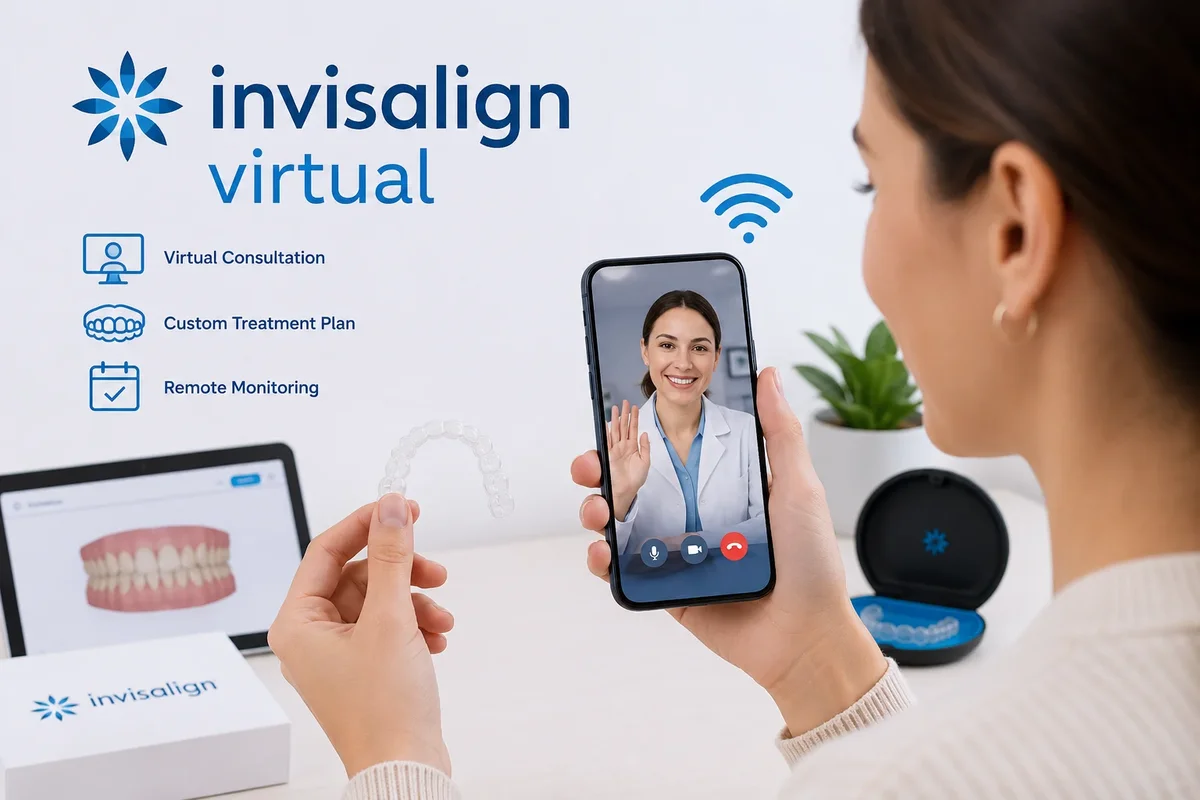
Why More Dental Clinics Are Offering Invisalign Virtual Services
Invisalign virtual services have rapidly become one of the most requested orthodontic solutions in modern dentistry 🌍. Over the last several years, dental clinics worldwide have increasingly adopted invisalign virtual systems because they combine advanced digital technology, patient convenience, and efficient orthodontic care into one modern treatment experience. As patient expectations continue evolving, clinics are recognizing the growing demand for flexible, technology-driven treatment solutions that reduce unnecessary office visits while maintaining high treatment quality.
The rise of invisalign virtual care reflects a larger transformation happening throughout healthcare and dentistry. Patients now expect greater convenience, faster communication, digital accessibility, and more personalized treatment experiences. Invisalign virtual systems help clinics meet these expectations while improving efficiency and expanding treatment accessibility for many different patient groups.
Changing Patient Expectations in Modern Dentistry
One of the main reasons more clinics are offering invisalign virtual treatment is the dramatic shift in patient expectations 😊. Today’s dental patients are highly familiar with digital technology and often prefer healthcare solutions that integrate online communication, smartphone accessibility, and remote services.
Patients increasingly want:
- Flexible appointment scheduling
- Reduced travel requirements
- Remote communication with providers
- Digital progress tracking
- Convenient treatment monitoring
- Less disruption to work and family life
Invisalign virtual systems directly address these expectations by allowing many orthodontic evaluations to occur remotely through digital platforms and smartphone applications.
Busy Lifestyles Increase Demand for Invisalign Virtual Care
Modern lifestyles are often extremely busy ⏰. Many patients balance demanding careers, academic responsibilities, travel schedules, and family obligations. Traditional orthodontic treatment with frequent office visits may feel difficult to manage for these individuals.
By offering invisalign virtual monitoring, clinics provide a more convenient orthodontic experience that fits better into modern daily routines. Patients can often complete progress updates remotely without repeatedly traveling to the clinic.
Digital Dentistry Has Advanced Rapidly
Another major reason invisalign virtual services continue expanding is the rapid advancement of digital dental technology 📱. Modern orthodontic systems now use highly sophisticated tools that improve treatment planning, monitoring accuracy, and patient communication.
Technologies supporting invisalign virtual treatment include:
- Digital intraoral scanners
- 3D smile simulation software
- Artificial intelligence monitoring systems
- Remote progress tracking apps
- Cloud-based patient records
- Secure telehealth communication platforms
These technologies allow dental clinics to supervise orthodontic treatment more efficiently while maintaining strong communication with patients throughout the process.
Digital Scanning Improves Patient Comfort
Traditional orthodontic impressions often involved uncomfortable trays and impression materials. Modern invisalign virtual systems now use digital intraoral scanners that create highly accurate 3D models quickly and comfortably.
Patients generally prefer digital scanning because it feels cleaner, faster, and less invasive than older impression methods.
Invisalign Virtual Services Improve Clinic Efficiency
Dental clinics also benefit operationally from invisalign virtual systems 🌟. Remote monitoring technology reduces the number of unnecessary routine appointments, allowing clinics to manage schedules more efficiently.
By shifting certain evaluations online, providers can:
- Reduce waiting room congestion
- Increase appointment availability
- Improve communication efficiency
- Monitor more patients effectively
- Provide faster treatment updates
This increased efficiency benefits both clinics and patients. Providers can dedicate more in-office time to complex procedures while continuing to monitor orthodontic progress remotely through invisalign virtual systems.
Virtual Monitoring Helps Detect Problems Earlier
Many invisalign virtual monitoring systems allow providers to review patient progress more frequently than traditional appointment schedules would normally allow. Patients may upload progress photos weekly or biweekly through secure monitoring apps.
This frequent digital evaluation can help providers identify:
- Aligner fitting problems
- Delayed tooth movement
- Poor patient compliance
- Attachment loss
- Gum irritation
Earlier problem detection may improve overall treatment efficiency and reduce the likelihood of significant delays.
Invisalign Virtual Care Expands Access to Orthodontics
Another important reason clinics are embracing invisalign virtual systems is improved treatment accessibility 🌍. Patients living in rural areas or far from orthodontic providers often struggle to attend frequent in-office appointments.
Remote monitoring and digital communication allow these patients to receive orthodontic supervision with fewer travel requirements. This expanded accessibility helps more individuals pursue smile correction who may otherwise delay or avoid treatment.
International dental tourism patients also benefit significantly from invisalign virtual services. After initial consultations and aligner delivery, many patients can continue treatment remotely after returning home.
Remote Care Supports International Patients
Clinics serving international patients increasingly rely on invisalign virtual monitoring to maintain communication after travel. This system allows providers to supervise treatment progress digitally while minimizing the need for repeated international visits.
As global dental tourism continues growing, invisalign virtual systems are becoming an important part of long-distance patient management.
Patients Prefer the Aesthetic Advantages of Clear Aligners
Invisalign virtual systems are closely associated with clear aligner treatment, which remains highly attractive because of its discreet appearance 😊. Many adults and teenagers prefer clear aligners because they are significantly less noticeable than traditional metal braces.
Patients often choose invisalign virtual treatment because aligners:
- Are nearly invisible
- Can be removed during meals
- Allow easier brushing and flossing
- Reduce dietary restrictions
- Feel more comfortable than braces
The combination of aesthetic aligners and digital monitoring makes invisalign virtual treatment especially appealing for image-conscious patients and professionals working in public-facing careers.
Financial Growth Opportunities for Dental Clinics
From a business perspective, invisalign virtual systems also provide clinics with opportunities to expand orthodontic services and attract new patient groups 💰. As more patients search online for flexible orthodontic options, clinics offering invisalign virtual treatment may gain a competitive advantage.
Digital consultations and remote communication tools also allow clinics to:
- Reach wider geographic audiences
- Improve patient engagement
- Increase treatment acceptance rates
- Enhance patient satisfaction
- Strengthen long-term patient relationships
Many clinics now market invisalign virtual services specifically to busy professionals, travelers, students, and international patients seeking convenient orthodontic care.
Average Invisalign Virtual Treatment Costs
- Minor cosmetic alignment: $3,000 – $4,500
- Moderate orthodontic treatment: $4,500 – $6,500
- Complex bite correction: $6,500 – $8,500+
- Remote monitoring services may be included depending on the provider
The Future of Invisalign Virtual Orthodontics
As digital dentistry continues advancing, invisalign virtual treatment will likely become even more sophisticated 🚀. Artificial intelligence, enhanced scanning technology, improved remote monitoring systems, and smarter communication platforms are expected to continue improving patient experiences.
Future invisalign virtual innovations may include:
- More advanced AI monitoring
- Real-time movement analysis
- Enhanced 3D treatment simulations
- Greater remote treatment automation
- Improved patient communication tools
These developments may further reduce treatment inefficiencies while making orthodontic care more personalized and accessible worldwide.
Patients interested in additional oral health information and orthodontic standards may review educational resources provided by the American Dental Association. Individuals considering invisalign virtual treatment may also contact experienced providers through the Redent Klinik Contact Page.
Overall, more dental clinics are adopting invisalign virtual services because they align perfectly with the future direction of modern dentistry 😊. By combining digital technology, remote communication, customized aligners, and patient-centered convenience, invisalign virtual systems continue transforming orthodontic treatment into a more flexible, efficient, and accessible experience for patients around the world.