
Modern healthcare is rapidly evolving, and dental care is no exception. One of the most innovative solutions in oral healthcare today is the rise of the traveling dentist. A traveling dentist provides professional dental services directly at a patient’s location, making dental care more accessible, comfortable, and convenient for people of all ages. Whether patients live in remote communities, have mobility challenges, maintain busy schedules, or simply prefer personalized care, a traveling dentist can deliver high-quality treatment outside the traditional clinic setting. 🚐🦷
The demand for a traveling dentist has increased significantly in recent years because patients are seeking flexible healthcare options. Instead of spending hours commuting to a clinic, waiting in crowded reception areas, and adjusting work or family schedules, patients can now receive care at home, at workplaces, in schools, nursing facilities, or community centers. A traveling dentist combines convenience with professional expertise, helping individuals maintain consistent oral health while reducing stress associated with traditional appointments.
A traveling dentist usually operates through a fully equipped mobile dental unit or portable dental equipment. These systems allow the dentist to perform many common procedures safely and efficiently. Services may include routine cleanings, oral examinations, X-rays, fluoride applications, fillings, temporary crowns, denture adjustments, emergency dental care, and preventive treatments. Some advanced traveling dentist providers also offer cosmetic dentistry consultations, clear aligner evaluations, and oral health education for families and caregivers.
One major advantage of choosing a traveling dentist is patient comfort. Many individuals experience dental anxiety when visiting a traditional clinic. Being treated in a familiar environment can significantly reduce stress and fear. Children, elderly individuals, and patients with disabilities often respond positively to care delivered by a traveling dentist because the surroundings feel safer and more relaxing. 😊
Families with elderly relatives especially benefit from a traveling dentist. Seniors living in assisted living facilities or nursing homes frequently struggle with transportation and mobility. Missing dental visits can lead to serious oral health complications such as gum disease, infections, tooth loss, and nutritional issues. A traveling dentist helps bridge this healthcare gap by bringing professional care directly to these patients. Mobile dental services support healthier aging and improve overall quality of life.
Another important aspect of the traveling dentist model is preventive care. Preventive dentistry plays a critical role in maintaining healthy teeth and gums. Regular examinations help identify problems early before they become more painful and expensive. A traveling dentist encourages consistent checkups because appointments become easier and more convenient to attend. This proactive approach supports long-term oral health and reduces emergency dental situations.
Busy professionals also appreciate the flexibility provided by a traveling dentist. Some mobile dental providers visit corporate offices and workplaces to deliver preventive treatments during working hours. Employees can receive dental cleanings, screenings, and consultations without leaving work for an entire day. This convenience improves employee wellness and encourages better oral hygiene habits.
Parents often find a traveling dentist helpful for children as well. Young patients may feel more relaxed receiving care at home rather than inside a clinical environment. A positive dental experience during childhood is essential for building lifelong oral health habits. A caring traveling dentist can help children develop trust and confidence while teaching proper brushing and flossing techniques in a comfortable setting. 🪥
Cost considerations are also important when discussing a traveling dentist. Pricing may vary depending on location, treatment type, travel distance, and equipment requirements. Basic preventive visits may range between $100 and $300, while more advanced procedures may cost more. However, many patients consider the convenience, reduced travel expenses, and personalized attention worth the investment. Some insurance providers may also cover portions of mobile dental care depending on the patient’s plan and medical needs.
When selecting a traveling dentist, patients should always verify credentials, licensing, and experience. Reading reviews, checking certifications, and ensuring proper sterilization standards are essential steps. Trusted organizations such as the American Dental Association provide valuable information about professional dental standards and patient safety. Choosing a qualified traveling dentist ensures that patients receive reliable and ethical care regardless of location.
Technology continues to improve the capabilities of every traveling dentist. Portable digital imaging systems, compact sterilization units, mobile record systems, and telehealth consultations allow providers to offer increasingly advanced care outside traditional clinics. These innovations make mobile dentistry more efficient and accessible than ever before.
For patients considering international dental treatments or seeking personalized guidance about oral health options, visiting the Redent Klinik Contact Page can provide additional support and professional consultation opportunities.
Ultimately, the modern traveling dentist represents a major advancement in patient-centered healthcare. By delivering dental services directly to individuals where they live or work, a traveling dentist increases accessibility, comfort, flexibility, and preventive care opportunities. As healthcare continues evolving, mobile dentistry and portable dental care solutions are expected to become even more important in improving oral health outcomes worldwide. 🌍🦷
What Is a Traveling Dentist and How Does It Work?
A traveling dentist is a licensed dental professional who provides oral healthcare services outside the traditional dental clinic environment. Instead of requiring patients to travel to a fixed office, a traveling dentist brings dental care directly to homes, schools, workplaces, nursing homes, hospitals, rural communities, and other convenient locations. This modern approach to dentistry has become increasingly popular because it improves accessibility, saves time, and helps patients receive essential oral healthcare in a more comfortable environment. 🚐🦷
The concept of a traveling dentist is designed to solve many challenges associated with traditional dental appointments. Transportation difficulties, busy schedules, mobility limitations, dental anxiety, and geographic barriers often prevent people from visiting a dental clinic regularly. A traveling dentist eliminates many of these obstacles by delivering professional care where patients feel most comfortable.
How a Traveling Dentist Operates
A traveling dentist usually works with portable dental equipment or a fully equipped mobile dental vehicle. These mobile units are designed to function similarly to a traditional clinic while maintaining strict hygiene and safety standards. The equipment often includes portable dental chairs, sterilization systems, digital X-ray devices, suction units, LED curing lights, and hand instruments needed for common procedures.
When patients schedule an appointment with a traveling dentist, the dental team travels directly to the selected location. Before the visit, patients may complete medical history forms digitally or over the phone. The traveling dentist then arrives with all necessary tools and prepares a safe treatment area. Depending on the treatment required, the appointment may last anywhere from 30 minutes to several hours.
Modern technology has significantly improved the efficiency of every traveling dentist. Portable imaging systems and digital patient records allow dentists to diagnose conditions accurately while maintaining organized treatment documentation. Some providers even combine mobile dentistry with virtual consultations to improve patient communication and follow-up care.
Services Commonly Offered by a Traveling Dentist
A traveling dentist can perform many preventive and restorative procedures outside a traditional clinic. Although complex oral surgeries may still require a specialized facility, most routine dental services can be delivered effectively through mobile care.
Preventive Dental Care
Preventive services are among the most common treatments provided by a traveling dentist. These services may include:
- Professional teeth cleanings
- Oral examinations
- Fluoride treatments
- Dental sealants
- Routine oral cancer screenings
- Digital X-rays
- Patient education about oral hygiene
Preventive care is essential because it helps patients avoid more serious dental issues in the future. A traveling dentist focuses heavily on early detection and routine maintenance to support long-term oral health.
Restorative Dental Treatments
Many restorative procedures can also be completed by a traveling dentist. These may include:
- Tooth-colored fillings
- Temporary crowns
- Denture adjustments
- Minor repairs
- Emergency pain management
- Treatment for minor infections
Because portable dental technology has advanced considerably, a traveling dentist can now deliver higher-quality restorative care than ever before.
Who Typically Uses a Traveling Dentist?
The services of a traveling dentist are beneficial for many different patient groups. Elderly individuals are among the most common users because transportation and mobility issues often make clinic visits difficult. Nursing home residents especially benefit from on-site dental services that reduce physical strain and improve healthcare access.
Patients with disabilities also benefit greatly from a traveling dentist. Individuals with physical or cognitive challenges may feel safer and more relaxed receiving treatment in familiar surroundings. Parents often choose a traveling dentist for children who experience severe dental anxiety or sensory sensitivities.
Busy professionals are another growing group using mobile dental care. Some companies invite a traveling dentist to provide cleanings and screenings at workplaces. This convenience helps employees prioritize oral health without missing an entire workday.
Advantages of Choosing a Traveling Dentist
There are several reasons why patients prefer a traveling dentist over a traditional dental office.
Convenience and Time Savings
One of the biggest advantages of a traveling dentist is convenience. Patients avoid traffic, waiting rooms, and transportation planning. This is especially valuable for large families, seniors, and people with demanding schedules.
Reduced Anxiety
Dental anxiety affects millions of people worldwide. Receiving care from a traveling dentist in a familiar environment can reduce fear and create a more positive experience. 😊
Improved Access to Care
Many rural communities lack nearby dental clinics. A traveling dentist helps bridge this healthcare gap by serving underserved populations and increasing access to preventive oral healthcare.
Costs of a Traveling Dentist
The cost of hiring a traveling dentist depends on several factors, including travel distance, treatment complexity, equipment requirements, and geographic location. Basic examinations and cleanings may cost between $100 and $300, while restorative procedures may involve additional fees.
Although some services may cost slightly more than traditional clinic visits, many patients consider the added comfort and convenience worthwhile. Some insurance providers may partially cover mobile dental care if medically necessary.
Patients interested in learning more about personalized dental treatment options can visit the Redent Klinik Contact Page for professional support and consultation opportunities.
The Future of the Traveling Dentist Industry
The future of the traveling dentist industry looks extremely promising. Advances in portable technology, digital imaging, and telehealth continue improving mobile dental care capabilities. As healthcare becomes more patient-centered, the demand for flexible solutions like the traveling dentist is expected to grow worldwide.
Organizations such as the American Dental Association continue supporting high standards in dental care and patient safety. With continued innovation and growing awareness, the role of the traveling dentist will likely become an even more important part of modern oral healthcare systems. 🌍🦷
Top Benefits of Hiring a Traveling Dentist for Families
Modern families often struggle to balance work responsibilities, school schedules, transportation needs, and healthcare appointments. Dental care is one of the most commonly delayed healthcare services because traditional dental visits can require significant time and coordination. This is one reason why the traveling dentist model has become increasingly popular among families seeking more convenient and personalized oral healthcare solutions. A traveling dentist provides professional dental services directly at a patient’s location, helping families save time while improving access to preventive and restorative care. 🚐🦷
Choosing a traveling dentist offers numerous benefits for parents, children, seniors, and even busy professionals within the same household. Instead of organizing multiple separate dental visits at a clinic, families can often receive coordinated care at home or another convenient location. This patient-centered approach makes oral healthcare more accessible and less stressful.
Convenience for Busy Family Schedules
One of the biggest advantages of hiring a traveling dentist is convenience. Families today often have demanding schedules filled with school activities, sports, work obligations, and household responsibilities. Coordinating dental appointments for several family members can become difficult and time-consuming.
A traveling dentist eliminates the need for long commutes, waiting room delays, and multiple trips to different healthcare facilities. Instead, the dental provider arrives directly at the family’s preferred location. This convenience allows parents to save valuable time while ensuring every family member receives necessary oral healthcare.
Reduced Transportation Challenges
Transportation can be a major obstacle for many families, especially those with young children, elderly relatives, or individuals with disabilities. A traveling dentist removes this barrier entirely by bringing dental care directly to the patient. Families no longer need to worry about parking, traffic, or arranging transportation for multiple appointments.
For households in rural or underserved communities, access to nearby dental clinics may also be limited. In these situations, a traveling dentist becomes an extremely valuable healthcare resource that helps bridge gaps in oral healthcare accessibility.
Improved Comfort for Children
Children often feel nervous or anxious during dental visits. The sounds, smells, and unfamiliar environment of a traditional clinic can create fear and resistance. A traveling dentist helps reduce this anxiety by providing care in familiar surroundings such as the family home.
When children feel more comfortable, they are more likely to cooperate during examinations and develop positive long-term attitudes toward oral healthcare. A calm and relaxed environment also allows the traveling dentist to spend additional time educating children about healthy brushing and flossing habits. 😊
Positive Early Dental Experiences
Creating positive dental experiences early in life is extremely important. Children who experience less fear during dental appointments are more likely to continue regular oral healthcare as adults. A traveling dentist can build trust gradually while adapting the appointment to the child’s comfort level.
Many parents appreciate how a traveling dentist can personalize treatment for children with sensory sensitivities, autism spectrum disorders, or special healthcare needs. Flexible appointment settings often improve communication and reduce emotional stress.
Better Access for Elderly Family Members
Seniors frequently face challenges when traveling to dental clinics. Mobility limitations, chronic health conditions, and transportation difficulties can prevent older adults from maintaining regular dental visits. A traveling dentist provides a practical solution by delivering oral healthcare directly to elderly patients at home or in assisted living facilities.
Routine dental care is especially important for seniors because aging increases the risk of gum disease, tooth decay, dry mouth, and oral infections. A traveling dentist helps older adults maintain healthy teeth and gums while reducing the physical strain associated with travel.
Support for Caregivers
Family caregivers often experience significant stress while coordinating healthcare appointments for elderly relatives. Hiring a traveling dentist simplifies this process and reduces logistical burdens. Caregivers can remain involved during the appointment while avoiding lengthy transportation arrangements.
Personalized Attention and Family-Focused Care
A traveling dentist often provides a more personalized healthcare experience compared to busy traditional clinics. Mobile dental providers may spend more time understanding the family’s unique needs, medical history, lifestyle habits, and oral health concerns.
This individualized approach allows the traveling dentist to create customized preventive care strategies for each family member. Personalized guidance regarding nutrition, brushing techniques, orthodontic concerns, and oral hygiene routines can significantly improve long-term dental health outcomes.
Stronger Communication
Because appointments are typically conducted in a quieter and more familiar environment, communication between patients and the traveling dentist often becomes easier and more comfortable. Families may feel more confident asking questions and discussing treatment options openly.
Reduced Exposure to Crowded Waiting Rooms
Another important benefit of using a traveling dentist is minimizing exposure to crowded healthcare environments. Some families prefer private appointments that reduce contact with large numbers of people, especially during cold and flu seasons.
Receiving care from a traveling dentist at home can provide peace of mind while maintaining high standards of sterilization and infection control. Mobile dental providers follow strict hygiene protocols similar to those used in traditional dental offices.
Costs and Long-Term Value
The cost of hiring a traveling dentist varies depending on the treatment type, travel distance, and complexity of care. Preventive visits may range between $100 and $300, while restorative procedures can cost more. However, many families consider the convenience, time savings, and personalized care well worth the investment.
By improving access to preventive care, a traveling dentist may also help families avoid more serious and expensive dental problems in the future. Early treatment often reduces the need for complex procedures later.
Families interested in learning more about personalized dental solutions and international treatment opportunities can visit the Redent Klinik Contact Page for additional guidance and consultation support.
The Growing Popularity of the Traveling Dentist Model
The demand for a traveling dentist continues to grow as families seek more flexible and patient-focused healthcare services. Advances in portable dental technology allow mobile providers to deliver increasingly advanced care outside traditional clinic settings.
Organizations such as the American Dental Association continue emphasizing the importance of maintaining high standards in patient safety and oral healthcare delivery. As awareness increases, the traveling dentist industry is expected to play a larger role in improving family oral health worldwide. 🌍🦷
Who Can Benefit Most from a Traveling Dentist Service?
The modern traveling dentist model has transformed access to oral healthcare by bringing professional dental services directly to patients in convenient locations. While almost anyone can benefit from mobile dental care, certain groups experience especially significant advantages from using a traveling dentist. Patients who face transportation difficulties, mobility limitations, busy lifestyles, medical conditions, or dental anxiety often find that a traveling dentist provides a more practical and comfortable alternative to traditional clinic visits. 🚐🦷
As healthcare systems become more patient-focused, the role of the traveling dentist continues to expand. Portable dental equipment and mobile treatment systems now allow providers to perform many preventive and restorative procedures safely outside conventional offices. This flexibility makes oral healthcare more accessible for populations that might otherwise struggle to maintain regular dental appointments.
Elderly Patients and Seniors
One of the groups that benefits most from a traveling dentist service is elderly patients. Many seniors experience mobility challenges, chronic health conditions, or transportation limitations that make traveling to a dental clinic difficult. Unfortunately, delaying oral healthcare can lead to serious complications such as gum disease, tooth loss, infections, nutritional problems, and reduced quality of life.
A traveling dentist helps seniors maintain regular oral healthcare without the physical stress of transportation. By visiting patients directly at home, in retirement communities, or in nursing facilities, the traveling dentist makes preventive care more consistent and accessible.
Benefits for Nursing Home Residents
Nursing home residents often have limited access to dental services due to logistical challenges. A traveling dentist can provide on-site examinations, denture adjustments, cleanings, fluoride treatments, and minor restorative procedures directly within the care facility.
This type of mobile dental care improves comfort while reducing healthcare disruptions for elderly patients. Caregivers and family members also benefit because they no longer need to arrange difficult transportation schedules for dental visits.
Patients with Disabilities
Individuals with physical, developmental, or cognitive disabilities frequently benefit from the flexibility offered by a traveling dentist. Traditional dental clinics may feel overwhelming or inaccessible for some patients, especially those with sensory sensitivities, autism spectrum disorders, or mobility impairments.
A traveling dentist can adapt the environment and appointment structure to meet the patient’s unique needs. Familiar surroundings often reduce stress and anxiety while improving communication and cooperation during treatment.
Comfort in Familiar Environments
Receiving care from a traveling dentist at home allows patients to remain in a calm and familiar setting. This can significantly improve the experience for individuals who become anxious in clinical environments. Family members and caregivers can also participate more easily during the appointment, helping patients feel safer and more supported. 😊
Busy Families and Working Professionals
Modern families and professionals often struggle to find time for healthcare appointments. Long commutes, school schedules, traffic, and waiting room delays can make dental visits difficult to prioritize. A traveling dentist helps solve these problems by bringing care directly to homes or workplaces.
Parents with multiple children especially appreciate the convenience of scheduling family dental appointments in one location. Instead of coordinating several separate clinic visits, a traveling dentist may provide care for multiple family members during a single session.
Corporate and Workplace Dental Services
Some companies now partner with a traveling dentist to offer preventive dental services directly at the workplace. Employees may receive cleanings, oral examinations, screenings, and consultations without leaving the office for an entire day.
This approach helps improve employee wellness while encouraging more consistent preventive care. Businesses also benefit from reduced employee downtime and increased healthcare accessibility.
Children with Dental Anxiety
Many children feel nervous about visiting a traditional dental clinic. Bright lights, unfamiliar sounds, and clinical environments can create fear and resistance. A traveling dentist helps reduce these concerns by providing treatment in a comfortable and familiar environment such as the family home.
Positive dental experiences during childhood are extremely important for building lifelong oral hygiene habits. A caring traveling dentist can spend additional time educating children about proper brushing and flossing while helping them develop trust and confidence.
Special Care for Sensitive Children
Children with sensory sensitivities or behavioral challenges may respond especially well to a traveling dentist. The provider can create a calmer atmosphere and adjust the pace of treatment according to the child’s comfort level.
These personalized approaches often result in better cooperation and less emotional stress for both children and parents.
Patients in Rural or Underserved Areas
Access to dental care can be extremely limited in rural communities. Some patients may need to travel long distances to reach the nearest clinic. In these situations, a traveling dentist becomes an essential healthcare resource.
Mobile dental providers help improve access to preventive care in underserved regions by bringing services directly to schools, community centers, and local facilities. This reduces oral health disparities and encourages earlier diagnosis of dental problems.
Reducing Delayed Dental Treatment
Without accessible care, many patients delay treatment until severe pain or infection develops. A traveling dentist supports earlier intervention and routine maintenance, helping patients avoid more complicated procedures later.
Patients Recovering from Surgery or Illness
Individuals recovering from surgery, hospitalization, or serious illness may temporarily struggle to attend traditional dental appointments. A traveling dentist allows these patients to continue receiving oral healthcare during recovery periods.
Maintaining oral hygiene during illness is extremely important because dental infections can affect overall health. Mobile dental care ensures continuity of treatment while minimizing physical strain on recovering patients.
The Growing Importance of Traveling Dentist Services
The role of the traveling dentist continues expanding as healthcare systems prioritize accessibility, flexibility, and patient comfort. Portable technology now allows mobile providers to deliver increasingly advanced dental treatments outside traditional clinics.
Organizations such as the American Dental Association continue promoting high standards in patient safety and dental care quality. As awareness grows, the traveling dentist industry is expected to become even more important for improving oral healthcare access worldwide. 🌍
Patients interested in personalized dental consultations or international treatment opportunities can also visit the Redent Klinik Contact Page for professional guidance and support.
How Traveling Dentist Appointments Improve Patient Comfort
One of the most important reasons patients choose a traveling dentist is the increased level of comfort provided during dental care. Many people delay or avoid dental treatment because of anxiety, transportation difficulties, physical limitations, or negative experiences in traditional clinics. A traveling dentist helps solve many of these problems by bringing professional oral healthcare directly to the patient’s preferred location. Whether appointments take place at home, in a nursing facility, at a workplace, or in a community center, the goal of a traveling dentist is to create a more relaxed, convenient, and patient-friendly experience. 🚐🦷
The comfort-focused approach used by a traveling dentist has become increasingly valuable in modern healthcare. Patients today want more personalized services, flexible scheduling, and less stressful medical experiences. Mobile dentistry supports these expectations while maintaining high standards of professional dental care.
Reducing Dental Anxiety and Fear
Dental anxiety affects millions of people worldwide. Some patients experience mild nervousness, while others avoid dental treatment entirely due to fear. Traditional dental clinics may feel intimidating because of unfamiliar equipment, bright lights, crowded waiting rooms, and clinical smells. A traveling dentist helps reduce these stress factors by treating patients in environments where they already feel safe and comfortable.
When a traveling dentist visits a patient at home, the surroundings are familiar and calming. Patients are often more relaxed when sitting in their own living room or bedroom compared to a traditional dental chair inside a clinic. This emotional comfort can improve cooperation during treatment and create a more positive healthcare experience overall. 😊
Comfort for Patients with Severe Anxiety
Some individuals suffer from severe dental phobia and may postpone treatment for years. This delay can lead to serious oral health problems such as infections, gum disease, and tooth loss. A traveling dentist can gradually help anxious patients rebuild trust in dental care by creating a calmer and more personal treatment environment.
Many mobile dental providers take extra time to explain procedures carefully, answer questions patiently, and allow patients to move at a comfortable pace. This personalized approach often reduces fear and encourages patients to continue regular dental visits.
Improved Comfort for Elderly Patients
Seniors are among the patients who benefit most from the comfort provided by a traveling dentist. Many older adults experience mobility limitations, chronic pain, arthritis, or medical conditions that make traveling difficult. Long car rides, stairs, waiting rooms, and clinic transfers may create physical discomfort and exhaustion.
A traveling dentist eliminates these stressful experiences by bringing dental care directly to elderly patients. Seniors can remain in a comfortable environment while receiving professional treatment. This reduces physical strain and supports more consistent oral healthcare.
Support for Nursing Home Residents
Residents of assisted living facilities and nursing homes often face significant barriers when trying to access dental care. Transportation arrangements may require additional staff, medical coordination, and extended waiting times. A traveling dentist simplifies this process while minimizing disruption to the patient’s daily routine.
Receiving care in a familiar facility helps elderly patients feel safer and more relaxed. Family members and caregivers also appreciate the reduced logistical burden associated with mobile dental appointments.
Helping Children Feel More Relaxed
Children frequently experience fear during dental appointments, especially if they are unfamiliar with clinical environments. A traveling dentist can create a friendlier and more relaxed experience by providing care at home or in a familiar setting.
Young patients are often more cooperative when they feel emotionally secure. A traveling dentist may also use child-friendly communication techniques, educational demonstrations, and gentle treatment approaches to build trust with children.
Positive Experiences Encourage Better Oral Habits
Comfortable dental experiences during childhood are extremely important because they influence future attitudes toward oral healthcare. Children who develop trust in dental professionals are more likely to maintain regular checkups and healthy oral hygiene habits later in life.
A traveling dentist can help parents teach proper brushing and flossing techniques in a relaxed environment where children feel more willing to learn and participate.
Comfort for Patients with Disabilities
Patients with physical disabilities, developmental conditions, or sensory sensitivities may struggle in traditional dental settings. Crowded waiting rooms, unfamiliar sounds, and rigid appointment structures can increase stress levels significantly.
A traveling dentist offers a more adaptable treatment experience that can be customized according to the patient’s needs. Familiar surroundings often reduce overstimulation and help patients feel more secure during care.
Flexible and Personalized Care
One major strength of a traveling dentist is flexibility. Mobile dental providers can adjust appointment pacing, communication methods, lighting, and treatment approaches to improve patient comfort. This individualized care often leads to better cooperation and more successful treatment outcomes.
Eliminating Long Waiting Times
Traditional dental clinics often involve waiting room delays, crowded schedules, and extended appointment times. A traveling dentist usually offers more direct and personalized scheduling. Patients can avoid crowded healthcare facilities and receive focused attention during their appointment.
This time-saving convenience is especially valuable for busy professionals, parents, and individuals managing chronic health conditions.
Privacy and Personalized Attention
Some patients prefer the privacy provided by a traveling dentist. Receiving treatment at home or in a private location may feel more comfortable than sitting in a public waiting area surrounded by strangers.
Because mobile appointments are often less rushed, patients may feel more comfortable discussing concerns, asking questions, and understanding treatment recommendations. A traveling dentist can build stronger patient relationships through this personalized approach.
Modern Technology Supports Comfortable Care
Advances in portable dental technology have significantly improved the quality and comfort of mobile dentistry. Today’s traveling dentist often uses lightweight digital imaging systems, portable treatment units, modern sterilization equipment, and compact dental tools that allow procedures to be completed efficiently and safely.
Organizations such as the American Dental Association continue supporting high standards in patient safety and oral healthcare quality. These standards help ensure that patients receiving care from a traveling dentist experience the same level of professionalism expected in traditional clinics.
Patients interested in learning more about personalized dental treatment solutions and comfortable care options can also visit the Redent Klinik Contact Page for additional guidance and consultation opportunities. 🌍🦷
Common Dental Treatments Offered by a Traveling Dentist
The modern traveling dentist is capable of providing a wide range of professional dental treatments outside a traditional clinic environment. Thanks to advances in portable dental technology, many preventive, restorative, and emergency procedures can now be completed safely and effectively in homes, workplaces, nursing facilities, schools, and community centers. A traveling dentist focuses on making oral healthcare more accessible while maintaining high standards of patient safety, hygiene, and treatment quality. 🚐🦷
Many people mistakenly assume that a traveling dentist can only perform simple examinations or cleanings. In reality, today’s mobile dental providers often offer comprehensive services using advanced portable equipment and digital diagnostic systems. This flexibility allows patients to receive high-quality care in more comfortable and convenient environments.
Preventive Dental Care Services
Preventive care is one of the most important services offered by a traveling dentist. Preventive dentistry helps patients maintain healthy teeth and gums while reducing the risk of future oral health problems. Regular preventive care also allows early detection of issues before they become painful or expensive to treat.
Professional Teeth Cleaning
Professional dental cleanings are among the most common services performed by a traveling dentist. During these appointments, plaque and tartar buildup are removed from the teeth to reduce the risk of cavities and gum disease.
Routine cleanings are especially important for seniors, children, and individuals who have difficulty visiting a traditional clinic regularly. A traveling dentist makes these preventive appointments much easier to maintain consistently.
Oral Examinations and Screenings
A traveling dentist also performs routine oral examinations to monitor overall dental health. These evaluations may include checking for cavities, gum inflammation, oral infections, bite alignment issues, and signs of oral cancer.
Digital imaging technology allows many mobile providers to perform high-quality diagnostics directly at the patient’s location. Early detection through regular screenings can prevent more serious complications later.
Fluoride Treatments and Sealants
Preventive fluoride applications strengthen tooth enamel and help reduce cavity risk. Dental sealants may also be applied to protect children’s teeth from decay. A traveling dentist frequently provides these treatments during school visits or family appointments.
Restorative Treatments Provided by a Traveling Dentist
In addition to preventive care, a traveling dentist can often provide restorative procedures that repair damaged or decayed teeth. Portable equipment now allows many common treatments to be completed safely outside a fixed clinic.
Tooth-Colored Fillings
One of the most common restorative procedures performed by a traveling dentist is dental fillings. When cavities are detected early, decayed areas can be cleaned and restored using tooth-colored composite materials.
Portable curing lights and modern dental instruments allow the traveling dentist to complete fillings efficiently while maintaining strong aesthetic results.
Denture Adjustments and Repairs
Seniors frequently rely on a traveling dentist for denture care. Loose or damaged dentures can cause discomfort, difficulty eating, and speech problems. Mobile dental providers can often adjust dentures, repair minor damage, and improve overall fit directly at the patient’s location.
This convenience is especially valuable for elderly patients who may have mobility limitations or difficulty traveling long distances.
Temporary Crowns and Minor Repairs
Some traveling dentist providers can place temporary crowns or perform minor restorative repairs when needed. While more complex procedures may still require a specialized dental clinic, many routine repairs can be handled through mobile dental care.
Emergency Dental Services
Dental emergencies can happen unexpectedly and may require immediate attention. A traveling dentist can often provide urgent care for common dental emergencies, helping patients avoid unnecessary suffering while stabilizing the problem.
Treatment for Dental Pain
Severe tooth pain can interfere with eating, sleeping, and daily activities. A traveling dentist can evaluate the source of pain and provide temporary relief through medications, fillings, adjustments, or other treatments.
Quick access to emergency mobile care is especially important for seniors, individuals with disabilities, or patients living in rural areas.
Managing Broken Teeth
Broken or chipped teeth are another common reason patients contact a traveling dentist. Portable equipment allows many providers to smooth sharp edges, place temporary restorations, and protect damaged teeth until additional treatment can be completed if necessary.
Pediatric Dental Services
Children often benefit greatly from treatment provided by a traveling dentist. Receiving care at home or in familiar environments can reduce anxiety and create more positive dental experiences.
Child-Friendly Preventive Care
A traveling dentist may provide fluoride applications, cleanings, sealants, and educational guidance specifically designed for children. Mobile pediatric care often helps families maintain regular dental visits more easily.
Oral Hygiene Education
Education is another important service offered by a traveling dentist. Children and parents can learn proper brushing techniques, flossing habits, nutritional recommendations, and cavity prevention strategies during appointments.
Special Care Dentistry
Patients with disabilities, medical conditions, or sensory sensitivities often require personalized treatment approaches. A traveling dentist can adapt appointments to the patient’s comfort level and individual healthcare needs.
This flexibility allows mobile providers to deliver compassionate and patient-centered care in a calm and supportive environment.
Technology Used by a Traveling Dentist
Modern portable technology has greatly expanded the capabilities of the traveling dentist. Many providers now use:
- Portable dental chairs
- Digital X-ray systems
- Portable suction devices
- LED curing lights
- Mobile sterilization units
- Electronic patient records
- Portable diagnostic cameras
These innovations allow the traveling dentist to deliver efficient and professional care while maintaining high hygiene and safety standards.
The Future of Mobile Dental Treatment
The demand for a traveling dentist continues to increase because patients value convenience, accessibility, and personalized care. Mobile dentistry is expected to become even more advanced as portable technology improves and healthcare systems prioritize patient-centered solutions.
Organizations such as the American Dental Association continue promoting quality standards and patient safety within the dental profession. These guidelines help ensure that every traveling dentist provides ethical and professional treatment.
Patients interested in learning more about modern dental treatment options and personalized oral healthcare solutions can also visit the Redent Klinik Contact Page for additional consultation and support. 🌍🦷
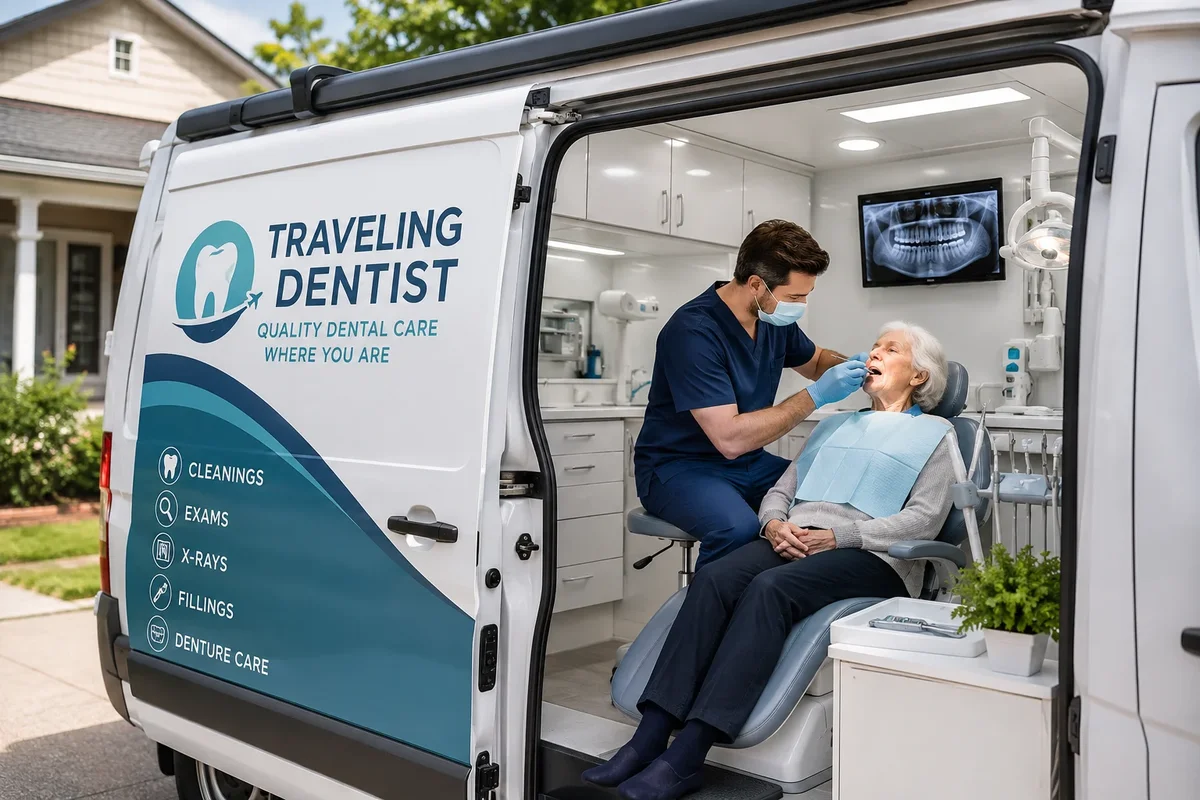
Traveling Dentist Costs and What Affects Pricing
One of the most common questions patients ask before scheduling a mobile dental appointment is how much a traveling dentist costs. Pricing for a traveling dentist can vary significantly depending on the type of treatment, travel distance, patient location, equipment requirements, appointment duration, and level of care needed. While mobile dental services may sometimes cost slightly more than traditional clinic visits, many patients believe the convenience, comfort, personalized attention, and accessibility provided by a traveling dentist make the investment worthwhile. 🚐🦷
Understanding the factors that influence traveling dentist pricing helps patients make informed decisions about their oral healthcare options. In many situations, mobile dentistry can actually save money indirectly by reducing transportation expenses, minimizing missed work hours, and preventing delayed treatment complications.
Average Costs of a Traveling Dentist
The exact price of hiring a traveling dentist depends on the specific services required. Basic preventive appointments generally cost less than complex restorative procedures or emergency treatments.
Routine Preventive Care Pricing
Preventive services provided by a traveling dentist may include oral examinations, professional teeth cleanings, fluoride treatments, and digital X-rays. In many areas, the average cost for a preventive mobile dental visit ranges between $100 and $300 per appointment.
For example:
- Basic oral examination: $75–$150
- Professional teeth cleaning: $100–$250
- Digital X-rays: $50–$150
- Fluoride treatment: $30–$80
These prices can vary depending on geographic location and the experience level of the traveling dentist.
Restorative Treatment Costs
When restorative procedures are needed, pricing may increase due to additional equipment, materials, and treatment time. A traveling dentist may provide fillings, denture adjustments, temporary crowns, and emergency dental care outside a traditional clinic.
Estimated restorative treatment costs may include:
- Tooth-colored filling: $150–$400
- Temporary crown: $300–$800
- Denture adjustment: $100–$300
- Emergency dental visit: $200–$600
Because portable equipment and travel logistics are involved, a traveling dentist may charge additional service or transportation fees depending on the patient’s location.
Main Factors That Affect Traveling Dentist Pricing
Several important factors influence how much a traveling dentist charges for services. Understanding these variables helps explain why mobile dental pricing may differ between providers and regions.
Travel Distance and Location
Travel distance is one of the biggest factors affecting traveling dentist pricing. Patients living far from urban areas or in remote rural communities may pay additional transportation fees because the provider must travel longer distances with specialized equipment.
Urban areas with high traffic or parking costs may also slightly increase service fees for a traveling dentist. However, many patients still find mobile dental care more convenient than arranging transportation themselves.
Complexity of Treatment
Simple preventive procedures usually cost less than advanced restorative treatments. A traveling dentist performing emergency care, temporary restorations, or extensive denture work may require more equipment, supplies, and appointment time.
Longer procedures naturally increase operational costs, which can affect the overall appointment price.
Portable Equipment Requirements
Modern mobile dentistry relies on advanced portable technology. A traveling dentist may transport digital imaging systems, portable treatment units, sterilization devices, suction equipment, and specialized instruments to each appointment.
Maintaining and transporting this equipment contributes to the operational expenses associated with mobile dental care.
Insurance Coverage for Traveling Dentist Services
Insurance coverage for a traveling dentist depends on the patient’s provider, policy details, and medical situation. Some dental insurance plans partially cover mobile dental services, especially when patients have mobility limitations, disabilities, or medical conditions that make traditional clinic visits difficult.
Medicare and Medicaid Considerations
In some regions, government healthcare programs may provide limited support for mobile dental services under specific circumstances. Elderly patients in nursing homes or individuals with disabilities may qualify for partial reimbursement when treated by a traveling dentist.
Patients should always contact their insurance provider directly to verify coverage details before scheduling treatment.
Long-Term Financial Benefits of a Traveling Dentist
Although a traveling dentist may sometimes have slightly higher upfront costs than traditional clinics, mobile dental care can provide important long-term financial benefits.
Preventing Expensive Dental Problems
Regular preventive care helps identify dental problems early before they become severe and expensive. Patients who delay treatment due to transportation issues or dental anxiety may eventually require complex procedures such as root canals, extractions, or dental implants.
A traveling dentist encourages more consistent appointments, helping patients avoid major complications and costly emergency treatments.
Saving Time and Transportation Costs
Families, seniors, and busy professionals often save money indirectly by using a traveling dentist. Mobile appointments reduce fuel expenses, parking costs, missed work hours, childcare arrangements, and transportation logistics.
For many patients, the convenience and efficiency provided by a traveling dentist outweigh any additional service fees.
Comparing Traveling Dentist Services to Traditional Clinics
Traditional dental clinics typically operate from fixed locations with larger treatment facilities. A traveling dentist, however, focuses on personalized mobile care and convenience.
While traditional clinics may sometimes offer lower pricing for complex procedures, a traveling dentist provides unique advantages such as flexible scheduling, private treatment environments, reduced stress, and improved accessibility.
Choosing a Quality Traveling Dentist
When comparing mobile dental providers, patients should not focus only on price. It is equally important to evaluate the experience, credentials, equipment quality, hygiene standards, and patient reviews of the traveling dentist.
Organizations such as the American Dental Association provide valuable information regarding professional dental standards and patient safety guidelines.
Patients seeking personalized treatment planning and consultation options can also visit the Redent Klinik Contact Page for additional support and professional guidance.
As mobile healthcare technology continues evolving, the role of the traveling dentist will likely become even more important in improving accessibility, convenience, and preventive oral healthcare worldwide. 🌍🦷
How to Choose a Reliable Traveling Dentist Near You
Choosing the right traveling dentist is one of the most important decisions patients can make when seeking convenient and personalized oral healthcare. Because mobile dentistry services are becoming more popular, patients now have more options than ever before. However, not every traveling dentist provides the same level of experience, equipment quality, hygiene standards, and patient care. Carefully evaluating providers helps ensure safe treatment, professional service, and positive long-term oral health outcomes. 🚐🦷
A reliable traveling dentist should combine professional qualifications with excellent communication, modern portable technology, and a patient-focused approach. Since mobile dental appointments often occur outside traditional clinics, trust and professionalism become even more important when selecting the right provider.
Verify Professional Credentials and Licensing
The first step when choosing a traveling dentist is confirming that the provider is fully licensed and qualified to practice dentistry. Every professional traveling dentist should hold valid dental licenses that meet local and national legal requirements.
Check Certifications and Education
Patients should research the educational background, certifications, and clinical experience of the traveling dentist. Dentists who participate in continuing education programs often stay updated with the latest treatment techniques, infection control protocols, and portable dental technologies.
Professional organizations such as the American Dental Association provide valuable information regarding dental standards and ethical practices. Verifying professional memberships may also increase confidence in the provider’s qualifications.
Experience in Mobile Dentistry
Not every traditional dentist has experience working as a traveling dentist. Mobile dental care requires specialized logistical skills, portable equipment management, and flexible patient communication abilities.
An experienced traveling dentist understands how to adapt treatment safely and efficiently in various environments such as homes, workplaces, schools, and nursing facilities.
Evaluate Hygiene and Sterilization Standards
Hygiene and infection control are critical factors when selecting a traveling dentist. Mobile dentistry must follow the same strict sterilization and patient safety standards expected in traditional dental clinics.
Portable Sterilization Equipment
A professional traveling dentist should use modern sterilization systems for all reusable instruments. Patients may ask questions about equipment cleaning procedures, disposable materials, protective barriers, and sanitation protocols.
Reliable providers are usually transparent about their infection control measures and happy to explain how patient safety is maintained during appointments.
Protective Equipment and Clean Workspaces
A qualified traveling dentist should always use gloves, masks, eye protection, and disinfected treatment surfaces during procedures. Maintaining a clean and organized workspace is essential for safe mobile dental care.
Patients should never hesitate to ask about hygiene procedures if they have concerns regarding safety or cleanliness.
Read Patient Reviews and Testimonials
Online reviews are often very helpful when evaluating a traveling dentist. Previous patient experiences can provide insight into appointment quality, communication style, punctuality, professionalism, and overall satisfaction.
Look for Consistent Positive Feedback
Reliable traveling dentist providers often receive positive comments regarding:
- Professional behavior
- Clear communication
- Gentle treatment methods
- Punctuality
- Clean equipment
- Patient comfort
- Convenient scheduling
Reading multiple reviews helps patients identify patterns and evaluate the provider’s overall reputation more accurately.
Pay Attention to Communication Quality
A good traveling dentist should communicate clearly and respectfully with patients. Professional communication includes explaining procedures thoroughly, discussing treatment options honestly, answering questions patiently, and creating a calm atmosphere.
Patients who feel comfortable speaking openly with their traveling dentist are more likely to maintain consistent oral healthcare.
Assess the Technology and Equipment Used
The quality of portable equipment directly affects the capabilities of a traveling dentist. Modern mobile dentistry relies heavily on advanced portable systems that allow providers to perform high-quality treatment outside traditional clinics.
Digital Imaging and Portable Tools
A reliable traveling dentist may use:
- Portable dental chairs
- Digital X-ray systems
- Portable suction devices
- LED curing lights
- Mobile sterilization units
- Electronic patient records
- Portable intraoral cameras
These technologies improve diagnostic accuracy, patient comfort, and treatment efficiency.
Emergency Preparedness
Professional traveling dentist providers should also carry emergency medical supplies and maintain proper safety protocols in case unexpected complications occur during treatment.
Understand the Services Offered
Before scheduling an appointment, patients should verify which services the traveling dentist can provide. Some mobile providers focus primarily on preventive care, while others offer more advanced restorative treatments.
Common Services to Ask About
Patients may ask whether the traveling dentist provides:
- Professional cleanings
- Dental examinations
- Fillings
- Denture adjustments
- Emergency treatment
- Fluoride applications
- X-rays
- Pediatric dental care
Understanding service limitations helps patients choose the right provider for their needs.
Compare Pricing and Insurance Options
Pricing for a traveling dentist varies depending on location, travel distance, treatment complexity, and appointment duration. Patients should request clear pricing information before treatment begins.
Transparent Cost Estimates
A trustworthy traveling dentist should explain fees clearly and provide detailed cost estimates whenever possible. Hidden charges or unclear billing practices may indicate poor professionalism.
Insurance Compatibility
Some insurance providers partially cover services provided by a traveling dentist, especially for seniors or patients with mobility limitations. Patients should confirm insurance acceptance before scheduling treatment.
Evaluate Scheduling Flexibility
One major advantage of using a traveling dentist is scheduling flexibility. Reliable providers often offer appointment times that accommodate busy families, professionals, and elderly patients.
Quick response times, efficient scheduling systems, and reliable communication all contribute to a positive mobile dental experience.
Building Long-Term Trust with a Traveling Dentist
Choosing a dependable traveling dentist can greatly improve long-term oral healthcare consistency. Patients who feel comfortable and confident with their provider are more likely to attend regular appointments and follow preventive care recommendations.
Individuals interested in personalized dental consultations and professional oral healthcare guidance can also visit the Redent Klinik Contact Page for additional support and treatment information.
As mobile healthcare technology continues improving, the role of the traveling dentist will likely expand further, providing more patients with accessible, comfortable, and patient-focused dental care worldwide. 🌍🦷
Traveling Dentist vs Traditional Dental Clinic: Key Differences
The rise of the traveling dentist model has changed the way many patients access oral healthcare. While traditional dental clinics continue to play a major role in dentistry, mobile dental services are becoming increasingly popular because of their flexibility, convenience, and patient-focused approach. Understanding the differences between a traveling dentist and a traditional dental clinic can help patients choose the option that best matches their healthcare needs, lifestyle, and comfort preferences. 🚐🦷
Both a traveling dentist and a traditional clinic aim to provide professional dental care, preventive treatment, and oral health education. However, the experience, accessibility, treatment environment, and appointment structure can differ significantly between the two models.
Location and Accessibility
One of the biggest differences between a traveling dentist and a traditional dental clinic is where treatment takes place. Traditional clinics require patients to travel to a fixed office location, while a traveling dentist brings dental services directly to the patient.
Travel Convenience
For many individuals, transportation is one of the main barriers to receiving regular oral healthcare. Elderly patients, people with disabilities, busy professionals, and families with young children may struggle to attend traditional dental appointments consistently.
A traveling dentist eliminates the need for commuting, parking, and waiting rooms by providing care directly at homes, workplaces, schools, nursing facilities, or community centers. This convenience saves time and reduces stress for many patients.
Access in Rural Communities
Traditional dental clinics are often concentrated in urban or suburban areas. Patients living in rural regions may need to travel long distances for care. A traveling dentist helps improve healthcare access by serving underserved communities and remote locations where dental services may otherwise be limited.
Patient Comfort and Anxiety Levels
Comfort is another major difference between a traveling dentist and a traditional clinic. Many people feel nervous or anxious when visiting a standard dental office due to unfamiliar environments, medical equipment, crowded waiting rooms, and previous negative experiences.
Familiar Treatment Environment
A traveling dentist often treats patients in familiar surroundings where they feel more relaxed. Home-based appointments can reduce dental anxiety and improve patient cooperation during treatment. This is especially helpful for children, elderly individuals, and patients with sensory sensitivities. 😊
Traditional clinics may offer calming environments as well, but they usually cannot match the comfort of receiving care in one’s own home or personal space.
Personalized Attention
Appointments with a traveling dentist are often more personalized because mobile providers may spend additional time communicating with patients and adapting care to individual needs. Traditional clinics, especially busy practices, sometimes operate under tighter scheduling pressures.
Range of Services Offered
Both traditional clinics and a traveling dentist can provide many preventive and restorative treatments. However, the range of procedures may differ depending on equipment availability and treatment complexity.
Services Commonly Provided by a Traveling Dentist
A traveling dentist often provides:
- Professional teeth cleanings
- Oral examinations
- Digital X-rays
- Fluoride treatments
- Fillings
- Denture adjustments
- Emergency dental care
- Pediatric preventive services
Portable technology has greatly expanded the capabilities of the modern traveling dentist, allowing many routine procedures to be completed safely outside a traditional office.
Complex Procedures in Traditional Clinics
Traditional dental clinics may still be better suited for advanced oral surgeries, sedation procedures, full-mouth rehabilitation, or highly specialized treatments that require larger equipment or surgical facilities.
In many cases, a traveling dentist works alongside traditional clinics by providing preventive care and referring patients for specialized treatment when necessary.
Scheduling Flexibility
Scheduling flexibility is one of the strongest advantages of a traveling dentist. Mobile providers often offer customized appointment times that accommodate patient schedules more easily.
Flexible Home and Workplace Visits
A traveling dentist may provide appointments during evenings, weekends, or workplace hours depending on patient needs. This flexibility is especially valuable for busy professionals and large families.
Traditional clinics may have more limited appointment availability due to high patient volume and fixed office hours.
Reduced Waiting Times
Many patients appreciate that appointments with a traveling dentist usually involve minimal waiting. Traditional clinics often experience delays because multiple patients are scheduled throughout the day.
Technology and Equipment
Traditional dental clinics generally have access to larger and more permanent equipment installations. However, portable technology has significantly improved the quality of care provided by a traveling dentist.
Modern Portable Dental Technology
Today’s traveling dentist may use:
- Portable dental chairs
- Digital imaging systems
- Portable sterilization equipment
- LED curing lights
- Electronic patient records
- Mobile suction devices
These technologies allow mobile providers to maintain high treatment standards while offering greater convenience.
Cost Differences
Pricing may also differ between a traveling dentist and a traditional clinic. Mobile services sometimes include travel fees and portable equipment costs, which may slightly increase overall pricing.
Value Beyond Price
Although a traveling dentist may occasionally cost more for certain procedures, many patients value the convenience, personalized attention, reduced travel expenses, and increased comfort.
Traditional clinics may offer lower pricing for complex procedures because of centralized equipment and larger patient volume.
Which Option Is Better?
The choice between a traveling dentist and a traditional clinic depends on the patient’s individual needs, medical situation, comfort preferences, and treatment goals.
Patients with mobility limitations, busy schedules, dental anxiety, or transportation difficulties often benefit greatly from a traveling dentist. Individuals requiring advanced oral surgery or highly specialized procedures may still need treatment in a traditional clinic environment.
Organizations such as the American Dental Association continue supporting high standards in both mobile and traditional dentistry.
Patients interested in personalized oral healthcare consultations and treatment planning can also visit the Redent Klinik Contact Page for additional professional guidance and support.
As healthcare technology continues evolving, both traditional clinics and the traveling dentist model are expected to work together to improve patient access, comfort, and long-term oral health outcomes worldwide. 🌍🦷
Future Trends in Traveling Dentist and Mobile Dental Care
The future of the traveling dentist industry looks extremely promising as healthcare systems around the world continue shifting toward more accessible, patient-focused, and technology-driven care models. Mobile dentistry has already transformed the way many individuals receive oral healthcare, especially patients facing mobility limitations, transportation challenges, dental anxiety, or busy schedules. As technology continues evolving, the role of the traveling dentist is expected to expand significantly in the coming years. 🚐🦷
Modern patients increasingly expect healthcare to be convenient, flexible, and personalized. The traditional model of traveling long distances to fixed healthcare facilities is gradually changing as mobile services become more advanced and widely accepted. A traveling dentist is uniquely positioned to meet these evolving expectations by delivering professional dental care directly where patients need it most.
Advancements in Portable Dental Technology
One of the biggest factors driving the future growth of the traveling dentist industry is the rapid advancement of portable dental technology. Mobile equipment has become smaller, lighter, more efficient, and more powerful over the last decade.
Improved Digital Imaging Systems
Modern traveling dentist providers now use portable digital X-ray systems that deliver high-quality diagnostic images within seconds. These imaging tools improve treatment planning while reducing appointment time and increasing patient comfort.
Future innovations are expected to include even more compact imaging systems, AI-assisted diagnostics, and cloud-based patient record integration. These technologies will allow a traveling dentist to diagnose oral health conditions with even greater speed and accuracy.
Portable Treatment Units Becoming More Advanced
The treatment capabilities of a traveling dentist continue improving because portable dental units are becoming increasingly sophisticated. Modern mobile systems already support preventive care, restorative treatments, digital scanning, and emergency services.
Future portable systems may allow a traveling dentist to perform even more complex procedures outside traditional clinics while maintaining high levels of safety and efficiency.
The Growing Role of Telehealth in Mobile Dentistry
Telehealth technology is expected to play a major role in the future of the traveling dentist industry. Virtual consultations already allow dentists to communicate with patients remotely before or after appointments.
Remote Consultations and Follow-Ups
A traveling dentist may use telehealth platforms to evaluate symptoms, review patient history, monitor healing progress, and provide preventive guidance without requiring in-person visits for every situation.
This combination of mobile dentistry and telehealth improves accessibility while reducing unnecessary travel and appointment delays.
Artificial Intelligence in Dental Diagnosis
Artificial intelligence is also beginning to influence dentistry. In the future, a traveling dentist may use AI-powered software to help identify cavities, gum disease, bite problems, and other oral health conditions more quickly and accurately.
These innovations could improve early diagnosis and support more personalized treatment planning for patients receiving mobile dental care.
Increasing Demand from Aging Populations
The global population is aging rapidly, and this demographic shift will likely increase demand for the traveling dentist model. Many seniors face mobility limitations, chronic medical conditions, and transportation difficulties that make traditional clinic visits challenging.
Expanding Services for Seniors
A traveling dentist is expected to become an increasingly important healthcare resource for elderly patients living at home, in assisted living facilities, or in nursing homes.
Mobile dental care helps seniors maintain oral health while reducing physical strain and logistical challenges. Preventive dental treatment also supports overall health by reducing the risk of infections and nutritional complications.
Specialized Geriatric Mobile Dentistry
Future mobile dental providers may develop specialized geriatric programs focused specifically on the needs of older adults. A traveling dentist trained in senior care may offer customized treatment plans, denture management, dry mouth treatment, and oral hygiene education for caregivers.
Expansion of Workplace and Community Dentistry
The future of the traveling dentist industry will likely include more workplace and community-based care programs. Employers increasingly recognize the value of supporting employee health and wellness.
Corporate Dental Wellness Programs
Some businesses already partner with a traveling dentist to provide preventive care directly at workplaces. Employees can receive examinations, cleanings, fluoride treatments, and consultations without leaving the office.
This trend is expected to expand because it improves healthcare accessibility while reducing missed work hours.
School and Community Outreach Programs
Future traveling dentist programs may also increase dental access in schools and underserved communities. Children living in rural or low-income areas often face barriers to regular oral healthcare.
Mobile dentistry can help reduce oral health disparities by bringing preventive care and education directly into communities that need it most.
Environmental and Sustainability Considerations
Sustainability is becoming increasingly important across all healthcare industries. The future traveling dentist model may include environmentally friendly technologies such as energy-efficient portable equipment, reduced paper usage through digital records, and eco-friendly sterilization systems.
Mobile healthcare models may also help reduce transportation-related environmental impact by decreasing the number of separate patient trips to fixed clinics.
Challenges Facing the Future of Traveling Dentist Services
Despite its many advantages, the traveling dentist industry still faces some challenges. Licensing regulations, insurance reimbursement limitations, equipment costs, and logistical coordination can affect service expansion.
Insurance and Regulatory Development
As mobile dentistry becomes more common, healthcare systems and insurance providers may gradually develop clearer reimbursement policies for traveling dentist services. Improved regulatory frameworks could support wider access to mobile oral healthcare.
Continued Need for Specialized Clinics
Although the capabilities of a traveling dentist continue growing, traditional clinics will still remain essential for highly specialized surgeries and complex procedures. The future will likely involve collaboration between mobile providers and fixed dental facilities.
The Long-Term Future of Traveling Dentist Care
The future of the traveling dentist profession is closely connected to broader healthcare trends focused on convenience, prevention, personalization, and accessibility. As portable technology, telehealth systems, and patient expectations continue evolving, mobile dental care will likely become an even more important part of modern healthcare systems worldwide.
Organizations such as the American Dental Association continue supporting professional standards and patient safety in all areas of dentistry, including mobile care.
Patients interested in learning more about modern oral healthcare solutions and personalized treatment planning can also visit the Redent Klinik Contact Page for professional guidance and consultation opportunities.
As innovation continues transforming healthcare delivery, the traveling dentist will likely play a major role in improving global oral health accessibility, comfort, and preventive care for future generations. 🌍🦷