
In the modern world of dentistry, invisible dental aligners have completely changed how people achieve straighter and healthier smiles. Gone are the days of uncomfortable metal braces, visible wires, and painful adjustments. These transparent, removable trays offer a more discreet and comfortable way to align teeth — allowing both teenagers and adults to enhance their appearance without sacrificing confidence. 🌟
Invisible dental aligners are custom-made, clear plastic trays designed to gradually move your teeth into their ideal positions. Each aligner applies gentle pressure to specific teeth, following a treatment plan that your dentist or orthodontist designs digitally. Over time, as you switch to new sets every one to two weeks, your teeth continue to shift precisely until the perfect alignment is achieved. This process combines digital precision with aesthetic comfort, giving patients a seamless path to a beautiful smile.
What makes invisible dental aligners so popular today is their convenience and subtle appearance. Most people won’t even notice you’re wearing them. Unlike traditional braces, which can irritate the gums or cause mouth sores, these aligners are smooth and fit snugly around your teeth. You can remove them during meals, brushing, and special occasions — something impossible with metal braces. 🦷
Advanced dental clinics like Redent Klinik Contact Page provide professional consultations to determine whether invisible dental aligners are suitable for your needs. Using 3D scanning and AI-based simulation software, dentists can preview your post-treatment smile even before starting. This digital approach ensures greater accuracy, predictability, and patient satisfaction.
Let’s look at the science behind these aligners. Every aligner tray is designed from a 3D model of your teeth, which is created using a digital intraoral scanner. The system then calculates micro-movements required to reposition each tooth, ensuring safe and controlled adjustments. The treatment duration depends on your dental structure and goals — usually ranging from 6 to 18 months. In some mild cases, results can be seen in as little as 3 months! ⏱️
One of the reasons why invisible dental aligners are preferred is their ability to improve not only aesthetics but also oral health. Misaligned teeth can cause bite issues, jaw strain, gum disease, and even speech difficulties. By correcting these problems discreetly, aligners contribute to better chewing, easier cleaning, and enhanced long-term oral hygiene. In essence, they are not just a cosmetic upgrade — they are an investment in holistic dental wellness. 💎
When comparing them to metal braces, patients often find aligners far more comfortable and lifestyle-friendly. No food restrictions, fewer dental visits, and zero metal irritation make them ideal for working adults and young professionals who value appearance and convenience. Moreover, aligners are BPA-free and biocompatible, ensuring safety for long-term wear. The aligners’ smooth texture minimizes plaque buildup and makes brushing effortless. For teens and adults balancing work, social events, and travel, this flexibility is unmatched. ✈️
Another major advantage is predictability. With computer-aided design, dentists can show the expected outcome from the very beginning. This transparency allows patients to stay motivated throughout the process. Regular check-ins — either in person or via remote monitoring apps — help ensure that progress stays on track. Such innovations are supported by leading authorities like the American Dental Association, which continues to emphasize the importance of technological precision in orthodontics.
As for cost, invisible dental aligners have become more accessible than ever. While prices vary depending on the complexity of each case, the average treatment generally falls within the mid-range of orthodontic costs. Many clinics offer payment plans, making it easier to fit into your budget. Always consult your dentist for an accurate quote and possible financing options.
Ultimately, the power of invisible dental aligners lies in their ability to blend function, technology, and beauty. They allow you to transform your smile discreetly — without the stigma of traditional braces. With proper guidance, consistent use, and regular dental monitoring, achieving a straight, confident smile has never been easier. So if you’ve been waiting for the right time to start your smile journey, 2025 might be your year to embrace this revolutionary solution and let your confidence shine! 🌈
Top Benefits of Choosing Invisible Dental Aligners Over Braces
The rise of invisible dental aligners has completely reshaped modern orthodontics. For decades, metal braces were the only reliable solution for correcting misaligned teeth. However, thanks to technological innovations and digital dentistry, people now have access to an equally effective — and far more comfortable — alternative. The popularity of invisible dental aligners continues to grow globally, offering an advanced, aesthetic, and lifestyle-friendly solution that fits seamlessly into daily life. 🌍
Comfort and Convenience Beyond Traditional Braces
One of the most celebrated advantages of invisible dental aligners is their unparalleled comfort. Unlike traditional braces that use brackets and wires, aligners are made from smooth, medical-grade plastic that fits perfectly over your teeth. This means no sharp edges, no gum irritation, and no painful wire tightening sessions. Patients can remove them while eating or brushing, maintaining excellent oral hygiene and avoiding food restrictions. 🍎🥦
With braces, food particles often get trapped, making cleaning difficult. In contrast, removable aligners allow you to enjoy your favorite meals without fear of damage or discomfort. You can brush and floss as usual, reducing the risk of cavities and gum inflammation during treatment. For those leading active lifestyles or attending professional meetings, this freedom is invaluable. 💼
Discreet Aesthetics and Boosted Confidence
The term “invisible” in invisible dental aligners perfectly captures their aesthetic appeal. These aligners are virtually undetectable, allowing wearers to smile, speak, and interact confidently without anyone noticing they’re undergoing orthodontic treatment. This is particularly beneficial for adults who may feel self-conscious about wearing metal braces at work or in social settings. 😁
Patients often report increased confidence from the very beginning of their aligner journey. Because the trays are clear and sleek, they do not alter facial appearance or speech. Whether you’re presenting in a business meeting, posing for photos, or going on a date, invisible dental aligners let you be yourself — naturally and confidently.
Fewer Dental Visits and Easier Maintenance
Another significant advantage of invisible dental aligners is the reduced need for frequent dental visits. Traditional braces require regular tightening sessions and emergency repairs for broken brackets. Aligners, however, are pre-planned and digitally designed, so your dentist provides multiple sets at once. You simply switch to the next aligner every one to two weeks at home. This not only saves time but also makes treatment more predictable and efficient. 🕒
Additionally, maintaining invisible dental aligners is effortless. You only need to clean them with lukewarm water and a gentle brush or a specialized aligner cleaner. Avoiding hot water prevents warping, ensuring they maintain their perfect fit. Some clinics even provide ultrasonic cleaning kits for those who want to keep their aligners spotless. Consistent maintenance not only prolongs the aligner’s lifespan but also ensures hygiene and transparency throughout treatment. ✨
Predictable, Technology-Driven Results
Modern dentistry has entered a new era of digital precision. With the use of advanced 3D scanning and computer simulations, the entire invisible dental aligners process is mapped out before you even start. This means you can see a digital preview of your future smile — a motivating and reassuring feature that traditional braces simply can’t offer. 🤖
Every aligner is manufactured using your customized treatment plan, ensuring consistent progress at every stage. The use of AI-driven modeling helps dentists predict tooth movement patterns with millimeter accuracy, resulting in highly efficient and safe treatment. Such innovation is supported by global dental organizations like the American Dental Association, which highlights the significance of precision technology in modern orthodontics.
Improved Oral Hygiene and Dental Health
Traditional braces can trap food particles and create breeding grounds for bacteria, increasing the risk of tooth decay and gum disease. In contrast, invisible dental aligners are removable, allowing full access for brushing and flossing. This reduces plaque buildup and prevents discoloration, keeping your teeth clean and fresh throughout the treatment. 🌿
Better hygiene during orthodontic care also protects enamel and supports long-term oral health. Aligners help align the bite properly, minimizing uneven wear, jaw strain, and potential TMJ issues. This is not just about cosmetic alignment — it’s about preserving the health of your teeth and gums for years to come.
Enhanced Lifestyle Flexibility
Another appealing aspect of invisible dental aligners is their adaptability to modern lifestyles. Whether you’re an athlete, musician, or someone constantly on the move, aligners fit seamlessly into your daily routine. You can remove them temporarily for sports, musical performances, or special occasions, and then easily put them back in. 🎸🏀
Traveling? No problem. You can carry your next aligner set with you, avoiding interruptions in your treatment plan. Many clinics now offer digital follow-ups via smartphone apps, so you can track progress and consult your dentist remotely — ideal for busy professionals and frequent travelers. 🌍
Psychological and Professional Advantages
For adults and young professionals, invisible dental aligners bring immense psychological benefits. Straight teeth and an appealing smile contribute to higher self-esteem and better first impressions in both personal and professional environments. Studies show that individuals with well-aligned teeth are often perceived as more confident, trustworthy, and successful. This subtle yet powerful impact makes aligners a smart investment not just in aesthetics, but in one’s overall image and mental well-being. 💬
Unlike traditional braces that can feel stigmatizing, aligners empower patients to embrace their transformation journey with confidence. From job interviews to weddings, every milestone feels easier when your smile looks naturally radiant.
Final Thoughts: A Modern Path to a Perfect Smile
Choosing invisible dental aligners means choosing convenience, discretion, and cutting-edge dental care. The benefits extend far beyond aesthetics — they encompass hygiene, comfort, and emotional confidence. As the global shift toward digital dentistry accelerates, aligners continue to lead the future of orthodontics.
If you’re considering upgrading your smile, consult professionals at Redent Klinik Contact Page. With personalized care, advanced technology, and a patient-focused approach, you can begin your smile transformation journey today — confidently and invisibly. 🌈
Who Is the Right Candidate for Invisible Dental Aligners?
The success of invisible dental aligners depends greatly on selecting the right candidate. While these aligners offer exceptional results for many individuals, not everyone may be an ideal match for this treatment. Understanding who qualifies — and why — is essential before starting your orthodontic journey. This section explains, in depth, the conditions, characteristics, and habits that make someone suitable for invisible dental aligners. 🦷
Understanding the Basic Requirements
Before prescribing invisible dental aligners, a dental professional evaluates the patient’s oral health, bone structure, and degree of misalignment. The aligners are most effective for mild to moderate cases of crowding, spacing, or bite issues. If teeth require complex rotational or vertical adjustments, traditional braces may still be a better option.
Ideal candidates typically have permanent teeth fully developed and a healthy jawbone foundation. This makes aligners an excellent choice for adults and teenagers who have completed most of their dental growth. 👩⚕️
Patients must also commit to wearing their aligners for 20–22 hours per day. Since invisible dental aligners are removable, treatment success depends heavily on consistency and self-discipline. Those who are responsible, motivated, and capable of following dentist instructions tend to see faster and more predictable results.
Dental Conditions Suitable for Invisible Dental Aligners
Invisible dental aligners are a versatile solution capable of addressing multiple orthodontic issues. Below are some of the most common cases where aligners perform effectively:
- Crowded Teeth: When teeth overlap due to lack of space, aligners can gradually move them into ideal positions, improving appearance and hygiene.
- Spacing or Gaps: Aligners close gaps between teeth, creating a uniform, harmonious smile.
- Overbite: The upper front teeth excessively overlap the lower ones. Aligners can reposition both sets for better bite alignment.
- Underbite: When the lower jaw protrudes beyond the upper jaw, customized aligner plans can correct the imbalance over time.
- Crossbite and Open Bite: These irregularities often cause chewing or speech difficulties, which can be effectively treated with consistent aligner wear.
Each treatment plan is unique, built from a 3D scan of your mouth and supported by advanced simulation software. The goal is not just aesthetic improvement but also functional balance — ensuring better chewing, easier cleaning, and improved overall oral health.
Age Considerations: Teenagers and Adults
While invisible dental aligners are suitable for people of all ages, the treatment approach differs slightly between teens and adults. For teenagers, aligners may include compliance indicators — small colored dots that fade with wear — helping parents and dentists track consistency. This motivates younger patients to wear their aligners as prescribed. 🎯
For adults, aligners are especially beneficial because they blend seamlessly into professional and social environments. They are discreet, comfortable, and ideal for those who want to correct long-standing dental imperfections without drawing attention. Since adult teeth are fully developed, the results are stable and long-lasting when combined with proper retention after treatment.
Who Should Avoid or Delay Aligner Treatment?
Although invisible dental aligners are highly effective, certain individuals may not be ideal candidates right away. For example:
- People with severe periodontal (gum) disease should first receive treatment to stabilize gum health before starting aligners.
- Those with dental implants or missing teeth in critical positions may require alternative methods for alignment.
- Individuals with severe skeletal misalignment or jaw discrepancies may be better suited for orthodontic braces or surgical options.
- Smokers who frequently stain aligners may experience reduced transparency and aesthetic appeal, making compliance more challenging.
In all such cases, your dentist will evaluate whether pre-treatment care — such as gum therapy or restorative procedures — can make you eligible for invisible dental aligners later on. This ensures that when you begin, your mouth is in an optimal state for success.
Importance of Oral Health Before Starting Treatment
Healthy gums and teeth form the foundation for any orthodontic treatment. Before fitting invisible dental aligners, dentists often perform a complete oral examination, cleaning, and X-ray analysis. Any cavities, tartar buildup, or gum inflammation must be addressed first. This step is vital because moving teeth within an unhealthy environment can worsen existing dental issues. 🪥
Once your oral health is stabilized, your dentist will take digital impressions using 3D scanners. These scans replace traditional molds, ensuring higher precision and comfort. The entire process is painless, fast, and tailored to your anatomy.
Lifestyle and Personality Traits of Ideal Candidates
In addition to clinical criteria, lifestyle and personality factors play an important role in determining candidacy for invisible dental aligners. The best candidates are usually:
- Disciplined: They commit to wearing aligners most of the day, removing them only for meals and hygiene.
- Hygiene-conscious: They maintain daily cleaning routines for both teeth and aligners.
- Tech-friendly: They are comfortable using mobile apps or digital scans for tracking progress and check-ins.
- Goal-oriented: They seek an improved smile without compromising daily comfort or confidence.
Patients who meet these behavioral traits tend to experience smoother, faster results and fewer adjustments. They are proactive in following instructions, reporting issues, and attending scheduled visits. This collaboration between patient and dentist ensures the full potential of aligner therapy is achieved.
Professional Evaluation at Redent Klinik
If you’re uncertain about whether you qualify for invisible dental aligners, visiting a specialized clinic is the best first step. At Redent Klinik Contact Page, experienced orthodontists use 3D scanning and bite analysis to assess your dental structure in detail. This allows them to determine the most suitable approach — whether aligners, braces, or combined therapies.
The clinic’s experts also review your lifestyle habits, oral hygiene, and aesthetic goals before creating a customized plan. Patients receive digital previews showing expected results, making it easy to visualize the transformation ahead. Such a transparent process builds trust and ensures treatment aligns with realistic expectations. 🌈
Conclusion: Determining the Perfect Fit
In summary, the ideal candidate for invisible dental aligners is someone with mild to moderate alignment issues, good oral hygiene, and strong personal discipline. Aligners provide a comfortable, discreet, and effective solution for those ready to commit to their dental transformation journey. By consulting trusted professionals and maintaining healthy habits, you can achieve a radiant, straight smile with precision and confidence. For the best guidance, schedule an expert consultation today — and take the first step toward your invisible smile revolution! 😄
Step-by-Step Process: From Consultation to Perfect Smile
Beginning your journey with invisible dental aligners is an exciting and transformative experience. These aligners offer a modern, science-backed approach to orthodontic care — merging digital technology with personalized treatment to create perfectly aligned smiles. This step-by-step guide will help you understand exactly what happens from your initial consultation to the day you complete your transformation. 🦷✨
Step 1: The Initial Consultation and Smile Evaluation
Every treatment with invisible dental aligners starts with a professional evaluation. During your first visit, your dentist or orthodontist examines your teeth, gums, and bite alignment to determine if you’re a suitable candidate. This includes a detailed discussion about your goals, dental history, and expectations. It’s an open conversation where you can ask questions and learn about the benefits, duration, and maintenance requirements. 🗣️
To ensure a precise diagnosis, dentists may use panoramic X-rays and 3D intraoral scans. Unlike messy traditional molds, these digital scans are fast, clean, and highly accurate. They capture every angle of your teeth and jaw to create a perfect digital model. This digital foundation forms the basis for your personalized aligner design and treatment roadmap.
Step 2: Digital 3D Scanning and Smile Simulation
Once your oral health is confirmed, the next stage involves advanced 3D imaging technology. The digital scan is used to generate a virtual model of your mouth, allowing dentists to map out the movement of each tooth throughout the treatment. Specialized software then simulates your progress — showing how your teeth will gradually move into alignment with each new set of invisible dental aligners. 🖥️
This visualization step is often one of the most motivating moments for patients. You can literally see your future smile before even wearing the first aligner. It also helps your dentist make precise adjustments, ensuring optimal comfort and accuracy throughout your treatment plan. Such technology is supported by major dental organizations like the American Dental Association, emphasizing the value of digital precision in orthodontics.
Customized Treatment Plan Creation
Using your digital impressions, the dental team designs a fully customized treatment plan. This includes the number of aligner sets, expected treatment duration, and milestone checkpoints. Most plans include a new set of invisible dental aligners every one to two weeks. Each aligner applies gentle pressure to guide teeth into their designated positions safely and efficiently. The total process typically lasts between 6 to 18 months, depending on case complexity and patient compliance.
Step 3: Manufacturing and Delivery of Your Aligners
After your treatment plan is finalized, your custom aligners are manufactured using high-precision 3D printing technology. The trays are crafted from medical-grade, BPA-free plastic that ensures comfort and durability. Every set is designed specifically for your mouth, ensuring a snug and seamless fit. 🎯
When you receive your aligners, your dentist will check their fit and demonstrate how to insert and remove them properly. You’ll also receive detailed instructions on cleaning, storage, and daily wear schedules. This hands-on orientation ensures you start your journey with confidence and clarity.
Adapting to the First Set of Aligners
During the first few days of wearing invisible dental aligners, it’s normal to feel mild pressure or tightness. This is a positive sign that the aligners are working. Most patients adjust within a week. Unlike metal braces, there’s no discomfort from wires or brackets, and speech adaptation happens quickly. Staying consistent — wearing your aligners for at least 20–22 hours daily — is the key to success.
Step 4: Progress Monitoring and Regular Check-ins
Throughout your journey, you’ll have regular follow-ups to ensure your teeth are shifting as planned. Many clinics, including Redent Klinik Contact Page, use digital monitoring systems that allow you to submit progress photos remotely. This saves time while maintaining professional oversight. 📱
Each time you switch to a new aligner, small adjustments continue until your teeth align perfectly. If necessary, your dentist may refine your plan midway to improve precision. These reviews are essential to maintain efficiency and comfort — ensuring that every stage of your smile evolution is carefully guided.
Minor Adjustments and Refinement Aligners
Sometimes, even after completing the main aligner series, minor adjustments are needed. Your dentist may provide additional “refinement” aligners to perfect the final results. This phase ensures that your bite alignment, spacing, and tooth positions meet the original goals of your treatment. These refinements are part of achieving that flawless, magazine-worthy smile. 📸
Step 5: Completion and Retention Phase
After you’ve worn all your prescribed invisible dental aligners, your dentist will evaluate the final results through new scans or X-rays. You’ll notice dramatic improvements — a straighter, healthier, and more confident smile! But maintaining these results requires retention. Teeth naturally tend to shift slightly after treatment, so your dentist will provide a custom-made retainer to wear at night.
Retention aligners are designed to maintain your new alignment long-term. They are often similar in appearance to your previous aligners but made from sturdier materials. Wearing them consistently ensures that your teeth remain beautifully aligned for years to come.
Aftercare and Oral Hygiene Maintenance
Post-treatment care is essential for preserving your new smile. Continue brushing twice a day, flossing daily, and scheduling dental check-ups every six months. Regular cleaning of your retainers keeps them clear and hygienic. Maintaining a healthy diet, avoiding excessive sugary snacks, and staying hydrated also contribute to lasting oral wellness. 🪥💧
Step 6: Enjoying Your New Smile
Once your invisible dental aligners journey is complete, the transformation is not just physical — it’s emotional. Patients often report improved self-esteem, better communication, and more willingness to smile. Whether it’s at work, during social events, or in photographs, your confidence will naturally shine through. 🌟
Many clinics, such as Redent Klinik, celebrate the completion of treatment with digital “before and after” comparisons — showcasing your journey from start to finish. This moment is often a life-changing milestone, reinforcing the power of personalized, technology-driven dental care.
Conclusion: The Future of Orthodontic Perfection
The entire process of invisible dental aligners — from consultation to completion — exemplifies modern dental innovation. By combining precision technology, comfort, and patient-centered care, aligners have made achieving a perfect smile more accessible than ever. Whether you’re starting for aesthetic or health reasons, the process is smooth, effective, and rewarding. Embrace your journey with confidence, and let your new smile reflect the best version of yourself. 😄
Common Myths and Facts About Invisible Dental Aligners
Despite the growing popularity of invisible dental aligners, many misconceptions continue to circulate — often discouraging potential users from exploring this revolutionary treatment. Separating fact from fiction is essential for anyone considering this modern orthodontic option. Below, we address the most common myths, backed by professional insights and scientific evidence, to help you make an informed decision about your smile transformation. 🦷
Myth 1: Invisible Dental Aligners Are Only for Minor Tooth Adjustments
One widespread myth suggests that invisible dental aligners can only handle small gaps or slightly crooked teeth. While aligners are indeed ideal for mild to moderate cases, modern technology has significantly expanded their capabilities. Advanced 3D imaging and AI-based treatment planning now allow dentists to correct complex bite problems, crowding, and spacing with great precision.
In fact, many orthodontic cases that previously required traditional braces can now be treated with aligners, provided the patient follows the prescribed schedule. Research from global dental institutions, including the American Dental Association, confirms that digital orthodontics can effectively manage diverse malocclusion types when properly supervised by certified dentists.
Fact:
Modern invisible dental aligners are not limited to cosmetic fixes — they are full-scale orthodontic solutions that can handle a variety of dental challenges. However, the success rate depends on accurate diagnosis, treatment planning, and patient compliance. 👩⚕️
Myth 2: Invisible Aligners Are Less Effective Than Metal Braces
This misconception arises because aligners look simple compared to metal braces. However, simplicity does not mean weakness. The truth is that invisible dental aligners use continuous, gentle pressure — guided by advanced computer simulations — to shift teeth effectively and safely. The process is just as precise as traditional orthodontics but far more comfortable and discreet.
In many cases, aligners can achieve the same results in less time, particularly when patients wear them for the recommended 20–22 hours per day. The key lies in consistency and regular progress monitoring through professional follow-ups. ⏱️
Fact:
Studies show that for mild to moderate cases, invisible dental aligners deliver equal or even faster results compared to braces. They are scientifically proven to move teeth efficiently without the discomfort or maintenance issues of metal hardware.
Myth 3: Invisible Dental Aligners Are Painful
Some people believe that aligners cause significant pain, similar to the discomfort experienced with traditional braces. While it’s true that aligners exert pressure to move teeth, this sensation is usually mild and temporary. Patients often describe it as a feeling of tightness during the first few days of wearing a new set.
Unlike metal braces, which can cause gum irritation and mouth sores, invisible dental aligners have smooth, rounded edges that sit comfortably against the teeth and gums. There are no wires to poke your cheeks or brackets to trap food. This design prioritizes both safety and comfort, ensuring a pleasant orthodontic experience. 😌
Fact:
Minor discomfort during the early stages is normal, but it’s actually a positive sign that the aligners are working. Any pressure typically subsides within a few days, and over-the-counter pain relief or cool water rinses can ease the transition.
Myth 4: Aligners Can Stain or Smell Over Time
While it’s true that poor hygiene can cause aligners to discolor or develop odors, these issues are completely preventable with proper care. Cleaning your invisible dental aligners daily keeps them clear and fresh. Using lukewarm water, antibacterial soap, or aligner cleaning tablets removes bacteria and residue effectively. 🪥
Patients should avoid eating or drinking anything other than water while wearing aligners. Beverages like coffee, tea, or wine can stain the material if consumed with aligners on. Following a simple cleaning routine ensures that your aligners remain invisible and odor-free throughout the treatment.
Fact:
Maintaining hygiene is easy — just brush your aligners and store them in their protective case when not in use. Good oral habits and proper cleaning prevent discoloration, making your aligners stay crystal clear from start to finish.
Myth 5: The Results Are Temporary
Another common misconception is that teeth will shift back after using invisible dental aligners. While this can happen without proper retention, it’s not a flaw in the system — it’s simply part of normal dental physiology. Teeth naturally have a tendency to move slightly over time, especially if retainers aren’t used post-treatment.
To maintain the results, dentists recommend wearing a custom retainer at night. Retainers are similar in appearance to aligners but made from a sturdier material. When used consistently, they ensure that your beautiful new smile remains stable for years. 🌙
Fact:
The results of invisible dental aligners are permanent as long as you follow the prescribed aftercare. Wearing retainers regularly and keeping up with dental check-ups will preserve your smile’s alignment indefinitely.
Myth 6: Aligners Are High Maintenance and Complicated
In reality, maintaining invisible dental aligners is straightforward and far simpler than managing traditional braces. There are no wires to adjust, no food restrictions, and no emergency visits for broken parts. Patients can remove the trays for meals and oral hygiene, maintaining a clean and balanced diet with ease.
The treatment requires minimal lifestyle changes, making it ideal for professionals, students, and frequent travelers. With tools like mobile tracking apps and virtual dentist check-ins, progress can be easily monitored from anywhere. 🌍
Fact:
Invisible aligners are designed for convenience. Their simplicity and flexibility make them one of the easiest orthodontic treatments to maintain while still producing outstanding results.
Myth 7: Aligners Are Too Expensive
Although invisible dental aligners used to be a premium option, costs have become more accessible as technology advances. Today, many clinics offer flexible payment plans and financing options to suit different budgets. Treatment prices vary depending on case complexity, but aligners are often comparable in cost to traditional braces. 💰
Considering the advantages — comfort, aesthetics, and faster results — aligners provide exceptional value. At clinics like Redent Klinik Contact Page, you can receive a detailed estimate during your consultation, along with financing advice to make your dream smile affordable.
Fact:
When viewed as a long-term investment in confidence and dental health, invisible dental aligners are worth every penny. Their durability, hygiene benefits, and comfort justify the cost many times over.
Conclusion: Empower Your Smile with Facts, Not Myths
Understanding the truth about invisible dental aligners empowers you to make smart, confident decisions about your oral health. These aligners are safe, effective, and supported by decades of orthodontic research. By dismissing outdated myths and embracing facts, you can move forward with clarity — and a smile that radiates confidence. 😄
Before beginning your treatment, consult with a professional orthodontist or schedule an evaluation at Redent Klinik Contact Page to discover how aligners can transform your teeth discreetly, comfortably, and effectively. The future of orthodontics is clear — quite literally!
Maintenance and Cleaning Tips for Long-Lasting Aligners
Proper maintenance is one of the most critical parts of ensuring your invisible dental aligners remain effective, comfortable, and truly invisible. Clean aligners not only look better but also prevent bacterial buildup, bad breath, and discoloration. By following a simple, consistent care routine, you can keep your aligners crystal clear and extend their lifespan — ensuring that your treatment delivers the best possible results. 🦷✨
Why Cleaning and Maintenance Matter
Invisible dental aligners are designed to fit snugly over your teeth, which means they’re in constant contact with your mouth’s natural bacteria. If not cleaned properly, this can lead to plaque accumulation, unpleasant odors, or even oral infections. Neglecting aligner hygiene can also make them cloudy or yellow, affecting their transparency and aesthetics. Regular maintenance protects both your oral health and the aligner’s integrity.
Because aligners are worn for about 20–22 hours each day, it’s essential to treat them with the same care you give your teeth. By keeping them clean and hygienic, you maintain the comfort, clarity, and effectiveness of your invisible dental aligners throughout the entire treatment period. 🌟
Daily Cleaning Routine
Your daily cleaning habits make the biggest difference. Here’s a recommended step-by-step guide to keeping your aligners spotless:
- Rinse upon removal: Each time you remove your aligners, rinse them immediately under lukewarm water to prevent saliva and plaque buildup. Avoid hot water — it can warp the aligner’s plastic structure. 🚱
- Brush gently: Use a soft-bristled toothbrush (different from your regular one) and a mild, fragrance-free soap or aligner-cleaning solution. Gently brush inside and outside the aligner trays to remove debris.
- Rinse again: After brushing, rinse your aligners thoroughly before putting them back in. Ensure no soap or cleaning residue remains, as this could irritate your mouth.
- Brush and floss your teeth: Always clean your teeth before reinserting the aligners to prevent trapping food particles and bacteria.
Consistency is key. By following this routine morning and night — and rinsing throughout the day — you keep your invisible dental aligners looking and feeling like new. 😁
What to Avoid During Cleaning
Many patients unknowingly damage their invisible dental aligners by using harsh products or improper techniques. To preserve their quality, never use:
- Hot water: Can deform aligners and ruin their fit.
- Toothpaste: Most contain abrasives that scratch the surface, reducing transparency.
- Colored soaps: May tint your aligners or leave unwanted residue.
- Mouthwash: Especially those with alcohol, as they can weaken the aligner material.
Stick to neutral cleaners designed for aligners or mild antibacterial soaps. The goal is to clean, not disinfect aggressively — harsh chemicals can cause structural damage that makes your trays uncomfortable or ineffective.
Deep Cleaning Techniques
In addition to daily cleaning, a weekly deep-cleaning routine helps eliminate stubborn stains and hidden bacteria. Here are a few effective methods used by dental professionals and recommended by the American Dental Association for safe appliance care:
- Aligner cleaning crystals: These specialized tablets dissolve in water and break down plaque, odors, and bacteria within minutes.
- Hydrogen peroxide solution (3%): Soak your aligners for 10–15 minutes in a diluted peroxide solution, then rinse thoroughly. This helps maintain clarity and hygiene.
- Vinegar solution: Mix equal parts white vinegar and water, soak for 15 minutes, and rinse well to remove odor-causing buildup.
- Ultrasonic cleaner: A small electronic device that uses sound waves to remove micro-debris without scrubbing. Ideal for tech-savvy users who want professional-level cleanliness. ⚙️
Deep cleaning once a week enhances the lifespan of invisible dental aligners and ensures they remain fresh and odor-free throughout your treatment.
Storage and Handling Best Practices
When not wearing your aligners, proper storage is crucial. Never leave them exposed to open air or napkins — this is one of the most common causes of accidental loss or bacterial contamination. Always store them in their provided protective case. 💼
Here are a few additional tips:
- Always carry your aligner case when dining out or traveling.
- Rinse aligners before placing them back in the case to prevent buildup.
- Keep the storage case clean by washing it daily with mild soap and warm water.
- Never wrap your aligners in tissues — they can easily be mistaken for trash and thrown away.
Travel and On-the-Go Hygiene
Maintaining hygiene while traveling or working long hours is easier than you think. Pack a small hygiene kit containing a travel toothbrush, aligner case, and cleaning spray. Some clinics, like Redent Klinik Contact Page, provide patients with portable aligner care kits for convenience. 🧳
Whenever you remove your invisible dental aligners, rinse them immediately and keep them safely stored. Staying disciplined with cleaning habits, even during trips, ensures that your treatment remains uninterrupted and your aligners remain clear.
Avoiding Stains and Discoloration
While aligners are designed to stay invisible, daily habits can influence their clarity. Drinks such as coffee, tea, red wine, or soda can stain aligners if consumed while wearing them. Tobacco use also leads to yellowing and lingering odors. 🚭
To maintain their transparency:
- Remove aligners when drinking colored or acidic beverages.
- Rinse your mouth and brush before reinserting them.
- Drink water frequently to wash away staining agents.
- Avoid whitening toothpaste on aligners — it can cause uneven color patches.
With these habits, your invisible dental aligners will stay clear, odor-free, and completely undetectable throughout your treatment.
Maintaining Oral Hygiene During Treatment
Your oral hygiene directly impacts the success of your aligner therapy. Food particles trapped between teeth and aligners can cause decay, bad breath, and gum inflammation. Brushing and flossing after every meal prevents this. Floss picks or interdental brushes are great tools for cleaning between teeth without damaging your aligners. 🪥
For added protection, consider using an antibacterial mouth rinse (without alcohol) once daily. This helps reduce bacteria and maintain fresh breath. A clean mouth means cleaner aligners — and better overall treatment outcomes.
When to Replace or Contact Your Dentist
Even with proper care, invisible dental aligners may occasionally show minor scratches or signs of wear. If your aligners crack, lose shape, or feel uncomfortable, contact your dental provider immediately. Avoid trying to fix them yourself — adjustments should always be handled by professionals.
Clinics like Redent Klinik Contact Page provide continuous support, ensuring your aligners fit correctly and function as intended. Regular check-ins also allow your dentist to replace worn-out trays or refine your treatment plan when needed.
Conclusion: Clean Aligners, Confident Smile
Keeping your invisible dental aligners clean and well-maintained is just as important as wearing them consistently. Proper hygiene ensures that your treatment remains comfortable, odor-free, and visually invisible. With daily cleaning, mindful habits, and professional follow-ups, you can achieve the perfect combination of health, hygiene, and aesthetics. 💎
By dedicating just a few minutes each day to aligner care, you not only protect your investment but also guarantee a radiant, confident smile that lasts long after your treatment ends. Consistency and cleanliness are the invisible keys to visible perfection! 😄
How Long Does Treatment with Invisible Dental Aligners Take?
The duration of treatment with invisible dental aligners depends on multiple factors, including your dental condition, age, and commitment to wearing them consistently. While some patients achieve results in as little as three months, others may require a year or more for full alignment. Understanding the timeline helps you set realistic expectations and stay motivated throughout the journey toward your perfect smile. ⏳
Average Treatment Duration Explained
In most cases, treatment with invisible dental aligners lasts between 6 and 18 months. Patients with mild crowding or small gaps tend to complete their plan faster, while those with more complex bite issues may need a longer timeline. Unlike metal braces, which can take 24 months or longer, aligners provide visible results within a shorter time due to their precision design and digital planning.
Each set of aligners is worn for approximately one to two weeks before moving on to the next one. During this period, each tray applies gentle, calculated pressure to reposition specific teeth. The progress is gradual, comfortable, and consistent, making the experience smoother compared to traditional orthodontic methods. 🦷
Factors Influencing Treatment Length
While the average duration is a useful benchmark, every patient’s journey with invisible dental aligners is unique. Several key factors determine how long your treatment will take:
- Complexity of the case: Mild crowding or spacing can be corrected within months, whereas severe misalignment, overbites, or crossbites require longer, more detailed plans.
- Consistency of wear: Aligners must be worn for 20–22 hours daily. Removing them too often delays progress, extending overall treatment time.
- Age and bone density: Younger patients often respond faster since their teeth and bones are more adaptable. Adults may take slightly longer due to lower bone remodeling rates.
- Dental health: Healthy gums and enamel provide a stable foundation for efficient movement. Cavities or gum inflammation may delay or pause the process.
- Technological precision: Clinics using 3D scanners, like Redent Klinik Contact Page, achieve more predictable results by creating aligners with millimeter-level accuracy.
The Importance of Compliance
Perhaps the most significant factor in treatment duration is patient discipline. Because invisible dental aligners are removable, the success of the treatment heavily depends on your commitment. Skipping wear time or forgetting to replace aligners on schedule can delay progress by weeks or even months. Dentists often recommend setting reminders or using mobile tracking apps to stay on schedule. 📱
Wearing your aligners as instructed ensures that each tooth movement occurs as planned. Inconsistent use disrupts this pattern, forcing your dentist to extend treatment or reorder new aligners. Remember, consistency equals efficiency when it comes to aligner therapy.
The Step-by-Step Timeline
To better understand what to expect, here’s a general outline of a typical invisible dental aligners treatment timeline:
1. Initial Consultation (Week 1)
Your journey begins with a comprehensive dental assessment. During this visit, your dentist examines your teeth, takes X-rays, and uses digital 3D scanners to create a detailed model of your mouth. This step defines your treatment goals and helps design a personalized plan. 🌟
2. Digital Planning and Simulation (Week 2–3)
Advanced orthodontic software simulates the movement of each tooth, showing a step-by-step digital preview of your future smile. This planning ensures maximum precision and allows patients to visualize their results before starting.
3. Fabrication and Fitting (Week 4–5)
Once your plan is approved, the aligners are custom-manufactured using BPA-free medical-grade plastic. During your fitting appointment, your dentist ensures that each tray fits perfectly. You’ll also receive instructions for cleaning, storing, and switching your aligners.
4. Regular Progression (Months 2–12)
During this phase, you’ll switch to a new set of aligners approximately every one to two weeks. Each set moves your teeth slightly closer to their ideal position. Periodic check-ups — either in person or through remote monitoring — help your dentist track your progress and make any necessary adjustments. 🔄
5. Refinement Phase (Months 12–18)
Some patients may require “refinement aligners” at the end of the main treatment to perfect the final results. These are minor touch-ups designed to address any residual misalignment or bite adjustment. While not always necessary, refinement ensures that your smile achieves its intended precision and symmetry.
Early Visible Results
Most patients begin noticing visible improvements within the first 6–8 weeks of using invisible dental aligners. These early changes are often highly motivating and encourage consistent wear. Unlike braces, aligners allow you to observe gradual, natural-looking progress without discomfort or noticeable hardware. 😁
The discreet design also means you can enjoy professional and social interactions confidently throughout your treatment. This psychological boost contributes to better adherence and faster results overall.
Post-Treatment Retention Period
Once your treatment concludes, the retention phase begins. Even after completing the main series of invisible dental aligners, your teeth need time to stabilize in their new positions. This is where retainers come in — custom-made trays designed to maintain your alignment.
Retention typically involves wearing retainers every night for at least 6–12 months. Over time, as your teeth become more stable, your dentist may recommend reducing wear to a few nights per week. Skipping retainers can cause relapse, undoing months of progress, so consistency during this stage is just as vital as during active treatment. 🌙
Maintaining Long-Term Results
Long-term success with invisible dental aligners doesn’t end when your last tray comes off. Continuing good oral hygiene, attending dental check-ups, and following your retainer schedule ensure lifelong benefits. Regular monitoring helps detect any early shifting, allowing your dentist to intervene quickly if necessary.
Accelerated Treatment Options
Some clinics now offer accelerated aligner therapies that combine vibration technology or heat-activated materials to speed up tooth movement. While not suitable for every case, these innovations can reduce treatment time by up to 30%. However, they should only be used under the supervision of qualified professionals to ensure safety and effectiveness. ⚙️
At clinics like Redent Klinik Contact Page, patients can explore such advanced options during their initial consultation. Using AI-assisted monitoring and real-time feedback systems, the clinic ensures every step of your smile journey remains efficient and predictable.
Conclusion: Patience Leads to Perfection
The duration of treatment with invisible dental aligners varies from person to person, but one thing remains constant — consistent wear and proper care deliver stunning results. Whether your plan lasts six months or a year and a half, every day you stay committed brings you closer to your dream smile. 💎
Invisible aligners are not just about speed; they’re about precision, comfort, and long-term success. With patience, discipline, and professional guidance, you can enjoy a beautifully aligned smile that lasts a lifetime. Your journey may take time — but every minute invested is a step toward lasting confidence and health. 😄
Possible Side Effects and How to Prevent Them
While invisible dental aligners are widely recognized for their comfort and convenience, like any orthodontic treatment, they may cause temporary side effects as your mouth adjusts to the changes. Understanding these effects — and learning how to manage them — helps ensure a smooth and comfortable journey toward a perfect smile. Most of these issues are minor, short-lived, and easily preventable with the right care and awareness. 🦷
Common Side Effects During Treatment
The majority of patients using invisible dental aligners experience only mild, short-term symptoms. These are natural responses to the gradual pressure applied by each new aligner tray. Below are the most frequently reported side effects and what causes them:
- Pressure or Discomfort: Mild soreness is common during the first few days of wearing a new aligner set. It indicates that your teeth are shifting correctly into new positions.
- Speech Changes: Some patients notice a slight lisp during the initial days. This usually disappears as your tongue adapts to the aligners.
- Dry Mouth: Since aligners cover most of the teeth, they can reduce natural saliva flow temporarily, leading to dryness.
- Excess Saliva Production: The opposite can also occur — your mouth may overproduce saliva as it adjusts to the foreign object. Both cases normalize within a week.
- Minor Gum Irritation: Sharp edges or ill-fitting trays can occasionally irritate gums or cheeks, but this is easily corrected by your dentist.
These side effects are not dangerous and typically fade within a few days. The key is consistent wear and proper hygiene, allowing your mouth to adapt naturally to each new aligner phase.
Potential Oral Health Concerns
Although rare, neglecting proper cleaning or maintenance can lead to oral health problems during aligner therapy. It’s important to know these potential risks and take proactive measures to prevent them.
1. Bad Breath and Bacterial Buildup
If aligners are not cleaned regularly, bacteria and plaque can accumulate on their surface, resulting in unpleasant odors or even gum inflammation. Because invisible dental aligners fit tightly against the teeth, they can trap food particles if you don’t brush or rinse after meals.
Prevention Tip: Always brush and floss before reinserting your aligners. Clean the trays twice a day using mild soap or professional aligner cleaners. Avoid eating or drinking anything other than water while wearing them. 🪥
2. Tooth Sensitivity
During the first few weeks, some patients report increased tooth sensitivity, especially when consuming hot or cold foods. This happens because the aligners are gradually moving your teeth, putting mild stress on the periodontal ligaments.
Prevention Tip: Use a soft-bristled toothbrush and a toothpaste formulated for sensitive teeth. Avoid extremely hot or cold beverages immediately after switching to a new aligner set. Sensitivity usually subsides within a week as your teeth adjust.
3. Gum Inflammation or Bleeding
Improper cleaning or trapped plaque can irritate the gums, causing redness or bleeding. This is not a direct result of invisible dental aligners, but rather a hygiene-related issue that can occur during treatment.
Prevention Tip: Maintain excellent oral hygiene by brushing twice daily and flossing after every meal. You can also use an alcohol-free antibacterial mouthwash to reduce inflammation. If symptoms persist, consult your dentist for a professional cleaning.
4. Fit-Related Discomfort or Sores
Sometimes, an aligner tray may have slightly rough edges that cause discomfort. This can lead to small mouth sores or irritation around the tongue and cheeks. These are temporary and can easily be fixed by your dental provider.
Prevention Tip: Do not attempt to trim or modify the aligners yourself. Instead, visit your clinic for a quick adjustment. You can use orthodontic wax on any sharp edges until your next appointment. 😌
Rare but Possible Complications
In very rare cases, invisible dental aligners may lead to more serious complications if not used correctly or without proper supervision. These include:
- Jaw Pain or TMJ Issues: Overuse or misaligned trays can put unnecessary pressure on the temporomandibular joint. Always ensure aligners are properly fitted and avoid biting them into place aggressively.
- Allergic Reactions: Some individuals may be sensitive to the materials used in aligners. Although modern aligners are BPA-free and biocompatible, contact your dentist immediately if you experience unusual swelling or rashes.
- Unintended Tooth Movement: Skipping wear time or switching trays too early can disrupt the planned sequence, leading to unwanted shifts in tooth position.
Such complications are exceedingly uncommon when the treatment is supervised by professionals. Reputable clinics like Redent Klinik Contact Page use advanced digital modeling to ensure perfect fit and predictable results.
Managing Side Effects Effectively
Dealing with mild side effects is simple when you follow a few consistent practices. Here’s what professionals recommend for patients undergoing invisible dental aligners treatment:
- Stay hydrated: Drink plenty of water to prevent dry mouth and maintain saliva flow. Avoid sugary drinks that can increase bacterial buildup.
- Massage your gums: Lightly massaging the gums can relieve pressure and stimulate blood flow, helping them adjust faster to tooth movement.
- Use orthodontic relief wax: Apply small amounts to any irritating edge to prevent sores.
- Cold compress: Apply it outside the mouth to ease discomfort or swelling during initial days of a new aligner phase.
- Follow dentist instructions strictly: Skipping or extending tray schedules without guidance can cause unwanted effects and delay treatment.
When to Contact Your Dentist
Most side effects of invisible dental aligners are temporary, but you should contact your dental provider immediately if you experience severe pain, bleeding, persistent bad breath, or aligners that no longer fit properly. Regular monitoring appointments — usually every 6–8 weeks — ensure that your teeth are moving correctly and that any issues are resolved early.
Psychological and Lifestyle Adjustments
Adapting to aligners may also involve small lifestyle changes. Speaking clearly during the first week, staying mindful during meals, and maintaining hygiene routines may take some adjustment. However, patients quickly adapt, and any initial challenges are outweighed by the comfort and invisibility of the treatment. 😁
Conclusion: Prevention Is the Best Solution
Most side effects from invisible dental aligners are mild and short-lived, easily prevented with discipline and proper care. Following hygiene guidelines, wearing your aligners consistently, and keeping regular dental appointments ensure a smooth and effective orthodontic journey. The benefits — a perfectly aligned, confident smile — far outweigh the temporary inconveniences. 🌟
With the guidance of professionals like those at Redent Klinik Contact Page, patients can expect a comfortable, safe, and rewarding experience. By being proactive and informed, you’ll enjoy the full potential of your aligners with minimal discomfort and maximum results.
Comparing Invisible Dental Aligners to Other Orthodontic Treatments
Choosing between invisible dental aligners and traditional orthodontic options can be confusing for many patients. Each treatment has its own strengths and limitations depending on the complexity of your case, lifestyle, and aesthetic goals. This section provides a detailed comparison between aligners, metal braces, ceramic braces, and lingual braces — helping you make an informed and confident decision for your smile transformation. 😁
Invisible Dental Aligners vs. Traditional Metal Braces
Traditional braces have been a trusted orthodontic solution for over a century. They consist of metal brackets bonded to each tooth and connected by wires, which gradually adjust the position of the teeth. On the other hand, invisible dental aligners use clear, removable trays that gently move the teeth without the need for metal components. 🦷
1. Aesthetics and Appearance
One of the most obvious advantages of invisible dental aligners is their discreet appearance. They are virtually invisible when worn, making them ideal for adults and professionals who want to correct their teeth without noticeable hardware. Metal braces, by contrast, are visible and can sometimes make people feel self-conscious, especially in social or workplace settings. Aligners allow patients to maintain their natural smile throughout the entire treatment. ✨
2. Comfort and Convenience
Metal braces often cause irritation due to brackets and wires that rub against the lips and cheeks. In contrast, aligners are made from smooth medical-grade plastic, ensuring a far more comfortable experience. Since invisible dental aligners are removable, patients can eat, brush, and floss normally — something not possible with fixed braces. No food restrictions, no wire adjustments, and minimal discomfort make aligners the preferred choice for comfort-conscious individuals. 🍎
3. Treatment Time and Efficiency
Both systems effectively align teeth, but treatment time can vary. For mild to moderate cases, invisible dental aligners may work faster, typically requiring 6–18 months compared to the 18–24 months often needed with braces. Digital treatment planning allows for precise, predictable results. However, for complex bite issues, braces may still be more effective in achieving fine adjustments due to the direct control they offer to orthodontists.
Invisible Dental Aligners vs. Ceramic Braces
Ceramic braces are a less visible alternative to metal braces, using tooth-colored or clear brackets. While they look more aesthetic than metal versions, they still have visible components and require similar maintenance. Invisible dental aligners, however, take aesthetics a step further by being completely transparent and removable. 🌿
1. Maintenance and Hygiene
Ceramic braces are prone to staining and require strict hygiene to prevent discoloration around the brackets. In contrast, invisible dental aligners can be removed for cleaning, ensuring both teeth and trays stay spotless. Brushing and flossing are simple and effective, reducing the risk of plaque buildup and gum inflammation. This major hygiene advantage makes aligners particularly appealing to patients with busy lifestyles.
2. Durability and Staining
While ceramic braces can chip or discolor over time, aligners maintain their clarity when properly cared for. Patients must avoid drinking coffee, tea, or wine while wearing them to keep their transparency intact. If discoloration does occur, switching to a new aligner every one to two weeks ensures a consistently fresh and clean look. ☕
Invisible Dental Aligners vs. Lingual Braces
Lingual braces are placed behind the teeth, making them invisible from the front. While they share the invisibility advantage with invisible dental aligners, there are significant differences in comfort, maintenance, and practicality.
1. Comfort and Adaptation
Lingual braces can interfere with tongue movement and speech during the first several weeks, often causing irritation. Aligners, by contrast, are comfortable and sit smoothly over teeth without affecting speech once the user adjusts. Patients wearing invisible dental aligners typically adapt within a few days and report minimal interference with their daily routine. 🗣️
2. Cleaning and Maintenance
Cleaning lingual braces can be difficult because they are fixed behind the teeth, making brushing and flossing challenging. Food particles can easily get trapped, increasing the risk of cavities and bad breath. Aligners eliminate this issue entirely — you simply remove them to clean your teeth normally. This difference significantly contributes to better long-term oral health and convenience. 🧼
Cost Comparison
When comparing the financial aspect, invisible dental aligners are often priced similarly to traditional or ceramic braces, depending on treatment complexity. While they may seem more expensive upfront, their benefits — shorter dental visits, fewer emergencies, and enhanced aesthetics — often justify the investment. The long-term savings from fewer repairs and reduced oral health complications make them cost-effective in many cases. Clinics like Redent Klinik Contact Page provide personalized consultations to discuss exact pricing and financing options based on your needs. 💰
Lifestyle Compatibility
Another significant distinction lies in lifestyle flexibility. Invisible dental aligners seamlessly adapt to active, professional, and social lives. Whether you’re attending a meeting, playing sports, or going out to dinner, aligners can be temporarily removed and reinserted without compromising treatment efficiency. Braces, however, restrict certain foods and require special care during sports or physical activity.
Aligners also simplify oral hygiene routines, which is particularly beneficial for individuals constantly on the go. This flexibility is one of the most loved features of modern orthodontic care. 🌍
Effectiveness Across Different Dental Conditions
Traditional braces still have an advantage in treating severe bite or rotation issues, as they allow more direct mechanical adjustments. However, with today’s digital advancements, invisible dental aligners can correct overbites, underbites, gaps, and even crossbites with exceptional precision. AI-powered planning ensures that each aligner set is optimized for gradual, safe movement. For the vast majority of patients seeking moderate correction and aesthetic improvement, aligners are more than sufficient. 🤖
Expert Opinions and Clinical Research
According to studies published by the American Dental Association, invisible dental aligners demonstrate comparable clinical outcomes to braces for most mild-to-moderate orthodontic cases. Their digital design, comfort, and patient compliance contribute to high satisfaction rates and lasting results. The research also confirms fewer oral health issues among aligner users due to easier cleaning and reduced plaque accumulation.
Conclusion: Aligners Lead the Future of Orthodontics
When comparing invisible dental aligners with other orthodontic treatments, it’s clear that aligners combine efficiency, aesthetics, and comfort in one solution. While braces remain valuable for complex cases, aligners represent the future of personalized, technology-driven orthodontic care. Patients benefit from faster results, greater confidence, and improved oral hygiene throughout the process. 🌟
For those considering treatment, clinics such as Redent Klinik Contact Page provide professional consultations and digital smile simulations to help determine the best option for your unique needs. Whether you prioritize aesthetics, flexibility, or convenience, invisible aligners deliver all three — ensuring your journey to a perfect smile is as seamless and rewarding as possible. 😄
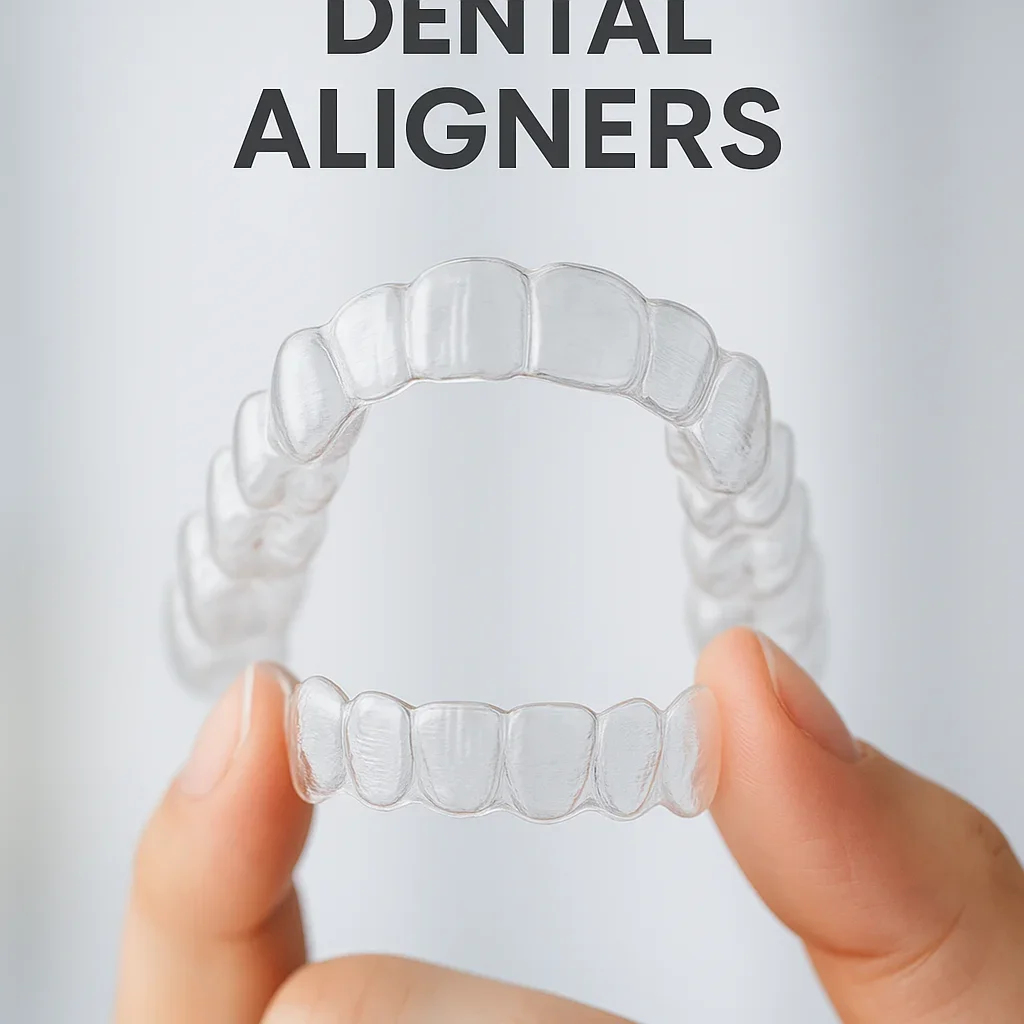
Long-Term Results and Care After Using Invisible Dental Aligners
Completing your journey with invisible dental aligners marks an exciting milestone — but maintaining those results is equally important. A beautifully aligned smile requires consistent aftercare, including the use of retainers, good oral hygiene, and regular dental visits. This final stage ensures that your teeth remain perfectly positioned for years to come. 🌟
Understanding Post-Treatment Retention
Once your treatment with invisible dental aligners ends, your teeth are in their ideal positions, but the supporting bone and tissues need time to stabilize. Without proper retention, teeth may gradually shift back toward their original positions — a process called relapse. To prevent this, dentists prescribe custom retainers designed to maintain your new alignment until the bone fully adapts. 🦷
The retention phase is just as crucial as the active treatment period. Depending on individual factors such as age, gum health, and bite complexity, this stage can last from several months to a lifetime. While it may sound long, it primarily involves wearing retainers overnight — a small effort to protect a life-changing result. 🌙
Types of Retainers Used After Aligner Treatment
After completing your invisible dental aligners program, your dentist will provide one of the following types of retainers:
- Removable Retainers (Essix or Vivera): These clear retainers resemble aligners and are made from durable, medical-grade plastic. They’re easy to wear, clean, and replace, offering continued discretion even after treatment.
- Fixed Retainers: A thin wire bonded behind the front teeth to maintain alignment permanently. Ideal for patients prone to relapse or with complex bite corrections.
- Hybrid Systems: Some clinics recommend combining both — fixed retainers for stability and removable ones for night wear — ensuring double protection for long-term results.
Each option has its own benefits. Removable retainers maintain aesthetics and comfort, while fixed versions eliminate compliance issues. Your dentist will determine the best solution based on your unique treatment history and preferences.
Retention Schedule: The Key to Lasting Results
Most patients wear their retainers full-time (22 hours per day) for the first 3–6 months after removing their invisible dental aligners. Afterward, the wear time is gradually reduced to nighttime only. Eventually, many transition to a few nights per week — similar to maintaining fitness after reaching your goal. Consistency ensures that your investment in a beautiful smile remains intact. 💎
Ongoing Oral Hygiene and Maintenance
Proper oral hygiene is essential for preserving both your smile and oral health after treatment. The teeth and gums must remain clean and healthy to support stable alignment. Here’s how to maintain optimal results after completing your aligner therapy:
- Brush twice daily: Use a soft-bristled toothbrush and fluoride toothpaste to remove plaque and bacteria.
- Floss daily: Especially important to prevent gum inflammation and decay between teeth.
- Use an antibacterial mouthwash: Helps control bacteria and maintain fresh breath.
- Clean retainers daily: Just like aligners, retainers should be cleaned with mild soap or professional cleaning crystals — never toothpaste, which can scratch the plastic.
Maintaining these habits ensures that your invisible dental aligners results last for decades. In fact, most patients report that their post-treatment hygiene routine becomes second nature within weeks. 🪥
Monitoring and Professional Check-Ups
Regular dental visits are vital even after your aligner treatment is complete. These appointments allow your dentist to monitor your alignment stability, gum health, and bite function. Clinics such as Redent Klinik Contact Page provide post-treatment evaluations to ensure long-term success and identify any early signs of relapse.
Routine check-ups also include professional cleanings, which remove plaque buildup that brushing alone may miss. Your dentist may take periodic digital scans to compare your current alignment with your final treatment results, ensuring everything remains in place. 📅
When to Replace or Adjust Retainers
Retainers typically last one to five years, depending on material quality and care. Over time, they may loosen, crack, or lose clarity. If you notice any of these signs, schedule a replacement immediately — even a short break from retention can lead to shifting. Many patients choose to have backup retainers made to avoid interruptions in case of loss or damage.
Additionally, significant dental work like fillings or crowns can slightly alter your bite, requiring new retainers to ensure continued effectiveness. Always consult your dentist before making any major dental changes post-treatment.
Diet and Lifestyle Recommendations
After completing your invisible dental aligners journey, maintaining a balanced diet and mindful habits further protect your teeth. Limit sugary snacks and acidic drinks that can erode enamel and weaken tooth structure. Drink plenty of water to keep your mouth hydrated and wash away food particles. 💧
Smoking, excessive coffee consumption, and teeth grinding (bruxism) can negatively affect your alignment and oral health. If you grind your teeth at night, your dentist may recommend a special night guard that doubles as a retainer — offering protection and alignment maintenance in one device. 🦷
Psychological and Aesthetic Benefits of Long-Term Retention
Maintaining your results is not only about dental stability but also emotional confidence. A straight, radiant smile enhances your appearance, boosts self-esteem, and contributes to better social and professional interactions. Patients often describe a sense of pride and renewed motivation to maintain their oral health after completing treatment with invisible dental aligners. 🌈
Furthermore, knowing that your smile is the result of months of discipline and dedication encourages continued good habits. The long-term benefits of proper retention extend beyond aesthetics — they support your oral and psychological well-being.
Scientific Insights: Why Retention Matters
Research supported by the American Dental Association confirms that post-orthodontic retention significantly reduces the risk of relapse. According to studies, even a small degree of shifting can occur naturally as part of the body’s adaptive process, but wearing retainers consistently minimizes this effect. The findings emphasize that the retention phase is a lifelong commitment to maintaining smile perfection achieved through invisible dental aligners.
Conclusion: A Lifelong Smile with Proper Care
The journey doesn’t end when you remove your invisible dental aligners — it evolves into a lifelong commitment to maintaining your results. Through diligent retainer use, excellent hygiene, and regular dental visits, you can preserve your new smile for decades. 🦷✨
At clinics like Redent Klinik Contact Page, professionals guide patients through every stage of aftercare, from retention to long-term maintenance. With consistent effort and the right professional support, your beautifully aligned teeth will remain straight, healthy, and radiant — a lasting testament to your dedication and the power of modern orthodontics. 😄
Disclosure: this page may contain affiliate links. We may earn a commission if you use them, at no extra cost to you.