
Many people who have lost most or all of their teeth often search online for “how much full mouth dental implants.” It’s one of the most common and important questions in dental restoration today. Full mouth dental implants are not only a cosmetic treatment — they are a complete solution for restoring oral health, chewing ability, and confidence. In this guide, we’ll explore the real costs, what influences the pricing, and why investing in full mouth dental implants can be life-changing. 🦷✨
When someone searches for how much full mouth dental implants, the intent is usually to understand the financial investment, compare global pricing, and assess the benefits versus traditional dentures. The cost of full mouth implants varies widely depending on factors such as the type of implant system, the number of implants needed, the materials used, and the clinic’s location. In 2025, prices can range from affordable options in countries like Turkey to premium packages in the United States or Western Europe.
Before discussing specific costs, it’s crucial to understand what full mouth dental implants involve. A full mouth implant procedure replaces all missing teeth using strategically placed titanium posts inserted into the jawbone. These act as artificial roots that hold permanent crowns or bridges in place. Unlike removable dentures, implants provide a stable, lifelong solution that looks and feels just like natural teeth. 🪄
The term “how much full mouth dental implants” is not just about the price tag — it’s about understanding value. A patient’s oral condition, bone density, and health history can affect the final quote. Some people may need preparatory procedures like bone grafting or sinus lifts, which can increase costs. Others may qualify for immediate-load systems such as “All-on-4” or “All-on-6” implants that reduce both treatment time and expenses. Therefore, when researching the keyword “how much full mouth dental implants,” it’s vital to know that each case is personalized.
Clinics like Redent Klinik Contact Page provide comprehensive consultations and digital imaging to calculate a precise cost plan for each patient. In Turkey, for example, the affordability of dental care combined with advanced technology makes it a leading destination for full mouth implant treatments. Patients traveling from the UK, USA, or Europe often save up to 70% while still receiving top-tier care from experienced implantologists. 🌍
On the other hand, dental implant prices in the United States or Western Europe can be considerably higher. According to recent data from the American Dental Association, the average cost for full mouth implants in the U.S. ranges between $20,000 and $50,000 per jaw, depending on complexity and materials. These figures can vary further based on whether zirconia or titanium frameworks are used, and whether the restoration involves fixed bridges or individual crowns. For many patients, this can seem overwhelming at first glance, but understanding what’s included in the total cost helps make a well-informed decision.
Let’s take an illustrative example of global pricing (2025 estimates):
- Turkey: $6,000 – $9,000 for a full mouth restoration
- Mexico: $8,000 – $12,000
- Thailand: $9,000 – $13,000
- United Kingdom: £18,000 – £28,000
- United States: $25,000 – $50,000
These variations highlight why so many people research “how much full mouth dental implants” before making a decision. Cost transparency and trust in the clinic are just as important as the treatment itself. Many reputable dental centers include anesthesia, 3D scanning, temporary teeth, and post-operative care within their packages — but always confirm what’s covered before booking an appointment.
Beyond financial aspects, investing in full mouth dental implants means regaining your natural smile, restoring chewing power, and improving long-term oral health. Unlike removable dentures, implants prevent bone loss in the jaw by stimulating bone tissue through everyday activities like chewing. Over time, this leads to stronger facial structure, better nutrition, and higher self-esteem. 💪
Ultimately, when you’re asking “how much full mouth dental implants,” the answer is multifaceted. It depends on where you go, who performs the procedure, what materials are used, and what additional care is required. While the initial investment may seem significant, the long-term benefits — both aesthetic and functional — make implants one of the most worthwhile dental procedures available today.
If you’re serious about transforming your smile, take the next step by scheduling a consultation with a qualified implant specialist. A personalized assessment is the only way to determine your exact full mouth dental implant cost. With the right clinic and a clear understanding of the process, you can achieve a natural-looking, permanent smile that enhances your quality of life for decades to come. 😁
What Are Full Mouth Dental Implants and How Do They Work?
When researching how much full mouth dental implants cost, it’s essential to first understand what they actually are and how they function. Full mouth dental implants are advanced restorative procedures designed for individuals who have lost most or all of their natural teeth. Unlike traditional dentures that merely sit on the gums, implants replace both the root and crown of the teeth, creating a permanent, natural-looking, and durable solution. 🦷
Each implant consists of three main components: the titanium or zirconia post (the artificial root), the abutment (a connector piece), and the prosthetic crown or bridge that replicates the visible tooth. The titanium post fuses with the jawbone through a process called osseointegration, forming a strong foundation for the replacement teeth. This makes full mouth implants a long-lasting and stable solution for those who want to restore their entire smile with exceptional aesthetics and function.
How the Full Mouth Implant Process Works Step by Step
Understanding the process helps patients grasp why prices vary when they ask how much full mouth dental implants cost. The treatment typically involves several precise steps and technologies to ensure success and longevity. Below is an overview of how the procedure works:
- Initial Consultation and 3D Scanning: The dentist evaluates bone density and oral health using 3D digital imaging. This step helps determine if bone grafting or sinus lifting is necessary before implant placement.
- Treatment Planning: Based on the scans, a personalized treatment plan is developed, specifying the number of implants needed (usually 4, 6, or 8 per jaw) and the type of restoration—such as All-on-4, All-on-6, or full-arch bridges.
- Implant Surgery: Under local anesthesia or sedation, the dentist places titanium posts into the jawbone at strategic angles. These posts will serve as artificial roots for the new teeth.
- Healing Period (Osseointegration): Over the next few months, the implants fuse with the bone, forming a stable foundation. Temporary teeth may be attached during this phase for aesthetic and functional comfort.
- Abutment Placement and Final Prosthesis: After healing, abutments are attached to the implants, and a permanent prosthesis—custom-designed to match your facial profile—is secured.
This entire process may take anywhere from 3 to 8 months depending on individual healing time and additional treatments required. Although this might sound lengthy, the result is a lifetime solution that functions and feels like natural teeth. 😁
Types of Full Mouth Implant Systems
When exploring how much full mouth dental implants cost, the system used greatly impacts pricing. There are several types of implant techniques and configurations:
- All-on-4: Involves placing four implants per arch. It’s often more affordable because fewer implants are used, yet it still provides full-mouth restoration.
- All-on-6: Offers greater stability with six implants per arch, suitable for patients with good bone density.
- All-on-8 or Traditional Implants: These offer maximum strength and support but usually cost more due to the number of implants and surgical complexity.
Each method has its advantages, and the choice depends on a patient’s bone health, aesthetic preferences, and budget. Therefore, it’s impossible to quote a universal price when someone asks how much full mouth dental implants cost—it must be tailored to each case.
Materials Used in Full Mouth Dental Implants
The quality of materials plays a huge role in both durability and overall pricing. Most dental implants are made of medical-grade titanium due to its biocompatibility and strength. However, for patients with metal sensitivities or those seeking the most natural look, zirconia implants are a metal-free alternative that blends seamlessly with gum tissue. 🦷
Additionally, the prosthetic teeth can be made from different materials like acrylic, porcelain, or zirconia. Porcelain and zirconia options tend to be more expensive, but they also offer superior longevity and aesthetics. When patients ask, “how much full mouth dental implants cost,” the material choice alone can account for several thousand dollars of variation.
Benefits Beyond Aesthetics
Full mouth dental implants are far more than a cosmetic enhancement—they are a complete oral health restoration. They prevent bone loss in the jaw, improve facial structure, and allow patients to eat comfortably again. Traditional dentures often cause discomfort, slippage, and require adhesives. In contrast, implants integrate with the bone, maintaining jaw density and ensuring that your new teeth feel completely natural. 💪
Another significant advantage is longevity. With proper oral hygiene and regular dental checkups, implants can last 20 years or more—often a lifetime. This long-term durability explains why so many people search for how much full mouth dental implants and consider them a worthy investment compared to recurring denture replacements or bridge maintenance.
Technological Advances That Improve Outcomes
Modern clinics use cutting-edge technology such as digital smile design, computer-guided surgery, and 3D-printed prosthetics. These innovations ensure greater accuracy, faster healing, and more predictable results. They also reduce post-operative discomfort and minimize errors. This is another reason why the answer to “how much full mouth dental implants” depends heavily on the clinic’s technological capabilities and the dentist’s expertise level.
For example, leading international centers like Redent Klinik Contact Page utilize guided implant placement with real-time navigation, ensuring optimal results with minimal invasiveness. Clinics that use these techniques may charge slightly more, but the enhanced precision, comfort, and longevity often justify the added cost. 🌍
Final Overview
To summarize, understanding how much full mouth dental implants cost begins with knowing the science and process behind them. Each implant acts as a new root that fuses with your bone, supporting a strong, permanent restoration. The materials, number of implants, and level of technology all contribute to total cost—but they also determine the success and natural feel of the final smile. Whether you opt for All-on-4, All-on-6, or zirconia-based restorations, full mouth implants are an unparalleled solution that blends aesthetics, function, and durability in one transformative treatment.
In the next section, we’ll explore why more people are choosing full mouth implants instead of traditional dentures, and how this shift impacts both comfort and long-term costs. 🪄
Why People Choose Full Mouth Implants Instead of Dentures
When searching for how much full mouth dental implants cost, many patients are also comparing them to traditional dentures. While both options replace missing teeth, the difference in comfort, appearance, and long-term results is enormous. Dental implants have rapidly become the gold standard for full-mouth restoration because they offer a permanent, natural-looking, and functional solution — something dentures simply cannot match. 🦷✨
For decades, removable dentures were the only option for people with severe tooth loss. However, advancements in implant technology have transformed modern dentistry, providing patients with the ability to chew, smile, and speak confidently again. Below, we’ll explore the major reasons why individuals around the world are now choosing implants over dentures — and why understanding how much full mouth dental implants cost is key to making an informed decision.
1. Stability and Comfort
Traditional dentures rest on top of the gums and rely on suction or adhesive to stay in place. Over time, as the jawbone shrinks due to lack of stimulation, dentures become loose and uncomfortable. This often leads to sore spots, slipping during meals, and speech difficulties. 😣
Full mouth dental implants, on the other hand, are anchored directly into the jawbone. The titanium posts act like natural tooth roots, holding the prosthetic teeth firmly in place. This means you can laugh, eat, and speak confidently without worrying about movement. Patients frequently describe the difference as “night and day.” Once you experience the comfort and stability of implants, dentures feel outdated and inconvenient. When considering how much full mouth dental implants cost, this unmatched comfort and confidence are priceless to many.
2. Better Chewing Ability and Nutrition
Another major advantage of implants is their ability to restore full chewing power. Traditional dentures can reduce bite strength by up to 70%, limiting what you can eat. Crunchy fruits, tough meats, and fibrous vegetables become difficult to enjoy. Over time, this can lead to poor nutrition and digestive problems.
Implants allow you to eat almost anything with ease. Because they are fixed in place, they transmit chewing forces directly to the bone — just like real teeth. This not only helps maintain a healthy diet but also stimulates jawbone growth, preserving facial structure. For many patients comparing how much full mouth dental implants cost with dentures, the ability to enjoy all foods again is one of the most convincing benefits. 🍎🥩
3. Natural Appearance and Confidence Boost
Full mouth implants look, feel, and function like natural teeth. The prosthetic teeth are custom-designed to match your facial features and smile line, resulting in a realistic and harmonious appearance. In contrast, dentures can appear bulky or artificial, especially when the bone and gums change shape over time. 😁
When patients research how much full mouth dental implants cost, they often realize that the improved aesthetics alone justify the investment. The psychological benefits — such as greater confidence in social and professional situations — cannot be measured in money. You can smile, talk, and take photos without worrying about your teeth slipping or looking unnatural.
4. Jawbone Health and Facial Preservation
Bone loss is one of the biggest problems associated with tooth loss. When teeth are missing, the jawbone no longer receives stimulation and begins to resorb, leading to facial collapse, sagging cheeks, and an aged appearance. Dentures do nothing to prevent this process. In fact, they may accelerate it by applying uneven pressure on the bone.
Dental implants, however, integrate directly with the bone through osseointegration. This stimulates bone growth and maintains structural integrity. Over time, this prevents the sunken facial look that many denture wearers experience. 🌟
For patients who care about aesthetics and long-term oral health, understanding how much full mouth dental implants cost becomes secondary to their lasting value. They’re not just teeth replacements — they’re a way to preserve your youthful appearance and confidence for decades.
Bone Density and Long-Term Oral Health
It’s important to note that bone density determines whether a patient qualifies for full mouth implants. Some individuals require bone grafting to build up sufficient support for the implants. While this may slightly increase the total cost, it ensures the implants last a lifetime. That’s why reputable clinics like Redent Klinik Contact Page perform detailed 3D scans before treatment, ensuring every patient receives a customized, safe, and durable plan. 🩺
5. Longevity and Cost-Effectiveness
At first glance, the initial investment for implants may seem high. But when you analyze long-term costs, implants are often the smarter financial choice. Dentures typically need replacement every 5–7 years, along with continuous maintenance, relining, and adhesive expenses. Over a lifetime, this adds up — often surpassing the cost of full mouth implants.
Implants, once placed, can last 20 years or more with proper care. Maintenance is simple — brushing, flossing, and regular checkups. There’s no need for special cleaning solutions or overnight soaking. When evaluating how much full mouth dental implants cost, this long-term durability makes them a far better investment than removable dentures.
6. Psychological and Lifestyle Benefits
The emotional transformation after getting implants is profound. Patients often report feeling younger, happier, and more confident. They can speak clearly, laugh openly, and enjoy social gatherings without fear of embarrassment. Eating in public, smiling for photos, or simply waking up with a natural-looking smile can significantly improve self-esteem. 🌞
These benefits go far beyond aesthetics—they impact relationships, careers, and overall mental health. For anyone comparing how much full mouth dental implants cost with dentures, the emotional value alone often outweighs the financial difference.
Summary: Implants vs. Dentures
| Feature | Full Mouth Dental Implants | Traditional Dentures |
|---|---|---|
| Stability | Permanently fixed in jawbone | Removable, prone to slipping |
| Chewing Ability | Nearly identical to natural teeth | Limited bite strength |
| Bone Preservation | Prevents bone loss through stimulation | Accelerates bone resorption |
| Appearance | Natural and custom-designed | Can appear artificial over time |
| Longevity | 20+ years or lifetime | Needs replacement every few years |
In conclusion, while traditional dentures may seem cheaper initially, the long-term comfort, stability, and confidence offered by implants make them the superior choice. Understanding how much full mouth dental implants cost allows patients to appreciate not just the financial aspect but the transformative, lifelong benefits they deliver. Investing in implants means investing in health, confidence, and quality of life. 🌟
Main Factors That Affect the Cost of Full Mouth Dental Implants
When people search for how much full mouth dental implants, they quickly realize that prices can vary significantly. This variation is not random — it’s determined by a set of key factors including the location of the clinic, the expertise of the dental surgeon, the materials used, and the complexity of each individual case. Understanding these variables is crucial for patients who want to make informed and cost-effective decisions about their dental health. 💡
Let’s explore the main elements that determine the total cost of full mouth implants and how each factor influences your overall treatment investment.
1. Geographic Location of the Clinic
One of the most influential factors when analyzing how much full mouth dental implants cost is geography. Prices differ dramatically between countries — and even between cities within the same country — due to varying labor costs, economic conditions, and healthcare systems. For example, dental implants in Turkey are often 60–70% cheaper than in the United States or the United Kingdom, even though the quality of care is comparable or superior. 🌍
For instance, a full mouth dental implant procedure that costs around $25,000 in the U.S. might cost between $6,000 and $9,000 in Turkey. This price gap has led to the rise of dental tourism, where thousands of patients travel abroad every year to receive high-quality treatment at affordable rates. Clinics such as Redent Klinik Contact Page specialize in international patient care, offering all-inclusive packages that cover consultations, implants, prosthetics, and even accommodation.
Cost Comparison by Region (2025 Estimates)
- United States: $20,000 – $50,000 per jaw
- United Kingdom: £18,000 – £28,000 per jaw
- Germany: €15,000 – €25,000 per jaw
- Turkey: $6,000 – $9,000 per full mouth
- Thailand: $8,000 – $12,000 per full mouth
These regional differences show why researching how much full mouth dental implants costs globally can help patients save significantly without compromising quality.
2. Type and Number of Implants Used
Another major factor that affects the cost is the number and type of implants placed. A full mouth restoration typically involves between 4 and 8 implants per jaw. Techniques like All-on-4 or All-on-6 minimize the number of implants needed, making the procedure more affordable. However, for patients with greater bone density or specific structural requirements, additional implants might be necessary, raising the overall price.
When considering how much full mouth dental implants cost, patients should understand that fewer implants don’t always mean lower quality. Modern implant techniques distribute bite force efficiently, allowing even 4 implants per arch to support a full bridge of teeth. However, the surgical precision and materials used for these systems directly influence cost.
Comparison of Implant Techniques
| Technique | Implants per Jaw | Average Cost Range (USD) | Advantages |
|---|---|---|---|
| All-on-4 | 4 | $6,000 – $12,000 | Affordable, quicker recovery, minimal surgery |
| All-on-6 | 6 | $8,000 – $15,000 | More stability, suitable for stronger jawbones |
| All-on-8 | 8 | $10,000 – $18,000 | Maximum strength, best for heavy biting forces |
3. Material Quality and Brand of Implants
The material and brand chosen for the implants play a pivotal role in determining how much full mouth dental implants cost. Premium brands such as Nobel Biocare, Straumann, or Zimmer Biomet are known for their high-quality titanium and zirconia components, which offer exceptional biocompatibility and durability. These materials may cost more initially, but they ensure longevity and minimize the risk of complications.
In contrast, lesser-known or locally manufactured implants can reduce upfront expenses but might lack long-term reliability or warranty support. Patients should always confirm that their chosen implant brand is certified and approved by regulatory authorities such as the American Dental Association.
Common Materials Used
- Titanium Implants: Highly durable, biocompatible, and widely used for decades.
- Zirconia Implants: Metal-free, aesthetic, and ideal for patients with allergies or sensitivity to metals.
- Hybrid Systems: Combine titanium strength with ceramic coatings for optimal performance.
When patients ask, “how much full mouth dental implants cost,” the choice between titanium and zirconia can alter the final price by several thousand dollars — but also impacts comfort, aesthetics, and longevity.
4. Surgeon’s Expertise and Technology Used
Not all implant procedures are created equal. The dentist’s experience and the clinic’s use of modern technology are two of the most critical cost factors. Highly trained oral surgeons using computer-guided placement, 3D imaging, and digital smile design tend to charge more — but the precision and reduced risk of failure often justify the added cost.
In advanced clinics, procedures are planned digitally before surgery, ensuring perfect alignment and optimal results. Robotic and AI-assisted systems are even emerging in some clinics, providing higher success rates and faster recovery times. Patients should remember that when researching how much full mouth dental implants cost, paying slightly more for an experienced implantologist and advanced technology means better long-term outcomes. 🦾
5. Additional Treatments Required
Sometimes, patients require extra procedures before the implant surgery can begin. These might include:
- Bone Grafting: To restore jawbone density if bone loss has occurred.
- Sinus Lifting: Required when the upper jaw lacks sufficient bone volume.
- Tooth Extractions: If decayed or damaged teeth need to be removed before implants are placed.
- Temporary Prosthetics: Used during healing before final teeth are attached.
Each of these adds to the total price. However, skipping them may compromise the success of the implants. This is why patients should always ask for a detailed quote that outlines every step of the treatment plan. When calculating how much full mouth dental implants cost, transparency is vital to avoid unexpected expenses later.
Estimated Additional Costs
- Bone grafting: $300 – $1,000 per area
- Sinus lift: $1,000 – $2,500 per side
- Tooth extraction: $100 – $400 per tooth
- Temporary bridge: $500 – $1,500
6. Aftercare, Warranty, and Maintenance
Another element affecting how much full mouth dental implants cost is the inclusion of post-operative care. Reputable clinics offer warranties on implant systems and follow-up appointments to ensure long-term success. These services may slightly increase the initial price but provide invaluable security and peace of mind.
Additionally, regular professional cleanings and yearly dental checkups help extend the lifespan of implants. While maintenance costs are minimal compared to dentures, they’re essential to prevent peri-implantitis (gum infection) and ensure the implants last decades. 🌟
Final Thoughts on Cost Factors
Ultimately, the answer to “how much full mouth dental implants” depends on a combination of all these factors. The cheapest option is not always the best, and the most expensive one isn’t necessarily superior either. Patients should focus on balance: qualified professionals, high-quality materials, transparent pricing, and advanced technology. When these elements come together, full mouth dental implants offer one of the most rewarding and lasting dental investments you can make — restoring both your smile and your confidence for a lifetime. 😁
Average Price Range of Full Mouth Dental Implants in Different Countries
When people type how much full mouth dental implants into search engines, they often want a global perspective. Costs can vary dramatically depending on where you receive treatment. The same procedure might cost $6,000 in one country and $40,000 in another — not because of quality differences, but due to variations in labor, materials, technology, and healthcare systems. Understanding this global cost map helps patients plan wisely and explore the growing trend of dental tourism. 🌍
Let’s examine the average prices of full mouth dental implants in different countries, the factors behind the disparities, and what you can expect from each destination. The aim here is to help you make an informed choice when deciding where to undergo your treatment.
1. United States 🇺🇸
The United States is often referenced when discussing how much full mouth dental implants cost because it represents one of the highest price benchmarks globally. On average, a complete full-mouth restoration ranges from $25,000 to $50,000 per jaw, depending on complexity and material. In some high-end clinics or large metropolitan areas like New York or Los Angeles, the total may even exceed $60,000 for a full set. 😮
These elevated prices are influenced by several factors: high operational costs, premium materials, and the extensive training required for American dental specialists. However, patients also benefit from strong consumer protections and strict adherence to health standards set by organizations such as the American Dental Association.
Advantages of Getting Implants in the U.S.
- Advanced dental technology and strict regulation
- Highly experienced oral surgeons and prosthodontists
- Comprehensive aftercare and warranties
While the cost is high, patients often feel reassured by the exceptional quality and safety standards. For those wondering how much full mouth dental implants cost domestically, the price reflects the value of premium expertise and accountability.
2. United Kingdom 🇬🇧
In the UK, prices for full mouth dental implants typically range from £18,000 to £28,000 per jaw. Although British clinics provide outstanding service quality, many local patients consider traveling abroad because dental implant procedures are not covered by the NHS except in rare cases. This makes the treatment a significant out-of-pocket investment for most residents.
Private dental clinics in cities like London, Manchester, and Birmingham use cutting-edge techniques, but high labor costs and taxes drive up the final bill. That’s why many UK residents research how much full mouth dental implants in countries such as Turkey or Hungary — where they can access similar technology at a fraction of the cost.
Typical UK Implant System Costs
- All-on-4: £12,000 – £16,000 per jaw
- All-on-6: £15,000 – £22,000 per jaw
- All-on-8: £20,000 – £28,000 per jaw
For many patients, the UK’s convenience and quality are worth the premium, but others see better value in traveling for treatment abroad. ✈️
3. Turkey 🇹🇷
Turkey has become a leading destination for dental tourism due to its combination of world-class care and affordable pricing. Clinics such as Redent Klinik Contact Page attract international patients with transparent pricing, modern facilities, and English-speaking specialists. On average, a full mouth dental implant treatment in Turkey costs between $6,000 and $9,000 — nearly 70% less than in Western Europe or the U.S.
Patients often wonder how Turkey can offer such low prices for the same procedure. The answer lies in the country’s lower living costs, government incentives for medical tourism, and efficient clinic operations. Importantly, this does not mean sacrificing quality; most Turkish clinics use globally recognized implant brands such as Straumann, Nobel Biocare, and Osstem. 🇹🇷
Key Benefits of Getting Implants in Turkey
- Affordable, all-inclusive packages (including hotel and transfers)
- Use of the same top-tier materials as Western clinics
- Quick treatment timelines with digital implant planning
For anyone comparing how much full mouth dental implants cost worldwide, Turkey consistently ranks as the best value-for-money destination in 2025.
4. Germany 🇩🇪
Germany is known for its engineering excellence — and that precision extends to dentistry. German clinics are among the best in Europe, offering full mouth dental implants ranging from €15,000 to €25,000 per jaw. Patients can expect top-quality materials, rigorous hygiene standards, and cutting-edge implantology techniques.
The higher costs reflect Germany’s strict healthcare regulations and premium material use, but patients receive a long-term guarantee and meticulous aftercare. For Europeans searching how much full mouth dental implants cost while prioritizing reliability and precision, Germany represents an excellent but premium option. ⚙️
German Treatment Highlights
- Impeccable clinical standards and documentation
- Advanced bone grafting and implant technologies
- Long-lasting prosthetics and strict quality control
5. Mexico 🇲🇽
Mexico is another hotspot for affordable implant treatments, especially for patients from the United States and Canada. The average cost for full mouth dental implants ranges from $8,000 to $12,000, depending on whether you choose border towns like Tijuana or major cities like Cancun or Mexico City. 🌴
Many clinics cater specifically to international patients, offering packages that include accommodation and transportation. While Mexico provides excellent value, it’s crucial to choose accredited clinics with certified implantologists to ensure safety and proper follow-up. This is especially important when researching how much full mouth dental implants cost across borders.
Top Mexican Dental Tourism Advantages
- Huge savings compared to North America
- Proximity for U.S. and Canadian patients
- Use of globally recognized implant systems
6. Thailand 🇹🇭
Thailand is well-known for its medical tourism sector, including dental care. Full mouth dental implants here typically cost between $9,000 and $13,000. Bangkok and Phuket are home to internationally accredited dental centers with English-speaking doctors and advanced facilities.
Thailand offers a blend of affordability, tourism appeal, and professional standards. The country’s dental industry has been heavily invested in by private healthcare groups, which makes it a safe and appealing option for many. When considering how much full mouth dental implants cost, Thailand represents a balanced mid-range option with the bonus of an enjoyable travel experience. 🏖️
Advantages of Dental Implants in Thailand
- Competitive pricing with high-quality outcomes
- Beautiful travel destination for recovery
- Clinics with global certifications (ISO, JCI)
Summary of Global Prices
| Country | Average Cost (Full Mouth) | Key Features |
|---|---|---|
| United States | $25,000 – $50,000 | Top-tier expertise, highest regulation |
| United Kingdom | £18,000 – £28,000 | Premium clinics, high labor cost |
| Germany | €15,000 – €25,000 | World-class precision and hygiene |
| Turkey | $6,000 – $9,000 | Affordable, international dental tourism hub |
| Mexico | $8,000 – $12,000 | Accessible for U.S. and Canada |
| Thailand | $9,000 – $13,000 | High standards, travel-friendly |
In conclusion, the global variation in how much full mouth dental implants cost is vast, but not necessarily tied to quality. The best destination depends on your budget, comfort level, and willingness to travel. Many patients find that international clinics provide exceptional quality at a fraction of the cost, making dental tourism a practical and popular choice. Whether you choose Turkey, Mexico, or your home country, the goal remains the same — a confident, lasting, and healthy smile that enhances your life for decades. 😁
Step-by-Step Procedure for Getting Full Mouth Dental Implants
Before deciding how much full mouth dental implants cost, it’s essential to understand the detailed steps involved in the treatment. This knowledge helps patients appreciate the complexity of the procedure and why costs vary between clinics. Getting full mouth implants is not just a single appointment — it’s a multi-stage journey involving precise diagnostics, surgical expertise, and customized prosthetics. Let’s break down the entire process from consultation to final smile restoration. 🦷✨
1. Initial Consultation and Digital Planning
The process begins with a thorough consultation and diagnostic evaluation. During this stage, the dentist reviews your medical history, performs a physical examination, and uses advanced imaging techniques such as 3D cone-beam computed tomography (CBCT) to assess bone density, jaw structure, and nerve positioning. This ensures that the implant plan is both safe and accurate.
At this stage, patients also receive a personalized treatment plan and cost estimate. Many clinics — including international centers like Redent Klinik Contact Page — provide free or low-cost consultations for overseas patients. The planning phase determines not only how much full mouth dental implants cost but also the best technique to use, such as All-on-4 or All-on-6 implants. 🩺
Technologies Used in the Planning Phase
- Digital Smile Design (DSD): Simulates your future smile before the procedure.
- CBCT Scanning: Creates 3D bone structure images for precise implant placement.
- CAD/CAM Systems: Used to digitally design your final prosthetic teeth with perfect fit and aesthetics.
This technological foundation ensures predictable results, shortens surgery time, and enhances long-term success.
2. Pre-Surgical Preparation
Once your treatment plan is approved, the dentist prepares your mouth for implant surgery. This may involve removing damaged teeth, treating gum infections, or performing bone grafting if the jaw lacks sufficient density. 🦴
Bone grafting adds cost and time but ensures a stable foundation for the implants. Patients should remember that these preparatory procedures are factored into how much full mouth dental implants cost overall. Skipping them can lead to implant failure later.
Preparation Steps Include:
- Tooth extraction (if any natural teeth remain)
- Deep cleaning to eliminate bacteria
- Bone grafting or sinus lifting (if required)
- Temporary denture fitting before surgery
After the mouth is ready and healing begins, the patient is scheduled for implant placement — the most critical phase of the process.
3. Surgical Implant Placement
The implant surgery itself is performed under local anesthesia, conscious sedation, or general anesthesia, depending on patient comfort. The surgeon makes small incisions in the gum to access the jawbone and strategically inserts the titanium or zirconia implant posts. Each post serves as an artificial root that will support your prosthetic teeth later. ⚙️
Most full-mouth restorations use either the All-on-4 or All-on-6 approach — meaning four to six implants per jaw. The posts are positioned at precise angles to maximize bone contact and stability, even in areas where bone density is reduced. This surgical phase is highly technical, which is one reason how much full mouth dental implants cost can be higher at top-tier clinics using computer-guided navigation systems.
Typical Surgical Duration and Recovery
- Duration: 2 to 4 hours per jaw
- Recovery time: 7–10 days for soft tissue healing
- Initial discomfort: Minimal, managed with prescribed medication
Immediately after surgery, some clinics attach temporary prosthetics, allowing you to leave with a complete smile the same day — a technique known as immediate loading implants.
4. Healing and Osseointegration Period
After implant placement, the jawbone undergoes a natural process called osseointegration, where the bone fuses with the implant surface. This stage is critical for long-term success and typically takes between 3 and 6 months. During this period, the implants become part of your body’s structure, ensuring strong support for your future teeth. 🧬
Patients should maintain good oral hygiene and avoid hard or sticky foods during healing. Follow-up appointments are scheduled to monitor bone integration. The success of this phase largely determines the durability of the final restoration. It’s a major reason why when patients ask how much full mouth dental implants cost, dentists emphasize the value of quality materials and surgical precision — because failed osseointegration means starting over.
Tips for a Smooth Healing Process
- Follow prescribed antibiotics and pain management routines.
- Avoid smoking and alcohol — both can slow bone healing.
- Rinse with a non-alcoholic antiseptic mouthwash as directed.
- Maintain a soft food diet (soups, smoothies, mashed vegetables).
5. Abutment and Prosthetic Placement
Once the implants are fully integrated, the next step is to attach abutments — the connectors that join the implant posts to the dental bridge or crown. After this, impressions are taken using 3D scanning or silicone molds to craft your final set of teeth.
The prosthetic phase is where your new smile comes to life. The dental laboratory fabricates custom crowns or bridges, matching your desired color, size, and bite pattern. Depending on your preference and budget, materials may include porcelain-fused-to-metal, full zirconia, or high-grade acrylic. These material choices also influence how much full mouth dental implants cost, since premium zirconia restorations are typically more expensive but offer the most natural appearance. 😁
Prosthetic Options
- Fixed Hybrid Bridge: Permanently attached, provides the most natural feel.
- Overdenture (Removable): Supported by implants but can be removed for cleaning.
- Full Zirconia Arch: Premium aesthetic choice, extremely durable and lifelike.
6. Final Fitting and Smile Transformation
The final stage involves fitting and adjusting your permanent prosthesis to ensure perfect alignment, comfort, and aesthetics. The dentist checks bite accuracy, speech patterns, and facial symmetry before securely bonding the teeth in place. This moment marks the completion of your dental restoration — and often, a major boost in self-confidence! 🌟
Patients typically describe this day as life-changing. After months of anticipation, they finally experience the joy of eating, smiling, and speaking naturally again. The total timeline from consultation to completion can range from 4 to 8 months depending on healing and procedural complexity.
7. Post-Treatment Care and Follow-Up
After your new smile is complete, regular maintenance ensures long-term success. Dentists recommend professional cleanings twice a year and annual X-rays to monitor bone health. Proper oral hygiene — including brushing, flossing, and using water flossers — helps prevent peri-implantitis (gum infection around implants).
When calculating how much full mouth dental implants cost, include the value of follow-up visits and aftercare. Reputable clinics provide warranties ranging from 5 years to a lifetime on implants, ensuring patients receive continued support.
Long-Term Success Checklist
- Attend follow-up appointments every 6–12 months.
- Use non-abrasive toothpaste and soft-bristle brushes.
- Maintain a balanced diet to support bone and gum health.
- Avoid habits like nail-biting or chewing hard objects.
In conclusion, understanding the full process behind full mouth implants helps explain why how much full mouth dental implants varies from person to person. It’s not just a single treatment — it’s a carefully planned medical journey requiring expertise, precision, and time. When done correctly, it delivers a permanent, natural, and radiant smile that can truly change lives. 🦷💎
How to Choose the Best Clinic for Full Mouth Dental Implants
When patients search for how much full mouth dental implants, they quickly discover that prices can vary widely between clinics — even within the same country. While cost is an important factor, choosing the right clinic is equally, if not more, critical to achieving long-term success. Selecting a qualified, technologically advanced, and transparent dental center ensures safety, aesthetics, and comfort throughout your implant journey. This section explains the key criteria for choosing the best clinic for your needs, so you can make a confident and informed decision. 🏥✨
1. Verify the Qualifications and Experience of the Dental Team
The skill and experience of the dental team play a pivotal role in the success of your implant treatment. When comparing clinics and evaluating how much full mouth dental implants cost, always check whether the dentist is a certified implantologist or oral surgeon with specialized training. Implant placement is a precise surgical procedure — it requires years of expertise in anatomy, bone physiology, and prosthodontic design.
Ask the clinic about the credentials of the lead dentist, the number of years in practice, and how many full mouth restorations they’ve completed. Experienced surgeons can anticipate complications, ensure ideal implant angles, and deliver predictable, aesthetic results. You should also look for membership in professional organizations such as:
- ITI (International Team for Implantology)
- AAID (American Academy of Implant Dentistry)
- ADA (American Dental Association)
These affiliations indicate that the dentist adheres to internationally recognized clinical standards. Choosing a surgeon with such credentials helps ensure that your investment in how much full mouth dental implants truly pays off in long-term quality.
Pro Tip:
Always request before-and-after photos of previous implant patients treated by the same dentist. Visual evidence of successful outcomes provides reassurance about the clinic’s expertise. 📸
2. Assess the Technology and Equipment Used
Modern implant dentistry relies heavily on advanced technology for planning and execution. Clinics that invest in high-end equipment provide more accurate results and shorter recovery times. When asking how much full mouth dental implants cost, make sure to verify whether the clinic uses tools like:
- 3D Cone Beam CT Scanners: For precise bone mapping and nerve identification.
- Computer-Guided Surgery: Ensures implant placement with sub-millimeter accuracy.
- Digital Smile Design (DSD): Visualizes your future smile before treatment begins.
- In-House CAD/CAM Milling: Produces custom crowns and bridges quickly with perfect fit.
Technology enhances precision, minimizes pain, and significantly increases the lifespan of your implants. While high-tech clinics may slightly increase how much full mouth dental implants cost, the return in safety and results makes the extra investment worthwhile. 💻
3. Review Patient Testimonials and Reputation
Reputation is one of the most reliable indicators of a clinic’s quality. Before committing to a treatment plan, read verified reviews, testimonials, and case studies. Many reputable centers proudly share patient experiences through video testimonials and independent rating platforms like Google Reviews or Trustpilot.
When evaluating how much full mouth dental implants cost across multiple clinics, pay close attention to feedback about communication, transparency, comfort, and aftercare. A clinic with glowing reviews and consistent patient satisfaction is far more trustworthy than one offering suspiciously low prices but limited feedback.
Questions to Ask Yourself:
- Are the reviews from verified, real patients?
- Do patients mention personalized care and detailed explanations?
- Does the clinic respond professionally to both positive and negative feedback?
Authentic testimonials often highlight what numbers cannot — compassion, communication, and post-treatment care. 🌟
4. Ensure the Clinic Provides Transparent Pricing
Transparency in pricing is critical. Reputable clinics should provide a detailed written quote that includes every component of the treatment plan — from implant posts and abutments to anesthesia and follow-up care. Avoid places that only provide vague estimates or attempt to upsell unnecessary services later in the process.
When you ask how much full mouth dental implants cost, insist on a complete cost breakdown with no hidden fees. The quote should clearly specify:
- Number and type of implants
- Material used for crowns (zirconia, porcelain, etc.)
- Laboratory fees
- Post-surgical medications and checkups
- Warranty terms
Many top-rated clinics, such as Redent Klinik Contact Page, offer all-inclusive packages that simplify budgeting for international patients. These bundles may also include accommodation, airport transfers, and temporary prosthetics — making them a smart, predictable investment. ✈️
5. Evaluate Sterilization Standards and Patient Safety
Hygiene and sterilization protocols are non-negotiable. A clean, well-equipped environment reduces infection risk and improves healing. Before deciding based on how much full mouth dental implants cost, confirm that the clinic follows strict sterilization procedures in line with international infection control standards such as ISO 9001 or CDC guidelines.
Signs of Excellent Hygiene Standards:
- Disposable tools used for each patient where possible
- Autoclave sterilization records visible in treatment rooms
- Staff using gloves, masks, and surgical gowns during all procedures
- Frequent sanitization of common areas
A spotless environment reflects professionalism and care — two vital traits in any dental facility.
6. Check for Warranty and Aftercare Support
Reliable clinics provide a written warranty for both the implant posts and prosthetic restorations. This not only demonstrates confidence in their work but also protects you in case of future complications. A typical warranty may range from 5 to 10 years for prosthetics and up to a lifetime guarantee for titanium implants.
Equally important is aftercare support. Dental implants require periodic checkups to ensure bone stability and gum health. Choose a clinic that includes at least one or two free follow-up visits in your treatment plan. If you’re an international patient, ask whether the clinic offers remote support or partners with dentists in your home country for future maintenance. 🌍
7. Compare Value, Not Just Price
Many patients focus solely on price when asking how much full mouth dental implants cost — but the cheapest option isn’t always the best. Instead, evaluate overall value by considering the clinic’s reputation, materials, technology, and aftercare. A clinic offering slightly higher prices might deliver superior durability, aesthetics, and comfort, making it more cost-effective in the long run.
Value Comparison Checklist:
- Is the dentist specialized in implantology?
- Does the quote include all procedures and materials?
- Is advanced digital technology used?
- Are genuine implant brands and certifications provided?
By focusing on value instead of base cost, you’ll make a smarter decision that enhances both oral health and confidence for years to come. 💪
Final Thoughts on Choosing the Best Clinic
Selecting the right dental clinic is one of the most important steps in your implant journey. The true answer to “how much full mouth dental implants” isn’t just a number — it’s a reflection of quality, expertise, safety, and trust. Whether you’re seeking treatment locally or abroad, prioritize clinics that combine professional skill, advanced technology, transparent communication, and patient-centered care.
Investing time in research and consultation ensures that your dental transformation is not only beautiful but also lasting. A great clinic doesn’t just restore your teeth; it restores your confidence, your health, and your smile — for a lifetime. 😁💎
Long-Term Benefits and Maintenance Costs of Full Mouth Implants
Many patients who initially research how much full mouth dental implants cost focus primarily on the upfront investment. However, understanding the long-term benefits and ongoing maintenance costs provides a more complete picture of the real value. While dental implants can seem expensive at first glance, they are designed to last decades — often for life — with proper care. Compared to traditional dentures or bridges, implants offer unparalleled durability, comfort, and oral health benefits that justify their long-term cost. 🦷✨
In this section, we’ll explore the major advantages of full mouth dental implants, their potential to save money over time, and the essential maintenance practices required to ensure they remain healthy and functional for many years.
1. Long-Term Durability and Lifespan
One of the greatest benefits of full mouth implants is their exceptional durability. When placed by an experienced professional, implants can last 20–30 years or longer. In contrast, traditional dentures typically need to be replaced every 5–8 years due to wear, bone shrinkage, or gum changes. This longevity means that while how much full mouth dental implants cost might seem high initially, the lifetime value is significantly greater. 💎
The titanium or zirconia roots of dental implants fuse directly with the jawbone through a process called osseointegration. This creates a stable foundation that mimics natural tooth roots and prevents future bone loss. Because of this permanent fusion, implants maintain their structure and functionality far longer than any removable alternative.
Average Lifespan Comparison
| Treatment Type | Average Lifespan | Replacement Frequency |
|---|---|---|
| Full Mouth Implants | 20–30 years or lifetime | Rarely replaced |
| Fixed Bridges | 10–15 years | Needs periodic replacement |
| Dentures | 5–8 years | Frequent relines or replacements |
This table demonstrates why patients evaluating how much full mouth dental implants cost should consider not only the initial price but also the total value over decades. Investing once in implants often eliminates the recurring expenses associated with removable prosthetics.
2. Enhanced Quality of Life and Confidence
Full mouth implants don’t just restore your teeth — they restore your life. Patients who switch from dentures to implants often report feeling younger, more confident, and more comfortable in social and professional settings. The permanent nature of implants eliminates embarrassing slippage, discomfort, and speech difficulties. 😁
Eating becomes effortless again. You can enjoy crunchy apples, steaks, or corn on the cob without fear. This improved diet supports better digestion and overall health. It’s one of the hidden advantages that can’t be easily measured in terms of money, but it’s an essential part of understanding the full value behind how much full mouth dental implants truly cost.
Psychological Benefits Include:
- Improved self-esteem and social confidence
- Reduced anxiety about speaking or eating in public
- Better facial aesthetics due to preserved bone structure
- A natural-looking, youthful smile that enhances appearance
These emotional and physical improvements often outweigh the initial investment, leading many patients to describe the procedure as “life-changing.”
3. Prevention of Bone Loss and Oral Health Issues
One of the most overlooked long-term benefits of implants is their ability to preserve jawbone density. When teeth are missing, the bone no longer receives stimulation from chewing forces, leading to resorption (bone shrinkage). Over time, this causes facial collapse and premature aging. Traditional dentures rest on the gums without stimulating the bone, accelerating this process.
Implants, on the other hand, act as artificial tooth roots that transmit pressure to the bone during eating, maintaining its strength and volume. This is why when you evaluate how much full mouth dental implants cost, you should consider the preventive savings — avoiding future complications like jawbone deterioration or facial deformity. 🦴
Additional Health Advantages
- Eliminates gum irritation and mouth sores caused by dentures
- Reduces risk of misaligned bite and TMJ issues
- Prevents shifting of remaining natural teeth
- Improves long-term oral hygiene and gum health
In essence, implants don’t just replace lost teeth — they protect the entire oral ecosystem from further decline.
4. Maintenance Requirements and Costs
Another factor influencing how much full mouth dental implants cost over time is maintenance. Fortunately, implant care is straightforward and inexpensive compared to dentures. There’s no need for adhesives, soaking solutions, or frequent adjustments. Instead, maintenance involves routine oral hygiene and regular professional checkups.
Daily Home Care Tips
- Brush at least twice daily using a soft-bristled toothbrush and non-abrasive toothpaste.
- Floss around implants using floss threaders or interdental brushes to remove plaque.
- Rinse with alcohol-free mouthwash to prevent bacterial buildup.
- Use a water flosser for deeper cleaning beneath bridges.
Professional cleanings every 6 months and annual radiographic checkups ensure the implants remain in perfect condition. Maintenance costs average between $150 and $300 per year — significantly lower than the ongoing expenses of dentures, which can reach thousands over time. 🪥
5. Cost Savings Over Time
When comparing how much full mouth dental implants cost initially versus other options, the long-term economics become clear. Although implants might cost more upfront, they require minimal replacement and offer permanent benefits. Here’s a simplified projection:
Lifetime Cost Comparison
| Treatment | Initial Cost (Average) | Replacement Frequency | Estimated 20-Year Total |
|---|---|---|---|
| Full Mouth Implants | $6,000 – $30,000 | Once | $6,000 – $30,000 |
| Dentures | $2,000 – $5,000 | Every 5–7 years | $10,000 – $25,000 |
| Fixed Bridges | $8,000 – $15,000 | Every 10–15 years | $16,000 – $30,000 |
This comparison illustrates how implants often match or outperform other restorations in total cost-effectiveness while providing vastly superior quality and comfort. 🌟
6. Warranty and Longevity Assurance
Most top-tier clinics offer extended warranties on implant components — sometimes even lifetime guarantees on titanium fixtures. This protection adds long-term security to your investment. When discussing how much full mouth dental implants cost with your clinic, always ask about their warranty policy, follow-up care, and replacement terms. Reputable clinics like Redent Klinik Contact Page provide ongoing support, ensuring patients enjoy their new smiles for decades.
Typical Warranty Coverage
- Implant fixture: Lifetime warranty
- Abutments: 5–10 years
- Prosthetic crowns or bridges: 10–15 years
Having such guarantees reduces financial anxiety and reinforces the long-term value proposition of implants compared to other options.
7. Environmental and Health Sustainability
Unlike removable dentures that require frequent replacement and synthetic materials, implants are a one-time, sustainable solution. They reduce waste and promote oral health through long-term stability. For patients evaluating how much full mouth dental implants cost in relation to sustainability and health, this makes them both an eco-friendly and medically sound investment.
Conclusion: The Long-Term Value of Full Mouth Implants
Ultimately, the true answer to “how much full mouth dental implants” extends far beyond the initial price tag. Implants offer lasting comfort, superior aesthetics, and long-term health protection that dentures can’t match. Their durability, minimal maintenance needs, and quality-of-life benefits make them one of the most rewarding dental investments a person can make.
When cared for properly, full mouth dental implants provide decades of confident smiles, functional eating, and excellent oral health — proving that the real value lies not in the cost, but in the lifetime transformation they deliver. 😄
Possible Risks and How to Minimize Complications
When researching how much full mouth dental implants cost, it’s equally important to understand the potential risks and how to prevent complications. Although dental implants boast a success rate of over 95%, no surgical procedure is completely risk-free. Proper planning, qualified professionals, and diligent aftercare can minimize most issues. This section outlines all possible risks associated with full mouth dental implants, their causes, and the best strategies to ensure a smooth and long-lasting outcome. 🦷
1. Understanding Common Implant Complications
Dental implants are designed to replace missing teeth permanently, but their success depends on several biological and mechanical factors. When patients consider how much full mouth dental implants cost, they often overlook the importance of risk management — which can save both time and money in the long run.
Here are the most frequent complications associated with implant treatment:
- Infection (Peri-Implantitis): A bacterial infection that affects the tissue surrounding the implant, leading to inflammation and potential bone loss.
- Implant Failure: Occurs when the implant fails to integrate with the bone due to poor healing, insufficient bone density, or improper surgical placement.
- Nerve or Sinus Damage: Rare, but can occur if implants are placed too close to the nerves or sinus cavities without adequate imaging.
- Gum Recession or Aesthetic Issues: If gum tissue doesn’t heal evenly, the metal abutment may become slightly visible.
- Mechanical Failures: Loosening or breaking of screws, abutments, or crowns caused by poor bite alignment or excessive chewing pressure.
Most of these issues are preventable with proper diagnostics, skilled surgery, and ongoing maintenance — three critical elements that should always be factored into how much full mouth dental implants truly cost.
2. Infection and Peri-Implantitis
Peri-implantitis is one of the most common complications, typically resulting from poor oral hygiene or pre-existing gum disease. It leads to swelling, bleeding, and bone loss around the implant. Left untreated, it can cause implant failure.
Prevention Strategies:
- Maintain strict oral hygiene — brush twice daily and floss around implants.
- Use antibacterial mouthwash recommended by your dentist.
- Schedule regular professional cleanings and check-ups.
- Avoid smoking and excessive alcohol consumption, which delay healing.
By prioritizing hygiene and follow-up care, patients can reduce infection risks dramatically. This proactive approach is far more affordable than paying for implant replacements later, reinforcing the importance of understanding all aspects of how much full mouth dental implants cost over time.
3. Implant Failure and Osseointegration Problems
Implant failure occurs when the bone does not fully bond with the implant surface — a process called osseointegration. Factors such as smoking, uncontrolled diabetes, or insufficient bone density can disrupt this healing stage. Thankfully, with modern surgical techniques and materials, failure rates remain extremely low (around 2–5%).
How to Minimize Failure Risk:
- Choose an experienced implantologist who uses 3D digital planning and CBCT imaging.
- Opt for high-quality implant materials like titanium or zirconia from reputable brands.
- Follow all post-surgery care instructions strictly — avoid chewing on hard foods during recovery.
- Address any medical conditions (like diabetes) before surgery to promote healthy healing.
Clinics that emphasize careful pre-surgical assessment and use advanced implant systems tend to have the highest success rates. This is why when assessing how much full mouth dental implants cost, patients should value expertise and technology over simply finding the cheapest option. 🧠
4. Nerve and Sinus Complications
Nerve or sinus injuries are rare but serious risks if implants are placed without accurate mapping. For upper jaw implants, improper angling can penetrate the sinus cavity; in the lower jaw, proximity to the inferior alveolar nerve can cause temporary or permanent numbness. Thankfully, modern digital diagnostics have made these complications almost obsolete.
How Clinics Prevent These Issues:
- Using 3D cone-beam CT scans for precise anatomical mapping.
- Applying computer-guided implant surgery to ensure perfect placement.
- Pre-operative sinus lifting or bone grafting when necessary.
When comparing clinics based on how much full mouth dental implants cost, always verify whether they use CBCT technology and guided surgery. These modern techniques prevent surgical errors and ensure accurate, safe placement. ⚙️
5. Gum Recession and Aesthetic Problems
After implant placement, some patients experience slight gum recession or uneven tissue healing. This can expose the metal abutment or cause visual asymmetry. While it doesn’t necessarily affect implant function, it can impact smile aesthetics — especially for front teeth.
Prevention and Solutions:
- Ensure your surgeon uses tissue-level implant systems for better gum integration.
- Ask about soft-tissue grafting to strengthen gum thickness around implants.
- Use non-abrasive toothbrushes and avoid aggressive brushing.
- Maintain regular follow-ups to monitor gum health and healing patterns.
Gum aesthetics depend heavily on surgical technique and material selection. For instance, zirconia abutments blend better with natural tissue than metallic ones. This demonstrates how quality material choices — even if they slightly increase how much full mouth dental implants cost — lead to better long-term satisfaction. 😁
6. Mechanical Failures or Bite Issues
Although rare, implants can sometimes experience mechanical strain due to uneven bite distribution. This might cause screw loosening, crown fractures, or prosthesis damage. Such problems typically occur when post-surgical bite adjustments aren’t properly balanced.
Preventive Steps:
- Undergo a comprehensive bite analysis before and after implant placement.
- Use digital occlusal mapping for precise pressure distribution.
- Avoid chewing excessively hard foods (like ice or nuts) early on.
- Schedule a professional check-up every 6–12 months.
Proper engineering of the prosthetic bridge and balanced bite adjustment dramatically reduce the risk of mechanical failures. These fine details are why highly trained dental professionals are worth the investment when calculating how much full mouth dental implants cost in total.
7. Smoking and Systemic Health Factors
Smoking, diabetes, and autoimmune conditions are among the leading causes of implant complications. Nicotine restricts blood flow and delays healing, while systemic conditions can interfere with osseointegration. Patients who maintain healthy lifestyles experience faster recovery and greater implant stability.
Best Practices for At-Risk Patients:
- Quit smoking at least 2 weeks before and 8 weeks after surgery.
- Keep chronic diseases under control through medical supervision.
- Take prescribed vitamin supplements (like vitamin D and calcium) for bone health.
- Maintain a balanced, protein-rich diet to aid tissue regeneration.
Clinics such as Redent Klinik Contact Page often perform comprehensive health evaluations before surgery to identify these risks early and tailor treatment accordingly. This holistic approach ensures patient safety while enhancing implant success rates. 💪
8. Long-Term Maintenance to Avoid Complications
After the initial recovery, maintaining implants is similar to caring for natural teeth. Daily hygiene, combined with professional monitoring, helps prevent most long-term complications. The most successful patients are those who follow their dentist’s maintenance plan and schedule annual exams.
Maintenance Essentials:
- Brush and floss diligently using implant-safe products.
- Visit your dentist every 6 months for deep cleaning and bone monitoring.
- Use a water flosser to remove food particles under bridges.
- Avoid harmful habits like teeth grinding or nail-biting.
With consistent care, dental implants can last a lifetime without major complications. These simple habits safeguard your smile and protect your financial investment in how much full mouth dental implants truly cost. 🪥
Conclusion: Prevention Is the Best Protection
While dental implants are an advanced and reliable solution, understanding and managing risks is essential for long-term success. Complications such as infection, nerve injury, or mechanical failure are rare and largely preventable when patients choose skilled surgeons, maintain oral hygiene, and follow post-operative instructions.
In summary, the real answer to how much full mouth dental implants cost extends beyond money — it includes the value of safety, precision, and peace of mind. Investing in a reputable clinic and proper aftercare minimizes complications and ensures a healthy, confident smile for decades to come. 🌟
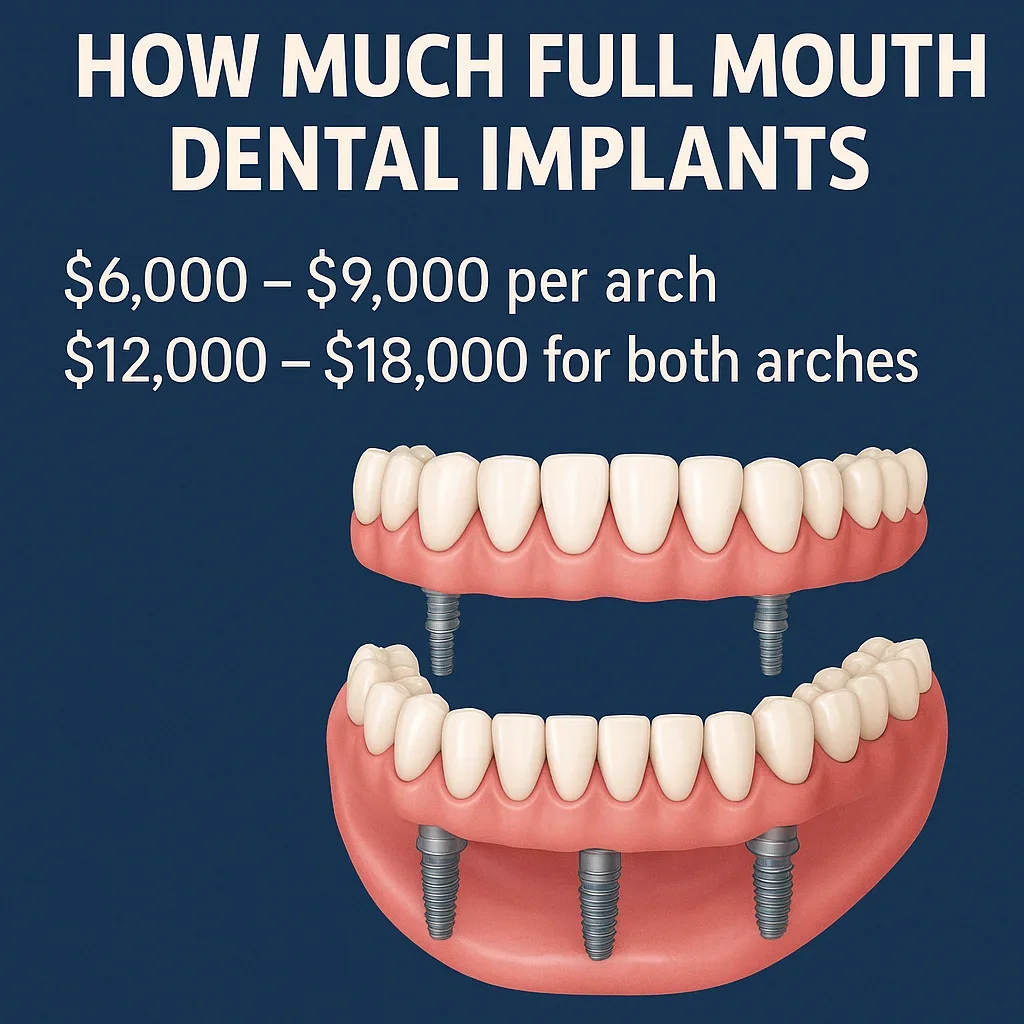
Tips to Save Money on Full Mouth Dental Implants Without Sacrificing Quality
Many patients searching for how much full mouth dental implants cost are shocked by the price differences between countries and clinics. While dental implants are one of the most valuable long-term investments in oral health, there are proven strategies to reduce costs without compromising quality or safety. Understanding these cost-saving approaches can help you make an informed decision, avoid unnecessary expenses, and still receive world-class treatment. In this detailed section, we’ll explore practical, evidence-based methods to save money while maintaining the highest standards of care. 💰🦷
1. Compare Prices Between Countries and Clinics
The global dental industry has made it possible for patients to access high-quality treatment at significantly reduced prices abroad. When people wonder how much full mouth dental implants cost, they often compare their local prices with countries offering dental tourism packages. This comparison alone can save thousands of dollars while maintaining exceptional results.
Examples of Cost Variation:
- United States: $25,000 – $50,000 per jaw
- United Kingdom: £18,000 – £28,000 per jaw
- Turkey: $6,000 – $9,000 for both jaws
- Mexico: $8,000 – $12,000 for both jaws
Clinics in countries such as Turkey, Hungary, and Thailand have become global leaders in dental tourism. Reputable clinics like Redent Klinik Contact Page offer advanced technology, English-speaking professionals, and all-inclusive care at affordable rates. 🌍✈️
However, when comparing how much full mouth dental implants cost internationally, make sure to evaluate the total package — including travel, accommodation, and aftercare — not just the surgery price.
2. Choose All-Inclusive Dental Packages
All-inclusive packages are one of the best ways to save money while ensuring predictable costs. These packages usually cover consultations, imaging, anesthesia, temporary and final prosthetics, hotel stays, and transportation. They eliminate hidden costs and simplify budgeting for international patients.
When asking how much full mouth dental implants cost, request a written quote detailing every component of the treatment. Transparent pricing helps you avoid surprises during or after the procedure. Look for clinics offering fixed-price guarantees and comprehensive post-treatment warranties. 📄✅
Typical Inclusions in a Good Package:
- Pre-treatment diagnostics (X-rays, CT scans)
- Implant placement and abutments
- Prosthetic crowns or bridges
- Post-surgical medications and follow-up care
- Hotel accommodation and airport transfers
All-inclusive options can save up to 40% compared to paying for each item separately while maintaining the same quality and convenience.
3. Consider the All-on-4 or All-on-6 Technique
One major factor that affects how much full mouth dental implants cost is the number of implants used. Traditional restorations may require 8 to 10 implants per jaw, while the innovative All-on-4 or All-on-6 methods use fewer implants to support a full arch of teeth. These techniques reduce surgical time, healing duration, and material expenses without compromising stability or aesthetics. ⚙️
Comparison of Techniques:
| Technique | Implants per Jaw | Average Cost | Best For |
|---|---|---|---|
| Traditional Full Implants | 8–10 | $25,000–$50,000 | Patients with high bone density |
| All-on-6 | 6 | $10,000–$15,000 | Balanced bone and stability |
| All-on-4 | 4 | $6,000–$9,000 | Patients seeking cost-effective restoration |
Using fewer implants doesn’t reduce quality — when placed strategically, these systems achieve the same strength and durability as traditional methods. It’s a modern and intelligent solution for patients prioritizing both value and reliability. 🦾
4. Ask About Local vs. Premium Implant Brands
Implant prices vary depending on the manufacturer. Premium brands like Nobel Biocare, Straumann, and Zimmer Biomet offer lifetime warranties but come at higher costs. Meanwhile, mid-range brands such as Osstem, MIS, or Alpha Bio provide reliable results at lower prices. When asking your dentist how much full mouth dental implants cost, inquire about brand options and their differences.
Tip:
If your clinic uses mid-range implants but partners with certified suppliers, you can save up to 20–30% without losing quality or safety. Just make sure the brand complies with global standards and has long-term clinical studies supporting its success rate. 📊
5. Look for Seasonal Discounts and Promotions
Some clinics offer special discounts during off-peak medical tourism periods or provide referral programs for friends and family. While not all promotions guarantee the same quality, established centers often offer temporary deals to attract international patients. This can be a smart opportunity to save while still benefiting from premium treatment.
Before accepting any offer, verify that the discounted package includes all critical components — diagnostics, materials, and post-operative care. Always prioritize transparency and reputation over the lowest number when evaluating how much full mouth dental implants cost.
6. Explore Dental Financing or Payment Plans
If paying upfront is challenging, many clinics provide interest-free installment plans or third-party financing solutions. This allows patients to manage costs over 6–24 months. In the U.S., financing programs like CareCredit, LendingClub, or Proceed Finance are popular options. In Europe and Asia, many clinics offer internal payment flexibility as part of their service.
Advantages of Financing:
- Immediate access to treatment without large upfront payment
- Fixed, predictable monthly payments
- No impact on treatment quality
Discussing financing early helps plan your budget realistically and reduces financial stress. For many patients, financing transforms an intimidating quote into an achievable health investment. 💳
7. Avoid Unnecessary Add-Ons or Overpriced Procedures
Some clinics may recommend optional add-ons that increase how much full mouth dental implants cost without improving results. Common examples include unnecessary bone grafts, premium anesthetics, or cosmetic upgrades unrelated to implant stability. Always ask your dentist to explain why each procedure is essential before approving it.
Working with a transparent clinic ensures you only pay for what’s medically necessary. Honest professionals prioritize your health and long-term satisfaction over sales tactics — another reason to choose a well-reviewed provider. 🩺
8. Maintain Excellent Oral Hygiene to Avoid Future Expenses
Saving money doesn’t stop after surgery. Maintaining your implants properly prevents costly complications later. Poor hygiene can lead to peri-implantitis, which may require additional surgeries or replacements. Investing in high-quality oral care tools like interdental brushes or water flossers keeps your implants healthy for decades, preserving your original investment in how much full mouth dental implants cost. 🪥
Daily Care Tips to Extend Implant Lifespan:
- Brush twice daily with soft, non-abrasive toothpaste.
- Use interdental brushes to clean under bridges.
- Avoid smoking and excessive sugar intake.
- Visit your dentist for routine professional cleaning twice a year.
9. Seek Clinics with Lifetime Warranties
Some reputable centers offer lifetime guarantees on implant fixtures, which provides long-term financial protection. When evaluating how much full mouth dental implants cost, ask whether your clinic covers implant replacement in case of mechanical or biological failure. Reliable warranties ensure that you won’t have to bear unexpected costs in the future. 🧾
For example, American Dental Association-accredited clinics often adhere to high standards, giving patients peace of mind regarding durability and follow-up support.
10. Combine Treatment with a Dental Vacation
Many people reduce overall expenses by pairing their treatment with a short vacation in dental tourism destinations like Turkey, Thailand, or Mexico. These countries offer affordable, high-quality dental care and vibrant tourist attractions — allowing you to recover in a relaxing environment while saving up to 70% on costs. 🏖️
Example of a Dental Tourism Package:
- 5-star hotel stay for one week
- Transportation to and from the clinic
- Implant surgery and follow-up check
- Guided tours or spa recovery packages
Combining tourism with treatment turns your dental journey into a positive life experience rather than a medical burden — all while optimizing costs.
Conclusion: Smart Savings Through Informed Choices
Saving money on dental implants isn’t about cutting corners — it’s about making strategic, informed decisions. By comparing international clinics, choosing efficient techniques, and maintaining oral hygiene, patients can significantly reduce expenses while enjoying premium-quality outcomes. When asking how much full mouth dental implants cost, always think beyond the number on the quote — focus on long-term value, safety, and peace of mind.
With proper research and the right clinic, you can achieve a radiant, lifelong smile without financial strain. After all, a beautiful and functional smile is not just an expense — it’s a life investment that keeps paying dividends every single day. 😁💎