
When someone loses a single tooth, one of the most common questions is: “What is the dental implant one tooth cost?” 🦷 This question matters not only for budgeting but also for understanding what determines the true value behind dental implant treatment. A single-tooth dental implant is more than just a replacement—it’s a long-term investment in your oral health, confidence, and overall well-being. In this 2025 guide, you’ll discover everything that affects the price, from material choices and procedure steps to regional price comparisons and expert tips on saving costs while maintaining quality.
A dental implant is a titanium or zirconia screw surgically placed into the jawbone to replace the root of a missing tooth. Once healed, a custom-made crown is attached to it, creating a natural-looking and fully functional artificial tooth. The term “dental implant one tooth cost” refers to the total expenses associated with this process — including surgery, the implant post, the abutment, and the final crown. Each stage is critical and contributes to the overall price.
💡 Why people choose implants: Unlike removable dentures or bridges that rely on neighboring teeth, a dental implant stands independently, preserving bone structure and preventing gum shrinkage. This means your jawbone remains strong, your bite stable, and your smile natural — without compromising adjacent teeth. Patients who invest in implants often report significantly improved confidence and chewing comfort.
Understanding What Influences the Dental Implant One Tooth Cost
There isn’t a fixed number for the dental implant one tooth cost because it varies depending on several medical and logistical factors. Here are the most common ones:
- Implant material: Titanium implants are standard due to their biocompatibility, while zirconia implants appeal to those seeking a metal-free solution. Zirconia tends to be 10–20% more expensive.
- Clinic location: The cost can vary dramatically by country and even city. For example, implant prices in the USA are typically 3–5 times higher than those in Turkey due to labor and insurance differences.
- Surgeon’s expertise: Experienced implantologists may charge more, but their success rates are often higher, minimizing long-term complications.
- Additional procedures: Bone grafting, sinus lifts, or tooth extractions can increase total costs if necessary for jawbone stability.
Generally, the dental implant one tooth cost ranges between $1,500 and $6,000 depending on where you receive treatment and which materials are used. Patients who travel abroad for dental care—particularly to destinations like Turkey—can often save up to 70% compared to prices in Western Europe or the United States.
Breakdown of the Typical Cost Components
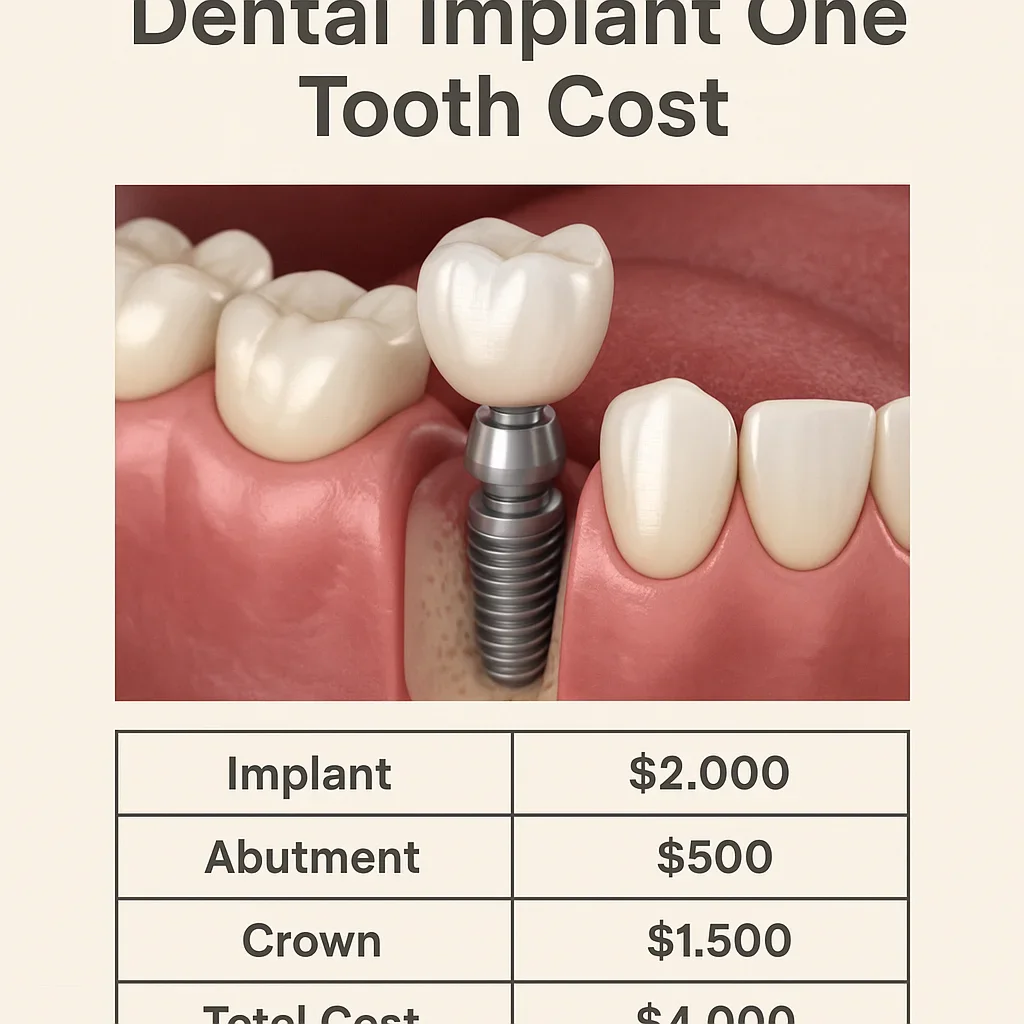
To help you understand how the price forms, here’s a breakdown of a single implant’s main components and their average ranges in 2025:
Consultation & X-rays: $100 – $250
Implant post (titanium or zirconia): $800 – $2,000
Abutment and custom crown: $500 – $1,500
Total dental implant one tooth cost: $1,400 – $5,500 (average global range)
These values represent the global average. In many reputable dental tourism centers, such as Redent Klinik Contact Page in Turkey, patients receive world-class implant procedures at highly competitive rates. Clinics in Turkey combine advanced technology, high hygiene standards, and internationally certified materials to provide affordable solutions without sacrificing quality.
Why the Cost Is Worth the Investment
Many people initially consider cheaper alternatives like bridges or dentures. However, while those options may have a lower upfront cost, they often lead to additional dental problems over time—such as bone loss, decay in neighboring teeth, and repeated replacements. In contrast, an implant can last 20 years or more, making the dental implant one tooth cost a long-term investment that saves money in the long run.
From a health perspective, implants also prevent bone deterioration that begins once a tooth root is lost. This means your jaw retains its strength and your facial structure remains intact. The procedure’s natural look and comfort level also make it the preferred choice for people who value both aesthetics and durability.
Expert Opinions and Research
According to the American Dental Association, dental implants have a success rate of over 95% when performed by skilled professionals using modern materials. The ADA also highlights that implant maintenance requires only regular brushing, flossing, and professional cleaning—making it both durable and convenient for patients.
For those comparing global options, dental implants in Turkey, Poland, and Hungary are among the most affordable in 2025, while maintaining strict international sterilization and safety standards. In contrast, clinics in the USA or UK may offer added convenience but at a higher price due to labor and insurance expenses. Therefore, understanding what drives the dental implant one tooth cost helps patients make more informed and financially smart choices.
Final Thoughts 💬
The dental implant one tooth cost reflects far more than just a number—it represents the integration of technology, craftsmanship, and medical precision. When evaluating quotes, always consider the materials, the dentist’s qualifications, and the aftercare provided. By choosing a reputable clinic, following post-operative care guidelines, and maintaining good oral hygiene, you ensure that your implant lasts for decades, providing the comfort and aesthetics you deserve.
In summary, while the dental implant one tooth cost may seem like a major investment, it is one of the most effective and permanent solutions for restoring your smile, confidence, and oral health. 🌟
What Is a Dental Implant for One Tooth and How Does It Work?
Understanding what a single dental implant truly is helps clarify why the dental implant one tooth cost varies so much between patients. Essentially, a dental implant is a small, screw-shaped post—usually made of titanium or zirconia—that acts as an artificial root to replace a missing natural tooth. Once it is anchored into the jawbone, it provides a stable foundation for an artificial crown that looks and feels just like a real tooth. This process restores both function and appearance, making it one of the most reliable solutions in modern dentistry.
🦷 The Structure of a Single-Tooth Dental Implant
Every dental implant for one tooth has three primary components, and each one contributes to the overall dental implant one tooth cost:
- Implant Fixture: The screw-like post that integrates with the jawbone and acts as the tooth root.
- Abutment: A small connector that links the implant to the crown.
- Crown: The visible part of the artificial tooth, typically made of porcelain, zirconia, or ceramic for natural aesthetics.
These three elements form a durable and permanent restoration that functions almost identically to a natural tooth. Since each piece requires precision engineering, high-quality materials, and expert placement, they collectively influence the total dental implant one tooth cost.
How the Dental Implant Procedure Works
When replacing a single missing tooth, the process follows several carefully planned steps:
- Comprehensive Examination: The dentist evaluates bone density, gum health, and X-ray results to determine if an implant is suitable.
- Implant Placement: Under local anesthesia, the implant fixture is inserted into the jawbone. Healing begins immediately afterward.
- Osseointegration: Over the next few months, the implant fuses with the bone tissue—forming a stable base. This phase is critical and explains part of the dental implant one tooth cost due to the precision and materials required.
- Abutment Placement: Once healed, the dentist attaches the abutment to the implant fixture.
- Final Crown Placement: A customized dental crown is fixed atop the abutment to complete the restoration. The result is a natural-looking, strong, and long-lasting replacement.
Each step must be performed with extreme accuracy. Poorly executed implant placement can lead to long-term problems, increasing the total treatment cost over time. Therefore, paying attention to quality rather than just price ensures the investment yields lasting results.
Healing Process and Timeline
The healing period typically lasts 3–6 months, depending on individual bone health. During this time, the implant bonds with the jawbone in a process called osseointegration. This integration is what allows the implant to serve as a secure anchor for decades. The durability of the connection is one of the main reasons why the dental implant one tooth cost might appear high initially but offers long-term savings compared to bridges or dentures that need replacement every few years.
Why a Single-Tooth Implant Is the Most Natural Solution
Compared to bridges, which require grinding down adjacent teeth, or dentures that may slip or cause bone loss, a single-tooth dental implant stands independently. It preserves both gum and bone integrity while preventing surrounding teeth from shifting out of alignment. This independent structure replicates the natural root of the missing tooth and helps maintain the overall harmony of the mouth. 🌟
Moreover, dental implants enhance chewing strength and restore the ability to eat normally—something removable dentures can rarely provide. Because of this functionality and the aesthetic appeal, most patients consider the dental implant one tooth cost well worth the investment.
Material Options: Titanium vs Zirconia
The implant’s material plays a vital role in determining the total dental implant one tooth cost. Titanium remains the most widely used option due to its strength and biocompatibility. However, zirconia implants—favored for their metal-free, white color—have become increasingly popular for patients with aesthetic or allergy concerns. Zirconia tends to be 15–20% more expensive but provides excellent tissue compatibility and natural-looking results.
Advantages of Choosing a Dental Implant
- Permanent solution: A well-maintained implant can last 20 years or longer.
- Improved oral health: Prevents bone loss and protects surrounding teeth.
- Natural appearance: Mimics the color and shape of real teeth.
- Boosts confidence: Restores your ability to smile, chew, and speak comfortably.
From a long-term perspective, the initial dental implant one tooth cost is offset by reduced maintenance needs and fewer replacements compared to alternative treatments. Patients also benefit psychologically—regaining self-esteem and the confidence to smile without hesitation.
Expert Insights from the American Dental Association
The American Dental Association reports that dental implants have a success rate exceeding 95% when installed under proper conditions. The ADA emphasizes that implants not only improve function but also prevent bone resorption and gum deterioration—two issues common with bridges or removable dentures. This high success rate is a major reason patients consider the investment justified despite the overall dental implant one tooth cost.
Where to Get a Reliable Consultation
If you’re considering a dental implant but unsure about the total cost or your suitability for the procedure, booking a consultation with an expert clinic like Redent Klinik Contact Page is highly recommended. Experienced implantologists can evaluate your condition, provide digital imaging, and give you an accurate estimate tailored to your specific anatomy and materials.
Final Thoughts 🏆
In summary, a single dental implant offers unparalleled advantages in both function and aesthetics. Although the dental implant one tooth cost may initially seem high, it delivers unmatched long-term benefits that cheaper alternatives cannot offer. With proper care, your implant will feel natural, function flawlessly, and enhance your oral health for decades to come. Understanding the procedure and components behind this treatment allows you to make an informed decision—ensuring your investment yields a lifetime of confident smiles. 😁
Factors That Influence Dental Implant One Tooth Cost
The total dental implant one tooth cost is determined by multiple clinical, material, and logistical factors. Each patient’s condition is unique, which means the final price may differ significantly even between treatments performed in the same clinic. Understanding these cost factors allows patients to budget accurately and make informed decisions about their dental health. Below, we break down every major element that contributes to the total cost in 2025.
🧠 1. Type and Quality of the Implant Material
One of the largest contributors to the dental implant one tooth cost is the type of material used for the implant fixture. Titanium remains the industry standard due to its excellent osseointegration and high success rate. It’s lightweight, strong, and biologically compatible, making it ideal for long-term dental restorations. However, the demand for zirconia implants—known for their aesthetic and hypoallergenic properties—has grown steadily in recent years. Zirconia is metal-free and offers a natural white tone that blends seamlessly with the gums, but it usually costs 10–25% more than titanium.
Material Longevity and Performance
Both titanium and zirconia have impressive durability, often lasting over 20 years with proper maintenance. The decision between the two often comes down to aesthetic preference and personal sensitivity. Since zirconia production involves advanced ceramic technology, it slightly increases the total dental implant one tooth cost. Clinics that use premium materials from well-known manufacturers such as Nobel Biocare, Straumann, or BioHorizons also charge more, as these brands offer verified quality and global warranties.
🦷 2. Dentist’s Experience and Clinic Reputation
The expertise of the dental surgeon plays a major role in both the success rate and the overall dental implant one tooth cost. Implantology requires precise skill and years of specialized training. Surgeons with international certifications or memberships in organizations like the American Dental Association tend to charge higher fees due to their experience, advanced tools, and better patient outcomes. Additionally, clinics with modern equipment, 3D scanning systems, and on-site laboratories can streamline the process but may include those overheads in the total cost.
Geographic Impact on Cost
Location significantly affects the dental implant one tooth cost. For example, the same titanium implant that costs $4,000 in the United States can be placed for $900–$1,200 in Turkey or Poland. This difference isn’t due to quality but rather variations in labor costs, currency exchange rates, and insurance systems. Dental tourism destinations such as Redent Klinik Contact Page in Turkey have become popular because they combine Western-level expertise with competitive pricing, attracting thousands of international patients annually.
💎 3. Diagnostic and Pre-Operative Procedures
Before a dental implant is placed, diagnostic procedures like panoramic X-rays, CBCT (cone-beam computed tomography), and oral health assessments are mandatory. These tests evaluate bone structure, nerve pathways, and sinus proximity. They ensure a precise treatment plan but can add $150–$500 to the total dental implant one tooth cost. If bone grafting or sinus lifting is required due to insufficient jawbone density, the price can increase by $300–$1,000 depending on complexity.
Bone Grafting and Sinus Lift Considerations
Bone grafting replaces lost bone tissue with synthetic or donor bone material, allowing the implant to anchor securely. A sinus lift may be needed for upper molars when the sinus cavity is too close to the jaw. Both procedures are crucial for implant stability, and while they add cost, they dramatically improve the long-term success of the implant. Failing to perform these preliminary steps could result in implant failure, which is far costlier to correct later.
⚙️ 4. Implant Brand and Laboratory Work
Premium implant systems with proven long-term clinical data are usually more expensive. The lab that fabricates the crown also impacts the dental implant one tooth cost. High-end dental labs use digital CAD/CAM technology to mill crowns from zirconia or porcelain fused to metal (PFM), ensuring superior fit and aesthetics. Each crown is custom-designed to match the patient’s bite, shade, and alignment, adding precision but also expense.
Additionally, modern clinics that invest in digital scanners instead of traditional impressions often include this convenience in the pricing structure. Digital workflows minimize errors and reduce the need for repeat visits, which many patients appreciate despite slightly higher upfront costs.
💰 5. Aftercare, Maintenance, and Warranty
The total dental implant one tooth cost doesn’t end after the crown is placed. Follow-up visits, cleaning appointments, and periodic X-rays are essential to monitor implant health. Some clinics include a limited warranty or free maintenance for one to two years, while others charge separately. A reputable clinic should always provide a written guarantee for both the implant fixture and the prosthetic crown. These added services can slightly increase the price but ensure long-term satisfaction and reliability.
Insurance and Financing Options
In most countries, basic health insurance doesn’t cover cosmetic implants, but partial reimbursement may be available if the implant restores essential function. Some private dental insurance policies or flexible payment plans can help spread the cost over several months. This financial flexibility allows more patients to access quality care without compromising standards or materials.
📍 6. Country and Currency Factors
The global dental implant one tooth cost varies widely:
- United States: $3,500 – $6,000 per tooth
- United Kingdom: £2,500 – £4,000 per tooth
- Germany: €2,000 – €3,500 per tooth
- Turkey: $700 – $1,200 per tooth (average high-quality treatment)
These figures demonstrate how location dramatically influences the budget. Many patients choose dental tourism destinations like Istanbul or Antalya, where world-class clinics such as Redent Klinik offer affordable options without sacrificing quality or safety standards.
🌿 Final Thoughts: Why Understanding Cost Factors Matters
Knowing what drives the dental implant one tooth cost empowers patients to balance quality, safety, and affordability. While it might be tempting to opt for the cheapest option, an implant is a medical device that requires precision placement and long-term durability. Choosing a reputable clinic with skilled professionals and modern technology ensures your investment provides decades of comfort and confidence. 💫
Ultimately, the cost reflects a combination of craftsmanship, technology, and personalized medical care. Whether you choose a titanium or zirconia implant, at home or abroad, understanding these factors helps you make the smartest choice for your smile and your health. 😁
Step-by-Step Process of Getting a Single Tooth Implant
To fully understand why the dental implant one tooth cost may seem higher than other tooth replacement options, it’s important to know the entire process behind this treatment. A single dental implant involves several carefully planned steps—from diagnostic imaging to the final crown placement. Each stage requires precision, time, and professional expertise, all of which directly affect the total cost and long-term success of the procedure.
🧩 Step 1: Comprehensive Consultation and Evaluation
The journey begins with a detailed oral examination. Your dentist or implant specialist assesses your overall dental and medical health, reviews your X-rays, and may request a 3D CBCT scan to analyze bone density and gum condition. This step ensures the jawbone can properly support the implant. If bone loss is detected, additional treatments such as grafting may be required. These preparatory procedures add to the overall dental implant one tooth cost but are essential for stability and safety.
Diagnostic Imaging and Planning
Digital imaging and computer-guided implant planning have revolutionized implant dentistry. Using advanced 3D software, specialists can precisely determine implant positioning and depth, avoiding nerves and sinuses. Although these technologies add an upfront expense (often $150–$400), they significantly increase accuracy and reduce surgical risks—making them a worthwhile inclusion in the total dental implant one tooth cost.
⚙️ Step 2: Tooth Extraction (If Necessary)
If the damaged or decayed tooth is still present, it must be safely extracted before the implant is placed. Simple extractions are quick and relatively inexpensive, but complex surgical removals may increase the total treatment cost. In some cases, immediate implant placement (placing the implant on the same day as extraction) can reduce healing time and minimize additional expenses.
Immediate vs. Delayed Placement
Immediate placement allows the implant to be inserted directly into the socket after extraction, provided there’s enough bone support. This can reduce the overall dental implant one tooth cost since it consolidates two appointments into one. However, delayed placement—where the socket is allowed to heal for several weeks or months—is preferred if infection or insufficient bone density exists. The dentist’s recommendation will always prioritize long-term success over short-term savings.
🔩 Step 3: Implant Placement Surgery
This is the core stage of the procedure. Under local anesthesia (or sedation if needed), the dentist makes a small incision in the gum to expose the jawbone and then drills a tiny channel where the titanium or zirconia implant will be inserted. The process is painless for the patient and usually takes about one hour per implant. Once the fixture is placed, it acts as a new artificial root for the missing tooth. This surgical stage typically accounts for the largest portion of the dental implant one tooth cost, reflecting the precision, sterilization standards, and professional expertise required.
Healing Cap or Temporary Tooth
After placement, a healing cap or temporary crown may be attached. This maintains gum shape and aesthetics while the implant integrates with the bone. High-end clinics often use digital impressions to create these temporary restorations, offering better comfort and appearance even during healing.
🦴 Step 4: Osseointegration and Healing Period
The term osseointegration refers to the biological fusion between the implant and jawbone. This process typically lasts 3–6 months and is crucial for long-term stability. During this time, the bone cells grow around the implant, securing it firmly in place. Failure of osseointegration is rare but can occur if oral hygiene is poor or smoking interferes with healing. Maintaining gum health through proper care ensures a successful result and protects your investment in the dental implant one tooth cost.
Follow-Up Appointments and Check-Ups
Patients must return for regular check-ups to monitor bone healing. These appointments allow the dentist to evaluate progress using X-rays and ensure no infection or gum recession occurs. Although these visits slightly increase the total dental implant one tooth cost, they are essential to prevent complications that could require costly corrective surgery later.
💎 Step 5: Abutment Placement
After osseointegration, a small connecting piece called the abutment is attached to the implant post. The gum is gently reopened, the abutment is placed, and the area is sutured again. The abutment acts as a connector between the implant and the final crown. This minor procedure usually takes 30–45 minutes. Abutment components vary in material—titanium, gold, or zirconia—and these variations also contribute to differences in dental implant one tooth cost.
Healing Collar and Gum Shaping
Once the abutment is placed, a healing collar may be installed to help the gum form naturally around the crown’s future position. This detail-oriented step enhances aesthetics and ensures a seamless transition between gum and prosthetic tooth.
🦷 Step 6: Crown Design and Placement
The final phase is crafting and attaching the dental crown. The dentist takes digital or physical impressions to design a perfectly matched prosthetic tooth. Crowns are typically made from porcelain, zirconia, or porcelain-fused-to-metal (PFM). Zirconia crowns offer superior translucency and durability but add slightly to the overall dental implant one tooth cost. Once fabricated, the crown is securely bonded or screwed onto the abutment, completing the restoration.
Customized Aesthetics and Functionality
High-quality crowns are color-matched to the patient’s surrounding teeth, ensuring a completely natural appearance. Digital milling systems use CAD/CAM technology for precision fit, which not only enhances beauty but also minimizes bite issues. Clinics that use these advanced technologies might charge a bit more, but the comfort and long-term performance justify the price.
🧼 Step 7: Aftercare and Maintenance
After the final crown placement, maintaining the implant through proper hygiene is essential. Daily brushing, flossing, and routine dental check-ups every six months are critical. Neglecting aftercare can lead to peri-implantitis (infection around the implant), which is both painful and expensive to treat. Reputable clinics often provide aftercare plans or warranties that include free cleaning sessions, which can slightly increase the upfront dental implant one tooth cost but greatly extend the implant’s lifespan.
🌟 Final Thoughts: The Value Behind the Process
From consultation to final crown, the entire single-tooth implant process involves technology, craftsmanship, and medical expertise. Each step plays a vital role in the total dental implant one tooth cost. While the process may seem lengthy, it ensures the highest possible success rate and a natural, permanent smile. Patients who invest in quality implants enjoy comfort, aesthetics, and confidence that last for decades—making it one of the best long-term dental investments available today.
If you’re planning to begin your implant journey, booking a consultation with trusted professionals—such as those at Redent Klinik Contact Page—can help you receive a customized plan and transparent cost estimate tailored to your specific needs. With the right clinic and proper care, your new tooth can last a lifetime. 💖
Average Dental Implant One Tooth Cost in the USA, UK, and Turkey
The dental implant one tooth cost can vary dramatically depending on where you receive treatment. Geographic location, currency value, and healthcare infrastructure all influence the final price. Patients in 2025 are increasingly comparing international markets to find the most cost-effective yet high-quality dental implant options. In this section, we’ll explore the average prices in the USA, UK, and Turkey — three of the most discussed destinations in global dental tourism — and analyze the reasons behind these cost differences.
🌎 Global Overview of Dental Implant Prices
Before we compare individual countries, it’s essential to understand how dental implant one tooth cost is structured worldwide. The total cost includes consultation, X-rays, implant surgery, abutment connection, and the final crown. In developed countries, high labor and insurance expenses elevate the total price, while in nations with lower operational costs but equally advanced dental standards, patients can access premium care at a fraction of the price.
Typical Global Price Range (2025 Estimates)
- Low Range (Emerging Markets): $700 – $1,200 per tooth
- Mid Range (European Union & Asia): $1,500 – $3,000 per tooth
- High Range (USA, Canada, Australia): $3,500 – $6,000 per tooth
These averages demonstrate how significant savings can be achieved by choosing the right country and clinic. However, patients must balance cost savings with quality assurance, materials used, and the surgeon’s experience. 🌍
🇺🇸 Dental Implant One Tooth Cost in the USA
In the United States, dental implants are considered a premium service due to high clinical standards, advanced technology, and extensive safety regulations. On average, a dental implant one tooth cost in the U.S. ranges between $3,500 and $6,000. This price includes the implant fixture, abutment, and crown — but may exclude diagnostic scans, sedation, or additional procedures such as bone grafting.
Why U.S. Costs Are High
- Labor Costs: Dentists and surgeons in the U.S. undergo long and expensive training, which influences professional fees.
- Insurance Limitations: Most U.S. dental insurance plans cover only part of implant treatment, if at all.
- High Overheads: Advanced clinic technology, sterilization standards, and urban rent costs contribute to the total.
- Premium Brands: Implants from Straumann, Nobel Biocare, or Zimmer are widely used, and these materials are costly.
Despite higher prices, the U.S. offers exceptional long-term success rates and comfort for patients who prioritize safety and local accessibility. According to the American Dental Association, dental implant success rates in the U.S. exceed 95% under professional care. However, many patients now explore international alternatives to reduce expenses while maintaining comparable quality.
🇬🇧 Dental Implant One Tooth Cost in the United Kingdom
The UK’s dental system follows similar high standards to the U.S., but with slightly lower costs depending on the region. The dental implant one tooth cost in the UK typically ranges from £2,500 to £4,000. London-based clinics often charge on the higher end due to rent and operational expenses, while smaller cities and towns can offer more competitive pricing.
Factors Affecting UK Pricing
UK patients often face long waiting lists for National Health Service (NHS) dental treatments, which usually don’t cover cosmetic implants. Therefore, most opt for private clinics. The materials used and the surgeon’s reputation play major roles in pricing. For example, zirconia implants cost around 20% more than titanium, while same-day “All-on-4” implants can cost double due to the complexity of the procedure.
Despite being pricier than many other European options, UK clinics offer the advantage of regulatory oversight and guaranteed aftercare, which many patients find reassuring. Some clinics also provide flexible financing to make the overall dental implant one tooth cost easier to manage over time.
🇹🇷 Dental Implant One Tooth Cost in Turkey
Turkey has become a global leader in affordable dental tourism, attracting thousands of patients each year from Europe, North America, and the Middle East. The dental implant one tooth cost in Turkey averages between $700 and $1,200, depending on the clinic, implant brand, and patient’s individual needs. This represents a savings of up to 70% compared to the U.S. and UK.
Why Turkey Offers Better Value
- Lower Operational Costs: Rent, labor, and administrative expenses are significantly lower than in Western countries.
- Government Support: Turkey has invested heavily in medical tourism, ensuring clinics meet strict international standards.
- High Volume of Expertise: Many Turkish dentists are internationally trained and perform hundreds of implants each year.
- All-Inclusive Packages: Clinics often provide full packages covering airport transfers, hotel stays, and aftercare — optimizing value for patients.
Reputable centers like Redent Klinik Contact Page in Istanbul offer world-class treatment with ISO-certified sterilization and globally approved materials. The difference in cost does not imply lower quality; rather, it reflects Turkey’s efficient healthcare infrastructure and favorable currency exchange rates.
🧭 Comparing Value and Quality Between Countries
When comparing global pricing, the dental implant one tooth cost must be evaluated alongside treatment quality and patient experience. In the USA, you’re paying for convenience, insurance integration, and advanced clinical environments. In the UK, regulation and aftercare are strong but prices remain high. In contrast, Turkey combines Western-level standards with economic affordability, offering excellent value for international patients.
Key Considerations When Choosing a Country
- Check the dentist’s credentials: Ensure they are registered with international bodies.
- Confirm warranty policies: Reliable clinics provide at least a 5-year guarantee on implants.
- Evaluate travel logistics: Include airfare and accommodation in your budget when calculating total savings.
- Read verified reviews: Patient testimonials can reveal more than advertised prices.
💡 Final Thoughts on Global Dental Implant Costs
Whether you choose treatment in your home country or abroad, understanding the factors behind the dental implant one tooth cost ensures a better decision. In 2025, Turkey continues to stand out as the most cost-effective destination for high-quality implants, while the USA and UK remain ideal for those prioritizing convenience and local continuity of care.
Ultimately, the best choice depends on balancing your medical needs, budget, and trust in your dental provider. A consultation with an experienced team at Redent Klinik Contact Page can help clarify these options and guide you toward a smile that’s both healthy and affordable. 😁
Comparing Dental Implant Materials: Titanium vs Zirconia
When discussing the dental implant one tooth cost, one of the most influential factors is the choice of material used for the implant itself. In 2025, titanium and zirconia are the two dominant materials for single-tooth implants, and each has its own advantages, biological characteristics, and cost implications. Understanding the differences between them helps patients make informed decisions that balance longevity, aesthetics, and affordability.
🔩 Titanium Dental Implants: The Proven Standard
Titanium implants have been used in dentistry for over 50 years and remain the most popular option worldwide. They consist of an alloy that is lightweight, biocompatible, and capable of forming a direct bond with bone tissue — a process called osseointegration. Because of its high success rate (over 95%), titanium is considered the gold standard in implantology and serves as the foundation for the modern dental implant one tooth cost structure.
Key Advantages of Titanium Implants
- Biocompatibility: Titanium integrates seamlessly with the jawbone without triggering allergic reactions in most patients.
- Durability: With proper care, titanium implants can last for decades — sometimes even a lifetime.
- Two-Piece Design: Titanium implants are usually made in two parts (fixture and abutment), allowing easier adjustments and crown replacements if necessary.
- Cost Efficiency: Despite high performance, titanium implants are more affordable than zirconia alternatives, contributing to a lower overall dental implant one tooth cost.
However, the only minor drawback is aesthetics. Since titanium is metallic gray, patients with thin or receding gums might notice a subtle gray hue near the gum line, though this can be easily managed with porcelain crowns and soft tissue grafting.
💎 Zirconia Dental Implants: The Modern Alternative
Zirconia implants represent the latest innovation in dental implantology. Made from a high-strength ceramic material known as zirconium dioxide, these implants offer a completely metal-free solution that appeals to patients seeking a more natural and aesthetic option. Zirconia is also resistant to corrosion, plaque buildup, and temperature changes. While they tend to raise the dental implant one tooth cost by about 10–25%, many patients view the investment as worthwhile for aesthetic and biological reasons.
Benefits of Zirconia Implants
- Superior Aesthetics: The white color of zirconia closely mimics the shade of natural tooth roots, creating a more seamless gumline.
- Hypoallergenic: 100% metal-free, making it ideal for patients with sensitivities or titanium allergies.
- Excellent Gum Compatibility: Zirconia surfaces discourage plaque accumulation and support healthy gum tissue.
- Corrosion Resistance: Unlike metals, zirconia doesn’t corrode or react to saliva over time.
On the downside, zirconia implants are typically made as one solid piece (a monoblock design), meaning the crown and root portion are fused. While this ensures strength, it limits flexibility for adjustments or repairs. In addition, the manufacturing and milling process for zirconia is technologically demanding, increasing the total dental implant one tooth cost.
⚙️ Comparison Table: Titanium vs Zirconia
| Feature | Titanium Implant | Zirconia Implant |
|---|---|---|
| Material Type | Metal Alloy | Ceramic (Zirconium Dioxide) |
| Aesthetics | Gray tone, may show through gums | Tooth-colored, natural appearance |
| Longevity | 20+ years | 10–15 years (average) |
| Biocompatibility | Excellent | Excellent, metal-free |
| Maintenance | Easy, well-established care protocols | Requires precise maintenance and follow-up |
| Average Cost (Per Tooth) | $1,200 – $3,000 | $1,500 – $3,800 |
💰 Cost Implications: Why Material Choice Matters
Choosing between titanium and zirconia significantly influences the dental implant one tooth cost. Titanium’s affordability and long track record make it the most common choice among dentists and patients alike. Zirconia, however, attracts those seeking an all-ceramic, metal-free option with superior aesthetics — particularly for front teeth where appearance is crucial. In both cases, the material quality directly affects the implant’s durability, comfort, and overall satisfaction.
Patients who undergo treatment at internationally accredited centers like Redent Klinik Contact Page benefit from access to both titanium and zirconia implants, with clear explanations of pricing differences and expected results. Transparency is essential in helping patients understand how each choice affects their long-term investment and the total dental implant one tooth cost.
Expert Opinion on Longevity and Value
According to research published by the American Dental Association, titanium implants have a 20-year survival rate exceeding 94%, while zirconia implants show a comparable 89–92% rate with newer-generation models. Both materials, when placed by experienced professionals, can deliver lasting results with minimal maintenance. The small cost difference upfront can translate to decades of natural-looking smiles and stable function.
🌿 Sustainability and Health Considerations
As patients become more eco-conscious, zirconia implants are gaining popularity for their metal-free composition and reduced environmental footprint during manufacturing. However, titanium is still considered the most sustainable option overall due to its recyclability and lower energy requirements during production. Both materials are safe, non-toxic, and approved for long-term intraoral use.
✨ Final Thoughts: Which Option Is Best for You?
When evaluating the dental implant one tooth cost, patients should not only focus on price but also on long-term functionality, aesthetics, and health compatibility. Titanium remains the industry benchmark for durability and cost-effectiveness, while zirconia appeals to those prioritizing appearance and allergy-free solutions. The best choice depends on your gum line, tooth position, and personal preferences — all of which can be assessed during a professional consultation.
In conclusion, both materials offer outstanding performance when installed by skilled professionals. Whether you opt for the proven strength of titanium or the natural beauty of zirconia, you’re investing in a lifetime solution that enhances your oral health, comfort, and confidence. 🌟
How Long Does a Single Tooth Implant Last? Longevity Explained
One of the most common questions patients ask—after inquiring about the dental implant one tooth cost—is how long the implant will last. The good news is that dental implants are designed to be a permanent solution, with an average lifespan of 20 to 30 years or even a lifetime when properly maintained. However, the longevity of an implant depends on several clinical and lifestyle factors such as oral hygiene, bone density, surgical expertise, and post-treatment care. Understanding what influences implant lifespan is crucial for ensuring the best return on your investment.
🦷 Understanding Implant Longevity
A dental implant functions as an artificial tooth root that fuses with your jawbone through a process called osseointegration. Once fully integrated, it becomes a stable anchor for a crown that looks and performs like a natural tooth. The durability of this integration largely determines how long your implant will last. In most cases, implants placed by skilled professionals using high-quality materials remain functional for decades, justifying the dental implant one tooth cost as a long-term investment rather than a recurring expense.
Average Lifespan Statistics
- Implant Fixture (Root): 25 years or more
- Abutment: 10–15 years depending on material
- Crown: 10–20 years depending on wear and material
According to the American Dental Association, the overall success rate for dental implants exceeds 95%. This high success rate is directly related to technological advancements and strict sterilization standards used during placement.
⚙️ Factors That Affect Implant Longevity
Several elements determine how long a single-tooth dental implant will remain strong and functional. Below are the most critical factors that impact its performance over time:
1. Bone Density and Jaw Health
The stability of the implant depends on the quality of your jawbone. Patients with high bone density experience faster osseointegration and greater long-term success. However, if bone loss occurs due to gum disease or trauma, the implant’s lifespan may shorten. This is why some individuals require bone grafting before placement, which can increase the total dental implant one tooth cost but ensures a more secure foundation for the implant.
2. Oral Hygiene Habits
Even though implants are resistant to decay, the surrounding gum tissue can still become infected—a condition called peri-implantitis. Daily brushing, flossing, and regular professional cleanings are essential to prevent inflammation and maintain implant health. Ignoring oral hygiene may lead to bone deterioration and, eventually, implant failure. Patients who maintain excellent dental care routines often enjoy lifetime implant durability, further validating the value of their dental implant one tooth cost.
3. Type of Implant Material
Titanium implants generally last longer than zirconia due to their superior flexibility and strength. Zirconia, while highly aesthetic, is more brittle and may be prone to microfractures under extreme stress. However, both materials have been proven safe and reliable when used appropriately. The longevity of your implant is closely tied to material choice, which can slightly adjust the overall dental implant one tooth cost.
4. Surgeon’s Experience and Placement Technique
Implant placement is a complex procedure that requires precise angulation and depth to achieve optimal stability. Experienced surgeons use computer-guided systems and digital imaging to ensure correct positioning. Improper placement can lead to uneven bite pressure, bone resorption, and eventual loosening. Choosing a reputable clinic with proven expertise—such as Redent Klinik Contact Page—ensures precision, comfort, and a longer-lasting result.
5. Lifestyle and Health Conditions
Smoking, excessive alcohol consumption, and chronic diseases such as diabetes can significantly reduce the lifespan of an implant. Nicotine restricts blood flow to the gums, delaying healing and increasing the risk of infection. Patients who adopt healthy lifestyles experience fewer complications and enjoy a longer return on their dental implant one tooth cost.
💎 The Role of Maintenance and Aftercare
Maintenance plays a vital role in determining implant longevity. Regular checkups every six months help dentists detect early warning signs of gum recession or crown wear. Some clinics include free aftercare within the total treatment package, adding value to the dental implant one tooth cost. Professional cleanings are essential to remove plaque and ensure optimal gum health around the implant site.
Maintenance Tips for Long-Lasting Implants
- Brush twice a day with a soft-bristled toothbrush.
- Use interdental brushes or water flossers to clean between the implant and neighboring teeth.
- Avoid biting hard objects like ice or pens to prevent crown damage.
- Visit your dentist twice a year for professional evaluation and cleaning.
🧠 Implant Longevity vs. Other Tooth Replacement Options
When compared to bridges or dentures, dental implants are by far the most durable solution. Traditional bridges last 7–10 years and often require replacement due to decay or wear on supporting teeth. Dentures need frequent adjustments and may cause bone loss over time. In contrast, implants maintain bone structure and require minimal maintenance, proving their superior long-term value despite a higher initial dental implant one tooth cost.
Cost-Effectiveness Over Time
Although the upfront price of an implant is higher, it pays for itself over time. For instance, replacing a bridge every 10 years can end up costing more than one well-maintained implant that lasts a lifetime. Patients who view their implant as a one-time investment rather than a recurring dental expense often experience greater satisfaction and financial efficiency.
🌿 Real-World Lifespan Examples
Studies show that implants placed 25–30 years ago are still functioning perfectly today when maintained properly. Many patients report that their implants feel even stronger than their natural teeth. This durability highlights the remarkable value of modern dental implant systems and reinforces why understanding the full scope of the dental implant one tooth cost is vital before undergoing treatment.
✨ Final Thoughts on Longevity
In conclusion, the lifespan of a single-tooth dental implant can easily extend beyond two decades with proper placement, hygiene, and lifestyle habits. Investing in a quality implant not only restores function and aesthetics but also provides peace of mind knowing that the result is built to last. The dental implant one tooth cost may appear significant at first glance, but when spread across 25 years of daily use, it becomes one of the most cost-effective dental treatments available. For expert evaluation and long-term solutions, consider consulting with trusted specialists at Redent Klinik Contact Page to ensure your implant is a lifelong success. 🌟
Healing and Recovery After a Single Dental Implant Procedure
Once patients understand the dental implant one tooth cost, the next critical topic to consider is healing and recovery. The success of a dental implant doesn’t just rely on surgery—it depends heavily on how your body heals afterward. Recovery involves tissue regeneration, osseointegration (bone bonding), and proper oral care. When managed correctly, healing is typically smooth, comfortable, and leads to a lifetime of results. Let’s examine the full recovery journey, from the first 24 hours to long-term care.
🦷 The Immediate Post-Surgery Phase (First 24–72 Hours)
After your implant surgery, it’s normal to experience mild swelling, tenderness, and occasional bleeding. These symptoms are temporary and indicate the beginning of healing. Dentists usually prescribe antibiotics and pain relievers to minimize discomfort and infection risk. You’ll also be advised to eat soft foods and avoid disturbing the implant site. During this phase, keeping your mouth clean is crucial—but brushing directly over the surgical area should be avoided for the first few days.
Essential Post-Surgery Tips
- Apply an ice pack for 10–15 minutes at a time to reduce swelling.
- Rinse gently with warm salt water starting 24 hours after surgery.
- Avoid smoking and alcohol, as they delay healing and increase the overall dental implant one tooth cost through potential complications.
- Stick to liquid and soft meals—soups, mashed potatoes, smoothies, and yogurt are ideal choices.
Most patients report feeling significantly better within two to three days. If pain persists beyond a week or the swelling worsens, contacting your dentist immediately is essential to prevent infection or implant failure.
🧬 The Bone Integration Phase (Weeks 2–12)
The most critical stage of healing occurs over the next few months. This is when osseointegration takes place—the process by which the titanium or zirconia implant fuses with the jawbone. During this time, the body’s natural bone tissue grows around the implant surface, anchoring it firmly into place. This biological bonding process ensures long-term stability and makes dental implants superior to bridges or dentures.
Timeline of Bone Healing
| Phase | Duration | Description |
|---|---|---|
| Initial Healing | 1–2 weeks | Soft tissue closes over the implant site and inflammation subsides. |
| Early Osseointegration | 4–6 weeks | Bone cells begin bonding with the implant surface. |
| Full Osseointegration | 8–12 weeks | The implant achieves complete stability and can support a crown. |
Patients who follow all post-operative care guidelines usually achieve optimal healing within 3 months. Factors like overall health, bone quality, and implant type may slightly alter this timeline. For example, smokers and diabetic patients may require longer healing periods.
💤 Sleep and Recovery Practices
Sleeping position can influence healing speed. It’s best to sleep with your head elevated using extra pillows for the first few nights to reduce swelling. Avoid sleeping on the side of the implant to prevent pressure on the healing area. Ensuring adequate rest allows your immune system to work effectively, lowering the risk of complications and maximizing the value of your dental implant one tooth cost.
🥗 Nutrition for Optimal Healing
Nutrition plays a major role in recovery. Foods rich in vitamins A, C, and D promote tissue repair, while calcium and phosphorus strengthen bones. Avoid crunchy or spicy foods that could irritate the implant site. Hydration is equally vital; drink plenty of water to flush out toxins and maintain saliva flow, which supports oral health.
Healing-Friendly Foods
- Scrambled eggs 🥚
- Mashed vegetables 🥦
- Oatmeal or porridge 🥣
- Blended fruit smoothies 🍓
- Protein shakes or yogurt 🥛
Maintaining a balanced diet accelerates osseointegration and reduces complications—making your dental implant one tooth cost investment more durable and rewarding.
🪥 Oral Hygiene During Recovery
Good oral hygiene is essential during the healing period. Once the initial tenderness subsides, gentle brushing with a soft-bristle toothbrush can resume. It’s recommended to use non-alcoholic mouthwash and interdental brushes to clean around the implant area. Avoid aggressive rinsing or using water flossers directly on the surgical site for at least 10 days.
Some clinics, including Redent Klinik Contact Page, provide patients with customized aftercare kits containing antiseptic gels and low-abrasive toothpaste specifically formulated for implant healing. Using these tools enhances recovery and protects the soft tissues surrounding the implant.
⏳ Long-Term Maintenance After Healing
After the implant has successfully integrated with the jawbone, a custom-made crown is attached. From this point, long-term maintenance ensures continued success. Implants should be treated like natural teeth—brushed twice daily, flossed regularly, and checked by a dentist every six months. Avoid using teeth to open packages or biting excessively hard foods.
Signs of a Healthy Implant
- No pain, swelling, or gum discoloration
- Stable bite and no movement of the implant
- Healthy pink gums with no bleeding
- Consistent comfort when chewing
Proper care allows the implant to last a lifetime, maximizing your investment in the dental implant one tooth cost. Neglecting follow-up care or ignoring minor issues can lead to complications such as gum infection or bone loss, which may require costly retreatments.
🌿 Recovery Enhancements Through Modern Technology
Modern clinics use advanced techniques like platelet-rich fibrin (PRF) therapy to accelerate healing. This involves using the patient’s own blood platelets to stimulate tissue regeneration. Laser therapy can also be used to reduce inflammation and enhance gum recovery. While these add-ons may slightly increase the dental implant one tooth cost, they significantly reduce downtime and improve long-term outcomes.
✨ Final Thoughts on the Healing Journey
Healing after a dental implant procedure is a gradual yet predictable process when guided by proper aftercare and professional supervision. Most patients can return to daily activities within a few days and enjoy full functionality within 3–4 months. The combination of meticulous surgical technique, good nutrition, and diligent hygiene ensures lasting success. Investing in a high-quality implant isn’t just about covering the dental implant one tooth cost—it’s about ensuring your comfort, confidence, and oral health for decades to come.
For personalized aftercare plans and professional advice, you can always reach out to Redent Klinik Contact Page. Their specialists provide post-operative guidance tailored to your specific case, ensuring that every stage of your implant journey—healing, maintenance, and beyond—unfolds smoothly. 🌟
Choosing the Right Clinic for Affordable and Safe Dental Implants
While researching the dental implant one tooth cost, one of the most important steps is selecting the right dental clinic. The clinic’s expertise, equipment, and ethical transparency directly affect both the final cost and the long-term success of your implant. Choosing wisely can save you not just money, but also potential complications in the future. Let’s explore what makes a clinic truly reliable and how to ensure your implant journey is safe, efficient, and cost-effective.
🏥 Why the Clinic You Choose Matters
A dental implant is a surgical procedure that requires precision, sterilization, and high-quality materials. Even though prices may vary, the clinic’s standard of care should never be compromised. Clinics that maintain modern technology, certified surgeons, and strict hygiene protocols deliver higher success rates. This ensures that the dental implant one tooth cost you pay reflects real value—not just a low upfront price.
Trusted clinics also provide detailed treatment plans that include every stage: consultation, imaging, implant placement, abutment fitting, and crown delivery. Transparency prevents hidden costs and builds patient trust, which is vital in medical tourism destinations like Turkey, where many clinics cater to international patients.
🧠 Key Factors to Evaluate When Selecting a Dental Clinic
1. Dentist Credentials and Experience
The first step is to verify the dentist’s qualifications. A skilled implantologist with international training or affiliations with reputable organizations (such as the American Dental Association) ensures superior treatment outcomes. Ask about their experience with implant cases, success rates, and the brands of implants they use. Highly experienced professionals can often perform surgery with minimal complications, protecting your investment in the dental implant one tooth cost.
2. Technology and Equipment Used
Modern clinics employ 3D imaging systems, digital scanners, and guided surgery techniques to improve accuracy. These technologies eliminate guesswork and guarantee precise implant placement. When a clinic invests in advanced tools like CAD/CAM design and cone beam CT scans, it not only enhances precision but also reduces recovery time—helping you achieve more value for your dental implant one tooth cost.
3. Materials and Implant Brands
High-quality implants from trusted brands such as Straumann, Nobel Biocare, or MIS Implants tend to cost more upfront but last longer. Lesser-known or generic implants may lower immediate expenses but can compromise long-term durability. Reputable clinics always disclose which brands they use, helping you make an informed decision that balances quality with affordability.
4. Sterilization Standards and Safety Protocols
Infection control is non-negotiable in implant dentistry. The clinic must follow international sterilization guidelines to prevent cross-contamination. Disposable tools, single-use gloves, and sealed instruments are clear indicators of professionalism. Choosing a clinic that prioritizes hygiene ensures your dental implant one tooth cost covers safe and hygienic care—not risky shortcuts.
🌍 Why Many Patients Choose Turkey for Dental Implants
Turkey has become a global leader in dental tourism due to its high-quality care and competitive pricing. The dental implant one tooth cost in Turkey is typically 60–70% lower than in the U.S. or U.K., yet clinics adhere to strict European health standards. Many dentists in Turkey have studied or trained abroad and speak fluent English, ensuring smooth communication with international patients.
Advantages of Getting Implants in Turkey
- Affordability: Lower living and operational costs translate to reduced treatment fees.
- Quality Care: Clinics use globally recognized implant systems and digital equipment.
- Comprehensive Packages: Most clinics offer all-inclusive plans covering transfers, hotels, and aftercare.
- Fast Results: Efficient scheduling allows full treatment within one to two visits.
Top clinics like Redent Klinik Contact Page have become preferred choices for patients seeking premium care without excessive pricing. With transparent communication and internationally certified facilities, such clinics maintain both affordability and excellence.
💬 How to Compare Clinics Effectively
Comparing clinics goes beyond just looking at prices. Here’s a checklist to ensure you get the best deal and quality possible:
- Request a detailed quote that includes consultation, imaging, implant surgery, crown, and aftercare.
- Ask about hidden costs—such as anesthesia, medication, or follow-up visits.
- Check patient testimonials, before-and-after photos, and online reviews for authenticity.
- Ensure the clinic offers a warranty or guarantee on the implant (typically 5–10 years).
Red Flags to Avoid
- Unusually cheap offers that seem “too good to be true.”
- Lack of proper certification or business license.
- Pressure tactics to commit before consultation.
- Vague or incomplete treatment plans.
Making the right choice upfront saves thousands in corrective surgeries later. Patients who select a well-established clinic experience better long-term satisfaction and lower maintenance costs, ensuring their dental implant one tooth cost truly delivers value.
🦷 Personalized Care and Communication
Personalized care is another critical component when choosing a clinic. The best dental centers provide detailed consultations, custom treatment plans, and follow-up support. Communication should be clear, empathetic, and multilingual if necessary. Clinics like Redent Klinik Contact Page prioritize patient comfort and transparency at every stage, guiding individuals from consultation to post-implant care.
💰 Balancing Price and Quality
Finding the right balance between affordability and excellence is key. The dental implant one tooth cost should reflect not only the surgical procedure but also the quality of materials, aftercare, and overall patient experience. It’s wiser to pay slightly more for guaranteed safety and quality than to choose the cheapest option and risk future complications.
Pro Tip for Budget-Conscious Patients
Ask about seasonal promotions or package discounts, which often combine multiple services (like teeth whitening or crown polishing) at a lower combined rate. Reliable clinics sometimes offer these deals to help patients manage their dental budgets more efficiently—without sacrificing quality.
✨ Final Thoughts on Choosing the Right Clinic
Selecting the right dental clinic is one of the most important decisions in your implant journey. A well-chosen clinic ensures safe surgery, long-term results, and peace of mind that your dental implant one tooth cost is an investment, not an expense. With global standards, personalized attention, and transparent pricing, professional centers like Redent Klinik exemplify excellence in modern implant dentistry. 🌟
For consultation, travel coordination, or customized quotes, visit Redent Klinik Contact Page to begin your journey toward a healthier, more confident smile today. 😁
Long-Term Care and Maintenance for Your Dental Implant
After investing in a dental implant, the next crucial step is ensuring it lasts a lifetime. Proper care doesn’t end when the surgery is complete—it continues every day through consistent hygiene, regular checkups, and mindful habits. Patients who understand how to maintain their implants not only enjoy a perfect smile but also protect the value of their dental implant one tooth cost. In this section, we will detail the essential daily, monthly, and annual maintenance steps that keep your implant strong, healthy, and functional for decades.
🪥 The Foundation of Long-Term Implant Success
Dental implants are designed to mimic natural teeth, which means they require the same level of care—or even more. The implant itself cannot decay, but the surrounding gum tissue and bone remain vulnerable to infection and inflammation. Neglecting maintenance can lead to peri-implantitis, a condition similar to gum disease that causes bone loss and, in severe cases, implant failure. By maintaining consistent oral hygiene, you protect your health and extend the value of your dental implant one tooth cost.
Daily Oral Care Routine
- Brushing: Brush at least twice a day with a soft-bristled toothbrush and low-abrasive toothpaste to avoid scratching the implant surface.
- Flossing: Use implant-safe floss or interdental brushes to clean around the implant base and between adjacent teeth.
- Mouthwash: Rinse with an alcohol-free antibacterial mouthwash to reduce bacteria levels in the mouth.
- Avoid Smoking: Nicotine restricts blood flow to gum tissues, slowing healing and reducing implant stability.
Establishing this daily habit not only ensures oral health but also protects your initial financial investment in the dental implant one tooth cost. It’s far easier to maintain your implant than to replace it due to neglect.
🧠 Professional Checkups and Cleaning
Even the most dedicated brushing can’t reach every spot in your mouth. Professional dental cleanings every six months are essential for removing plaque buildup that normal tools can’t eliminate. During these visits, your dentist checks the integrity of the implant, gum health, and bone density. Regular maintenance visits cost very little compared to redoing an implant—making them a critical step in preserving your dental implant one tooth cost.
What to Expect During Checkups
- Visual and X-ray examination of implant alignment and bone integration.
- Gum depth measurement to check for inflammation or early peri-implantitis.
- Polishing of the implant crown to remove stains or biofilm buildup.
- Reinforcement of oral hygiene techniques personalized for your implant’s location.
Most clinics, including Redent Klinik Contact Page, schedule biannual follow-up appointments to ensure continuous success. Such preventive monitoring guarantees that your implant remains healthy, strong, and aesthetically pleasing for decades.
🦷 The Role of Diet in Implant Longevity
Dietary habits have a profound effect on dental health. Sugary and acidic foods promote bacterial growth, while crunchy or hard foods can stress the implant crown. A balanced, nutrient-rich diet supports bone and gum health—helping your body maintain the osseointegration achieved during recovery.
Implant-Friendly Diet Recommendations
- Calcium-Rich Foods: Dairy, tofu, almonds, and leafy greens strengthen bone density around the implant.
- Vitamin D: Helps your body absorb calcium and promotes gum healing—found in sunlight, eggs, and fatty fish.
- Protein Sources: Lean meats, beans, and lentils aid tissue repair and boost immunity.
- Hydration: Drinking water keeps your mouth clean, regulates saliva, and neutralizes acidity.
Patients who follow healthy nutritional habits experience longer-lasting results and fewer complications. This dietary mindfulness ensures you get the best long-term outcome for your dental implant one tooth cost.
💎 Protecting Your Implant From Damage
Although dental implants are durable, they’re not indestructible. Excessive pressure, trauma, or grinding can damage the crown or abutment. Patients with bruxism (teeth grinding) should wear custom-made night guards to prevent wear. Avoid using teeth to open bottles or packages, as this exerts unnatural force on the implant structure. Such precautions minimize costly repairs and preserve the integrity of your investment.
Common Habits That Harm Implants
- Chewing ice or hard candies 🍬
- Using teeth as tools
- Skipping regular dental cleanings
- Ignoring early signs of gum irritation
Replacing or repairing a damaged implant can significantly increase your total dental implant one tooth cost. Therefore, prevention through good habits and protective measures is always more economical and effective.
🌿 Managing Gum and Bone Health Over Time
Healthy gums are essential to maintaining implant stability. Over time, gum recession or bone resorption can occur naturally, especially if oral hygiene declines. Dentists monitor these changes through X-rays and clinical exams. Bone grafts or gum contouring procedures may be recommended if early deterioration is detected. These interventions, while minor, protect the long-term functionality of your implant.
At modern facilities like Redent Klinik Contact Page, patients receive periodic evaluations to ensure that both soft and hard tissues remain in optimal condition. This integrated approach ensures that the dental implant one tooth cost continues to yield value for many years without additional major expenses.
⚙️ Warranty and Aftercare Policies
Another important aspect of long-term maintenance is understanding your clinic’s warranty policy. Many reputable centers offer guarantees of 5–10 years on implants, provided patients attend scheduled checkups. These warranties cover issues like implant loosening, screw fractures, or crown detachment. However, failing to follow hygiene instructions or missing follow-up visits may void the warranty.
How Warranty Protects Your Investment
- Encourages routine care and accountability between patient and clinic.
- Provides financial security against rare complications.
- Ensures ongoing communication and professional oversight.
Always ask your dental provider for written documentation outlining warranty terms. A clear understanding of coverage safeguards your financial and oral health, ensuring that every part of your dental implant one tooth cost is backed by professional reliability.
✨ The Lifetime Value of Consistent Maintenance
Think of your implant as a lifelong companion—one that thrives with consistent attention. By combining disciplined hygiene, mindful eating, and professional care, you can expect your implant to last 25 years or more. This makes the dental implant one tooth cost one of the best long-term investments in dental health. The cost per year of use becomes negligible when compared to the comfort, confidence, and aesthetic benefits it delivers daily.
🌟 Final Thoughts: A Lifetime Smile With Smart Care
Maintaining a dental implant is not difficult—it simply requires awareness and routine. When you brush, floss, eat right, and visit your dentist regularly, your implant will serve you faithfully for decades. This is the true value behind the dental implant one tooth cost: an investment in lifelong oral health, beauty, and peace of mind. For personalized maintenance guidance, ongoing support, or professional checkups, visit Redent Klinik Contact Page and discover expert care designed to make your smile last forever. 😁