
Modern dentistry has evolved rapidly in recent decades, offering patients more durable, aesthetic, and comfortable solutions for restoring damaged teeth. One of the most advanced options available today is lava crowns. These innovative dental restorations have gained popularity among dentists and patients alike because they combine exceptional strength with a highly natural appearance. If you are researching modern dental crowns or considering treatment to restore a damaged tooth, understanding how lava crowns work can help you make a confident and informed decision. 🦷
Dental crowns are used to restore teeth that have been weakened by decay, fractures, root canal treatments, or large fillings. Traditional crowns were often made from metal or porcelain fused to metal, which could sometimes appear artificial or show dark lines near the gum. Lava crowns, however, represent a new generation of all-ceramic dental crowns that deliver superior aesthetics and durability. They are created using high-strength zirconia, a material known for its exceptional resistance to wear and fracture.
The name lava crowns comes from a proprietary dental technology that uses advanced computer-aided design and manufacturing. This technology allows dental laboratories to create crowns with incredible precision. Because of this precise fabrication process, lava crowns fit extremely well on prepared teeth, which helps improve comfort, bite alignment, and long-term stability.
What Makes Lava Crowns Different?
The defining feature of lava crowns is their zirconia core structure. Zirconia is one of the strongest materials used in restorative dentistry. Unlike older crown materials, zirconia provides excellent resistance against cracking, chipping, or wear. This makes lava crowns especially suitable for restoring both front teeth and back molars where chewing forces are strongest.
Another advantage of lava crowns is their natural translucency. Natural teeth reflect and transmit light in a specific way, which gives them their lifelike appearance. Many traditional crowns struggle to mimic this effect. However, lava crowns are designed to replicate the natural optical properties of real teeth. This allows dentists to create restorations that blend seamlessly with surrounding teeth.
Why Patients Choose Lava Crowns
Patients often choose lava crowns because they offer an excellent combination of strength, beauty, and comfort. When properly designed and placed by an experienced dentist, these crowns can restore both the function and appearance of a damaged tooth. For many patients, lava crowns provide a long-term solution that improves both oral health and confidence in their smile. 😊
Another reason lava crowns are widely recommended is their biocompatibility. Zirconia is known for being extremely well tolerated by the body. This means that lava crowns rarely cause allergic reactions or gum irritation. For patients who are sensitive to metal dental restorations, this metal-free option can be particularly beneficial.
How Lava Crowns Restore Damaged Teeth
When a tooth becomes severely damaged, it may no longer be able to support normal chewing forces. Without treatment, the tooth can continue to deteriorate or fracture further. Lava crowns are designed to protect and strengthen the remaining tooth structure. The crown acts as a protective cap that surrounds the tooth and restores its natural shape and strength.
Dentists frequently recommend lava crowns after root canal therapy, when a tooth becomes weaker due to internal changes. The crown helps seal the tooth and restore its ability to handle normal biting pressure. Because lava crowns are so strong, they are particularly effective for molars and premolars where chewing forces are highest.
Trusted Dental Guidance
If you are considering restorative dental treatments, it is always important to seek reliable information and professional guidance. Organizations such as the
American Dental Association provide valuable educational resources about dental care and treatment options. These resources help patients understand procedures like crowns, implants, and other restorative treatments.
For personalized guidance about lava crowns, you can also speak with experienced dental professionals who can evaluate your specific situation. If you are looking for expert consultation or treatment options, visiting the
Redent Klinik Contact Page can help you connect with specialists who provide advanced restorative dentistry solutions.
Why Lava Crowns Are a Modern Dentistry Breakthrough
The development of lava crowns represents a major step forward in dental restoration technology. By combining digital scanning, computer-aided design, and high-strength zirconia materials, dentists can now provide restorations that are both durable and aesthetically pleasing. Compared with many traditional options, lava crowns often require less tooth reduction, offer better fit, and deliver more natural results.
Patients today expect dental treatments that are comfortable, safe, and long-lasting. Lava crowns meet these expectations by offering a restoration that closely resembles natural teeth while maintaining outstanding durability. With proper care and regular dental checkups, Lava crowns can remain functional and beautiful for many years.
In the following sections, we will explore every aspect of lava crowns, including how they are made, how long they last, their advantages compared with other crowns, and what patients should expect during the treatment process. Understanding these details will help you determine whether lava crowns are the right choice for restoring your smile and protecting your dental health for the long term. 🦷✨
What Are Lava Crowns and Why Dentists Recommend Them
In modern restorative dentistry, patients increasingly seek treatments that combine strength, aesthetics, and long-term durability. One of the most advanced solutions available today is lava crowns. These innovative restorations are designed to protect damaged teeth while also restoring a natural and beautiful smile. Dentists frequently recommend lava crowns because they offer exceptional durability, excellent aesthetics, and superior compatibility with the body. 🦷
At their core, lava crowns are high-strength dental crowns made from zirconia, a ceramic material known for its remarkable toughness and resistance to fracture. Zirconia has become one of the most trusted materials in dentistry because it can withstand strong chewing forces while maintaining a natural tooth-like appearance. Unlike older crown types that often used metal bases, lava crowns are metal-free restorations, which means they look more natural and are often preferred by patients seeking cosmetic improvements.
Understanding the Structure of Lava Crowns
The design of lava crowns involves a strong zirconia framework combined with an outer ceramic layer that mimics the appearance of natural enamel. This combination allows lava crowns to deliver both durability and lifelike aesthetics. Because zirconia is extremely strong, dentists can create thinner restorations without sacrificing structural integrity.
Many traditional crowns used porcelain fused to metal, which could sometimes create a dark line near the gum line. However, lava crowns eliminate this problem because they do not contain metal. Instead, the zirconia base reflects light similarly to natural tooth structure, allowing lava crowns to blend seamlessly with surrounding teeth.
Advanced CAD/CAM Technology
One of the key reasons lava crowns perform so well is the advanced digital technology used to manufacture them. Dentists take digital impressions of the patient’s teeth, which are then processed using CAD/CAM systems (computer-aided design and computer-aided manufacturing). This technology allows dental laboratories to design lava crowns with exceptional accuracy.
Once the digital design is finalized, specialized milling machines carve the zirconia crown from a solid block of material. This precise manufacturing process ensures that lava crowns fit comfortably and securely on the prepared tooth. A well-fitting crown reduces the risk of bacterial leakage and helps maintain long-term oral health.
Why Dentists Prefer Lava Crowns for Tooth Restoration
Dentists recommend lava crowns for several important clinical reasons. First, their strength makes them ideal for restoring teeth that experience significant pressure during chewing. Molars and premolars, which handle the majority of biting force, benefit greatly from the durability of lava crowns.
Second, lava crowns provide excellent cosmetic results. Many patients want dental restorations that look completely natural. Because zirconia crowns reflect light similarly to natural enamel, lava crowns can be color-matched to surrounding teeth, creating a seamless appearance.
Another advantage of lava crowns is their biocompatibility. Zirconia is highly compatible with human tissues and rarely causes allergic reactions or irritation. Patients who are sensitive to metals often prefer lava crowns because they provide a metal-free alternative that is safe and comfortable.
Common Situations Where Lava Crowns Are Recommended
Dentists may recommend lava crowns in several situations where a tooth needs additional strength or protection. One common case is after a root canal treatment. When a tooth undergoes root canal therapy, it can become more brittle over time. Placing lava crowns over the treated tooth helps protect it from fractures and restores its chewing function.
Large cavities or old fillings can also weaken tooth structure. In such cases, lava crowns provide full coverage that stabilizes the tooth and prevents further damage. Because of their exceptional strength, lava crowns are particularly effective at restoring teeth that have lost a significant amount of enamel.
Another situation where dentists recommend lava crowns is when a tooth is cracked or severely worn. Teeth that experience excessive grinding or pressure may gradually lose their natural structure. A crown made from zirconia helps reinforce the tooth and restore proper bite alignment.
Benefits for Long-Term Oral Health
Beyond their immediate restorative benefits, lava crowns also contribute to long-term oral health. Because they are precisely manufactured, these crowns often fit more accurately than many traditional restorations. A precise fit helps reduce plaque accumulation around the crown margins, which lowers the risk of gum disease and secondary decay.
Patients also appreciate the durability of lava crowns. With proper care, these restorations can last many years without losing strength or appearance. Routine brushing, flossing, and regular dental checkups help ensure that lava crowns remain functional and aesthetically pleasing over time. 😊
Trusted Guidance for Dental Treatments
When considering advanced restorative treatments such as lava crowns, it is important to rely on trusted dental guidance. Professional organizations such as the
American Dental Association provide valuable educational information about dental procedures and materials used in modern dentistry.
If you are interested in learning whether lava crowns are suitable for your dental needs, consulting with experienced professionals can help you understand your options. You can contact dental specialists through the
Redent Klinik Contact Page to receive personalized advice about restorative treatments and modern crown solutions.
Ultimately, lava crowns represent a significant advancement in dental restoration technology. Their combination of durability, aesthetics, and biocompatibility makes them one of the most recommended crown types in modern dentistry. As dental materials continue to evolve, treatments like lava crowns are helping patients restore their smiles with stronger, more natural-looking results than ever before.
How Lava Crowns Are Made: The Advanced Dental Technology Behind Them
Modern dentistry has dramatically evolved thanks to digital technologies, precision materials, and computer-guided manufacturing. One of the best examples of this innovation is the process used to create lava crowns. These restorations are not made using traditional manual techniques alone; instead, they rely on highly advanced digital systems that ensure exceptional accuracy, durability, and aesthetics. Understanding how lava crowns are produced helps patients appreciate why these restorations are considered among the most advanced solutions in restorative dentistry today. 🦷
Unlike older dental crowns that were often handcrafted with metal frameworks, lava crowns are manufactured using zirconia and digital CAD/CAM technology. Zirconia is a high-strength ceramic material widely used in modern dentistry because it can withstand strong biting forces while maintaining a natural appearance. The entire production process of lava crowns focuses on achieving a precise fit, superior durability, and lifelike tooth aesthetics.
The Digital Workflow Used to Create Lava Crowns
The manufacturing process of lava crowns follows a carefully designed digital workflow. Each step uses advanced dental technology to ensure that the final crown fits perfectly and functions like a natural tooth. Dentists and dental laboratories work together using specialized software and equipment to produce highly customized lava crowns for each patient.
Step 1: Digital Tooth Scanning
The process begins with capturing an accurate digital impression of the patient’s teeth. Traditionally, dentists used physical impression materials that patients had to bite into. Today, many clinics use intraoral scanners that create a 3D digital model of the mouth. This digital scan captures every detail of the prepared tooth and surrounding teeth, ensuring that lava crowns are designed with exceptional precision.
These digital impressions are extremely accurate and allow dental technicians to create lava crowns that fit the patient’s bite perfectly. Because the scanning process is faster and more comfortable, patients also experience a much more pleasant treatment experience.
Step 2: Computer-Aided Crown Design
After the digital scan is completed, the data is transferred to specialized dental design software. This is where CAD (Computer-Aided Design) technology comes into play. Skilled dental technicians use the software to design the exact shape, size, and contour of the lava crowns. The crown must match the patient’s bite alignment and integrate smoothly with neighboring teeth.
The CAD system allows technicians to simulate how lava crowns will interact with surrounding teeth during chewing. This digital analysis ensures that the crown will function comfortably and prevent bite imbalances. The design stage also allows technicians to carefully shape the crown so it mirrors the natural anatomy of the tooth.
Step 3: Precision Milling from Zirconia Blocks
Once the digital design is finalized, the manufacturing process begins. Using CAM (Computer-Aided Manufacturing) technology, specialized milling machines carve lava crowns from a solid block of zirconia ceramic. These machines operate with extremely high precision, ensuring that the crown exactly matches the digital design created earlier.
The zirconia used in lava crowns is known for its remarkable strength. This material can withstand strong chewing forces without cracking or breaking. Because of this durability, lava crowns are suitable for both front teeth and back teeth where biting pressure is strongest.
Step 4: Sintering for Maximum Strength
After milling, the zirconia crown undergoes a specialized heating process called sintering. During sintering, the crown is placed in a high-temperature furnace where it is heated to extremely high temperatures. This process strengthens the zirconia structure and ensures that lava crowns achieve their final hardness and durability.
Sintering also stabilizes the material, making lava crowns resistant to wear and fracture. The resulting crown becomes incredibly strong while maintaining a lightweight and comfortable structure.
Adding Natural Aesthetic Layers
While zirconia provides the strength for lava crowns, aesthetics are equally important. To achieve a natural tooth appearance, dental technicians apply ceramic layering or staining techniques that mimic the color and translucency of natural enamel.
Each patient’s teeth have unique shades and light reflection properties. Technicians carefully customize lava crowns so that they blend seamlessly with the patient’s existing teeth. This attention to detail ensures that the crown does not appear artificial or overly bright.
Because zirconia reflects light in a way similar to natural enamel, lava crowns often achieve superior cosmetic results compared with traditional metal-based crowns.
Quality Control and Final Fitting
Before delivery to the dental clinic, lava crowns undergo strict quality checks in the dental laboratory. Technicians inspect the crown’s margins, shape, and surface finish to ensure it meets the highest standards. Once approved, the crown is sent back to the dentist for placement.
During the fitting appointment, the dentist carefully places the lava crowns onto the prepared tooth and checks the bite alignment. Minor adjustments may be made to ensure perfect comfort and function. After confirming the fit, the crown is permanently bonded using dental cement designed for zirconia restorations.
Why Technology Makes Lava Crowns Superior
The combination of digital scanning, computer-guided design, and precision milling is what makes lava crowns so reliable. These advanced technologies reduce the possibility of human error and allow dental laboratories to produce crowns with exceptional consistency.
Patients benefit from restorations that fit better, look more natural, and last longer. Because lava crowns are manufactured using cutting-edge technology, they often provide better long-term results compared with many traditional crown materials.
For trusted information about dental treatments and materials used in modern dentistry, patients can explore resources provided by the
American Dental Association. Professional dental organizations offer valuable guidance about restorative procedures and oral health care.
If you are considering treatment with lava crowns, consulting with experienced dental professionals is the best way to determine whether this advanced restoration is suitable for your needs. You can reach specialists through the
Redent Klinik Contact Page to receive personalized consultation and learn more about modern crown technology.
Ultimately, the advanced manufacturing process behind lava crowns represents one of the greatest innovations in modern restorative dentistry. By combining digital precision with strong ceramic materials, these crowns offer patients a durable, comfortable, and highly aesthetic solution for restoring damaged teeth.
Key Benefits of Lava Crowns for Long-Lasting Tooth Restoration
When patients search for a durable and aesthetically pleasing dental restoration, lava crowns often stand out as one of the most advanced options available in modern dentistry. These restorations are designed to repair damaged teeth while restoring natural appearance and chewing strength. Dentists frequently recommend lava crowns because they combine exceptional durability with lifelike aesthetics and excellent compatibility with the human body. As dental technology has progressed, lava crowns have become one of the most trusted solutions for restoring teeth that have been weakened by decay, trauma, or extensive dental procedures. 🦷
Unlike older crown types that relied heavily on metal frameworks, lava crowns are made primarily from zirconia, a high-strength ceramic material known for its resistance to cracking and wear. This advanced material allows lava crowns to provide strong protection for compromised teeth while maintaining a natural and attractive appearance. Because of these characteristics, lava crowns are widely used in both functional and cosmetic dental restorations.
Exceptional Strength and Durability
One of the most important advantages of lava crowns is their remarkable strength. Zirconia is considered one of the strongest materials used in dentistry today. This means lava crowns can withstand heavy chewing forces without breaking or chipping. For patients who grind their teeth or place significant pressure on their molars, the durability of lava crowns provides reliable long-term protection.
Because zirconia is extremely resistant to fracture, dentists often recommend lava crowns for restoring back teeth where the highest biting forces occur. Unlike some traditional porcelain restorations, lava crowns maintain their structural integrity even under repeated chewing stress. This durability makes them an excellent choice for patients seeking a restoration that will last many years.
Resistance to Wear and Cracking
Another reason lava crowns are so popular is their ability to resist wear. Over time, some dental materials can degrade or become weaker due to daily chewing and exposure to temperature changes in food and beverages. However, zirconia-based lava crowns maintain their strength and shape even after years of use.
This resistance to wear means that lava crowns typically retain their function longer than many traditional crown materials. When properly maintained with regular dental care, lava crowns can provide stable tooth protection for well over a decade.
Natural Appearance and Aesthetic Excellence
In addition to strength, aesthetics are a major reason patients choose lava crowns. Modern dental restorations must look as natural as possible, especially when placed on visible teeth. The zirconia used in lava crowns reflects light in a way similar to natural enamel, which helps create a realistic tooth appearance.
Dentists and dental technicians carefully match the shade of lava crowns to the surrounding teeth. This allows the restoration to blend seamlessly with the patient’s smile. As a result, most people cannot distinguish lava crowns from natural teeth when they look at a patient’s smile.
For patients who prioritize cosmetic improvement along with dental restoration, lava crowns provide an ideal solution. They restore the structure of the tooth while maintaining the brightness and translucency of natural enamel.
Metal-Free and Biocompatible Solution
Many patients prefer metal-free dental restorations, and this is another area where lava crowns offer a major advantage. Because they are made entirely from ceramic zirconia, lava crowns do not contain metal components that might cause allergic reactions or visible discoloration.
The biocompatibility of zirconia makes lava crowns highly compatible with surrounding gum tissue. In many cases, the gums respond very well to zirconia restorations, which helps maintain healthy gum margins around the crown. Patients who have experienced sensitivity or reactions to metal restorations may find lava crowns to be a comfortable and safe alternative.
Precise Fit and Improved Comfort
Another significant advantage of lava crowns is the precision achieved through digital manufacturing technology. These crowns are designed using advanced CAD/CAM systems that analyze digital scans of the patient’s teeth. This digital approach ensures that lava crowns fit extremely accurately on the prepared tooth.
A precise fit helps reduce the risk of bacteria entering the space between the crown and the tooth structure. Because lava crowns fit so well, they can help protect the tooth from further decay or structural damage. Patients also experience improved comfort because the crown integrates smoothly with their natural bite.
Long-Term Protection for Damaged Teeth
Teeth that have undergone root canal treatment or large restorations often become weaker over time. Without reinforcement, these teeth may fracture or deteriorate further. lava crowns act as a protective cap that surrounds the tooth and restores its original strength.
Once placed, lava crowns distribute chewing forces evenly across the restored tooth. This prevents excessive pressure from concentrating on weakened areas. As a result, lava crowns help extend the life of teeth that might otherwise require extraction.
Reliable Information for Patients
Patients considering restorative treatments should always rely on trusted dental resources. Organizations such as the
American Dental Association provide valuable information about dental materials, procedures, and oral health practices. These resources help patients understand why advanced restorations such as lava crowns are widely recommended by dental professionals.
If you are considering a restoration with lava crowns, consulting experienced dentists is the best way to determine whether the treatment is suitable for your dental needs. Professional evaluation allows the dentist to assess tooth condition, bite alignment, and overall oral health before recommending treatment.
You can learn more about available treatment options or schedule a consultation through the
Redent Klinik Contact Page. Dental professionals can guide you through the process and explain how lava crowns may help restore your smile and improve your long-term oral health.
Ultimately, the combination of strength, aesthetics, and biocompatibility makes lava crowns one of the most valuable innovations in restorative dentistry. With proper oral hygiene and regular dental visits, lava crowns can provide patients with a durable, comfortable, and natural-looking solution for protecting and restoring damaged teeth for many years.
Lava Crowns vs Traditional Dental Crowns: Important Differences
When patients need to restore damaged teeth, dentists typically recommend dental crowns to protect the remaining tooth structure and restore proper chewing function. However, not all crowns are created equal. In recent years, lava crowns have become one of the most advanced restorative options available, offering significant advantages over many traditional crown materials. Understanding the differences between lava crowns and conventional crowns can help patients choose the best treatment for both function and aesthetics. 🦷
Traditional dental crowns have been used for decades and can be made from several materials, including porcelain-fused-to-metal (PFM), gold alloys, or standard ceramic. While these restorations can be effective, they sometimes have limitations related to durability, appearance, or compatibility with gum tissue. In contrast, lava crowns are made from high-strength zirconia and produced using advanced digital technology, which significantly improves their performance and cosmetic results.
Material Differences Between Lava Crowns and Traditional Crowns
One of the most important distinctions between lava crowns and traditional dental crowns is the material used to construct them. Traditional crowns often rely on metal frameworks that provide strength but may compromise aesthetics. Porcelain-fused-to-metal crowns, for example, contain a metal base that is covered with porcelain. Although these crowns are durable, the metal core can sometimes create a dark line near the gum line over time.
In contrast, lava crowns are made entirely from zirconia, a high-performance ceramic known for its strength and biocompatibility. Because lava crowns do not contain metal, they provide a much more natural appearance. The zirconia material used in lava crowns also allows light to pass through the restoration in a way that closely resembles natural enamel.
Strength and Durability Comparison
When comparing durability, lava crowns often outperform many traditional crown types. Zirconia is one of the strongest ceramic materials used in dentistry today. This makes lava crowns highly resistant to fractures, chips, and everyday wear.
Traditional porcelain crowns can sometimes chip or crack under heavy chewing pressure, particularly when placed on molars. However, lava crowns are designed to withstand significant bite forces, making them suitable for both front and back teeth. This durability is one reason why dentists frequently recommend lava crowns for patients who grind their teeth or require long-lasting restorations.
Aesthetic Advantages of Lava Crowns
Cosmetic appearance is another area where lava crowns provide notable advantages. Because zirconia has natural translucency, lava crowns can closely mimic the color and light reflection of natural teeth. This allows the restoration to blend seamlessly with surrounding teeth.
Traditional metal-based crowns often appear slightly opaque or artificial, especially under bright lighting. In some cases, the underlying metal can become visible near the gum line as gums recede. lava crowns, being metal-free, eliminate this problem and maintain their aesthetic appearance over time.
For patients who prioritize cosmetic dentistry and want restorations that are nearly indistinguishable from natural teeth, lava crowns offer a highly attractive option.
Comfort and Biocompatibility
Another significant difference between lava crowns and traditional crowns is their compatibility with the body. Metal-based crowns can occasionally cause allergic reactions or sensitivity in some patients. While such reactions are rare, they can still occur in individuals who are sensitive to certain metal alloys.
Because lava crowns are made from zirconia, they are considered extremely biocompatible. This means that the body typically accepts the material without irritation or inflammation. Patients who prefer metal-free dental restorations often choose lava crowns specifically for this reason.
Improved Gum Health
The smooth ceramic surface of lava crowns also tends to interact well with gum tissue. In many cases, the gums adapt comfortably around zirconia restorations. This can contribute to healthier gum margins and reduce the likelihood of irritation.
Traditional crowns with metal components sometimes require thicker margins near the gum line, which can occasionally affect gum health. The precision and material properties of lava crowns help minimize these issues.
Precision Fit Through Digital Technology
One of the most advanced aspects of lava crowns is the digital manufacturing process used to create them. Unlike many traditional crowns that rely heavily on manual techniques, lava crowns are produced using CAD/CAM technology. This digital workflow allows dental laboratories to design crowns with remarkable accuracy.
The result is a restoration that fits the prepared tooth extremely well. A precise fit helps reduce the risk of bacteria entering beneath the crown, which can lead to decay or complications. Because of their accuracy, lava crowns often provide superior comfort and long-term stability compared with many traditional options.
Longevity and Long-Term Value
When comparing long-term value, lava crowns are often considered a strong investment in oral health. Due to their durability and resistance to wear, these crowns can last many years when properly maintained. Patients who follow good oral hygiene practices and attend regular dental checkups often find that lava crowns remain functional and aesthetically pleasing for well over a decade.
Although traditional crowns can also last many years, they may require replacement sooner if they chip, fracture, or experience cosmetic deterioration. The durability of lava crowns helps reduce the likelihood of frequent replacements.
Trusted Dental Information for Patients
If you are researching crown options, it is important to rely on trusted professional resources. Organizations such as the
American Dental Association provide valuable educational materials that explain different restorative treatments and dental materials used in modern dentistry.
Patients who are considering treatment with lava crowns should also consult with experienced dental professionals who can evaluate their oral health and recommend the most appropriate restoration. Each patient’s dental condition is unique, and personalized guidance ensures the best treatment outcome.
To speak with dental specialists and learn more about modern restorative treatments, you can visit the
Redent Klinik Contact Page. Professional consultation can help determine whether lava crowns are the right option for restoring your damaged teeth and improving your overall smile.
Ultimately, while traditional dental crowns remain useful in certain situations, lava crowns offer several modern advantages in terms of strength, aesthetics, comfort, and precision. These improvements have made lava crowns one of the most recommended crown types in contemporary restorative dentistry.
The Complete Procedure for Getting Lava Crowns
For many patients, understanding the treatment process helps reduce anxiety and builds confidence before undergoing a dental procedure. The placement of lava crowns is a carefully planned restorative treatment that combines clinical precision with advanced dental technology. Dentists follow a structured multi-step process to ensure that lava crowns restore both the function and the natural appearance of the damaged tooth. Because lava crowns are fabricated using modern digital technology and high-strength zirconia materials, the procedure offers predictable results and long-term reliability. 🦷
Although each patient’s situation is unique, the general procedure for receiving lava crowns usually involves consultation, tooth preparation, digital scanning, crown fabrication, and final placement. These steps are designed to ensure that lava crowns fit comfortably, function properly, and match the surrounding teeth as naturally as possible.
Step 1: Initial Consultation and Dental Examination
The first stage of the treatment process involves a comprehensive dental examination. During this appointment, the dentist evaluates the condition of the tooth that may require restoration. Patients who receive lava crowns often have teeth that are cracked, heavily filled, weakened after root canal treatment, or severely worn down.
The dentist will examine the tooth structure, surrounding gums, and overall bite alignment before recommending lava crowns. In many cases, X-rays or digital imaging may be used to evaluate the internal structure of the tooth and ensure that the root is healthy enough to support the restoration.
During this consultation, patients can ask questions about lava crowns, expected outcomes, and long-term maintenance. Educational resources from trusted organizations such as the
American Dental Association can also help patients better understand restorative dental treatments.
Step 2: Tooth Preparation for Lava Crowns
Once the dentist determines that lava crowns are the appropriate treatment, the next step is tooth preparation. In this phase, the dentist gently reshapes the outer surface of the damaged tooth so that the crown can fit securely on top. This process involves removing a small amount of enamel to create space for the crown material.
Local anesthesia is typically used to ensure that the patient remains comfortable throughout the preparation process. Once the tooth is prepared, it will have a slightly smaller shape that allows lava crowns to sit securely over the remaining structure.
Temporary Crown Placement
Because the final lava crowns are custom fabricated in a dental laboratory, patients may receive a temporary crown while the permanent restoration is being produced. The temporary crown protects the prepared tooth from sensitivity and helps maintain normal chewing function.
Temporary restorations are usually worn for a short period until the permanent lava crowns are ready for placement.
Step 3: Digital Scanning and Crown Design
One of the most advanced aspects of modern crown treatment is digital scanning technology. Instead of traditional impression materials, many clinics now use intraoral scanners to capture detailed 3D images of the prepared tooth. These digital impressions allow technicians to design lava crowns with exceptional accuracy.
The digital scan is transferred to specialized CAD software where technicians create the shape, contour, and bite alignment of the crown. This digital planning stage ensures that lava crowns will integrate perfectly with surrounding teeth and provide optimal chewing function.
Precision Engineering Through CAD/CAM Technology
After the digital design is completed, advanced milling machines carve lava crowns from solid zirconia blocks. This process uses computer-controlled manufacturing technology to achieve extremely precise dimensions. Because of this accuracy, lava crowns typically fit more precisely than many traditional crown types.
Once the crown is milled, it undergoes a high-temperature sintering process that strengthens the zirconia structure. This step ensures that lava crowns achieve their final durability and resistance to fracture.
Step 4: Final Crown Placement
When the permanent lava crowns are ready, the patient returns for the final placement appointment. The dentist first removes the temporary crown and carefully cleans the prepared tooth. The new crown is then placed onto the tooth to evaluate its fit and alignment.
During this stage, the dentist checks the bite to ensure that lava crowns interact properly with the opposing teeth. Minor adjustments may be made to achieve perfect comfort and balance.
Once the fit is confirmed, the dentist permanently bonds the crown using specialized dental cement designed for zirconia restorations. After bonding, lava crowns become a stable part of the tooth structure and restore full chewing function.
Recovery and Post-Treatment Care
One of the advantages of lava crowns is that patients usually experience minimal recovery time after placement. Most people can return to normal eating and daily activities shortly after the procedure. Some mild sensitivity may occur for a few days, but this typically resolves quickly.
Maintaining lava crowns requires the same oral hygiene habits that protect natural teeth. Patients should brush twice daily, floss regularly, and attend routine dental checkups to ensure the crown remains in excellent condition.
Dentists may also recommend avoiding extremely hard foods immediately after placement while the dental cement fully stabilizes. With proper care, lava crowns can remain functional and aesthetically pleasing for many years.
Professional Consultation and Treatment Planning
Every patient’s dental condition is unique, which is why professional consultation is essential before proceeding with restorative treatment. Experienced dentists evaluate factors such as tooth structure, bite alignment, gum health, and long-term durability before recommending lava crowns.
Patients interested in learning whether lava crowns are suitable for their dental needs can consult experienced specialists through the
Redent Klinik Contact Page. Professional evaluation ensures that the treatment plan is customized to each patient’s oral health goals.
Overall, the procedure for receiving lava crowns combines advanced technology, precision craftsmanship, and clinical expertise. From the initial consultation to the final placement, each step is designed to restore the damaged tooth with a durable and natural-looking solution. Thanks to their strength and aesthetics, lava crowns have become one of the most trusted restorative treatments in modern dentistry.
How Long Lava Crowns Last and How to Care for Them Properly
One of the most common questions patients ask before choosing a dental restoration is how long it will last. Durability is especially important when investing in modern restorative treatments like lava crowns. These advanced crowns are known for their exceptional strength, natural appearance, and long lifespan. With proper care and professional placement, lava crowns can remain functional and aesthetically pleasing for many years, often outperforming many traditional dental crown materials. 🦷
The longevity of lava crowns depends on several factors, including the patient’s oral hygiene habits, chewing forces, lifestyle behaviors, and the quality of the dental procedure. Because lava crowns are made from high-strength zirconia and manufactured using digital precision, they are designed to withstand everyday chewing forces and resist damage over time.
Average Lifespan of Lava Crowns
In general, lava crowns can last anywhere from 10 to 20 years or even longer when properly maintained. Many dental professionals report that zirconia-based crowns, such as lava crowns, often outperform traditional porcelain-fused-to-metal crowns in terms of structural integrity and wear resistance.
The zirconia material used in lava crowns is extremely durable and resistant to fractures. This makes lava crowns particularly effective for restoring molars and premolars where chewing pressure is highest. When combined with good oral hygiene and regular dental checkups, lava crowns can provide reliable tooth protection for a very long time.
Factors That Affect Crown Longevity
Although lava crowns are designed to be long-lasting, several factors influence how long they remain in excellent condition. One of the most important factors is oral hygiene. Patients who brush twice daily, floss regularly, and maintain routine dental visits are more likely to enjoy the full lifespan of their lava crowns.
Another important factor is bite pressure. Individuals who grind their teeth (a condition known as bruxism) may place excessive stress on dental restorations. Even though lava crowns are highly durable, dentists may recommend a night guard for patients who grind their teeth during sleep.
Dietary habits also influence the lifespan of lava crowns. Chewing extremely hard foods such as ice, hard candy, or nutshells can increase the risk of damage to any dental restoration. While lava crowns are stronger than many alternatives, avoiding excessive pressure helps maintain their long-term integrity.
Daily Care for Lava Crowns
Taking care of lava crowns is very similar to caring for natural teeth. Although the crown itself cannot develop cavities, the underlying tooth structure can still be affected by decay if oral hygiene is neglected. This is why proper cleaning around lava crowns is essential for long-term success.
Dentists generally recommend brushing twice daily with a soft-bristled toothbrush and fluoride toothpaste. Flossing around lava crowns helps remove plaque and food particles that accumulate near the gum line. Maintaining good oral hygiene prevents bacteria from reaching the margins of the crown where the natural tooth meets the restoration.
Regular Dental Checkups
Routine dental visits are another essential aspect of maintaining lava crowns. During regular checkups, dentists examine the crown, surrounding gums, and adjacent teeth to ensure everything remains healthy. Professional cleanings also remove plaque buildup that may not be eliminated through brushing alone.
Dentists can detect early signs of wear, bite imbalance, or gum irritation around lava crowns before they become serious issues. Early detection allows minor adjustments or treatments to be performed before significant problems occur.
Signs That a Crown May Need Attention
Although lava crowns are designed to last many years, patients should remain attentive to any unusual symptoms around the restoration. If a crown feels loose, causes discomfort while chewing, or creates sensitivity, it is important to consult a dentist promptly.
Occasionally, the cement that holds lava crowns in place may weaken over time. If this occurs, the crown can usually be re-cemented by a dentist without needing complete replacement. Regular dental monitoring helps ensure that lava crowns remain securely attached and fully functional.
Professional Guidance for Long-Term Crown Success
Patients considering modern restorative treatments should always rely on credible dental guidance. Trusted organizations such as the
American Dental Association provide educational resources about dental materials, oral health care, and preventive practices that support the longevity of restorations like lava crowns.
For patients seeking personalized dental advice or consultation regarding crown treatments, speaking with experienced dental professionals is the best step. Dental specialists can evaluate individual oral health conditions and recommend the most appropriate treatment plan.
If you would like professional guidance or wish to schedule an evaluation for lava crowns, you can visit the
Redent Klinik Contact Page. Experienced clinicians can assess your dental needs and provide recommendations tailored to your oral health goals.
Long-Term Benefits of Proper Crown Maintenance
With proper maintenance, lava crowns can deliver exceptional long-term benefits. Their durability helps restore chewing function, while their natural appearance improves confidence in your smile. By maintaining good oral hygiene, attending routine dental visits, and avoiding excessive chewing pressure, patients can significantly extend the lifespan of their lava crowns.
Ultimately, the combination of advanced zirconia materials and modern dental technology makes lava crowns one of the most reliable restorations available today. When cared for properly, they can protect damaged teeth, maintain a natural appearance, and support oral health for many years to come.
Cost of Lava Crowns Around the World: What Patients Should Expect
One of the most important factors patients consider before choosing a dental restoration is the cost of treatment. While lava crowns offer advanced durability, excellent aesthetics, and long-term reliability, their price can vary depending on several factors such as location, clinic reputation, materials, and laboratory technology. Understanding the global pricing landscape for lava crowns helps patients make informed decisions and plan their dental treatment effectively. 🦷
Because lava crowns are made using high-strength zirconia and manufactured through advanced CAD/CAM digital technology, they are often priced higher than traditional crowns made from metal or basic ceramic. However, many patients consider lava crowns a worthwhile investment because they typically last longer and provide superior cosmetic results.
Average Cost of Lava Crowns by Region
The cost of lava crowns can vary significantly across different countries. Factors such as dental technology, clinic standards, laboratory fees, and local healthcare costs influence the final price. Below is a general overview of the approximate price ranges for lava crowns in several regions around the world.
Estimated Lava Crowns Cost by Country
- United States: $1,200 – $2,500 per crown
- United Kingdom: £700 – £1,500 per crown
- Germany: €800 – €1,600 per crown
- Canada: $1,000 – $2,200 per crown
- Turkey: $250 – $600 per crown
- Mexico: $350 – $800 per crown
- Thailand: $400 – $900 per crown
These estimates reflect the typical price range for high-quality zirconia restorations such as lava crowns. It is important to note that actual prices may vary depending on the complexity of the case and additional procedures required before crown placement.
Why Lava Crowns May Cost More Than Traditional Crowns
Several factors contribute to the higher cost associated with lava crowns. Unlike traditional metal or porcelain crowns, lava crowns rely on advanced digital technologies and specialized laboratory processes. These modern manufacturing methods improve the precision and quality of the restoration but also increase production costs.
Advanced Zirconia Materials
One of the key factors influencing the price of lava crowns is the zirconia material used in their construction. Zirconia is a premium dental ceramic known for its exceptional strength and biocompatibility. The manufacturing process for zirconia blocks requires specialized equipment and strict quality control, which contributes to the overall cost of lava crowns.
However, this investment often provides long-term benefits. Because lava crowns are extremely durable and resistant to wear, patients may avoid frequent replacements that could occur with less durable crown materials.
Digital CAD/CAM Manufacturing
Another reason lava crowns may cost more is the advanced CAD/CAM technology used to design and produce them. Digital impressions, computer-aided design software, and precision milling machines are used to fabricate lava crowns with exceptional accuracy. This digital workflow ensures that the crown fits perfectly on the prepared tooth and provides optimal chewing function.
The use of high-tech dental laboratories and precision manufacturing significantly improves the quality of lava crowns, but it also contributes to the overall treatment cost.
Additional Costs That May Affect the Final Price
In some cases, patients receiving lava crowns may require additional dental procedures before the crown can be placed. These treatments can influence the total cost of the restoration. Common preparatory procedures include root canal therapy, gum treatment, or removal of large cavities before the crown placement.
Dentists may also recommend diagnostic imaging, digital scans, or bite analysis to ensure that lava crowns are designed accurately. Although these additional services increase the treatment cost, they help ensure the long-term success of the restoration.
Dental Tourism and Lava Crowns
Because dental treatment costs vary widely across countries, many patients explore dental tourism options for procedures such as lava crowns. Countries with modern dental clinics and lower operating costs can often provide high-quality restorations at more affordable prices.
For example, Turkey has become a popular destination for patients seeking advanced dental treatments including lava crowns. Many clinics in Turkey offer internationally accredited dental services while maintaining significantly lower treatment costs compared to North America or Western Europe.
Patients considering treatment abroad should research the clinic’s experience, technology, and reputation before proceeding with lava crowns treatment.
Insurance Coverage for Lava Crowns
Dental insurance coverage for lava crowns depends on the individual insurance plan. In many cases, insurance providers cover a portion of the cost if the crown is considered medically necessary for restoring a damaged tooth. Cosmetic upgrades or premium materials may not always be fully covered.
Patients should consult their insurance provider before undergoing treatment to understand the extent of coverage available for lava crowns. Dental clinics can often assist with insurance documentation and treatment estimates.
Trusted Information and Professional Guidance
When evaluating dental treatment options and associated costs, patients should rely on credible sources of information. Organizations such as the
American Dental Association provide educational resources that help patients understand restorative dental procedures and treatment planning.
If you are considering treatment with lava crowns and would like professional advice regarding pricing, consultation, or treatment options, you can contact dental specialists through the
Redent Klinik Contact Page. Experienced clinicians can evaluate your dental needs and provide personalized guidance about modern crown treatments.
Long-Term Value of Lava Crowns
Although the upfront cost of lava crowns may be higher than some traditional crown options, many patients find that the long-term benefits justify the investment. The durability, natural appearance, and biocompatibility of lava crowns often result in fewer replacements and greater patient satisfaction over time.
By combining modern materials with advanced digital manufacturing, lava crowns offer a high-quality restoration that can protect damaged teeth while maintaining a beautiful smile for many years. For patients seeking a reliable and aesthetically pleasing dental solution, lava crowns represent one of the most valuable options available in contemporary dentistry.
Who Is a Good Candidate for Lava Crowns Treatment
Modern restorative dentistry offers several solutions for repairing damaged teeth, but not every treatment is suitable for every patient. One of the most advanced options available today is lava crowns, which provide excellent durability and natural aesthetics. However, determining whether lava crowns are the right choice depends on several dental and medical factors. Dentists evaluate tooth condition, bite alignment, gum health, and overall oral hygiene before recommending lava crowns as a treatment solution. 🦷
Because lava crowns are made from high-strength zirconia and designed using advanced digital technology, they are often recommended for patients who require a durable and cosmetically appealing restoration. Understanding who benefits most from lava crowns can help patients determine whether this treatment may be suitable for their dental needs.
Patients With Severely Damaged or Weakened Teeth
One of the most common reasons dentists recommend lava crowns is when a tooth has been significantly damaged or weakened. Teeth affected by deep cavities, fractures, or extensive fillings may no longer be strong enough to function normally without reinforcement.
In these situations, lava crowns act as a protective cap that covers the entire tooth structure. By surrounding the damaged tooth, lava crowns restore its strength and prevent further structural damage. This allows patients to chew comfortably while preserving the remaining natural tooth.
After Root Canal Treatment
Patients who have undergone root canal therapy are often excellent candidates for lava crowns. After a root canal procedure, the internal nerve of the tooth is removed, which can sometimes make the tooth more brittle over time. Placing lava crowns on root canal–treated teeth helps protect them from fractures and restores normal chewing function.
Because lava crowns are made from strong zirconia material, they provide excellent reinforcement for teeth that have lost internal strength following endodontic treatment.
Patients Seeking Natural-Looking Dental Restorations
Many patients today prioritize aesthetics when choosing dental treatments. Unlike traditional metal-based crowns, lava crowns are metal-free restorations designed to mimic the natural color and translucency of real teeth. For patients who want their dental restorations to look completely natural, lava crowns are often an ideal choice.
Dentists and dental technicians carefully match the shade of lava crowns to the surrounding teeth. This customization ensures that the crown blends seamlessly with the patient’s smile. As a result, lava crowns are frequently recommended for visible teeth where cosmetic appearance is especially important.
Patients With Metal Sensitivities or Allergies
Another group of patients who may benefit from lava crowns includes individuals who are sensitive to metal dental restorations. Some traditional crowns contain metal alloys that may cause allergic reactions or gum irritation in certain individuals.
Because lava crowns are made entirely from zirconia ceramic, they are considered highly biocompatible. This metal-free design reduces the risk of allergic reactions and allows the gums to adapt naturally around the restoration. Patients who prefer metal-free dentistry often choose lava crowns for this reason.
Patients Who Need Durable Restorations for Strong Biting Forces
Teeth located at the back of the mouth experience significant chewing pressure. Molars and premolars must withstand strong forces during daily eating activities. Because zirconia is extremely durable, lava crowns are particularly well suited for restoring these high-pressure teeth.
Patients who grind their teeth or place heavy pressure on their molars may benefit from the strength of lava crowns. These restorations are designed to resist cracks and fractures even under substantial bite forces. This durability helps extend the lifespan of the restoration while protecting the underlying tooth.
Considerations for Teeth Grinding (Bruxism)
Patients who grind their teeth at night can still receive lava crowns, but dentists may recommend additional protective measures such as a custom night guard. A night guard helps reduce excessive pressure on both natural teeth and lava crowns, which improves long-term durability.
With proper protective care, patients with mild bruxism can still enjoy the benefits of lava crowns while protecting their restorations from excessive wear.
Patients With Good Oral Hygiene Habits
Successful dental restorations require strong oral hygiene habits. Although lava crowns themselves cannot develop cavities, the underlying natural tooth can still be affected by decay if plaque accumulates around the crown margins.
Patients who brush twice daily, floss regularly, and attend routine dental checkups are excellent candidates for lava crowns. Maintaining good oral hygiene ensures that the restoration remains secure and the surrounding gum tissue remains healthy.
Professional Evaluation Before Treatment
Even though lava crowns are suitable for many patients, a professional dental evaluation is necessary before treatment begins. Dentists carefully assess several factors including bite alignment, gum health, bone structure, and the remaining tooth structure.
This evaluation ensures that lava crowns will function correctly and provide long-term benefits. Diagnostic tools such as digital X-rays and intraoral scanning may be used to determine whether the tooth is strong enough to support a crown.
Patients seeking trustworthy information about dental restorations can also explore educational resources provided by the
American Dental Association. These resources explain modern dental treatments and help patients understand restorative procedures.
Consultation With Experienced Dental Professionals
If you are considering restorative treatment and would like to know whether lava crowns are the right solution for your dental needs, consulting with experienced professionals is the best first step. Dentists can evaluate your oral health and recommend personalized treatment options based on your condition.
You can request a consultation and receive professional guidance by visiting the
Redent Klinik Contact Page. Dental specialists can assess your situation and determine whether lava crowns are the most suitable restoration for improving your smile and oral health.
Ultimately, lava crowns are an excellent option for many patients seeking durable, natural-looking dental restorations. With proper evaluation and professional placement, lava crowns can restore damaged teeth, improve chewing comfort, and enhance overall smile aesthetics for many years.
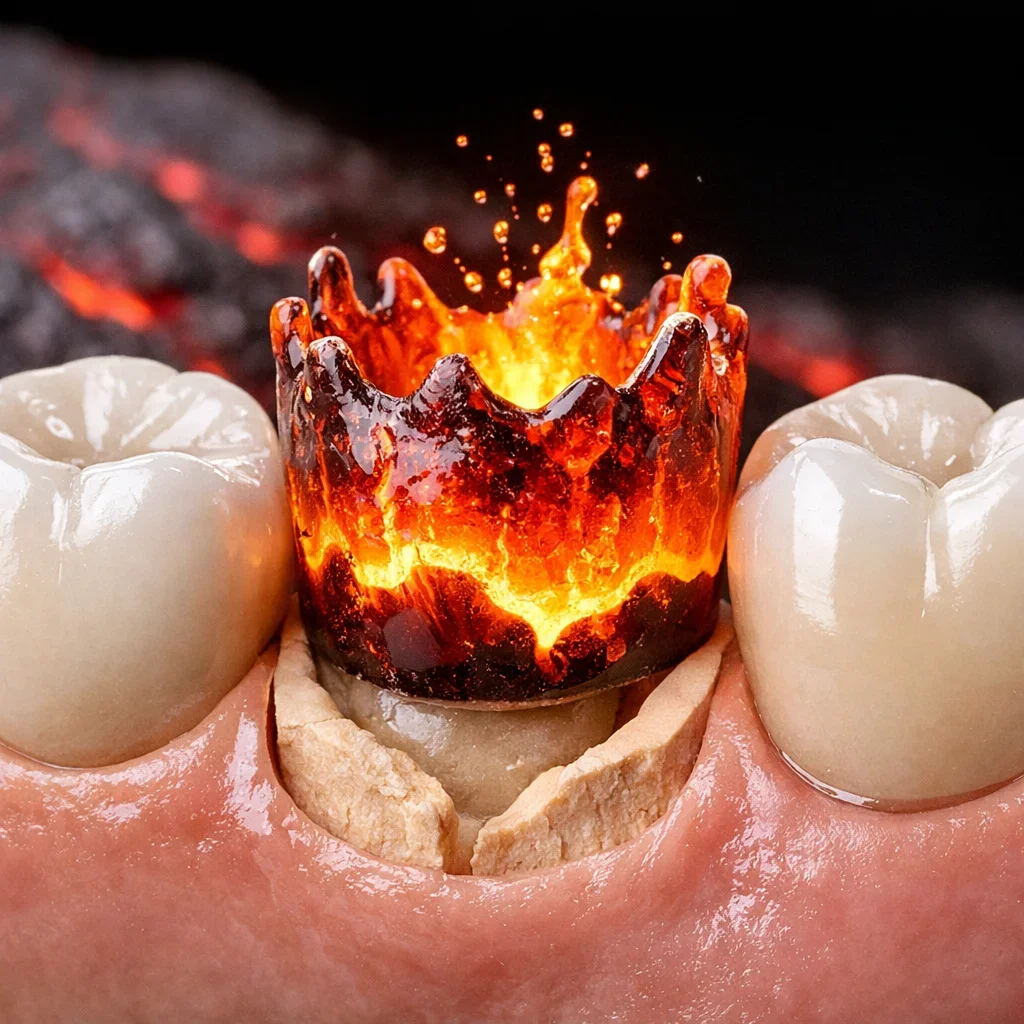
Possible Risks or Limitations of Lava Crowns You Should Know
Although lava crowns are widely considered one of the most advanced and reliable dental restorations available today, it is important for patients to understand that every dental treatment has potential risks or limitations. Dentists recommend lava crowns because they provide exceptional durability, natural aesthetics, and excellent biocompatibility. However, as with any restorative procedure, certain factors may influence how successful lava crowns will be for an individual patient. Understanding these potential limitations allows patients to make informed decisions and maintain realistic expectations about their treatment outcomes. 🦷
Most patients experience excellent results with lava crowns, particularly when the crowns are placed by experienced dental professionals and supported by good oral hygiene habits. Still, knowing the possible risks and limitations associated with lava crowns helps ensure that patients are fully prepared for their restorative treatment journey.
Temporary Sensitivity After Placement
One of the most common temporary issues patients may experience after receiving lava crowns is mild tooth sensitivity. During the crown preparation process, a small portion of the natural enamel is removed to create space for the crown. This preparation can occasionally cause short-term sensitivity to hot or cold temperatures.
Fortunately, this sensitivity is usually temporary and resolves within a few days or weeks after placement. Dentists ensure that lava crowns are carefully bonded and sealed to minimize sensitivity and protect the underlying tooth structure.
Managing Sensitivity
Patients who experience temporary sensitivity after receiving lava crowns can often manage symptoms using desensitizing toothpaste or avoiding extremely hot or cold foods during the first few days. If discomfort persists longer than expected, the dentist can evaluate the crown to ensure that the bite alignment and cement seal remain optimal.
Risk of Crown Loosening
Although rare, lava crowns can occasionally become loose if the dental cement that holds them in place weakens over time. This may occur due to heavy biting forces, trauma to the tooth, or gradual wear of the bonding material.
If a patient notices that lava crowns feel loose or unstable, it is important to visit the dentist as soon as possible. In many cases, the crown can simply be re-cemented without requiring a complete replacement.
Importance of Regular Checkups
Routine dental checkups play a crucial role in monitoring the stability of lava crowns. During regular examinations, dentists inspect the crown margins and bonding strength to ensure that the restoration remains secure and functional.
Professional monitoring helps detect potential issues early, allowing dentists to make minor adjustments before complications develop.
Potential for Tooth Wear in Opposing Teeth
Because zirconia is extremely durable, some patients worry that lava crowns may cause wear on opposing teeth during chewing. While modern zirconia crowns are designed to minimize this risk, improper bite alignment can occasionally lead to increased pressure on adjacent or opposing teeth.
To prevent this issue, dentists carefully adjust the bite when placing lava crowns. Ensuring proper bite alignment helps distribute chewing forces evenly and reduces the risk of uneven wear.
Not Always Suitable for Every Case
Although lava crowns are suitable for many restorative situations, there are certain cases where alternative treatments may be recommended. For example, if a tooth is severely damaged below the gum line or lacks sufficient structure to support a crown, additional procedures may be necessary before placing lava crowns.
In such situations, dentists may recommend treatments such as dental implants, root canal therapy, or crown lengthening before proceeding with crown placement. A comprehensive dental evaluation helps determine whether lava crowns are the most appropriate solution for the patient’s condition.
Possible Gum Irritation
Although zirconia is highly biocompatible, some patients may experience mild gum irritation during the adjustment period after receiving lava crowns. This irritation is usually temporary and occurs as the gums adapt to the new restoration.
Maintaining good oral hygiene around lava crowns helps keep the gums healthy and prevents inflammation. Brushing and flossing around the crown margins ensures that plaque does not accumulate near the gum line.
Risk of Damage From Excessive Force
While lava crowns are extremely strong, they are not completely indestructible. Excessive force from habits such as chewing ice, biting hard objects, or severe teeth grinding can potentially damage any dental restoration.
Dentists often recommend protective measures such as night guards for patients who grind their teeth during sleep. These devices help reduce excessive pressure on both natural teeth and lava crowns, increasing the lifespan of the restoration.
Protecting Lava Crowns With Good Habits
Avoiding extremely hard foods and maintaining healthy dental habits helps ensure that lava crowns remain in excellent condition. Patients who follow dentist recommendations typically enjoy long-lasting results with minimal complications.
Trusted Dental Guidance
When evaluating dental restorations and understanding potential risks, patients should rely on credible sources of dental information. Organizations such as the
American Dental Association provide trusted guidance regarding dental treatments, oral health maintenance, and restorative procedures.
Educational resources from reputable organizations can help patients better understand how treatments like lava crowns work and what to expect during the restoration process.
Consulting Dental Professionals for Personalized Advice
Every patient’s dental condition is unique, which is why professional consultation is essential before receiving lava crowns. Experienced dentists evaluate oral health, bite alignment, and tooth structure to determine whether this restoration is the most suitable option.
Patients who want to explore treatment options or schedule a consultation for lava crowns can visit the
Redent Klinik Contact Page. Dental specialists can provide personalized recommendations based on individual oral health needs.
In conclusion, while lava crowns offer exceptional strength, aesthetics, and long-term reliability, understanding their possible risks and limitations allows patients to approach treatment with realistic expectations. With proper placement, professional monitoring, and good oral hygiene, lava crowns remain one of the most dependable restorative solutions available in modern dentistry.